


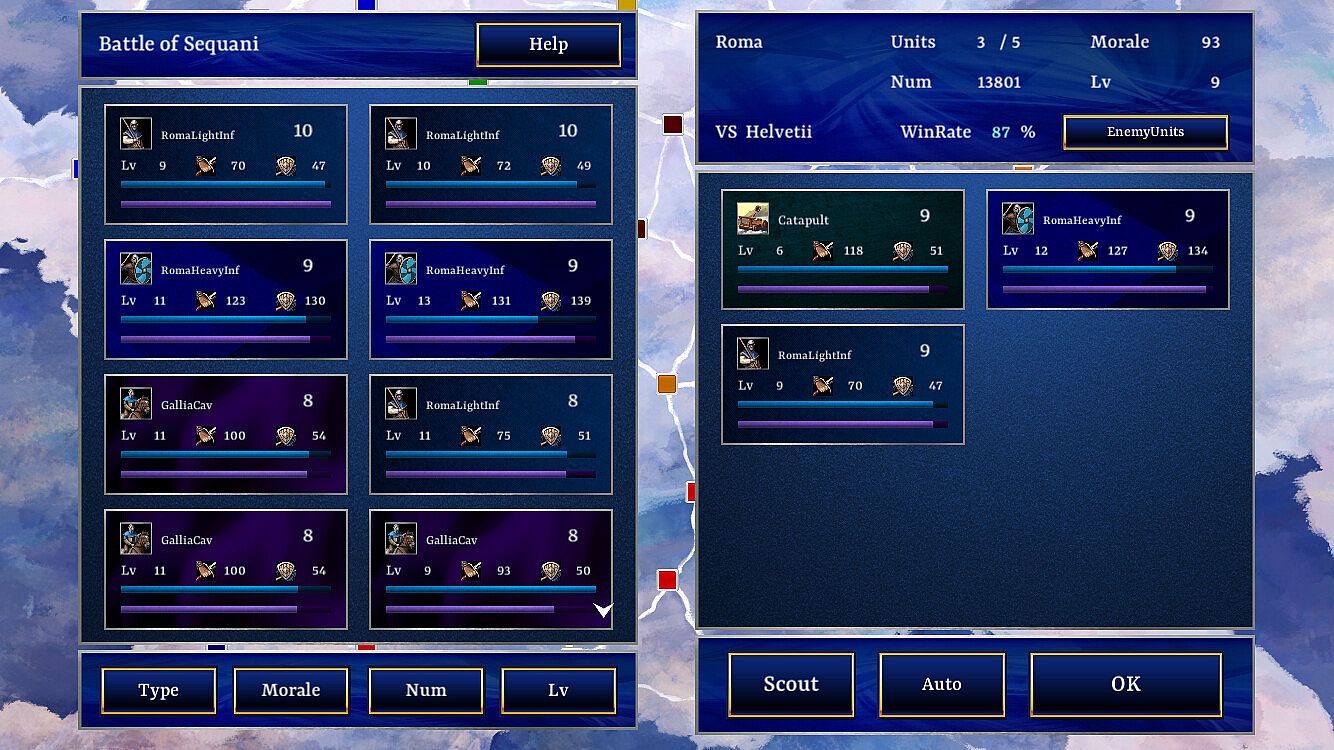
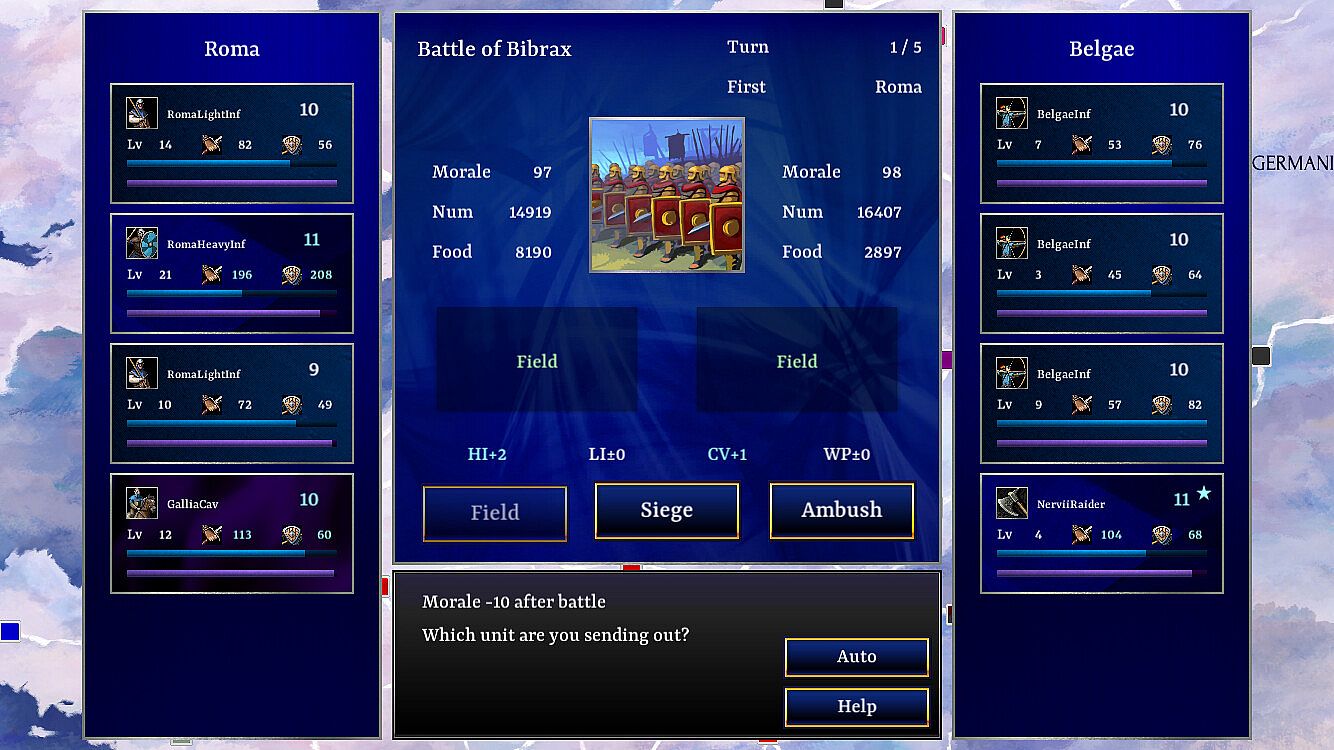
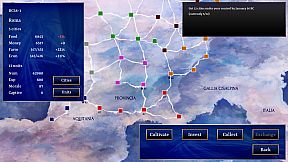
Gallic Wars: Violens Annalis is a turn-based strategy game that transports players to ancient Gaul in 58 B.C., where they step into the role of managing Roman forces under Gaius Julius Caesar. This indie simulation combines historical elements with straightforward mechanics, focusing on ambition and conquest in a chapter-driven narrative. As a PC-exclusive title, it appeals to those interested in strategy without overwhelming complexity, blending simulation aspects with indie charm.
Gameplay
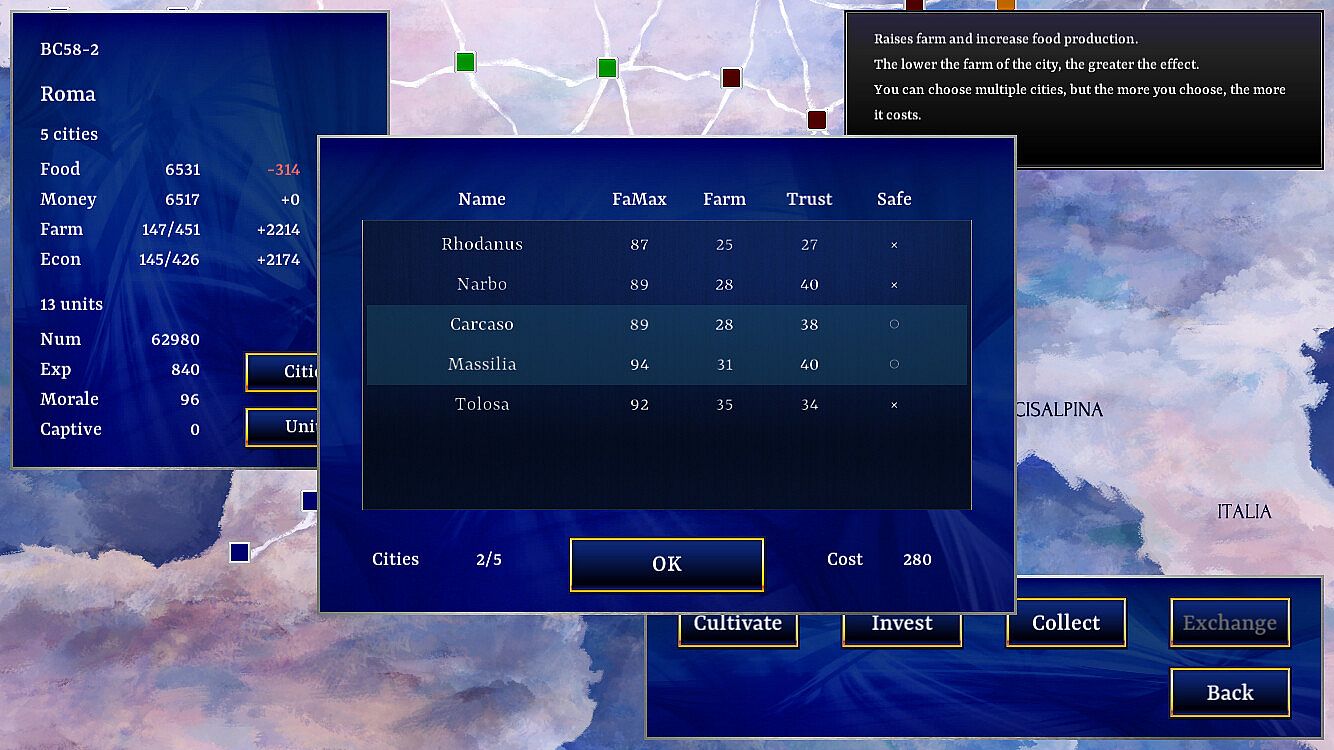
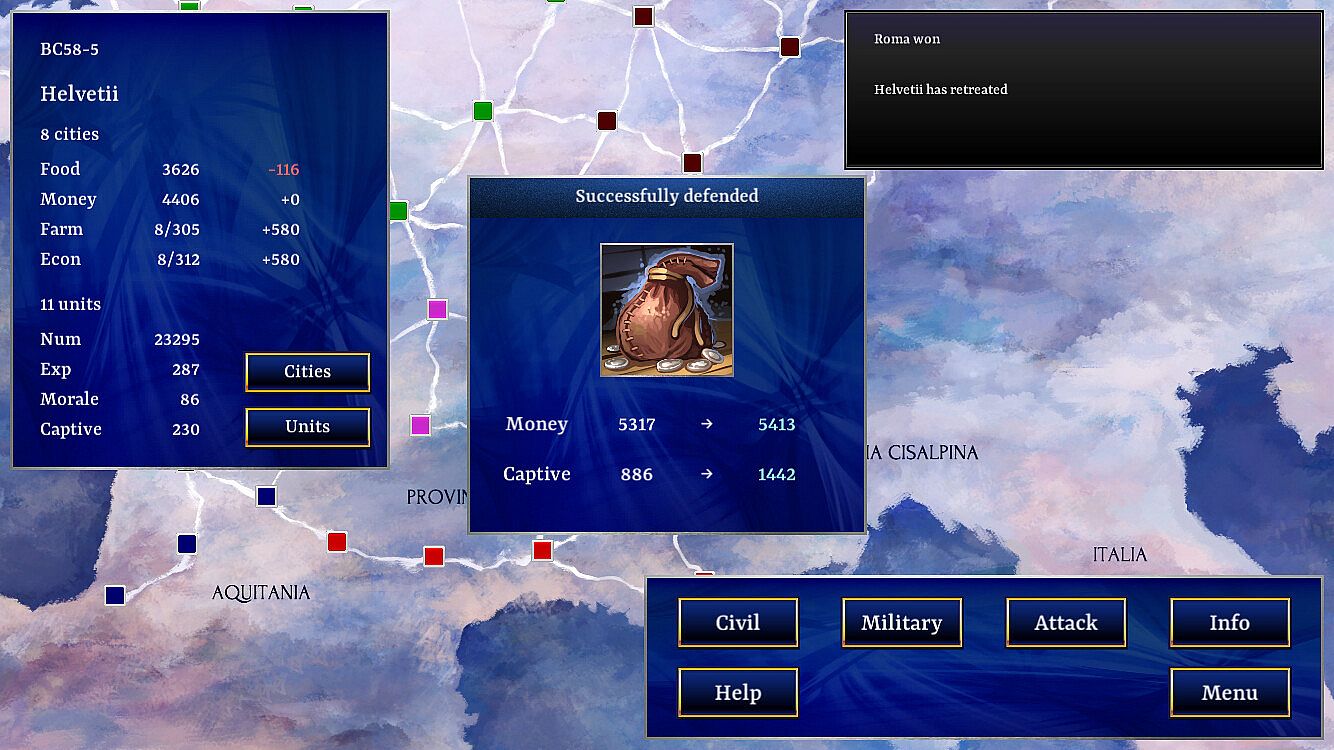
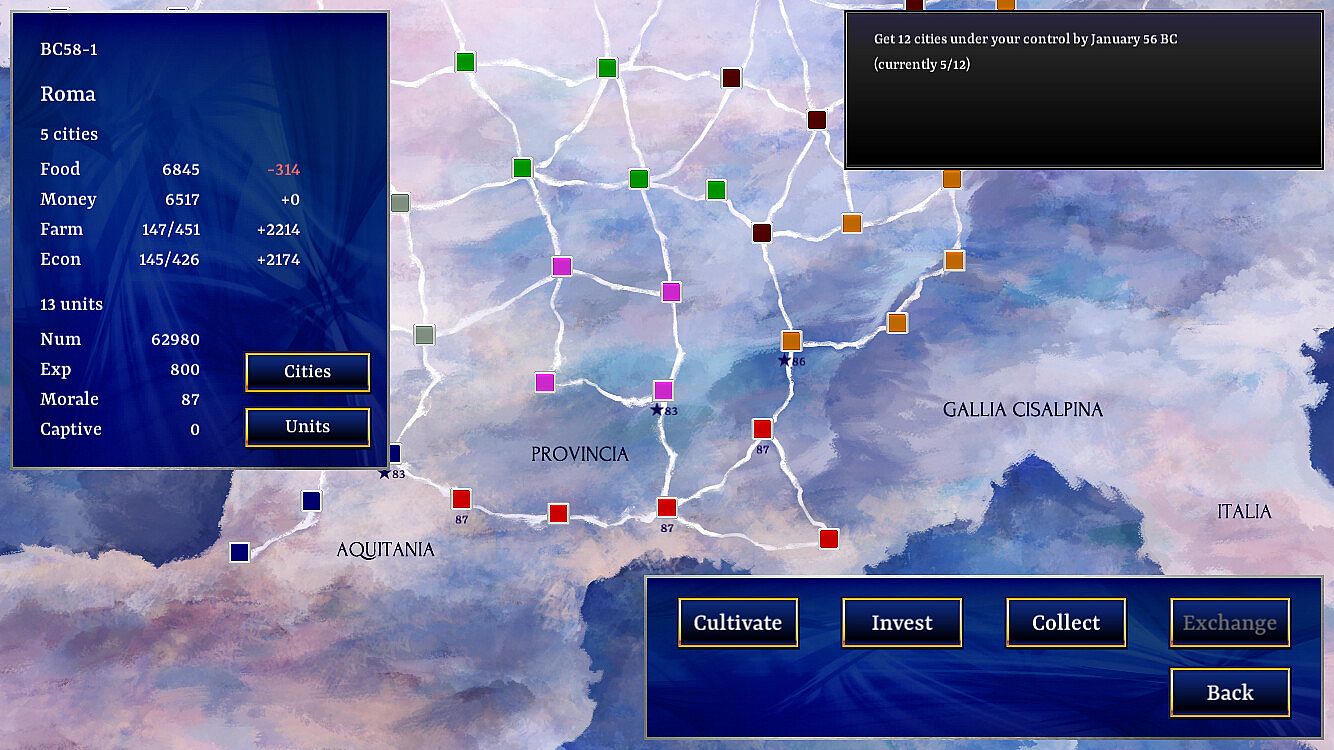
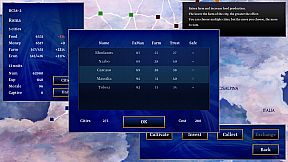
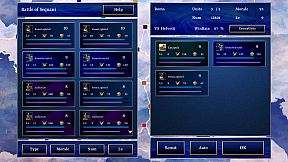
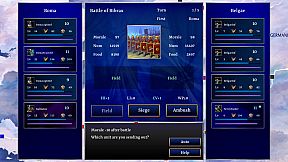
The core of gameplay revolves around a simple command system where players issue one command per turn. This approach keeps decisions focused and accessible, making it straightforward for newcomers to grasp. Players advance through chapters by meeting specific goals, such as conquering territories or handling tribal interactions. Failure to achieve these objectives results in game over, which maintains tension and prevents the experience from dragging on. Mechanics emphasize strategic planning over intricate details, with turns building toward larger campaign progress.
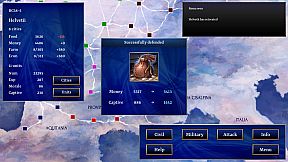
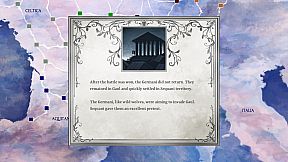
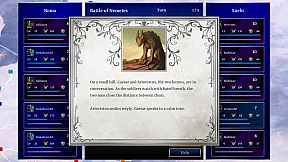
Sub-stories add variety, drawing from interactions with different tribes. These narratives unfold uniquely in each playthrough, influenced by player choices and random elements. The simulation side comes through in how tribal dynamics affect overall strategy, requiring players to balance military actions with story-driven events. While not deeply complex, this setup encourages replayability through differing outcomes.
Game Modes
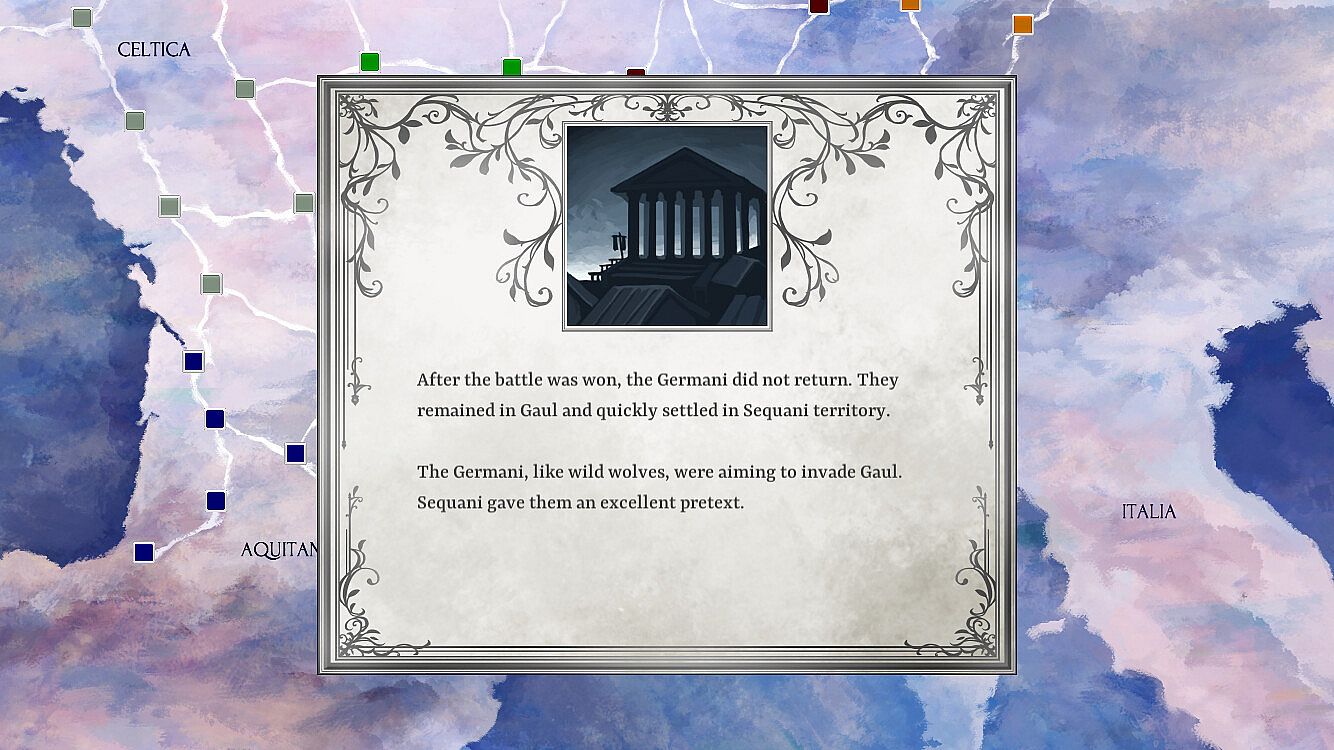
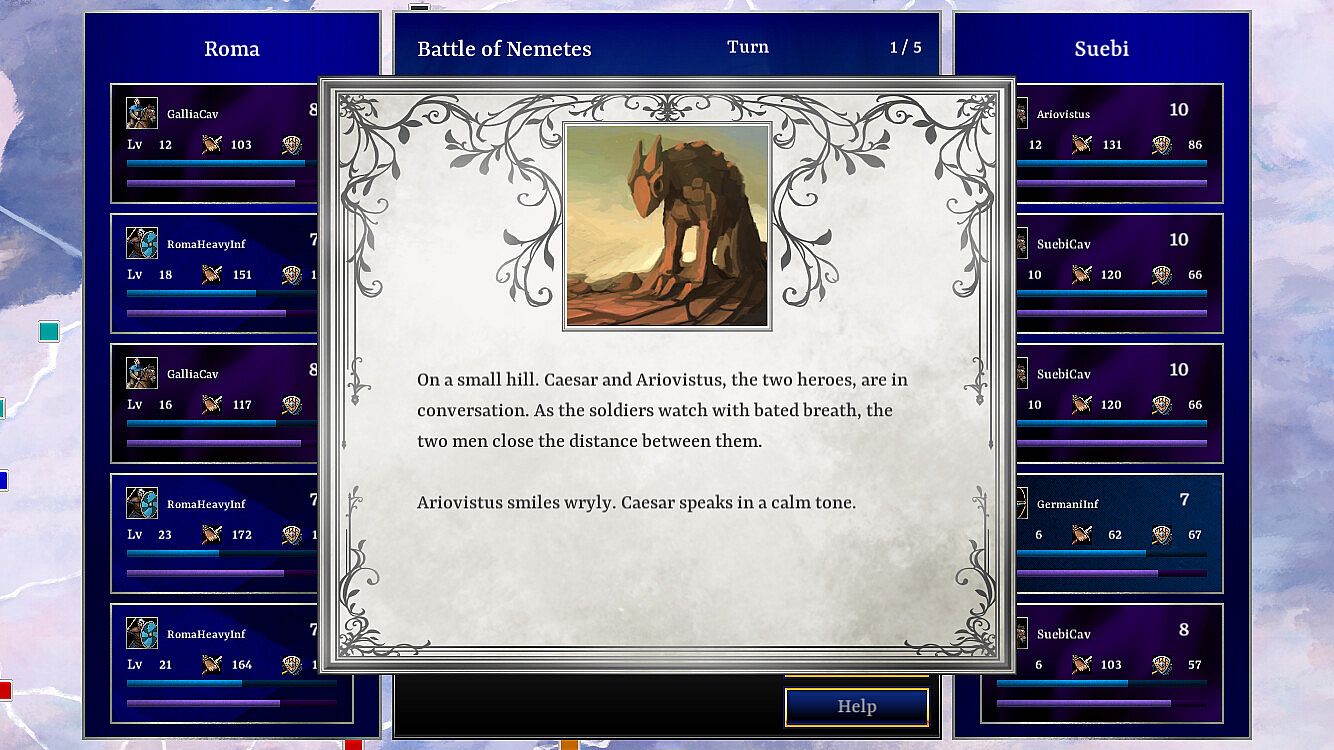
The game features a single-player campaign mode structured around chapters. Each chapter presents goals tied to the historical Gallic Wars, progressing the story of Caesar's conquests. Players engage with sub-stories from tribes like the Helvetii and Sequani early on, escalating to encounters with the Germani and Britanni later. This mode is the primary way to experience the game, with no multiplayer options available.
Story and Factions
Set against the backdrop of Roman expansion, the narrative follows Caesar's arrival in Gaul as a ambitious governor. Factions include Roman forces and opposing tribes such as the Helvetii, Sequani, Germani, and Britanni, each contributing unique sub-stories. These elements create a branching storyline that changes with every session, adding a layer of unpredictability to the strategy simulation.
Is It Worth Playing?
For fans of turn-based strategy with a historical twist, this game offers a light, engaging experience through its simple mechanics and variable narratives. It suits players who prefer concise sessions over elaborate simulations, especially those intrigued by Roman history. With mostly positive feedback from a small number of reviews-three positive and one negative-it holds appeal for indie strategy enthusiasts, though its niche scope might not satisfy those seeking deeper mechanics or ongoing updates. If quick, replayable campaigns sound ideal, it's a solid pick for PC gamers exploring ancient warfare themes.