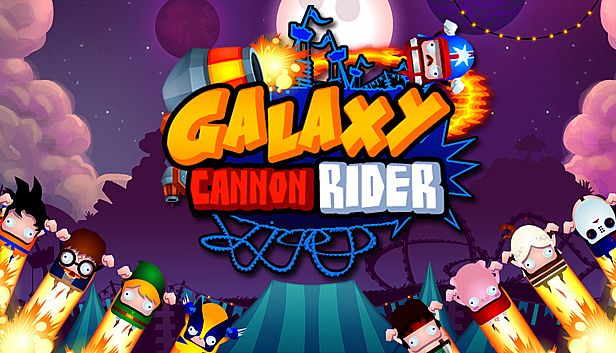













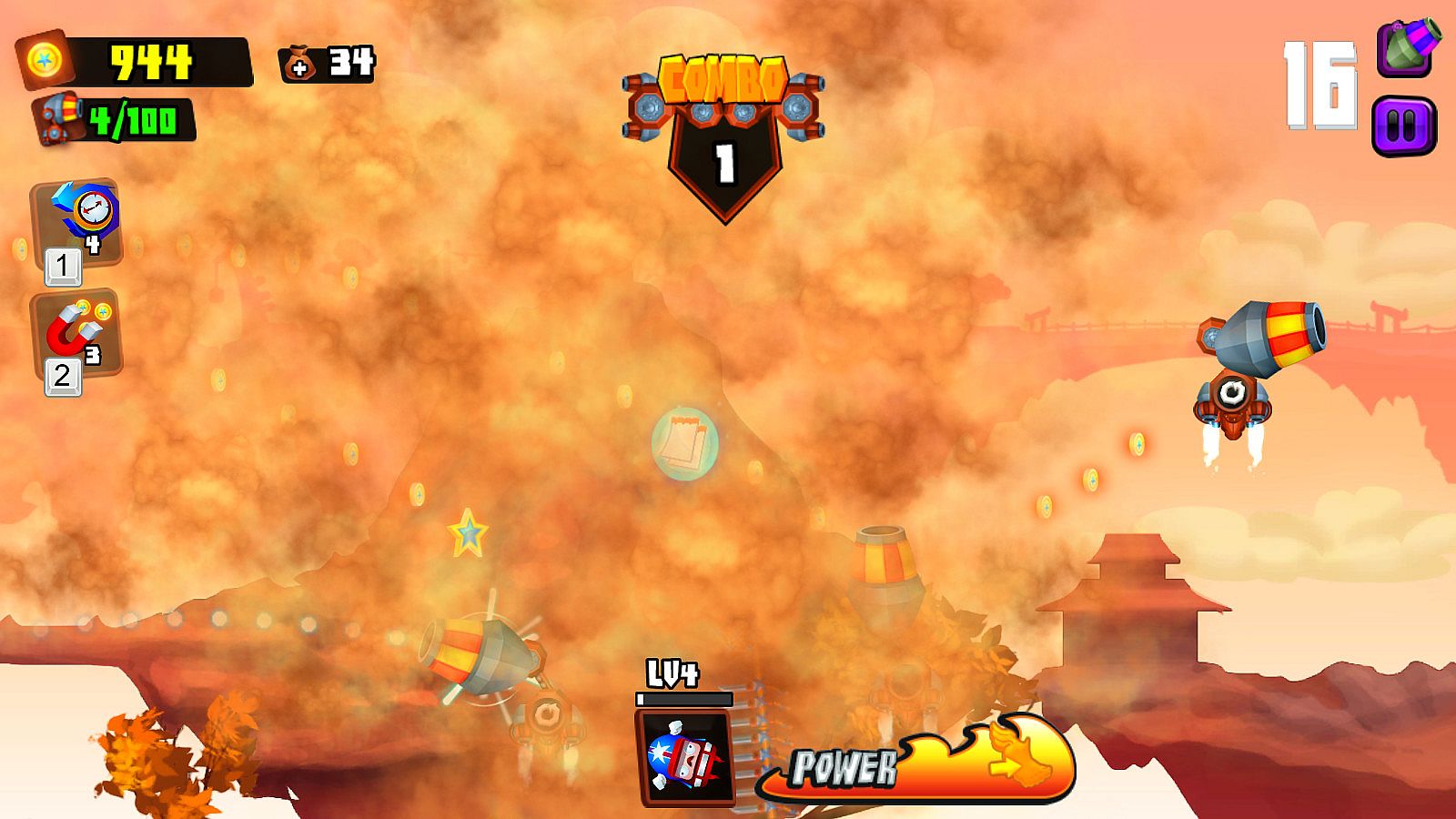
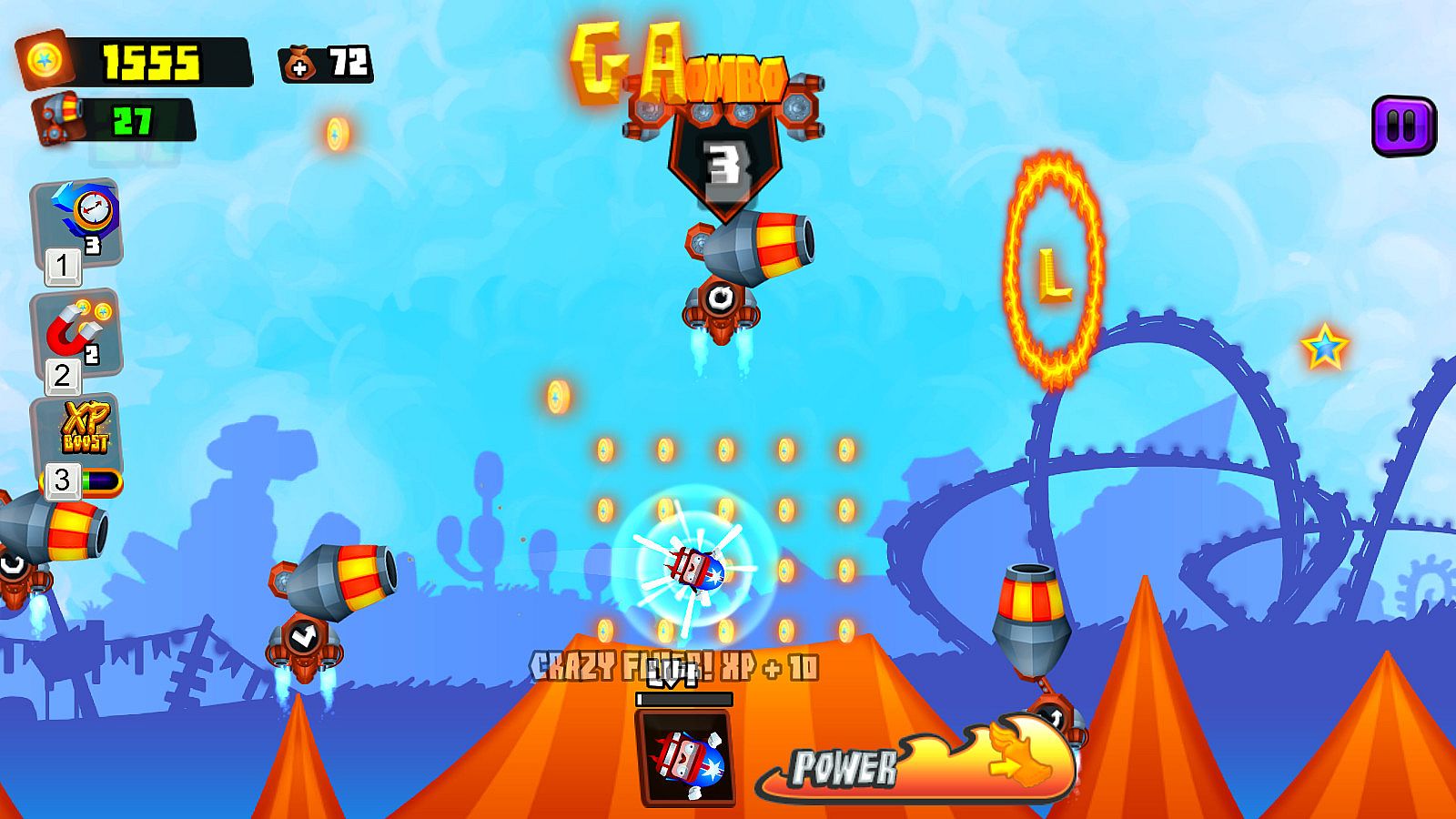


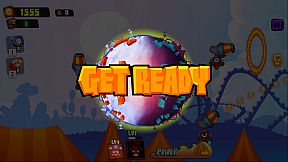
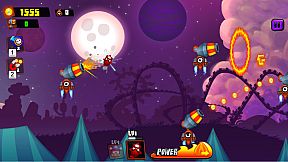
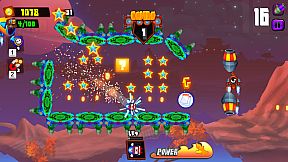
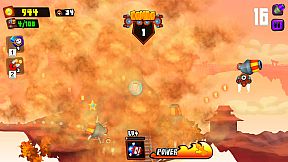
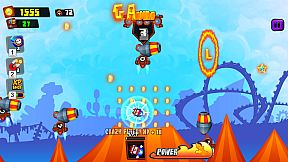
Galaxy Cannon Rider is a casual action indie title built around precise physics and character collection. Players guide heroes through obstacle-filled stages set across multiple planetary environments, timing jumps between moving platforms and launchers to progress while gathering resources.
Gameplay
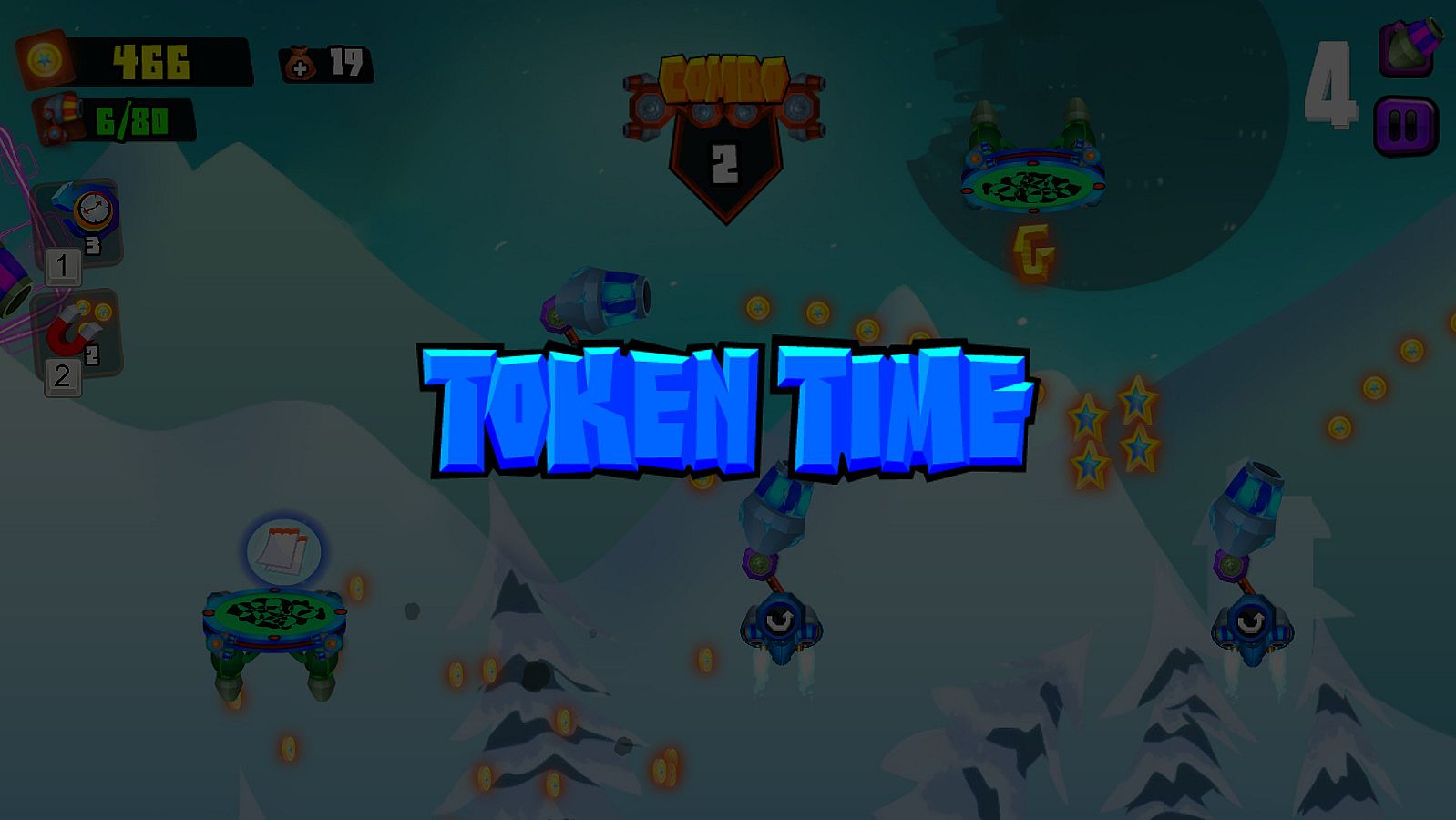
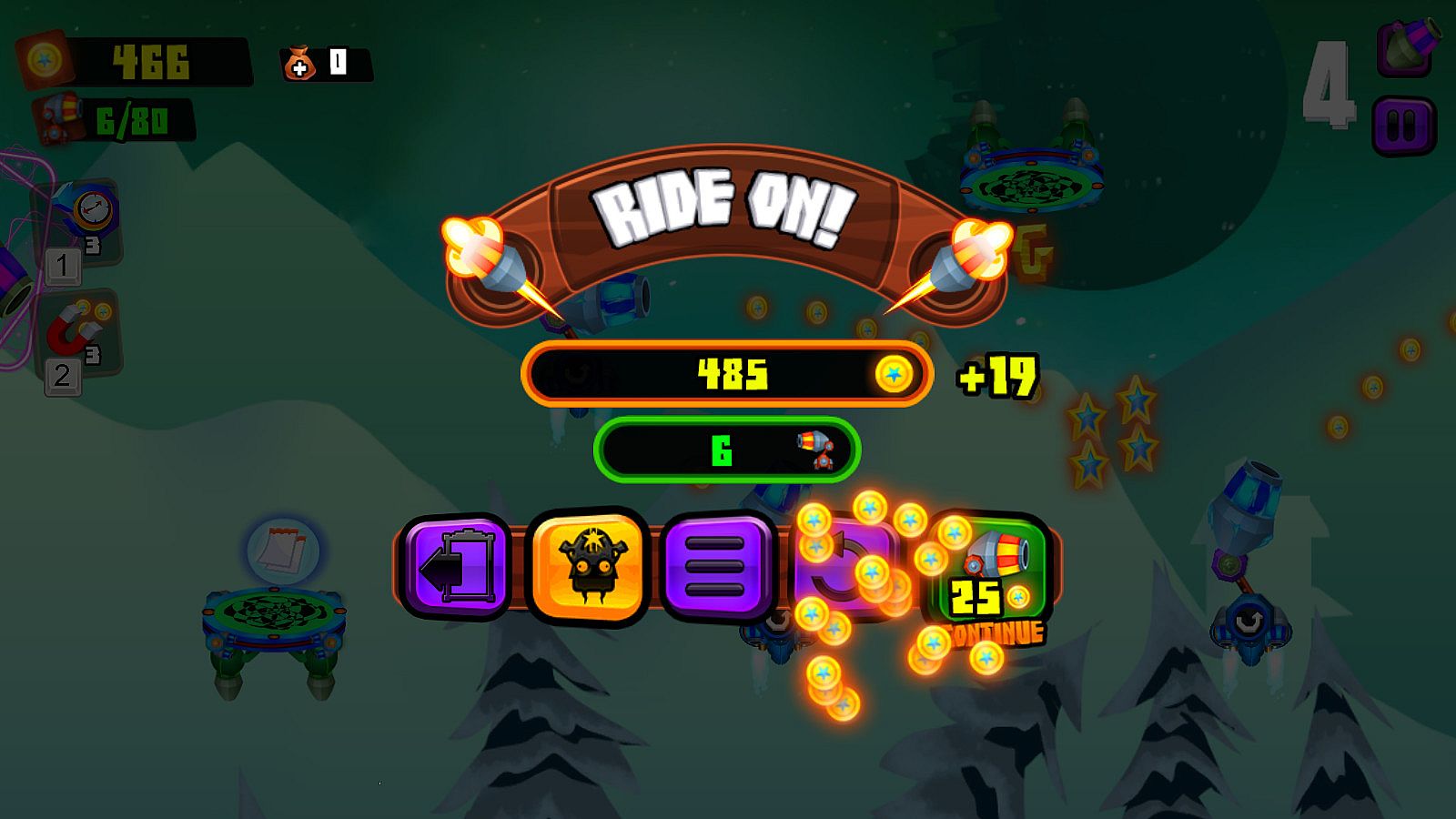
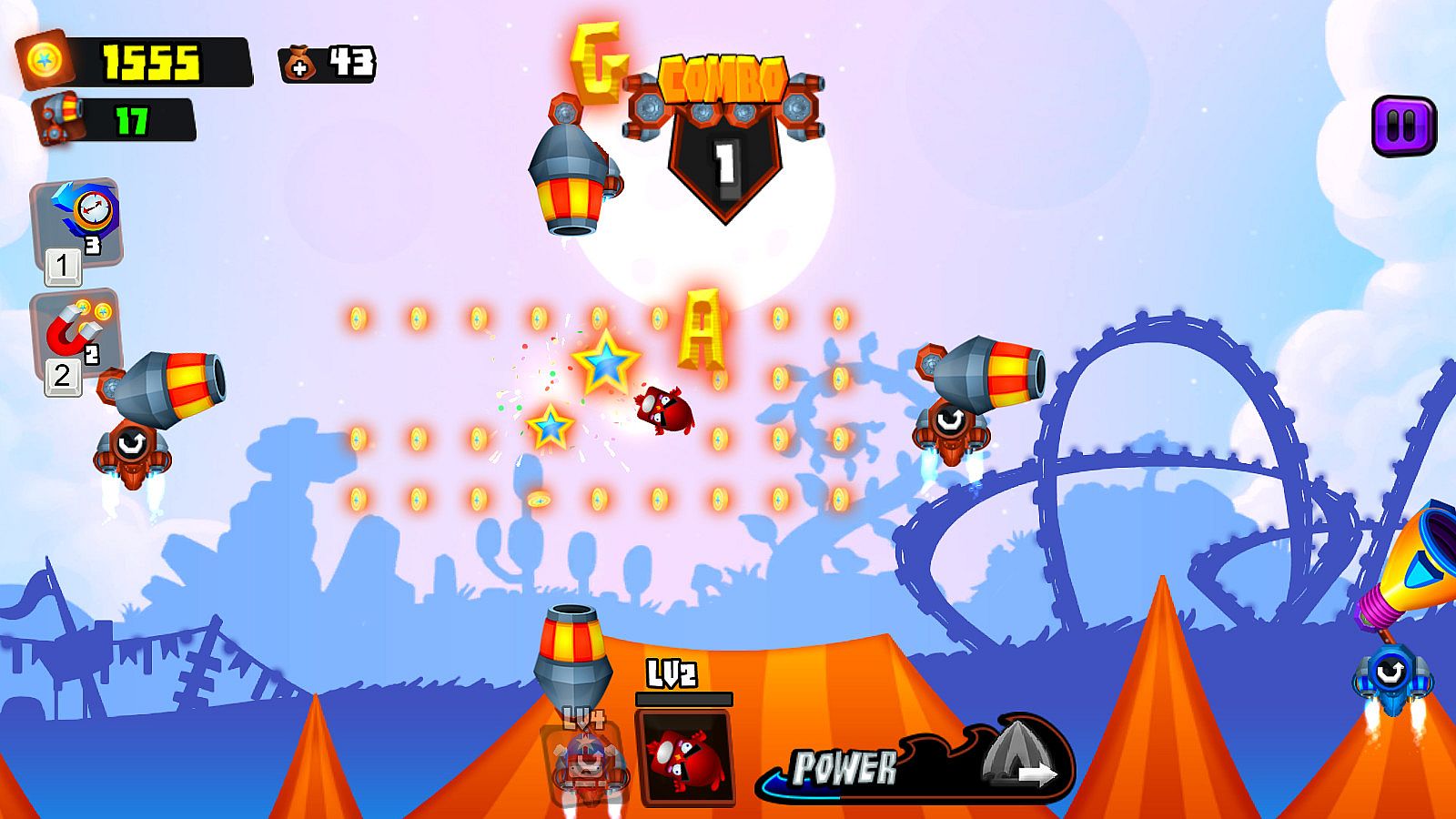
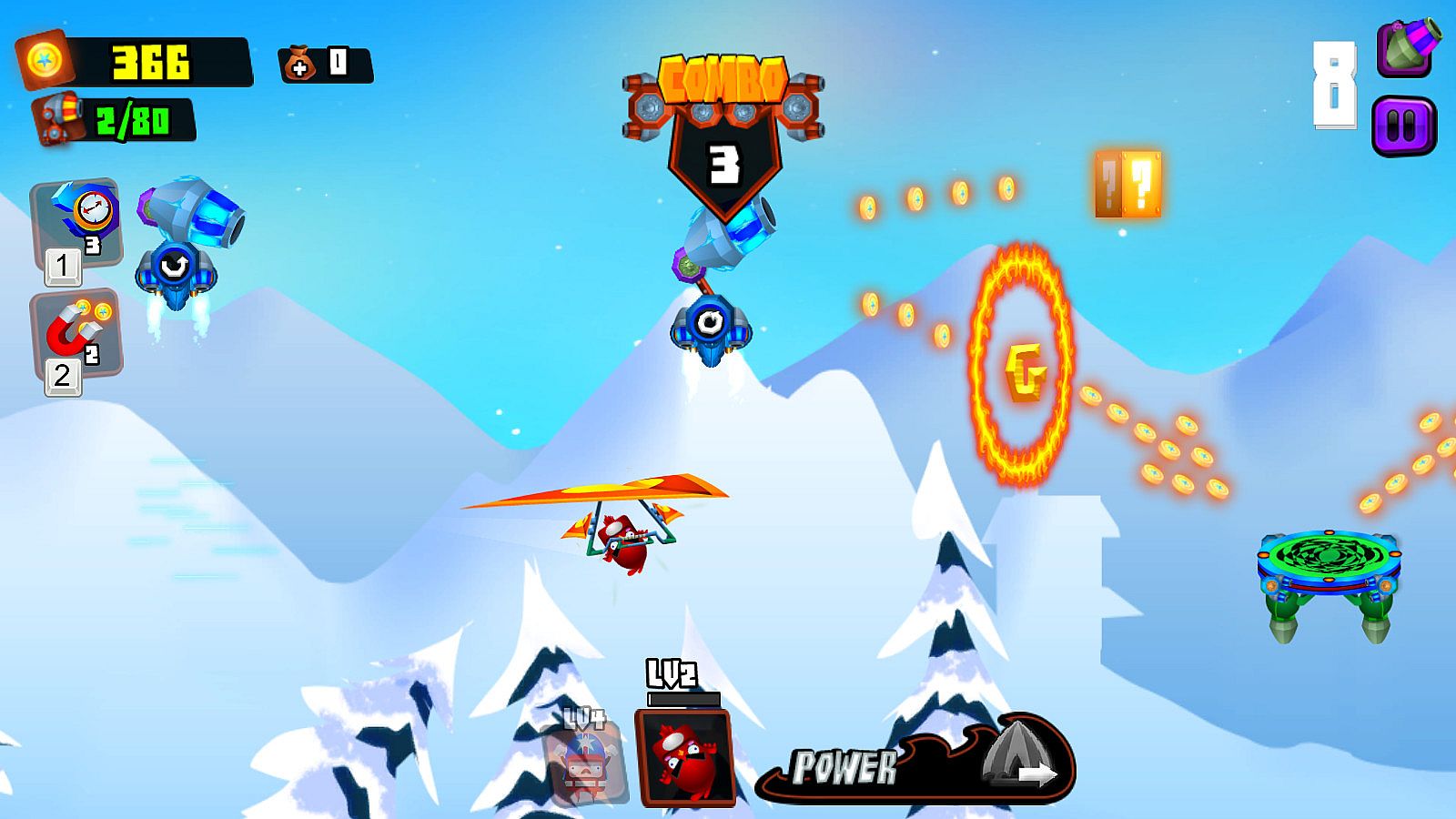
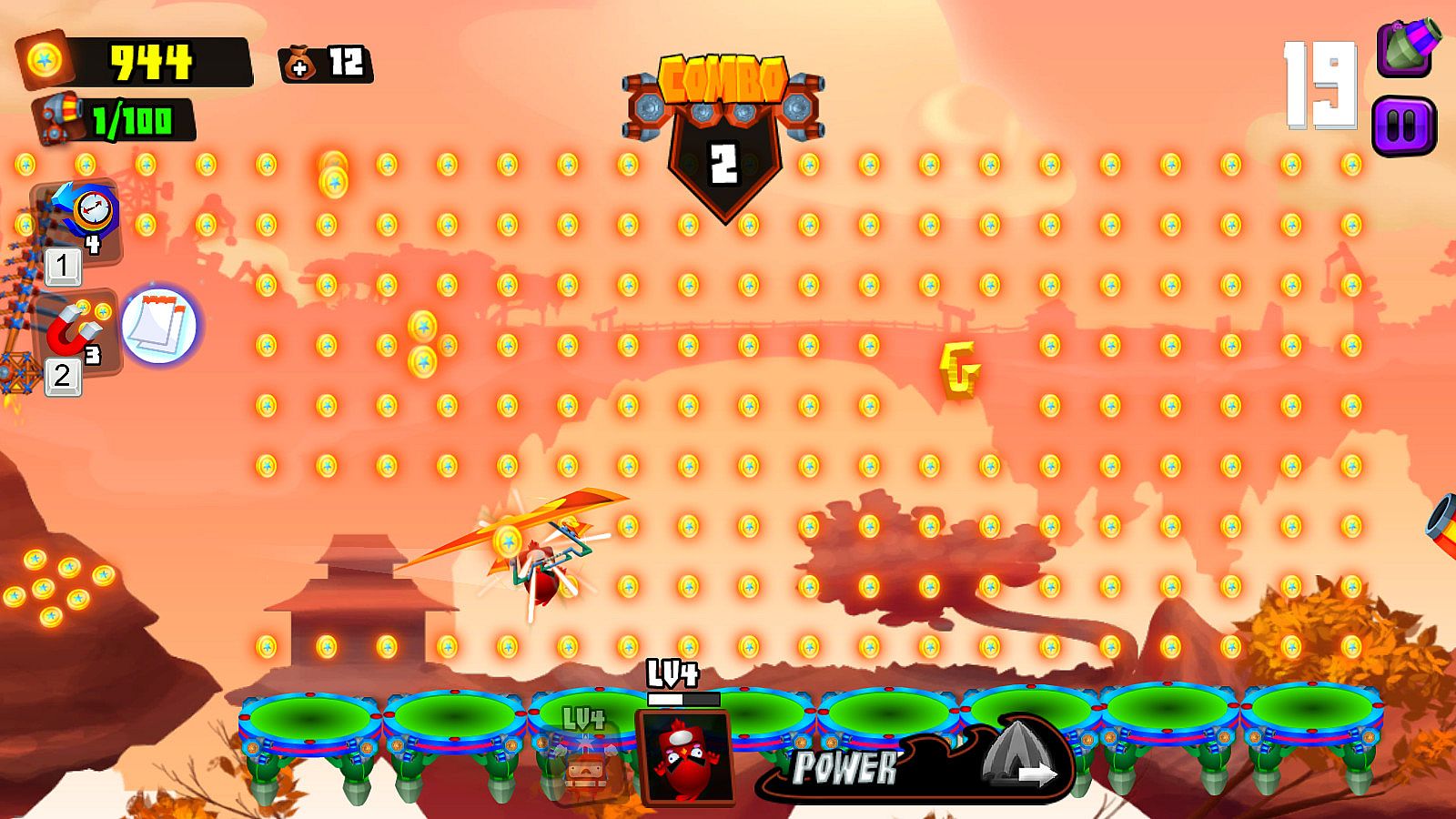
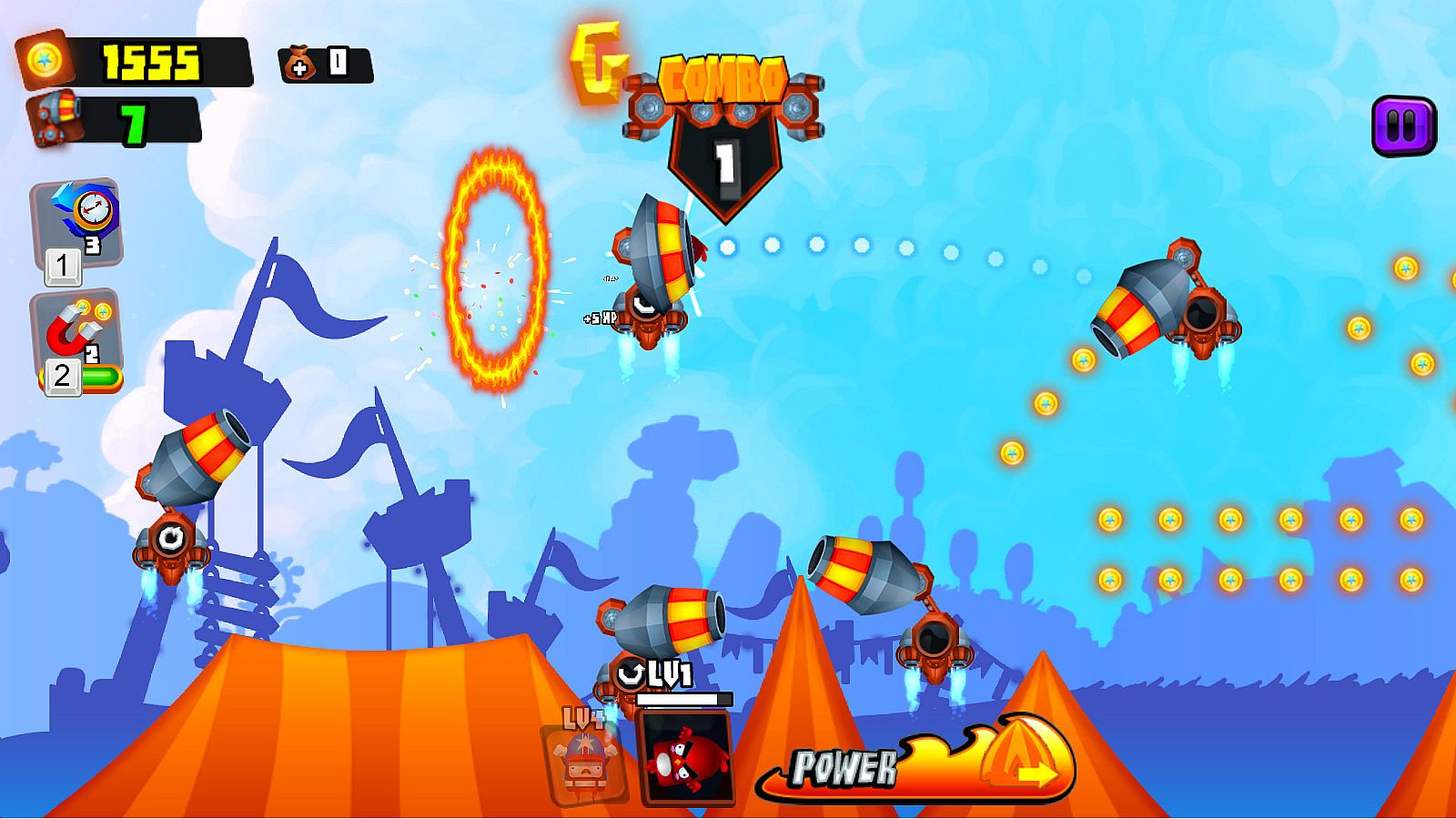
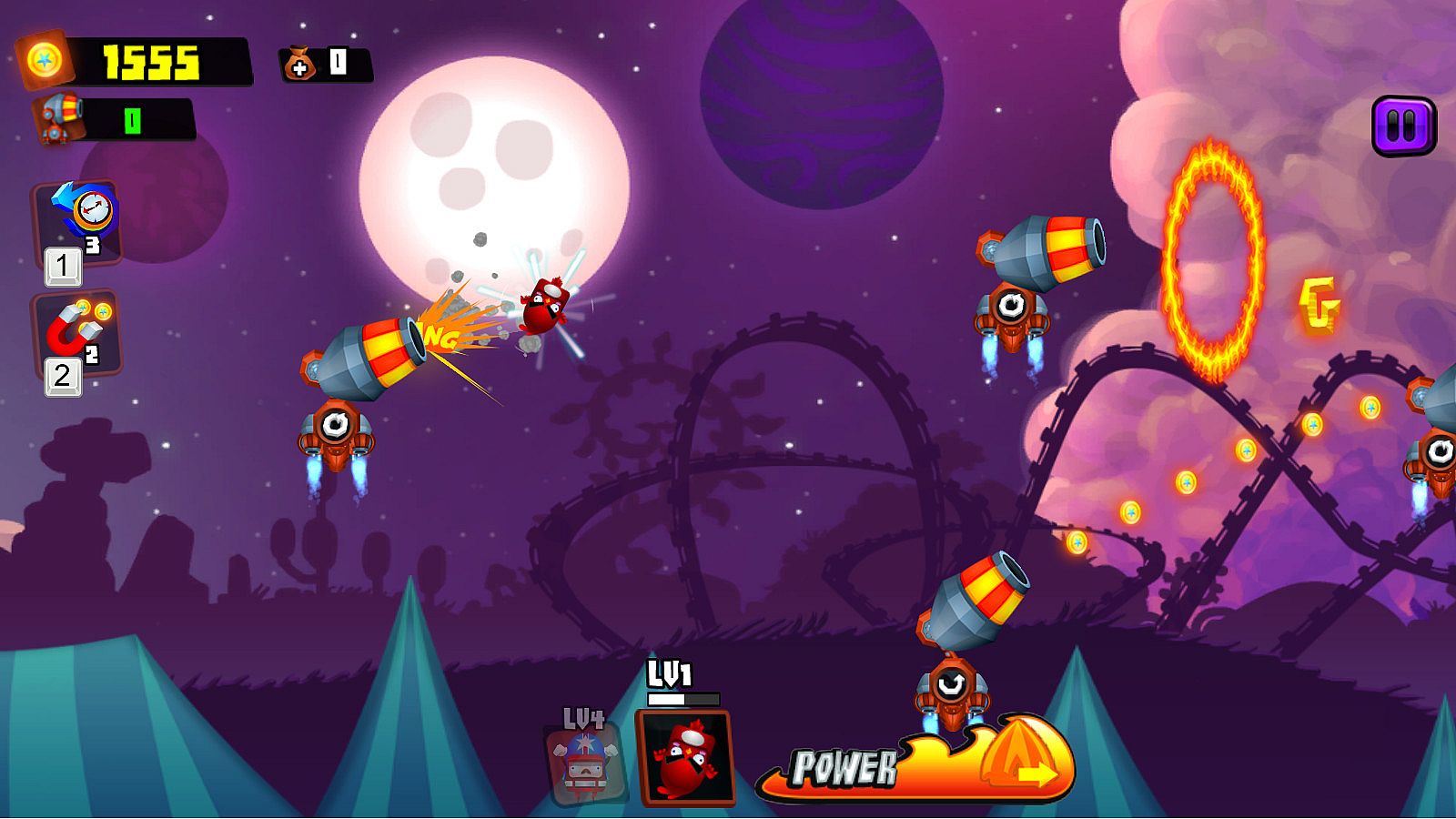
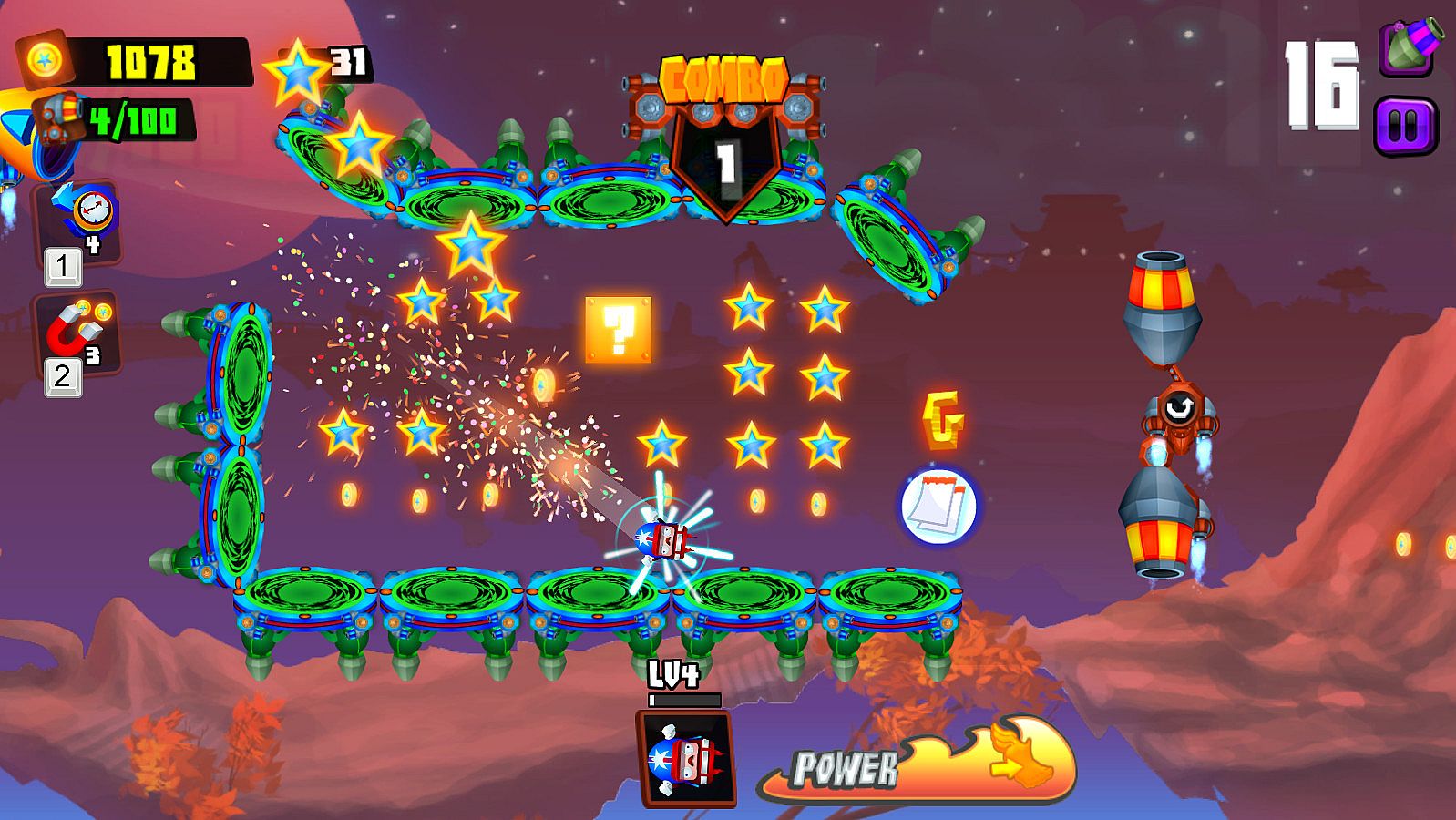
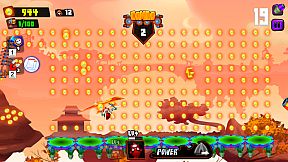
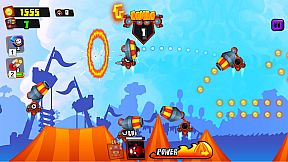
The core loop centers on launching from one obstacle to the next using momentum and timing. Heroes travel between cannons, trampolines, pillars, and additional hazards that require careful positioning to maintain forward momentum. Each successful sequence rewards coins, stars, tickets, and other collectibles that fuel further progress.
Recruitment forms a major progression layer. Over fifty heroes are available, each equipped with a unique ability such as balloon inflation for extra lift or teleportation for repositioning. These powers alter jump trajectories and open new paths through stages. Coins earned during runs purchase additional heroes from an in-game store, expanding the roster and encouraging repeated play to test different ability combinations.
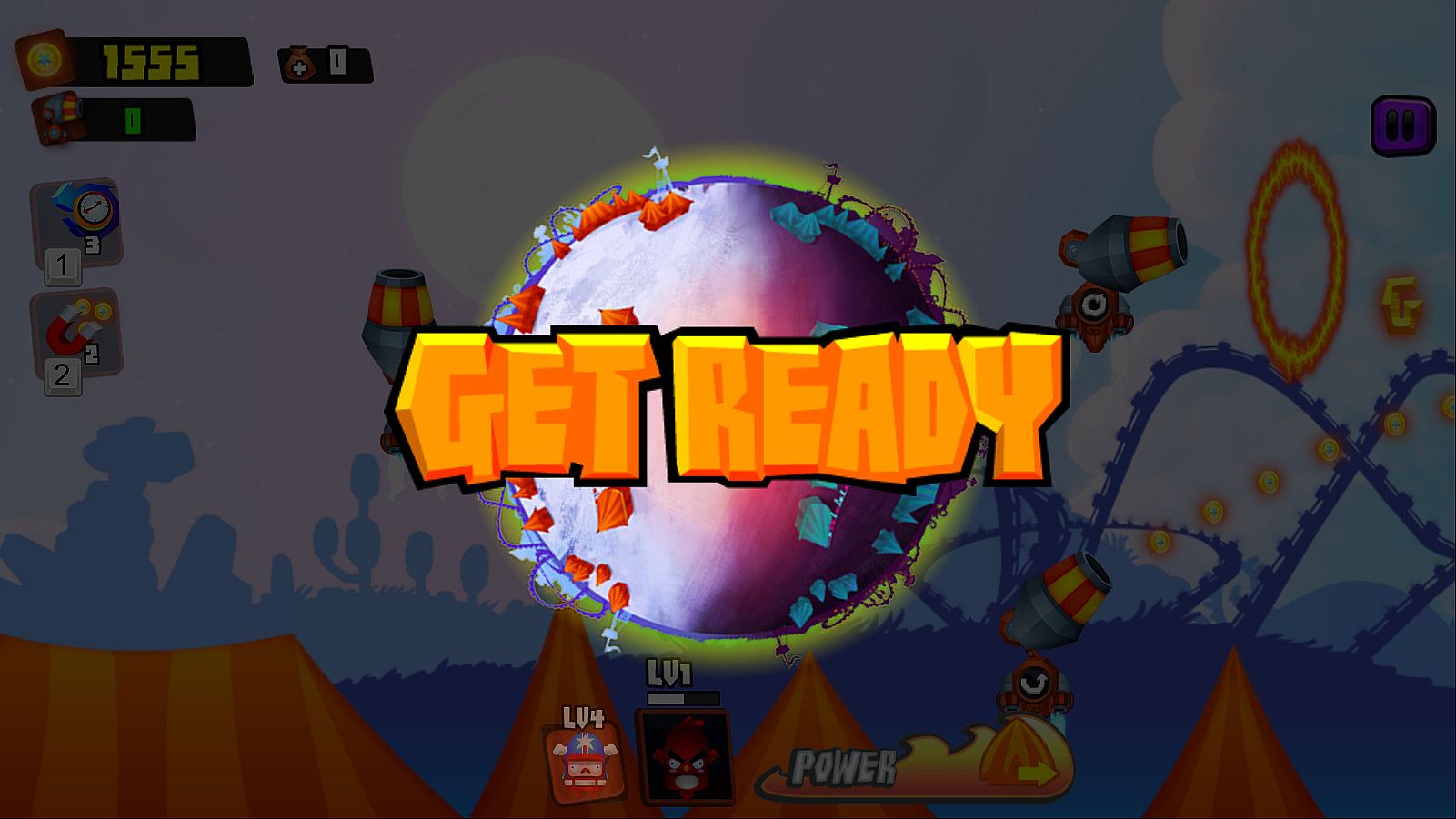
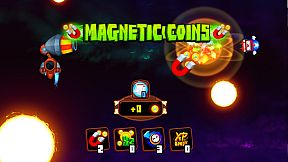
Power-ups scattered throughout levels extend jump distance or provide temporary advantages. Objectives appear in each stage, directing players toward specific targets or collection goals that grant bonus rewards upon completion. Seven distinct worlds offer varied visual themes and obstacle layouts, each with its own environmental feel that influences how abilities interact with the physics.
Game Modes
The experience remains single-player focused, structured around level-based progression across the seven worlds. Players advance by completing runs, meeting objectives, and unlocking new areas through accumulated resources. No separate competitive or cooperative formats appear in the design.
Within this framework, sessions emphasize experimentation with different heroes and their powers. Short runs allow quick attempts at high scores or full clears, while longer sessions focus on systematic collection and world unlocking. The physics system rewards precision and adaptation rather than complex strategy or team coordination.
Hero Abilities and Progression
Each of the fifty-plus heroes brings a distinct power that changes how stages can be approached. Balloon-equipped characters gain vertical options, while teleporters enable skipping sections or correcting misaligned jumps. This variety supports replayability as players return to earlier worlds with stronger or more specialized team members.
Resource management ties directly into the loop. Coins serve as the primary currency for hero purchases, while stars and tickets contribute to additional rewards. Objectives provide structured goals that guide efficient play without restricting creative routing through the levels.
Is It Worth Playing?
Galaxy Cannon Rider suits players seeking short, repeatable sessions built on satisfying physics and light collection mechanics. Its simple controls and incremental progression make it accessible for casual play, while the hero roster adds depth for those who enjoy experimenting with ability combinations.
Reception on the platform shows mostly positive feedback from a modest number of reviews, with players noting its value for quick time-killing and addictive quality in short bursts. Some mention the core loop stays consistent without major evolution, which aligns with expectations for a focused indie physics title. The game remains available for purchase and supports the full feature set described, including all seven worlds and hero recruitment.
Those who appreciate precise jumping challenges and roster-building in a relaxed setting will find the most enjoyment. It delivers straightforward entertainment without requiring long commitments or complex systems.