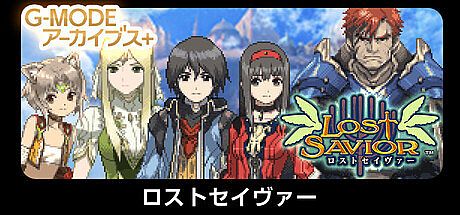


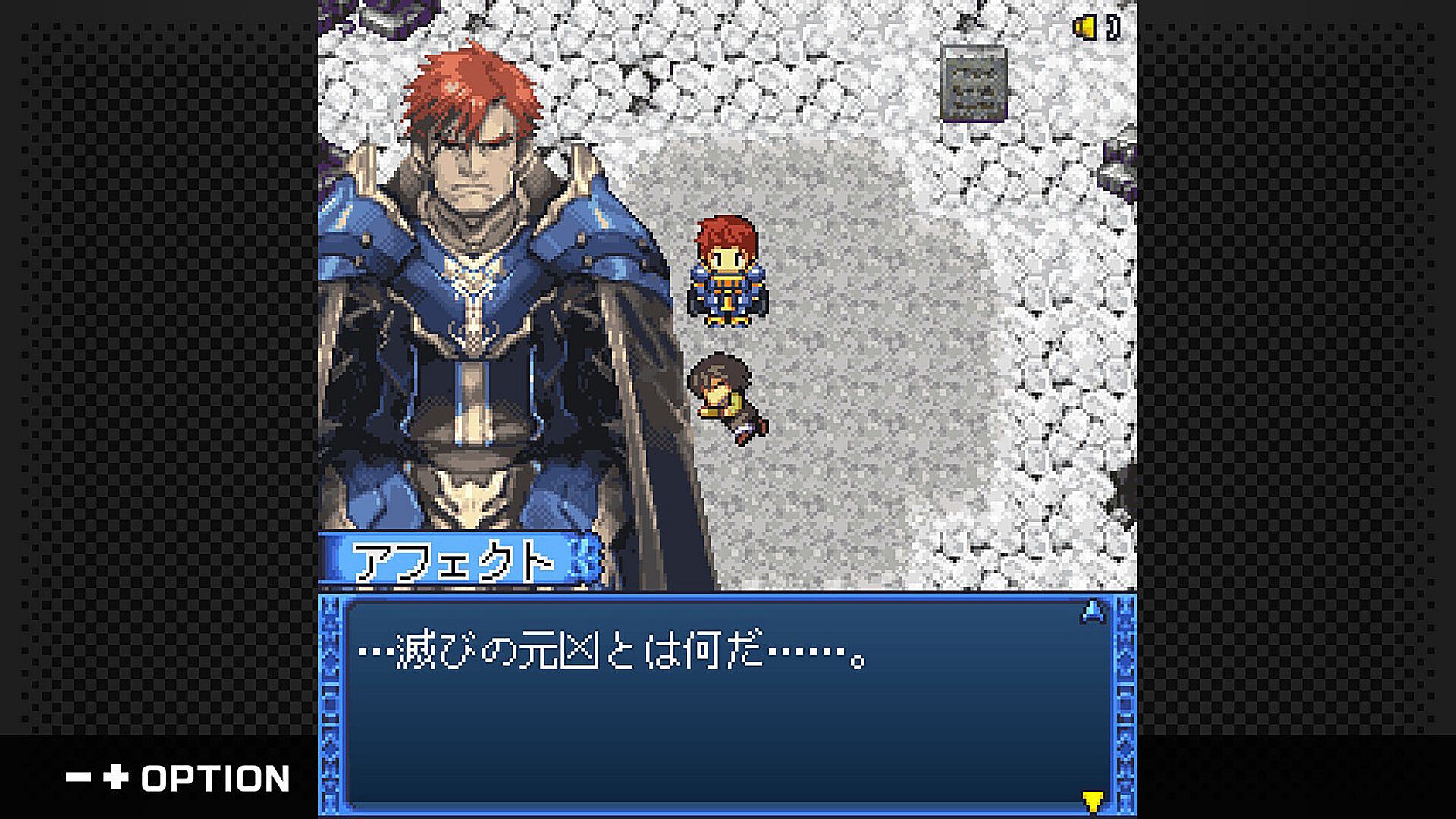
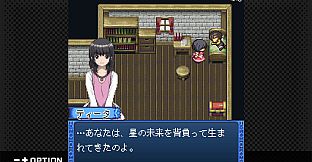
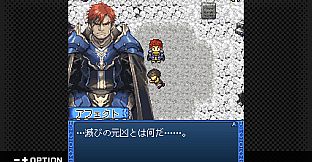
G-MODE Archives+ LOST SAVIOR is a role-playing game that brings a 2010 Japanese feature phone title to modern PC hardware through a faithful port. The experience centers on a single-player journey through a fantasy world threatened by catastrophe, with command-based combat and extensive character customization at its core.
Gameplay
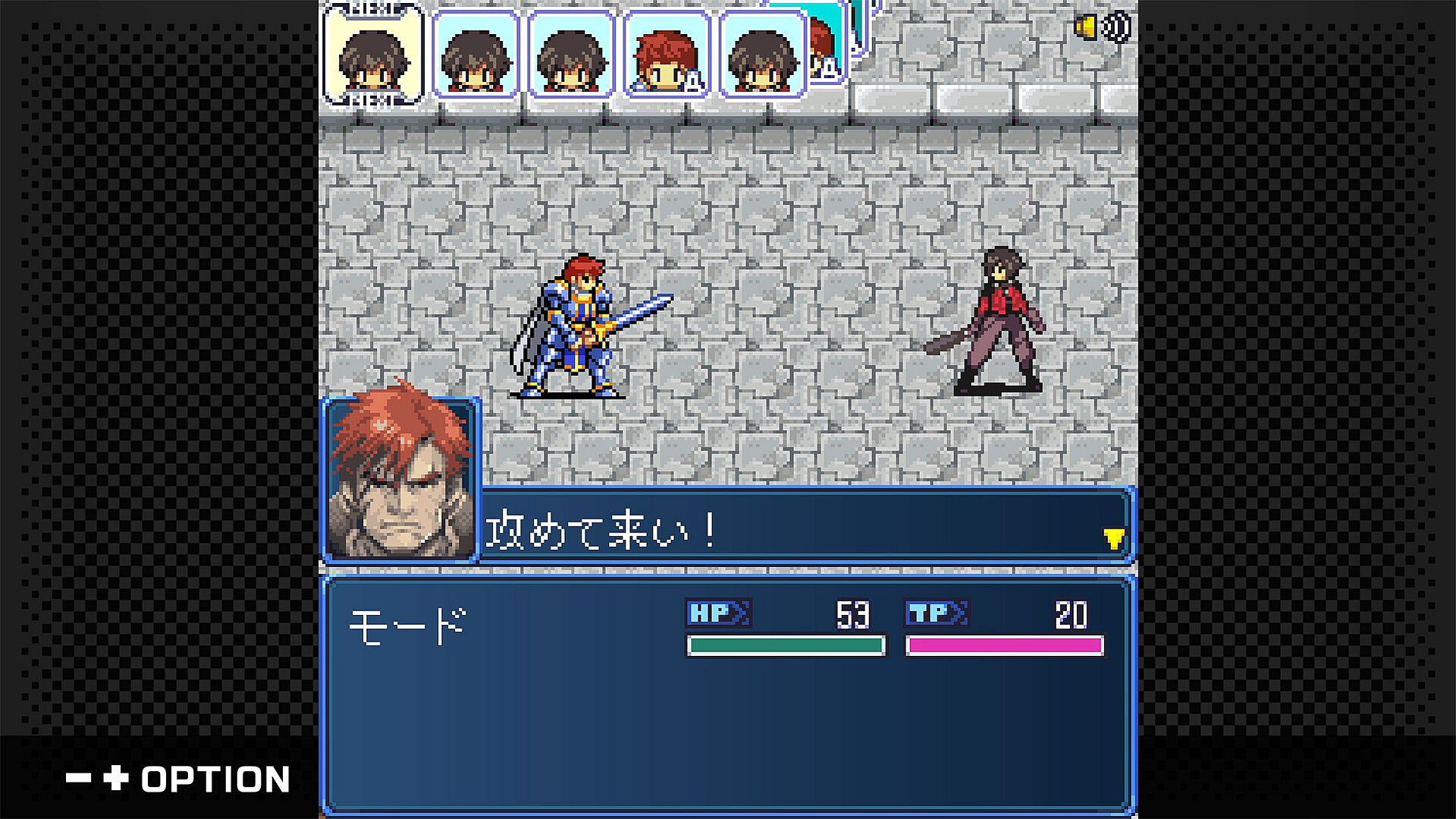
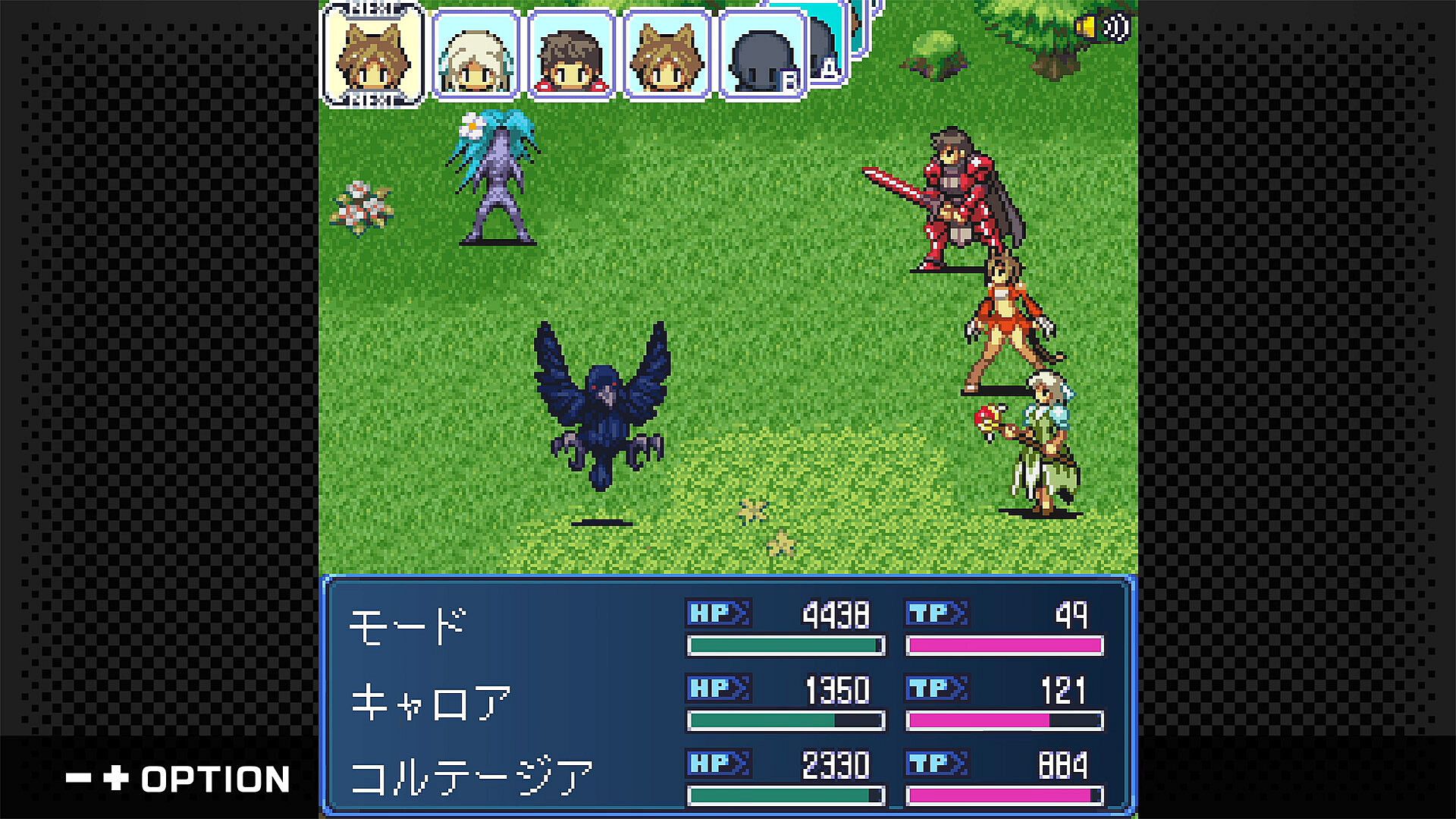
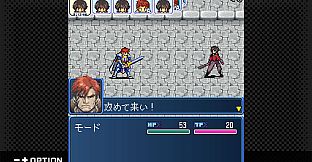
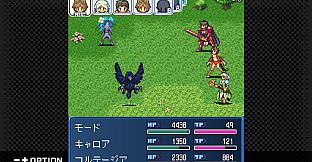
Combat follows traditional JRPG conventions with turn-based commands. Players select actions for a party of up to three characters, swapping members mid-battle to adapt to threats. Six elements shape combat effectiveness: Fire, Wind, Earth, Water, Dark, and Light. Job selection further influences difficulty and strategy, with options including Fencer, Scout, Mage, Cleric, Fighter, and Priest among a total of 19 classes. Skills carry over when changing jobs, allowing gradual character refinement.
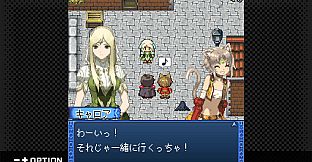
Exploration spans 25 countries and regions plus additional realms including the Demon Realm, Spirit Realm, and Divine Realm. Guild requests serve as side objectives that raise town levels and unlock further content. Item synthesis covers roughly 300 combinations drawn from a pool of 1,000 items, while more than 200 monster types populate encounters. The full campaign exceeds 60 hours for players who pursue completionist paths.
Game Modes
The primary experience consists of a linear story campaign focused on exploration and mission progression. Guild requests integrate into the main loop as repeatable tasks that advance town development and provide additional objectives. No separate competitive or cooperative modes exist, keeping the focus on solo progression through the narrative and world map.
Story and Setting
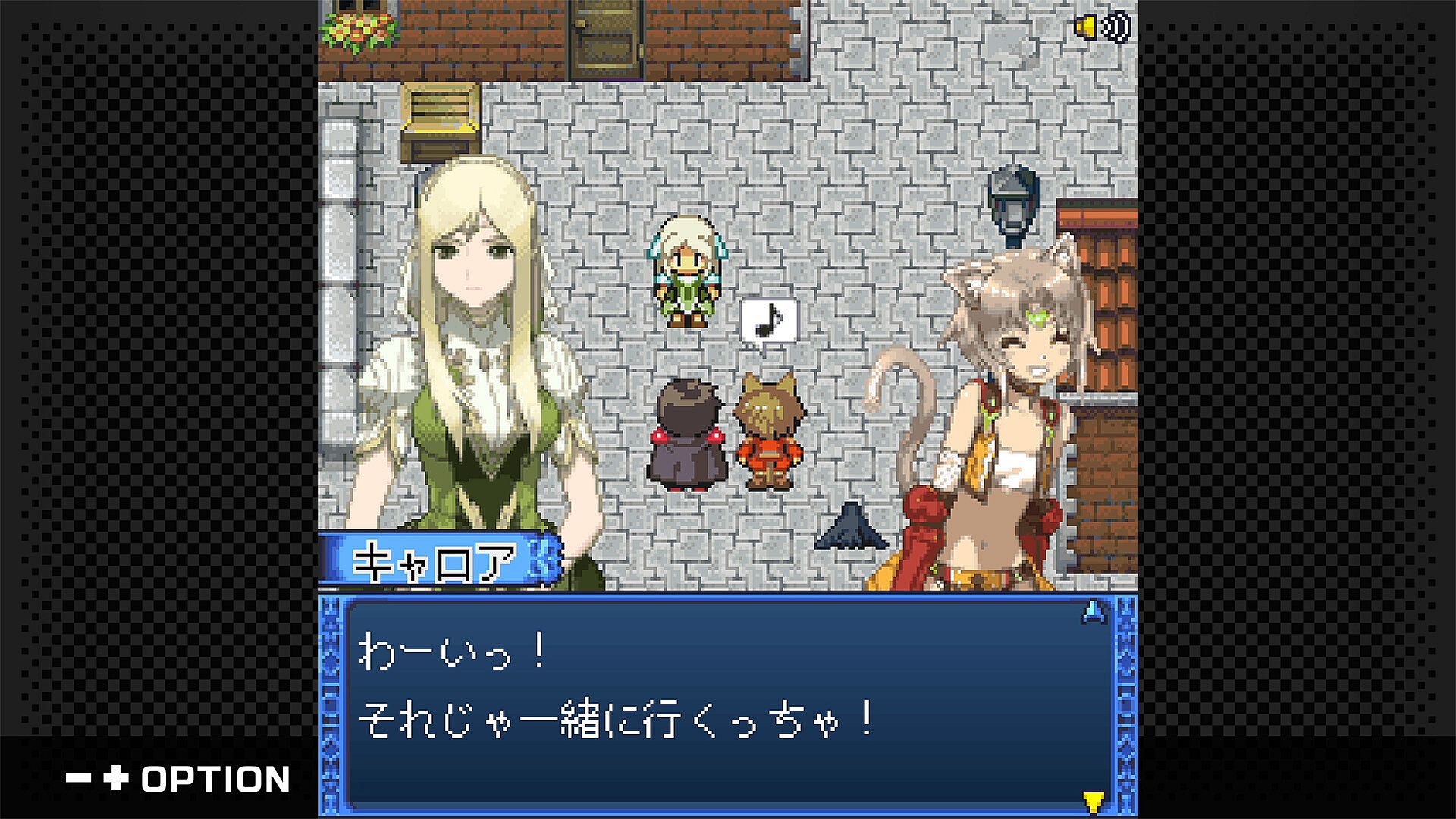
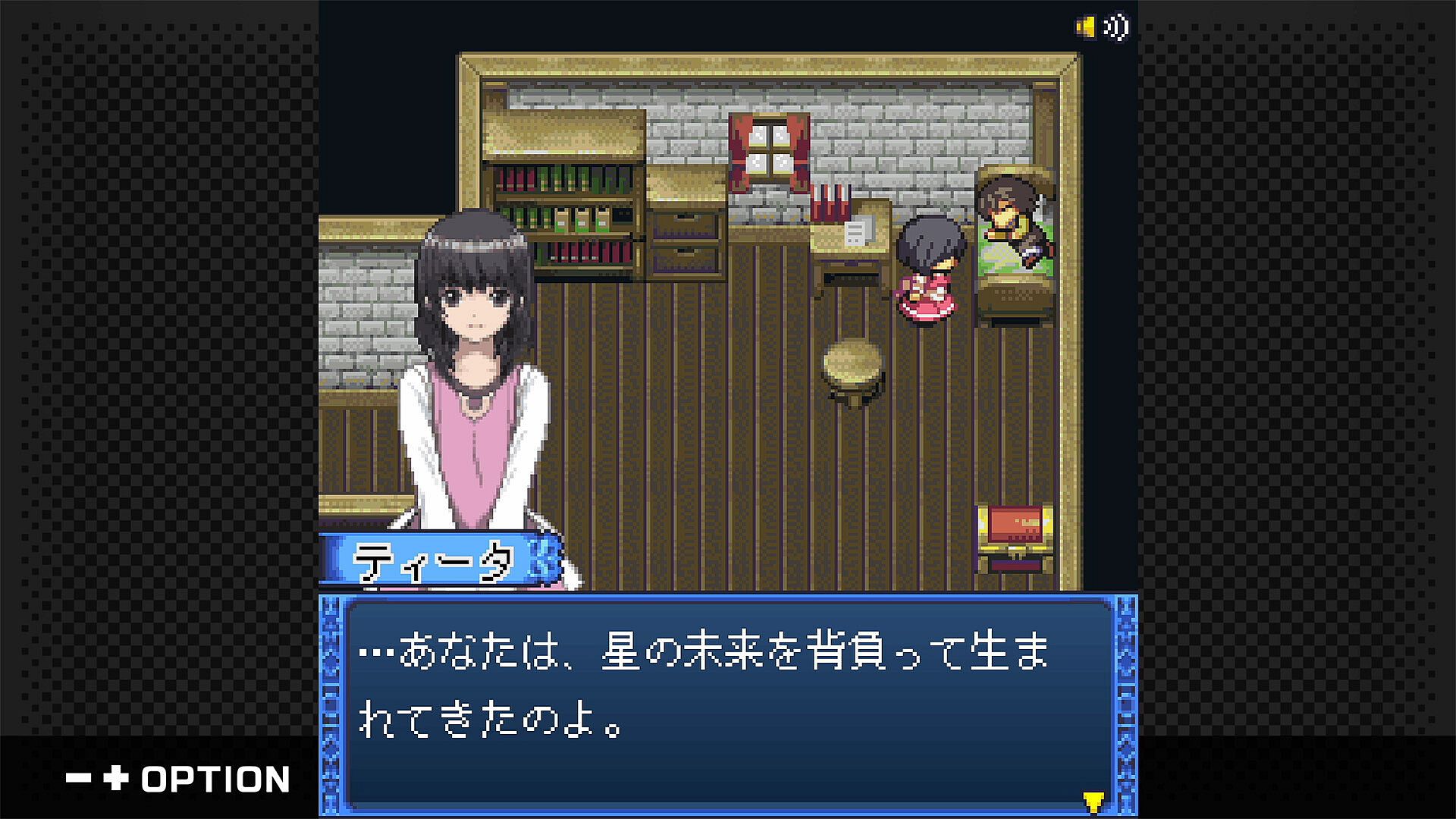
The narrative serves as a sequel to LOST CHRONICLE. It unfolds in a world approaching destruction from events a thousand years prior. The protagonist travels to avert catastrophe while learning the truth behind their origins. Multiple realms and nations provide the backdrop for uncovering layered mysteries tied to the planet's repeating history.
Is It Worth Playing?
This port preserves the original feature phone version without added languages, achievements, or modern conveniences. It suits players who value classic JRPG structure, deep job and element systems, and lengthy single-player campaigns built around exploration and synthesis. Those seeking quick sessions or contemporary quality-of-life features may find the experience dated, while dedicated fans of traditional turn-based gameplay and extensive content will find substantial depth in its 60-plus hours of material.