




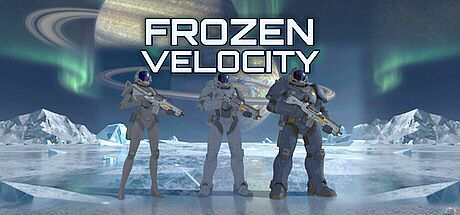


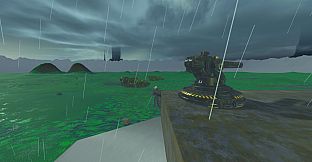
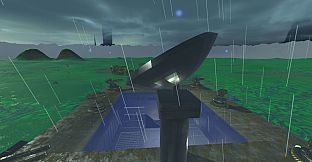
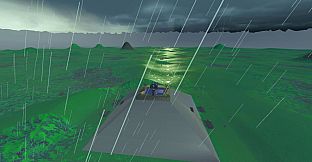
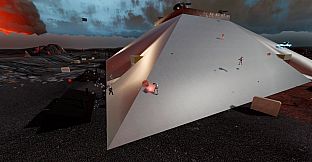
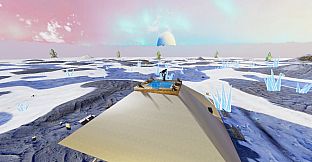
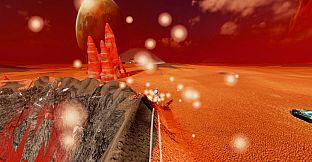
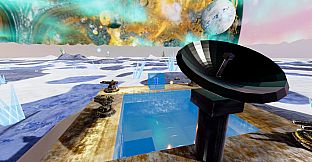
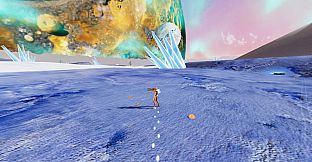
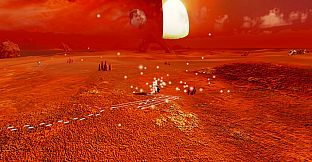
Frozen Velocity is an action indie game that blends casual and adventure elements in an early access release for PC. This momentum-driven arena shooter places players on a frozen alien world where speed and precise energy management define every encounter. Skiing across icy terrain at high velocities, activating a jetpack for aerial maneuvers, and engaging in fast-paced combat form the core loop, whether played on a flat screen or in full VR.
Gameplay
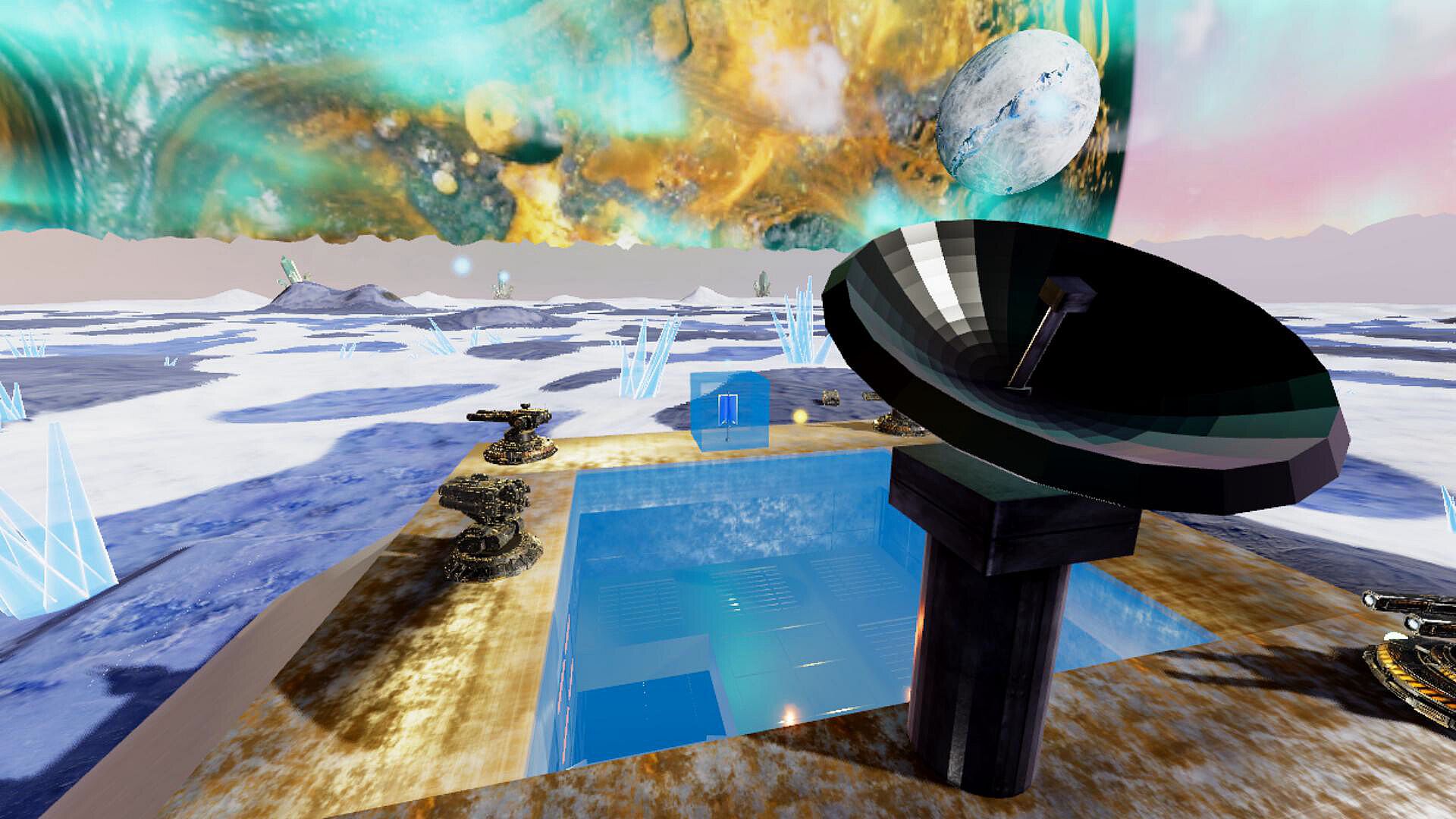
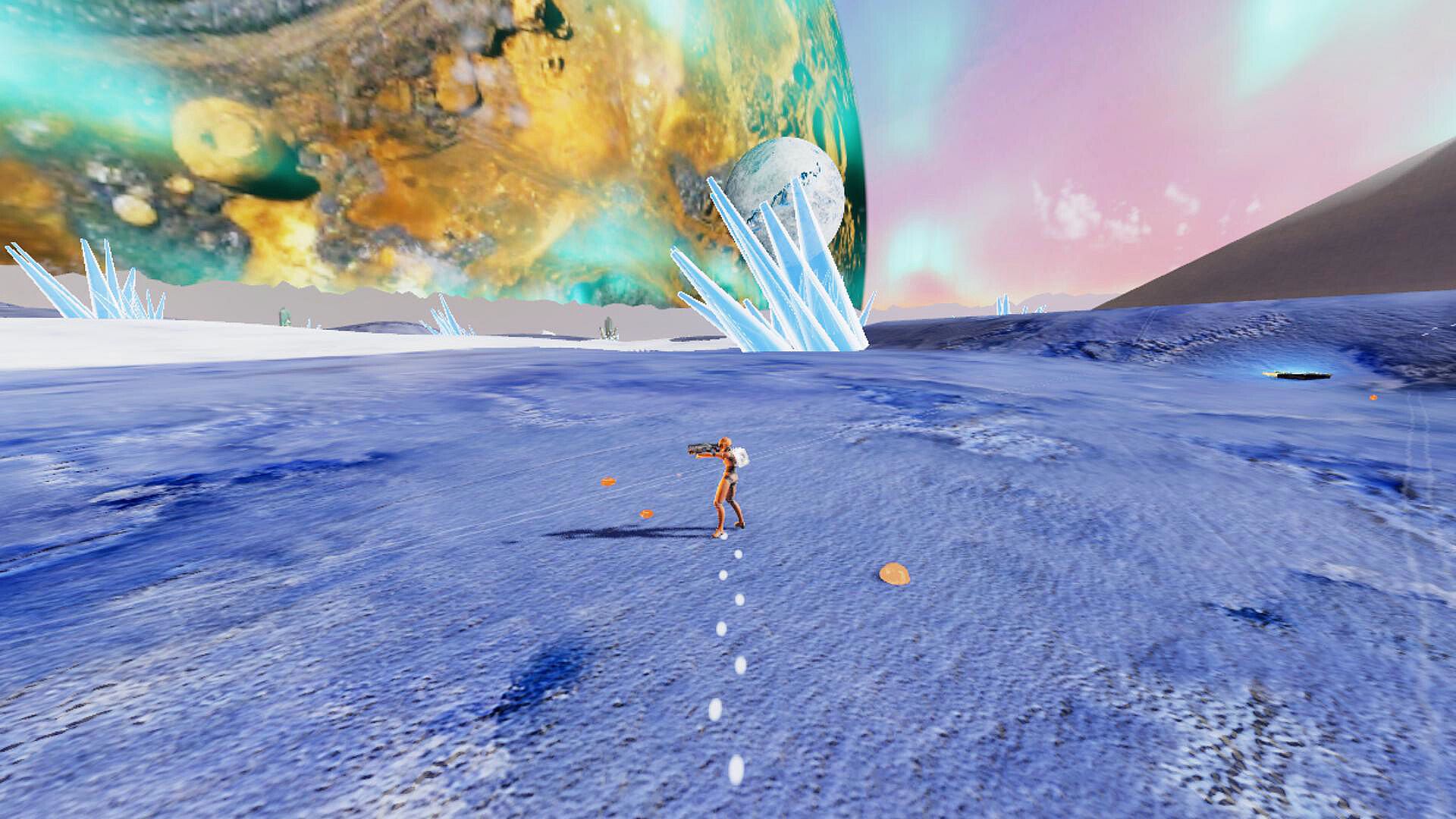
The experience centers on physics-first movement that turns the environment into a dynamic battlefield. Players drop into valleys on skis, build speed down slopes, and use ridges as natural ramps to launch over enemy positions. Jetpack activation allows clean flights while carrying objectives like flags, with every action tied to momentum conservation. Weapons inherit the player's velocity, making shots more effective or punishing based on movement patterns. The Inertial Launcher fires discs that exploit predictable paths, the Lancer delivers precise beams across distances, and the Scattergun handles close-range threats effectively.
Three distinct classes introduce meaningful choices. The Scout excels at out-skis competitors with superior speed. The Bastion focuses on defense by planting turrets and securing positions. The Striker handles versatile mid-range engagements. Loadouts and equipment packs can be swapped at inventory stations during matches, encouraging adaptation to the flow of play. Neural-network-trained bots provide challenging opposition that skis, jets, leads shots, and pursues objectives, ensuring matches remain engaging even without human opponents.
Game Modes
Multiple competitive formats support both solo sessions against bots and online multiplayer. Capture the Flag emphasizes objective play, where teams must breach defenses, steal the flag, and return it while managing energy and terrain advantages. Team Deathmatch and standard Deathmatch deliver direct combat focused on eliminations across shared servers. Flat-screen players using mouse and keyboard compete alongside VR users on the same instances, with movement systems calibrated for comfort in headset play, including physical two-handed weapon handling and a wrist-mounted HUD.
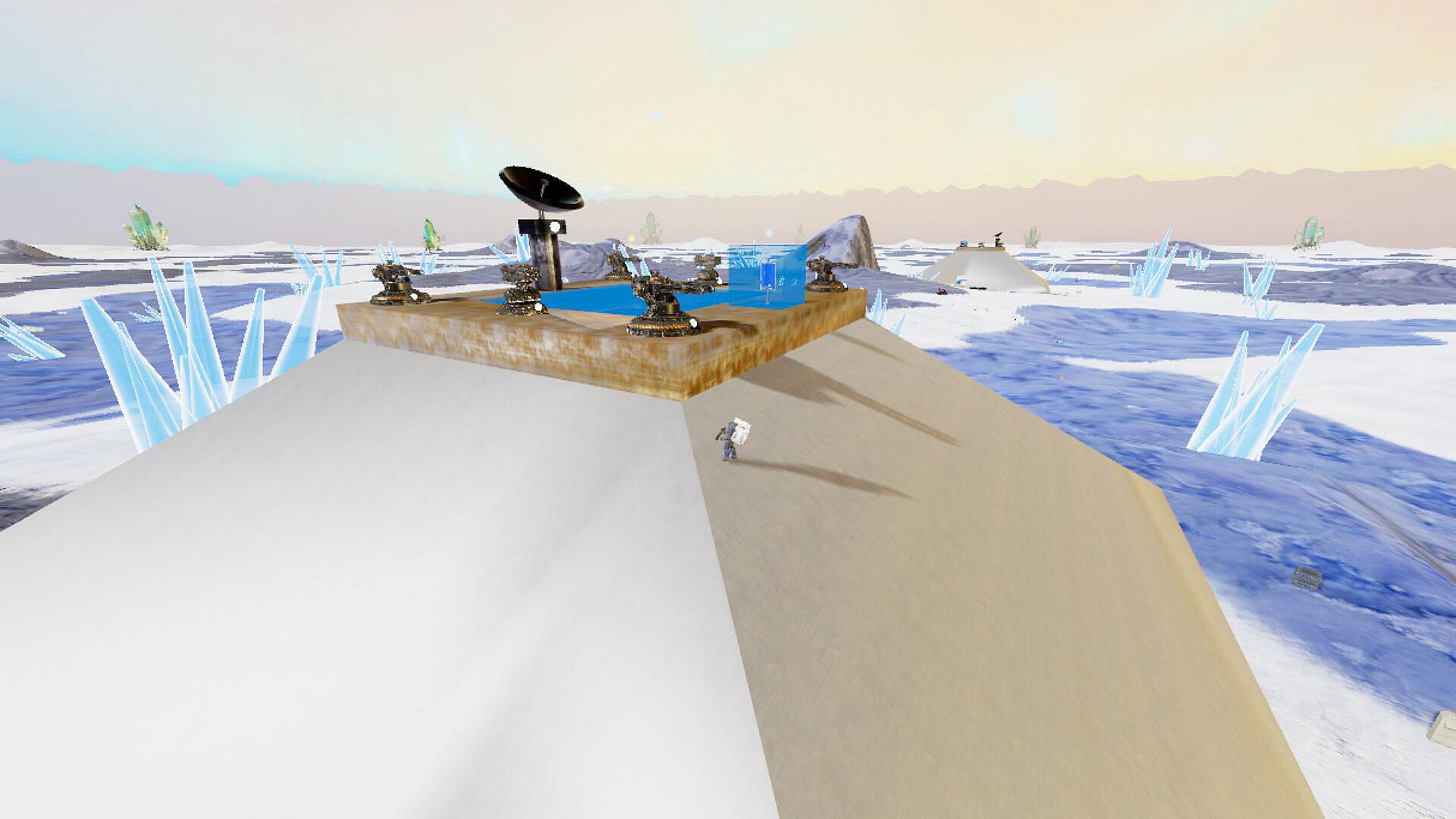
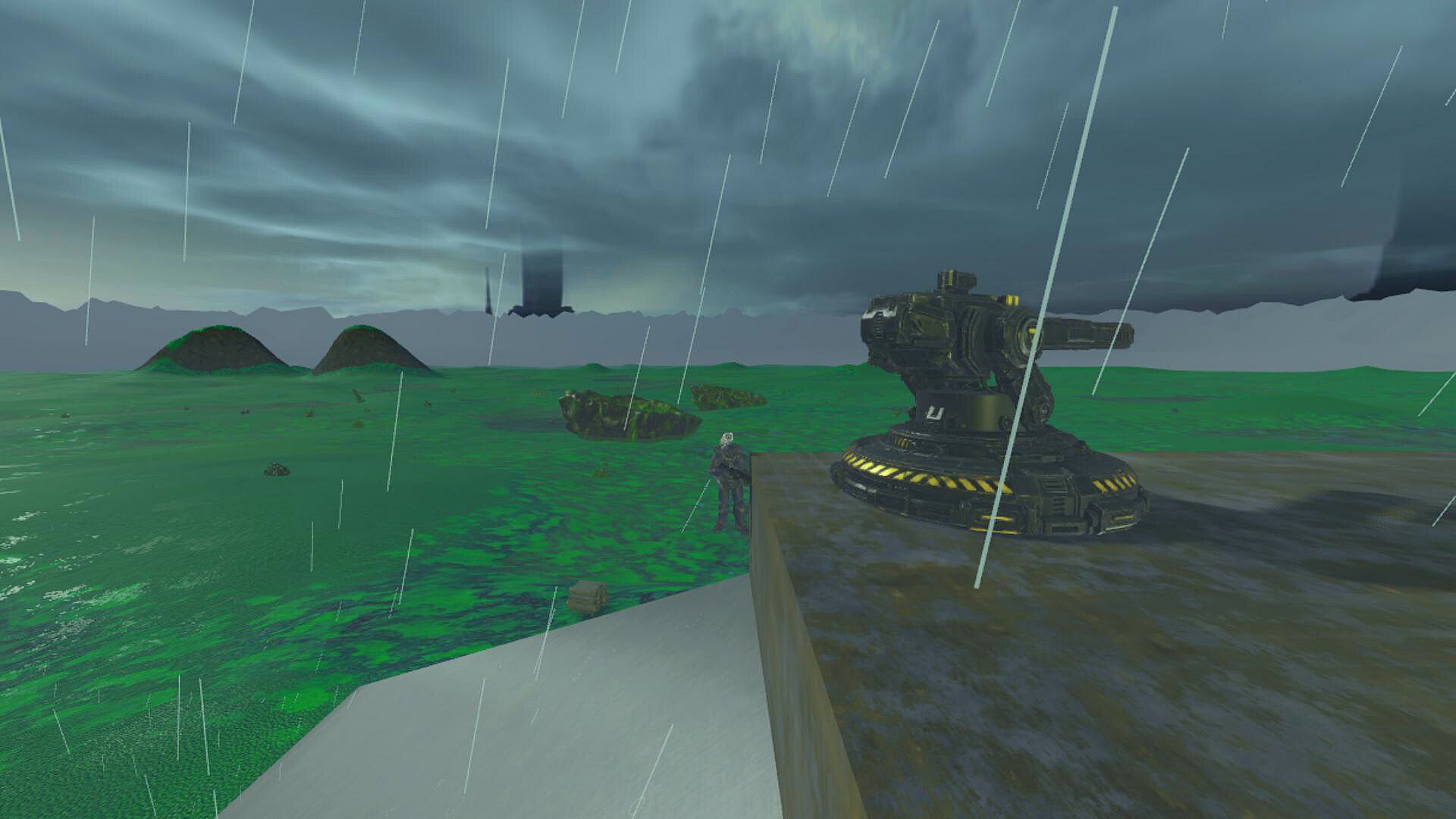
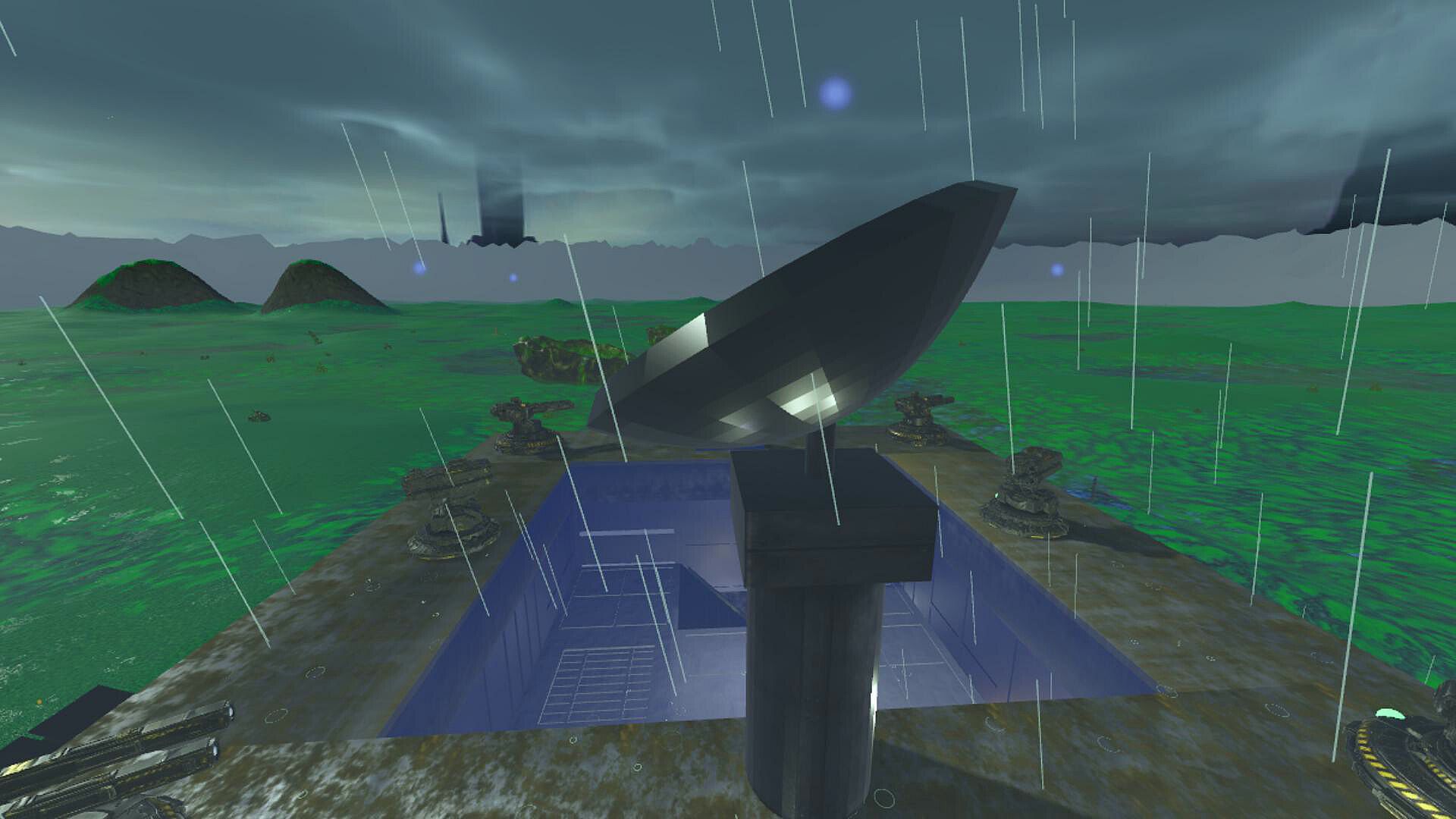
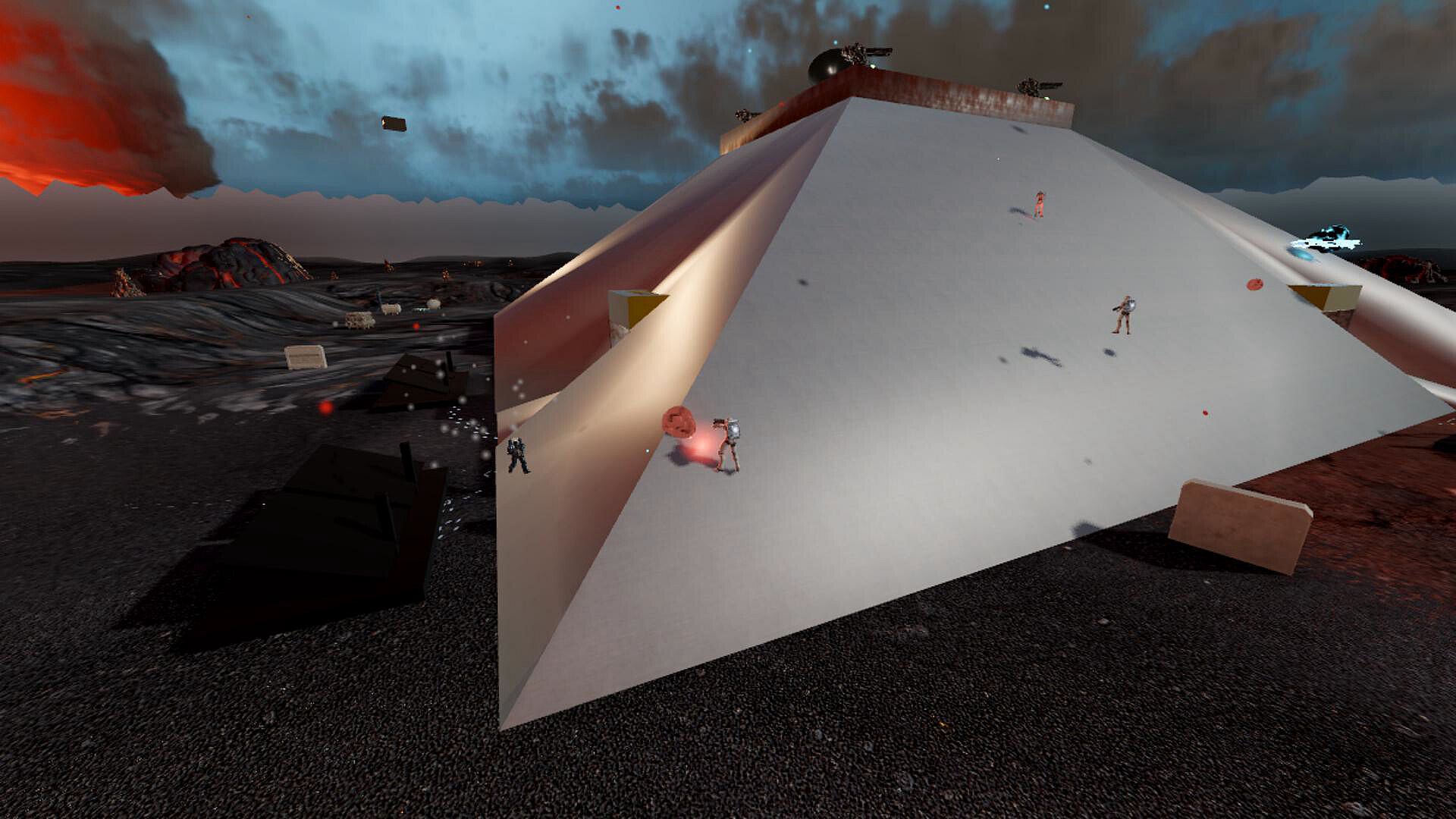
Bases add strategic depth through destructible elements. Knocking out solar arrays starves generators, lowering shields for flag captures. Deployable turrets, sensors, and mines allow players to fortify positions and create defensive strongholds that influence match outcomes.
Environments and Progression
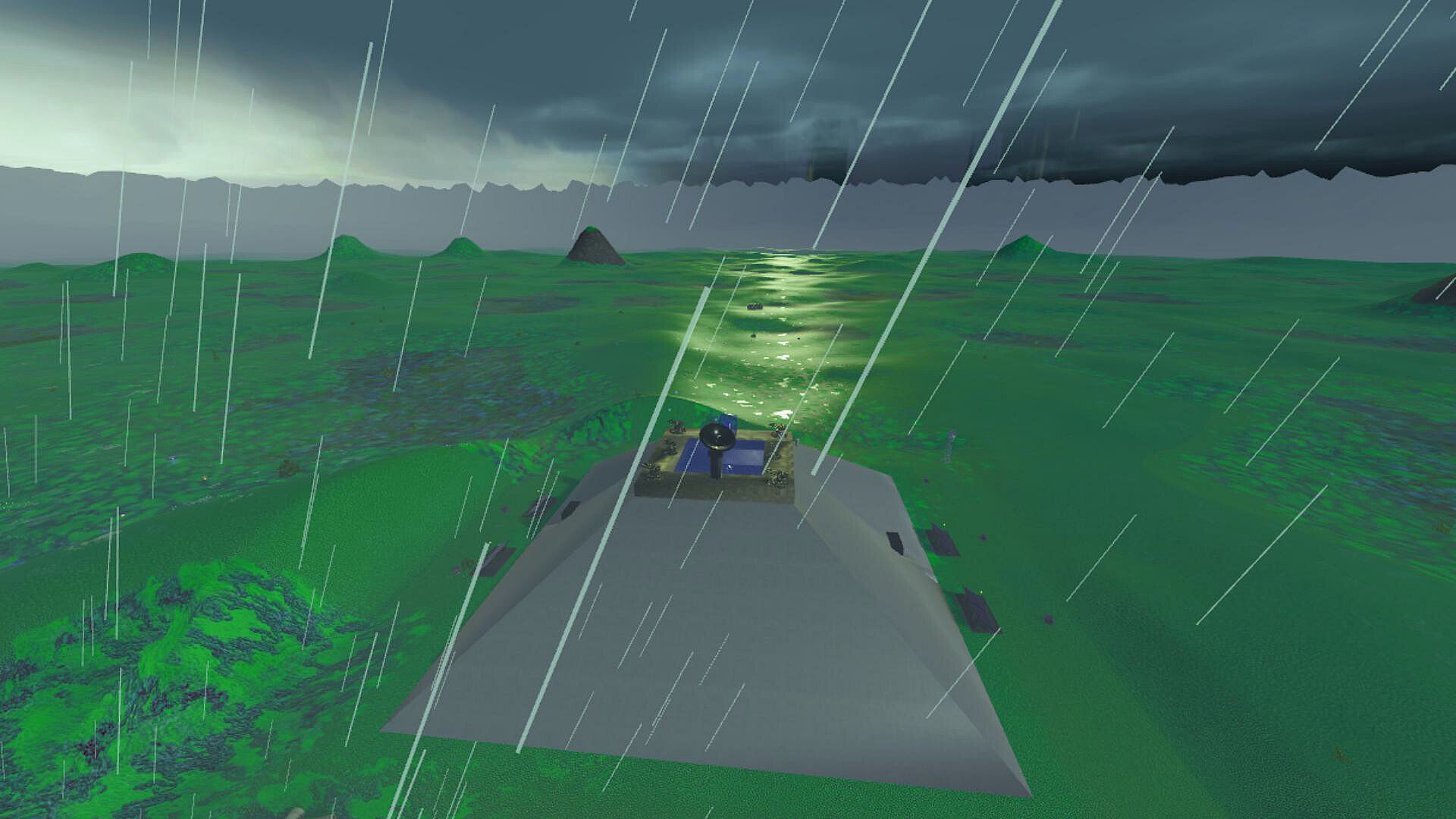
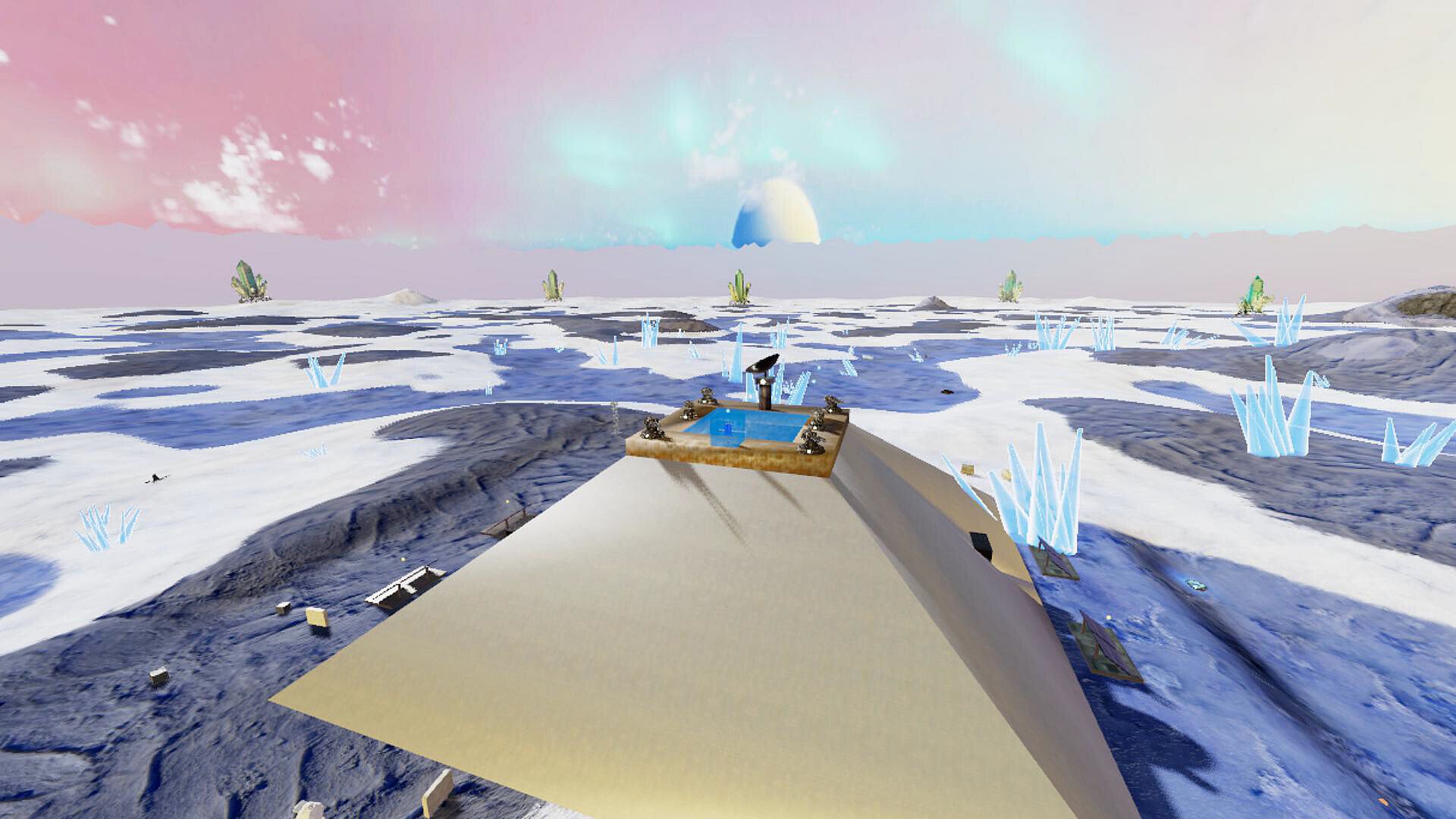
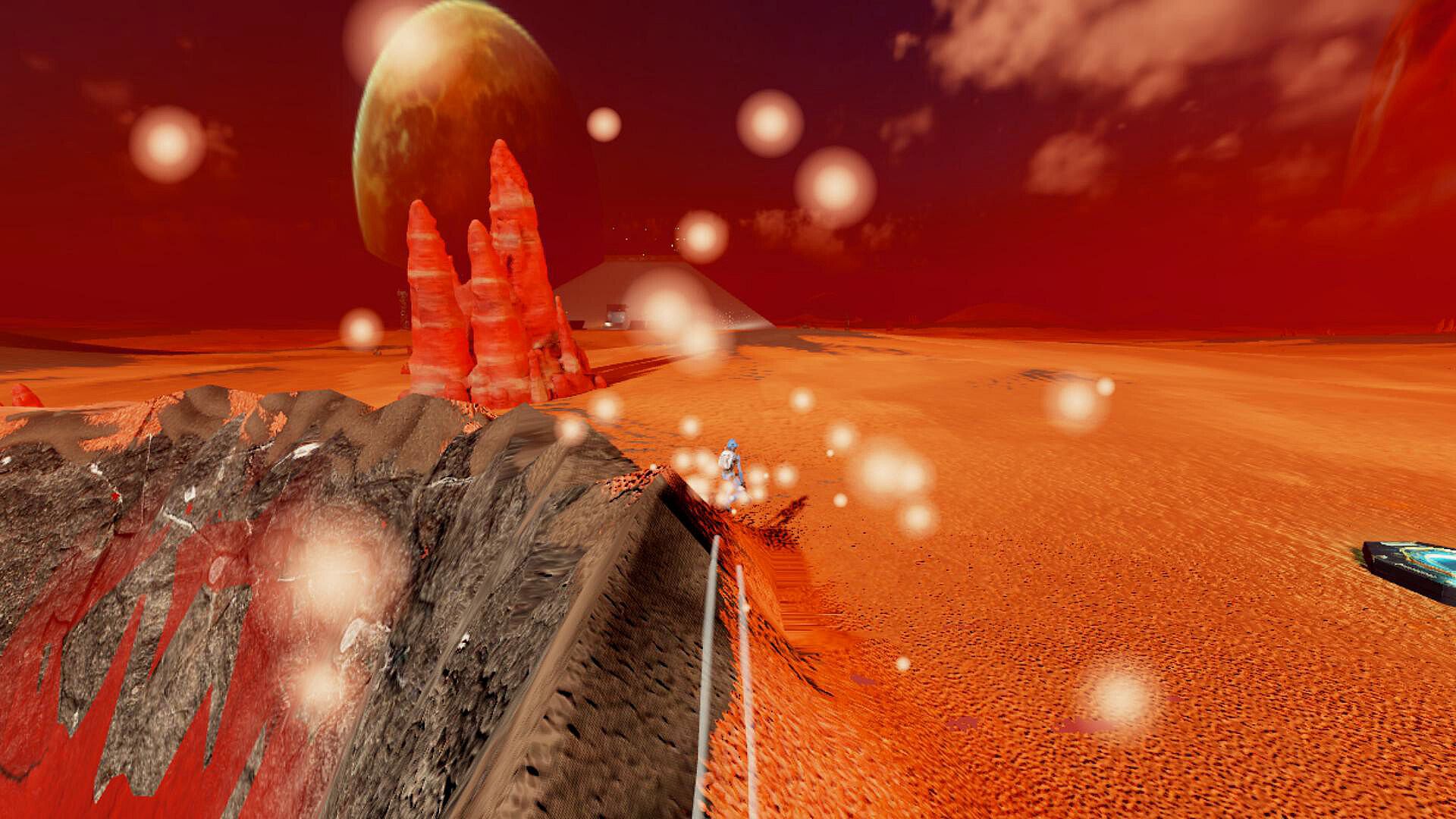
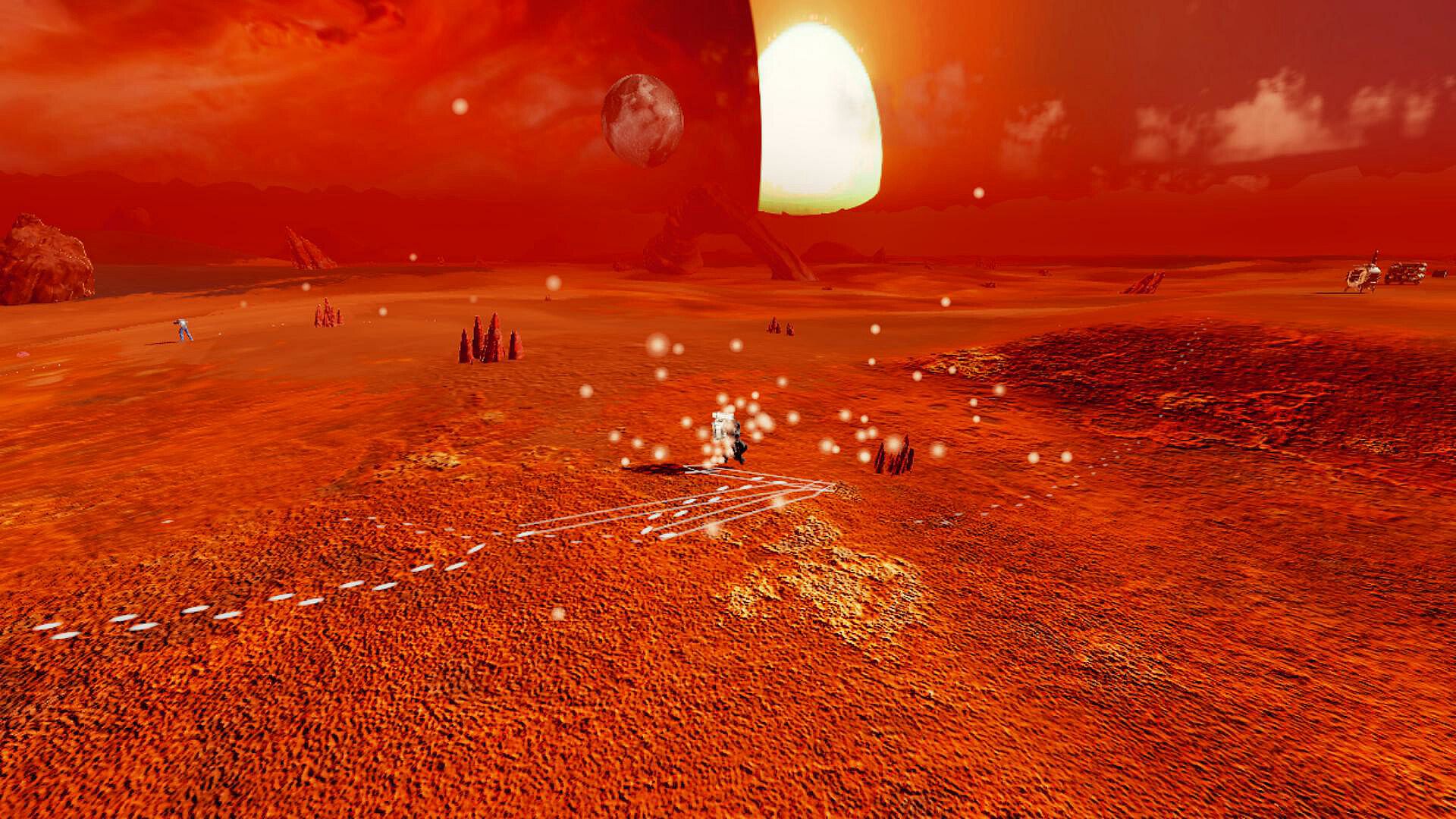
Procedurally generated battlefields ensure variety across four biomes: ice, toxic, volcanic, and red desert. Dynamic weather alters tactics, with acid rain affecting traction, dust storms reducing visibility, lava flows creating hazards, and auroras providing atmospheric shifts over icy expanses. These elements interact with the momentum system, turning environmental changes into factors that reward skilled navigation and energy management.
Inventory stations scattered throughout maps support mid-match adjustments, while the overall design keeps focus on uninterrupted flow. The combination of procedural generation and weather effects creates fresh challenges in each session without relying on fixed layouts.
Is It Worth Playing?
Frozen Velocity suits players drawn to skill-intensive movement systems and objective-driven arena combat. Its emphasis on velocity as a core mechanic, combined with class trade-offs and cross-platform support between flat and VR, offers a distinctive take on the genre for those comfortable with fast-paced physics interactions. The availability of smart bots makes it accessible for solo practice or quick matches, while online modes encourage competitive play with friends or strangers. Early access status means the title continues to evolve, appealing to enthusiasts who value ongoing refinements in a momentum-focused shooter. Those seeking deliberate, high-speed engagements on varied procedural maps will find the systems rewarding, particularly when experimenting with different classes and loadouts to optimize energy use and positioning.











