
















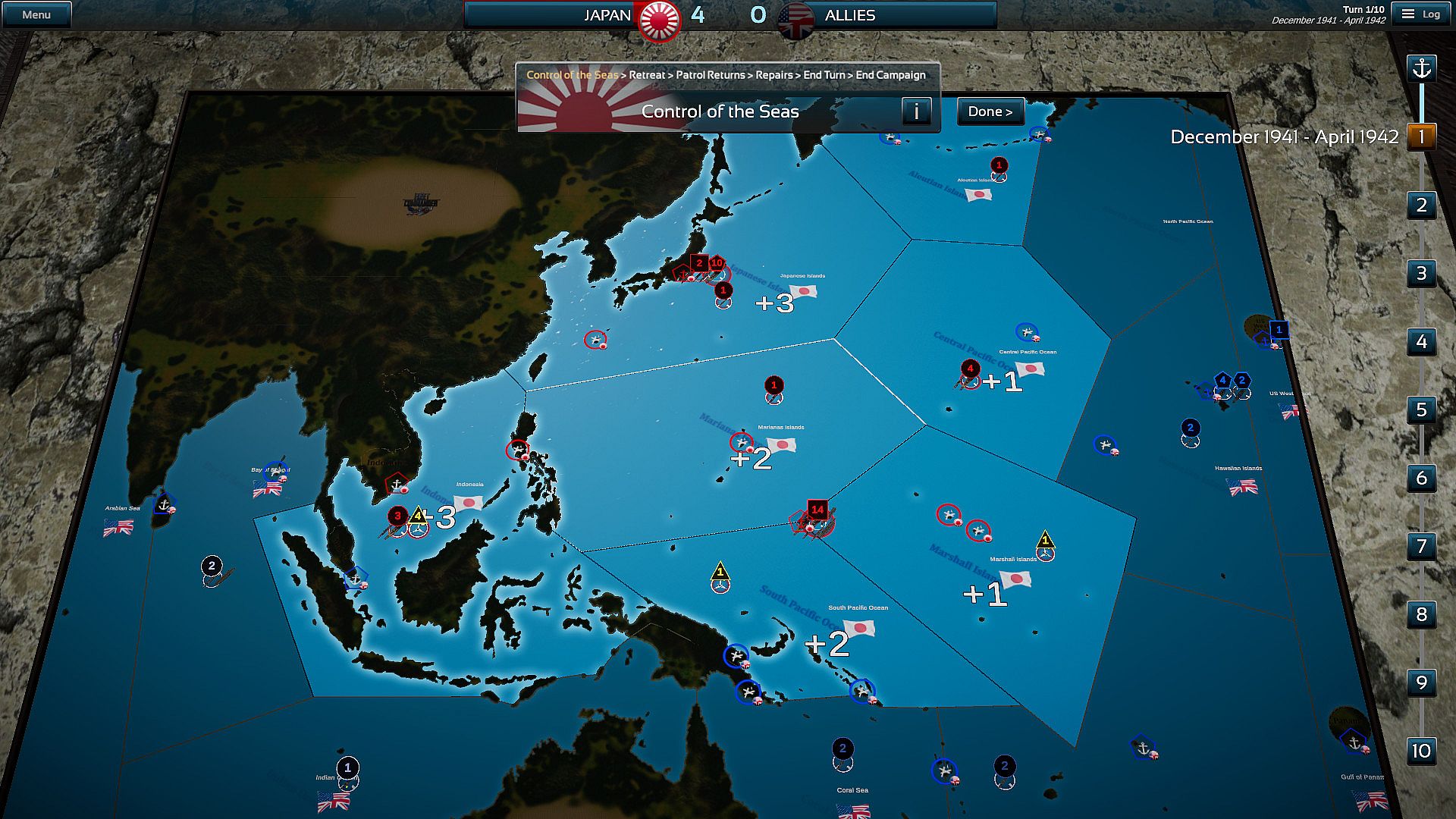
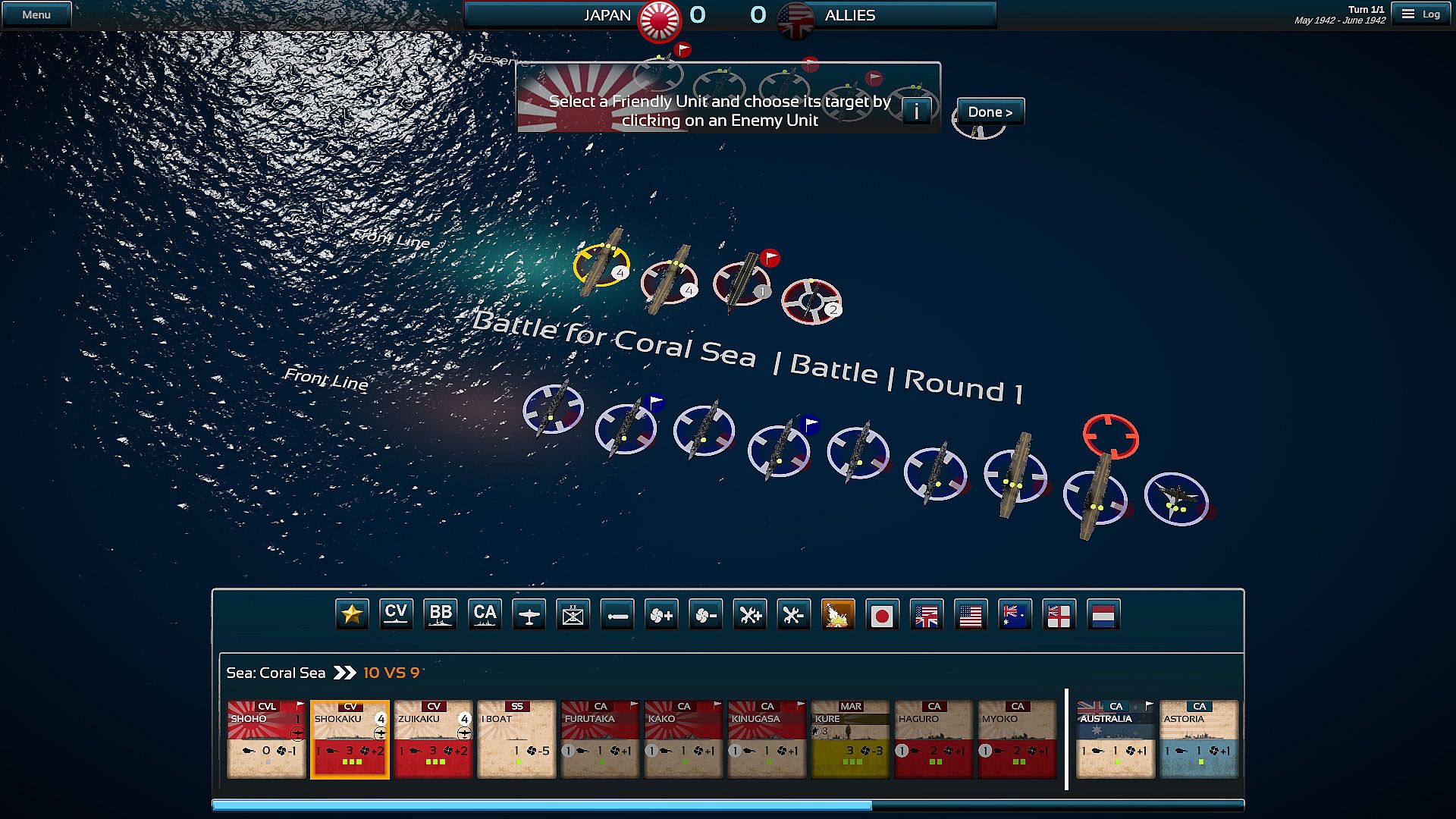
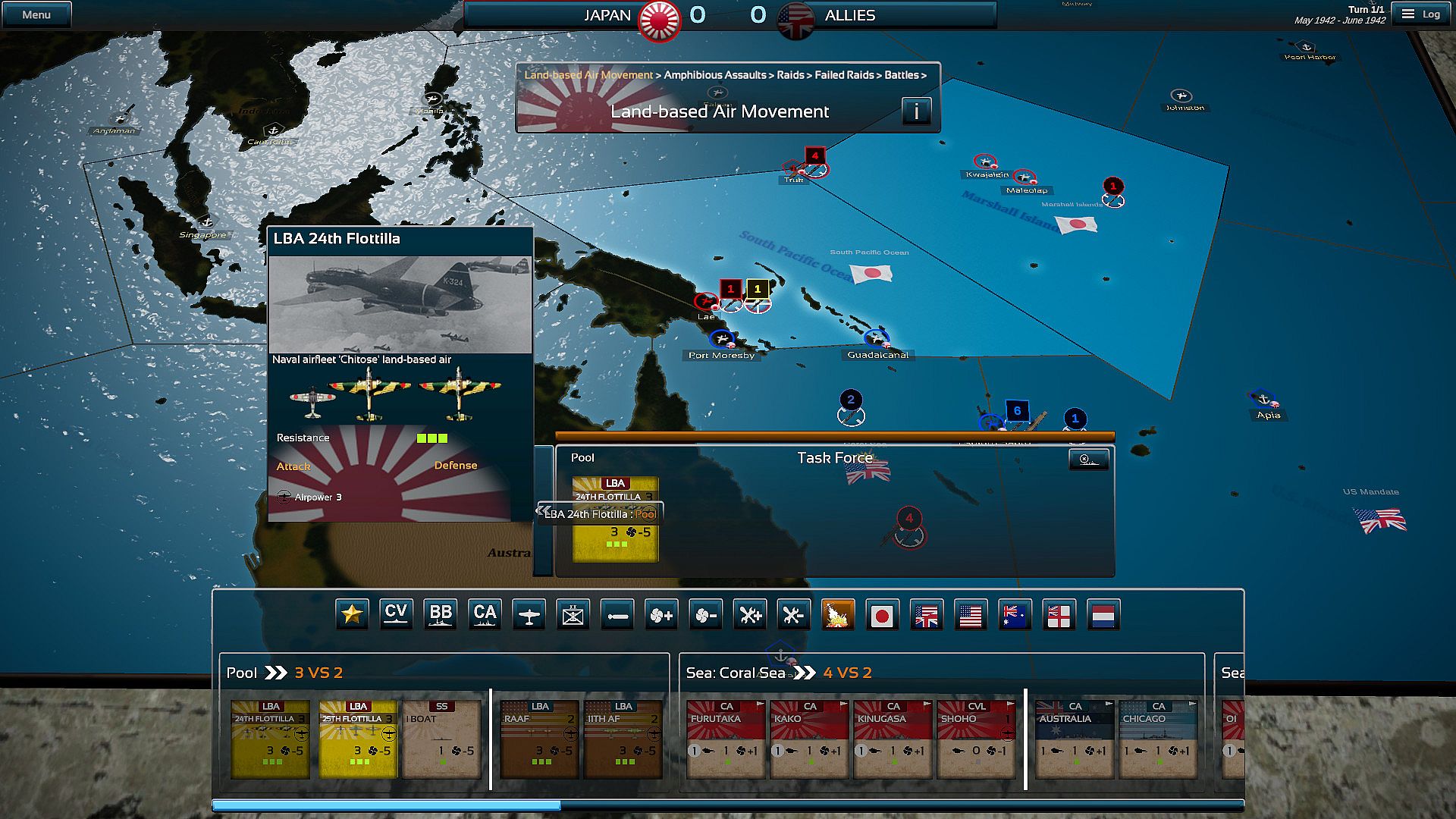
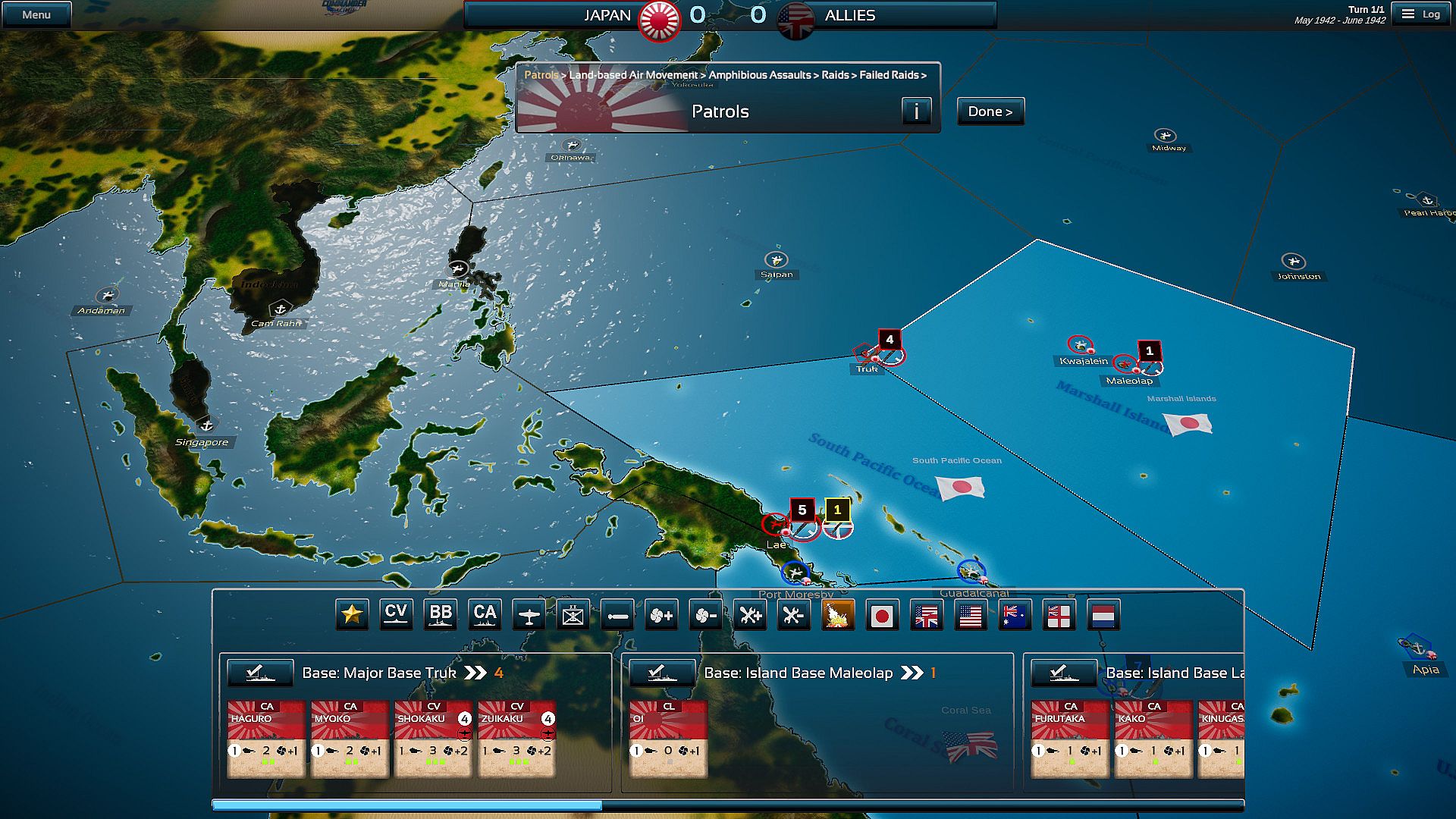
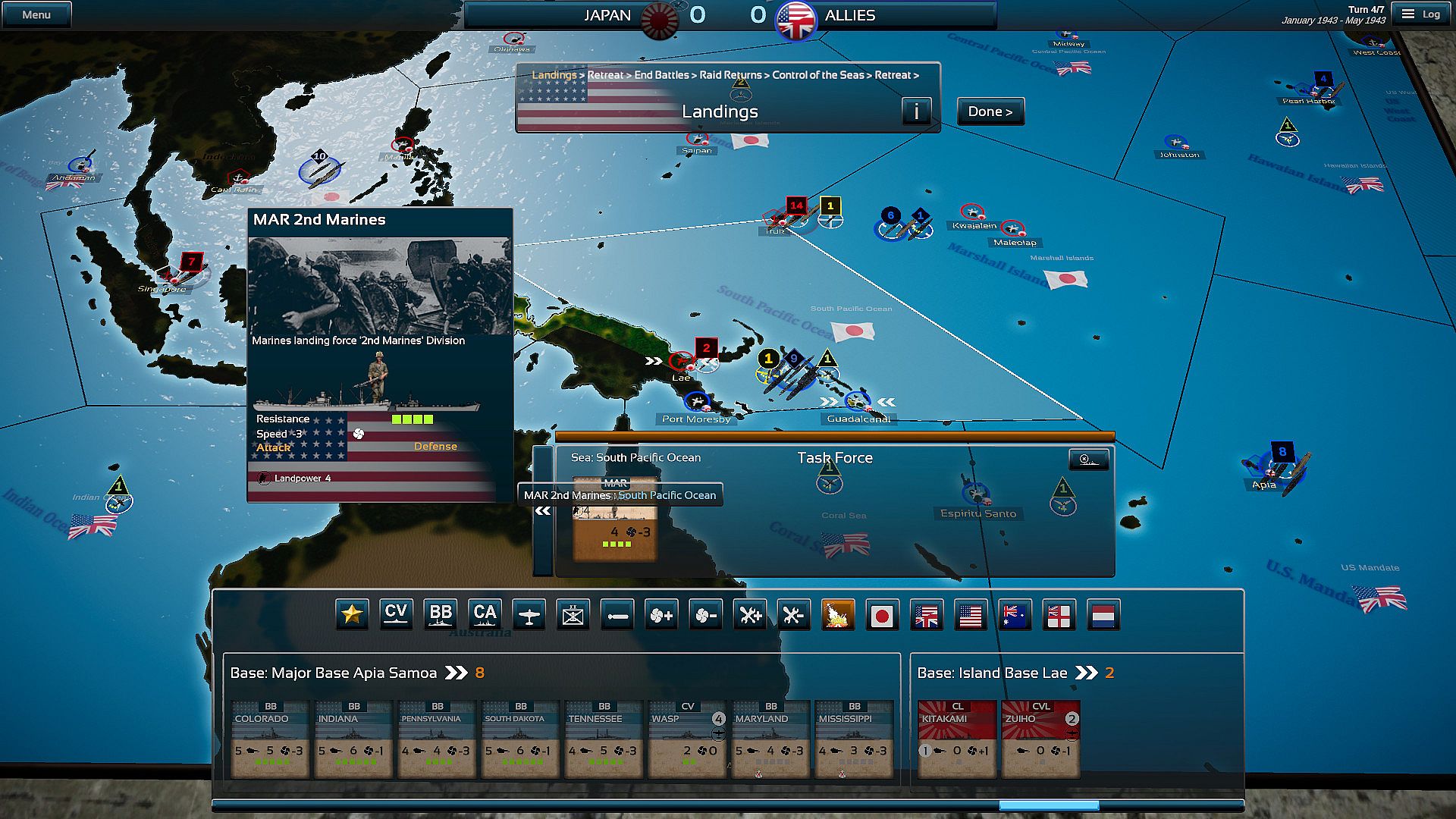
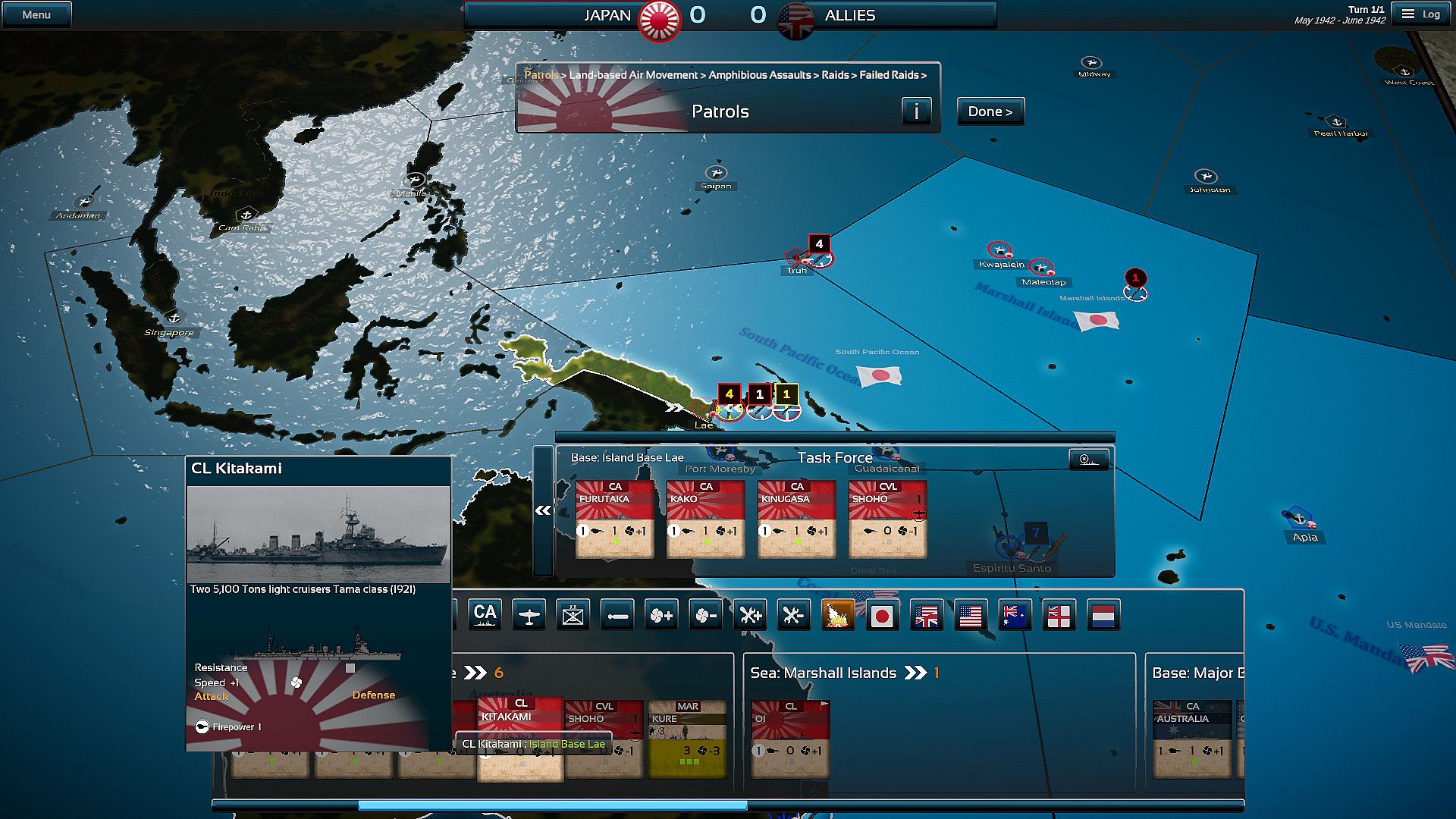
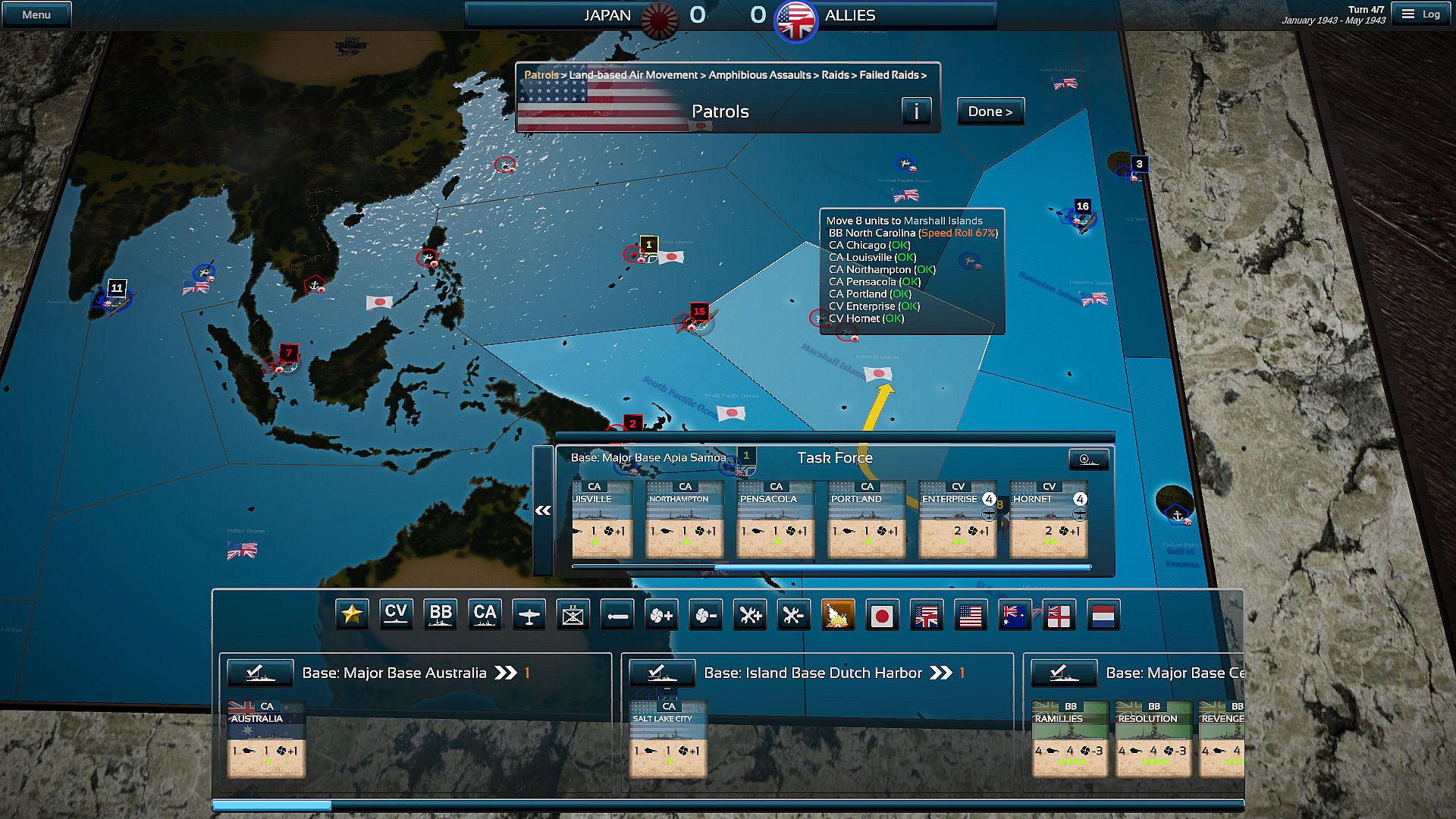
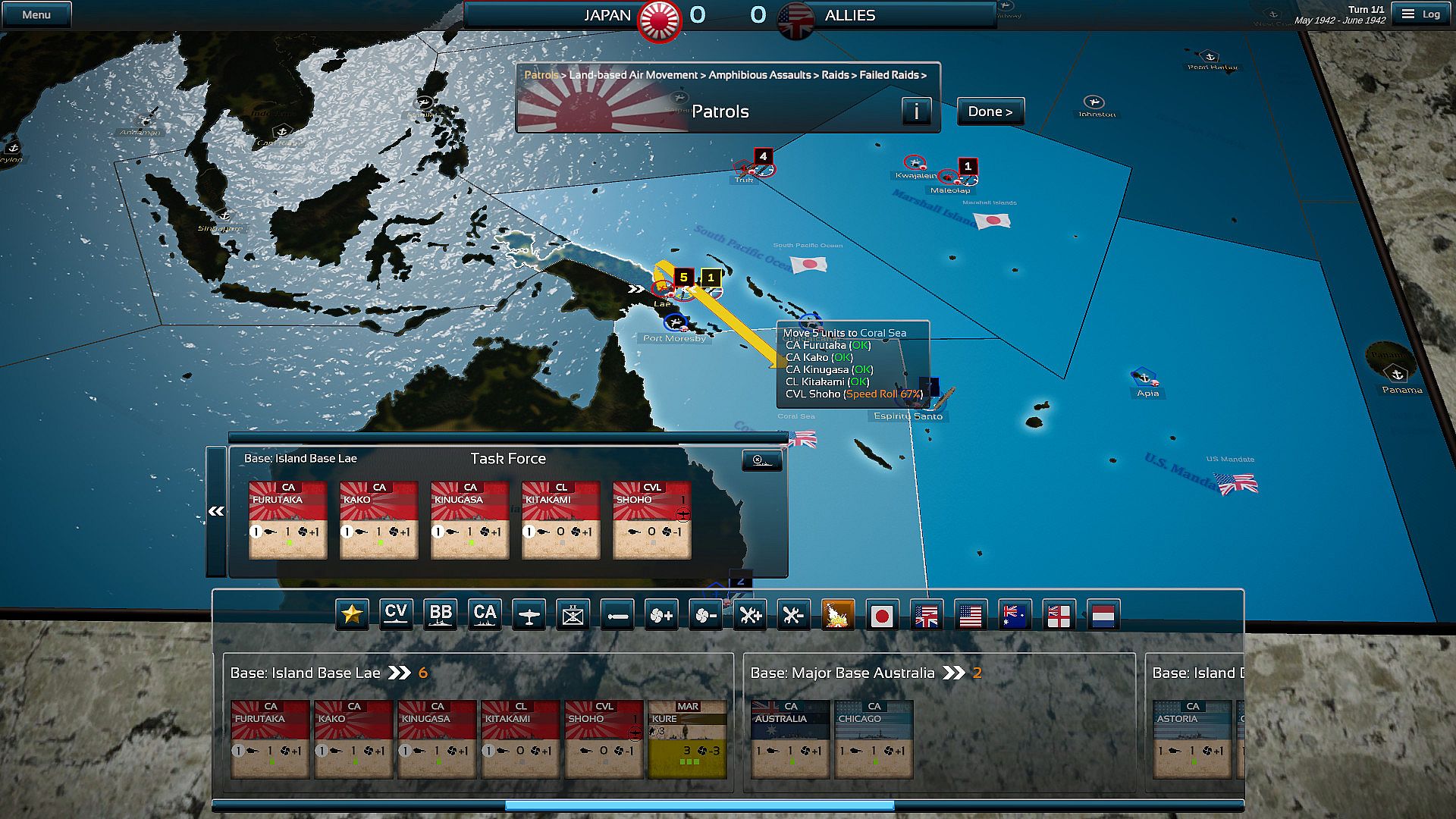
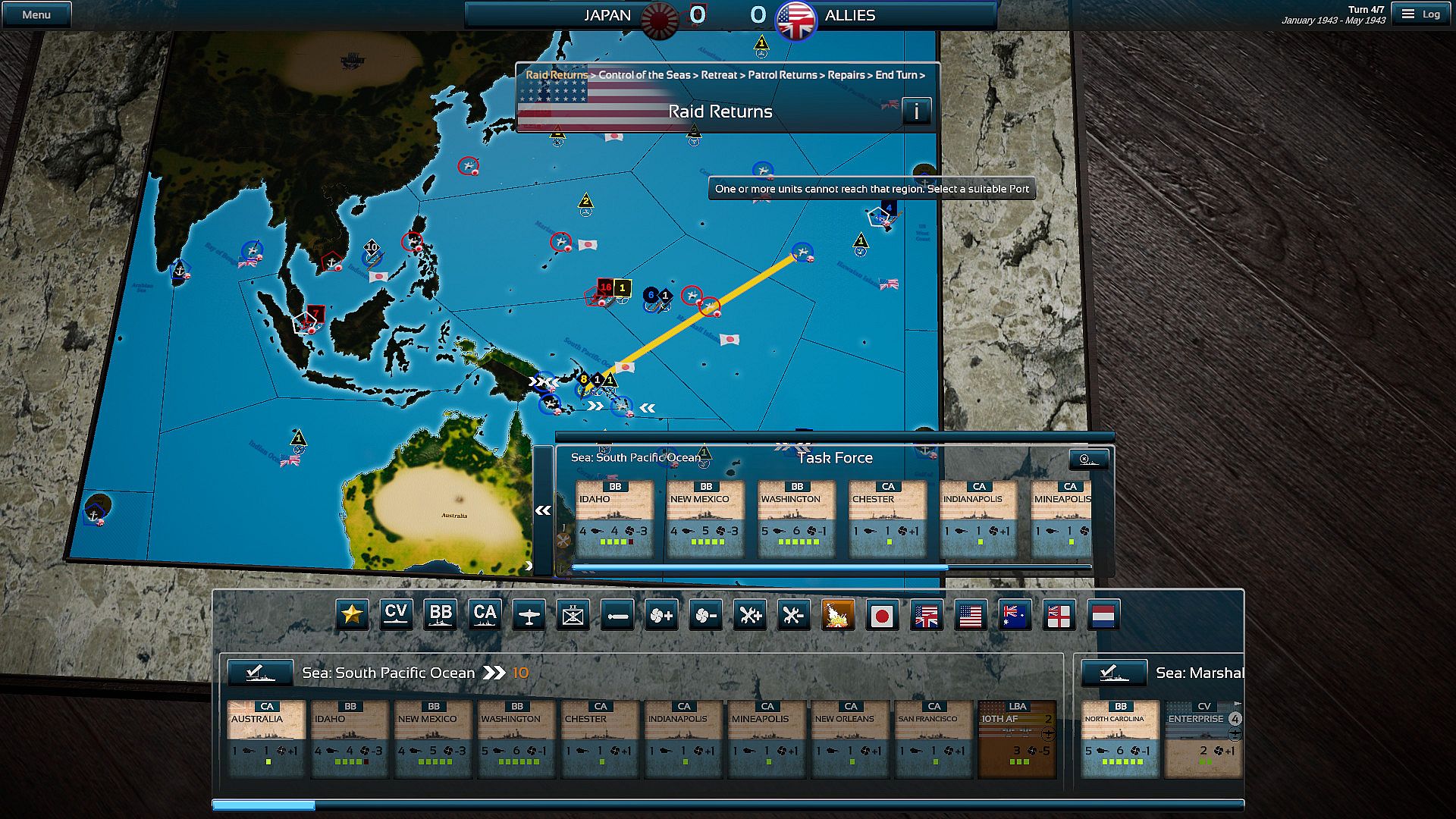
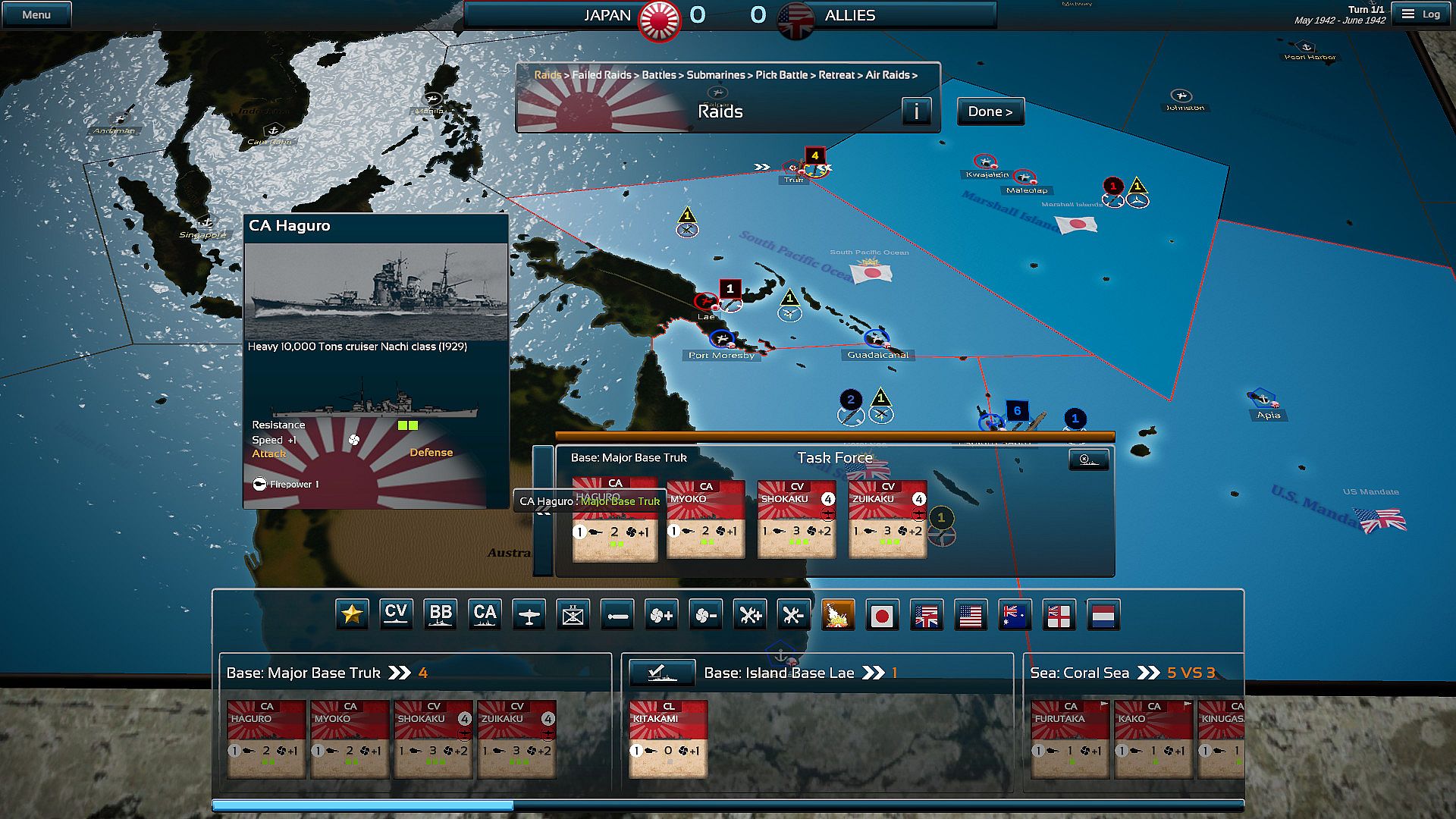
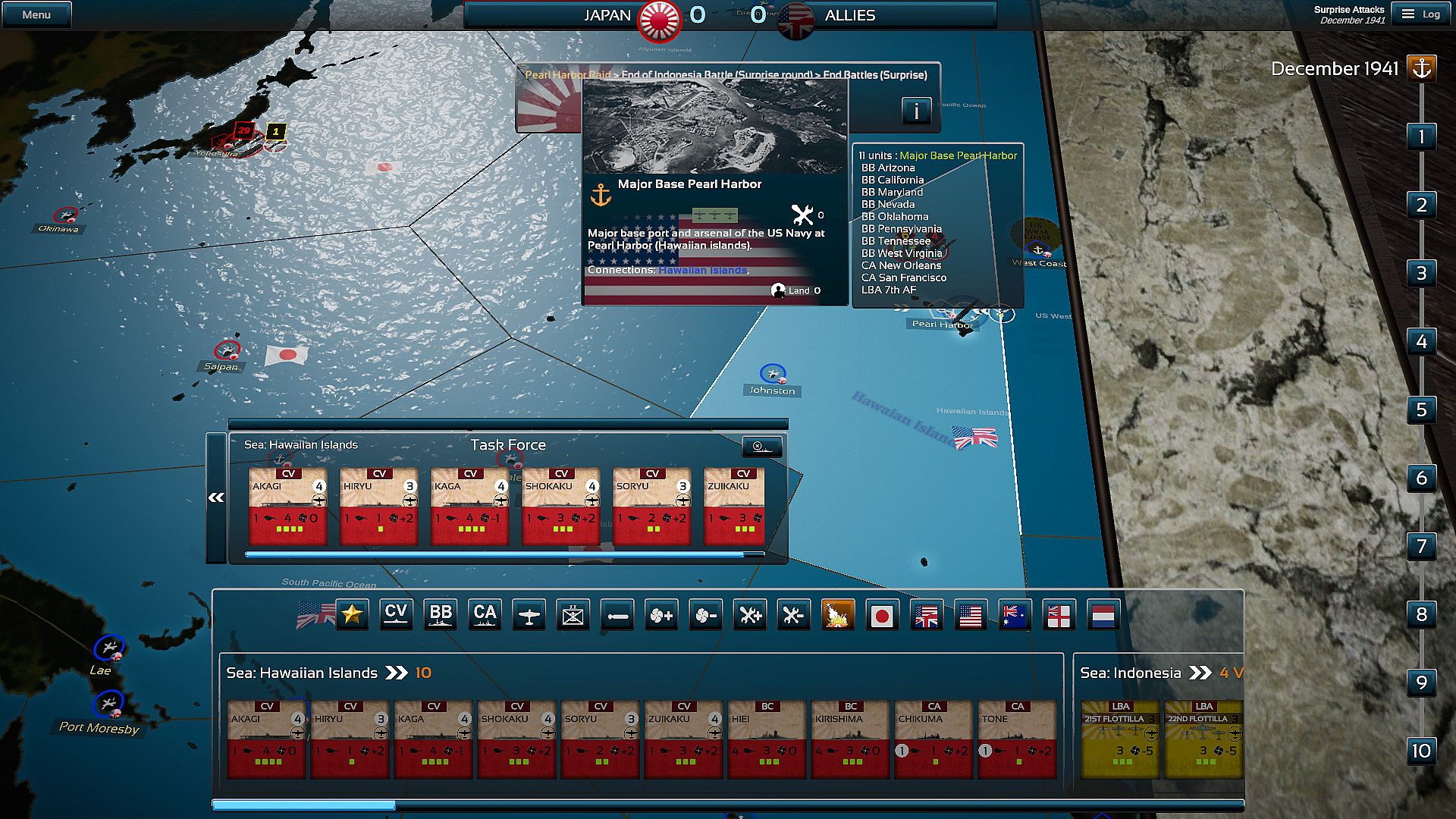
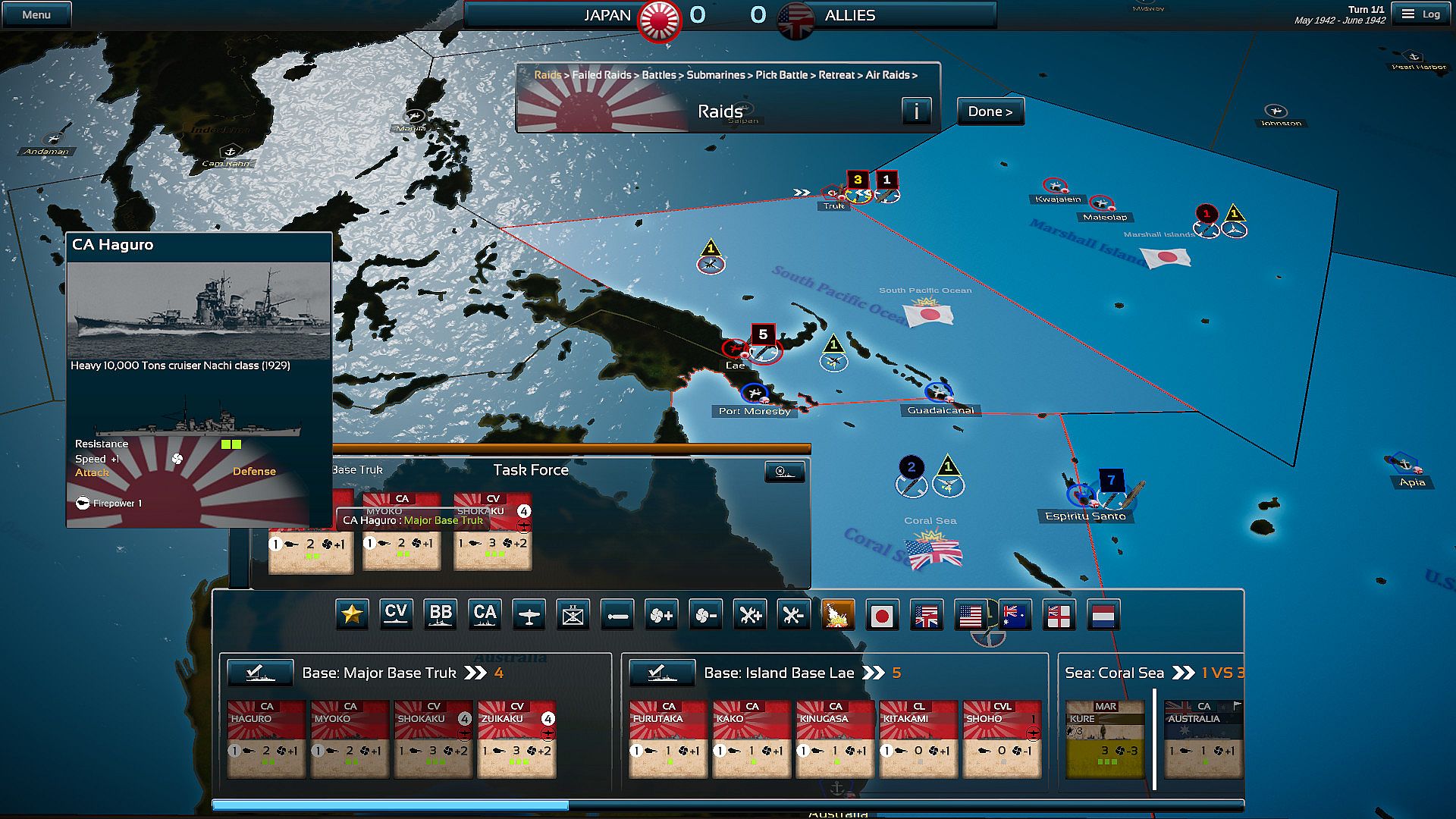
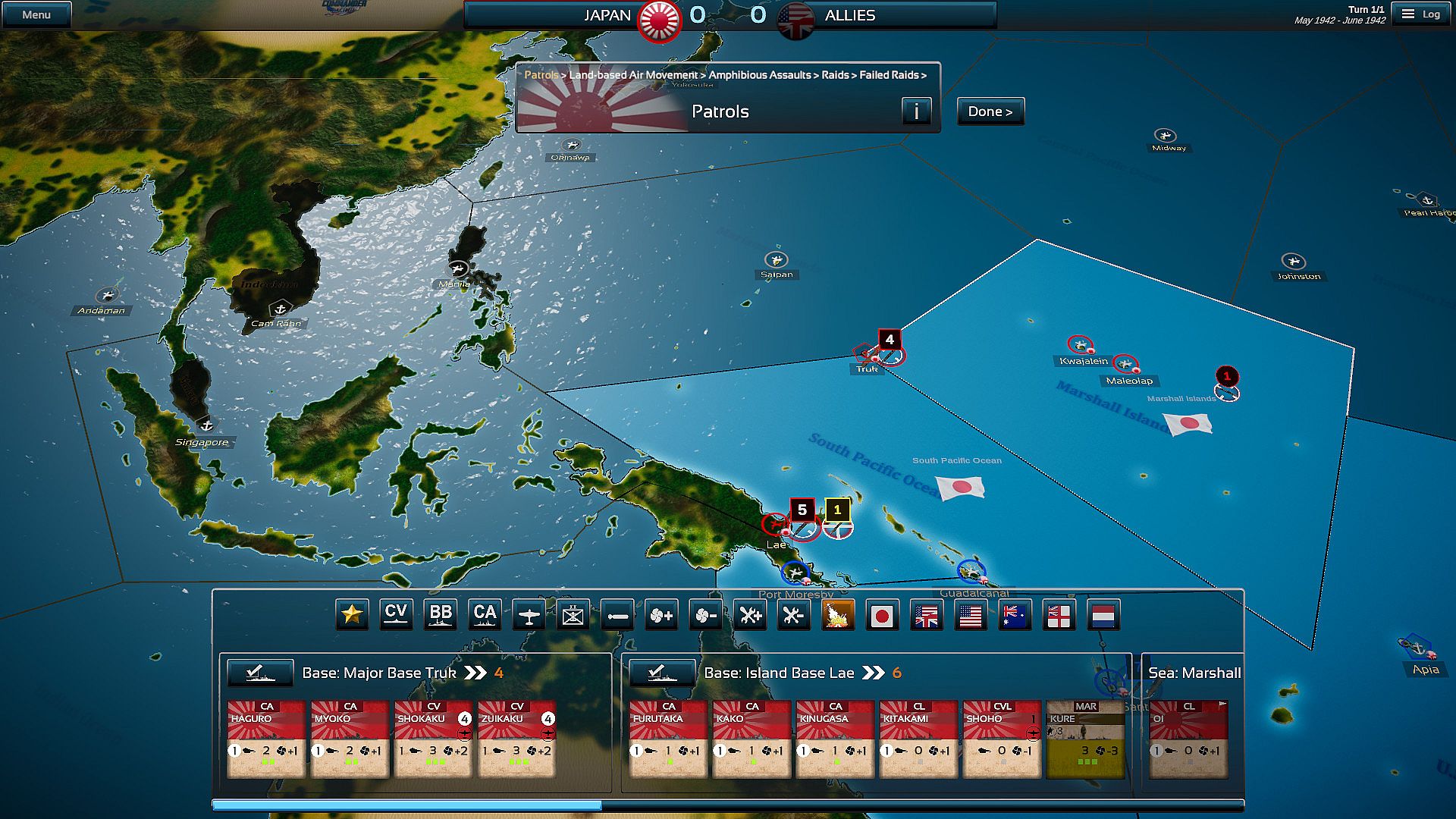
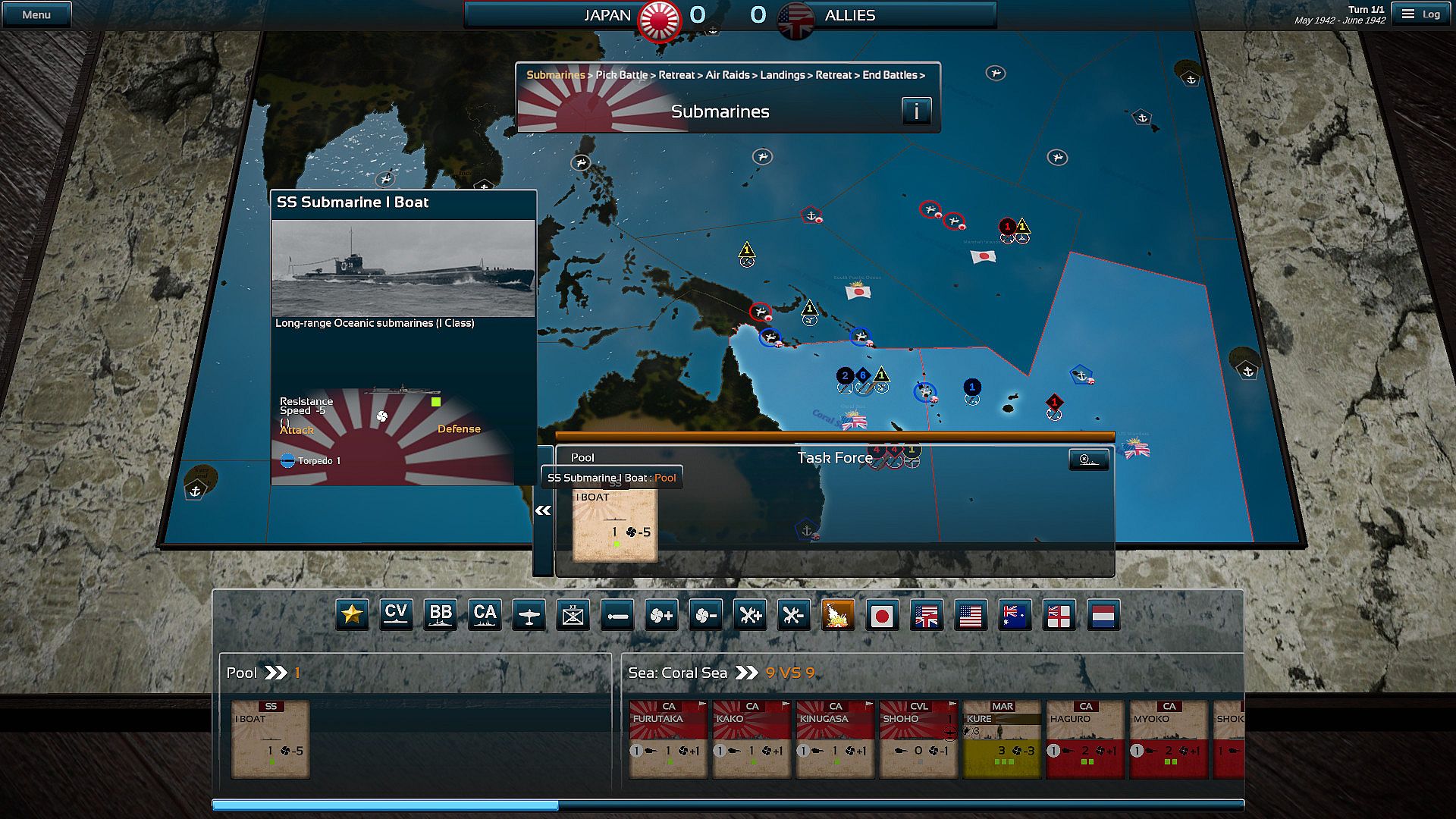
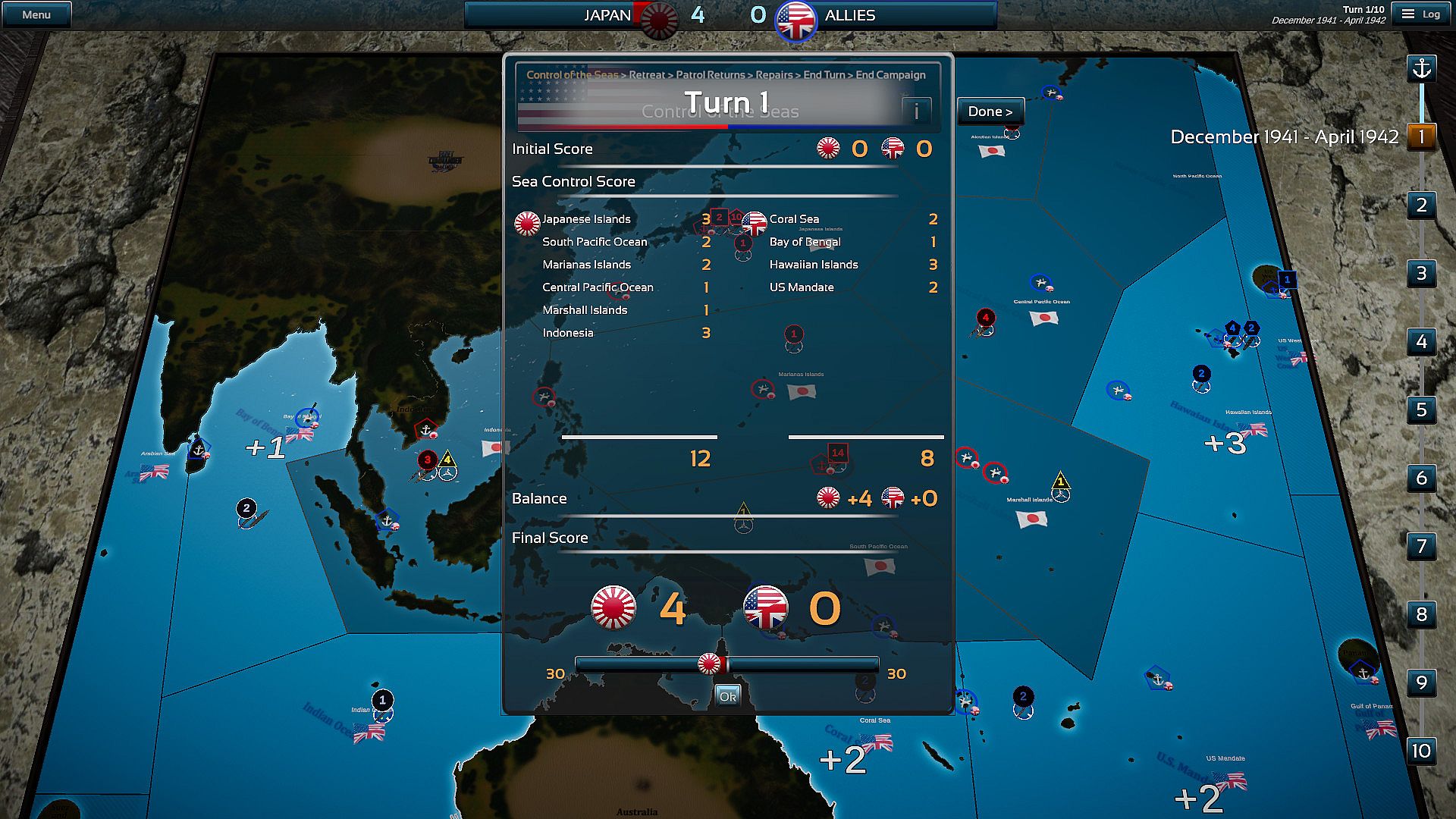
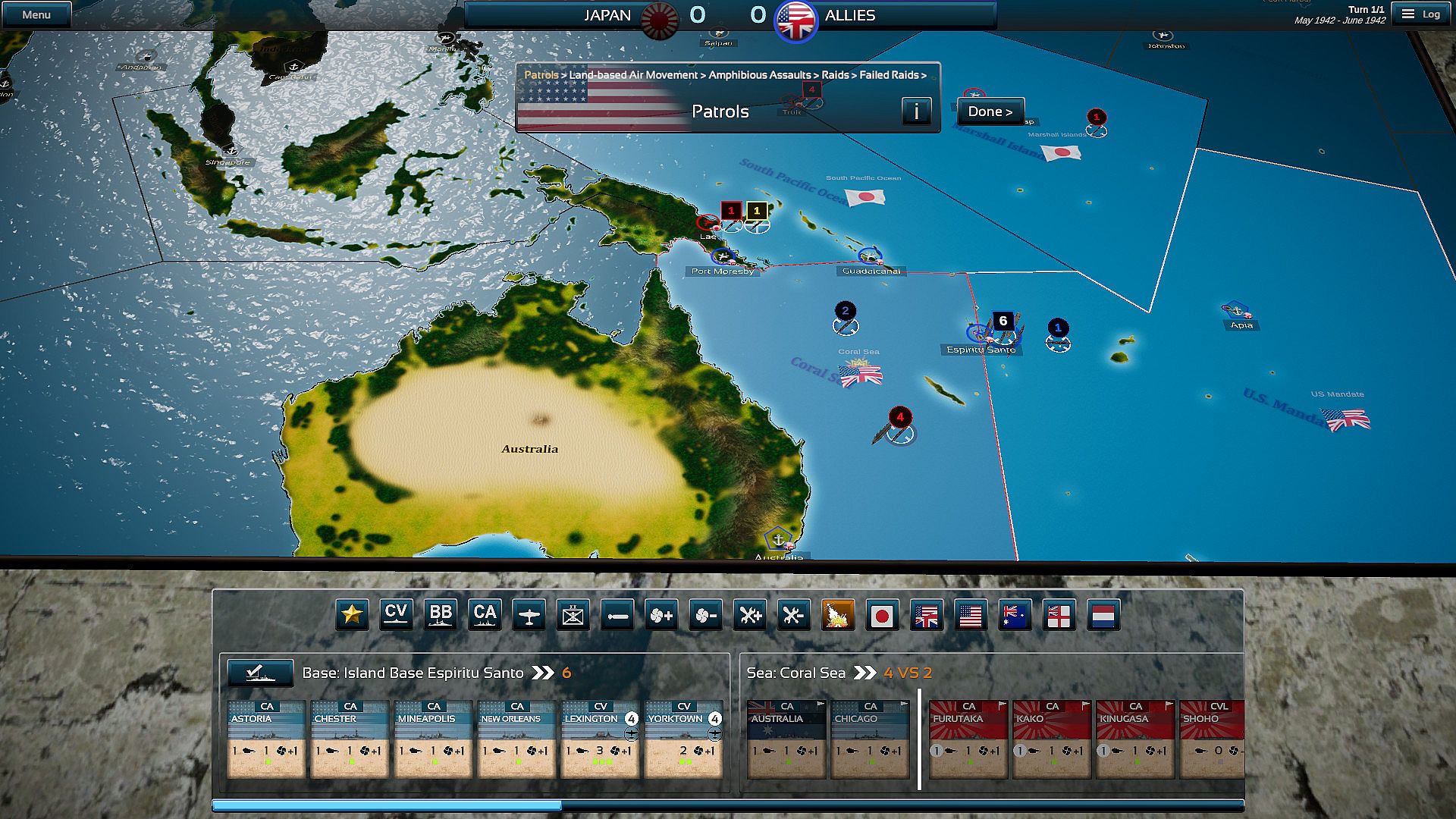
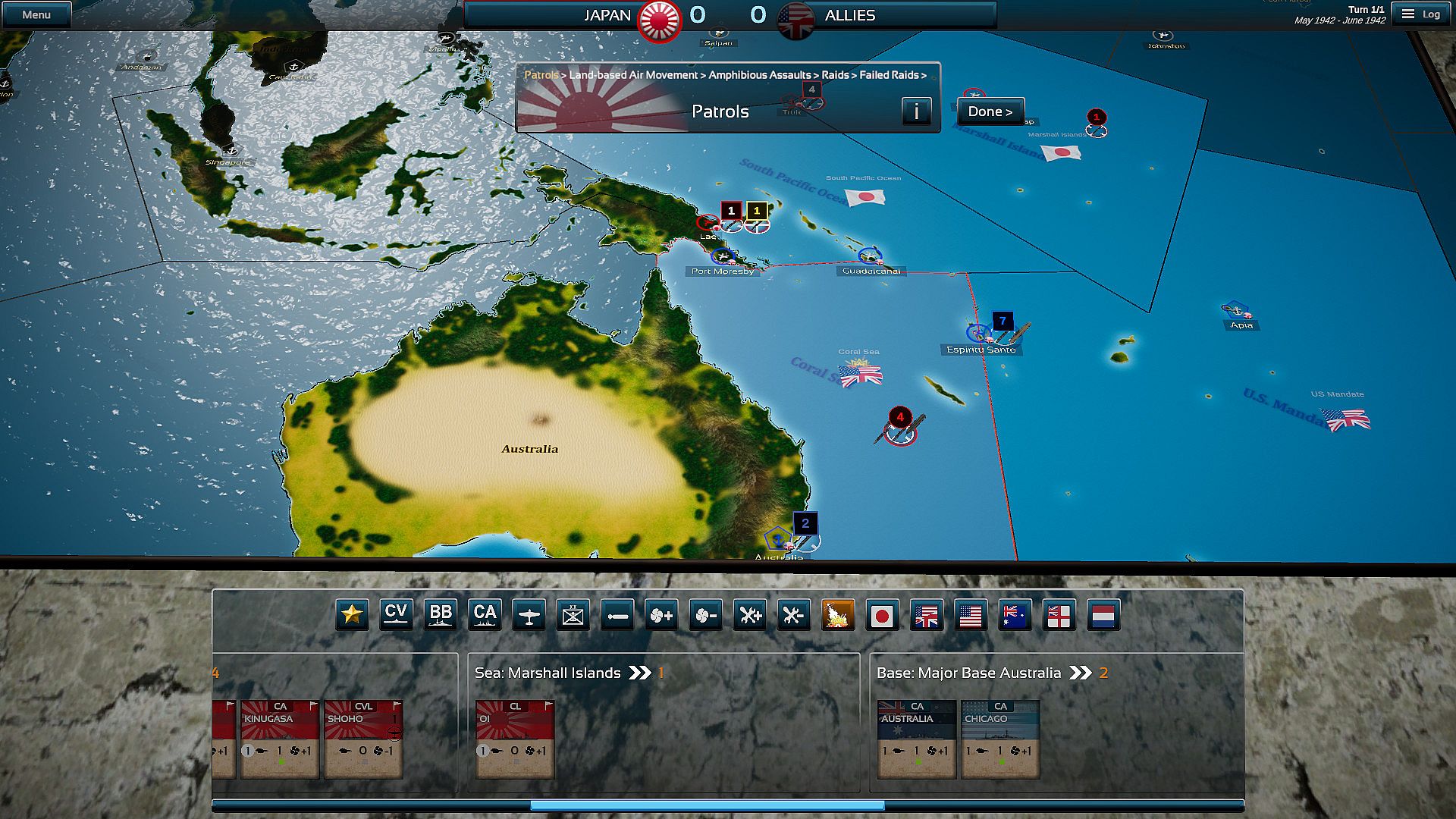
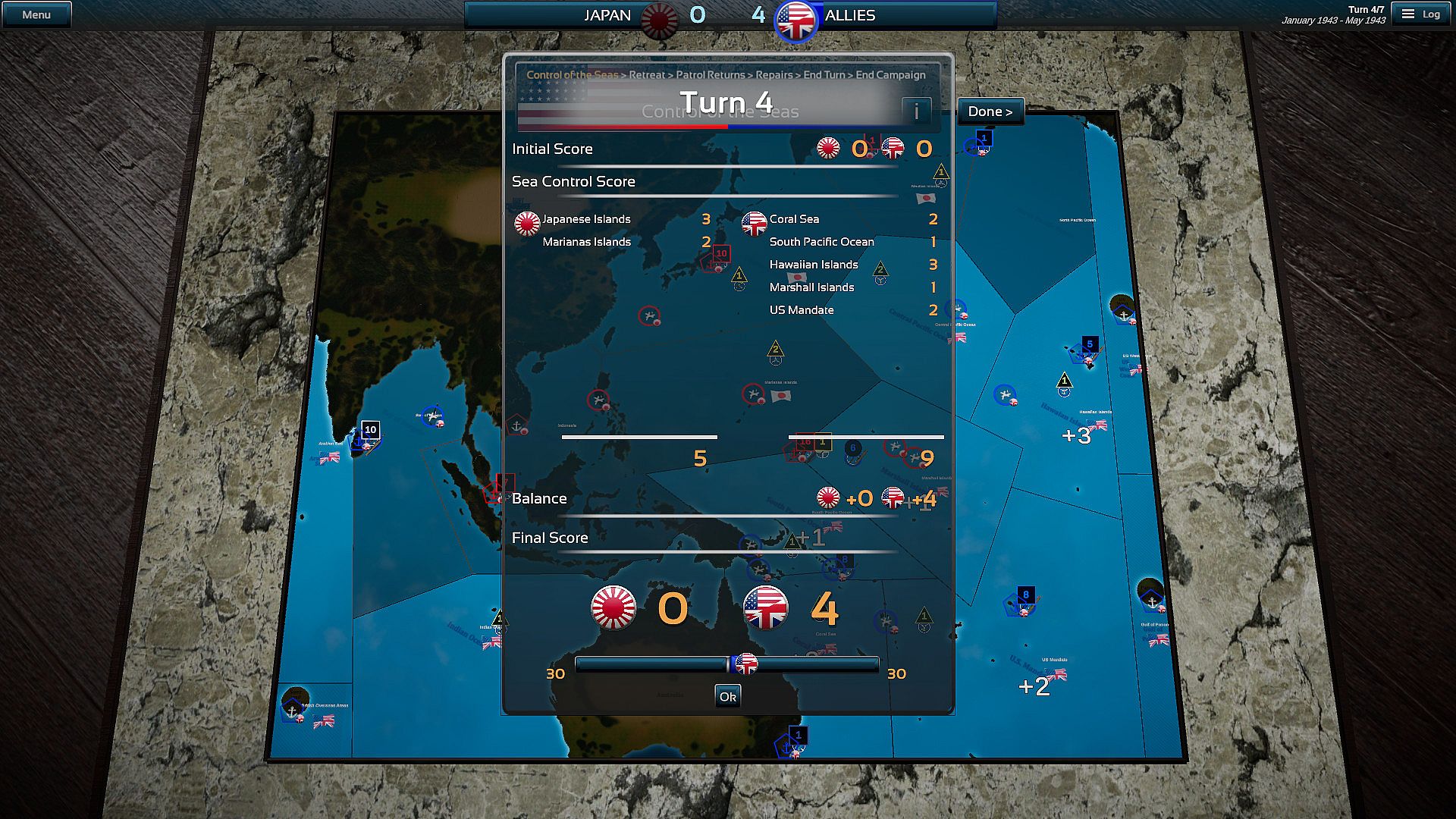
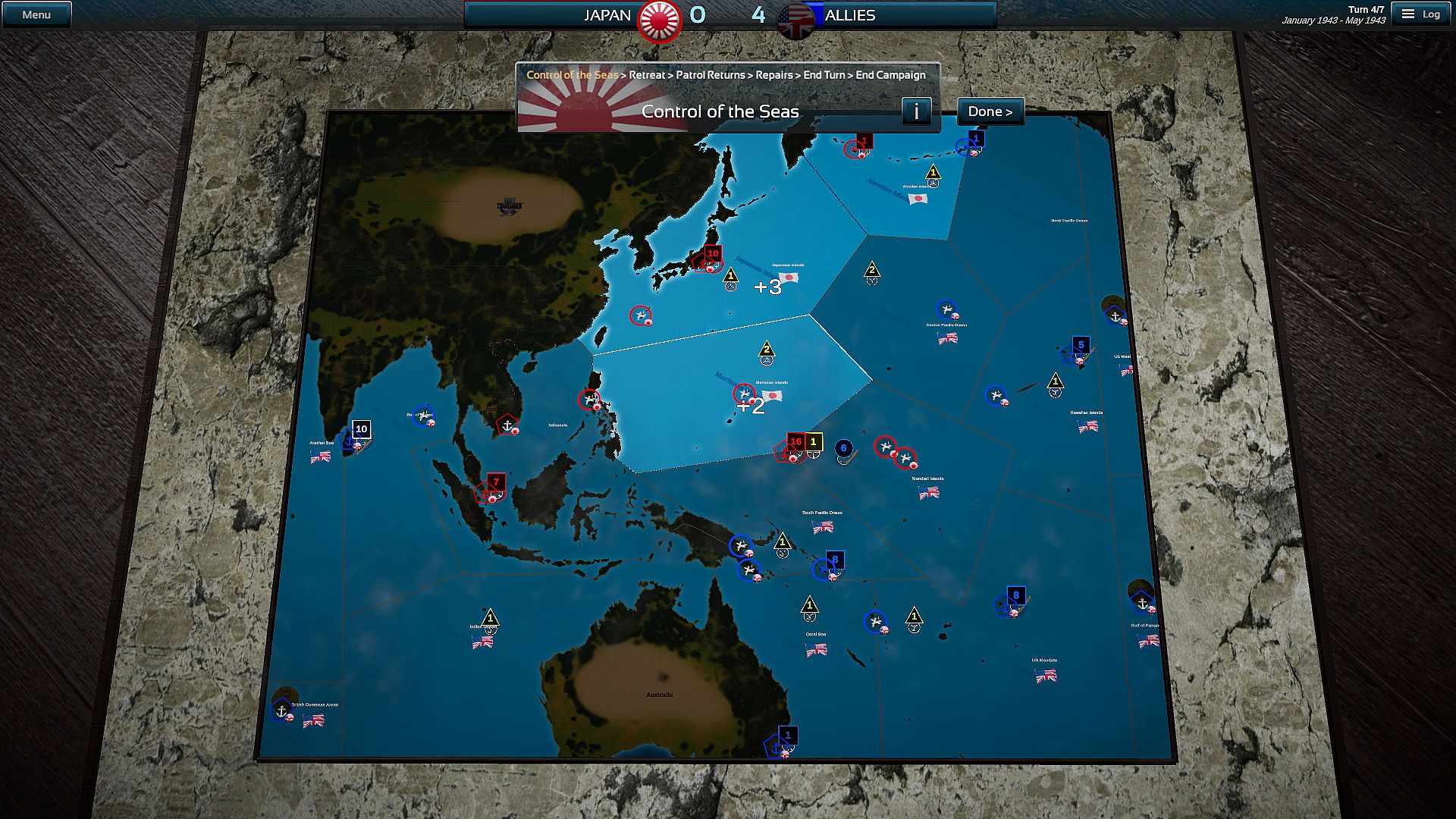
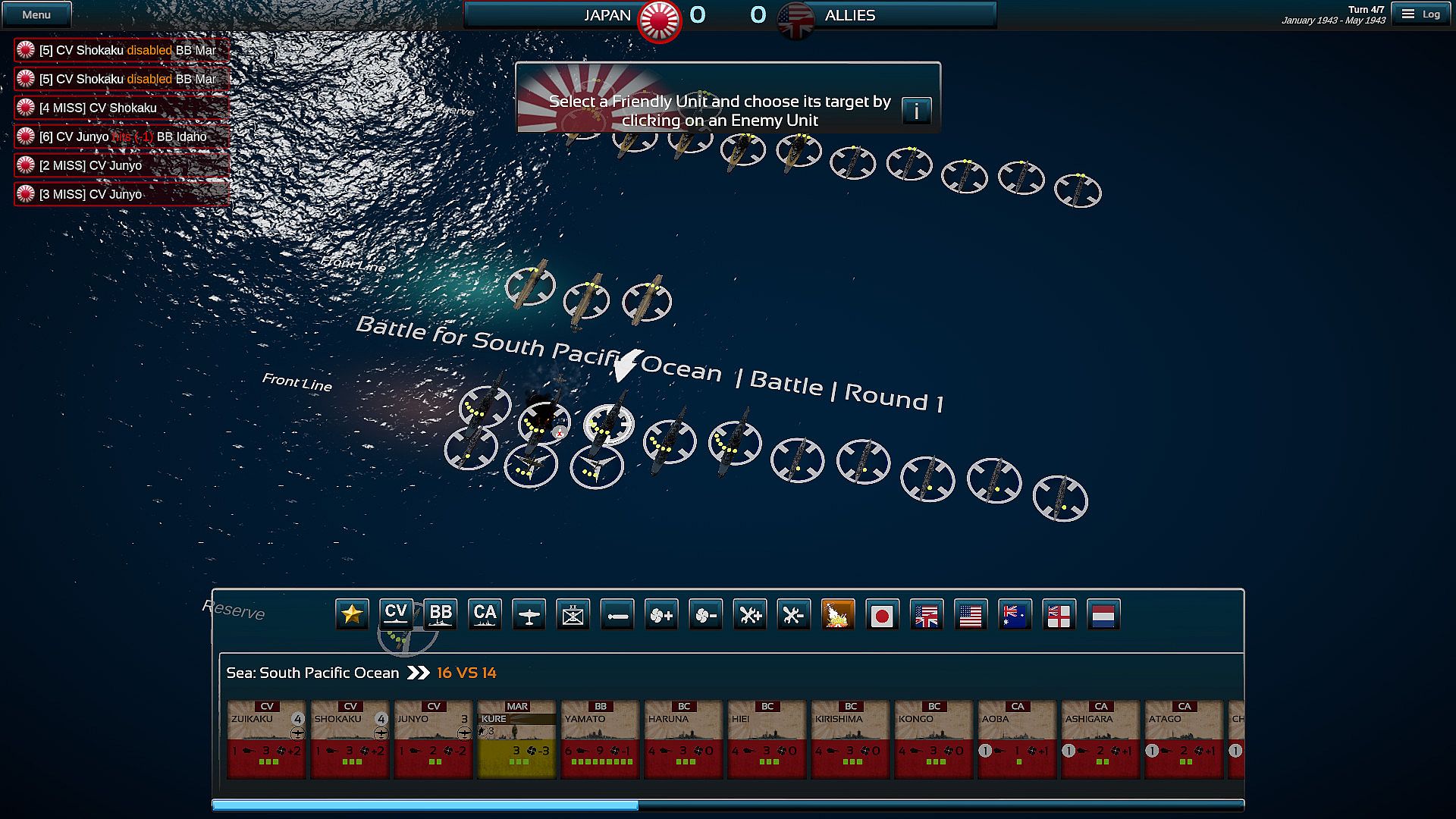
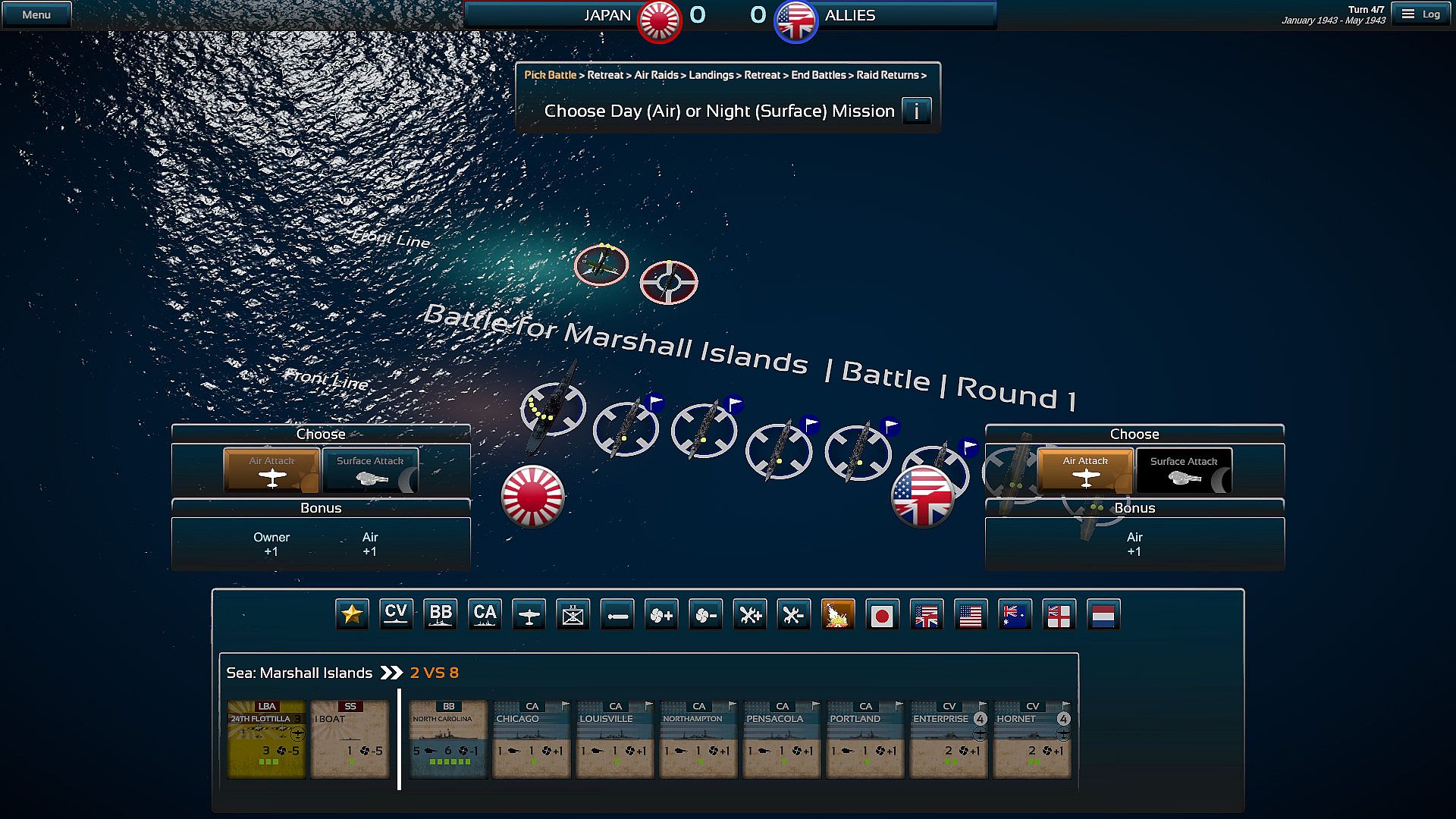
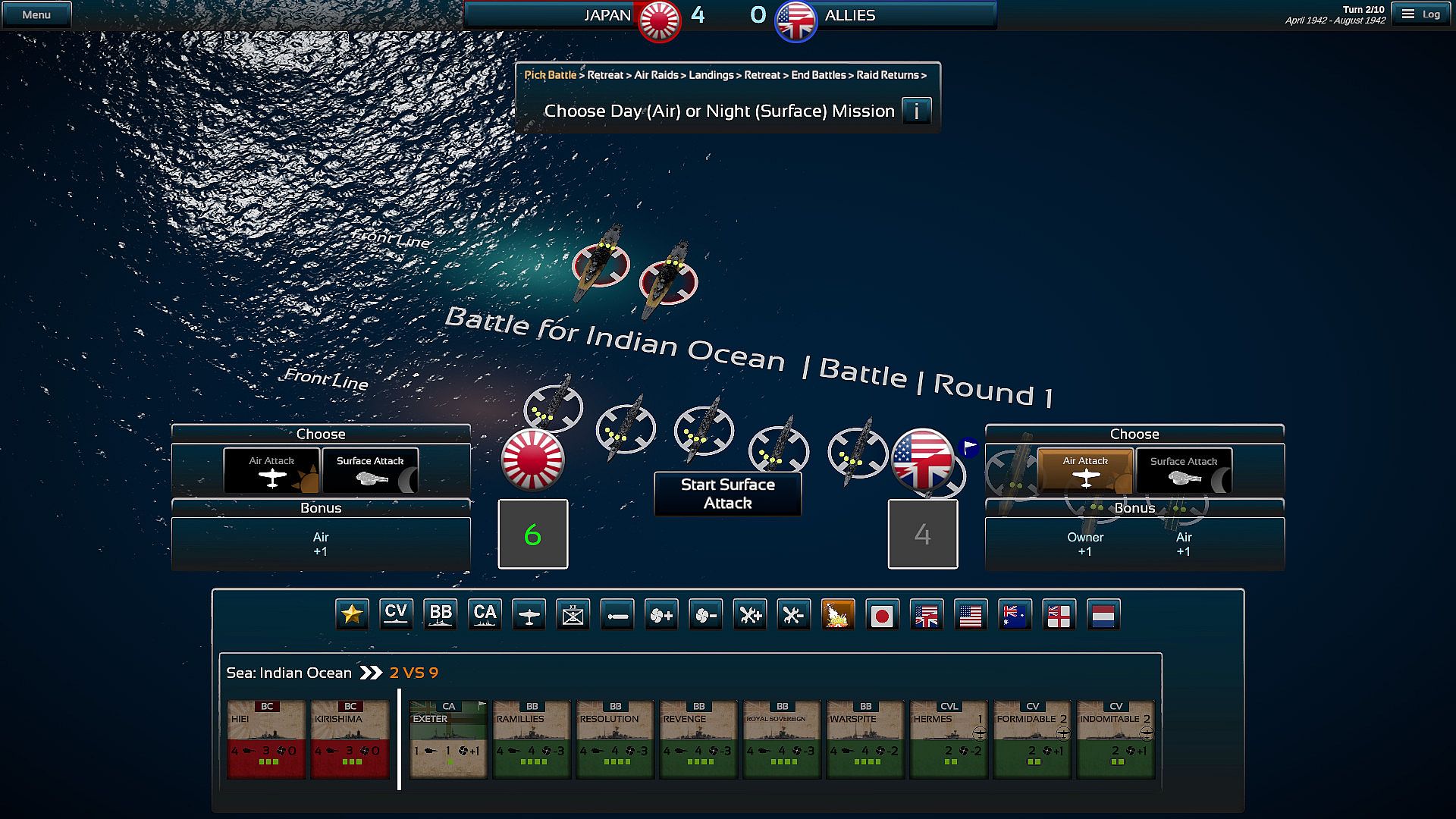
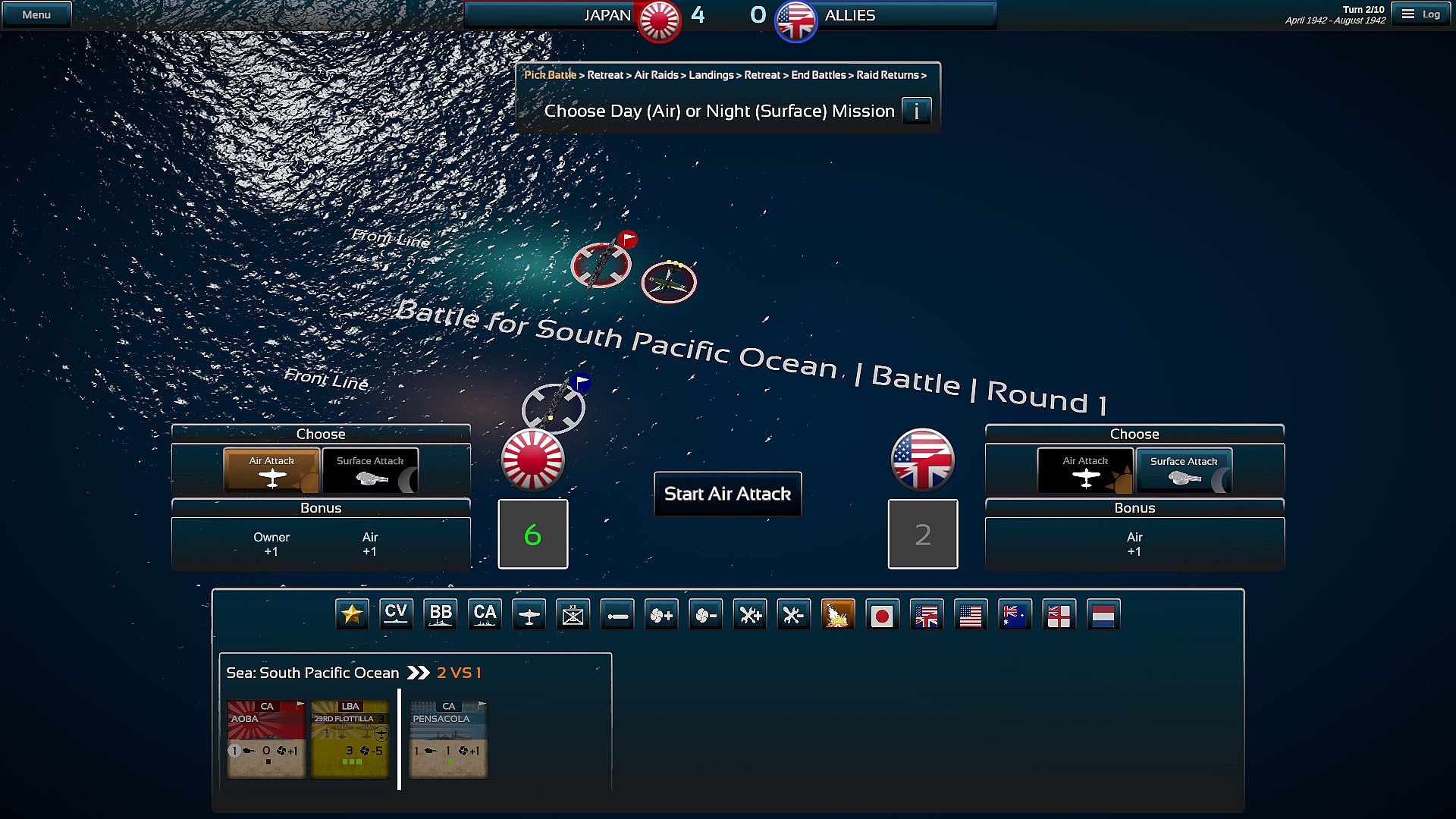
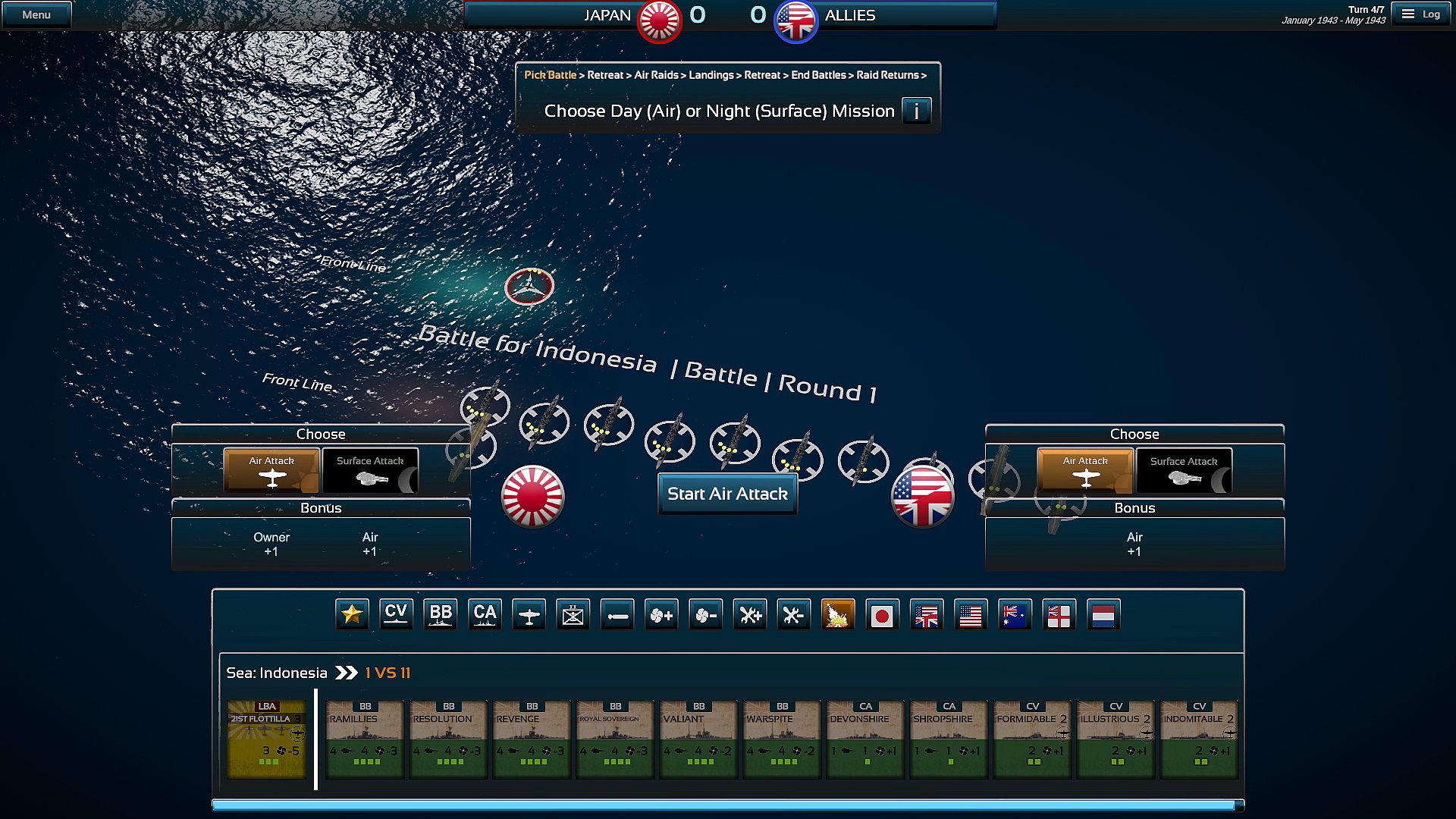
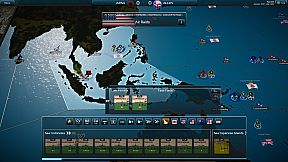
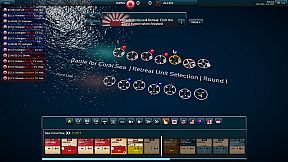
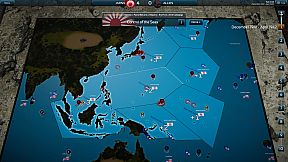
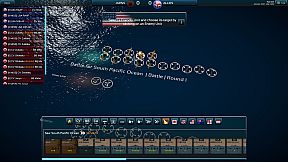
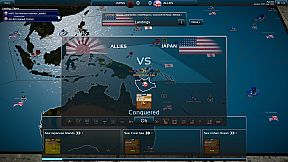
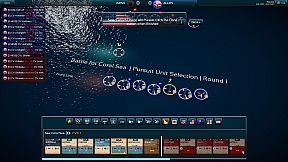
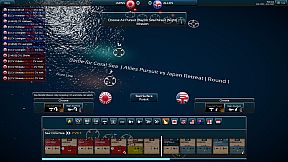
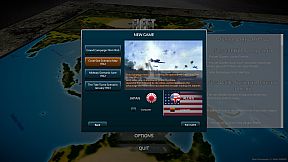
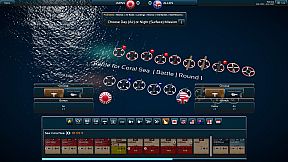
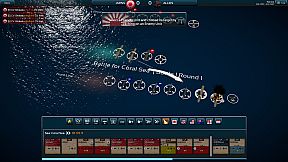
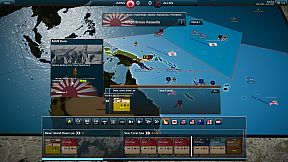
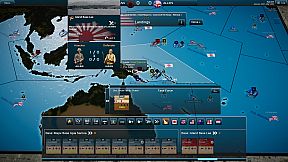
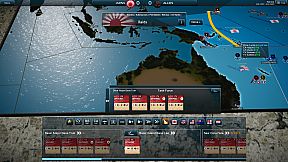
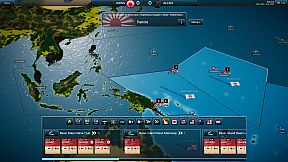
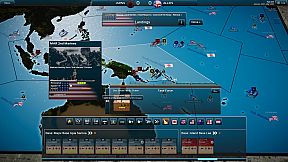
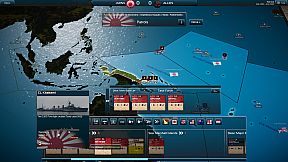
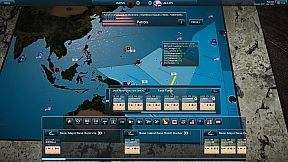
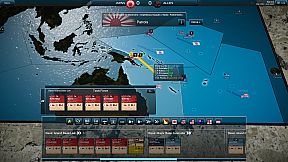
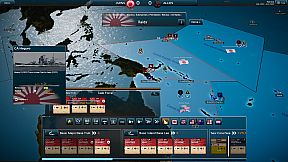
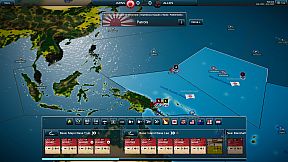
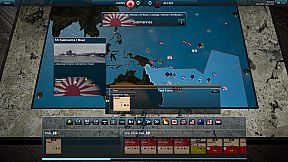
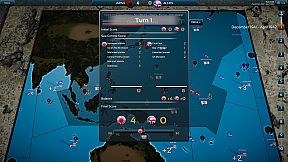
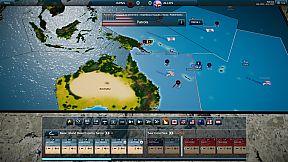
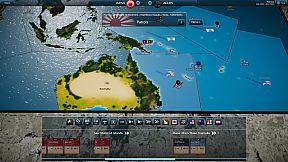
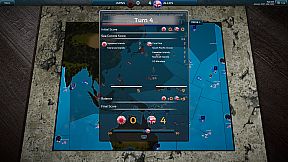
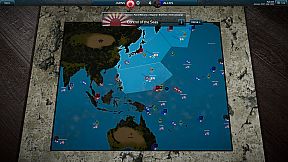
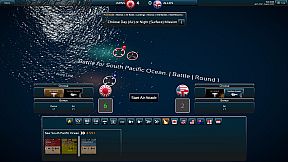
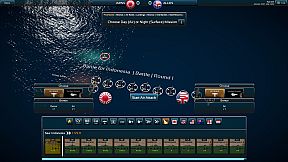
Fleet Commander: Pacific is a turn-based strategy simulation focused on naval warfare in the Pacific theater during World War II. Players command either Allied or Japanese forces across a map divided into key sea areas, with the goal of securing and maintaining control to accumulate victory points. The game emphasizes grand strategic decisions over individual ship tactics, featuring historical units such as battleships, carriers, and heavy cruisers represented as single entities while grouping smaller vessels, aircraft, and marines into flotillas.
Gameplay
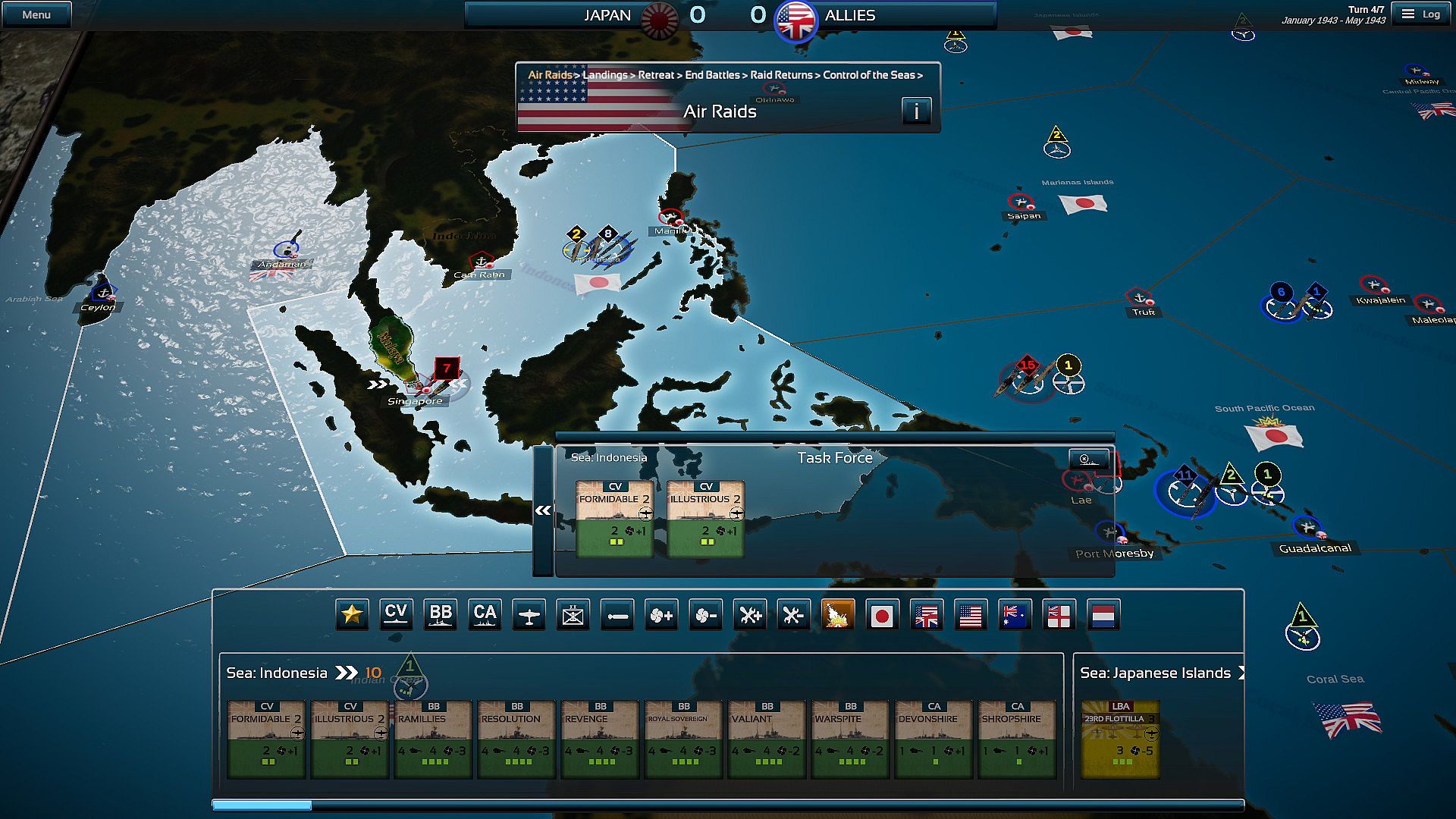
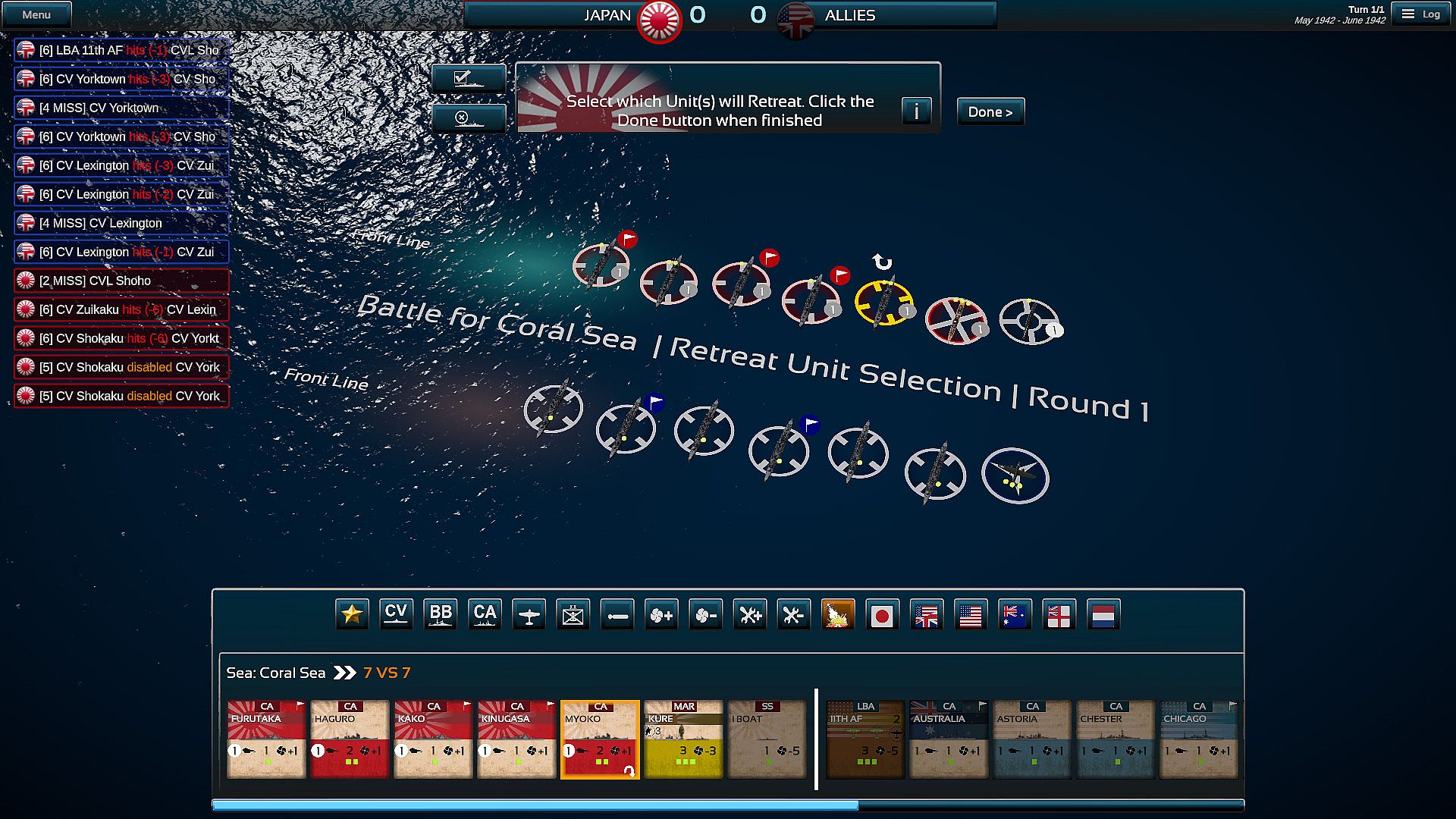
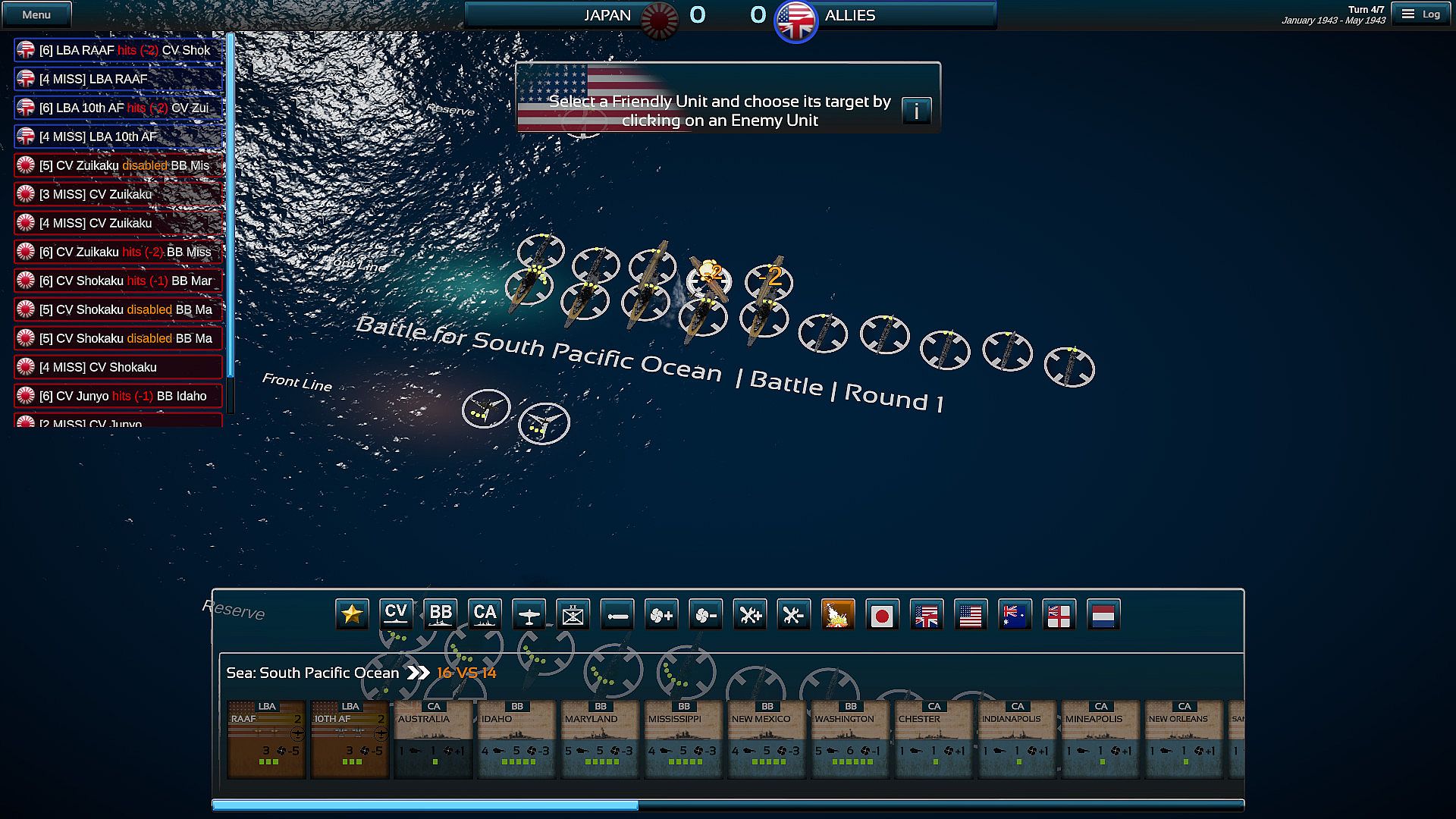
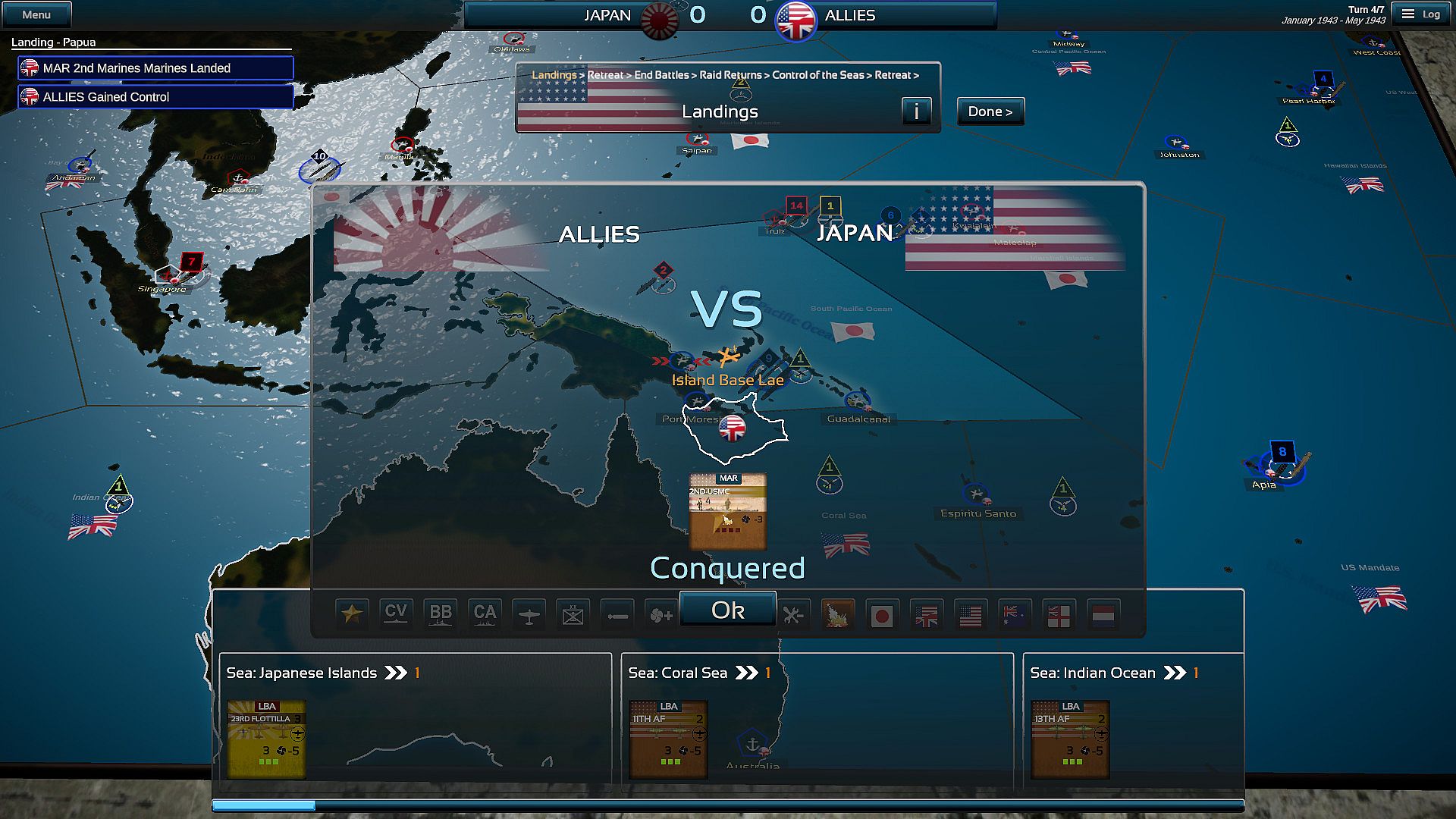
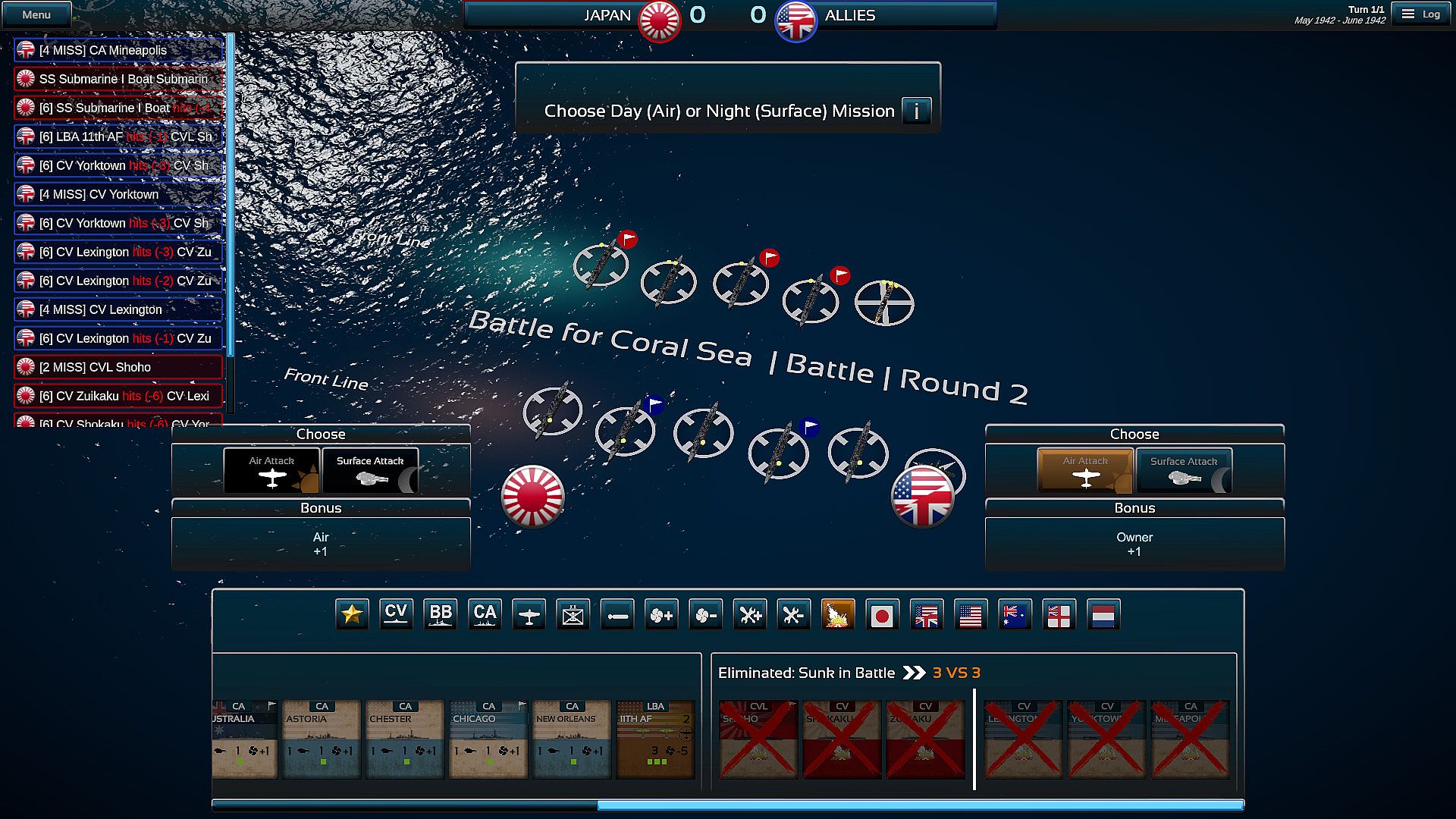
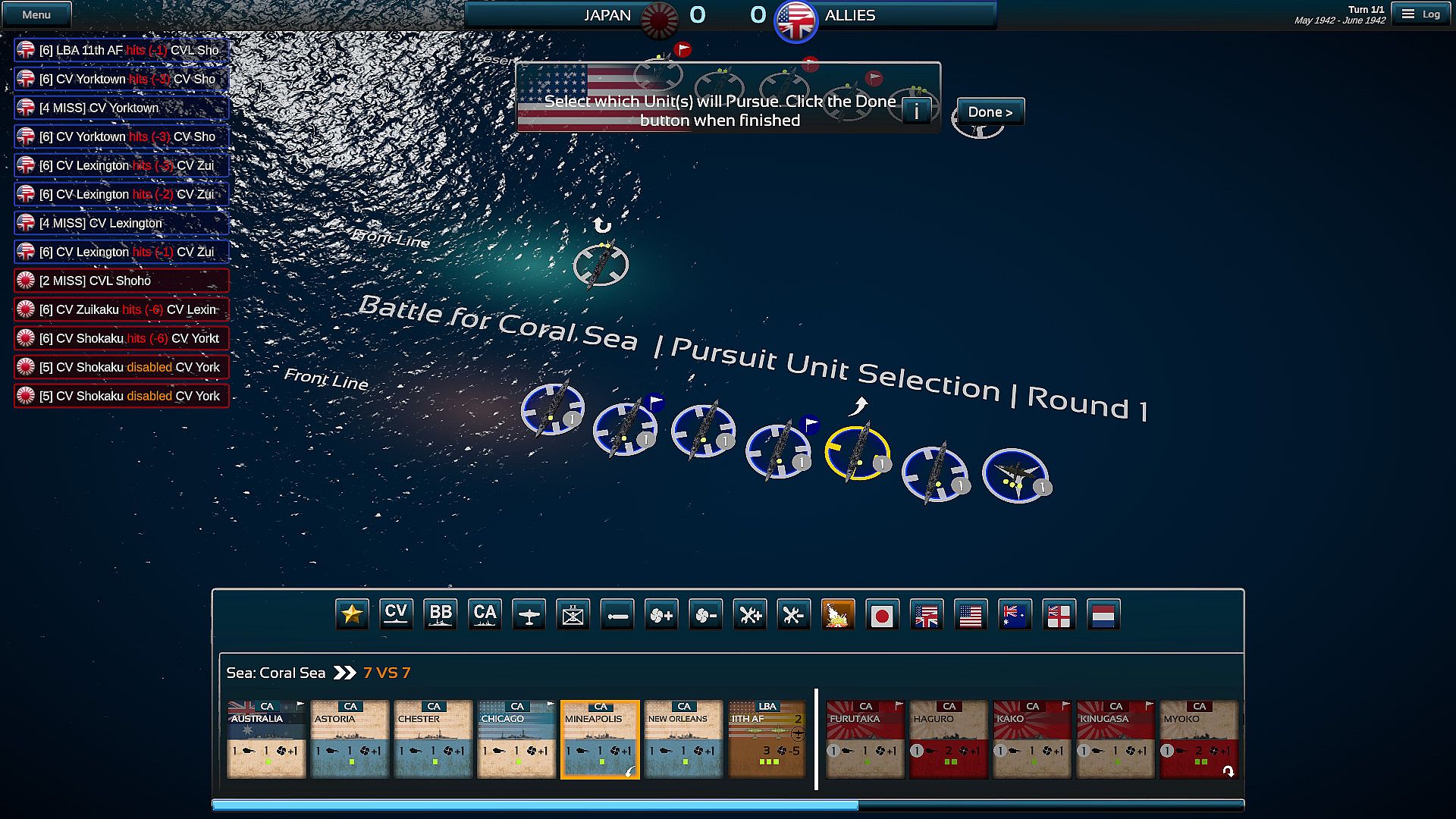
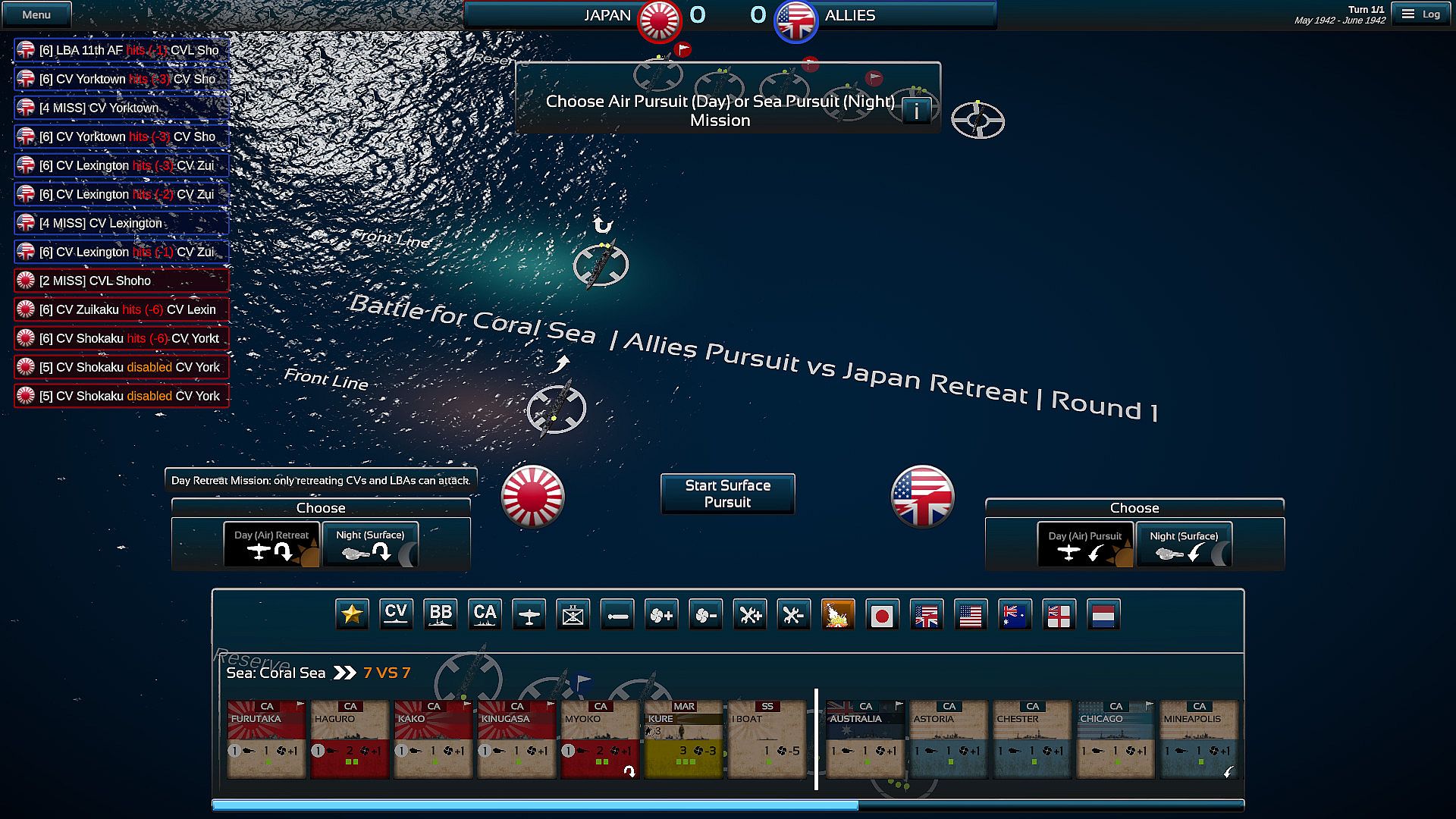
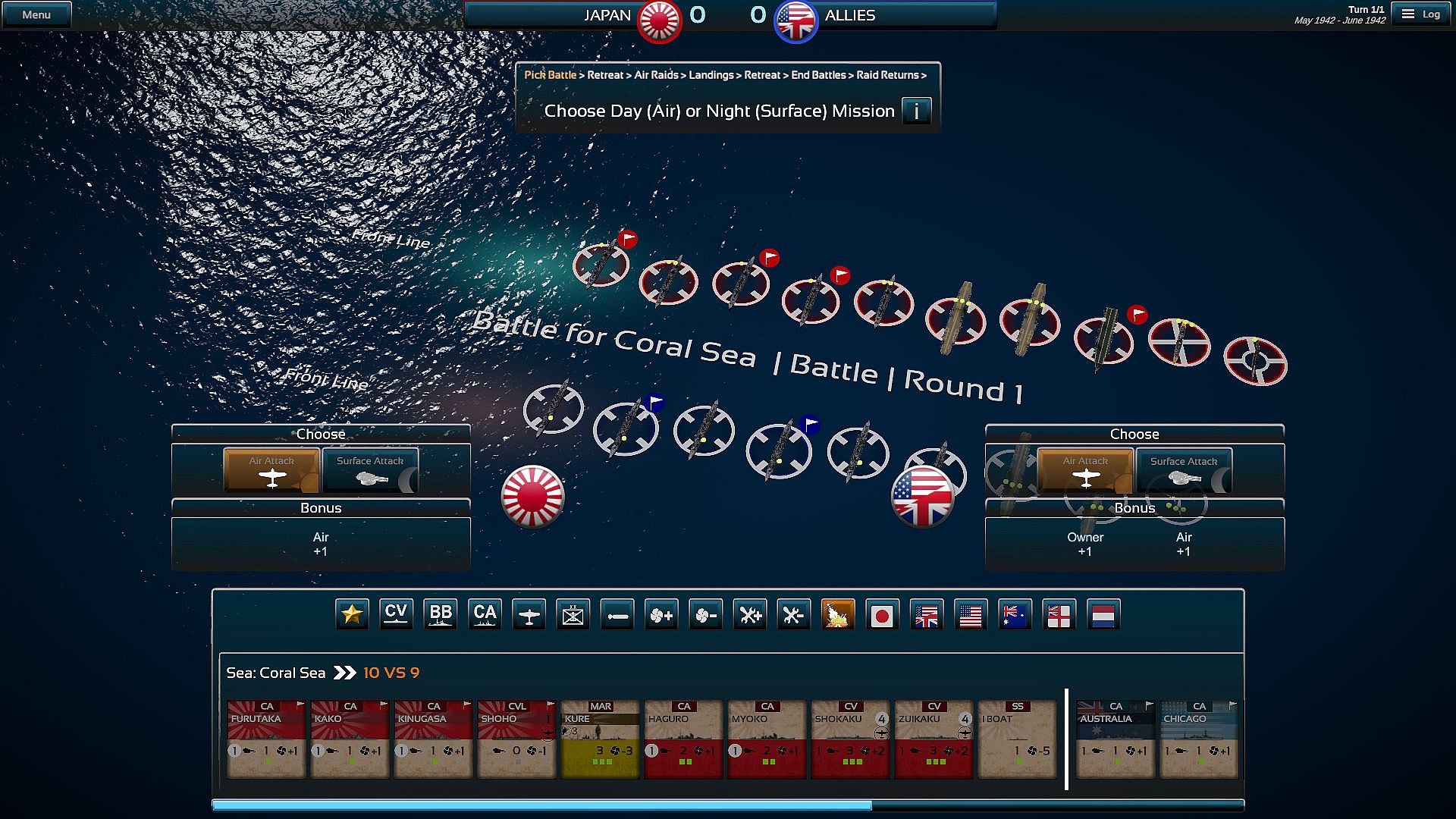
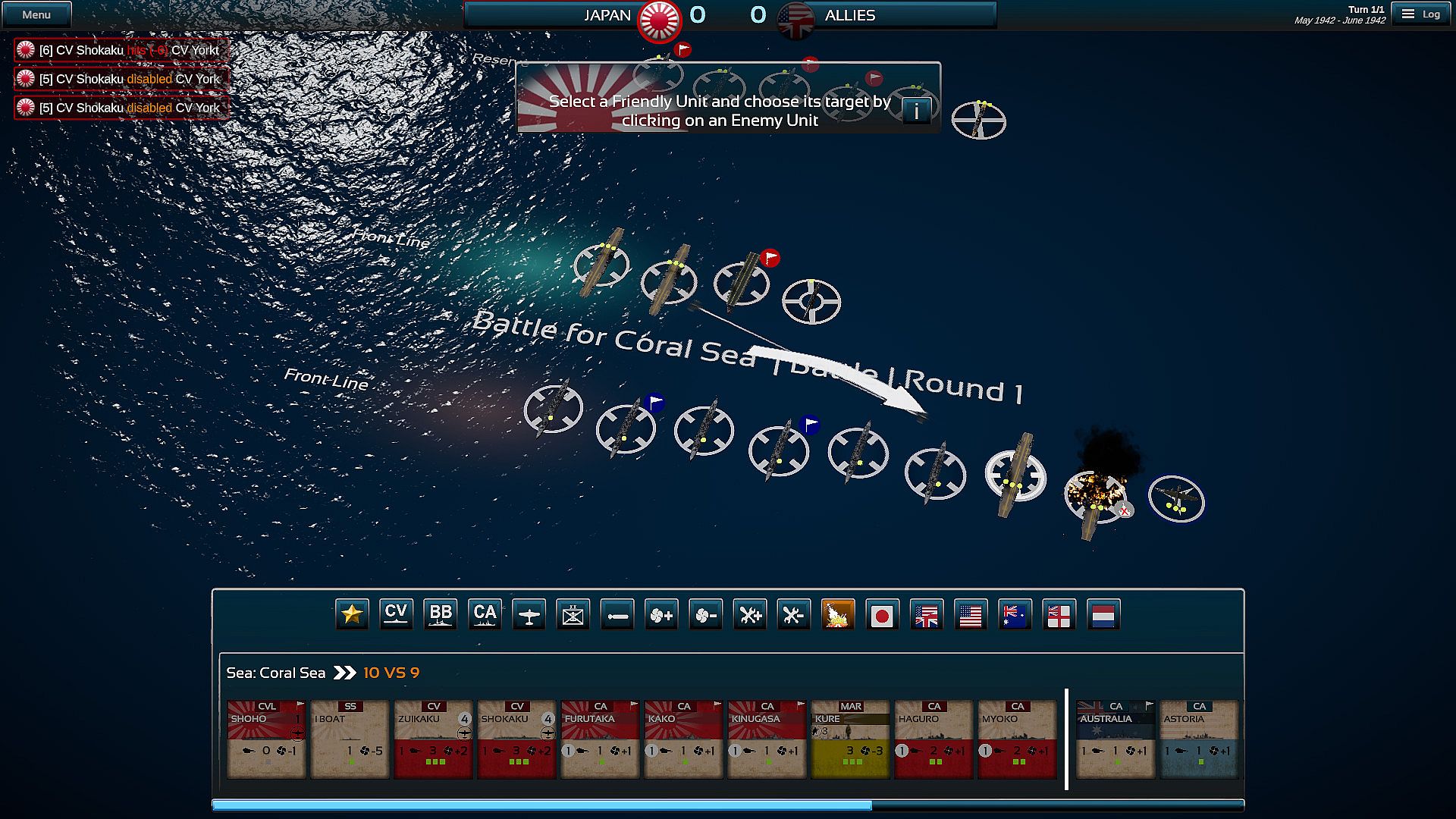
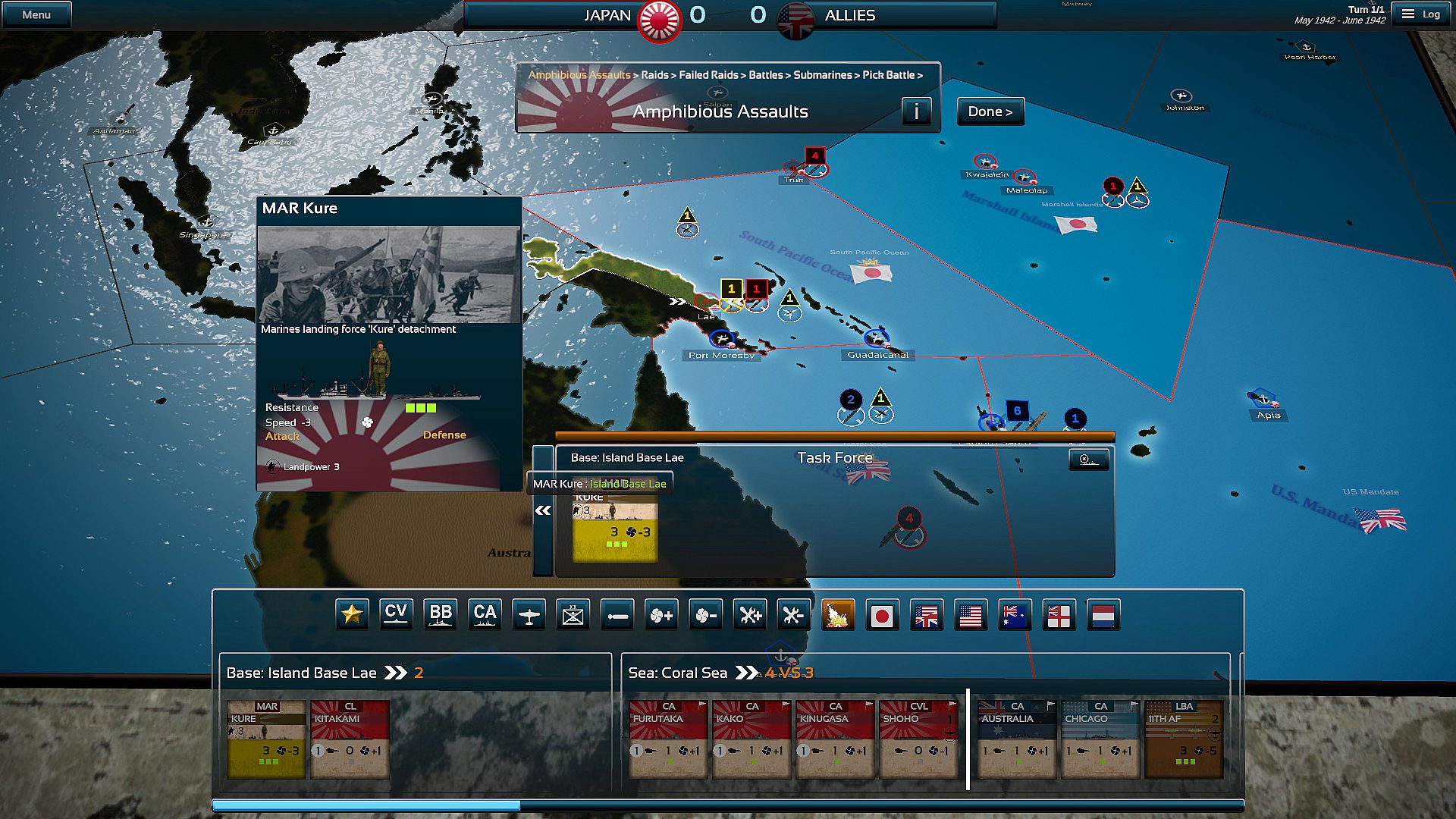
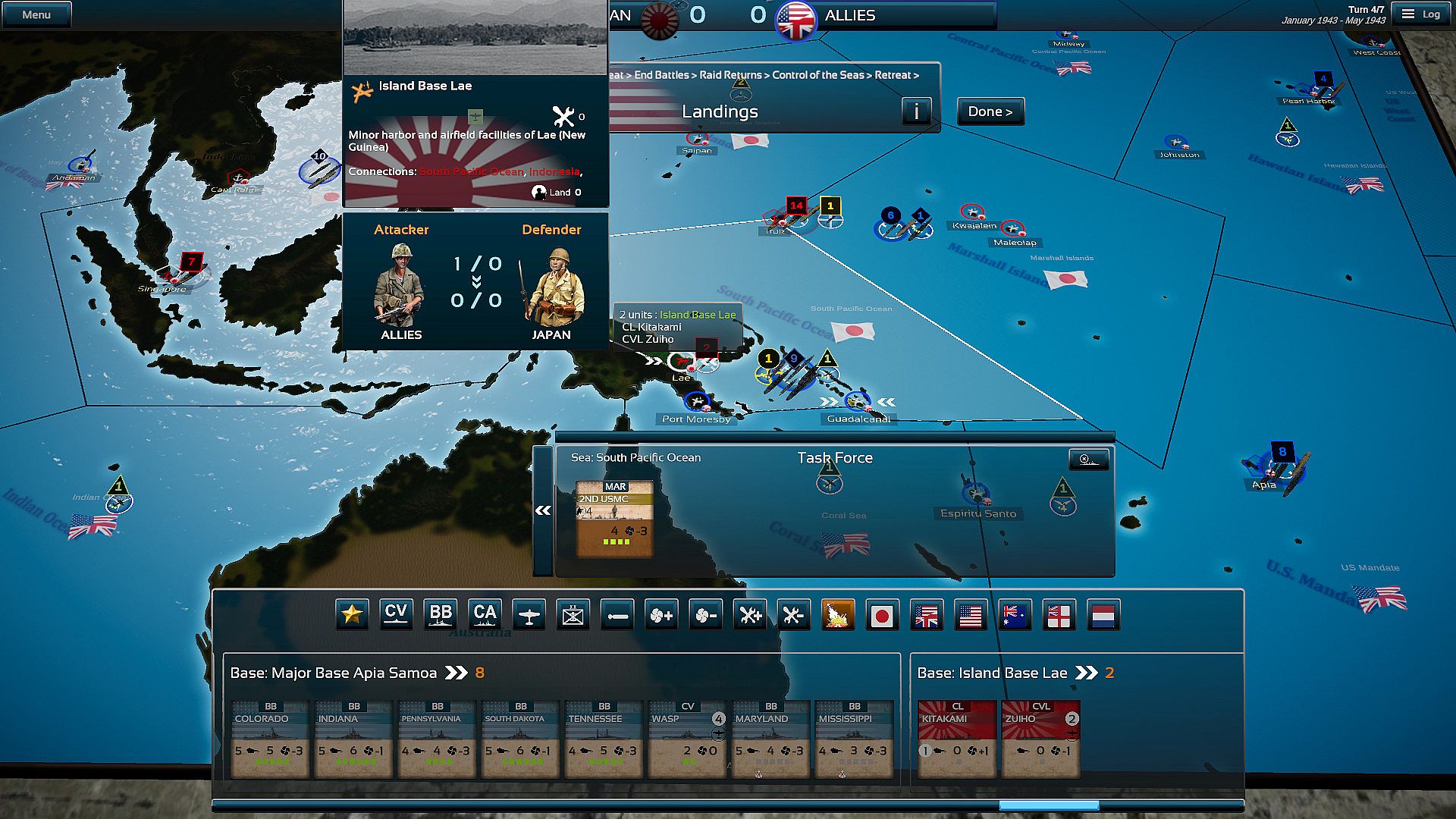
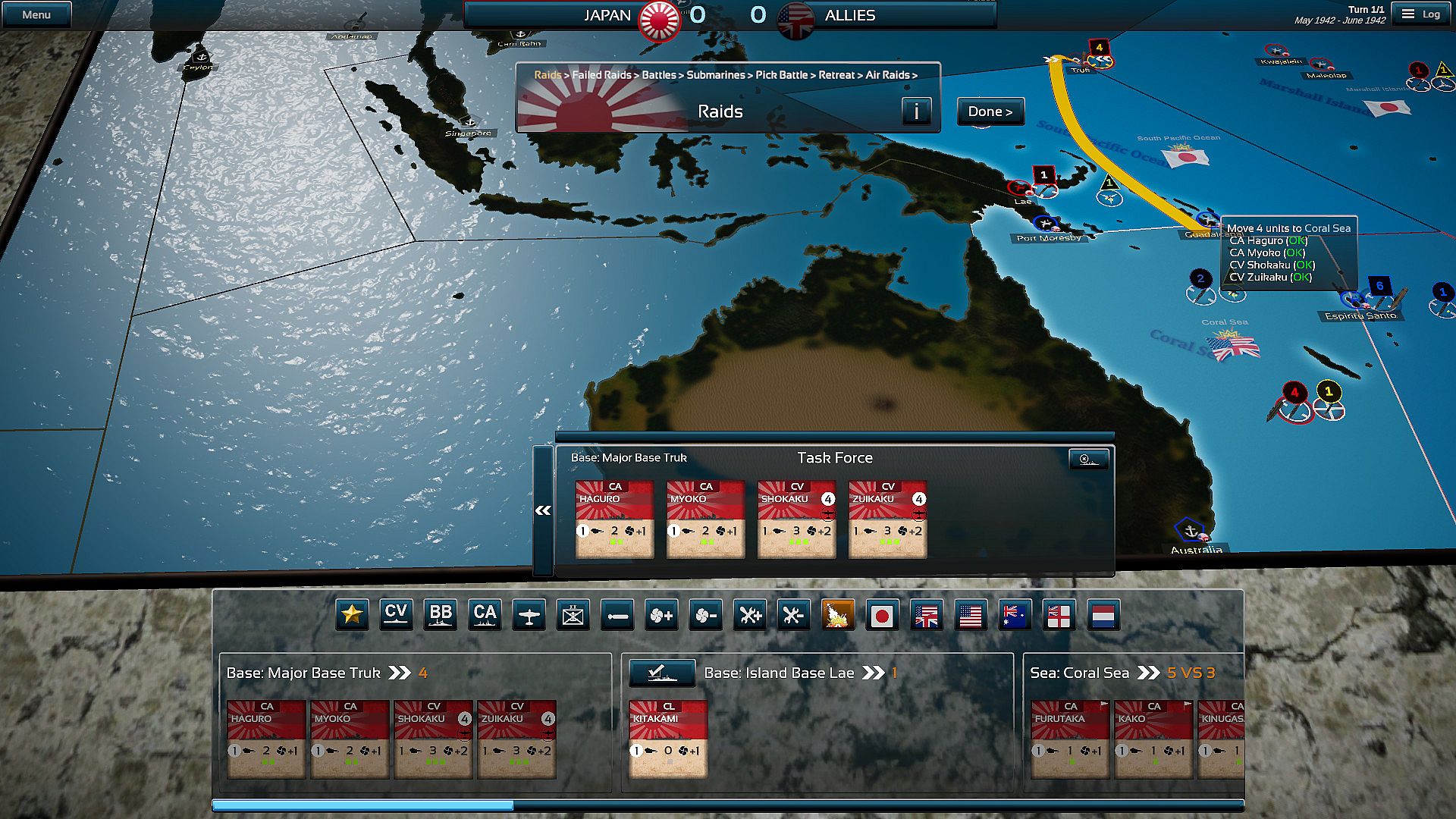
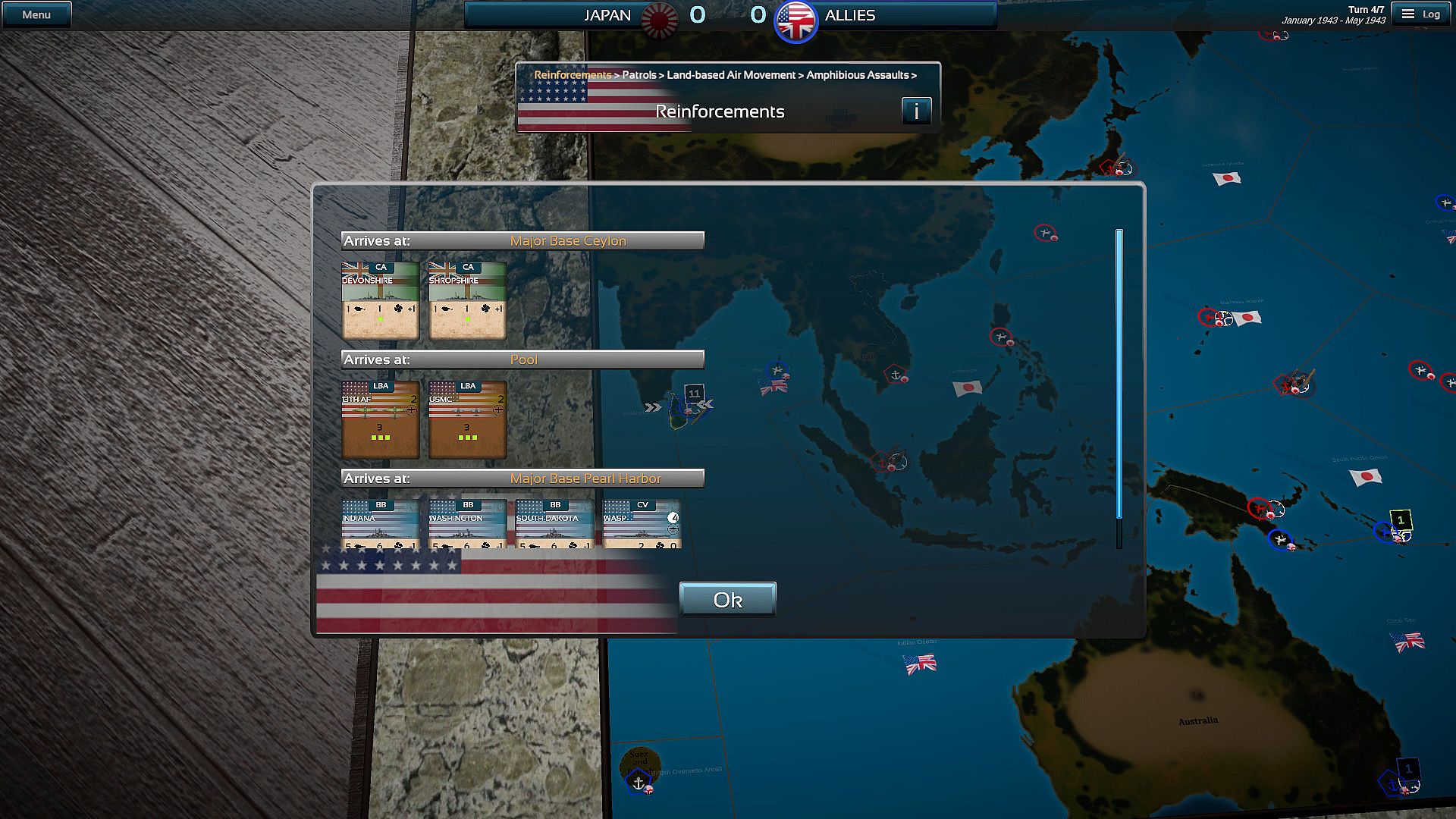
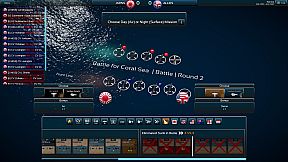
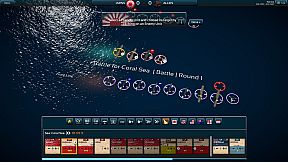
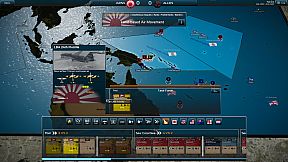
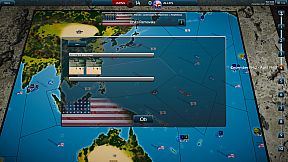
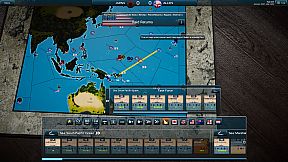
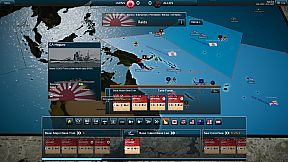
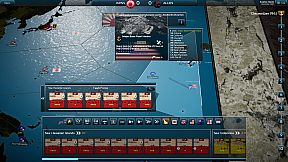
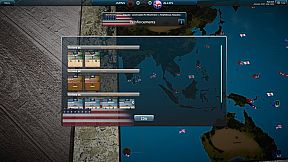
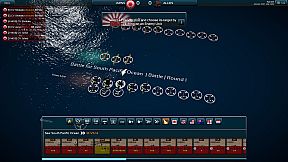
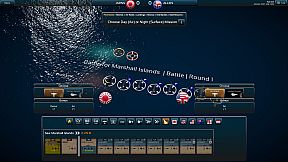
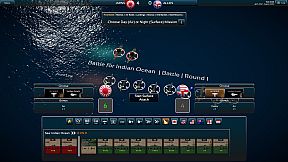
The core loop revolves around a fixed sequence of phases that repeat each turn. Players manage reinforcements arriving at friendly ports, deploy patrols to contest sea zones, position land-based aircraft for area control, move amphibious forces, and conduct submarine operations where available. Raid missions allow strikes without claiming permanent control, leading into battle resolution. Battles proceed through alternating rounds of air or surface combat, where units exchange fire simultaneously but display results sequentially. Ships suffer damage that can disable or sink them once protection thresholds are exceeded, with options for partial or full retreats that may trigger pursuits based on speed. Land-based planes provide additional control and support but return to base if adjacent ports fall. Control checks at turn end determine victory point gains, while isolation of bases over consecutive turns enables captures without direct assault. Marines handle amphibious landings and base seizures, either undefended or through mutual elimination against opposing units. Repair points allocated per port address accumulated damage, and unused allocations do not carry over. The system incorporates day and night conditions, port air raids, and occasional reinforcements or withdrawals tied to historical timelines.
Game Modes
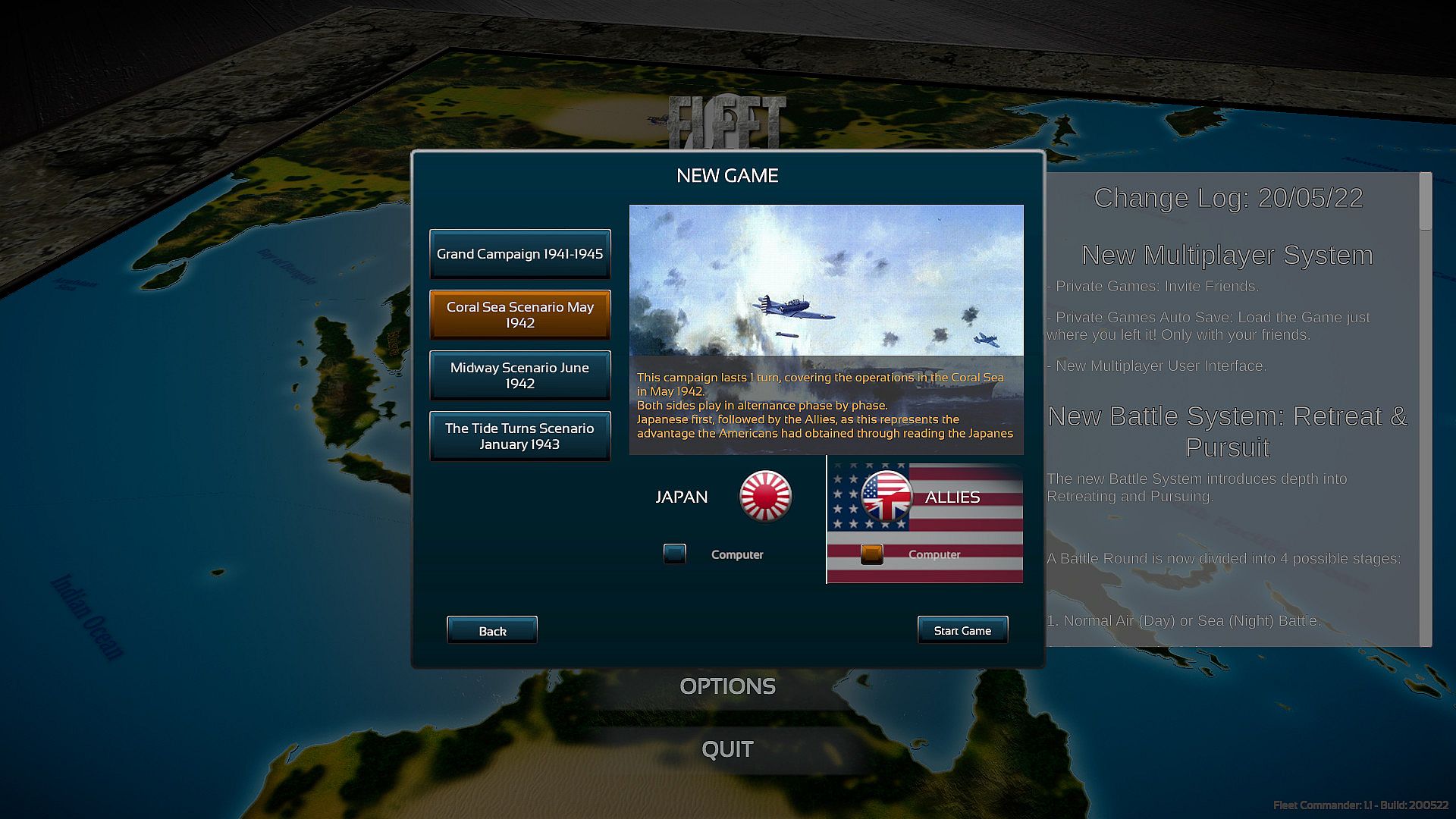
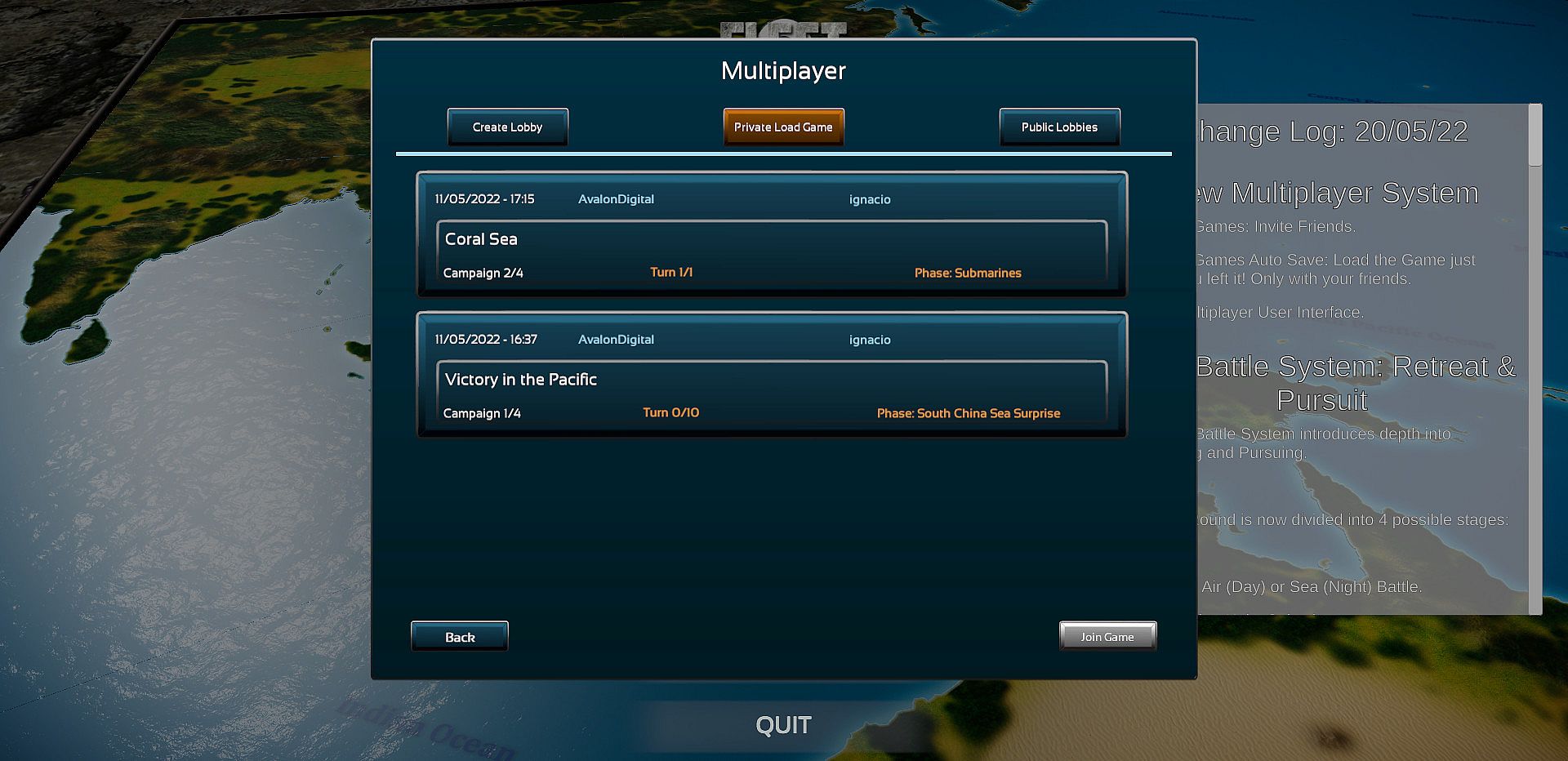
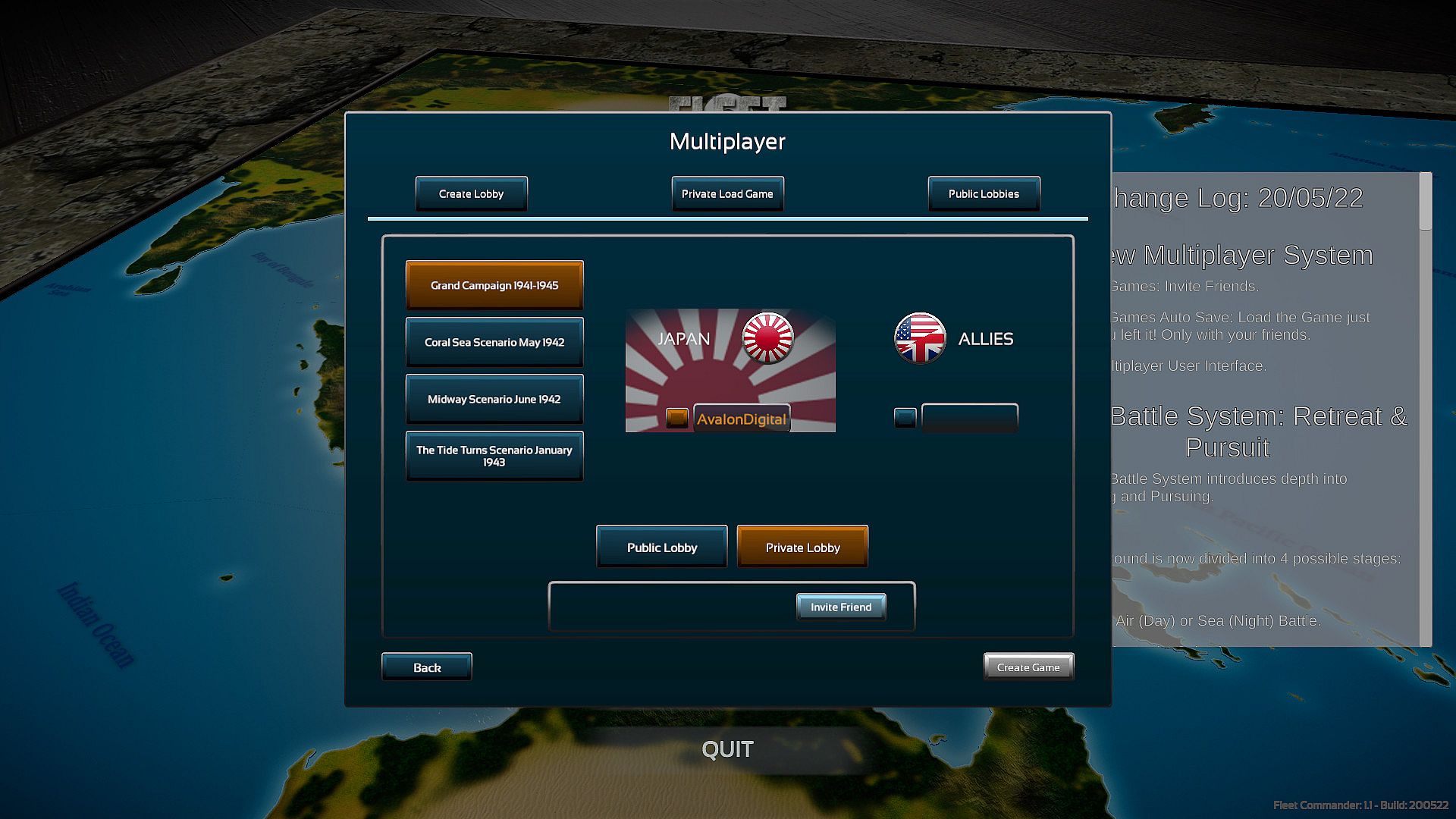
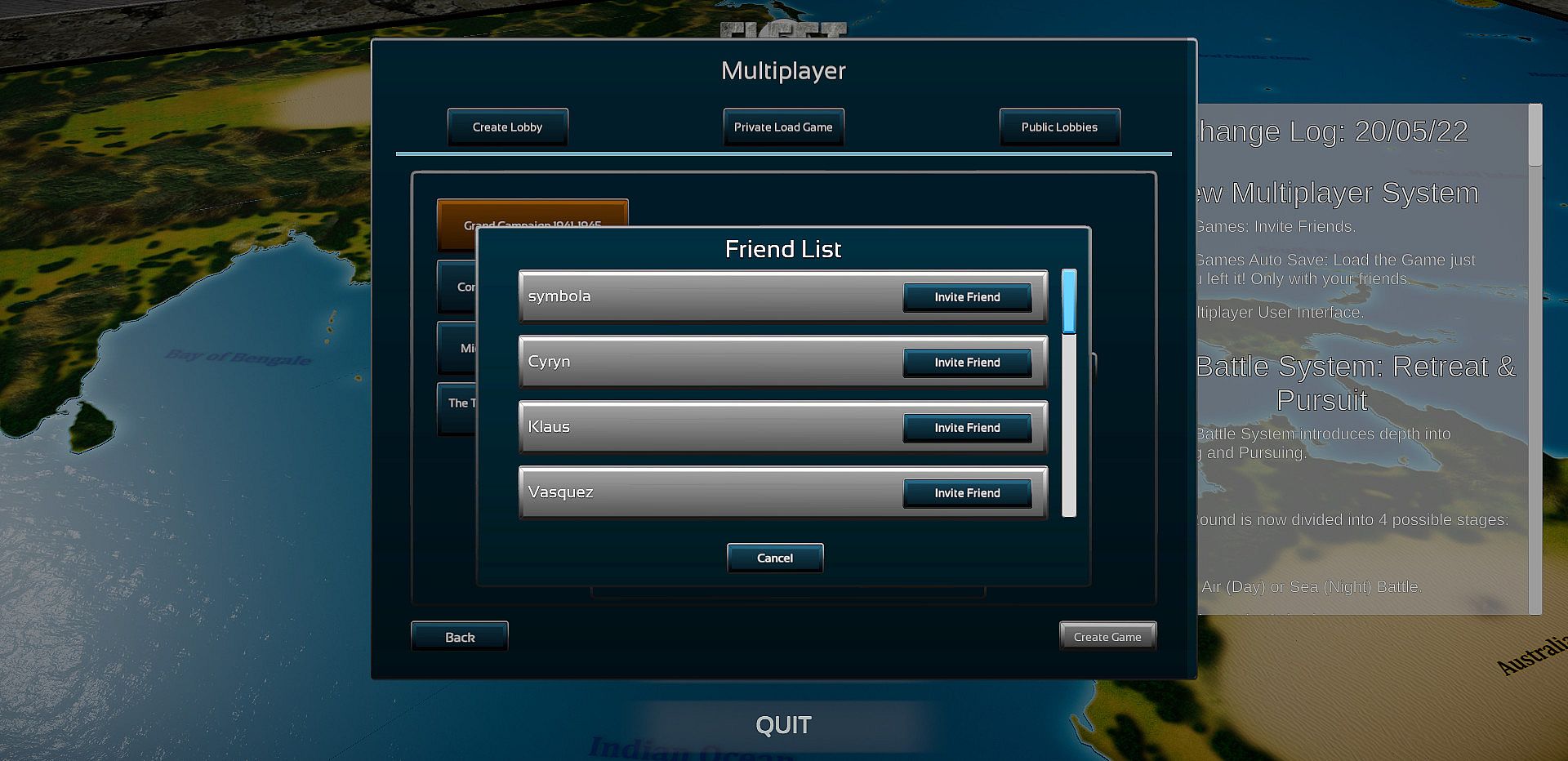
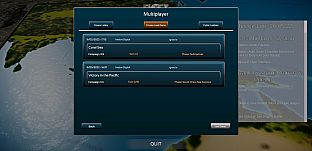
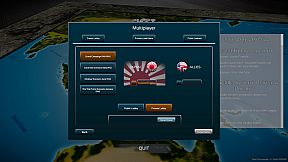
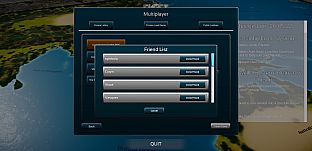
Three primary ways to play exist. Single-player pits one side against an artificial intelligence opponent that reacts to strategic positioning and attempts to disrupt plans. Hot seat allows two players to alternate turns on the same device. Multiplayer supports online matches between remote participants. Scenarios vary in length and difficulty, ranging from shorter engagements to full campaigns spanning ten turns of four months each. The Allied side benefits from moving last in the sequence, reflecting historical code-breaking advantages that enable responsive counterplay.
Scenarios and Campaigns
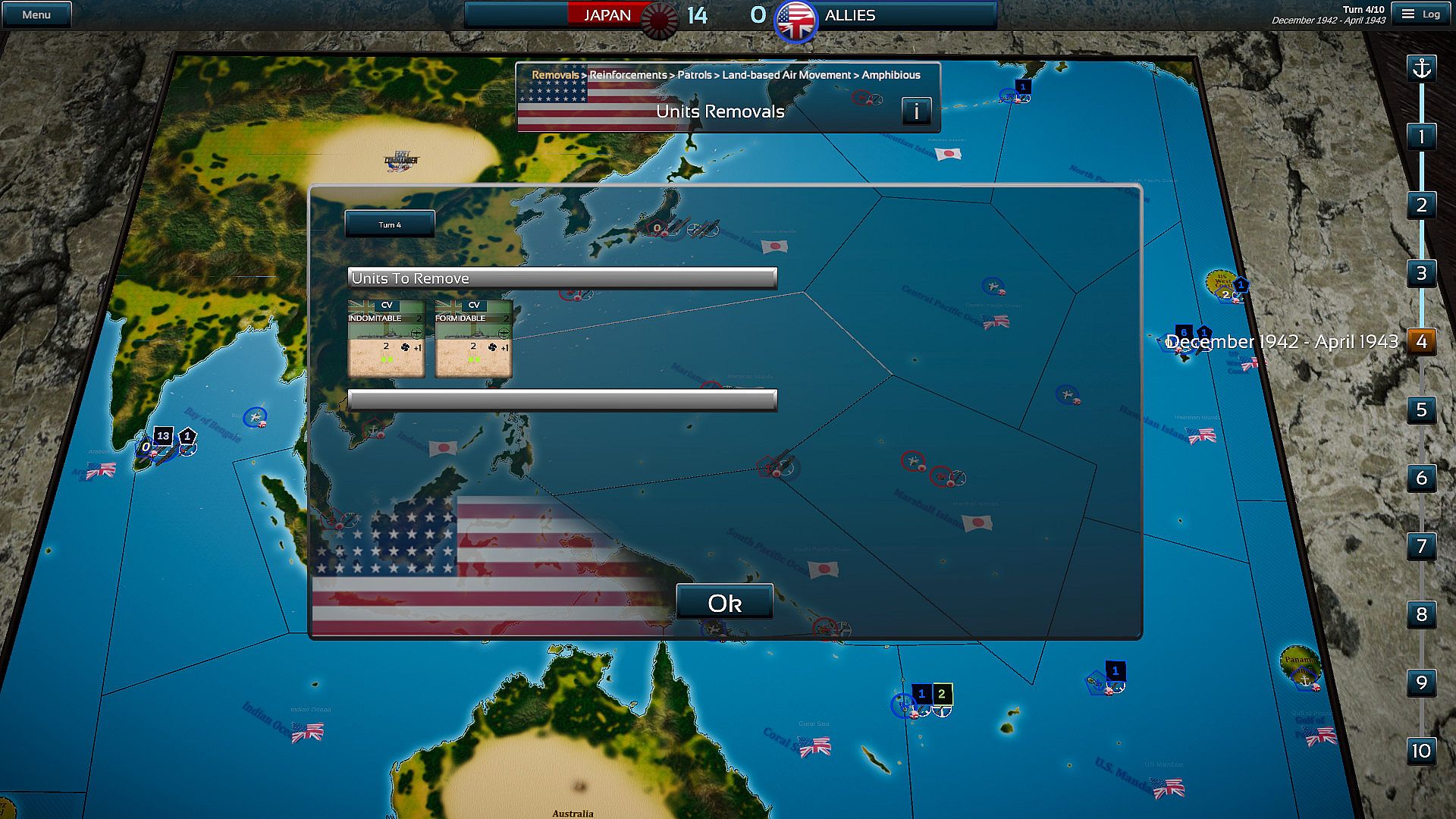
Content centers on multiple scenarios drawn from the Pacific campaign, each with distinct objectives, starting forces, and duration. Full campaigns cover the extended conflict through sequential turns, incorporating variable reinforcements and mandatory unit removals for other theaters. Shorter scenarios focus on specific operations such as island invasions or port raids. The database includes detailed ship specifications, three-dimensional models, and historical imagery for reference during play. A streamlined interface supports quick navigation between phases while providing detailed unit and area information on demand.
Is It Worth Playing?
Reviews rate the title mostly positive overall, with praise for its accessible entry point and logical flow that suits players seeking a board-game style naval simulation without excessive complexity. The focus on sea area control and phased decision-making appeals to those interested in strategic resource allocation and historical unit matchups. However, some players note the mechanics lean toward simplicity, prioritizing warfare elements over broader campaign depth. The game remains in early access with no recent updates or additional content releases. It suits enthusiasts of turn-based strategy who value precise historical representation and flexible play options, particularly those comfortable with AI opponents or local multiplayer sessions, though expectations should align with its current development status.