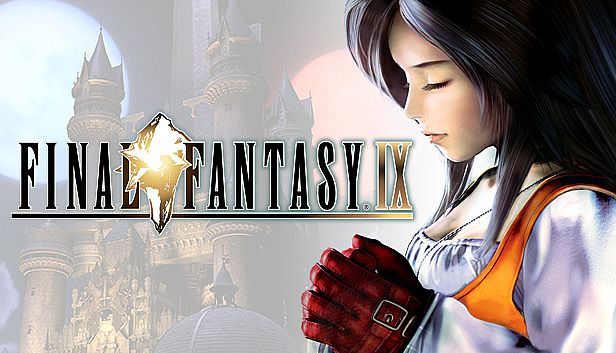


















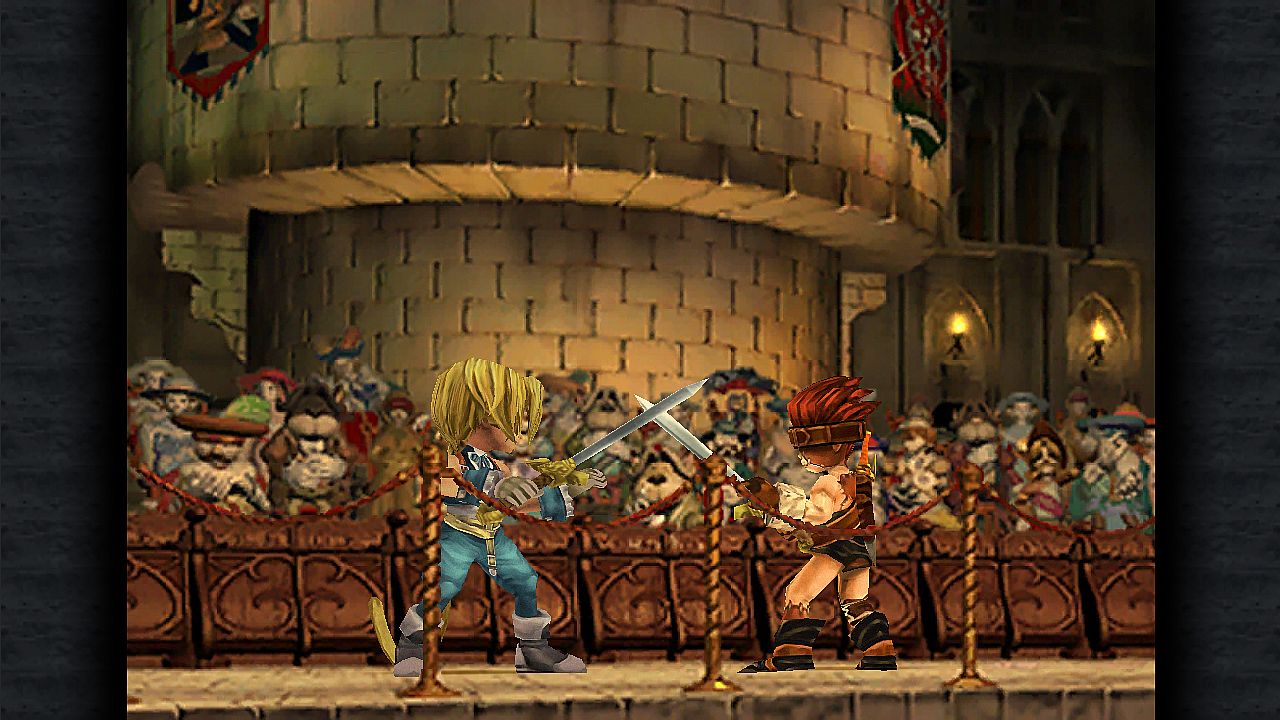
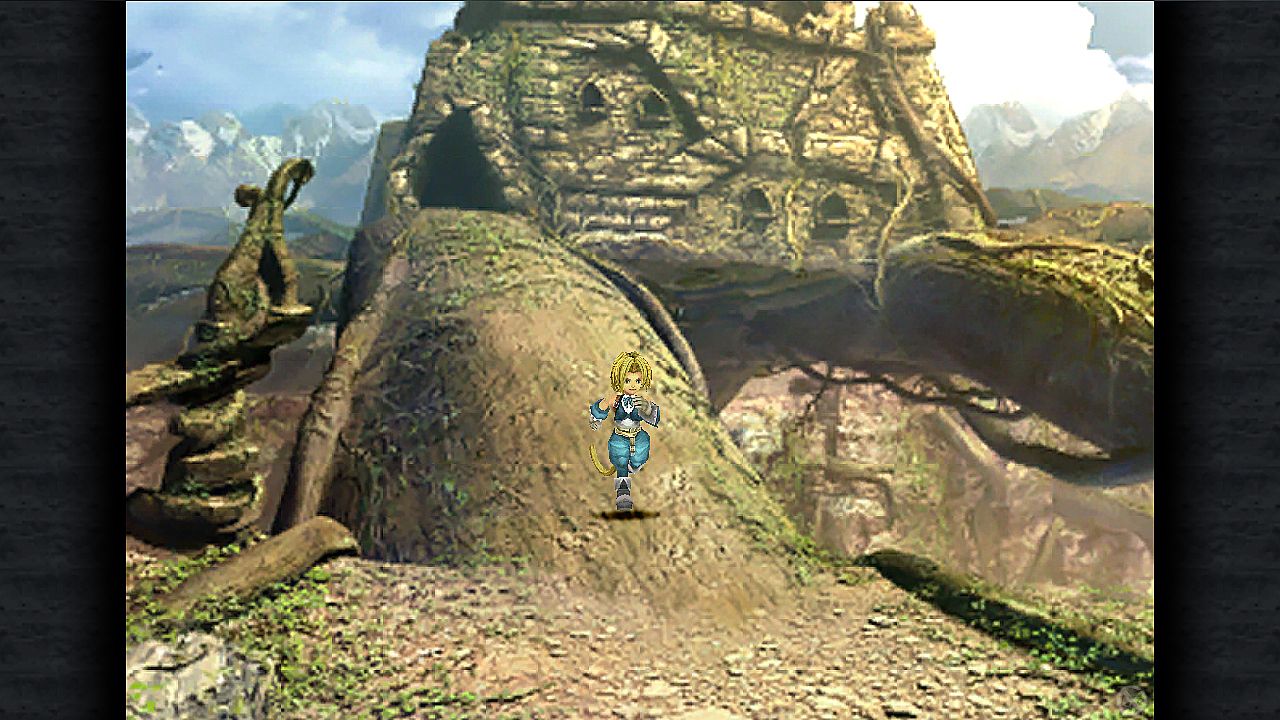
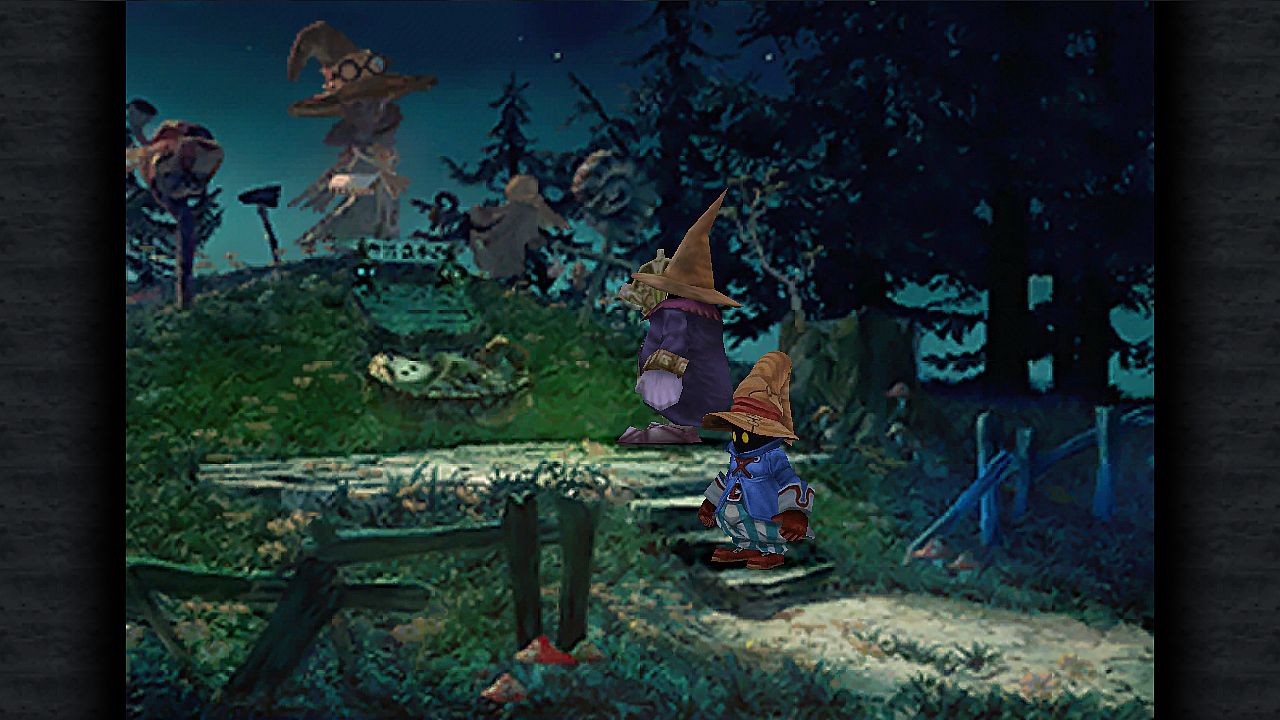
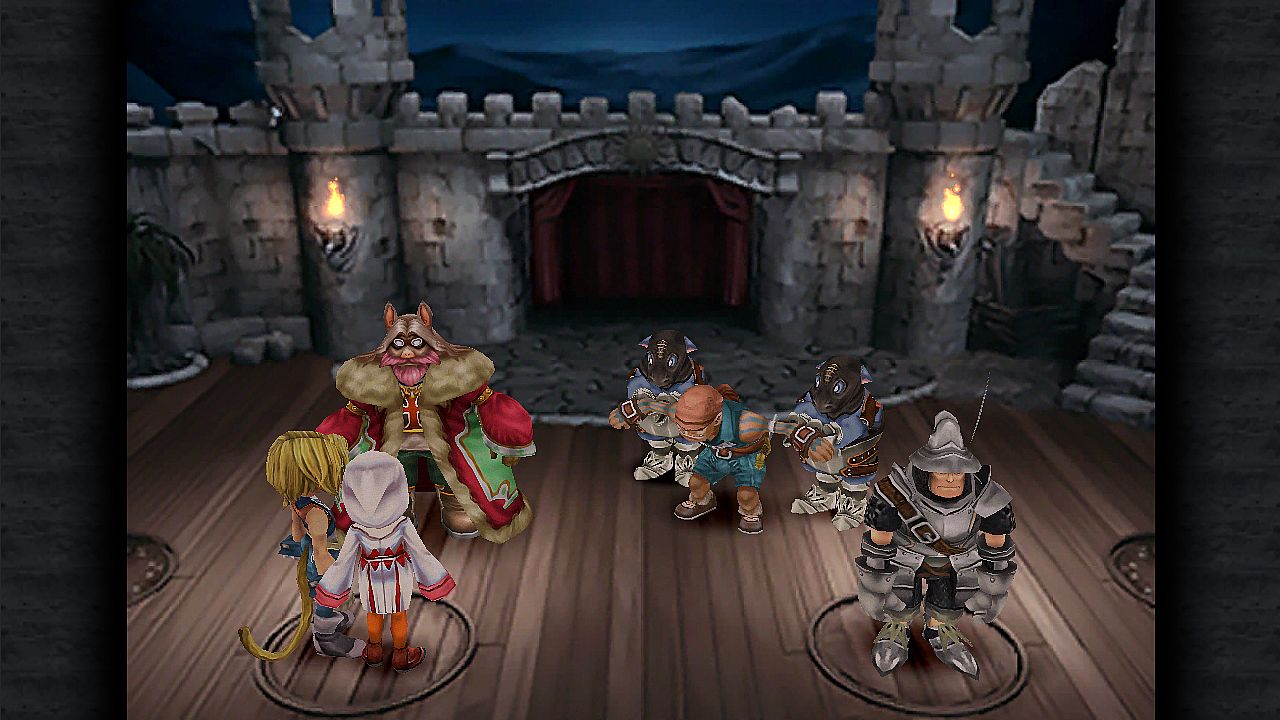
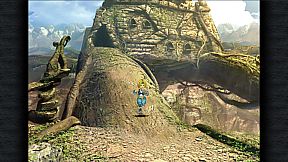
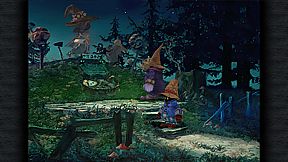
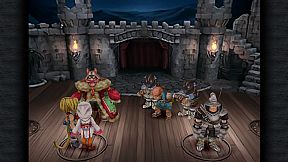
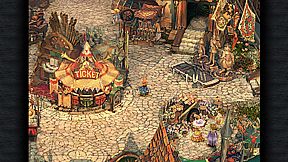
Final Fantasy IX is a role-playing game originally released in 2000 that has sold over five million copies. The PC version brings the story of Zidane, a member of the Tantalus Theater Troupe, and his companions to modern hardware with updated visuals. Players follow the group after they attempt to kidnap Princess Garnet, only to discover she wants to leave her kingdom. The journey introduces characters such as the black mage Vivi and the quirky Quina, while uncovering the mysteries of the Crystals and a looming threat to the world.
Gameplay
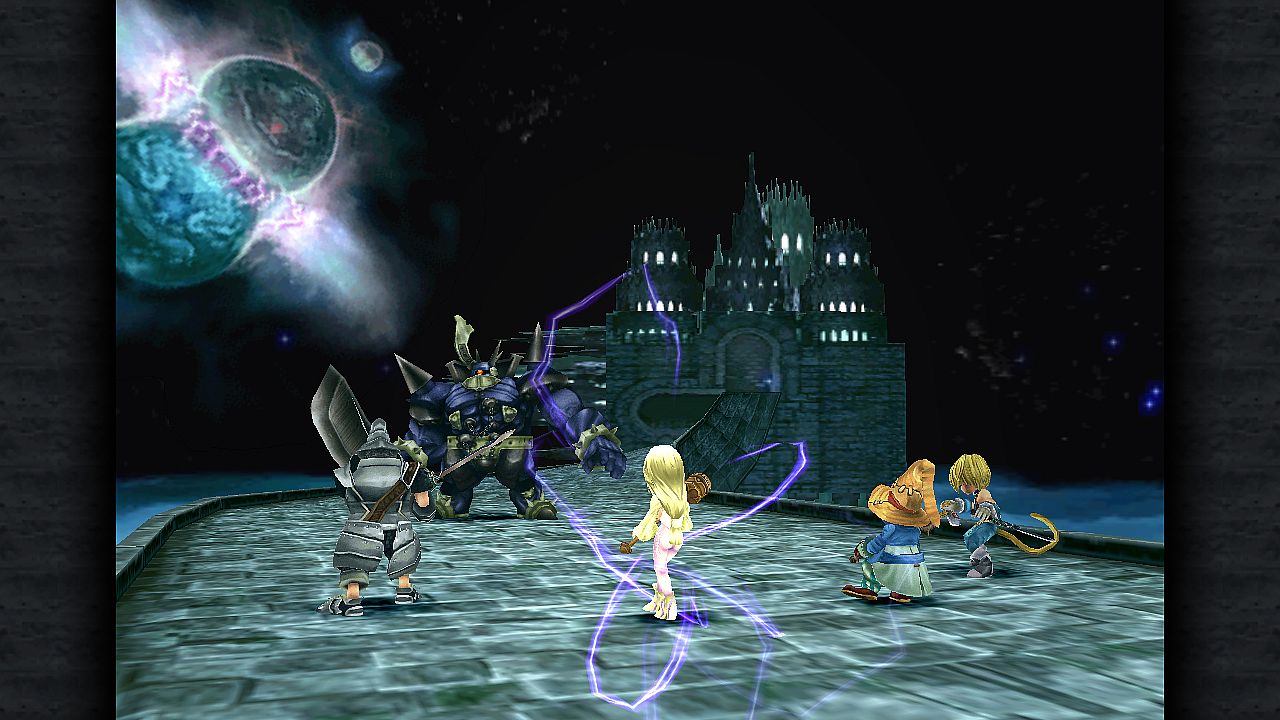
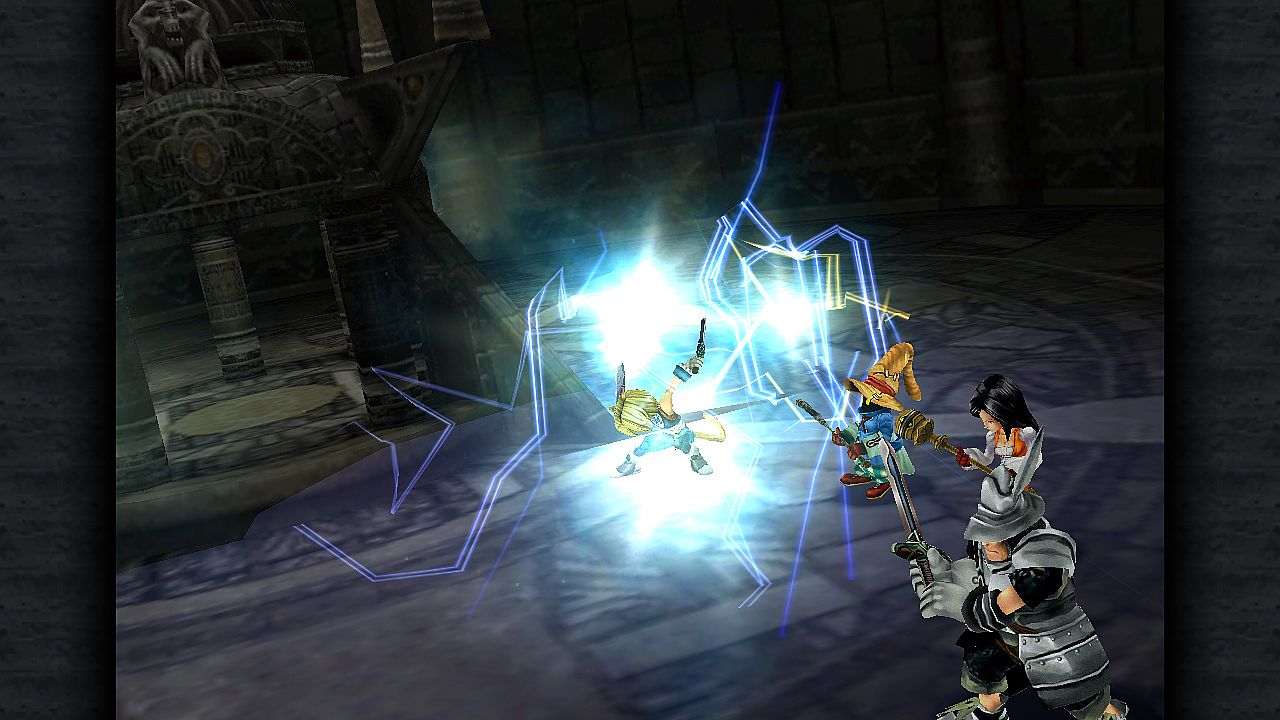
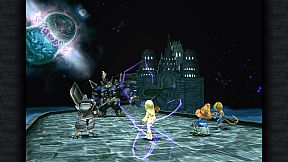
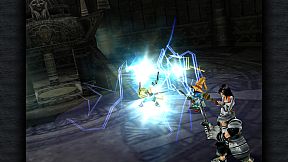
The core loop centers on turn-based battles where characters learn abilities by equipping specific items and accumulating ability points. Once mastered, these abilities become available without the item equipped, opening up flexible builds across the party. In combat, the Trance gauge builds as characters take damage. When full, the character transforms and gains access to enhanced skills for a limited time. Synthesis allows players to combine two pieces of equipment or items at designated shops to create stronger gear, encouraging collection and experimentation rather than discarding loot. Exploration mixes with frequent minigames that provide optional rewards and breaks from the main path.
These systems reward steady progression and attention to equipment choices. Battles emphasize strategy through ability selection and timing of Trance activations, while synthesis creates a steady flow of upgrades that tie directly into character customization. The remastered PC edition adds quality-of-life options such as autosave after entering new areas or completing scenes, along with high-definition character models and movie sequences that preserve the original art direction.
Game Modes
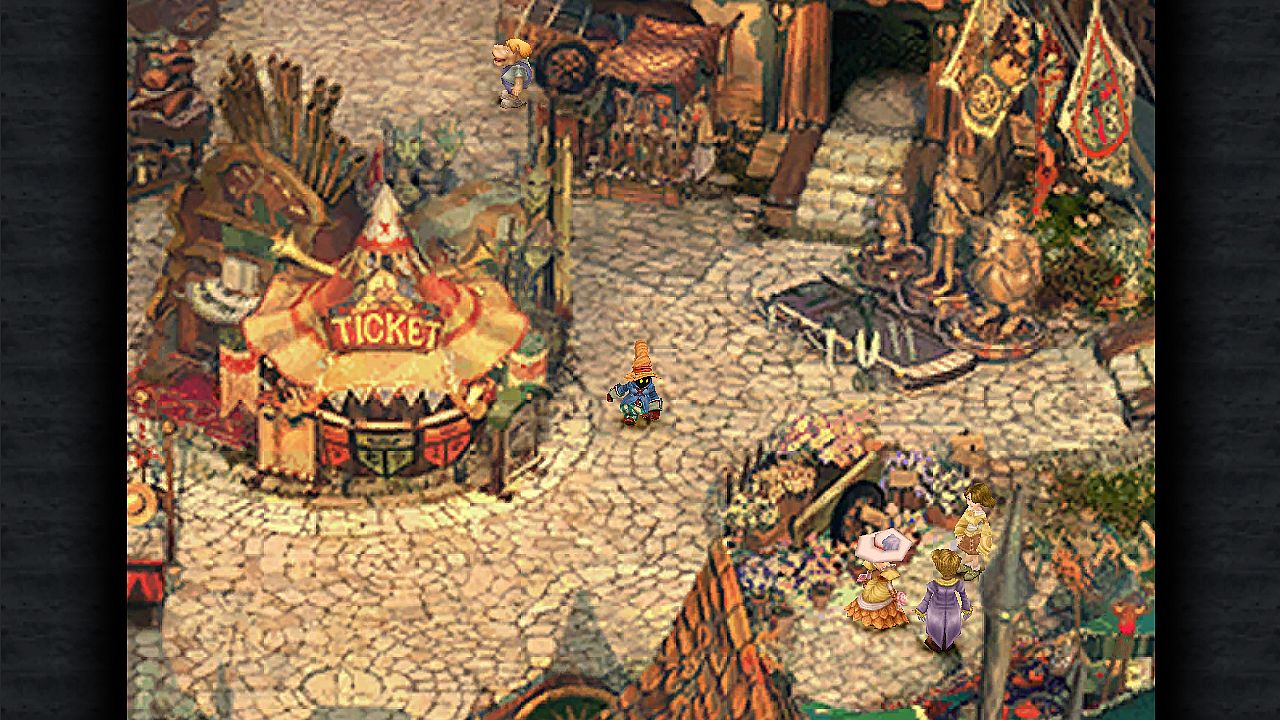
The game operates as a single-player experience focused on the main narrative and side activities. Minigames form the primary optional content, including Chocobo Hot and Cold for treasure hunting, Jump Rope for timing challenges, and Tetra Master, a card-based game with its own collection and battle rules. These activities appear at various points in the world and offer unique items or simply serve as diversions during travel.
No separate multiplayer or competitive modes exist. Progression remains linear through story chapters, with battles and exploration serving as the constant activities. The seven available boosters in the PC version, such as high-speed movement and reduced random encounters, function as optional toggles that alter pacing without changing the fundamental structure of story and side content.
Additional Features
The PC release includes a full set of achievements for players tracking completion milestones. Autosave operates automatically throughout the adventure, reducing the risk of lost progress. High-definition upgrades apply to both in-game models and pre-rendered sequences, maintaining the distinctive visual style while improving clarity on modern displays. These elements support longer play sessions without requiring constant manual saves or visual compromises.
Is It Worth Playing?
Final Fantasy IX appeals to players who enjoy classic turn-based role-playing games with deep equipment-based progression and memorable character arcs. The combination of ability learning, Trance mechanics, and synthesis creates a satisfying loop of discovery and customization that holds up decades later. Recent player discussions and reviews continue to highlight its strong narrative pacing and distinctive cast as standout elements.
The remastered version on PC makes the experience more accessible with modern conveniences like boosters and autosave, suiting both newcomers and those revisiting the title. Those seeking a focused single-player story with optional minigames and meaningful customization will find substantial value. The game has maintained strong critical and audience reception across re-releases, reflecting its consistent appeal within the genre.