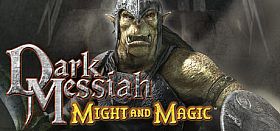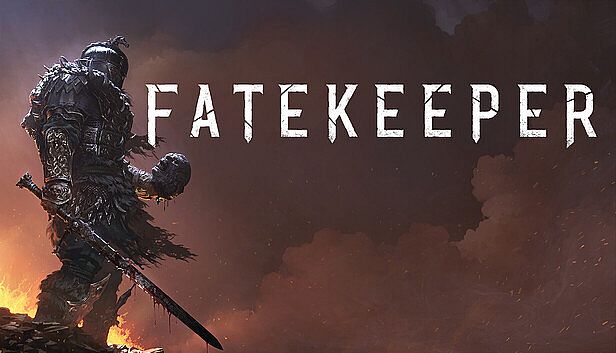









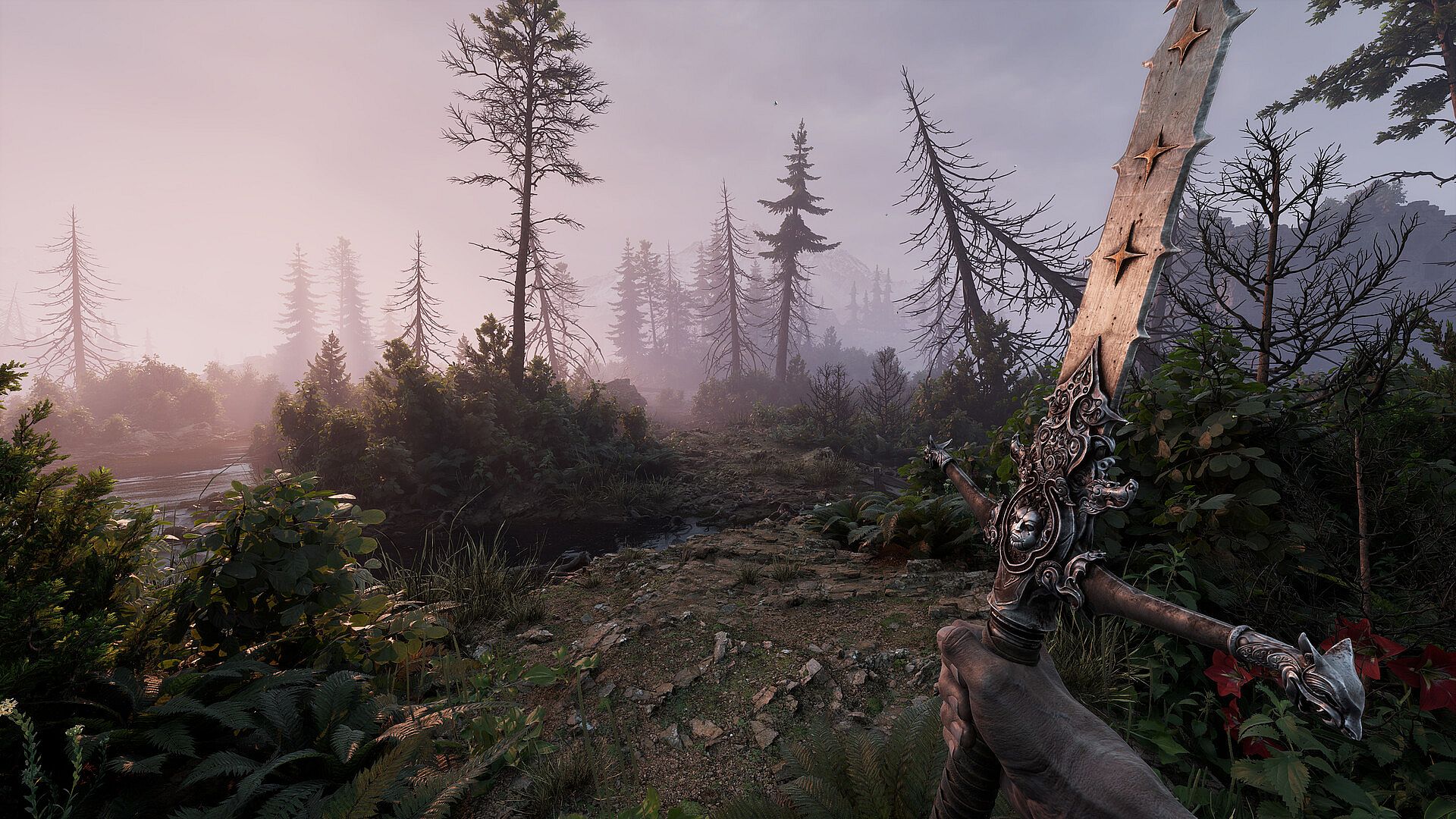
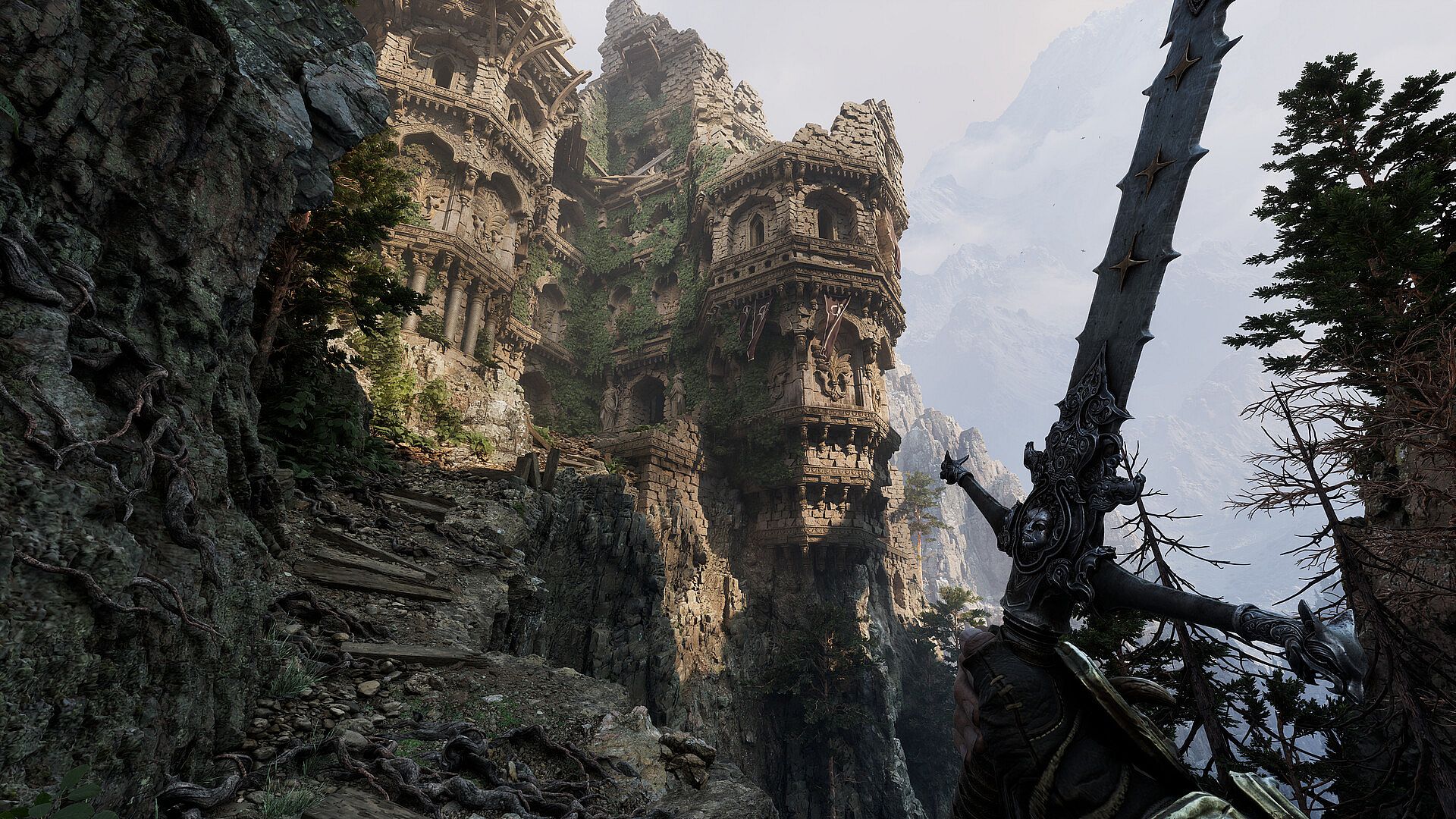
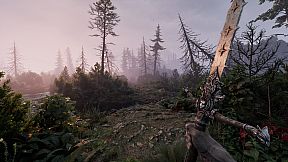
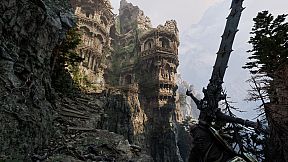
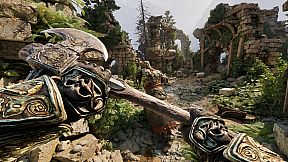
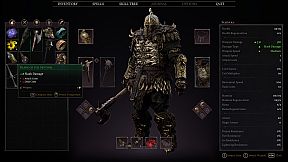

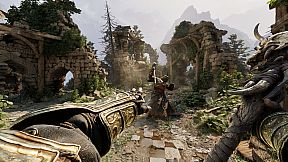
Fatekeeper stands out as a first-person action RPG that blends intense combat with deep character progression, set in a meticulously designed fantasy world. Developed by Paraglacial and published by THQ Nordic, this PC title promises a focused narrative experience where your decisions influence your character's development. With its emphasis on swordplay, spellcasting, and exploration, Fatekeeper appeals to fans of tactical RPGs who enjoy building unique characters and tackling challenging encounters. As an upcoming game slated for Early Access in 2026, it draws comparisons to classics like Dark Messiah for its physics-based melee and strategic depth.
Gameplay
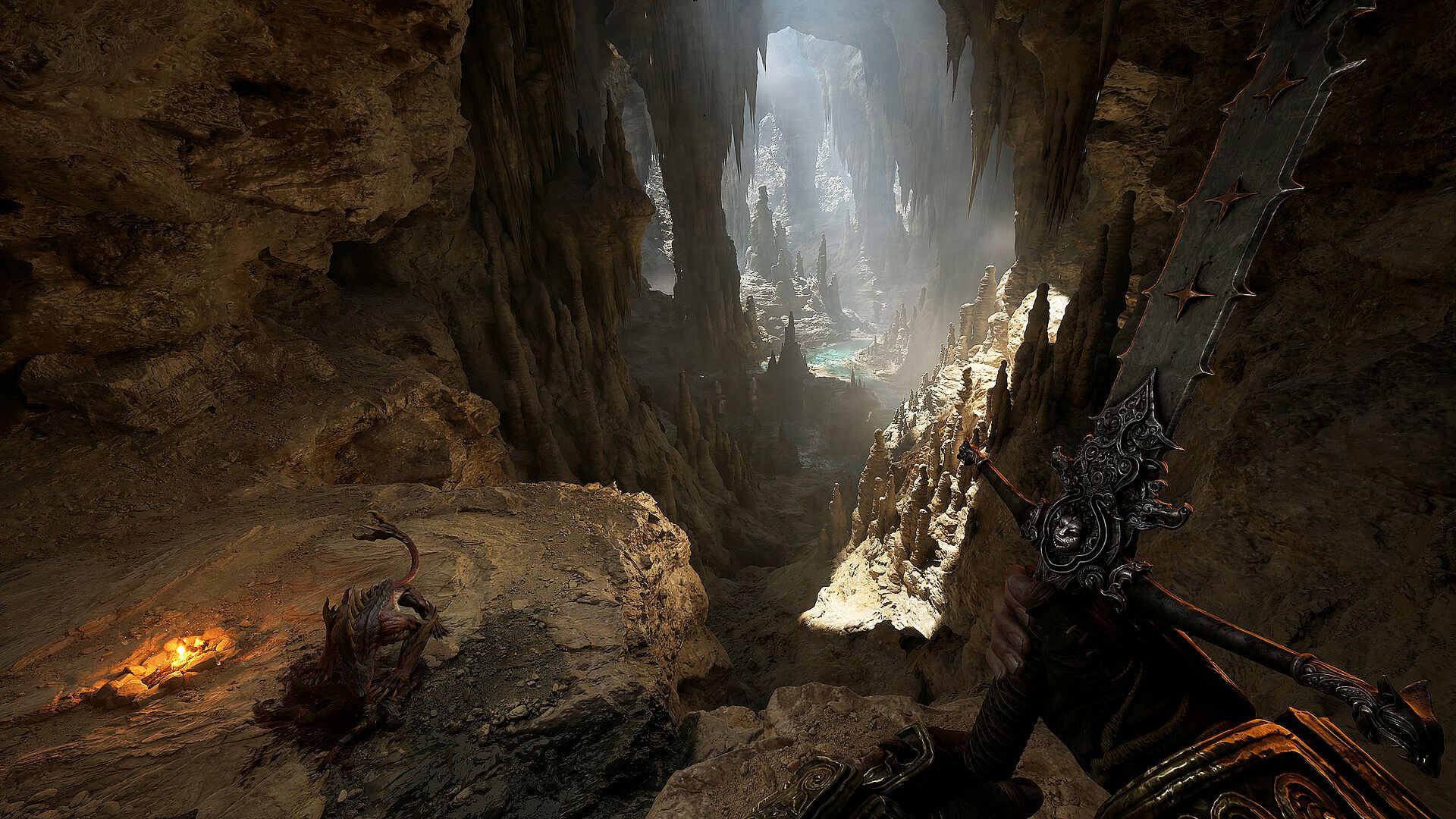
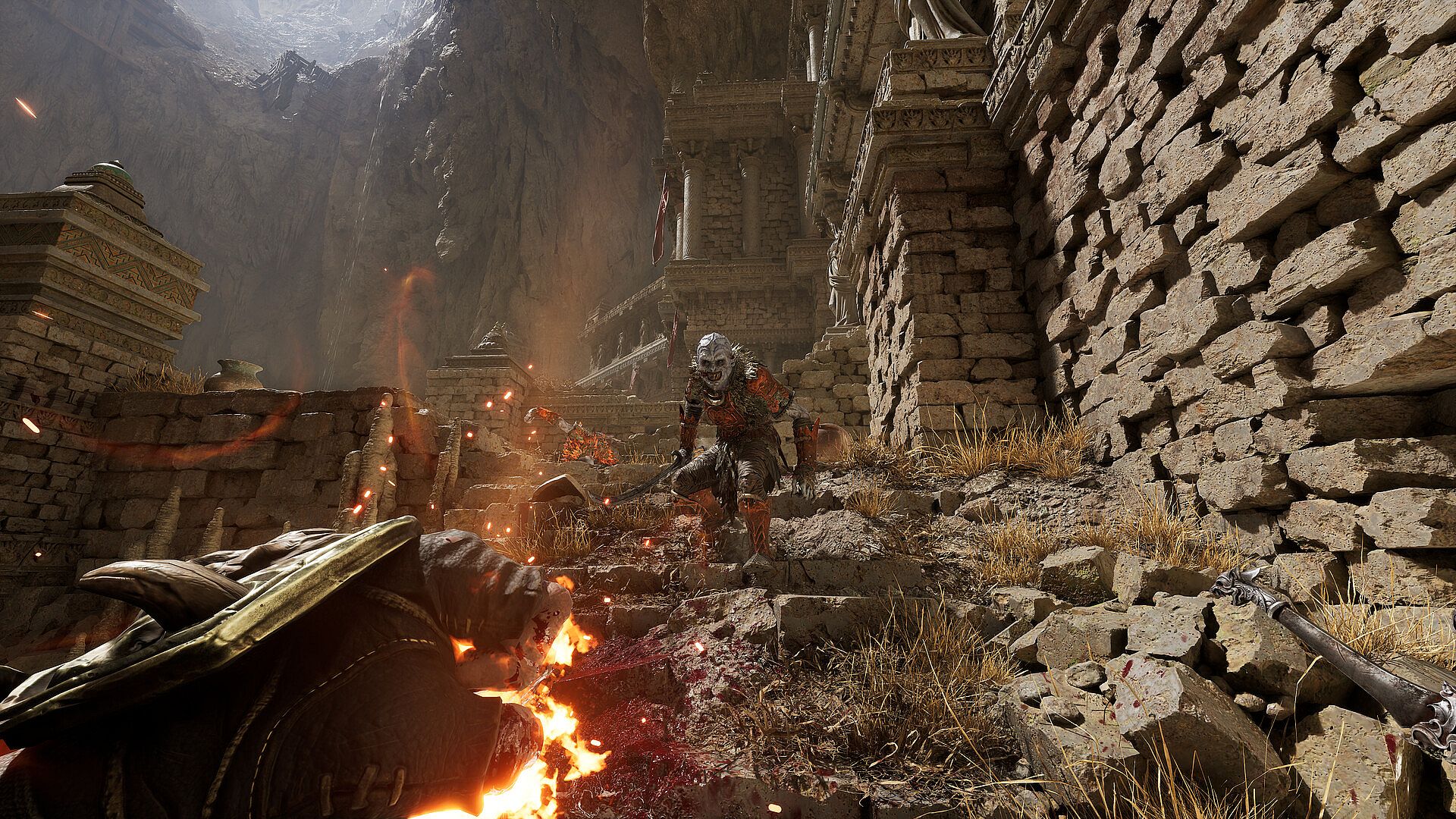
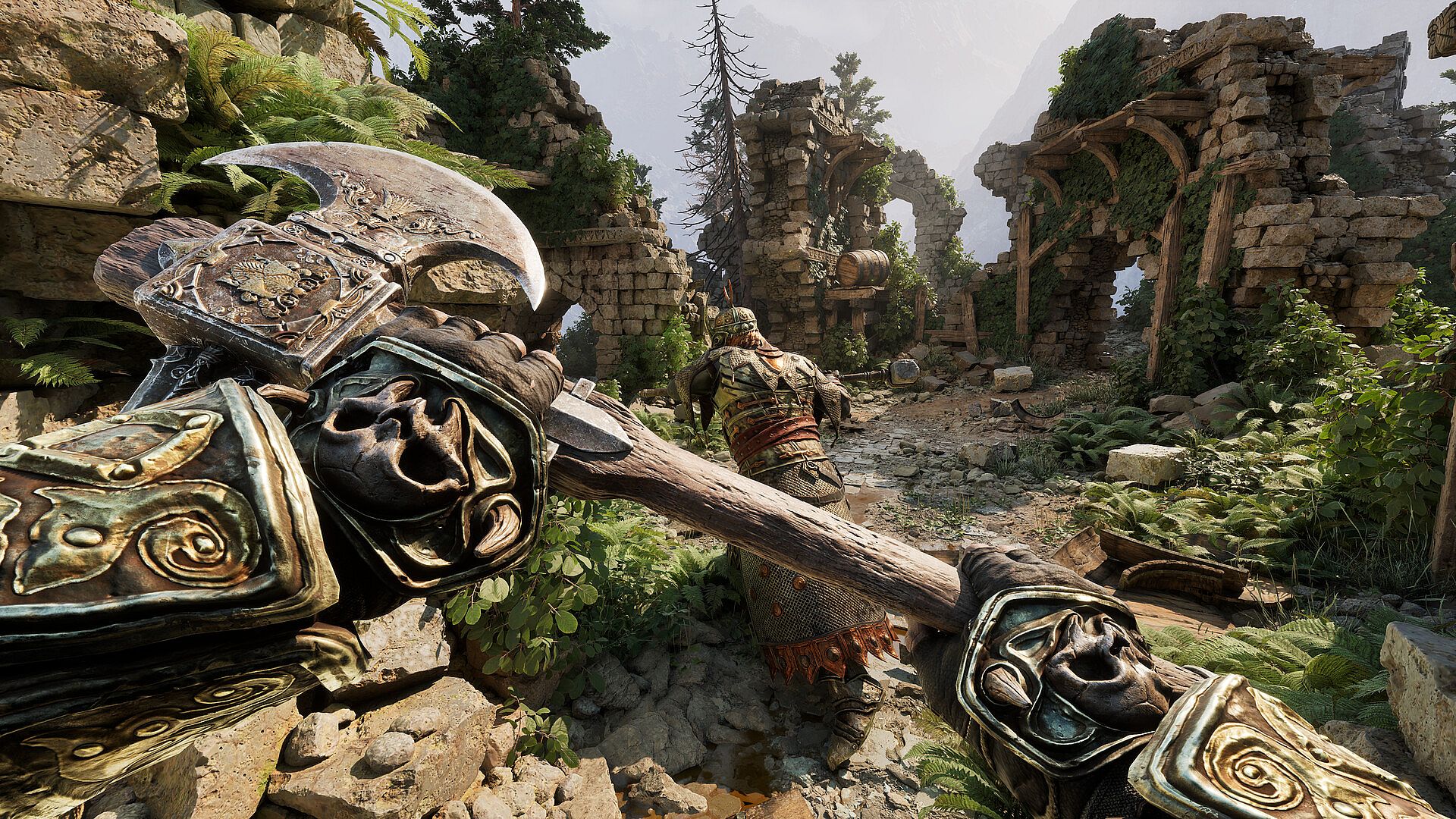
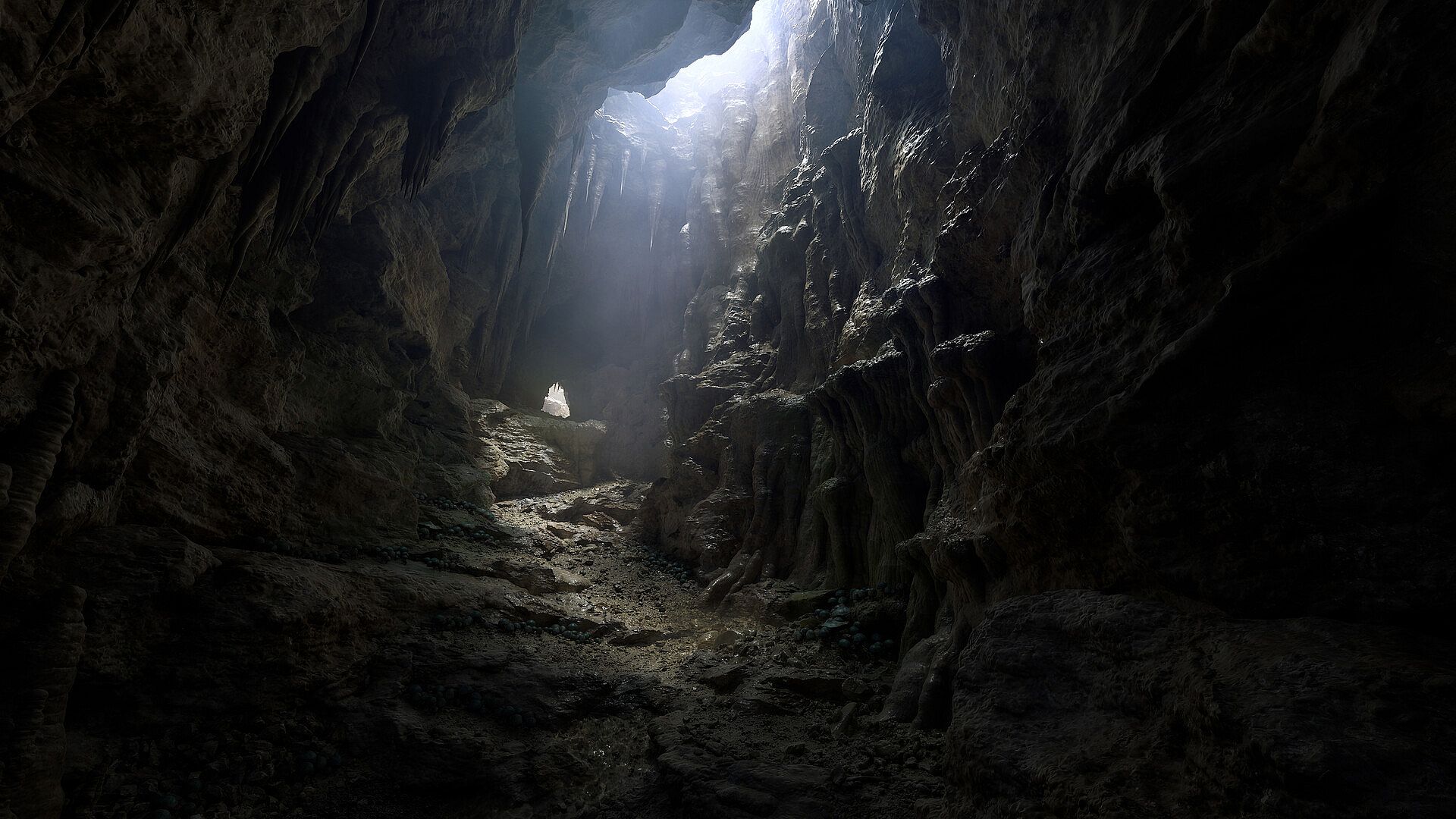
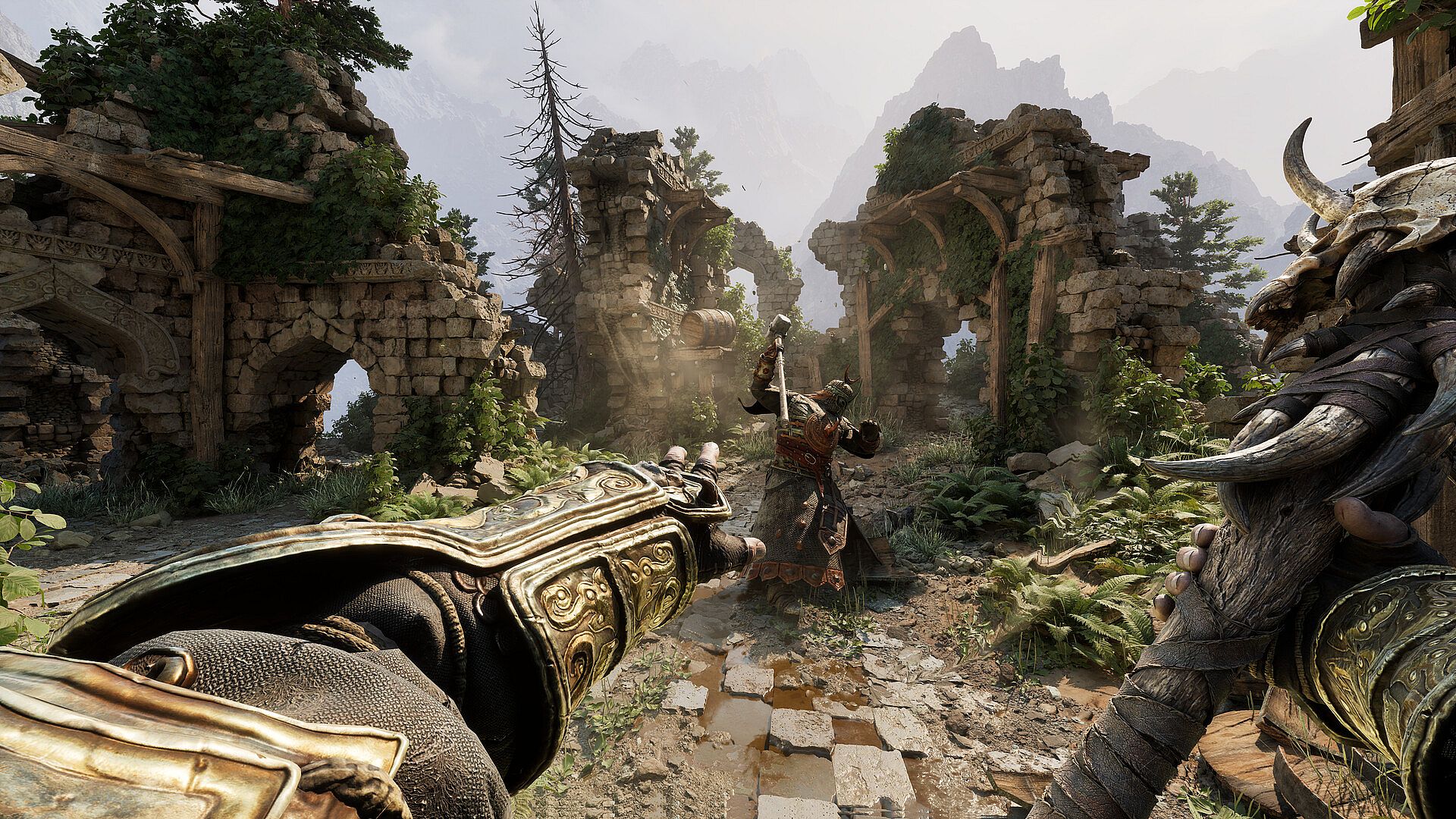
In Fatekeeper, combat forms the core of the experience, requiring a mix of skill, preparation, and adaptability. You face off against diverse enemies, each with unique patterns, strengths, and weaknesses, in reactive melee fights or by unleashing precise spells. The system encourages experimenting with builds, whether focusing on brute strength, agile strikes, or powerful sorcery, all supported by attributes and spell schools that allow for varied playstyles. Exploration plays a key role too, as you navigate handcrafted environments like ancient battlegrounds, underground caverns, forests, and forgotten sanctuaries, uncovering lore, relics, and surprises that enhance your journey.
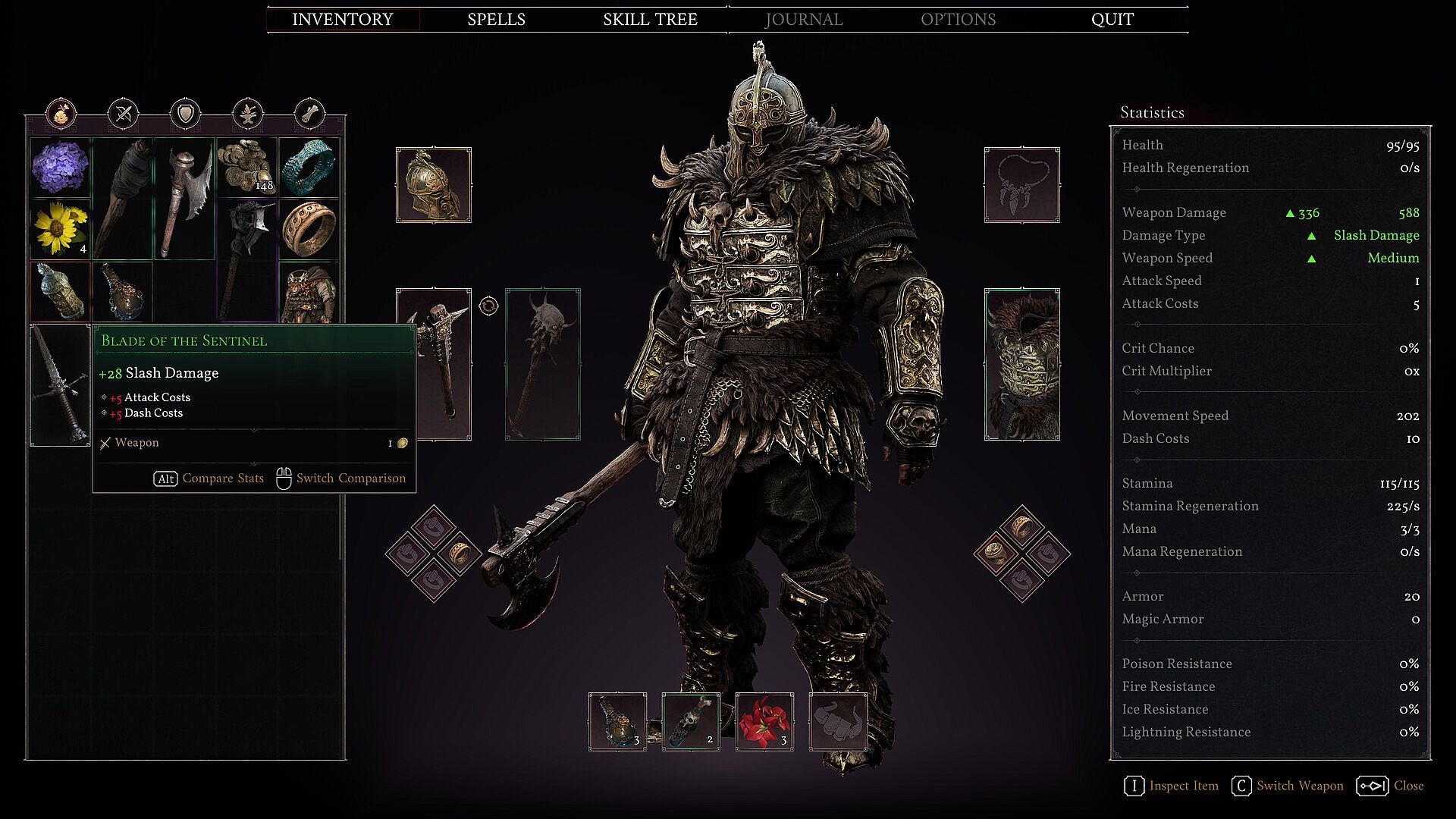
Progression goes beyond basic stats, letting you refine your character through meaningful choices in combat styles and gear. Looting weapons, armor, and artifacts lets you customize loadouts, where the right combinations can turn the tide against tougher foes. This setup rewards thoughtful planning, making every encounter feel earned rather than routine.
Game Modes
Fatekeeper centers on a single-player campaign that follows a structured narrative while allowing freedom for exploration within its world. There are no distinct multiplayer or alternative modes confirmed, keeping the focus on solo adventures where your choices shape the story and character growth. This approach suits players who prefer immersive, personal experiences over competitive formats.
Key Mechanics and Features
One standout aspect is the physics-based combat, which adds realism to melee interactions and demands precise timing to read and counter enemy moves. Spellcasting complements this with tactical options, letting you adapt strategies mid-battle. The game's world, though narrative-driven, invites side discoveries that tie into progression, such as finding relics that boost your abilities or reveal backstory elements.
- Character builds emphasize viability across different styles, from strength-focused warriors to sorcery specialists.
- Gear customization involves mixing items for synergies that address specific enemy challenges.
- Exploration rewards include hidden lore and artifacts that deepen the narrative without mandatory detours.
Is It Worth Playing?
For enthusiasts of first-person action RPGs with a tactical edge, Fatekeeper shows strong potential based on its revealed gameplay. If you enjoy games that demand skillful combat and meaningful build choices, similar to Soulslike titles in timing and enemy reading, this could be a solid pick once it enters Early Access in 2026. Without current player reviews or ratings available due to its upcoming status, the decision hinges on your interest in physics-driven fights and exploration in a fantasy setting. Those seeking deep single-player immersion will likely find it rewarding, while multiplayer fans might look elsewhere.