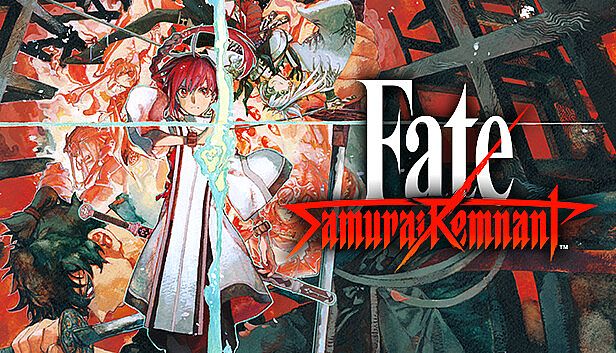























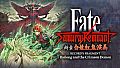
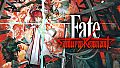
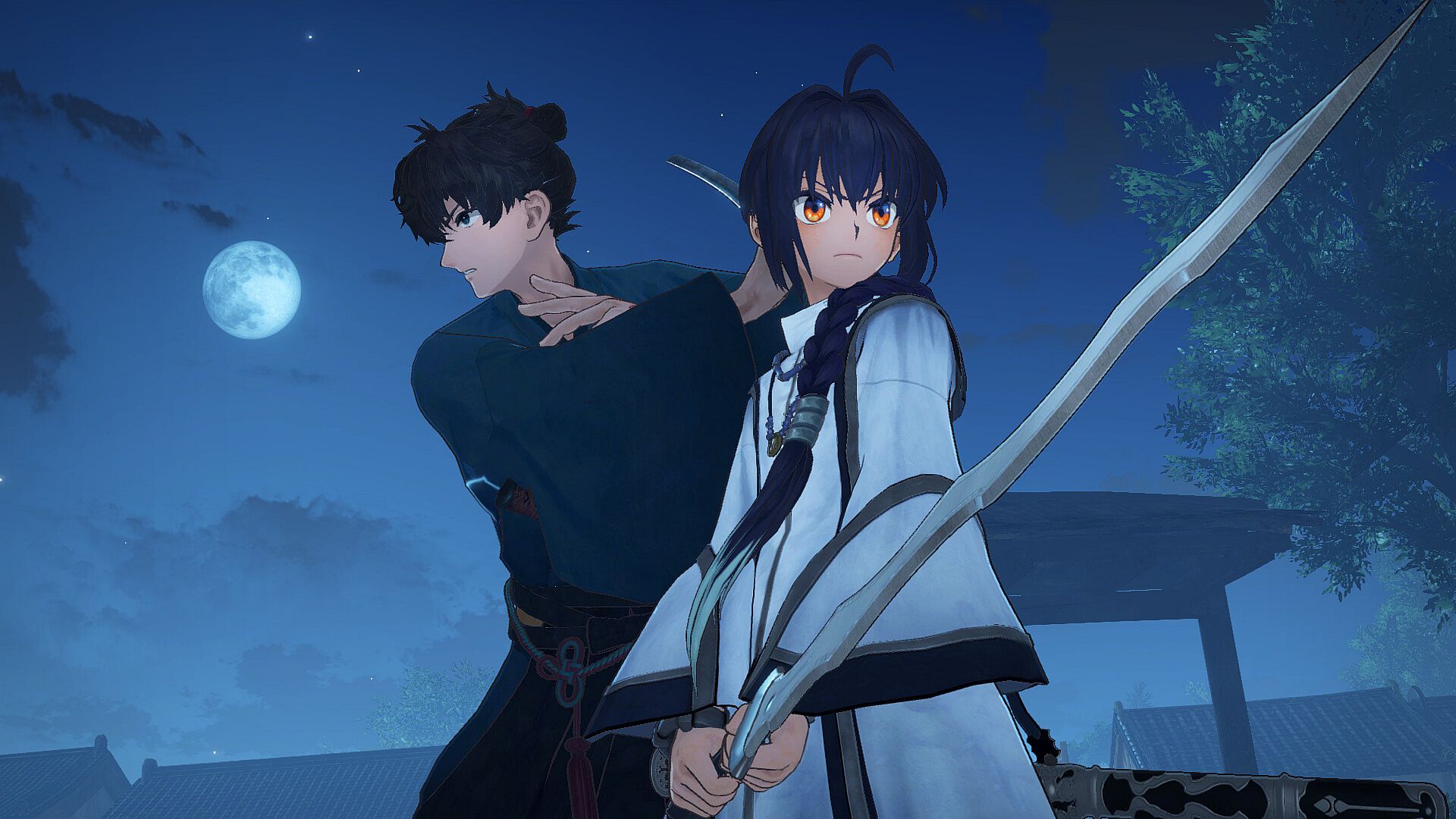
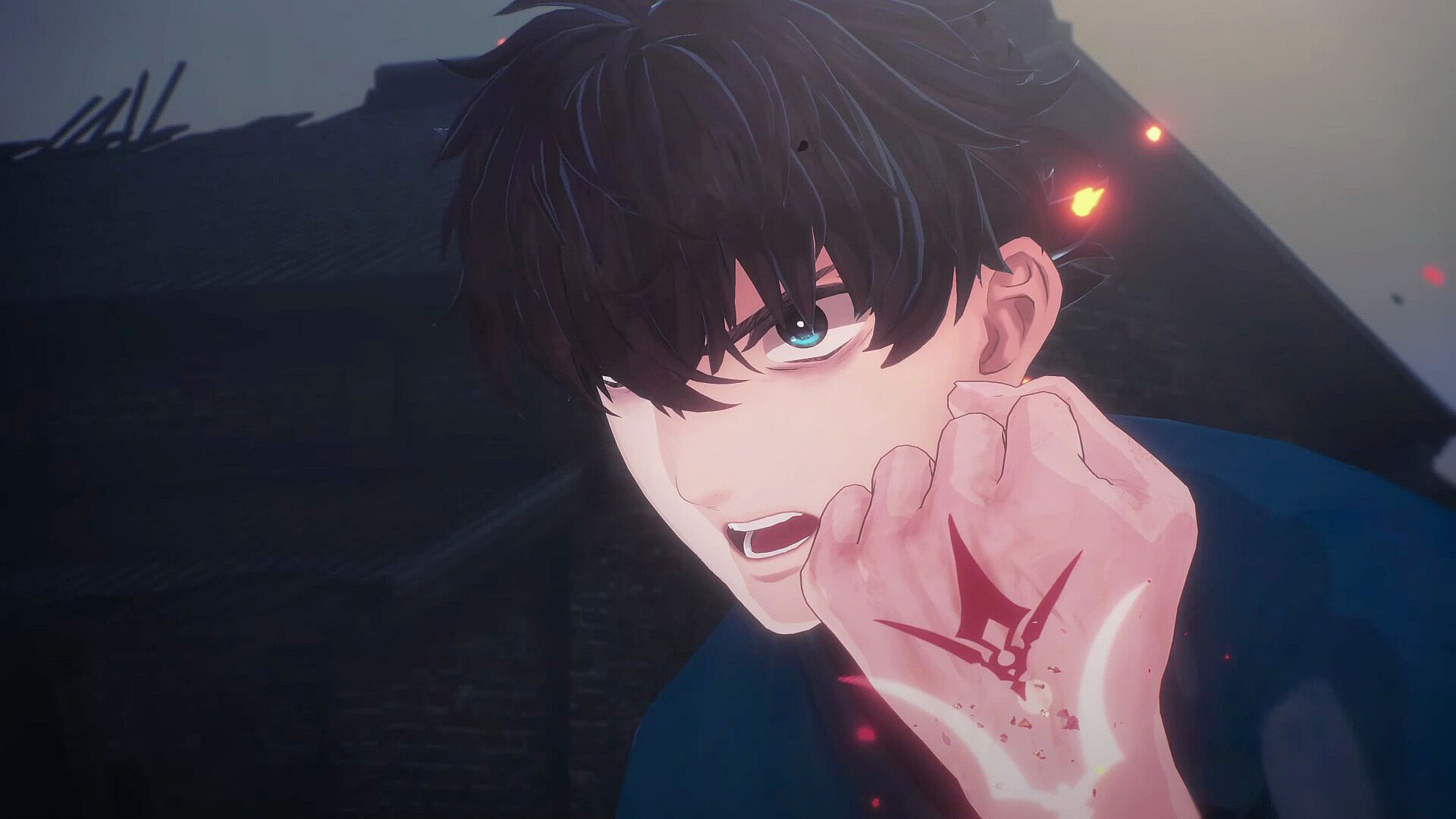
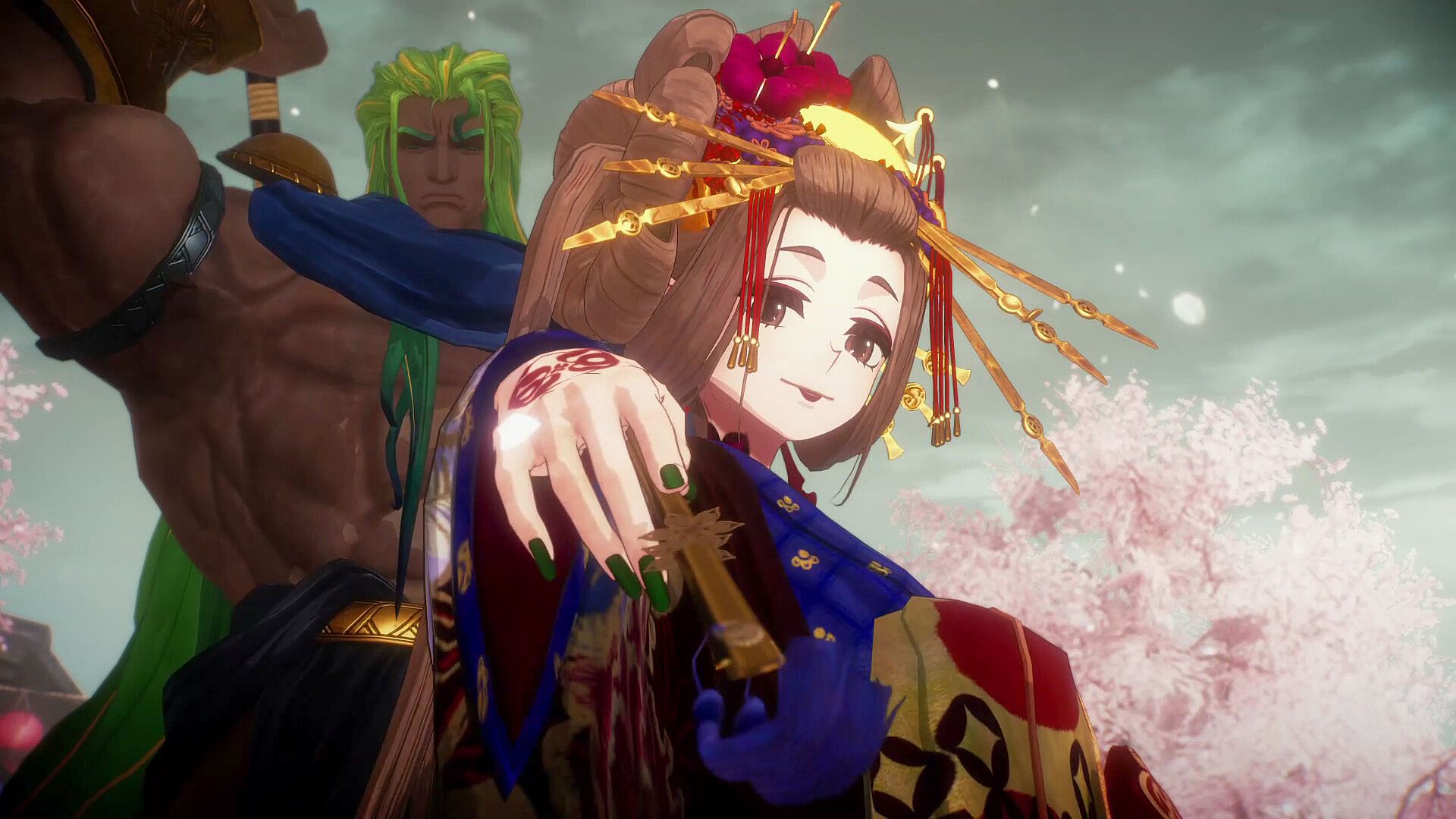

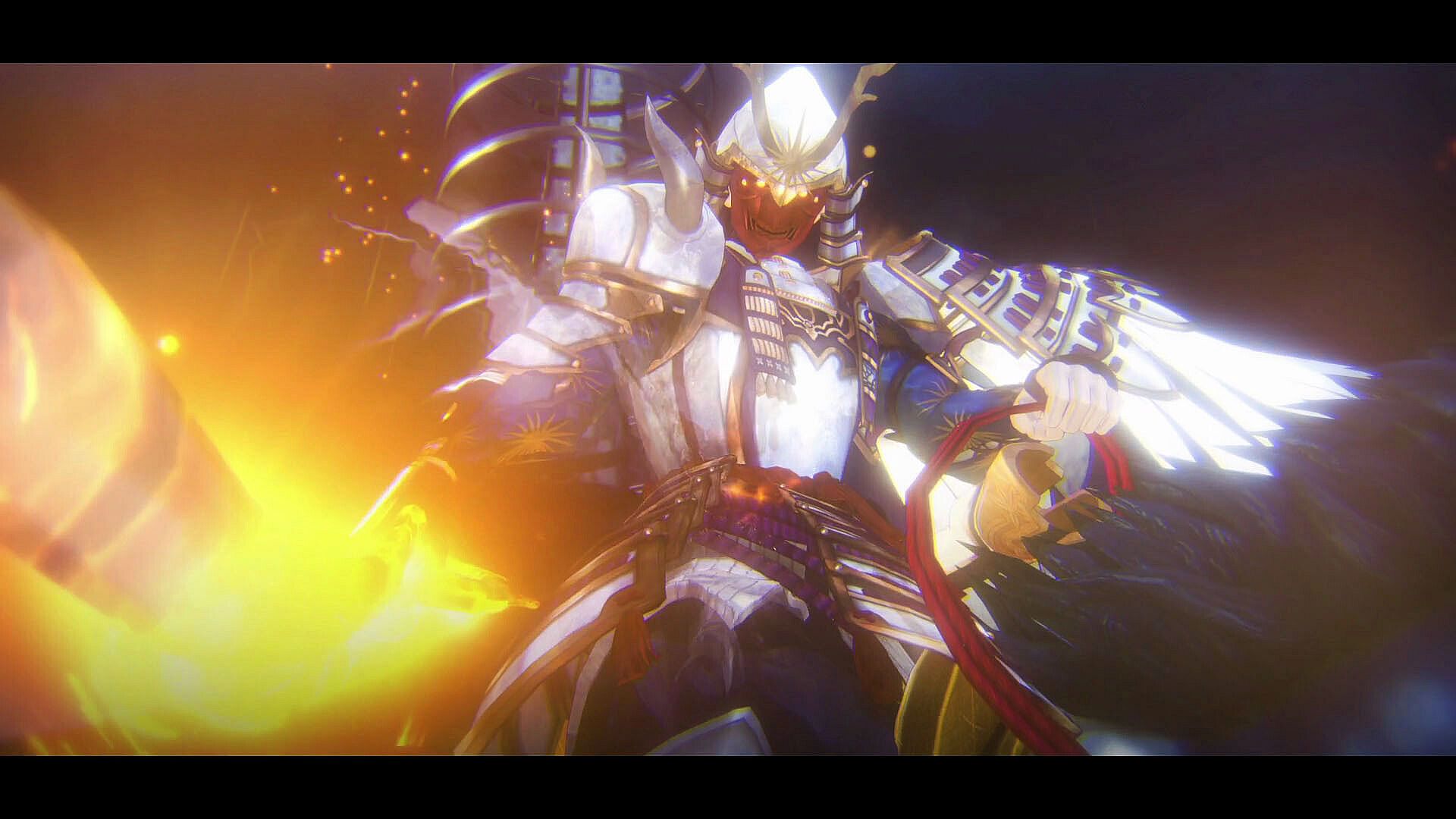
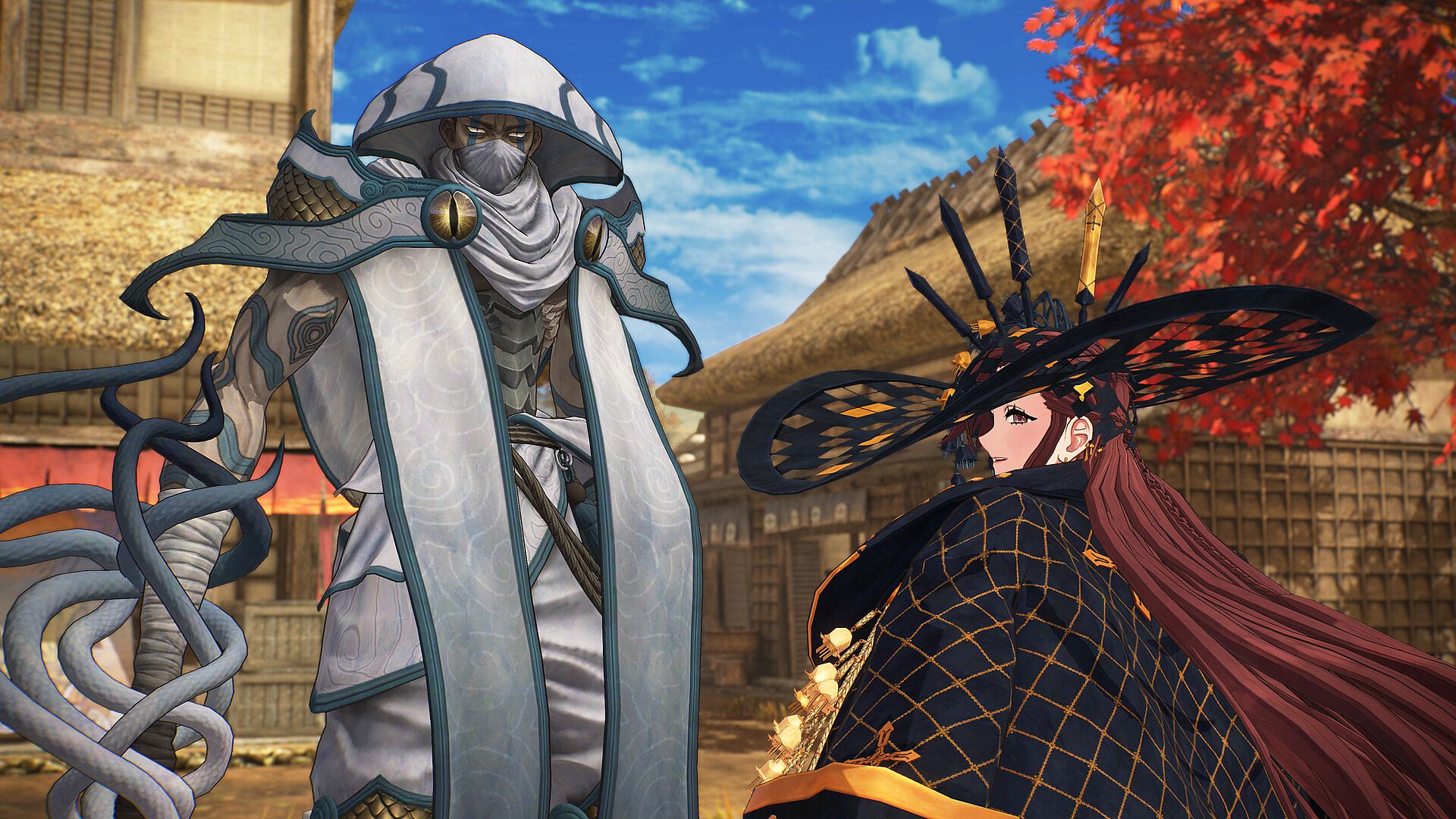
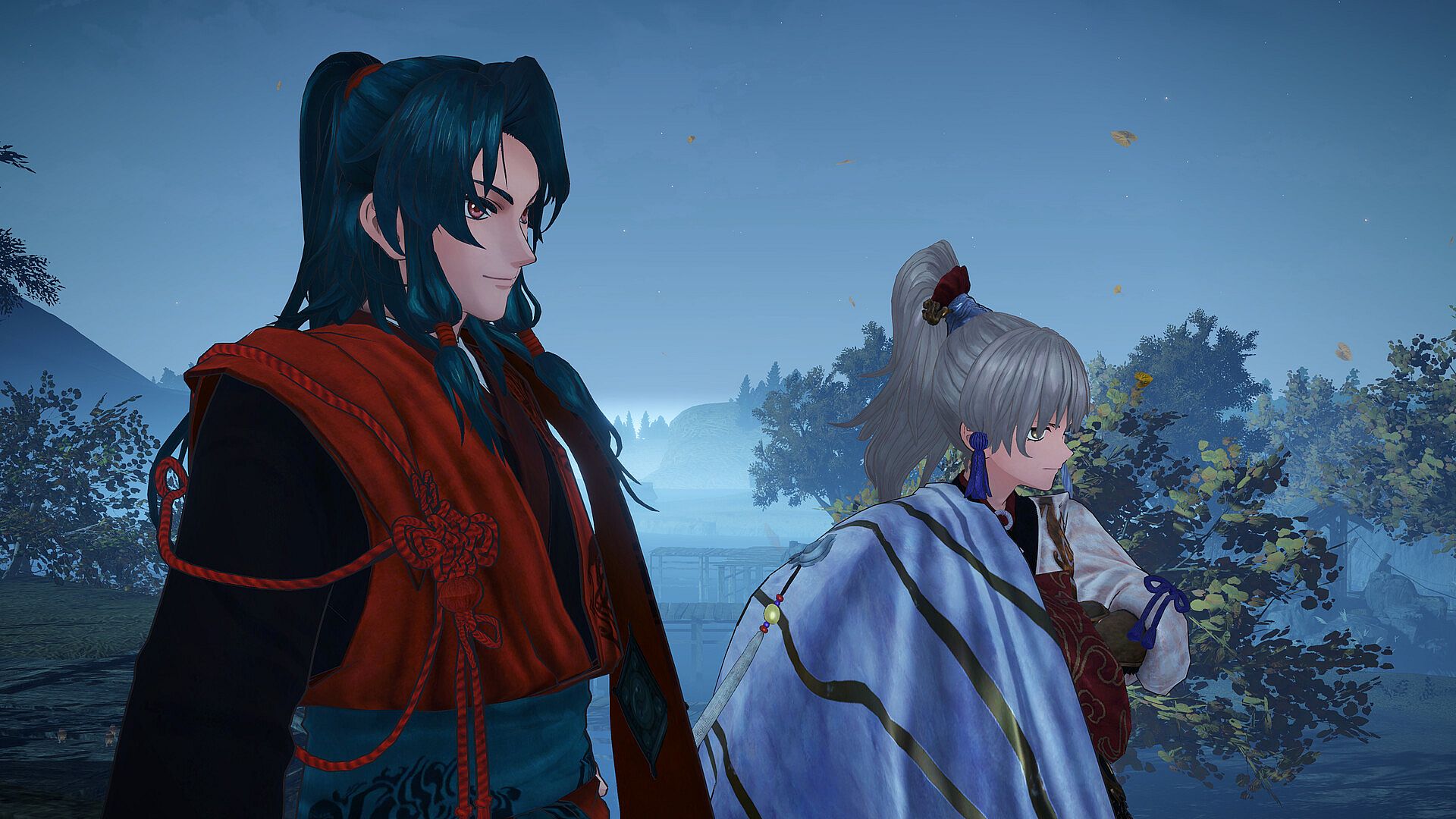
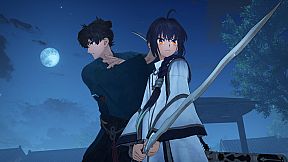


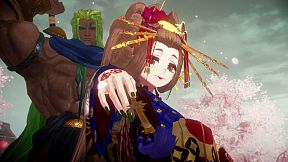


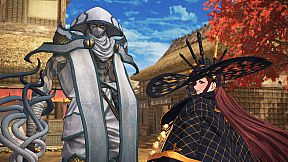
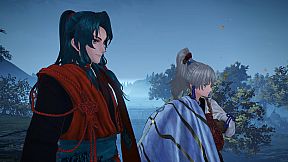
Fate/Samurai Remnant is an action RPG set during the Waxing Moon Ritual, a contest in which seven Masters summon seven Servants to battle for a wish-granting artifact. Players step into the role of Iori, a Master navigating the streets of Edo alongside his Servant to secure victory. The experience blends real-time combat, city exploration, and character interactions into a single cohesive loop that rewards careful positioning and relationship building.
Gameplay
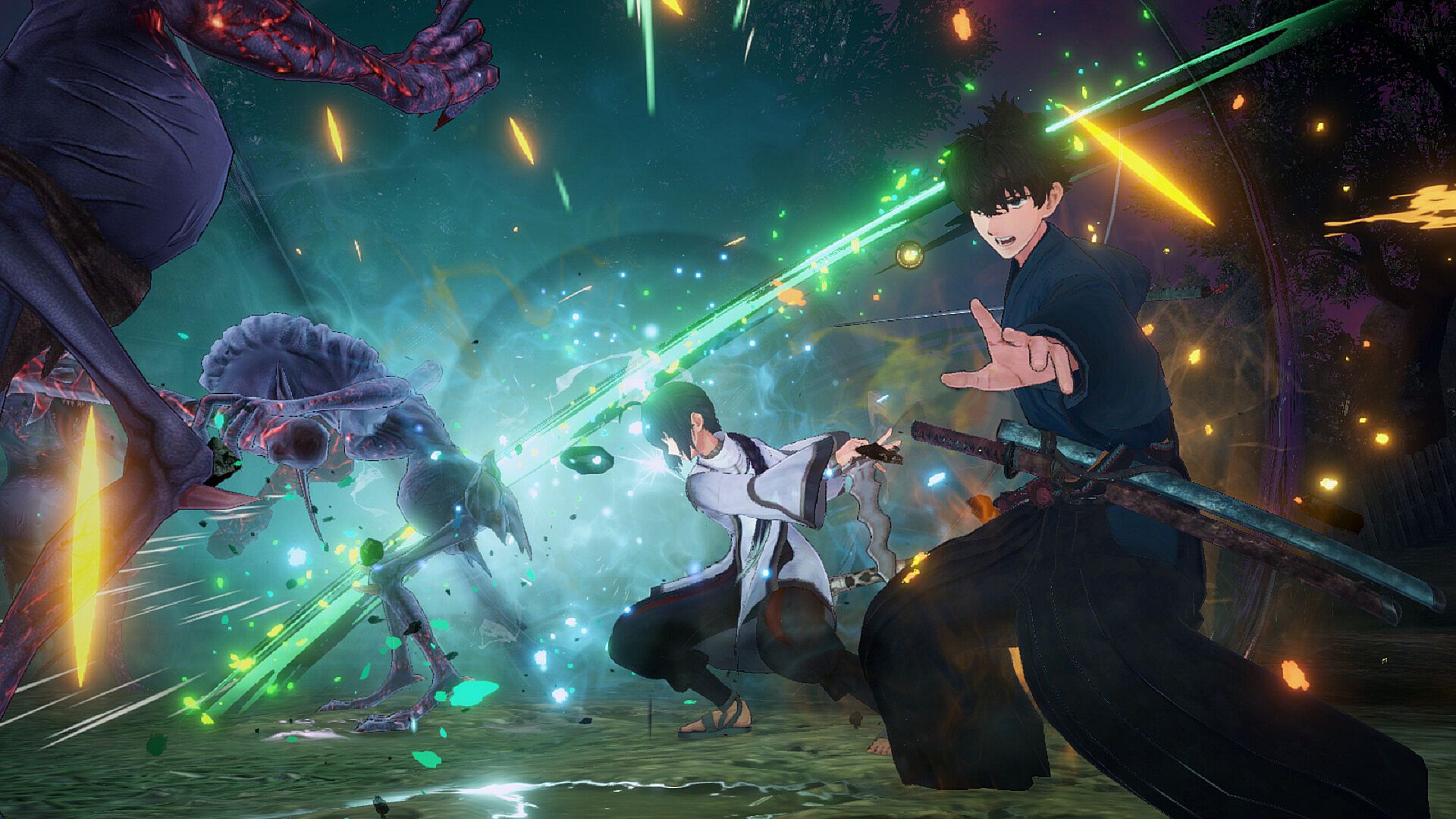
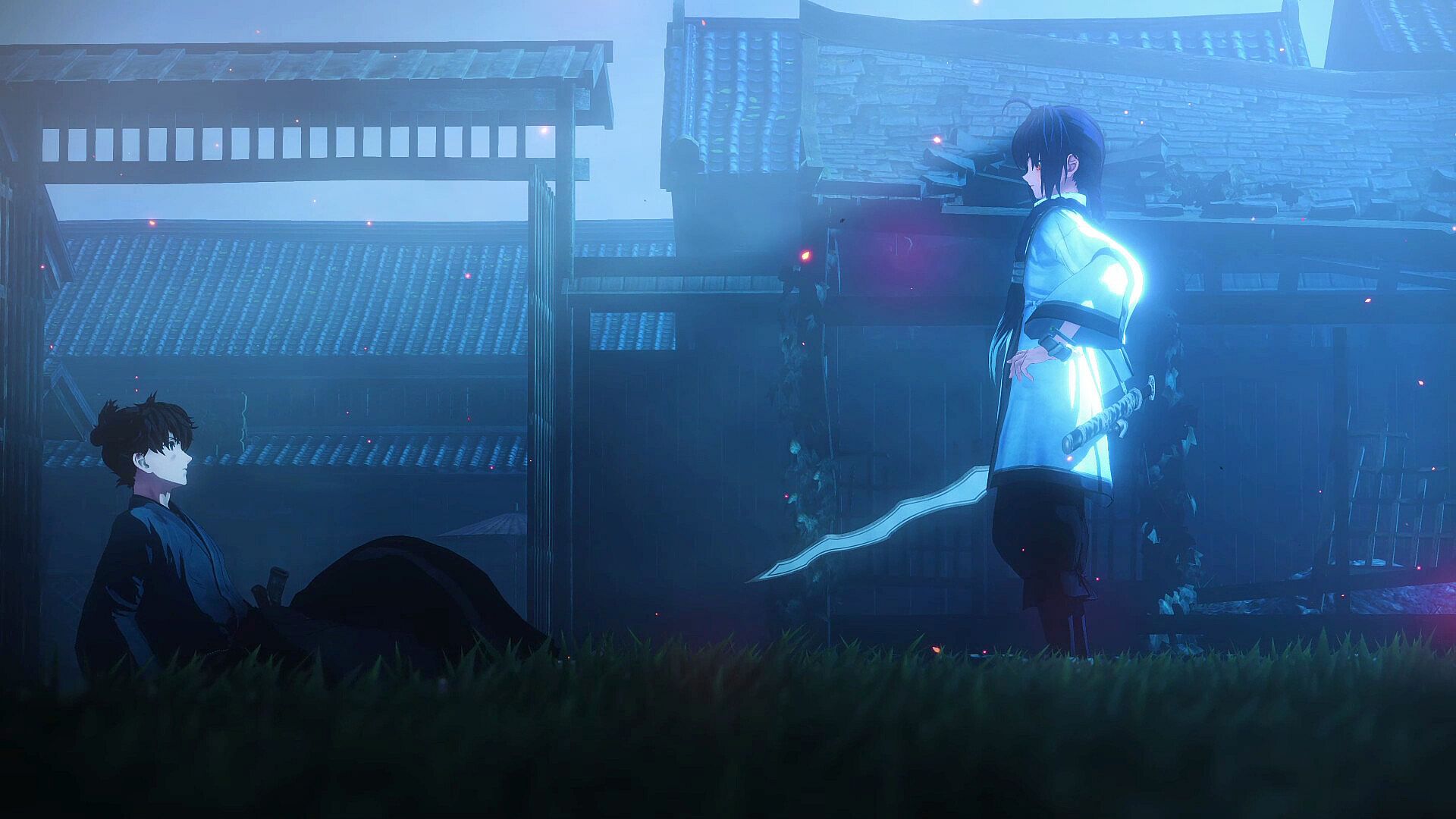
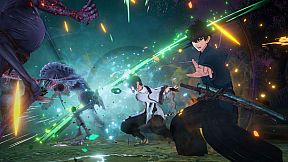
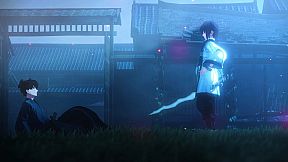
Combat requires switching between the Master and Servant on the fly. The pair shares a bond that players leverage through combined attacks and timely support moves. Success depends on reading enemy patterns, managing positioning in open streets or narrow alleys, and choosing when to press an advantage or fall back. Each encounter mixes light and heavy strikes with special abilities that grow stronger as the bond deepens.
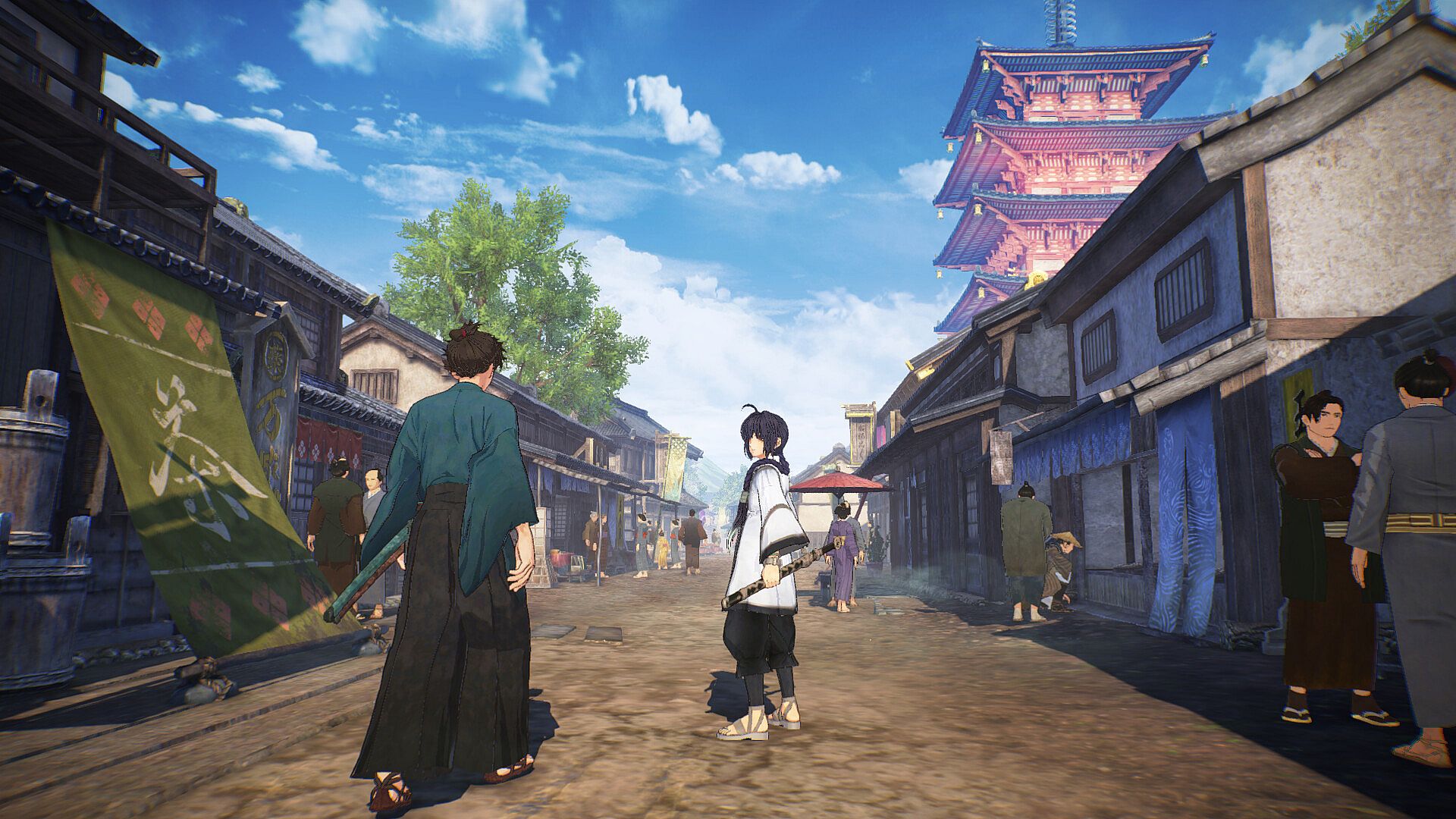
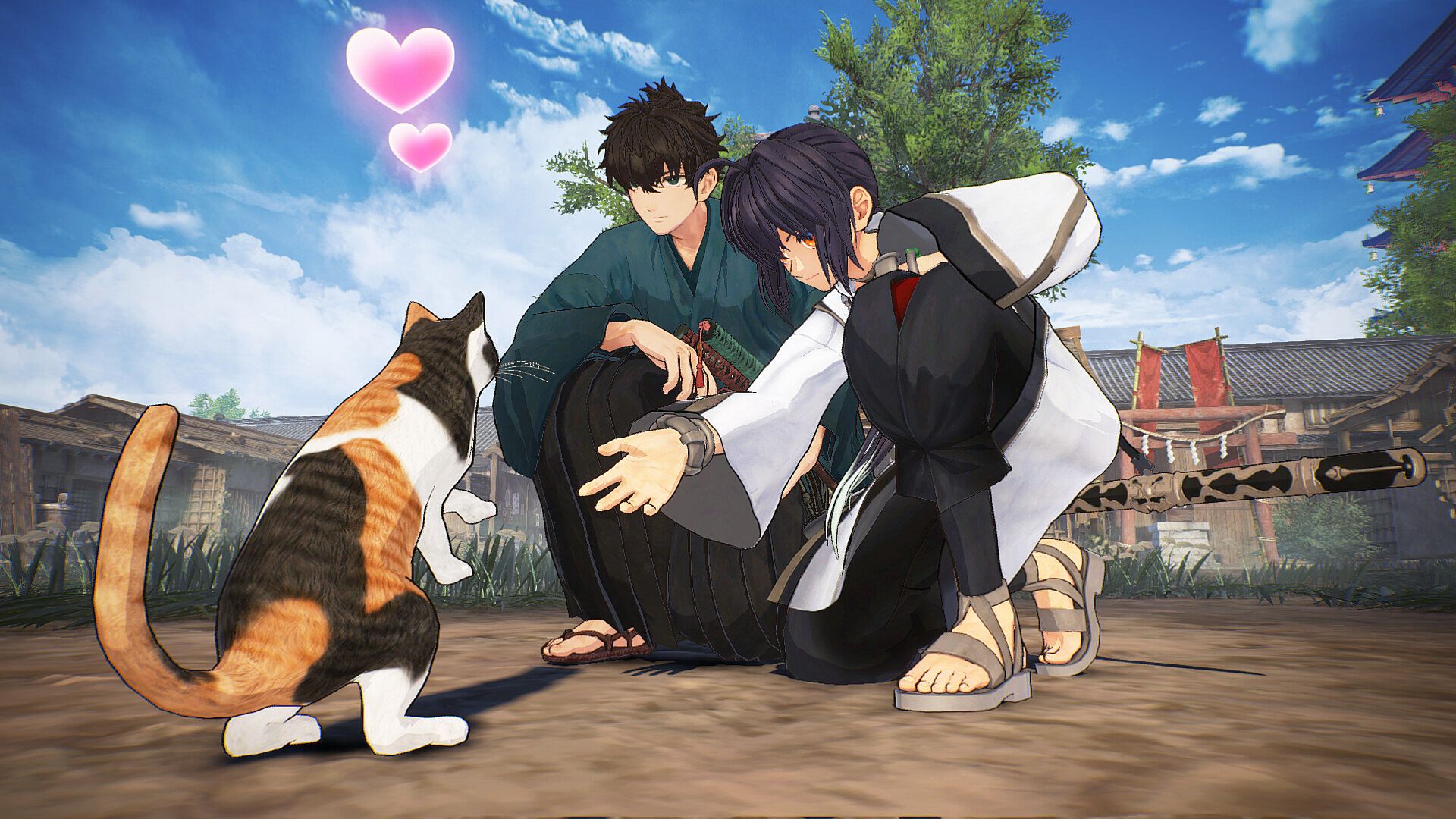
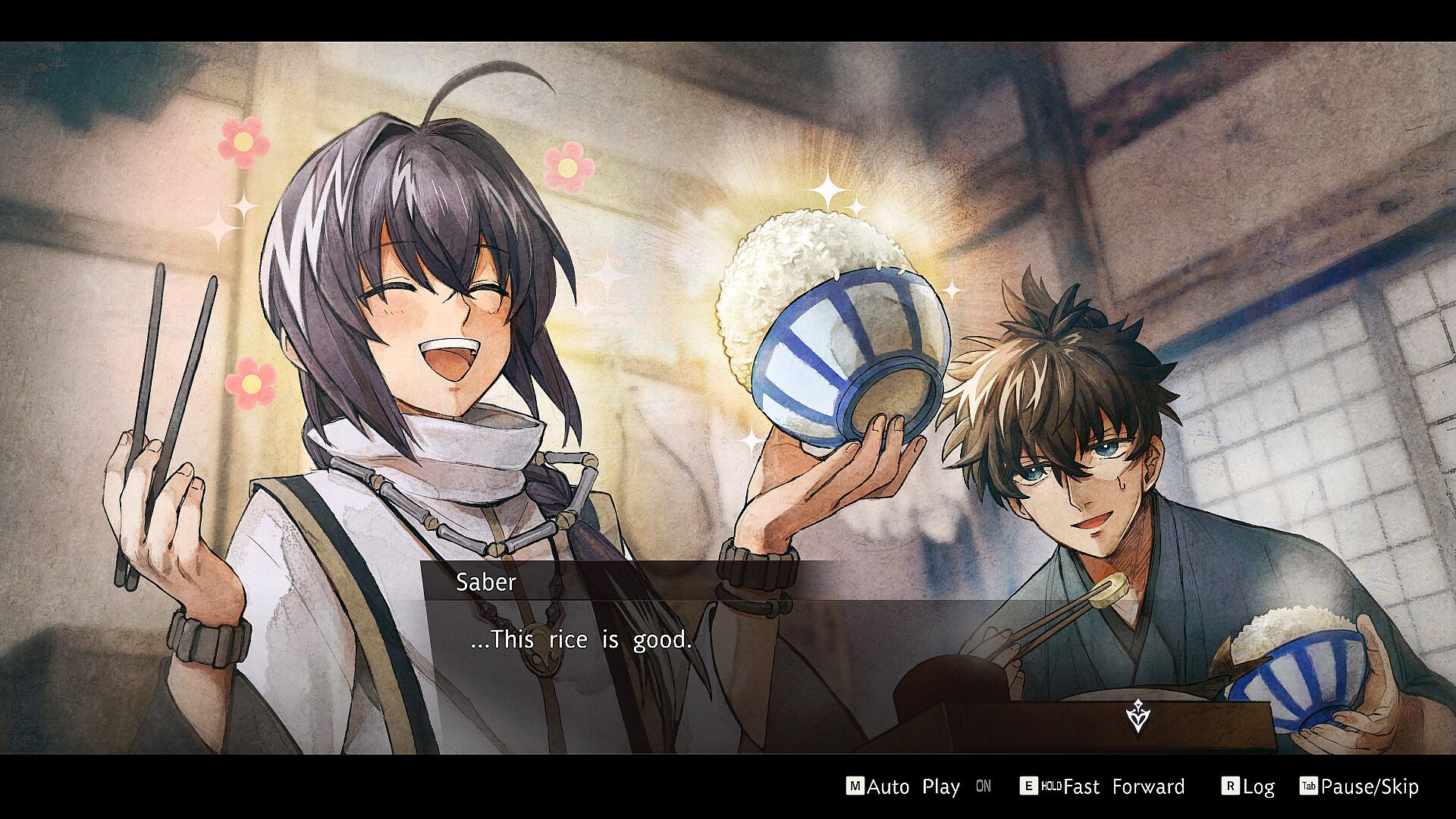
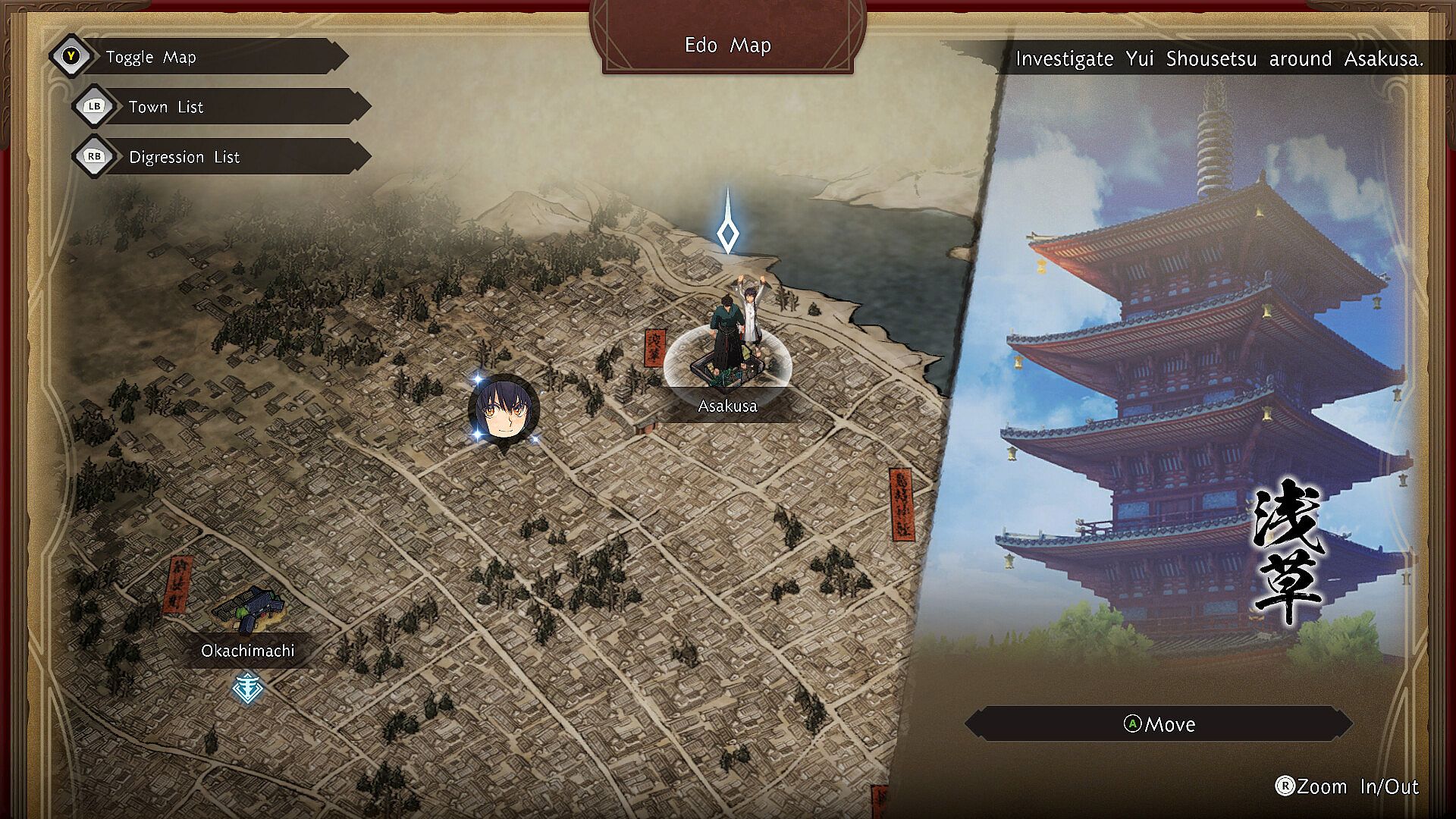
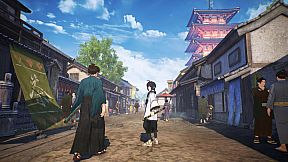
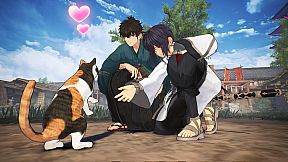
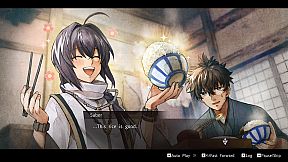
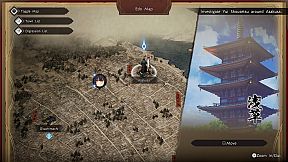
Outside of fights, the game emphasizes free movement through recognizable Edo districts such as Yoshiwara, Kanda, and Akasaka. Players can stop at food stalls to restore energy, speak with residents for information or side tasks, and interact with stray dogs and cats that appear throughout the city. These moments feed back into combat readiness and story progression without forcing a rigid schedule.
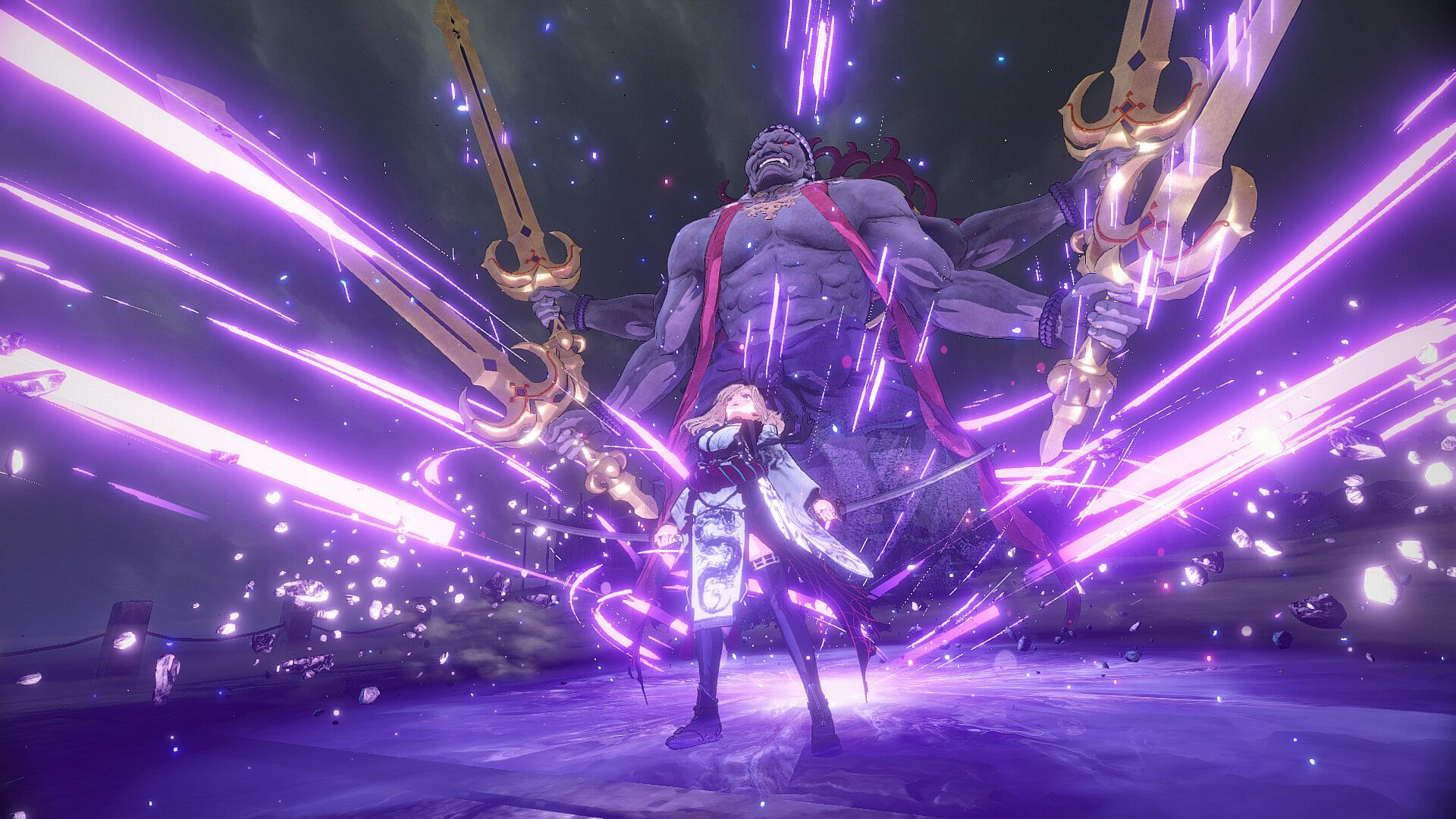
Rogue Servants appear as optional encounters. Forming a bond with them unlocks the ability to call on their strength in later battles or even take direct control of them during fights. Their distinct fighting styles add variety once unlocked, letting players adapt to different enemy groups or terrain challenges.
Game Modes
The central experience revolves around the Waxing Moon Ritual itself. Players advance through a sequence of confrontations, explorations, and conversations that all serve the goal of becoming the last Master standing. Progress is measured by victories in ritual battles and the information gathered while moving through Edo.
Exploration and combat are tightly linked rather than separated into distinct modes. Time spent learning the city layout or strengthening ties with Rogue Servants directly improves performance when the next ritual confrontation begins. There is no separate multiplayer component; the entire structure remains focused on a single-player journey through the ritual.
Exploration and Encounters
Edo functions as more than a backdrop. Each district offers its own mix of combat opportunities and quiet moments that reveal more about the world and the people caught up in the ritual. Players who take time to speak with locals or linger at stalls often uncover details that help during later fights or when deciding how to approach a new Rogue Servant.
Rogue Servants stand out as the most flexible element. Once a bond forms, they can join as temporary allies or be switched into the active party for direct control. Their presence changes the rhythm of battles, especially against groups of regular enemies or other Masters who rely on standard Servant tactics.
Is It Worth Playing?
Fate/Samurai Remnant suits players who enjoy action RPGs that combine paired-character combat with open-ended city exploration. The ritual structure gives a clear through-line while the side activities in Edo provide breathing room and incremental growth. Those who appreciate stories centered on loyalty, strategy, and historical settings will find the core loop consistent and engaging from start to finish. The absence of separate competitive modes keeps the focus squarely on the single-player campaign and its character-driven encounters. If that combination matches your preferred style, the game delivers a complete experience without requiring additional purchases or ongoing updates.