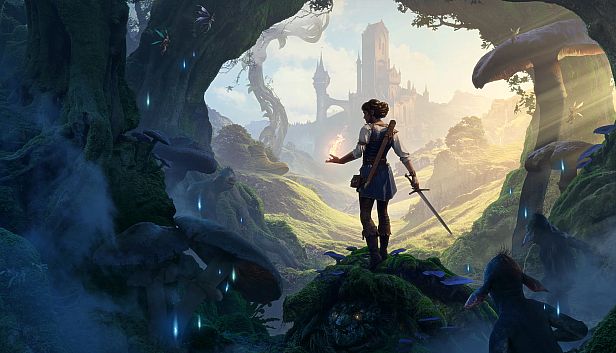



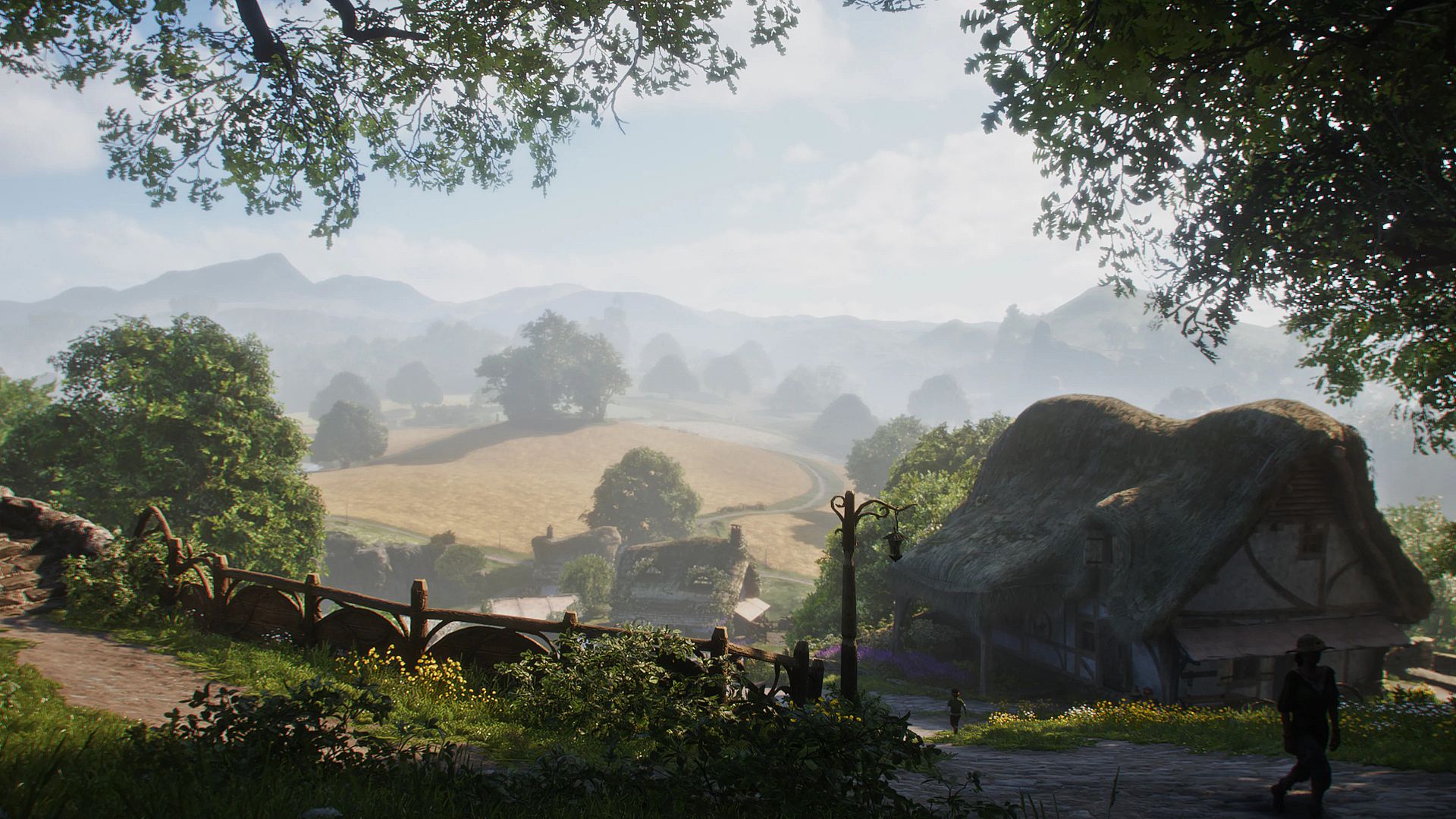
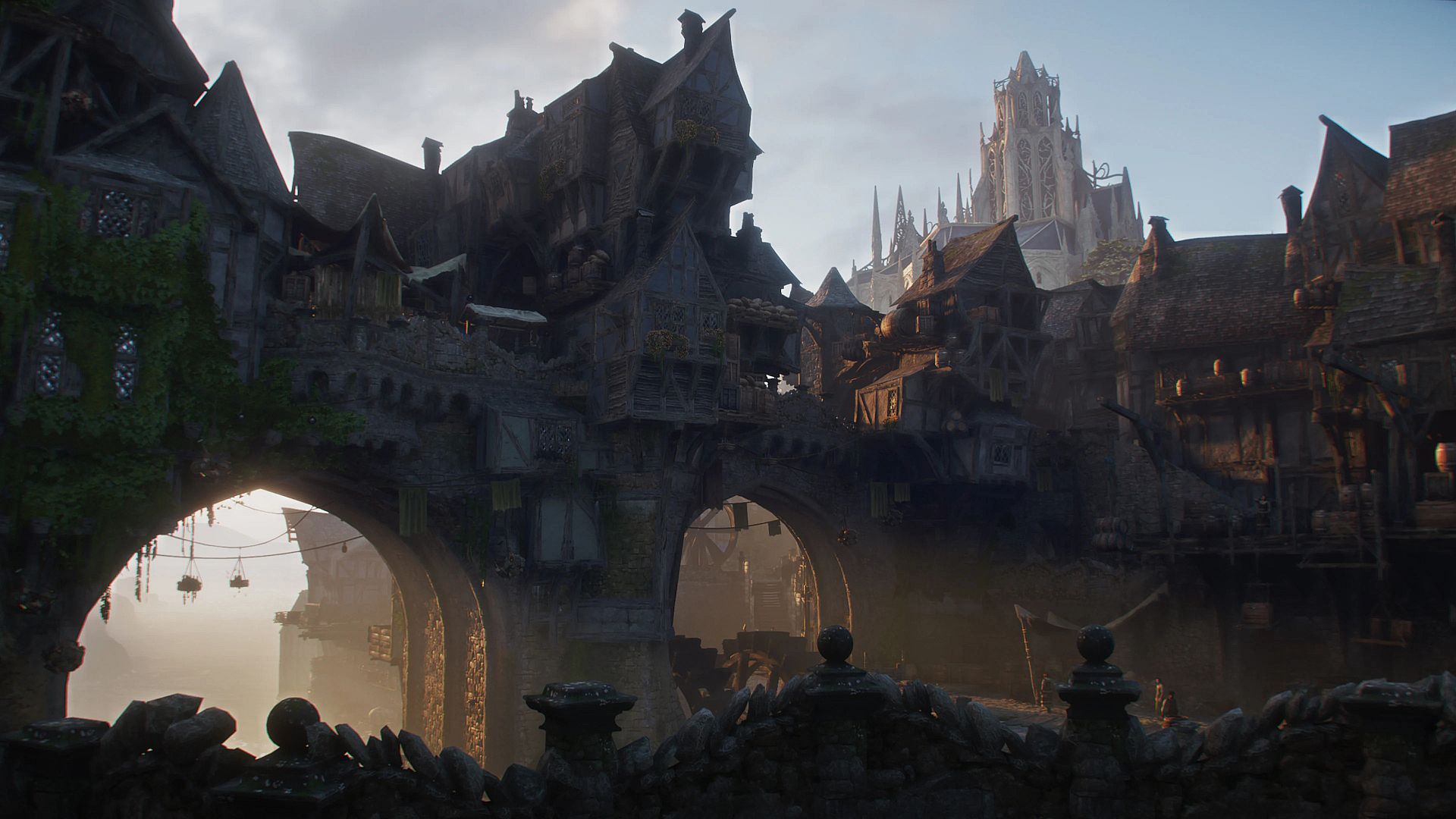

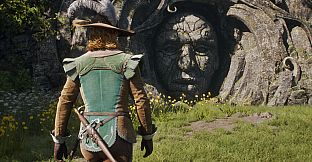




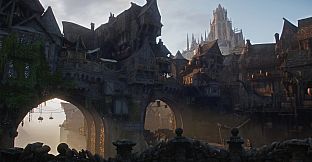
Fable is a single-player open-world action RPG set in the fantasy realm of Albion. Players take on the role of a customizable Hero who navigates a vibrant world filled with peculiar characters, moral decisions, and unexpected consequences. The game emphasizes reputation as a core driver of progression, where every action influences how villagers perceive the player and how the environment responds over time.
Gameplay
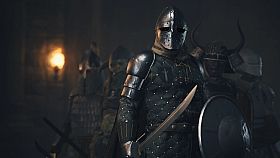
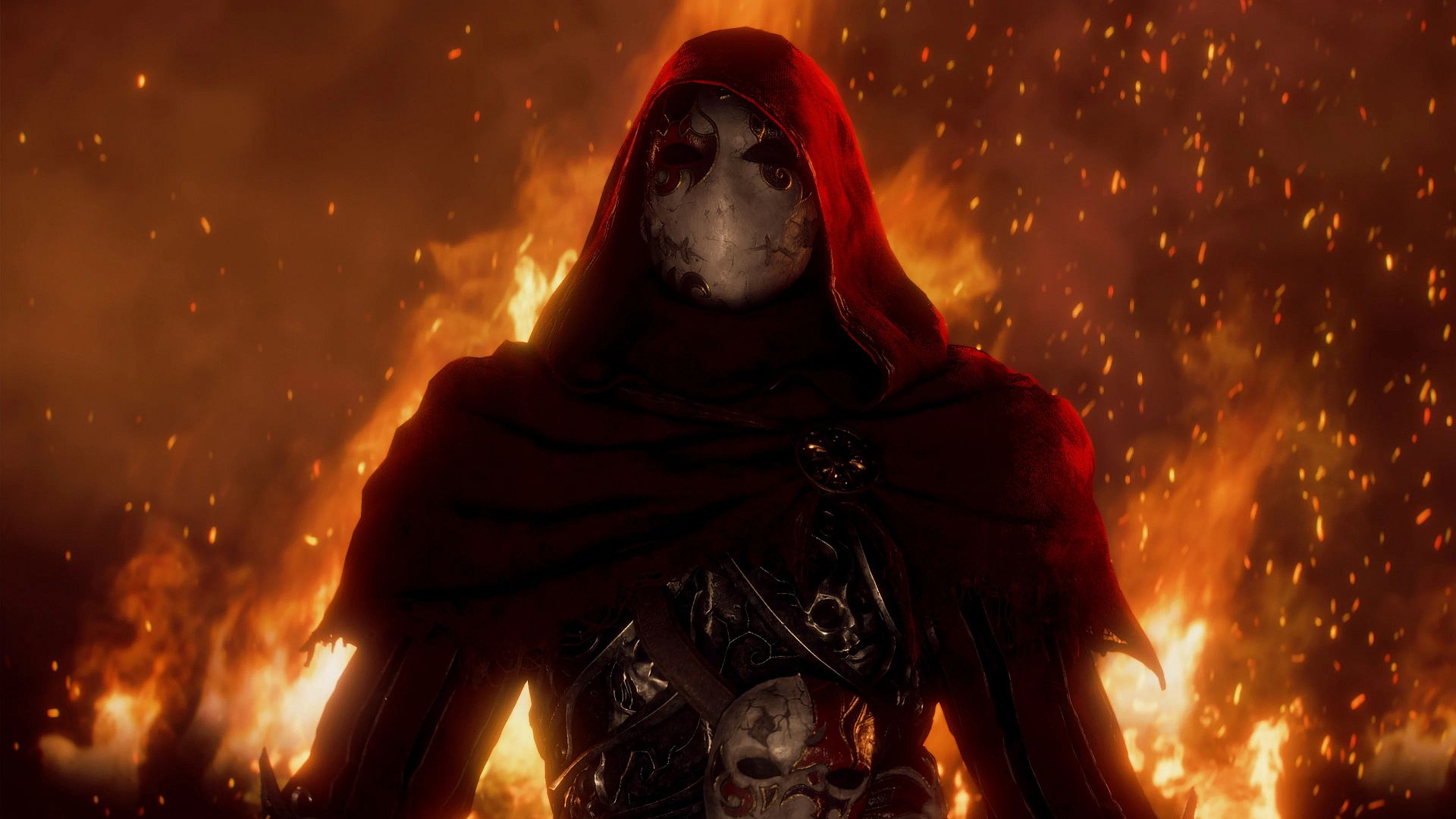
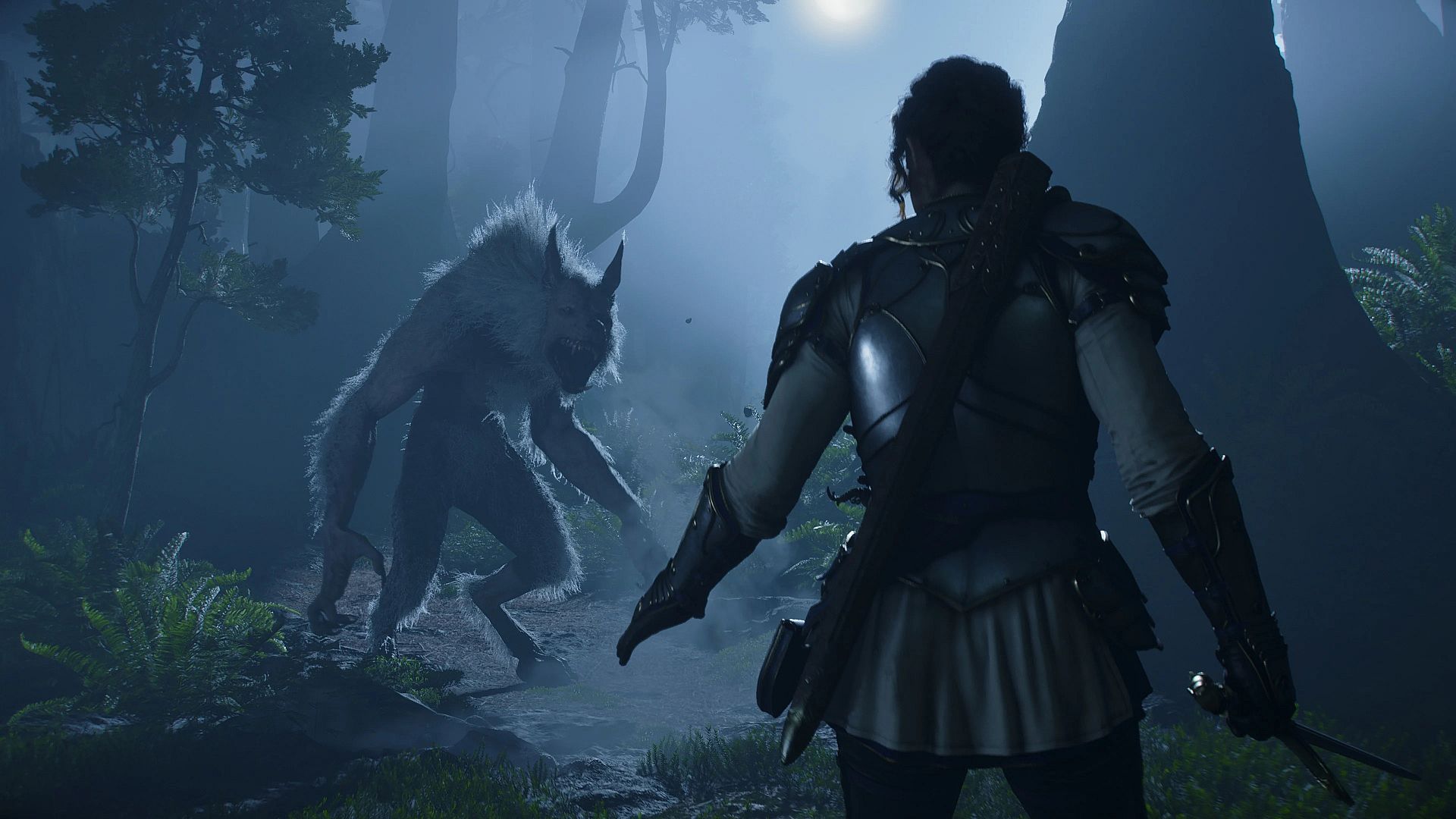
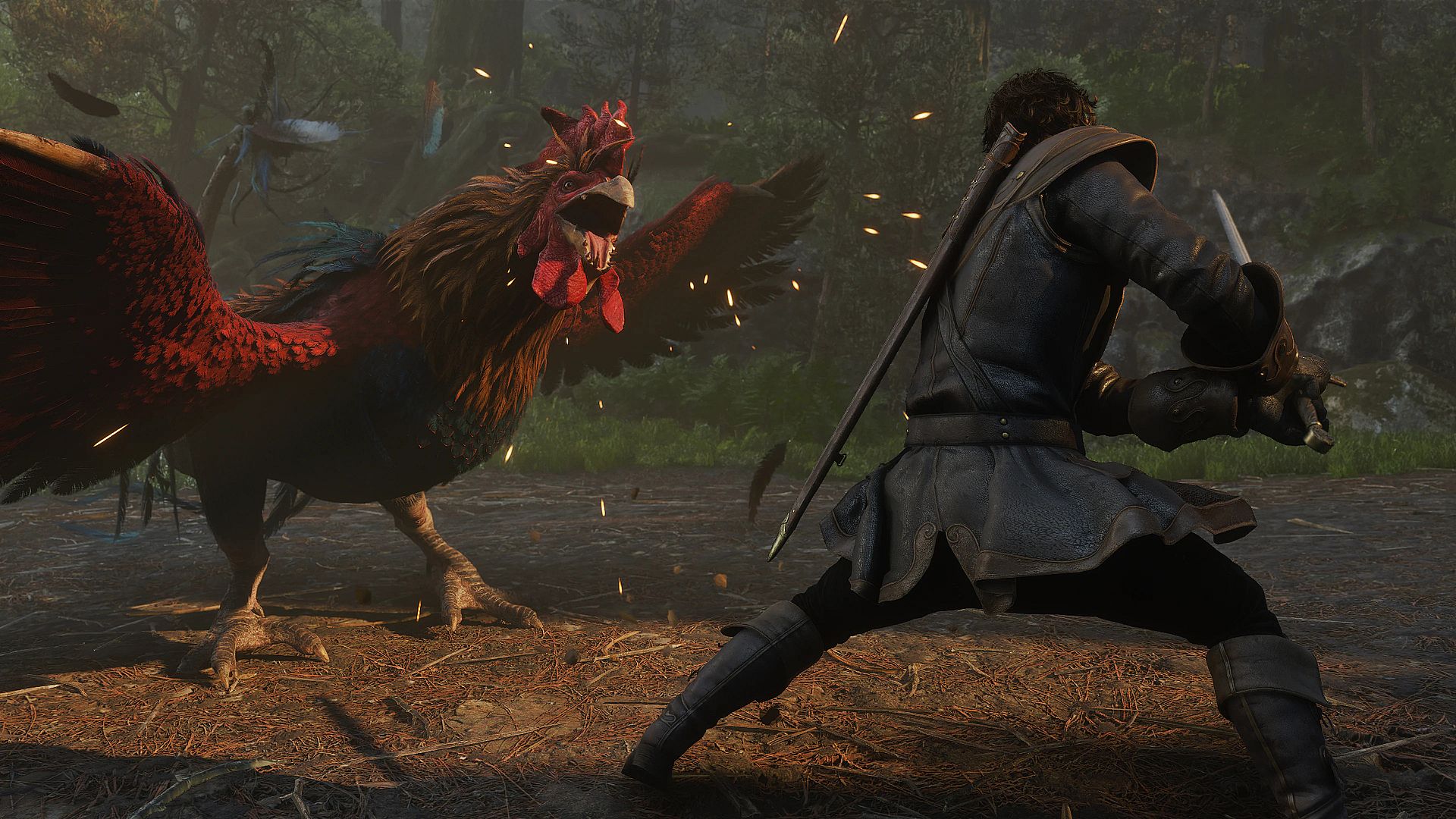
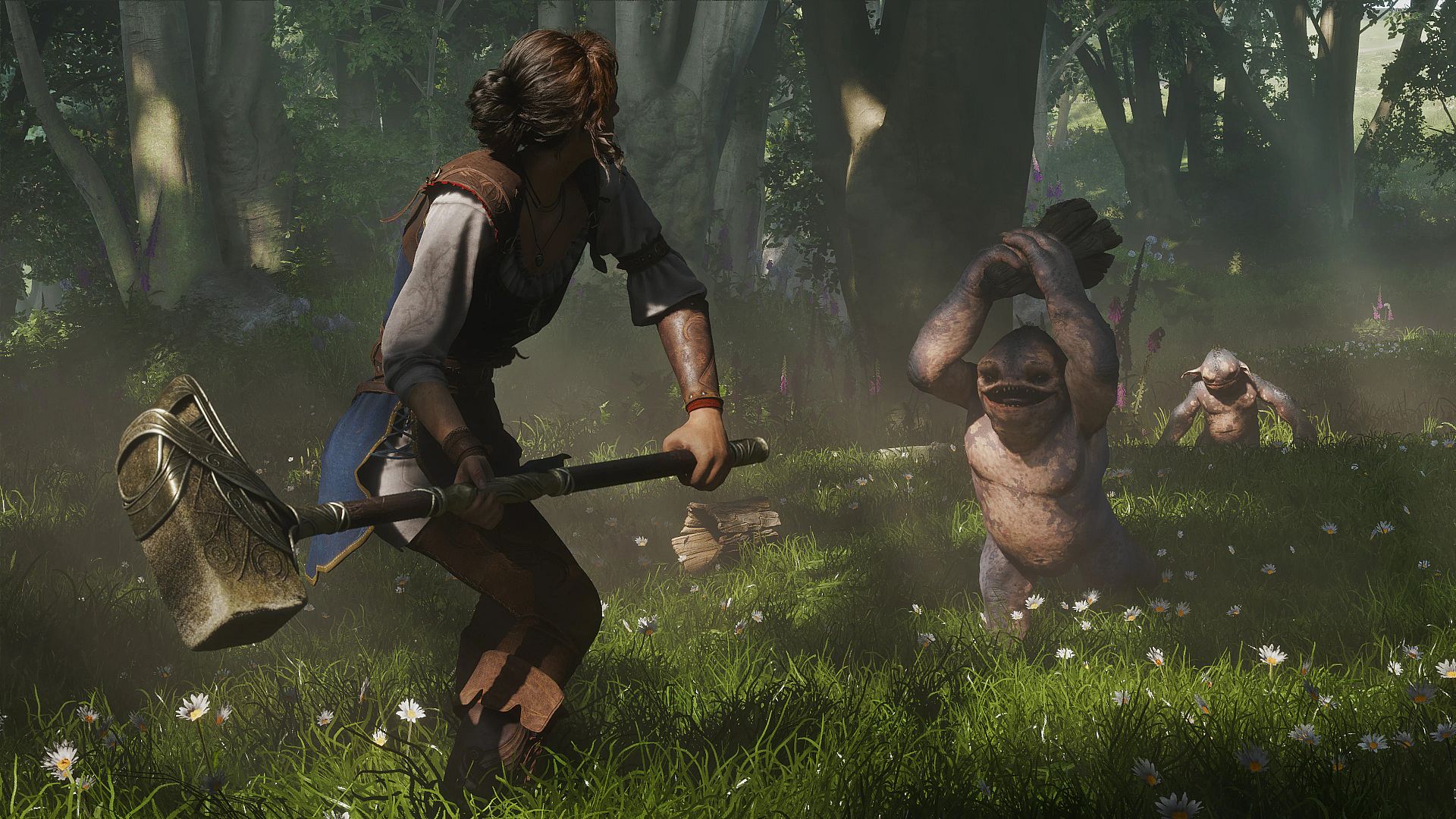
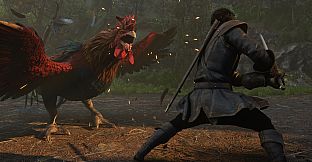
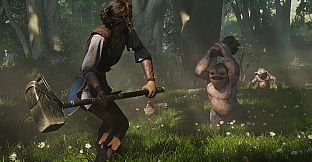
Combat forms the backbone of moment-to-moment play. Heroes switch between melee strikes with swords, ranged attacks using bows, and magical spells in fluid sequences during fights against bandits, wild beasts, and creatures such as Hobbes, Balverines, and Trolls. Power and abilities scale alongside the player's growing reputation, rewarding consistent behavior whether noble or questionable.
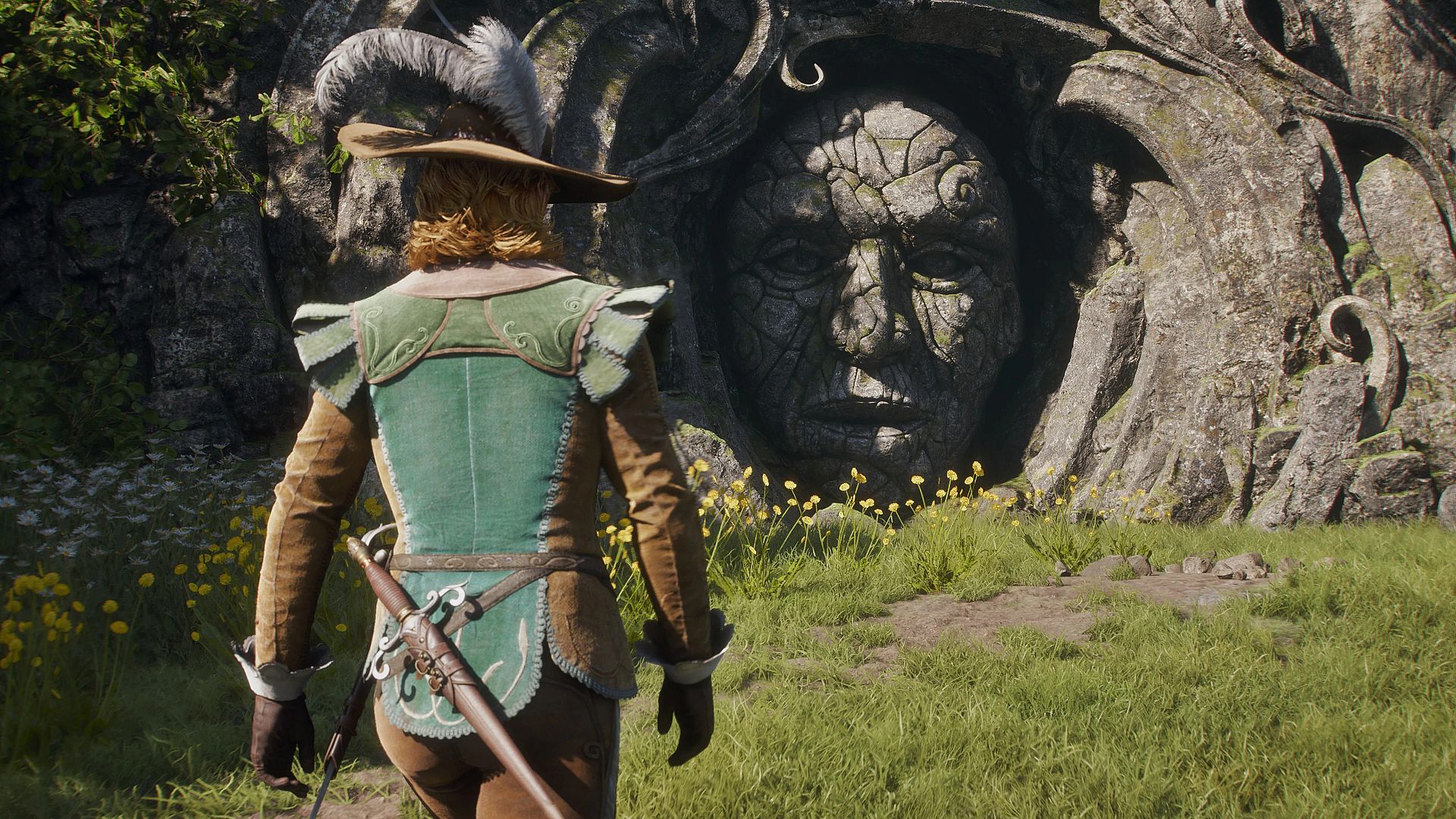
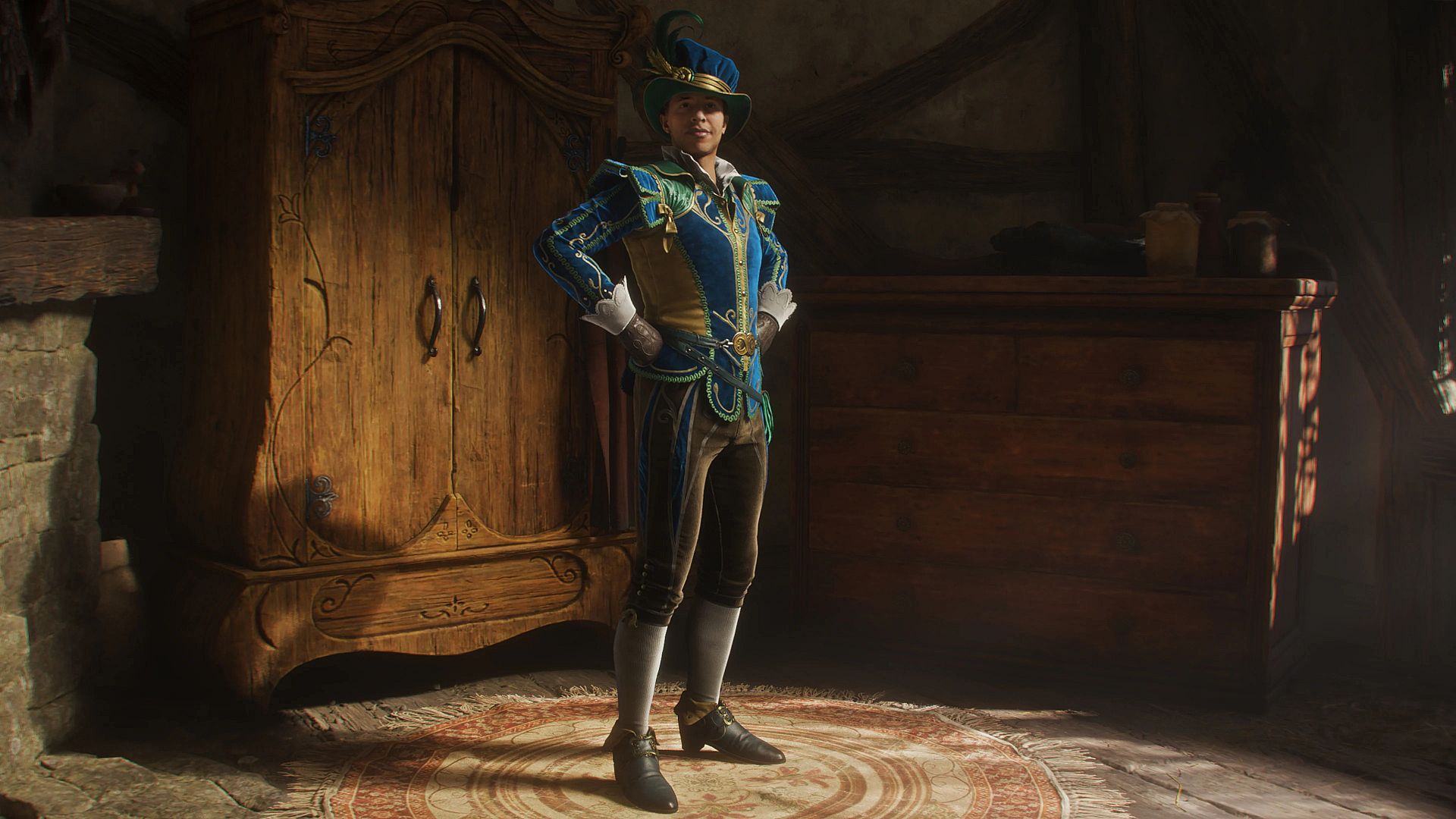
Beyond battles, daily life in Albion offers substantial depth. Players can pursue careers as blacksmiths or landlords to accumulate wealth, purchase property, and manage income streams. Relationships develop through dialogue and shared experiences, potentially leading to romance or family. Appearance and clothing choices affect how NPCs interact, with social standing altering prices, opportunities, and reactions in settlements.
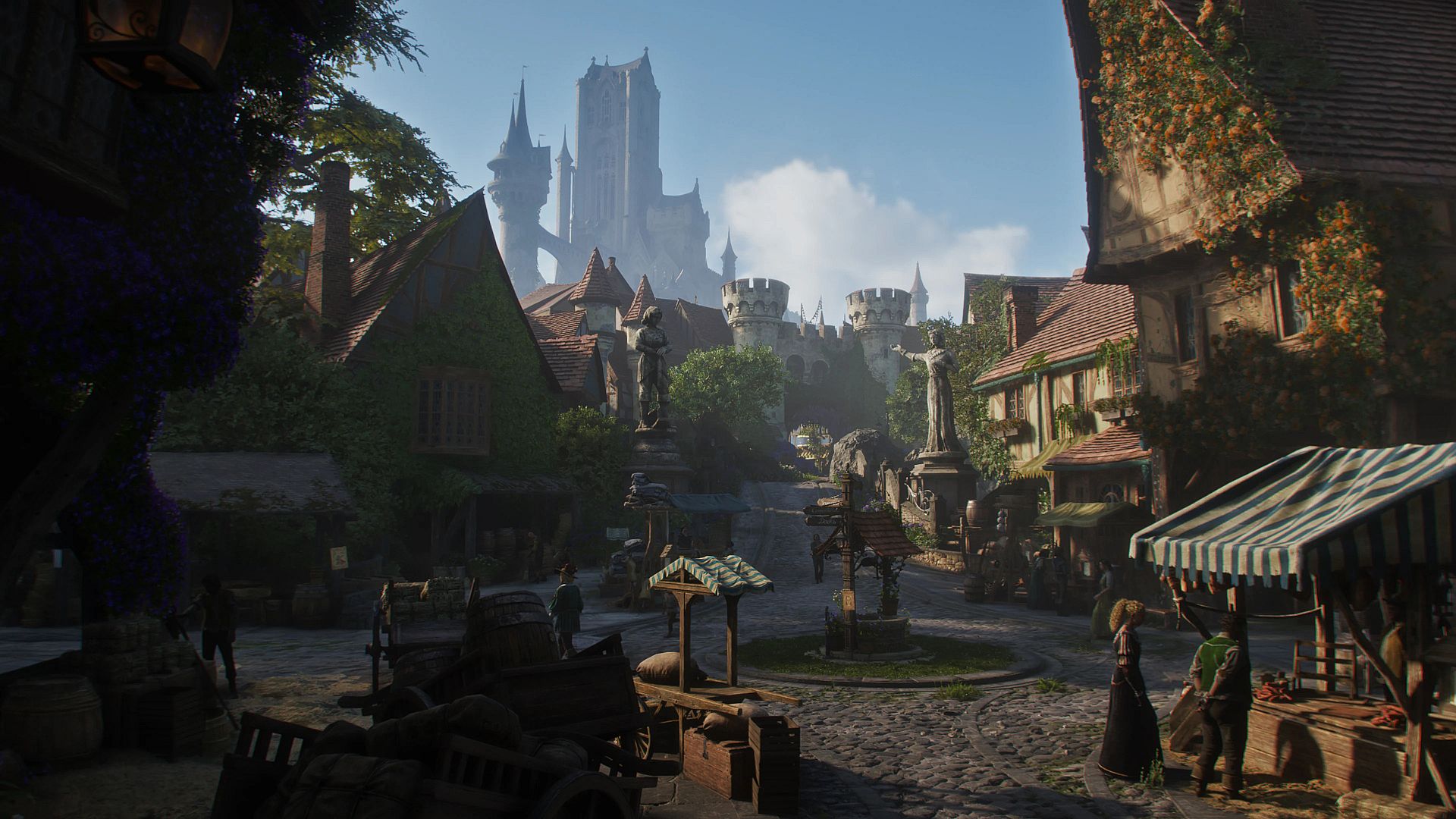
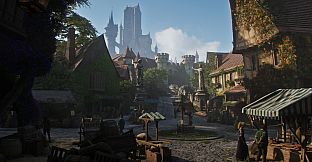
The open world encourages exploration of settlements packed with NPCs who remember past deeds. Dialogue options carry weight, and witnessed actions feed directly into a morality system that alters narrative branches and world state.
Game Modes
Fable operates entirely as a single-player experience. There are no separate competitive or cooperative modes. The core loop revolves around an open-world campaign where players freely explore Albion, complete quests, build personal wealth, and shape their Hero's legacy through ongoing choices.
Progression ties into reputation tracking rather than traditional level gates. Players advance by engaging with the living economy, forming alliances or rivalries, and tackling threats that range from local disputes to larger threats. All activity occurs within this unified single-player framework, allowing uninterrupted focus on personal story and world impact.
Choices and Reputation
Reputation serves as the central mechanic that ties every system together. Noble deeds improve standing with certain villagers and unlock favorable outcomes, while questionable decisions can close doors or invite hostility. These shifts influence dialogue availability, economic opportunities, and even the physical appearance of the Hero over time.
The world reacts dynamically to accumulated actions. A Hero known for generosity might receive discounts or assistance, whereas one with a darker record faces higher costs or guarded interactions. This system extends to family life and property ownership, where personal decisions ripple outward to affect community perceptions across Albion.
Is It Worth Playing?
Gameplay demonstrations highlight a cohesive blend of combat, life simulation, and narrative choice that distinguishes the title from more linear RPGs. The emphasis on reputation and consequence creates replay potential for those who value experimentation with different moral paths.
Players drawn to single-player open-world experiences with strong role-playing elements will find the most appeal here. The combination of fluid combat styles, economic activities, and relationship mechanics supports extended sessions focused on personal expression rather than competitive play.
With a confirmed release on February 23, 2027, the game remains in a pre-launch state. Early previews suggest it delivers on the promise of a living Albion where decisions matter, making it a strong candidate for fans of choice-driven adventures once it arrives. Those seeking pure action without deep social systems may find the slower pace of reputation building less engaging.