

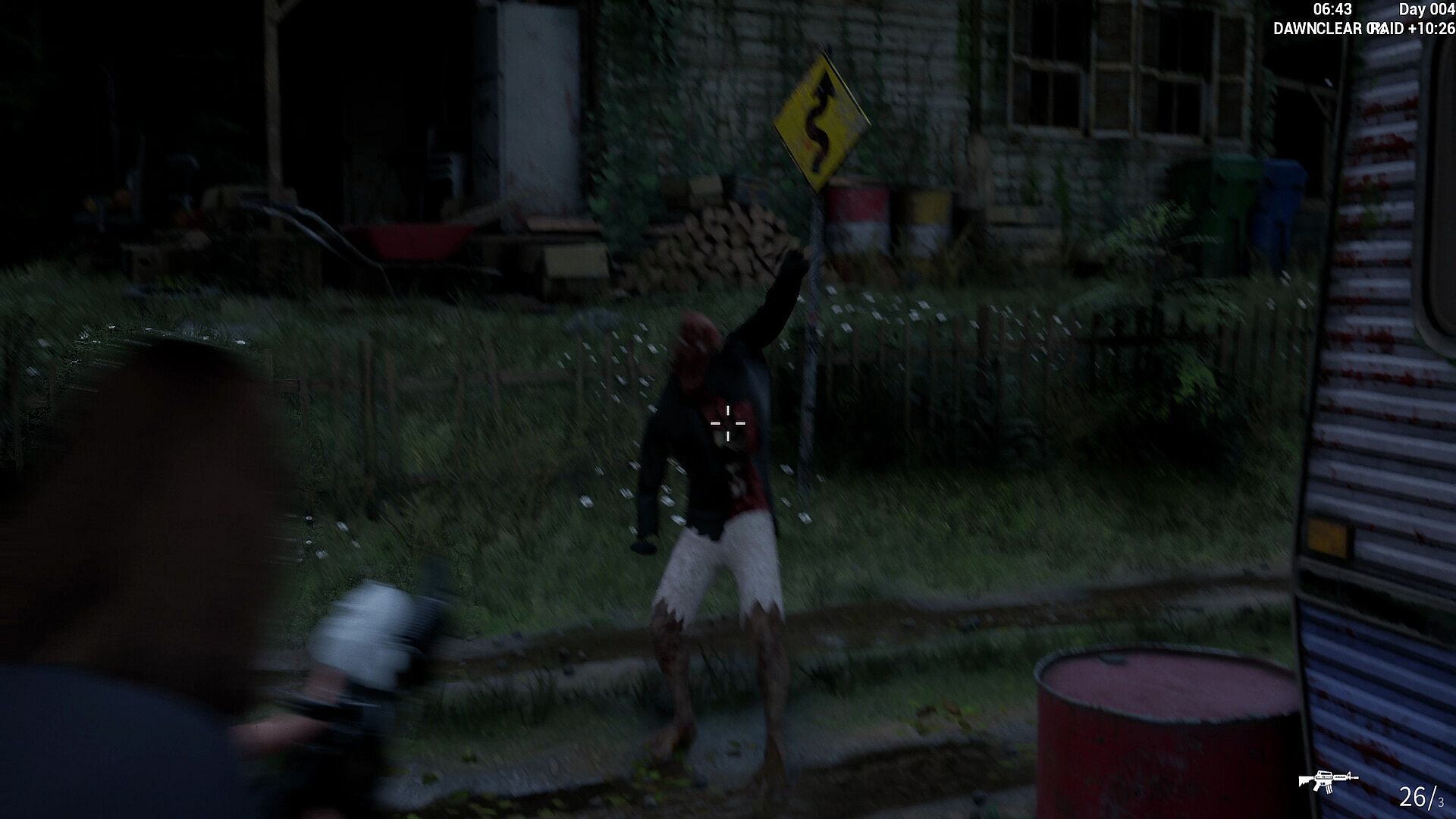
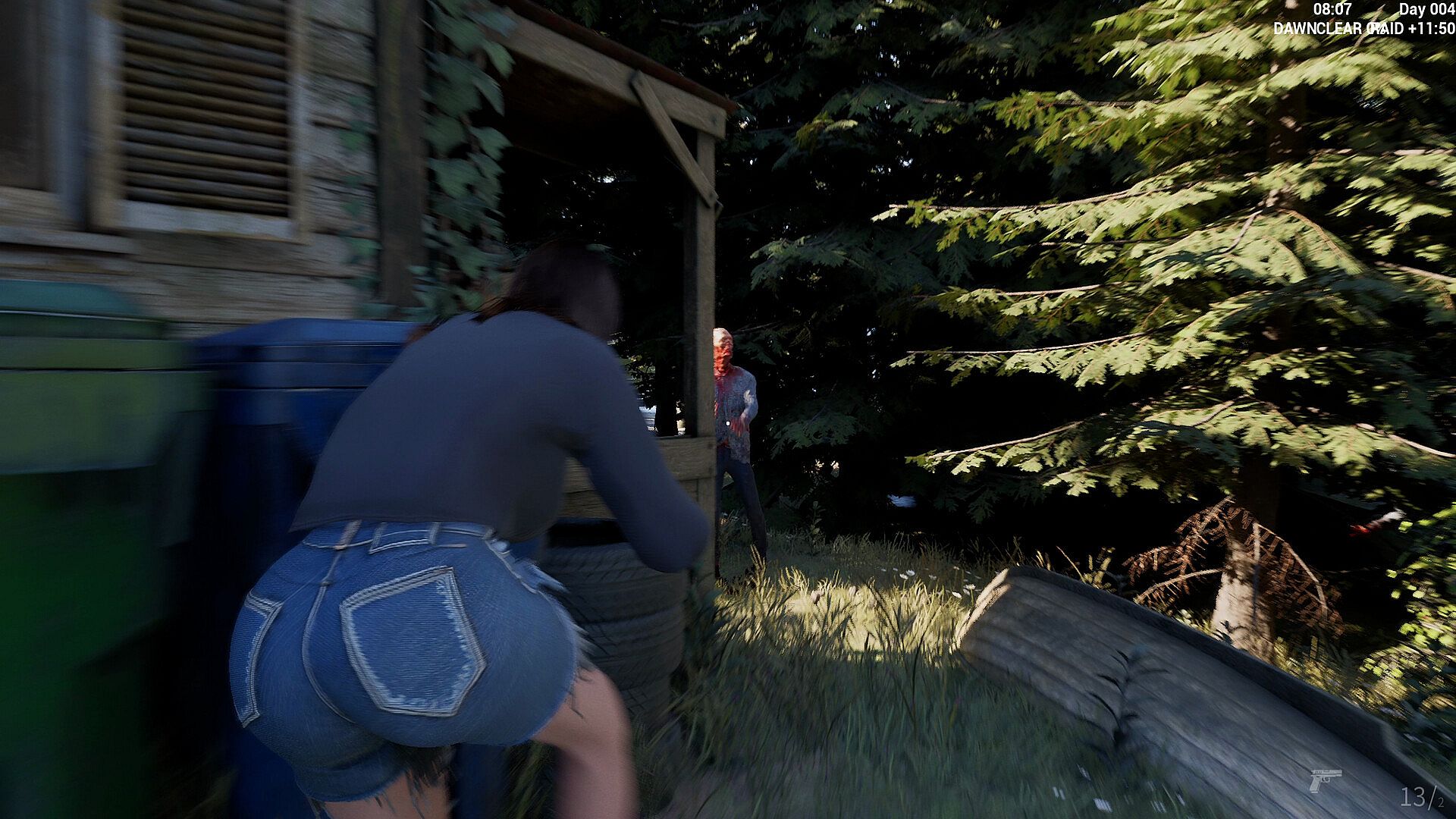
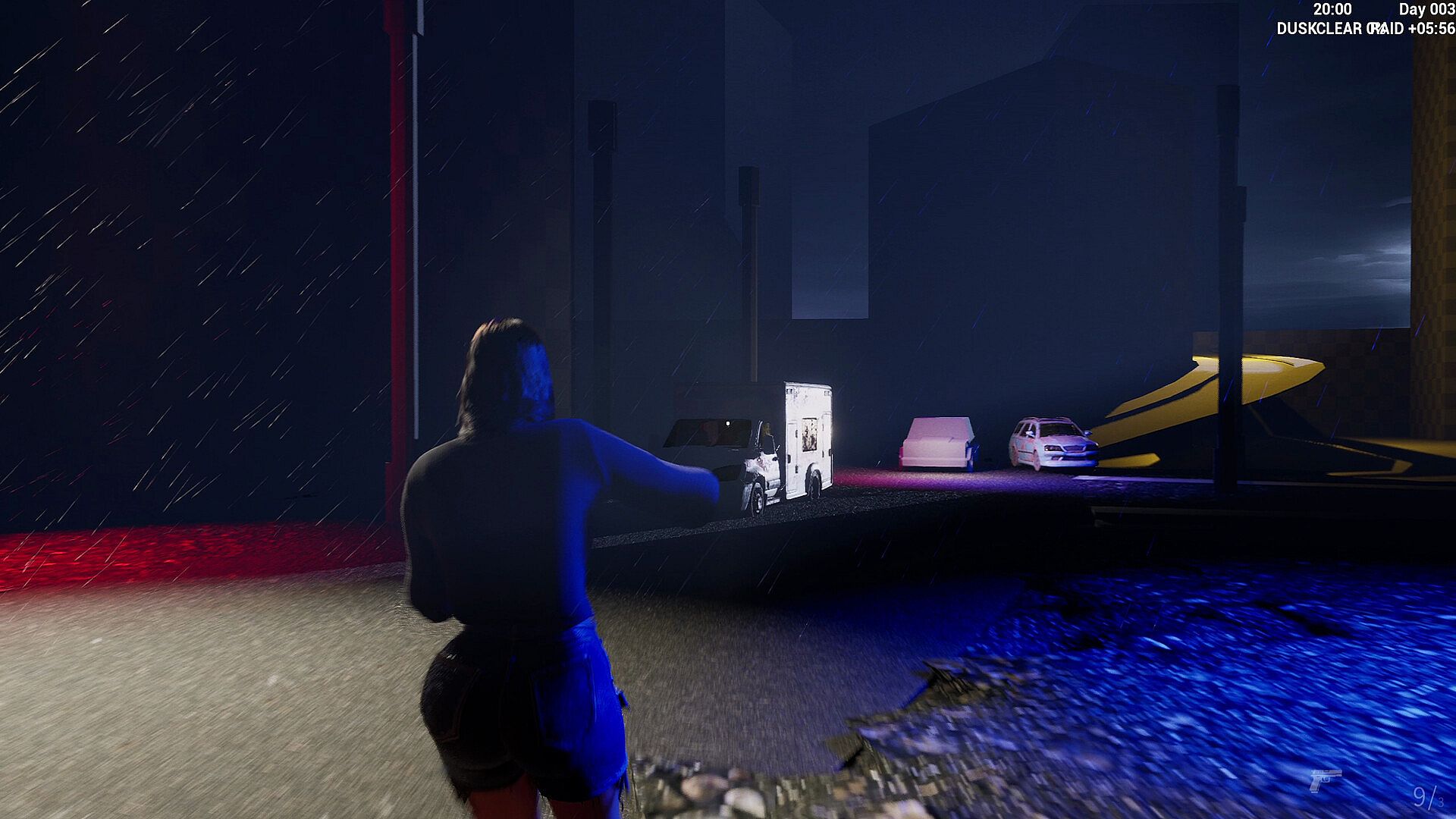

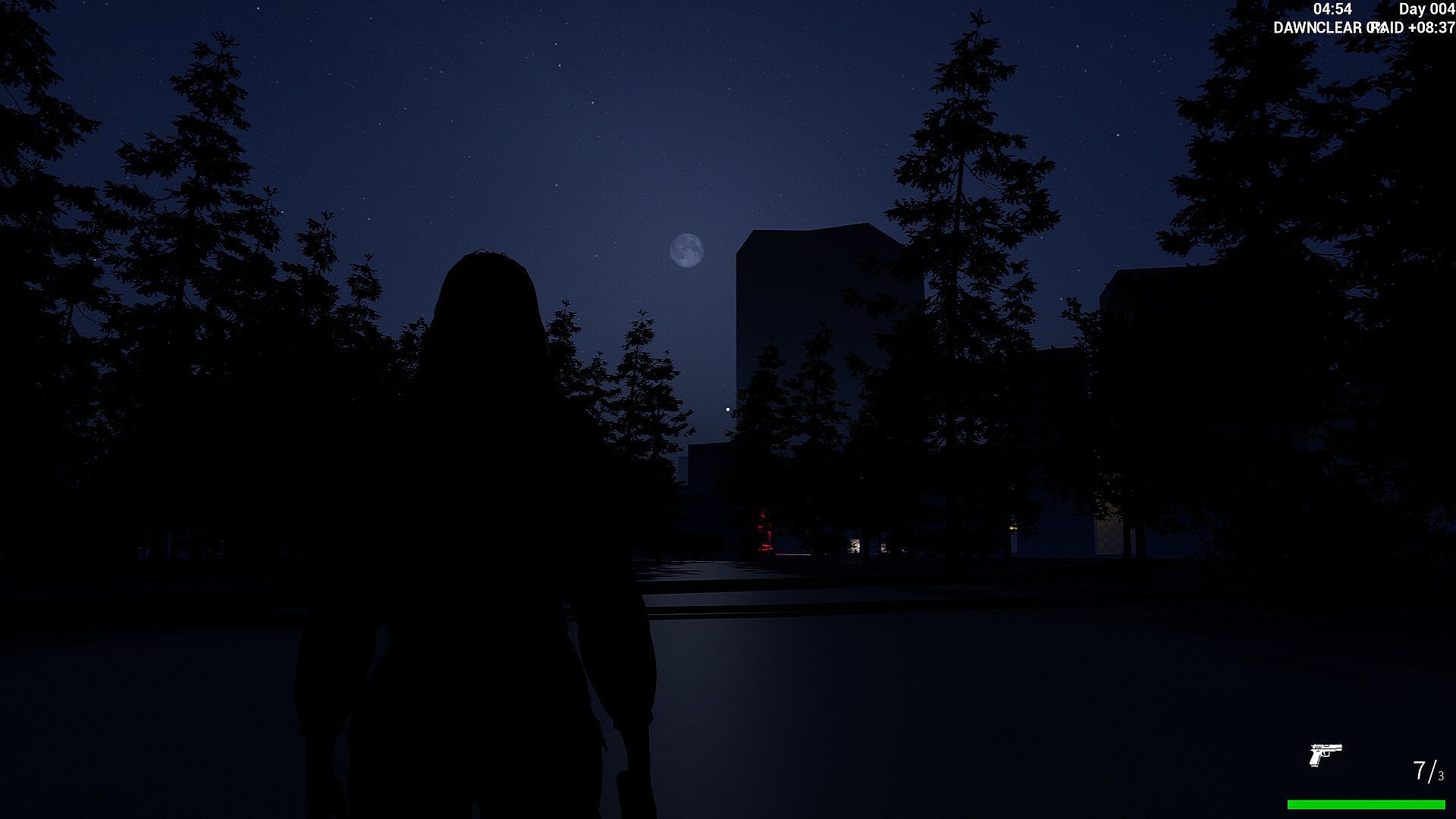



Escape from Deadville is a single-player third-person zombie extraction shooter set in a post-apocalyptic world. Players manage a small outpost on the edge of a dead city, selecting mercenaries for contracts that send them into infected zones to recover supplies and complete objectives before extracting safely.
Gameplay
The core loop centers on preparation at the outpost followed by tense raids into dangerous territory. Each mercenary brings unique abilities and equipment, and decisions about who to send shape every run because injuries and losses persist across operations. Supplies and contracts remain shared, yet individual characters carry forward their own setbacks, forcing players to balance risk and recovery when planning the next outing.
Looting demands attention and time. Players open containers one item at a time, and any interruption from movement, damage, or noise ends the search. Breaking objects or opening noisy containers can alert nearby infected, turning a quiet moment into a fight. Combat rewards precision over volume. Different hit locations on enemies produce varied effects, with head and neck shots offering stronger interruptions while limb or armor hits may stagger or slow targets. Gunfire and explosions themselves generate sound that draws more threats, requiring players to manage distance, positioning, and ammunition carefully to avoid encirclement.
Extraction decisions add another layer. Valuable loot often sits deeper in contested areas, and players must weigh whether to push further or return with what they already hold. Failure does not simply reset progress. Injured or missing mercenaries appear as rescue targets on the contract board, turning one loss into a new high-stakes operation that risks additional personnel and resources.
Game Modes
The game operates as a single-player experience built around contract-driven runs. Each outing begins with mercenary selection and gear preparation at the outpost, then shifts to real-time navigation and looting inside the city. Success depends on reaching extraction points with collected items intact, while persistent character states link individual runs into a larger campaign of survival and resource management.
Outpost interactions form a steady rhythm between raids. Players trade with a small group of NPCs who control weapons, information, and assignments. Building trust with these figures unlocks new options over time, expanding available contracts and services without introducing separate multiplayer or competitive modes.
Key Mechanics and Systems
Mercenary management stands out as a central system. Characters recover at different rates, and permanent losses or long-term injuries force ongoing roster adjustments. Rescue missions provide a way to reclaim both people and lost supplies, yet they carry their own dangers that can compound problems at the outpost.
Noise and interruption mechanics keep looting tense. Every action carries audible consequences, and enemies respond dynamically to disturbances. Shooting locations matter because precise fire can disrupt attacks or cripple mobility, while indiscriminate fire risks escalating the situation.
The outpost itself functions as a hub with limited personnel. Old K handles weapons and ammunition, Margaret identifies valuable items and maps, and Anderson supplies contracts through his contacts. Trading and completing tasks gradually reveals more services and deeper story hints through their reactions and requests.
Is It Worth Playing?
Escape from Deadville targets players who enjoy extraction shooters with persistent consequences and deliberate pacing. The emphasis on mercenary selection, noise-aware looting, and location-specific damage creates a focused loop that rewards planning and restraint over constant action. Those who appreciate managing limited resources across repeated high-risk outings will find the persistent character states and outpost progression engaging.
Because the game remains in development with no release date or player reviews available yet, anyone considering it should watch for updates on its final feature set and performance. The described systems suggest strong appeal for fans of methodical survival gameplay in a zombie setting, particularly if they value decision-making around risk and recovery over large-scale multiplayer experiences.