























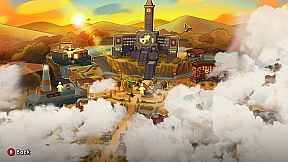
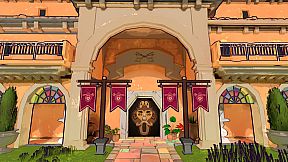
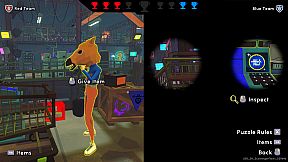
Escape Academy is a puzzle adventure game set in a specialized school for aspiring escape room experts. Players step into the role of a new student learning the craft of solving intricate, time-sensitive challenges across a variety of themed environments. The experience blends narrative elements with hands-on puzzle solving, all viewed from a first-person perspective on PC.
Gameplay
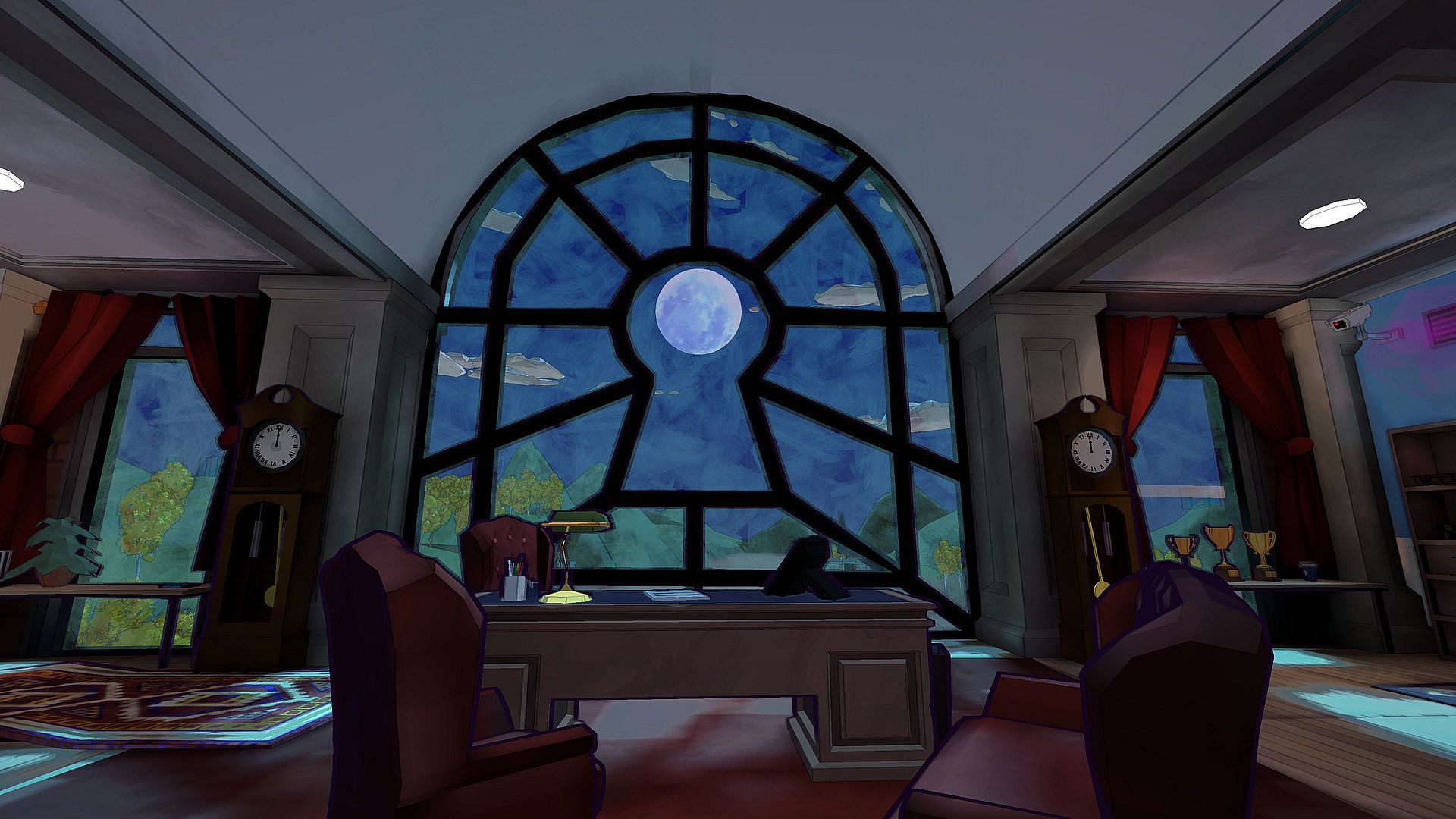
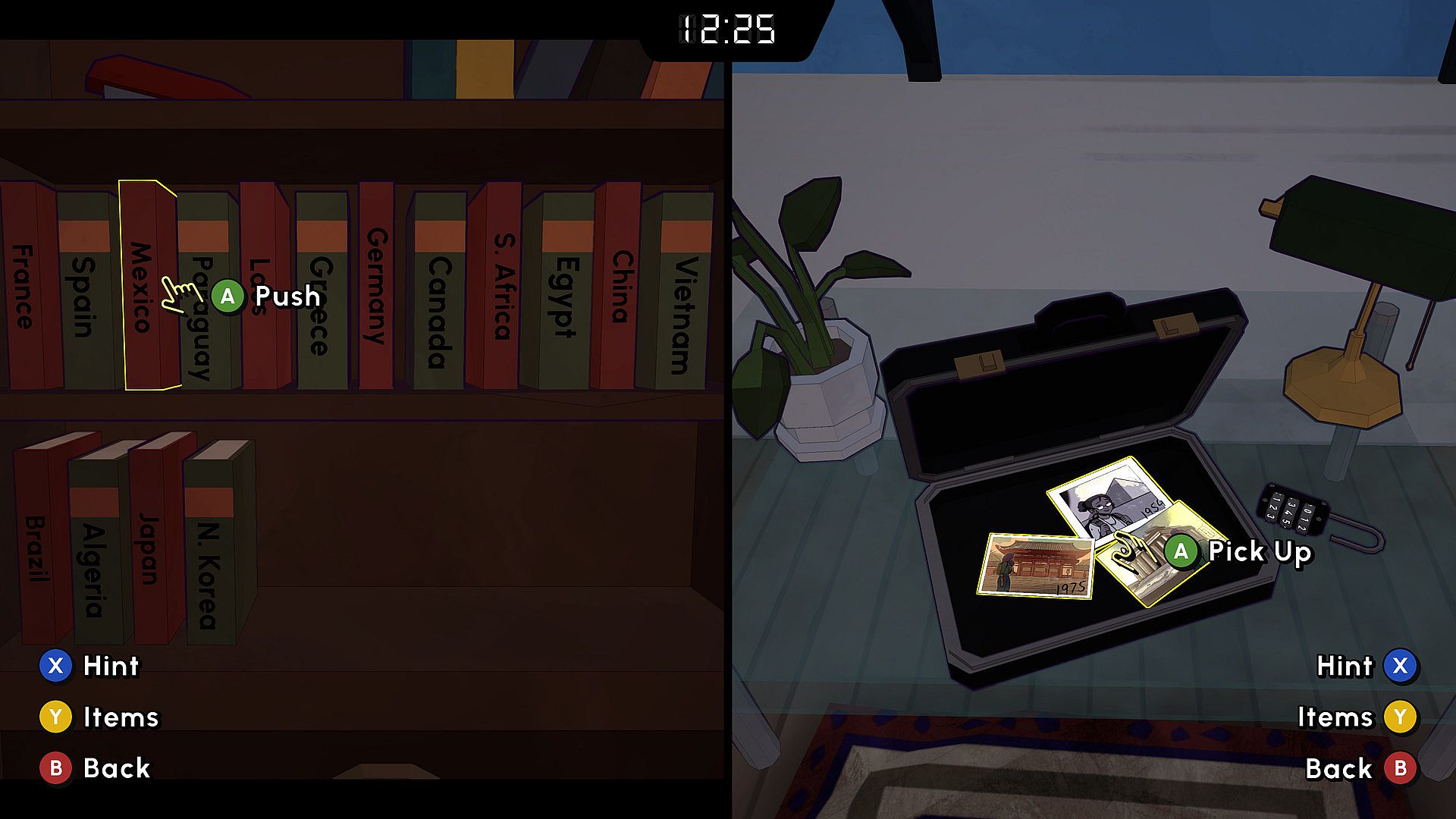
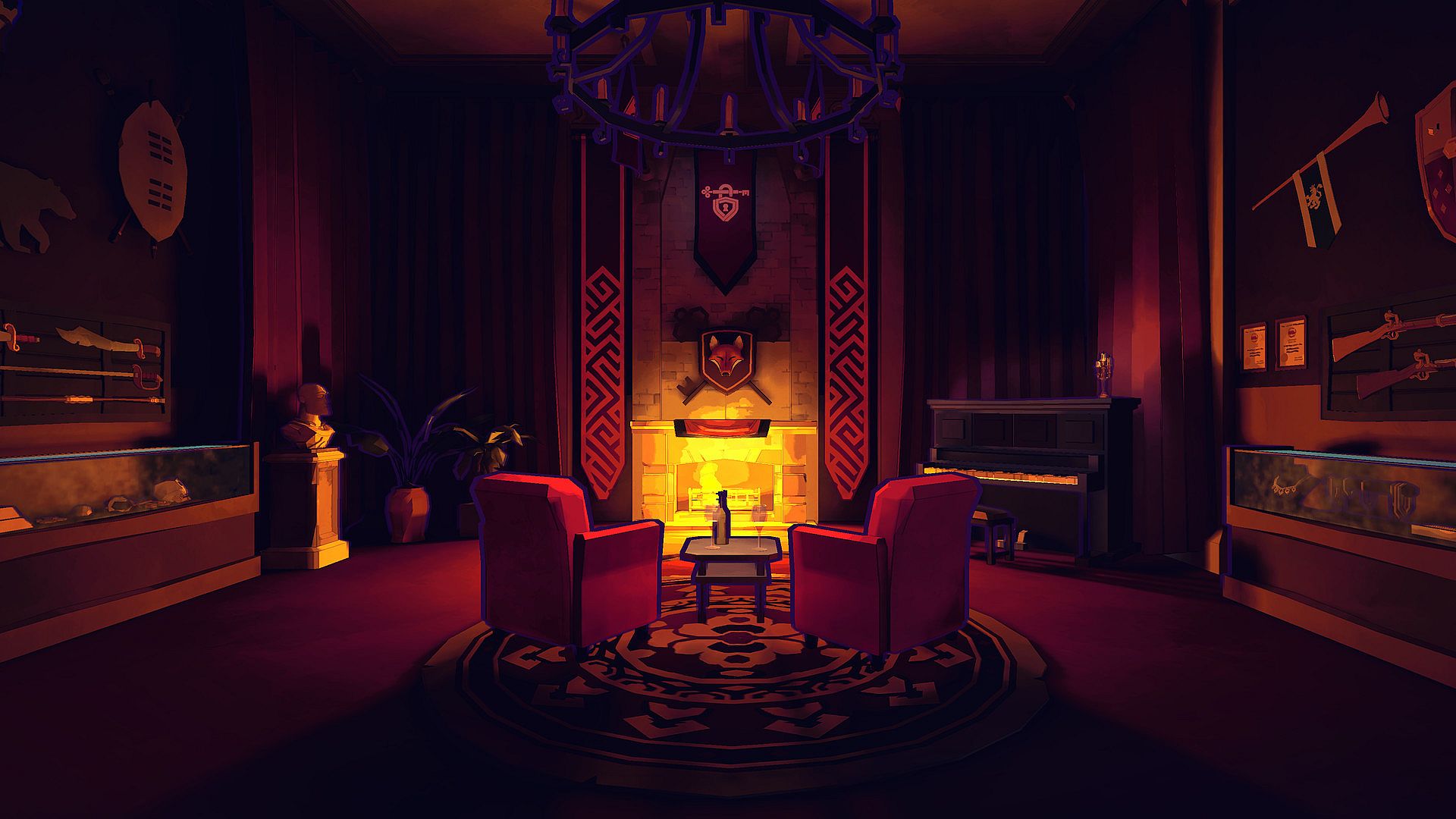
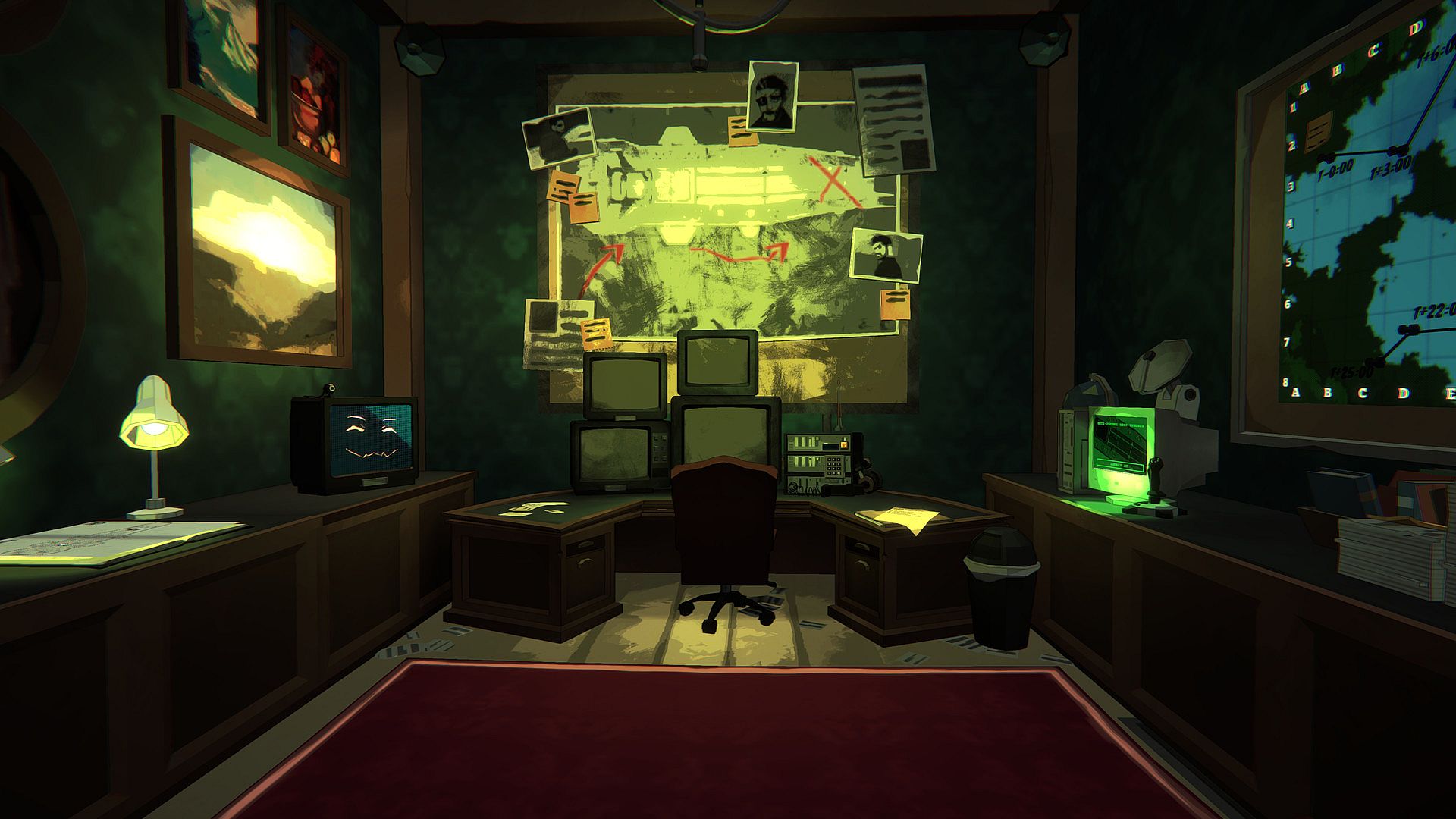
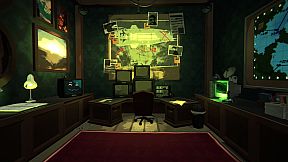
The core loop revolves around exploring detailed rooms filled with clues, objects, and mechanisms that require logical deduction, pattern recognition, and creative thinking to progress. Each challenge draws inspiration from real escape room design, incorporating elements like code-breaking, item combination, environmental manipulation, and timed sequences. Players interact directly with the surroundings, often under pressure from ticking clocks or rising hazards that demand quick decisions and careful observation.
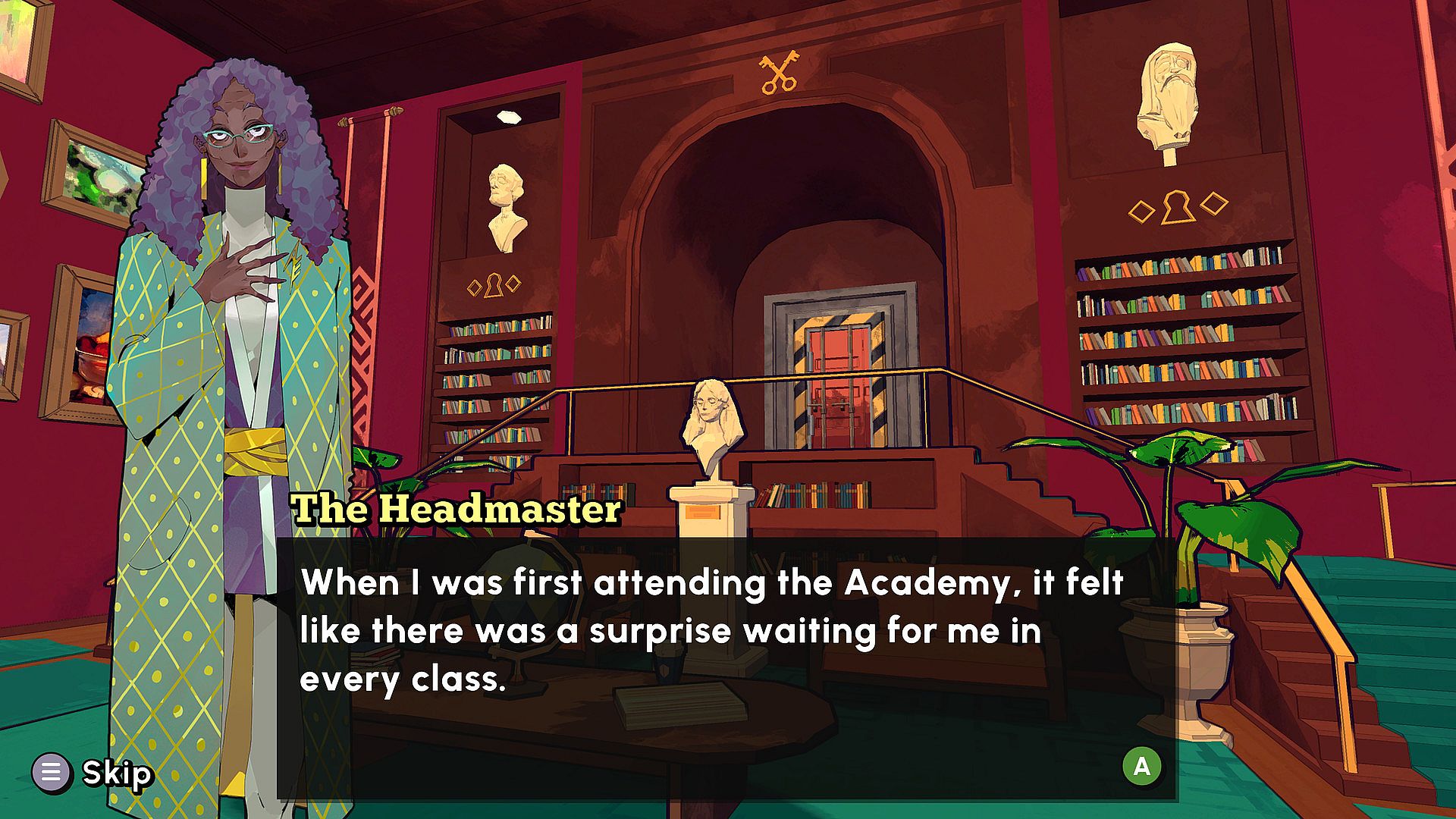
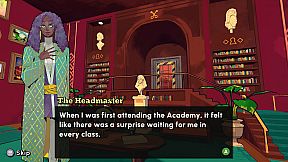
Progression involves attending classes that present unique scenarios, such as defusing devices during a tea service or navigating a flooding structure to reach safety. Faculty members provide guidance and personality through interactions on campus, adding context to the training without overshadowing the mechanical focus. The game supports flexible pacing, allowing players to tackle content independently or collaborate closely with another person through shared item use and communication.
Controls emphasize intuitive point-and-click style interactions suited for puzzle resolution, with splitscreen options enabling seamless local or online teamwork. Sound design enhances immersion through atmospheric cues that highlight important details or build tension during critical moments.
Game Modes
Escape Academy offers single-player mode for solo solvers who prefer to work through every challenge at their own speed. This option covers the full curriculum of hand-crafted rooms and allows uninterrupted focus on individual problem-solving skills.
Two-player cooperative play forms the other primary mode, available in local splitscreen or online formats. Partners can divide tasks, share discoveries, and coordinate solutions in real time, which suits the collaborative nature of many puzzles. The system handles item passing and simultaneous actions smoothly to keep both participants engaged.
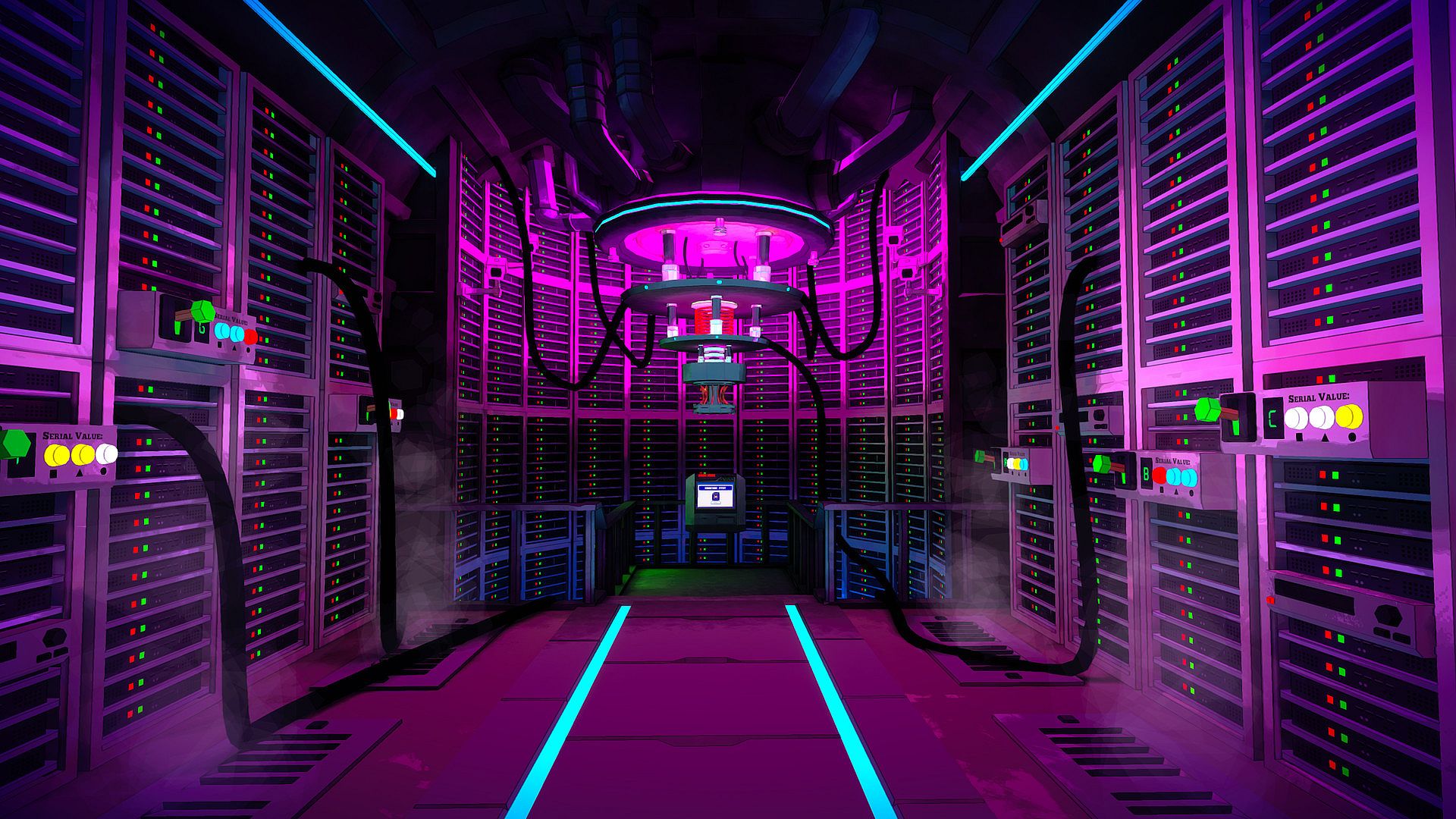
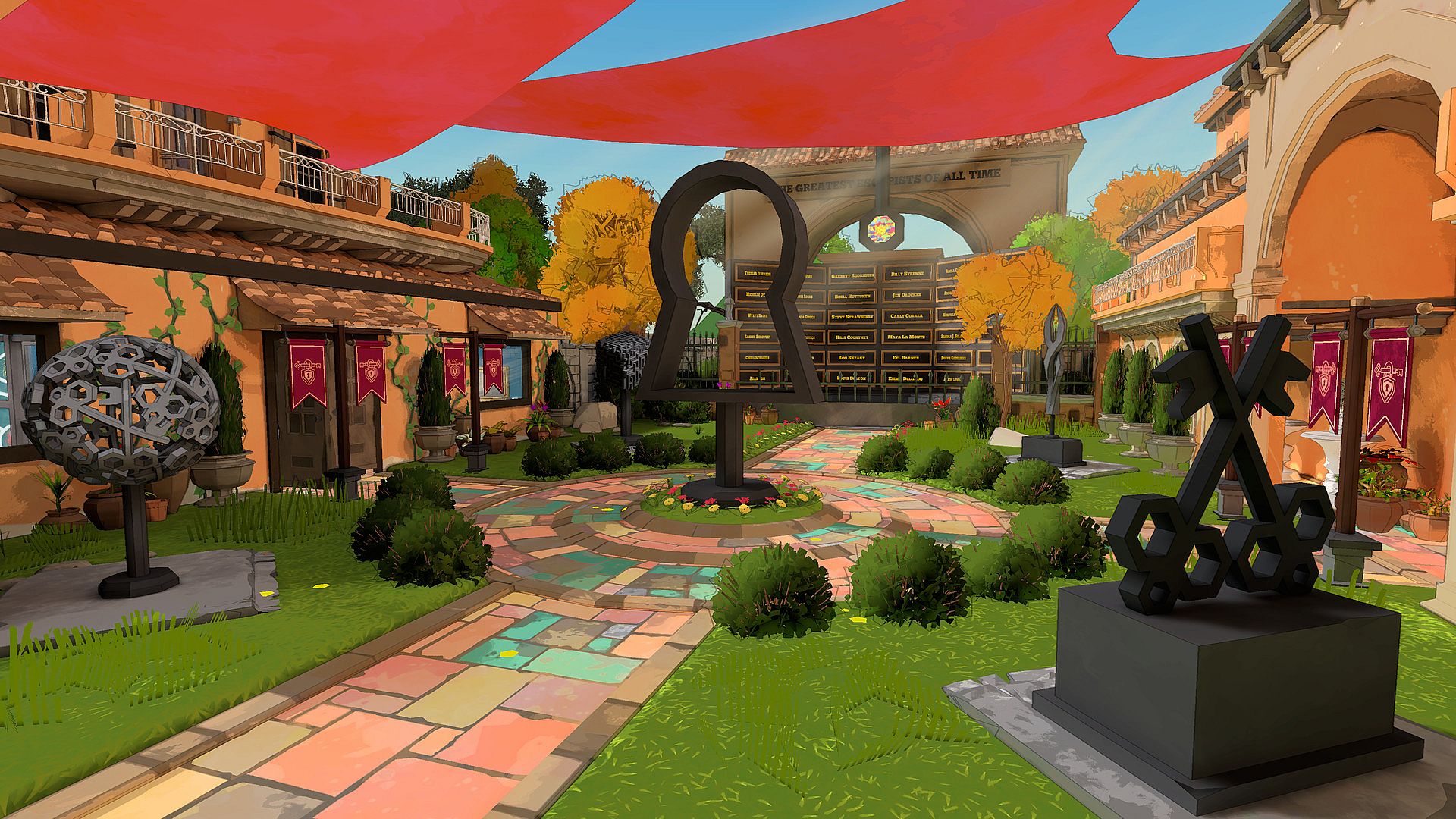
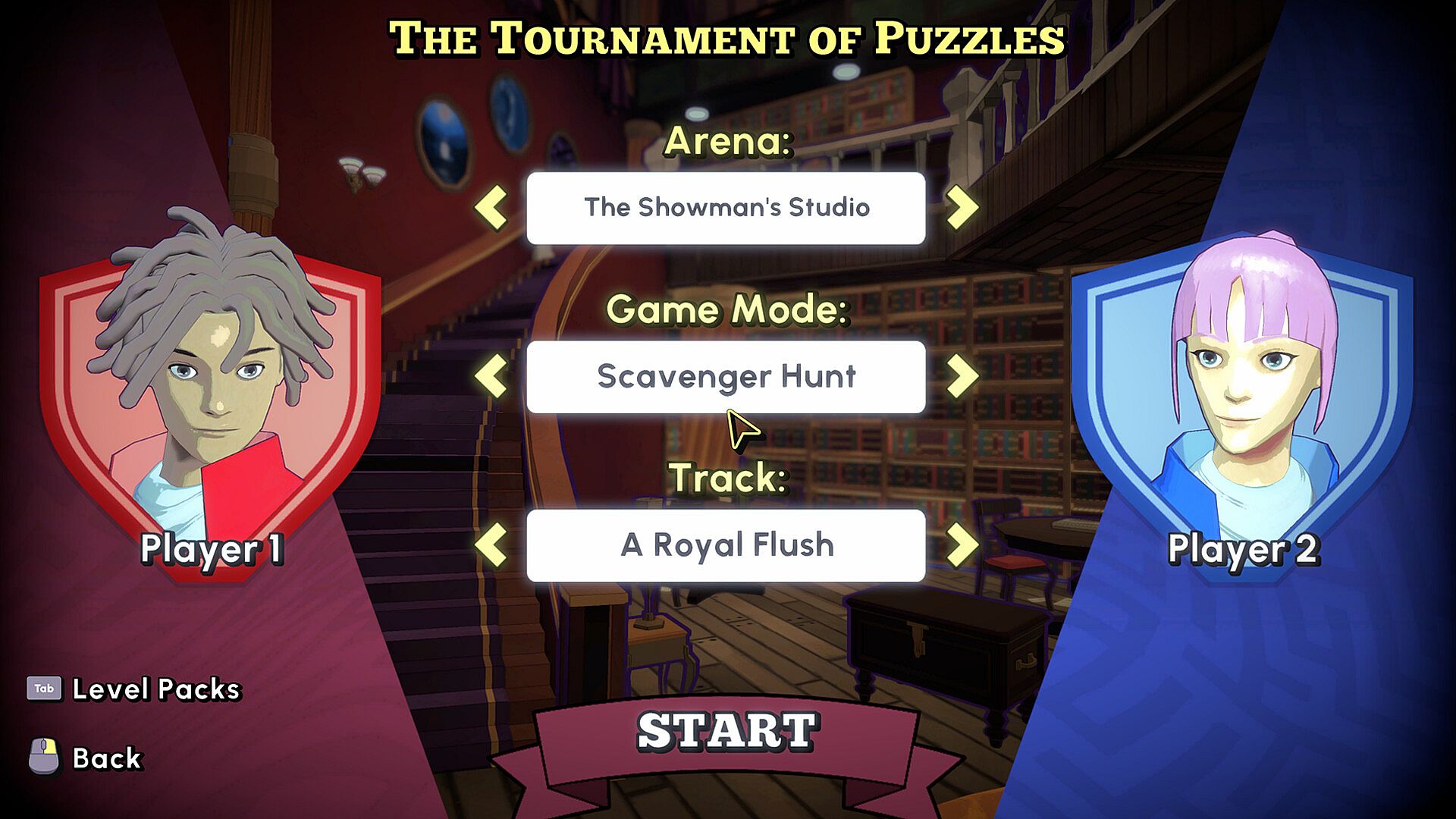
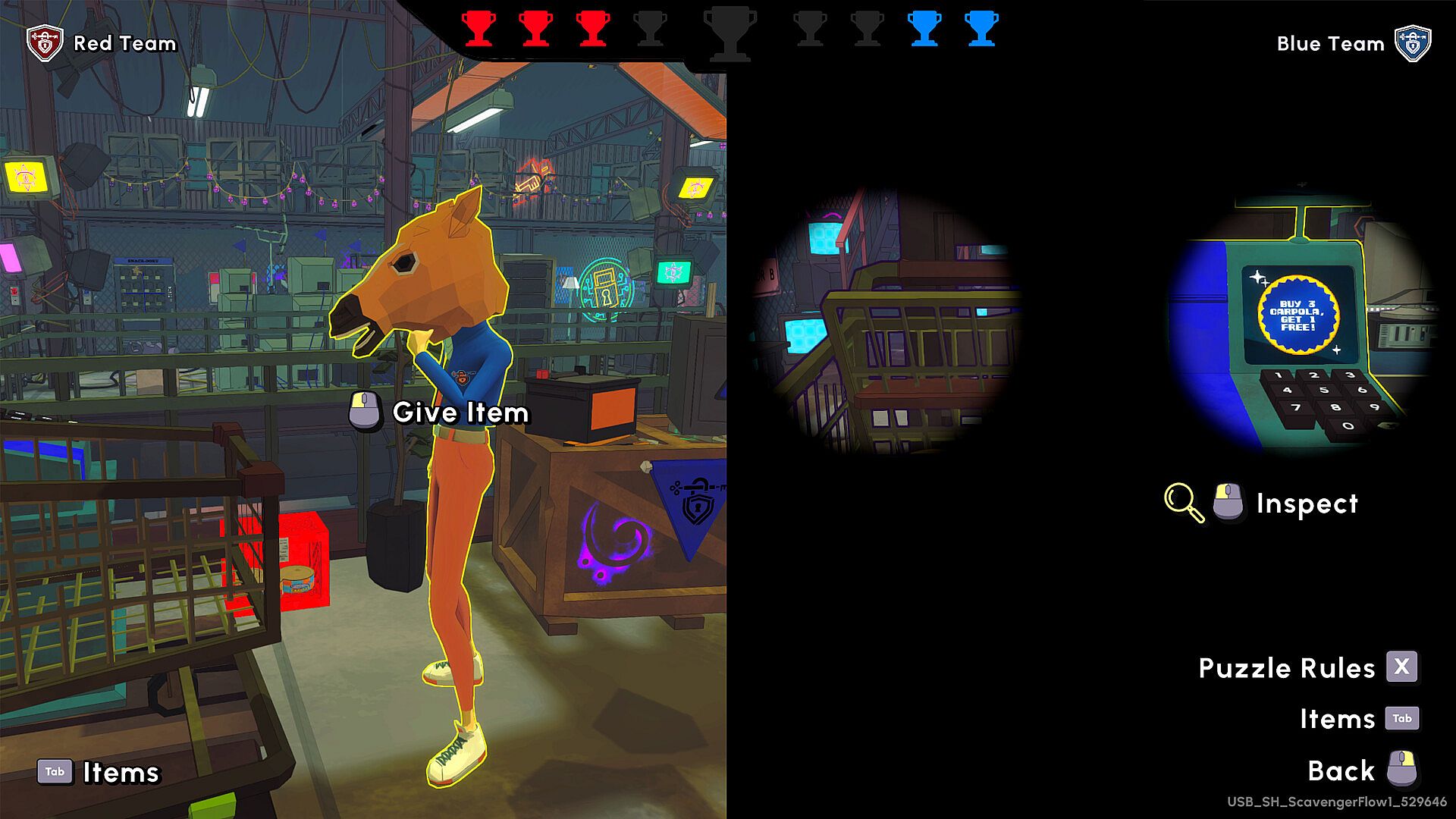
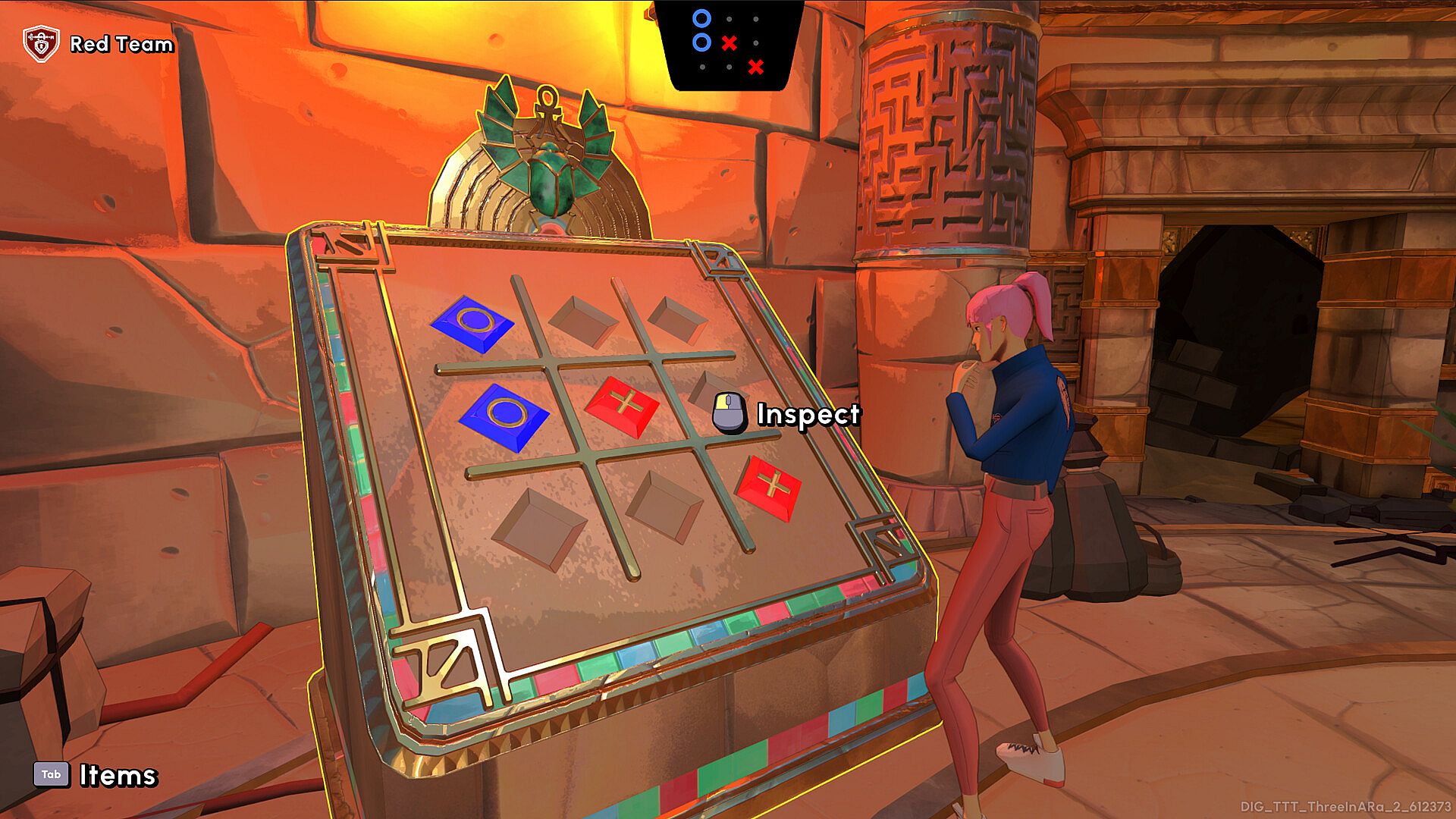
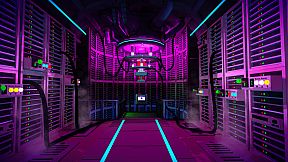
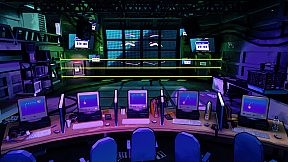
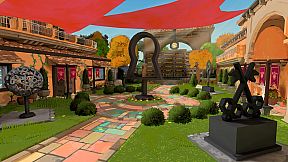
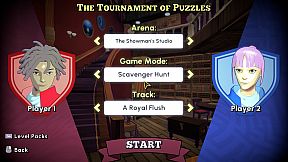
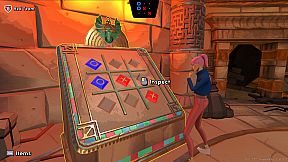
A major content update expands options with Tournament of Puzzles, introducing head-to-head competition across three large arenas. These include Tomb of the First Escapist with its Egyptian-themed passages, Hackannery featuring technological and water-based elements, and The Showman's Studio filled with theatrical surprises. Within the tournament, players access Escape Race for direct puzzle competition, Tic-Tac-Toe with locked symbols, and Scavenger Hunt for trophy collection amid solutions. Power-ups add strategic layers through traps or assists during matches, while single-player practice remains available for honing skills before competing.
The Curriculum and Campus Life
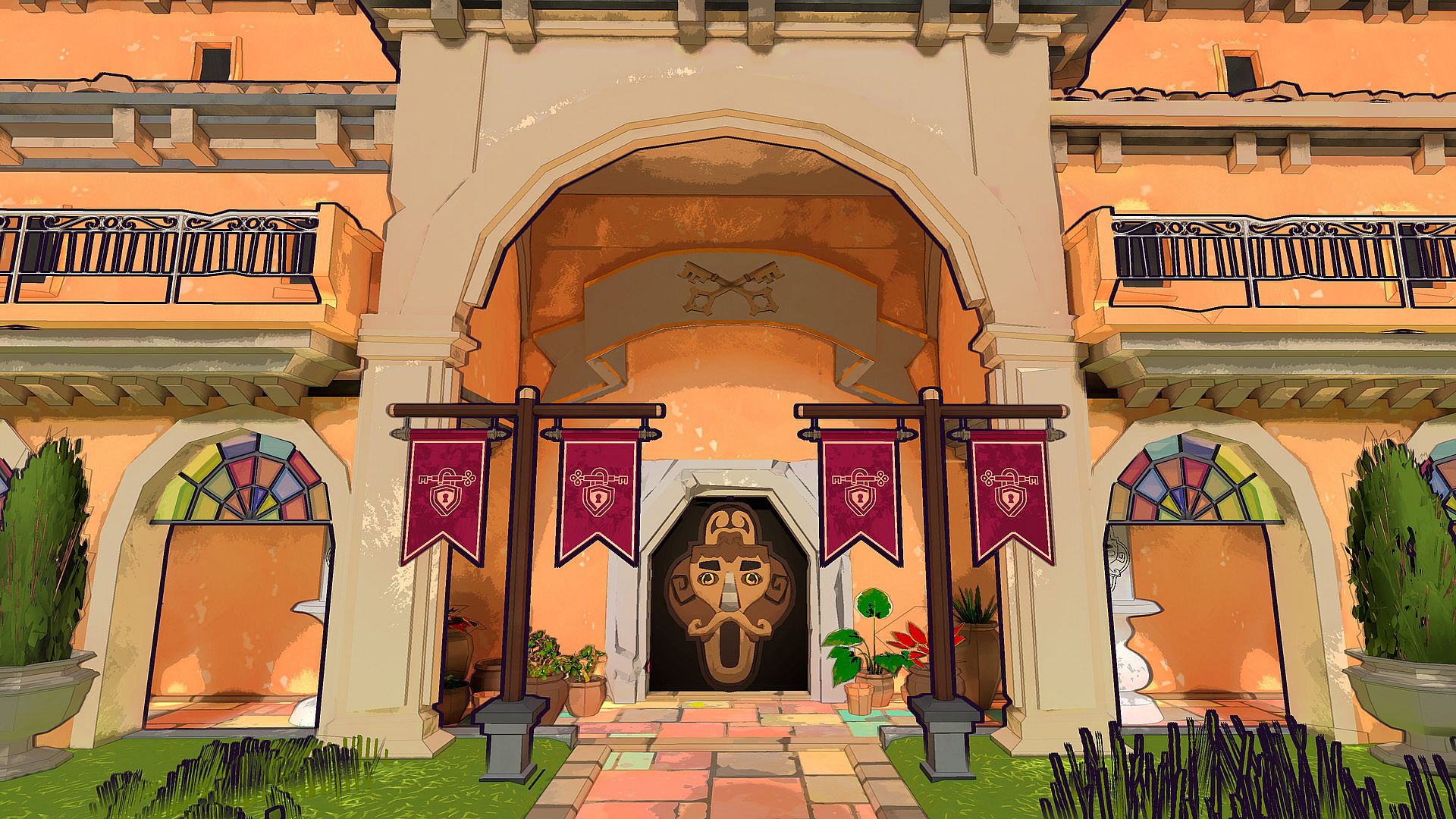
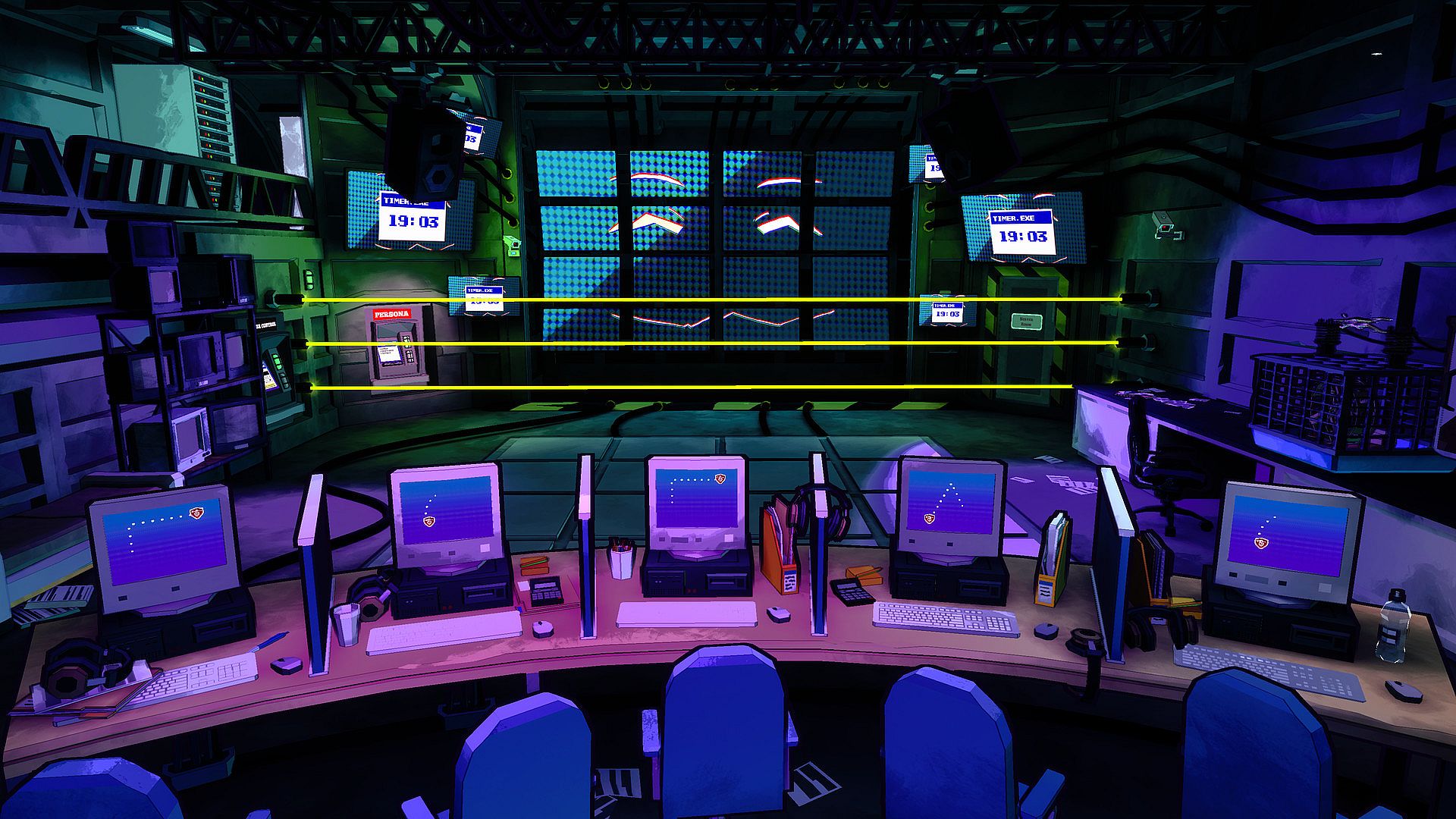
The academy presents a structured set of lessons that double as escape challenges. Examples range from a tea party where a bomb must be handled before the drink cools to hacking sessions against an advanced AI system. Other sessions involve athletic rivalries in the Rival Room, monument marking under time constraints, and multi-level ascents to avoid submersion. These activities highlight varied puzzle types, from mechanical contraptions to digital interfaces, all integrated into a cohesive school environment.
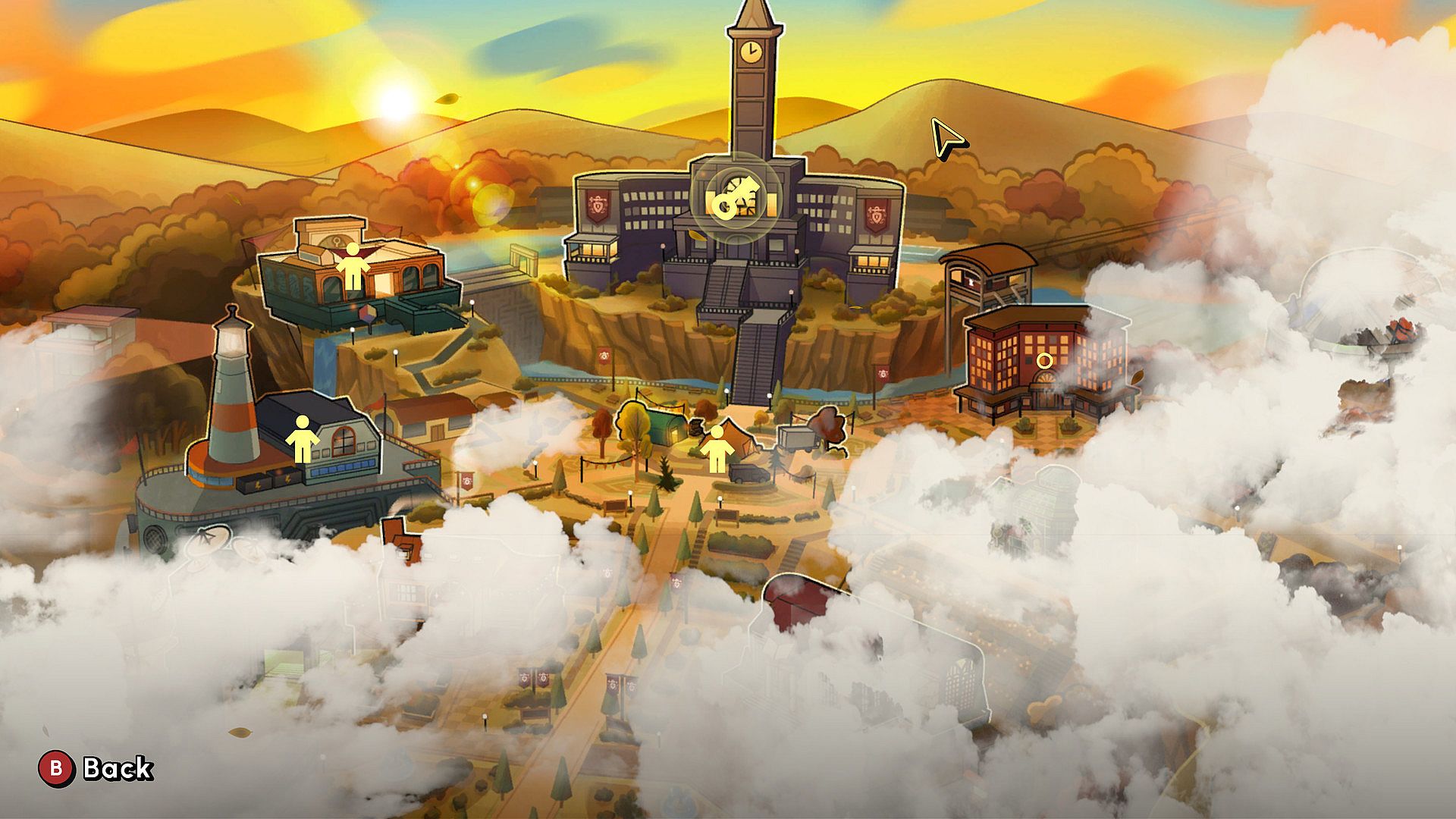
Exploration of the campus reveals more about the faculty and their expertise in escape techniques. Some characters hold hidden details that surface through repeated visits or specific solutions. The setting maintains a consistent tone of quirky training exercises that occasionally turn hazardous, reinforcing the theme of preparation for high-stakes escapes.
Is It Worth Playing?
Escape Academy appeals strongly to fans of escape room experiences and puzzle-focused adventures who enjoy methodical thinking and occasional collaboration. The hand-crafted rooms deliver consistent quality with enough variety to maintain interest across multiple sessions. Co-op shines particularly well for pairs seeking shared problem-solving, while solo mode provides a complete alternative without requiring a partner.
Reception has been positive overall, with praise centered on puzzle design, cooperative flow, and the blend of humor with challenge. The Tournament of Puzzles update adds replayability through competitive arenas and new mechanics for those who complete the base curriculum. Availability on PC supports both short dedicated sessions and longer campaigns, making it suitable for players who value precision over action or open-world elements.
Those drawn to narrative-driven puzzle games or real-world escape room adaptations will find the structured lessons and campus exploration rewarding. The emphasis on clear objectives and fair difficulty curves supports broad accessibility, though some challenges reward patience and attention to detail. Overall, it stands as a solid choice for puzzle enthusiasts looking for a focused, self-contained experience with strong co-op potential.