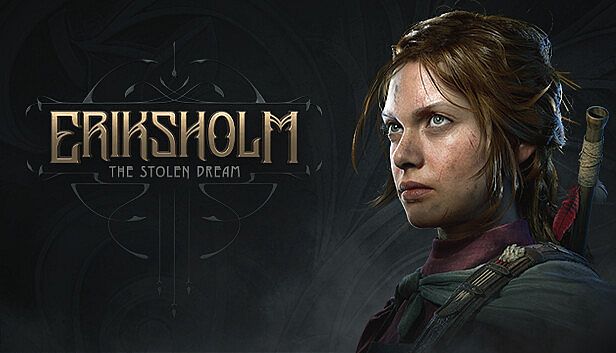











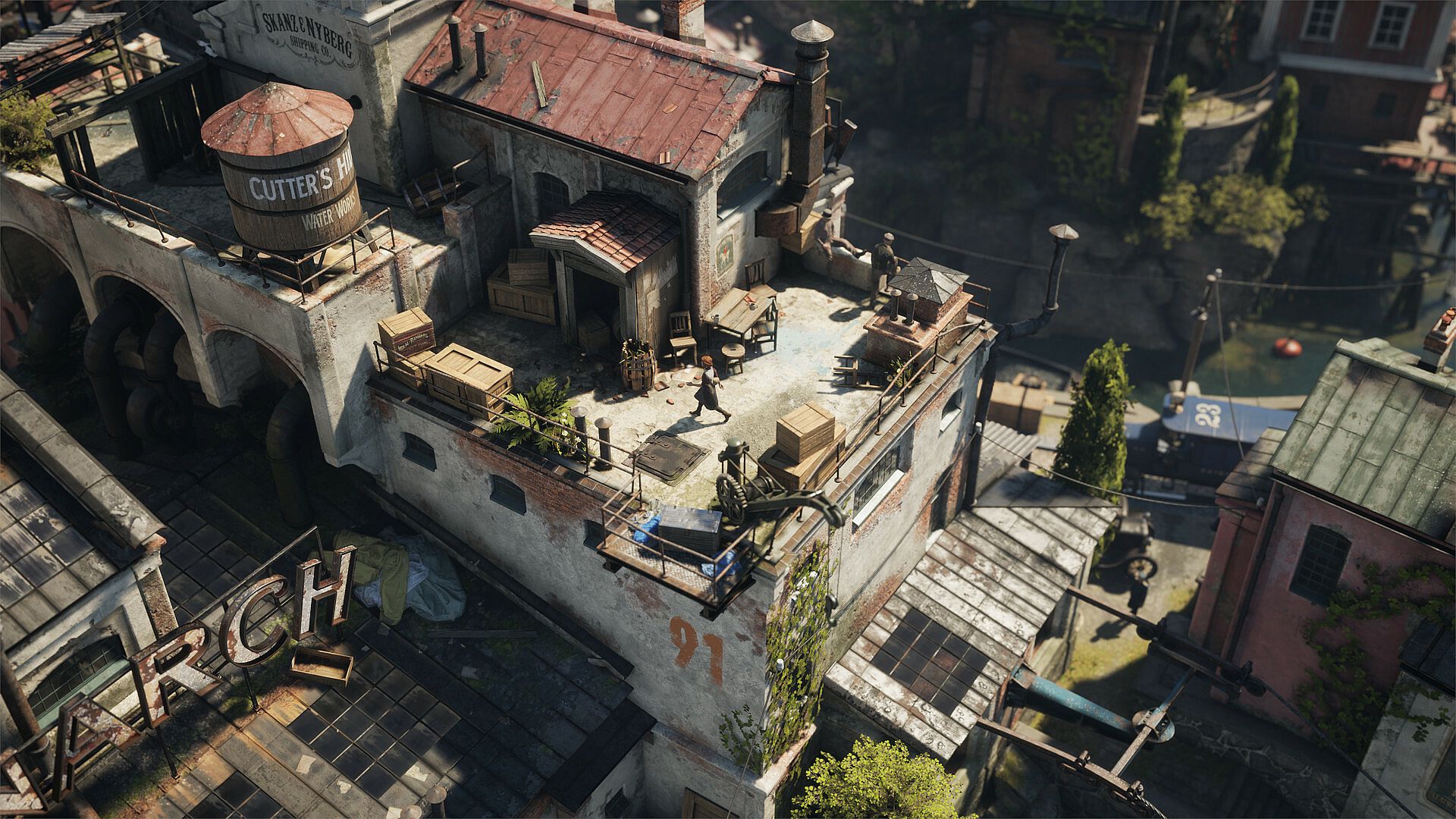
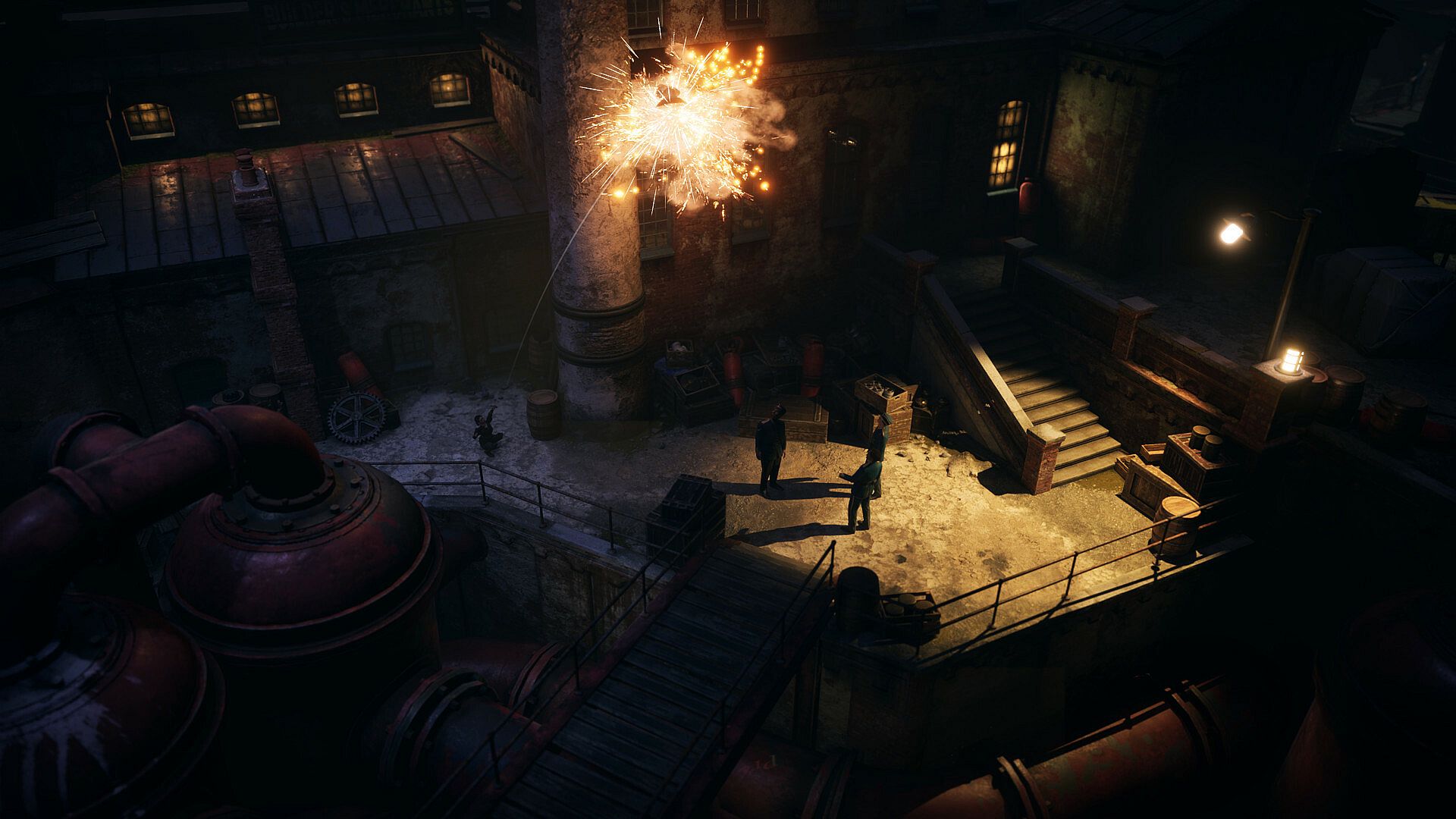
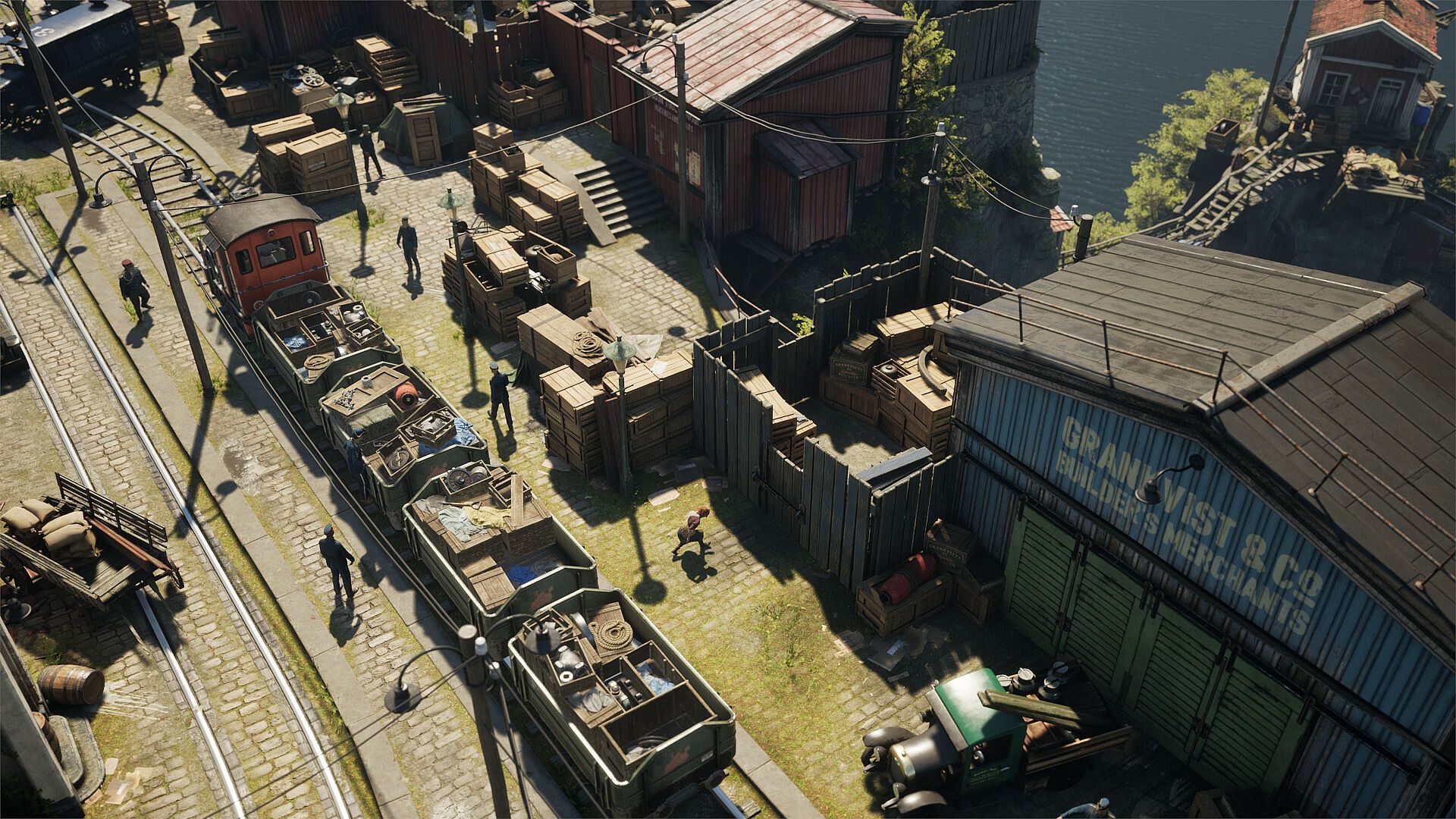
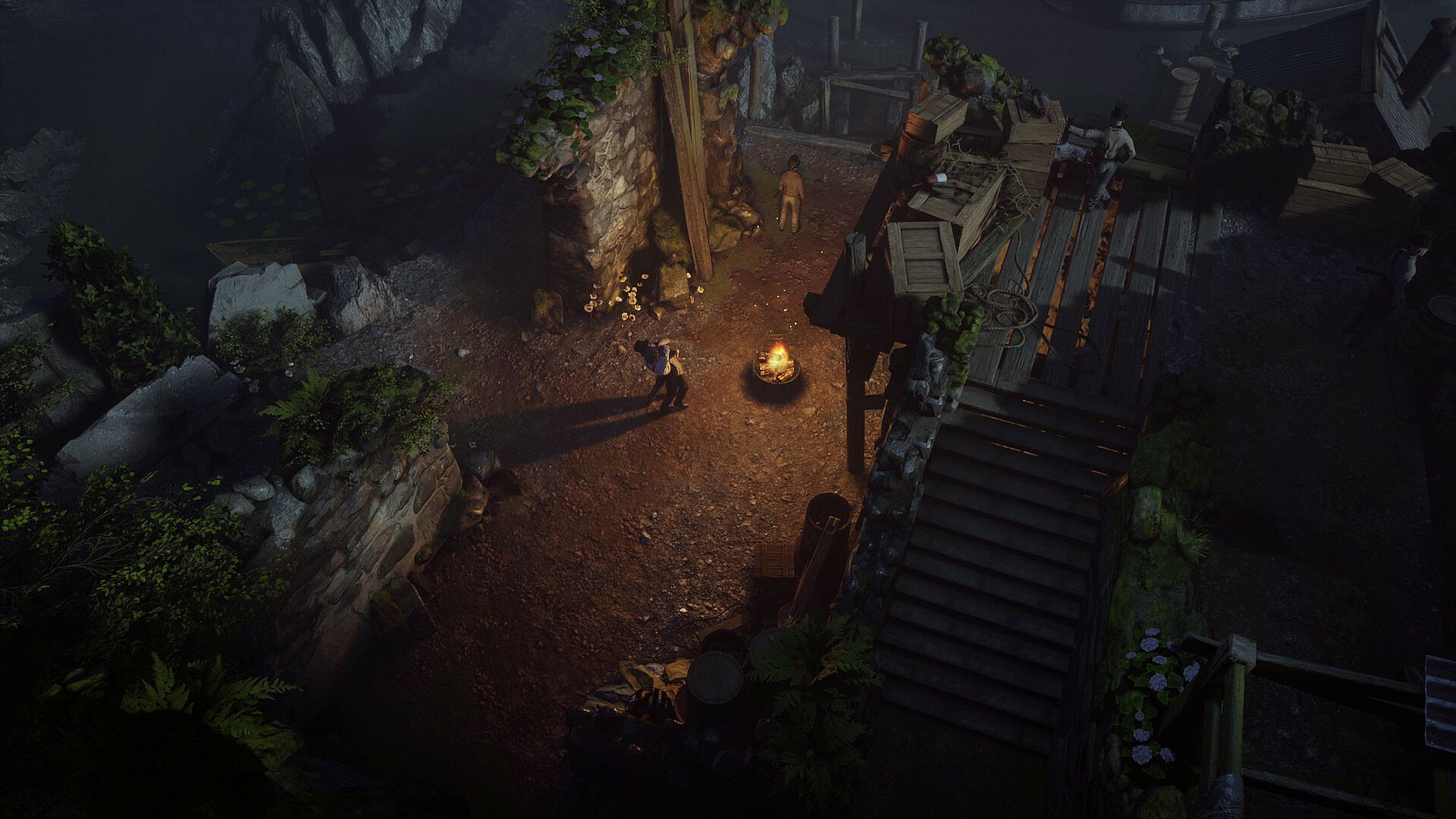
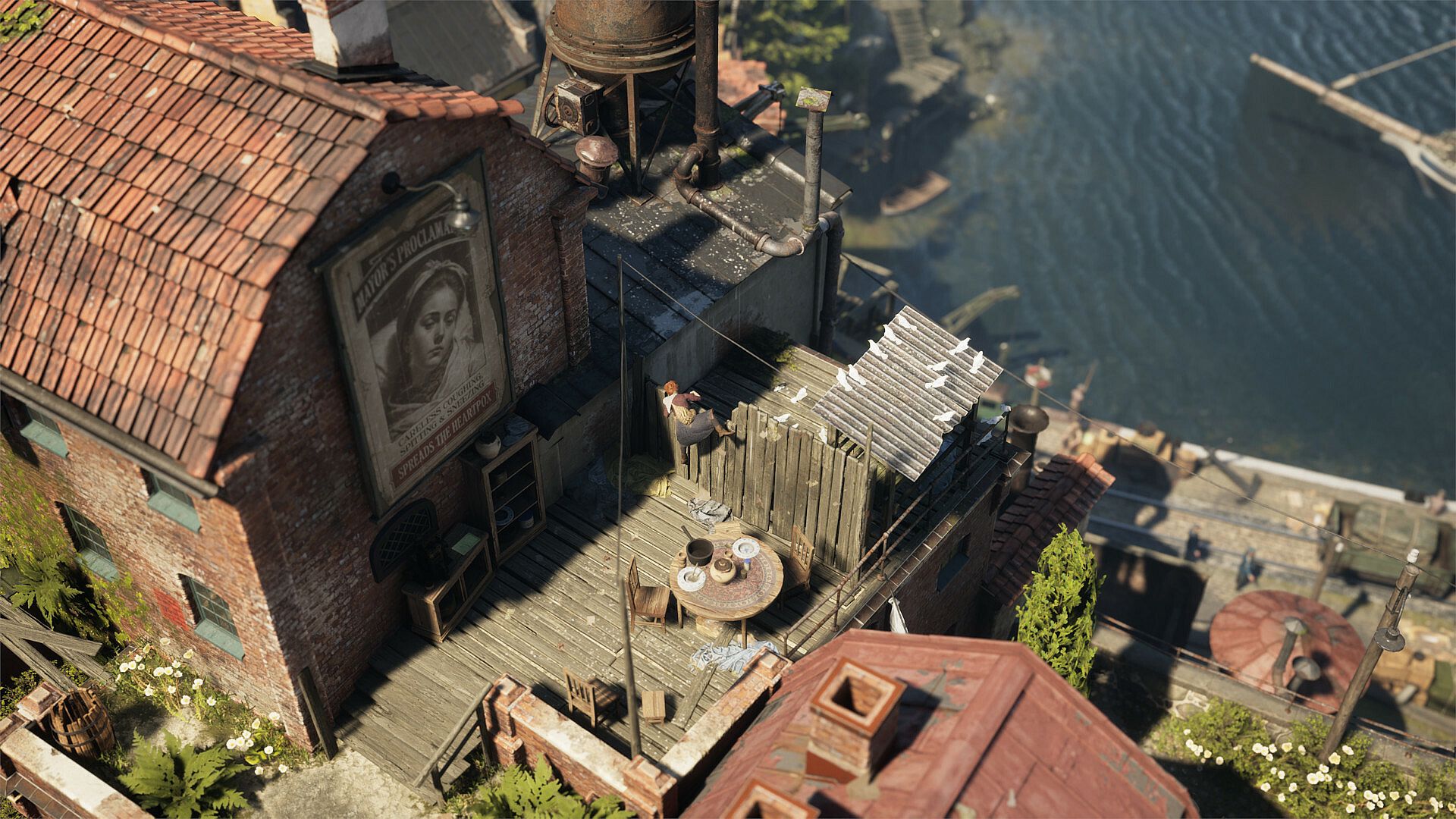
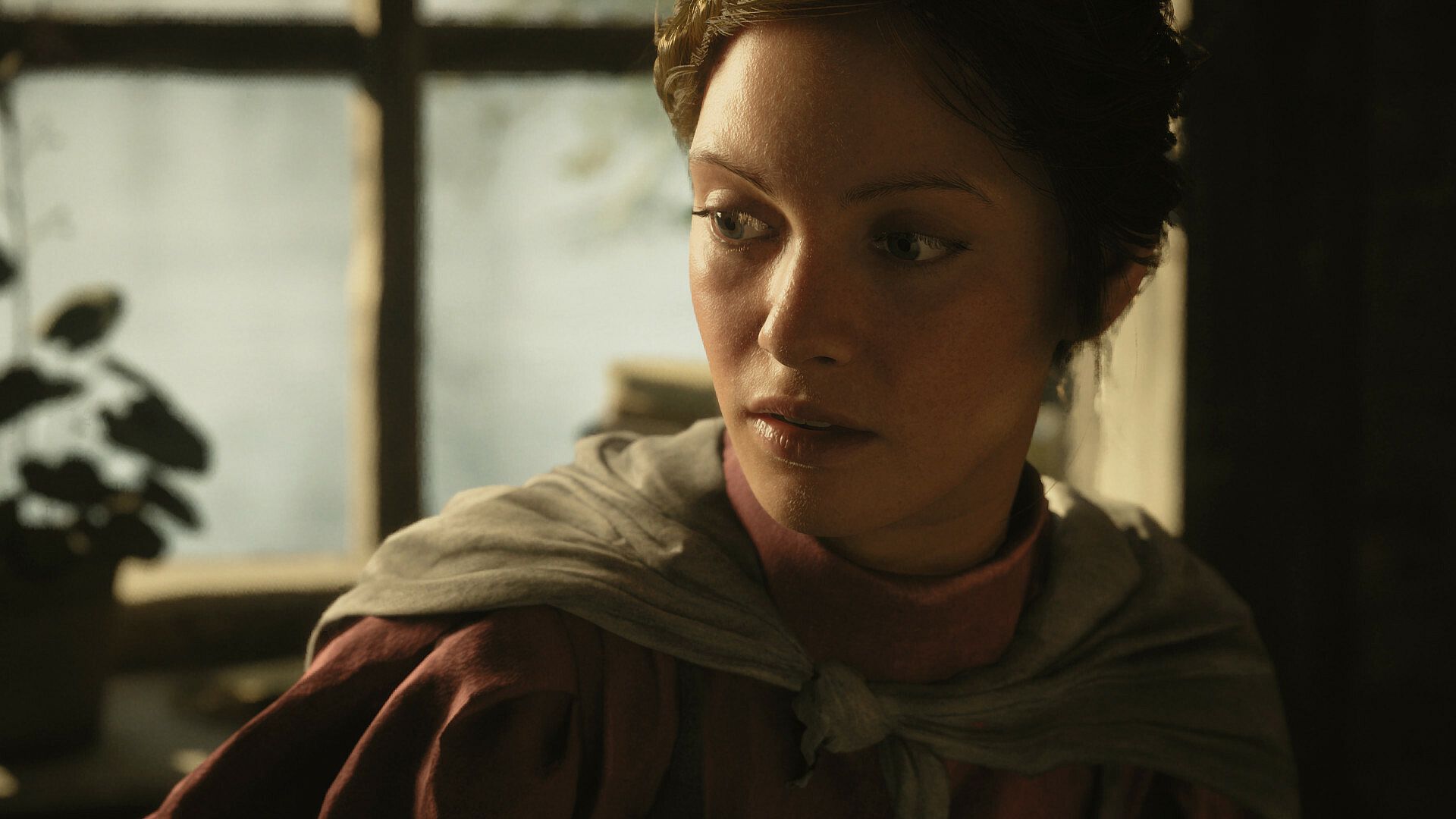
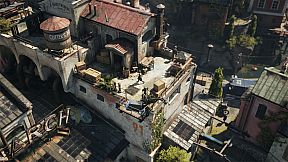
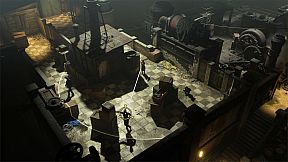
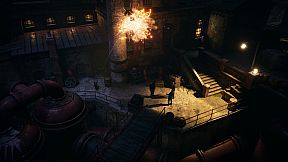
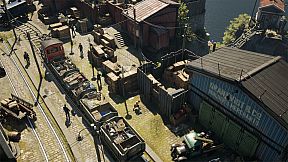
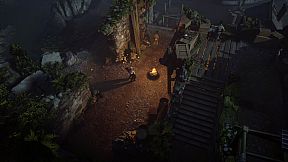
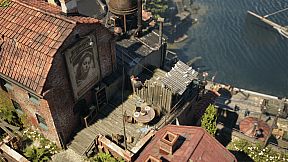
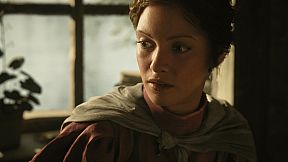
Eriksholm: The Stolen Dream stands out as an isometric narrative-driven stealth game that blends puzzle-solving with tense evasion tactics. Set in a fictional Nordic city echoing the early 1900s, it follows Hanna's quest to find her missing brother amid growing dangers. This single-player title emphasizes careful planning and character abilities, drawing players into a world where every move matters.
Gameplay
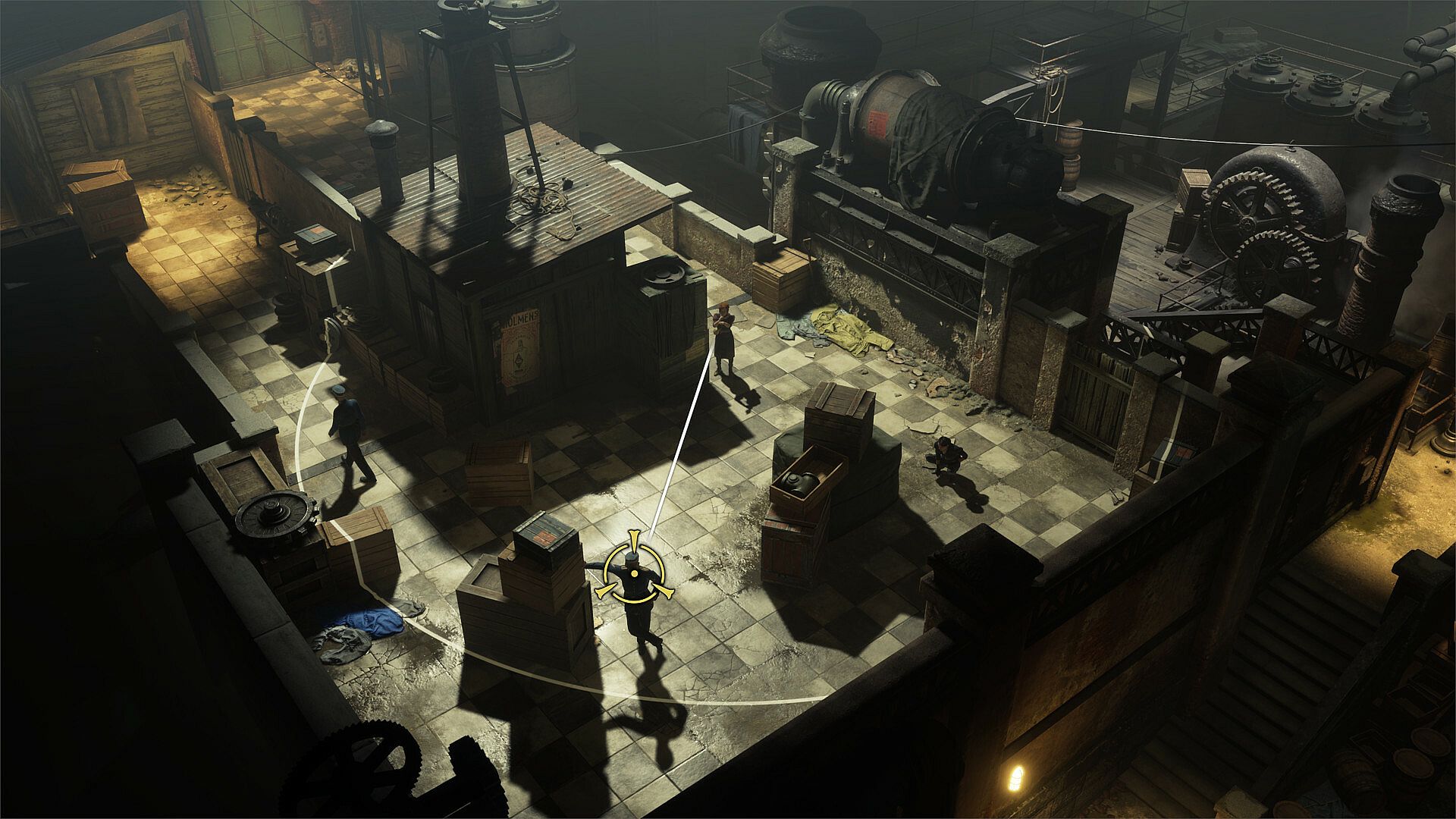
In Eriksholm: The Stolen Dream, the core loop revolves around stealth and puzzle elements presented from an isometric view. You control three distinct characters, each with specialized skills that open up different approaches to obstacles. For instance, one might excel at distractions, while another handles physical feats like climbing or lockpicking. The game encourages scouting environments, noting guard patterns, and using items like bottles for diversions to slip past detection.
Challenges often feel like intricate puzzles disguised as stealth scenarios, where trial and error helps uncover the intended path. Quick reflexes come into play during close calls, but the focus remains on strategy over direct confrontation. Environmental interactions, such as hiding in shadows or manipulating objects, add layers to navigation through the city's detailed streets and buildings.
Game Modes
This game centers on a single-player campaign that unfolds through a linear narrative structure. There are no separate multiplayer options or alternative modes; instead, the experience builds around progressing the story across multiple chapters. Each segment introduces new areas and escalates the stakes, integrating stealth sections with story beats.
While the campaign lacks branching paths or replayable missions in distinct formats, it incorporates collectibles and optional objectives that encourage exploration within the main storyline. The emphasis stays on completing the adventure as a cohesive whole, without dedicated challenge or survival modes.
Story and Setting
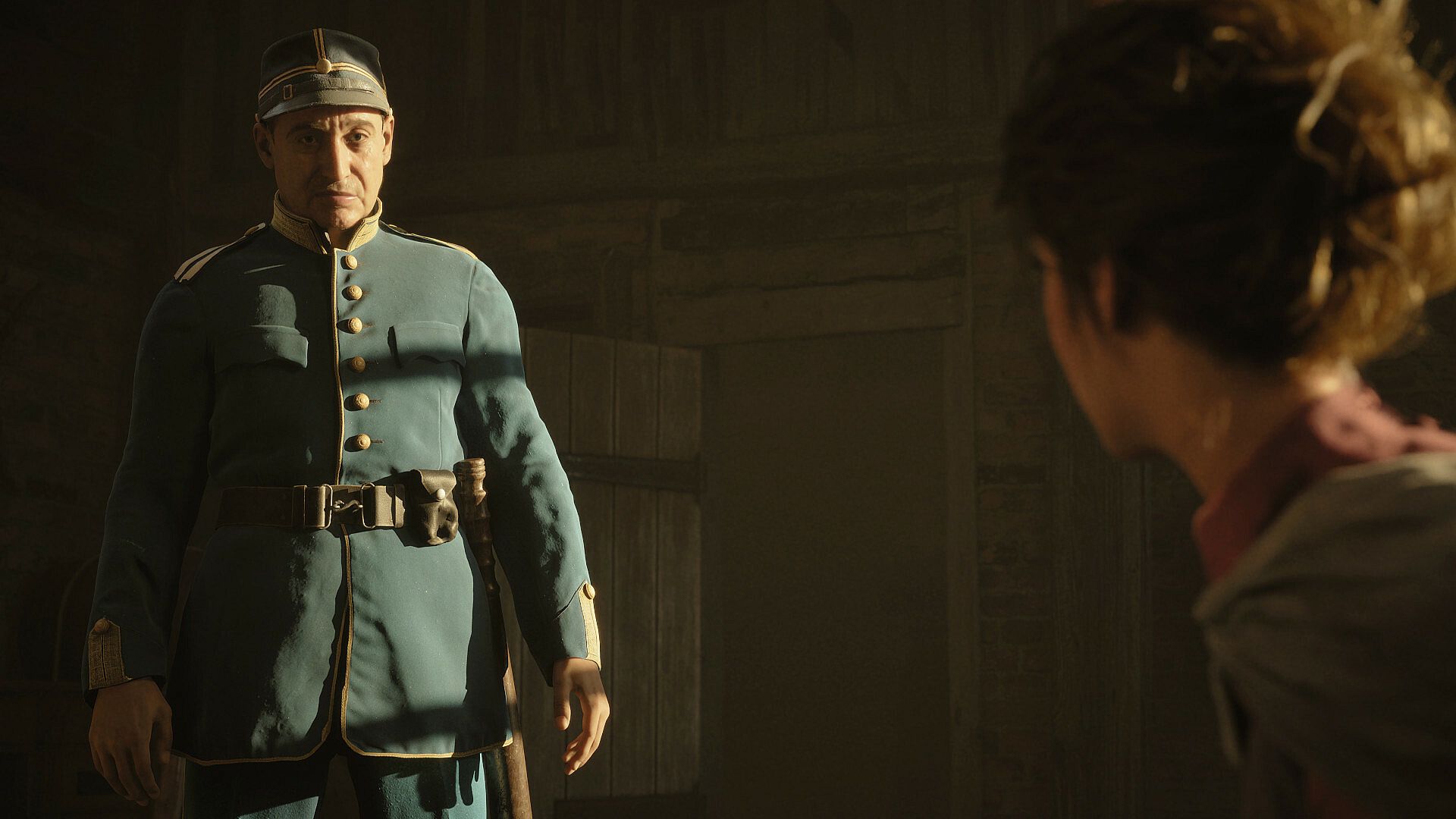
The narrative drives much of the appeal, centering on Hanna and her allies as they navigate a conspiracy in the bustling city of Eriksholm. Inspired by Scandinavian architecture from the early 20th century, the environments mix elegance with gritty undertones, from crowded markets to shadowy alleys. Characters develop through sharp dialogue and personal backstories, making the quest to uncover Herman's disappearance feel personal and urgent.
Visuals capture the era's atmosphere with detailed art direction, enhancing immersion during stealth sequences. The story explores themes of family and hidden powers, unfolding in a way that ties gameplay directly to plot revelations.
Is It Worth Playing?
For those who enjoy narrative-focused stealth games with puzzle elements, Eriksholm: The Stolen Dream offers a compelling experience. Its blend of character-switching mechanics and environmental puzzles suits players seeking thoughtful progression rather than high-action encounters. Reviews highlight the strong story and likable characters, though some note the trial-and-error aspects can frustrate during stealth fails.
If you prefer games that reward observation and planning in a beautifully crafted world, this title delivers. It's particularly appealing to fans of isometric adventures, but those wanting open-ended stealth or multiplayer might look elsewhere. With its focus on a self-contained campaign, it provides solid value for a dedicated playthrough.