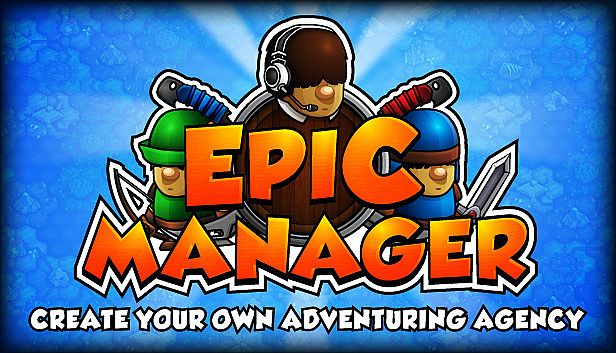




















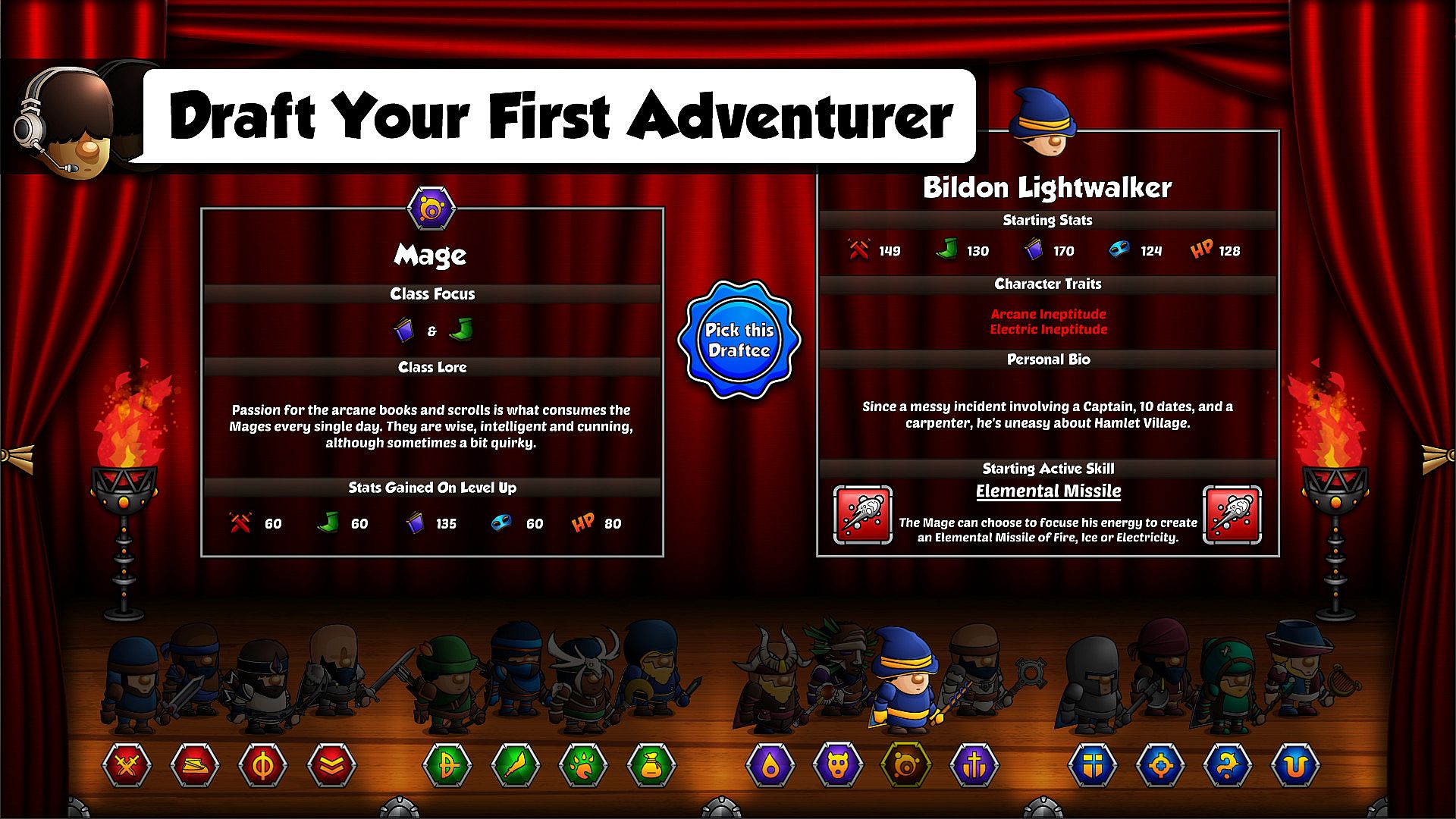
Epic Manager is a strategy, indie, RPG, simulation and adventure game in which players run an adventuring agency in the fantasy realm of Astraeus. The core experience centers on recruiting characters, negotiating contracts, dispatching parties on quests and managing resources to outpace rival agencies on a league ladder.
Gameplay
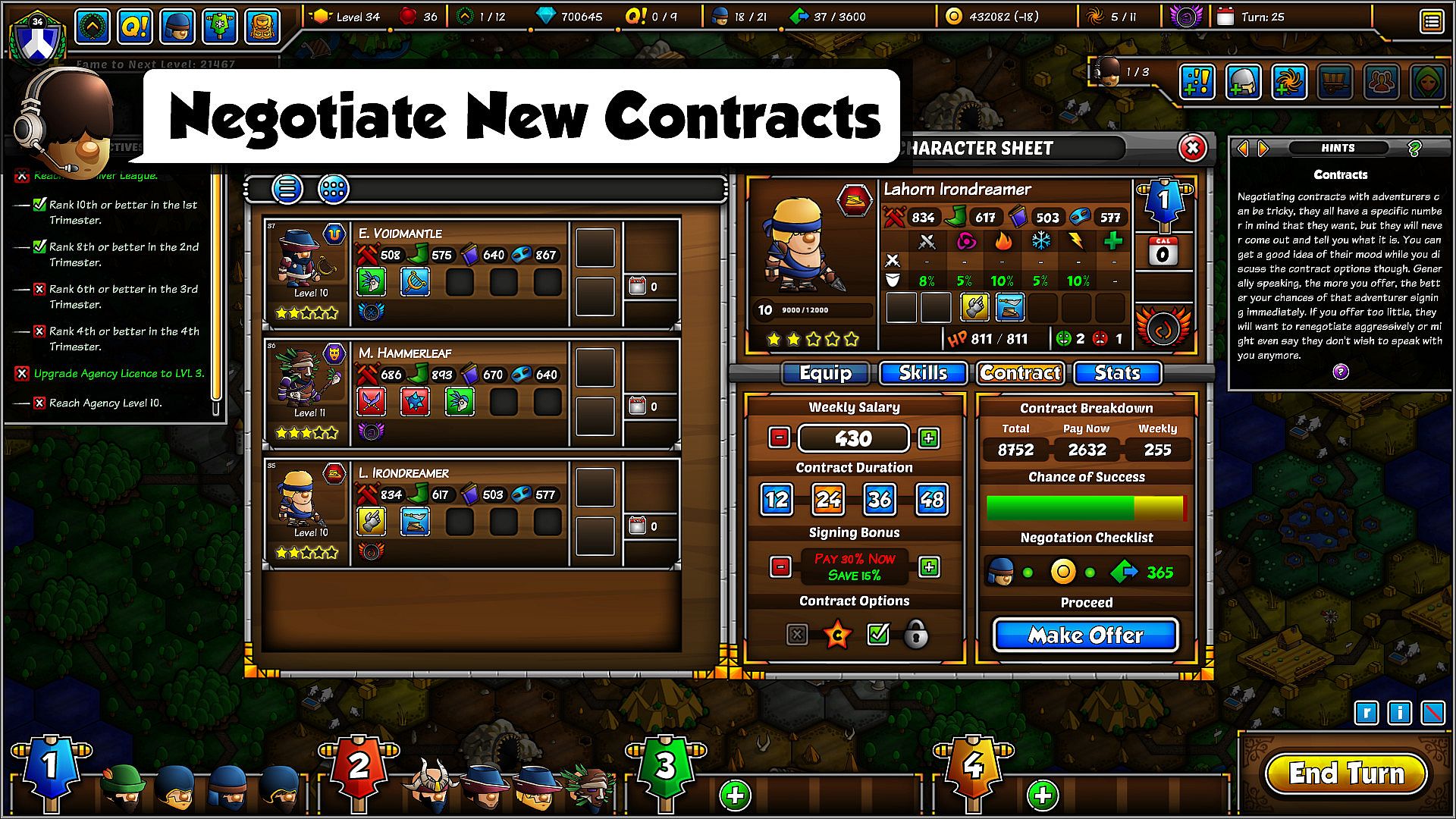
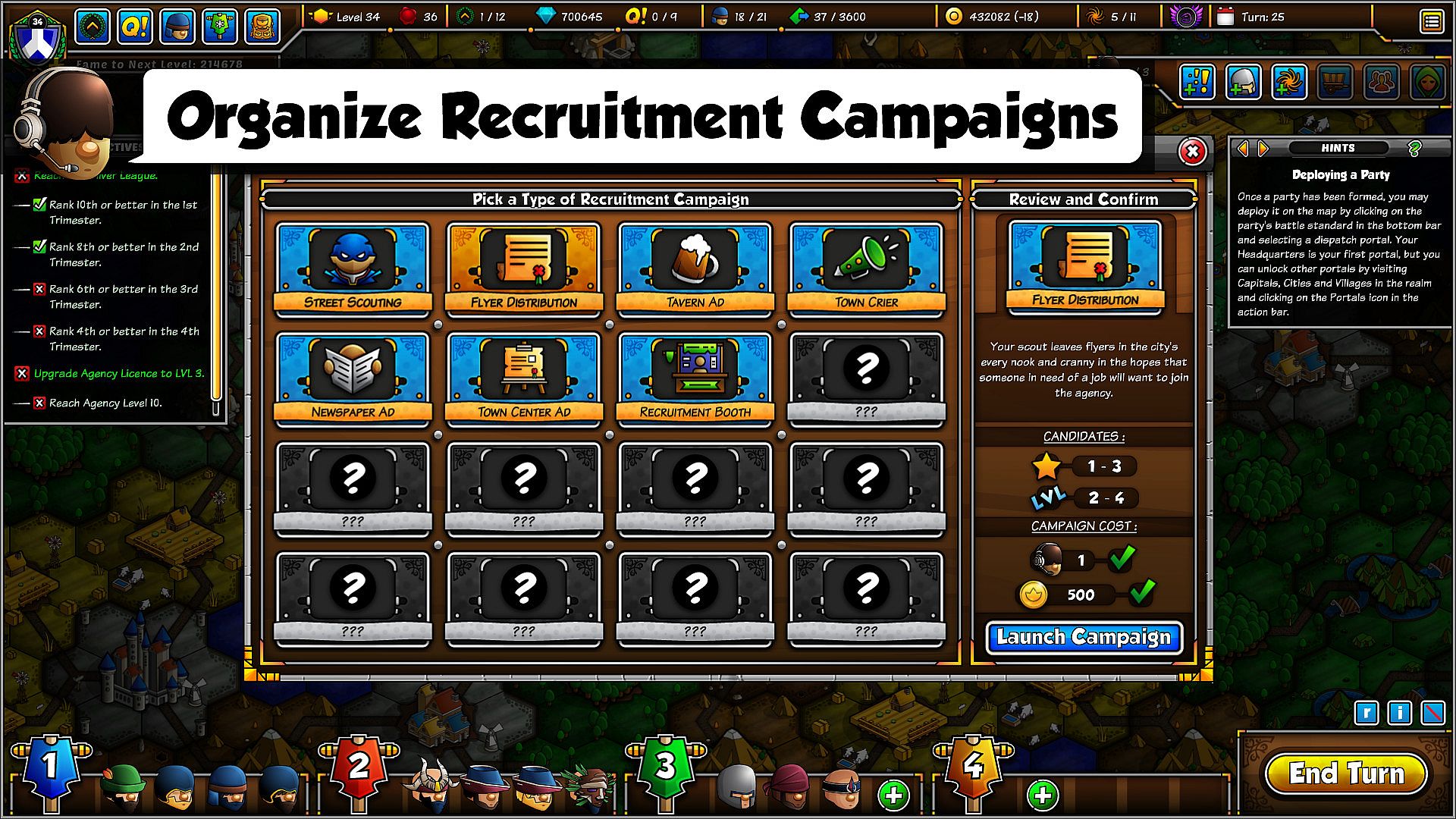
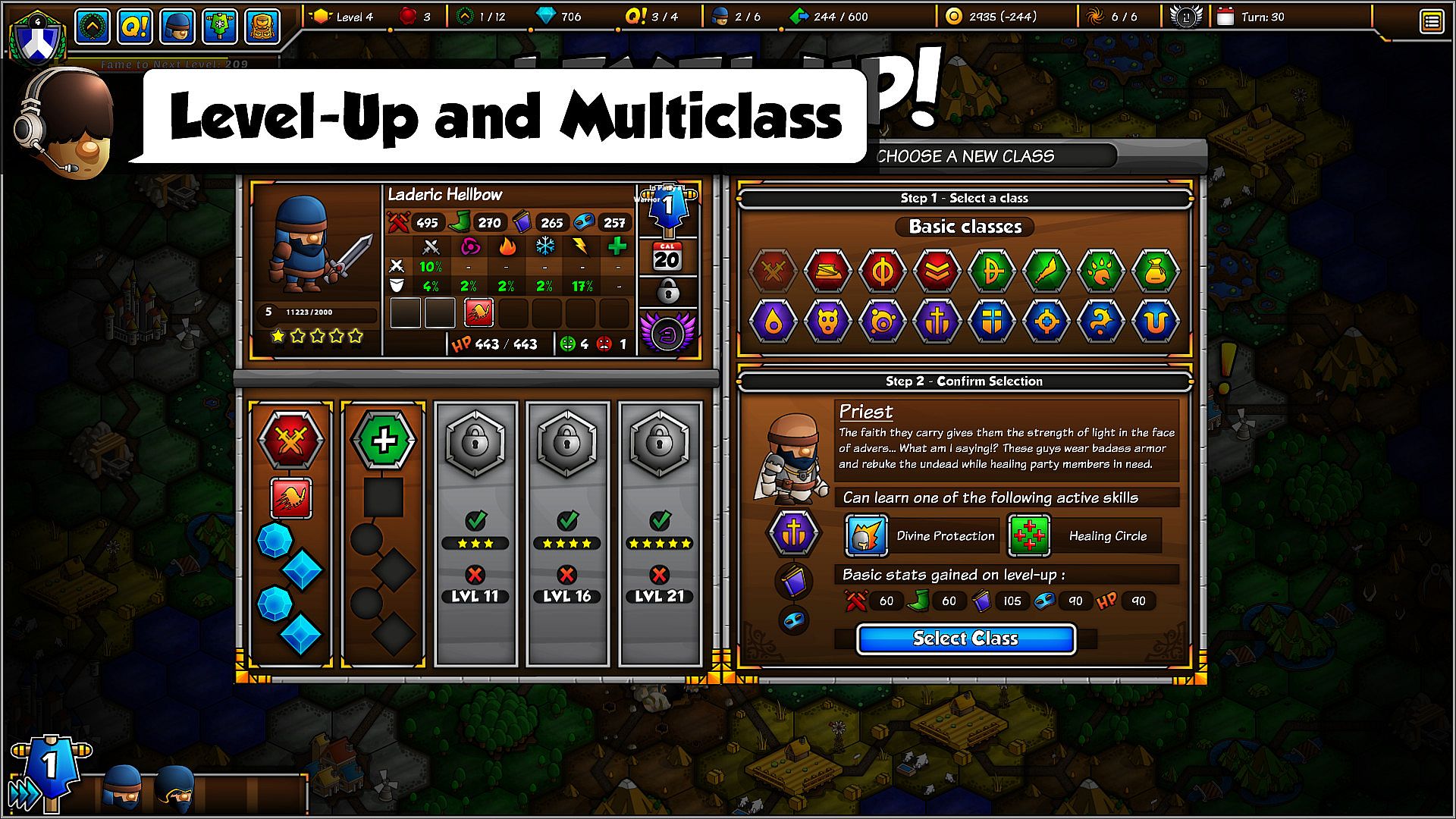
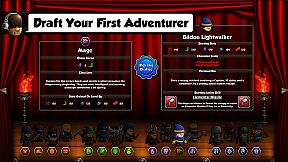
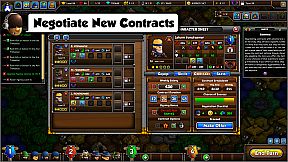
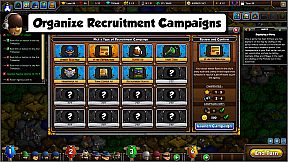
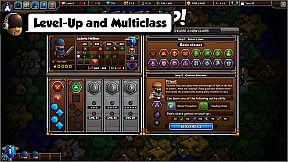
The central loop involves building and maintaining a roster of adventurers through recruitment campaigns. Players scout for talent, review traits and growth potential, then finalize contract terms before adding recruits to the agency. These characters advance through experience and levels, with a multi-class system that supports varied combinations and party synergies for different challenges.
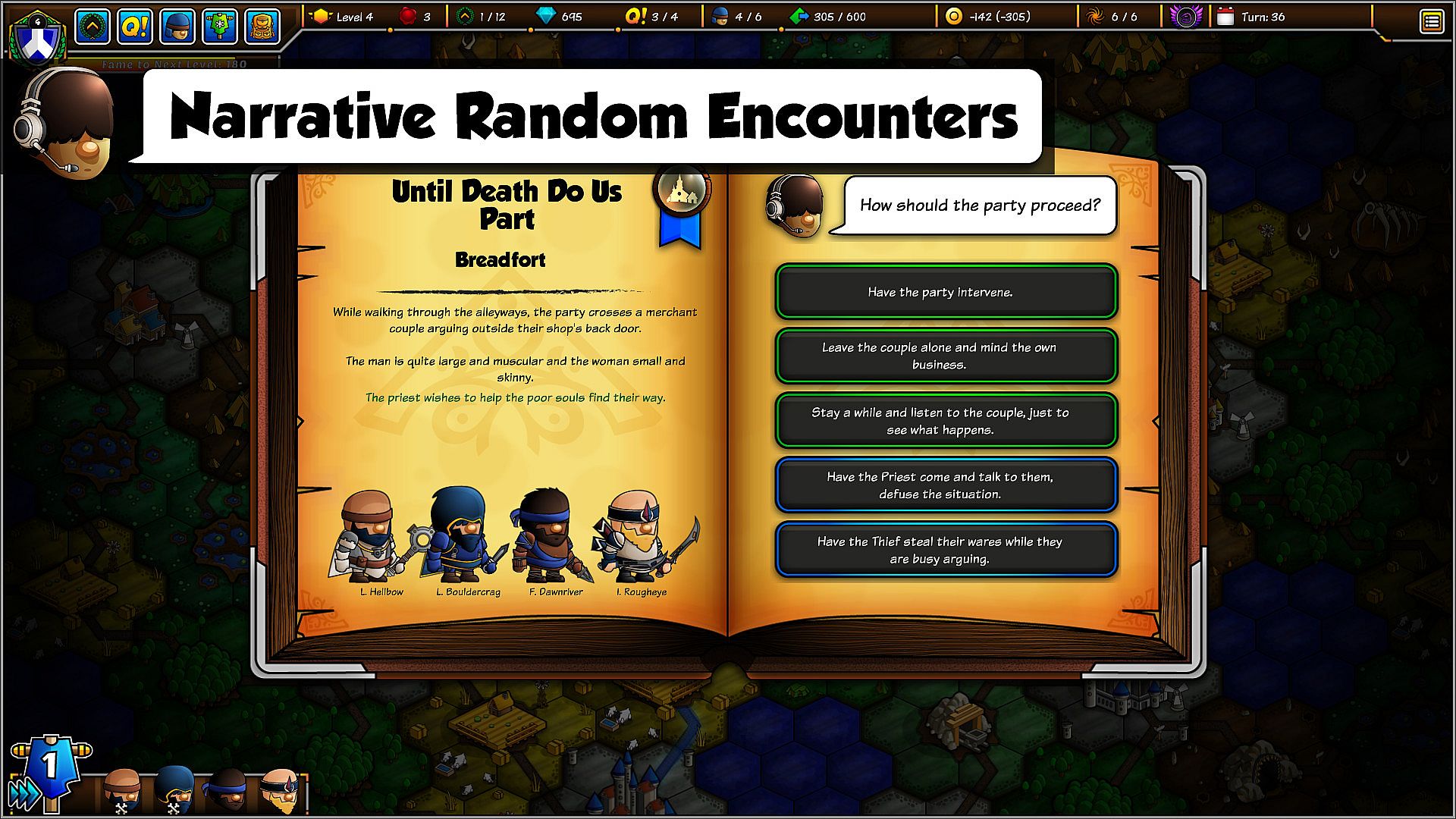
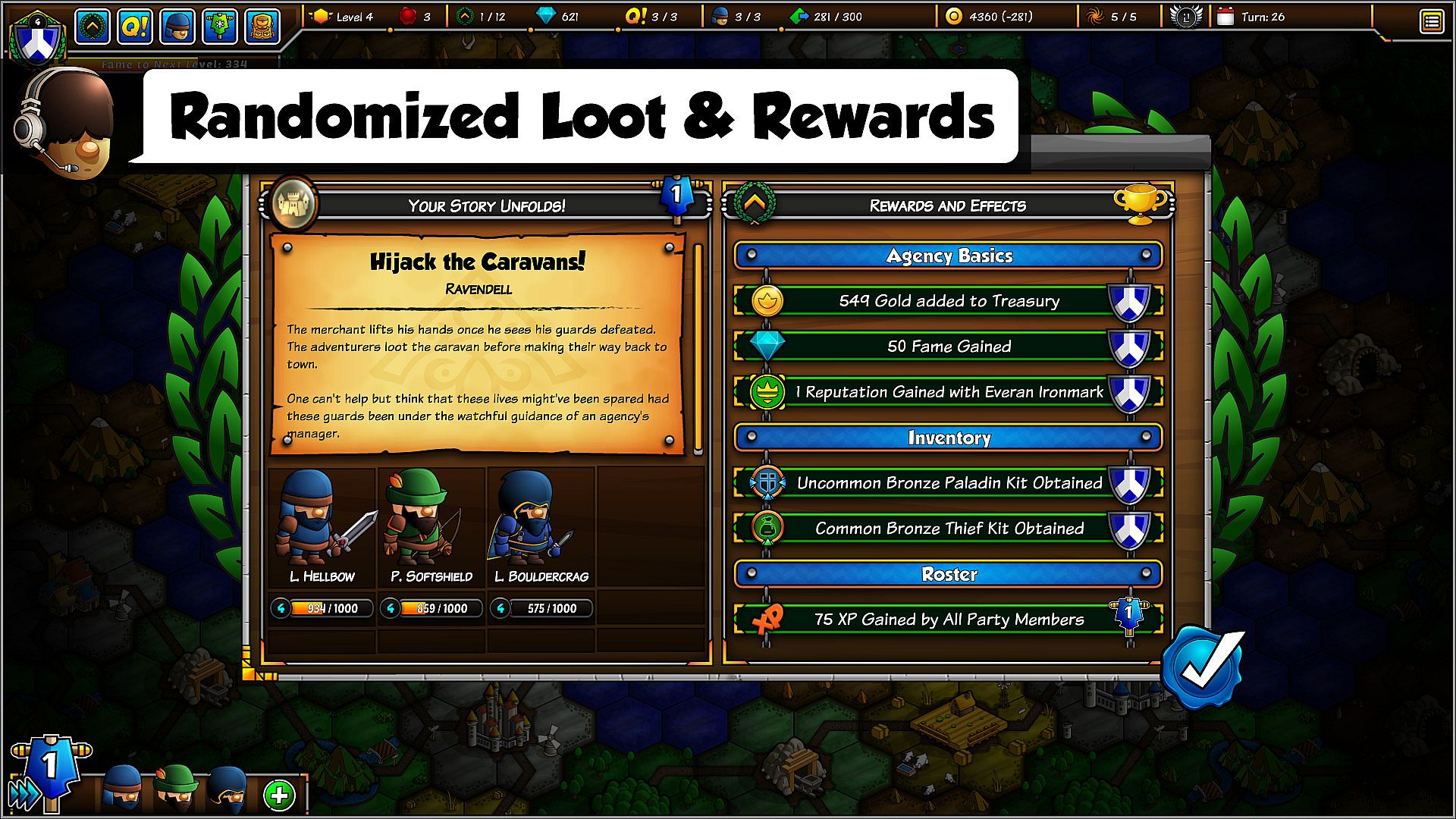
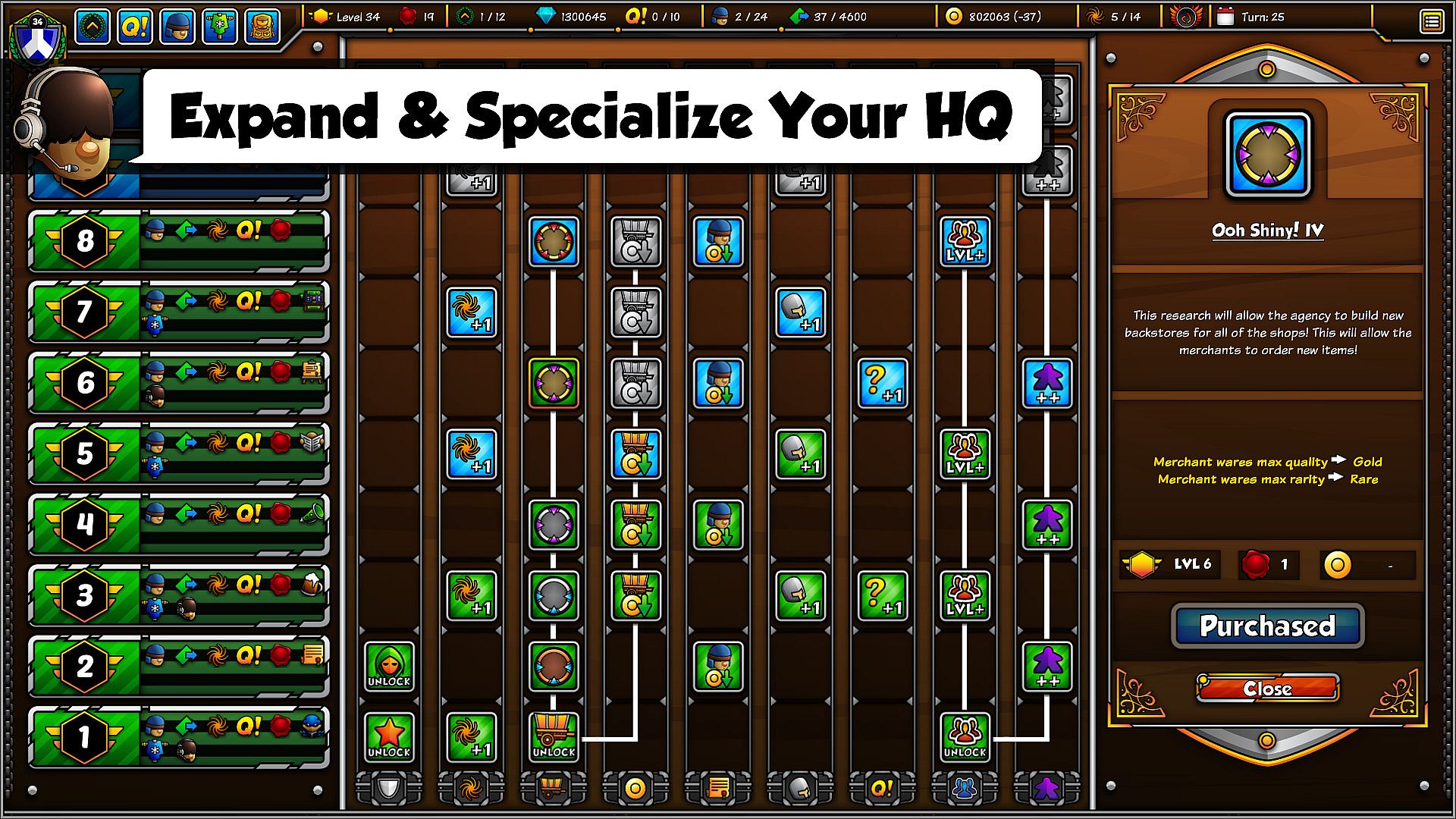
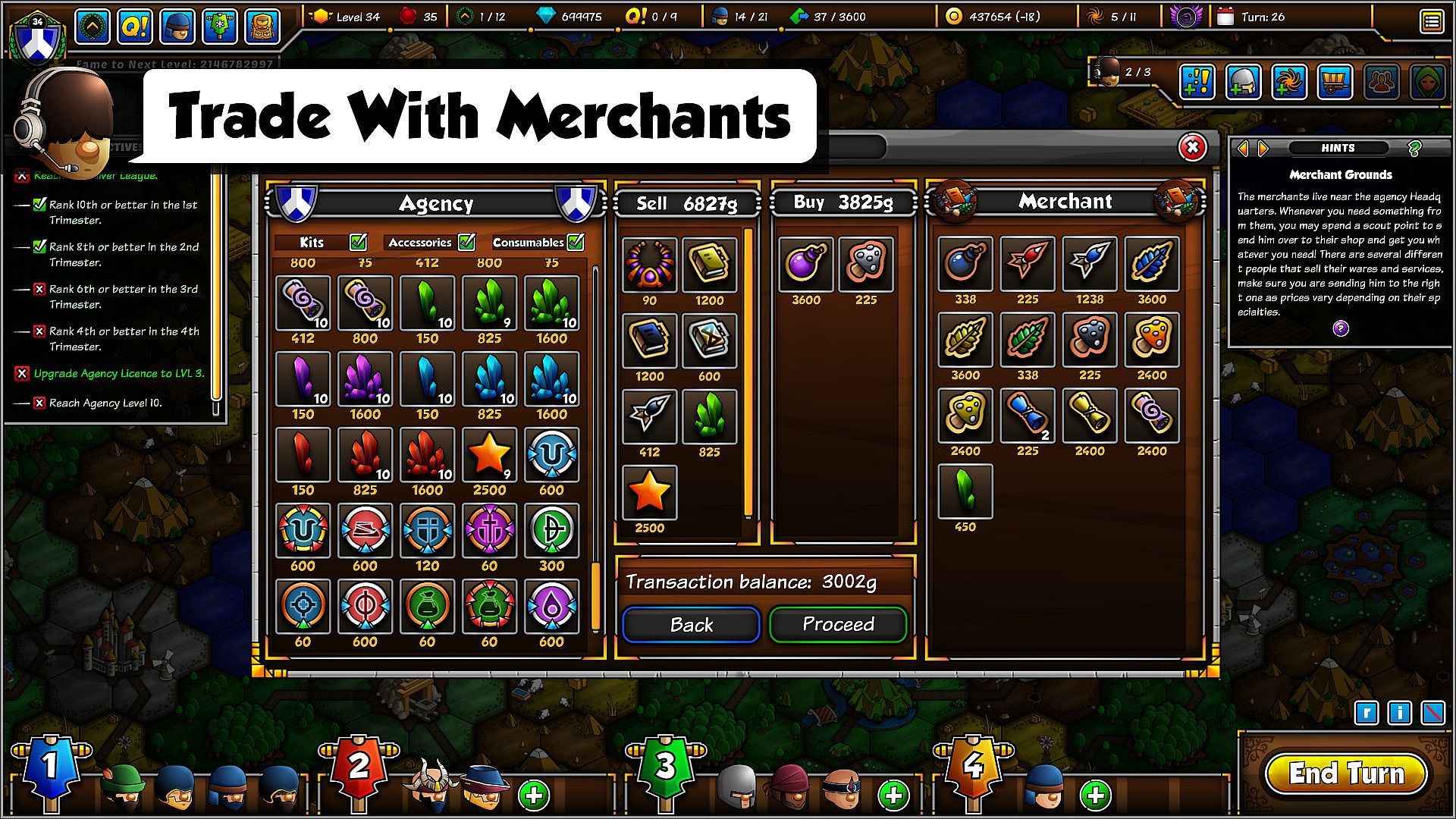
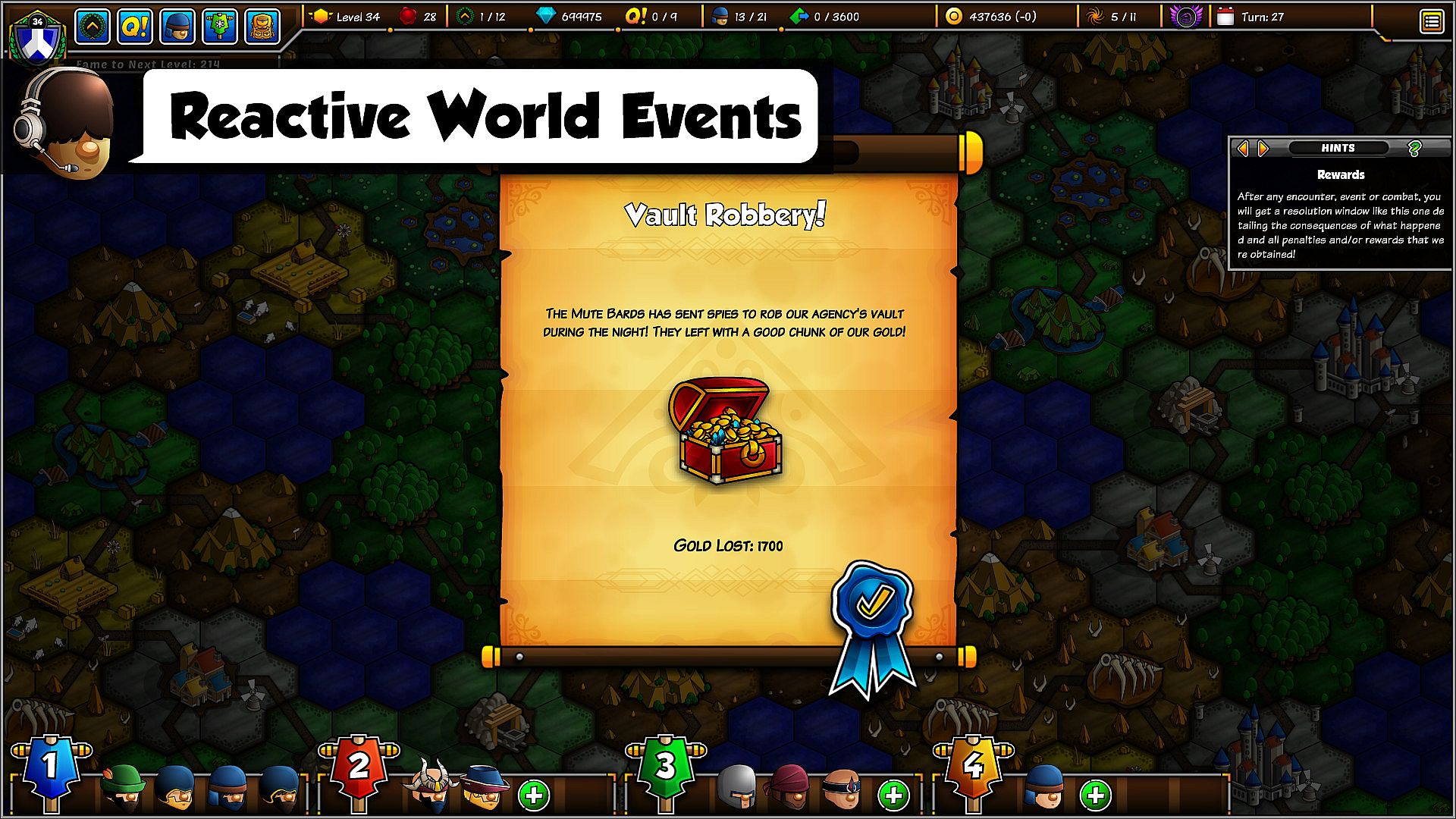
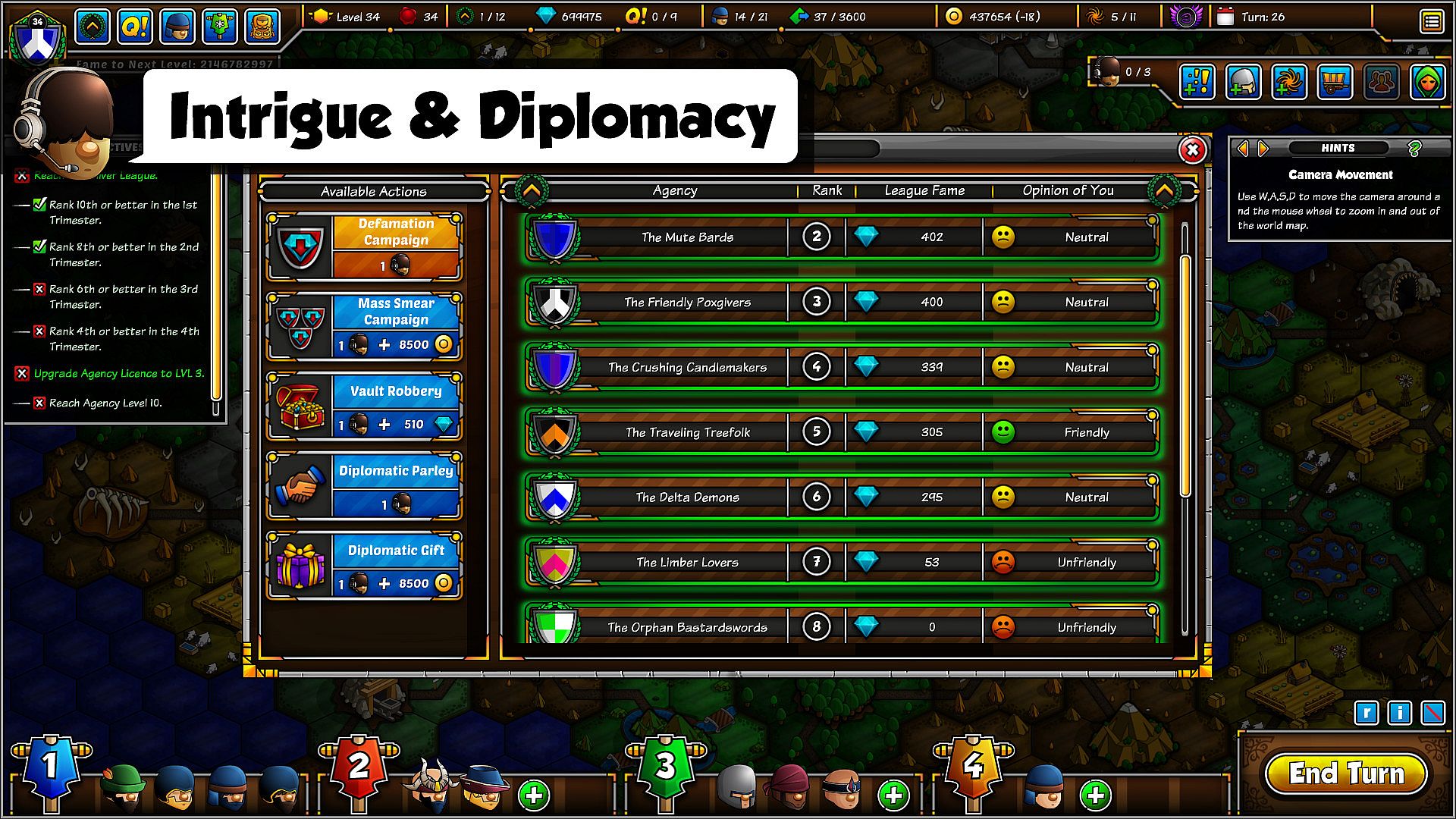
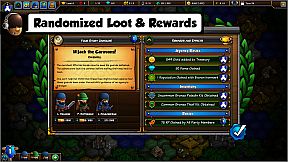
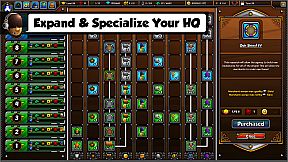
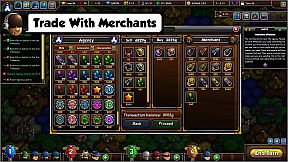
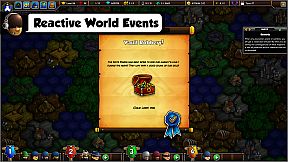
Support staff can be hired, headquarters upgraded and merchants visited for trade. A tech tree allows research points to unlock abilities and specializations. Reputation shifts with twelve factions based on completed encounters and quests, which in turn opens or closes future opportunities. Procedural generation creates randomized adventurers, equipment and quest rewards, ensuring each campaign run differs from the last through world events and random encounters that carry narrative choices and dice-roll consequences.
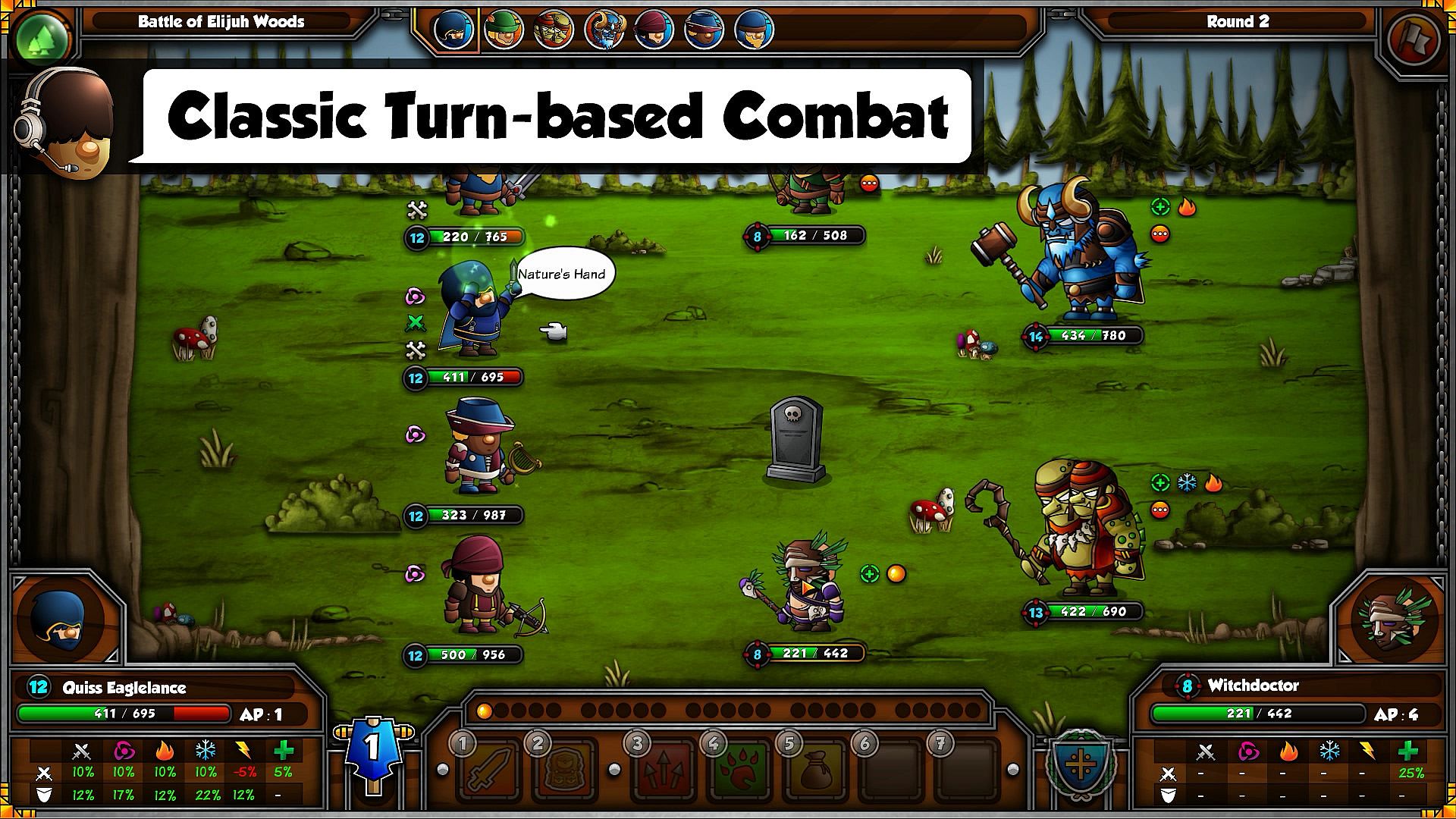
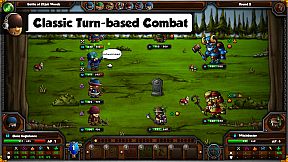
Turn-based combat occurs when parties confront enemies. Players equip skills, spells and items from hundreds of options, scout foes in advance to exploit weaknesses and command units against classic bestiary types such as goblins, orcs, skeletons and giants. Some adventurers reach legendary status while others face permanent loss, reflecting the risks of the profession.
Game Modes
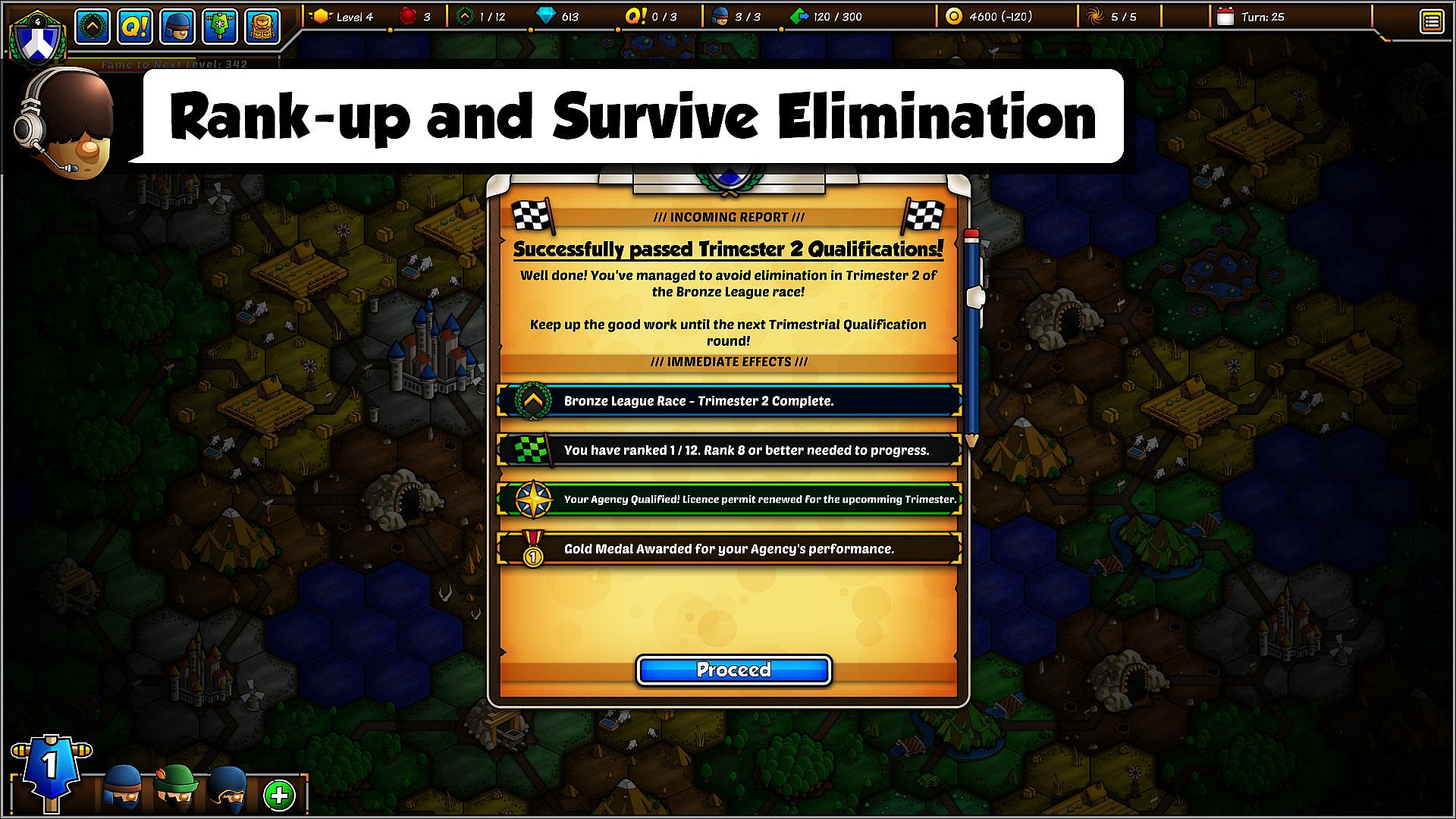
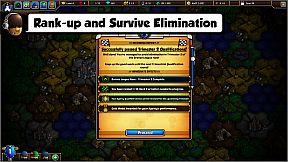
The game operates through single-player campaigns in which the objective is to climb the league ladder and earn the title of Epic Manager. Each campaign unfolds across the map of Astraeus, with actions influencing faction standings and generating new job opportunities. Procedural elements and random encounters provide replay variety without altering the fundamental structure.
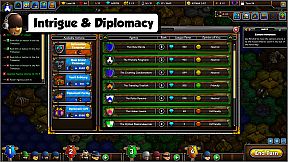
Players organize parties, send scouts to prospect work and handle diplomatic or intrigue options against competitors. High-level characters can access hidden prestige classes, while merchants such as the enchanter and alchemist offer equipment improvement and item crafting once unlocked through progression.
Narrative and World
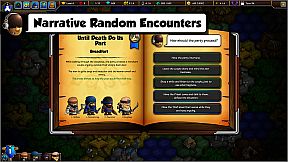
Actions shape an emergent story through random encounters that present multiple choices, some of which unlock hidden paths when the right class is present in a party. Reputation changes with the twelve factions alter available quests and long-term alliances. World events and dice-based outcomes adjust daily priorities and create a reactive environment around the agency.
Unique characters and bosses appear scattered across the realm, with some recognizable figures from other fantasy settings available to discover. Dozens of enemy types, quests and encounters populate the world, supported by community-created content for additional adventurers, items and scenarios.
Is It Worth Playing?
The game delivers a niche blend of roster management and turn-based combat suited to players who enjoy detailed character progression alongside tycoon-style decisions. Its mixed reception on Steam, with 61 percent positive reviews from 184 user submissions, reflects both the appeal of its systems and occasional limitations in depth. No further major updates or seasonal content have followed the 2016 release, so the experience remains as originally launched.
Those drawn to single-player campaigns with procedural replay, faction reputation tracking and party-building synergies will find the most consistent engagement. The title suits fans of management simulations that incorporate RPG progression and light narrative branching rather than pure action or multiplayer competition.