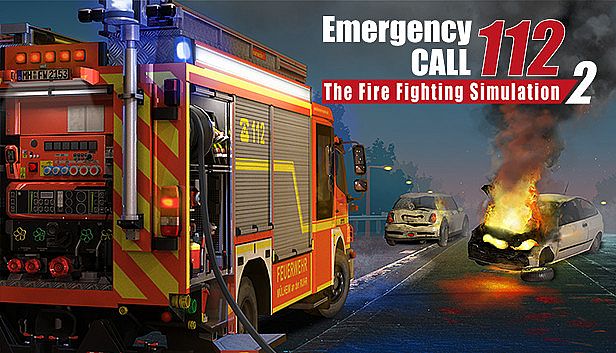



















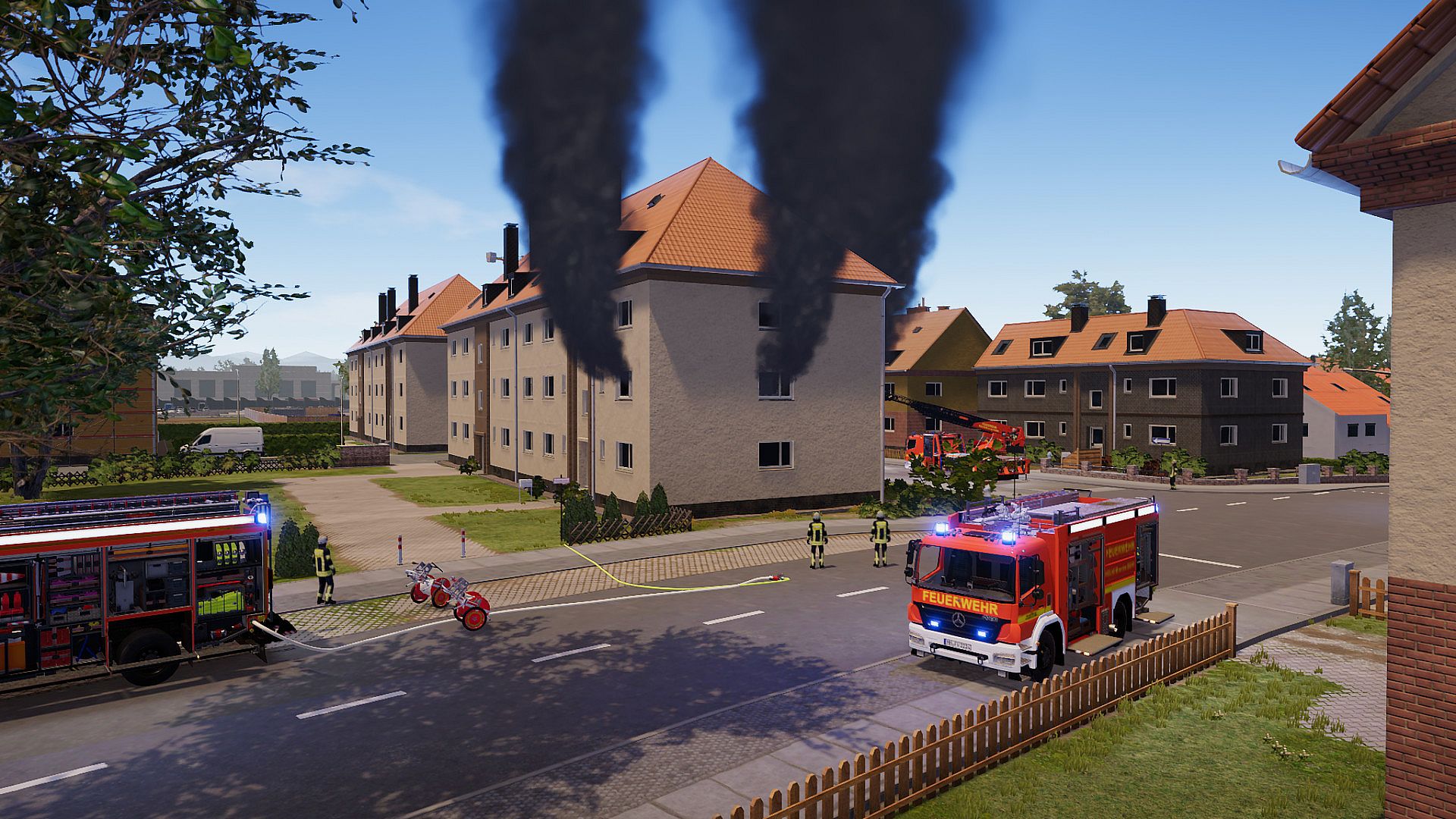
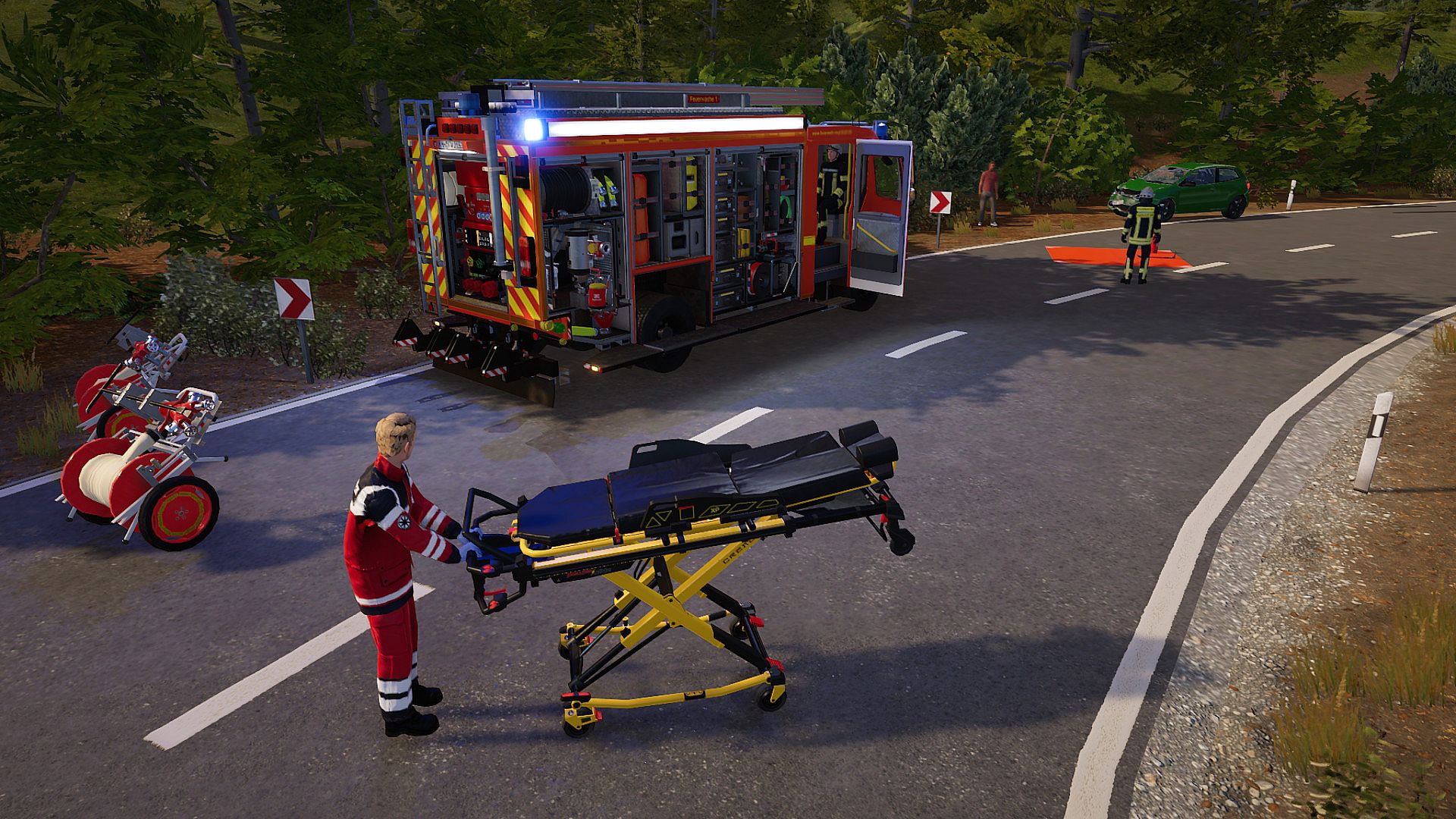
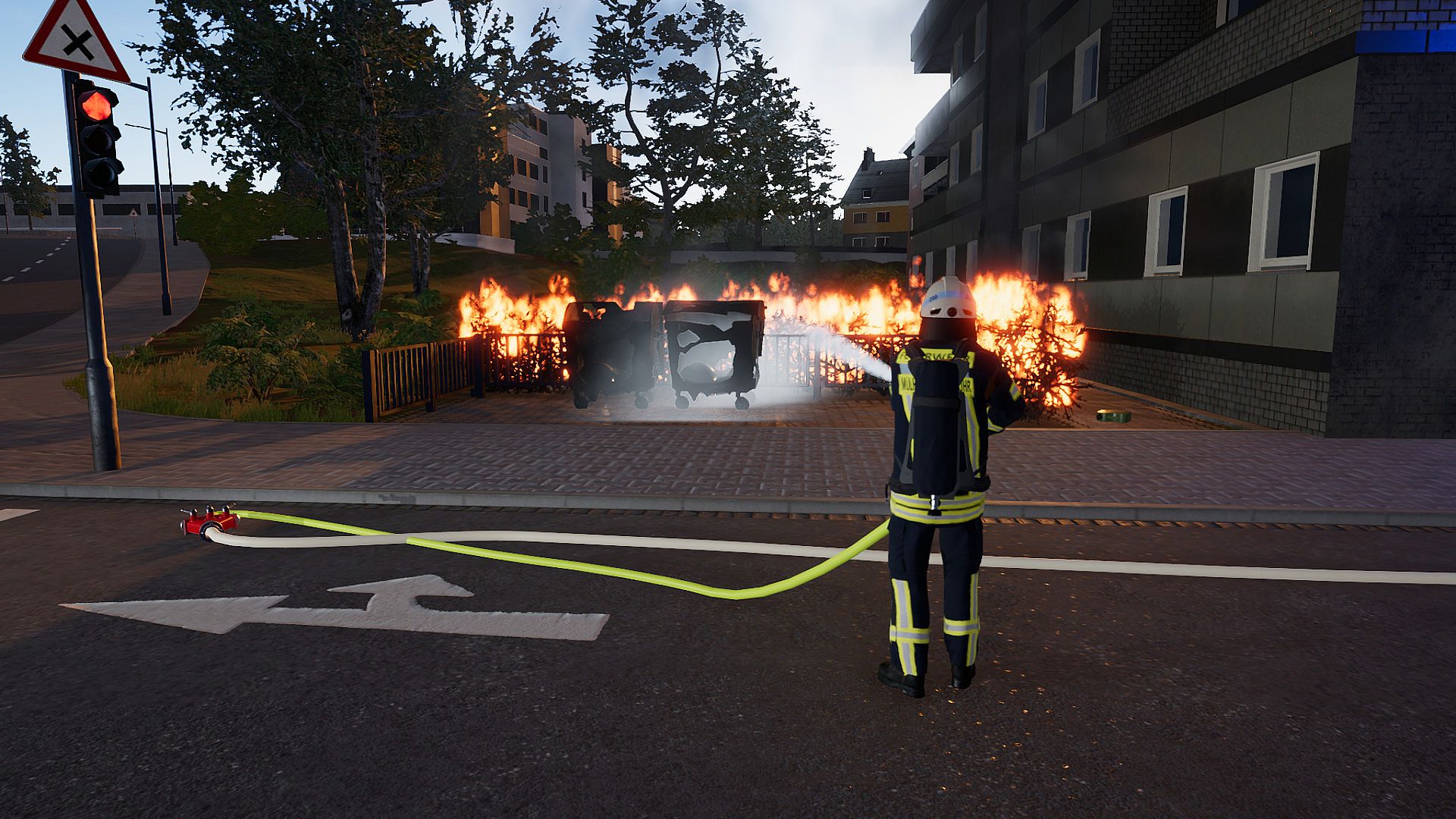
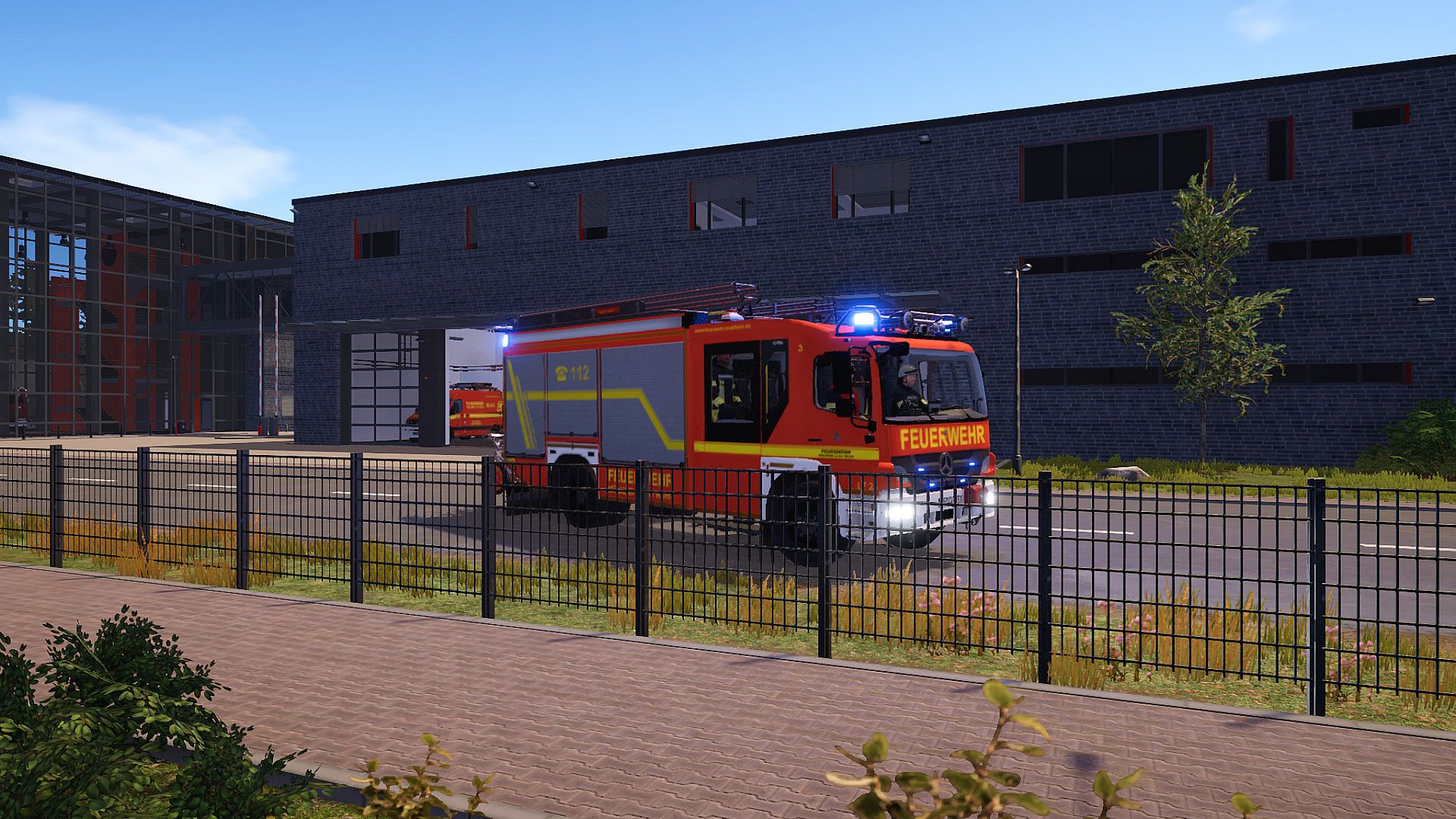
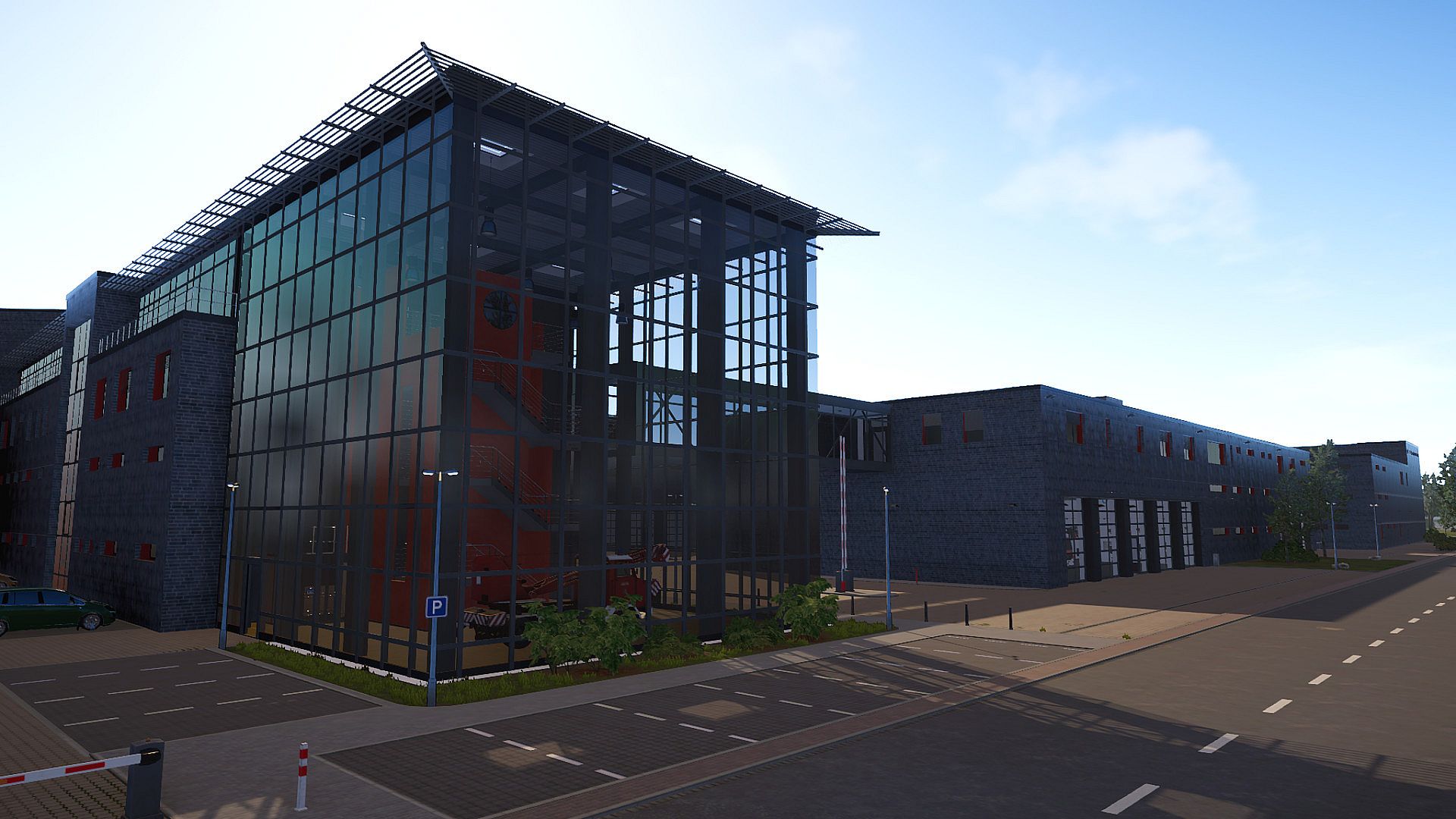
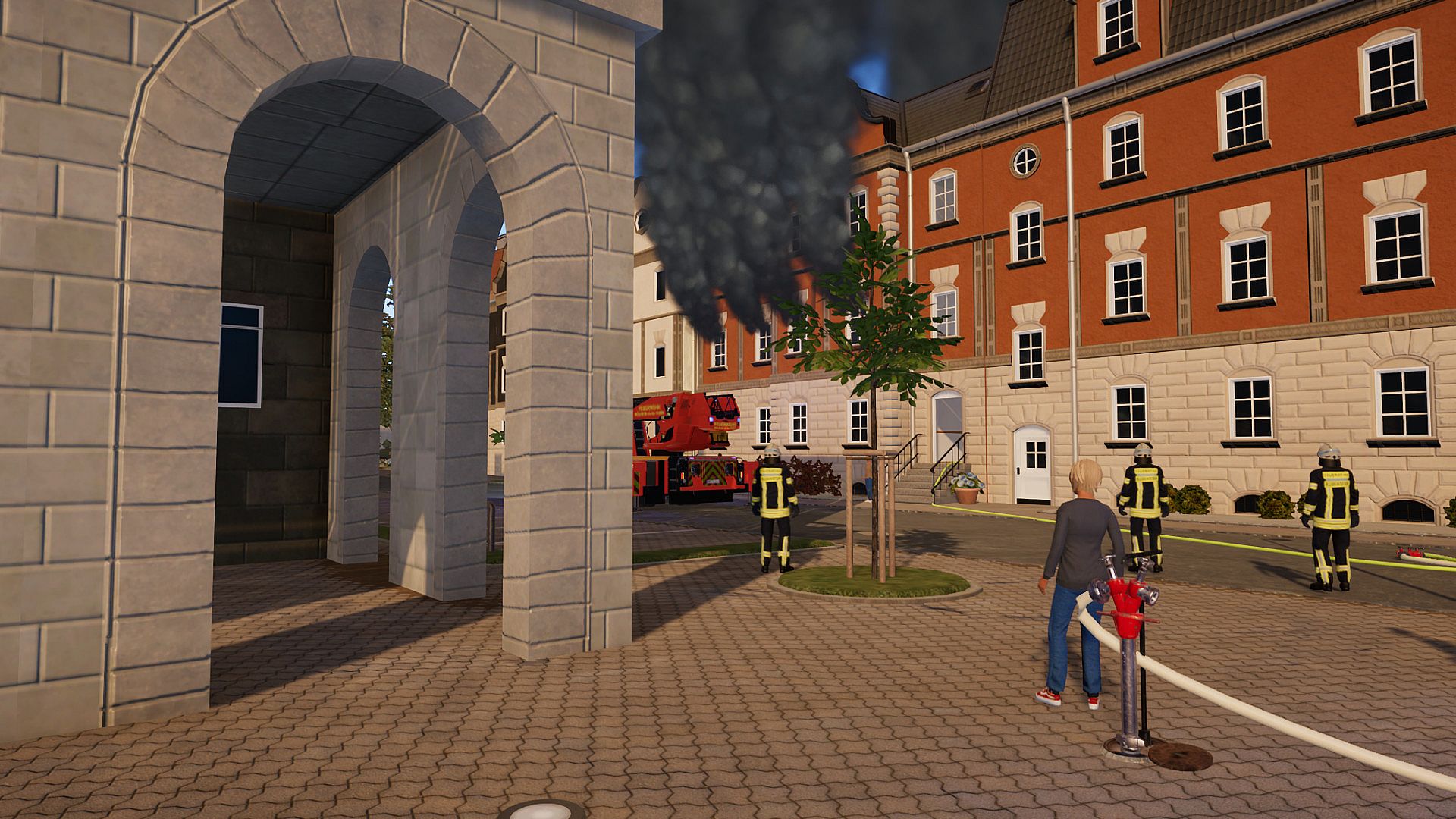
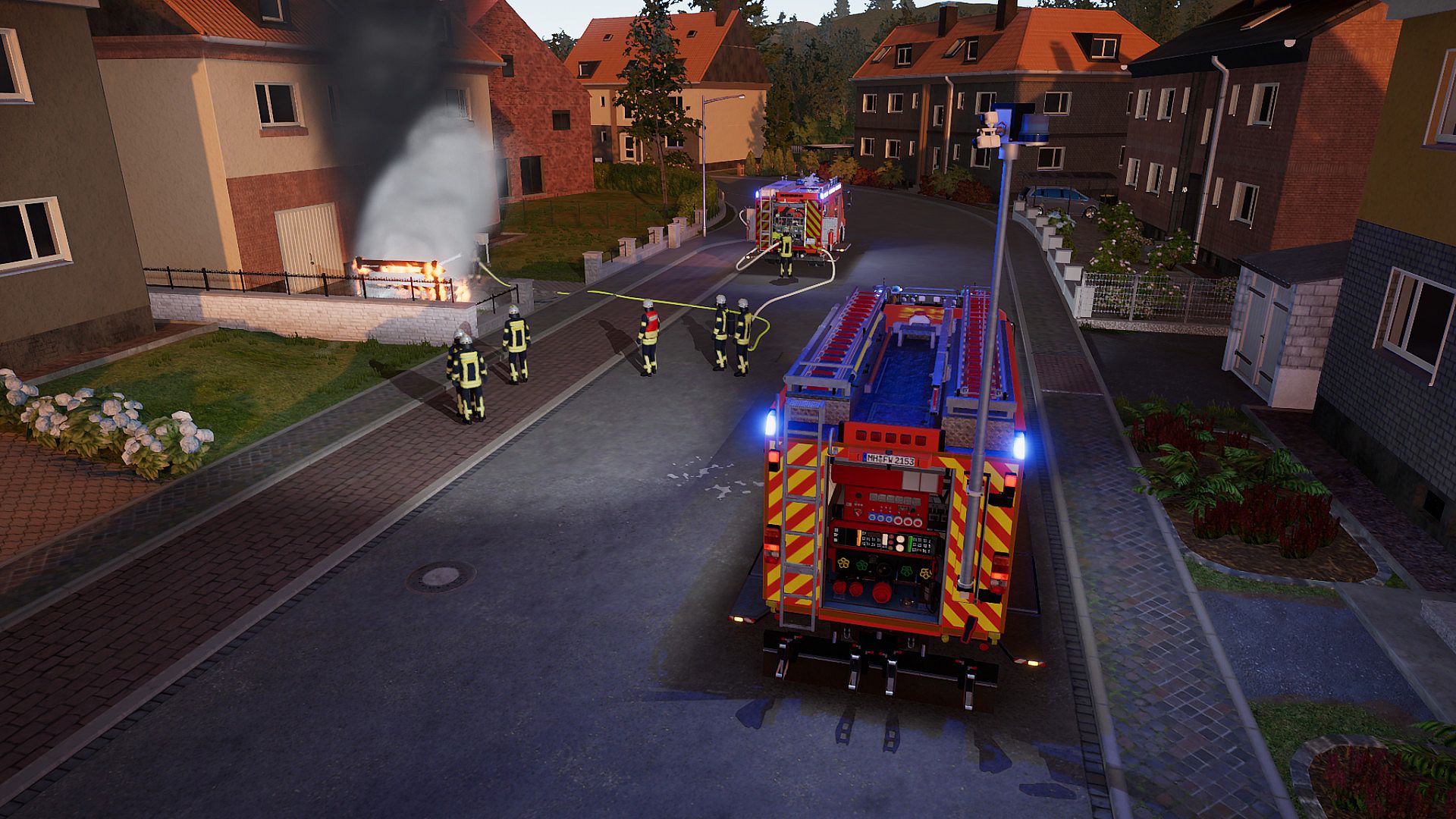
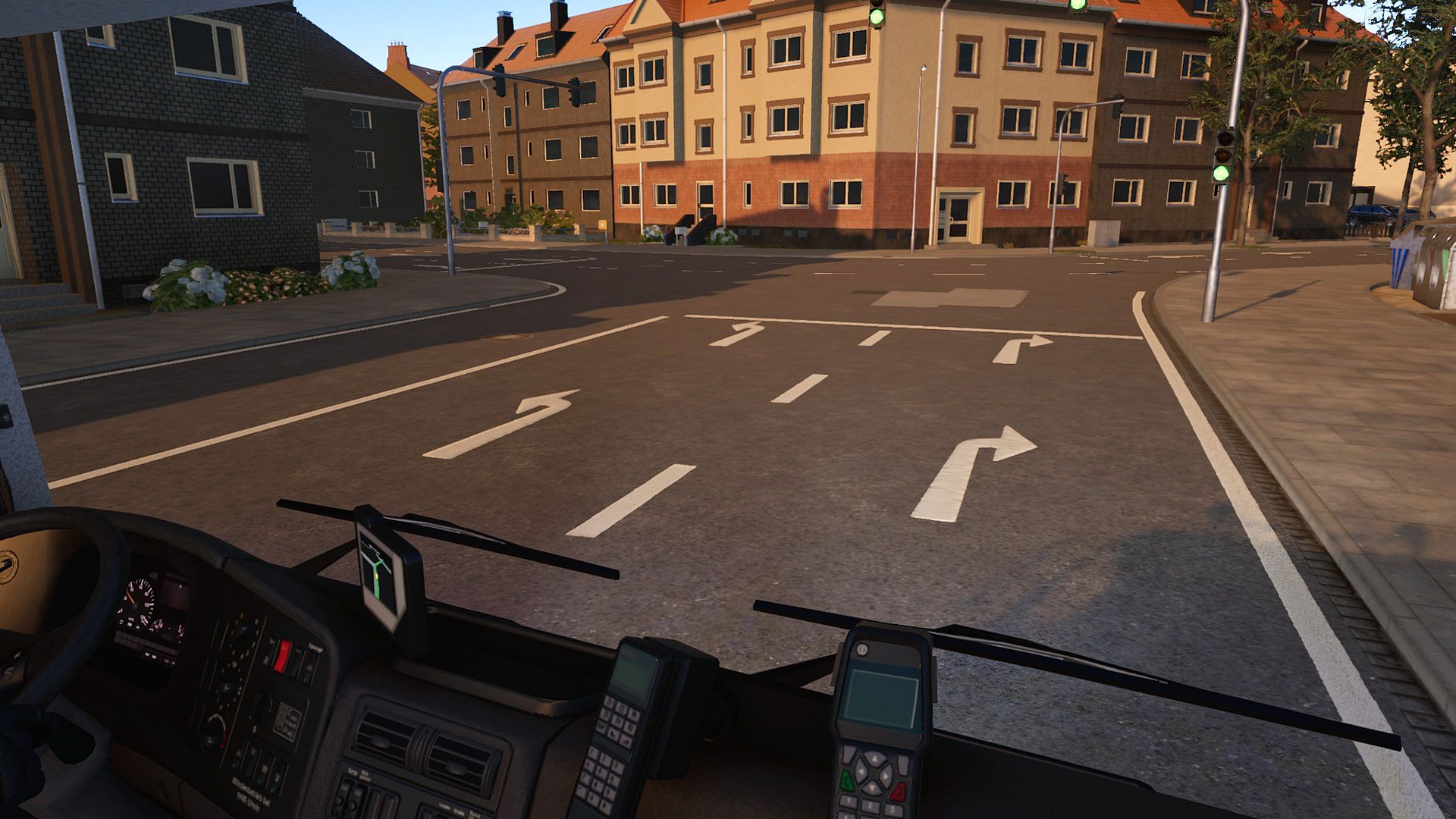
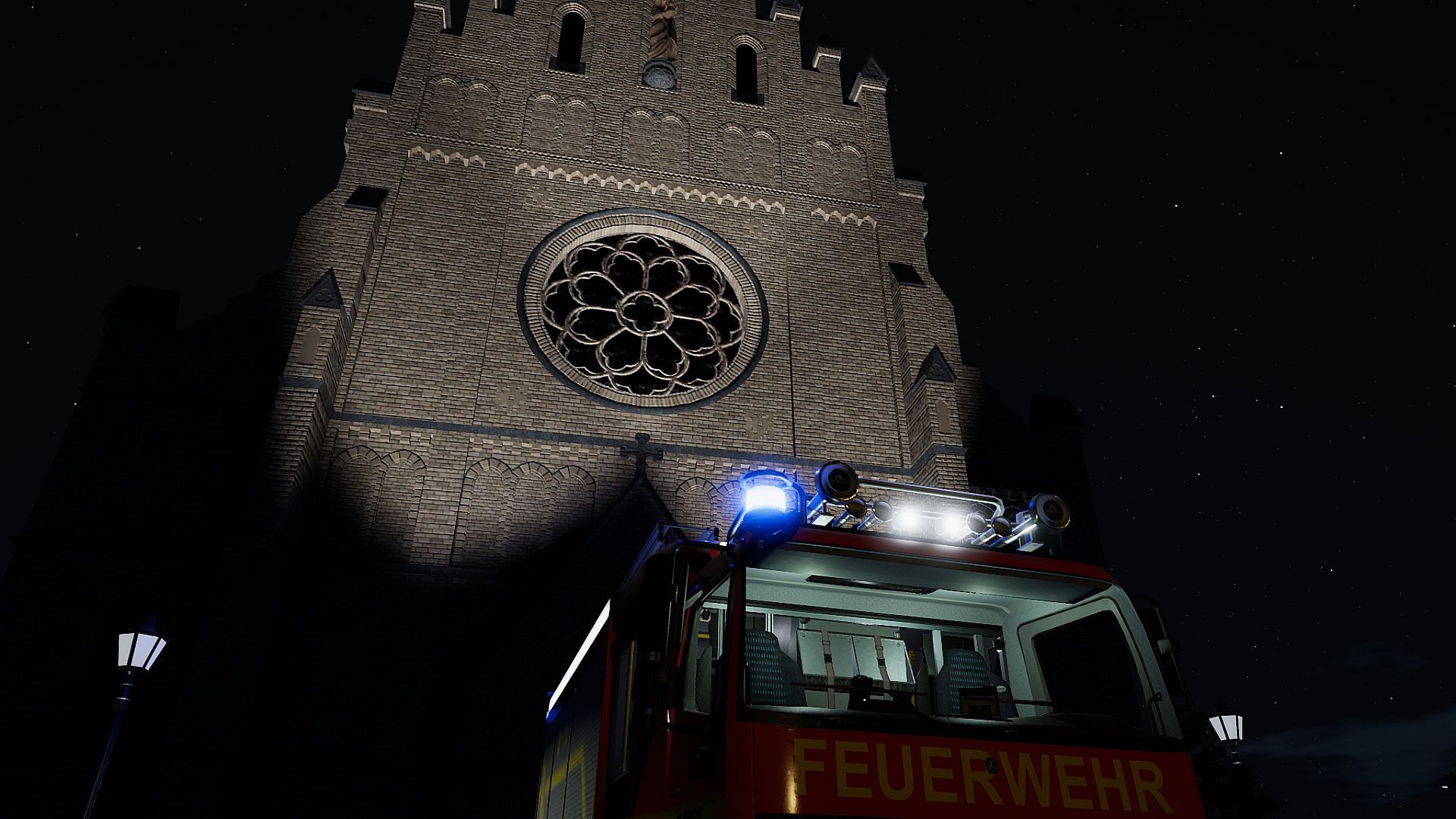
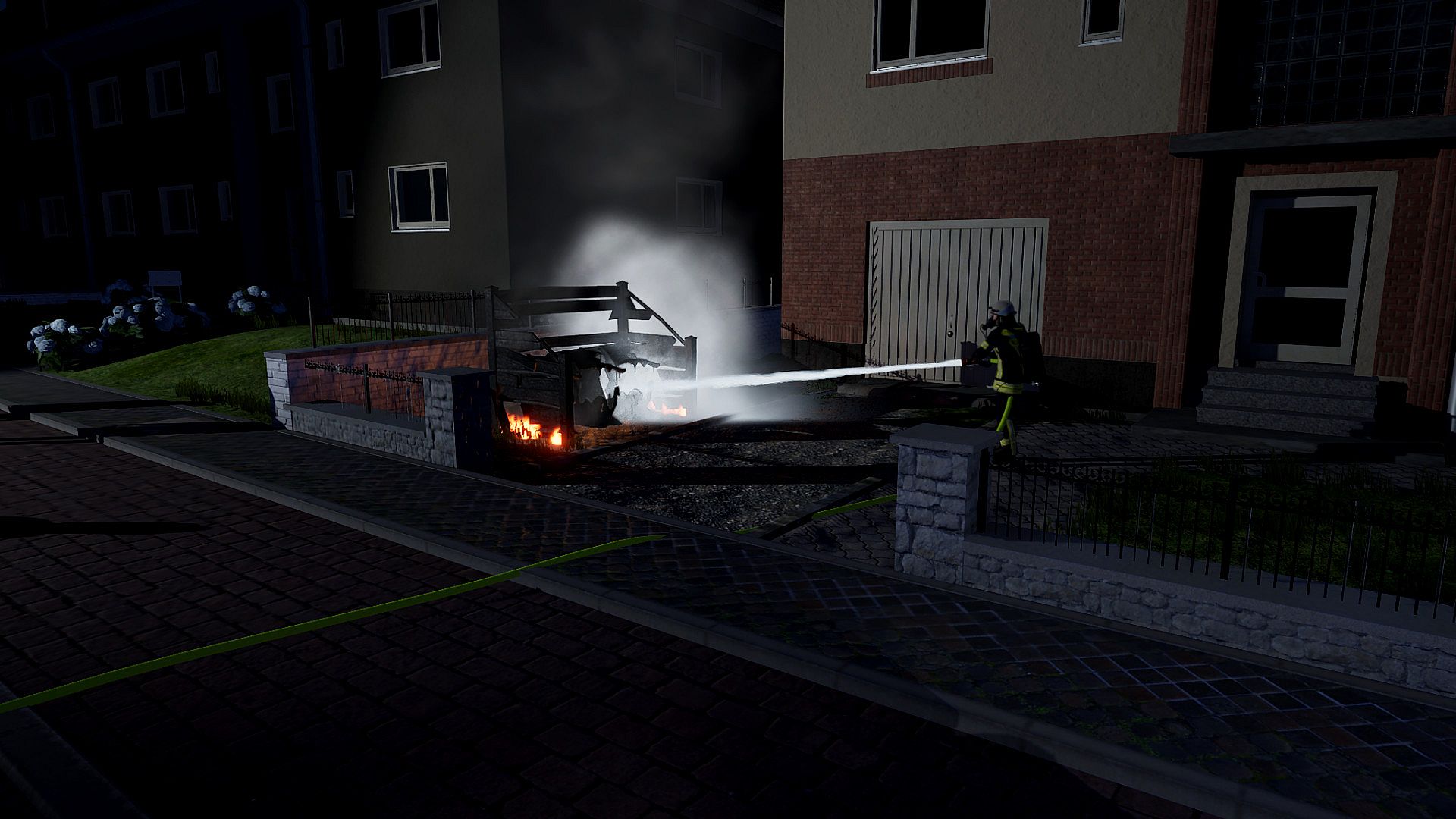
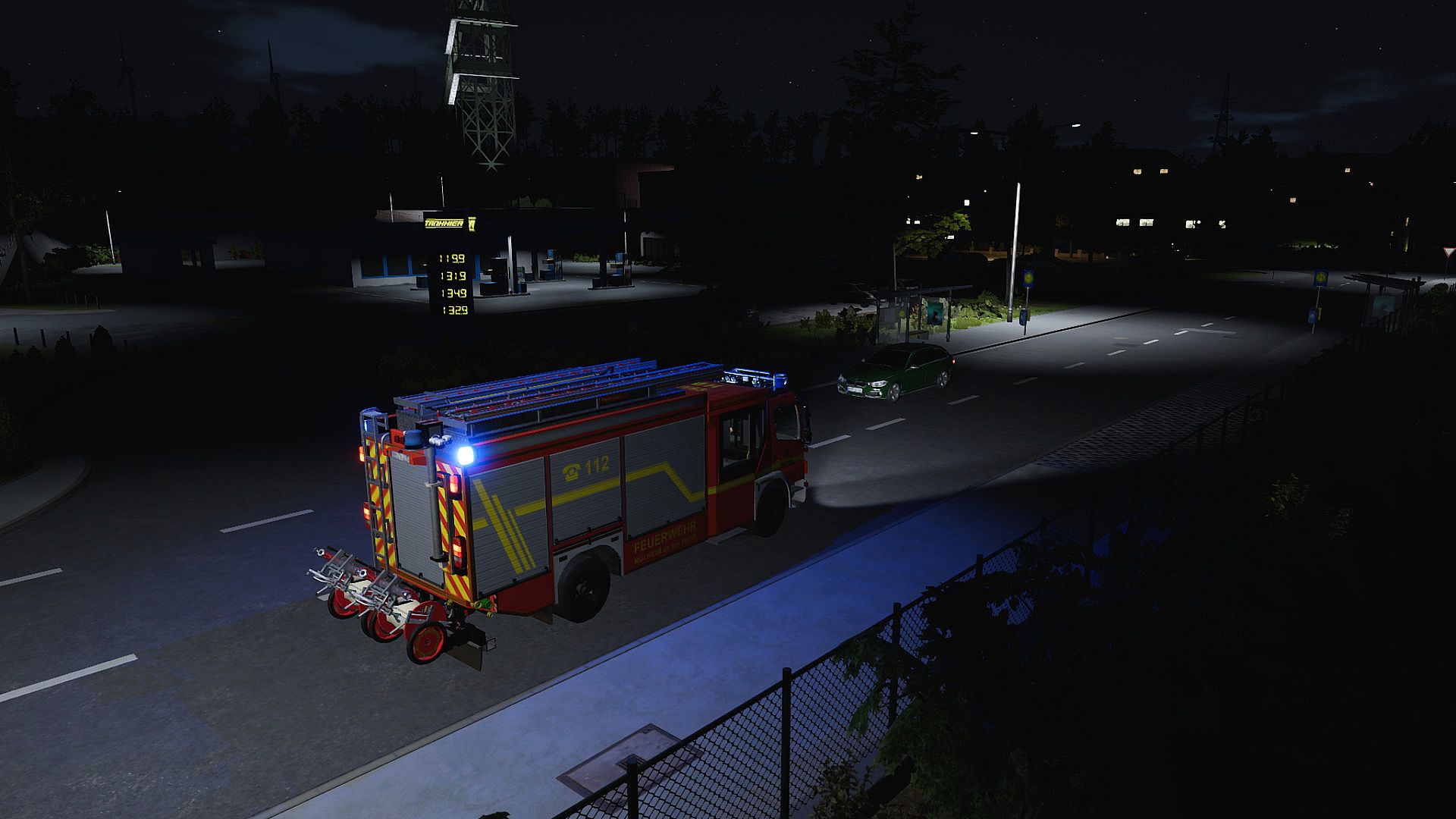
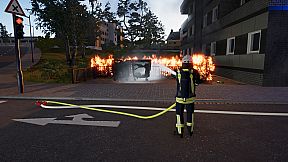
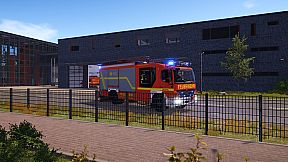
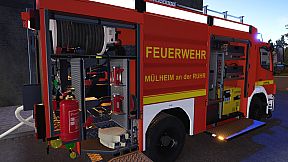
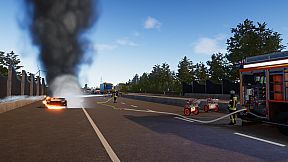
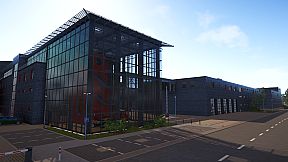
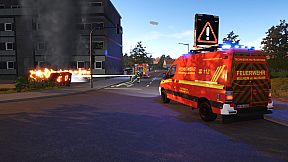
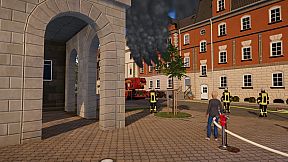
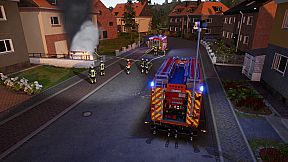
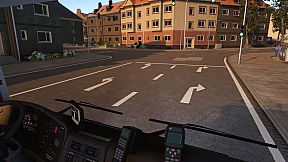
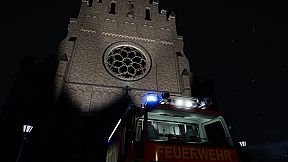
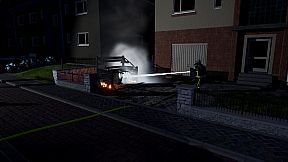
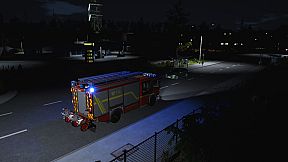
Emergency Call 112 - The Fire Fighting Simulation 2 is a simulation game focused on the daily operations of professional firefighters in Germany. Players handle realistic emergency responses that include rescue operations, fire suppression, vehicle recovery, and scene protection. The experience centers on a detailed recreation of a modern fire station in Mülheim an der Ruhr, where shifts run across full 24-hour cycles with varied calls that require tactical decision making and vehicle operation.
Gameplay
The core loop revolves around responding to incidents in an open world environment without loading screens between locations. Players start shifts at the station, select vehicles, and respond to calls that range from small fires to complex traffic accidents. Control extends to multiple roles, allowing switches between any firefighter on scene at any time. A tactical overview mode lets players issue orders that AI-controlled team members execute independently, helping maintain coordination during larger operations.
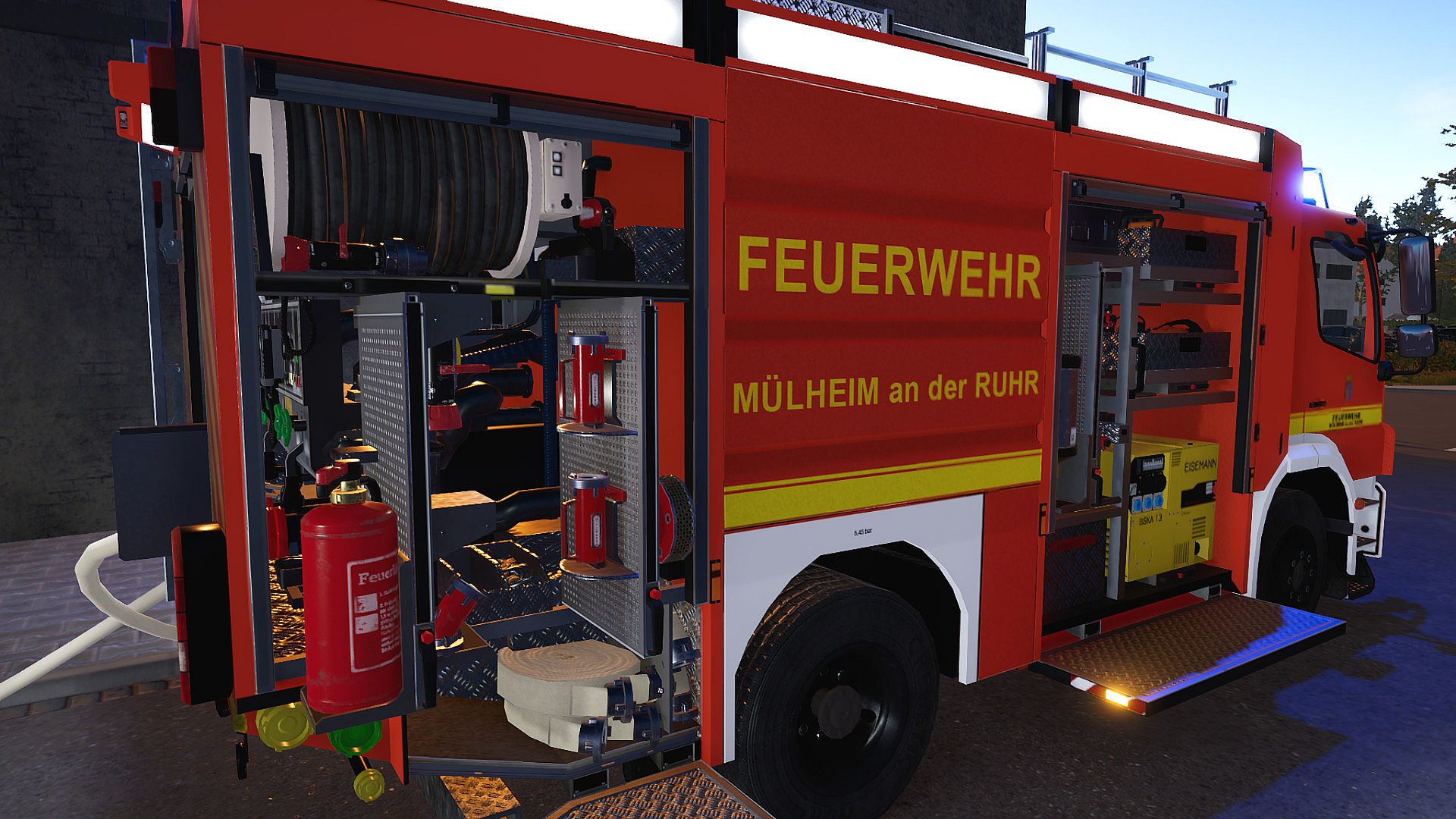
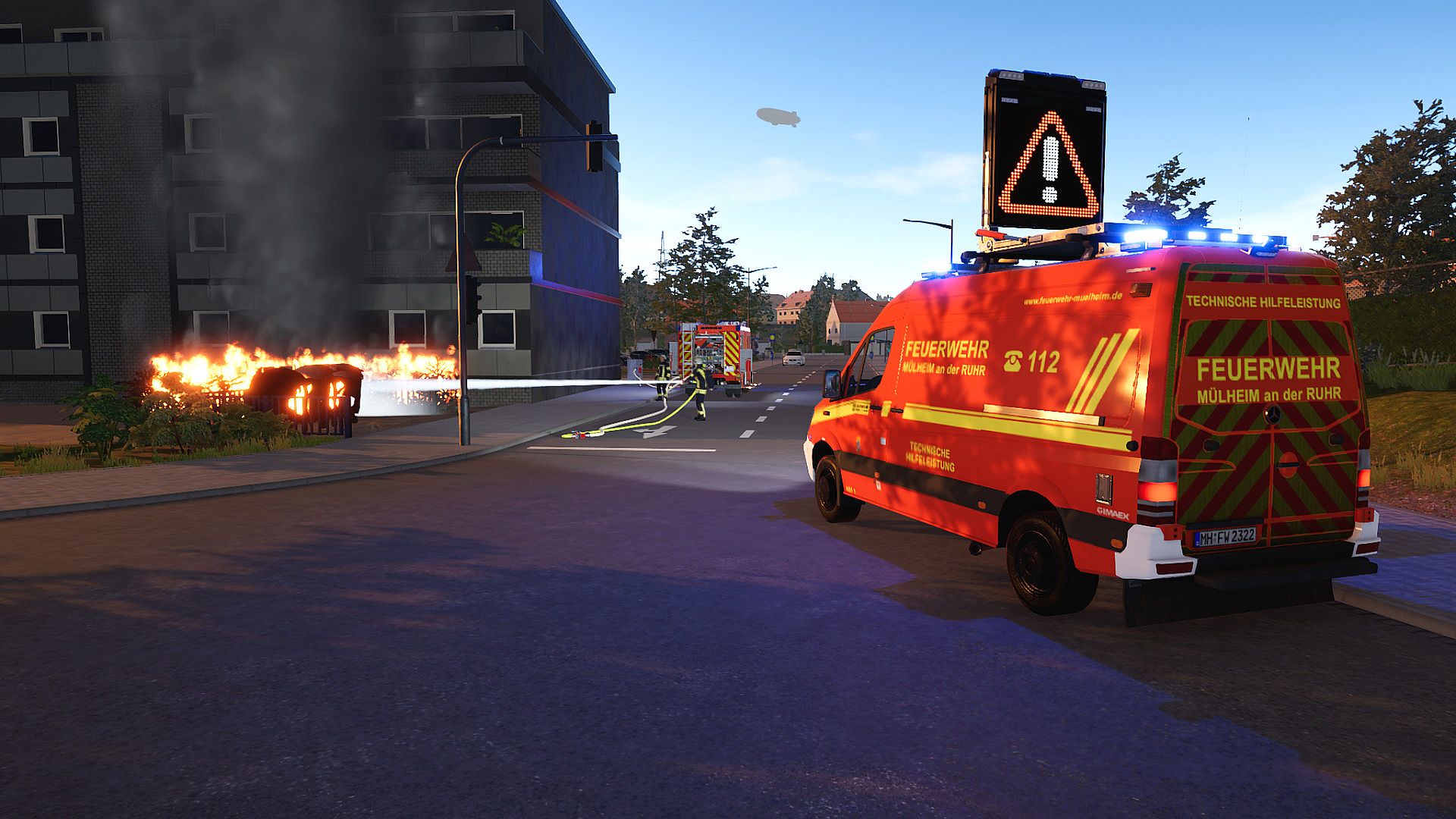
Vehicle handling forms a major part of the experience. Players can take direct control of several emergency vehicles, including the command car, command vehicle, ladder truck, extinguishing group vehicle, tank fire engine, small emergency vehicle, and ambulance. These units feature specialized equipment and traffic privileges that affect how missions unfold. Additional support vehicles appear during calls and assist with tasks such as pumping water or clearing roadways.
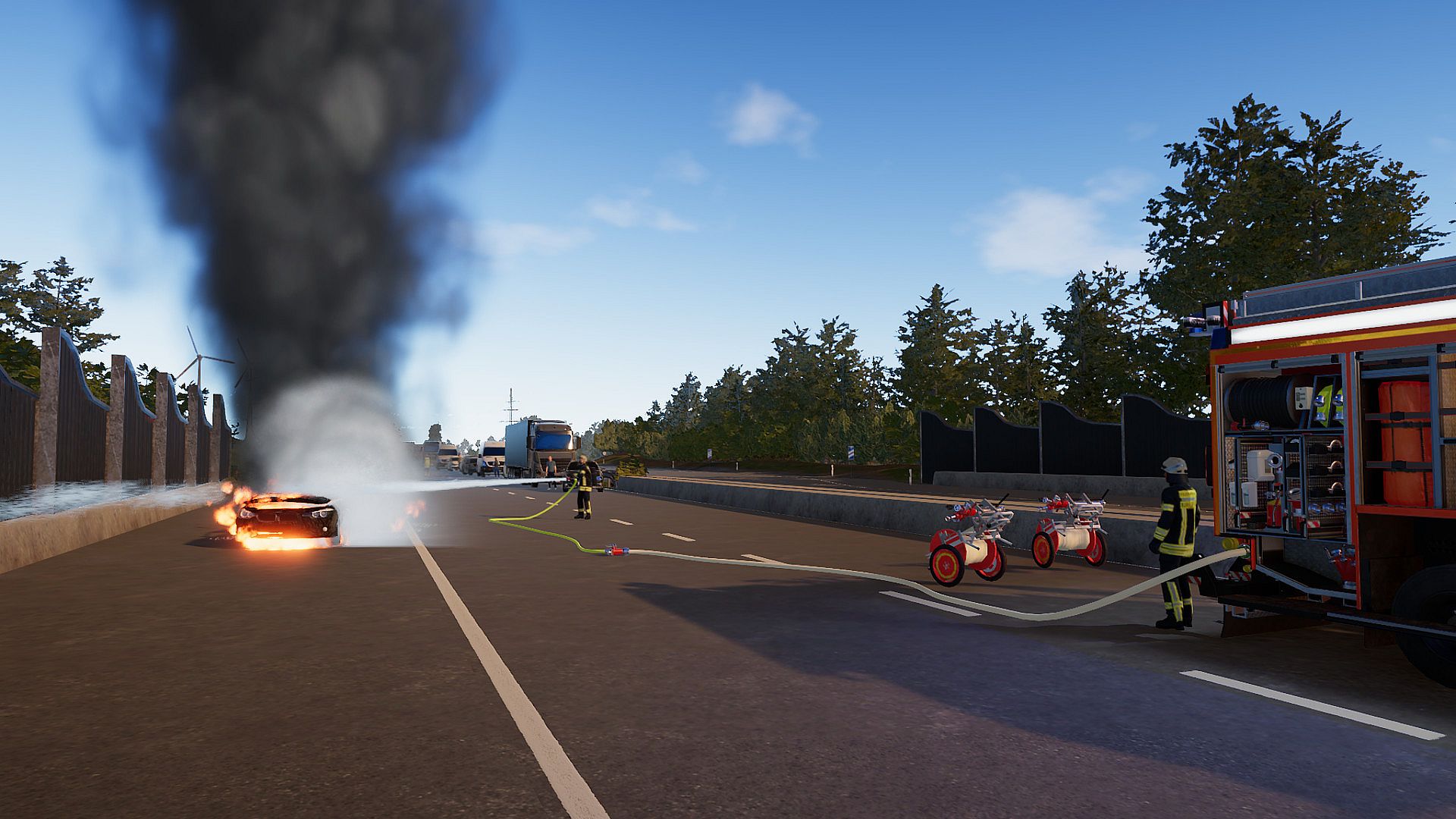
Radio communication plays throughout missions and at the station, adding to the procedural feel. Tasks require use of specific tools like the pruning saw, pump systems, and emergency door entry methods. Missions draw from categories that include container fires, apartment fires, roof truss fires, car and truck fires, traffic accidents, animal rescues, oil spill cleanup, and formwork incidents.
Game Modes
Singleplayer sessions focus on solo operation with AI support from other emergency personnel. Players manage the full response chain, from station lineup and vehicle selection through on-scene actions and post-incident procedures. The tactical overview remains available to direct AI teammates without needing to switch roles constantly.
Multiplayer supports cooperative play with other participants. The mode includes a hot-join function so players can enter ongoing sessions and optional dedicated servers for stable connections. Team coordination becomes essential when multiple real players handle different vehicles or command positions during the same incident.
Station and Equipment Details
The fire station itself serves as the central hub, modeled after a real facility with accurate layouts and equipment storage. Shifts begin with lineup procedures and vehicle checks before calls come in. Players interact with the station environment to prepare for responses and return there between assignments.
Tool and equipment use follows real procedures. Firefighters deploy ladders, hoses, cutting tools, and medical gear depending on the call type. The simulation emphasizes proper sequence and positioning to complete objectives successfully.
Is It Worth Playing?
This title suits players who enjoy detailed procedural simulations and realistic emergency response mechanics. The combination of vehicle control, role switching, and tactical oversight creates a focused experience centered on firefighting workflows rather than action or narrative elements.
Overall user reviews sit in the mixed range, with recent feedback showing a shift toward mostly positive sentiment. The game appeals most to those seeking a methodical, team-based simulation of professional firefighting duties on PC. Availability of both solo and cooperative options broadens its reach for different play styles.