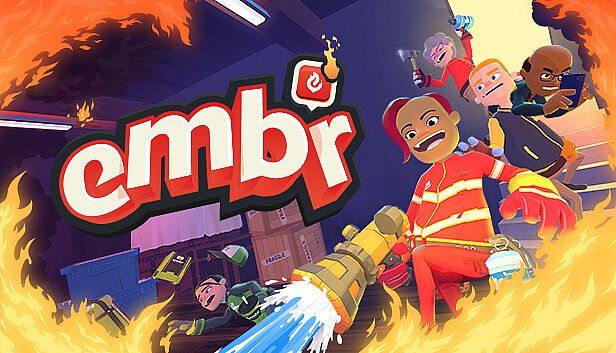


























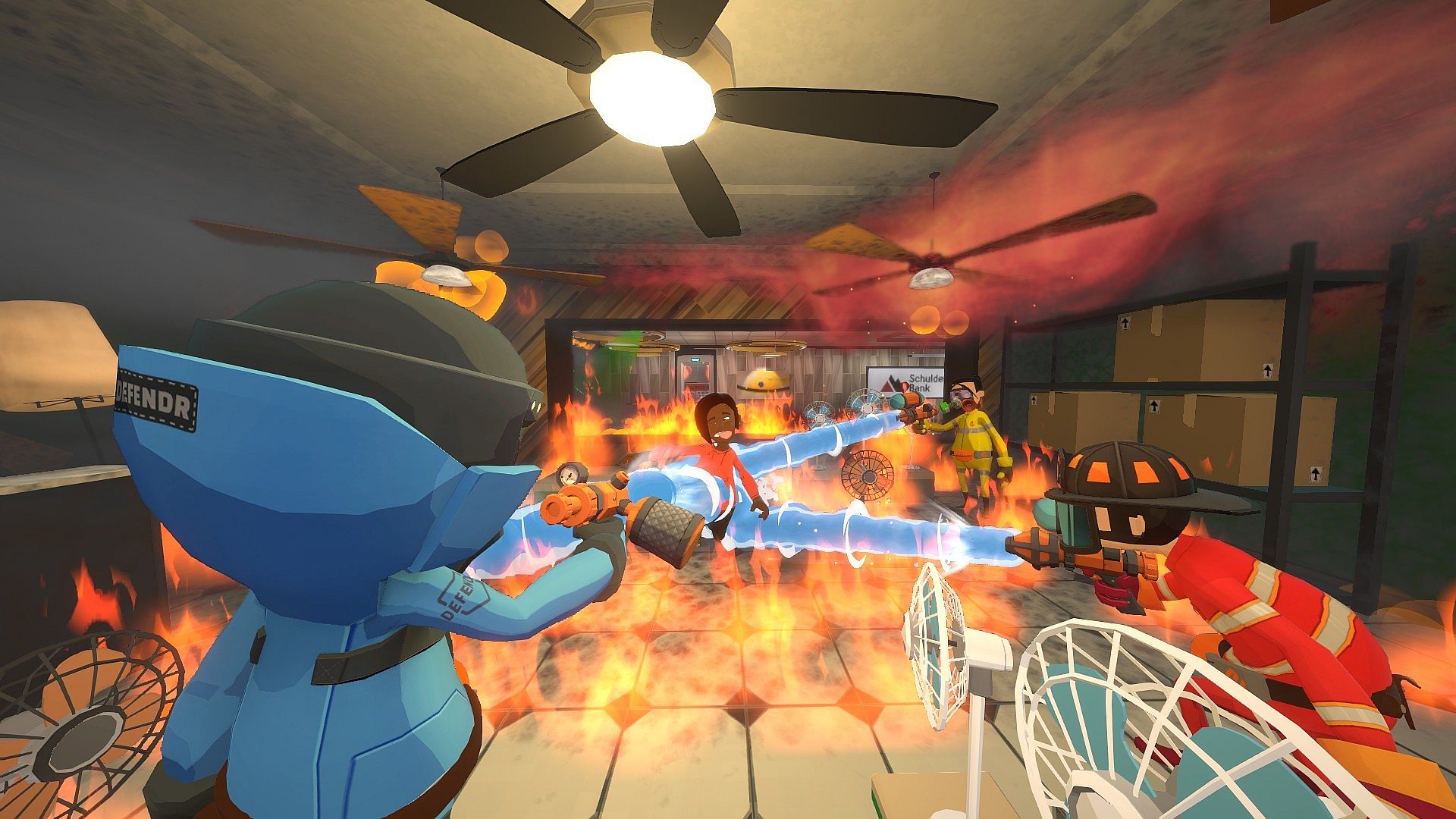
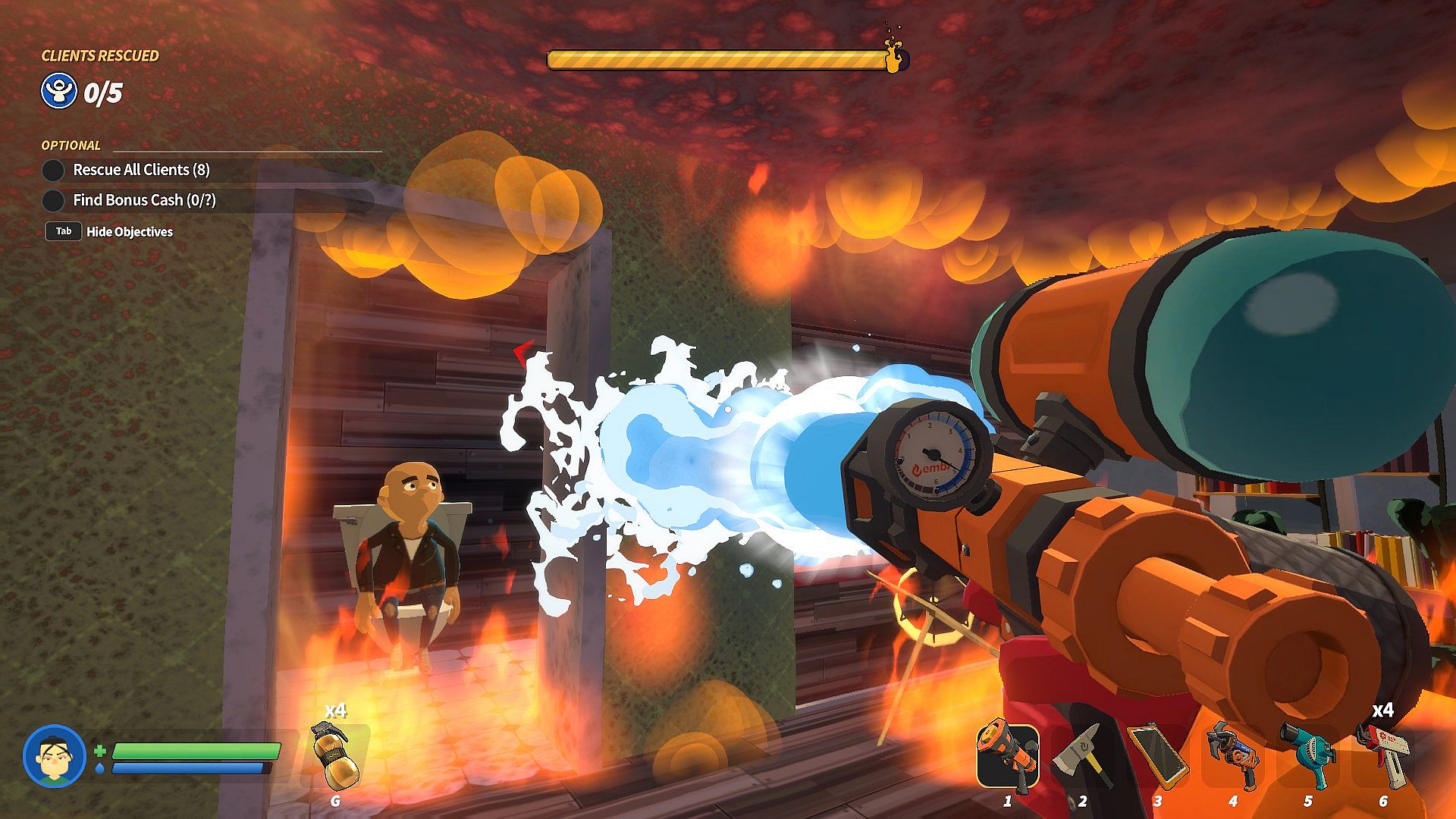
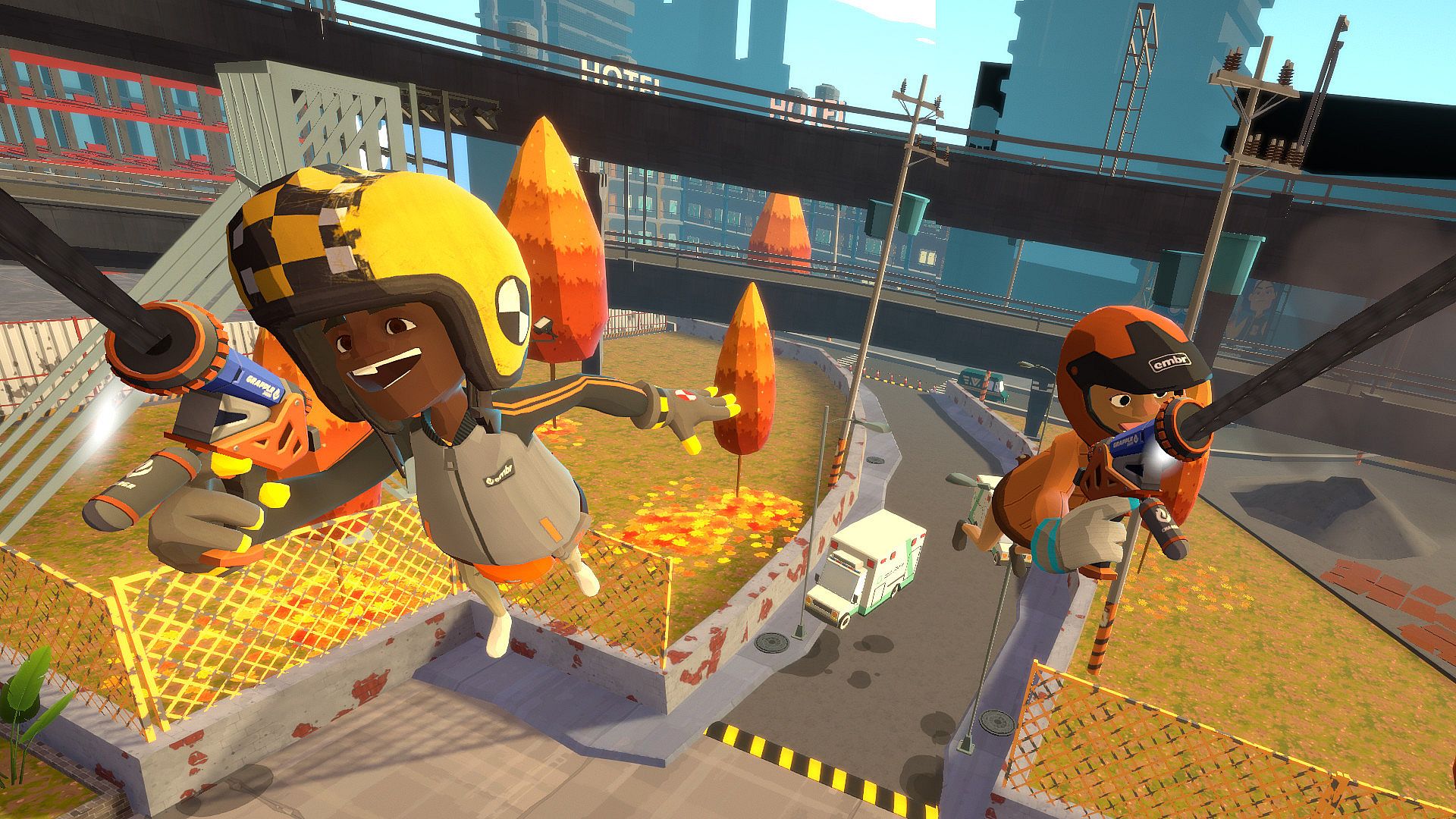

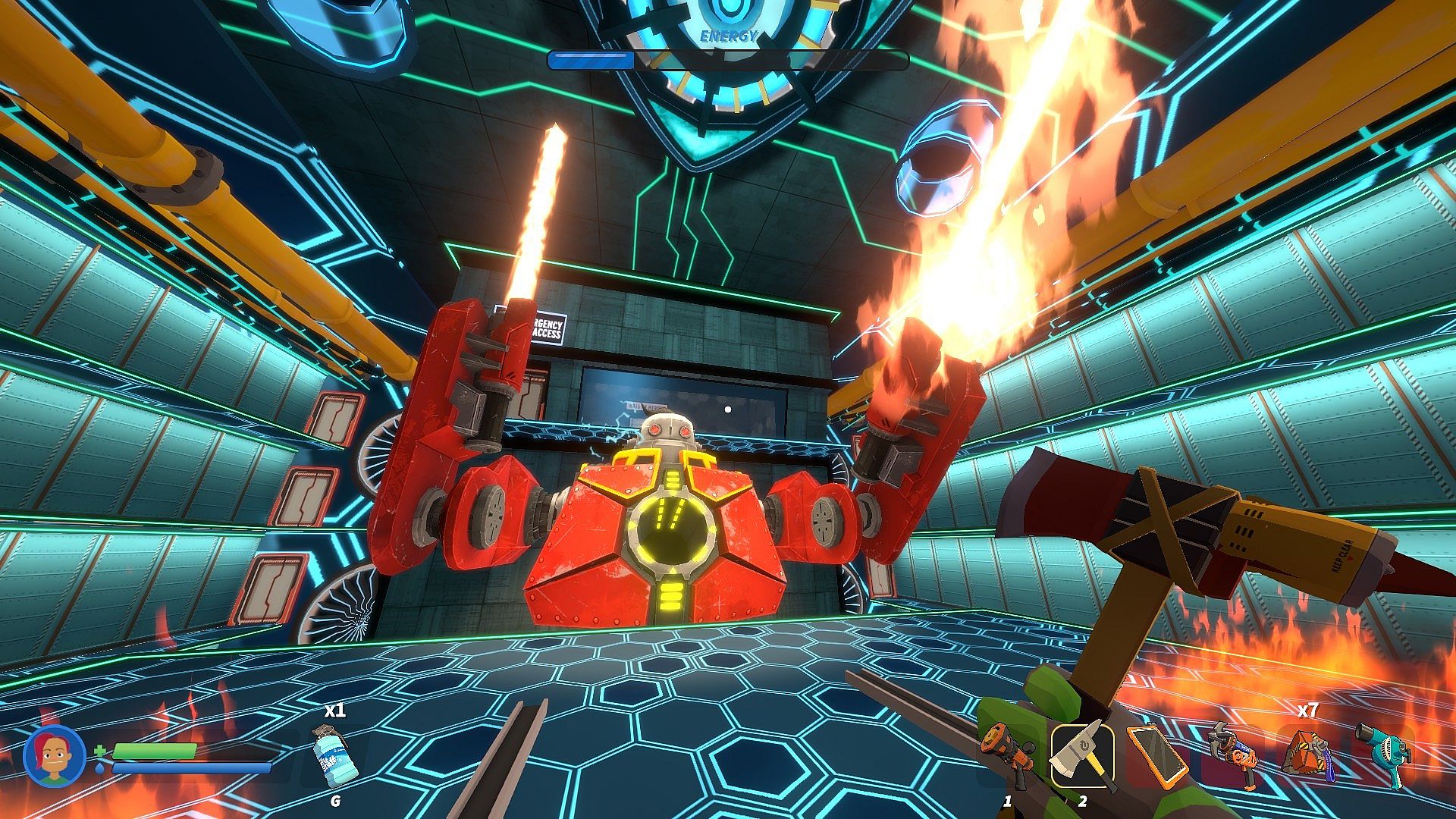
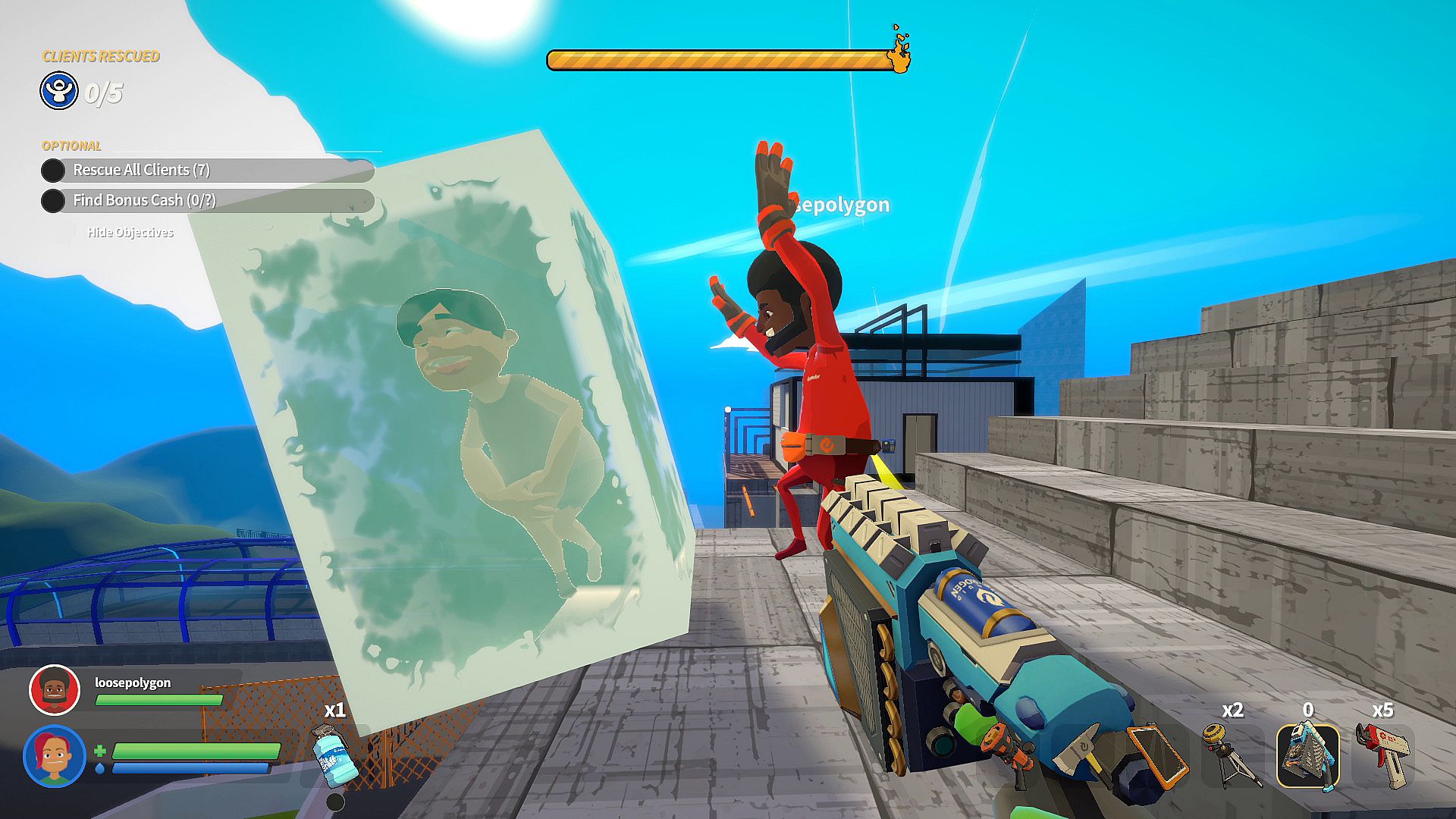
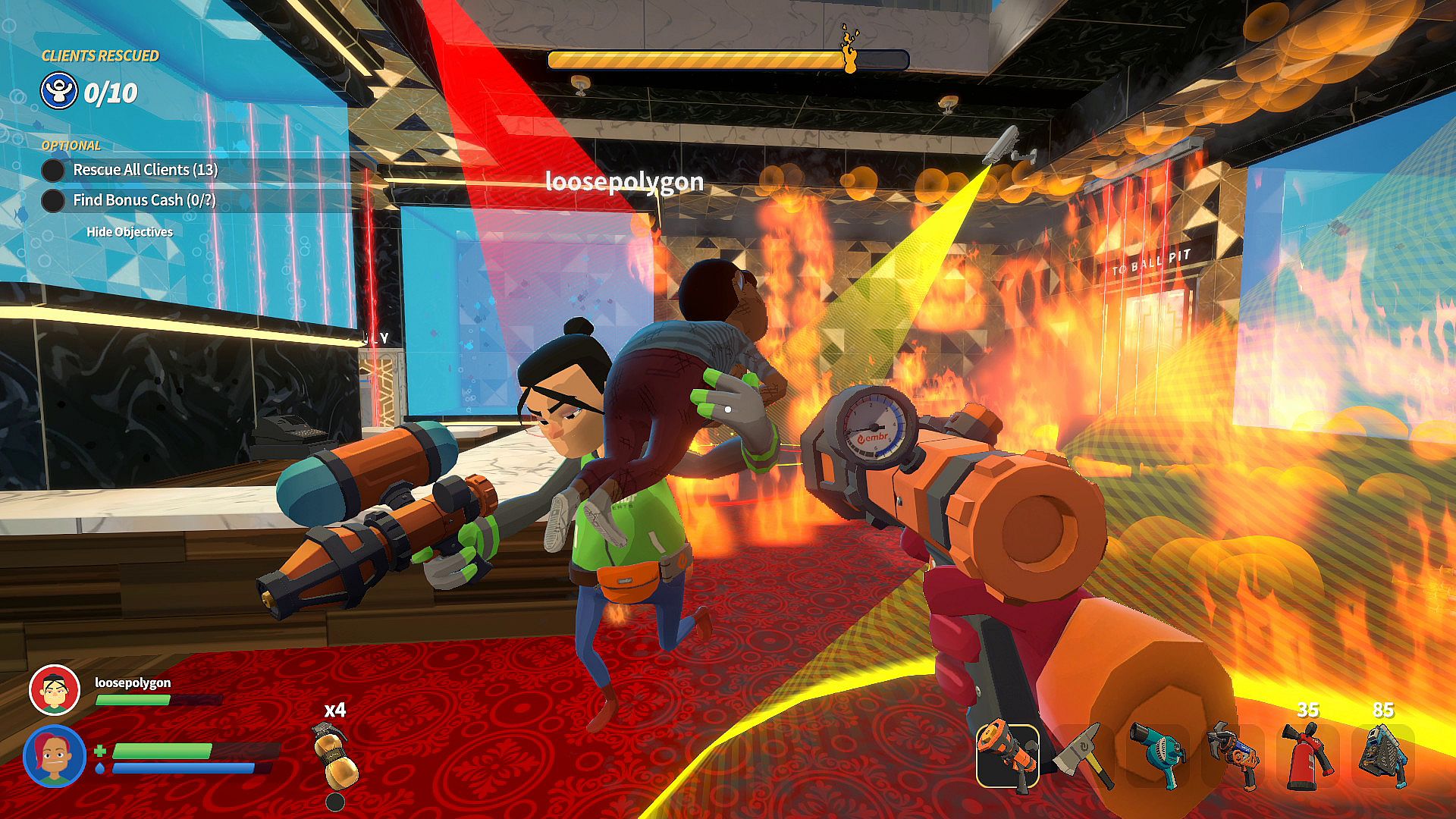
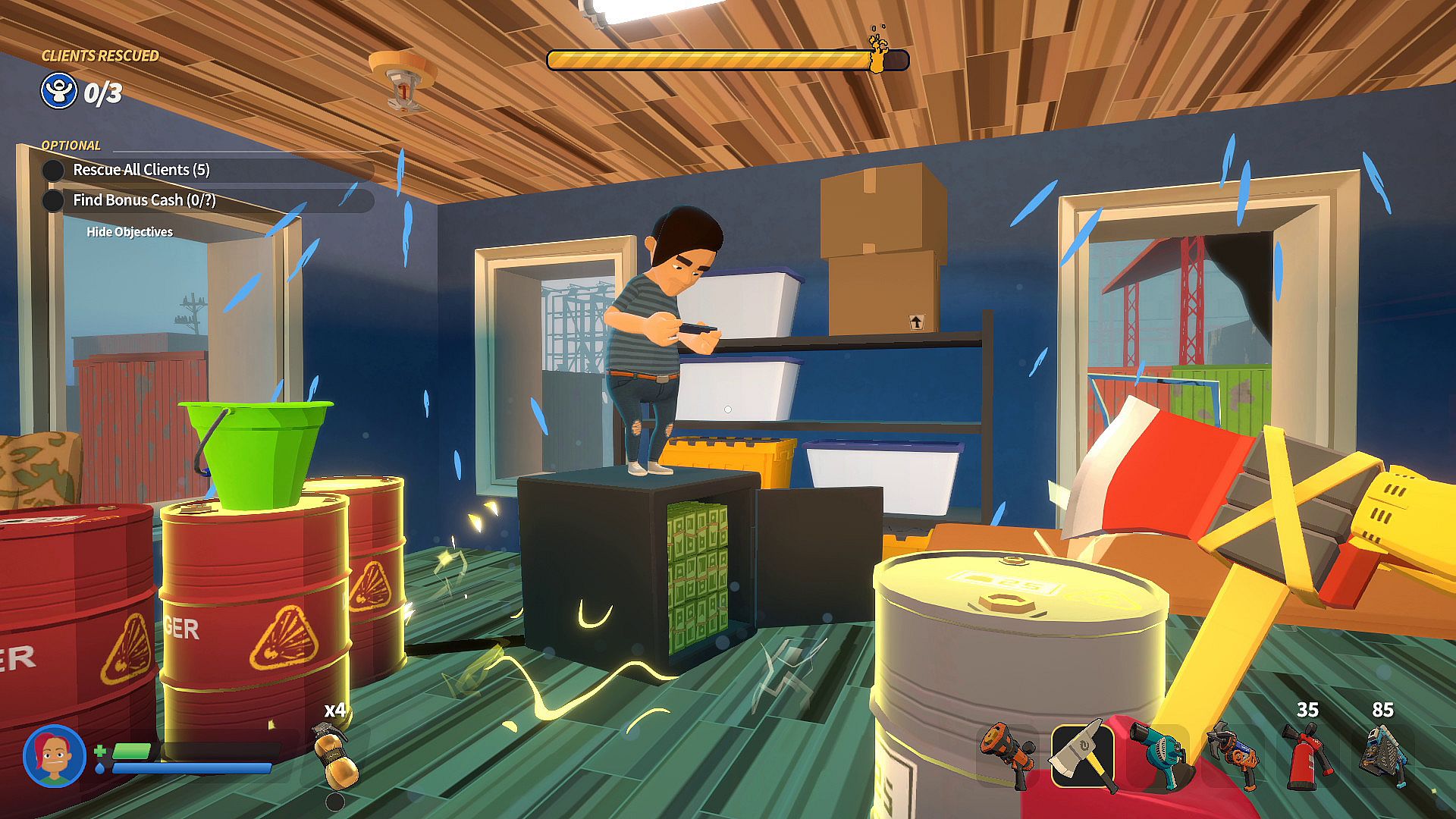
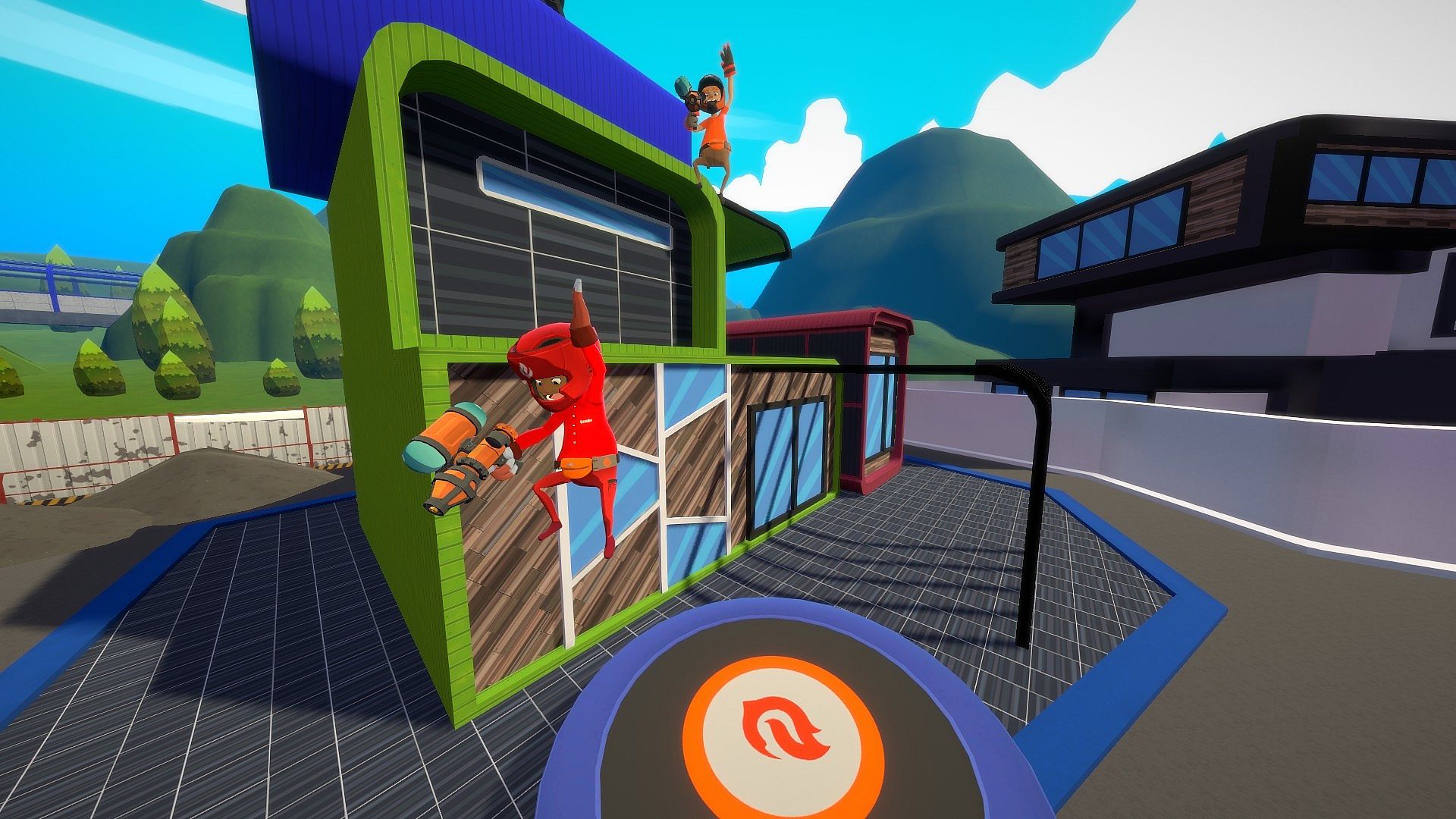
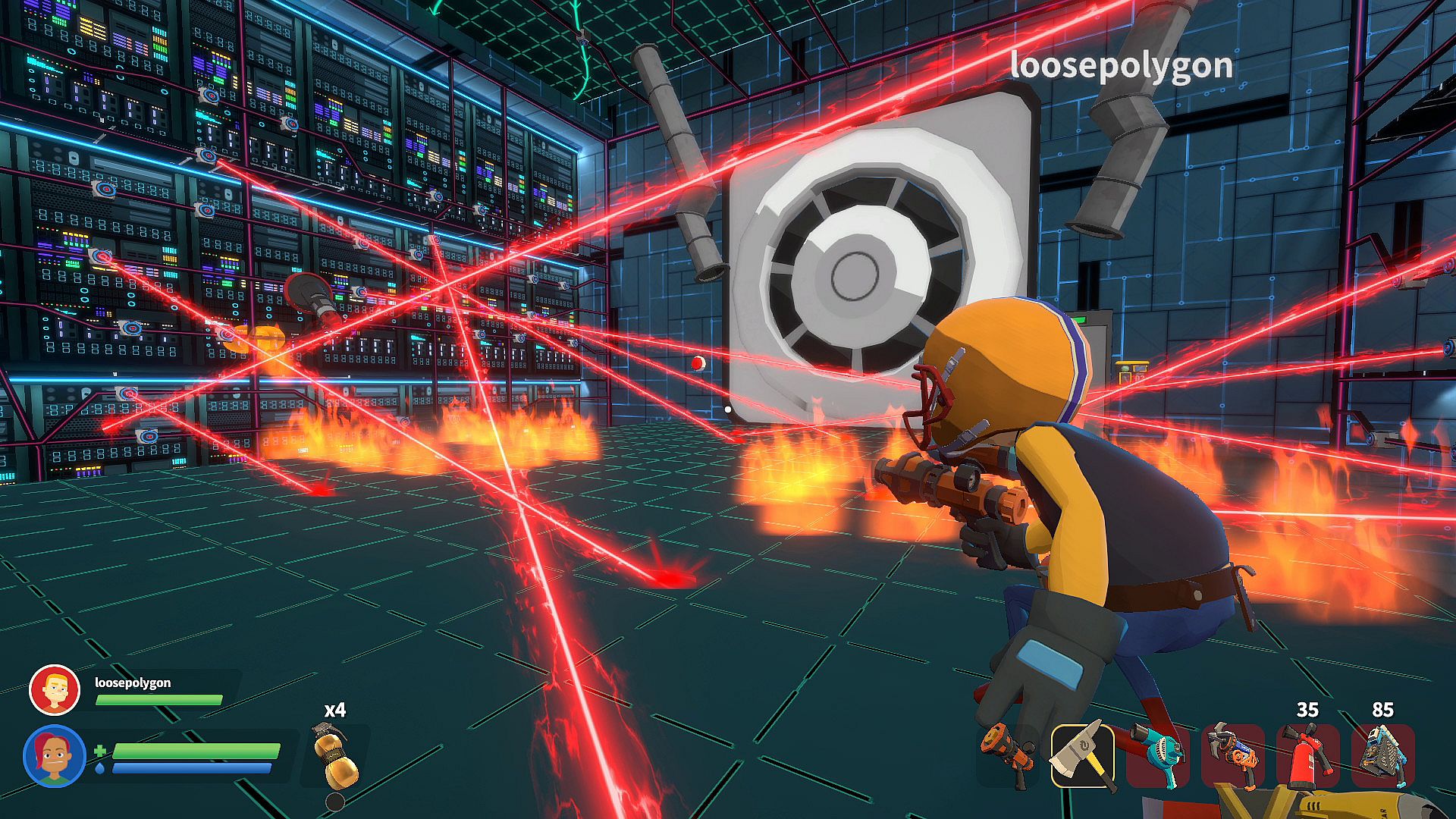
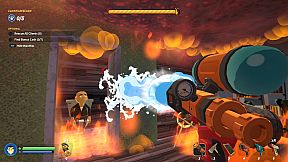
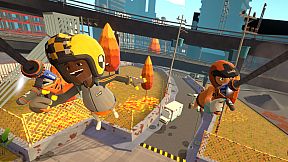

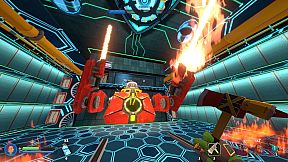
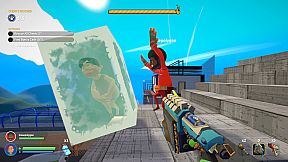
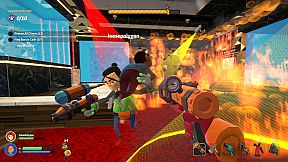
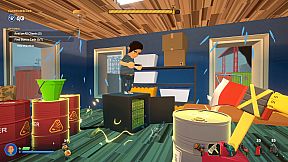
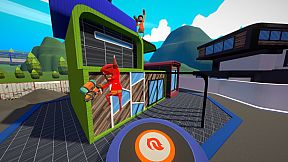
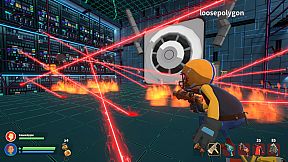
Embr is a co-op action and simulation game on PC that places players in the role of private firefighters operating in a deregulated world where public services have given way to paid response crews. The core loop centers on entering burning buildings, managing hazards, completing objectives, and extracting valuables or survivors while balancing speed, safety, and profit. Players handle tasks such as extinguishing flames, repairing electrical systems, clearing gas leaks, and bypassing security measures, all while the fire spreads and new dangers emerge.
Gameplay
The gameplay emphasizes quick decision-making and tool management in procedurally challenging environments. Each mission involves rushing into structures filled with traps, valuables, and security systems that can turn deadly. Core actions include breaking down doors, smashing windows, fixing circuits, and evading hazards like electrical shocks or gas buildup. Players earn money from successful jobs to purchase upgrades and new equipment, creating a progression loop that rewards efficient play and creative problem-solving.
Seventeen equipment options expand the ways missions can unfold. Examples include the Dummy Helmet for reduced fall damage, the Double Jump Baseball Cap for enhanced mobility, and insulated gloves for handling electrical threats. Outfits and vehicle customizations further alter movement and interaction styles. Dynamic difficulty scales with team size, keeping solo runs tense and group sessions coordinated without overwhelming smaller crews.
Levels span 25 unique stages divided across three districts, each introducing escalating hazards and layout variations. The emphasis stays on practical firefighting tactics mixed with opportunistic salvage, where five-star performance attracts higher-paying clients and side objectives like discreetly collecting valuables add another layer of risk versus reward.
Game Modes
Embr supports solo play alongside online co-op for up to four players. Missions form the primary structure, with objectives centered on rescues, fire suppression, and asset recovery. Dynamic adjustments ensure the challenge fits the number of participants, while bonus goals encourage thorough exploration without forcing completion.
Additional variety comes through daily and weekly challenges that rotate mission parameters and reward consistent participation. These sit alongside a broad set of achievements that track everything from efficient extractions to creative use of specific tools. Mission modifiers, referred to as gamemodes in community discussions, alter core rules on a per-job basis, allowing up to six variations per mission to change pacing or add constraints.
Progression and Customization
Financial earnings from missions fund a range of high-tech tools and upgrades that directly impact how players approach hazards. Fresh outfits unlock alternative movement or interaction options, encouraging experimentation across repeated runs. The system rewards both methodical five-star completions and riskier approaches that maximize payouts through opportunistic actions.
Three districts provide distinct backdrops for the 25 levels, each layering new trap types and security features that demand adaptation. This setup supports repeated play through challenge rotations rather than endless procedural generation, keeping focus on mastering specific layouts and tool synergies.
Is It Worth Playing?
Embr suits players who enjoy short, replayable co-op sessions built around chaotic problem-solving and light strategy. The mix of action-oriented firefighting with simulation elements like hazard management and profit optimization creates a focused experience that scales well from solo attempts to four-player crews. Daily and weekly challenges plus achievements provide ongoing reasons to return after the initial 25 levels are cleared.
Those seeking deep narrative campaigns or large-scale competitive modes may find the scope limited to mission-based play. The game remains available with its original multiplayer support intact, making it a straightforward choice for groups interested in cooperative firefighting without heavy time commitments. Reception highlights the humor in the premise and the satisfaction of creative tool use, though some note the campaign length as a consideration for single-player buyers.