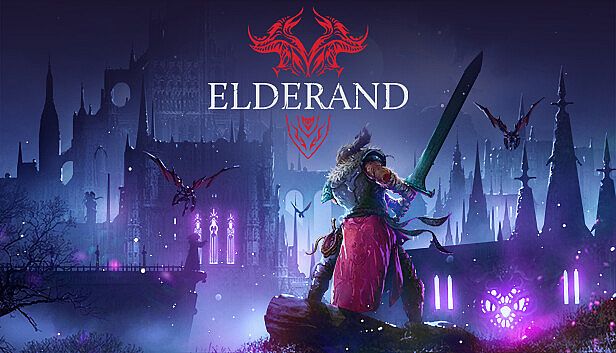





















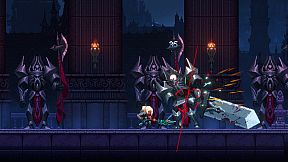
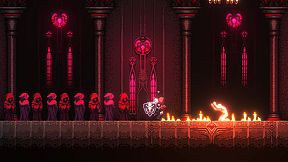
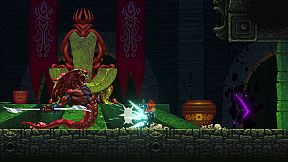
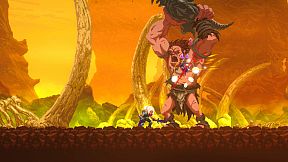
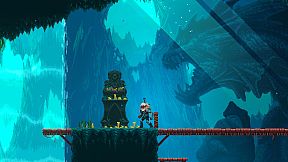
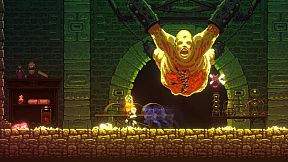
Elderand stands out as a retro-inspired action platformer that incorporates Metroidvania exploration and light RPG systems within a grim Lovecraftian setting. Players take on the role of a customizable adventurer who must battle grotesque creatures and formidable bosses across a hand-drawn pixel art world filled with gothic architecture and twisted environments. The experience emphasizes skill-based combat and deliberate progression rather than overwhelming difficulty spikes.
Gameplay
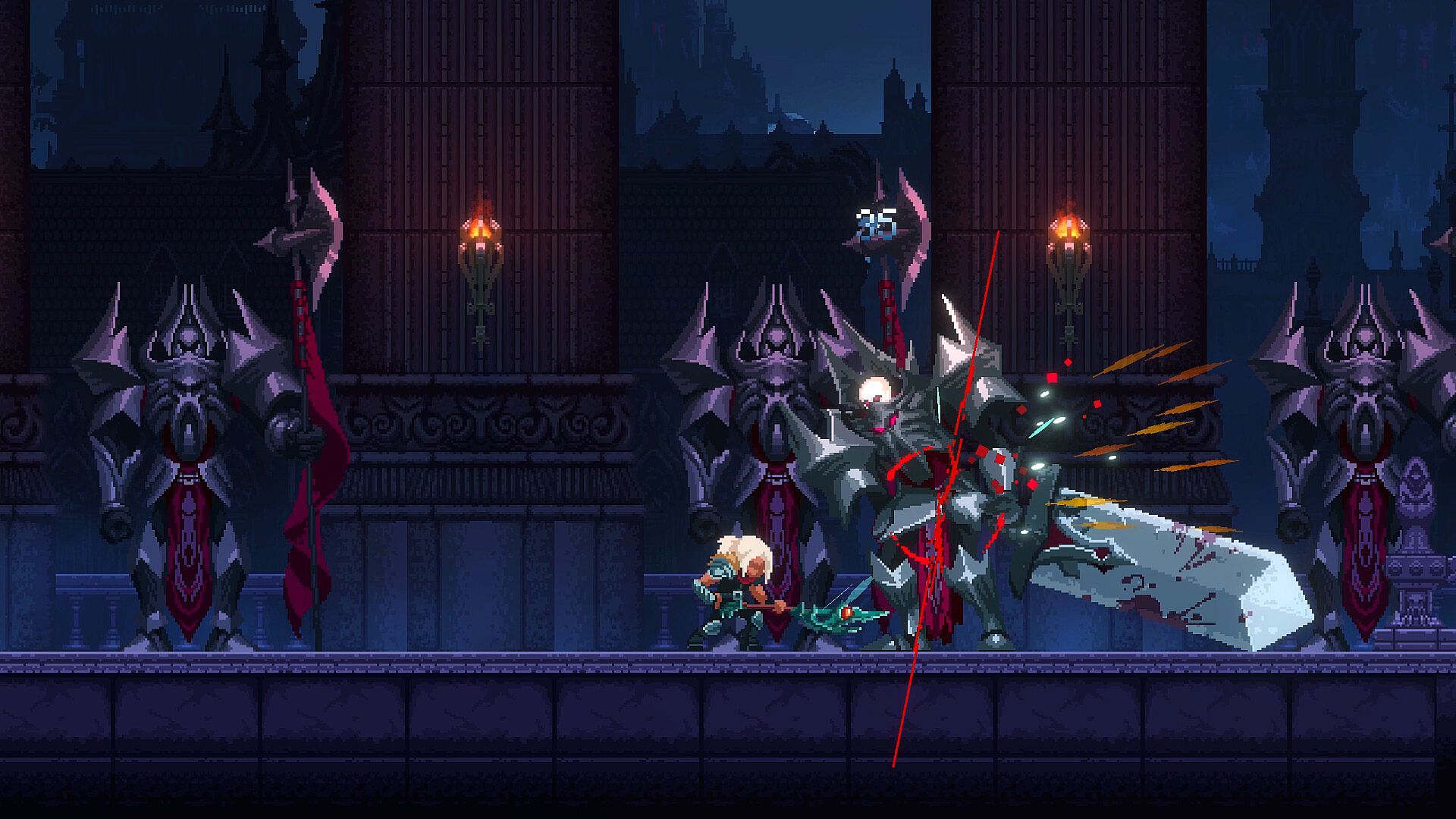
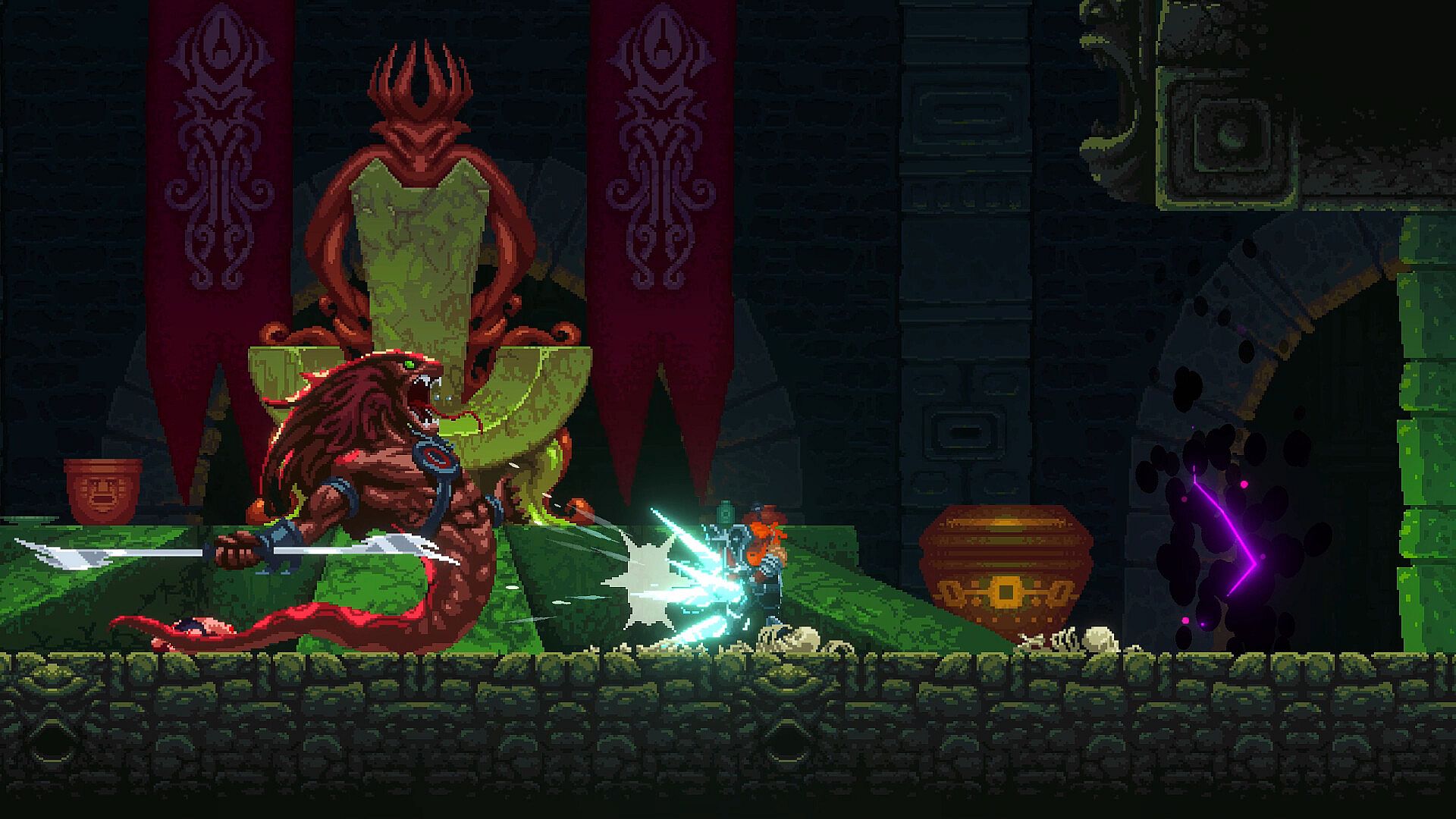
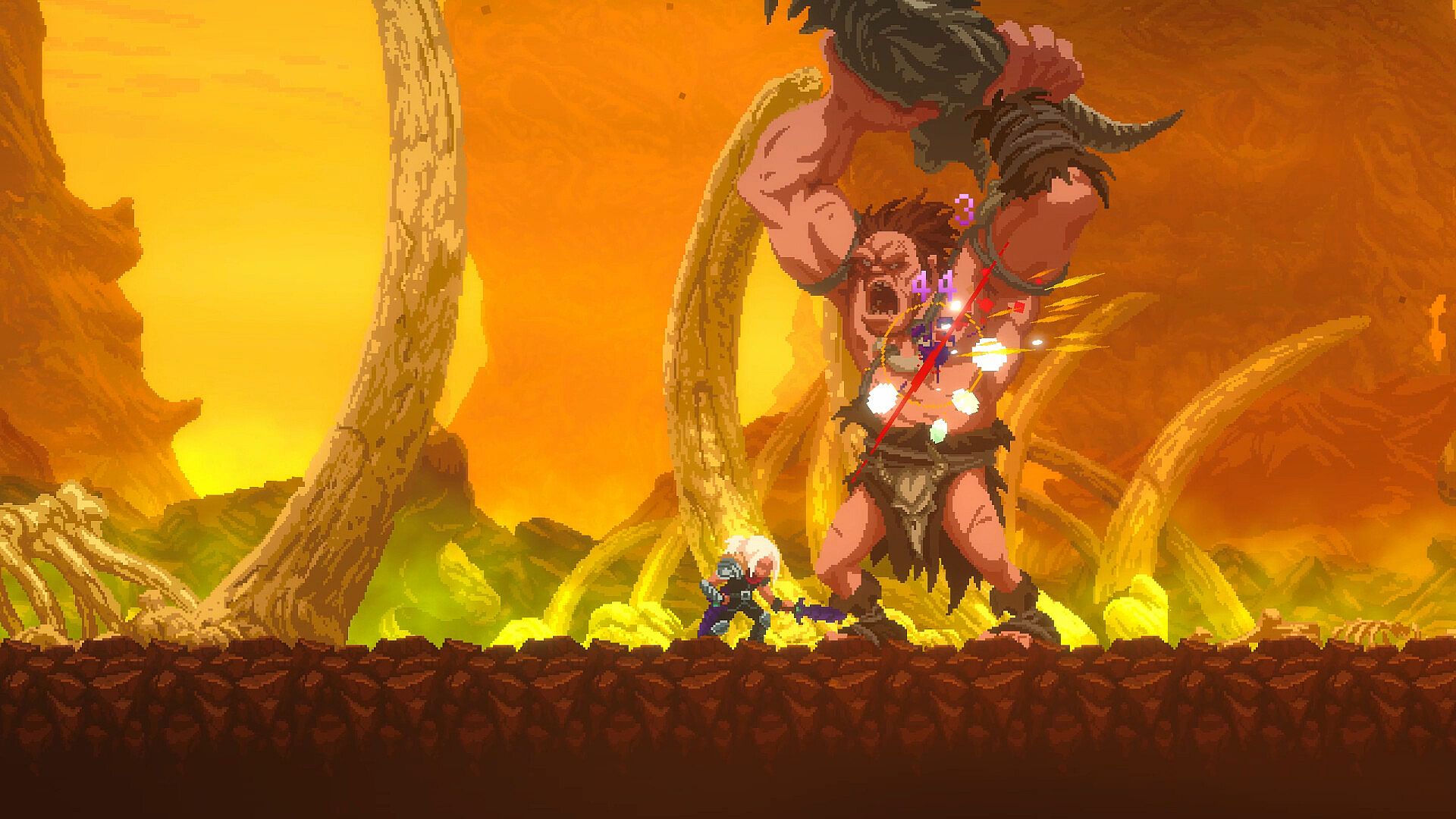
Combat revolves around a variety of melee and ranged weapons that each carry distinct stats and attack patterns. Swords deliver strong close-range strikes, while axes offer heavier swings with different reach. Daggers allow for quicker attacks, bows provide ranged options, and a magical staff unleashes energy bursts. Whips extend reach for crowd control, and larger weapons like a giant sword trade speed for power. Players collect loot from enemies and the environment to craft upgrades that improve weapon performance and personal stats.
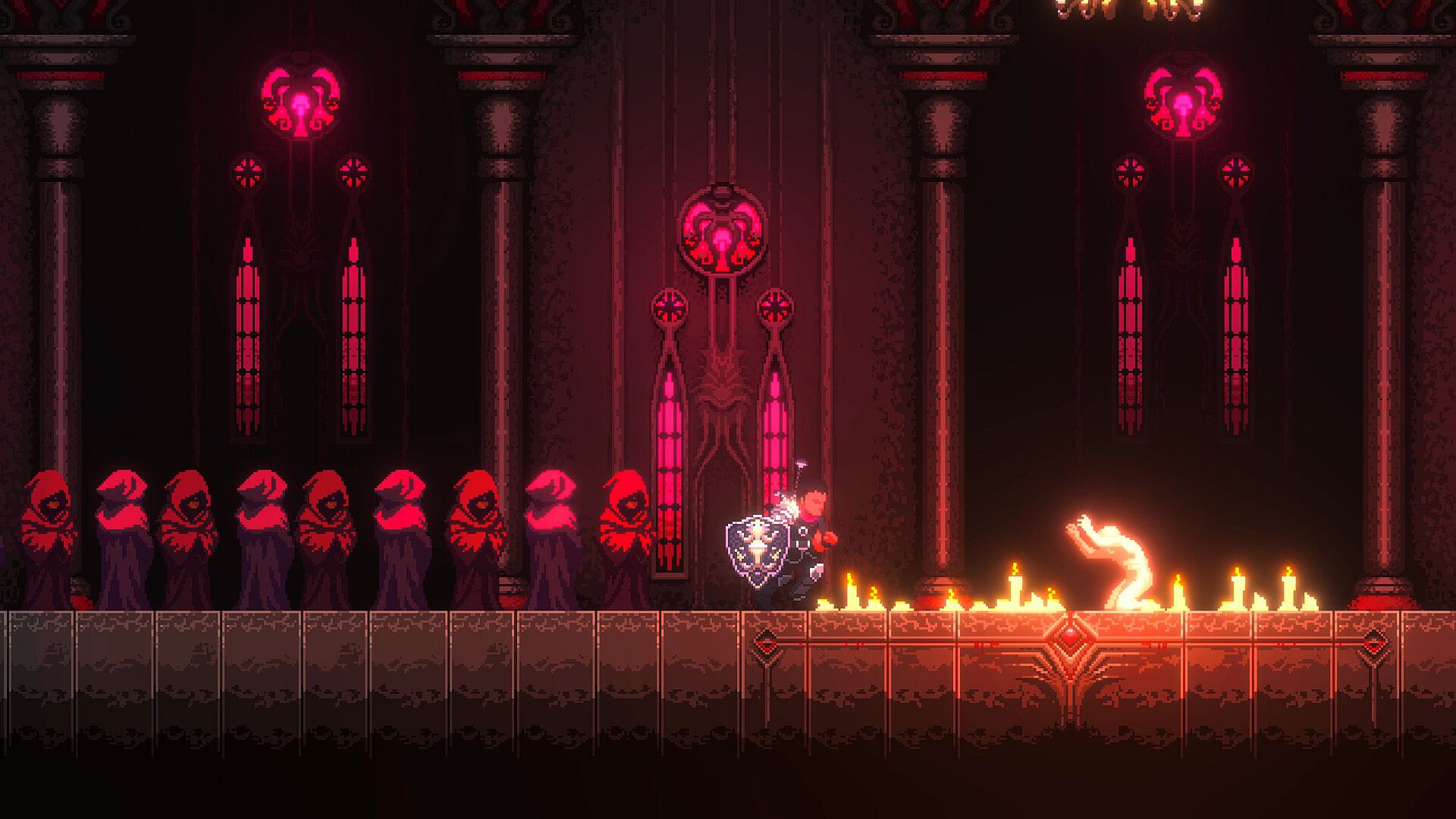
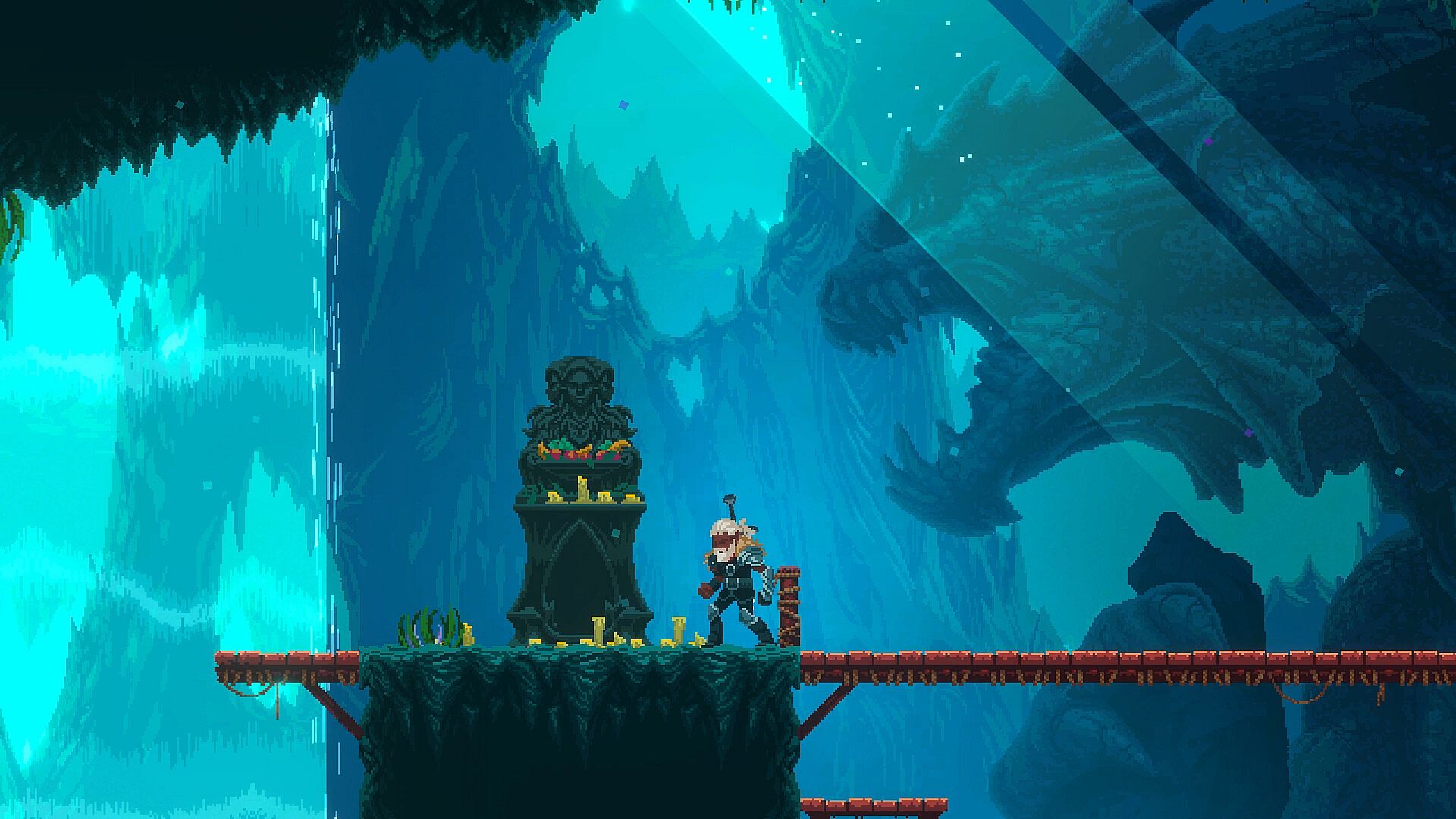
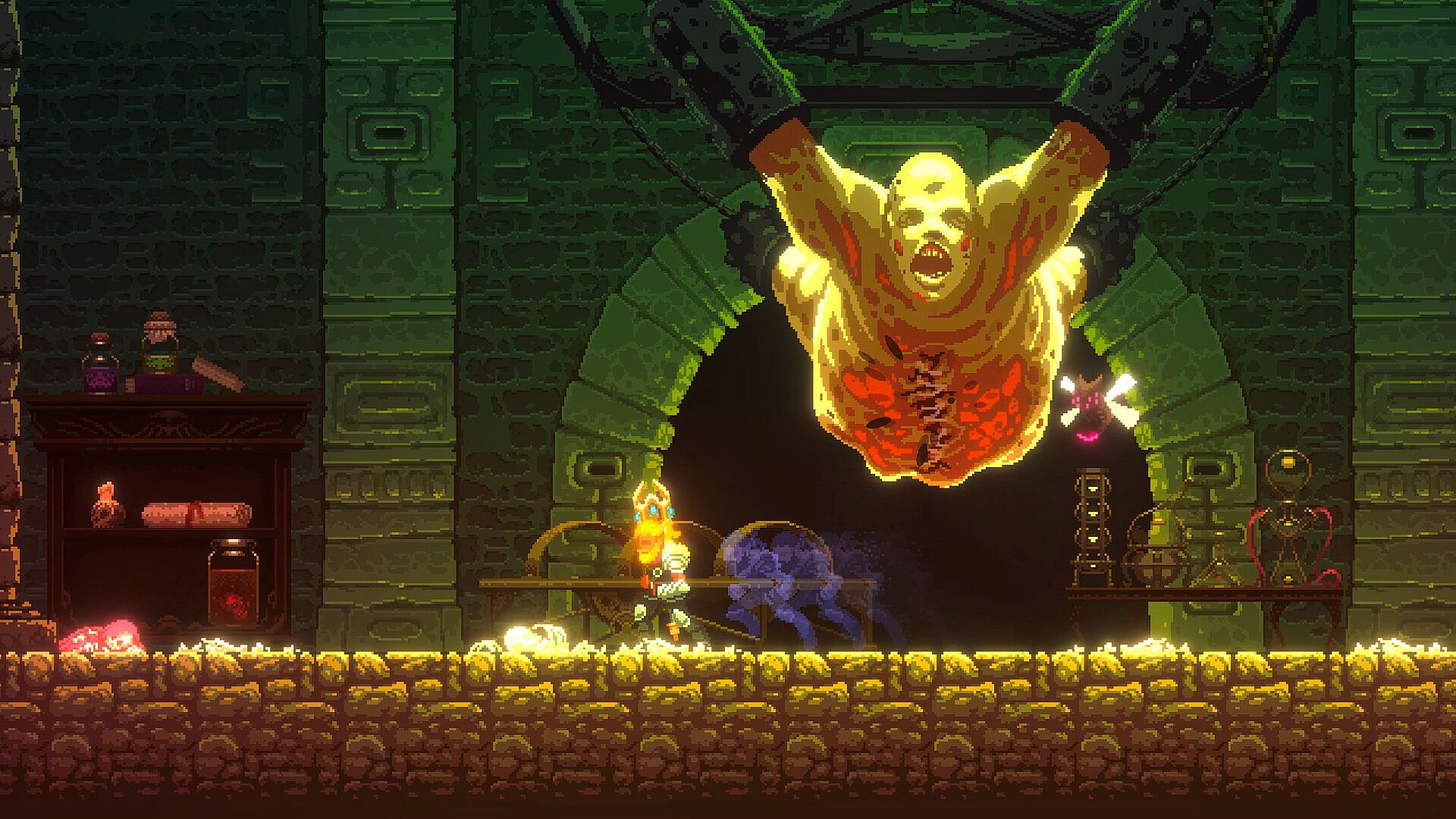
Exploration follows classic Metroidvania design with interconnected regions that require backtracking once new abilities or items become available. The world includes locations such as an inviting village with merchants, dense forests, a temple prison, floating islands, a cursed cathedral, and the hellish core of Elderand itself. Handcrafted level design rewards careful navigation and discovery of hidden paths. Over sixty enemy types populate these areas, ranging from basic foes to more complex threats that demand pattern recognition and positioning.
RPG elements support personalization through character appearance options, skill trees, stat allocation, and weapon selection. This allows different approaches to the same encounters, whether favoring aggressive melee builds or more measured ranged strategies. The hand-drawn visuals maintain a consistent dark aesthetic that enhances the sense of dread without relying on modern graphical effects.
Game Modes
Elderand delivers its content through a single-player campaign centered on exploration and combat progression. There are no separate multiplayer components or alternate competitive modes. The core loop involves traversing the world, defeating enemies and bosses, gathering resources for upgrades, and uncovering lore through collected letters and correspondence from previous travelers. This structure encourages repeated visits to earlier areas as abilities expand and new routes open.
Progression ties directly to combat encounters and environmental puzzles rather than linear story beats. Players advance by mastering weapon handling and adapting to the varied enemy behaviors across the map. The absence of additional modes keeps the focus on the interconnected world and the satisfaction of incremental power growth through crafting and stat improvements.
Exploration and World Design
The game world unfolds gradually through a series of distinct biomes connected by gates and abilities. Each region presents unique visual themes and enemy compositions that reinforce the overarching theme of encroaching darkness. Merchants in the village provide early upgrades, while more remote areas test survival skills against stronger opposition. Floating islands introduce vertical navigation challenges, and the cursed cathedral serves as a late-game hub with heightened tension.
Collected documents add context to the setting without interrupting the flow of play. These items reveal fragments of the land's history and the fate of prior adventurers, encouraging thorough searches during exploration. The overall design prioritizes atmosphere and mechanical feedback over expansive narrative delivery.
Is It Worth Playing?
Elderand appeals most to players who enjoy deliberate 2D platformers with combat depth and non-linear exploration. Reviews highlight tight controls, fair challenge levels, and satisfying weapon variety as consistent strengths. The game supports multiple playstyles through its RPG customization, making it suitable for those who like experimenting with builds across a single campaign.
Reception describes it as an enjoyable hack-and-slash adventure that balances accessibility with meaningful difficulty. Positive notes focus on the handcrafted levels and creature designs that reward persistence. It suits fans of Castlevania-style games or Souls-influenced platformers who prefer single-player experiences without live-service elements or frequent updates. The title remains available as a complete package with no required additional content for the full experience.