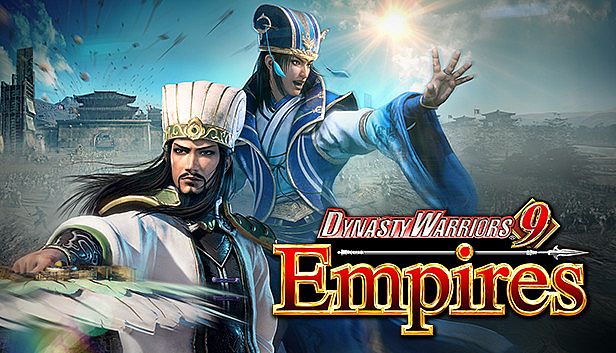








































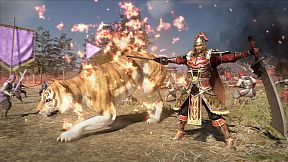
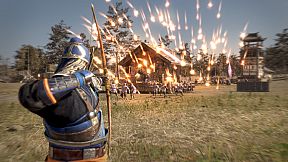
DYNASTY WARRIORS 9 Empires combines large-scale action combat with strategic country management on PC. Players control officers in battles that revolve around capturing castles while handling political decisions that shape alliances and national strength. The experience blends one-versus-many fights with simulation elements that let officers rise through ranks or operate independently.
Gameplay
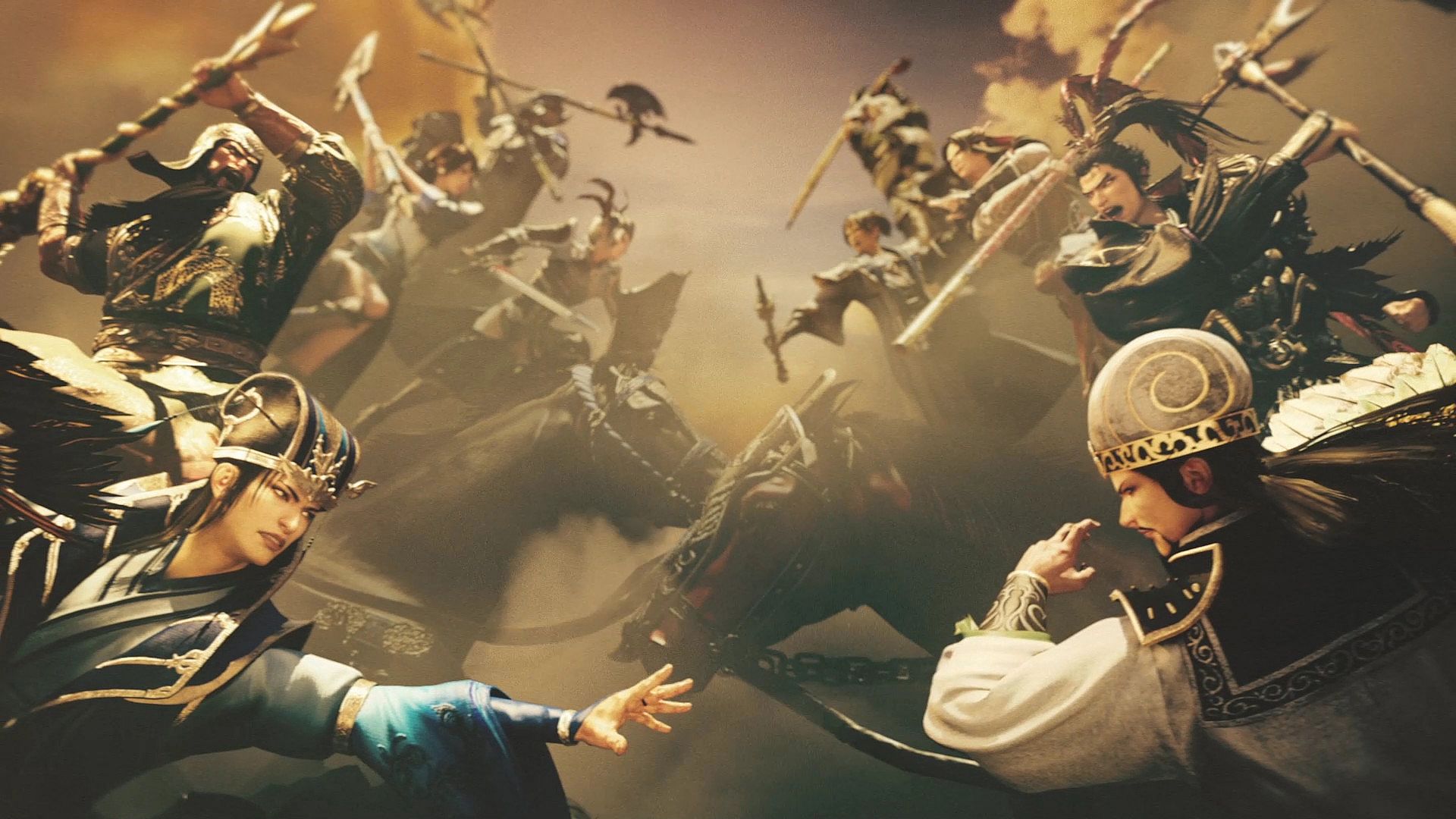
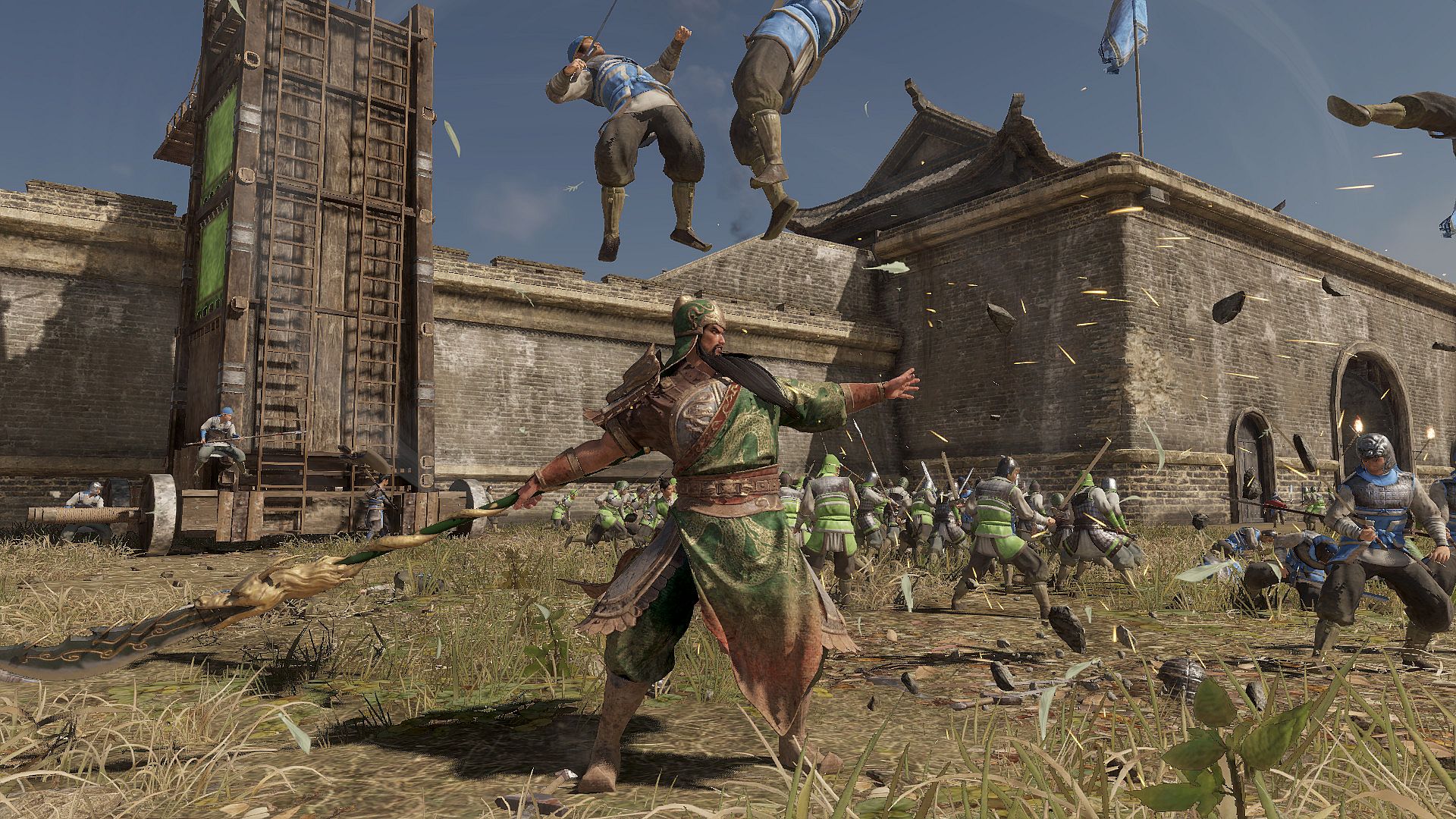
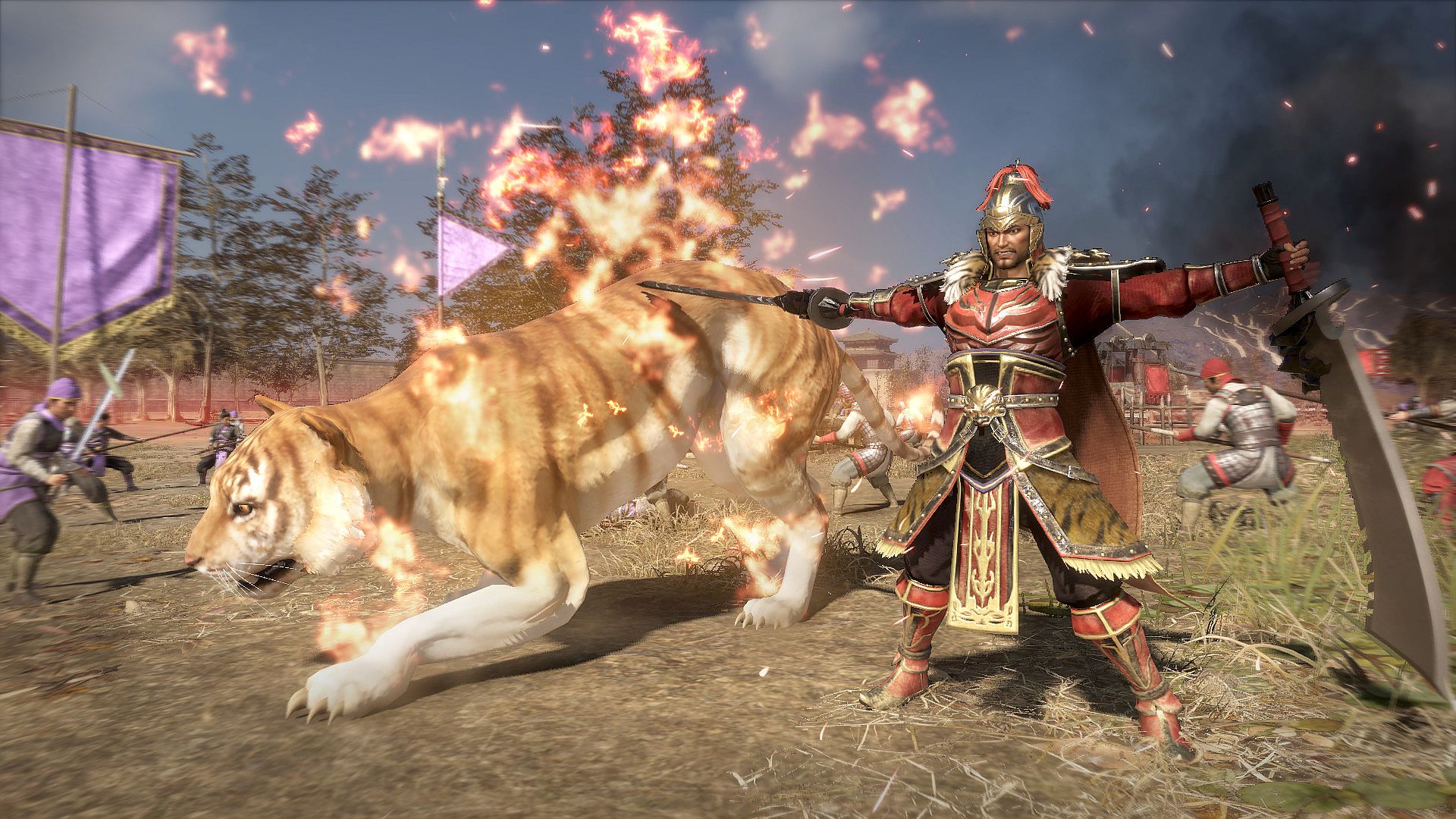
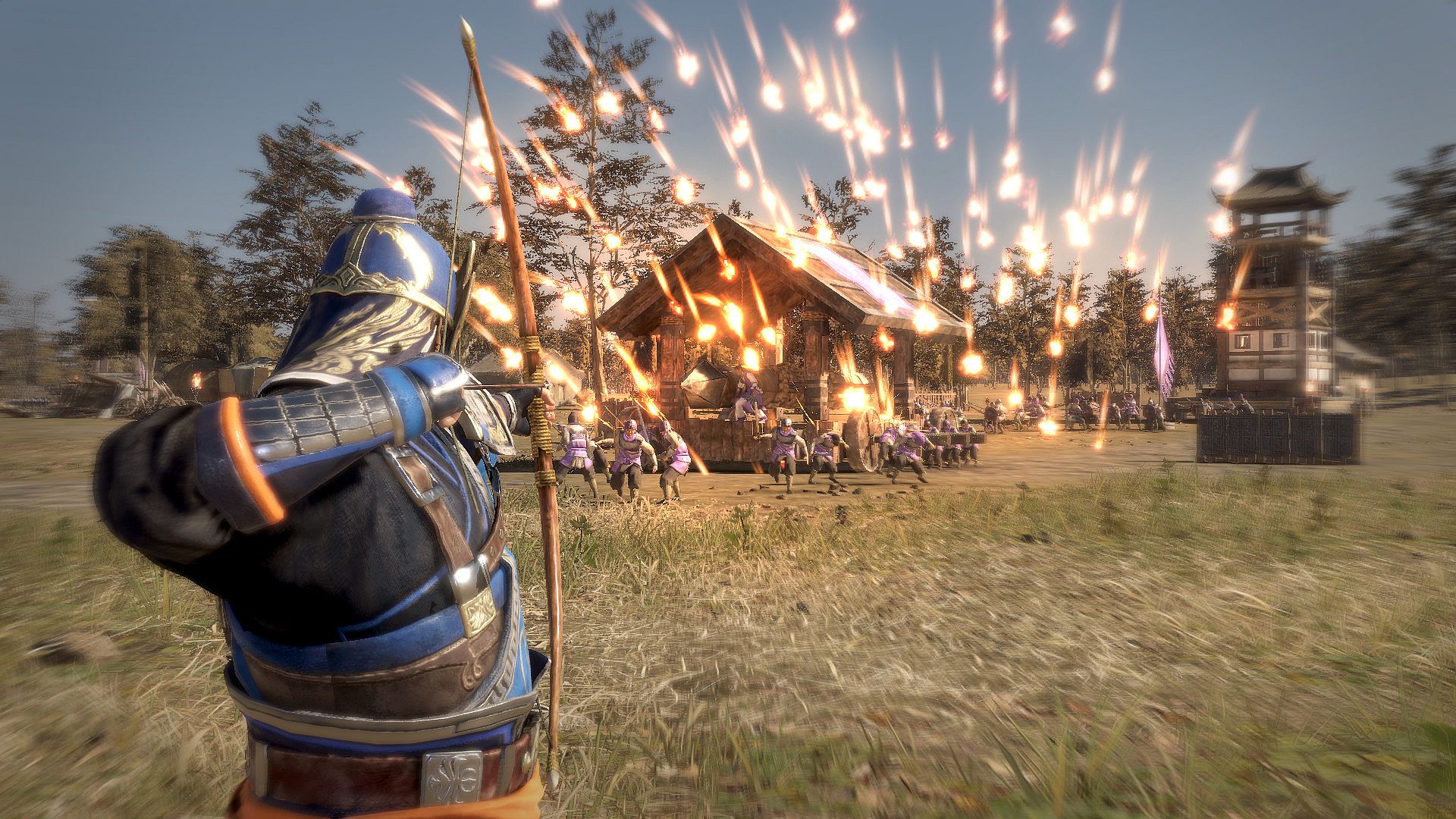
Combat centers on castle sieges that replace the broader battles of earlier entries. These take place in areas surrounding each castle, where the layout shifts based on player actions and environmental factors. Success depends on choosing the right approach to breach defenses rather than relying on a single formula. Officers issue commands to troops while engaging enemies directly in fast-paced sequences.
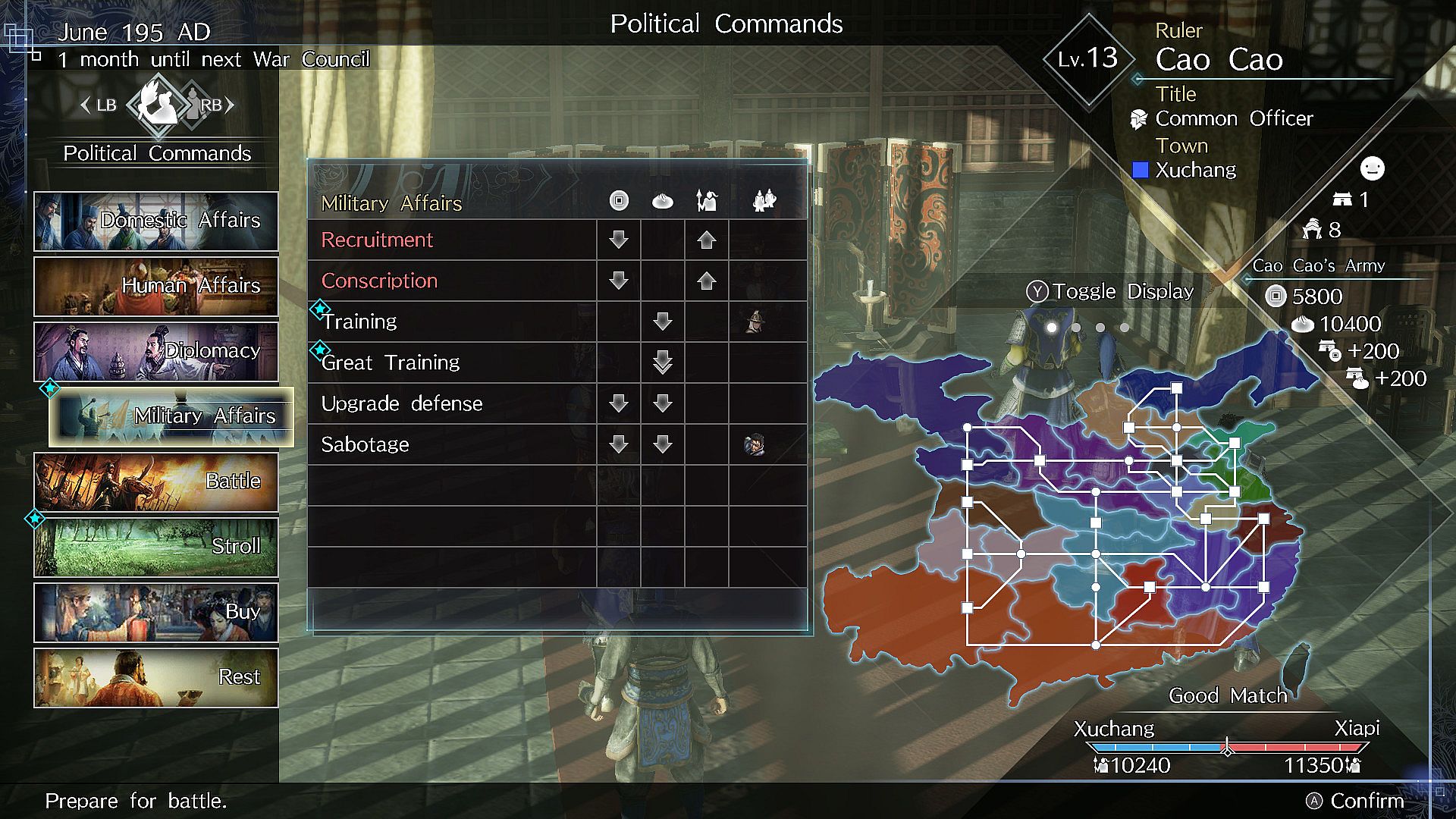
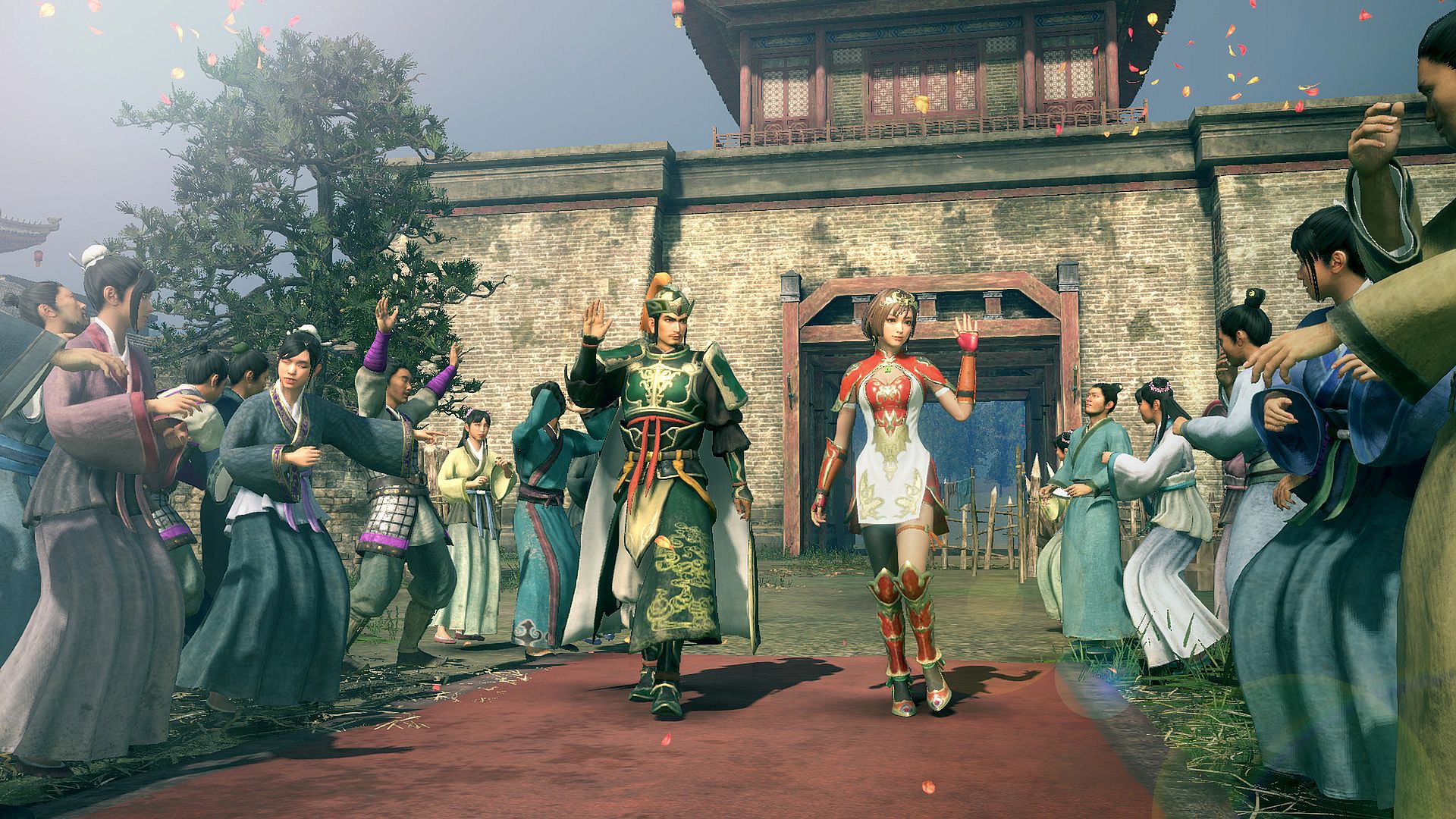
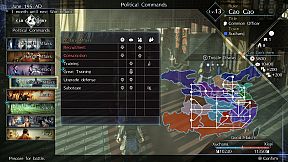
The politics system ties officer traits and relationships to the overall power of a force. Interactions between characters influence trust levels and can unlock advantages during conflicts. Players assume roles such as rulers who direct entire campaigns, generals who lead specific operations, or unaffiliated officers who navigate events more freely. These choices affect how resources and support develop over time.
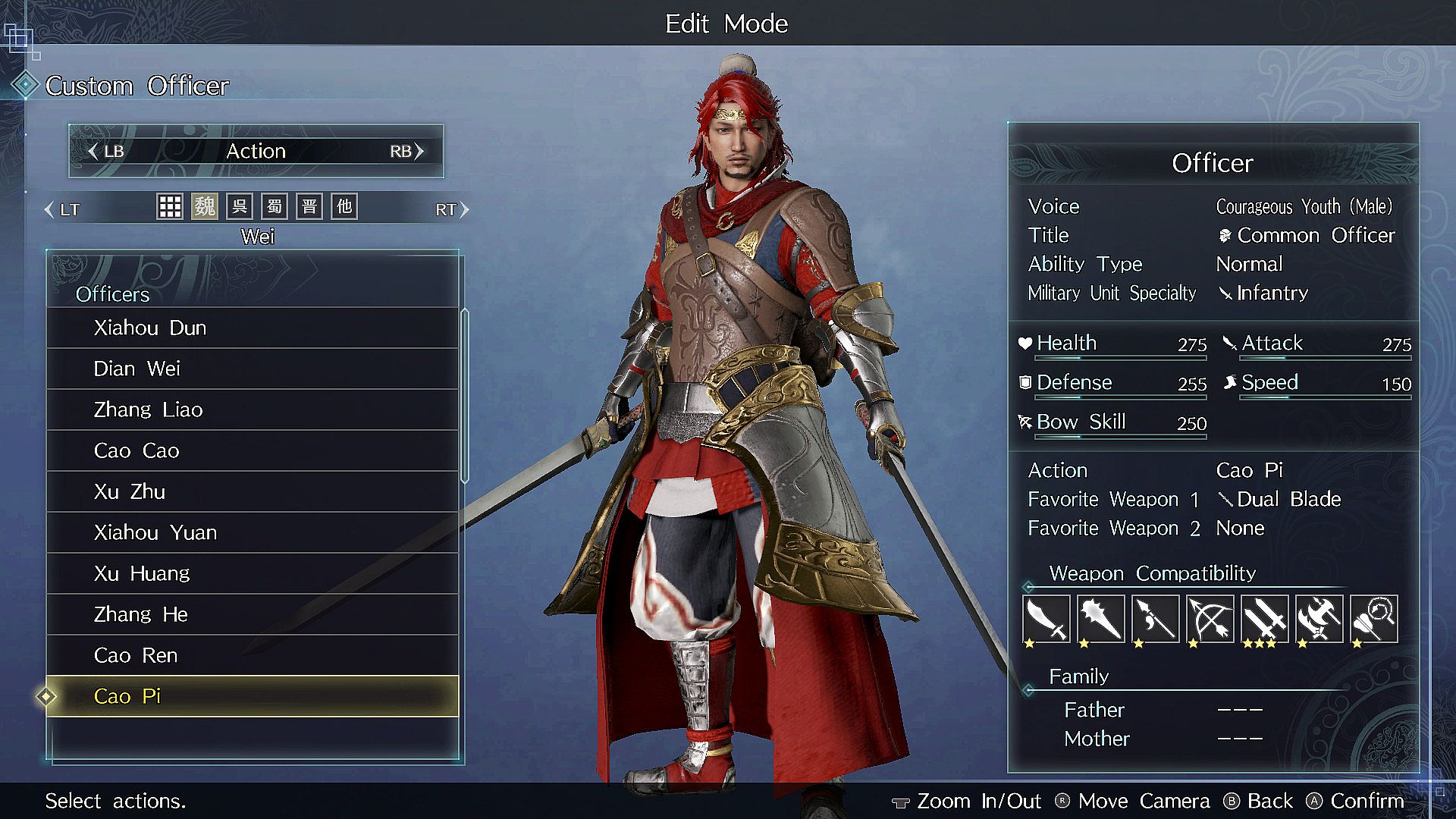
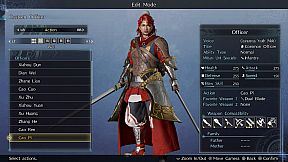
Edit mode allows creation of custom officers using extensive part options. Created characters integrate into the main experience alongside the 94 Musou officers and more than 700 generic officers already present. This setup expands the cast available for different scenarios without altering core progression.
Game Modes
Conquest mode forms the primary single-player loop. A player selects one officer and works to unify the entire country through a series of sieges and political moves. The campaign ends only when all territories fall under unified control, with progress shaped by rank advancements and officer interactions.
Edit mode operates as a dedicated creation tool. Custom officers can be built, saved, and deployed directly into conquest campaigns or stored for later use. The mode supports detailed customization that carries over into active play sessions.
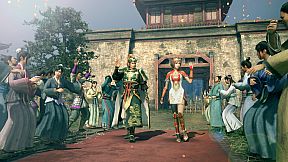
Additional systems include politics for managing internal affairs and a stroll feature for optional character interactions. Strolling lets players build friendships through visits and conversations, which in turn supports recruitment and alliance building. These elements run alongside the main conquest flow without requiring constant engagement.
Key Mechanics
Stratagems and reputation types add layers to battles. Players select large stratagems at the start of encounters, while reputation levels such as evil or protective influence available options and officer behavior. Multiple reputations can reach maximum in a single playthrough, unlocking varied titles and strategies.
Officer progression involves social ranks and political commands that determine battlefield support. Defensive and invasion battles occur around castles, with outcomes tied to prior planning and ongoing relationships. The system rewards consistent interaction over isolated combat performance.
Is It Worth Playing?
Steam user reviews stand at mixed status with roughly half of 1,671 reviews rated positive. The game appeals most to those who enjoy combining direct action combat with light strategy and character management. It delivers a focused campaign in conquest mode that rewards experimentation with different officer roles and custom creations.
Support has remained stable since launch with no major seasonal content or ongoing patches noted in recent years. Players seeking a complete single-player experience centered on unification and officer drama will find the core loop intact. Those preferring pure action without political layers may find the simulation elements less engaging. The title suits fans of the series who value the blend of sieges and politics over open exploration.