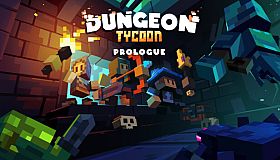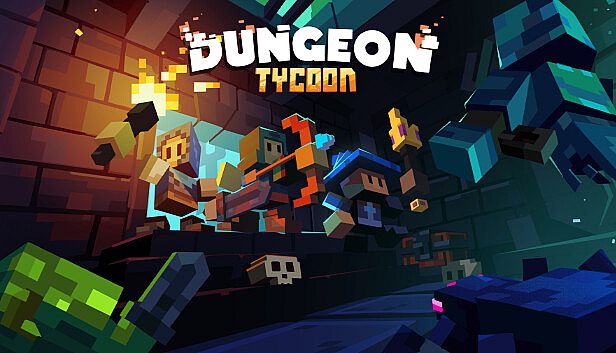



















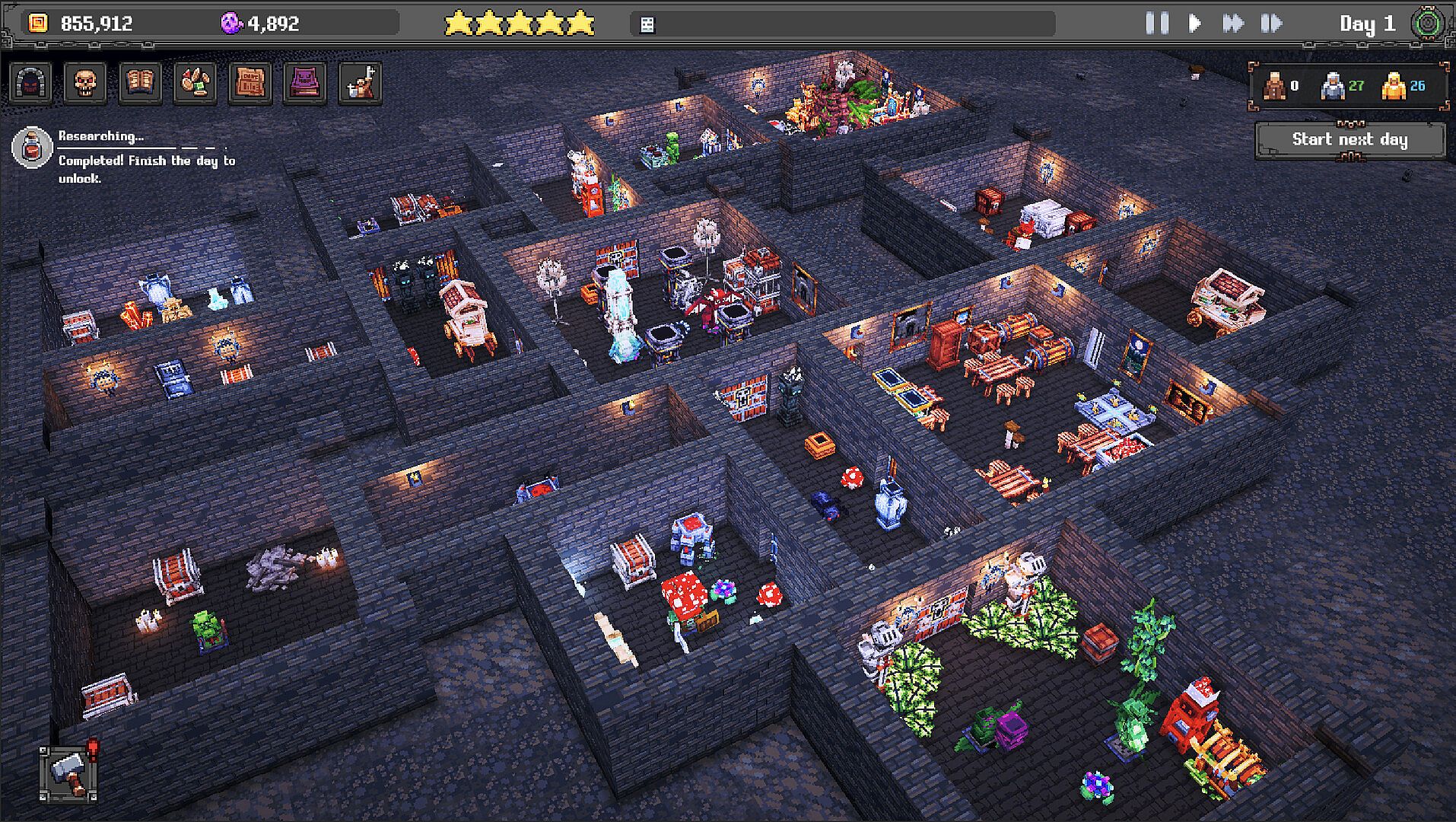
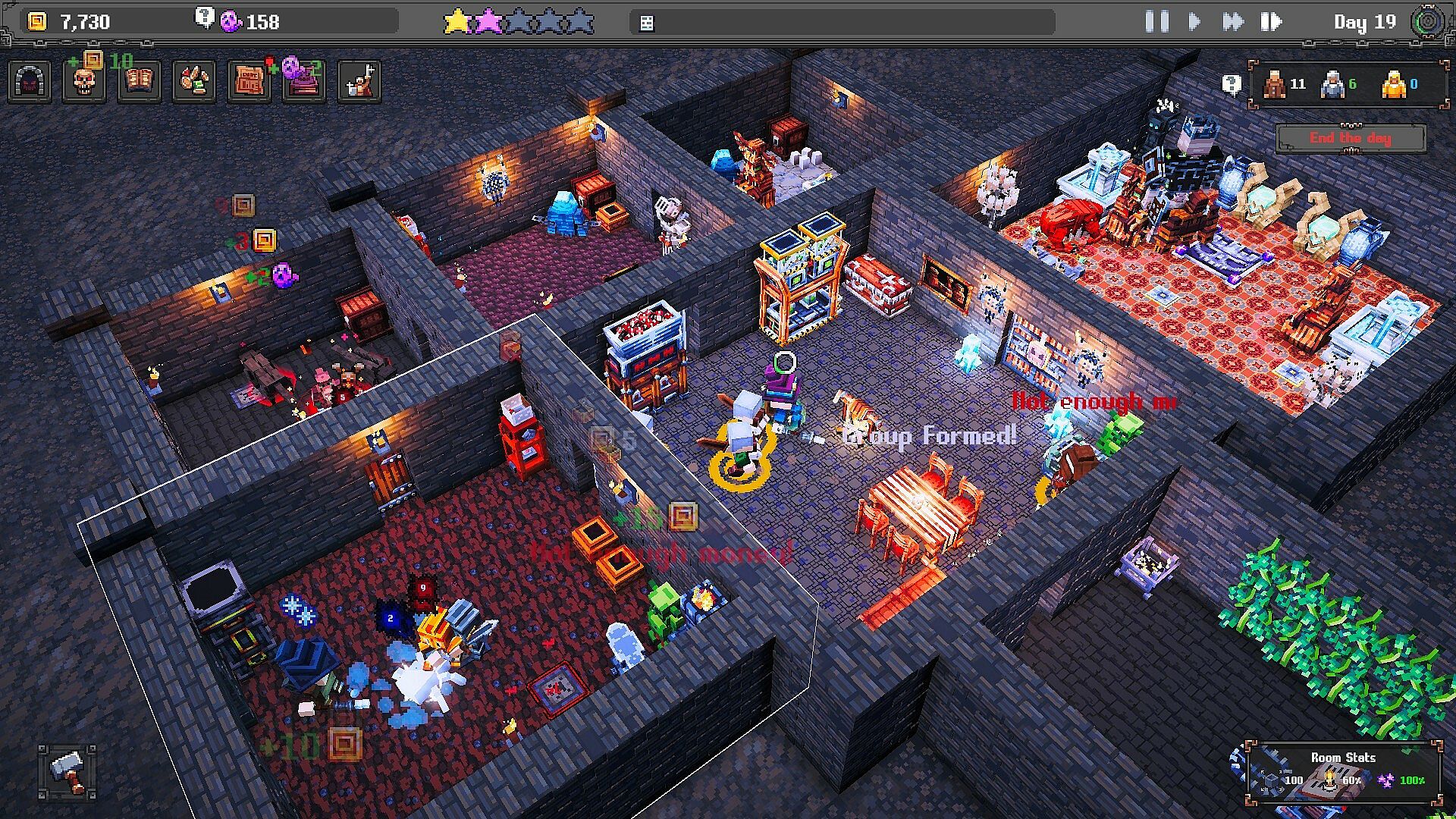
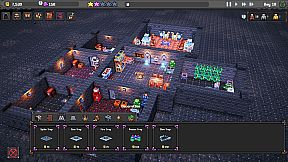
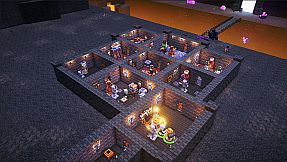
Dungeon Tycoon is a strategy and simulation game for PC that puts players in charge of designing and running an underground dungeon business. Heroes arrive seeking treasure and glory, and the goal centers on turning their visits into steady income through careful layout planning, monster placement, and resource management.
Gameplay
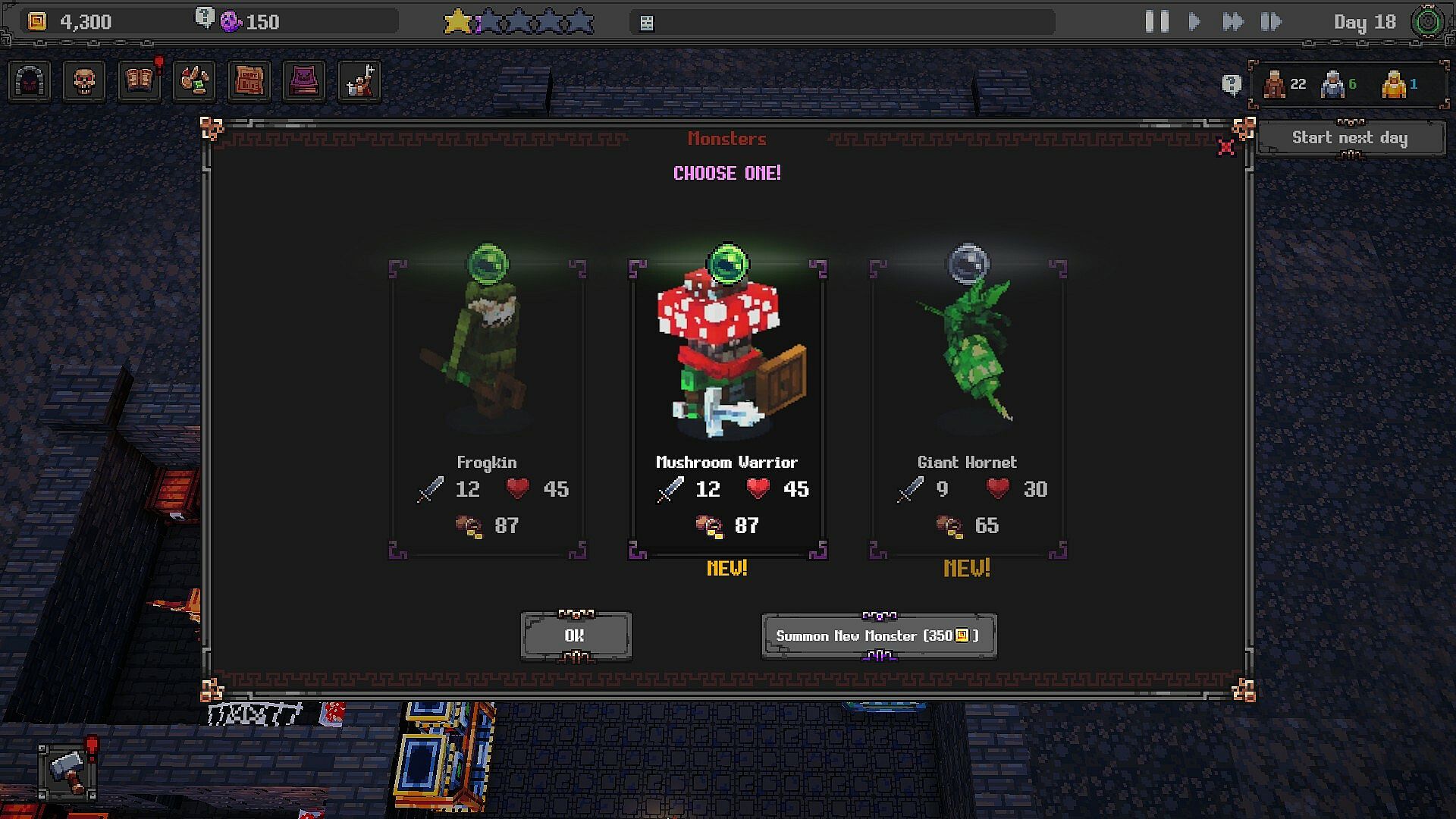
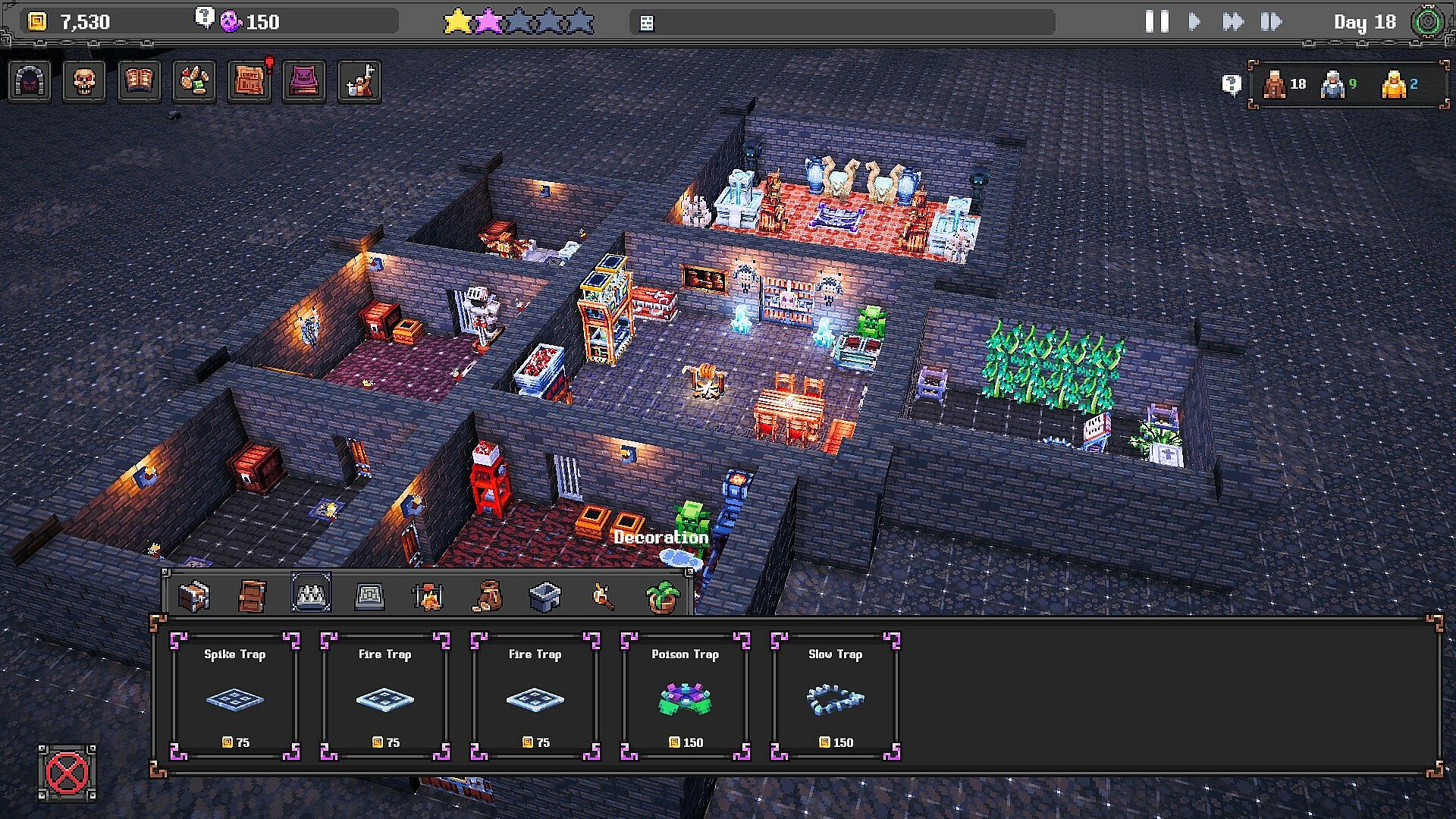
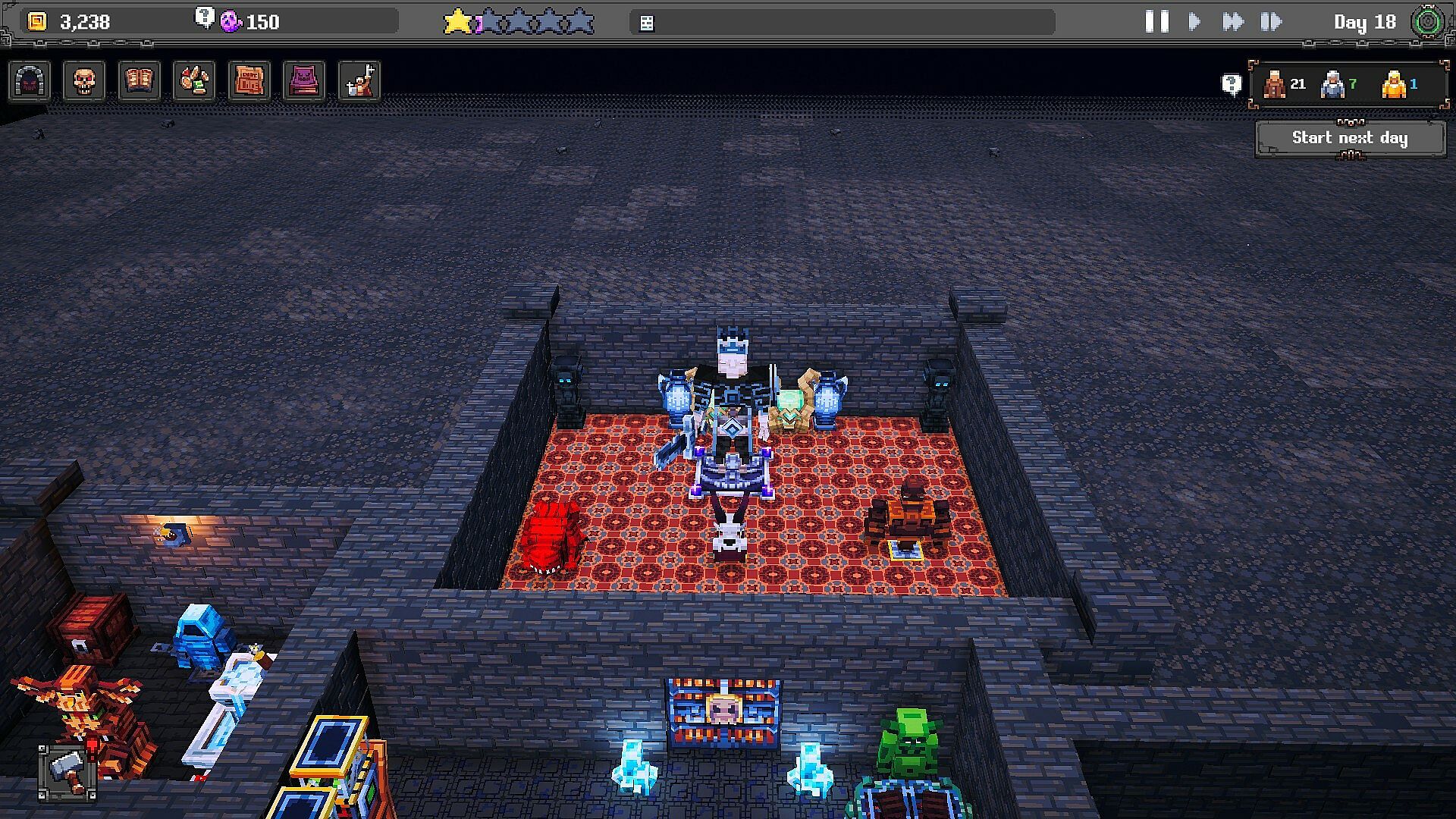
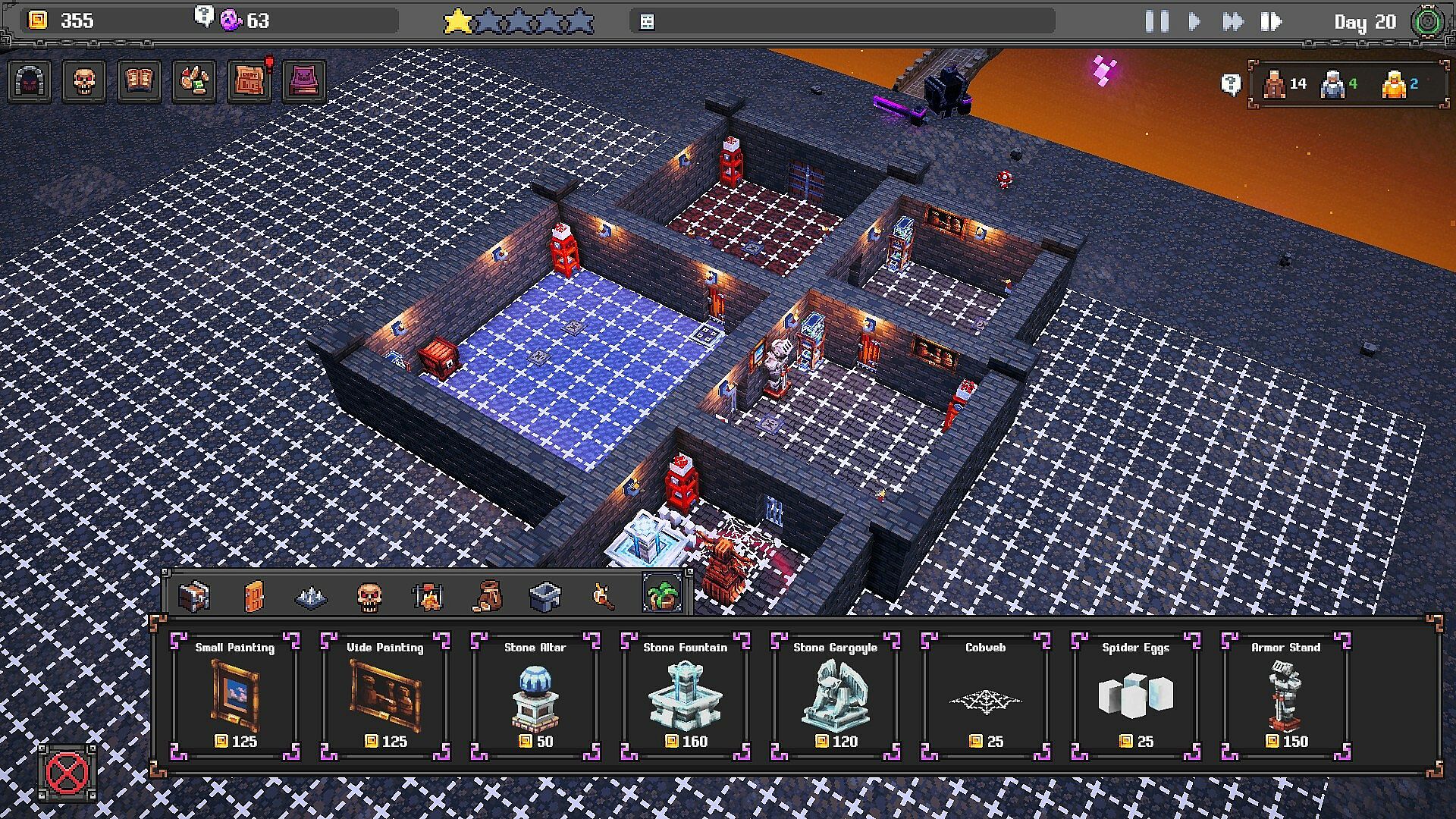
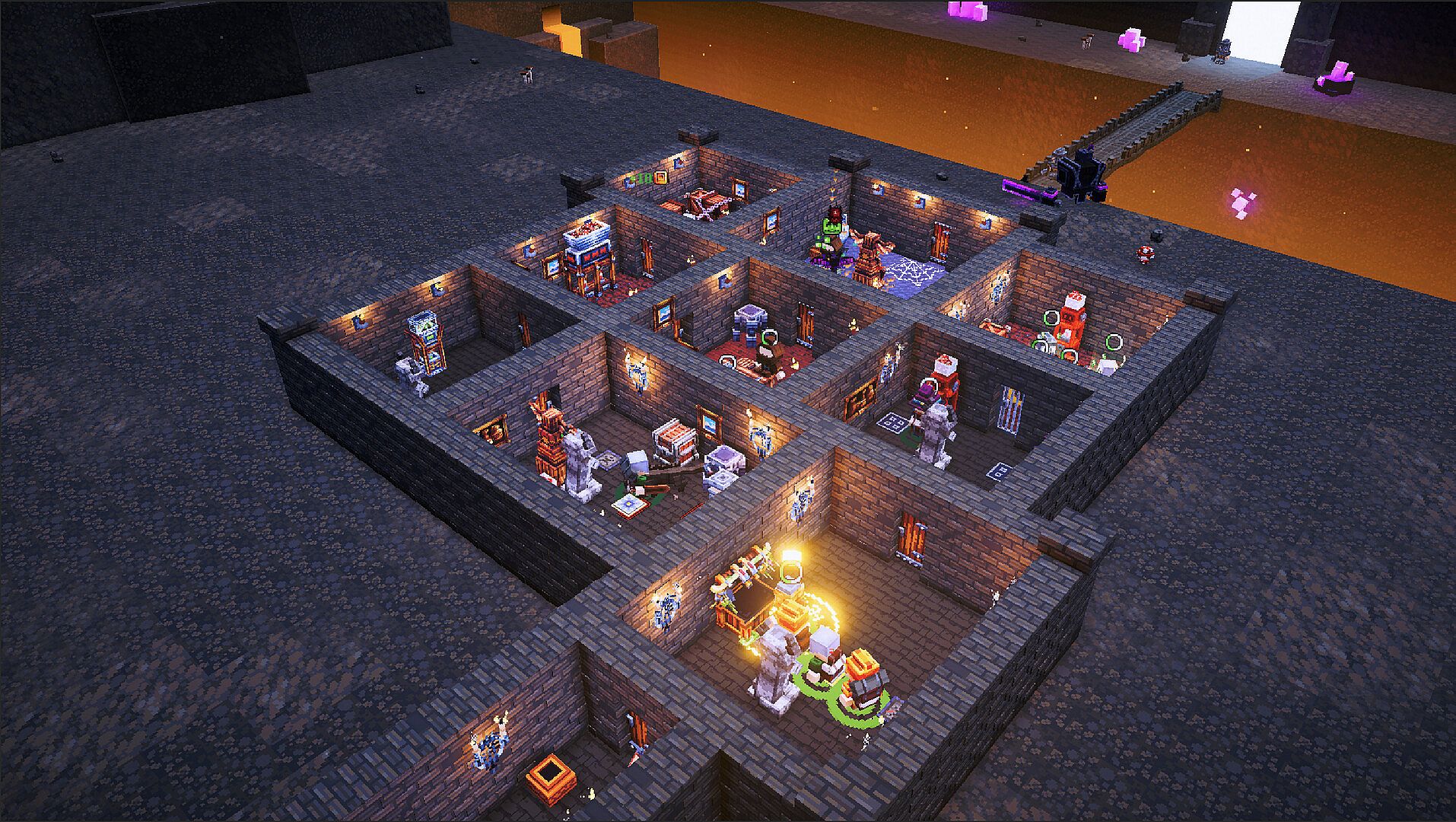
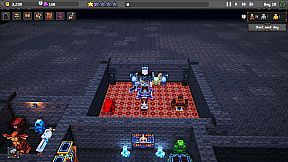
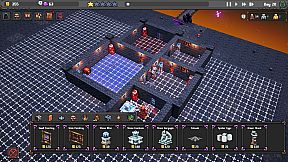
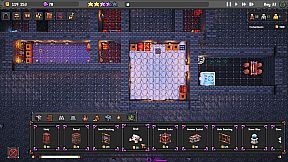
The core loop revolves around expanding a dungeon floor by floor while balancing the needs of incoming adventurers. Players place rooms, corridors, and obstacles to guide heroes through a controlled path. Traps go in strategic spots to test visitor skills without ending runs too quickly, and monsters serve as the main defense force that must be summoned and positioned effectively.
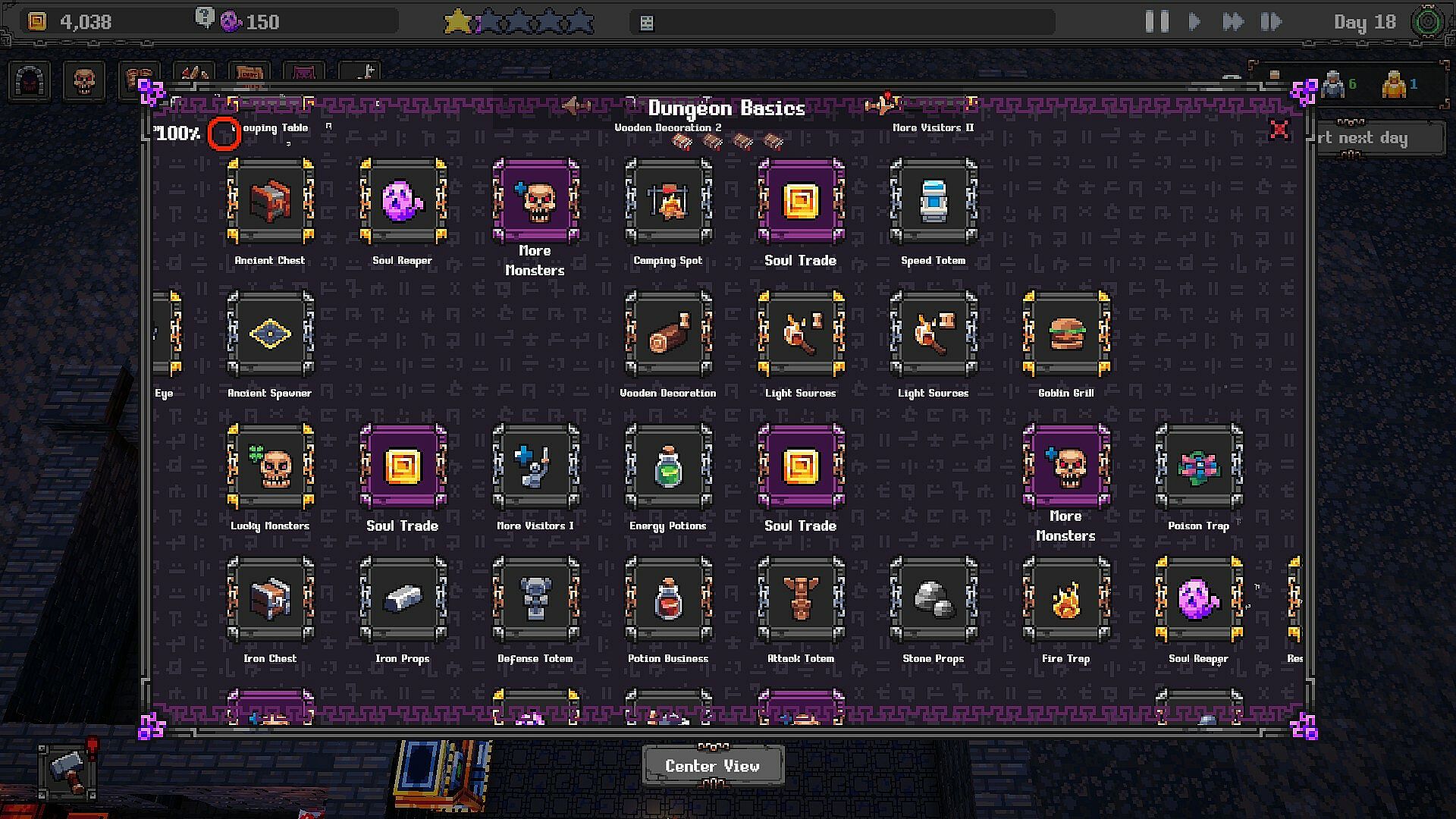
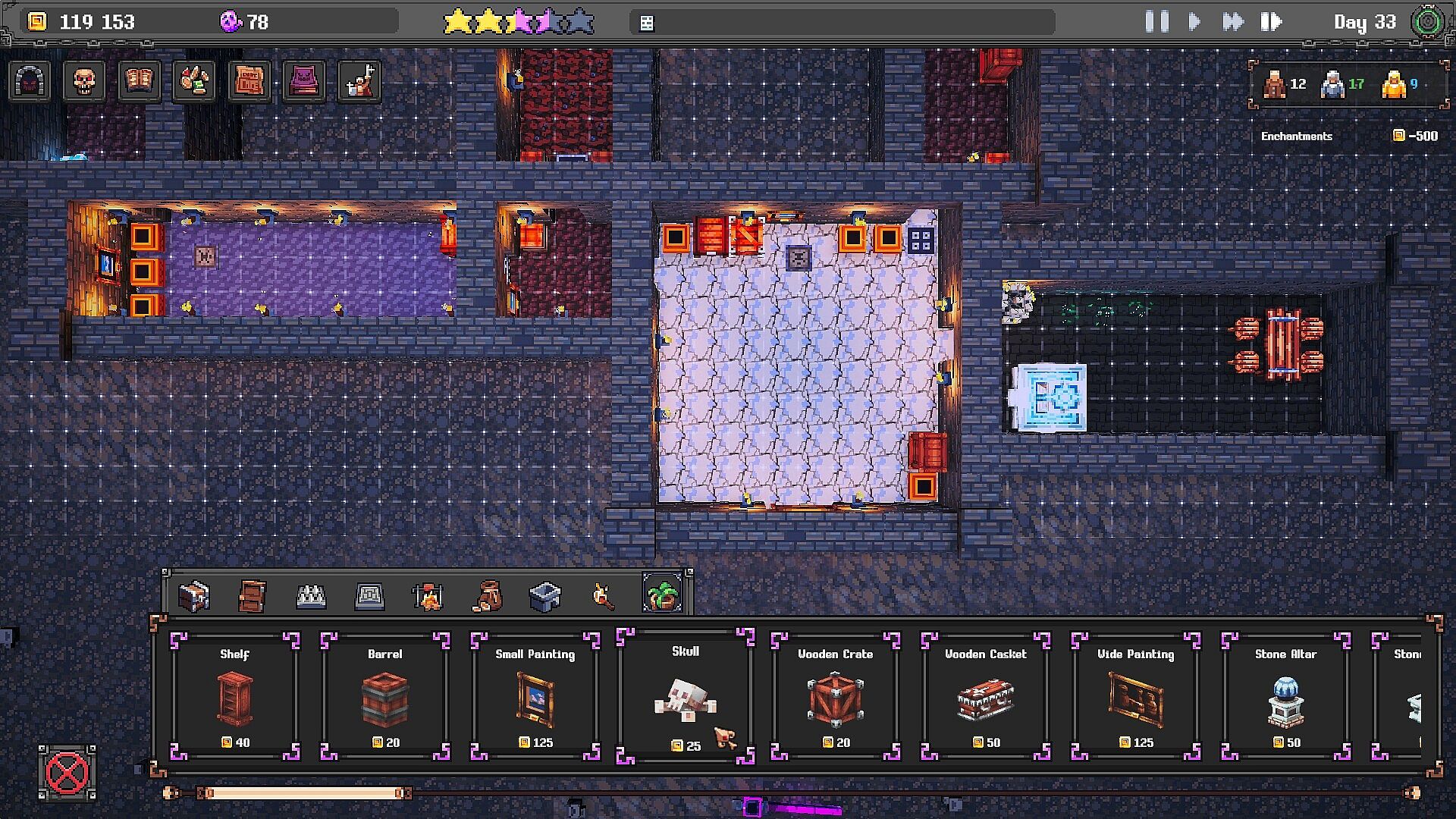
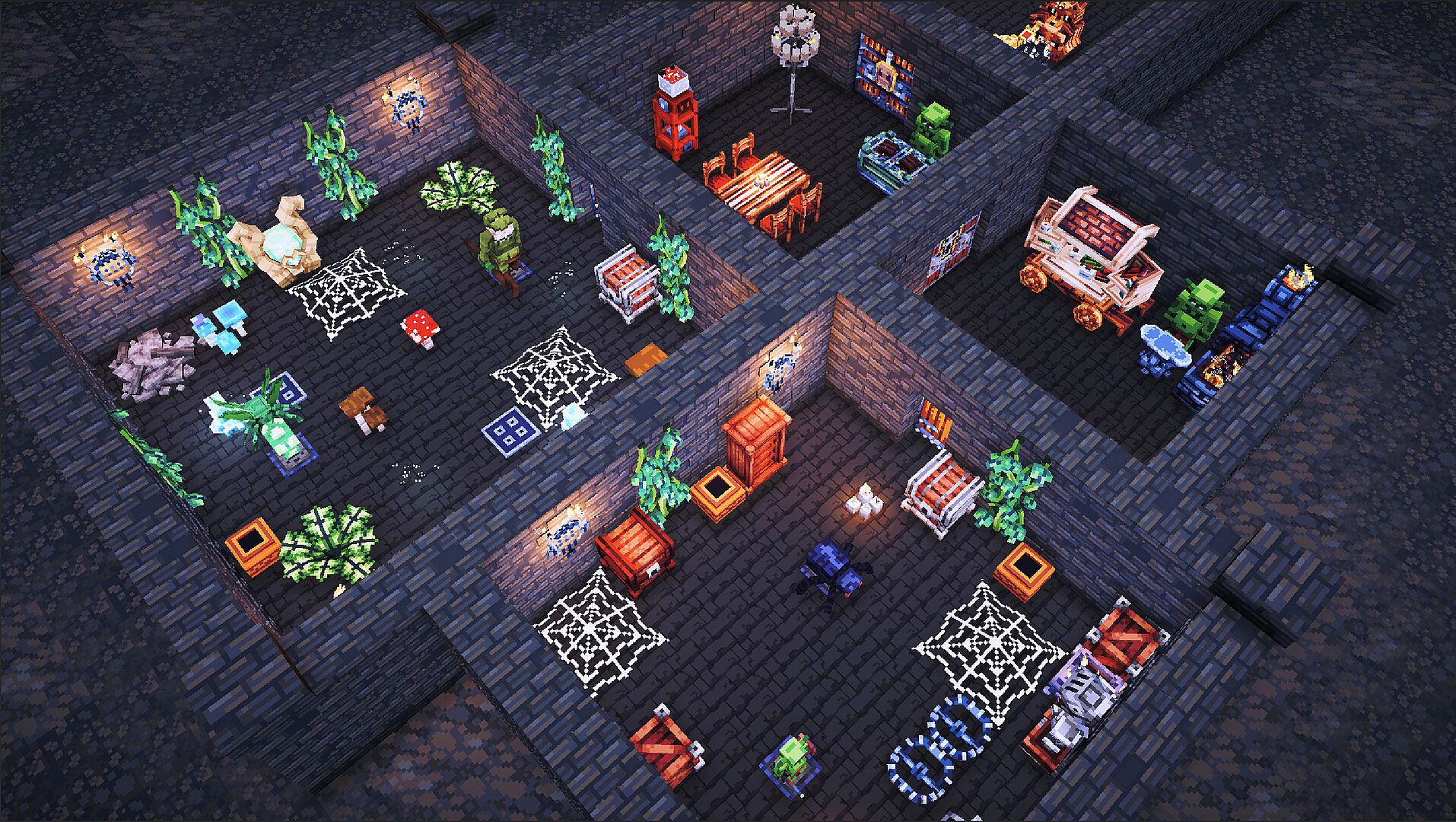
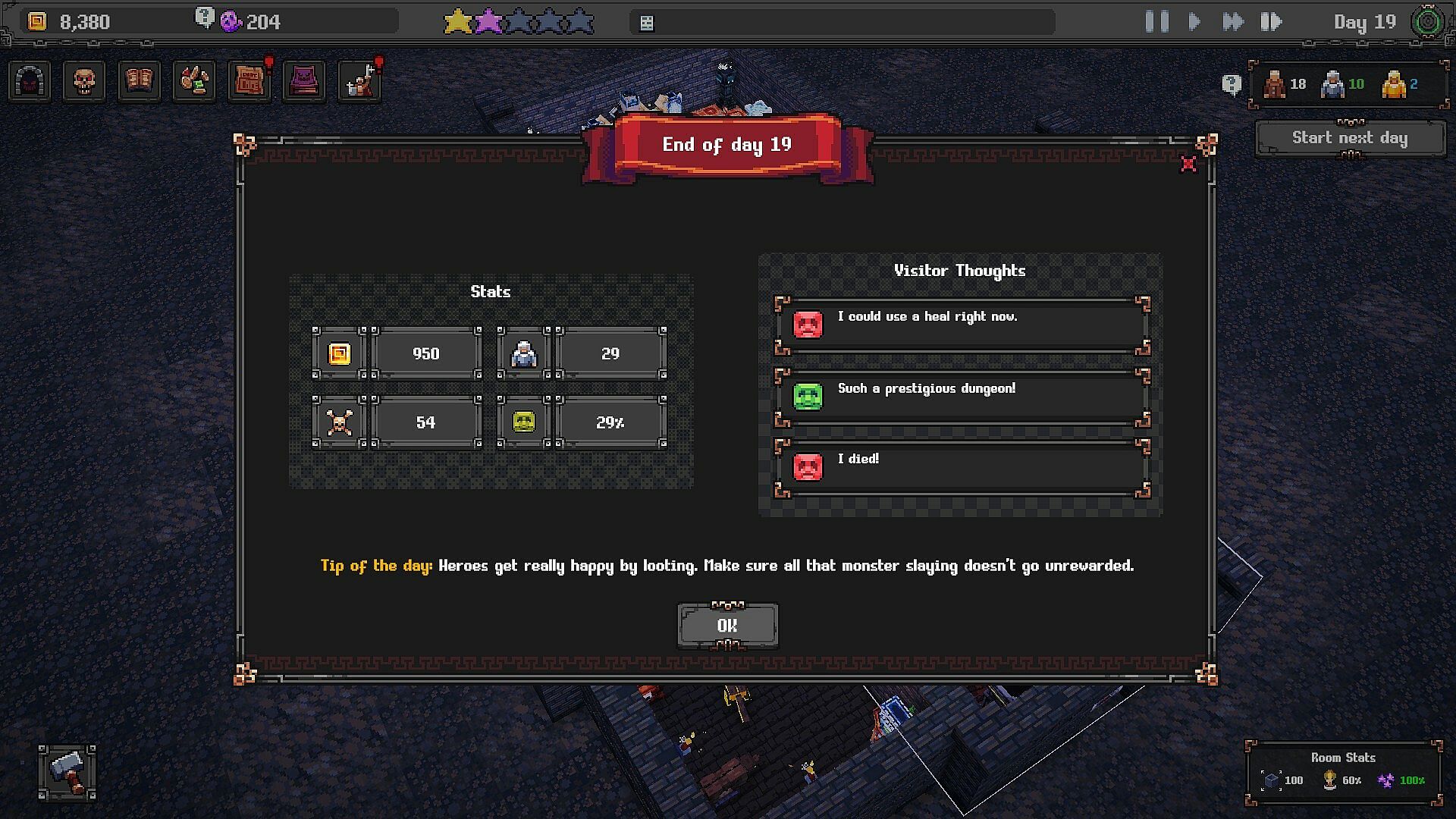
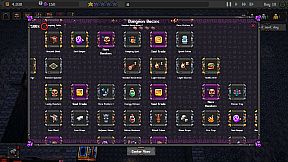
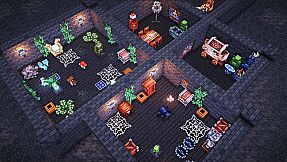
Economy management forms another key layer. Heroes spend gold on potions and other items sold inside the dungeon, which generates revenue alongside any entrance fees. Research unlocks new room types, trap variants, and monster upgrades that improve both challenge and profitability. Decoration options allow for visual upgrades that influence visitor satisfaction and repeat visits.
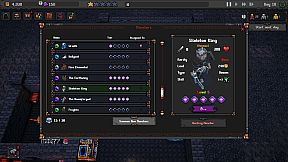
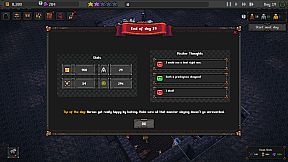
Observation tools let players track hero movement and performance in real time. Adjustments follow directly from these observations, such as repositioning a monster or adding a vendor stall to capture more spending. Quests provide additional objectives that reward vanity items once completed, encouraging steady progression across multiple dungeon builds.
Game Modes
Players approach the experience through different focuses that emphasize either long-term business growth or immediate defensive challenges. One style prioritizes efficient layouts that maximize hero throughput and spending while minimizing losses. Another leans into tougher monster and trap combinations that push visitors to their limits for higher rewards.
Both approaches share the same building tools and monster roster but differ in pacing and risk tolerance. Shorter sessions suit quick optimization tests, while extended play allows full research trees and large-scale expansions. The absence of a narrative campaign keeps attention on iterative design improvements across repeated runs.
Key Mechanics and Progression
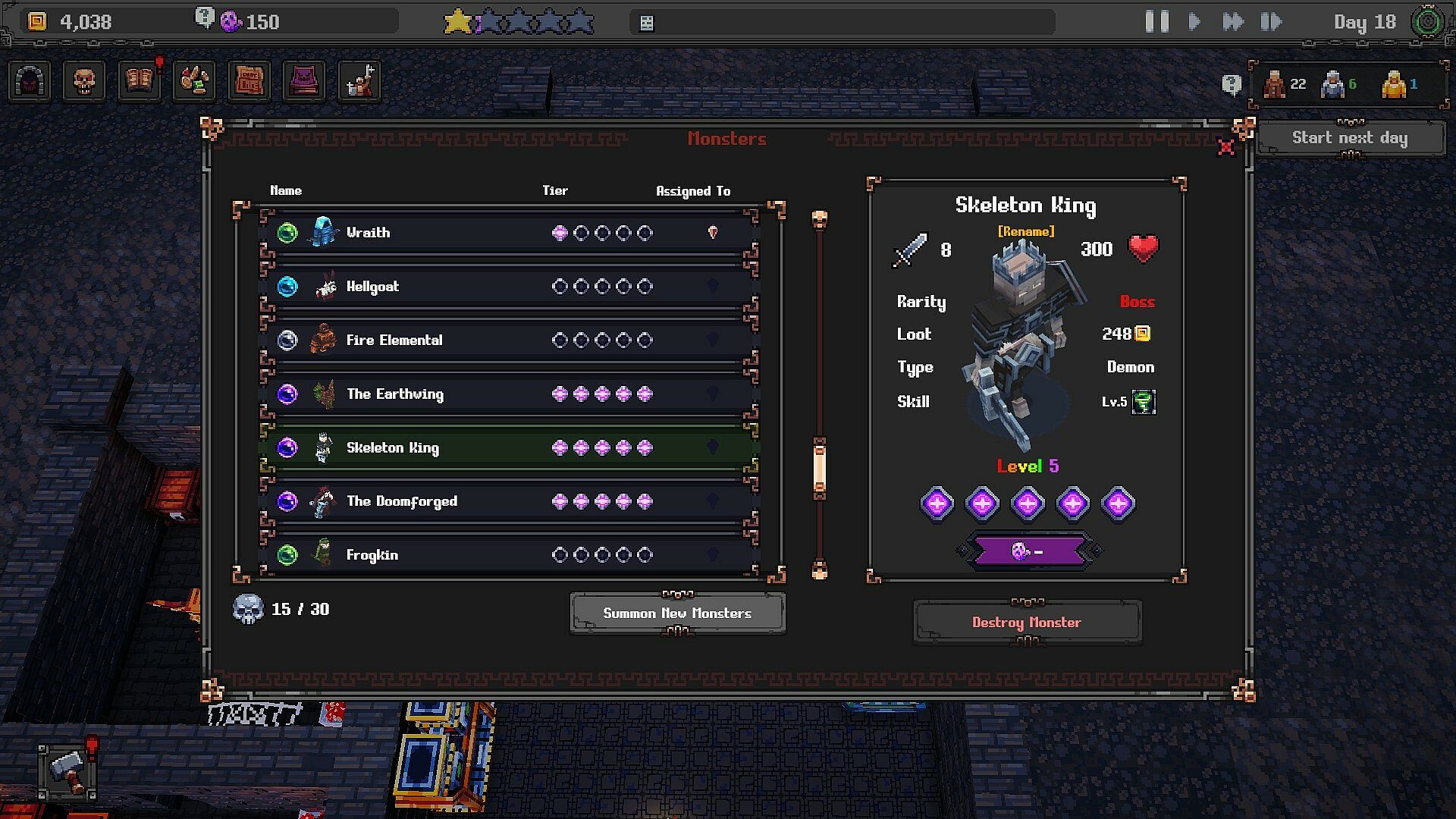
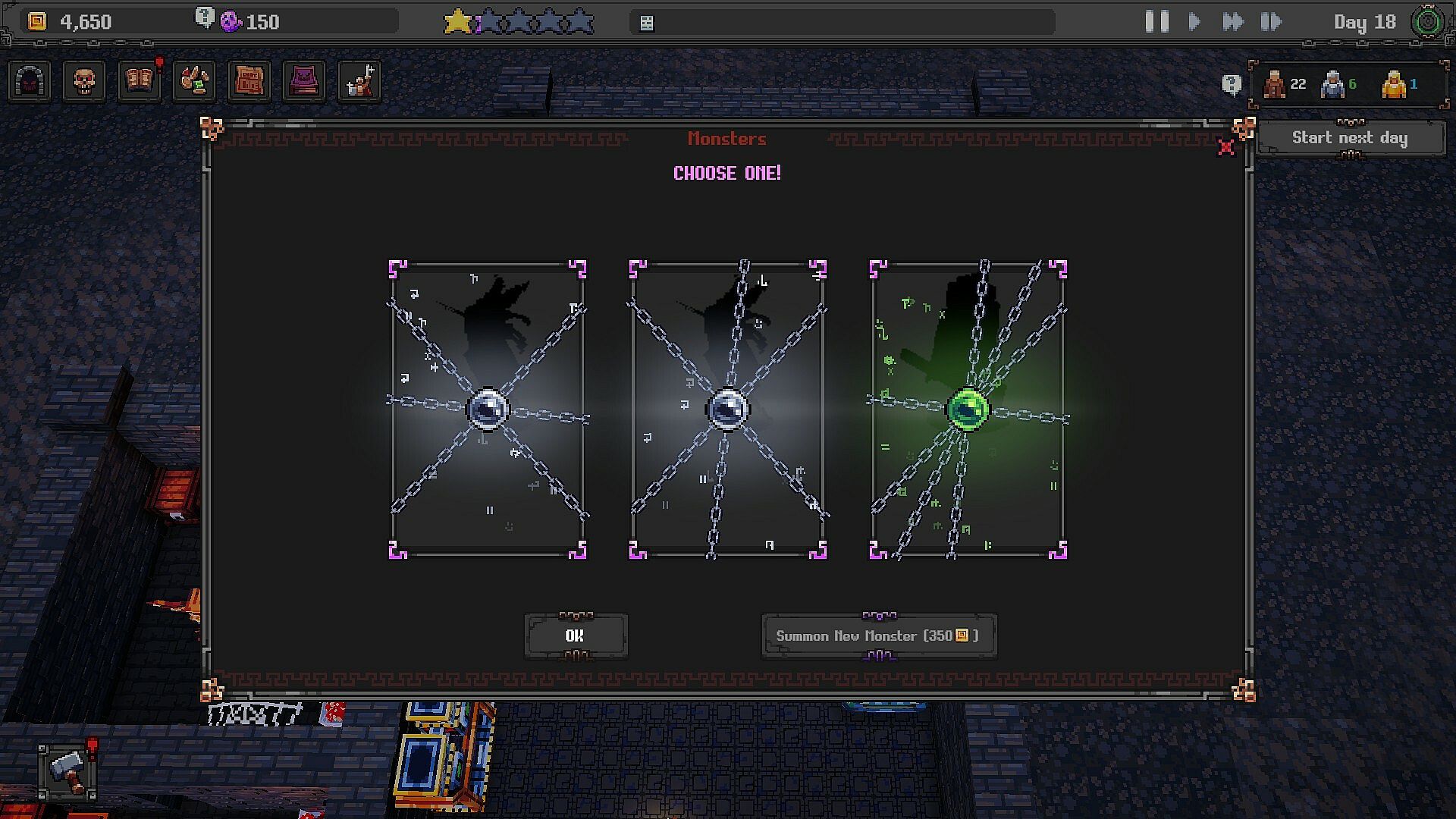
Monster summoning works like staffing a business, with each creature type offering unique strengths against different hero groups. Upgrades improve their durability or abilities, and careful placement prevents bottlenecks that frustrate visitors. Treasure placement adds another variable, as high-value items encourage deeper exploration without guaranteeing success.
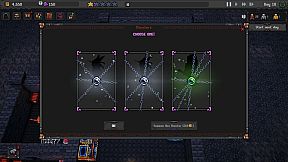
Research trees expand options gradually, introducing better traps, room functions, and cosmetic choices that affect ratings. Daily cycles let players review visitor data, adjust pricing on goods, and refine layouts before the next wave arrives. This feedback loop rewards experimentation with room combinations and monster synergies.
Is It Worth Playing?
Reception sits at Mostly Positive across more than 1,400 reviews, with recent feedback trending Very Positive. Players who enjoy management sims with a dark twist often highlight the satisfaction of refining dungeon layouts and watching hero behavior unfold. The game suits those comfortable with iterative building and economic balancing rather than fast-paced action.
Some note the experience can feel straightforward after initial hours, with limited long-term complexity once core systems are mastered. For fans of tycoon-style titles focused on single-player design and optimization, the title delivers consistent entertainment through its core loop. Availability on PC makes it accessible for extended sessions at a modest price point.