





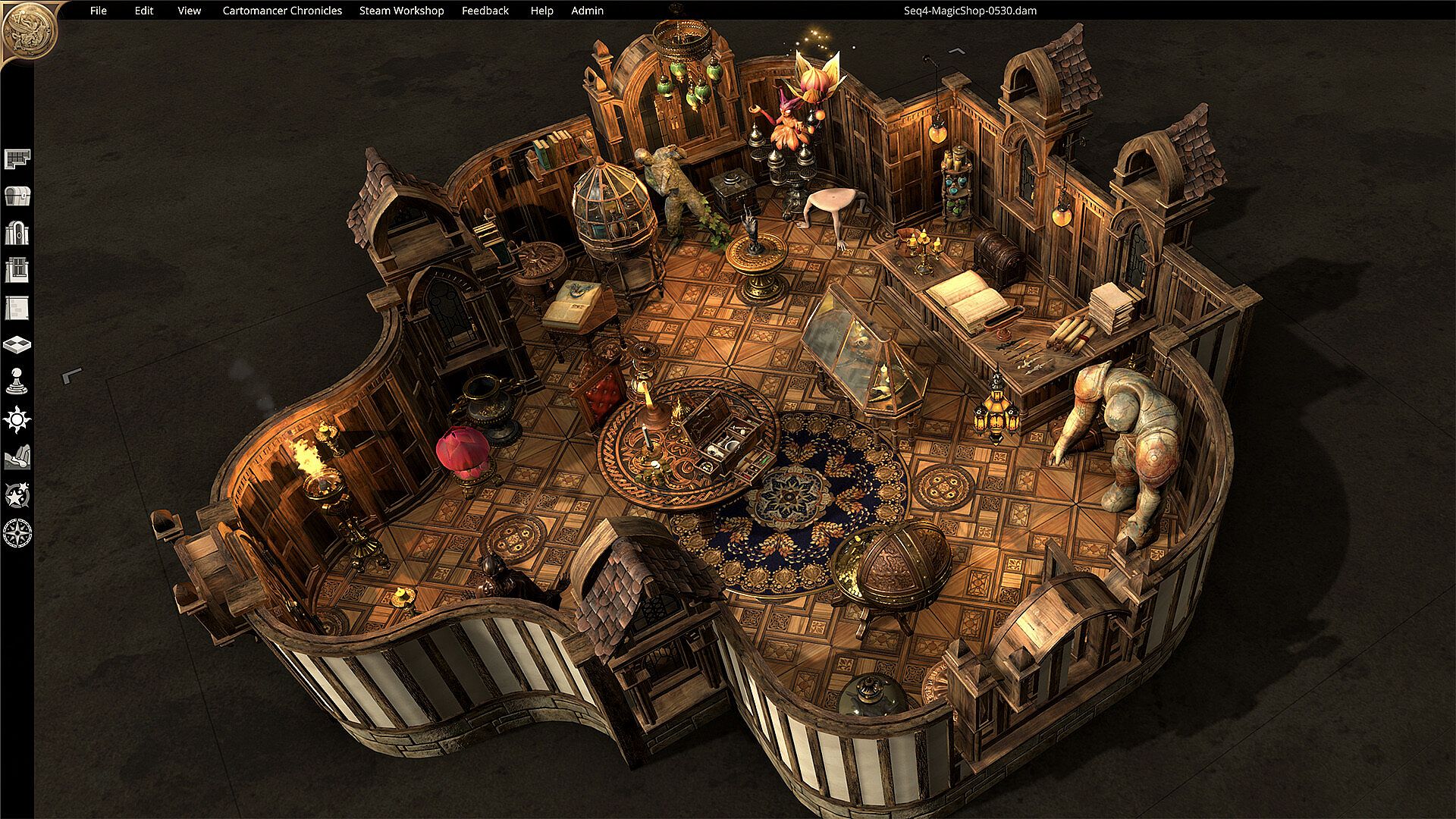
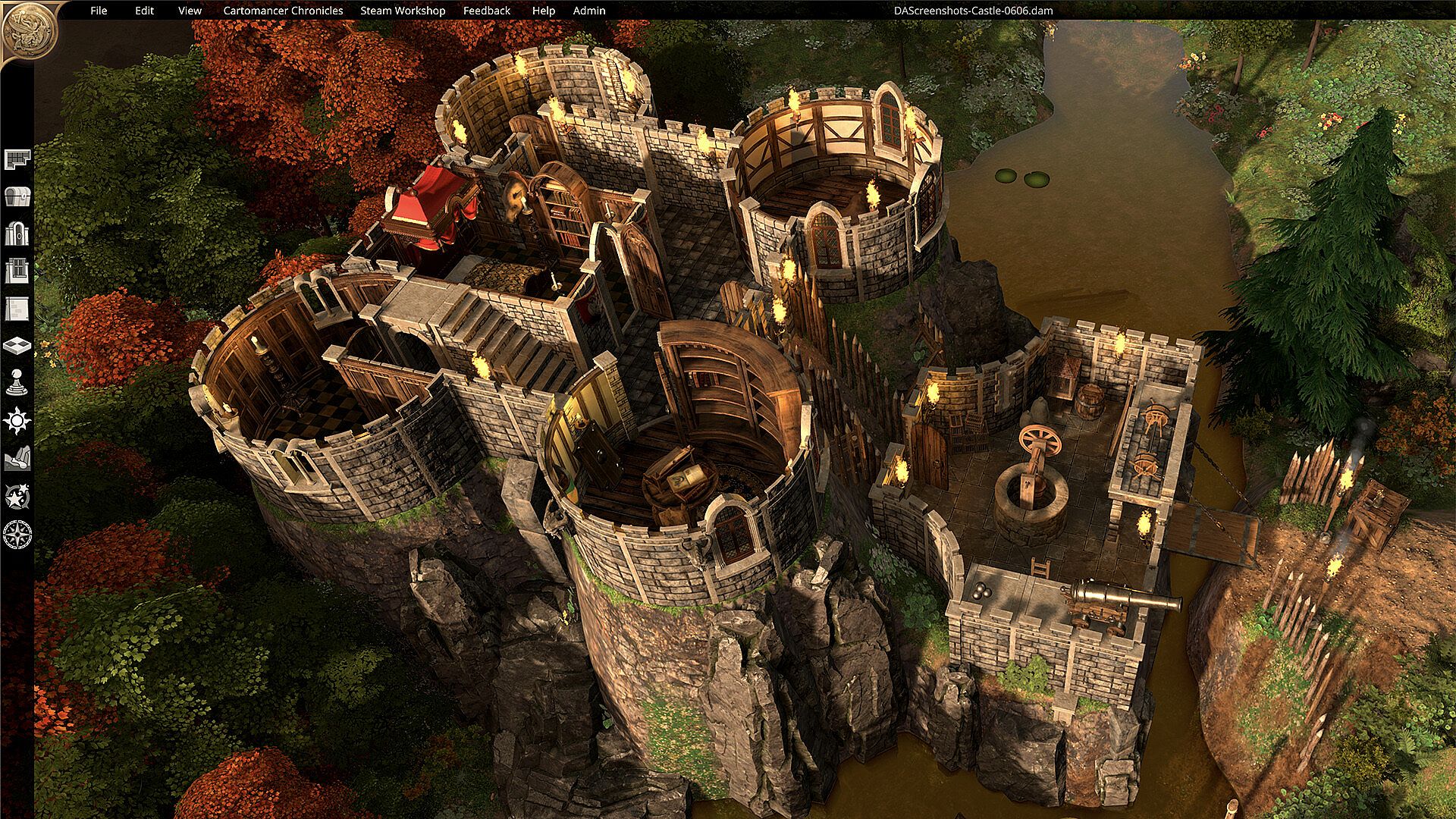
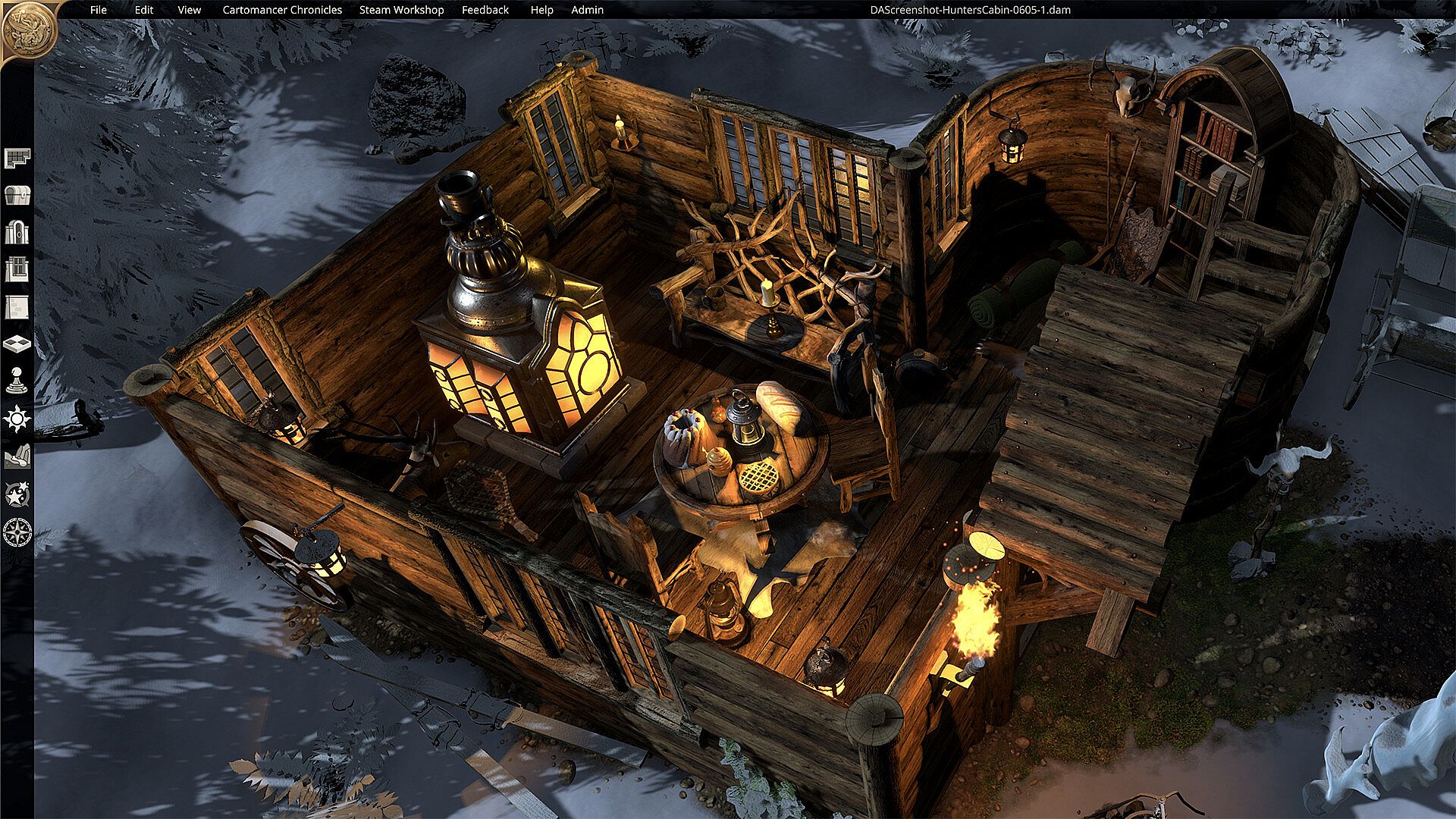
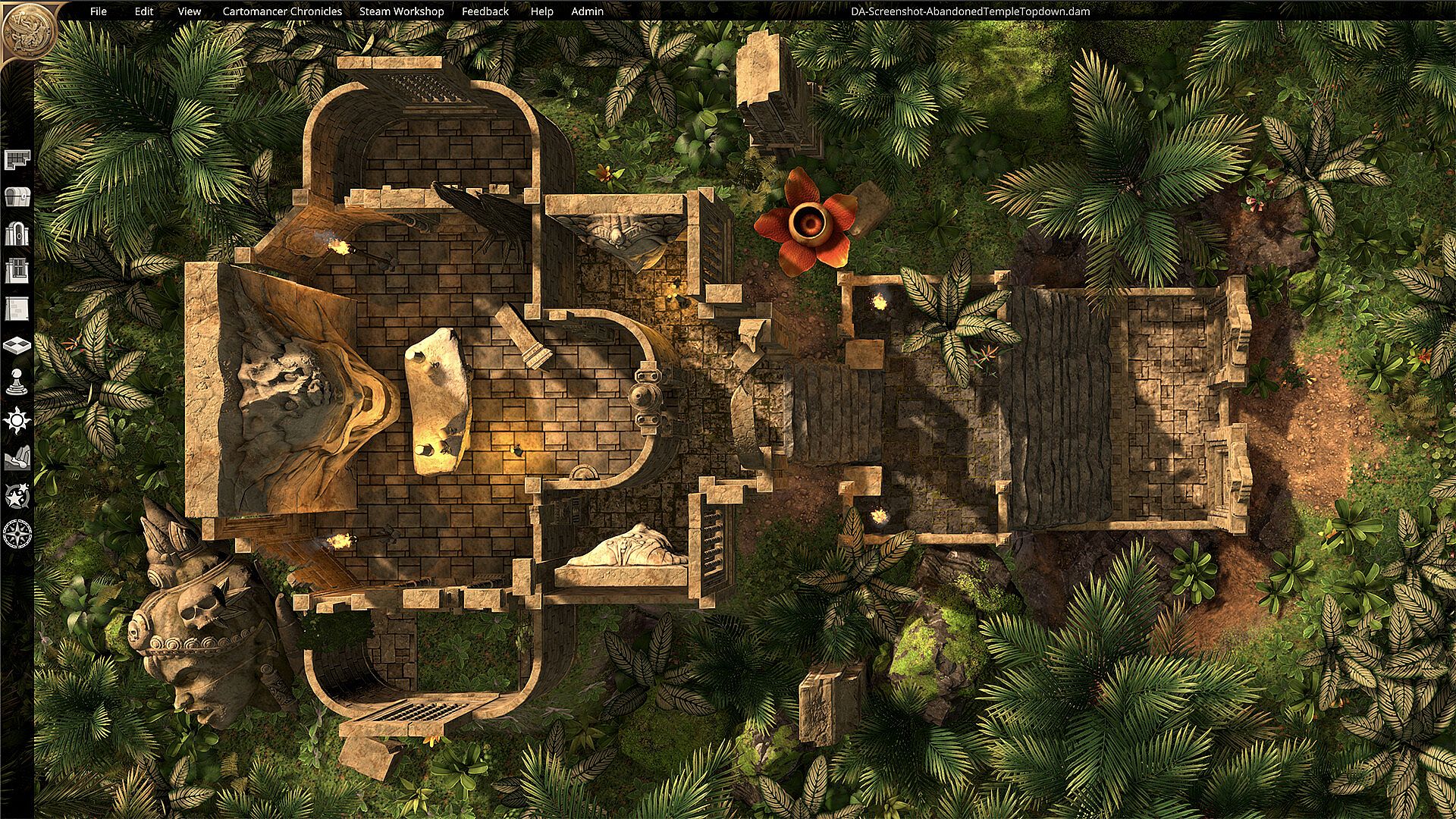
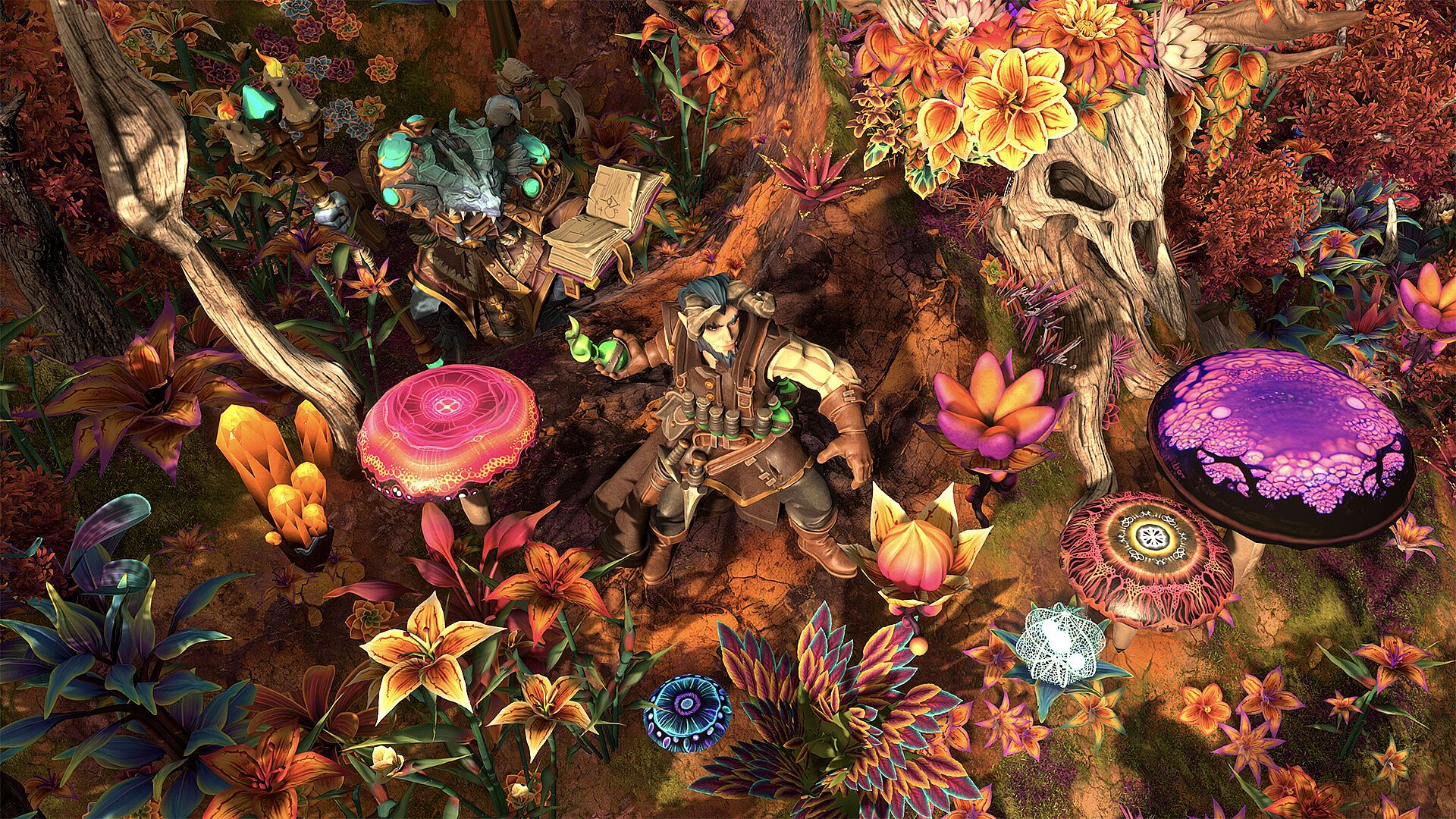
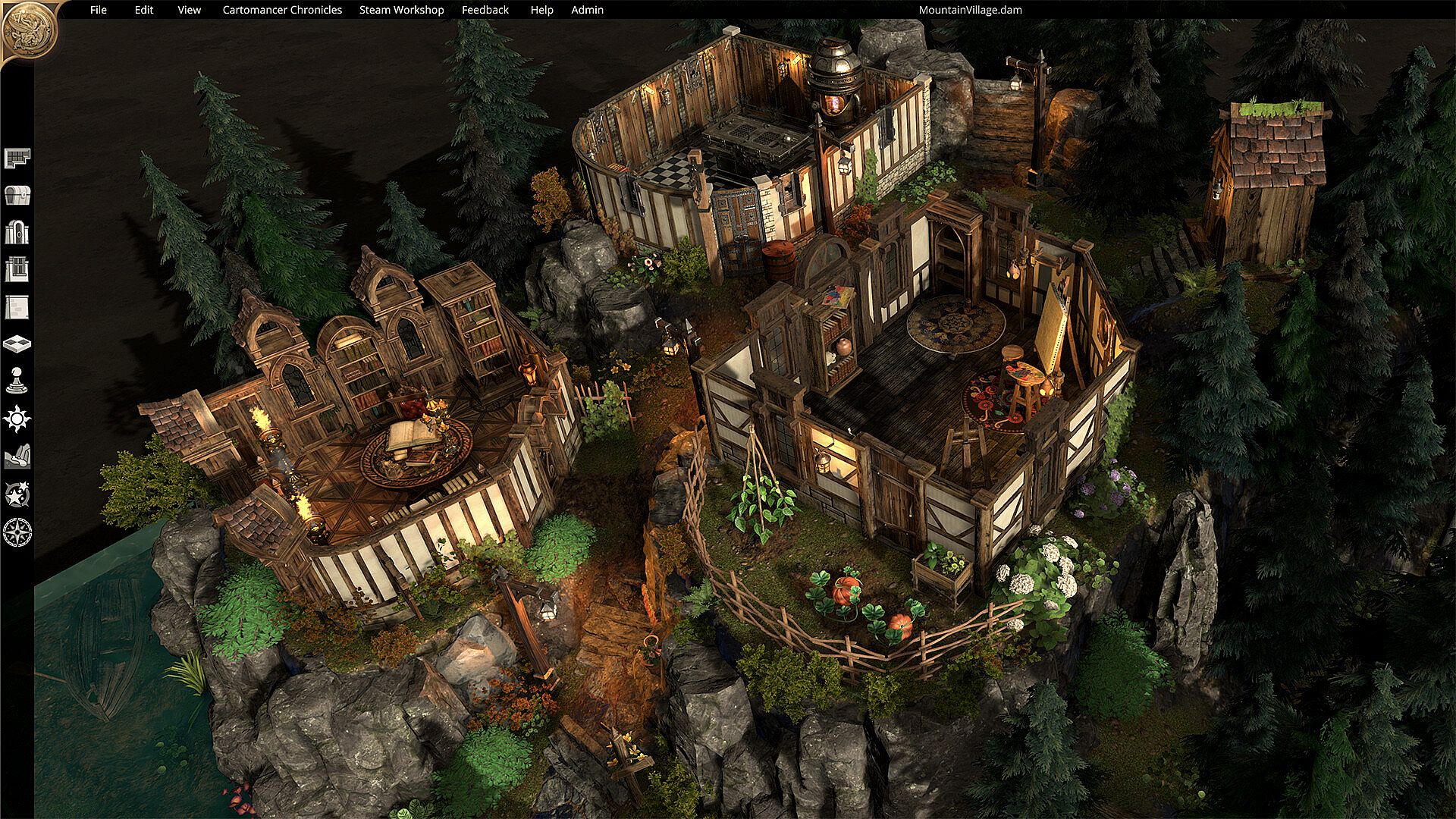
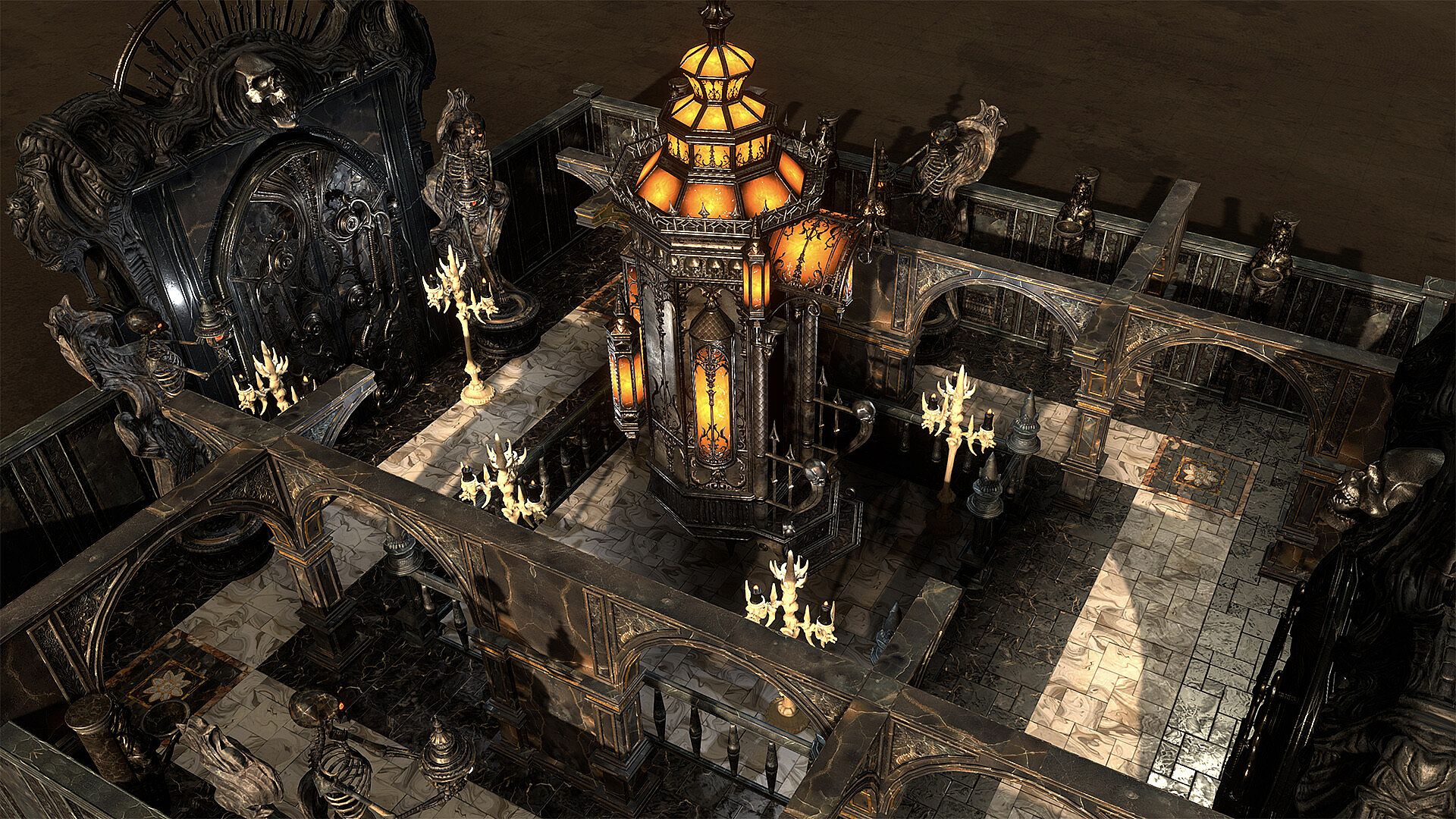
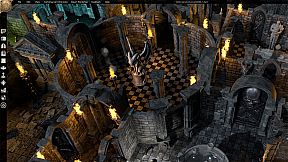
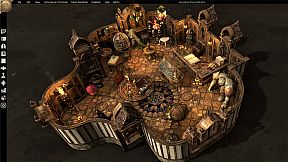
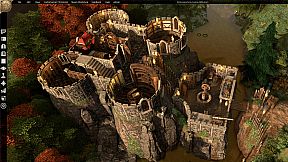
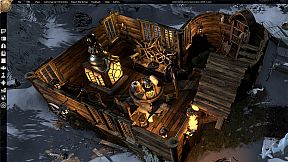
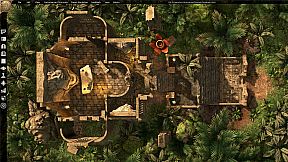
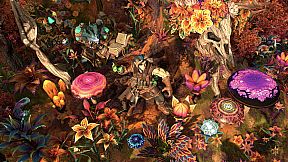
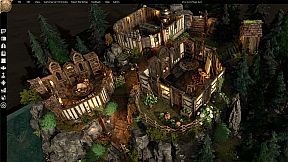
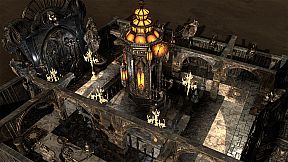
Dungeon Alchemist stands out as a procedural mapmaking tool designed for RPG enthusiasts on PC, currently in early access. This software streamlines the process of crafting detailed maps for tabletop role-playing games, allowing users to generate intricate layouts without deep technical skills. By focusing on themes and automated elements, it helps game masters build environments that enhance storytelling sessions.
Gameplay
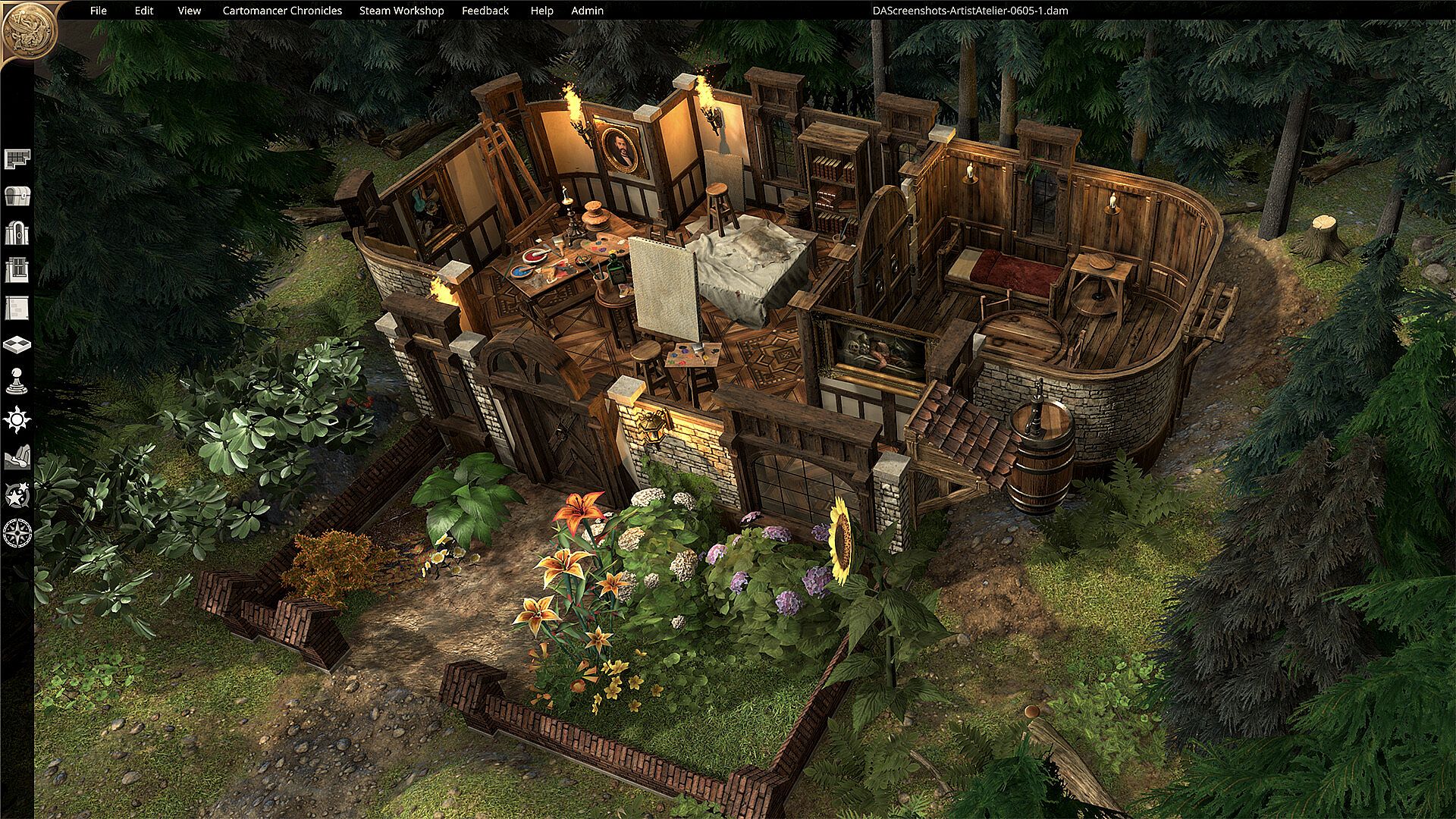
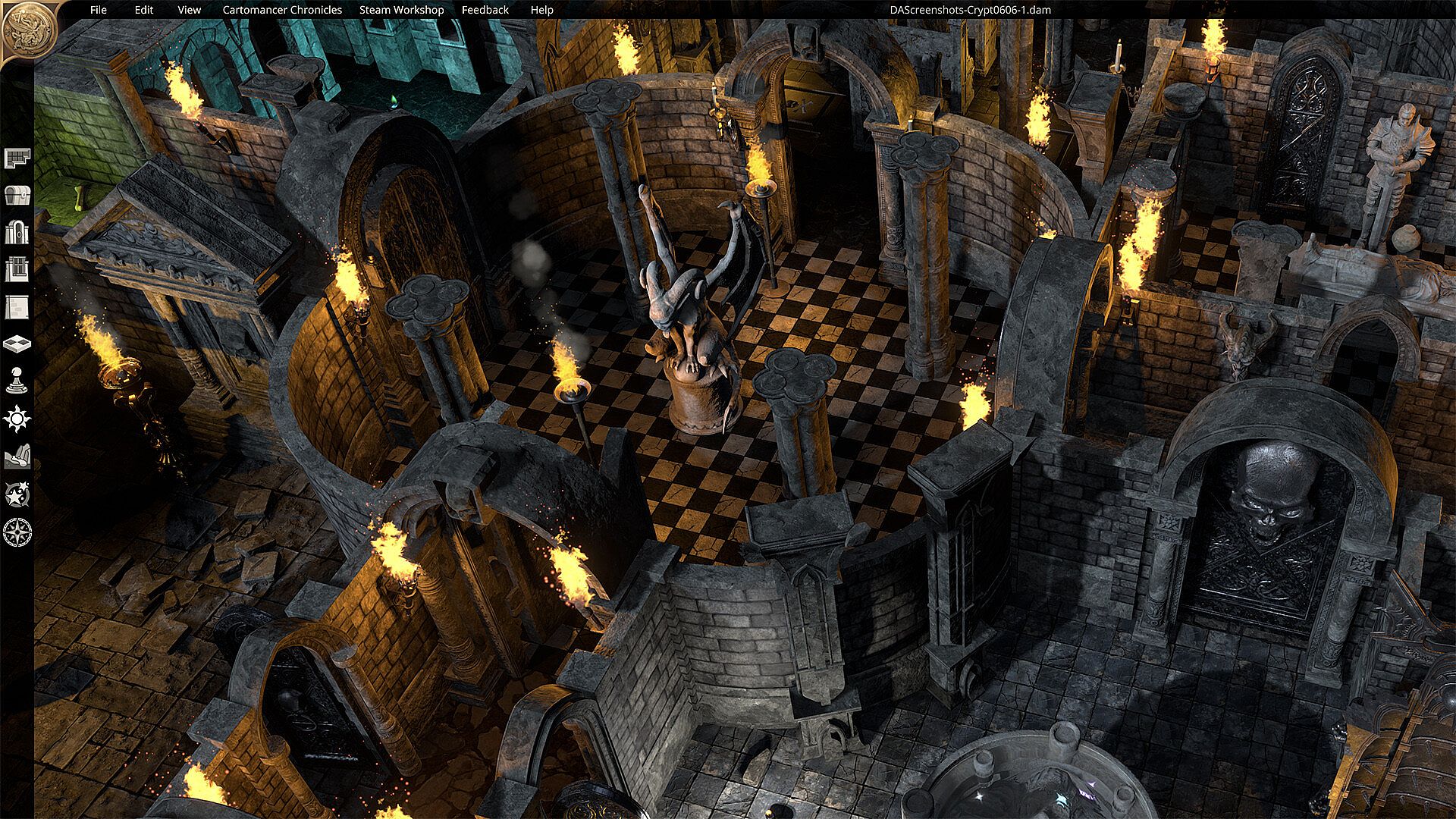
The core of Dungeon Alchemist revolves around selecting a theme to kick off map creation. Users choose from various predefined settings, such as caverns or villages, and the tool's procedural algorithms handle the heavy lifting by generating walls, floors, objects, and lighting automatically. This setup lets creators concentrate on overall design rather than minute details.
Once a base map appears, customization becomes key. Tools allow for adding or removing elements, scaling items, rotating objects, relocating doors, and altering floor tiles. Users can even adjust colors on specific assets or apply effects like setting objects on fire, providing flexibility to refine the map until it matches their vision.
Randomization plays a significant role, with a button that regenerates rooms using in-house algorithms. This feature ensures variety, as each press yields new configurations while maintaining high-quality visuals suitable for printing or virtual tabletop use.
Game Modes
Dungeon Alchemist does not feature traditional game modes found in action-oriented titles. Instead, it operates as a creative utility with modes centered on map generation styles. Users engage in a generation mode where they pick themes and let the software build rooms procedurally.
Tweaking mode follows, offering hands-on adjustments to personalize outputs. The tool supports exporting maps for integration with virtual tabletop applications, extending its utility beyond creation.
Updates and Current State
Since its early access launch, Dungeon Alchemist has seen ongoing development with updates adding new objects and refining procedural systems. Recent builds include expanded asset libraries, improving the range of themes and customization options available.
The software remains active, with discounts appearing periodically to attract new users. Community feedback has influenced improvements, such as better integration with external tools for enhanced functionality in tabletop setups.
Is It Worth Playing?
For game masters seeking a quick way to produce high-quality maps, Dungeon Alchemist offers real value through its procedural generation and editing tools. It suits those who prioritize speed and inspiration over manual drawing, especially in RPG campaigns requiring frequent map changes.
Player reception highlights its ease of use for drafting buildings and dungeons, though some note limitations in features relative to its price. With continued updates, it appeals to creators willing to invest in a developing tool that saves time on map preparation.
Key considerations include whether you need maps for virtual or physical play; if so, this software provides a solid foundation. It's worth trying for anyone frustrated with traditional mapmaking methods, provided they appreciate its procedural approach.