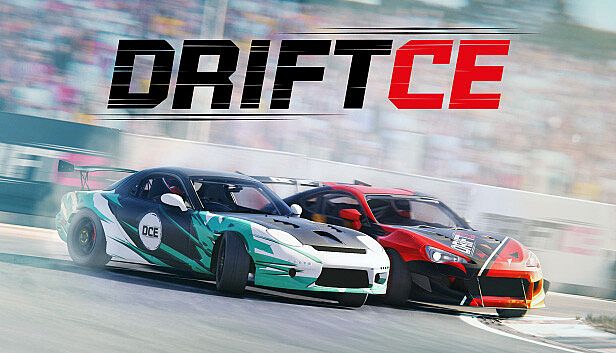

























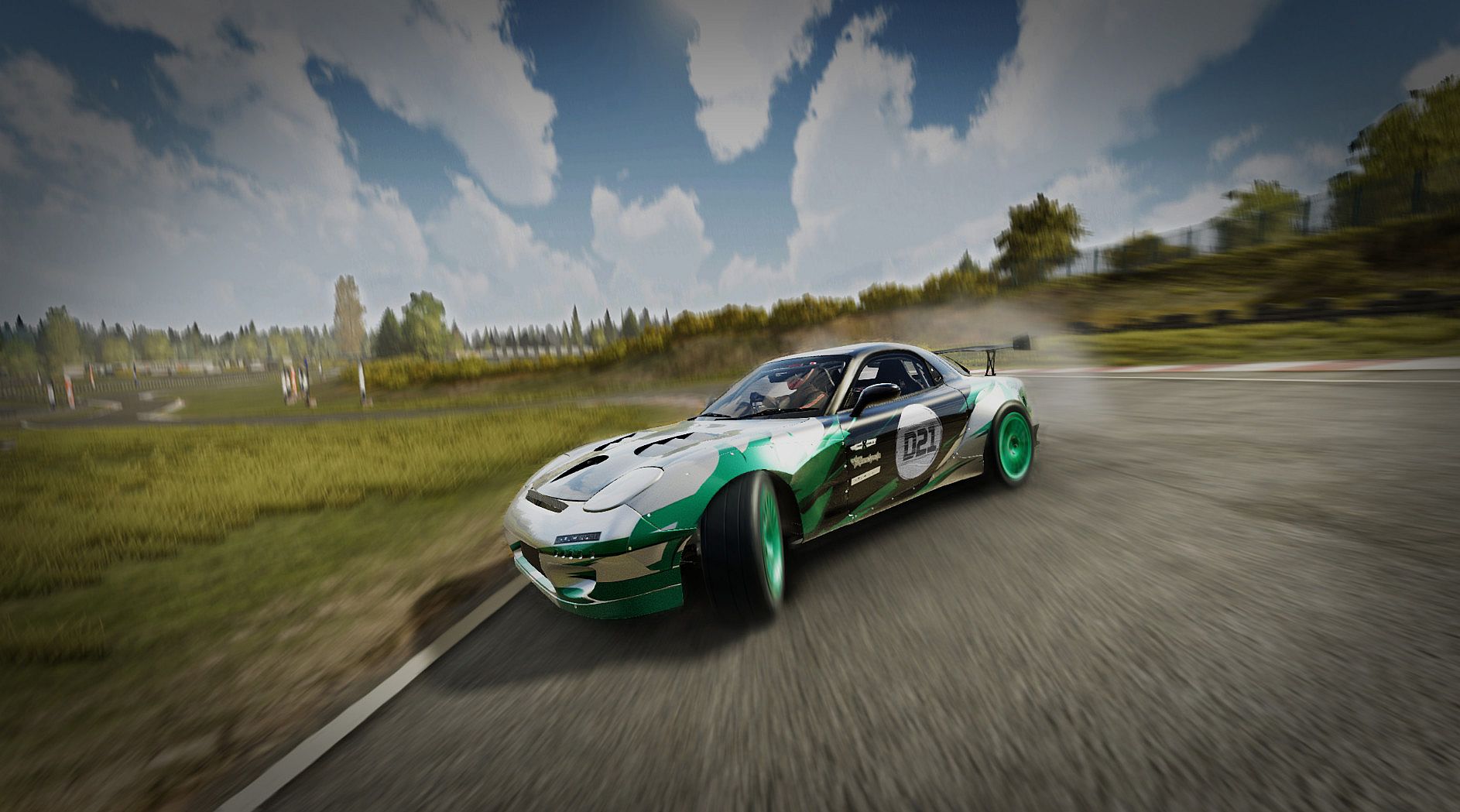
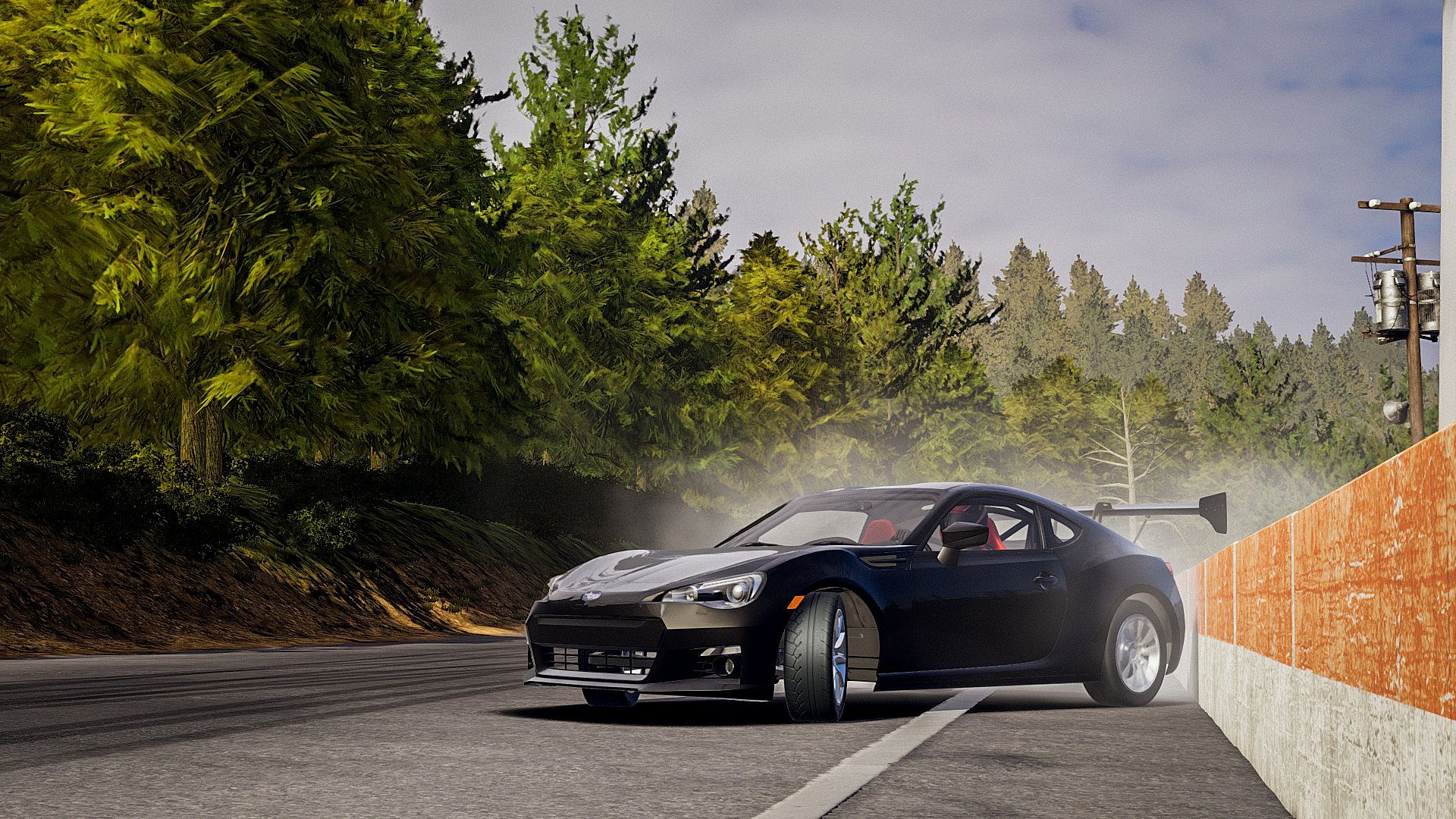
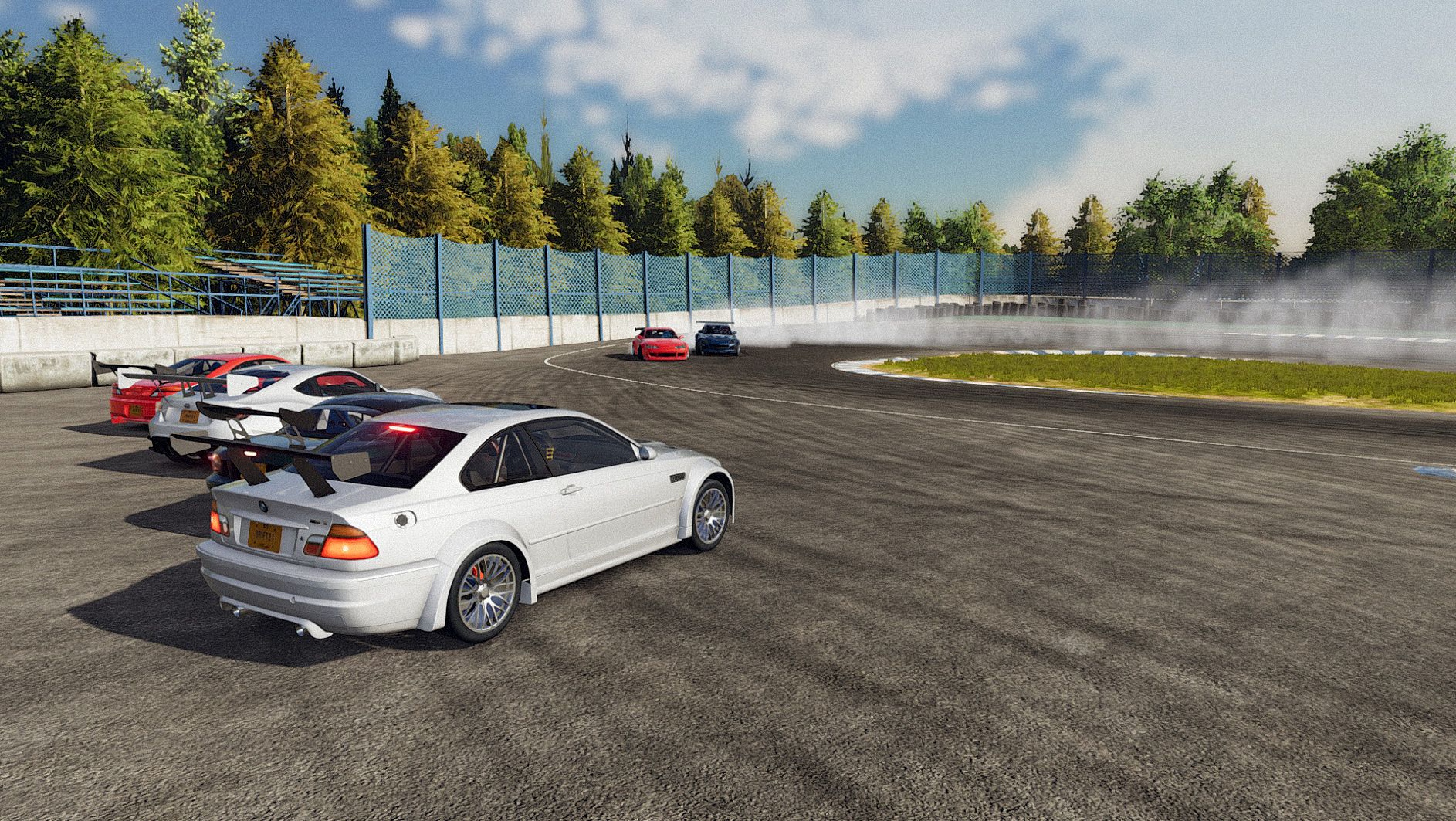
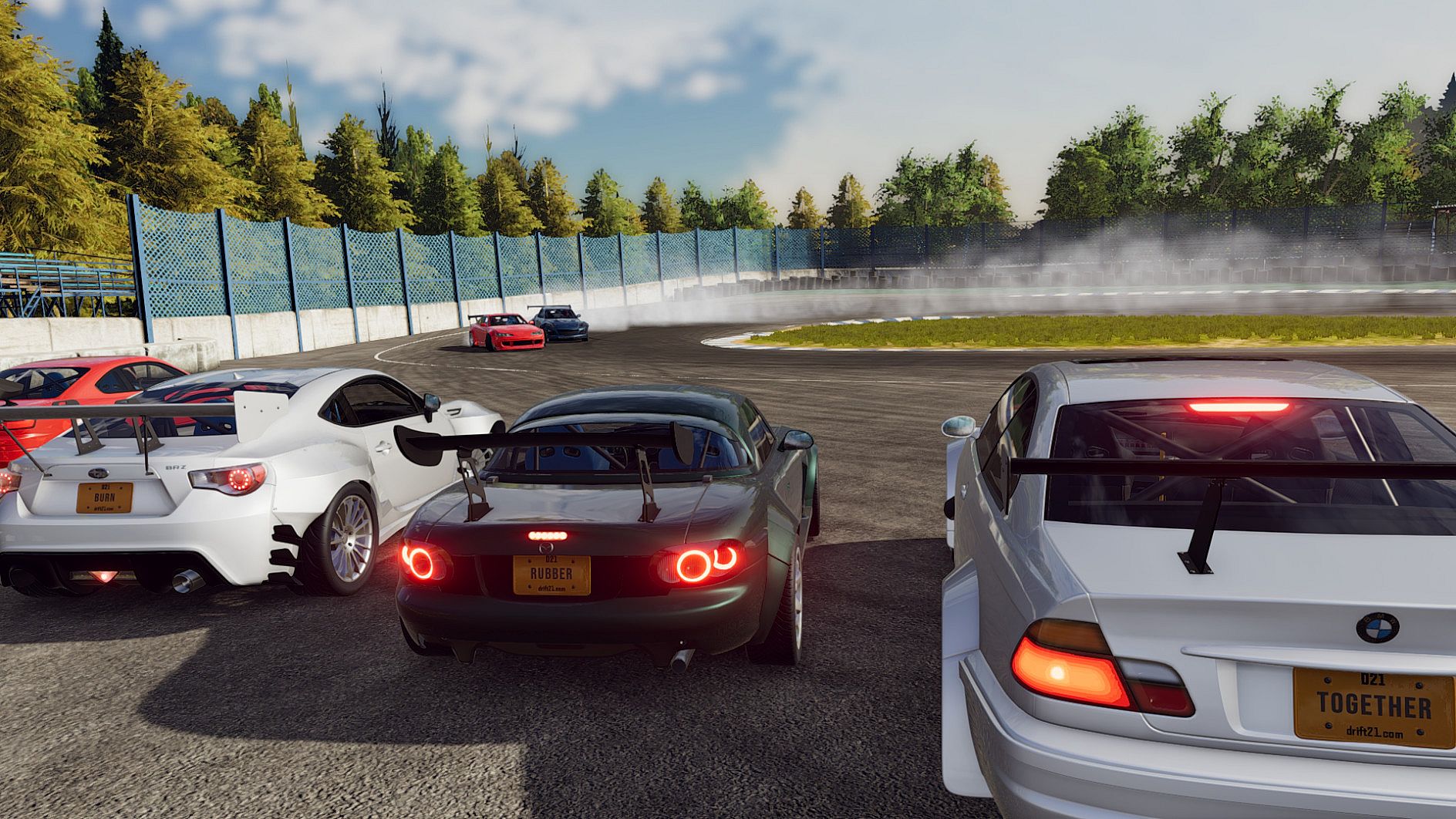
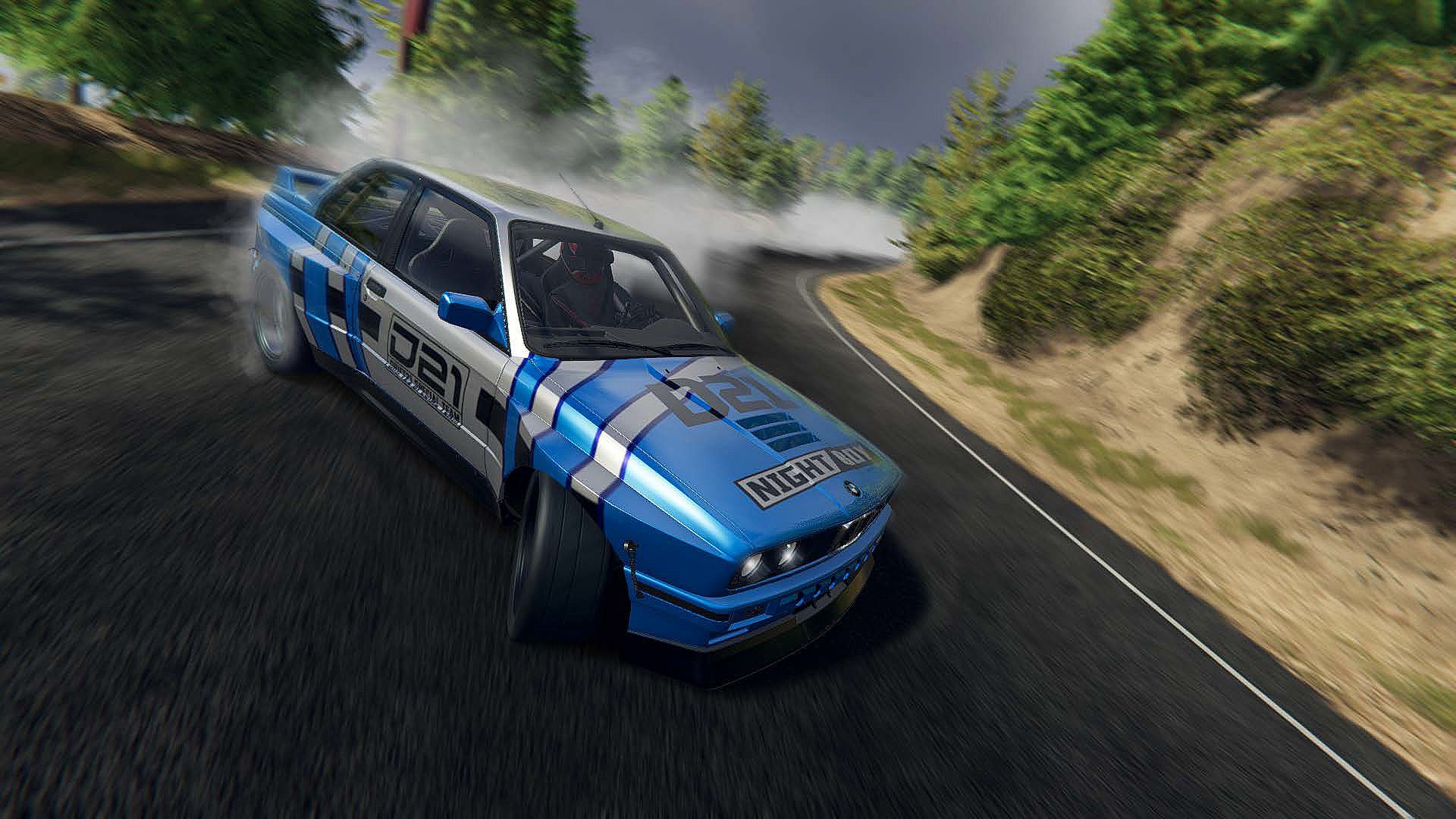
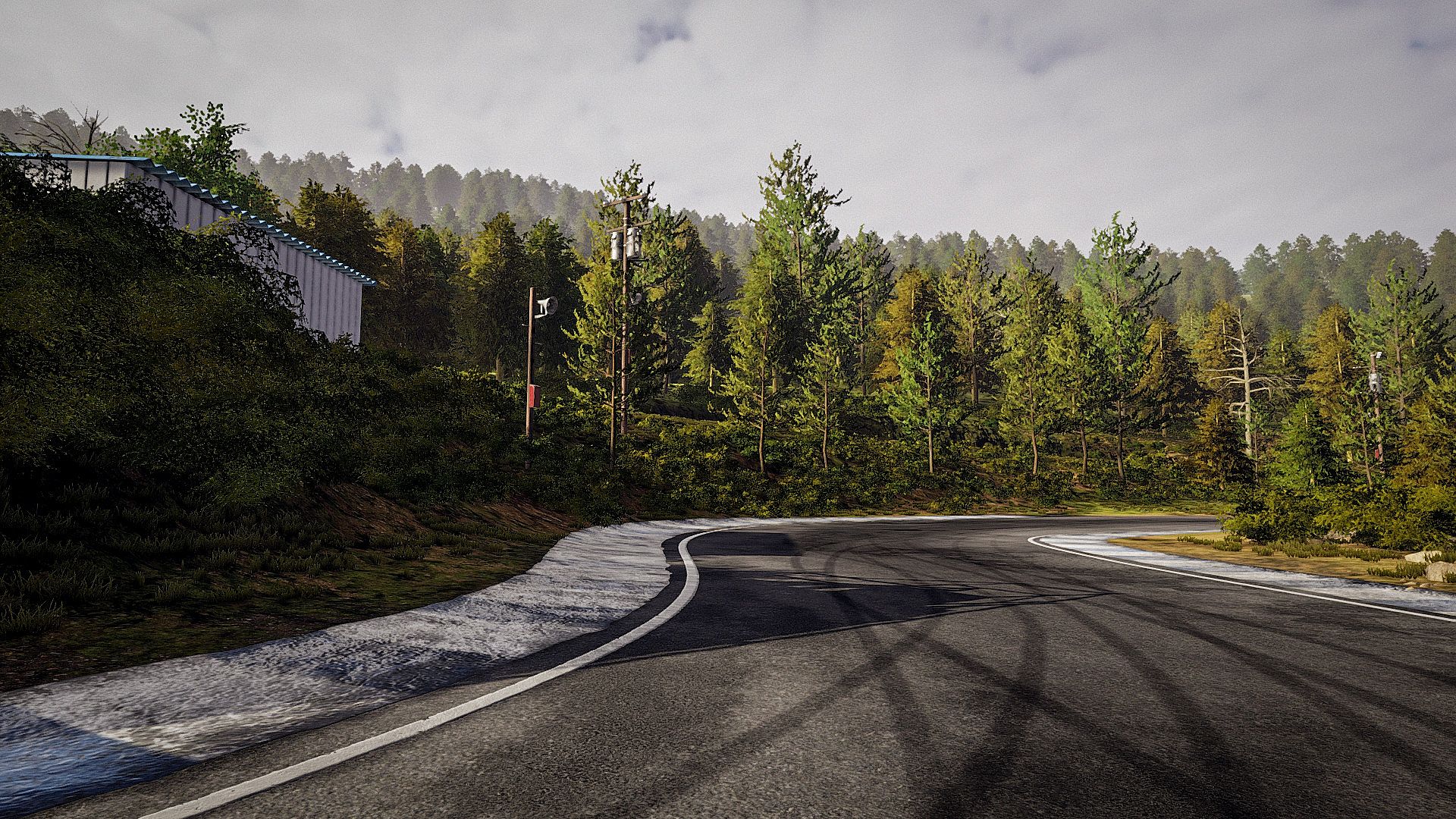
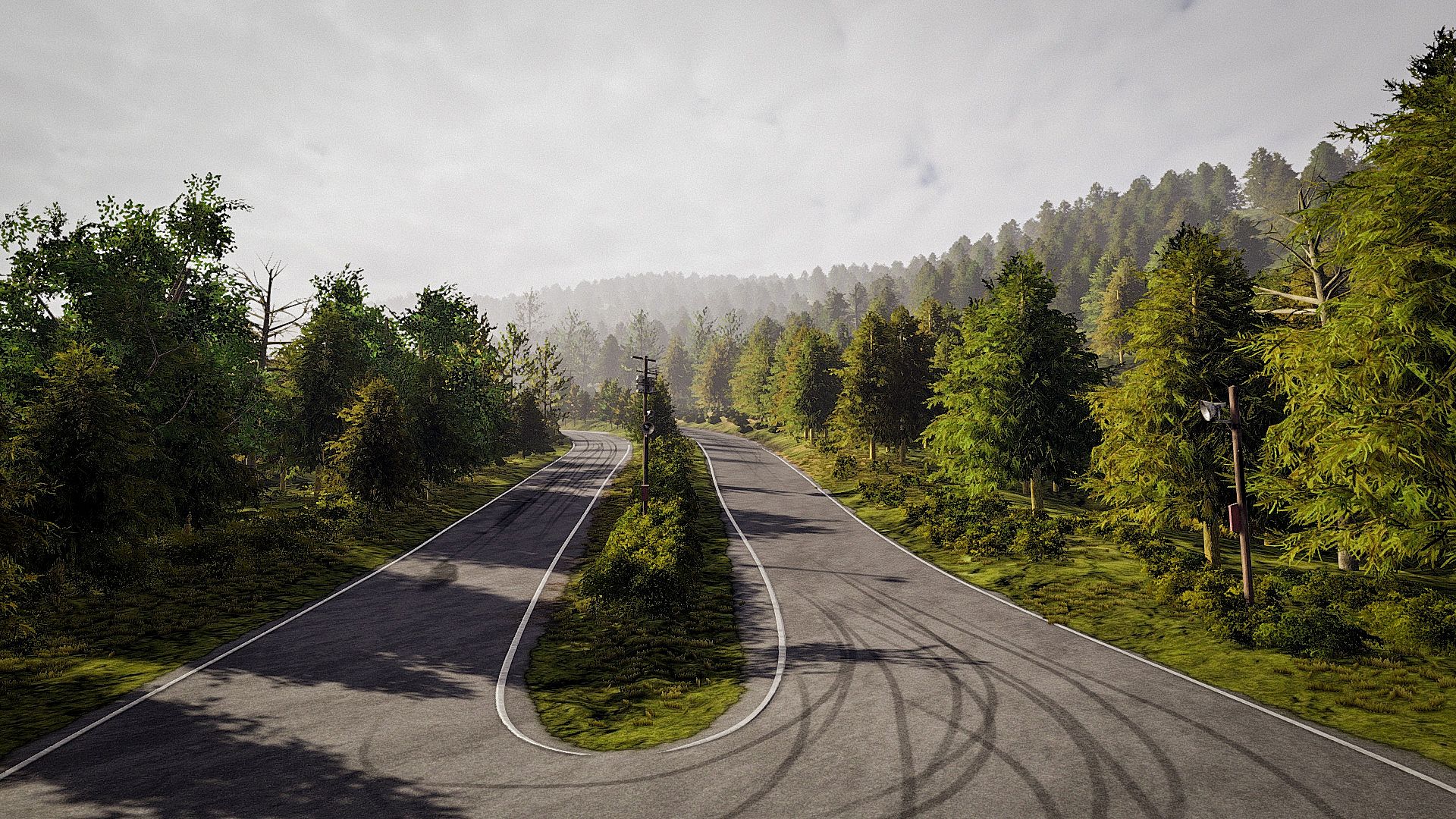
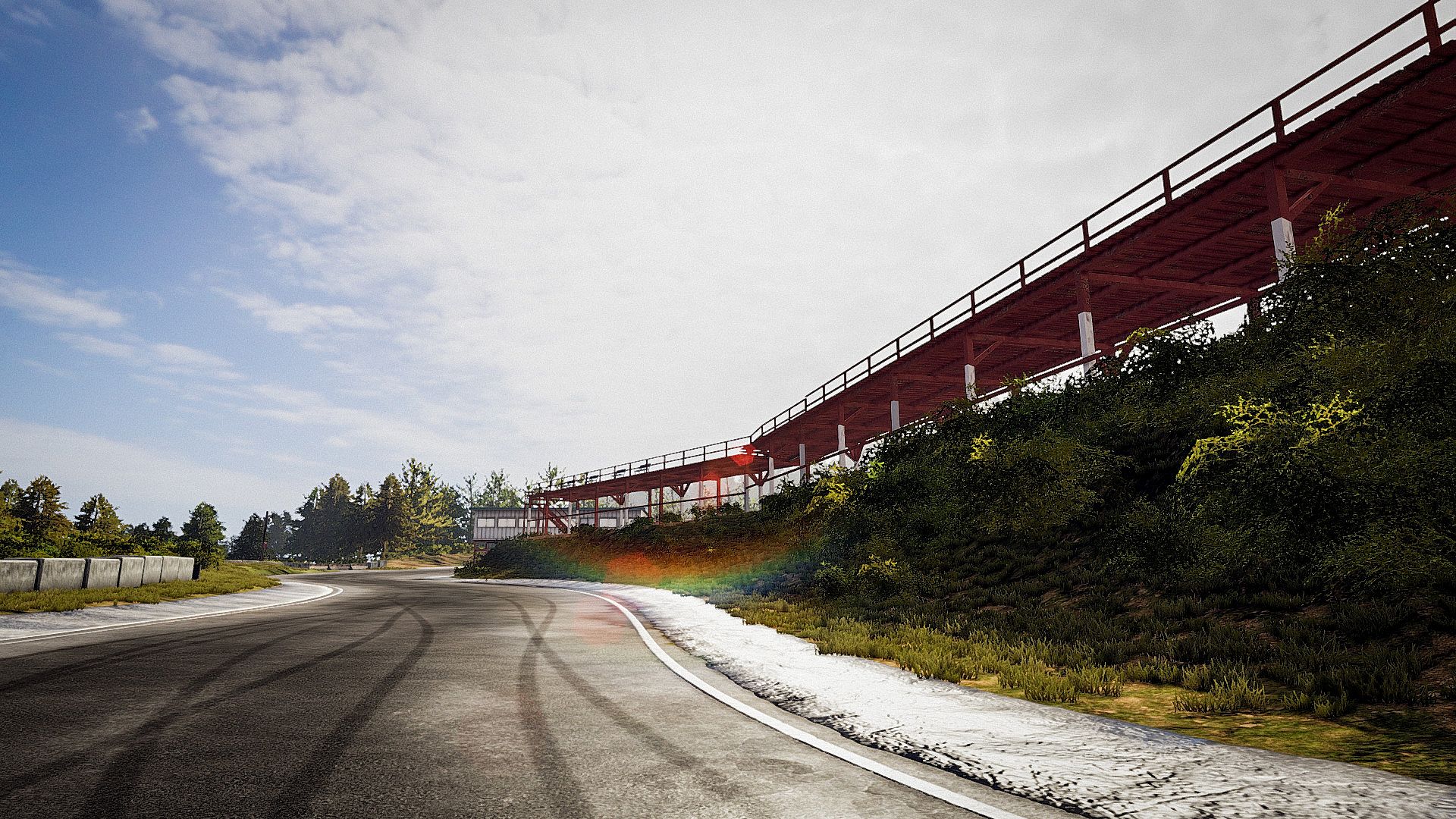
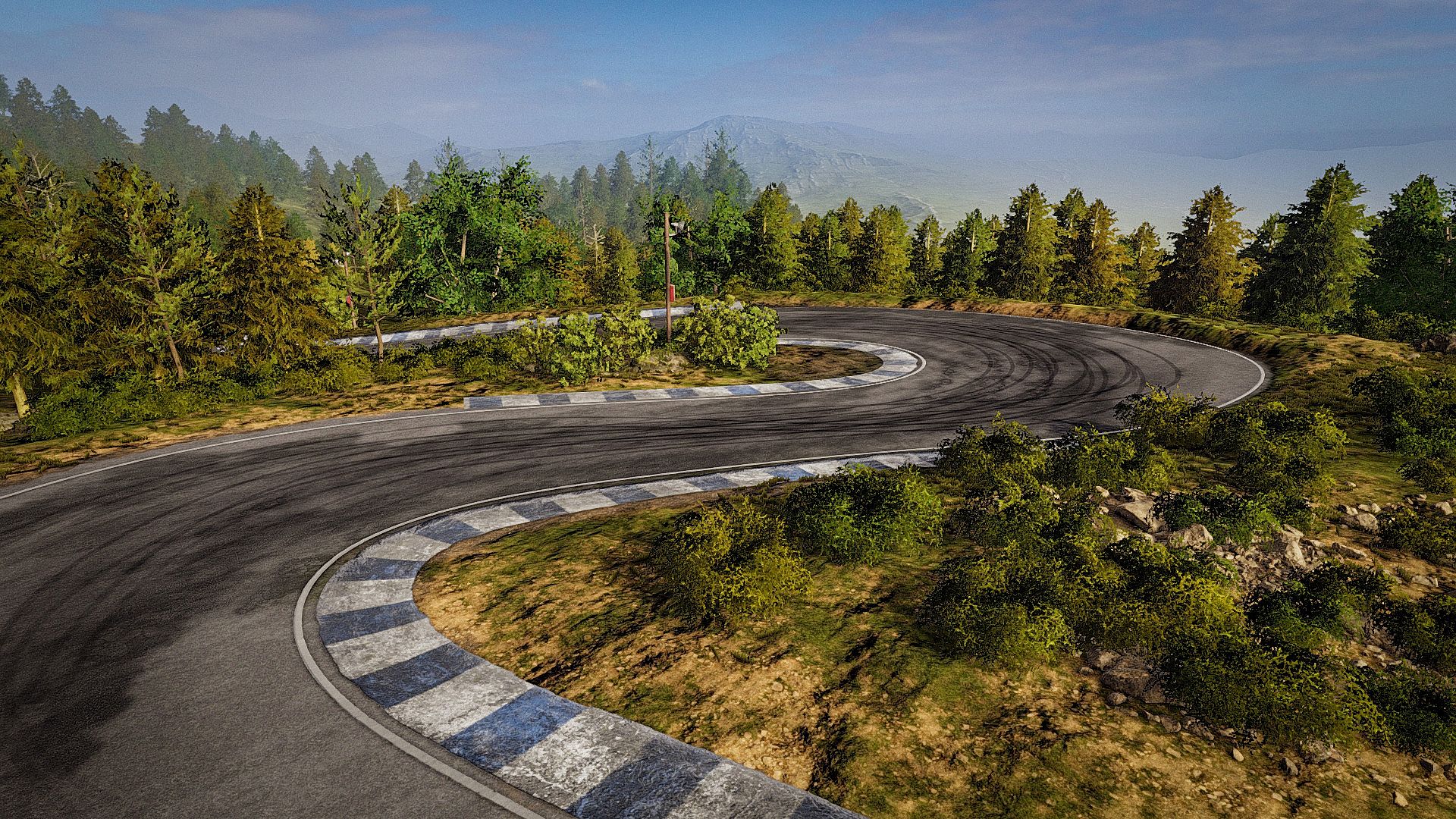
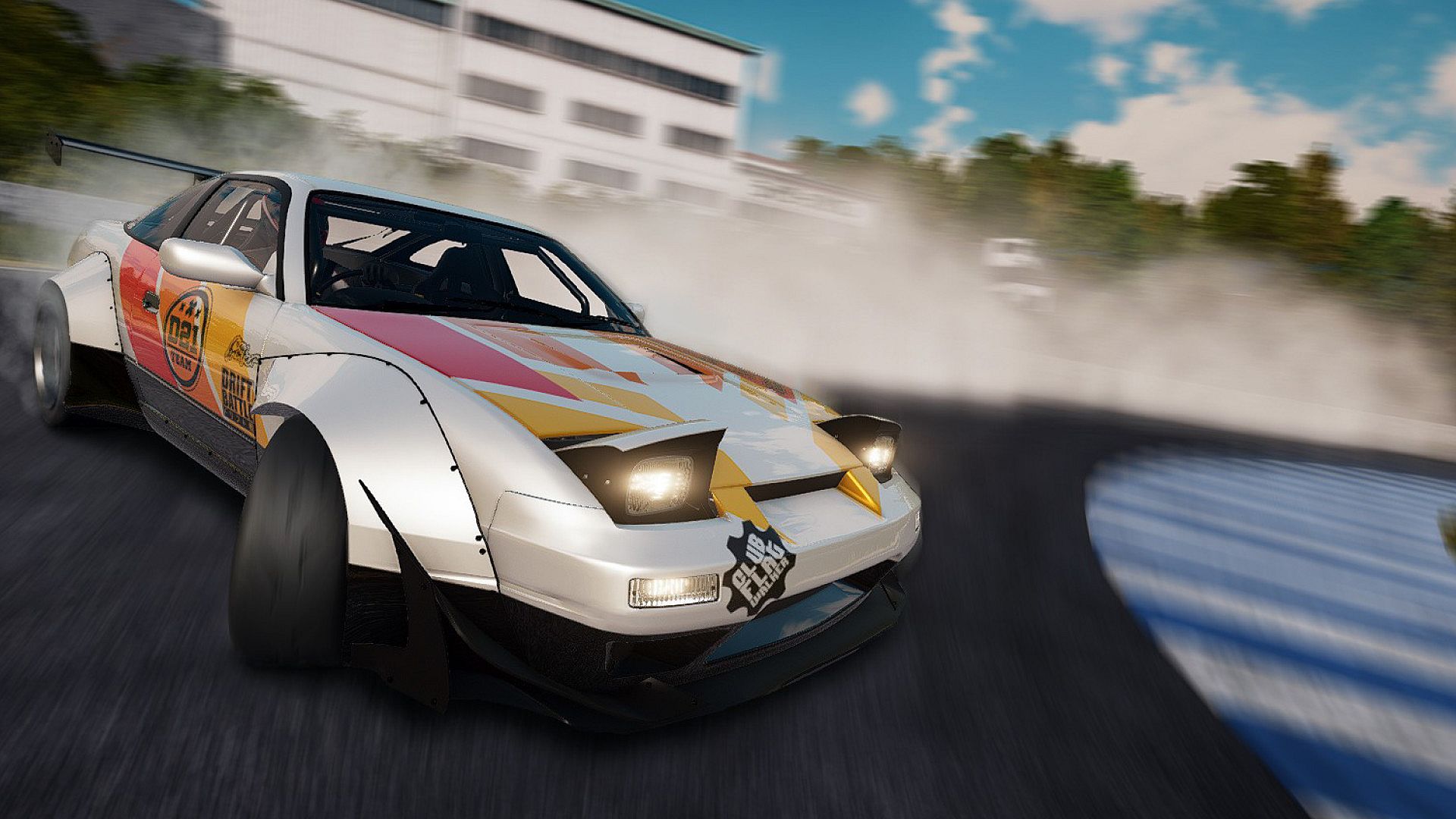
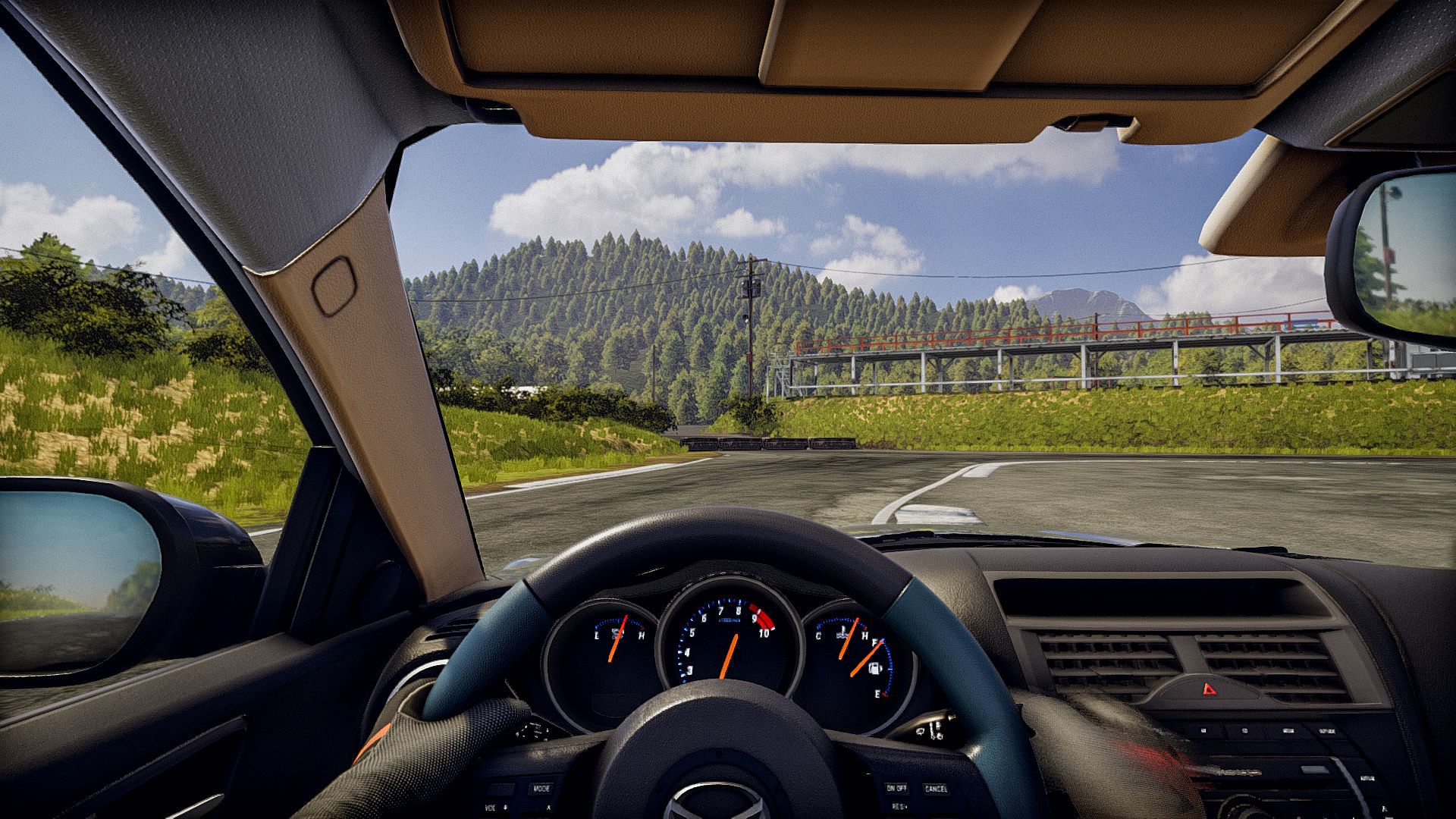
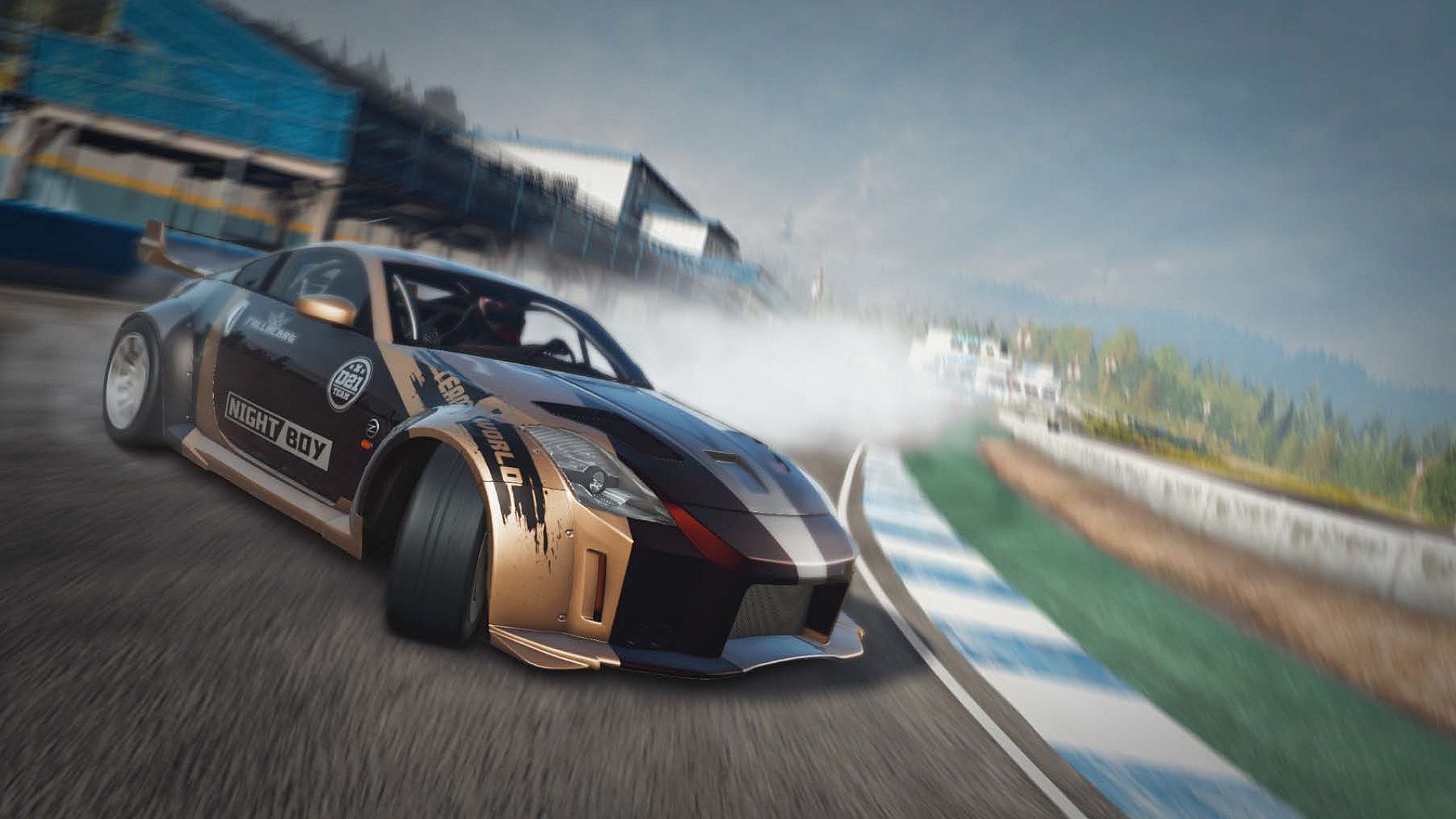
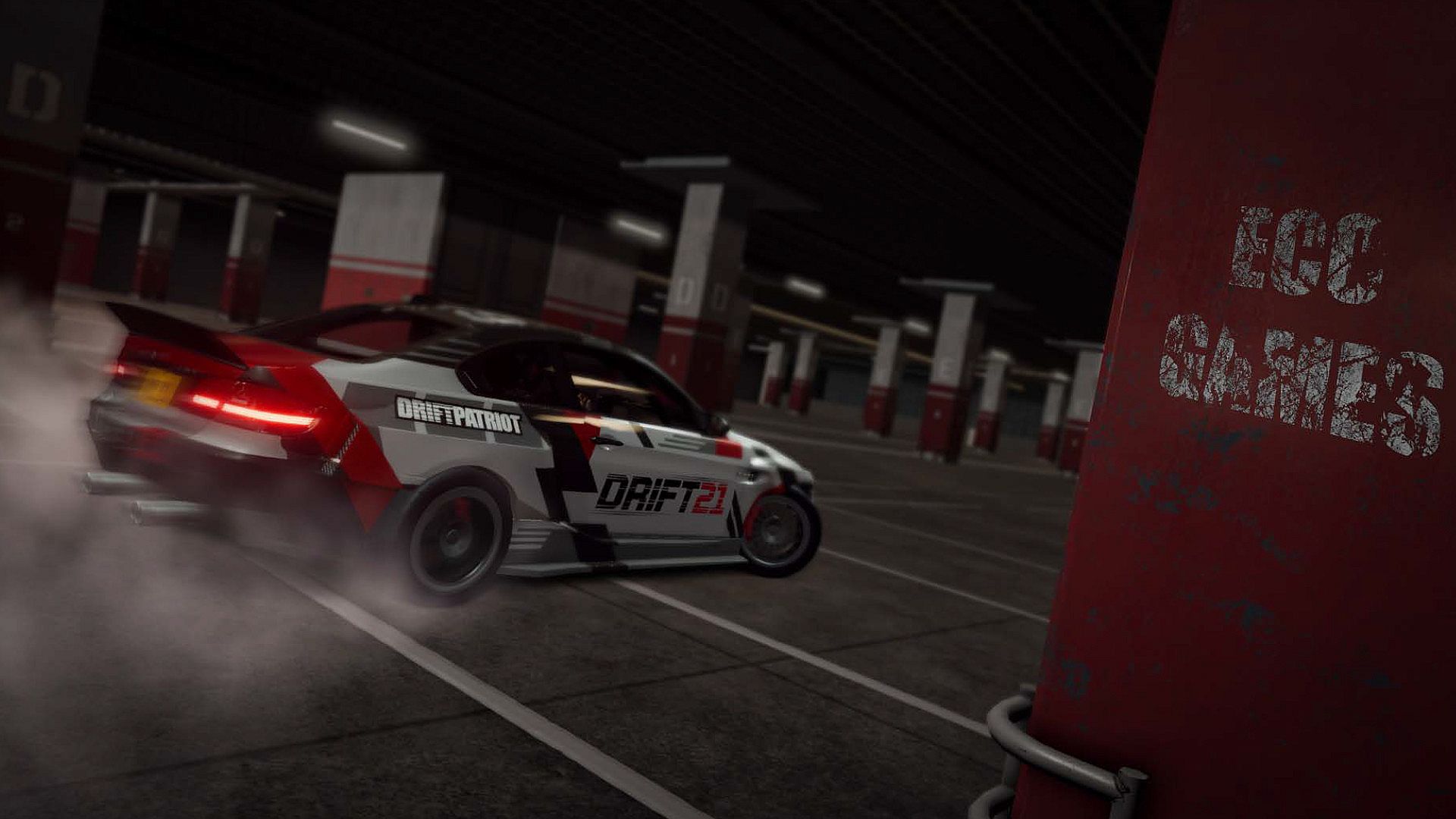
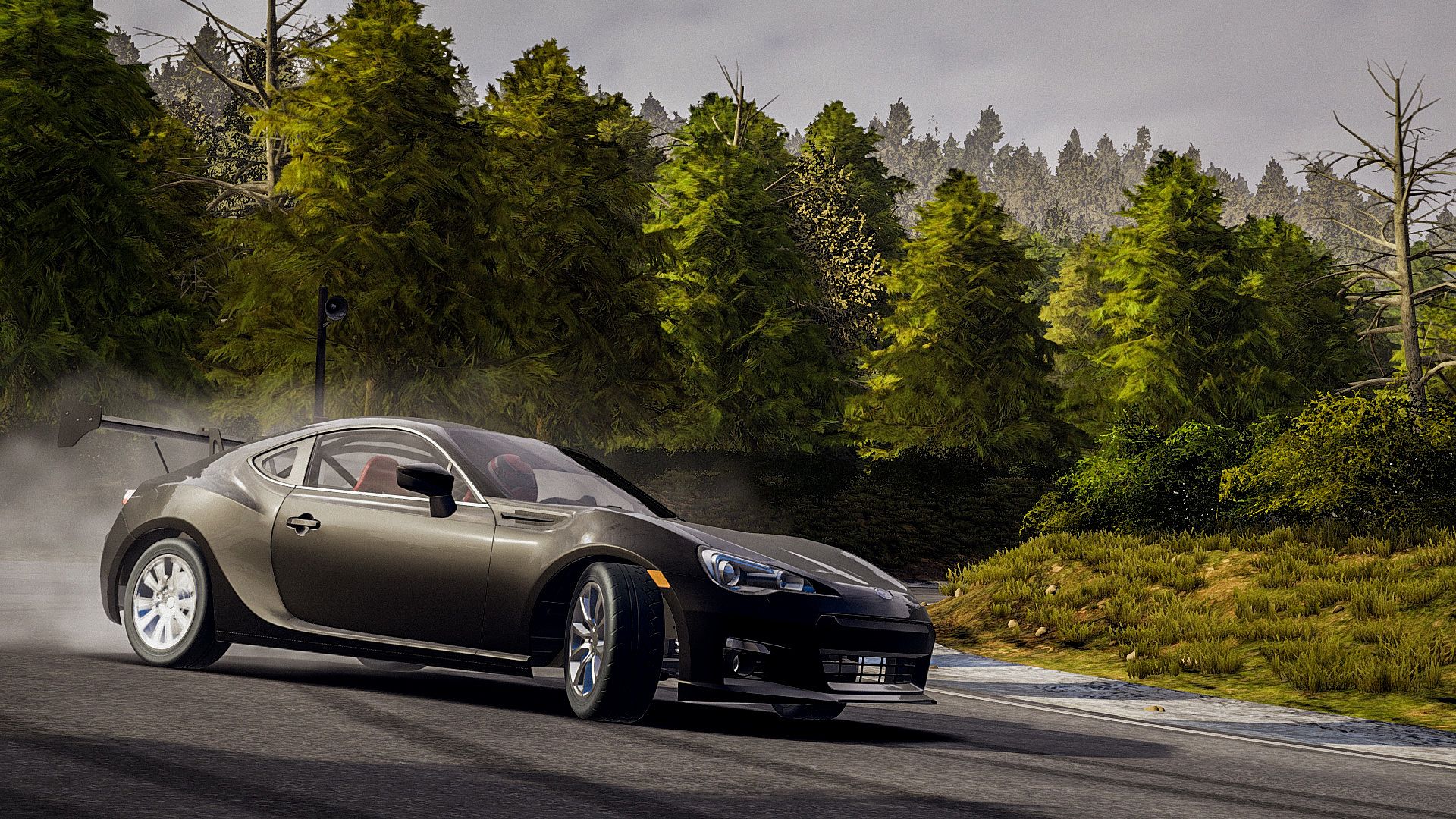
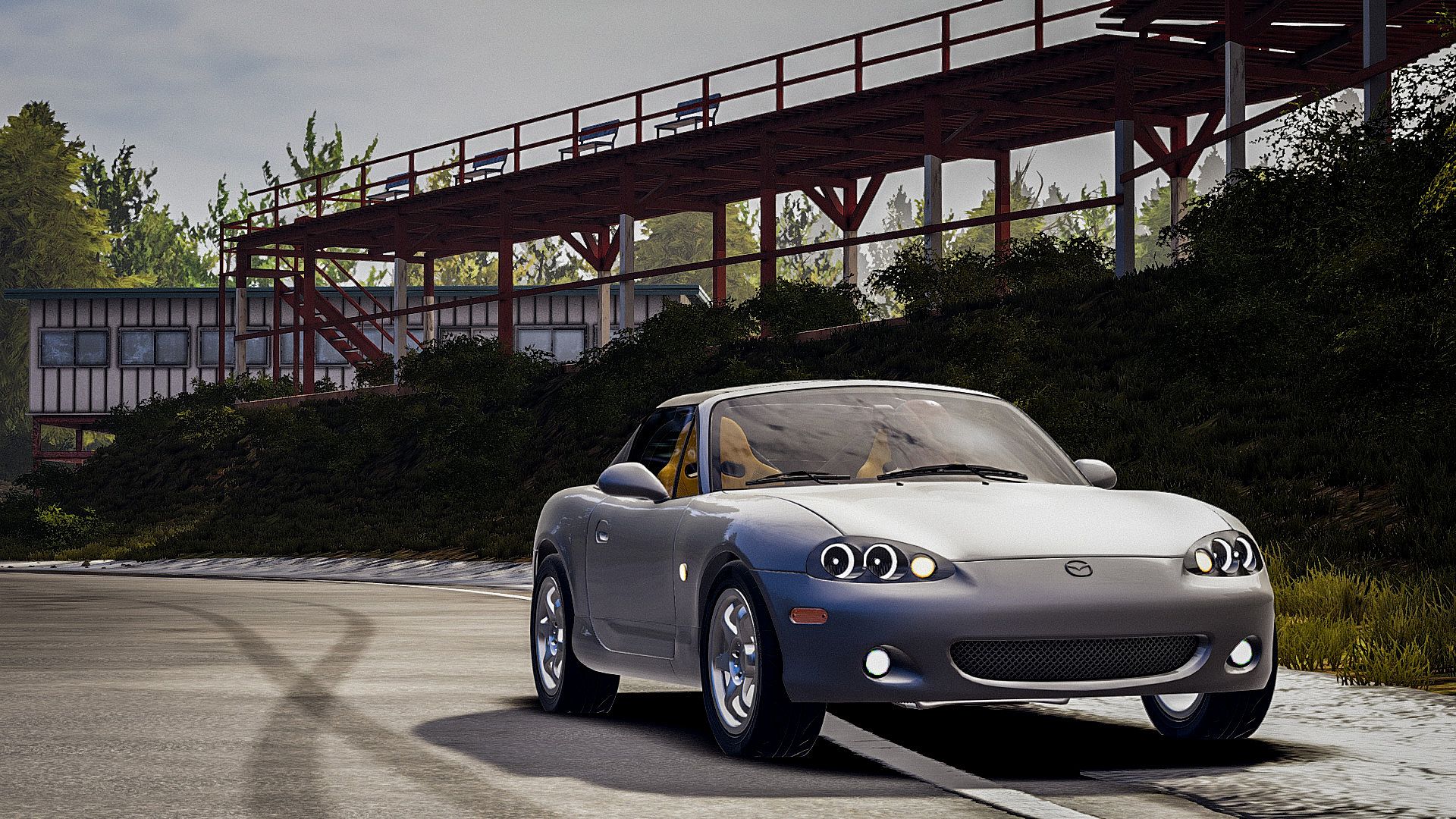
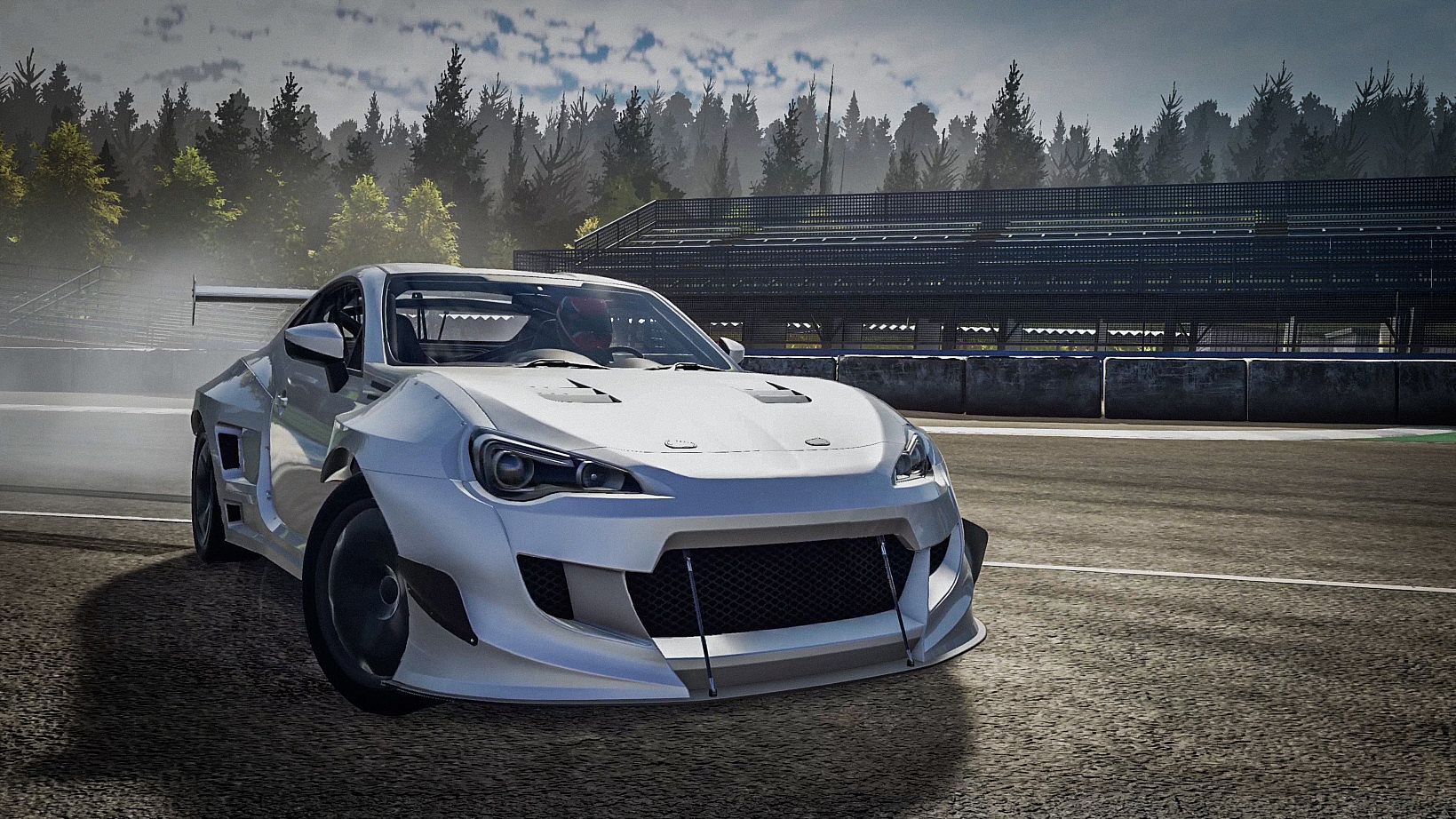
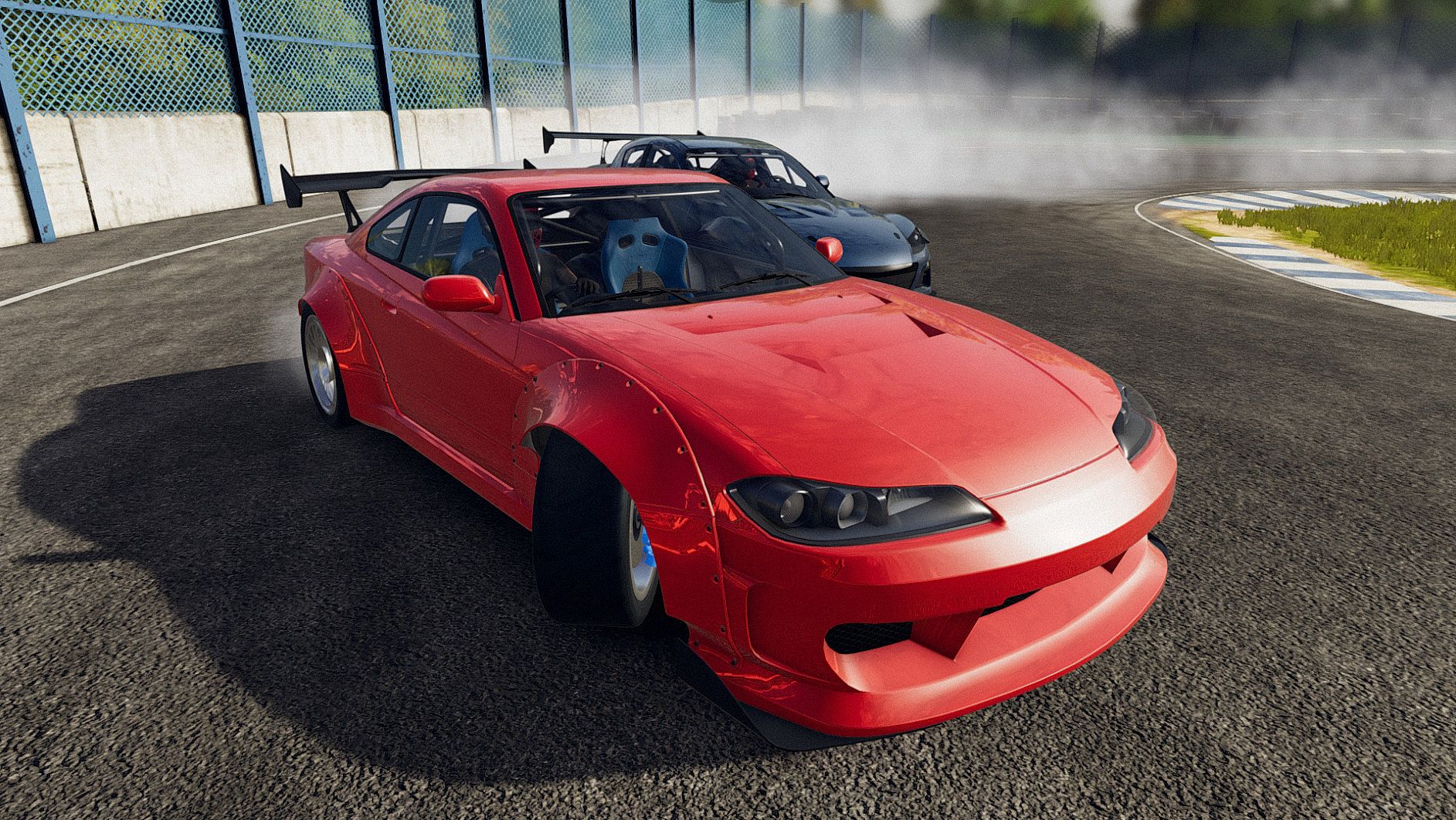
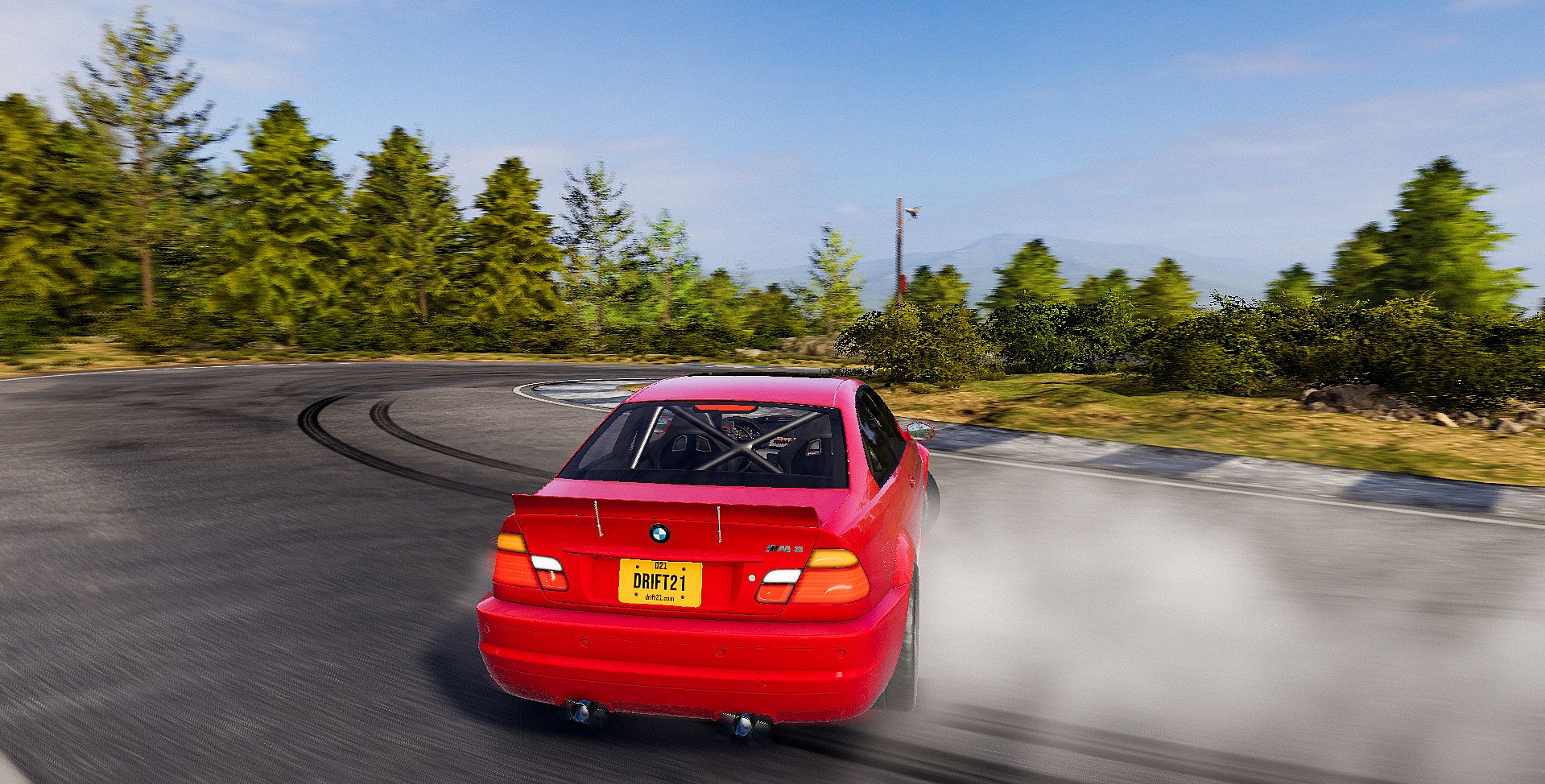
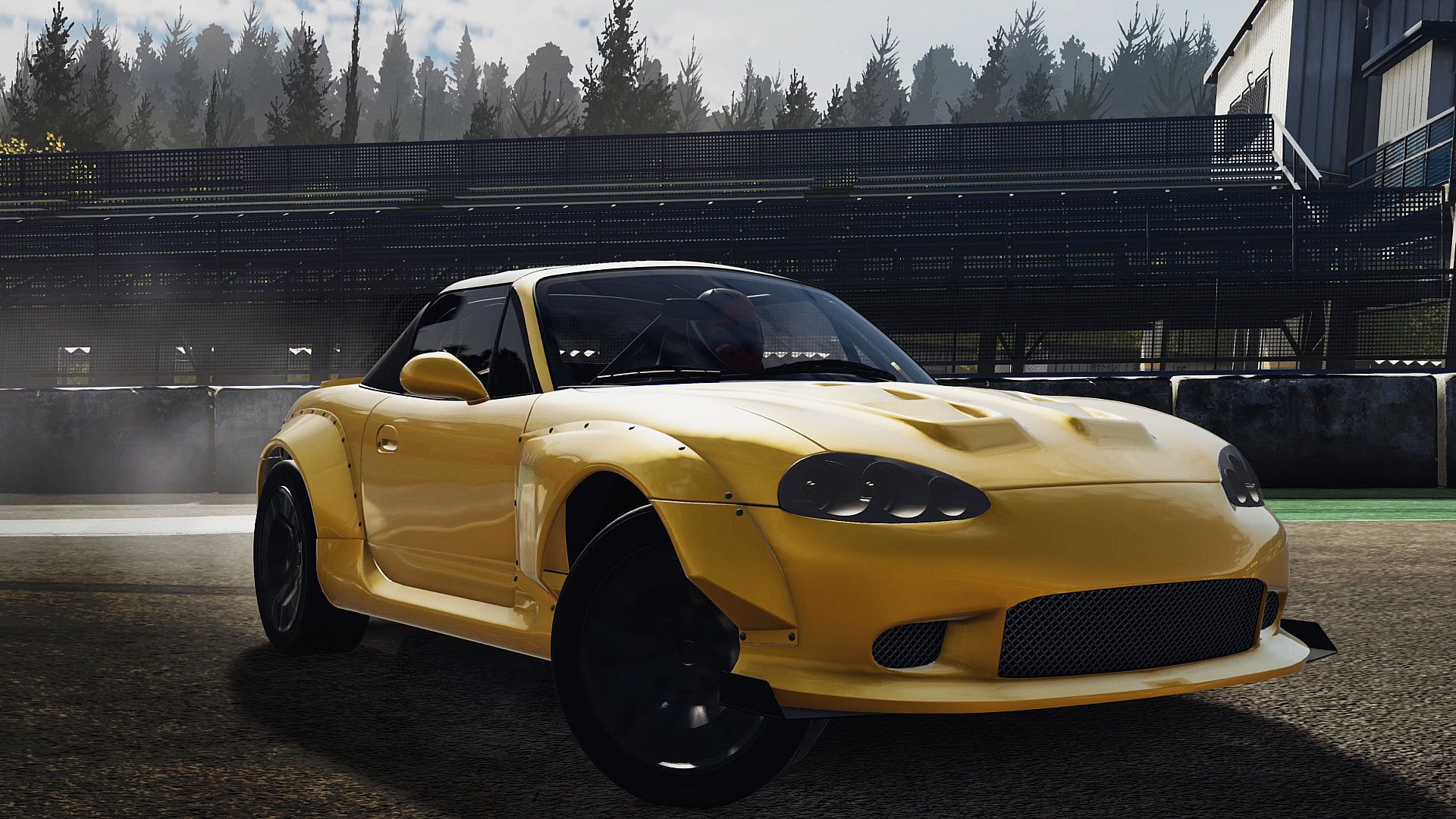
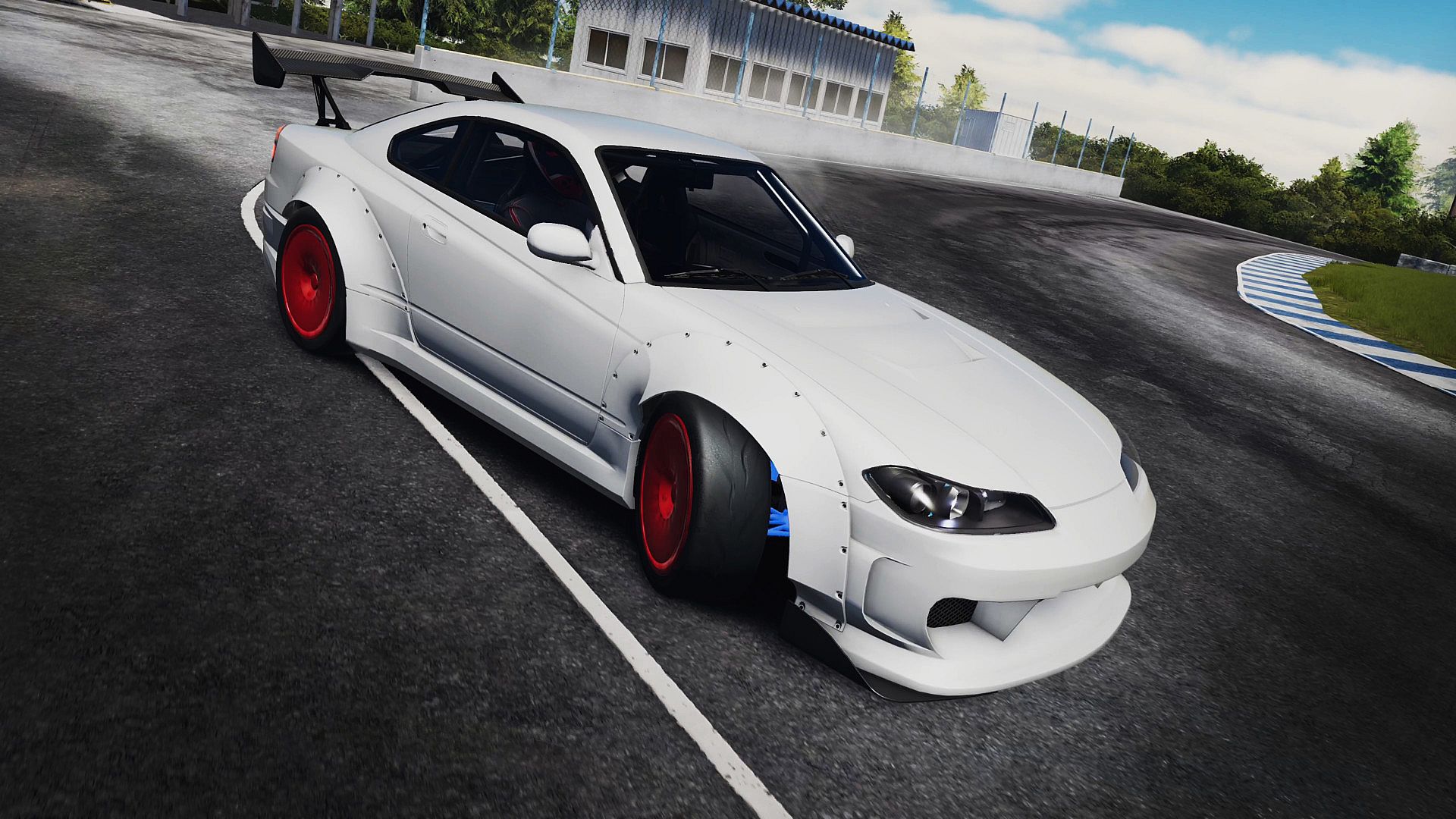
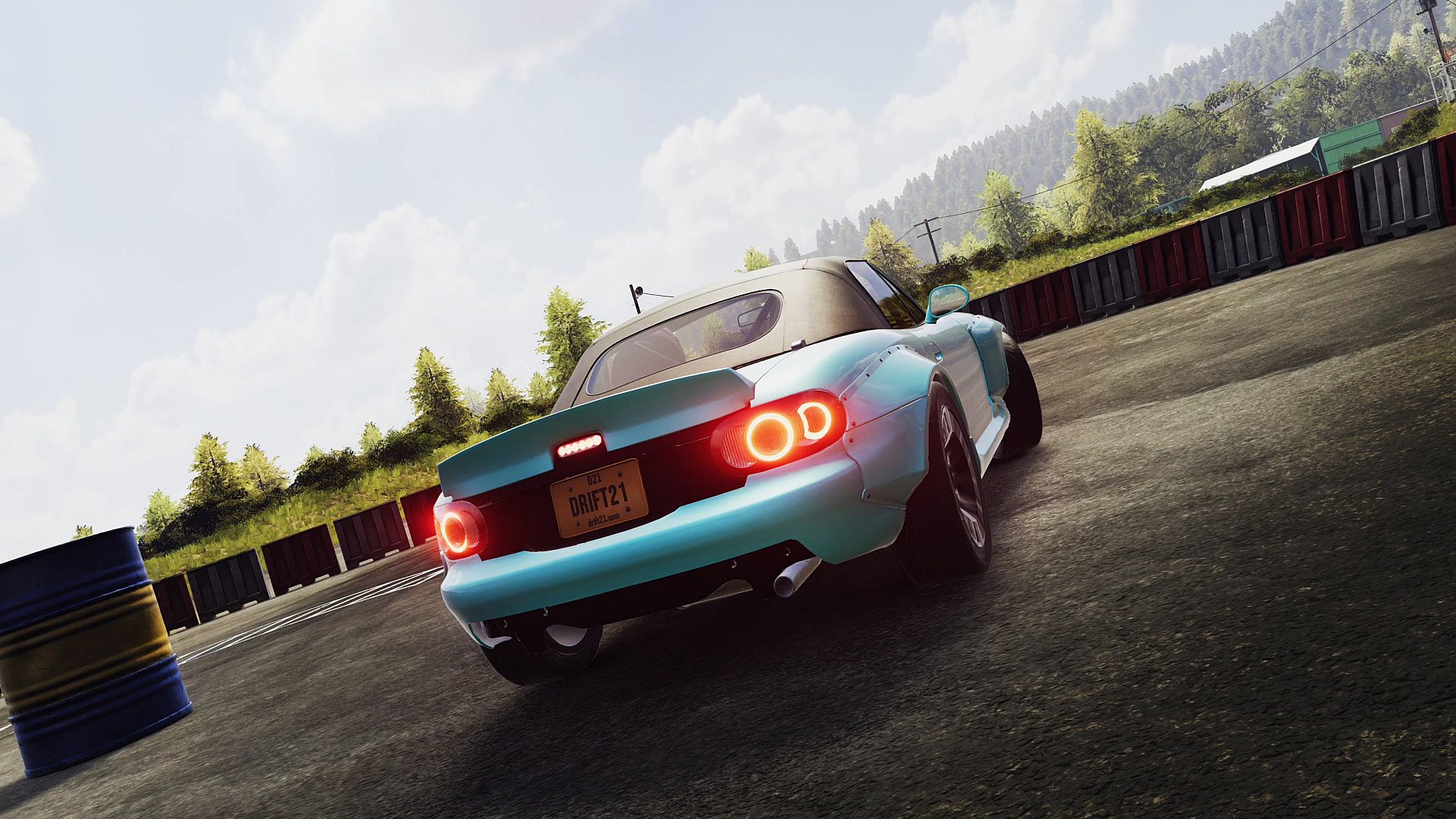
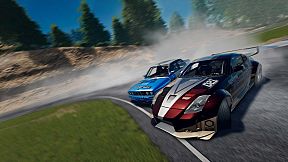
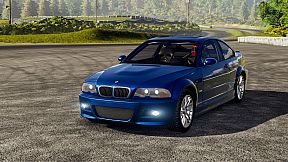
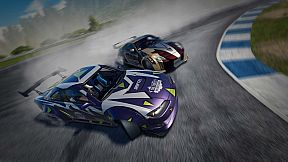
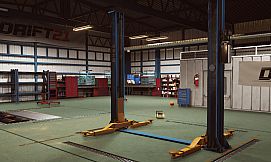

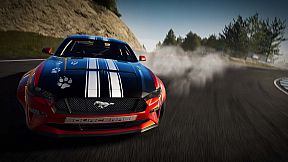
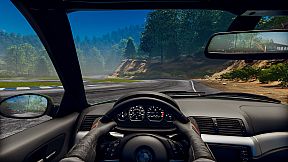
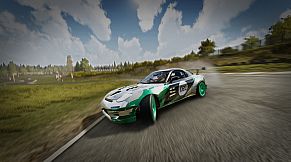
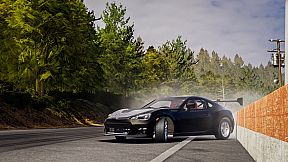
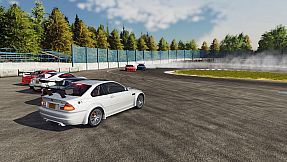
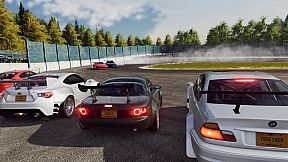
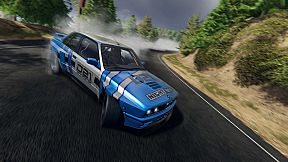
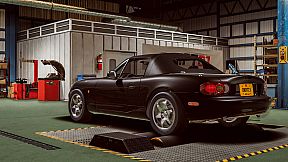
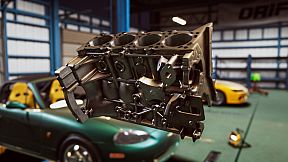
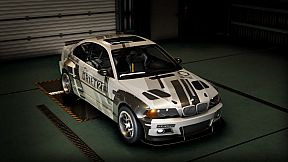
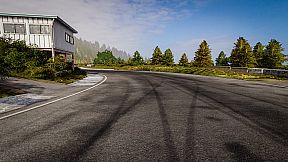
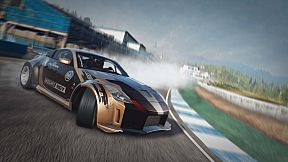
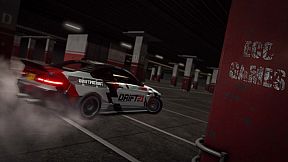
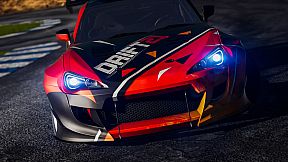
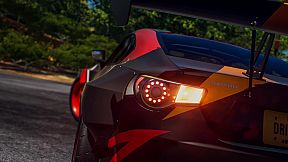
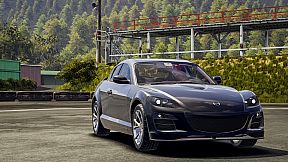
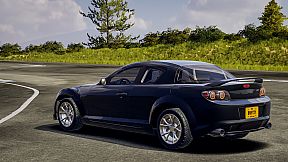
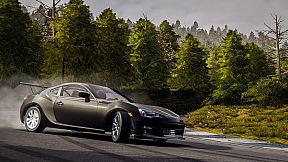
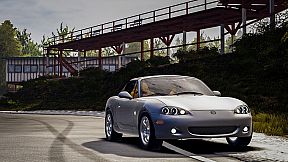
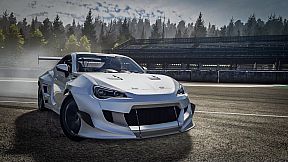
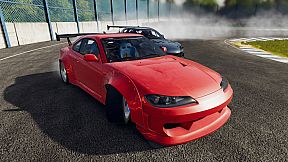
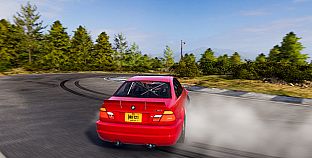
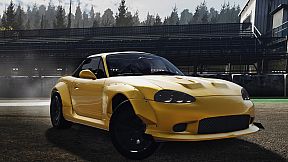
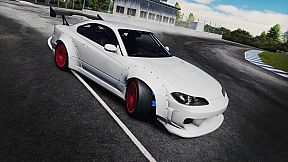
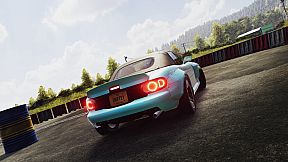
DRIFT CE stands as a dedicated drifting simulation that blends realistic car customization with competitive racing on iconic Japanese circuits. Developed as a focused experience in the action, simulation, racing, and sports genres for PC, the title emphasizes precise handling, extensive mechanical tuning, and both solo progression and online competition. Players enter a world built around mastering controlled slides rather than outright speed, with licensed vehicles and detailed environments that reward technical skill over arcade shortcuts.
Gameplay
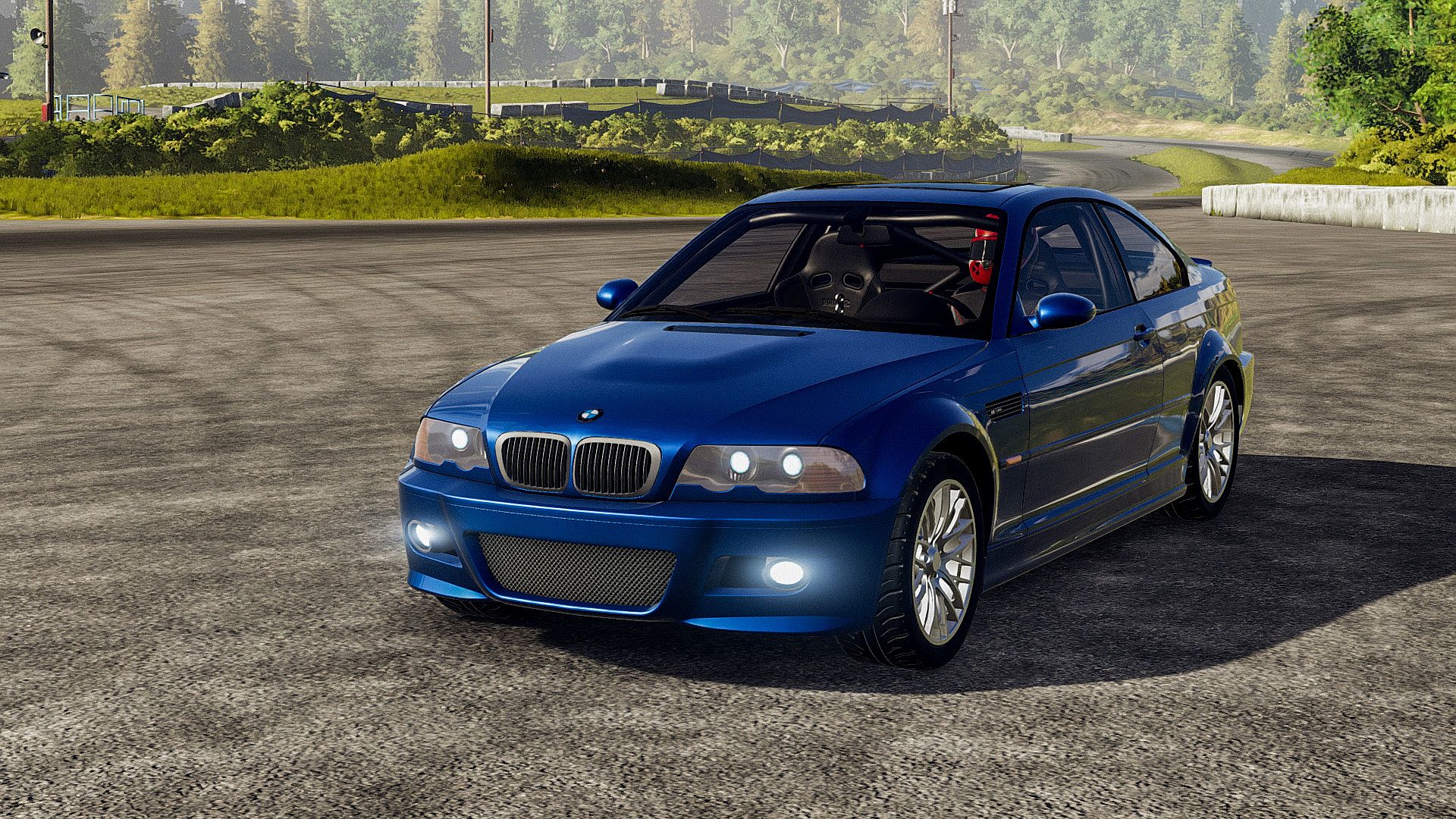
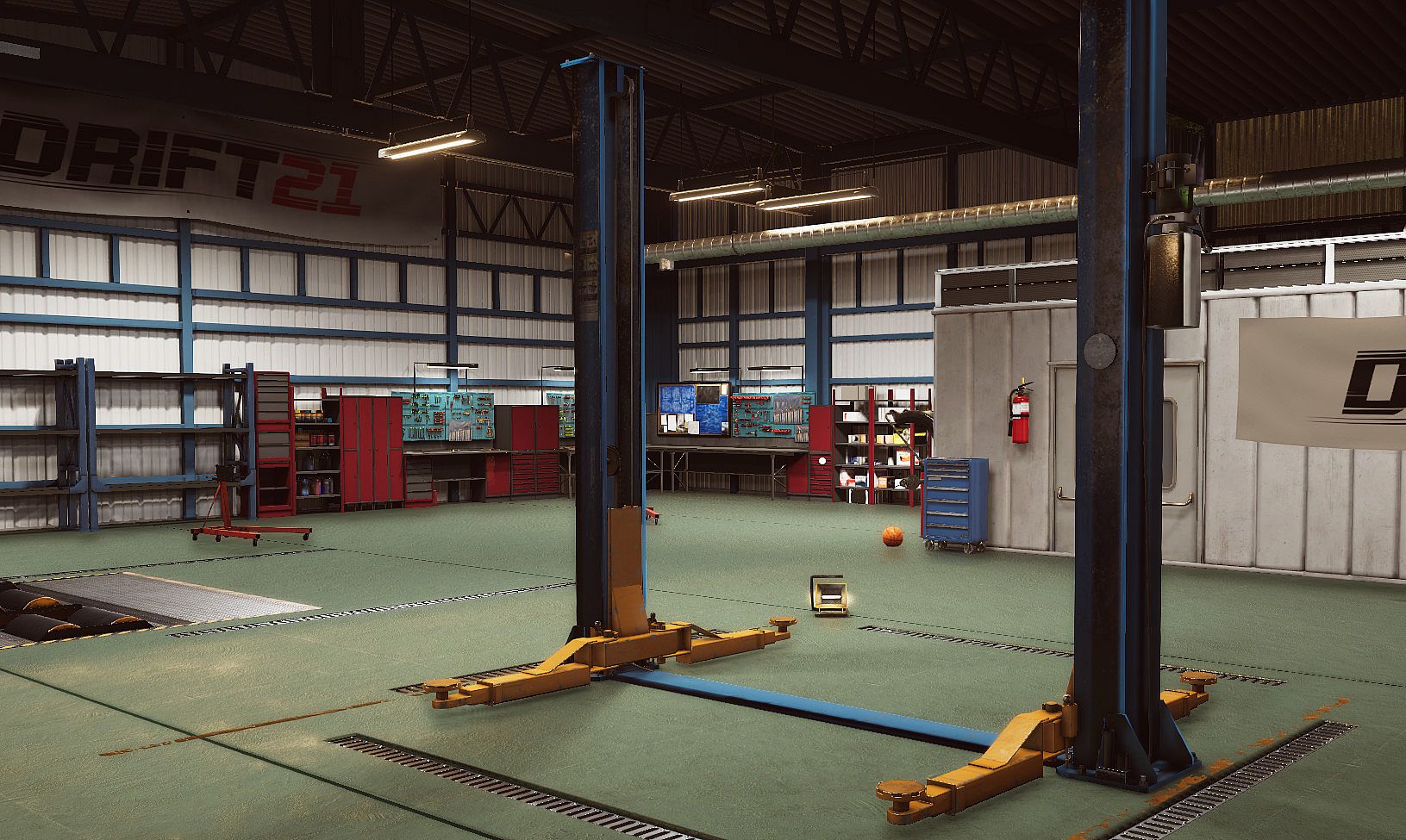
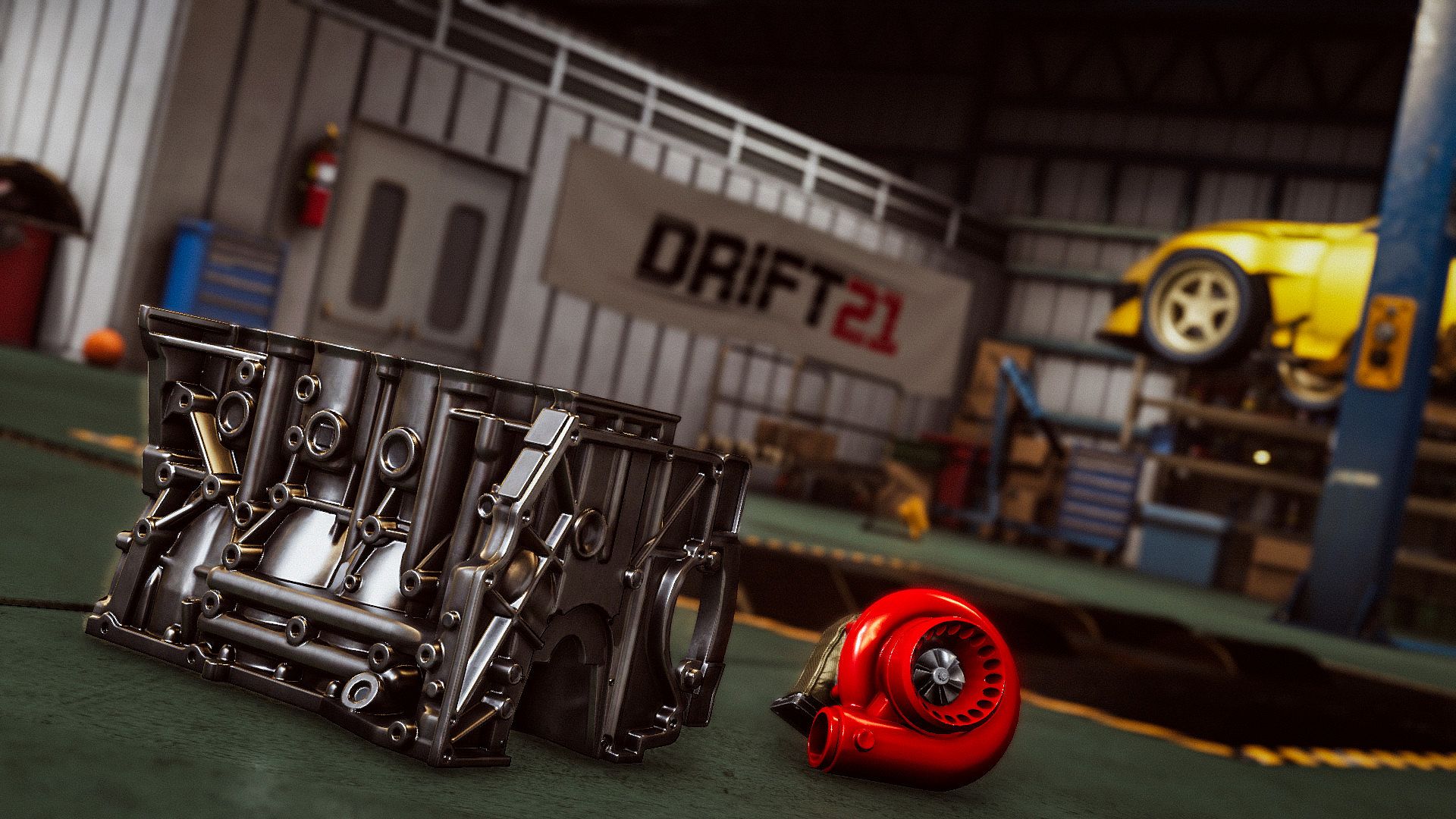
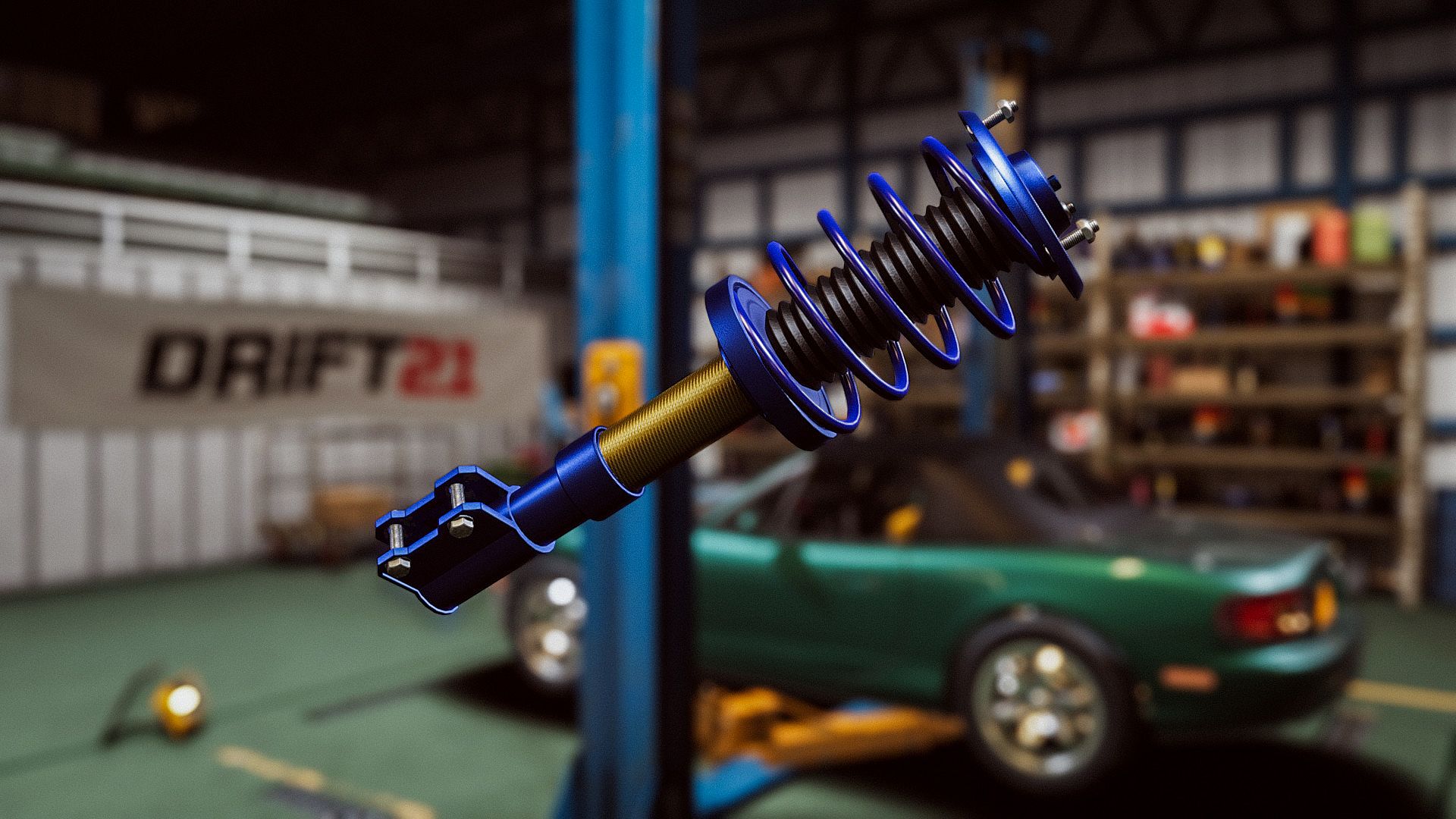
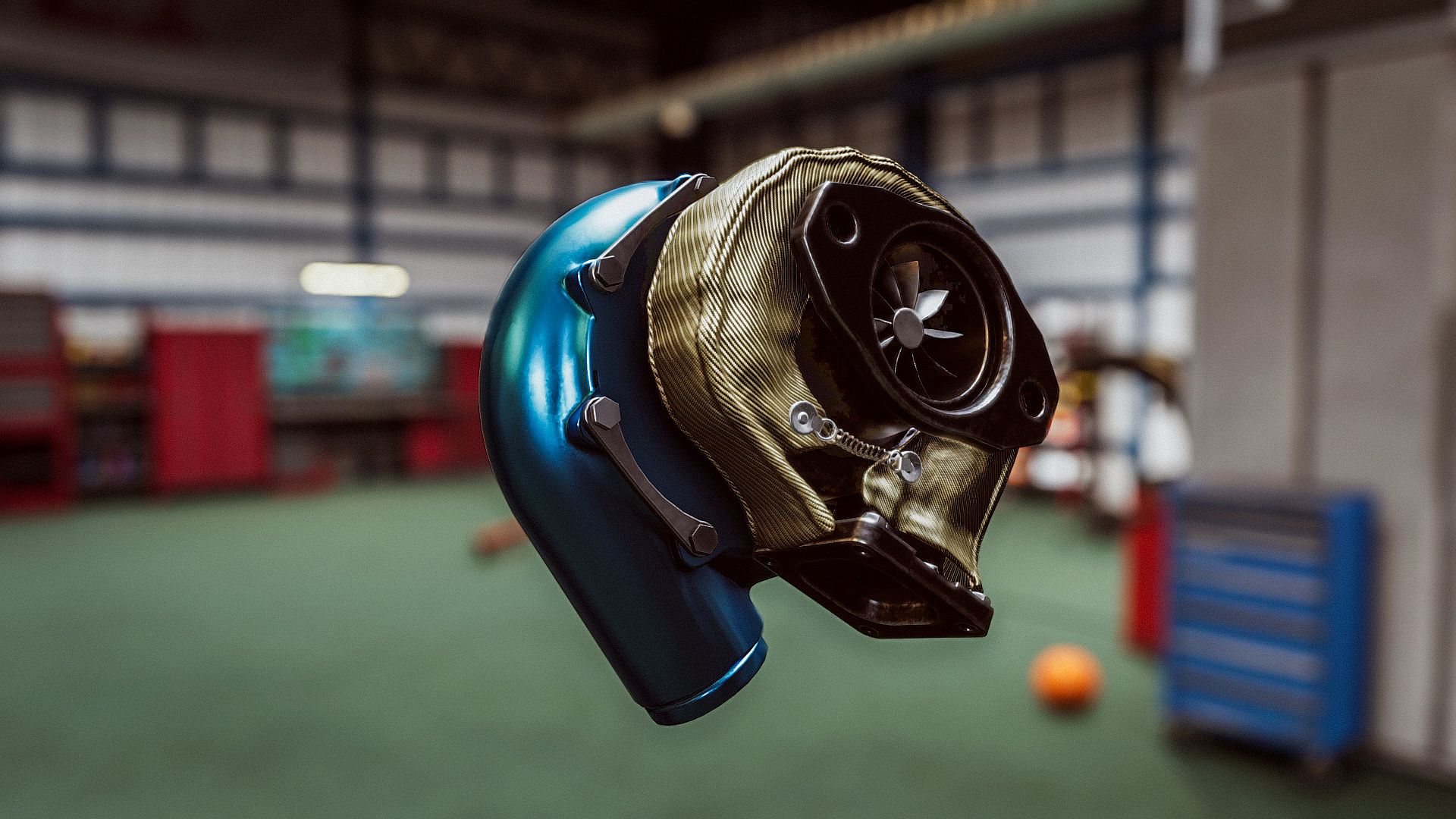
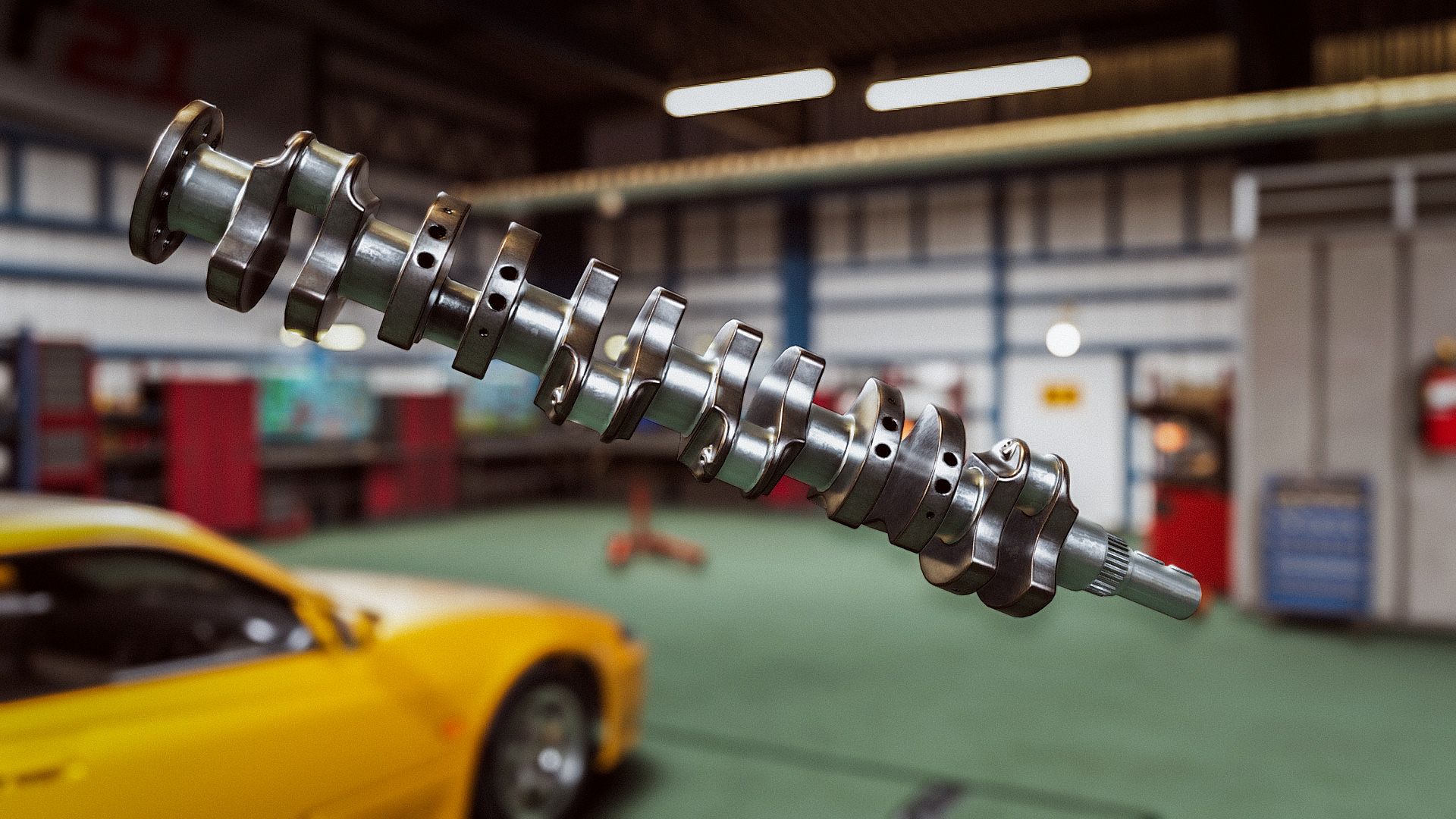
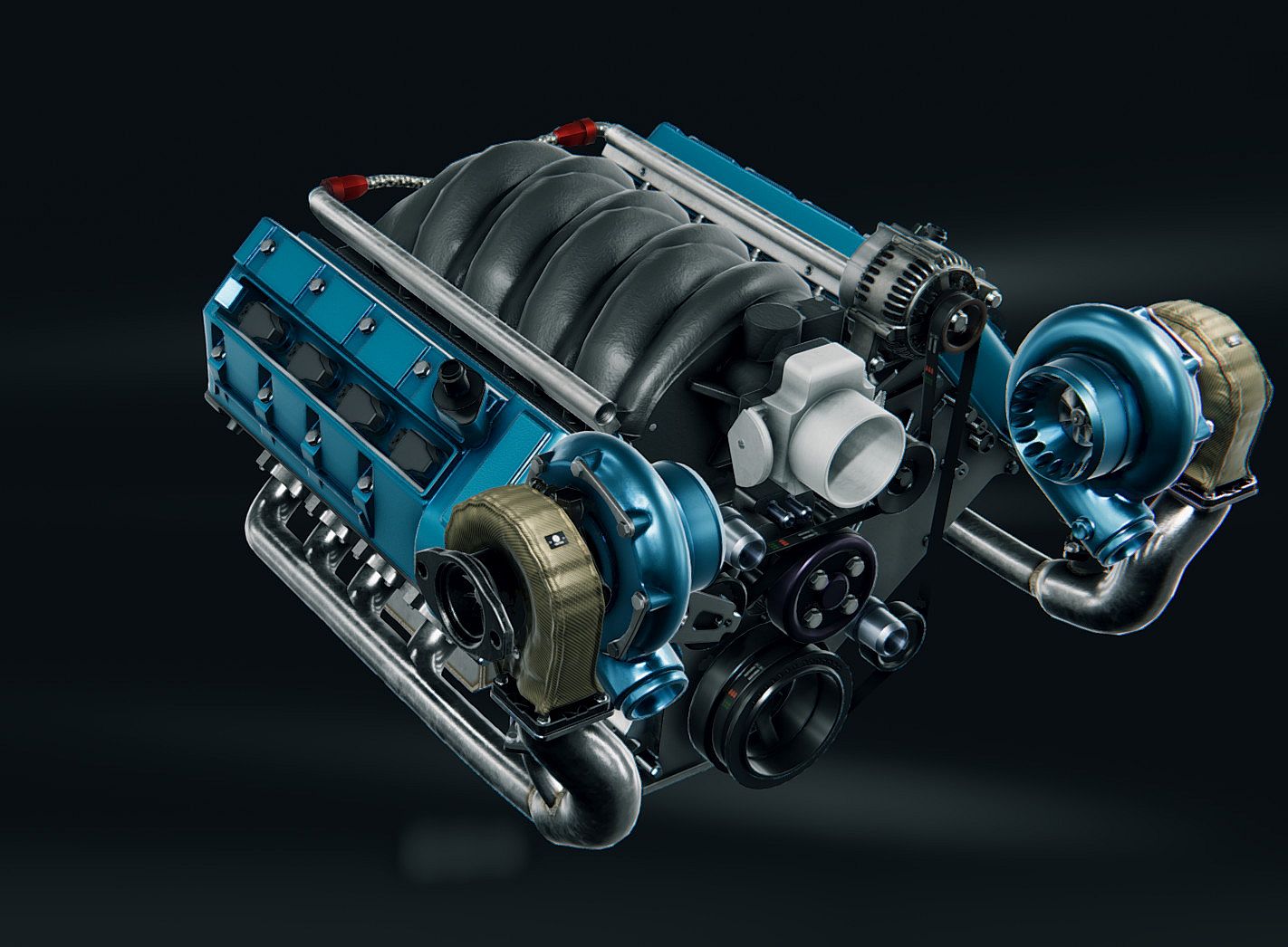
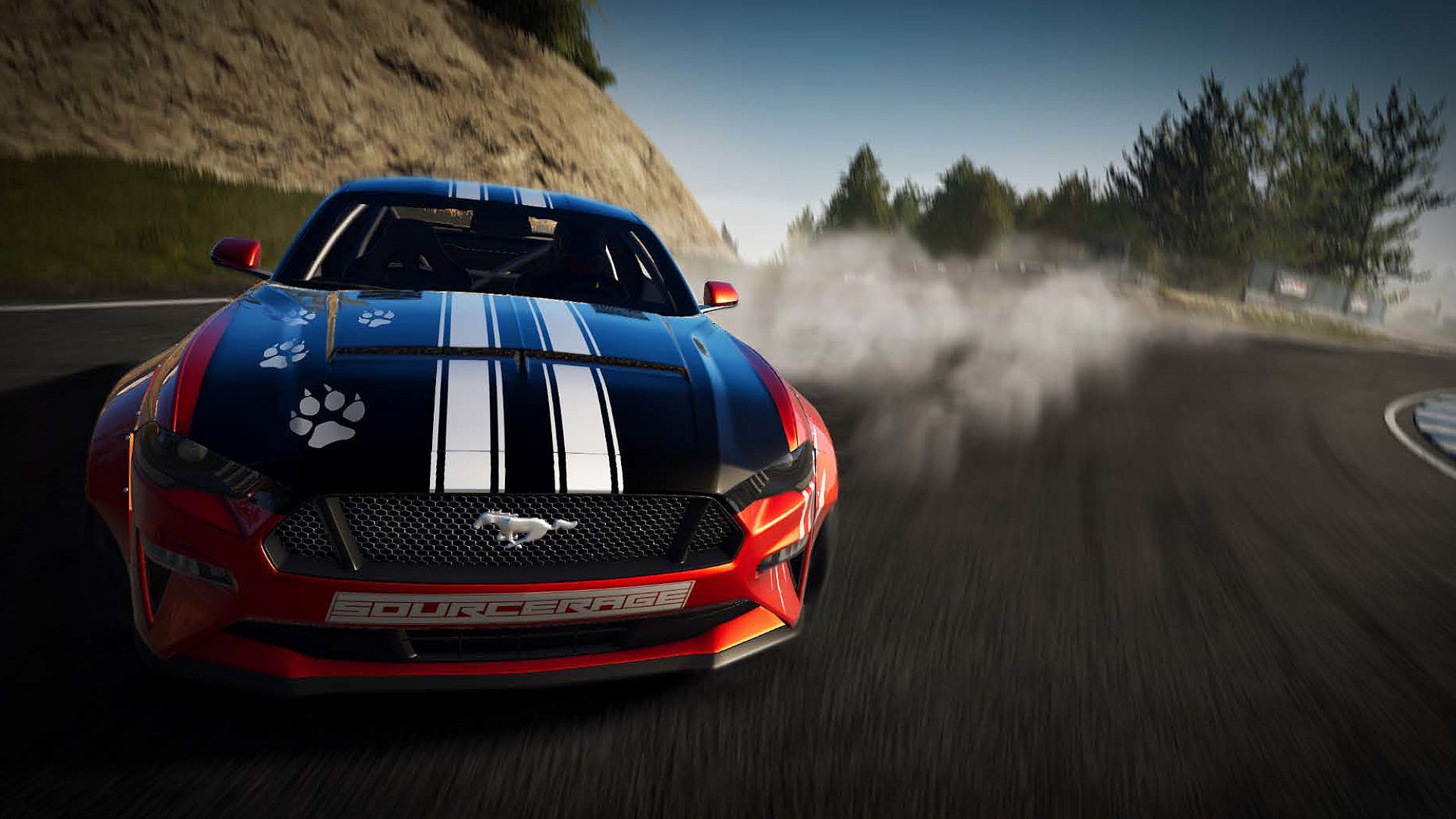
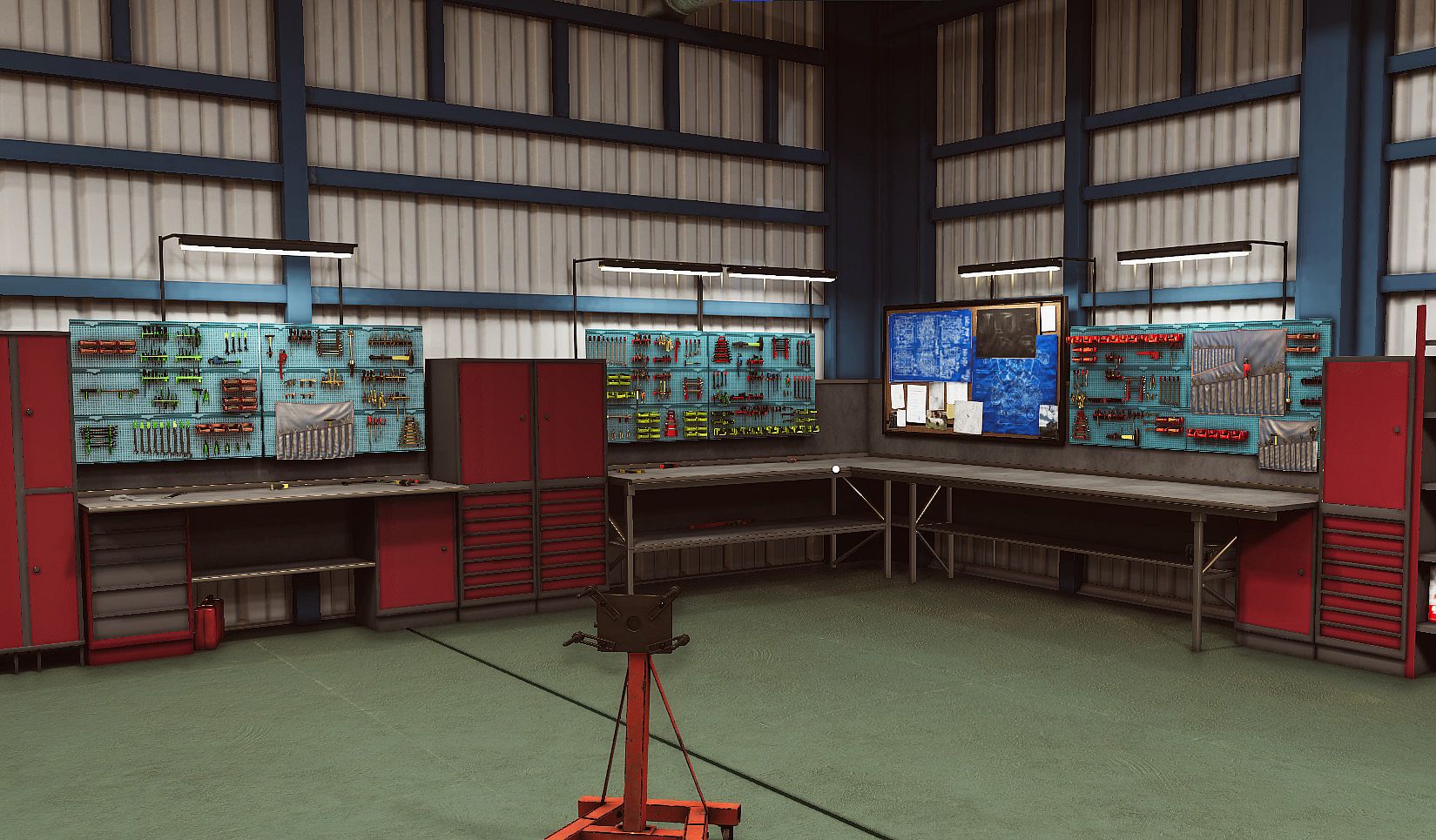
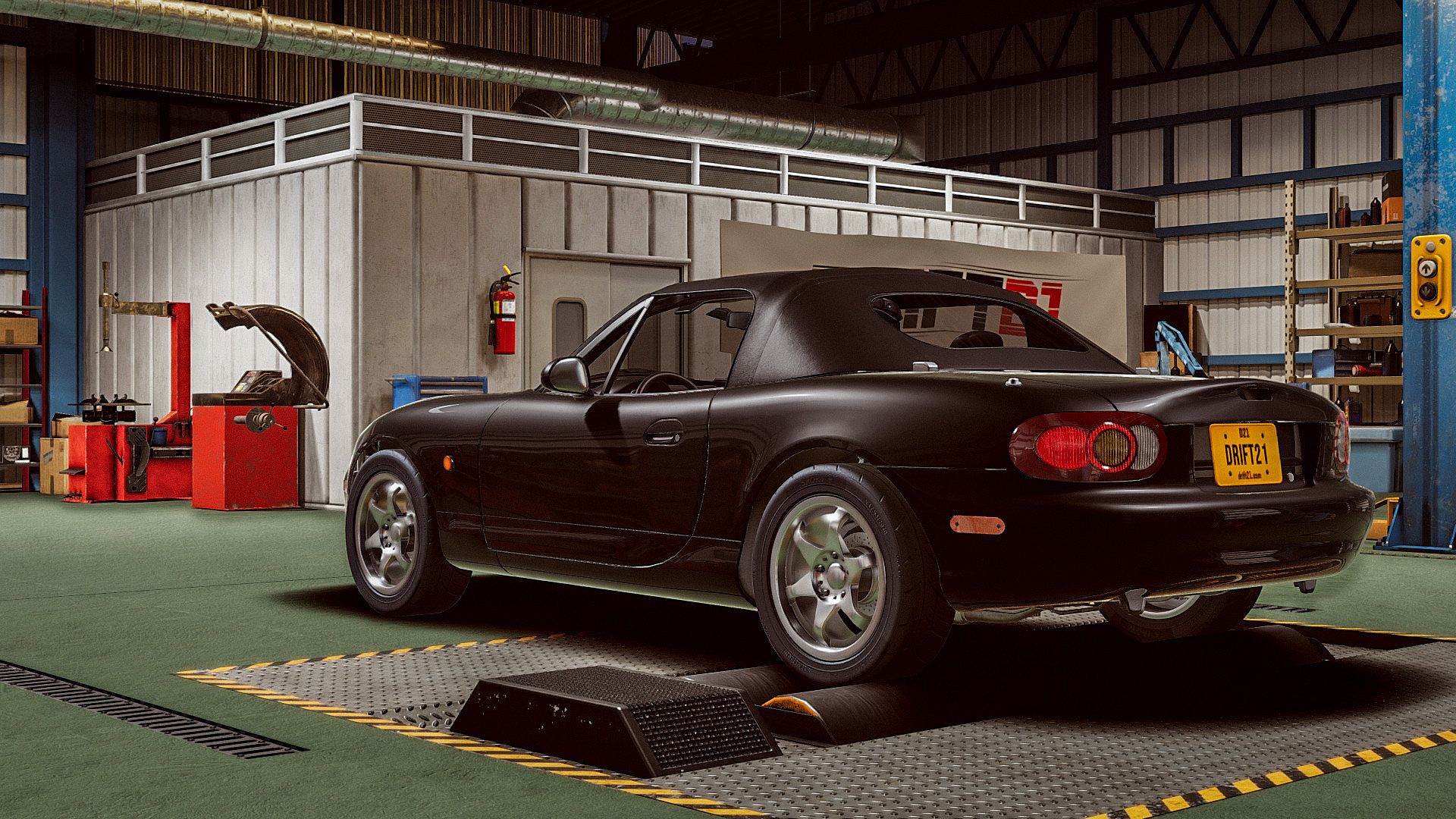
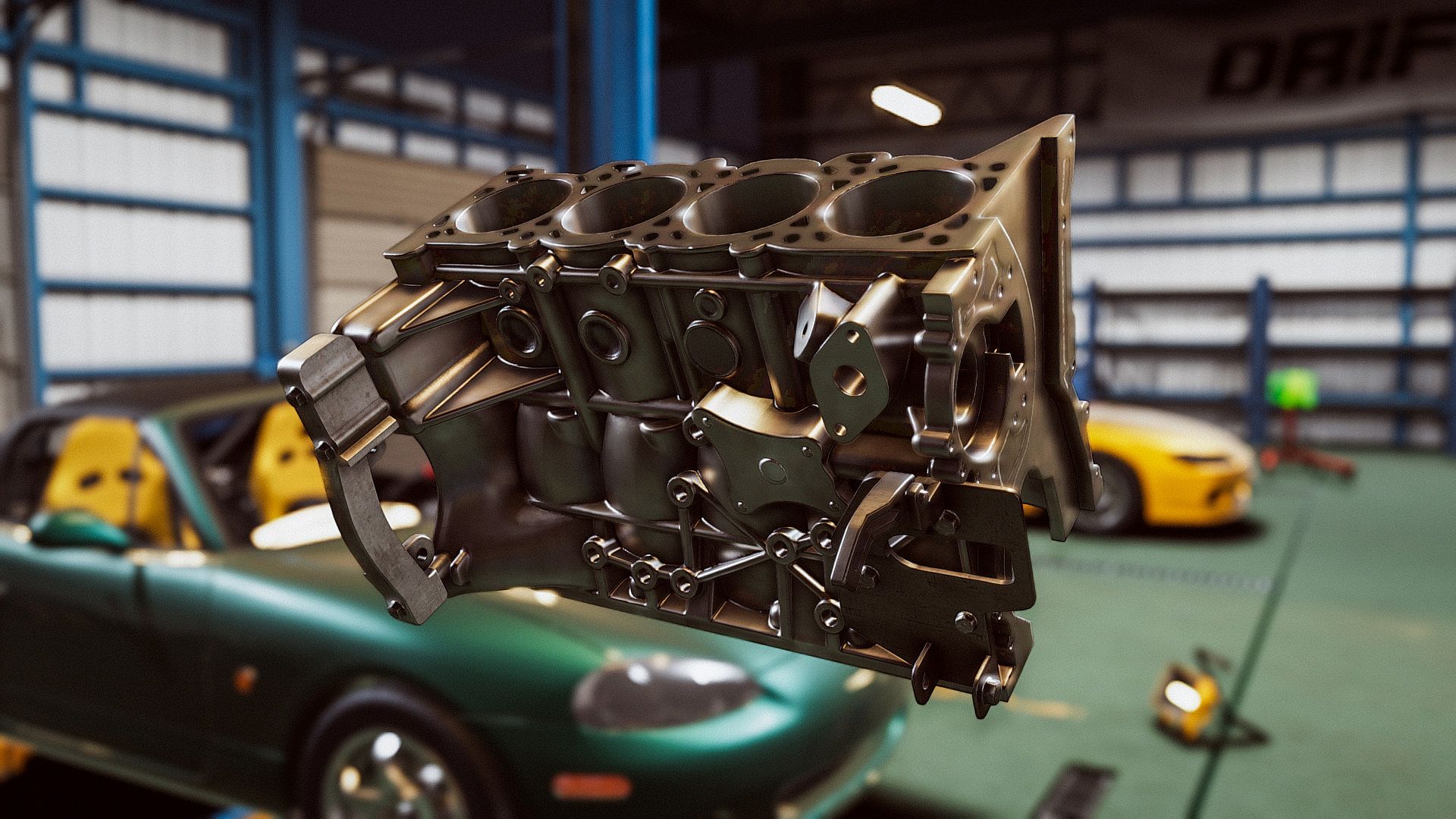
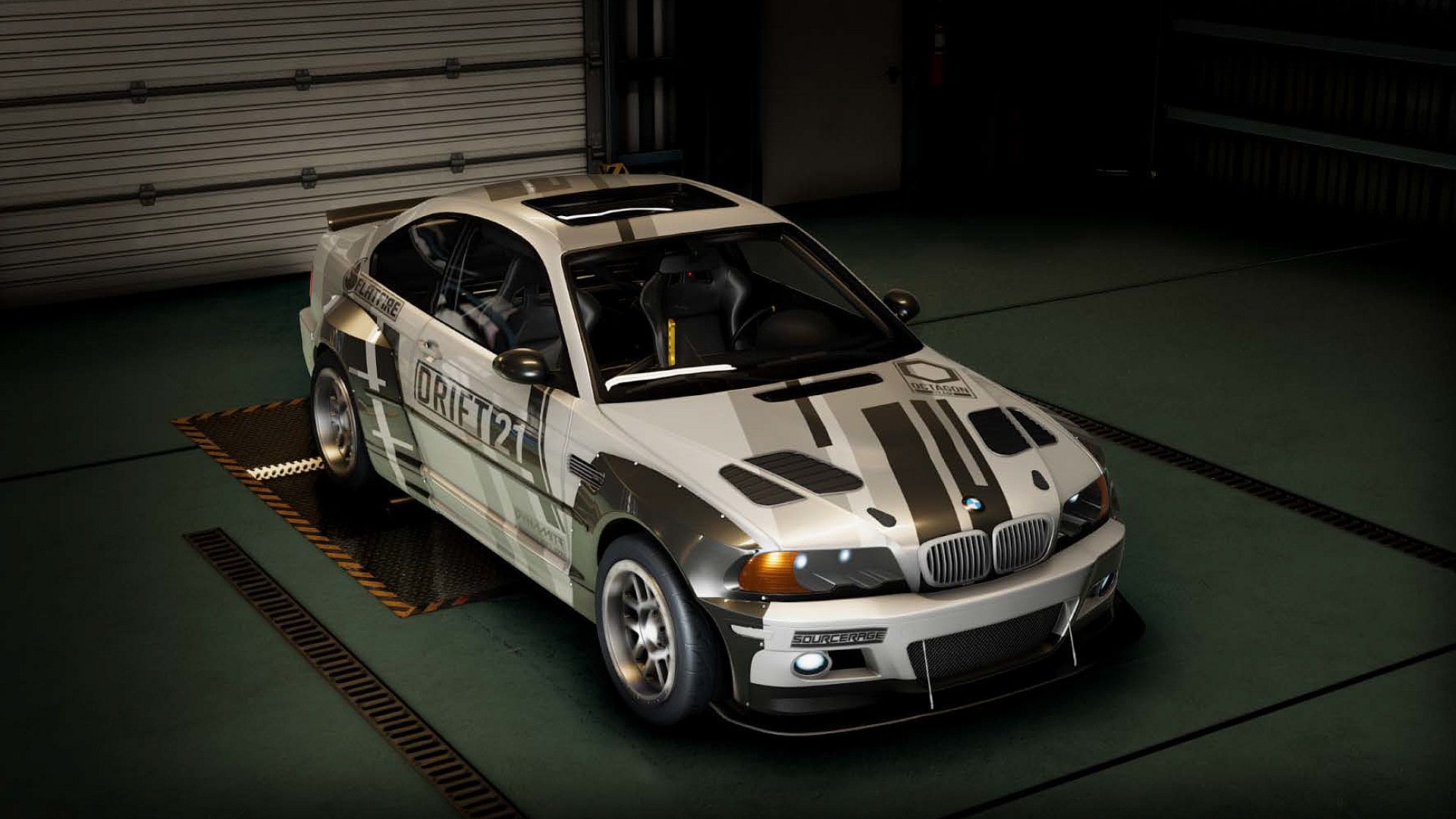
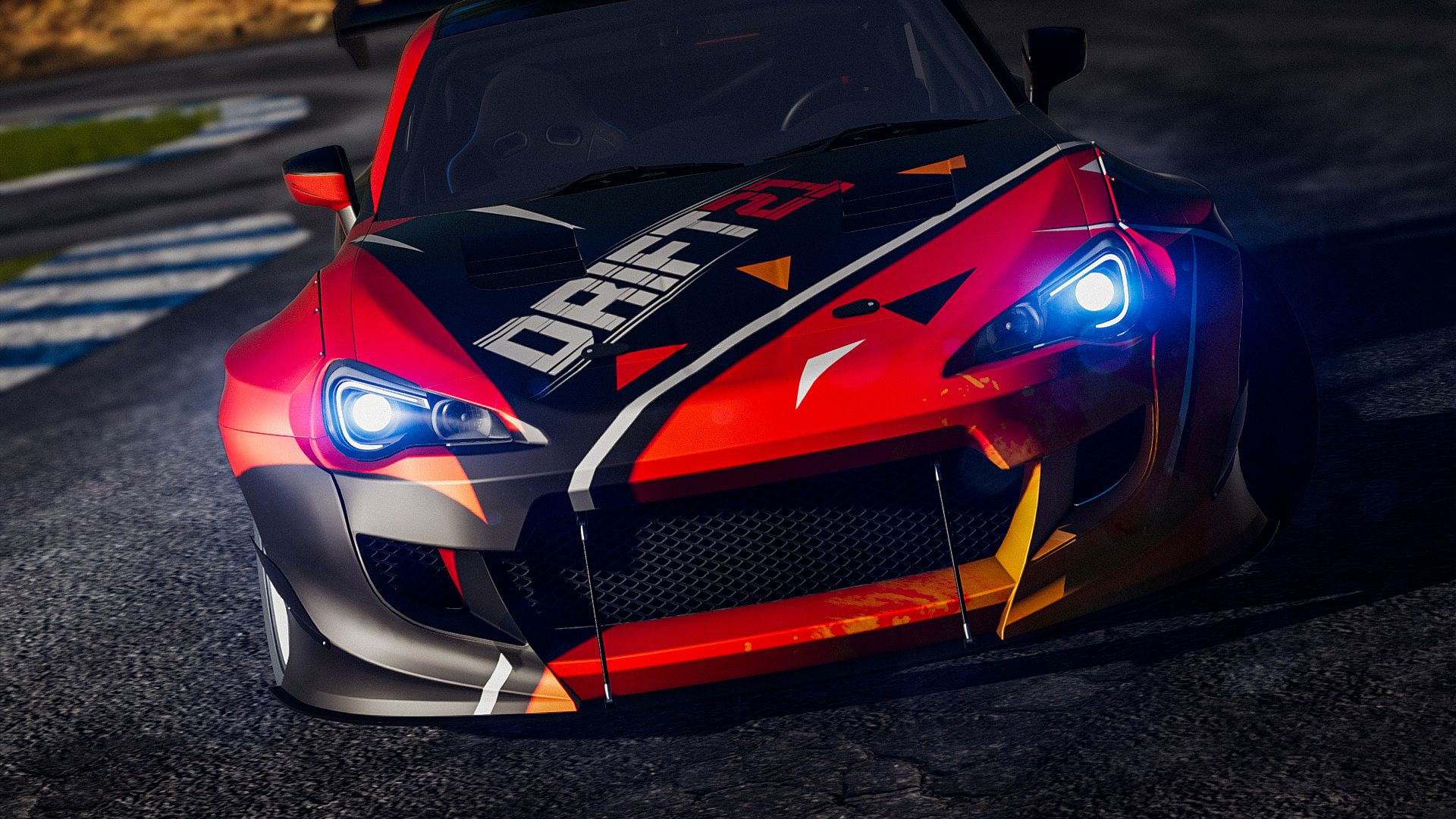
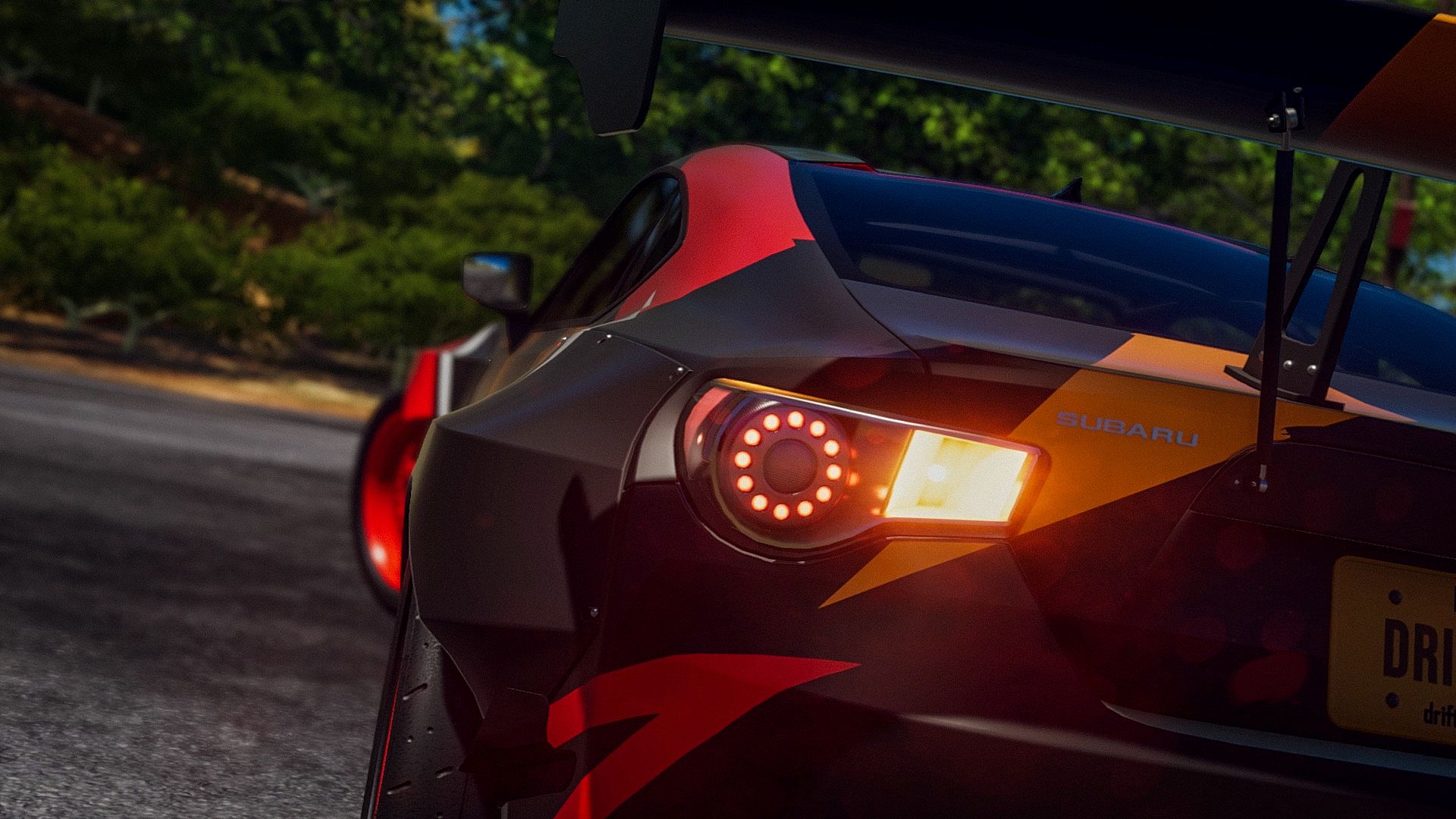
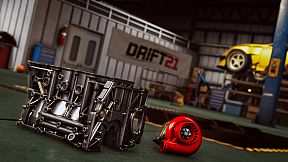
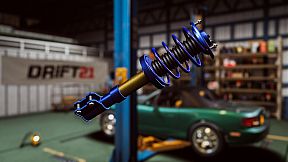
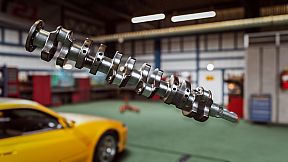
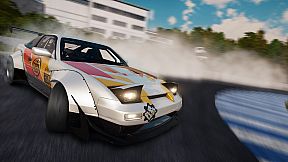
The core loop revolves around building and refining drift cars through a comprehensive garage system. More than 1800 individual components allow targeted adjustments to engines, suspensions, wheels, and other performance elements, tailoring each vehicle to personal driving preferences. Visual options extend this freedom with body kits, paint colors, and decals that create distinctive appearances without altering core mechanics.
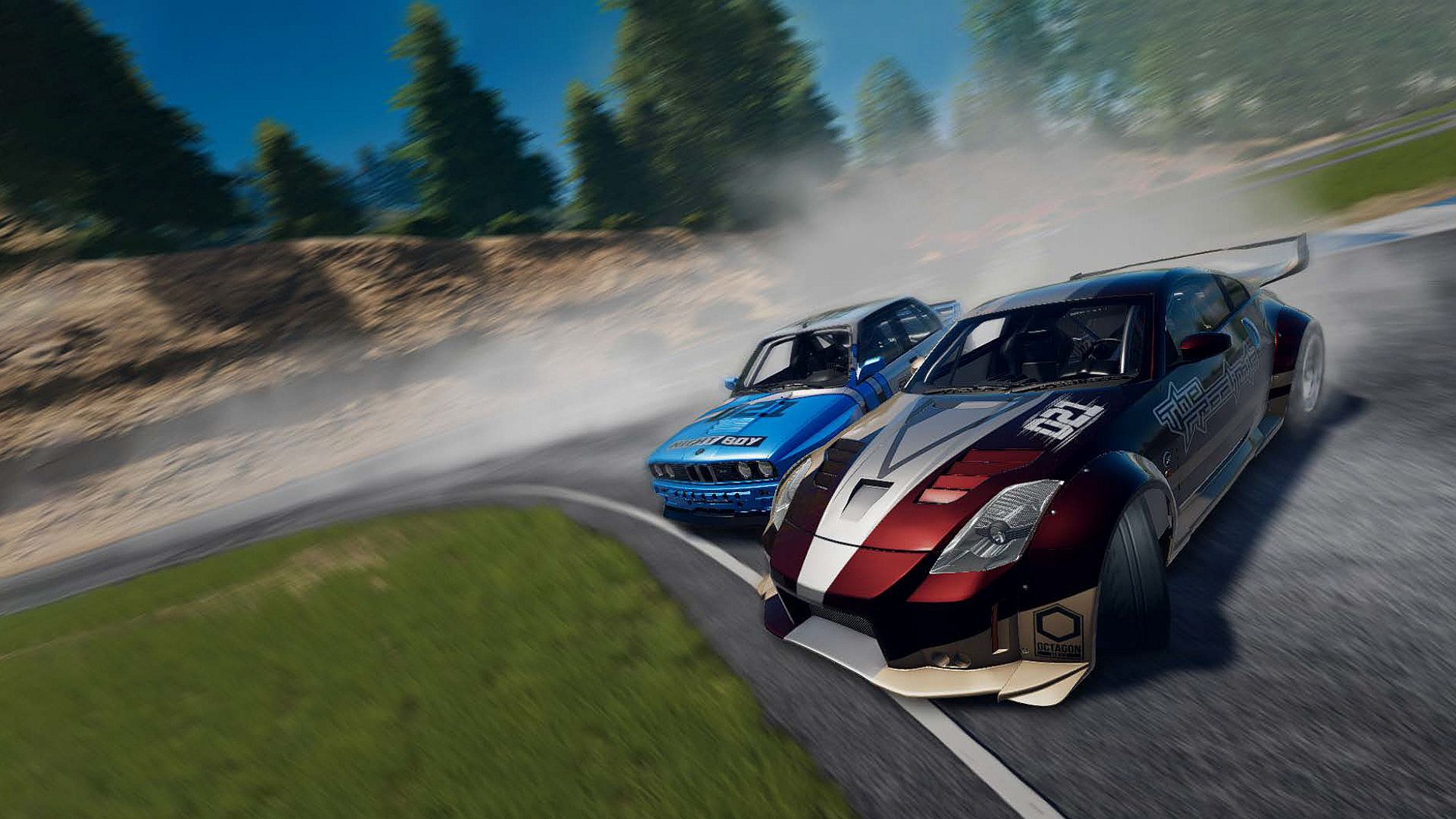
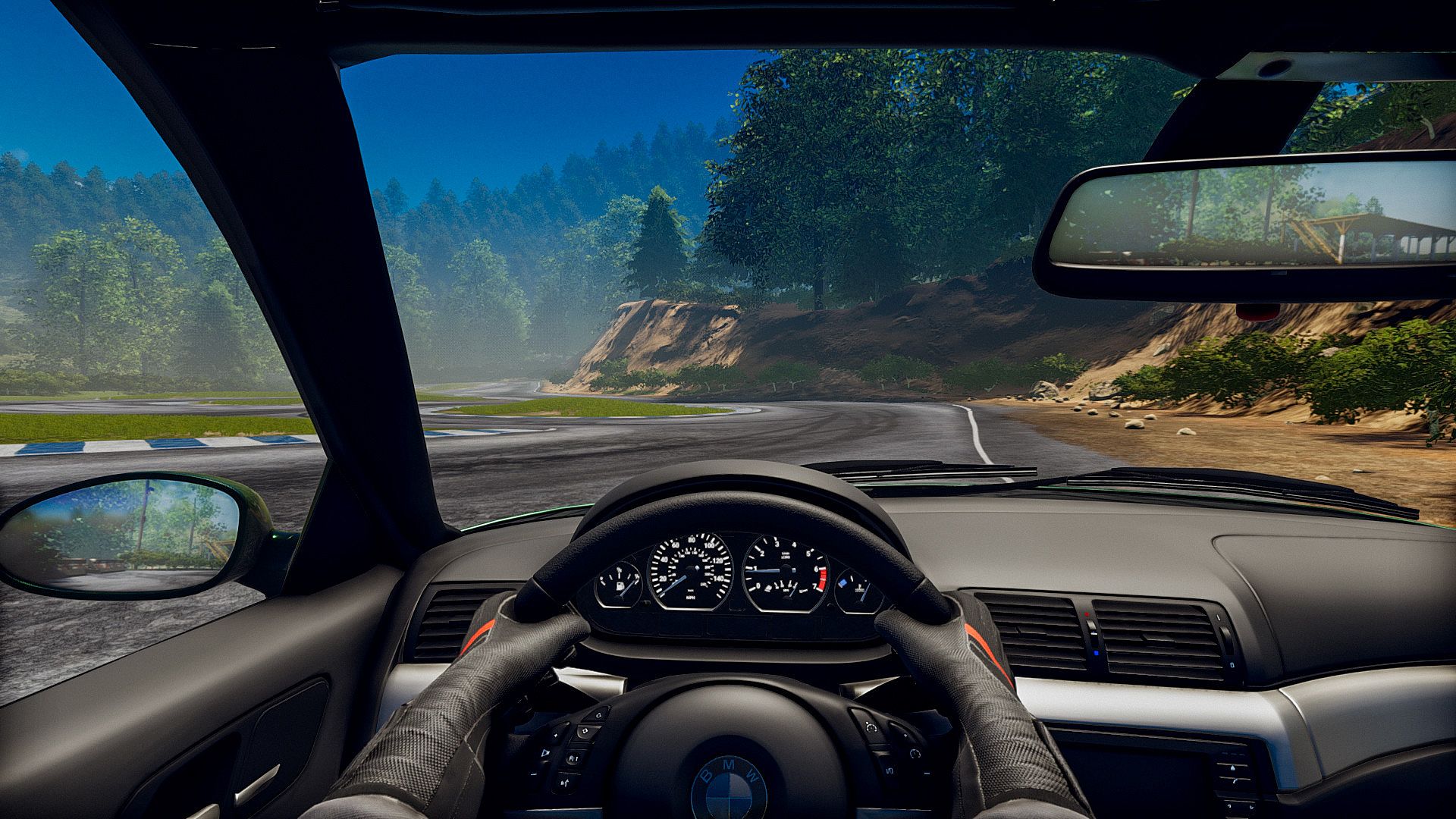
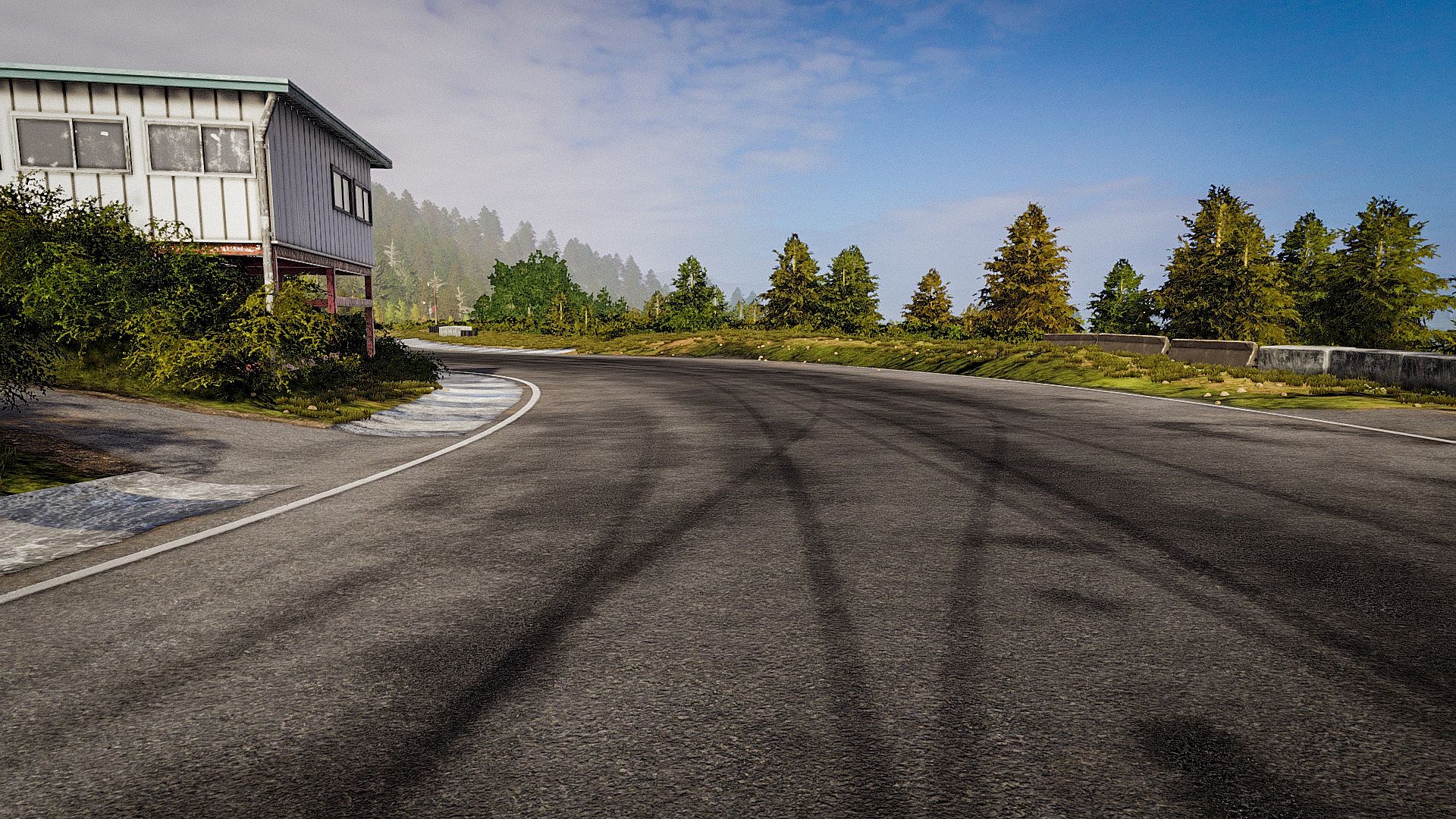
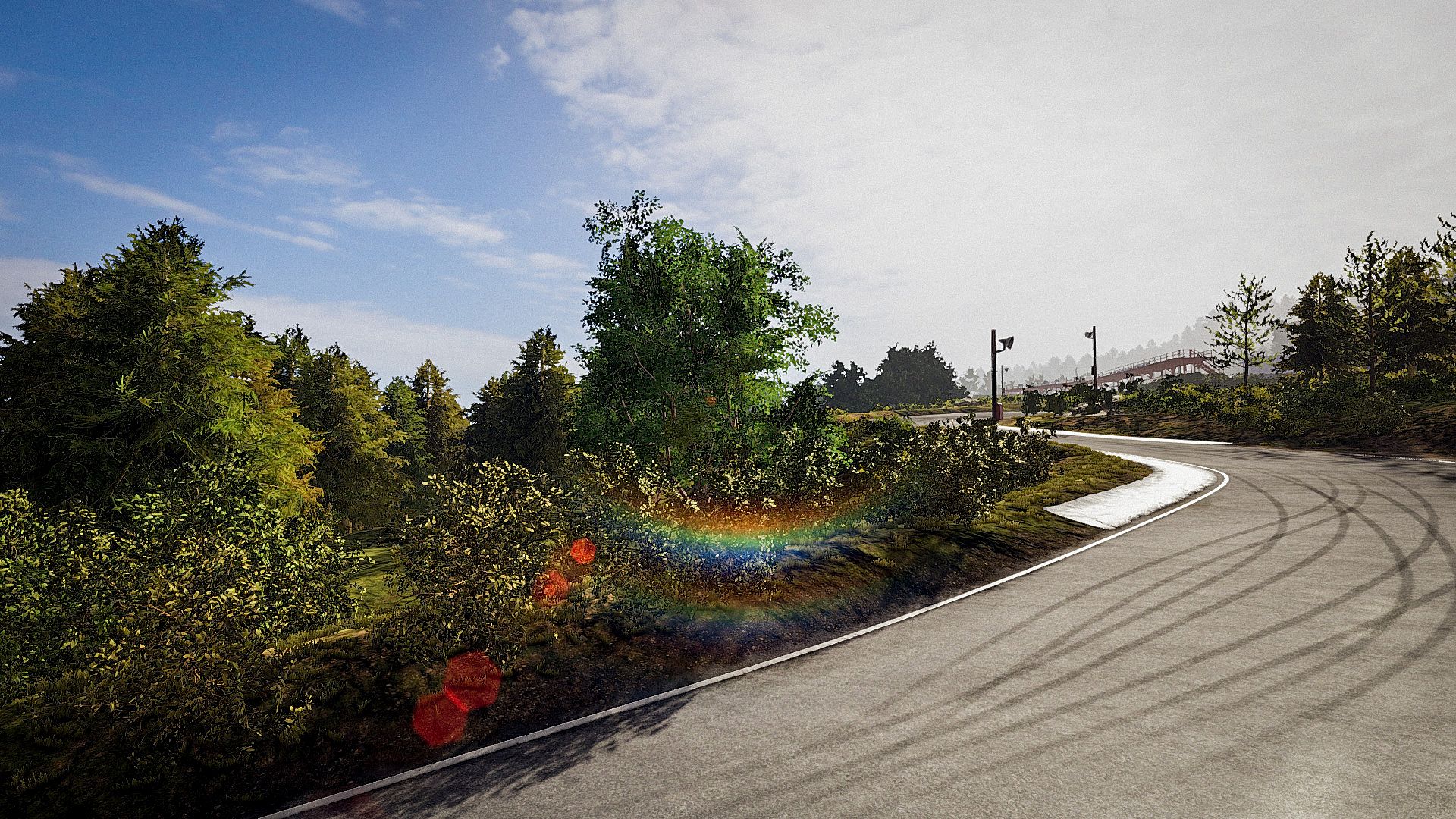
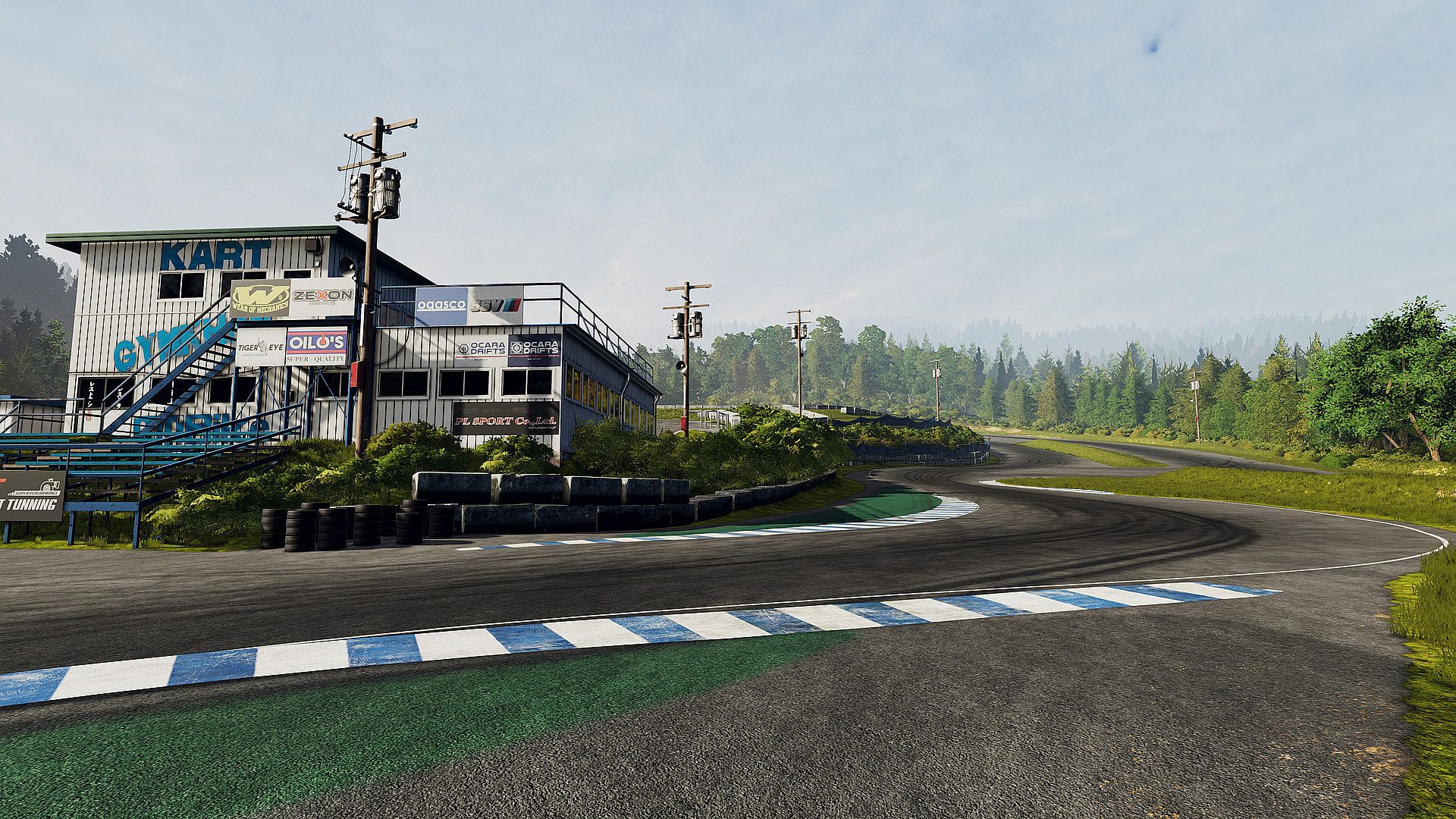
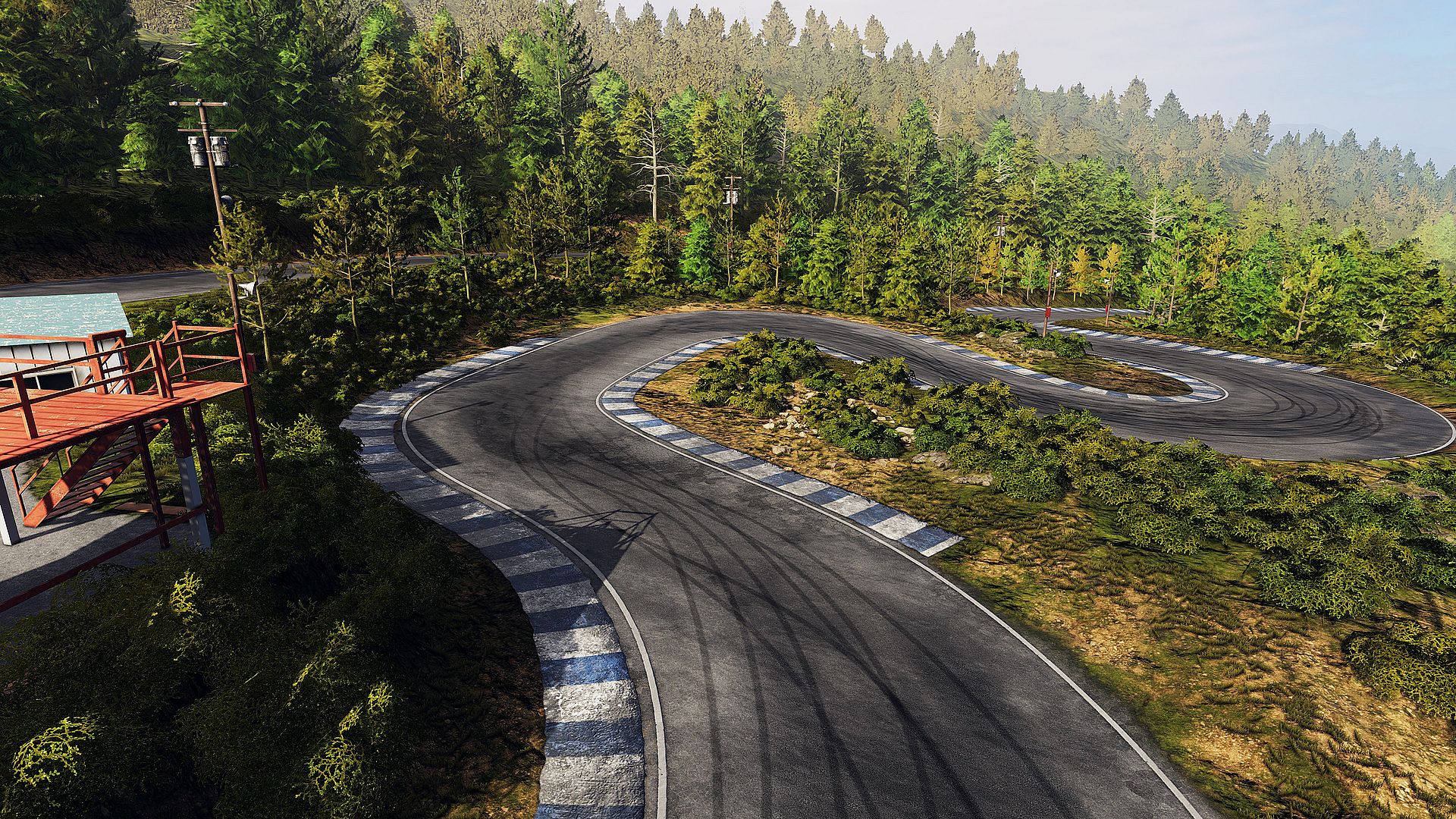
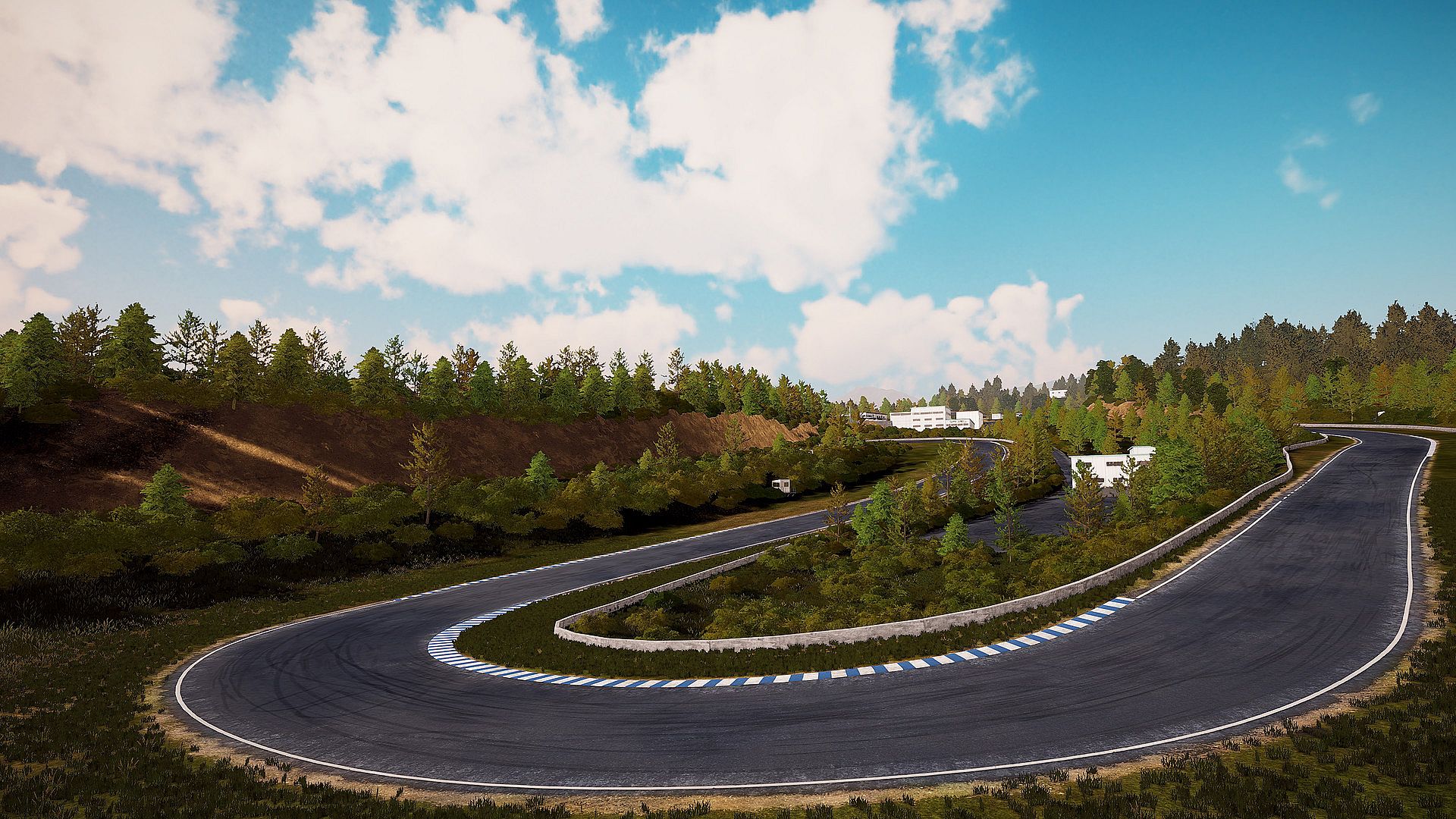
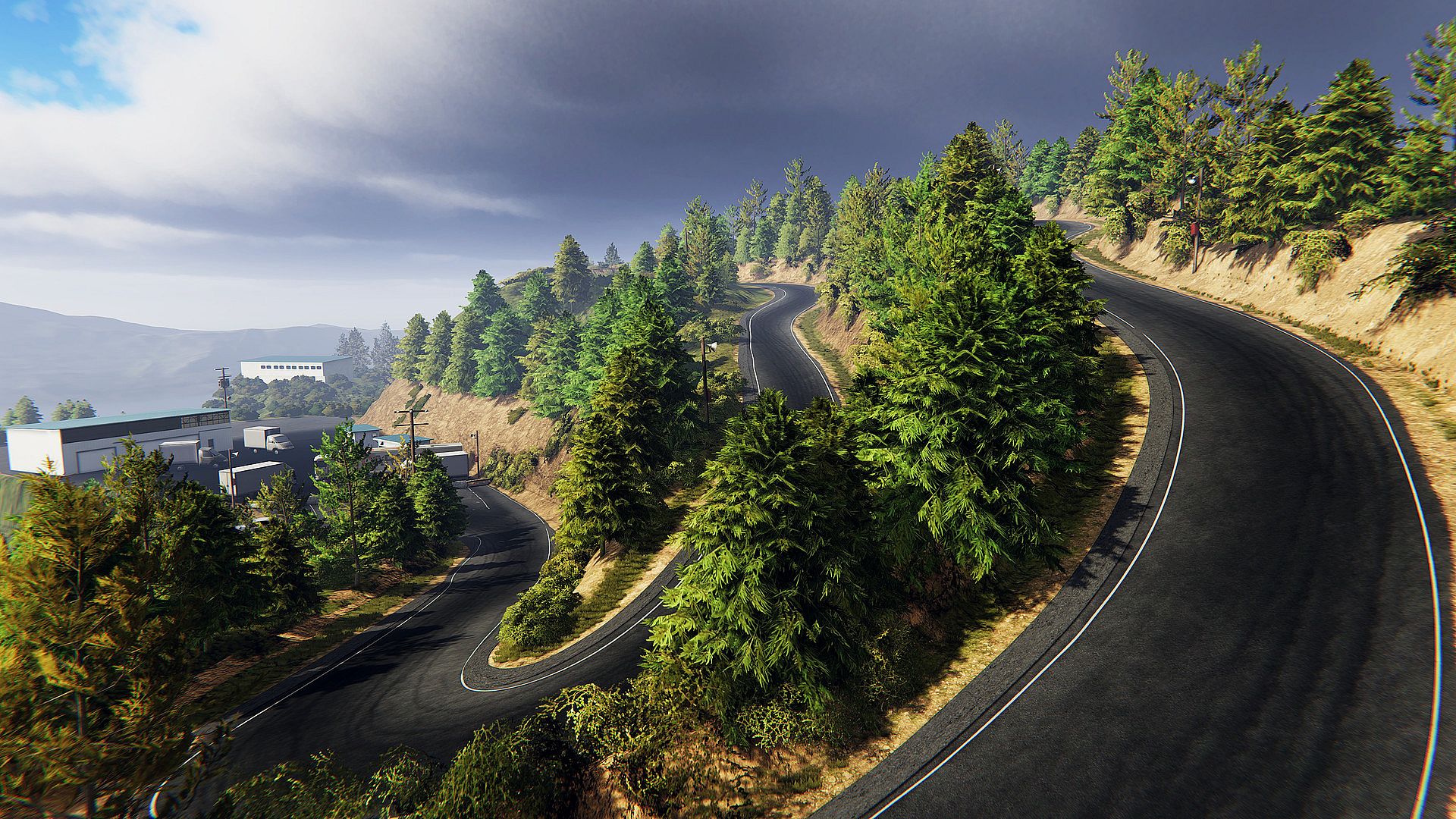
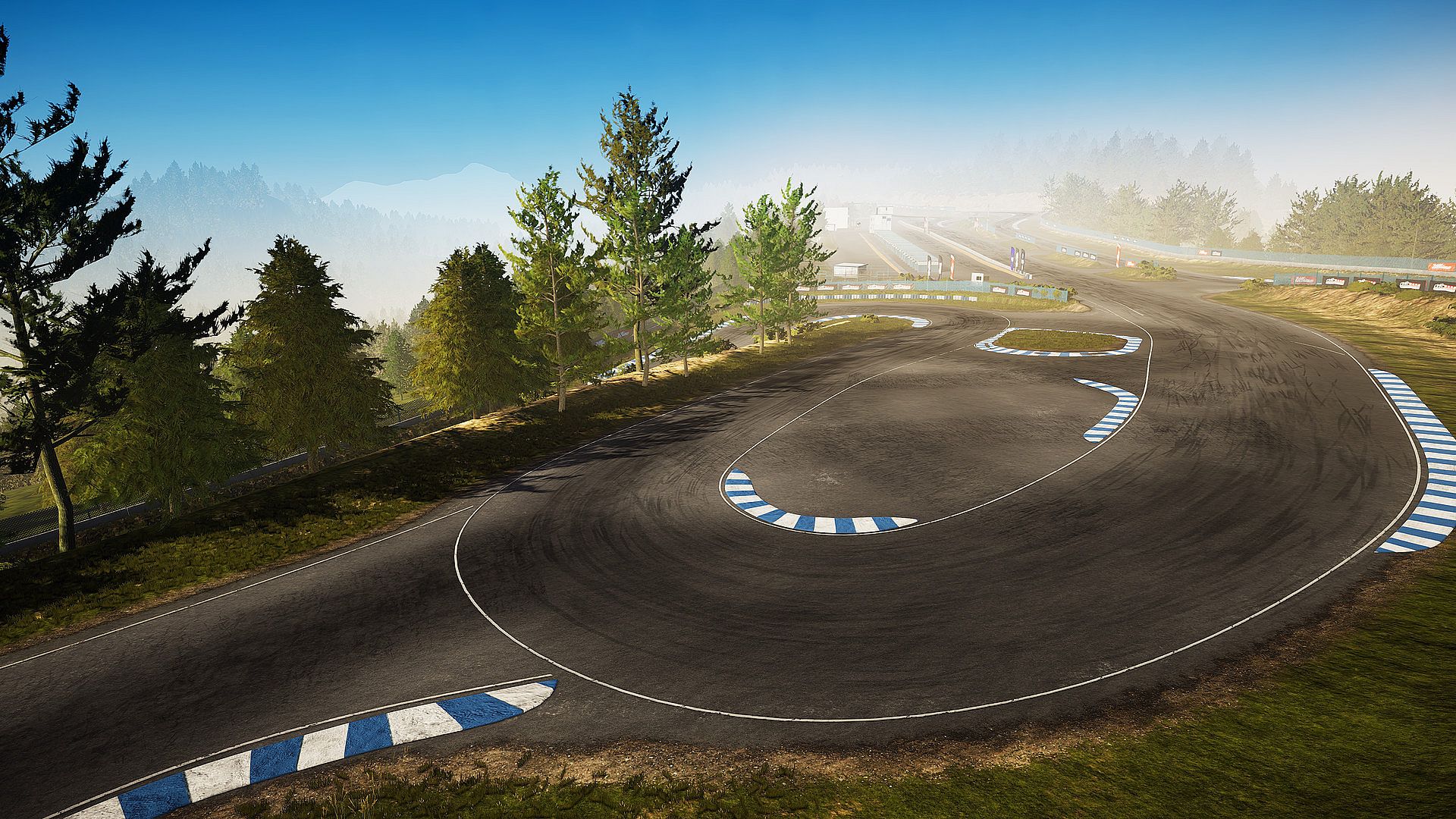
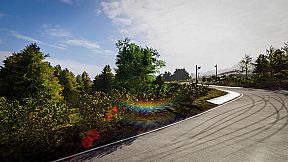
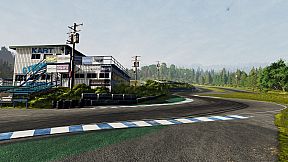
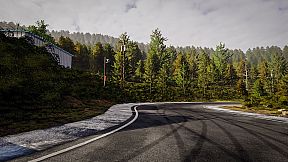
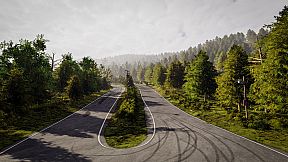
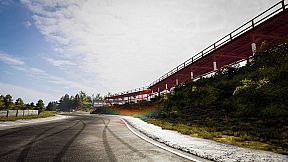
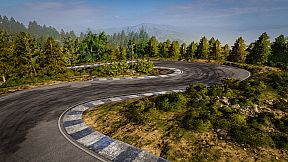
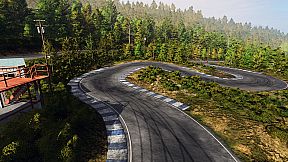
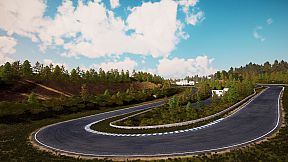
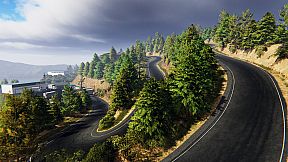
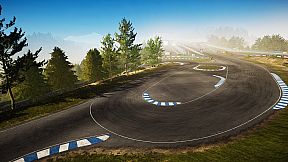
Driving takes place on tracks recreated using laser scan technology, most notably the EBISU complex in Japan. These layouts include varied sections that test different drifting techniques, from tight technical corners to longer flowing sections. The simulation prioritizes accurate physics responses, making each run a test of throttle control, steering input, and weight transfer. Additional locations such as Koszalin, stadium variants, a multistorey parking structure, and dedicated training tracks provide further variety for practice and events.
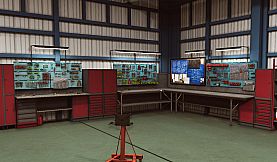
A dyno module supports tuning adjustments in real time, while garage challenges offer structured tasks to refine setups. The overall system encourages iterative improvement, where small changes in parts or alignment produce noticeable differences in how a car behaves during slides.
Game Modes
Single player options cover a range of activities suited to different skill levels and goals. Career mode structures progression through objectives and unlocks. Quick Race delivers immediate sessions on selected tracks. Sandbox and Free Ride modes support open experimentation without strict rules. Solo Run, Time Attack, and Gymkhana focus on specific techniques, with the latter emphasizing precise maneuvers in a controlled environment.
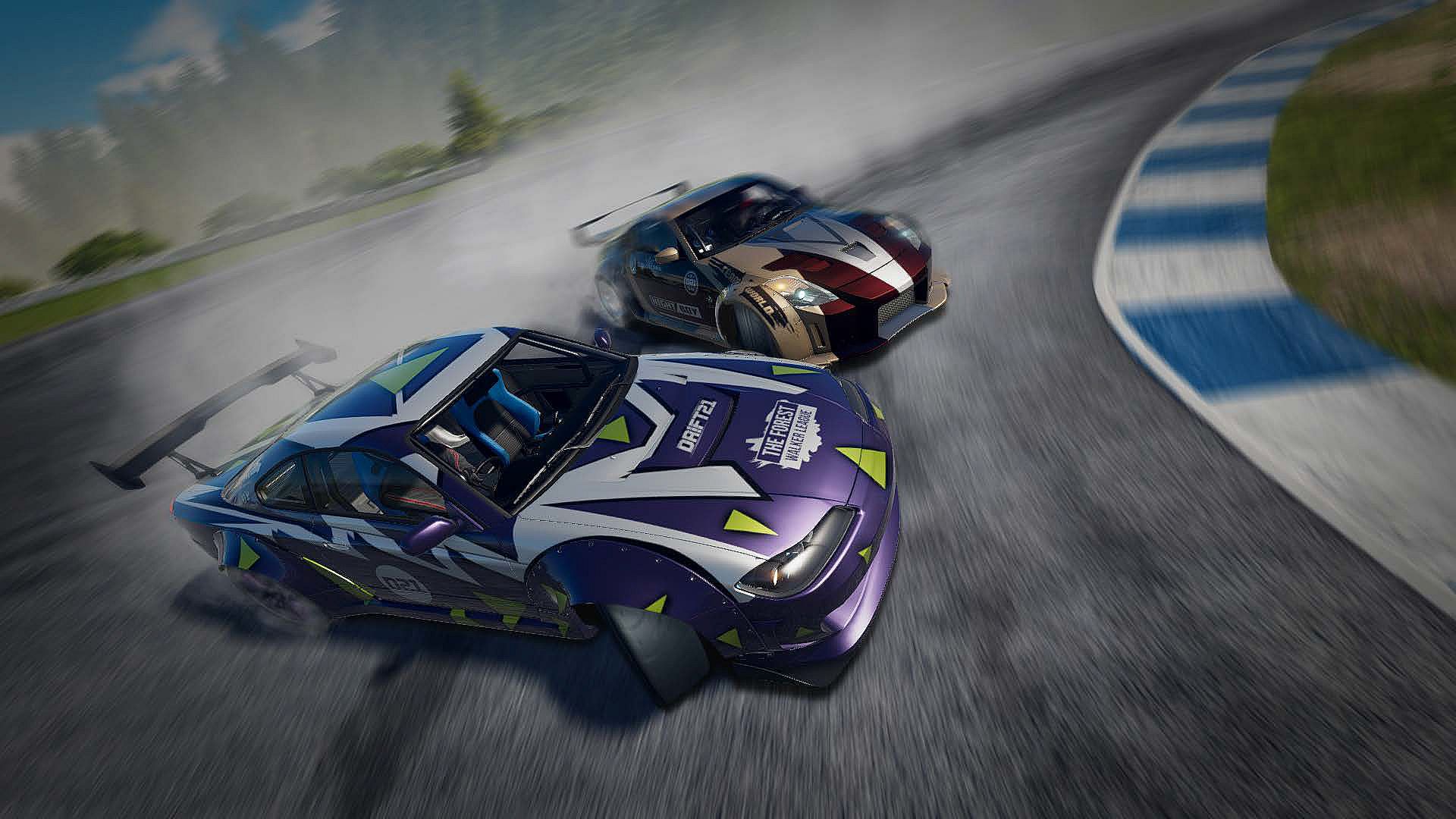
Multiplayer expands the experience through shared sessions and structured events. Free Ride allows casual group driving, while event formats include Free For All, Sprint, Laps, and Tandems. These modes facilitate direct competition to determine the strongest drifter, with tandem runs requiring synchronized performance between paired vehicles.
Tracks and Vehicles
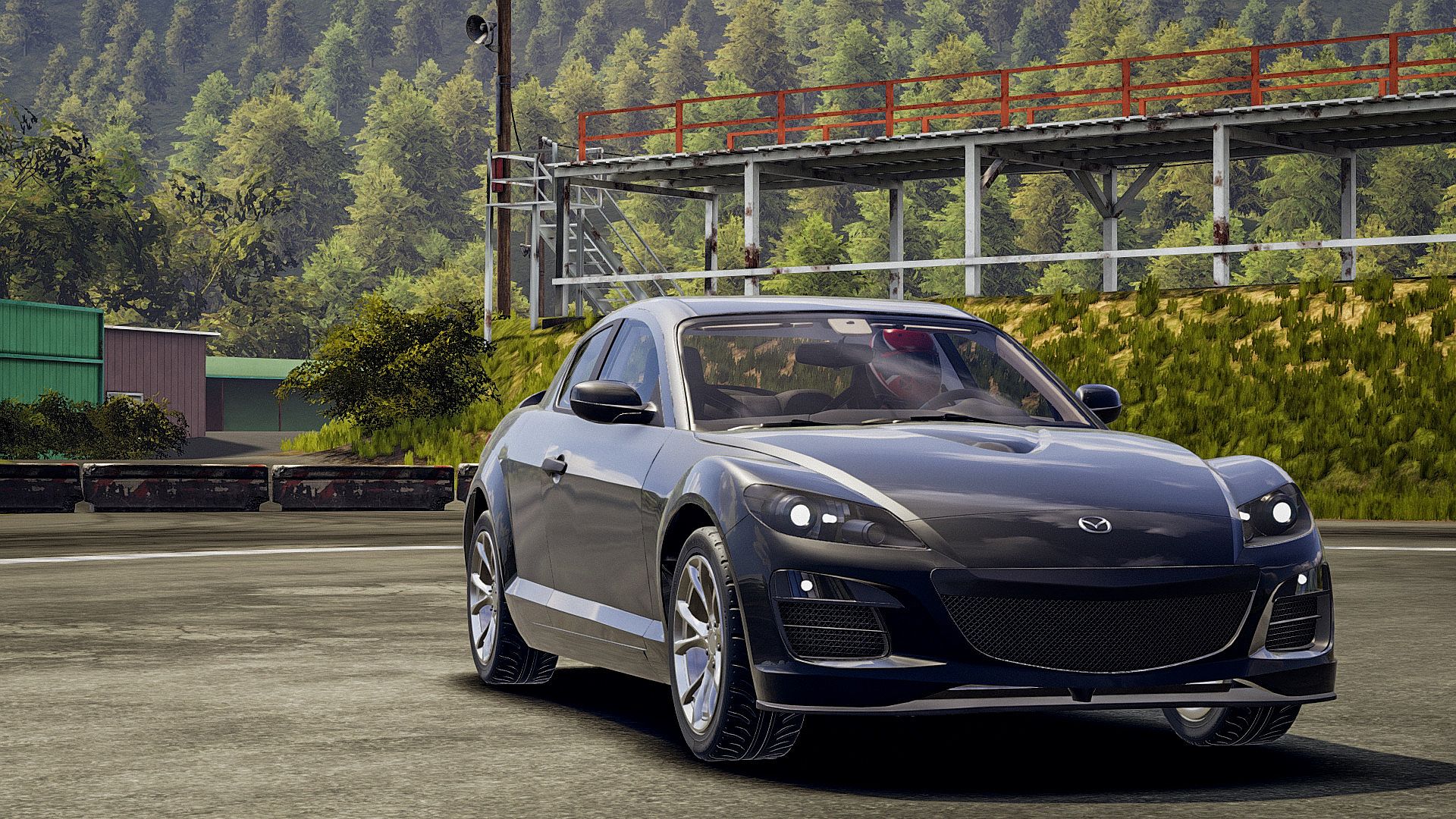
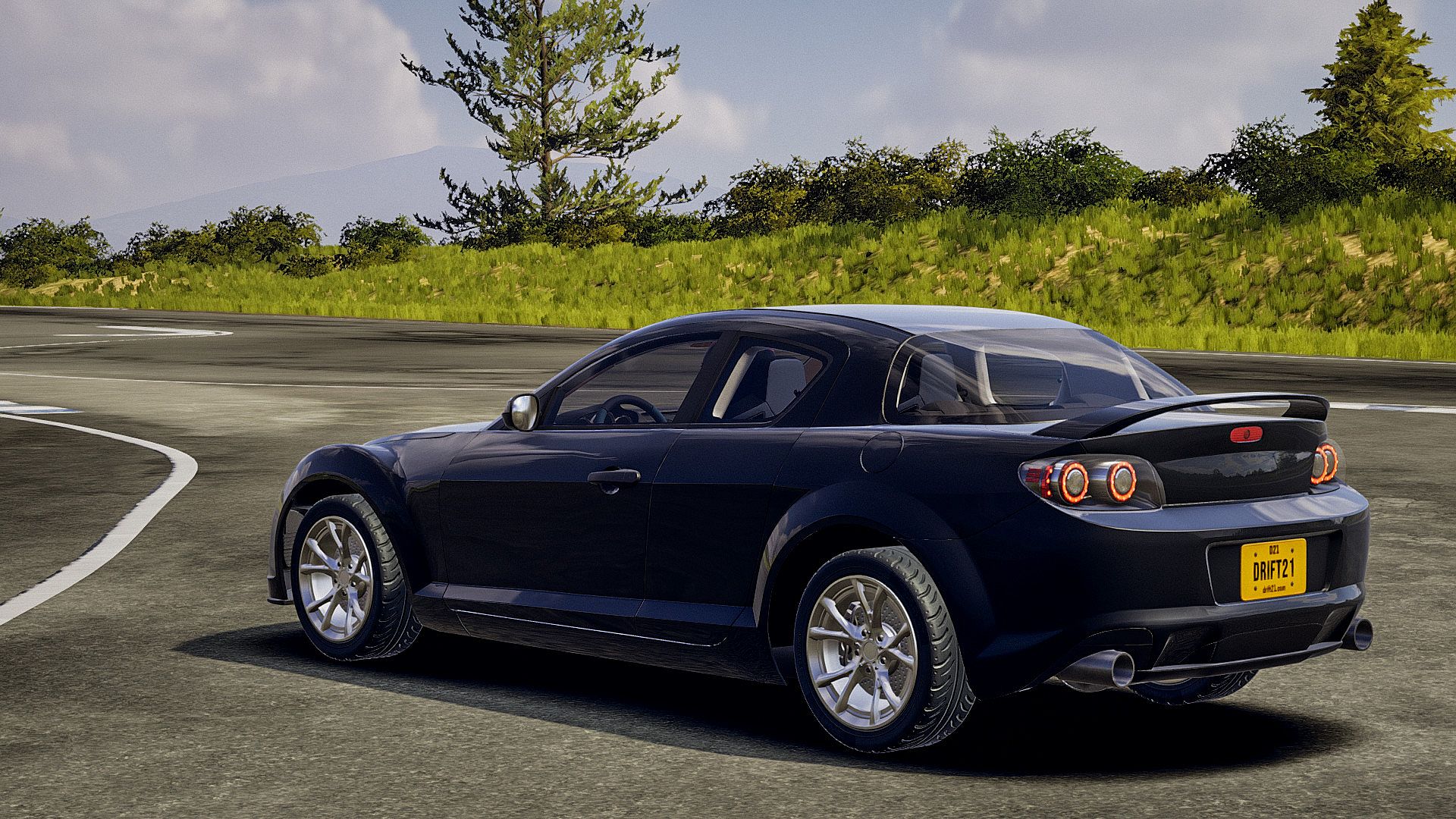
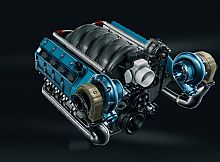
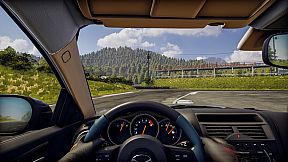
The EBISU complex forms the centerpiece, featuring multiple distinct circuits such as Driftland, School, Minami, North, Touge, West, and East. These are complemented by European and purpose-built options that add variety in layout and challenge. Licensed cars span a selection of performance icons, including the Toyota AE86, Mazda MX5, Nissan Silvia S15, Subaru BRZ, Mazda RX8, multiple BMW M3 generations, Ford Mustang, Nissan 350Z, Mazda RX7, and Nissan 180SX S13. Engine choices range from inline-four and six-cylinder units to V8, boxer, and rotary configurations, each influencing power delivery and handling characteristics.
Is It Worth Playing?
DRIFT CE delivers a specialized drifting experience that appeals most to enthusiasts who value deep customization and technical driving over broad accessibility. The extensive part library and licensed content provide substantial depth for those willing to invest time in tuning and practice. Steam user reviews rate the game as Mostly Positive, reflecting appreciation for the car-building systems and track authenticity alongside notes on the steep learning curve.
Support continues through the existing feature set, with modes that accommodate both solo refinement and multiplayer rivalry. The title suits players seeking a simulation-focused alternative in the racing genre, particularly those drawn to Japanese drifting culture and mechanical detail. Those new to precise drifting may find the initial mastery demanding, yet the progression systems reward persistence with improved results across career and competitive play.