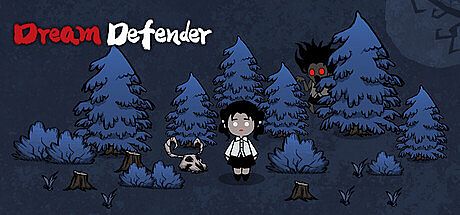



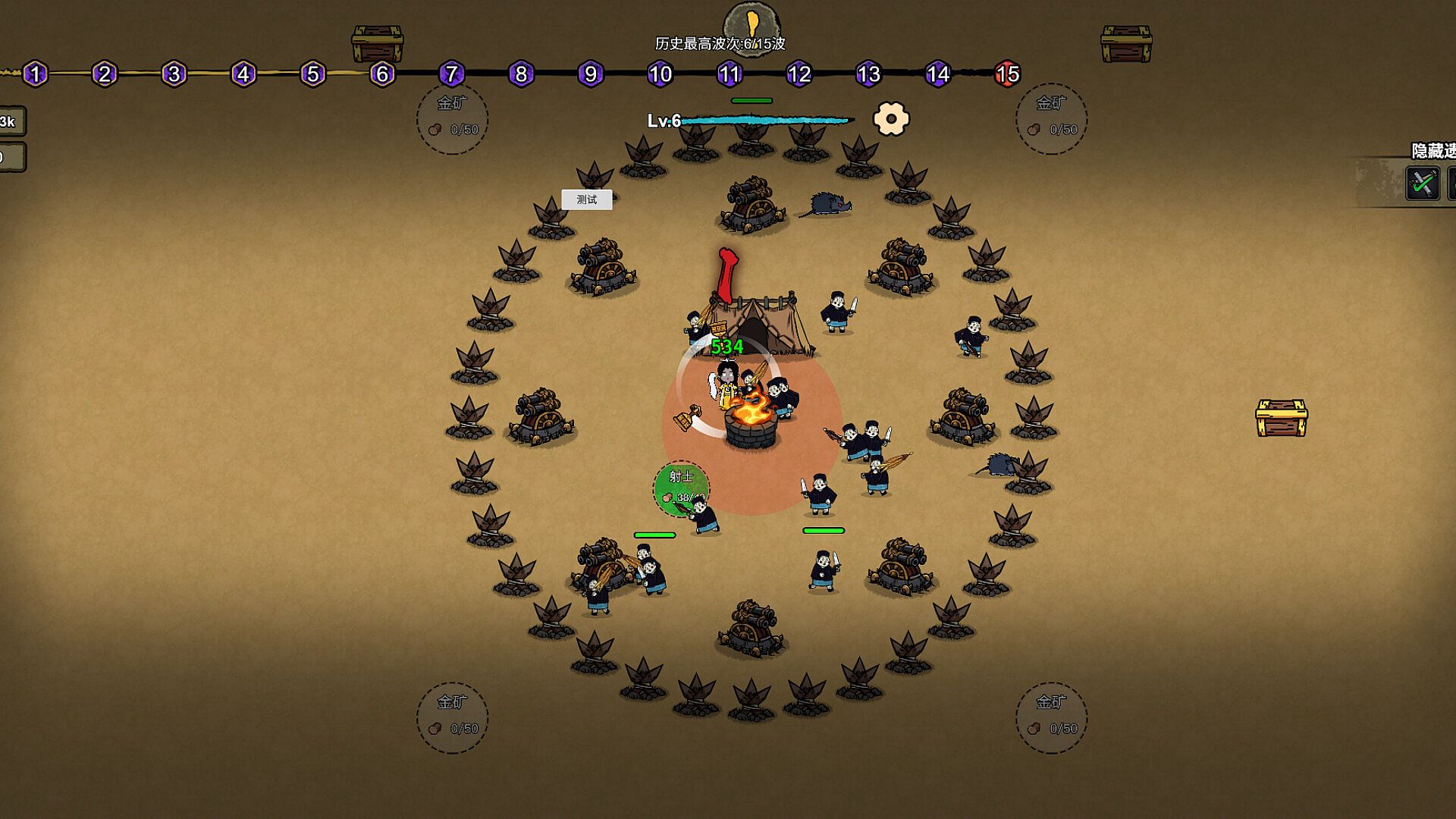

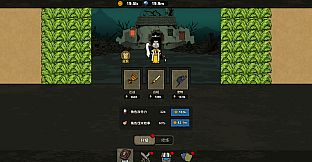
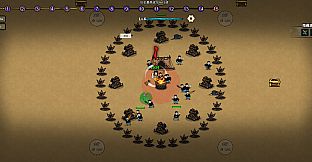
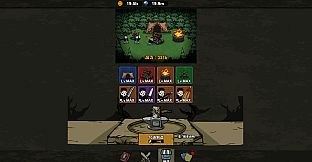
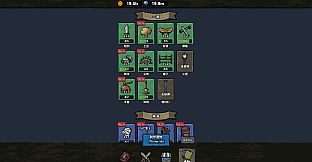
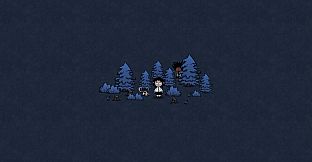
Dream Defender is a single-player indie game that combines tower defense mechanics with roguelike survival elements in a Chinese-style micro-horror setting. Players take on the role of a Dream Guardian who must protect dreams from ghost hordes while managing resources and progression across multiple runs. The core loop centers on gathering materials by chopping trees, constructing defenses, and surviving increasingly intense encounters on procedurally generated maps.
Gameplay
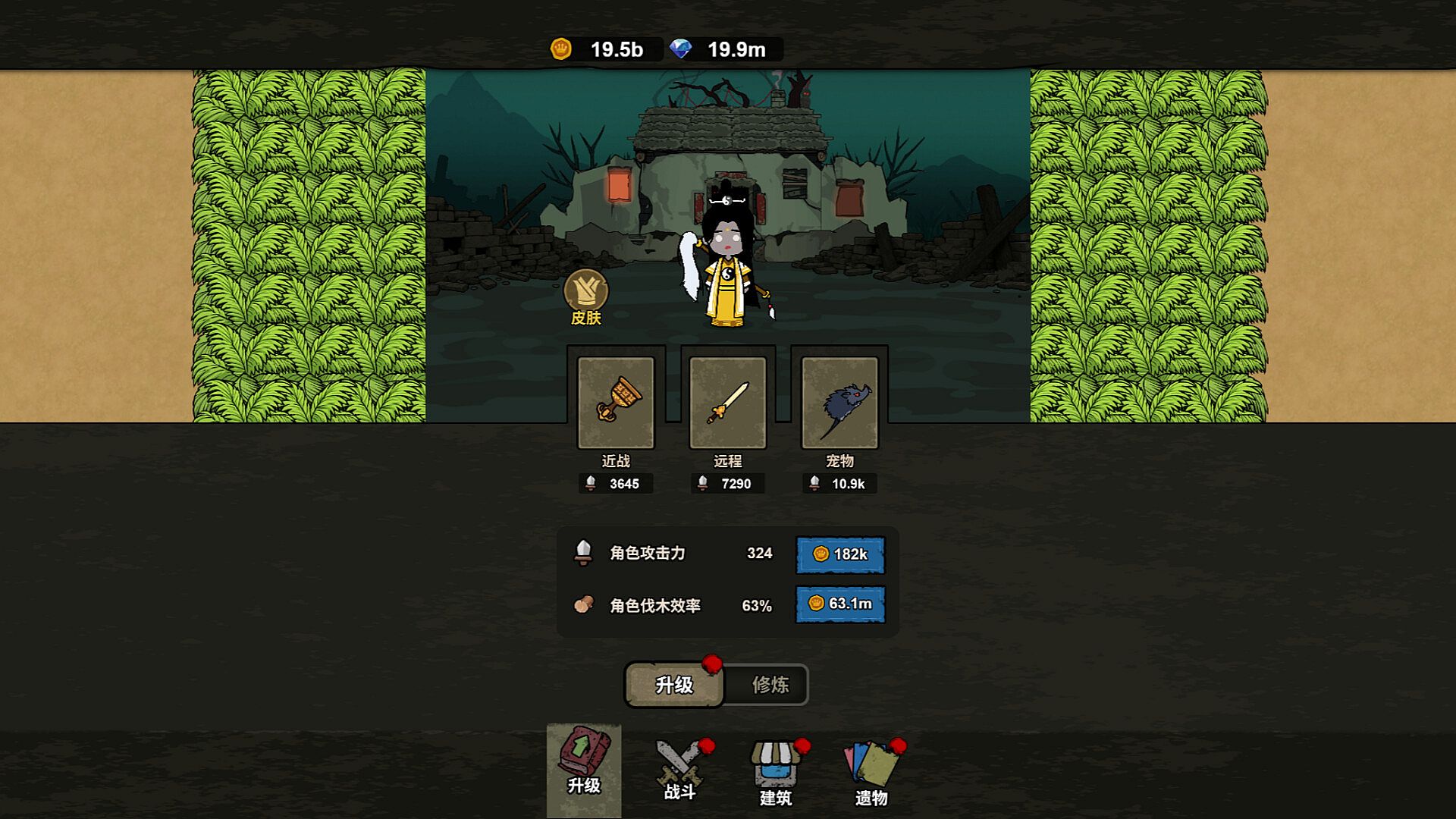
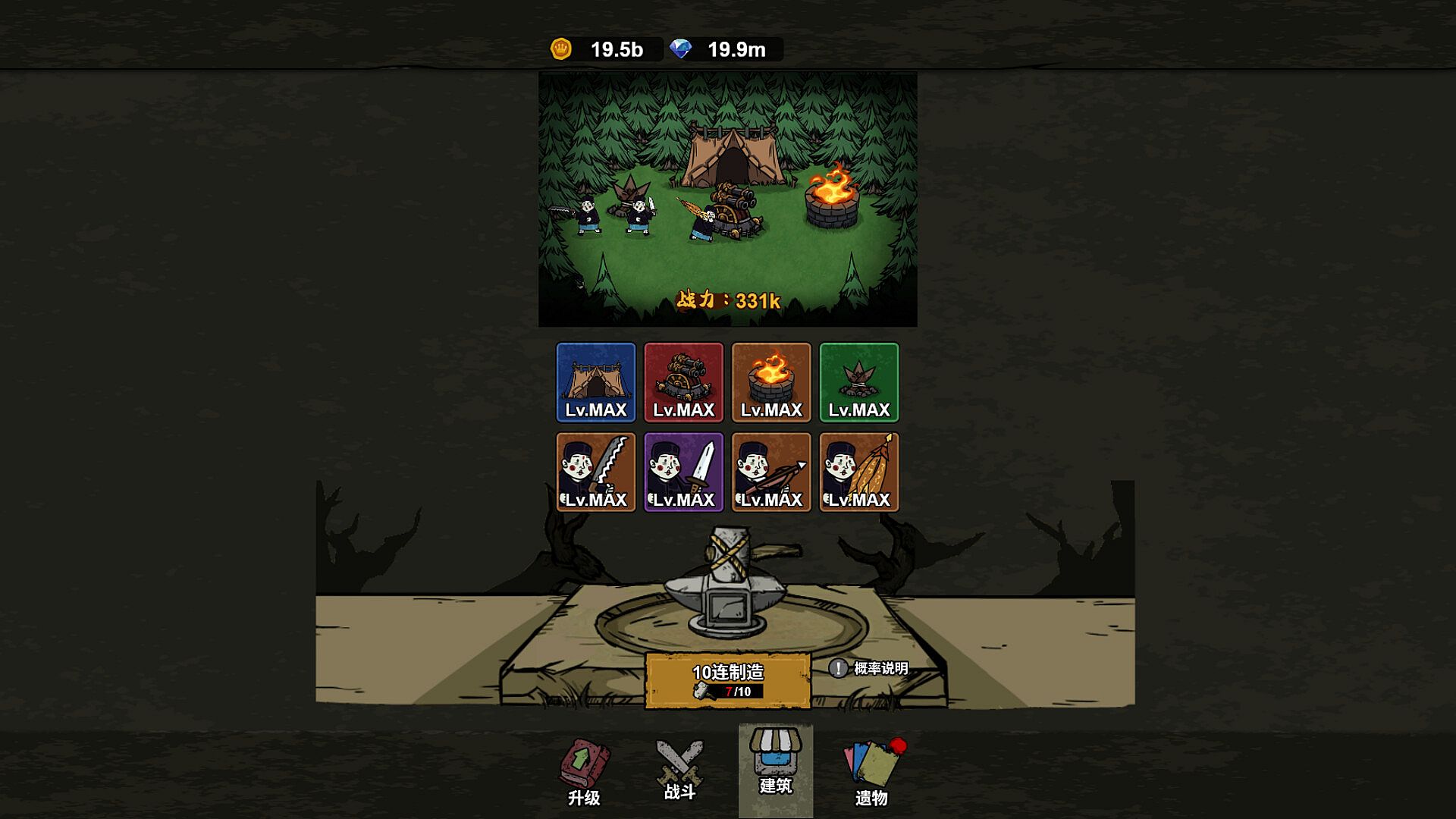
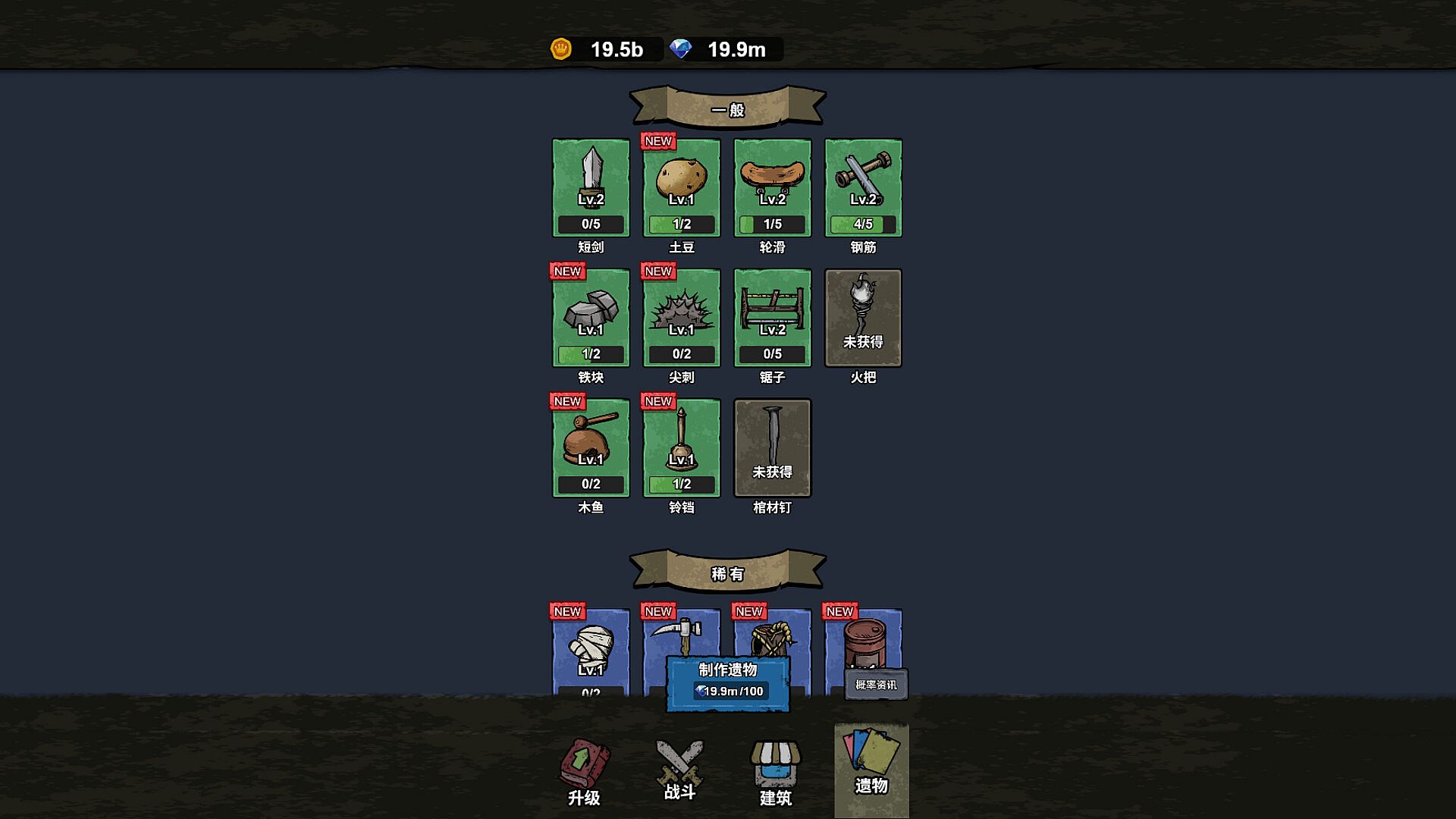
The gameplay revolves around resource management and strategic placement of defenses. Players chop trees to collect resources and then build from a selection of 12 different turret types to hold off waves of enemies. Each run takes place on maps that generate anew, offering fresh layouts and challenges every time. A system of over 100 relic and skill combinations allows for varied builds that influence how defenses perform and how the player interacts with threats.
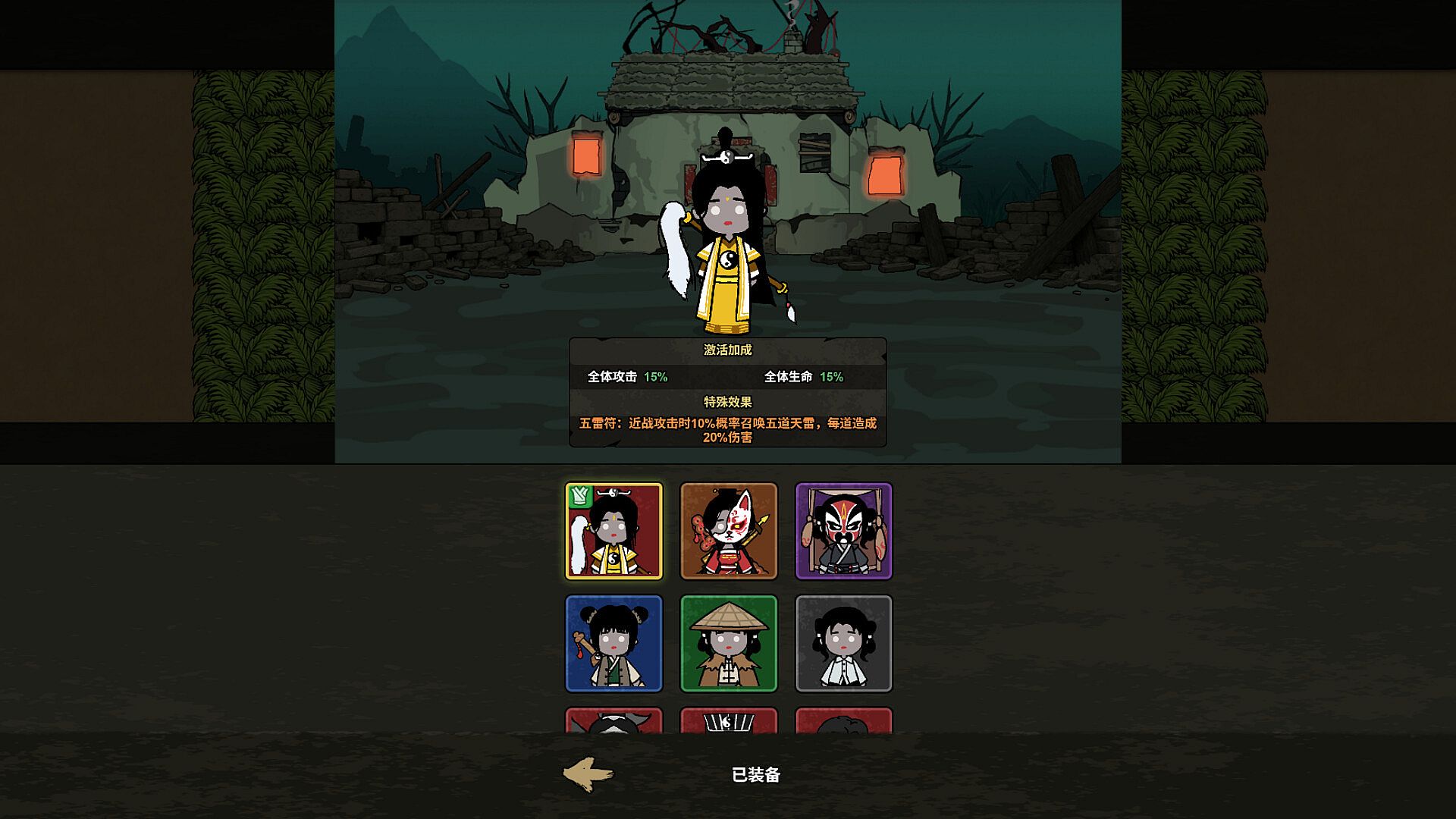
Seven distinct dream realms each feature their own set of exclusive enemies and bosses, creating a sense of progression through different thematic environments. An equipment cost mechanic adds depth by requiring players to weigh the benefits of powerful gear against potential drawbacks, such as reduced mobility or increased vulnerability in certain situations. Three character classes provide different starting approaches, and choices made during runs lead to multiple possible endings.
Game Modes
The game operates entirely in a single-player format with no multiplayer components. Runs follow a roguelike structure where death typically resets progress while retaining some meta-progression through class choices and ending variations. Procedural generation ensures that each attempt presents new map layouts, enemy placements, and relic opportunities, encouraging repeated play to explore different combinations and realm sequences.
Players navigate the seven dream realms in sequence or through branching paths shaped by their decisions, with bosses serving as key milestones. The absence of traditional separate modes means the experience stays focused on survival runs that blend tower defense positioning with light RPG-style character development and horror-tinged atmosphere.
Core Mechanics and Progression
Resource gathering through tree chopping forms the foundation of every run, feeding directly into turret construction and upgrades. The 12 defense types offer a range of offensive and supportive options that players must adapt to the specific threats in each realm. Relics and skills expand tactical options, allowing builds that emphasize area control, single-target damage, or utility effects.
Class selection at the start influences available abilities and playstyle, while the equipment tradeoff system forces deliberate choices about loadouts. Multiple endings reward experimentation with different class and relic paths, giving long-term goals beyond simply surviving longer waves.
Is It Worth Playing?
Dream Defender remains in a coming-soon state with no user reviews available yet. Its blend of tower defense, roguelike elements, and micro-horror themes targets players who enjoy strategic single-player experiences with procedural variety and branching outcomes. Those interested in managing defenses under resource constraints while exploring class-based progression may find the systems engaging once the game launches.
Because the title has not yet released, any recommendation depends on personal interest in the described mechanics rather than established community feedback. The low system requirements make it accessible on a wide range of PCs, and the focus on single-player runs without additional modes keeps the scope contained.