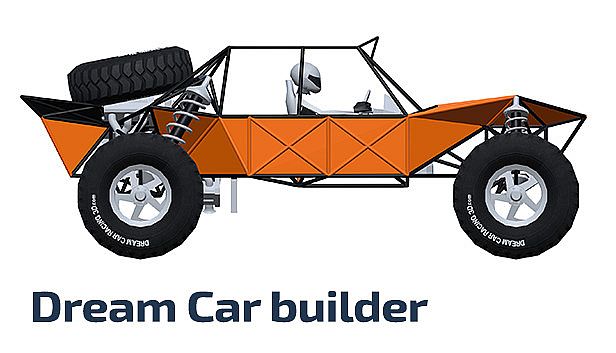












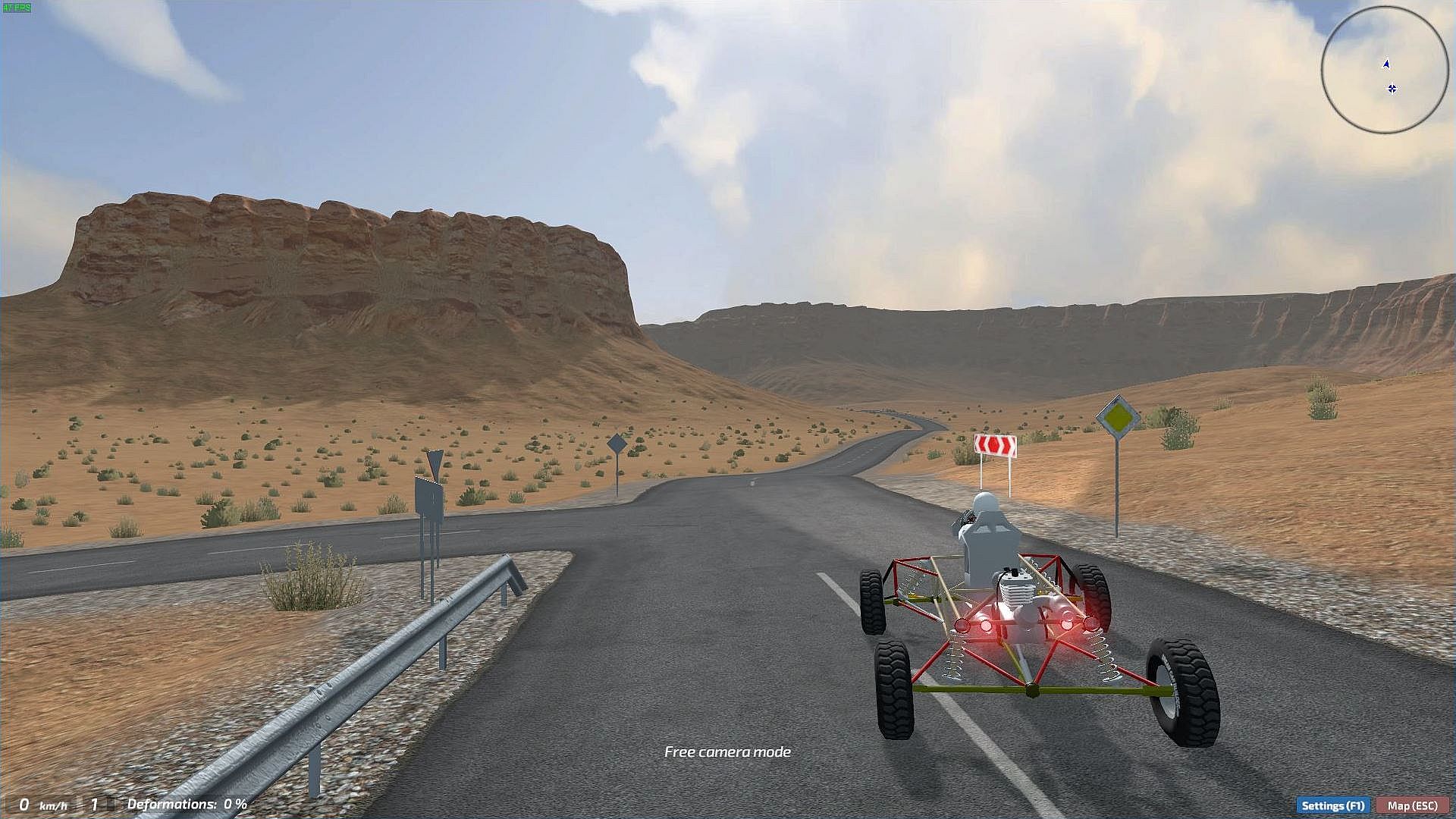
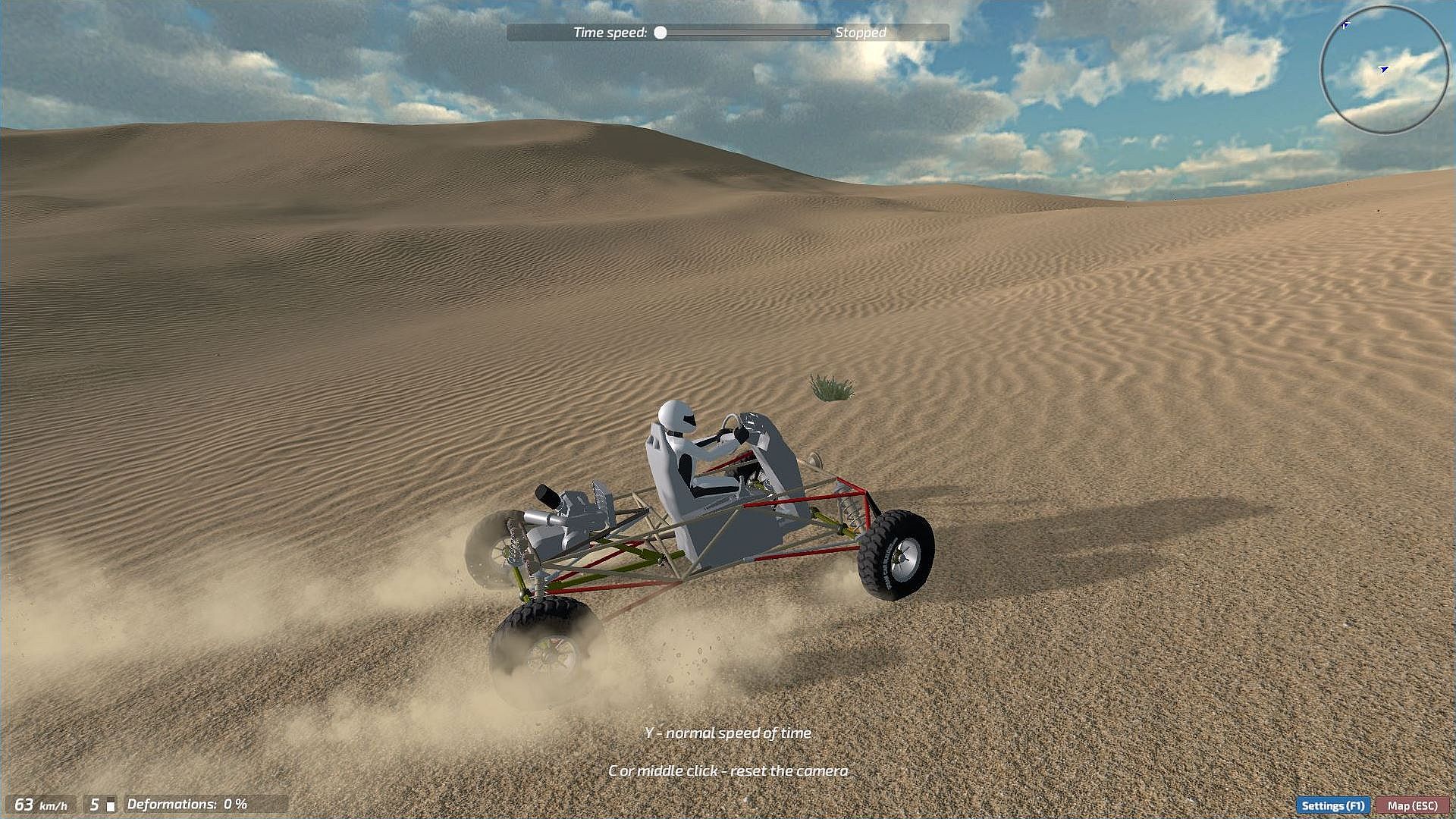
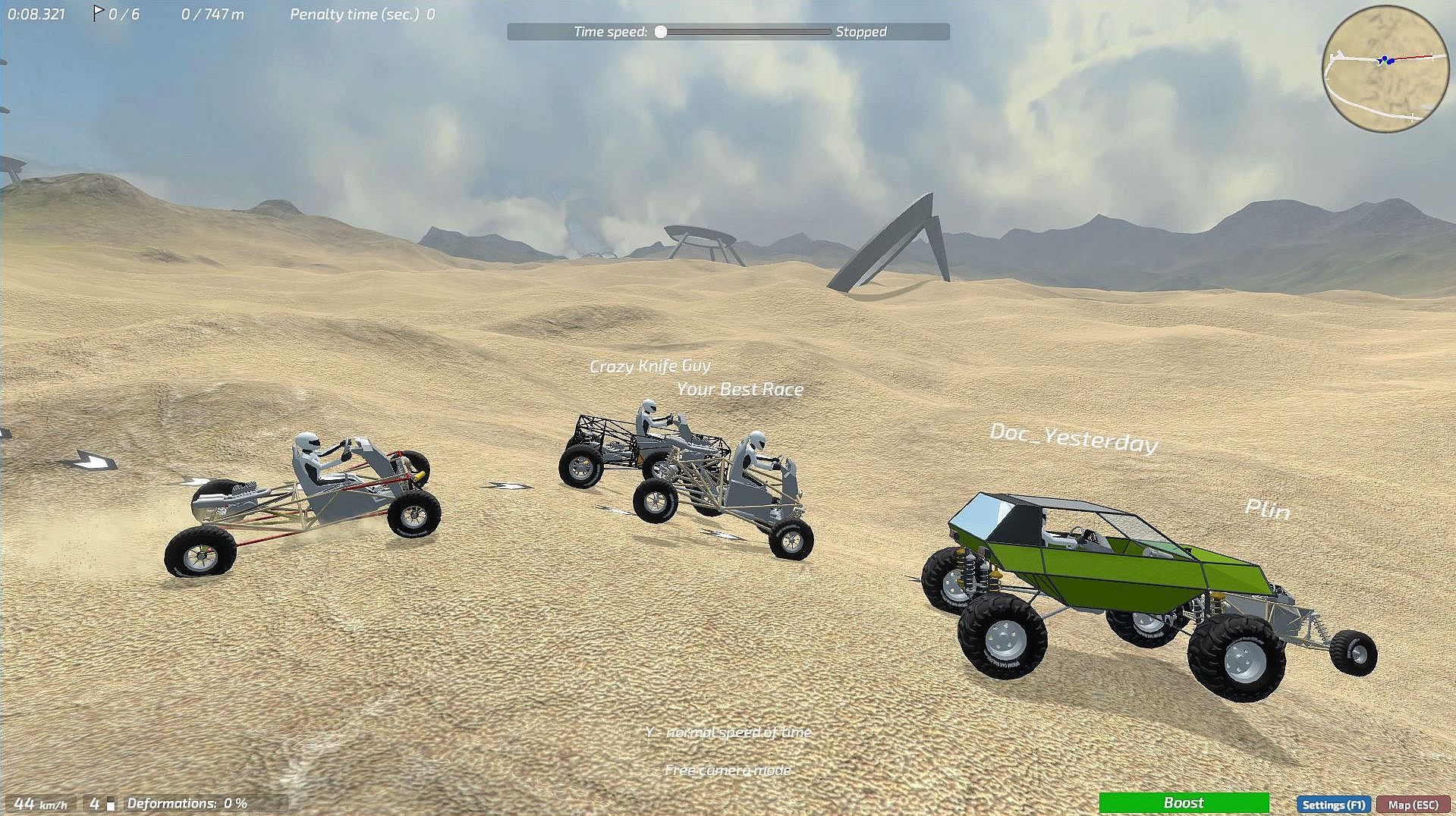
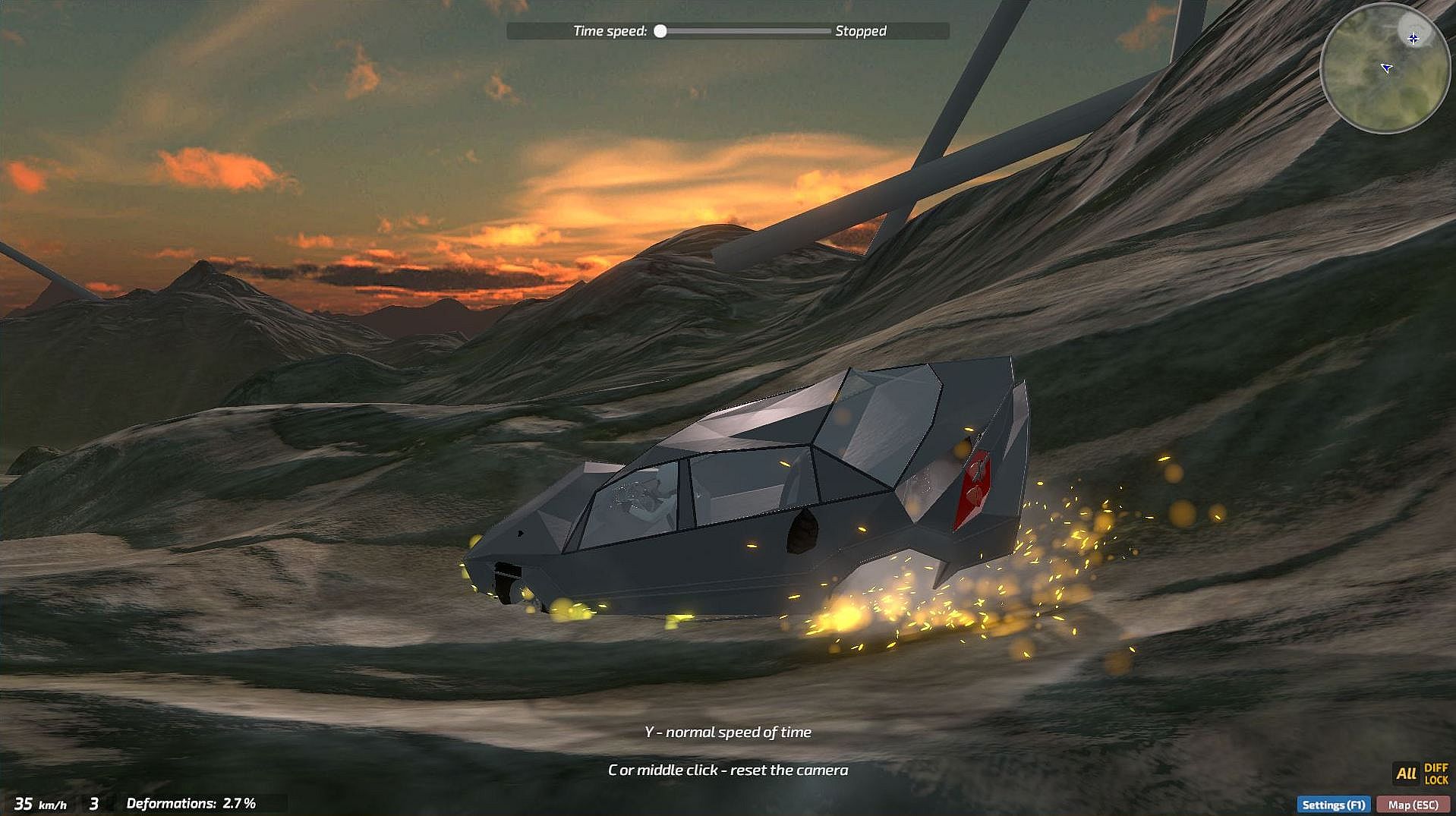

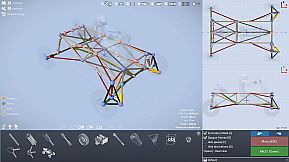






Dream Car Builder is an indie simulation racing game focused on designing and constructing vehicles from the ground up before taking them out on tracks. Players start with a blank slate and assemble frames, steering systems, suspensions, and other components using beams that respond realistically to forces. The emphasis lies on understanding how each part interacts under real soft body physics rather than simple assembly.
Gameplay
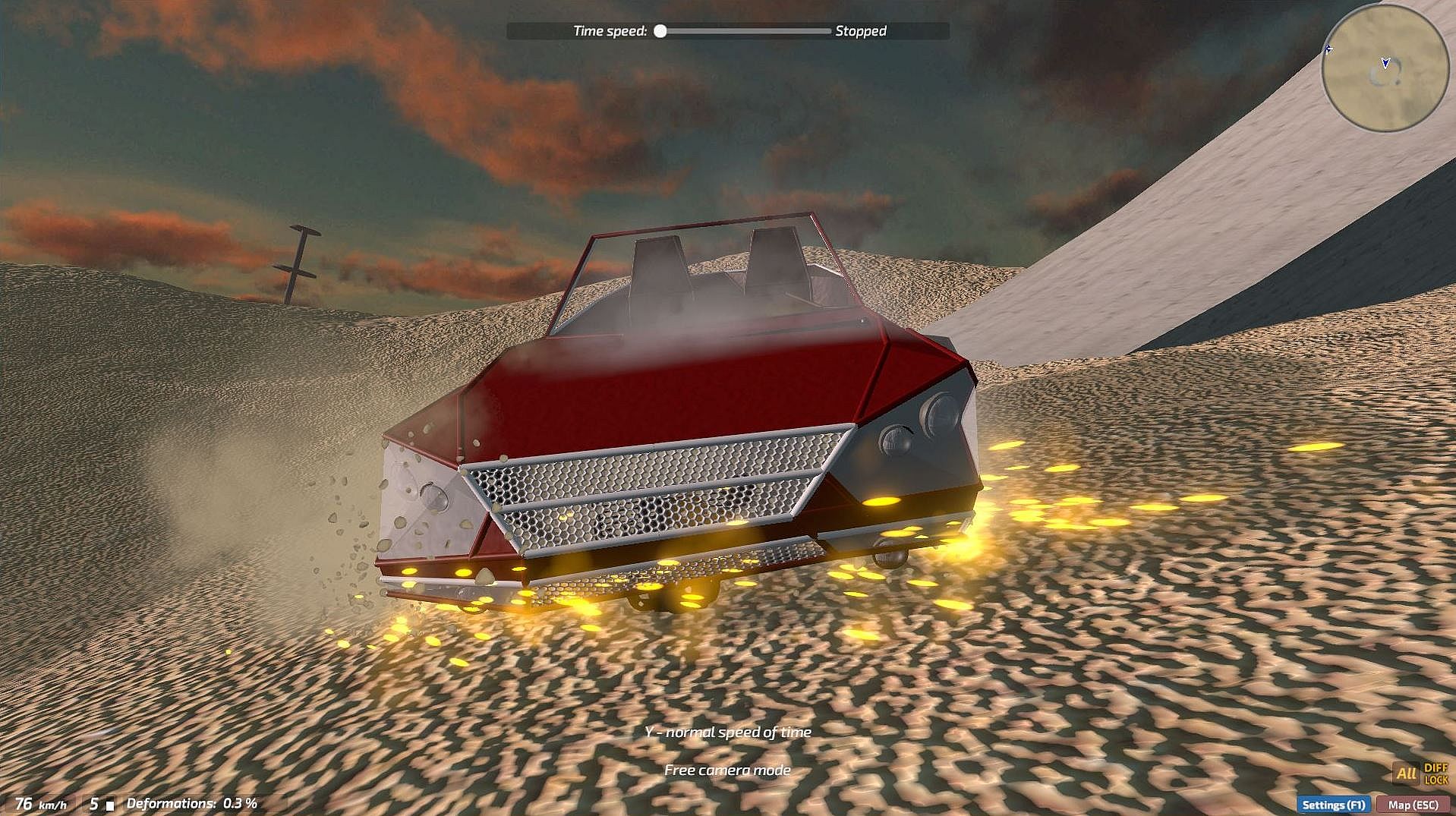
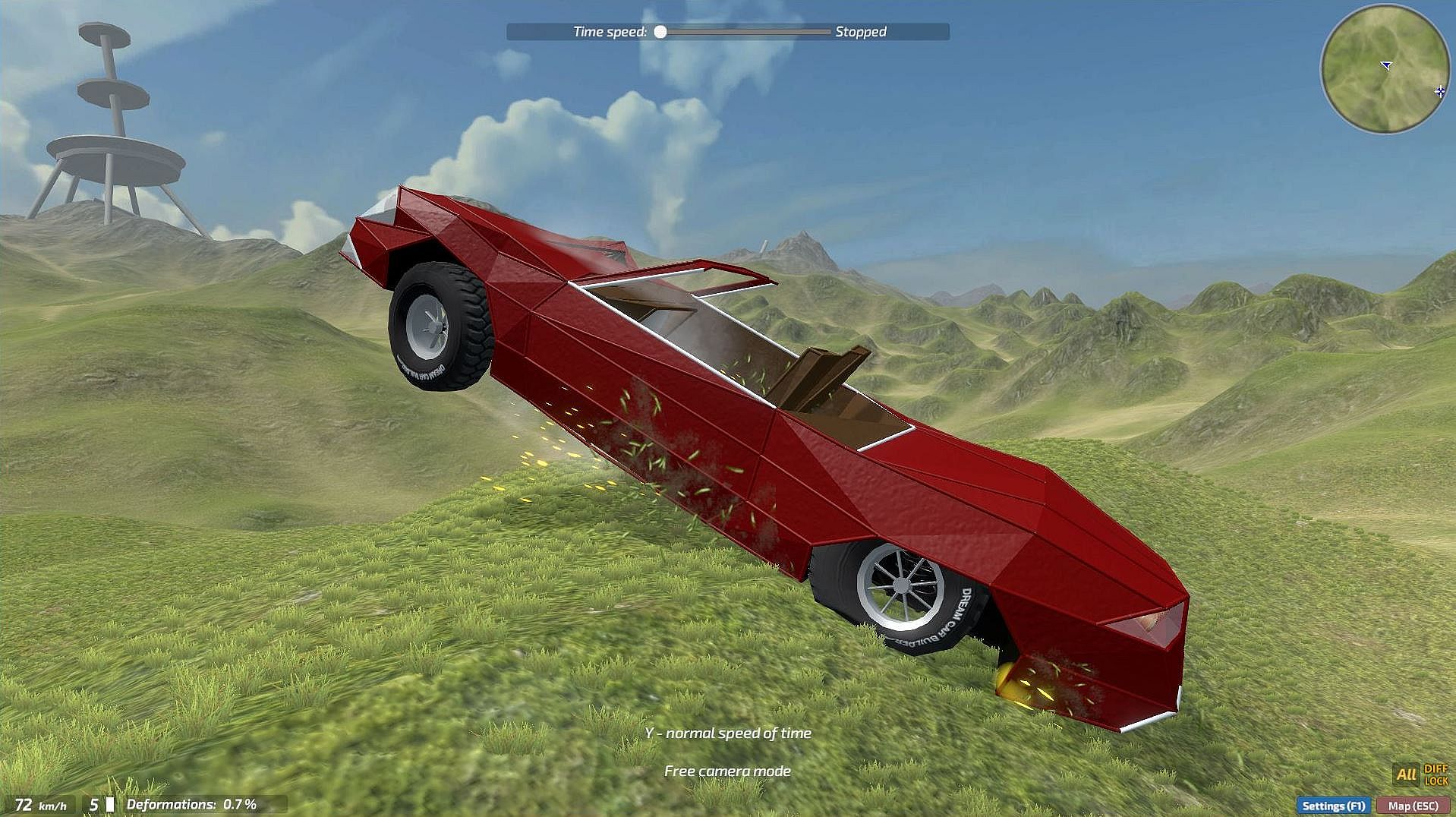
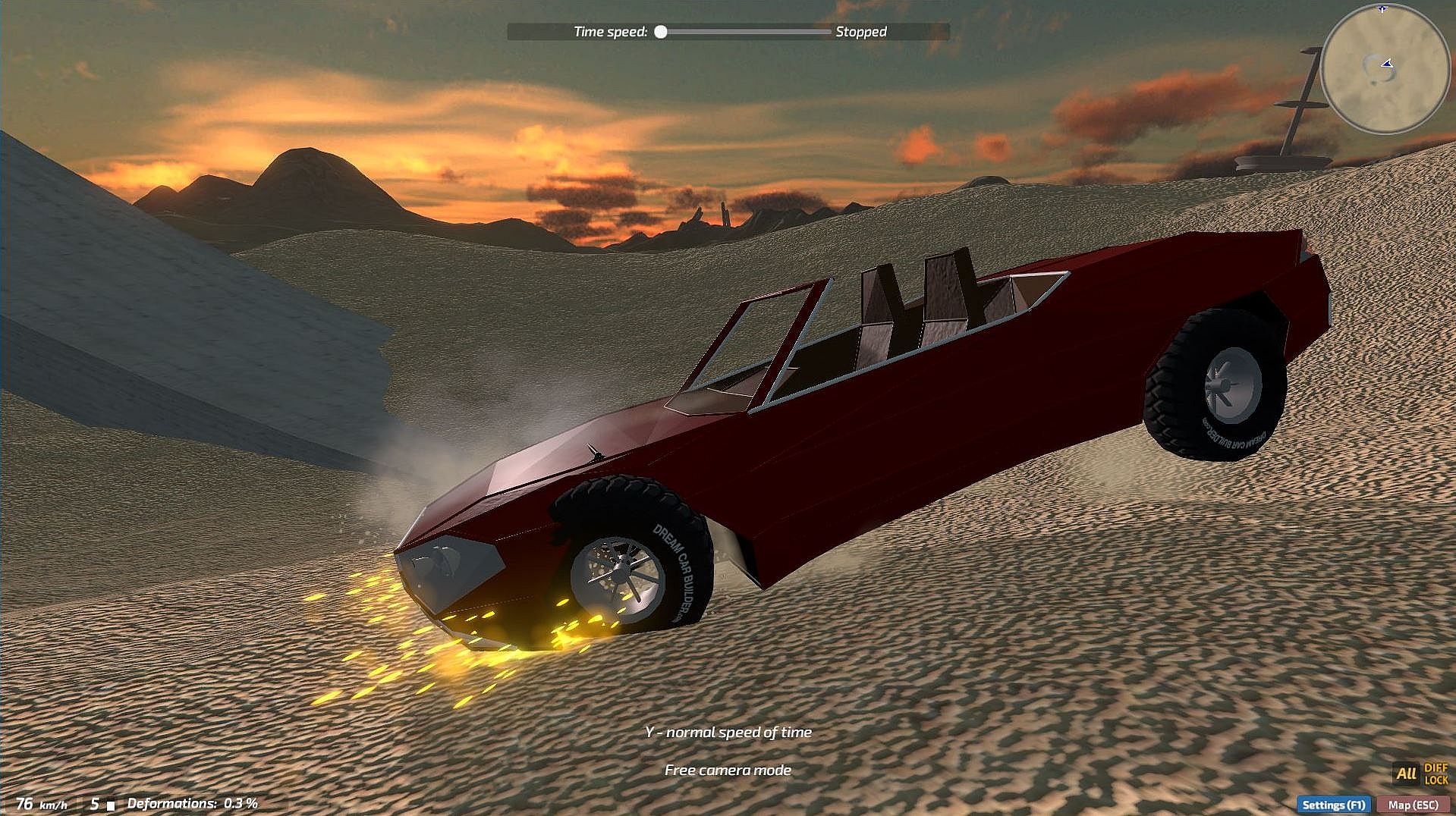
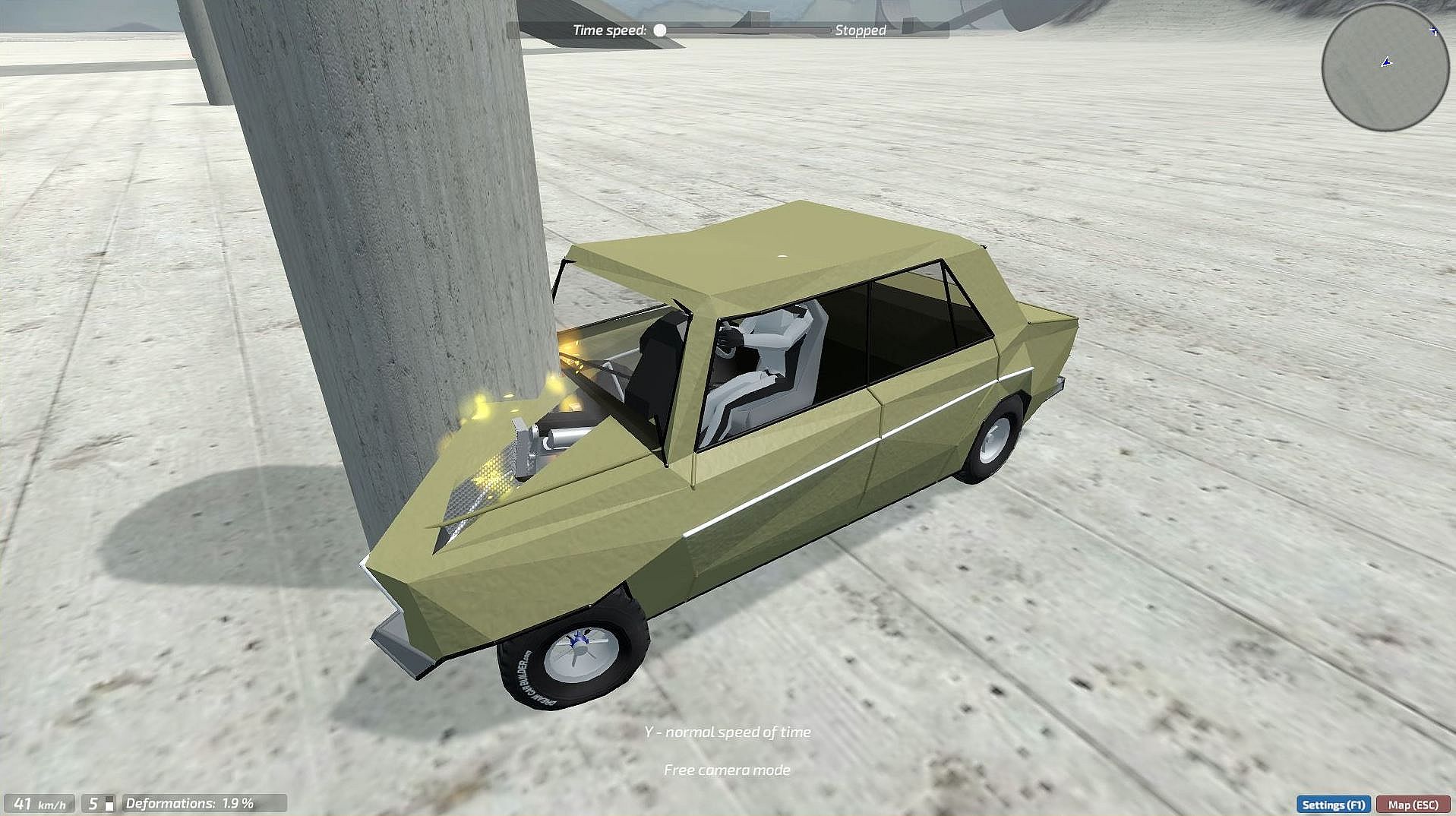
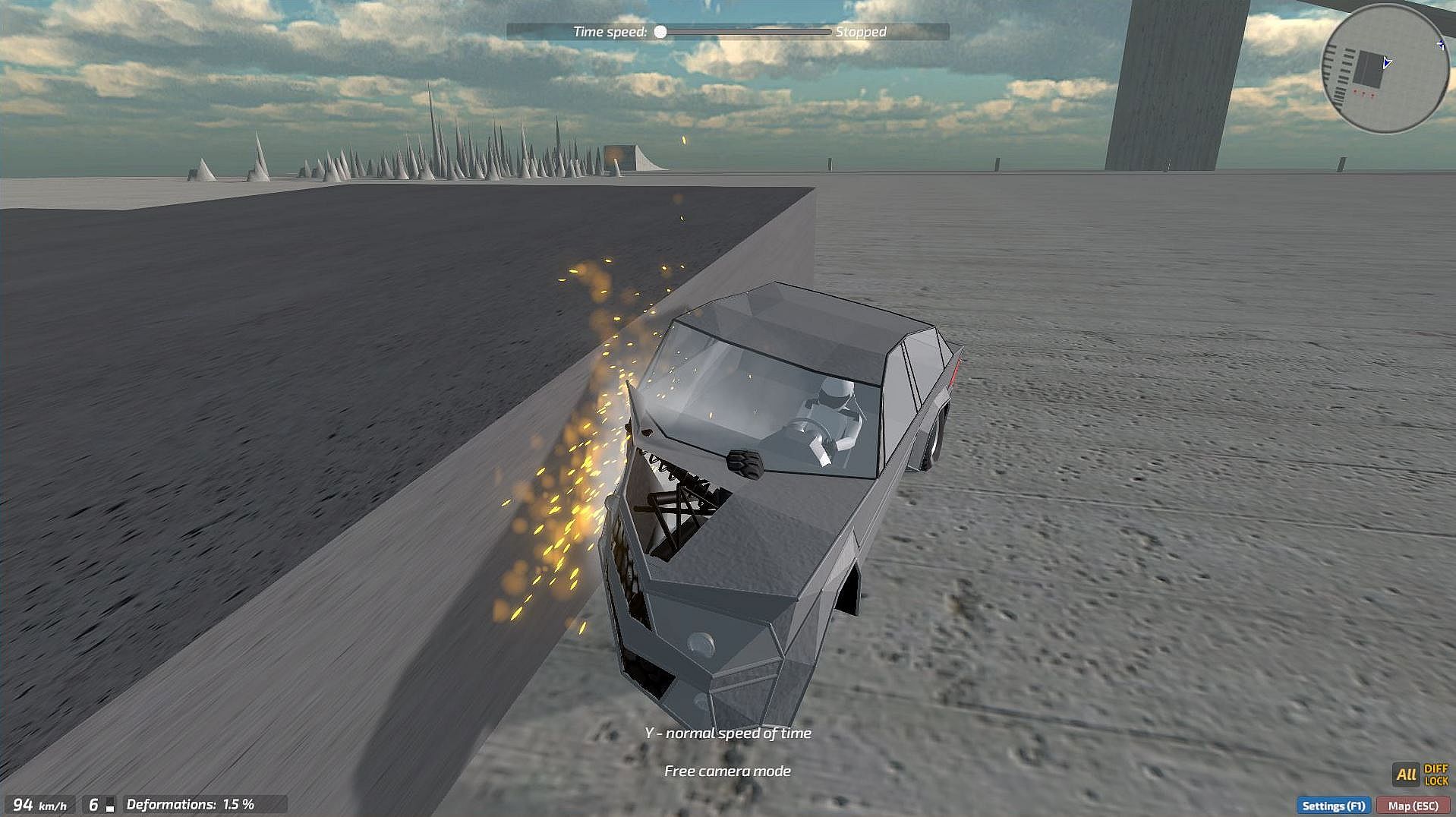
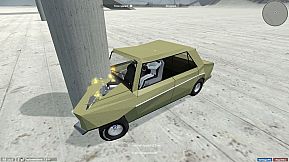
The core loop centers on iterative building followed by testing. Users adjust beam lengths, angles, and connections to create stable structures that handle acceleration, turns, and impacts. Soft body deformation means cars can crumple, stretch, or twist in ways that affect handling and durability. Time can be slowed during drives to observe these effects in detail, helping refine designs without repeated full-speed failures.
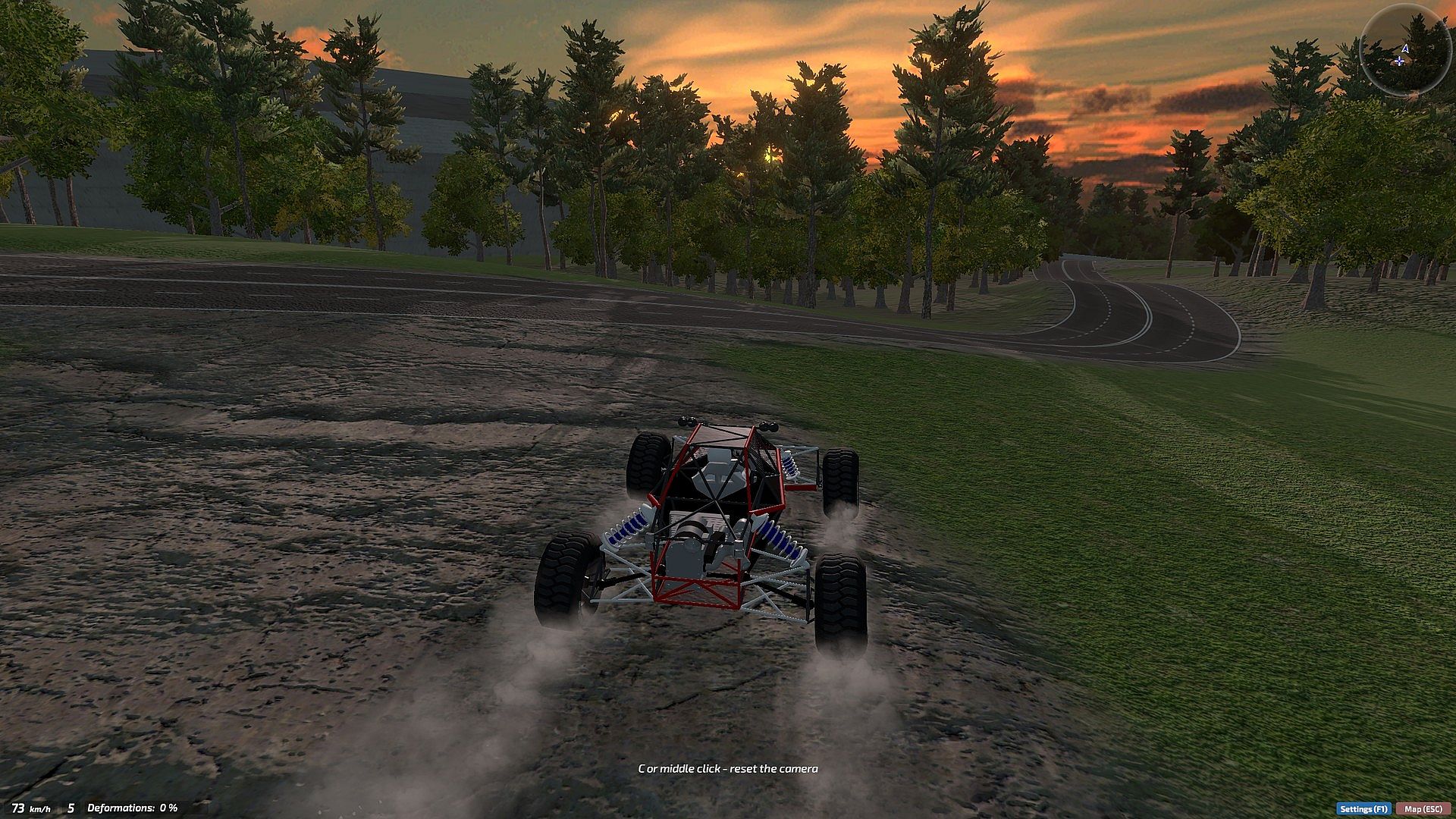
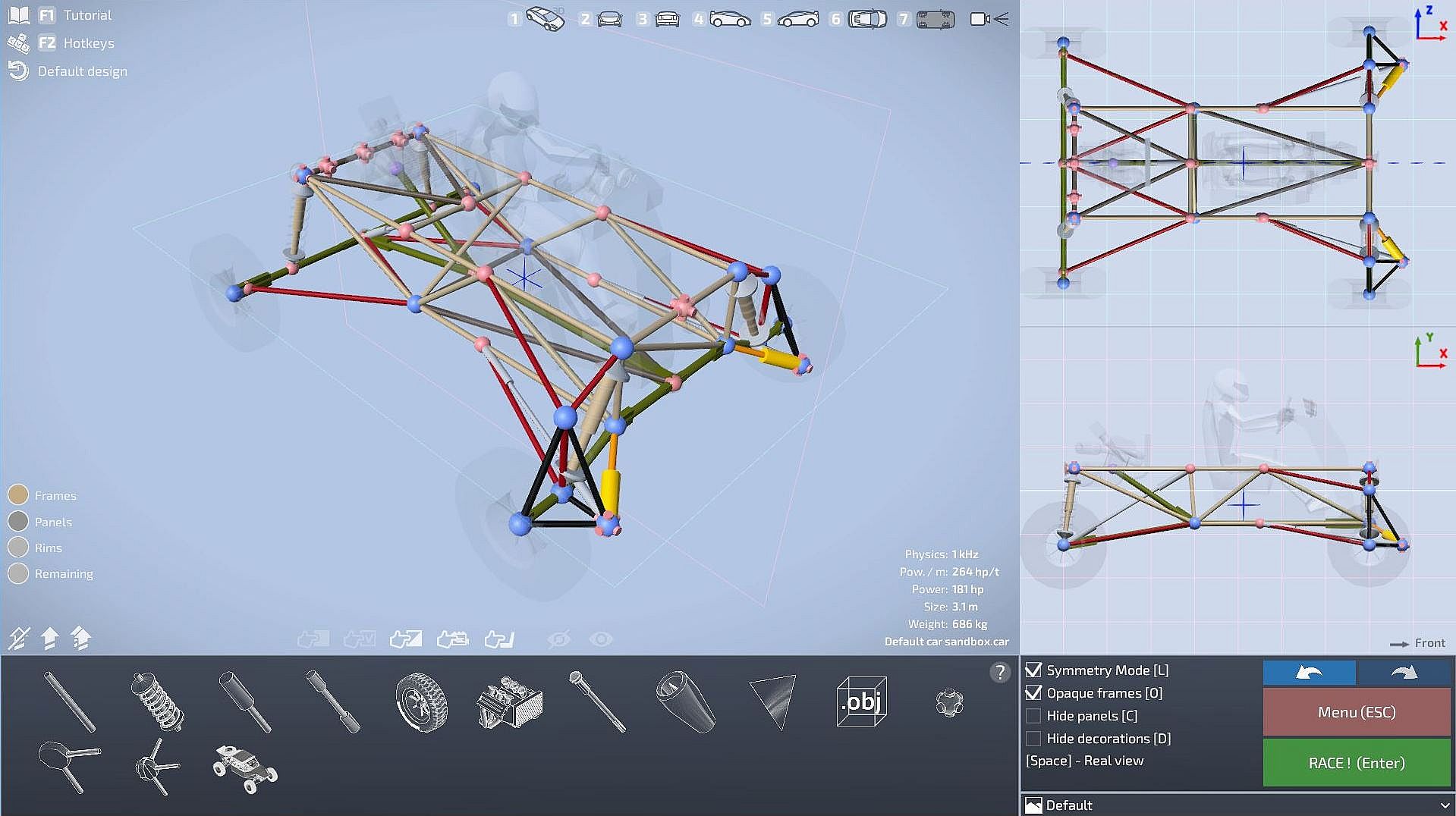
Building demands attention to engineering principles. Beams compress or extend based on loads, and poor choices lead to immediate structural issues visible in crashes or rough terrain. The game provides tools for precise placement but expects players to consult available documentation for advanced techniques. This approach rewards careful planning over quick experimentation.
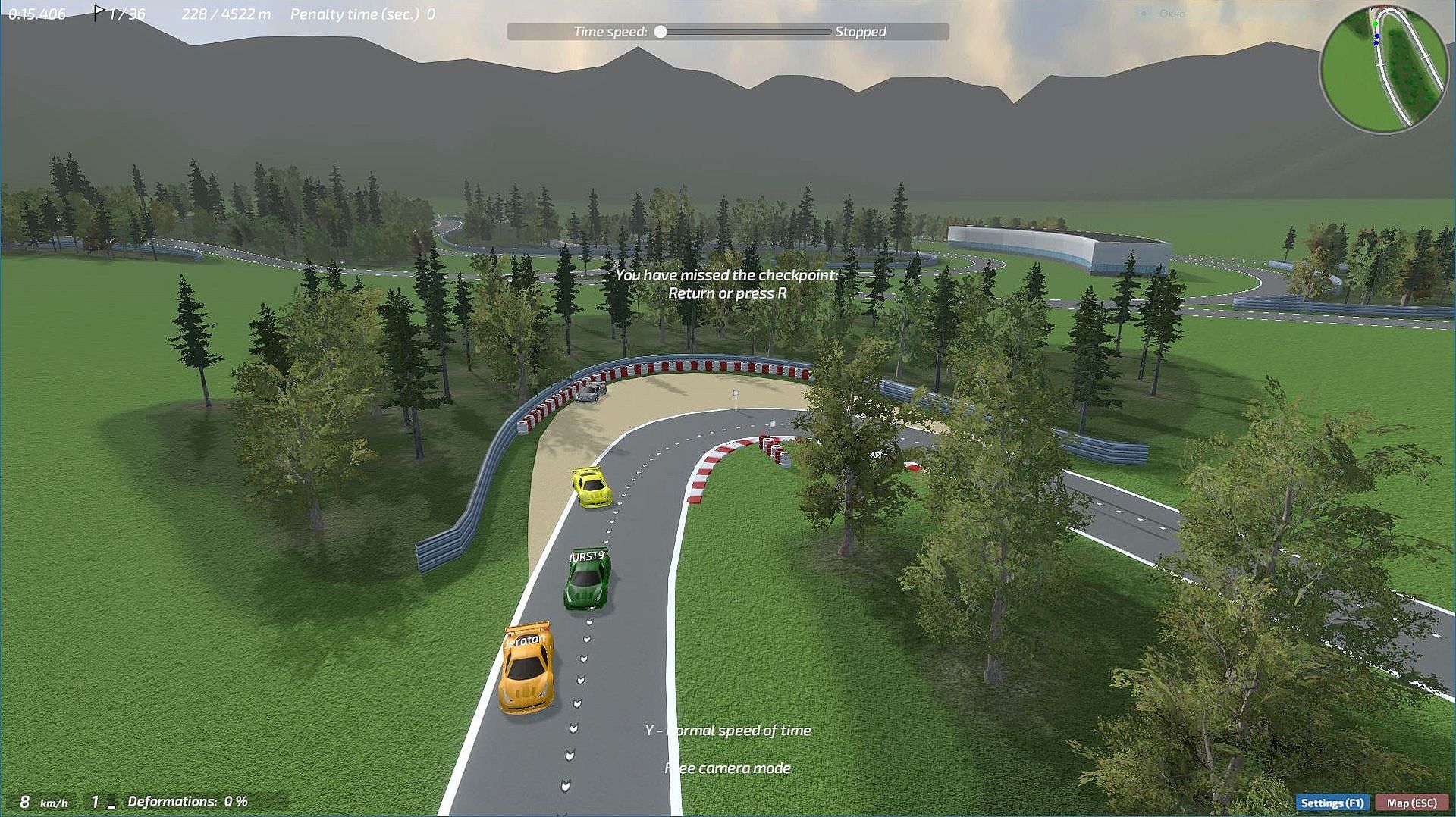
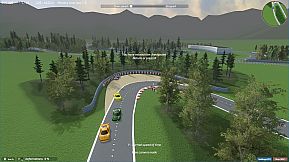
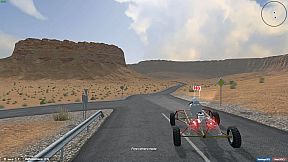
Tracks feature procedural generation that creates varied layouts each session. Driving feels grounded due to the physics model, where vehicle performance depends directly on the chassis and suspension setup created in the editor. Feedback comes through visual deformation and altered dynamics rather than abstract stats.
Game Modes
Single player racing forms the main structured experience. Players build a car and then compete against the clock or AI on procedurally generated courses that test stability, speed, and cornering. Success depends on balancing power delivery with structural integrity to avoid breakdowns mid-race.
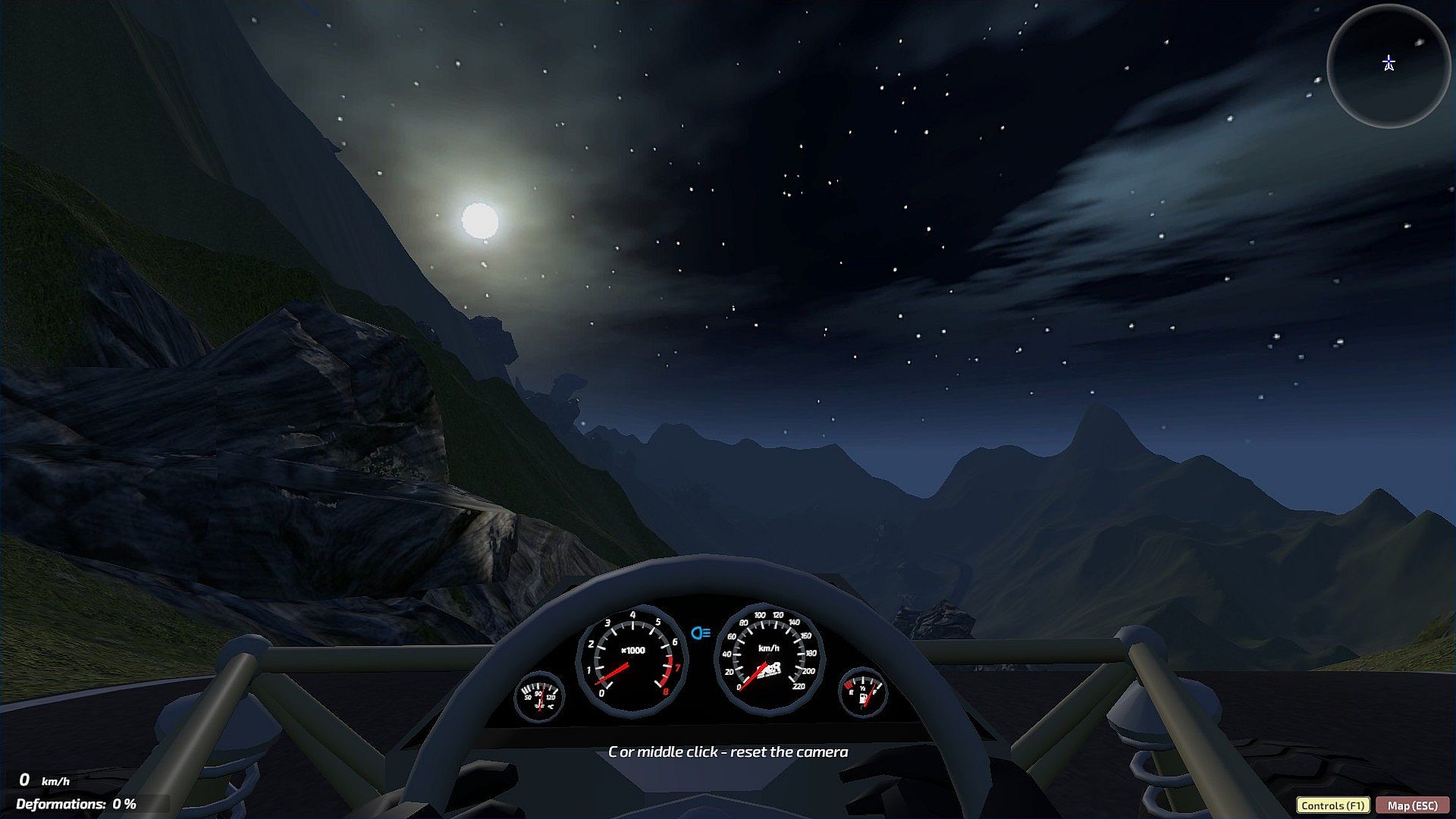
Sandbox mode removes all constraints for freeform creation. Here builders can experiment with unusual configurations, oversized frames, or experimental steering without pressure to finish a race. This environment suits extended sessions spent perfecting one vehicle or exploring multiple concepts side by side.
User generated content extends both modes. Completed vehicles, custom tracks, and entire maps can be shared with others, allowing the community to expand available options beyond the base procedural system. Downloaded creations integrate directly into single player sessions or sandbox testing.
Physics and Building System
The simulation uses a soft body approach where every beam acts as a flexible element rather than a rigid block. This creates authentic responses to collisions and weight shifts. Suspension tuning becomes critical because small changes in geometry produce noticeable differences in how the car absorbs bumps or maintains contact with the road.
Deformable elements add another layer. A vehicle that performs well on smooth surfaces may collapse under repeated stress, forcing redesigns that address weak points. Slow motion playback lets builders analyze failures frame by frame and adjust accordingly before the next test run.
Is It Worth Playing?
Dream Car Builder suits players who enjoy detailed mechanical design and iterative problem solving over fast paced action. Those comfortable with reading technical guidance and spending time on precise adjustments will find satisfaction in creating functional vehicles that survive demanding tracks. The single player focus and sandbox freedom support long sessions without external pressure.
Reception highlights the depth of the physics model and the freedom to craft unconventional cars. Players often describe extended periods refining suspension or testing crash resilience as the main draw. The game remains a niche title that delivers consistent updates to its core systems without shifting toward broader accessibility features.
Overall it appeals most to simulation enthusiasts seeking a pure building and testing experience on PC. If complex engineering and realistic deformation mechanics align with personal interests, the title offers substantial replay value through its editor and procedural elements. Those preferring simpler controls or immediate results may find the learning curve steep.