




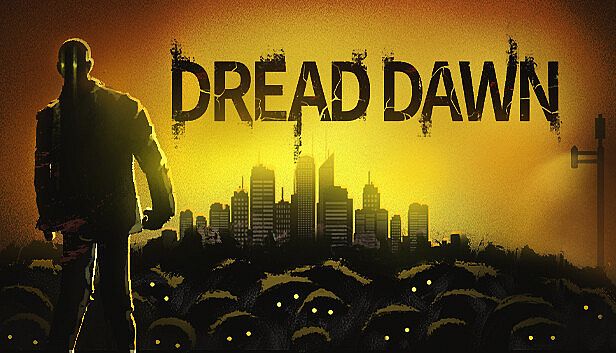













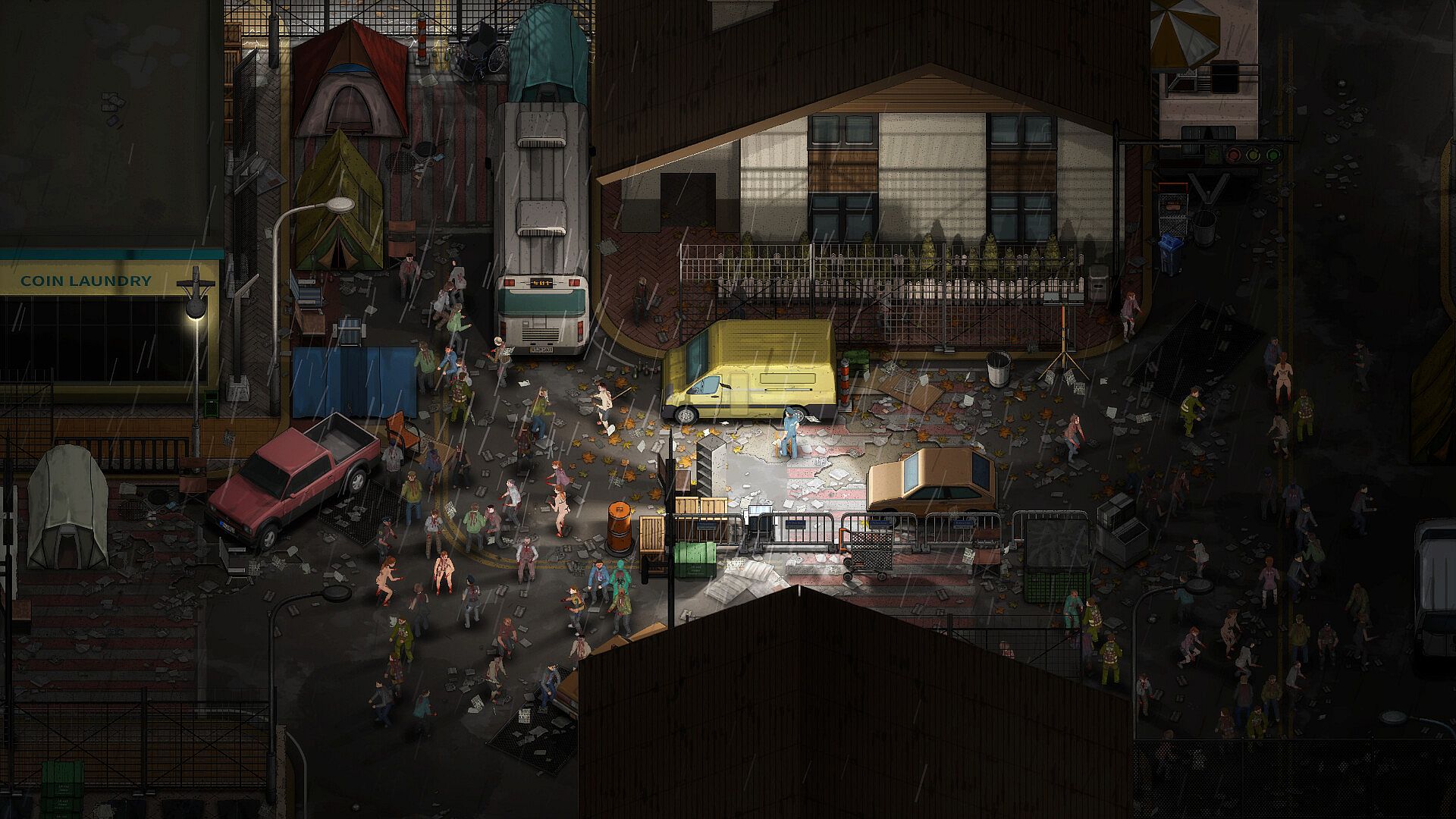
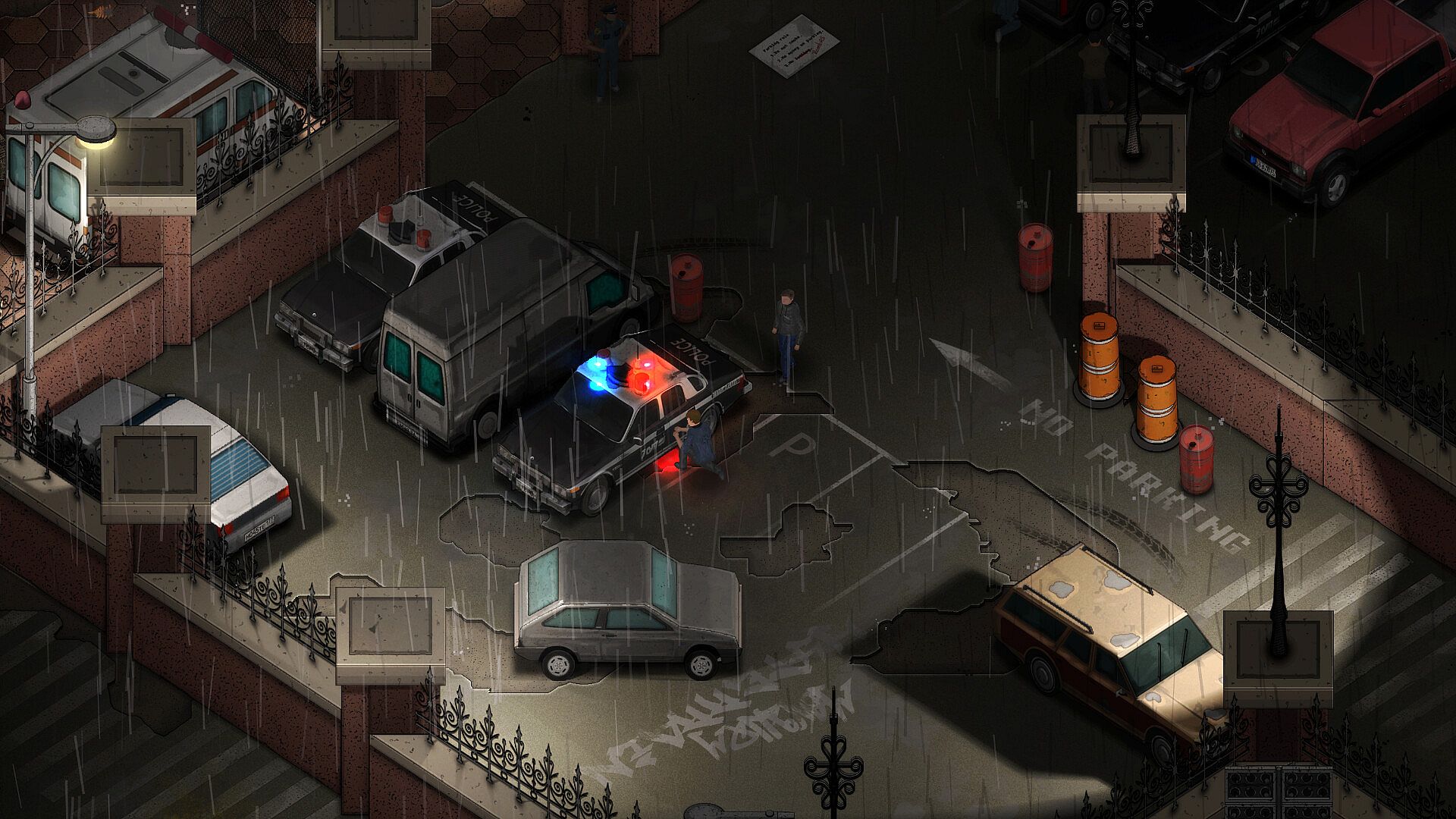
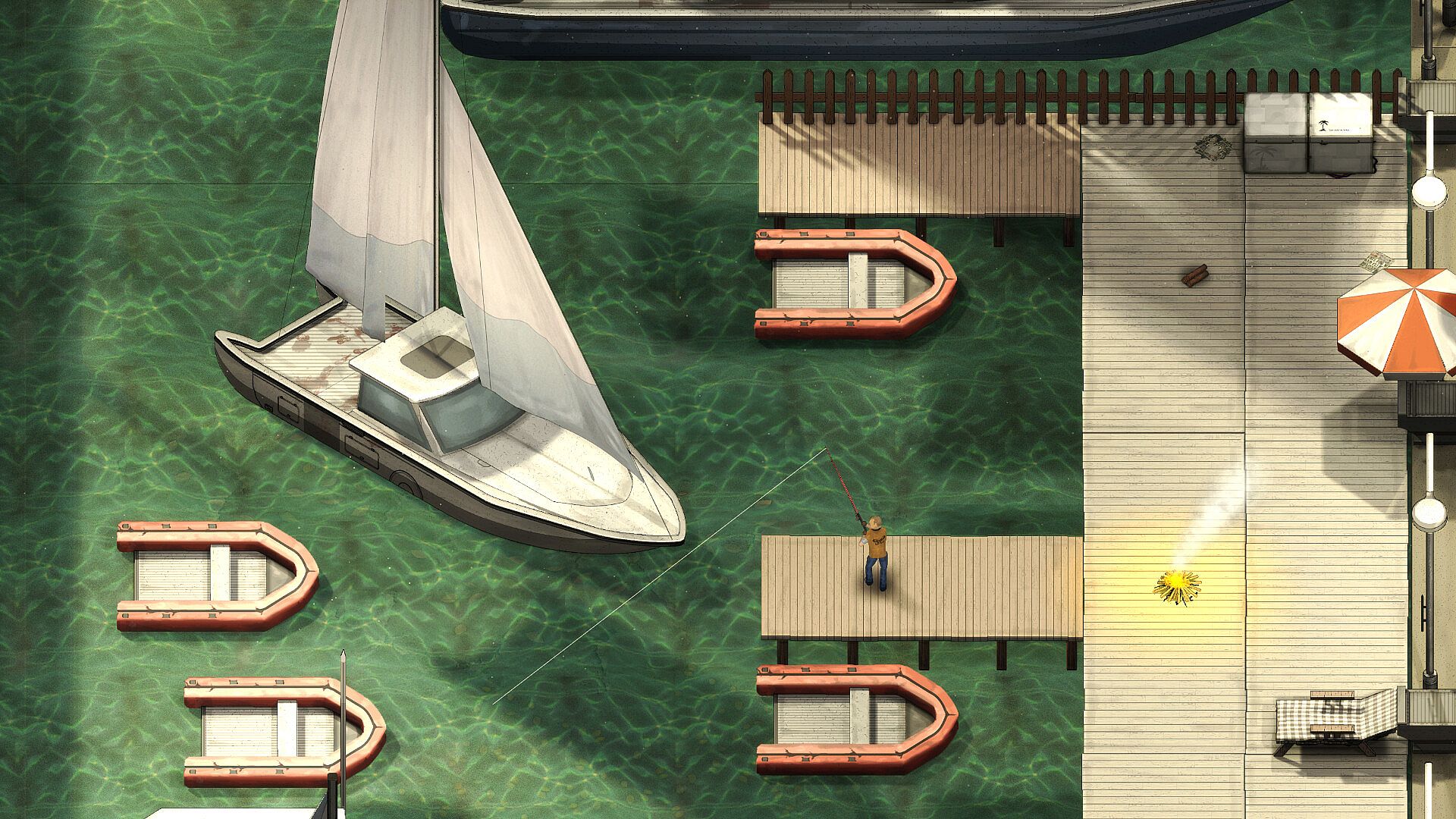
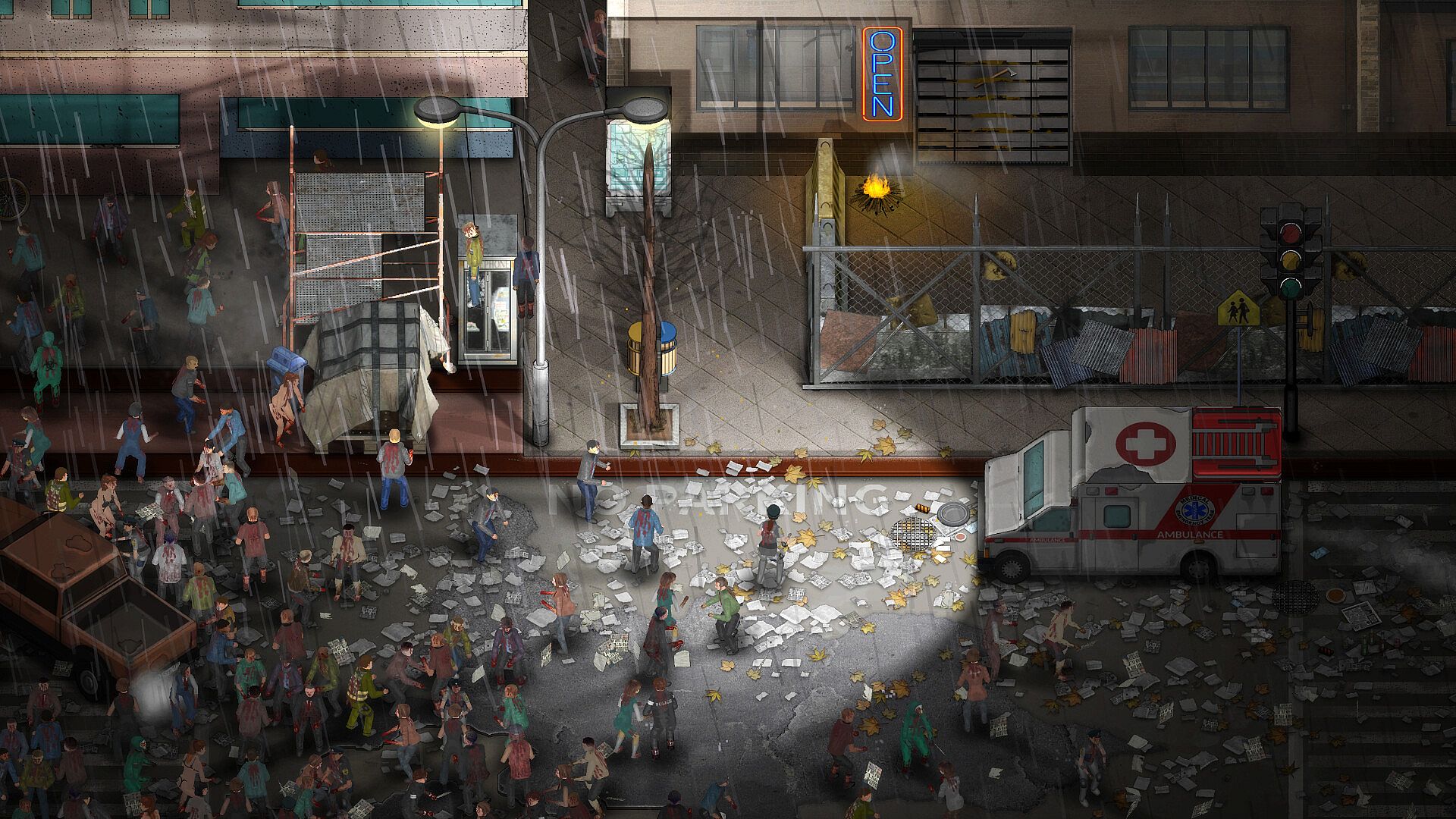
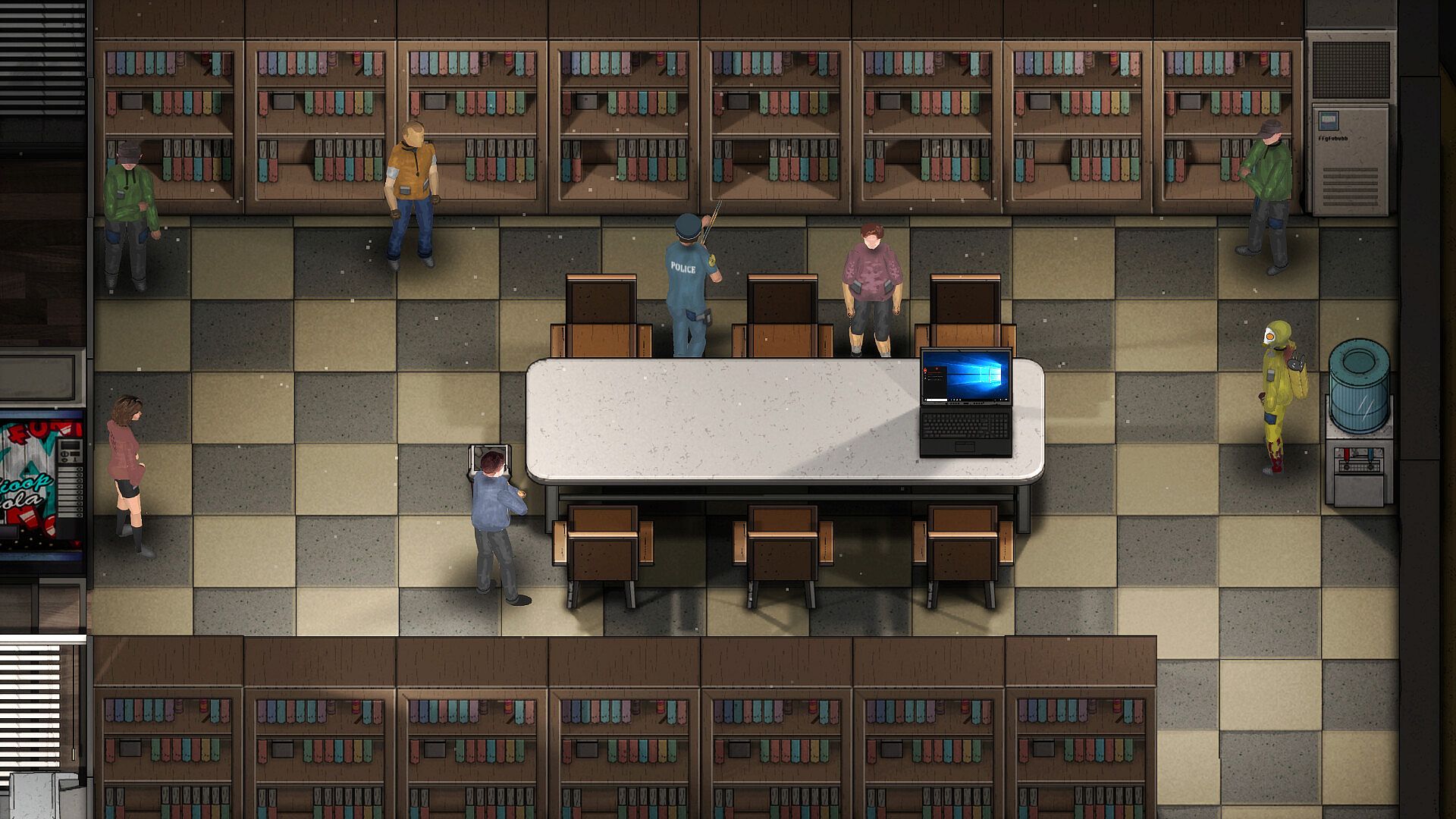
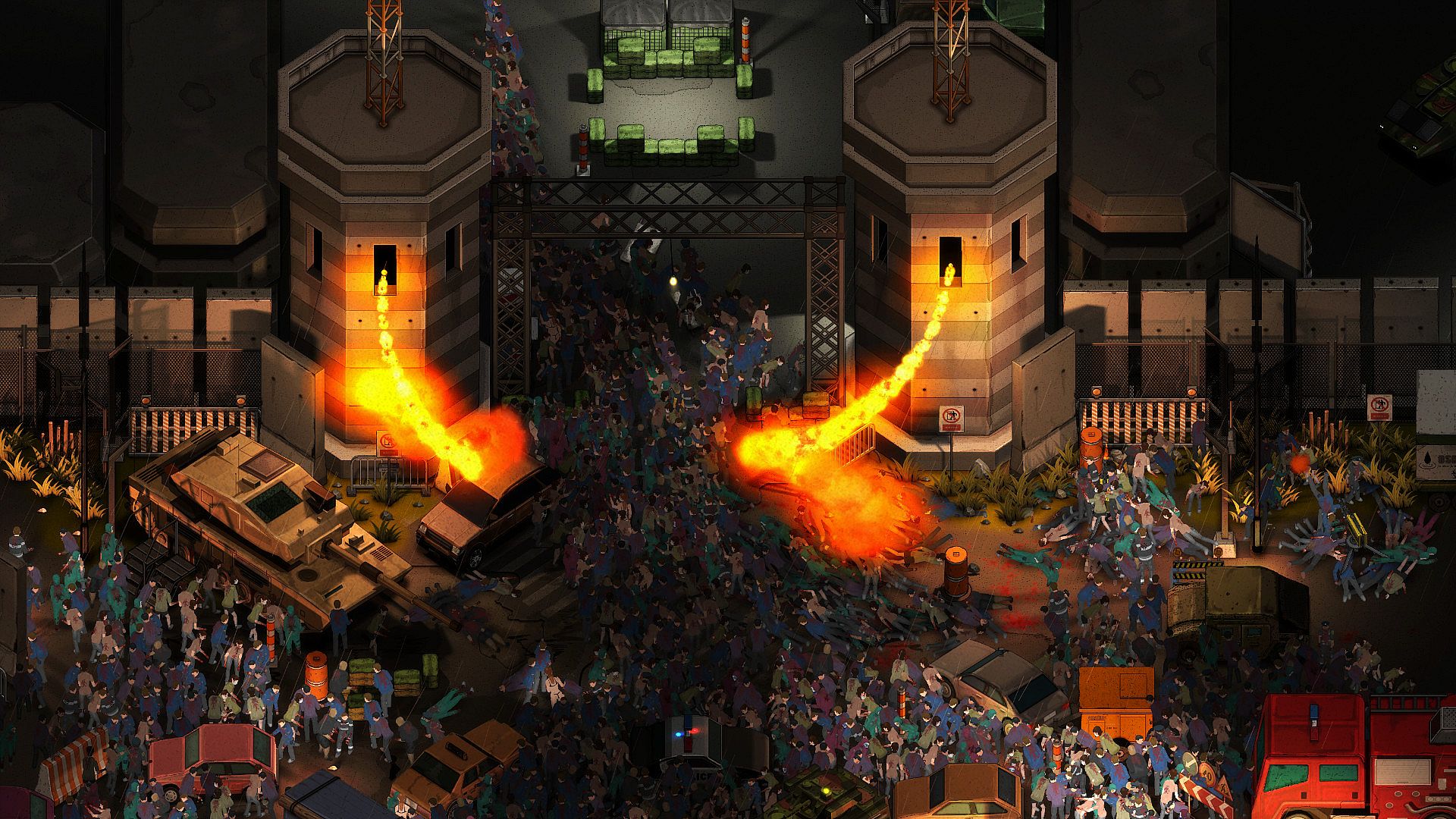
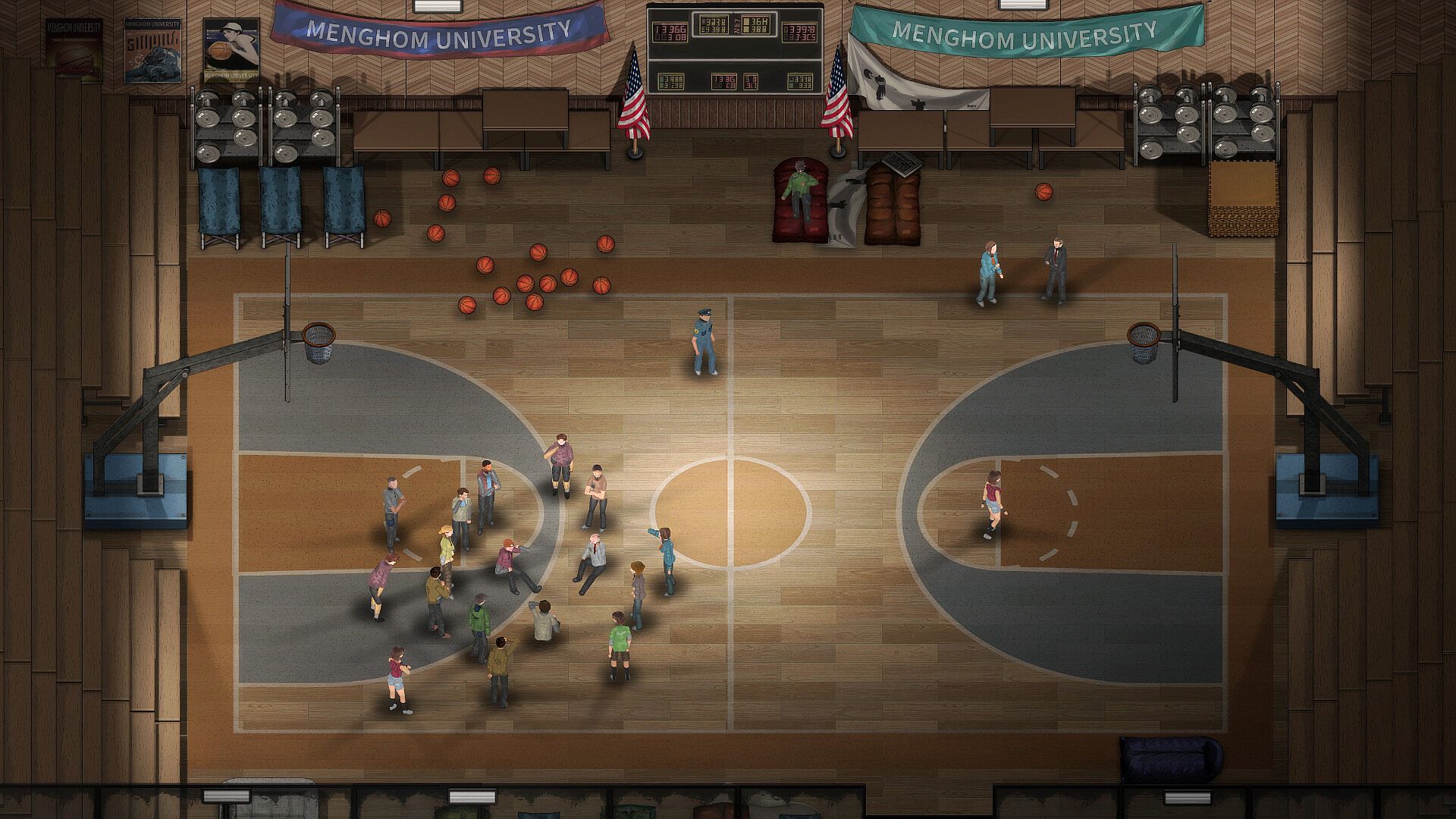
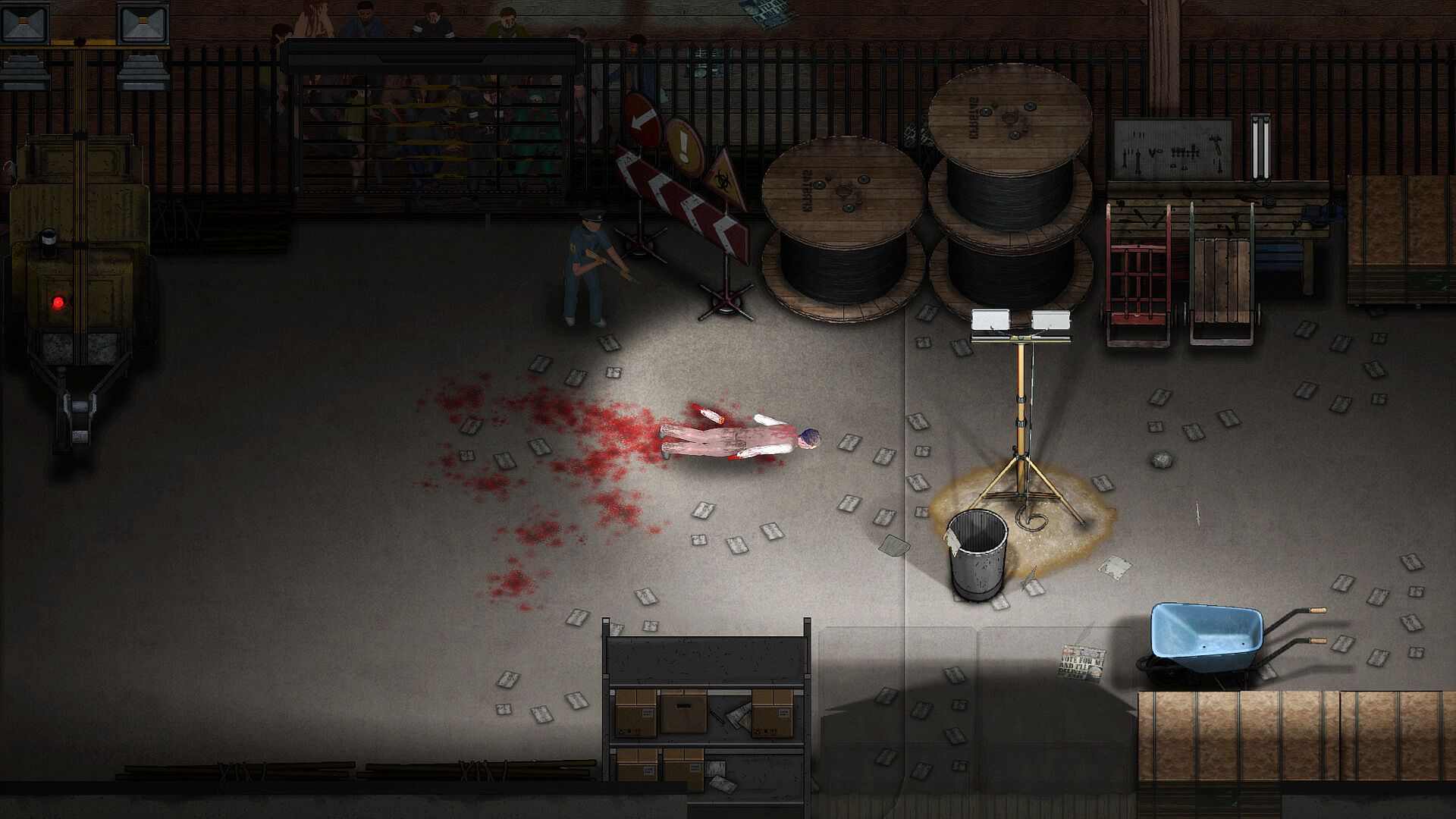
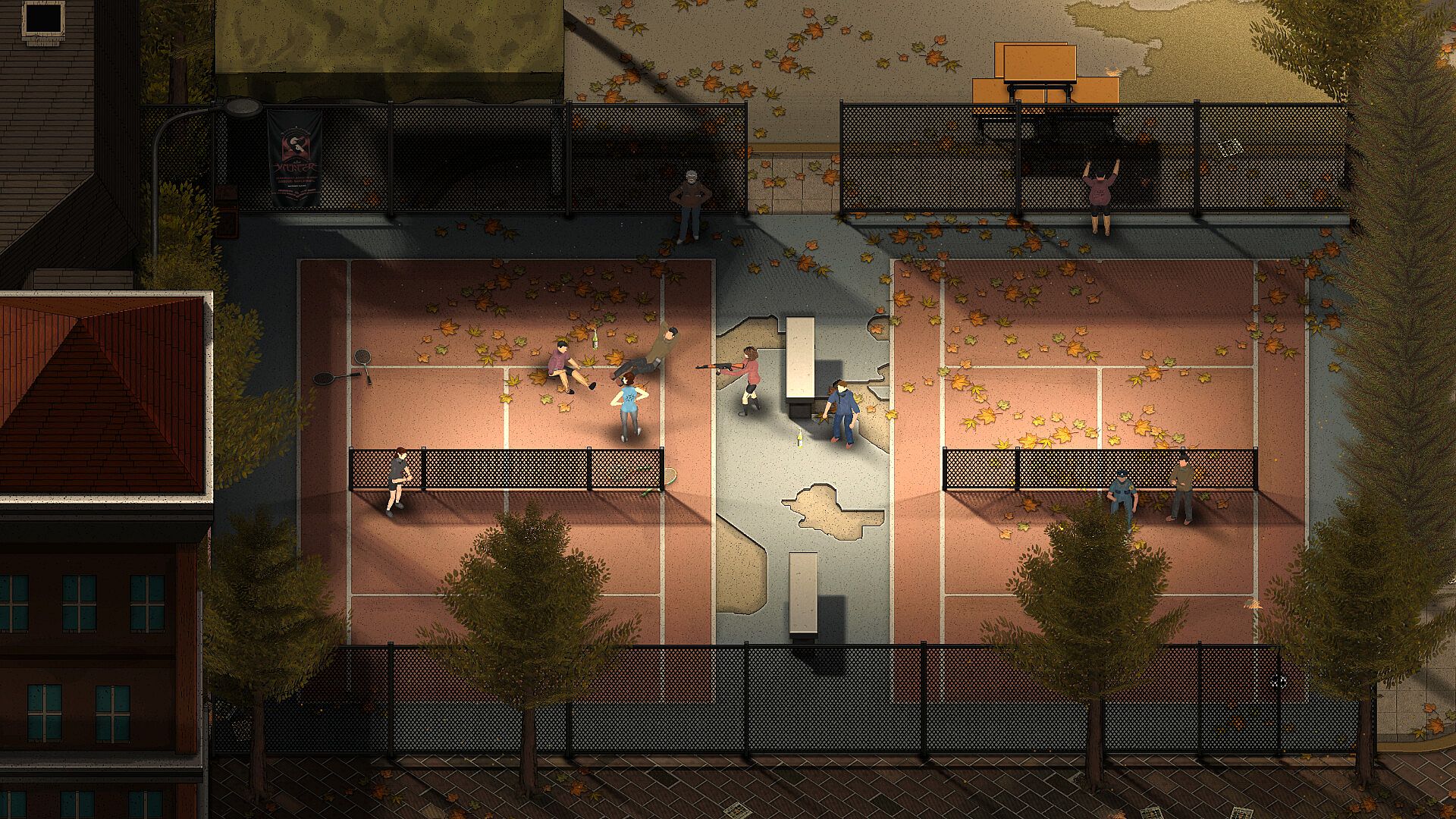
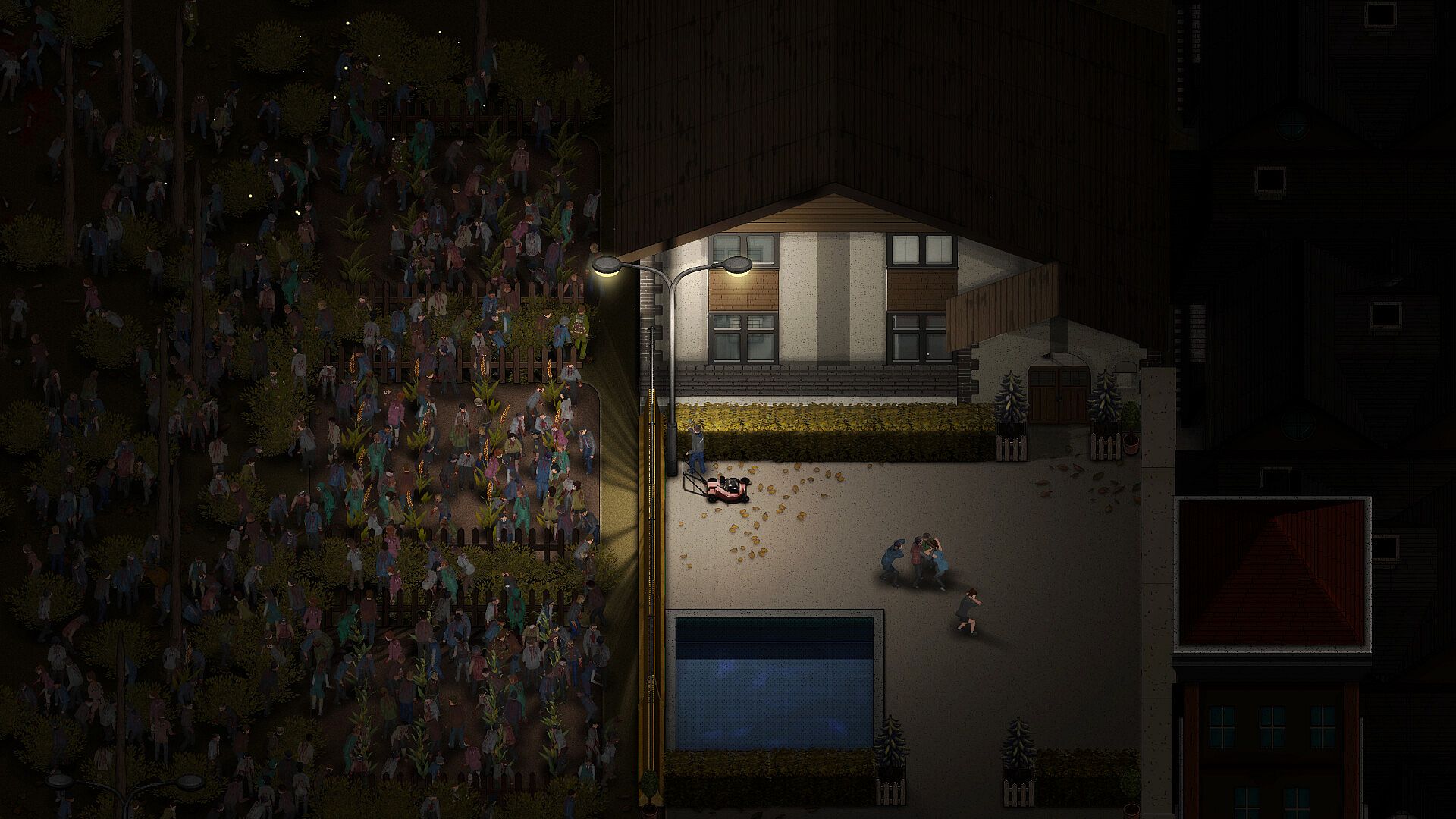
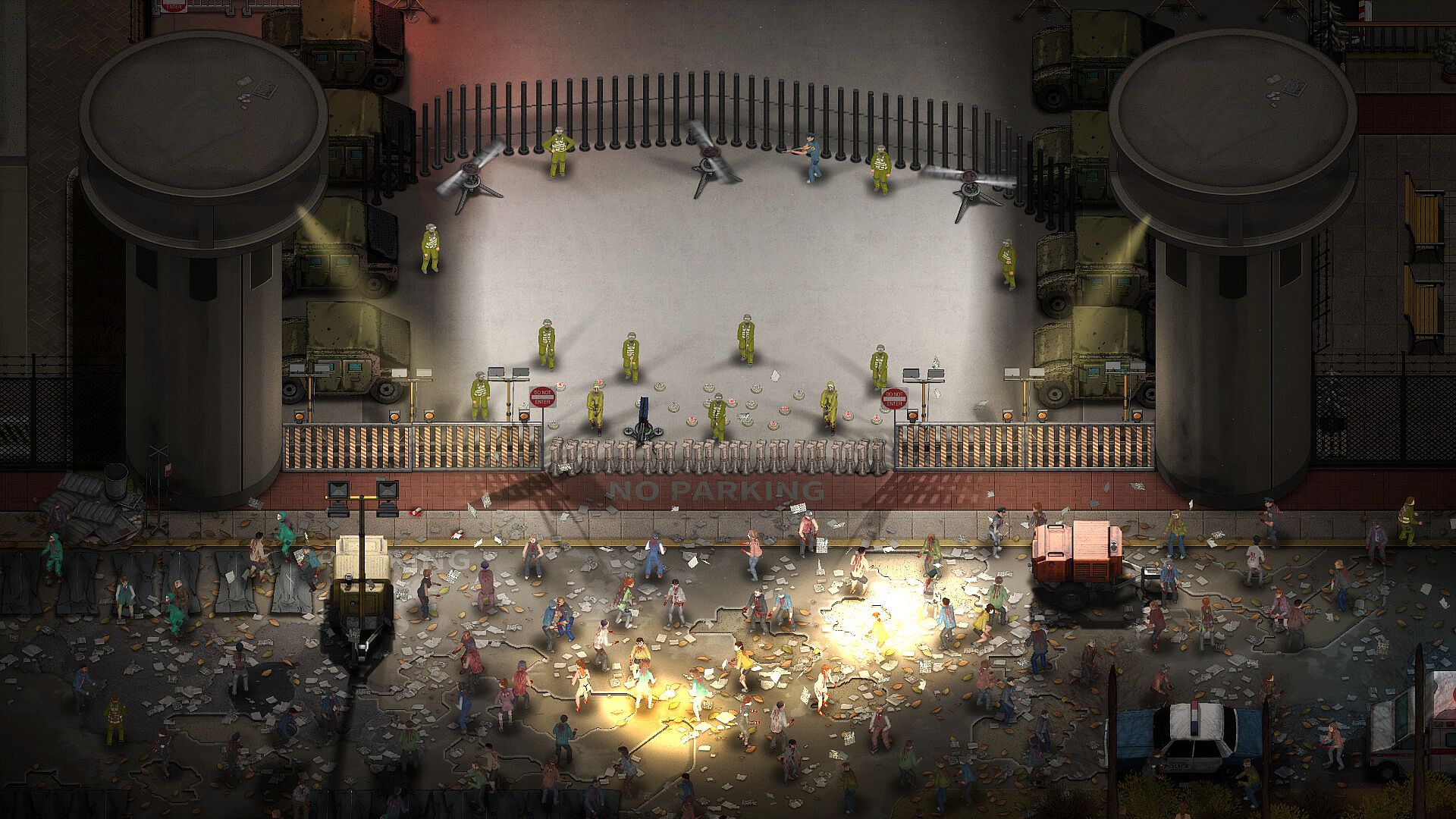
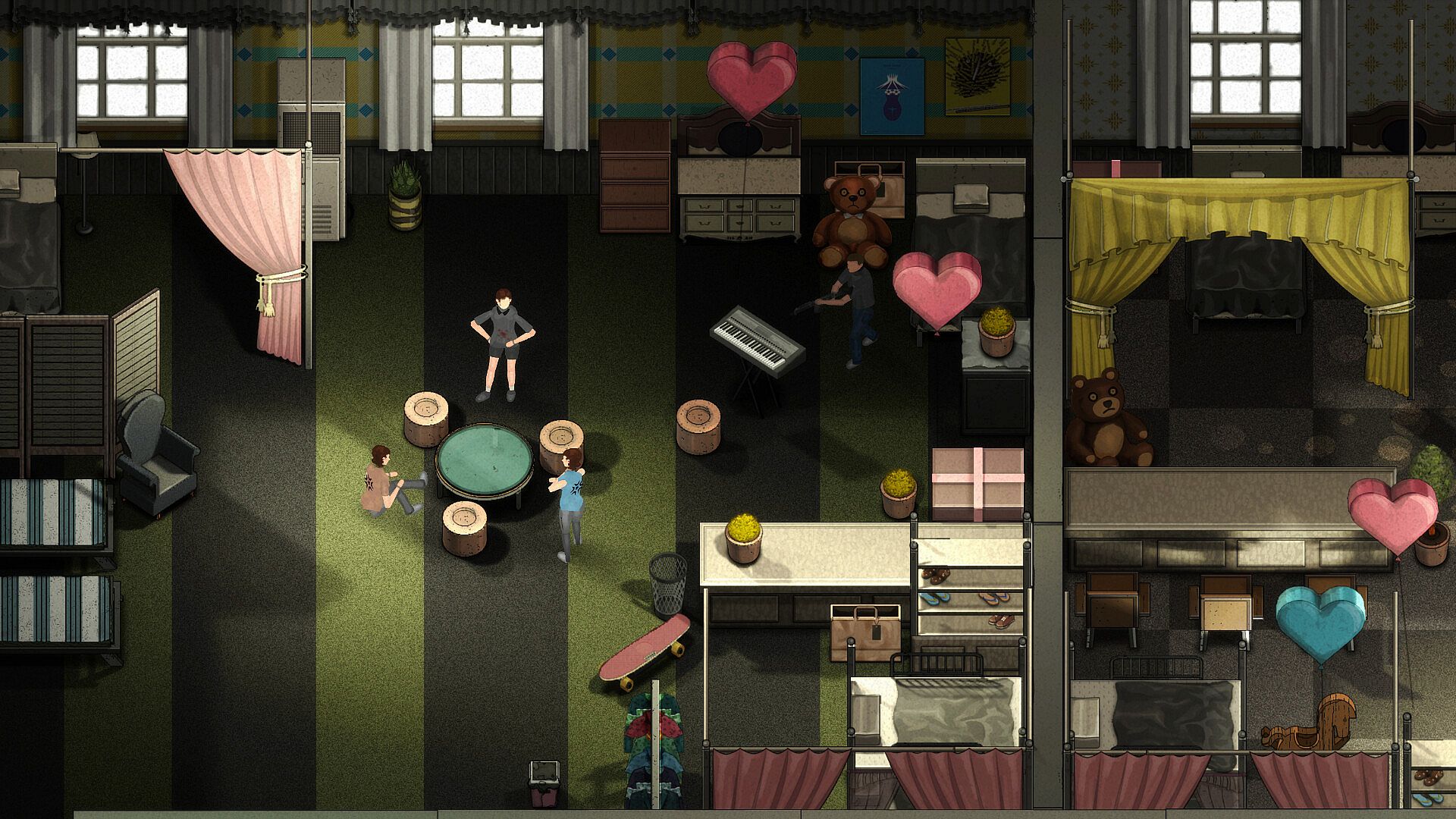
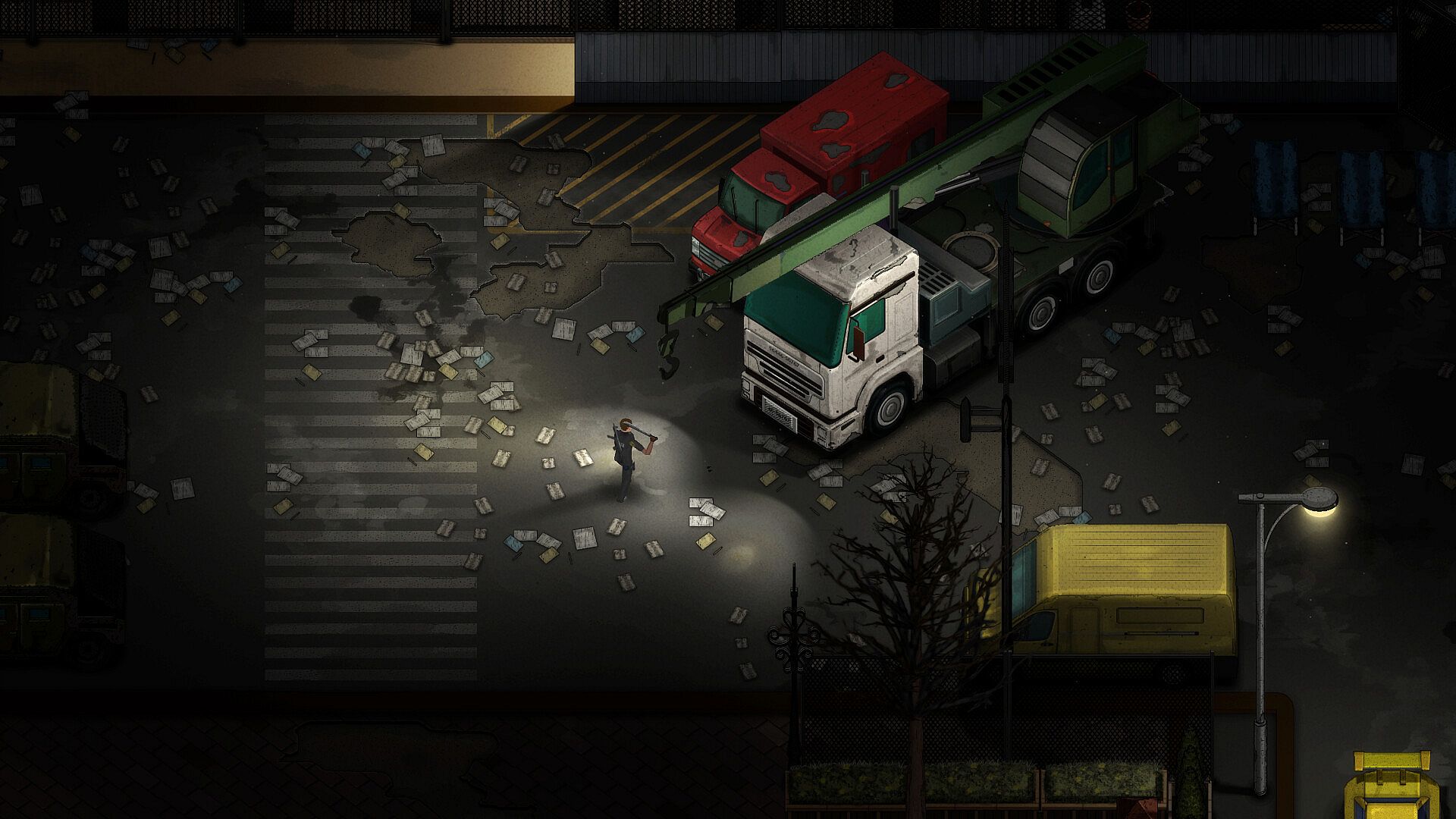
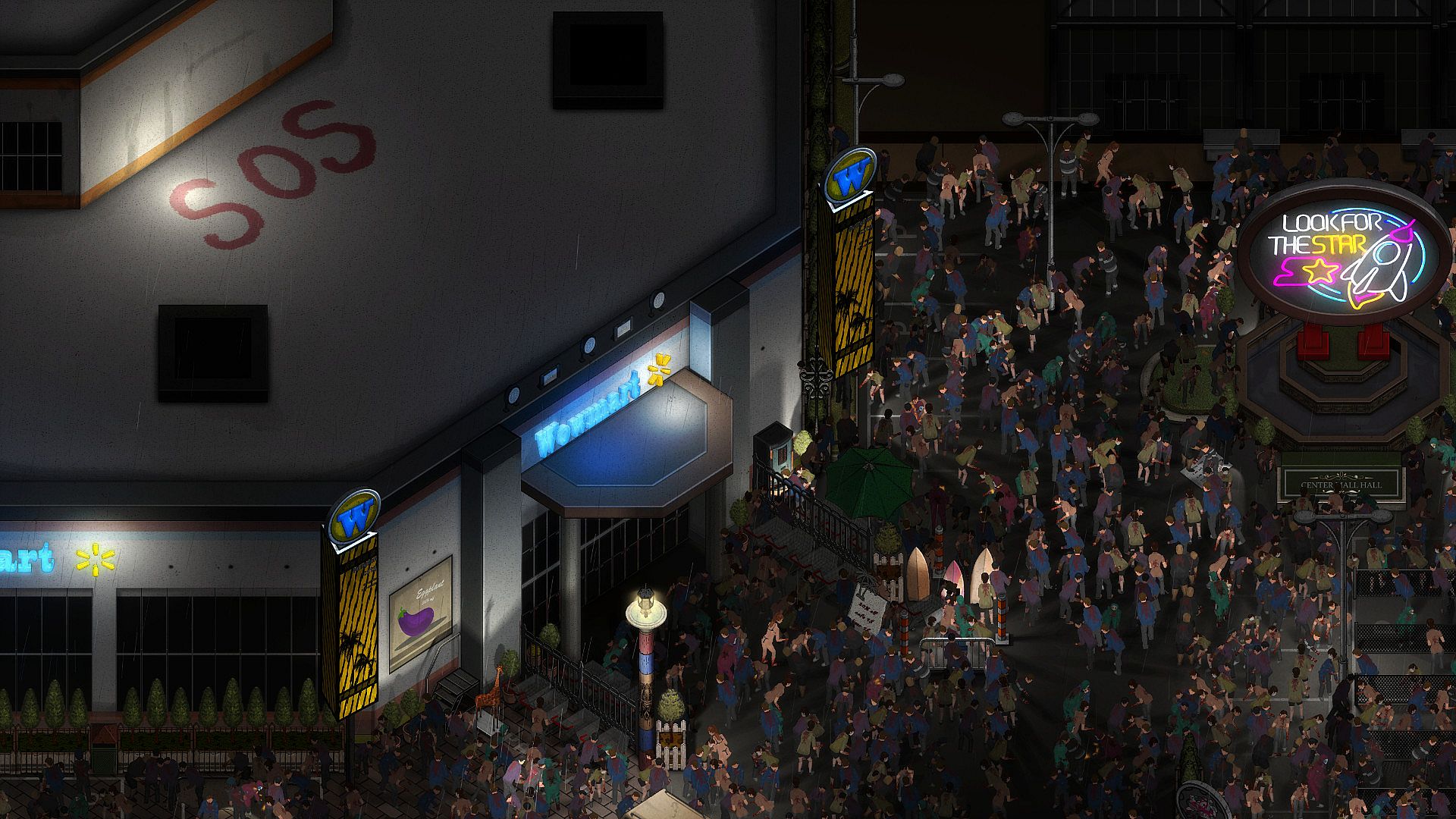
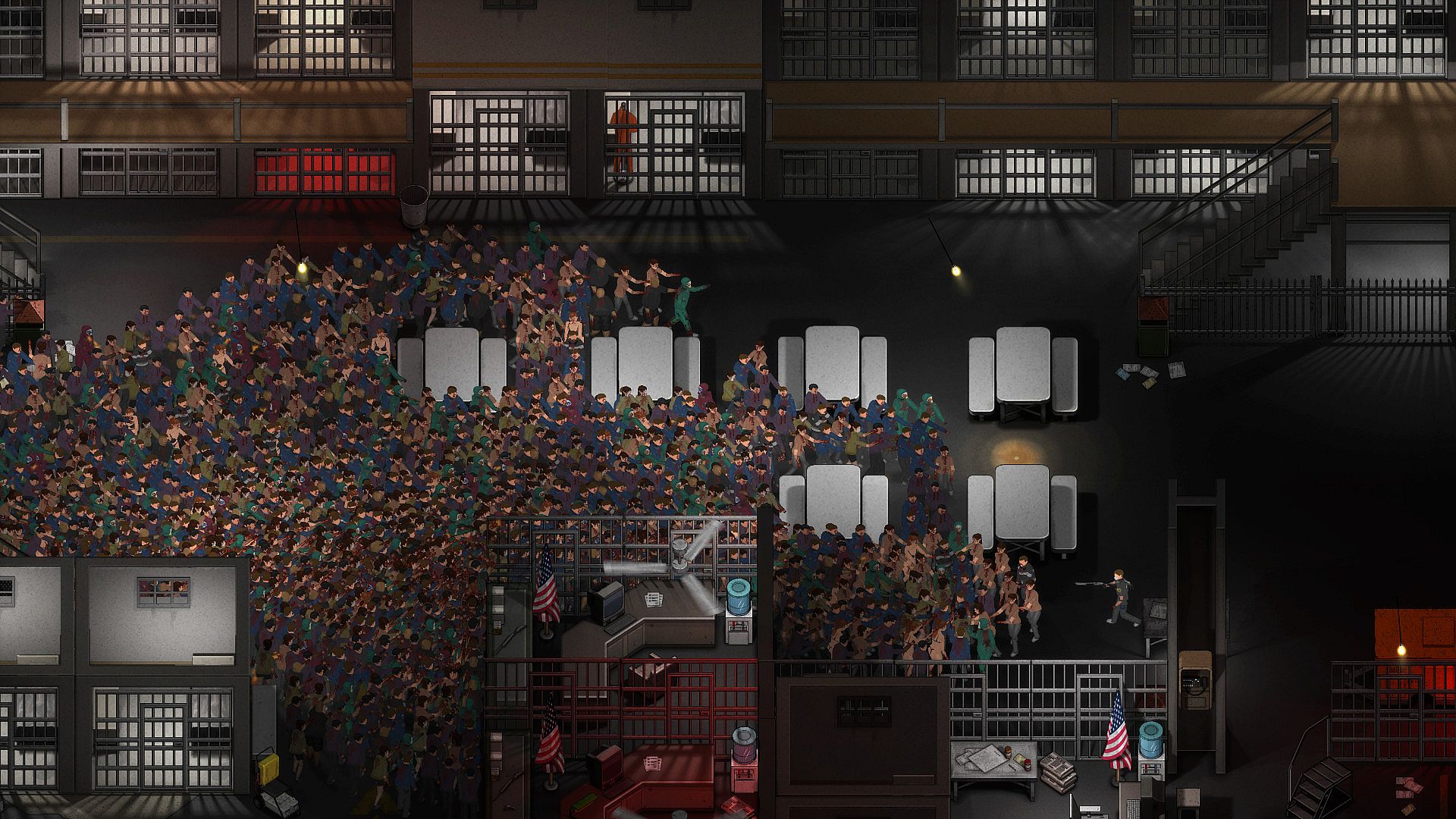
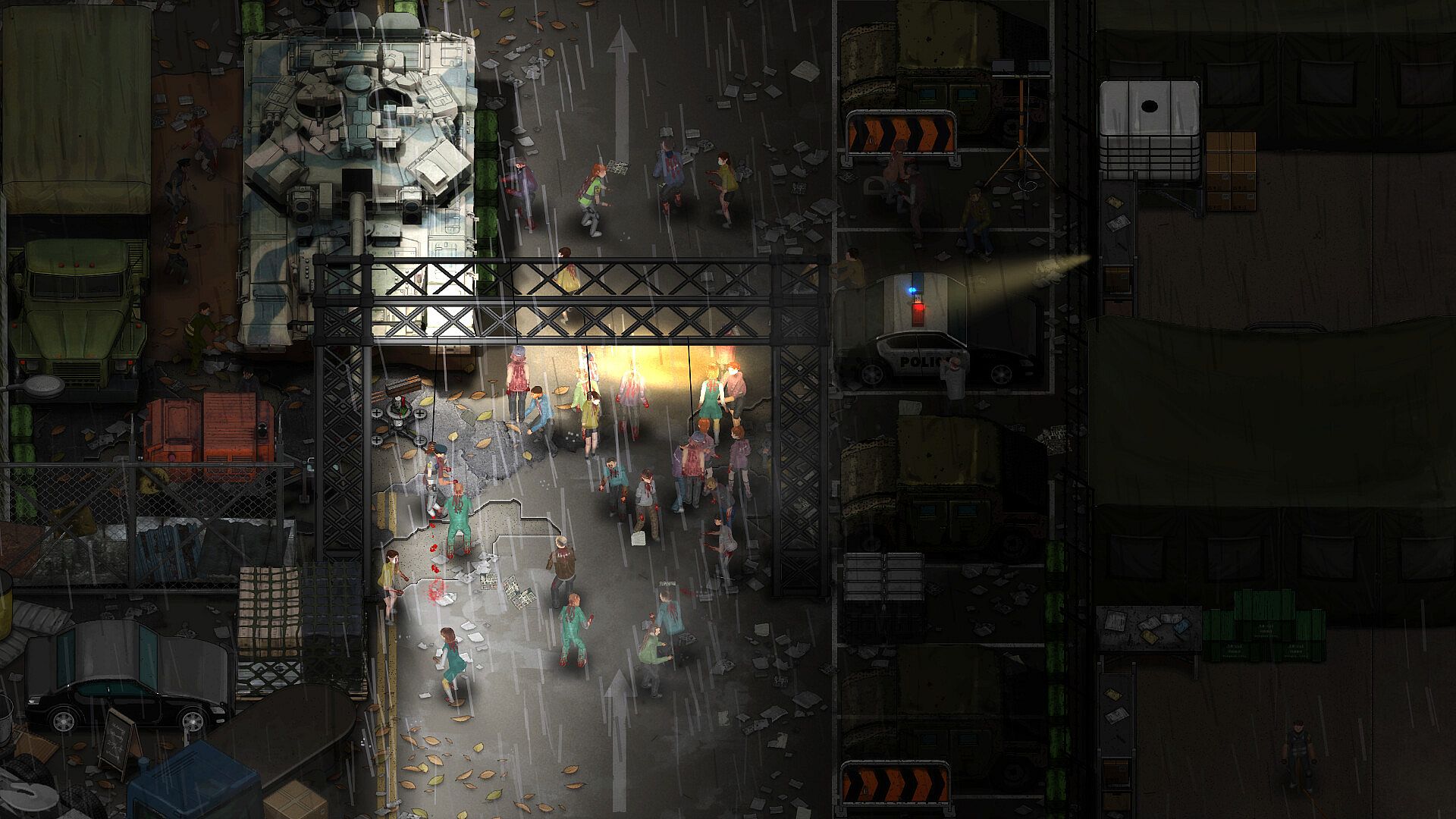
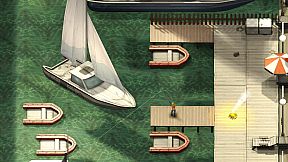
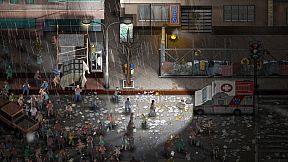
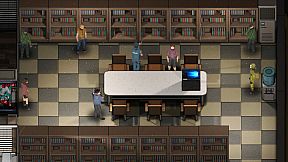
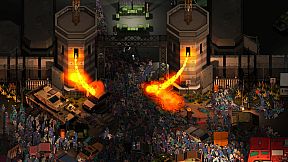
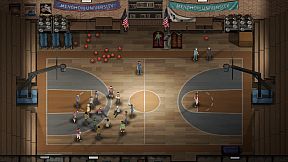
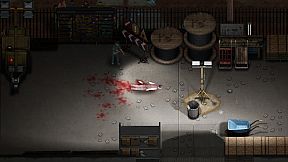
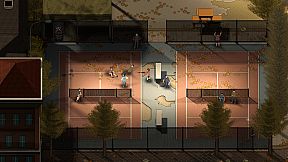
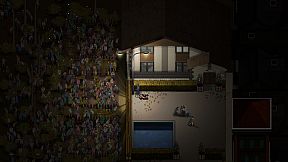
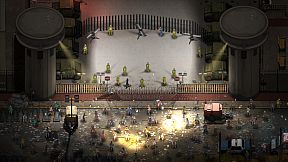
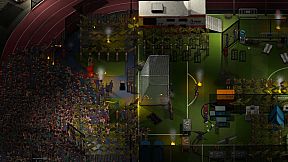
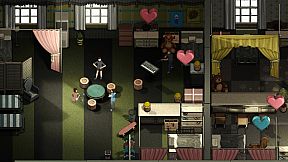
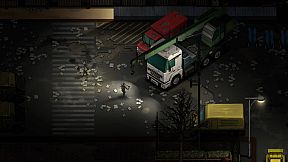
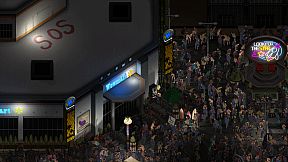
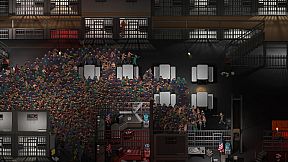
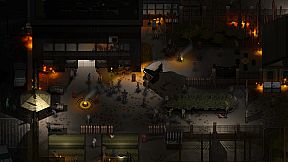
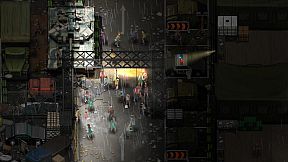
Dread Dawn is an open-world zombie survival sandbox game for PC that places players in a quarantined modern city after an unknown virus triggers a widespread outbreak. The player takes on the role of a student who misses the evacuation and must remain behind with other survivors, focusing on defense, resource management, and long-term survival in a detailed urban environment complete with hospitals, subway stations, prisons, and schools.
Gameplay
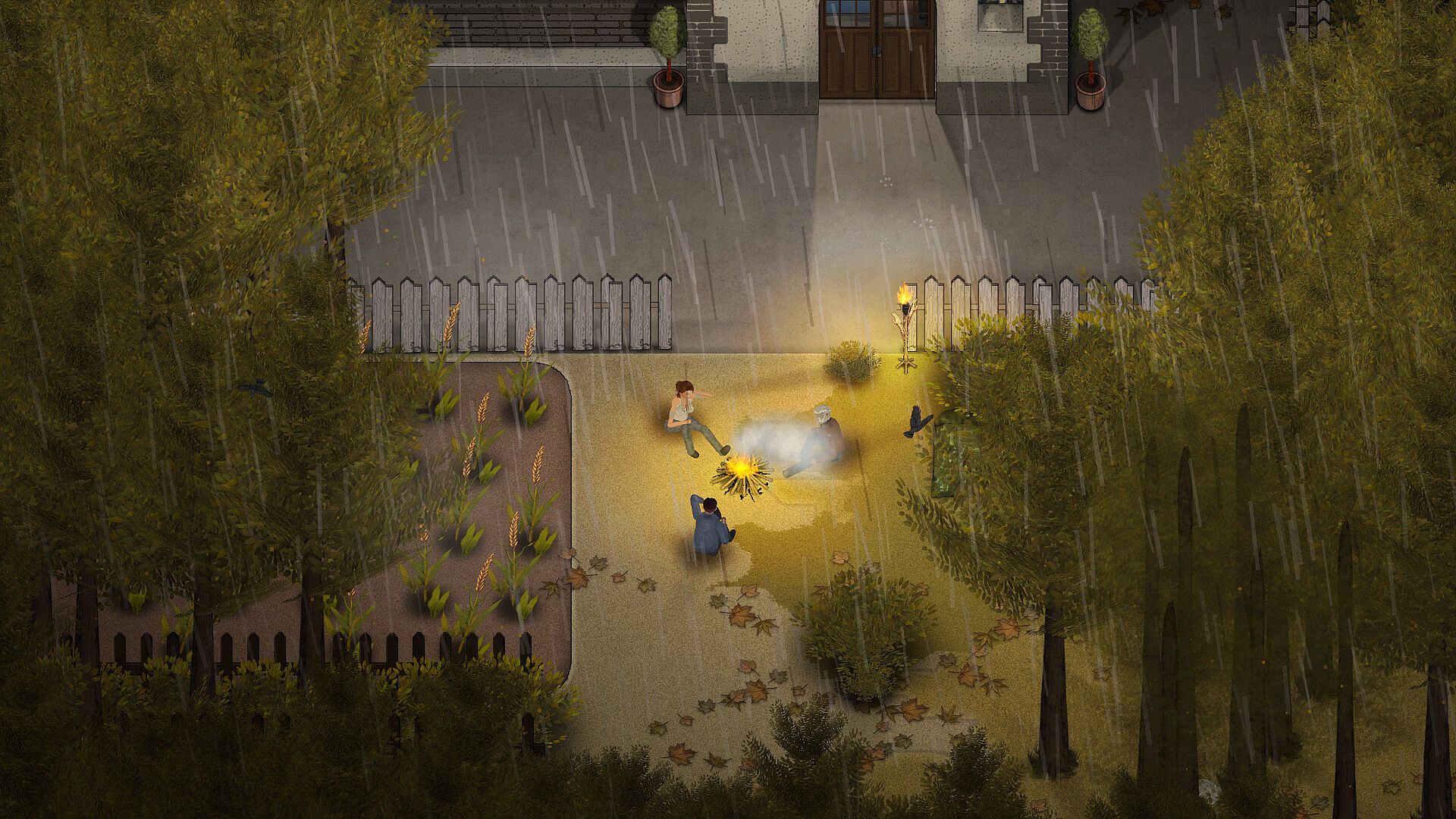
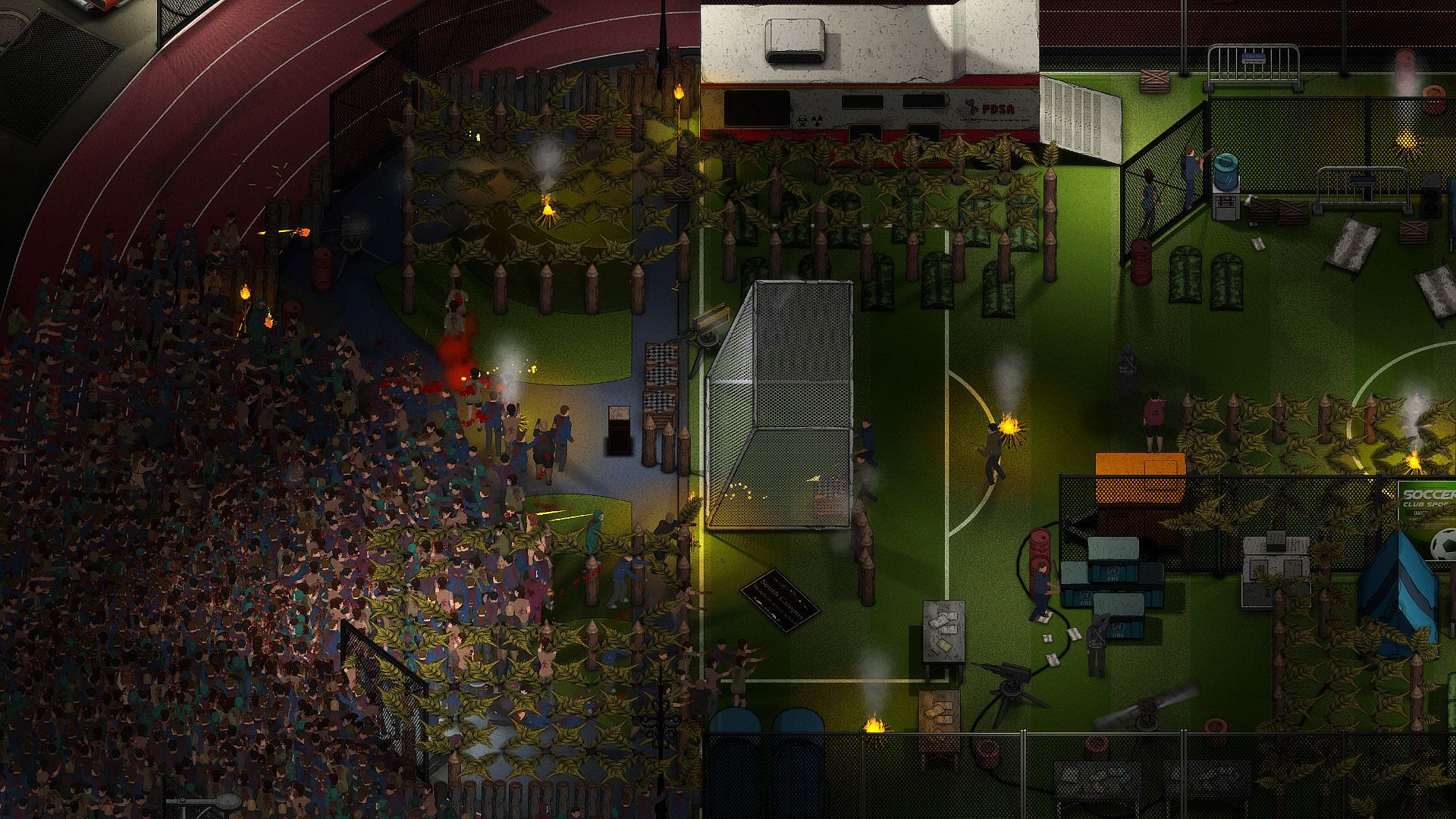
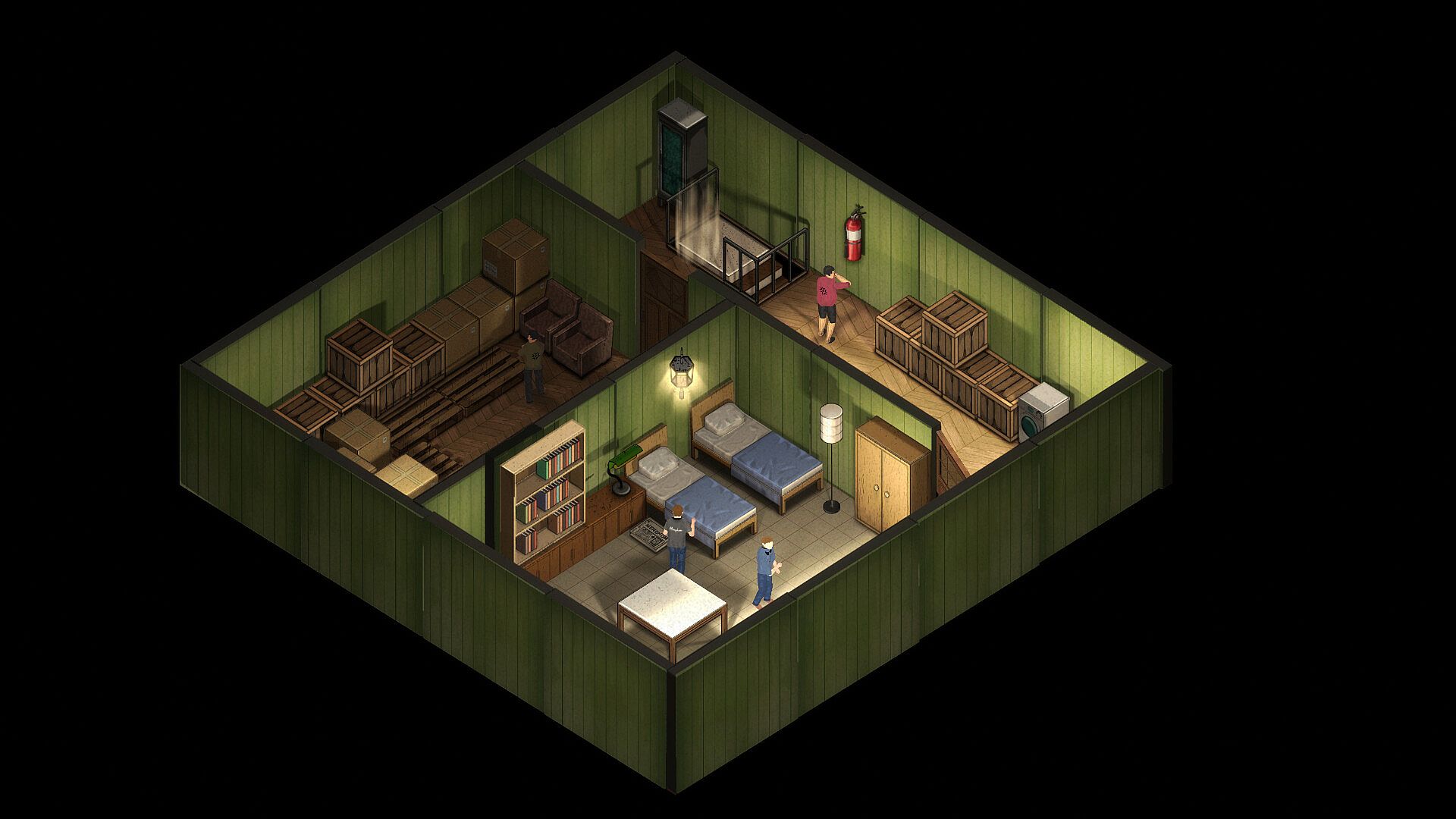
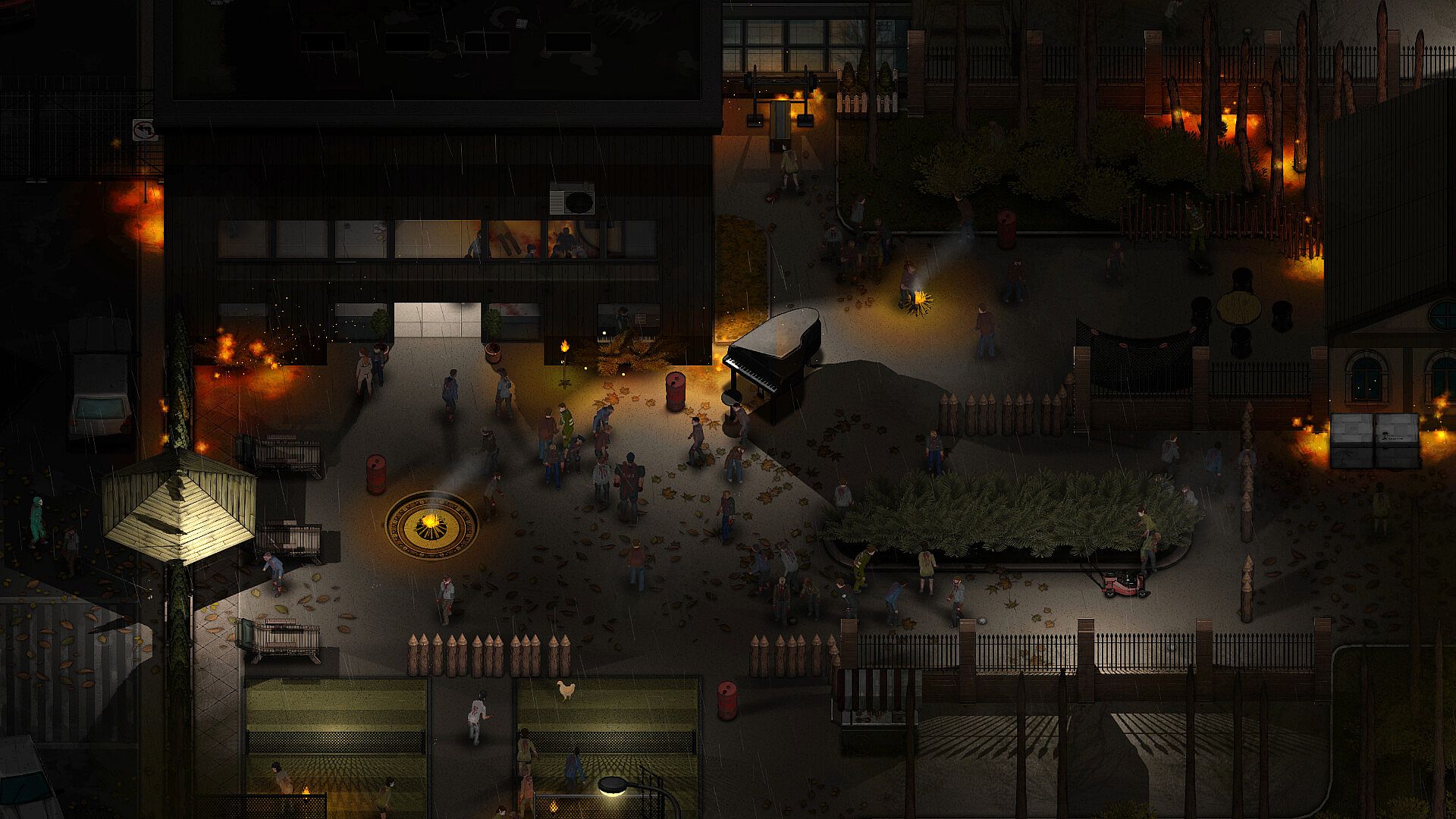
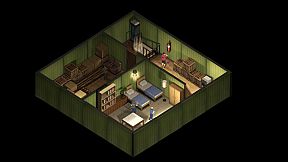
The core loop centers on exploration across the large city map, gathering materials, and maintaining a fortified camp at the school. Players construct defenses using collected resources to withstand zombie attacks that occur during moments of lowered vigilance. Farming mechanics allow planting crops in available camp spaces and raising chickens for eggs, providing a sustainable food source when supplies run low. Excess produce supports trading with other survivors scattered throughout the city. Story progression unfolds through numerous cutscenes that contrast the calm period before the outbreak with the escalating chaos of the city's collapse. The experience blends survival elements with RPG-style progression and crafting systems, all while emphasizing base management in a single-player focused sandbox setting. The game does not support controller input and requires keyboard and mouse operation.
Game Modes
Two primary modes structure the experience. Story Mode guides players through the main narrative via sequential chapters, beginning with the opening chapter titled Apocalypse. Completing this first chapter unlocks Survivor Mode, which shifts to a more open-ended format. In Survivor Mode, players select from nearly every available character model, equip a basic melee weapon, and spawn at a random location to test survival skills independently of the main storyline. These modes support different approaches to the same underlying systems of scavenging, building, and defending against zombie threats.
Setting and Progression
The quarantined city serves as a fully realized backdrop with functional public infrastructure that players can navigate and utilize during exploration. Progression ties directly to advancing the main storyline while simultaneously strengthening the school camp through construction and farming. Trading surplus goods with non-player survivors adds an economic layer that rewards efficient resource use. The combination of narrative cutscenes and sandbox freedom encourages repeated playthroughs as players balance immediate threats with long-term camp improvements.
Is It Worth Playing?
Player reception shows mixed overall reviews alongside mostly positive recent feedback, reflecting a game that delivers on its core survival and base-building promises for some while presenting occasional technical issues for others. Those drawn to methodical resource gathering, camp defense against periodic zombie waves, and a narrative that spans pre-outbreak calm to full societal breakdown will find the systems engaging. The absence of controller support and the emphasis on single-player sandbox play make it a fit for keyboard-and-mouse users seeking a focused zombie survival experience without multiplayer elements. Recent updates have maintained steady interest, particularly among players who appreciate the farming and trading mechanics integrated into camp life. If the described loop of exploration, construction, and story-driven survival aligns with personal preferences, the title offers a solid entry in the indie zombie genre.














