

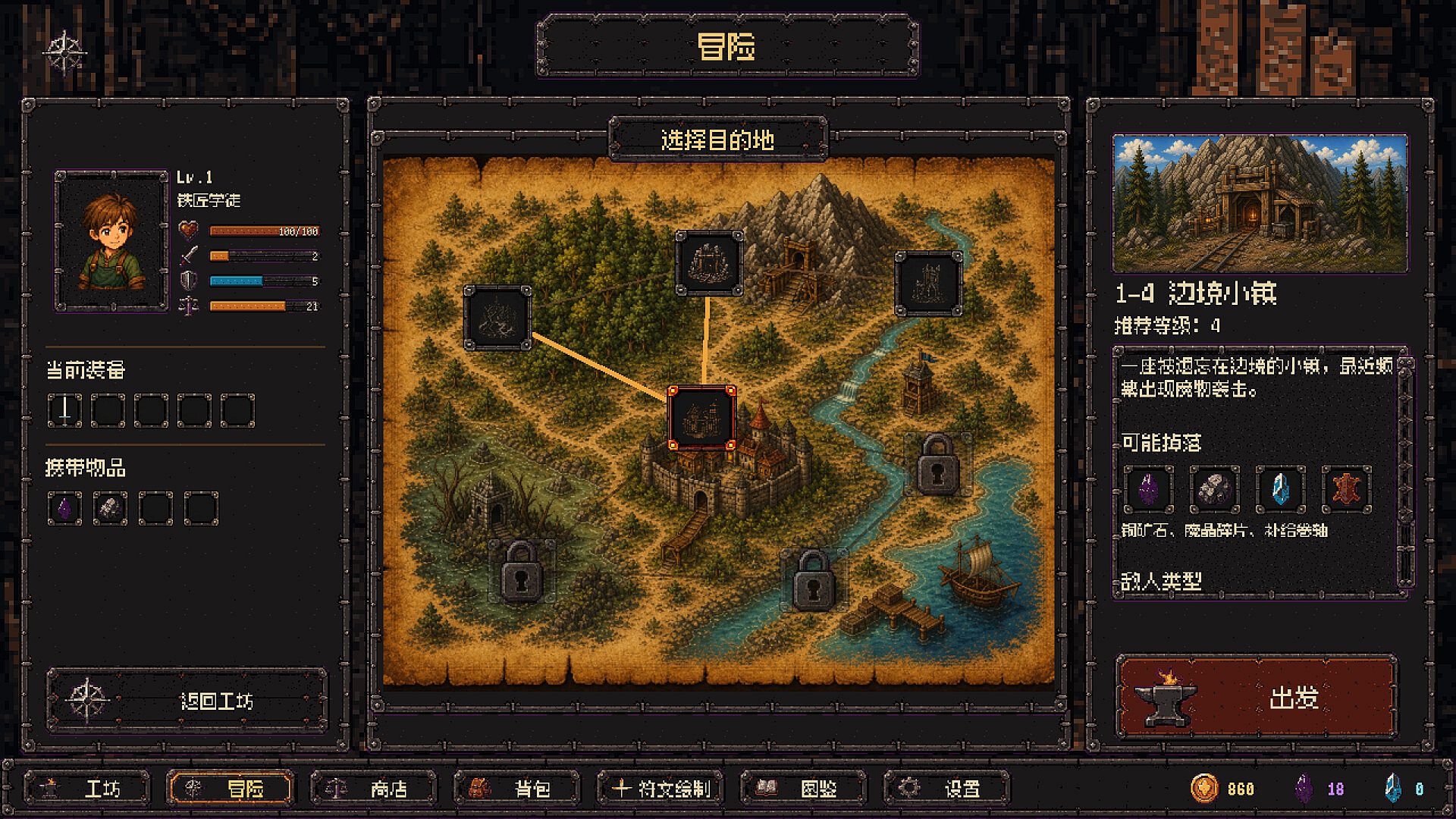
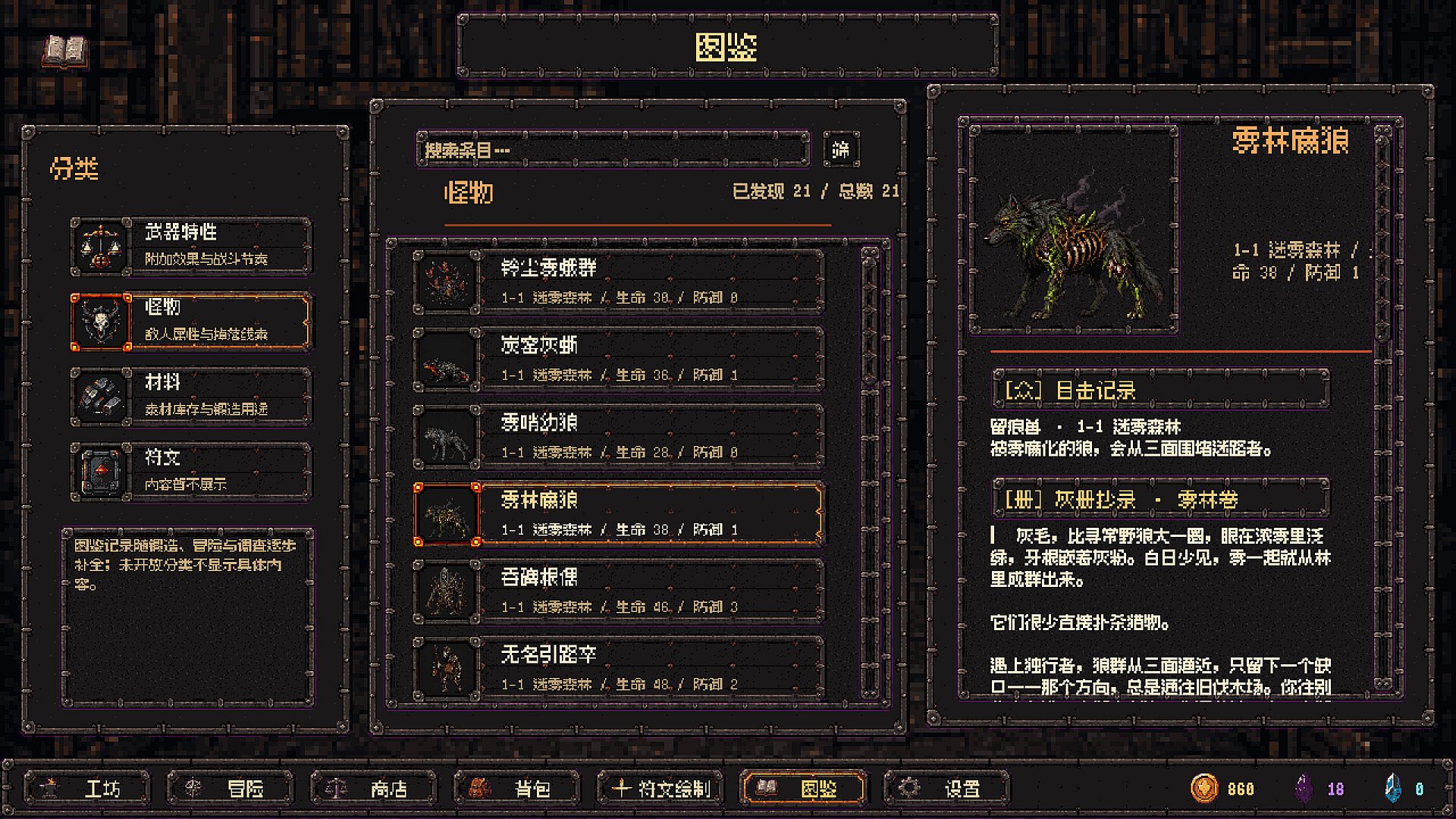
Drawforge is a single-player weapon-forging roguelite that blends strategy, indie development, RPG progression, simulation depth, and adventure exploration on PC. Players forge their own weapons from raw materials and then carry those creations into combat, where order, durability, and unique traits determine success.
Gameplay
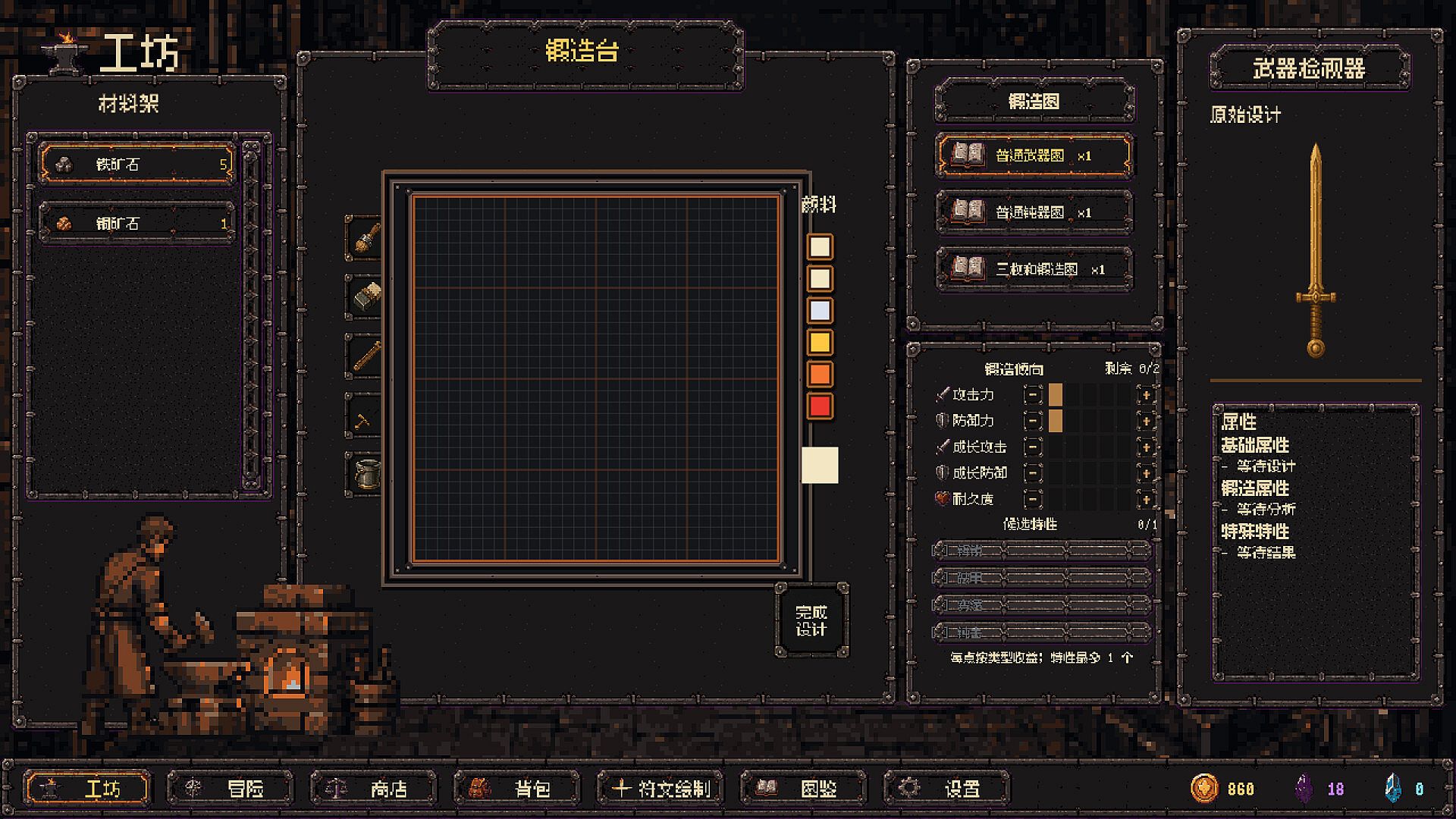
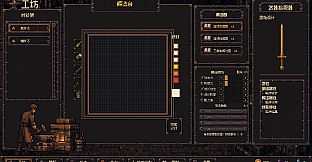
The core loop centers on a detailed forging process that turns basic materials into personalized weapons. Different materials bring inherent properties, yet the outcome hinges on every step of the process. Hammering shapes the weapon and sets its fundamental performance. Polishing refines it and raises overall quality. Quenching decides how cleanly the weapon forms and can produce unexpected results.
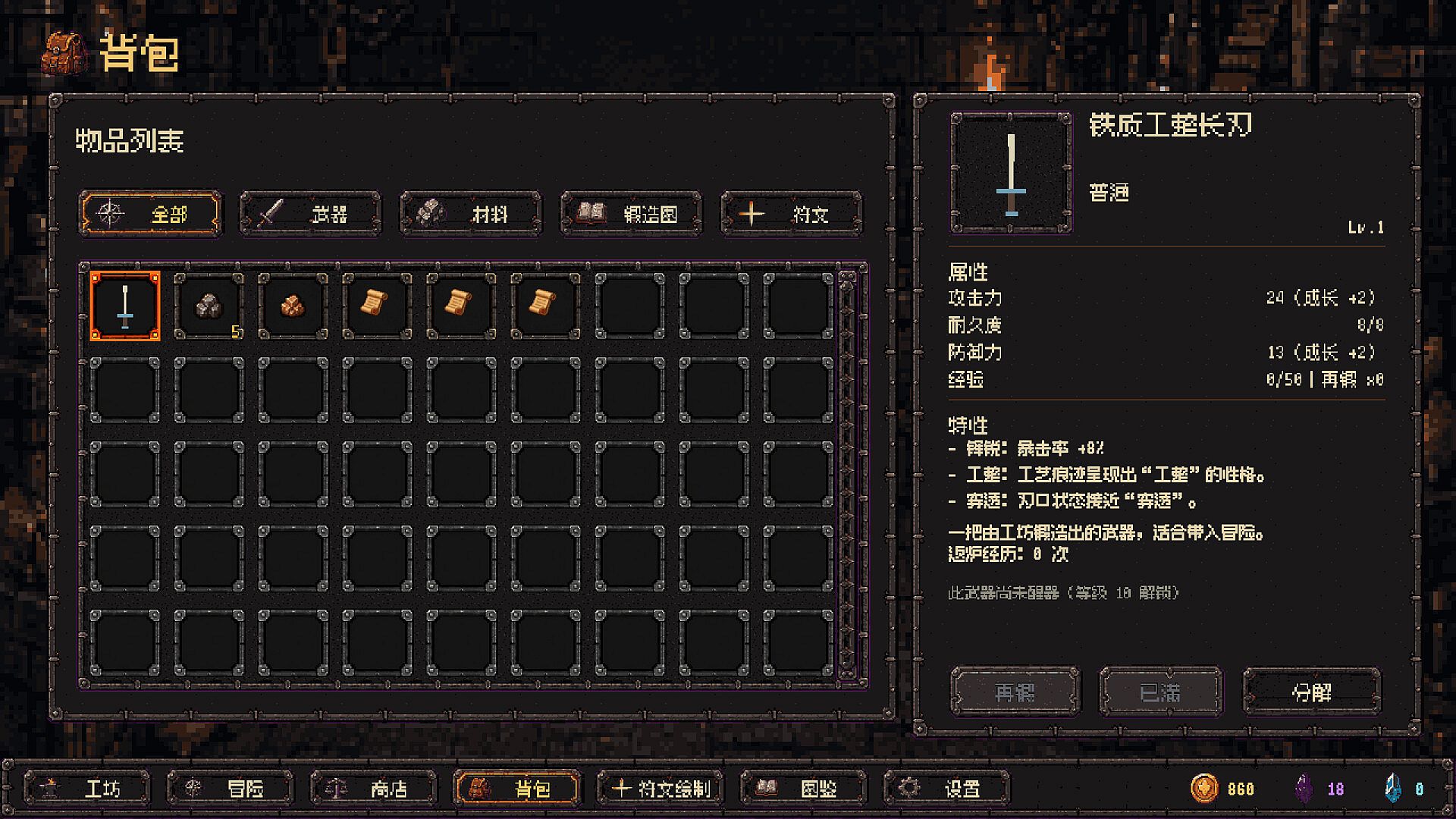
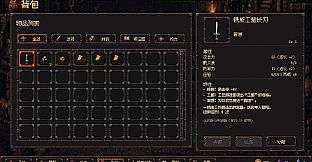
Each finished piece carries forward conditions and traits such as Rough, Refined, Tempered, Microfractured, Cold-Brittle, or Elastic. These qualities stay with the weapon and give every item its own history. Perfect results cannot be guaranteed, and an imperfect weapon sometimes proves essential to a particular build.
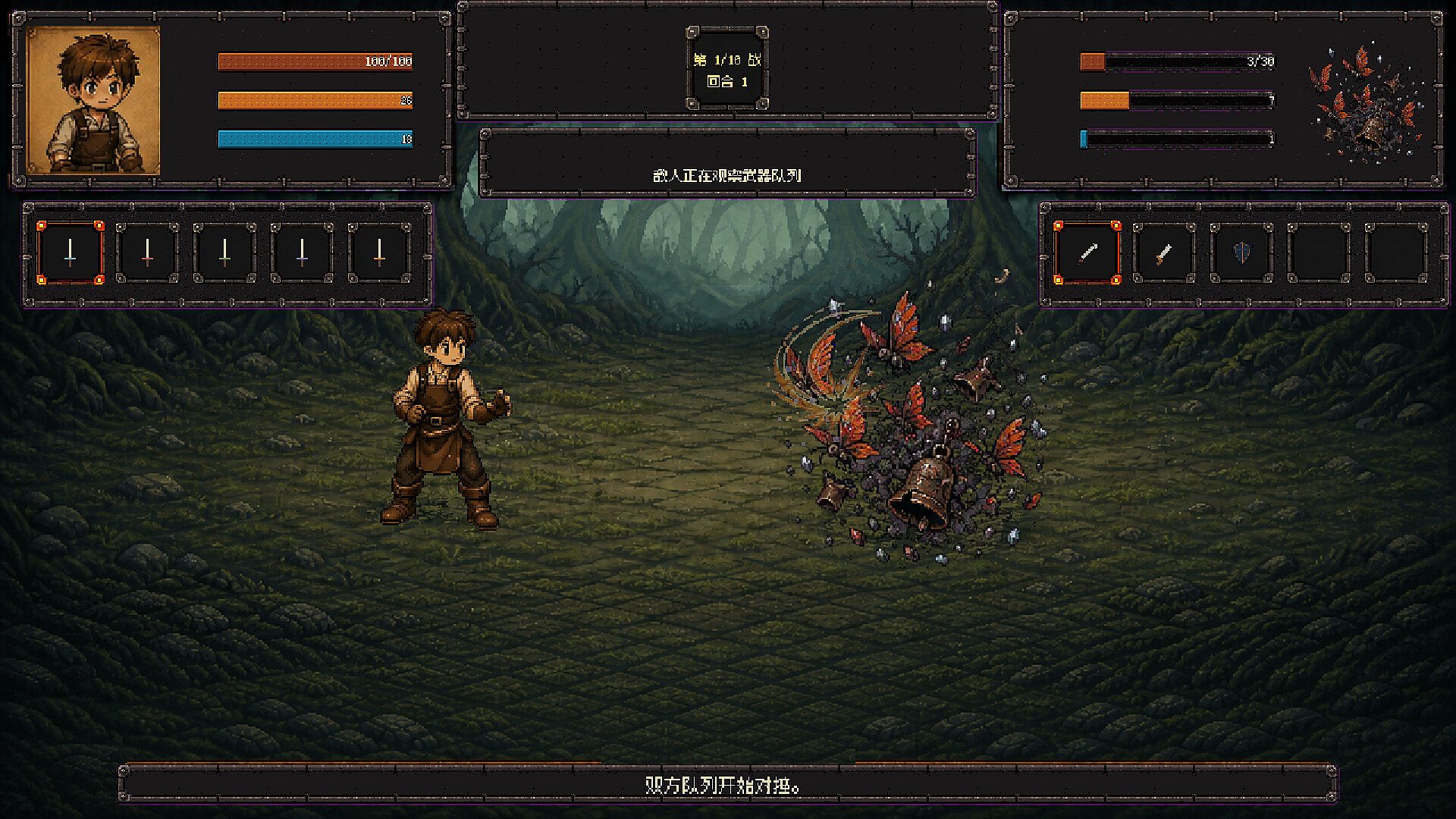
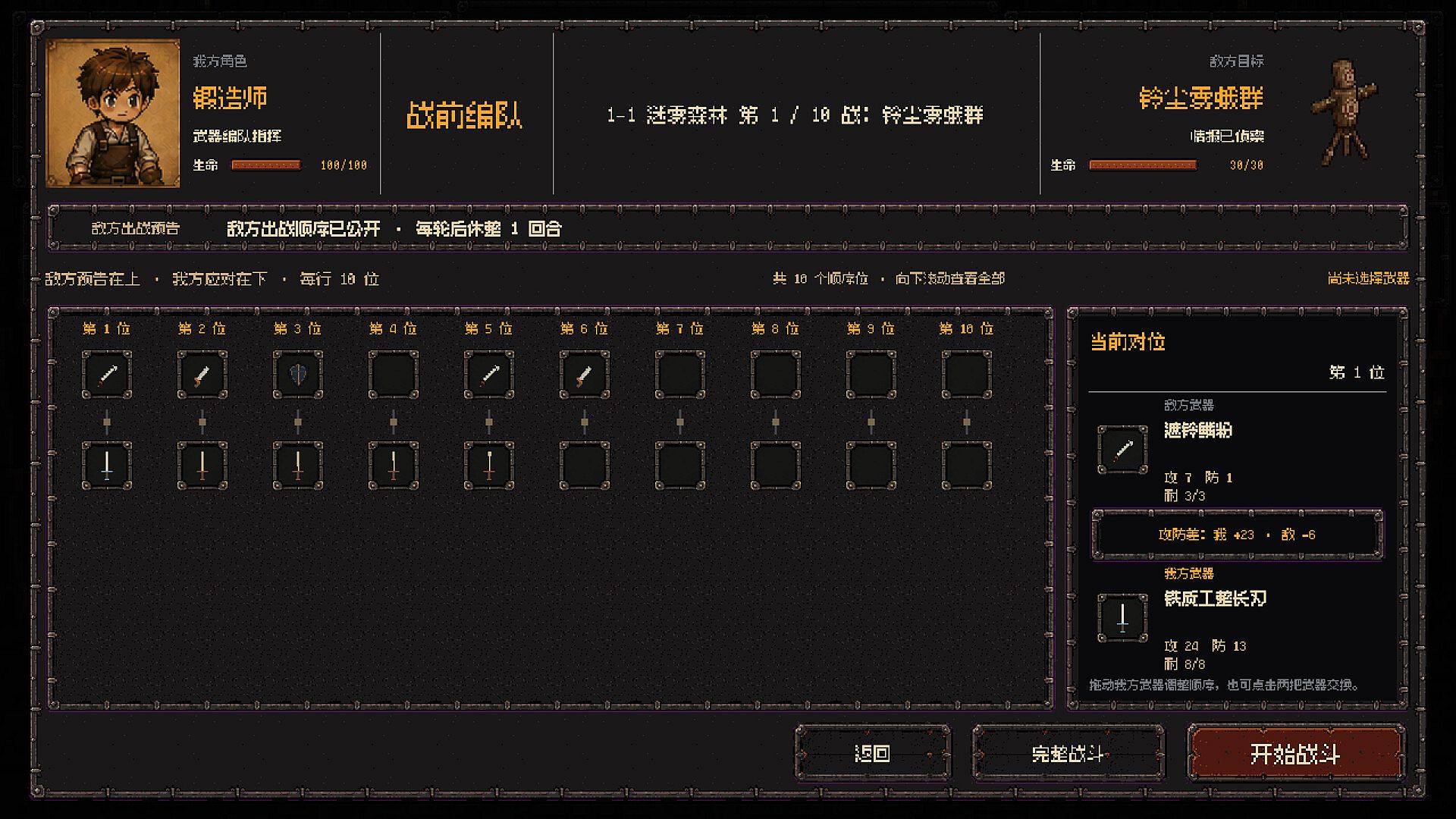
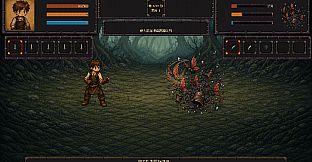
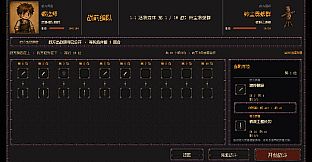
Combat expands the strategy further. Players arrange multiple weapons before battle, including swords, spears, axes, hammers, staves, shields, daggers, darts, and stranger variants. Once fighting starts, the weapons act in the chosen sequence. They attack, defend, lose durability, and wear down over time. Decisions extend beyond raw damage output to questions of timing, durability management, and backup options when a weapon breaks.
Game Modes
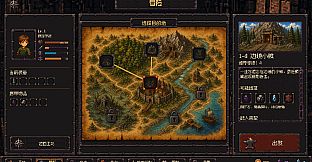
Drawforge delivers its experience through a single-player adventure structure. The game alternates between time at the forge, where weapons are created and customized, and expeditions into combat encounters. Resource management and repeated forging cycles support ongoing progression as players refine their approach across runs.
Weapon arrangement and durability tracking form the central strategic layer. Players experiment with combinations and order to handle different battle demands, learning which tools suit opening exchanges and which serve as reserves. The roguelite nature encourages repeated attempts, with each forging session building on prior knowledge of material behaviors and process outcomes.
Combat and Strategy
Battle emphasizes preparation and adaptability. Weapons function according to their arranged order, so positioning the right tool at the right moment matters as much as its base stats. Durability loss forces ongoing choices about when to commit a powerful but fragile option and what to switch to afterward. This system rewards careful planning while allowing imperfect creations to find value in specific setups.
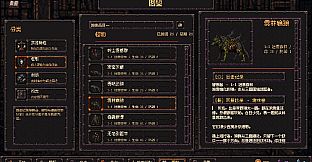
The variety of weapon types supports different battlefield roles. Some excel at direct offense, others at defense or support. Managing the full set across multiple encounters adds layers of decision-making that extend beyond individual fights into the broader adventure.
Is It Worth Playing?
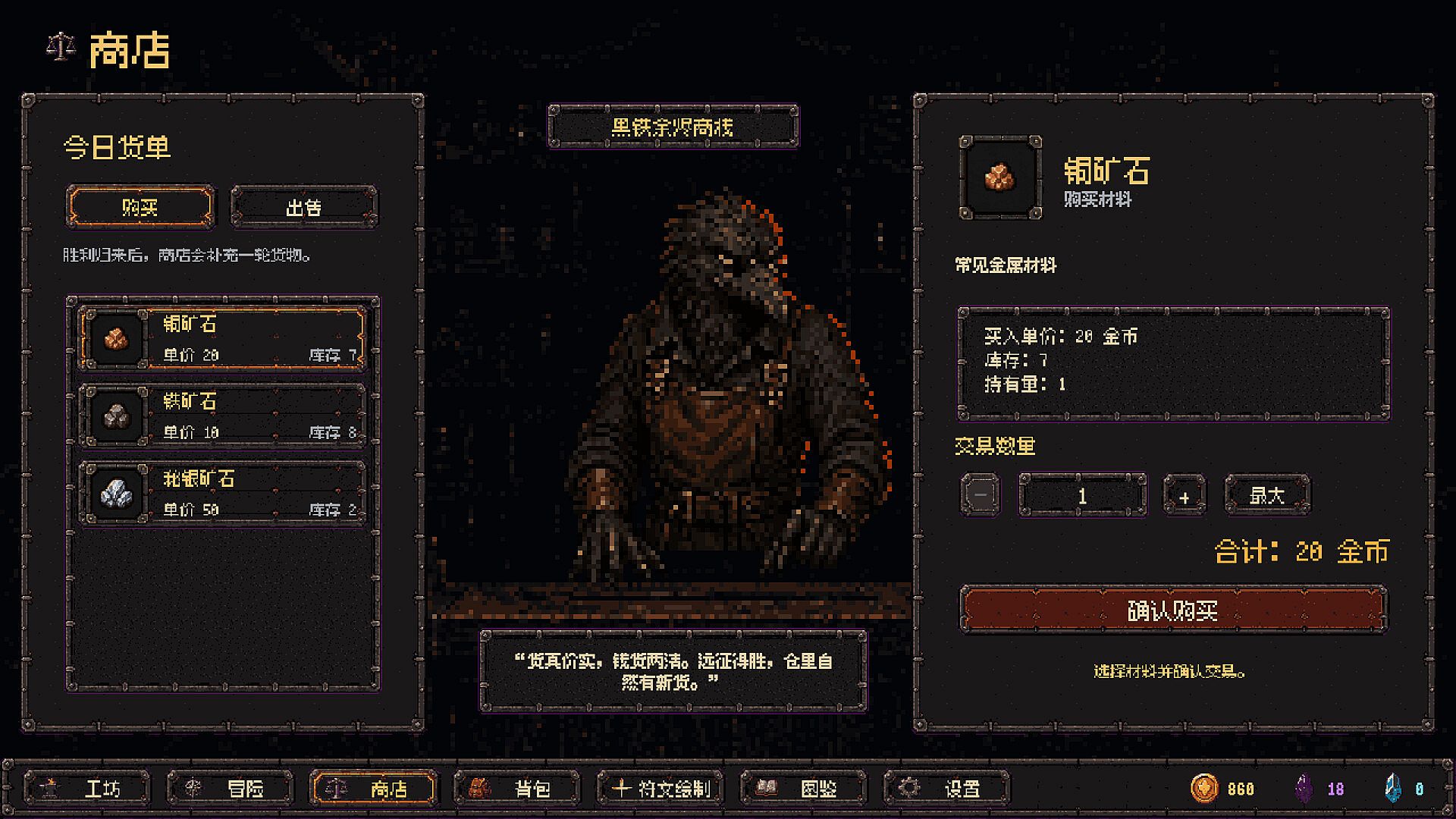
Drawforge suits players who enjoy hands-on crafting systems and the tactical demands of managing limited resources in combat. The forging steps and resulting weapon traits create meaningful variety, while the emphasis on order and durability turns every battle into a test of preparation rather than simple power comparison. Those drawn to strategy and simulation elements within an indie RPG framework will find the core loop rewarding. Because the game remains in development and carries no user reviews yet, interested players should monitor its release for the final balance and feature set. The single-player focus keeps attention on personal experimentation with materials, processes, and weapon arrangements.