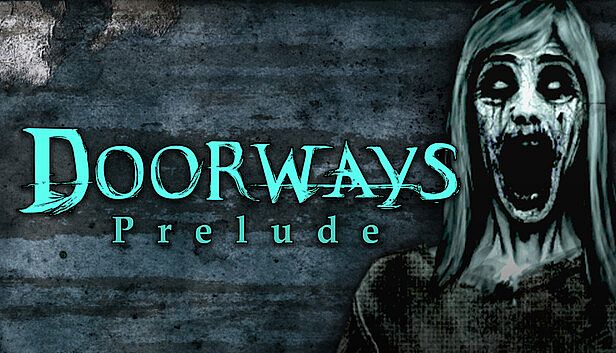















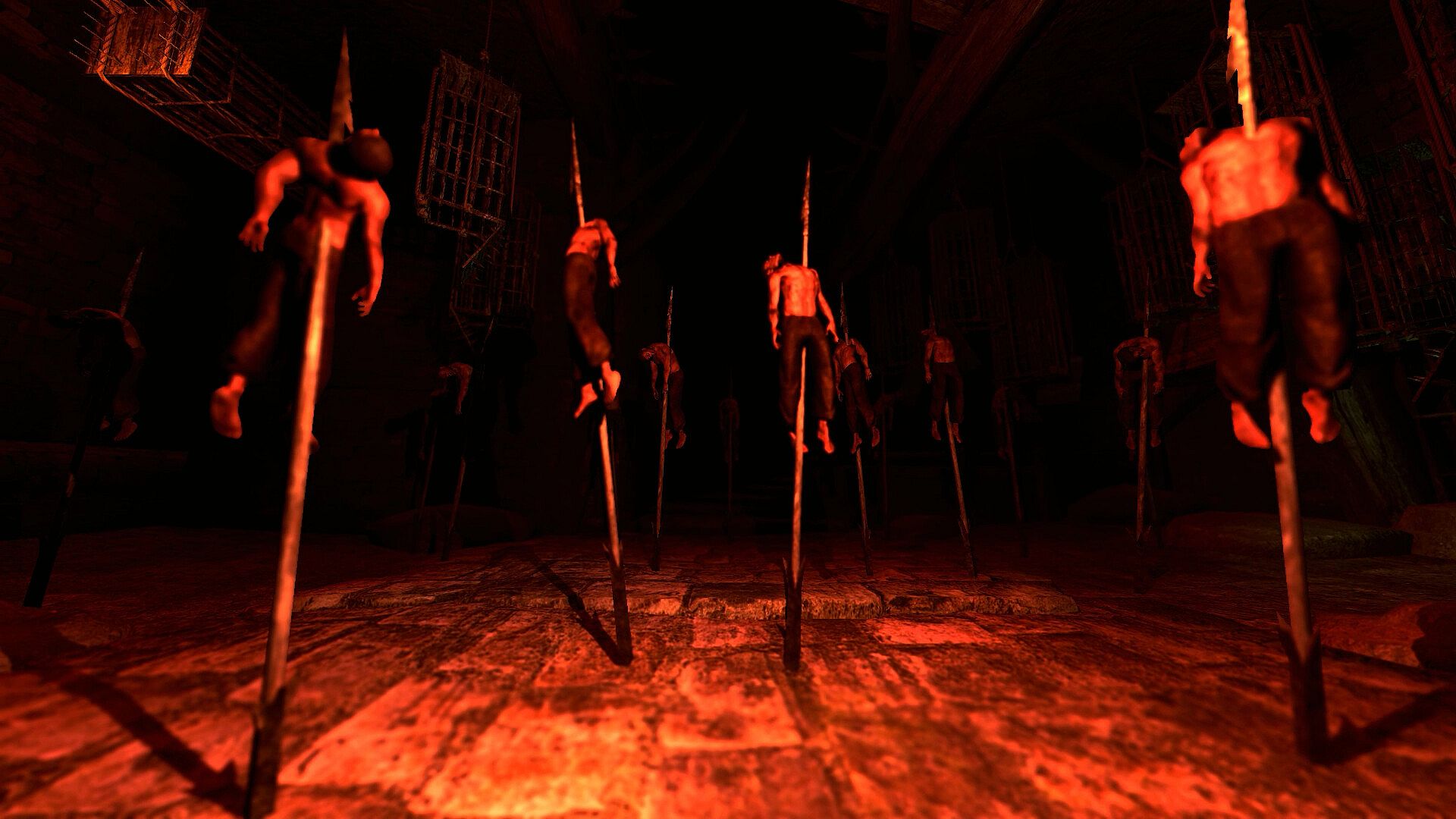
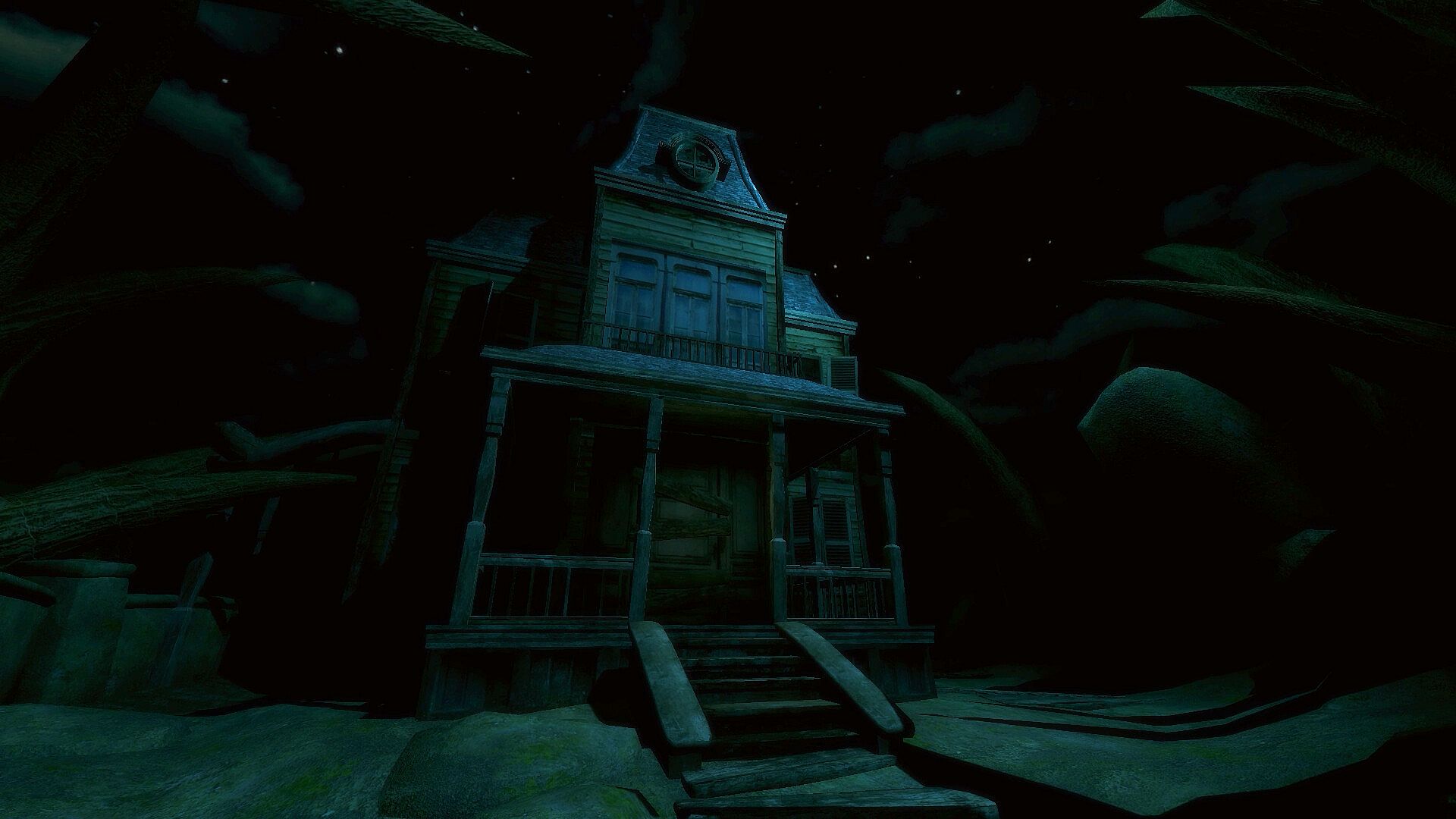
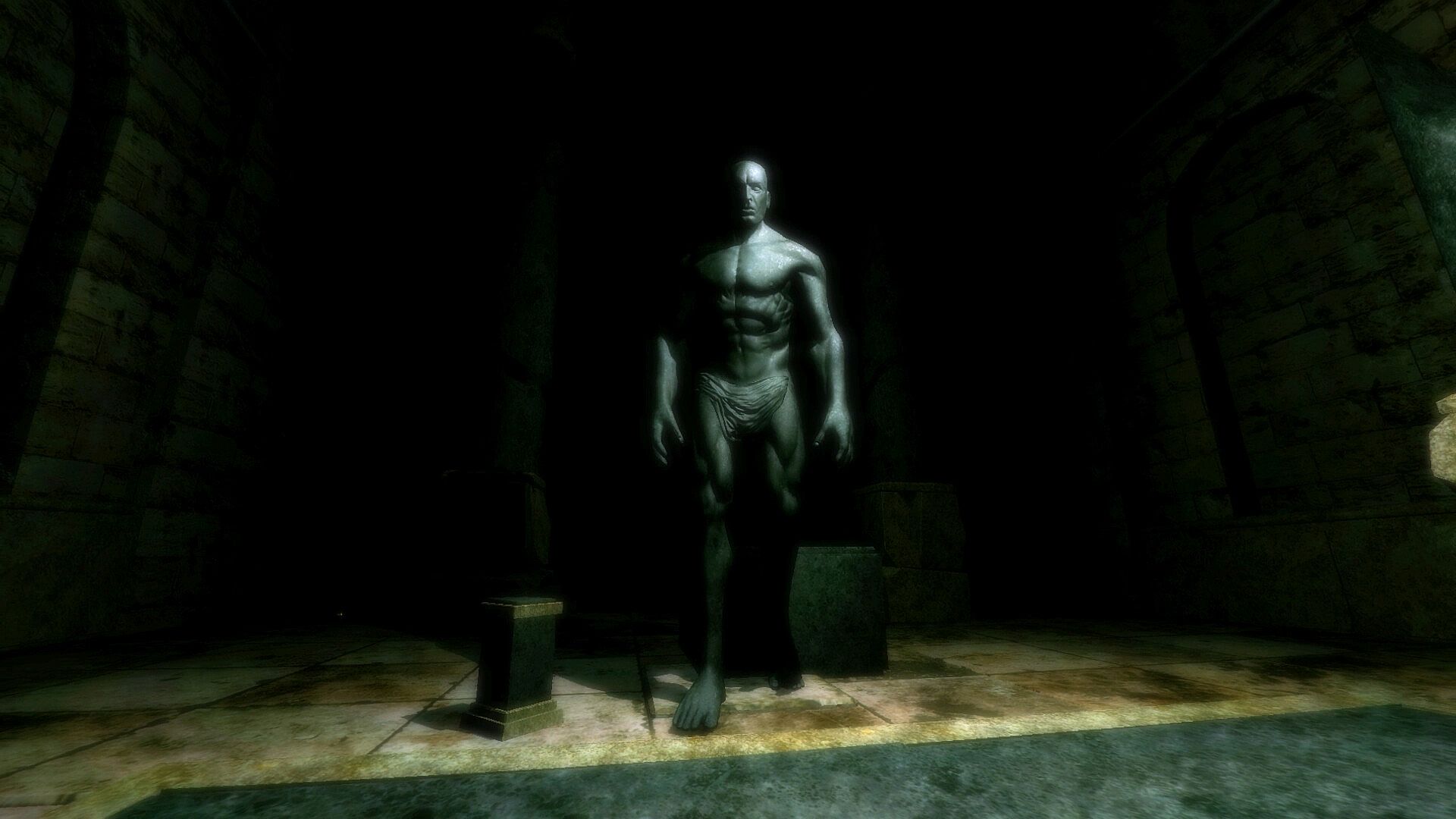
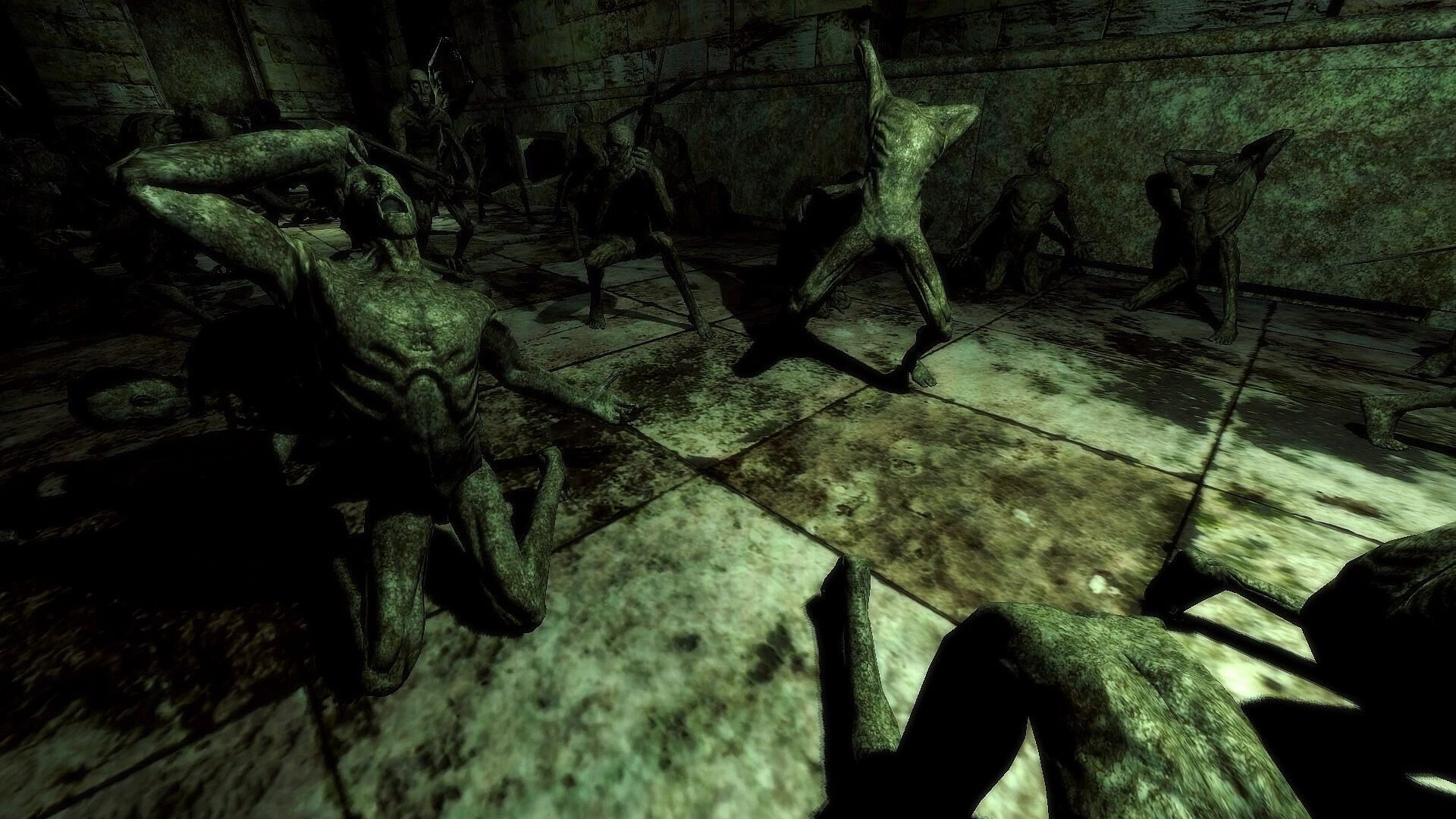
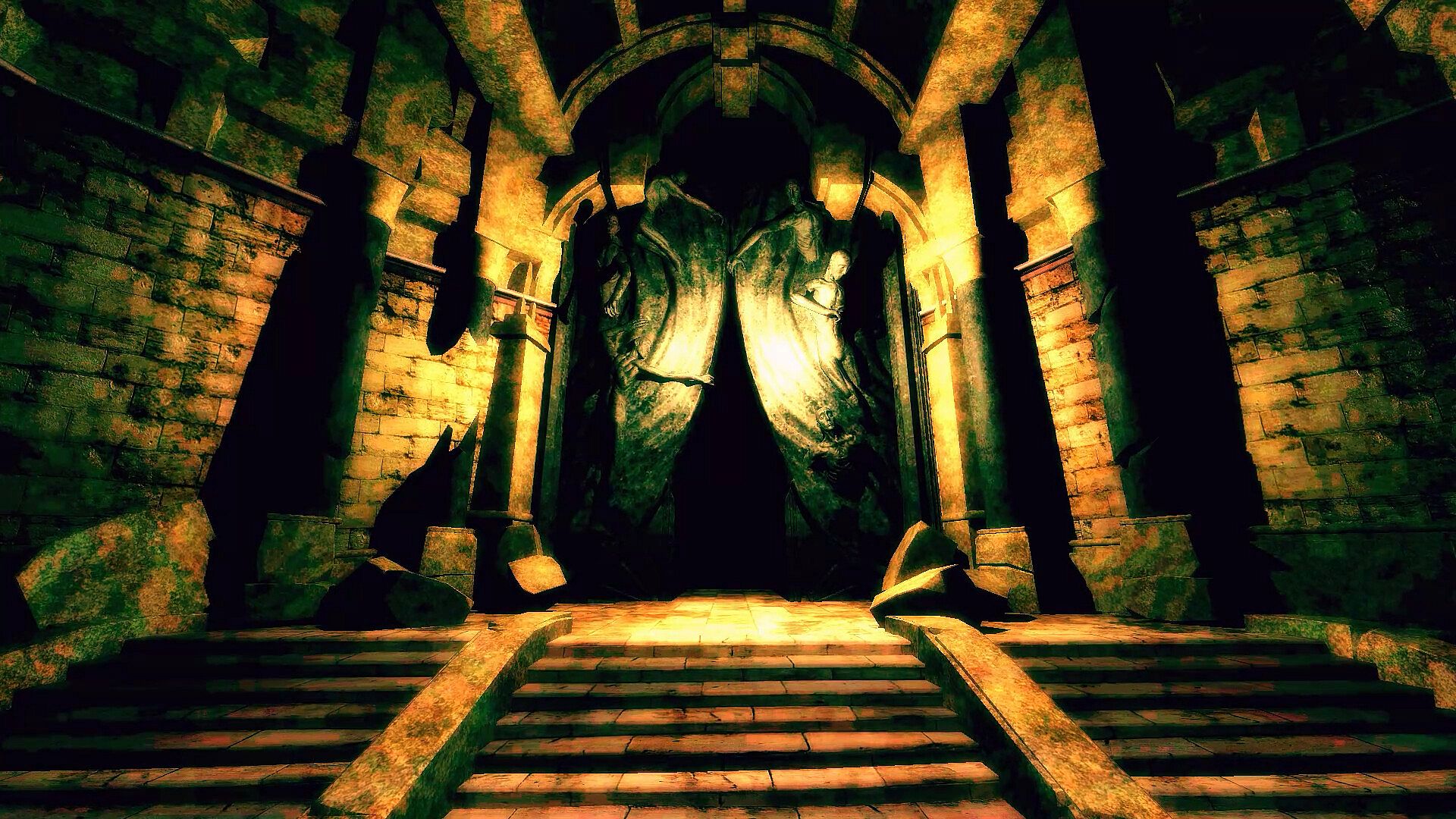
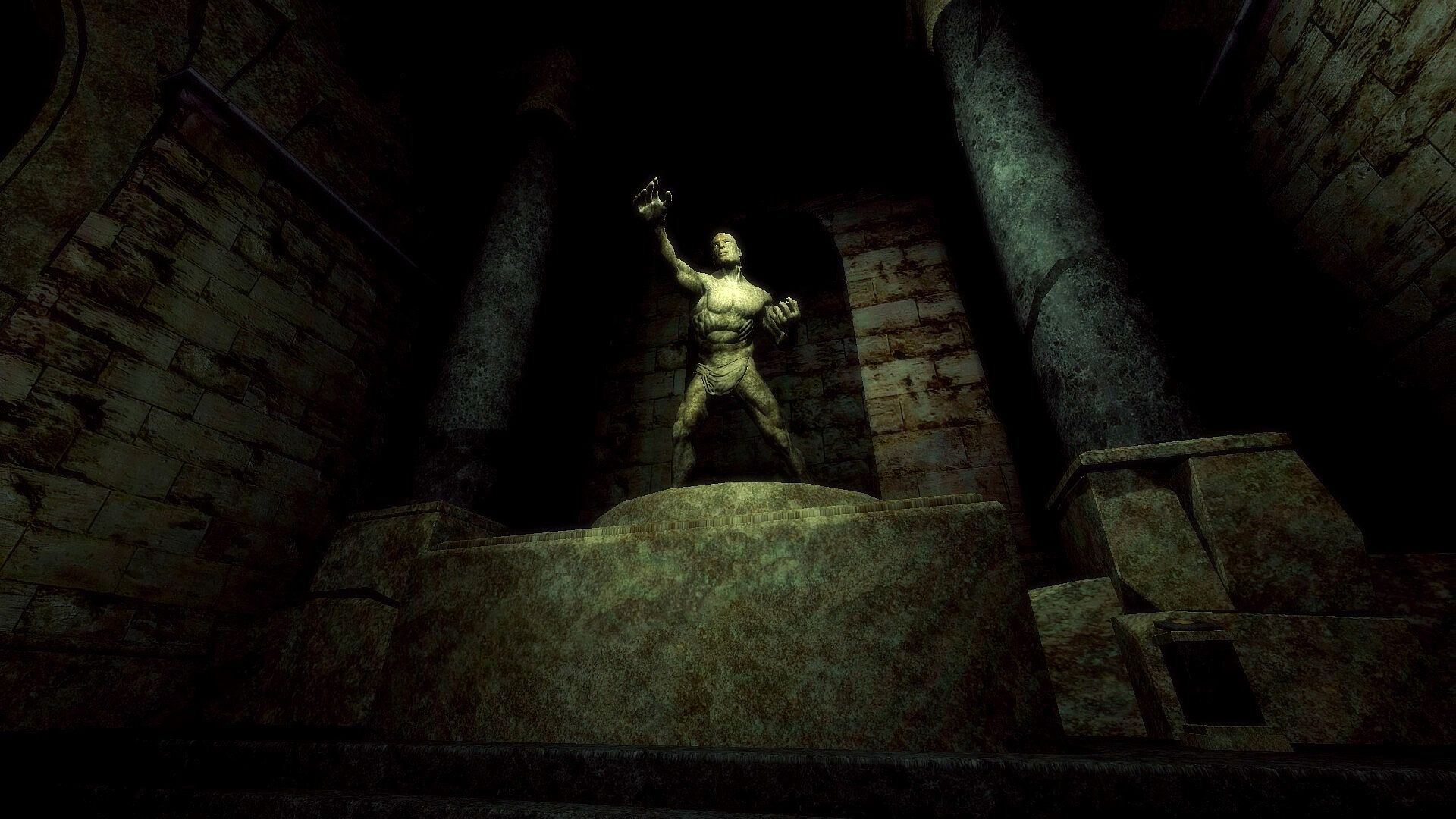
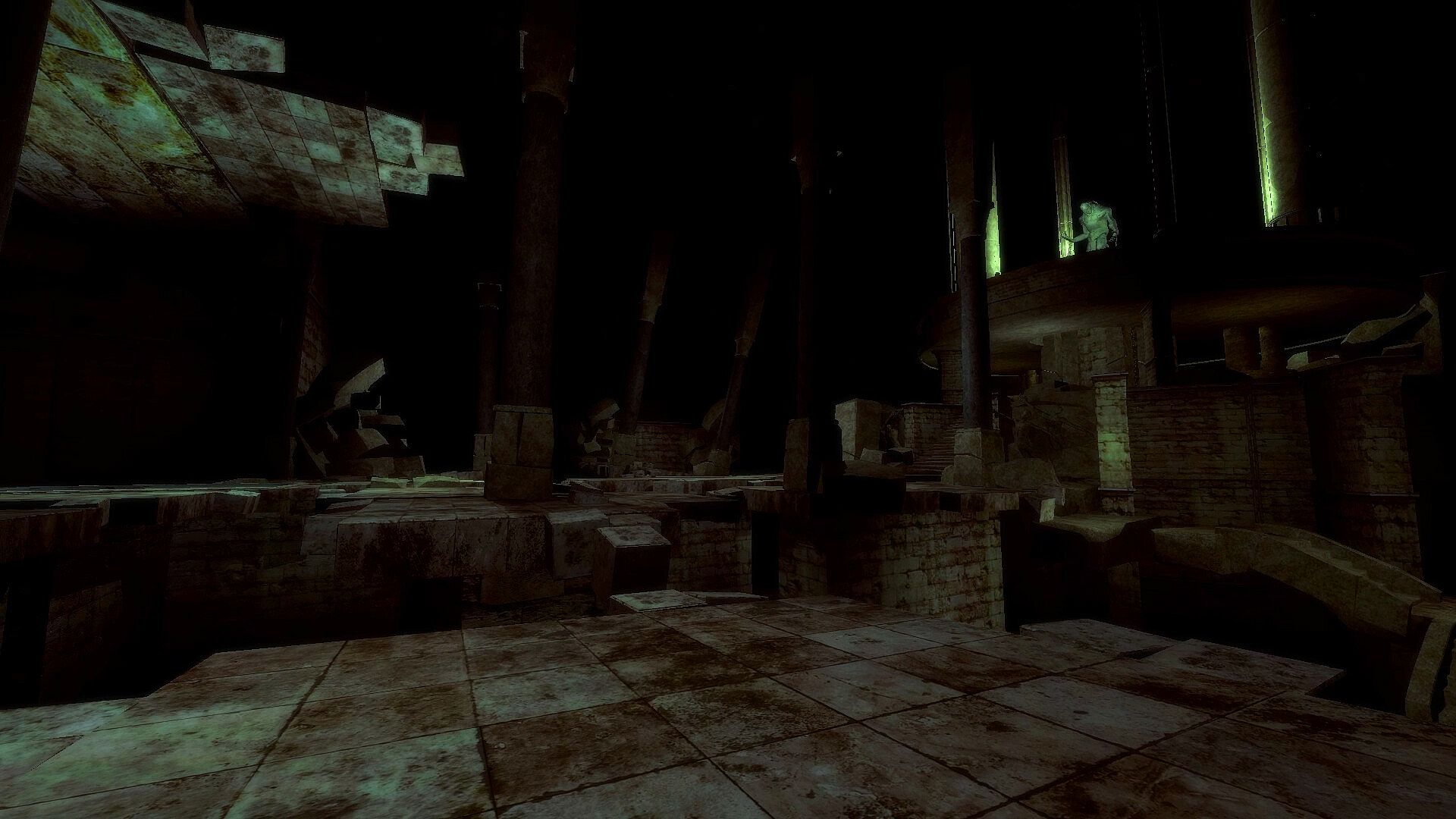

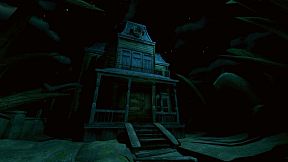
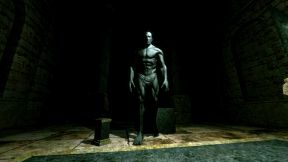
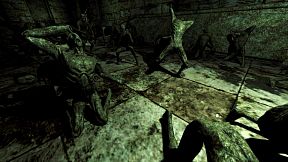
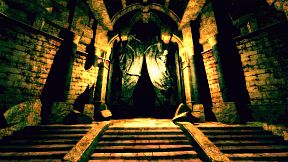
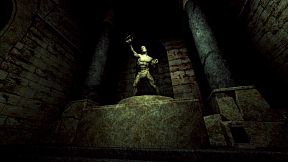
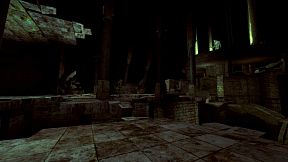
Doorways: Prelude stands as a first-person horror adventure game set on PC that centers on psychological tension and narrative discovery. Players take control of Thomas Foster, a special agent investigating a series of disappearances tied to four psychopaths. The experience unfolds across two chapters that blend exploration with puzzle-solving and occasional moments requiring quick reactions. Atmospheric design emphasizes isolation and unease through detailed environments and layered audio cues.
Gameplay
The core loop revolves around navigating confined, unsettling spaces while uncovering clues about the central mystery. Movement feels deliberate, encouraging careful observation of surroundings for hidden paths or interactive objects. Puzzles range from logical item combinations to environmental manipulation that advances progress without relying on combat. Reflex-based challenges appear in select sequences, testing timing amid the horror elements rather than constant action. Voice acting supports key story beats, adding depth to character interactions encountered during the journey. Controller support allows alternative input methods, and the title includes native compatibility with Oculus Rift for those seeking a more immersive perspective. Secret areas scattered throughout encourage multiple playthroughs to locate everything available in the chapters.
Game Modes
Doorways: Prelude operates entirely as a single-player experience divided into its two included chapters. No separate multiplayer options or competitive formats exist. The structure allows sequential play of chapter one followed by chapter two, with each section building on the previous through story progression and escalating challenges. Replay focuses on locating additional secrets rather than altering core objectives or difficulty settings.
Story and Atmosphere
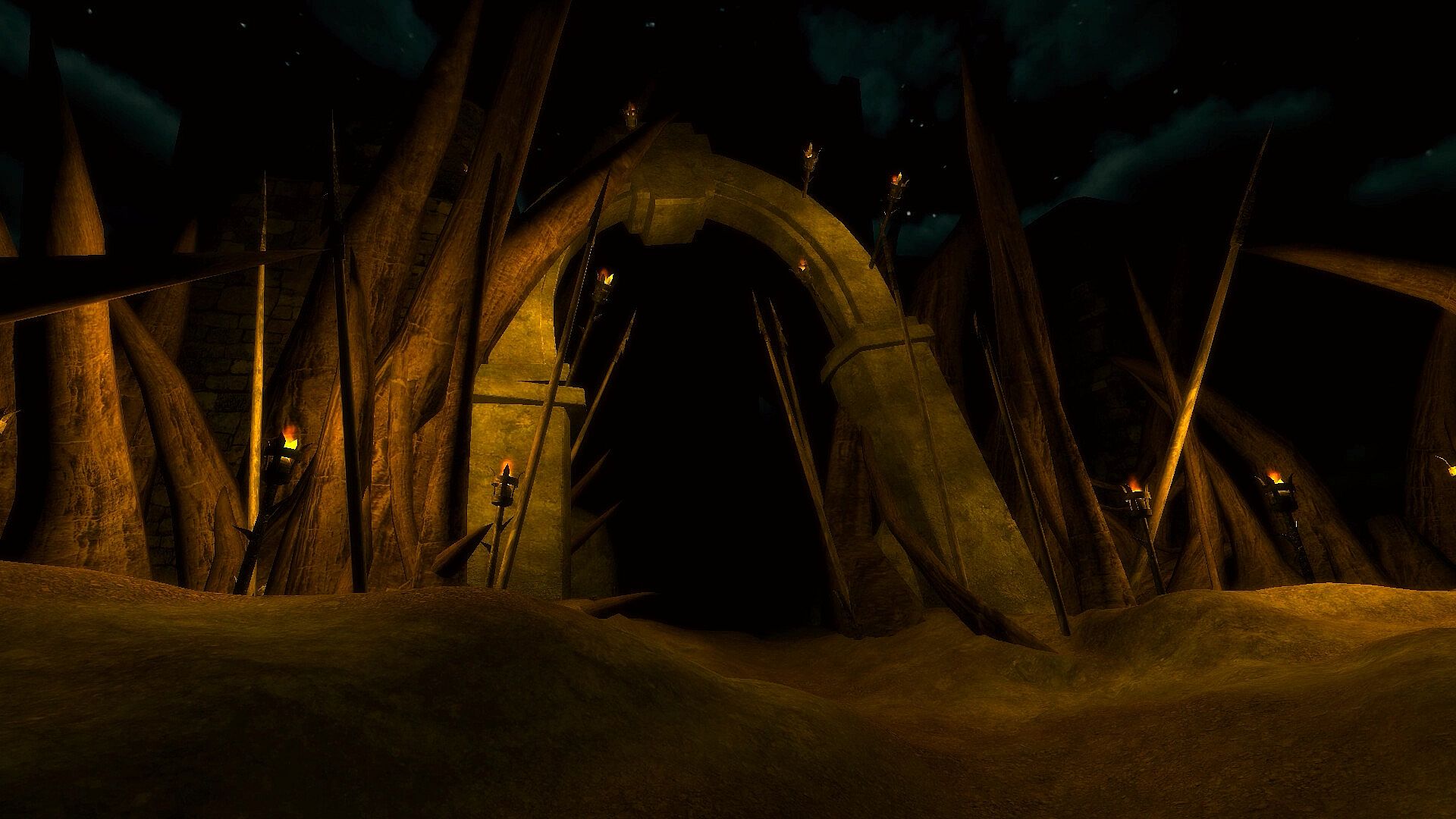
The narrative follows Thomas Foster as he pieces together his circumstances after arriving in an unfamiliar location connected to the psychopaths under pursuit. Questions about identity, setting, and events drive forward momentum without providing immediate answers. Environmental storytelling through visual details and sound design reinforces the psychological tone, creating a consistent sense of dread across both chapters. The episodic format keeps the scope contained while establishing threads that connect to later entries in the broader Doorways series.
Technical Aspects and Availability
Full controller support extends accessibility, while the original Oculus Rift integration reflects its development era. Achievements are included but noted as non-functional on Linux systems. The game runs on standard PC hardware from its 2013 release period, with no post-launch seasons or major content updates applied since completion of the chapters.
Is It Worth Playing?
Player reception sits at mixed levels, with 58 percent of 352 reviews rating the title positively. Those drawn to atmospheric first-person horror with puzzle emphasis often find value in the focused chapters and voice performances. The short length suits players seeking a contained story-driven experience rather than extended campaigns or ongoing content. Individuals preferring fast-paced action or multiplayer elements may find the deliberate pacing less engaging. Availability remains straightforward on PC platforms, making it accessible for those matching its horror adventure style without expectations of frequent updates or additional modes.