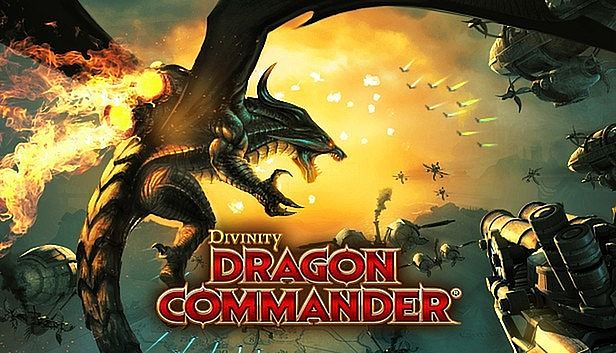










Divinity: Dragon Commander is an action strategy RPG that combines real-time battles with turn-based empire management and role-playing decisions. Players take on the role of a half-dragon emperor tasked with reuniting a fractured realm through military conquest and careful governance.
Gameplay
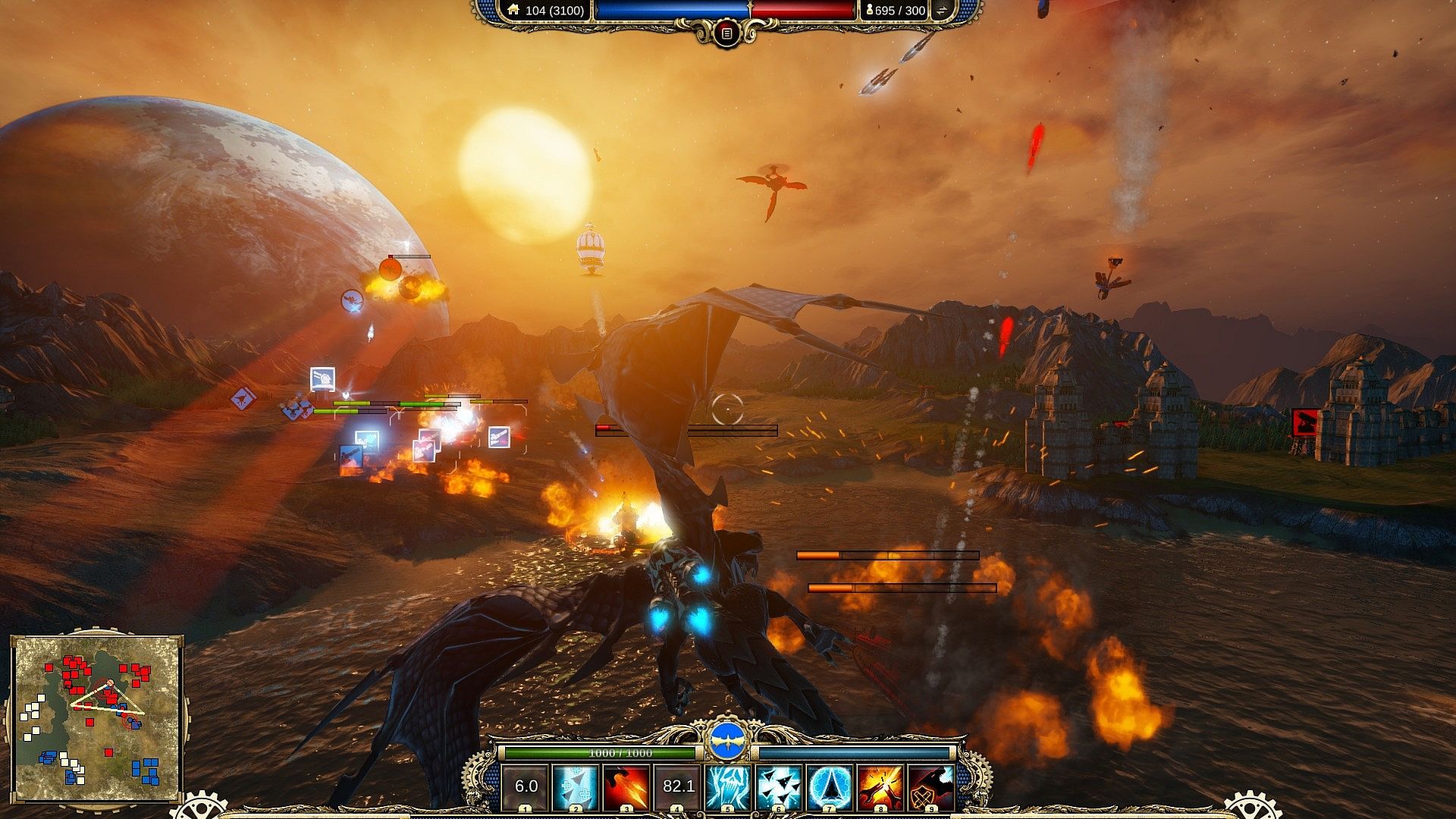
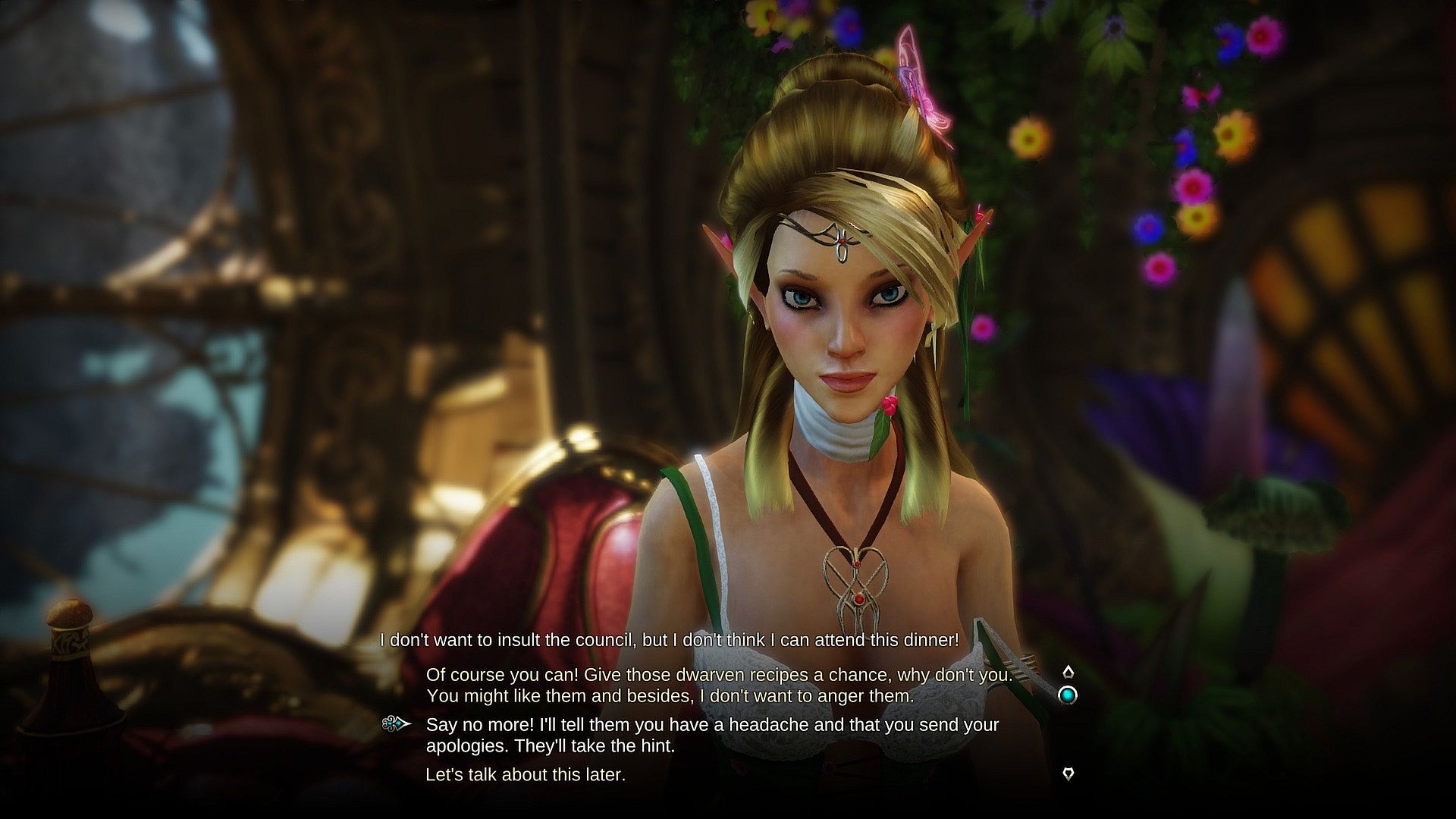
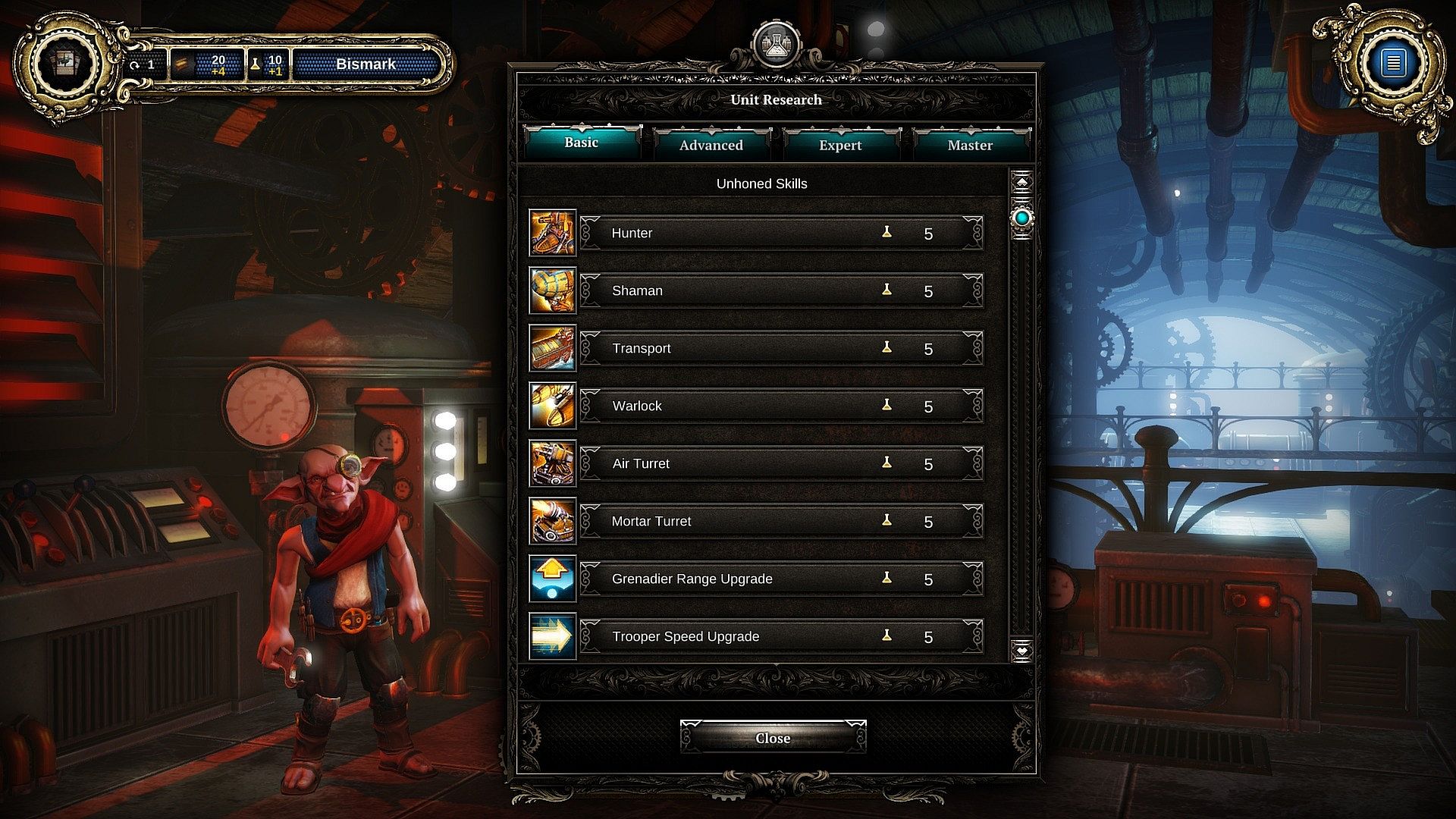
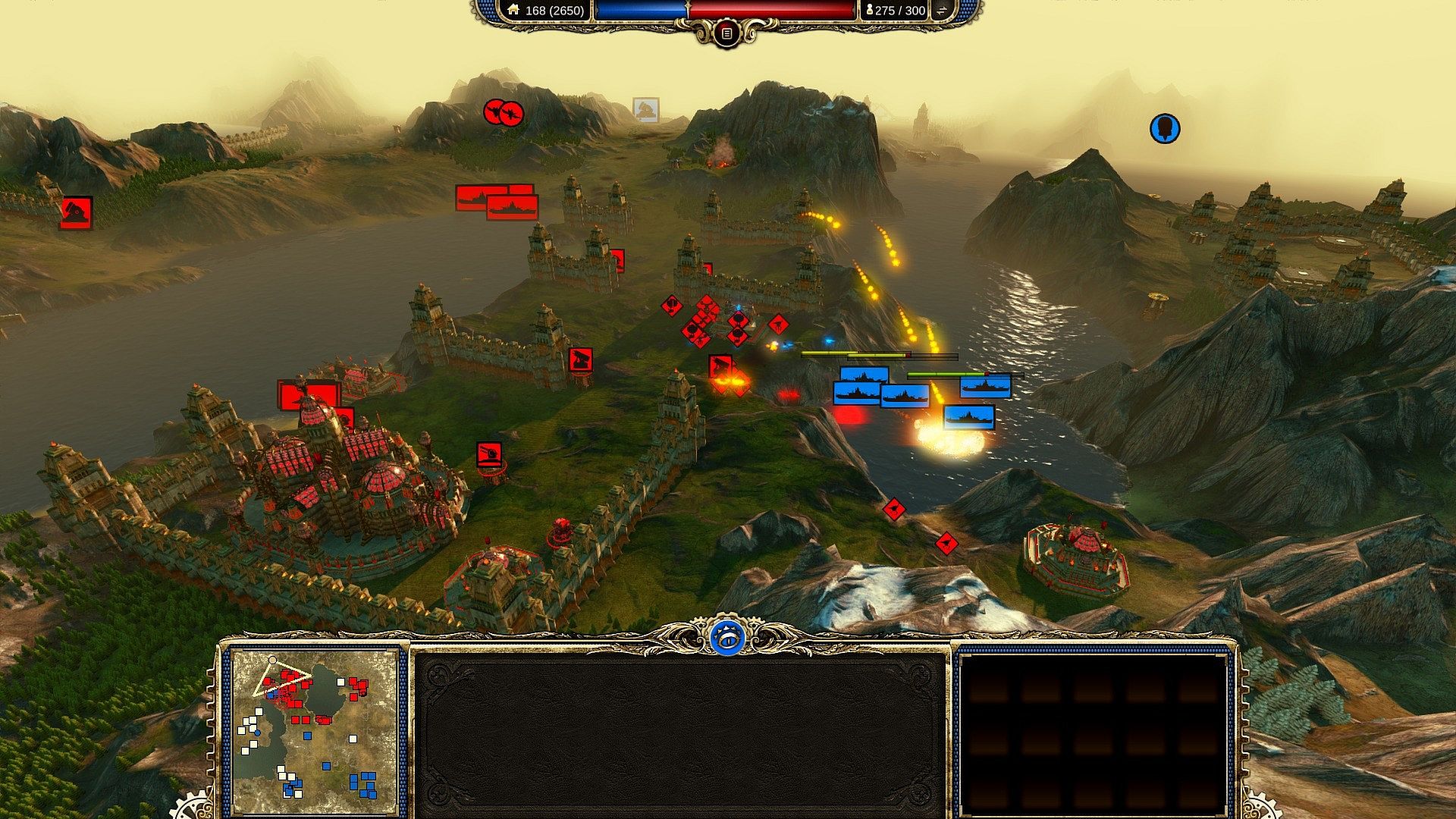
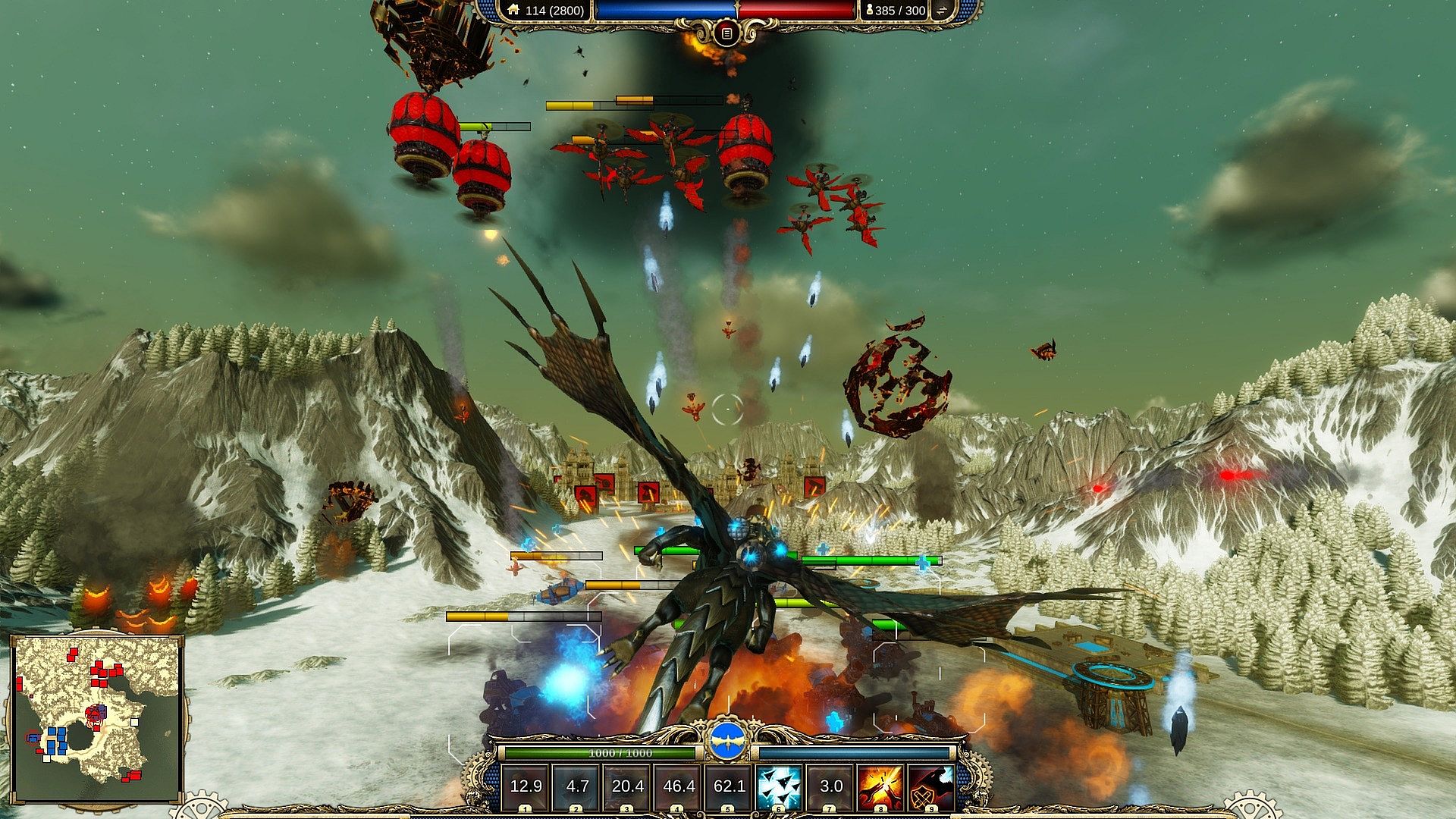
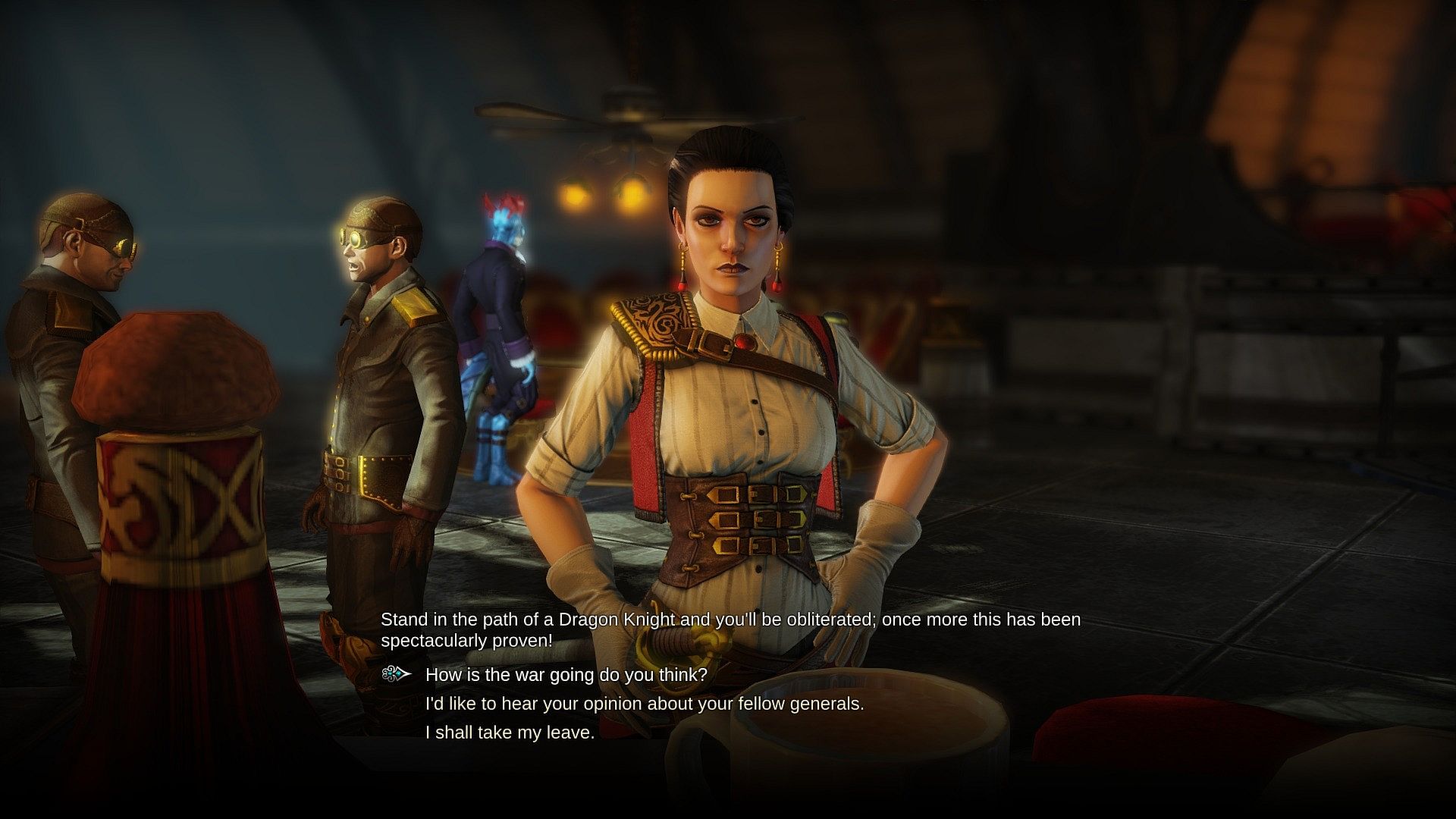
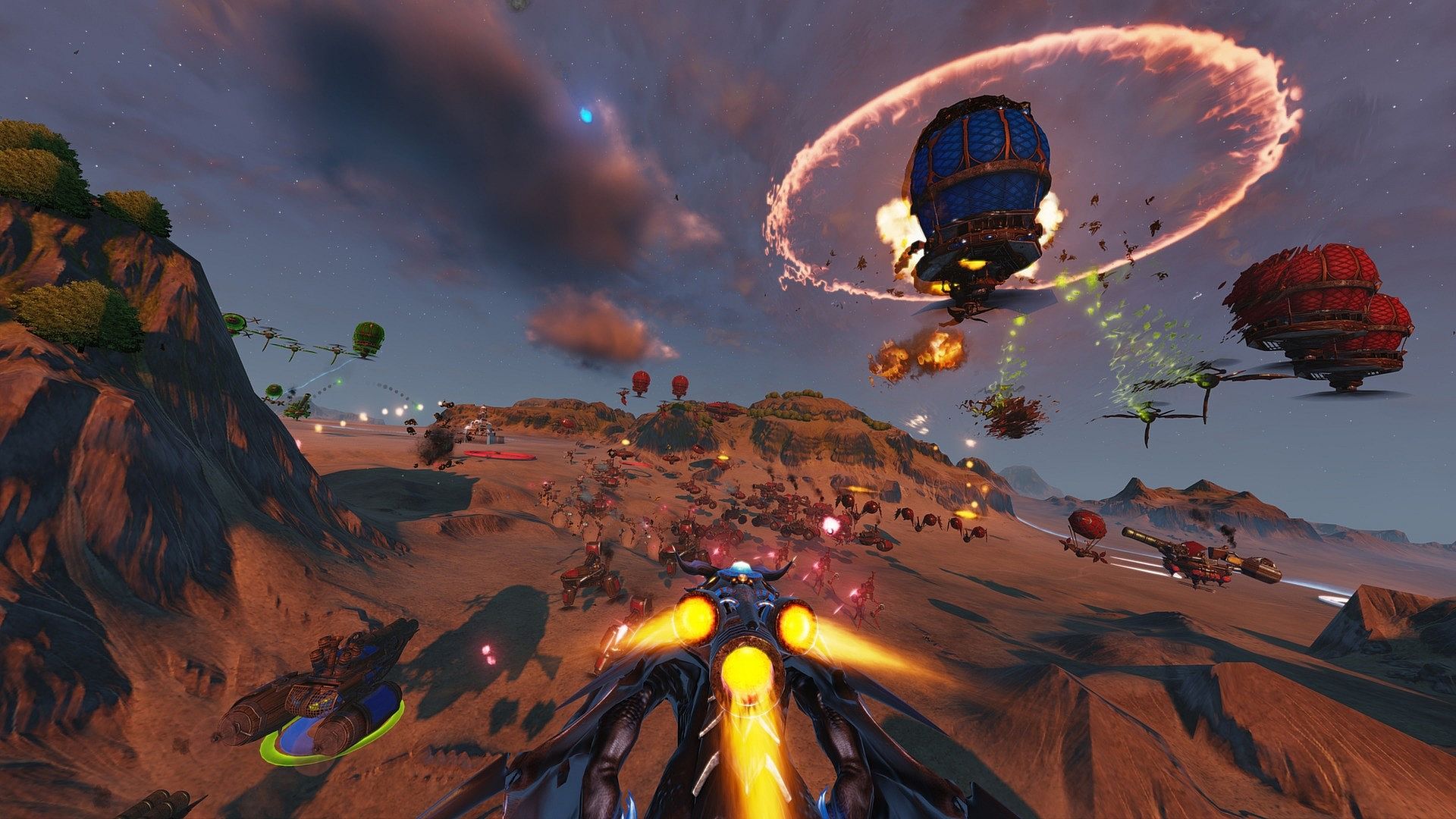
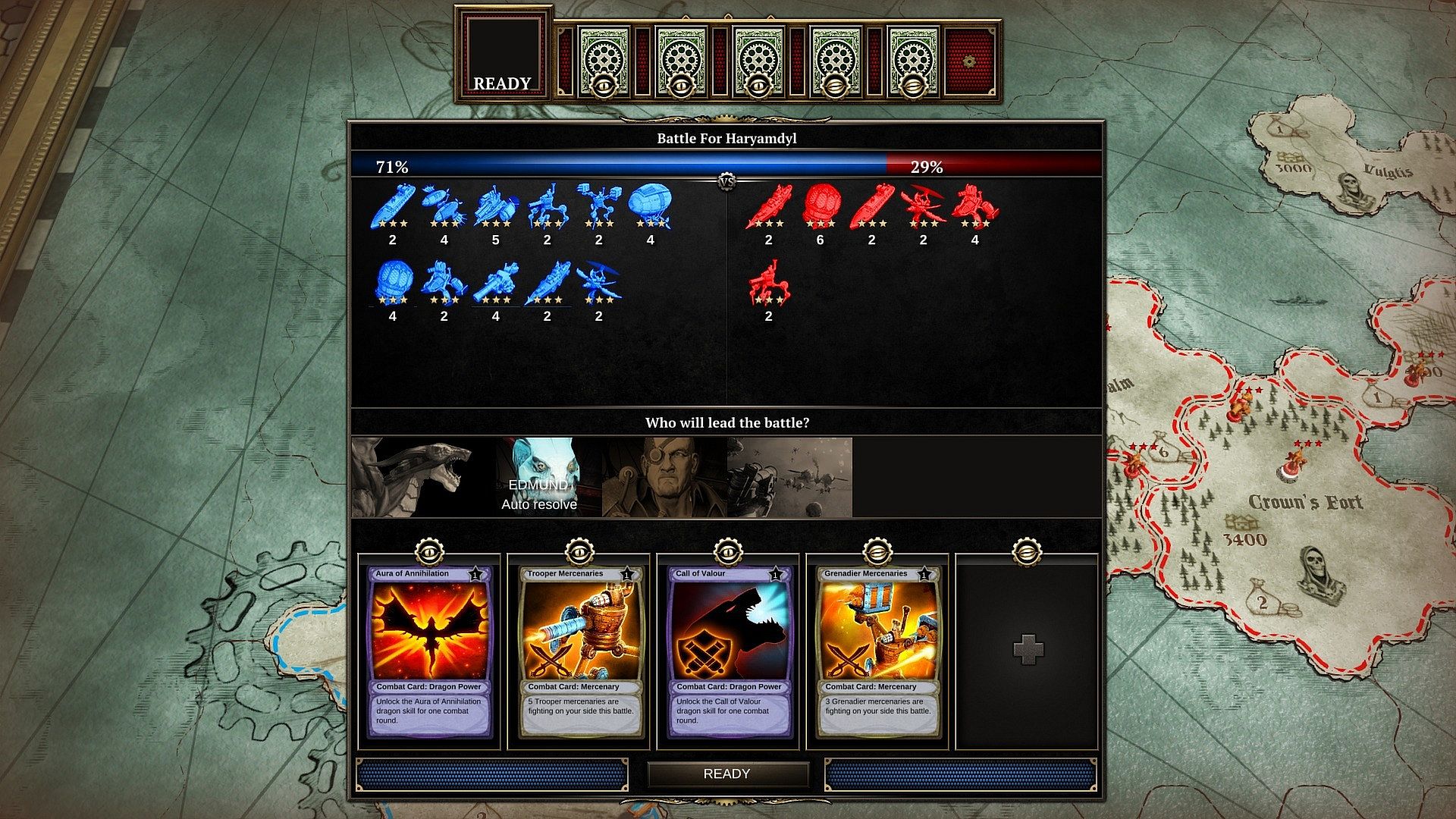
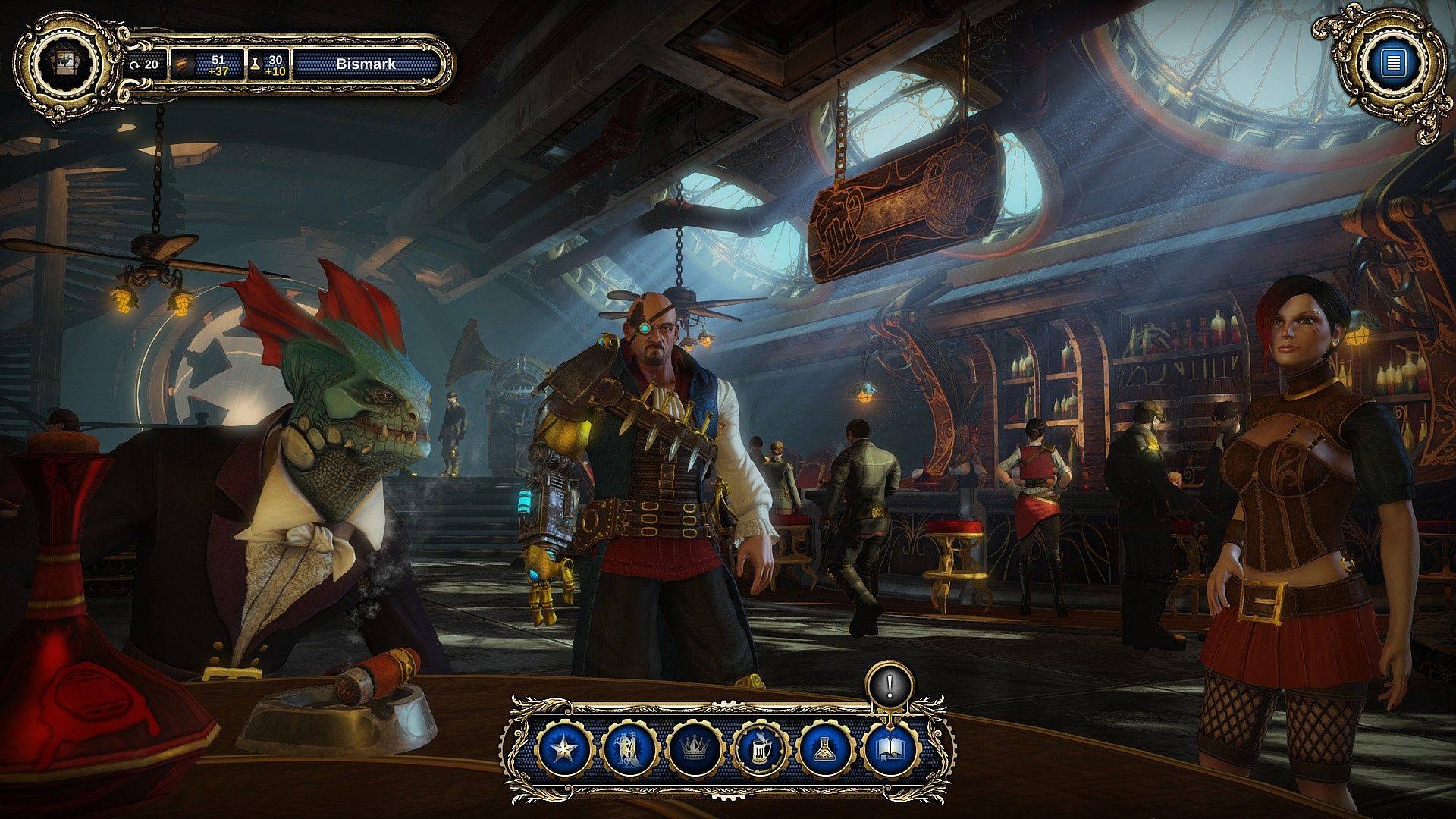
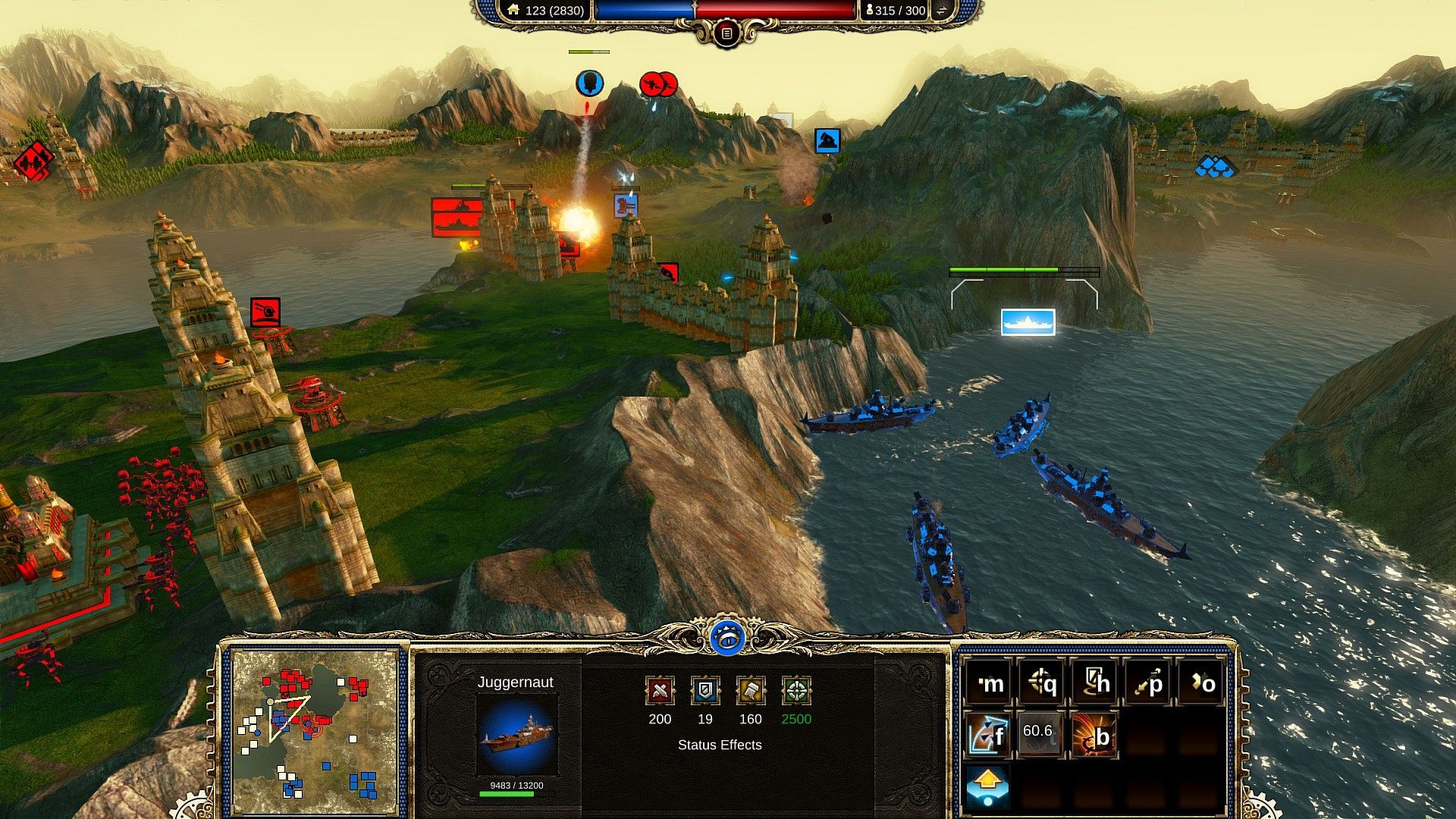
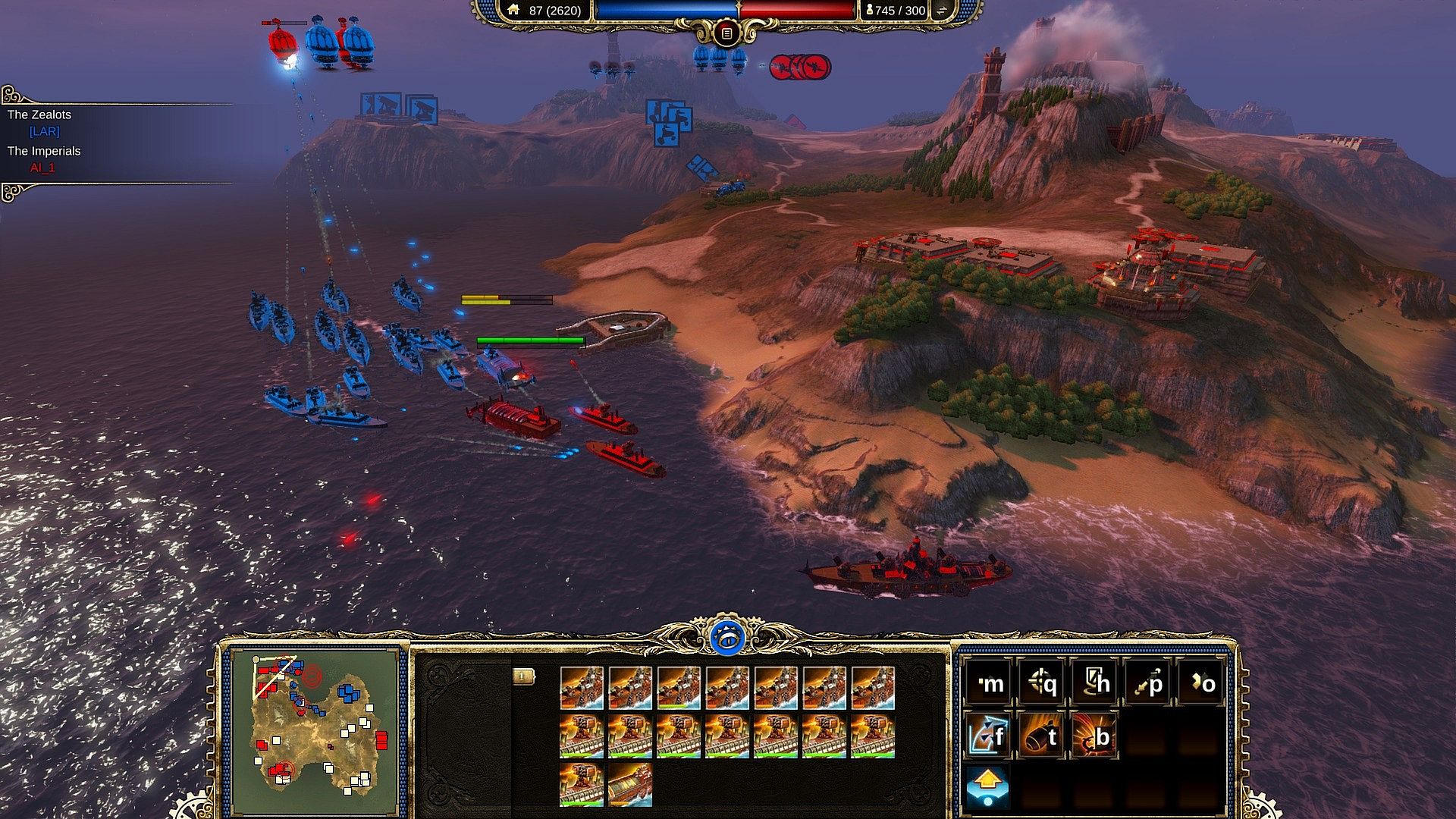
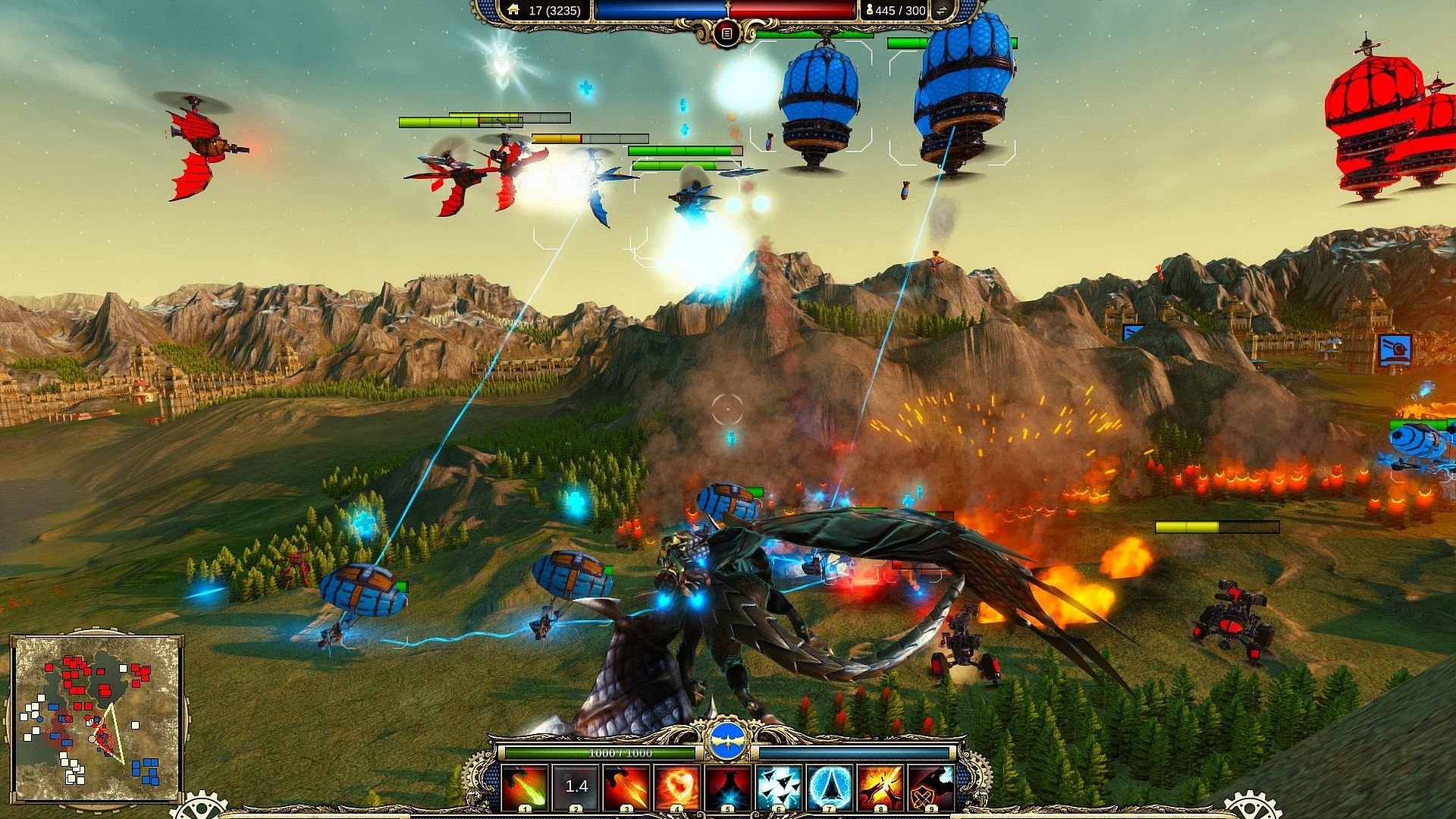
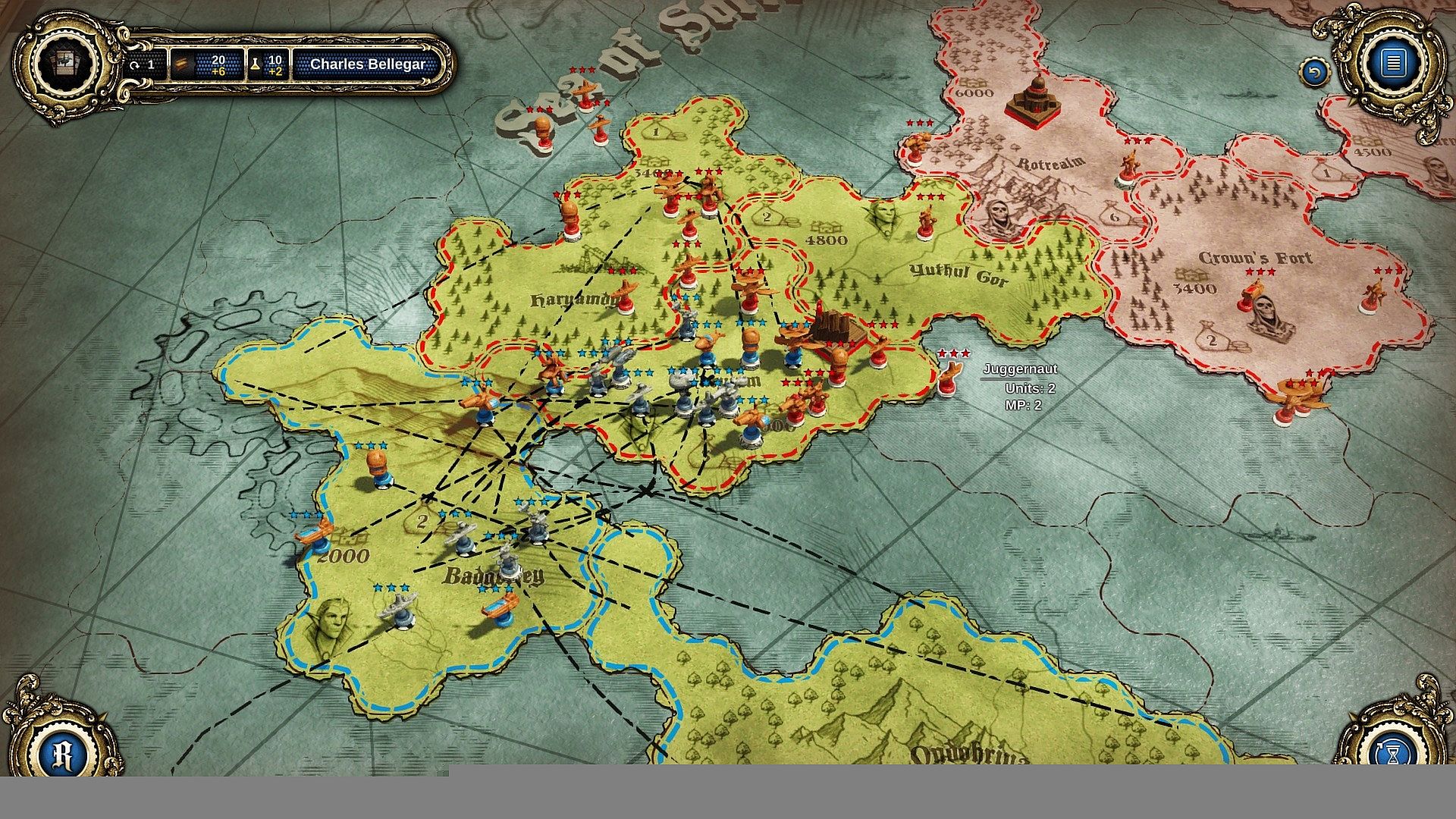
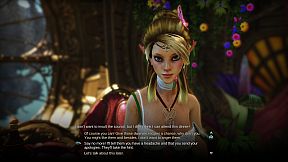
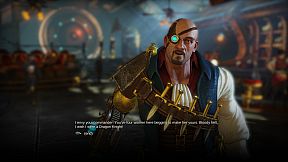
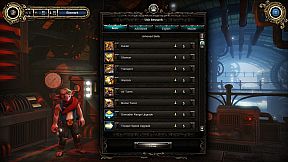
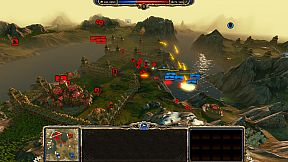
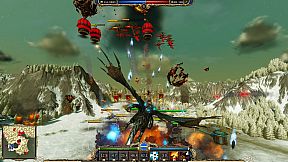
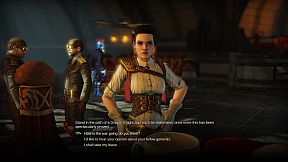
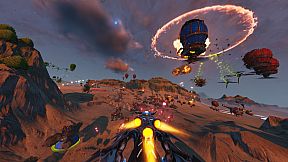
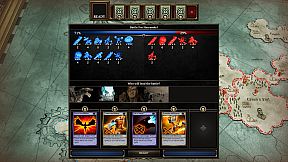
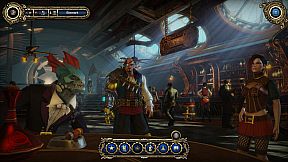
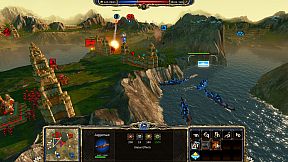
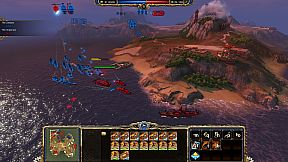
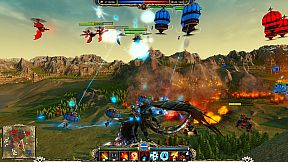
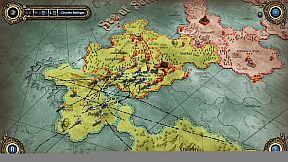
The core loop revolves around three interconnected phases that influence one another throughout a campaign. In the political phase, players engage with advisors and make choices on policies, alliances, and research that shape army relations, unlock abilities, and generate strategic cards. These cards can then be deployed on the turn-based world map, where territories are claimed, buildings constructed for resources, and armies positioned in a style reminiscent of classic board games. When opposing forces clash, the action shifts to real-time strategy combat involving land, sea, and air units. Here, combined arms tactics determine outcomes, and players can transform into a dragon to directly intervene with powerful abilities that support allies or devastate enemies.
Dragon form adds a distinct layer of control during battles, allowing for targeted strikes and mobility across the battlefield. Political decisions carry forward effects, altering unit performance or unlocking bonuses based on prior choices. Resource management and technology investments on the map phase prepare forces for these engagements, creating a cycle where preparation and adaptability matter as much as battlefield execution.
Game Modes
The single-player experience centers on a story-driven campaign that progresses through the phases described above, with branching outcomes tied to leadership decisions. Multiplayer options include competitive matches against other players online or via local network, as well as cooperative campaigns that can be started with or against a friend. Skirmish maps provide standalone real-time battles for quick testing of strategies without the full campaign structure.
These modes support both structured progression and free-form play, allowing players to focus on empire building in co-op or direct confrontations in competitive settings. The integration of cards and political elements carries across modes where applicable, maintaining consistency in how decisions shape available options.
Key Mechanics and Systems
Empire rule requires balancing multiple factions through policy choices that affect loyalty and battlefield performance. Research trees cover military upgrades and magical enhancements, while the world map emphasizes efficient army deployment and defensive structures. In real-time battles, success depends on coordinating different unit types across varied terrain, with the dragon transformation serving as a high-impact tool available after a cooldown period.
Card play from the political phase introduces variability, offering temporary advantages or disruptions during map movement and combat resolution. Auto-resolve options exist for battles, but manual control in real-time mode rewards precise timing and positioning.
Is It Worth Playing?
This title appeals to players who enjoy hybrid strategy experiences that blend management, politics, and direct combat. The unique combination of phases creates varied sessions where long-term planning intersects with immediate tactical choices. Reception highlights the depth of the political and campaign layers alongside the satisfying dragon combat, though some note the real-time battles as more straightforward compared to dedicated RTS titles.
With no ongoing updates or seasonal content, the game stands as a complete, self-contained package from its original release. It suits those seeking a distinctive single-player narrative or occasional multiplayer sessions with friends. Availability on PC makes it accessible for anyone interested in its genre mix, particularly if they value decision-making consequences that visibly impact army effectiveness and campaign progression.