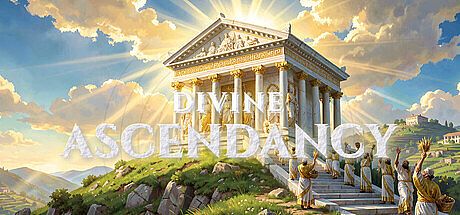


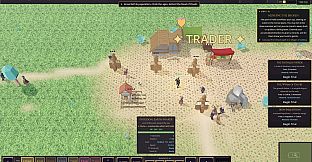
Divine Ascendancy is a strategy indie simulation game set on PC where players take on the role of one of five Greek gods from Olympus. The core experience centers on guiding a mortal civilization from its earliest stages through to divine ascension, blending elements of god-game intervention with settlement management and progression across multiple eras.
Gameplay
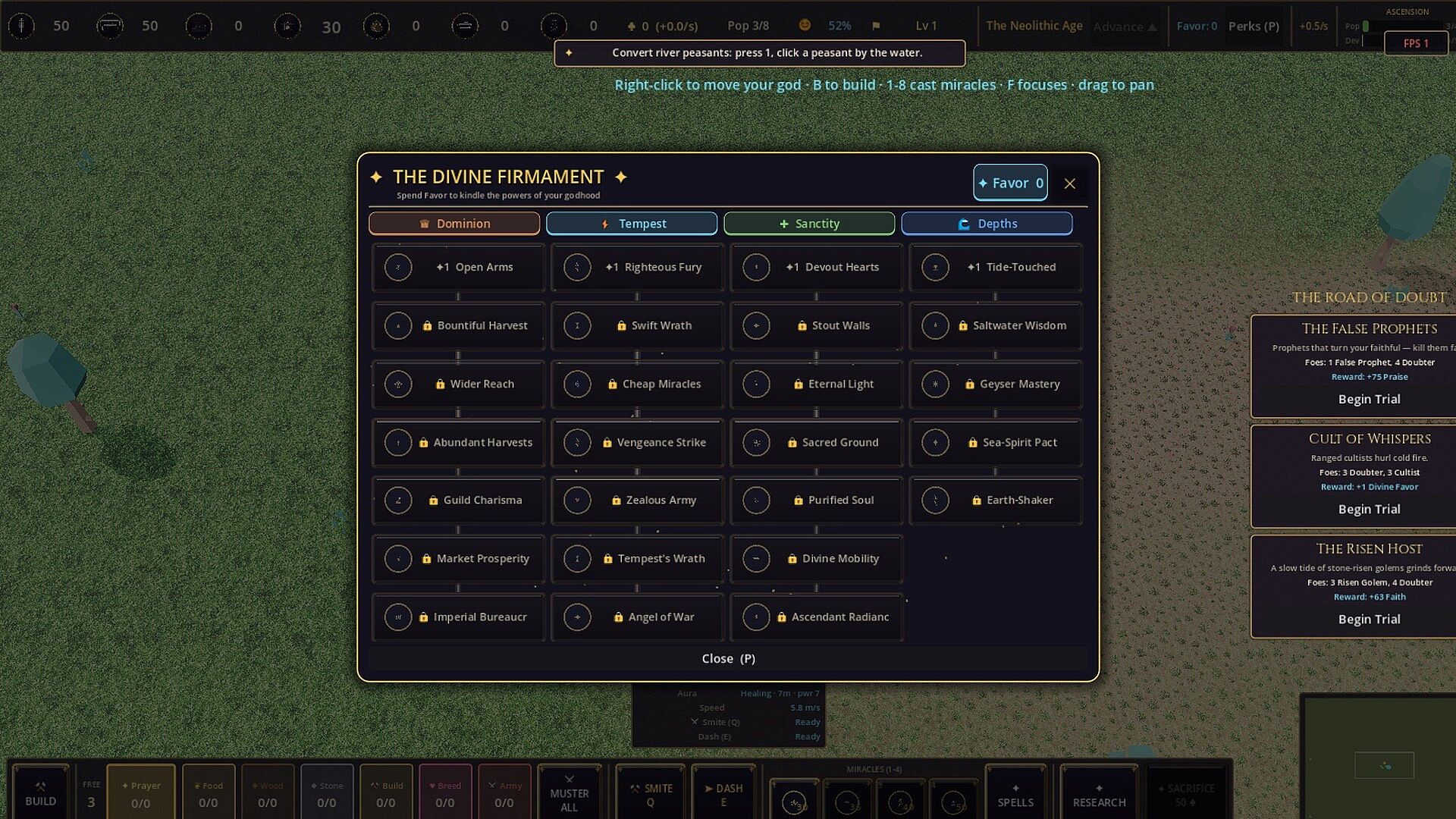
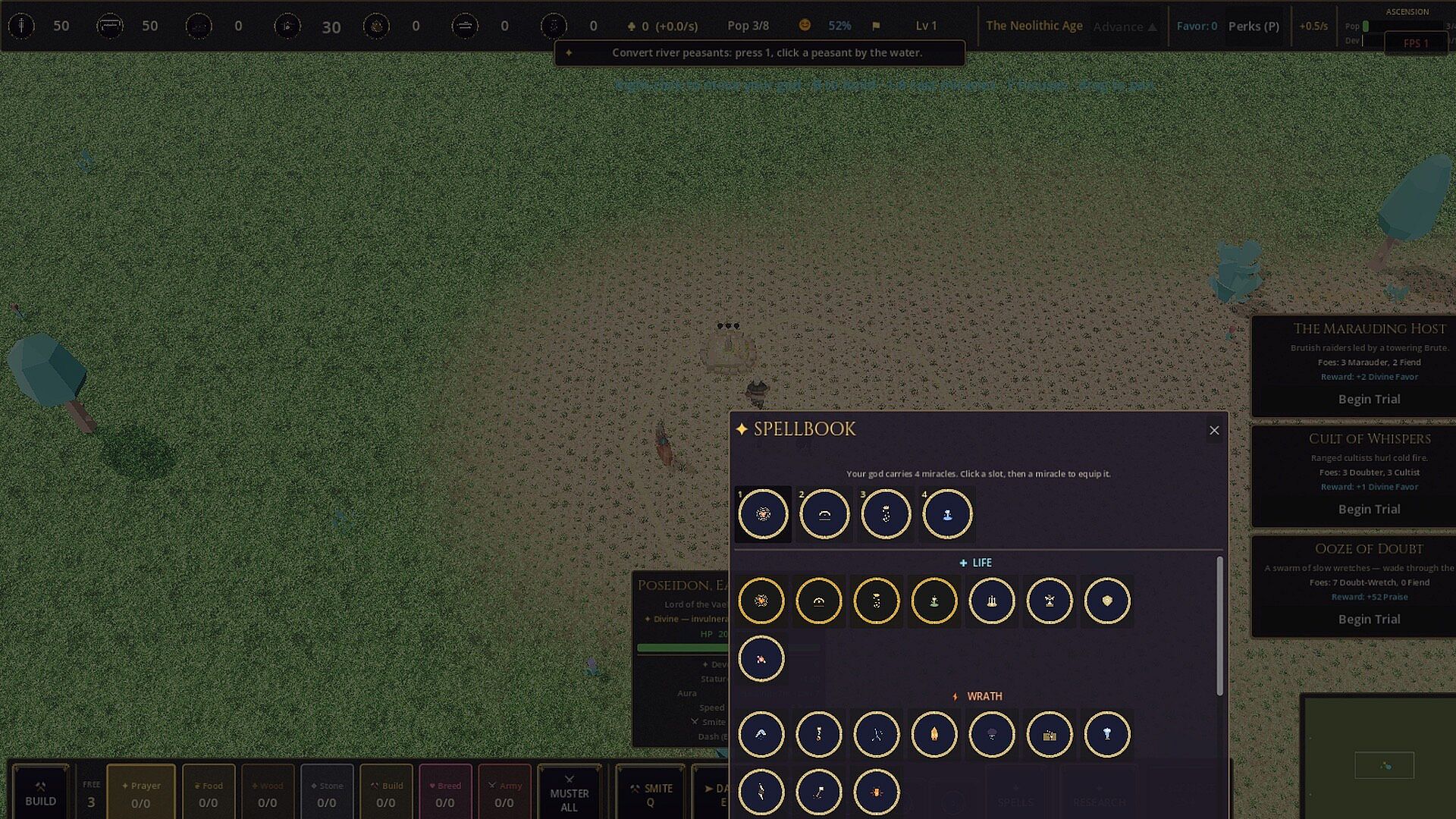
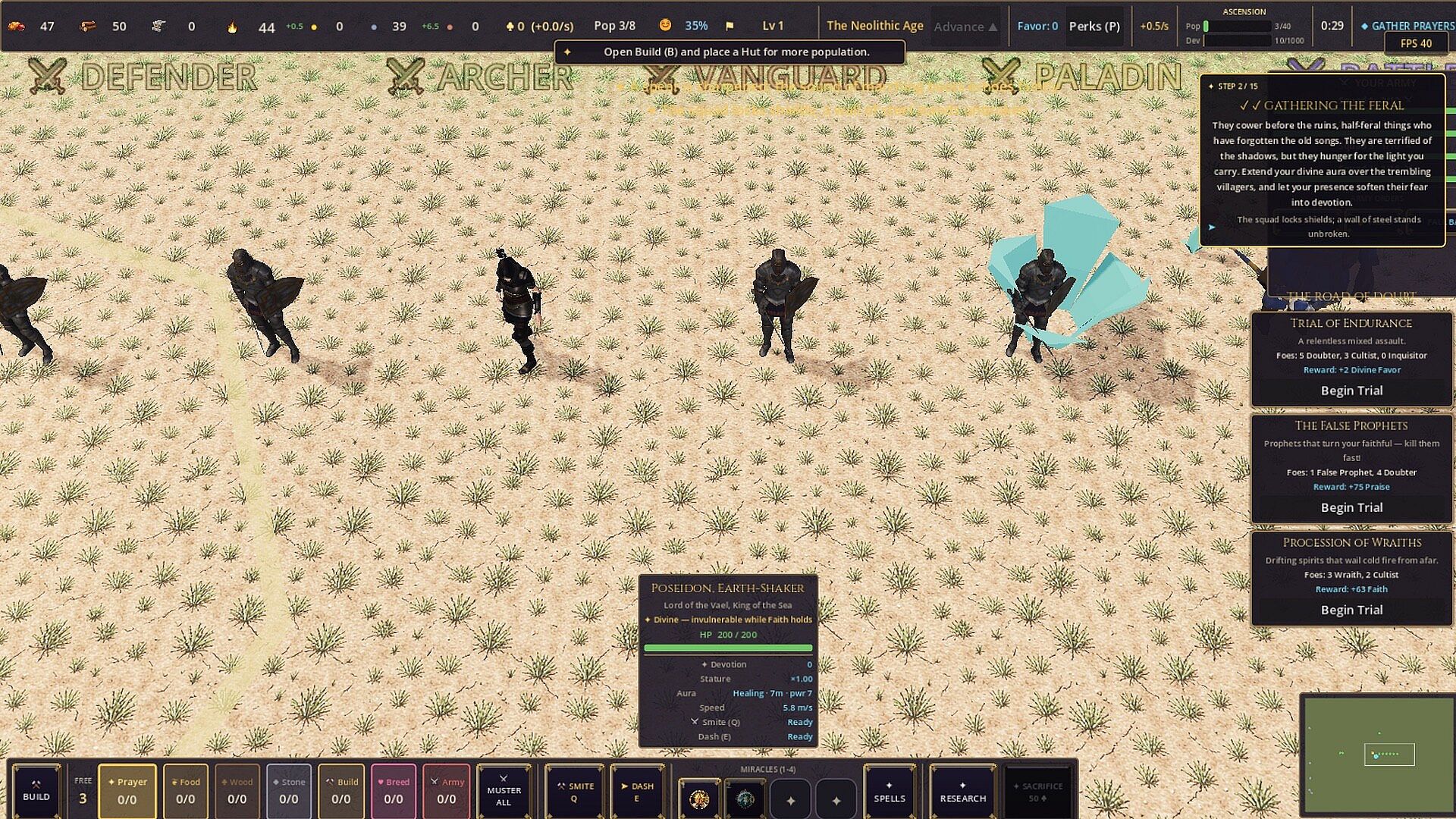
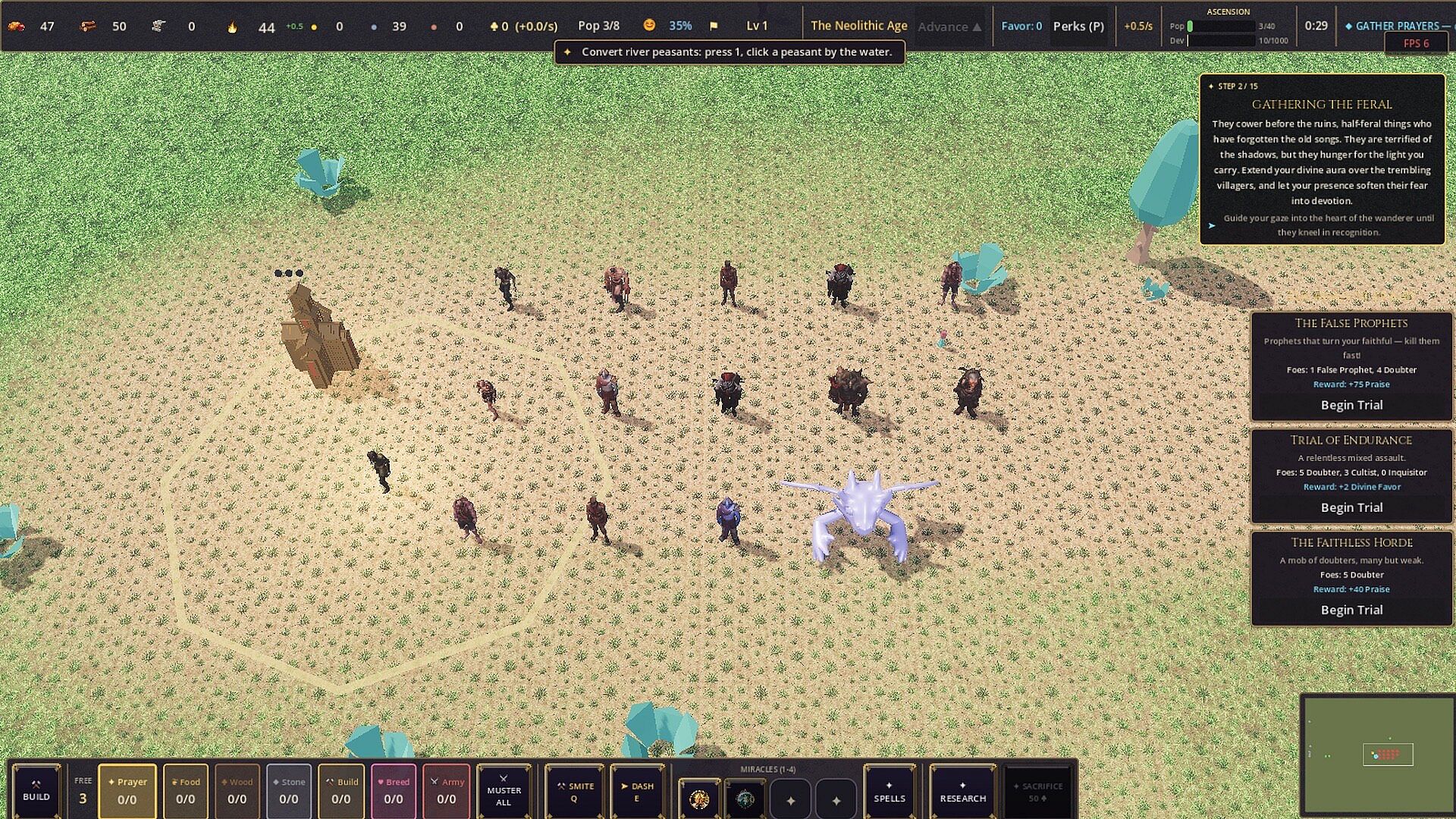
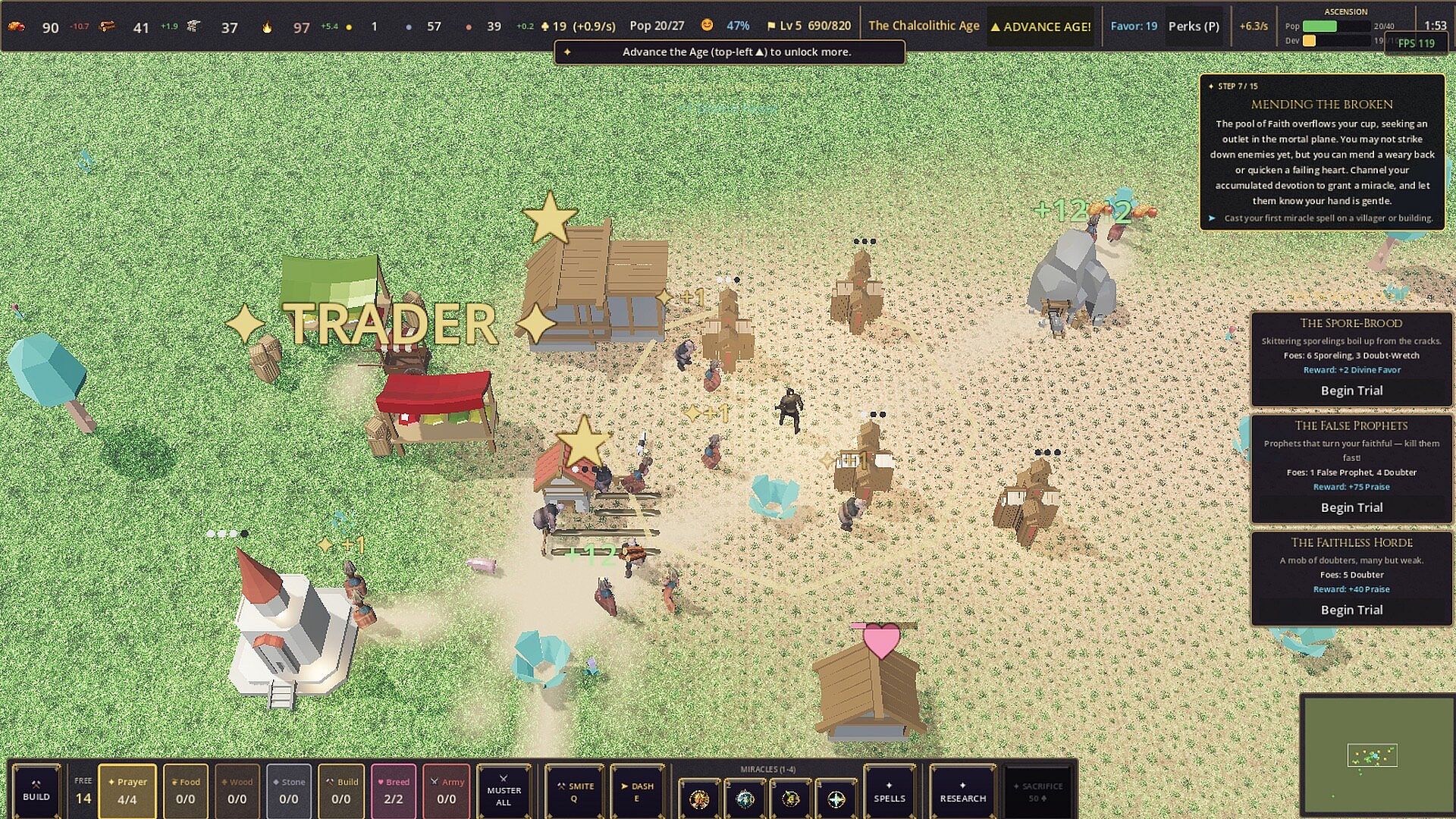
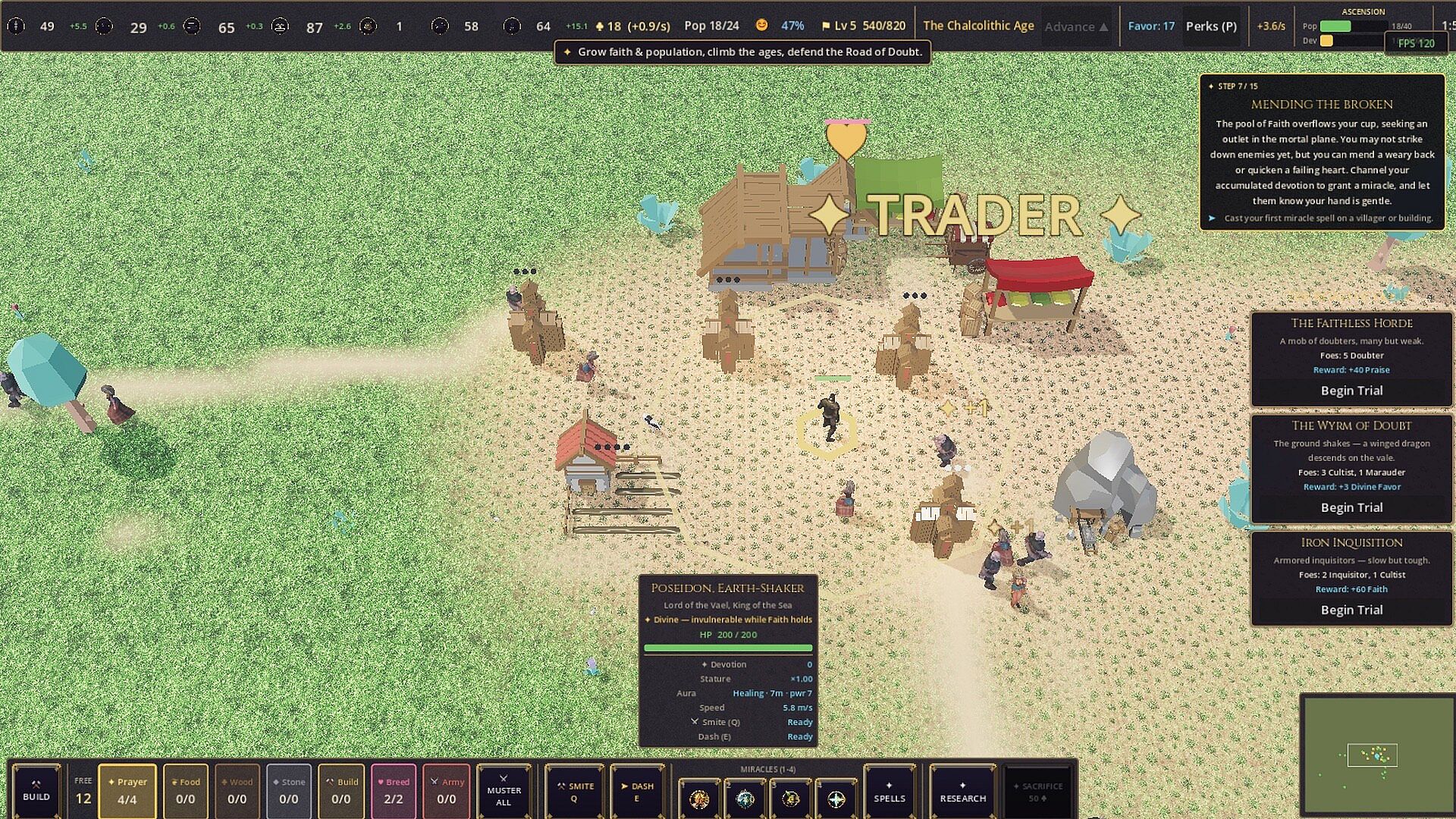
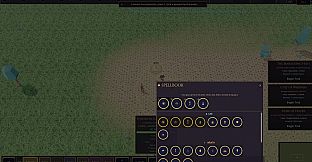
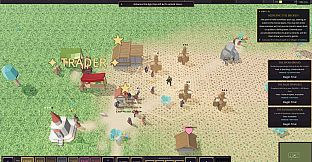
Players select a god with its own distinct identity and begin shaping a settlement that starts with basic campfires. Believers handle the day-to-day work of building and defending while the divine player intervenes through targeted actions. The settlement advances through four ages, each introducing new layers of complexity to the economy, faith systems, and defensive structures. Across these ages, 21 building types appear in 14 visual tiers, allowing choices that influence resource flows, population growth, and protection against threats. Miracles form the primary divine toolkit, with 34 options that cover creation, protection, and destruction effects. These can boost harvests, repel attackers, or alter the environment in ways that support long-term growth. The overall loop involves balancing mortal efforts with timely miracles to maintain stability and push toward greater heights.
Game Modes
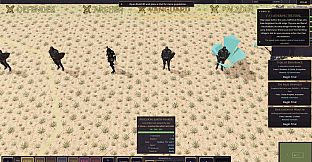
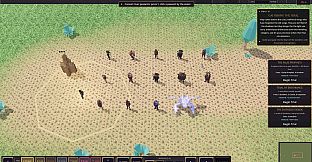
The main structure revolves around a single-player progression path that incorporates choice-driven wave defense. Enemies born from doubt advance along the Road of Doubt, forcing decisions on how to counter each wave through buildings, miracles, or other interventions. Every choice affects the civilization's development and story. The experience culminates in a final confrontation where players must defeat a dragon guarding the summit of belief and complete an Ascension Ritual to achieve godhood. No separate multiplayer or additional named modes appear in the available details, keeping the focus on this integrated campaign-style journey.
Gods and Divine Intervention
Each of the five playable gods brings unique traits that shape how miracles interact with the world. These identities influence the types of interventions available and how they align with different play approaches, whether leaning toward aggressive expansion or careful preservation. Miracles serve as the direct expression of divine power, applied at key moments to shift outcomes in building, combat, or resource management. The system encourages experimentation with combinations that fit the chosen god's strengths while adapting to the civilization's evolving needs across the ages.
Progression and Challenges
Settlement growth ties directly to faith and economic decisions made through building placement and upgrades. As ages advance, stakes increase with more advanced tiers that demand careful resource allocation. The Road of Doubt introduces recurring defensive pressure that tests planning and reaction times. Success requires integrating mortal labor with divine support to overcome waves and reach the endgame ritual. This creates a steady escalation where early choices compound into later advantages or vulnerabilities.
Is It Worth Playing?
Divine Ascendancy suits players who enjoy strategy and simulation titles that combine settlement building with active divine oversight. The verified systems of age-based progression, tiered buildings, and miracle variety provide depth for those interested in managing both mortal infrastructure and supernatural events. The wave defense element on the Road of Doubt adds tension without shifting into unrelated genres. As a PC-exclusive indie release, it targets fans of god-game mechanics who appreciate deliberate pacing and decision-making over fast action. Those drawn to civilization-style growth paired with a clear path to a climactic ritual will find the structure engaging, while the absence of confirmed multiplayer keeps the experience focused on personal progression. If the described blend of building, miracles, and defense aligns with preferred gameplay styles, the title offers a self-contained journey worth exploring on PC.