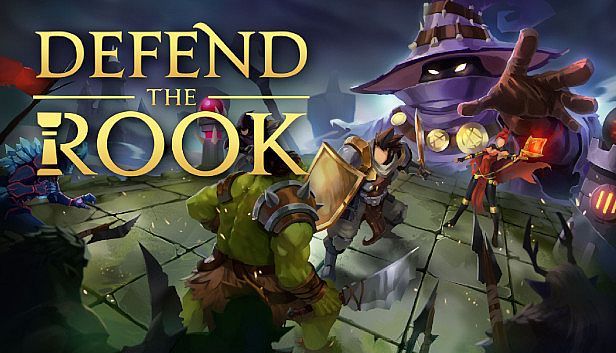












Defend the Rook stands out as a strategy indie title that blends roguelike tactics with tower defense on PC. Players step into a world where invading forces threaten a kingdom, and survival depends on careful planning across procedurally generated encounters. The game emphasizes turn-based decisions, hero deployment, and defensive structures to repel waves of enemies while protecting a central castle structure.
Gameplay
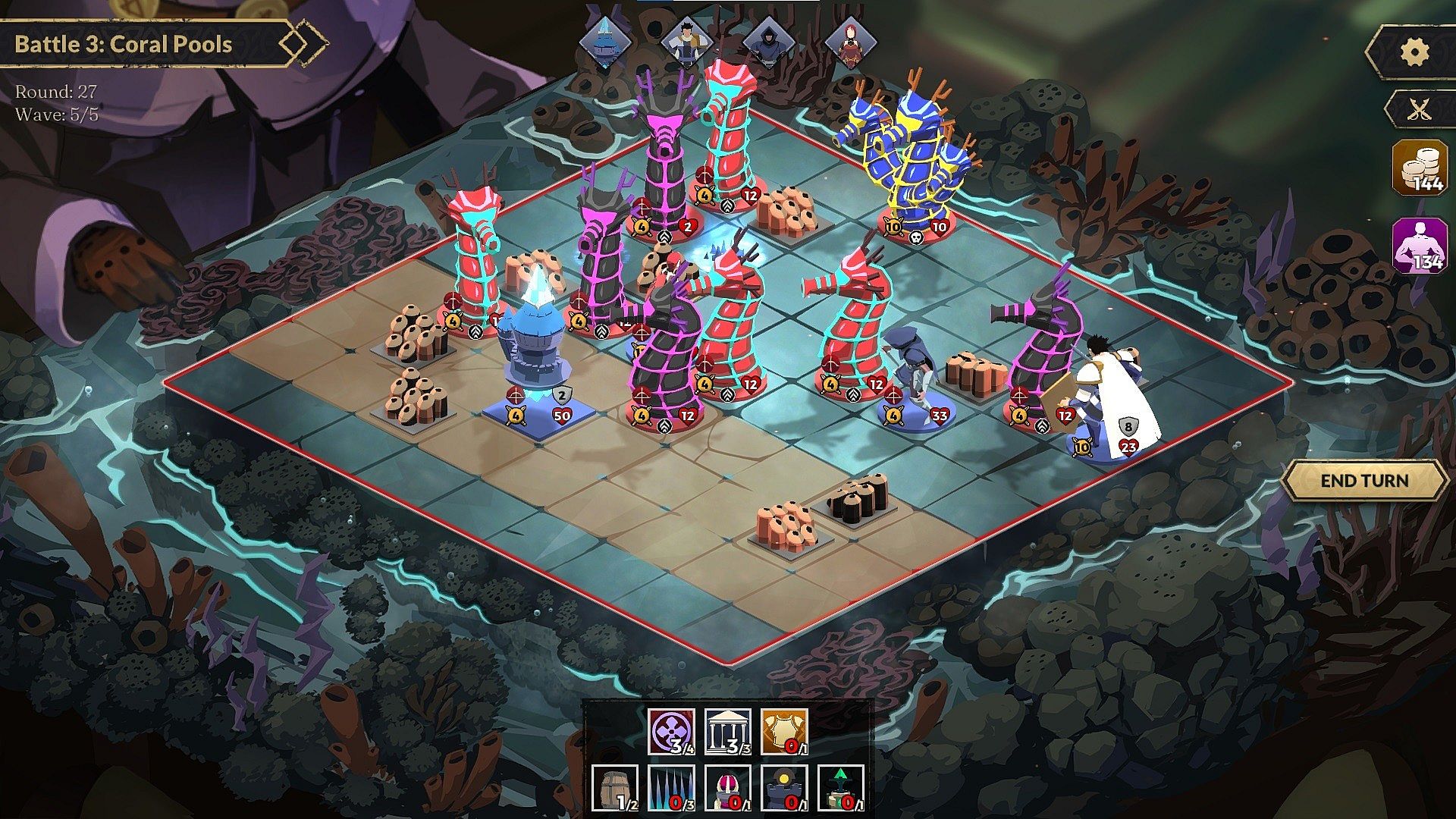
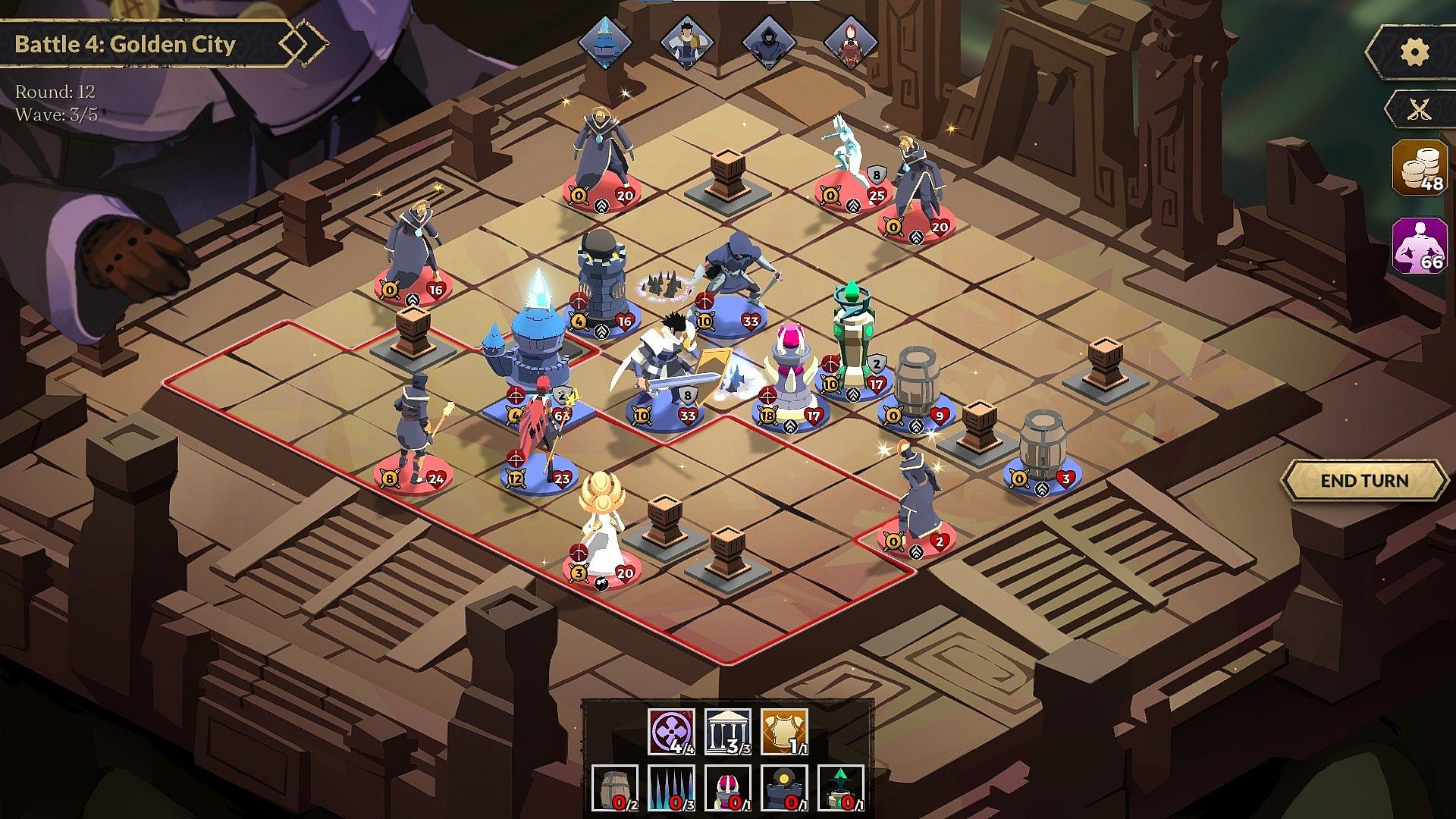
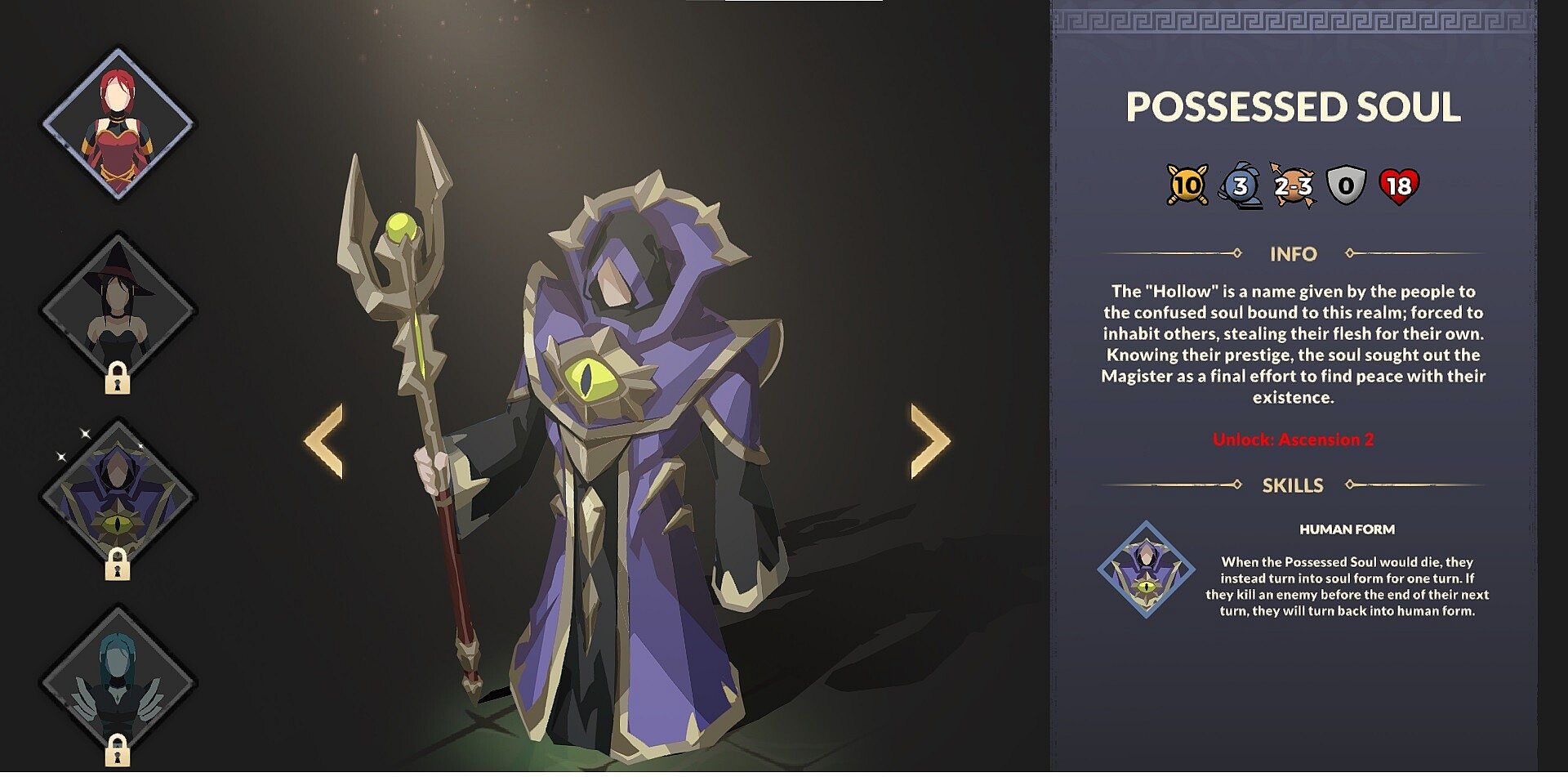
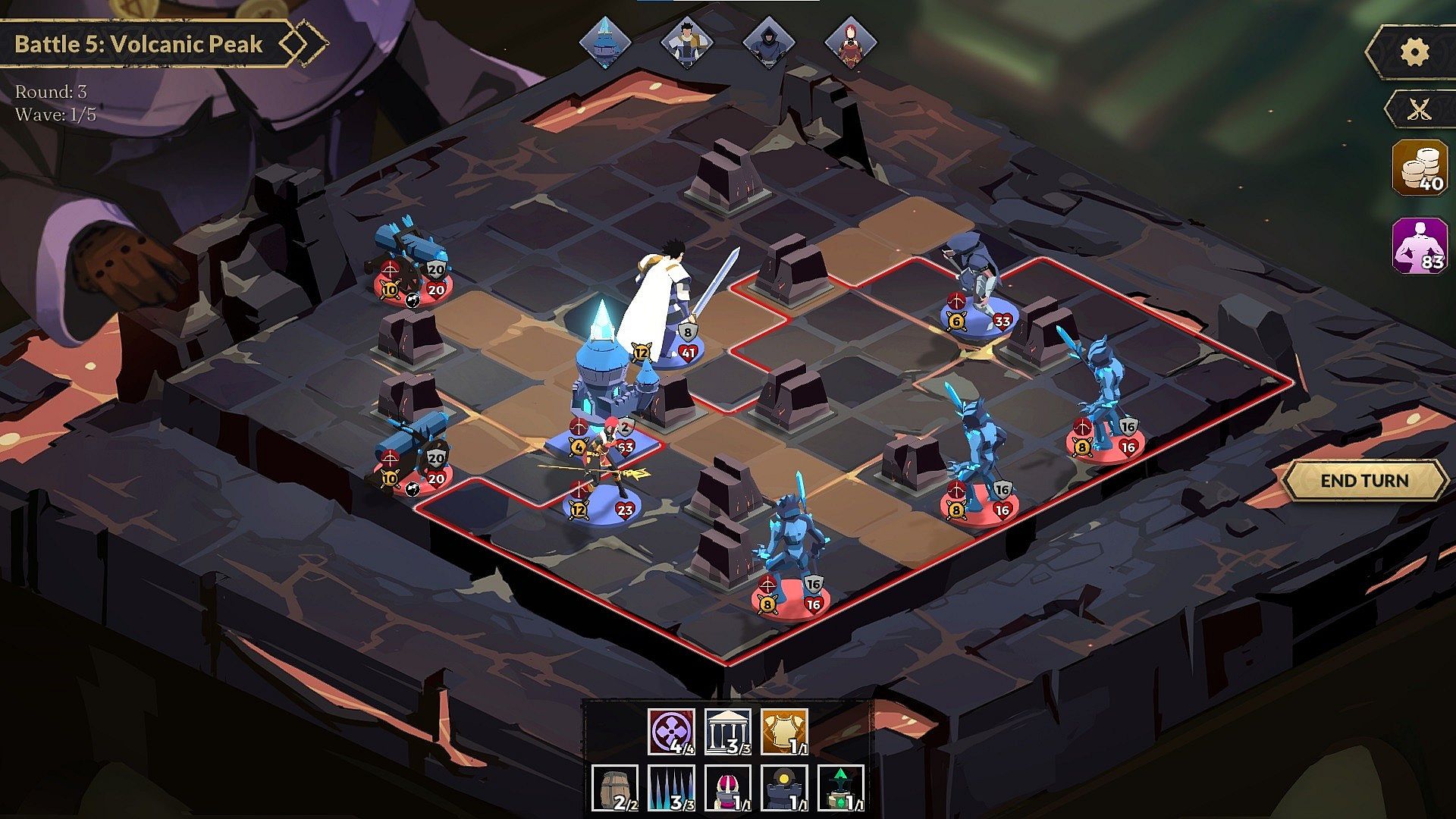
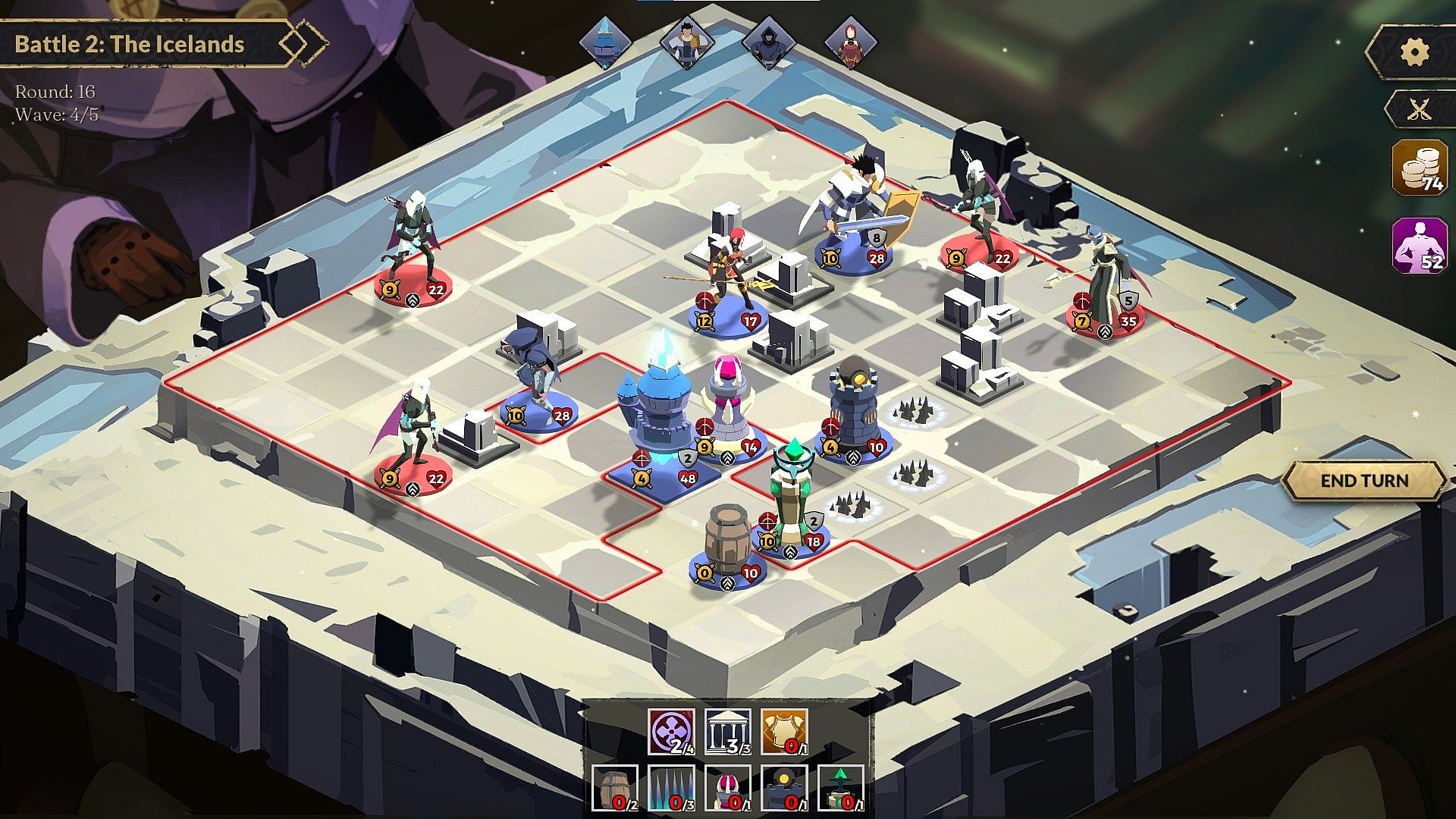
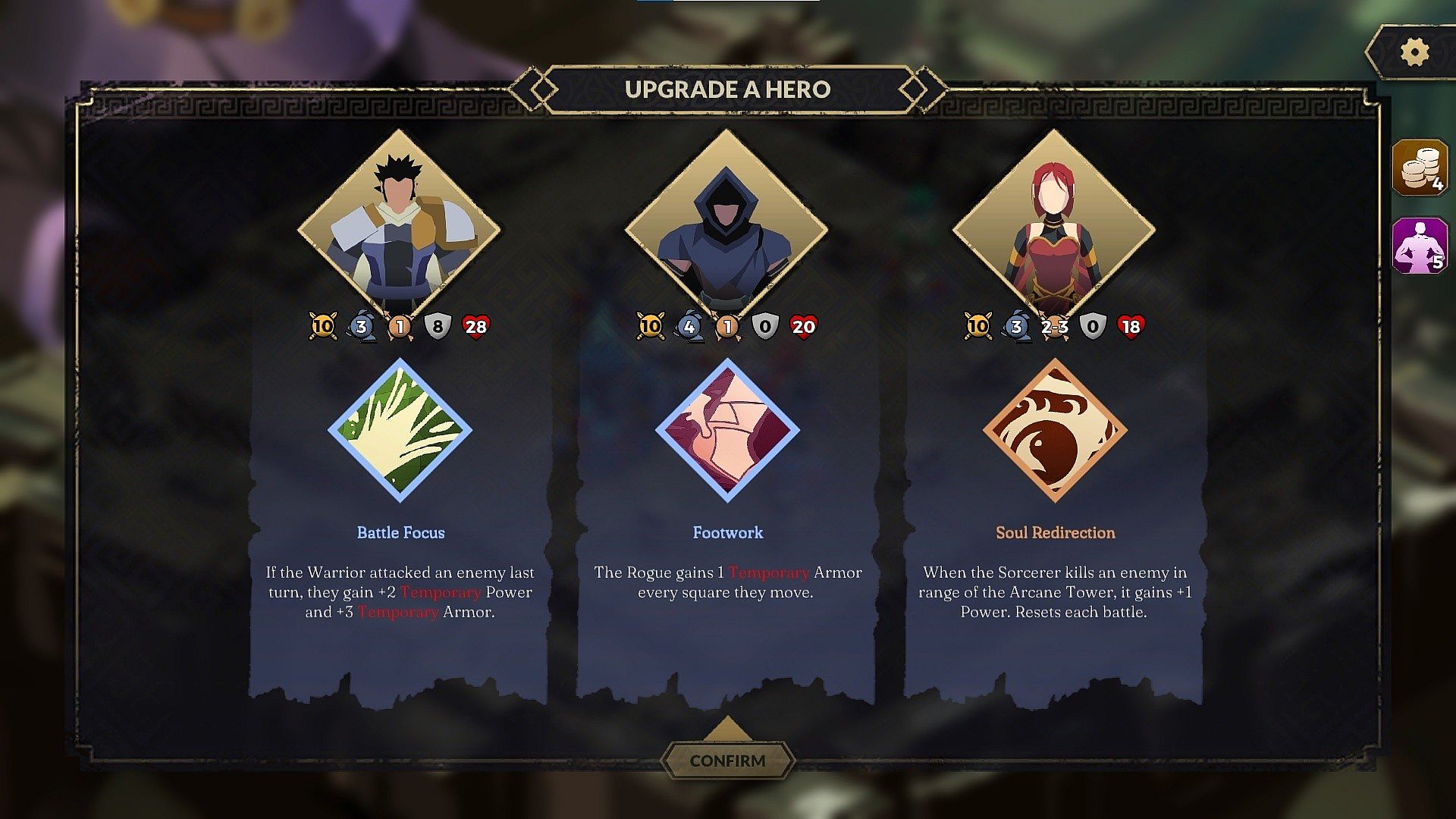
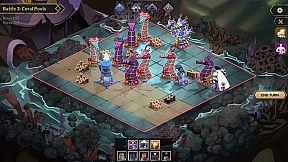
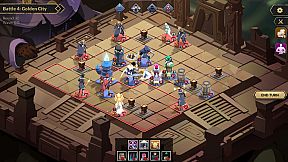
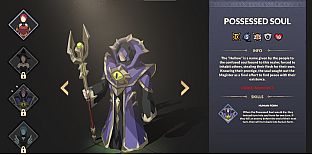
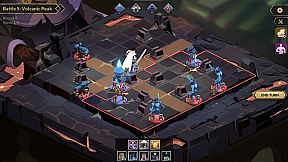
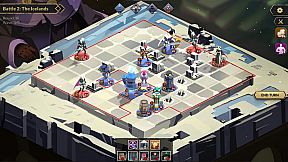
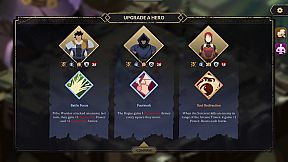
The core loop revolves around turn-based combat on a board where positioning determines outcomes. Three heroes form the core team, each drawing from warrior, rogue, or mage archetypes that alter combat options and abilities. These characters move and act alongside constructed towers that fire on enemies automatically. Spells provide additional tools to disrupt formations or deal area damage during critical moments.
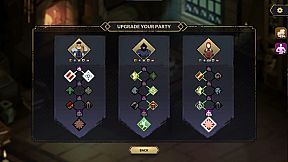
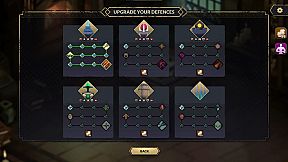
Placement of barricades and traps channels enemy paths, creating chokepoints that maximize tower effectiveness and hero strikes. Upgrades to both heroes and structures carry forward between runs in the roguelite structure, allowing incremental improvements to health, damage, or special effects. Every session features fresh layouts and enemy compositions due to procedural generation, which keeps the tactical challenges varied without repeating identical setups.
Resource management plays a key role as players balance hero actions with tower construction and trap deployment. Overextending on one element often leaves gaps in another, forcing adaptive strategies mid-battle. The system rewards foresight in funneling groups of foes into kill zones while using spells to break up dense advances.
Game Modes
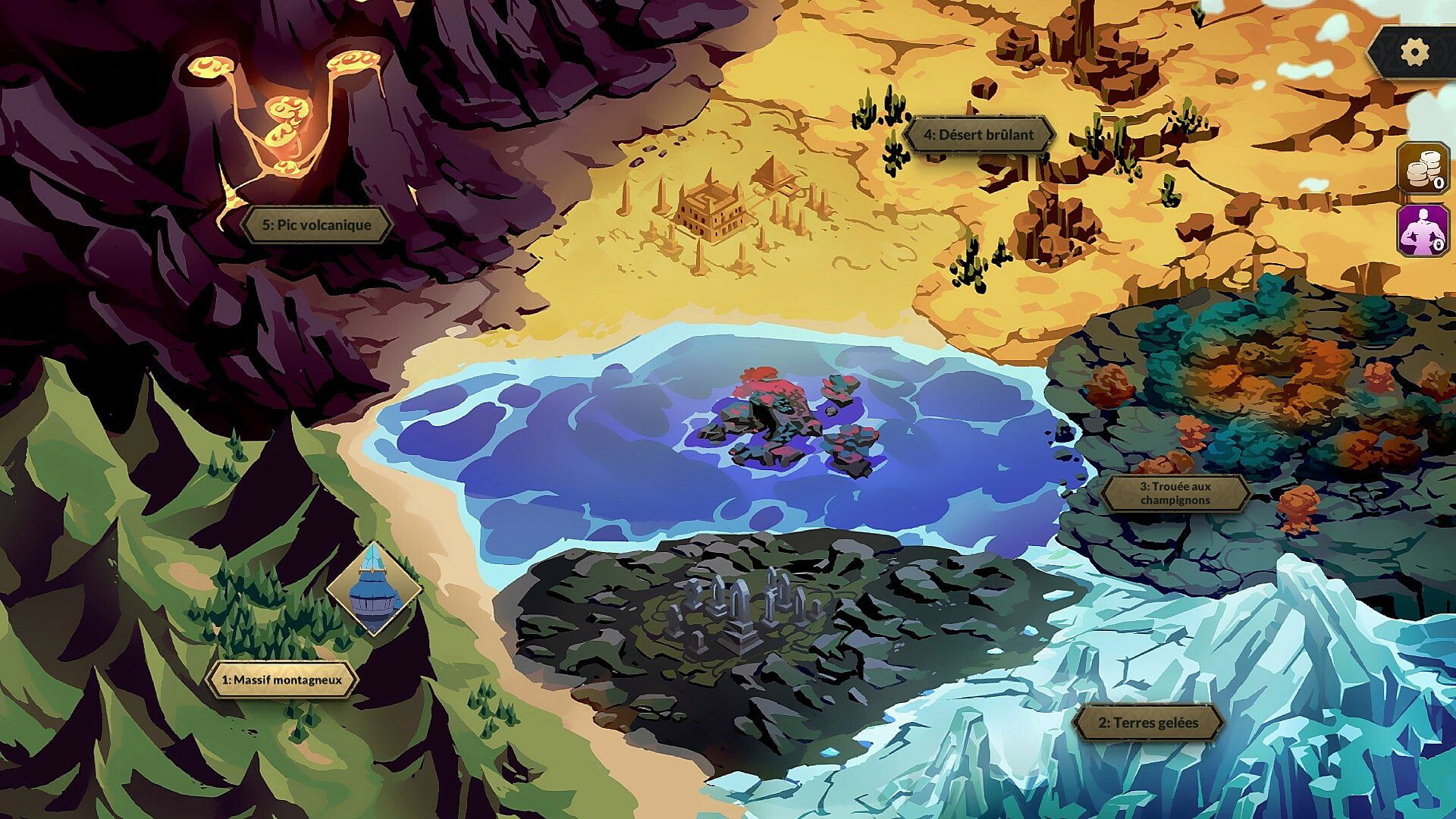
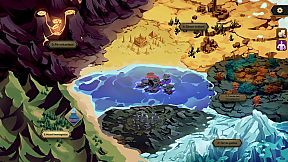
The experience centers on a single-player roguelite format built around successive procedural battles. Each run presents a sequence of defensive stands against escalating hordes, with failure ending the attempt and success advancing progress toward permanent upgrades. This structure encourages repeated playthroughs to refine tactics and unlock stronger combinations of heroes, towers, and spells.
No separate competitive or cooperative modes appear in the design. Instead, the focus remains on solitary campaigns where the goal is to endure as many waves as possible while accumulating resources for future attempts. The procedural nature ensures that no two runs unfold identically, shifting emphasis toward learning general principles rather than memorizing fixed encounters.
Progression and Strategy
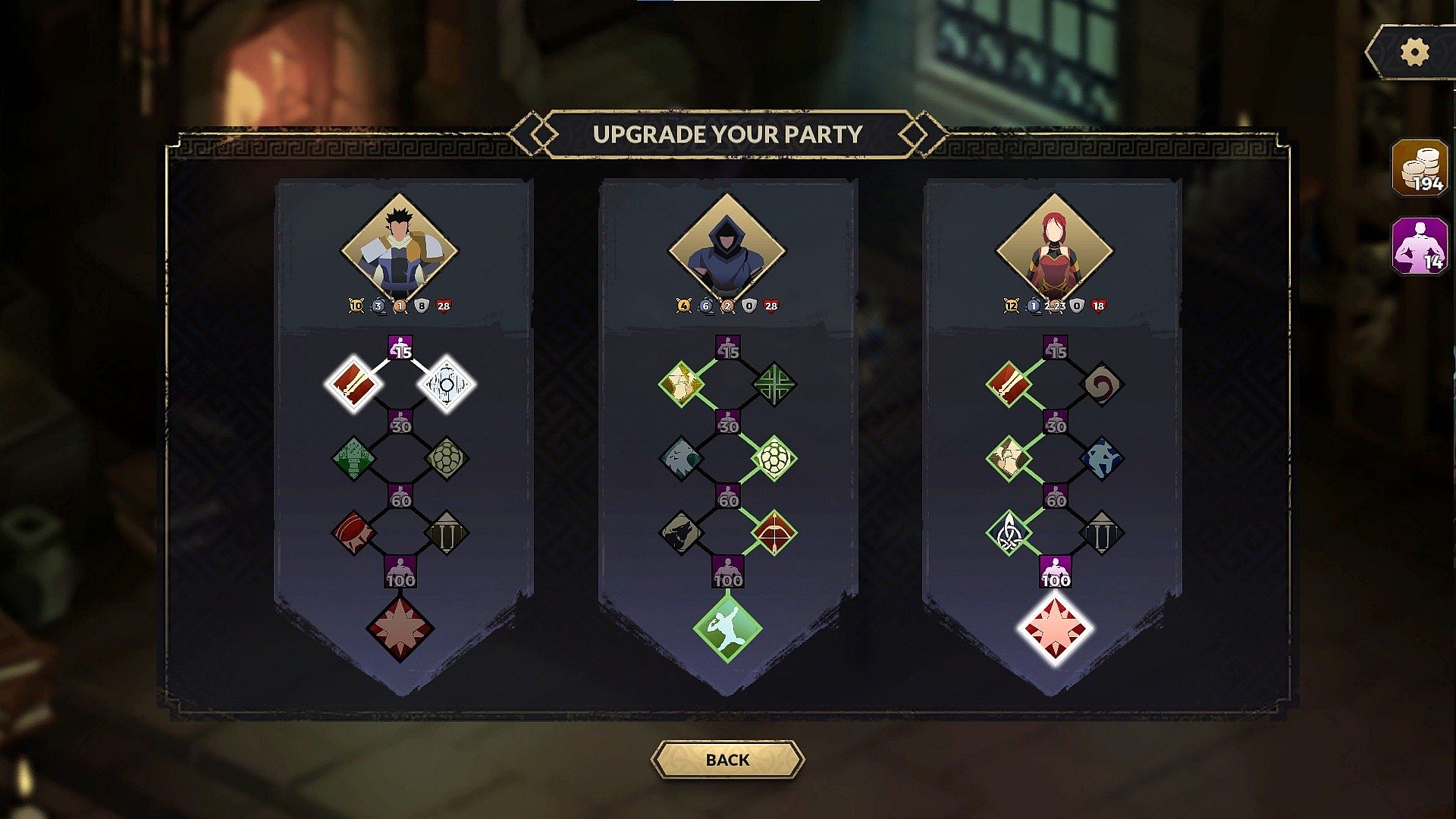
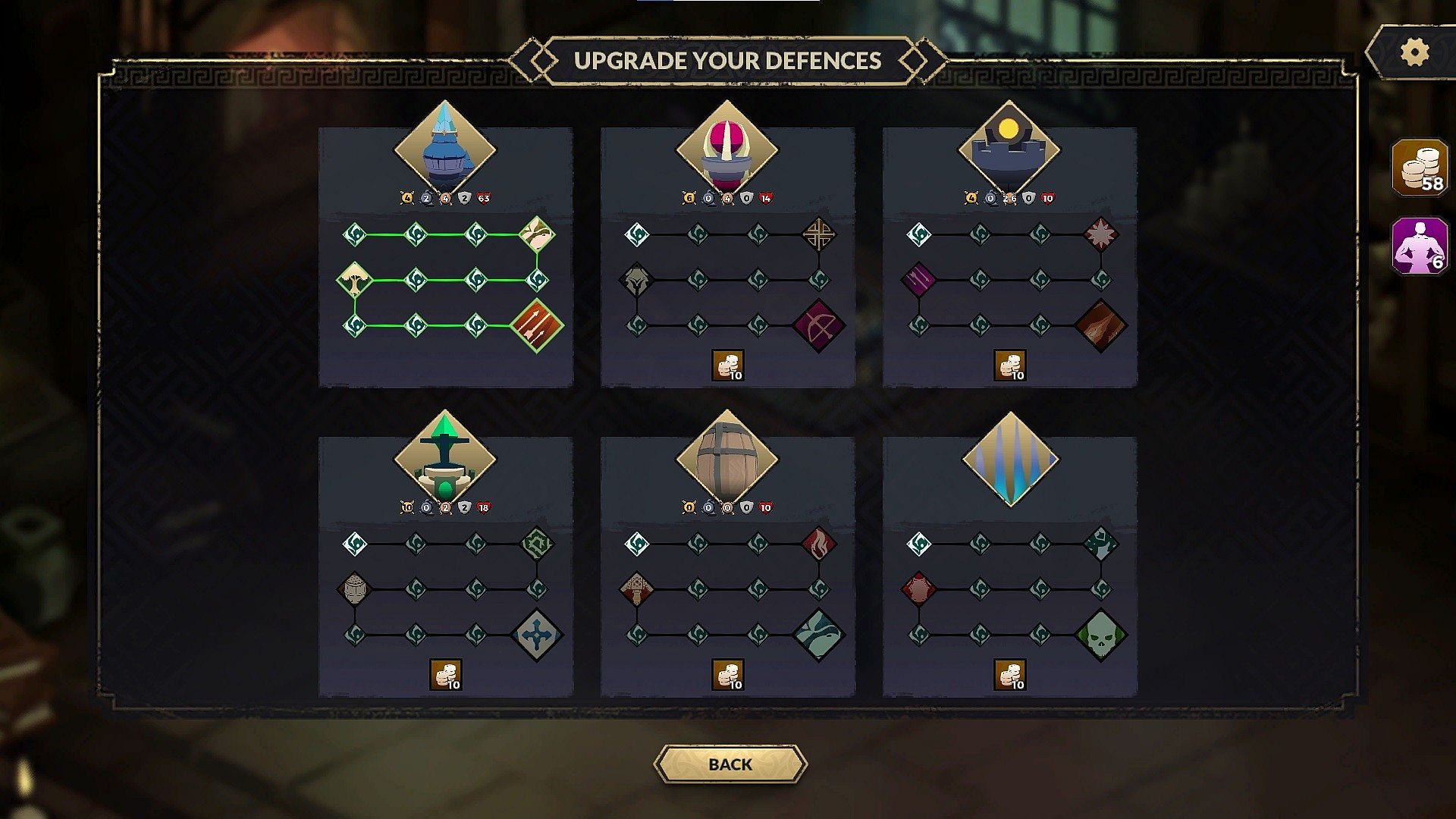
Permanent upgrades acquired across runs enhance hero stats, tower capabilities, and spell potency, creating a sense of long-term growth amid short-term setbacks. Players experiment with different hero role combinations to suit emerging threats, such as prioritizing ranged damage or crowd control. Tower upgrades follow similar paths, allowing specialization in area effects or single-target power.
Traps and barricades add layers of environmental strategy, letting defenders reshape the battlefield to counter specific enemy behaviors. Careful placement breaks up coordinated assaults and exposes vulnerabilities. The interplay between active hero commands and passive defensive elements distinguishes the title from pure tower defense experiences by demanding active oversight throughout each turn.
Is It Worth Playing?
Defend the Rook appeals most to players who enjoy turn-based strategy combined with roguelite elements and tower defense. Its Mostly Positive reception on major platforms reflects appreciation for the tactical depth and procedural variety, though some note the scope remains focused on core systems without extensive additional content. The game suits those seeking thoughtful sessions rather than fast-paced action, with runs that reward planning and adaptation over reflexes.
Availability on PC makes it accessible for strategy enthusiasts looking for an indie option that integrates hero control with defensive building. Those who value experimentation across multiple attempts will find the upgrade system provides meaningful progression. Overall, the title delivers a cohesive package for fans of its genre blend, provided expectations align with its emphasis on repeated tactical encounters rather than broad narrative or multiplayer features.