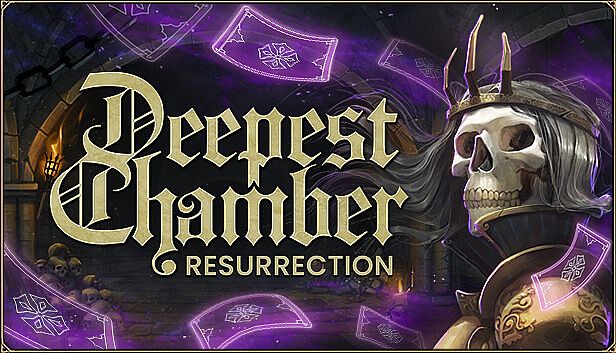






















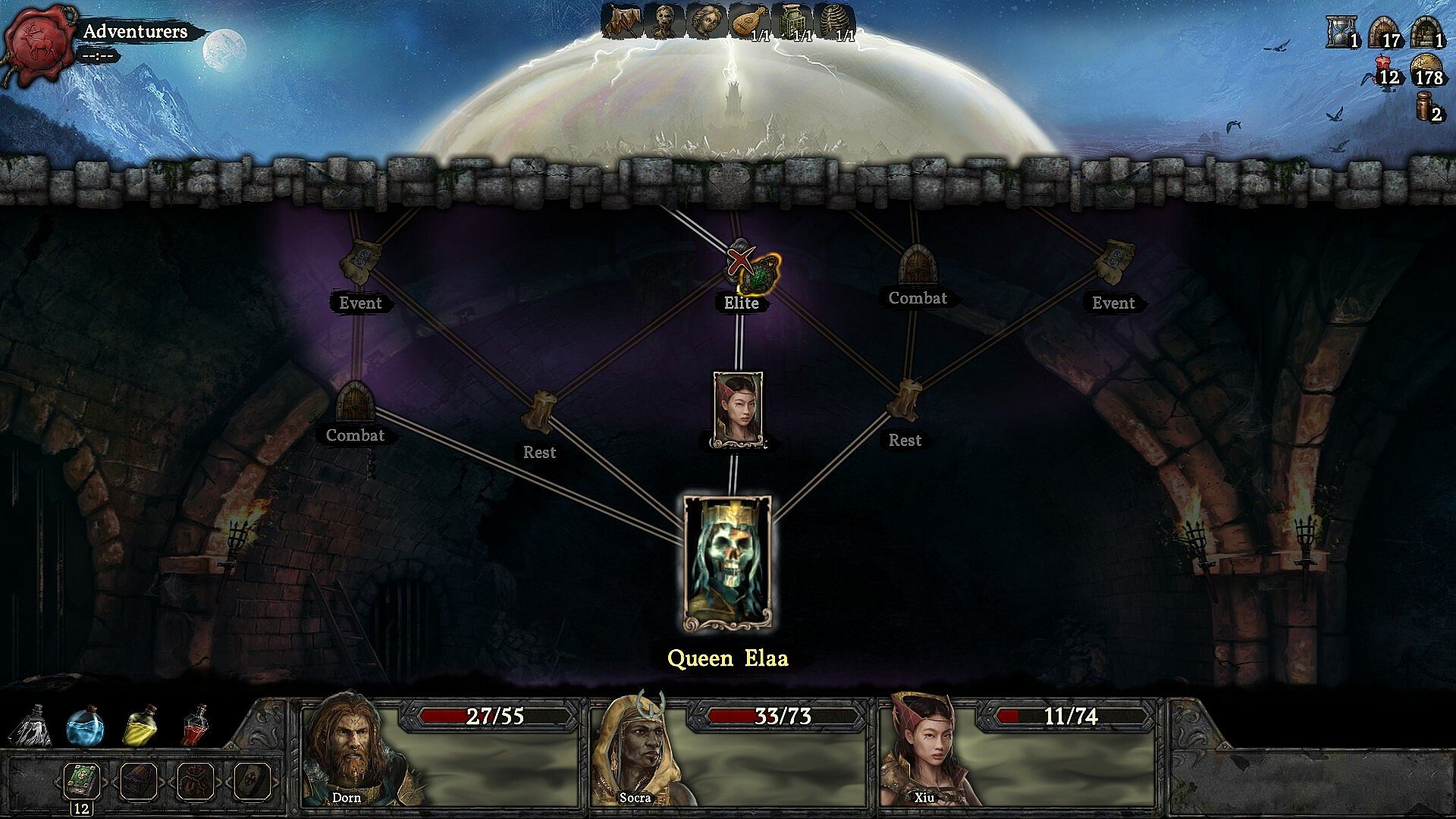
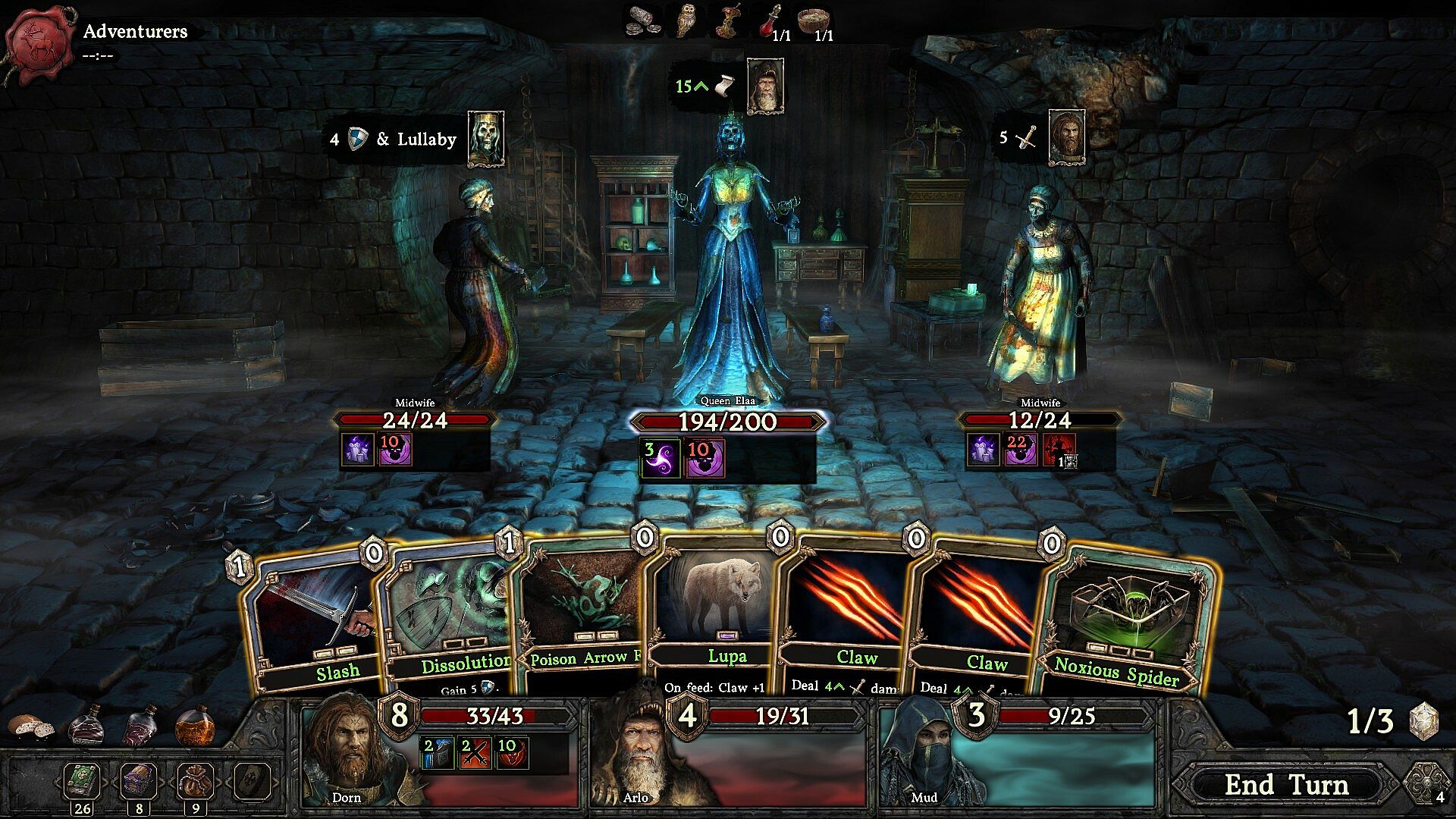
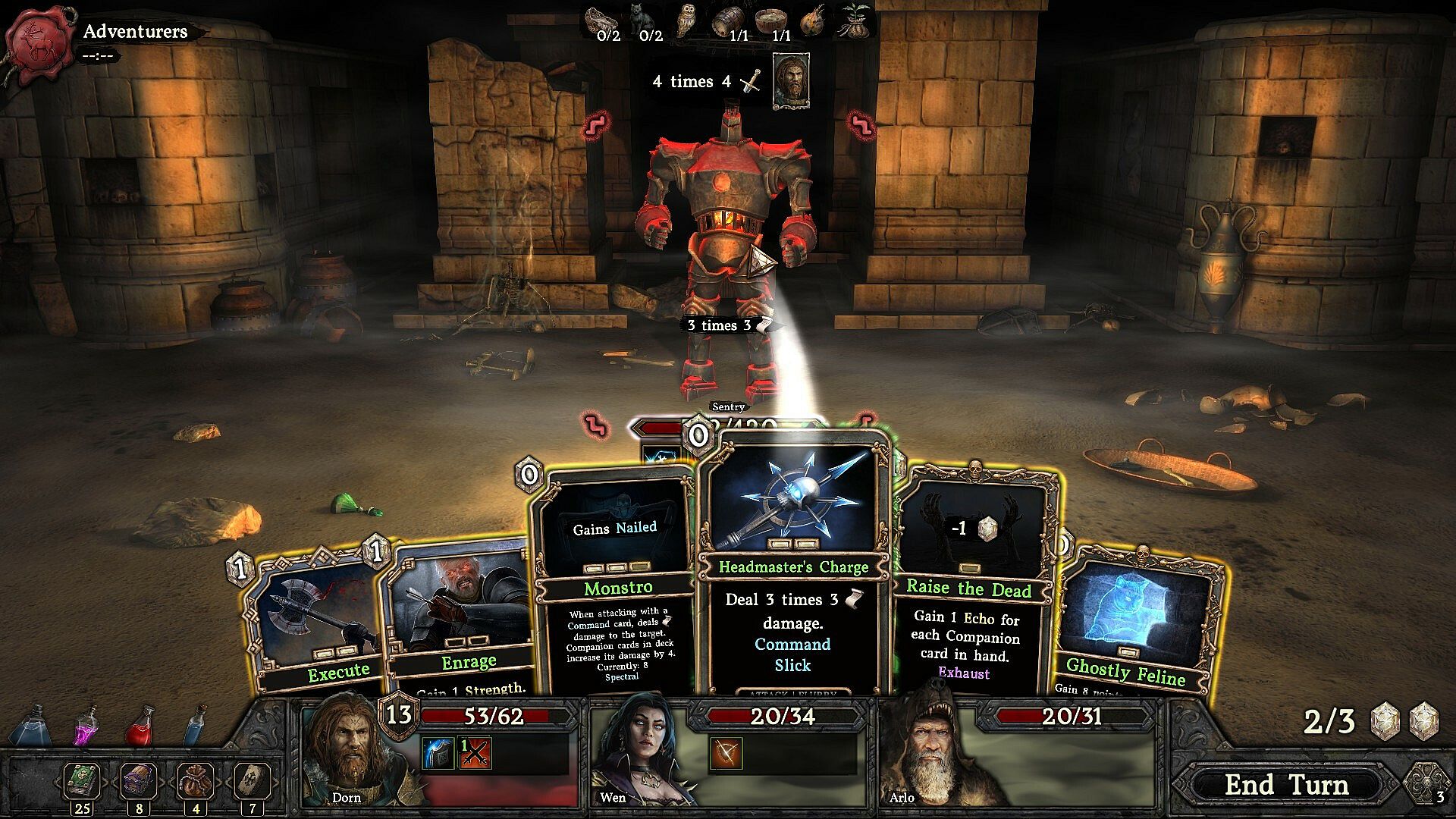
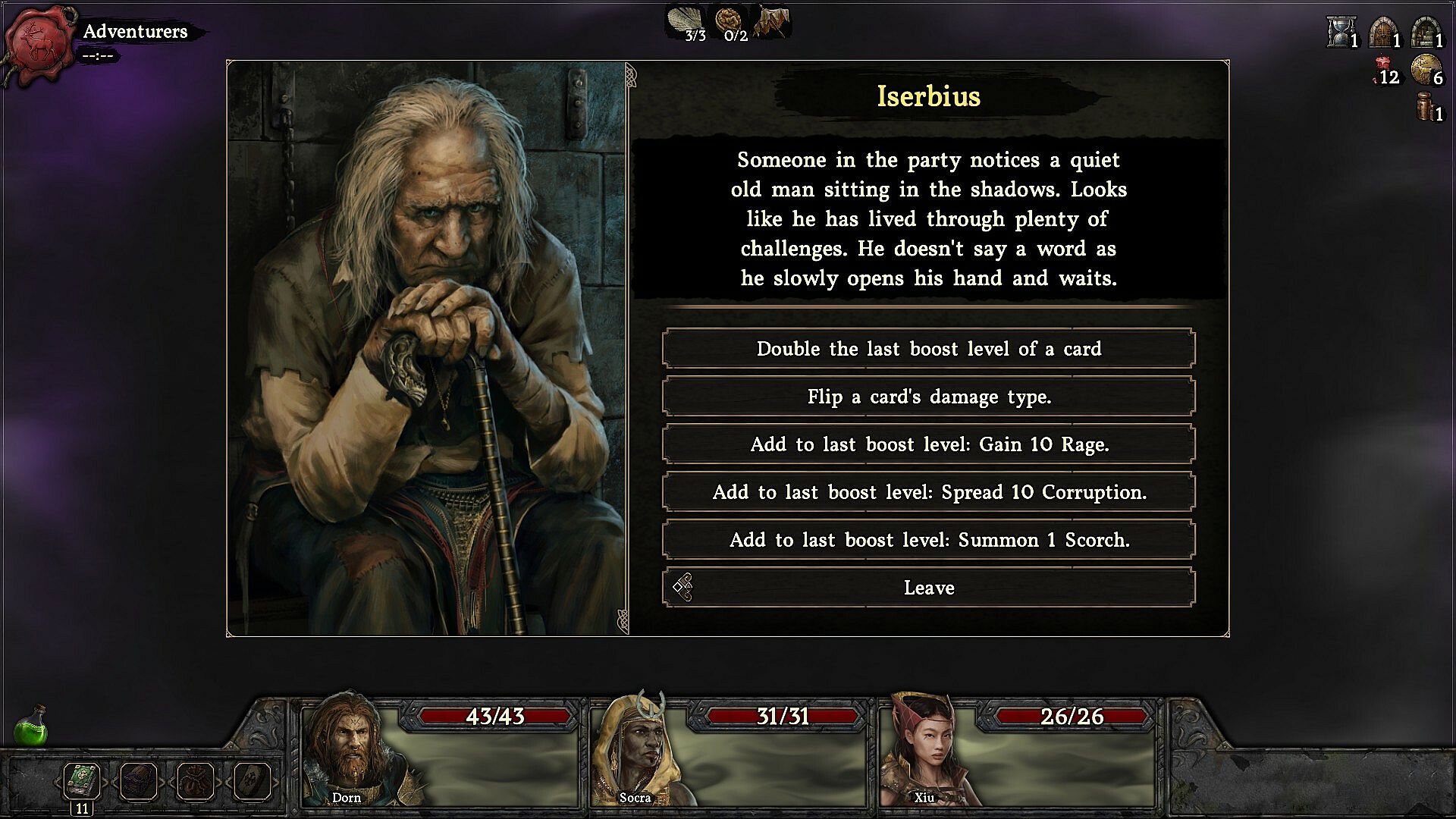
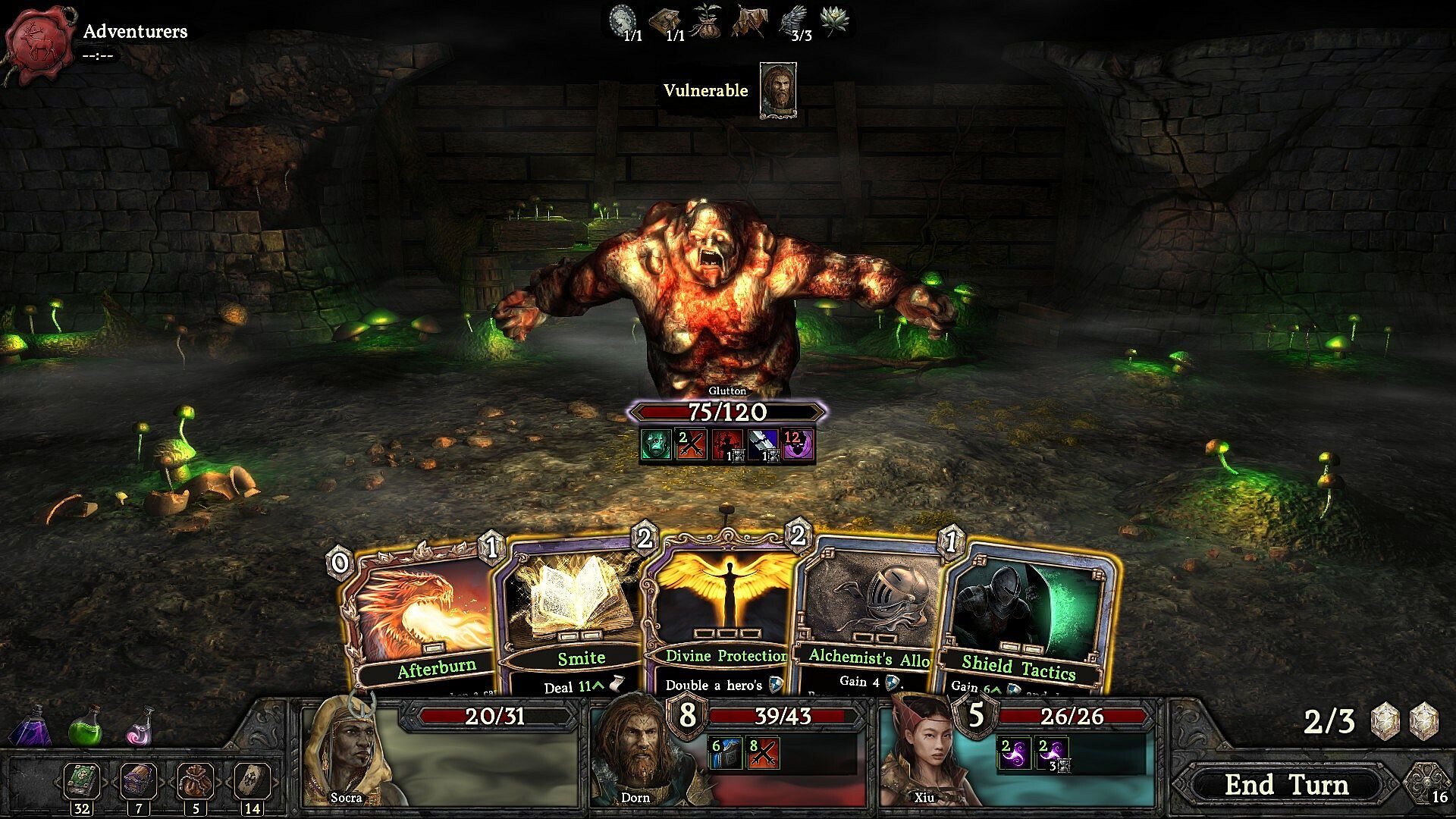
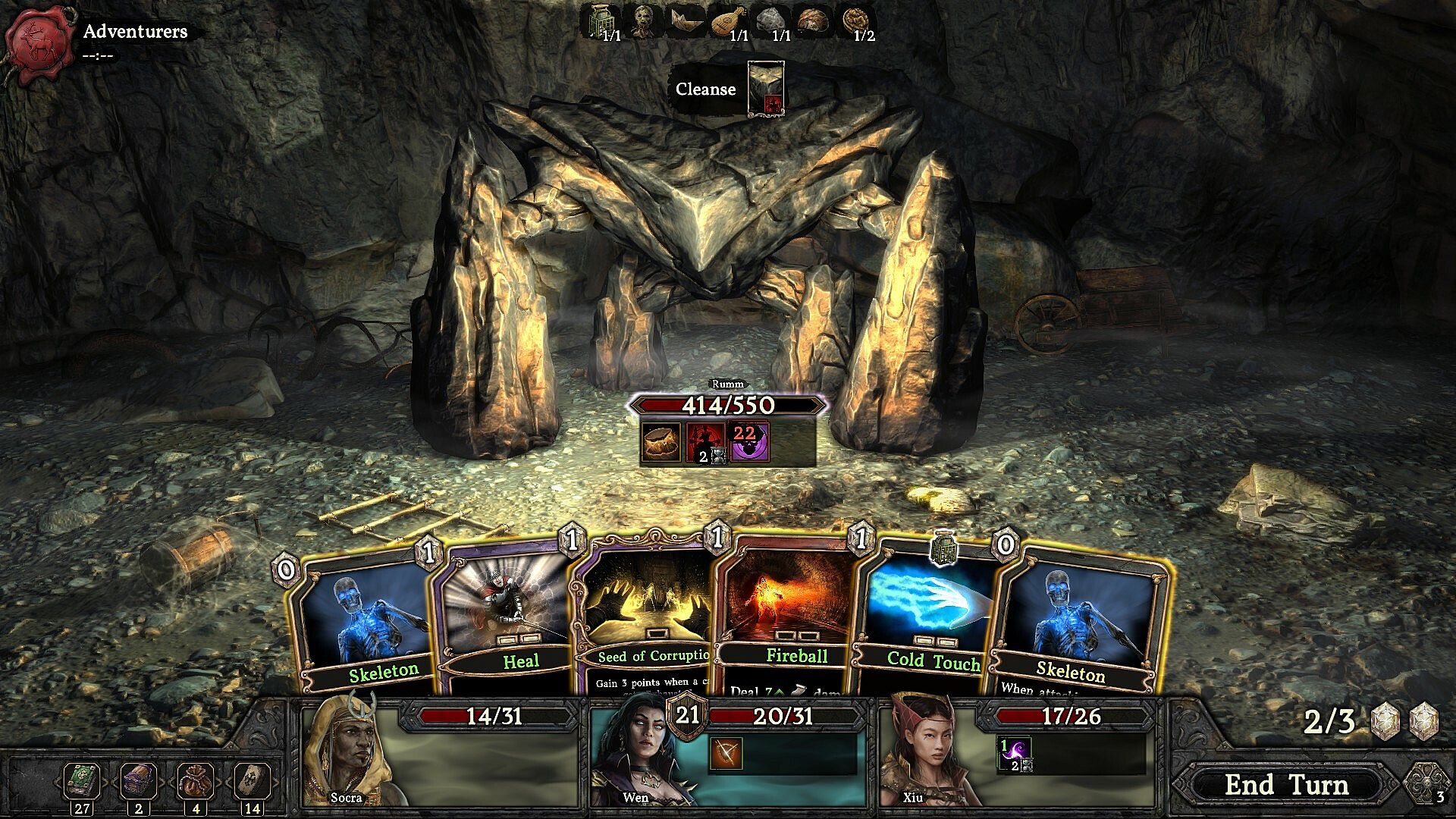
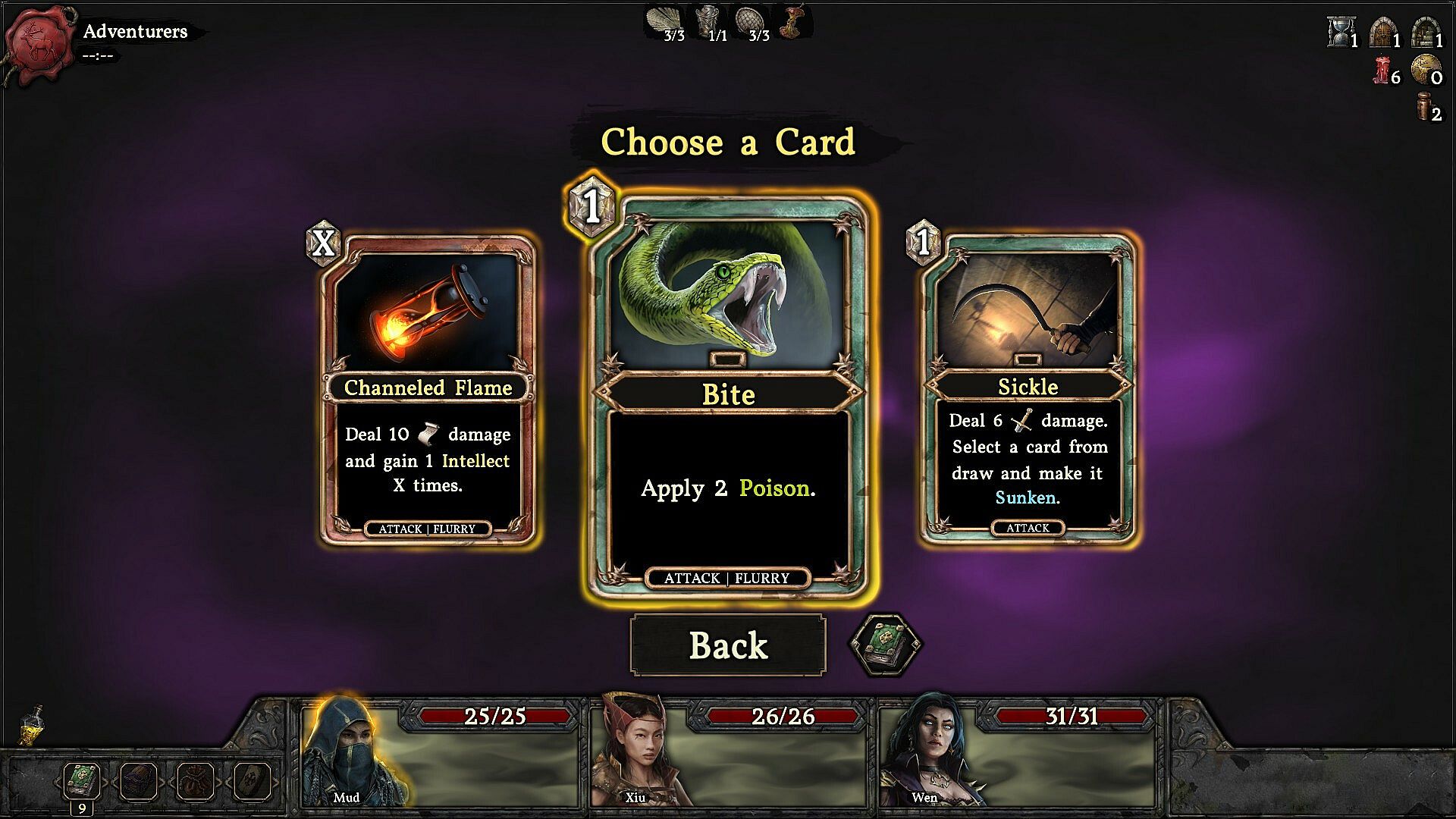
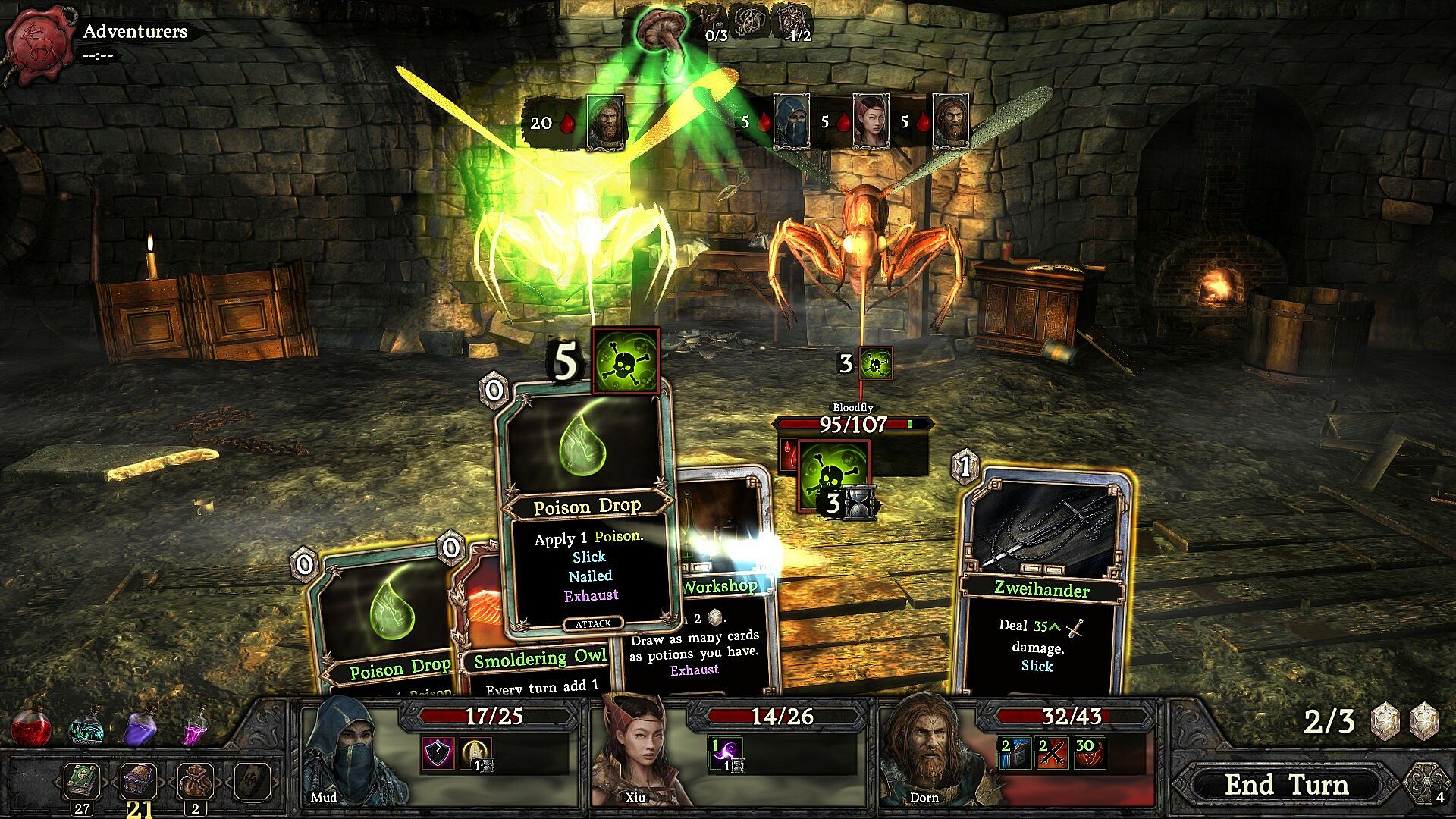
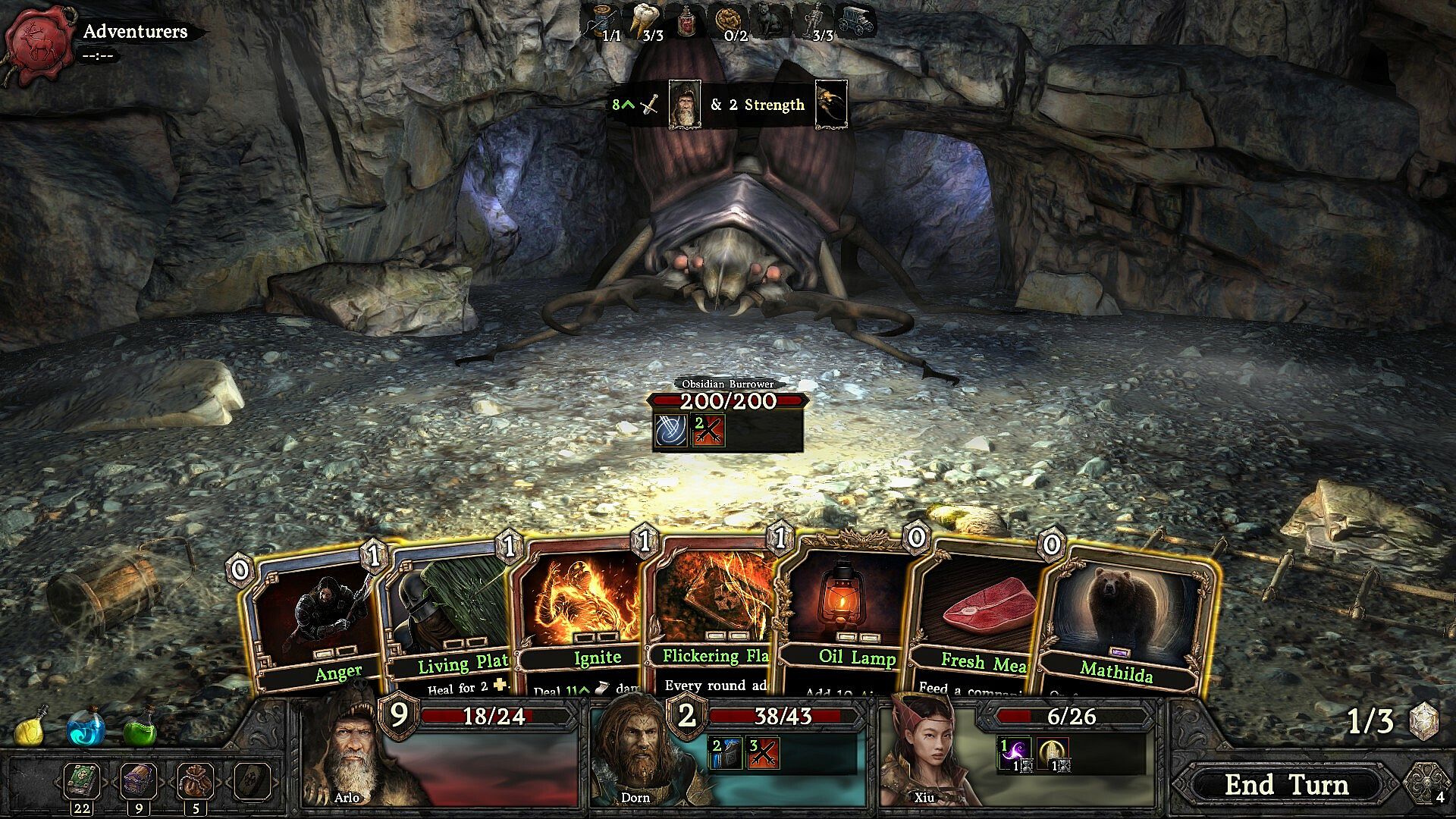
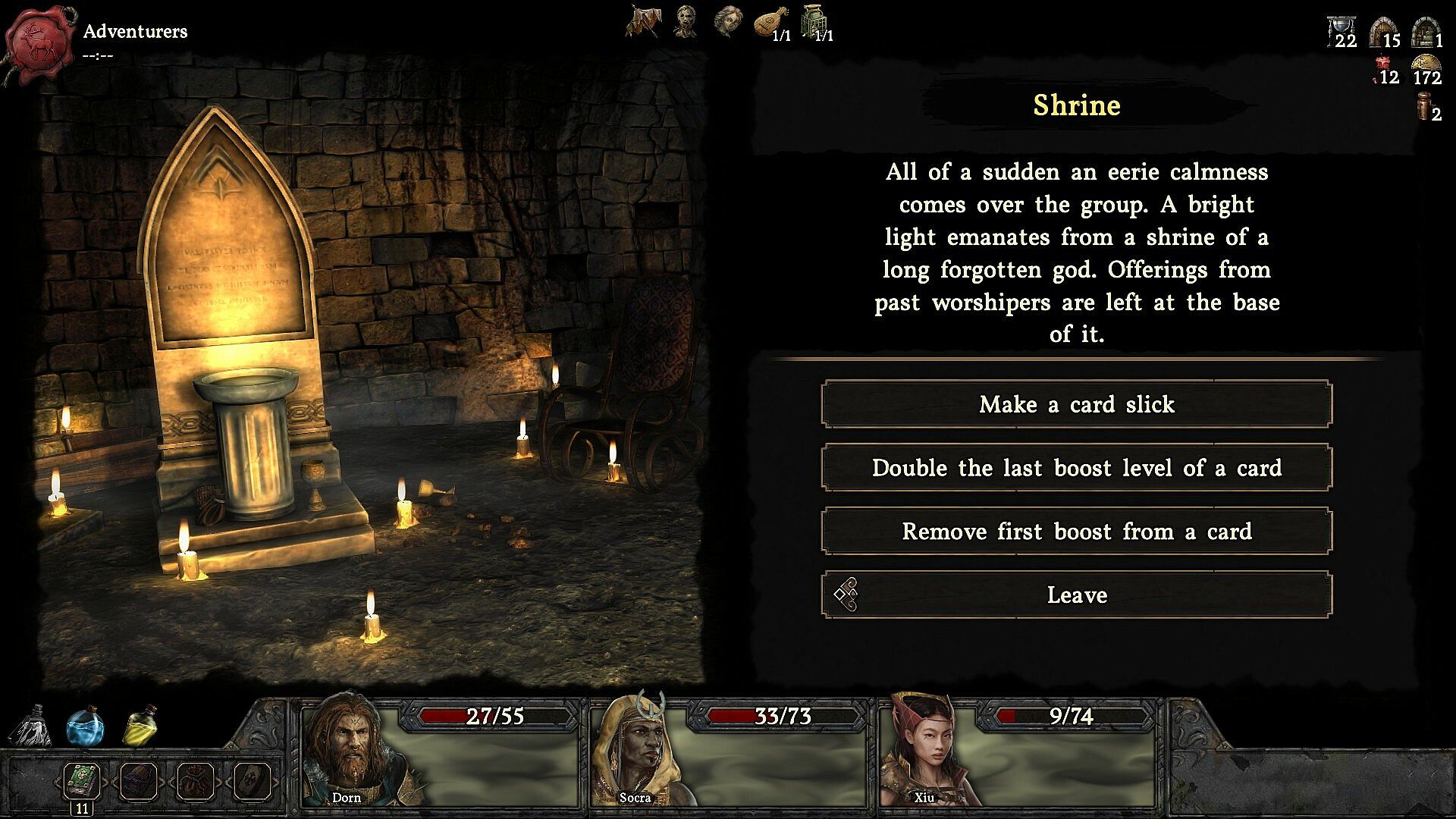
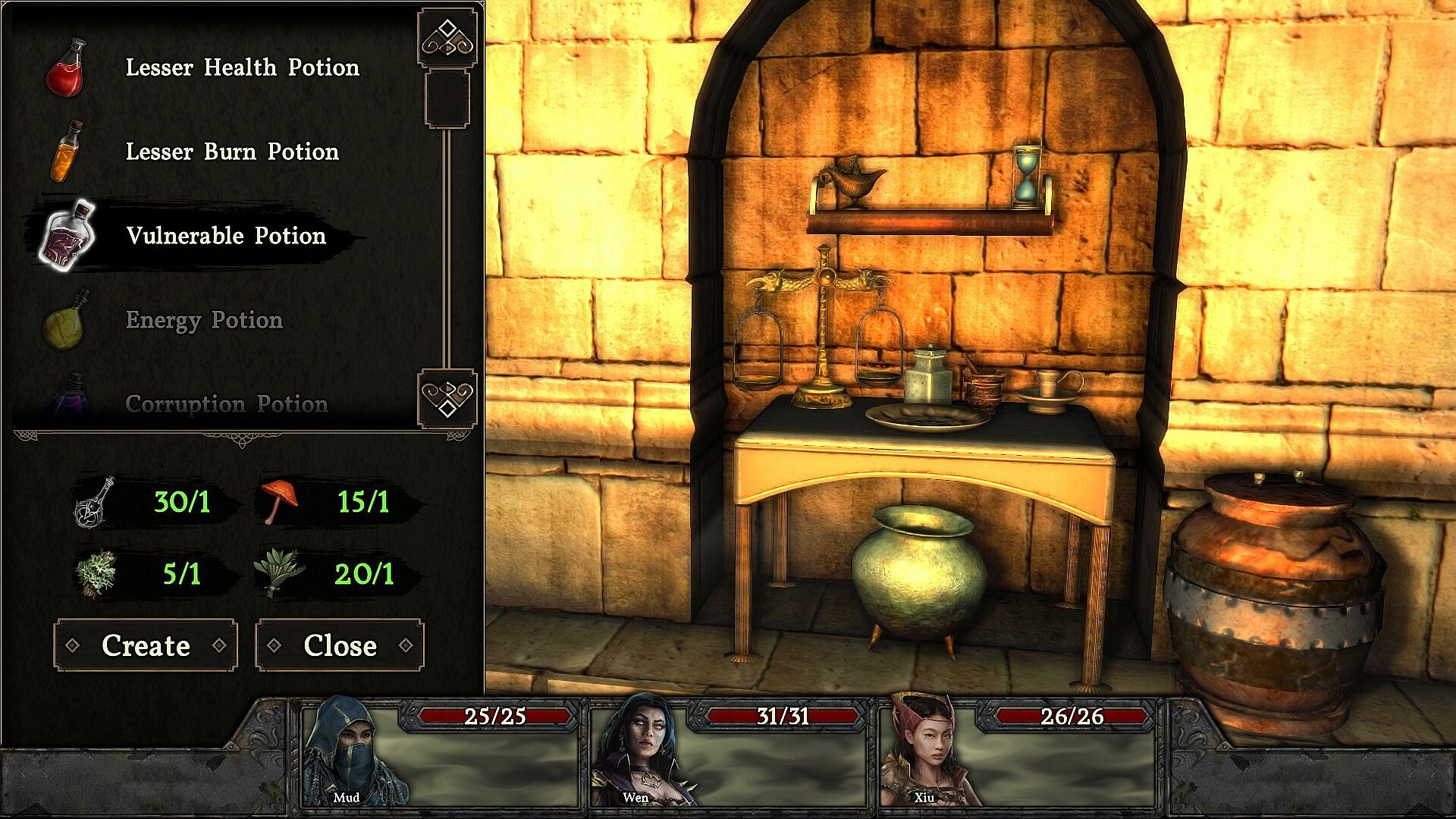
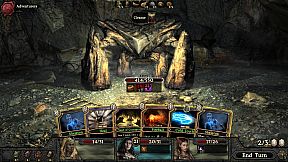
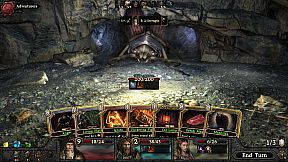
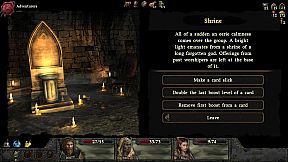
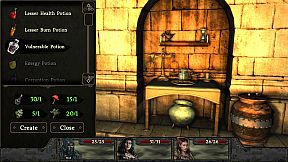
Deepest Chamber: Resurrection is a singleplayer roguelite strategic deck builder that blends elements of strategy, indie development, and RPG progression. Players assemble parties of champions and navigate randomized descents through the depths of a dying city, relying on card play and careful planning to survive escalating challenges.
Gameplay
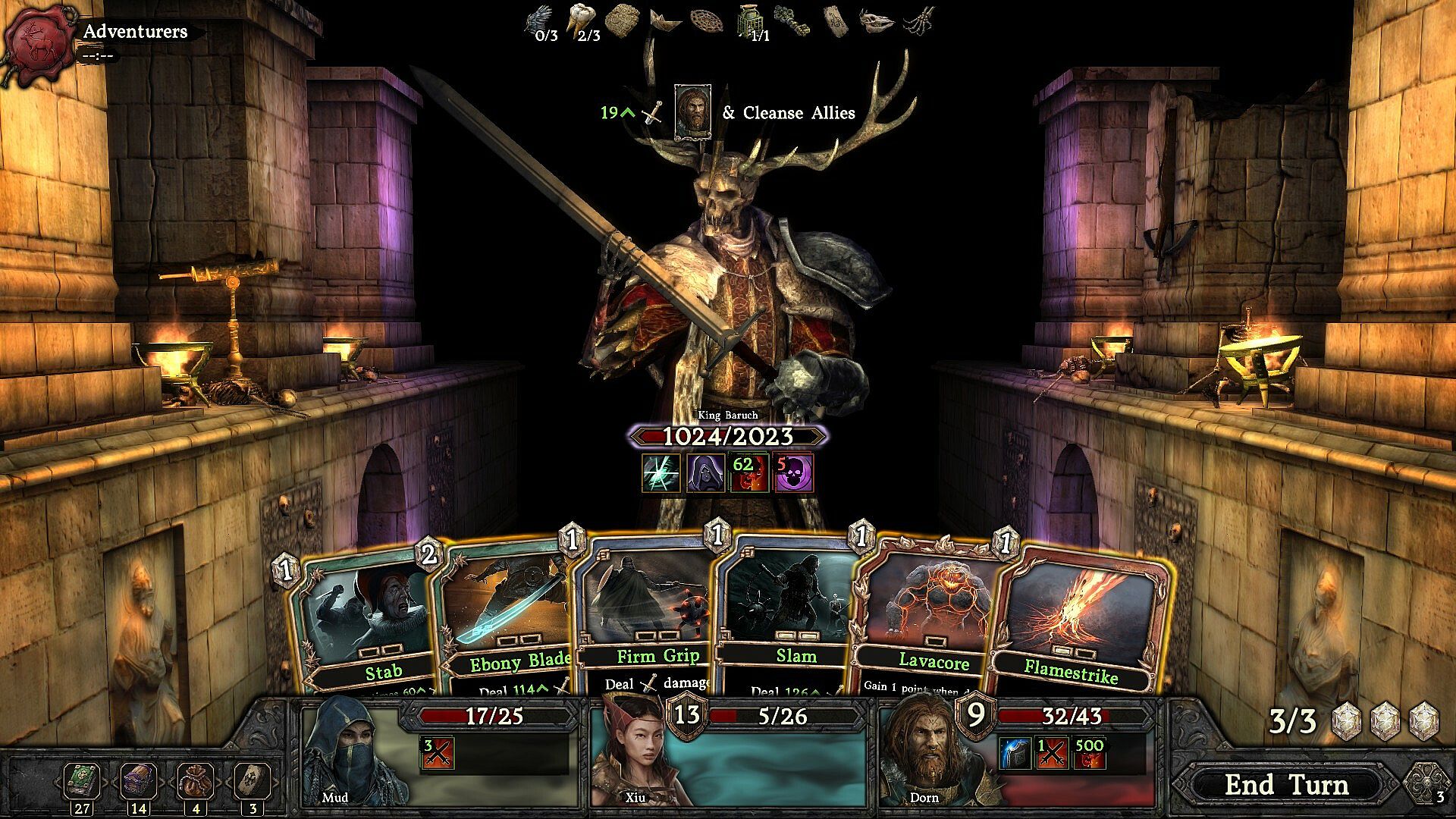
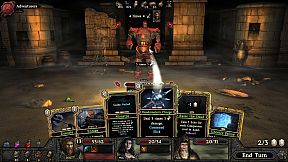
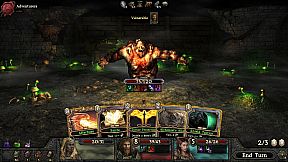
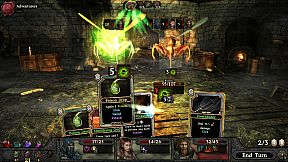
The core loop centers on building and refining a deck of cards while managing a party of three heroes selected from six available champions. Each champion brings class-specific cards, abilities, and equipment that shape how encounters unfold. Combat revolves around the card boosting mechanic, where playing cards next to one another increases their power and creates opportunities for chained effects.
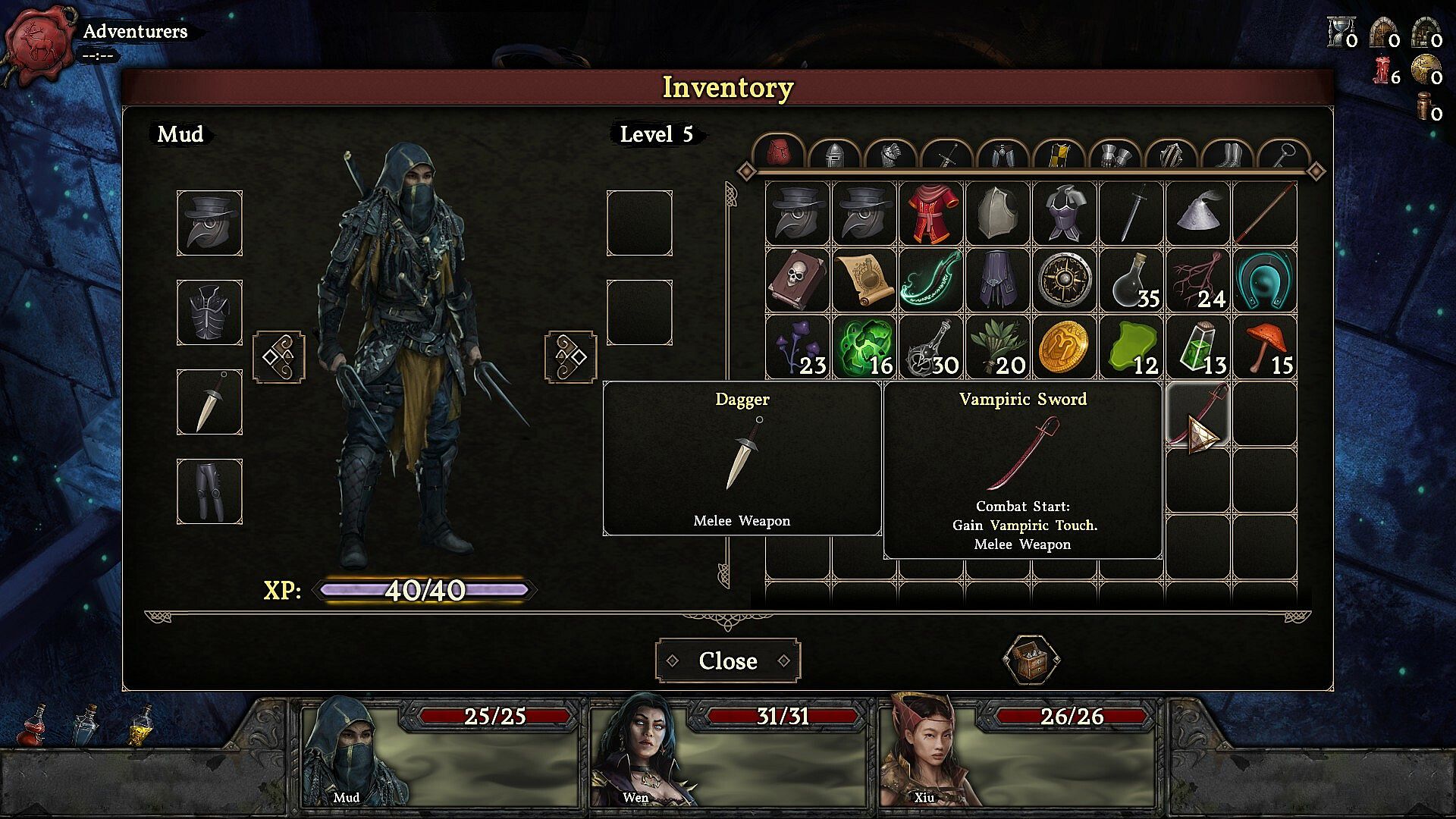
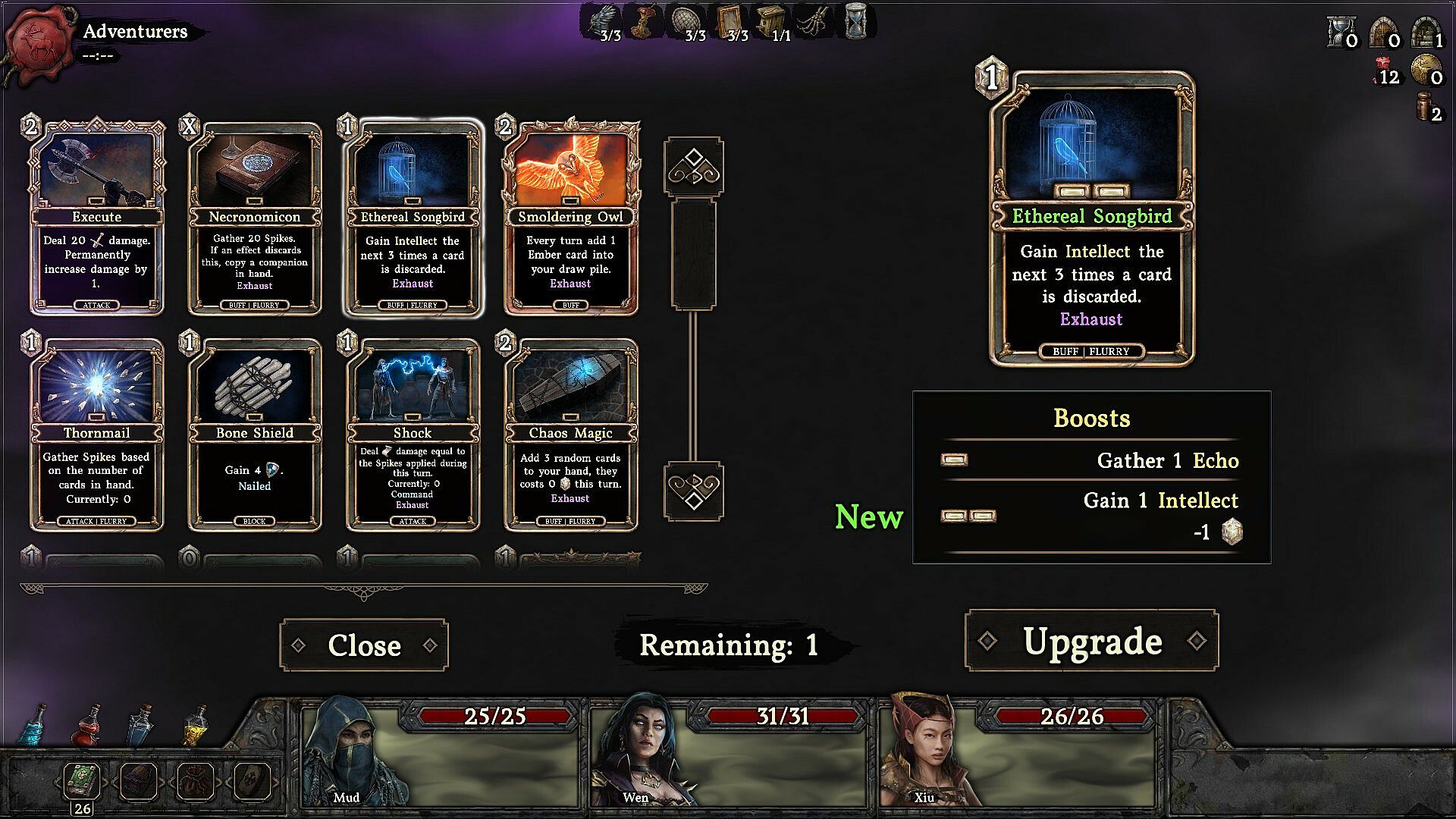
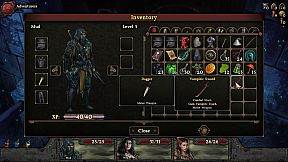
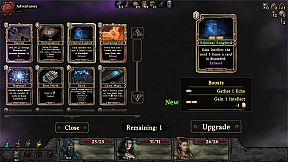
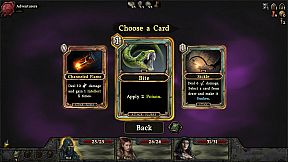
Deck construction draws from more than 200 cards and 100 trinkets. Players combine these elements with items to form synergistic builds that emphasize different playstyles, such as aggressive damage output or defensive sustain. Upgrades during runs further enhance card strength and introduce new interactions that reward experimentation across multiple attempts.
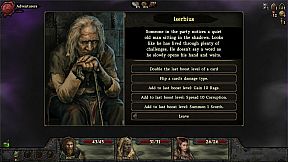
Exploration adds another layer as players uncover hidden areas within biomes, locate rare cards, powerful relics, and elite monsters. These discoveries expand available options for future runs and encourage thorough investigation of each descent rather than rushing toward the end.
Game Modes
Regular runs allow heroes to carry forward some of the loot and progress earned from prior descents. This system supports incremental improvement while still presenting fresh randomized layouts and encounters on each attempt. Difficulty modifiers and varied biomes keep the experience from repeating too closely.
Death March mode removes equipment stat bonuses entirely, creating a stricter test of deck construction and tactical decisions. The mode strips away certain advantages to heighten the roguelite tension and appeal to players seeking maximum challenge without external crutches.
Building Effective Strategies
Success depends on matching champion abilities to the cards and trinkets collected during a run. The party limit of three forces deliberate choices about which classes complement one another and which cards receive priority upgrades. Adjacent card placement becomes a constant consideration because boosting effects can turn modest cards into decisive tools when positioned correctly.
Trinkets and items serve as multipliers for existing synergies. Players experiment with combinations that amplify damage, provide utility, or mitigate risks in later, more punishing floors. The emphasis on adjacency and upgrades means that even familiar cards can perform differently depending on the surrounding deck and party composition.
Is It Worth Playing?
The game reached full release in October 2023 after an early access period and continues to receive patches that introduce new cards and balance adjustments. Player reception stands at mostly positive, with 79 percent of 412 reviews rating the experience favorably. Reviewers frequently highlight the card boosting system and the depth of party-building decisions as standout features.
This title suits players who enjoy roguelite structure combined with deck-building strategy and incremental progression across runs. Those who appreciate planning around synergies and adapting to randomized layouts will find repeated value in the available modes and the variety of champion combinations. The unforgiving difficulty curve rewards persistence and careful refinement of strategies over time.