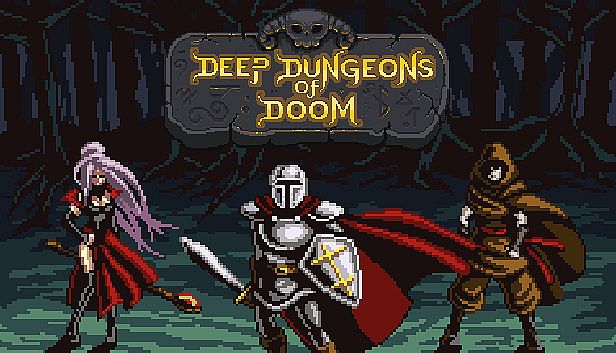




















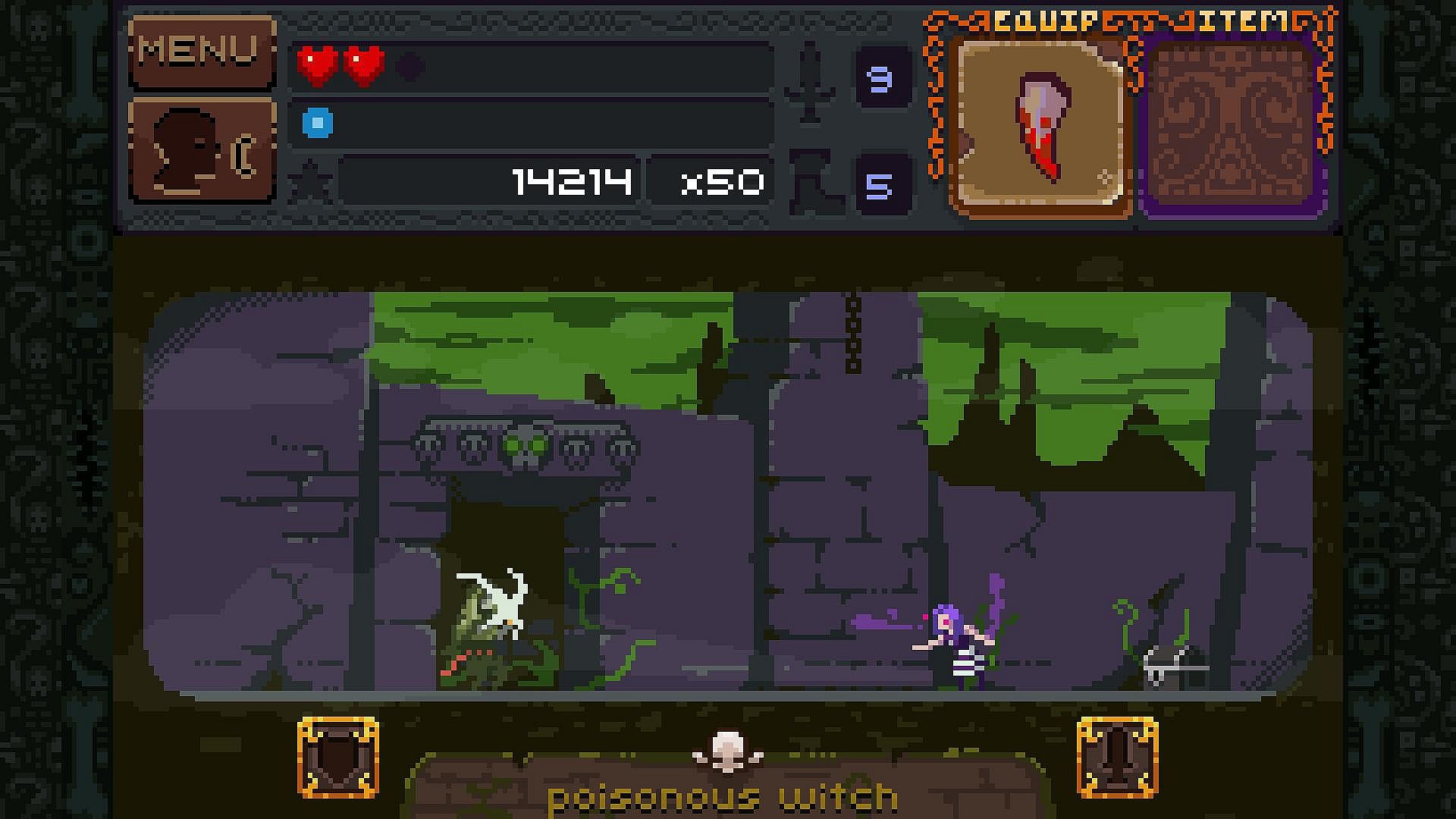
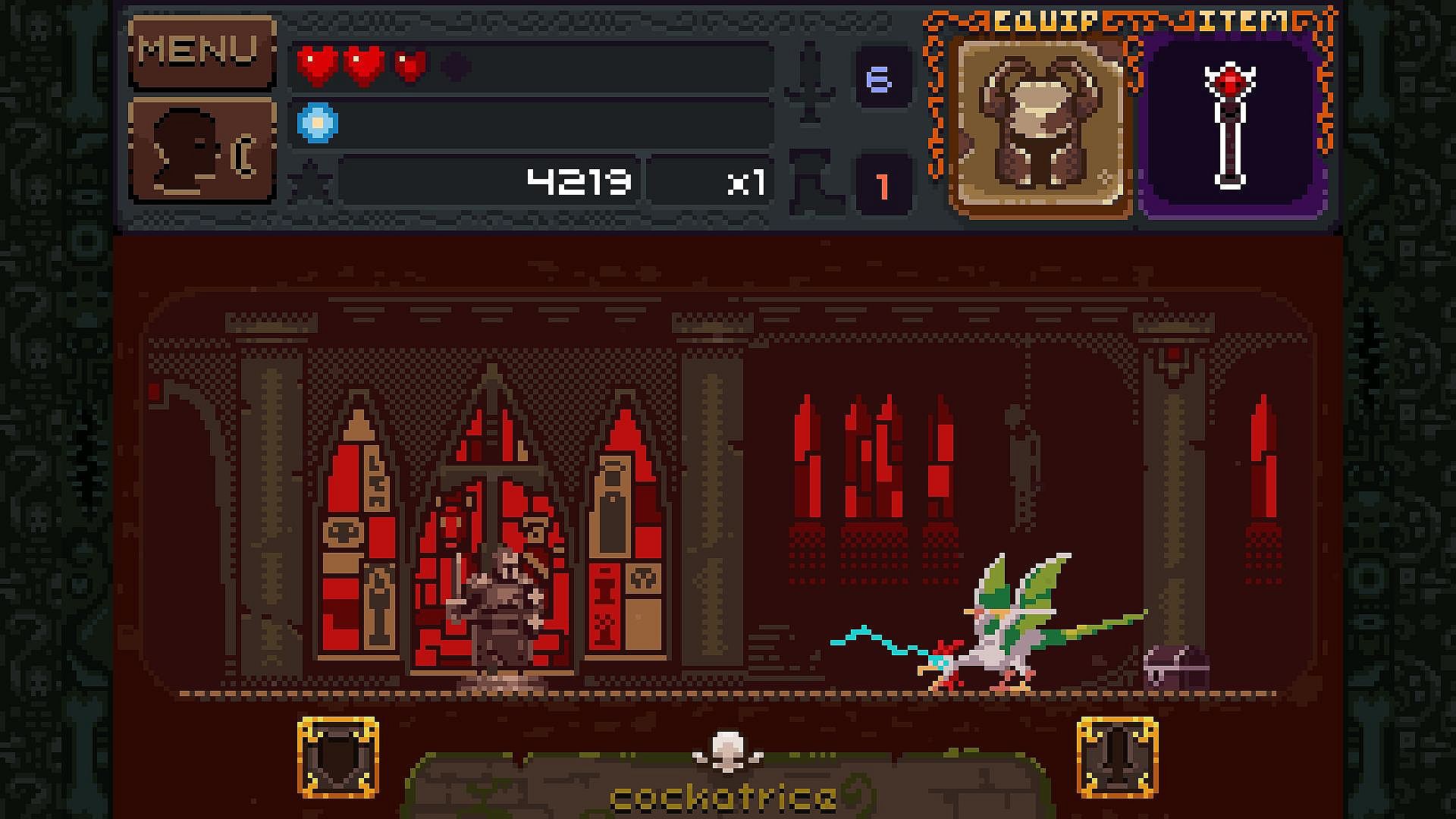
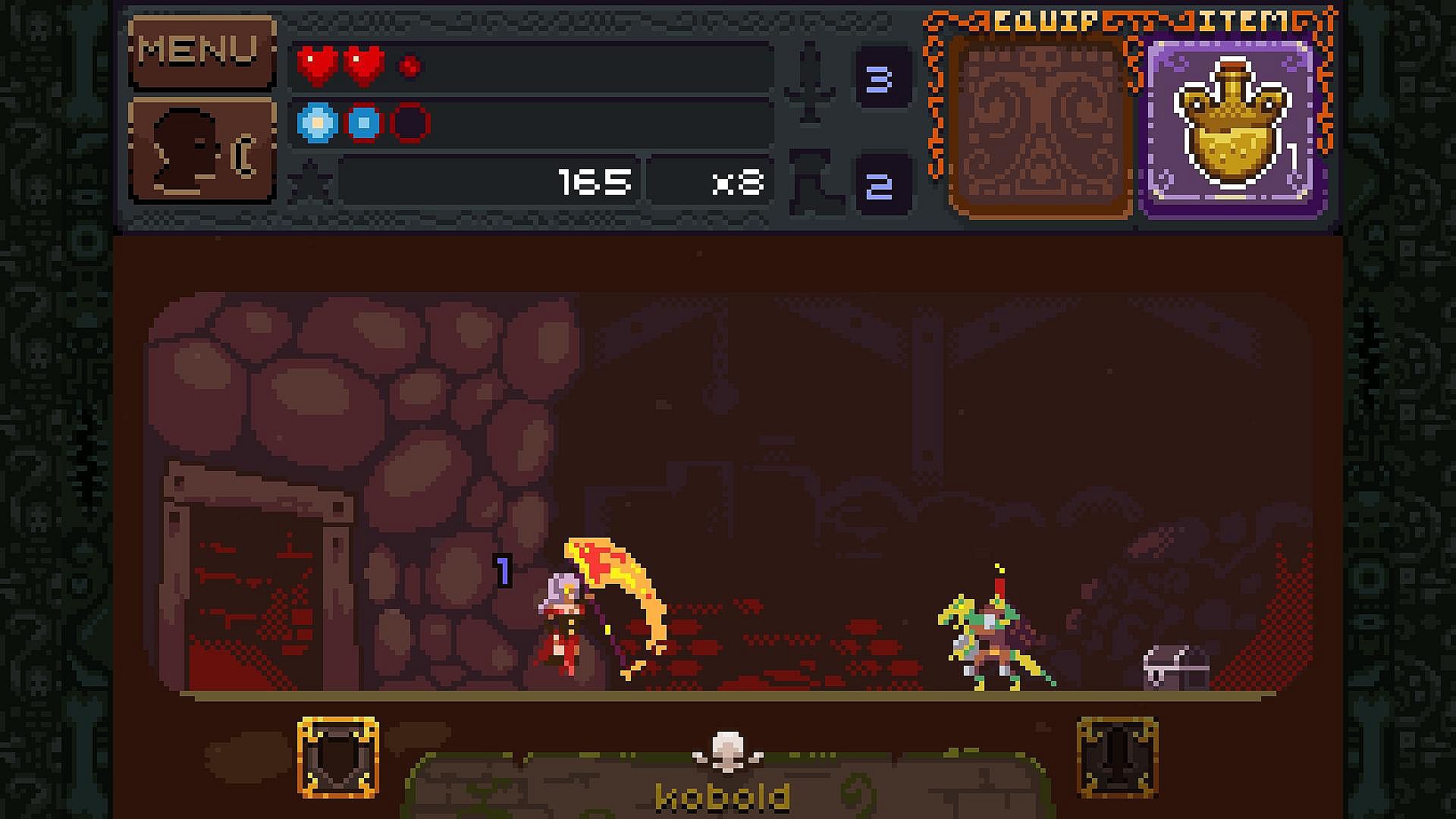
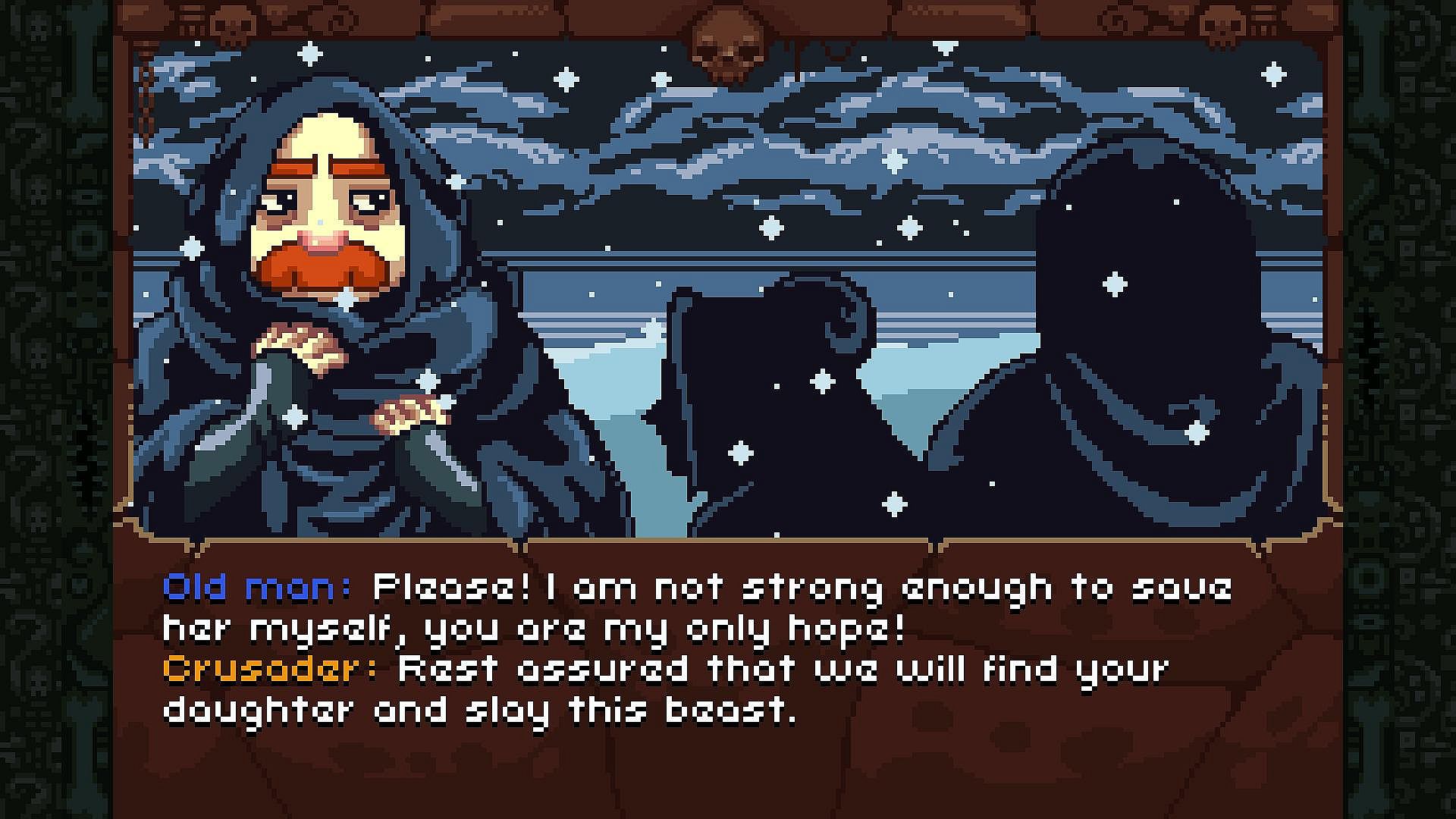
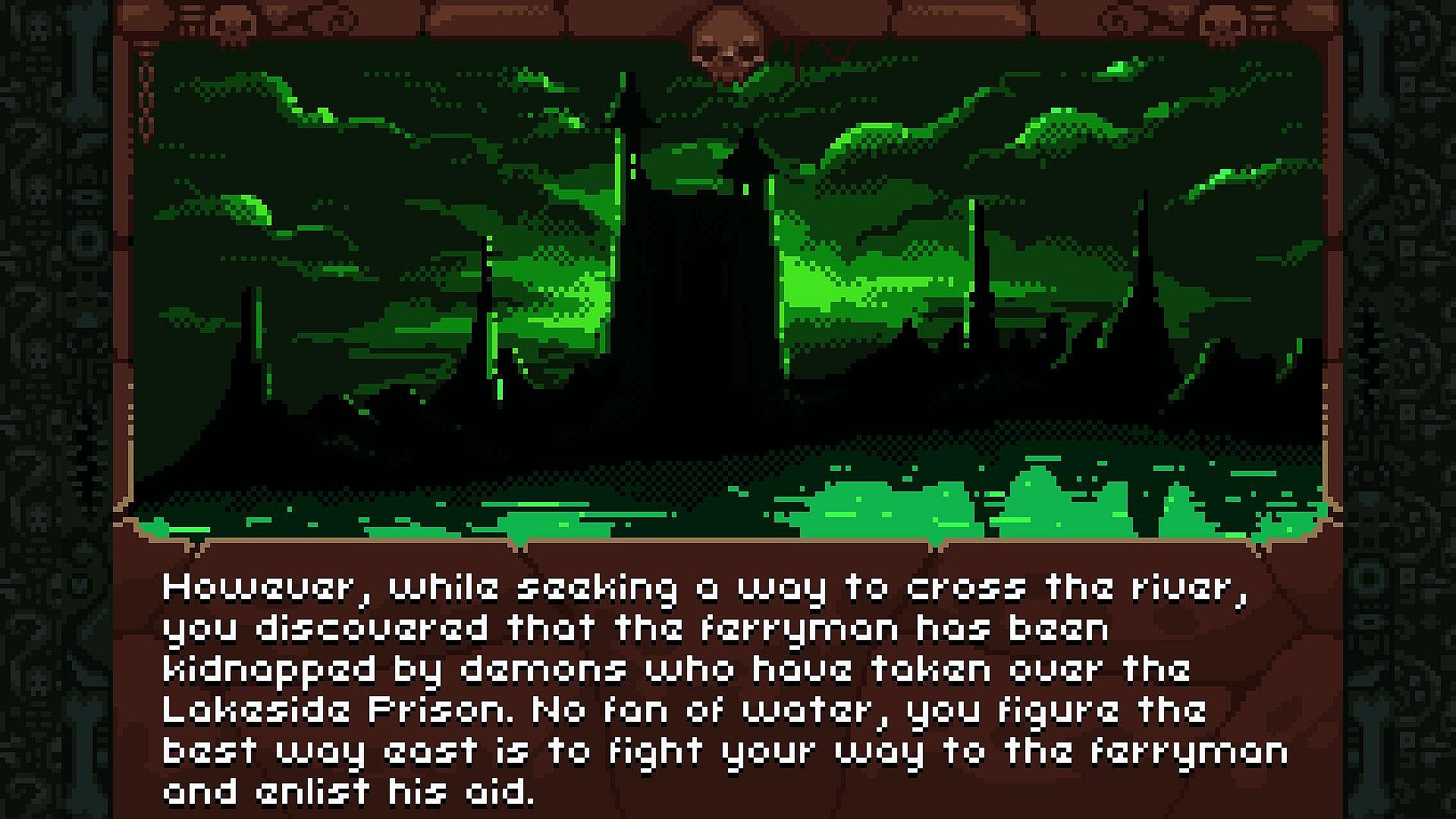
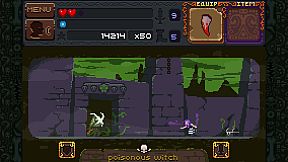
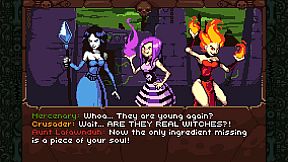
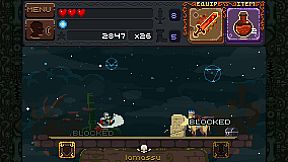
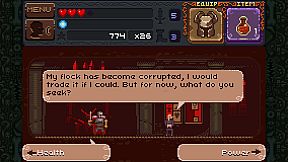
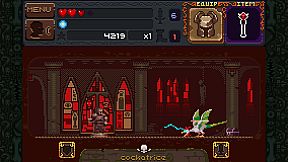
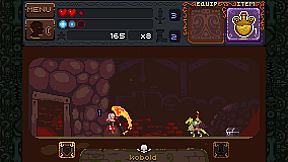
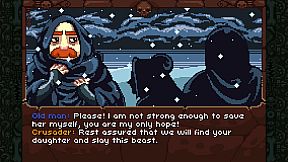
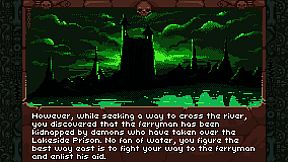
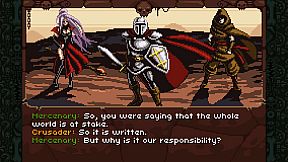
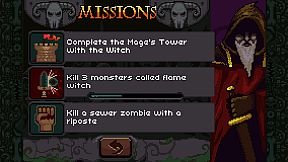
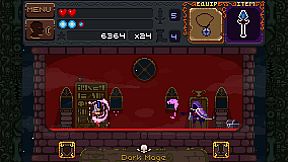
Deep Dungeons of Doom is a casual RPG and adventure title developed for PC that blends retro pixel art with a timing-focused combat system. Players navigate procedurally challenging dungeons filled with monsters, treasures, and hazards in a single-player format that emphasizes skill and decision-making over complex narratives.
Gameplay
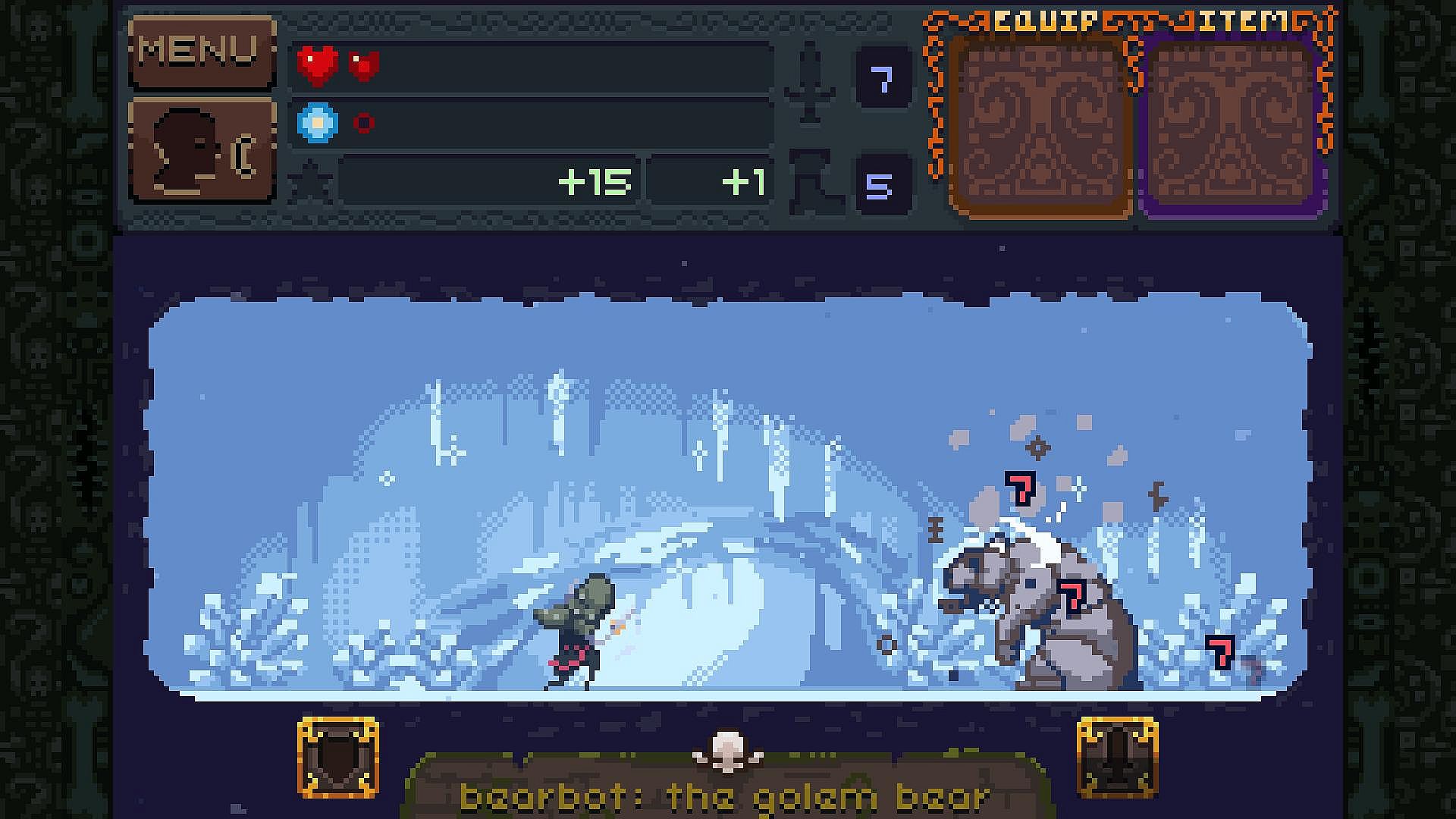
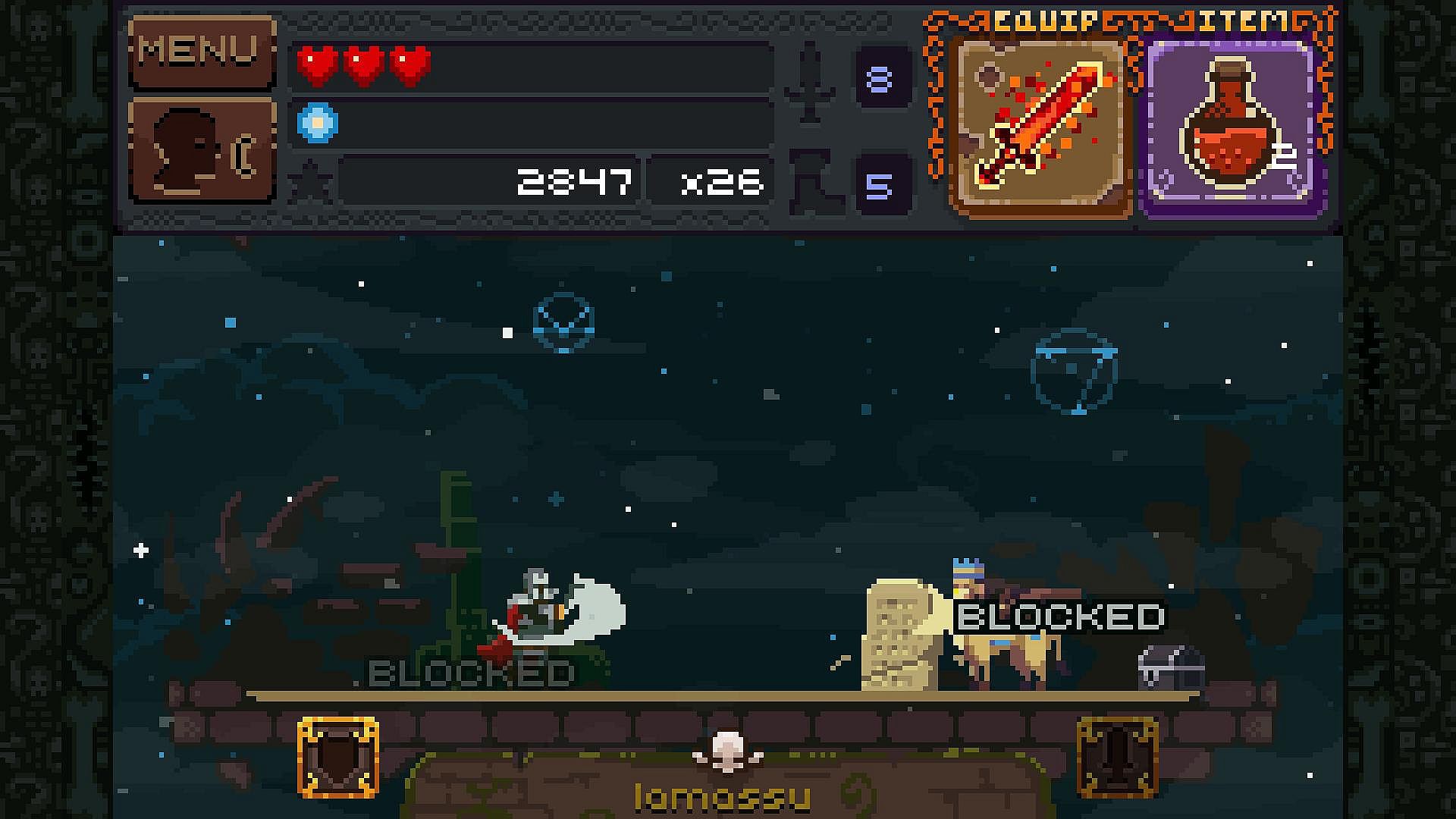
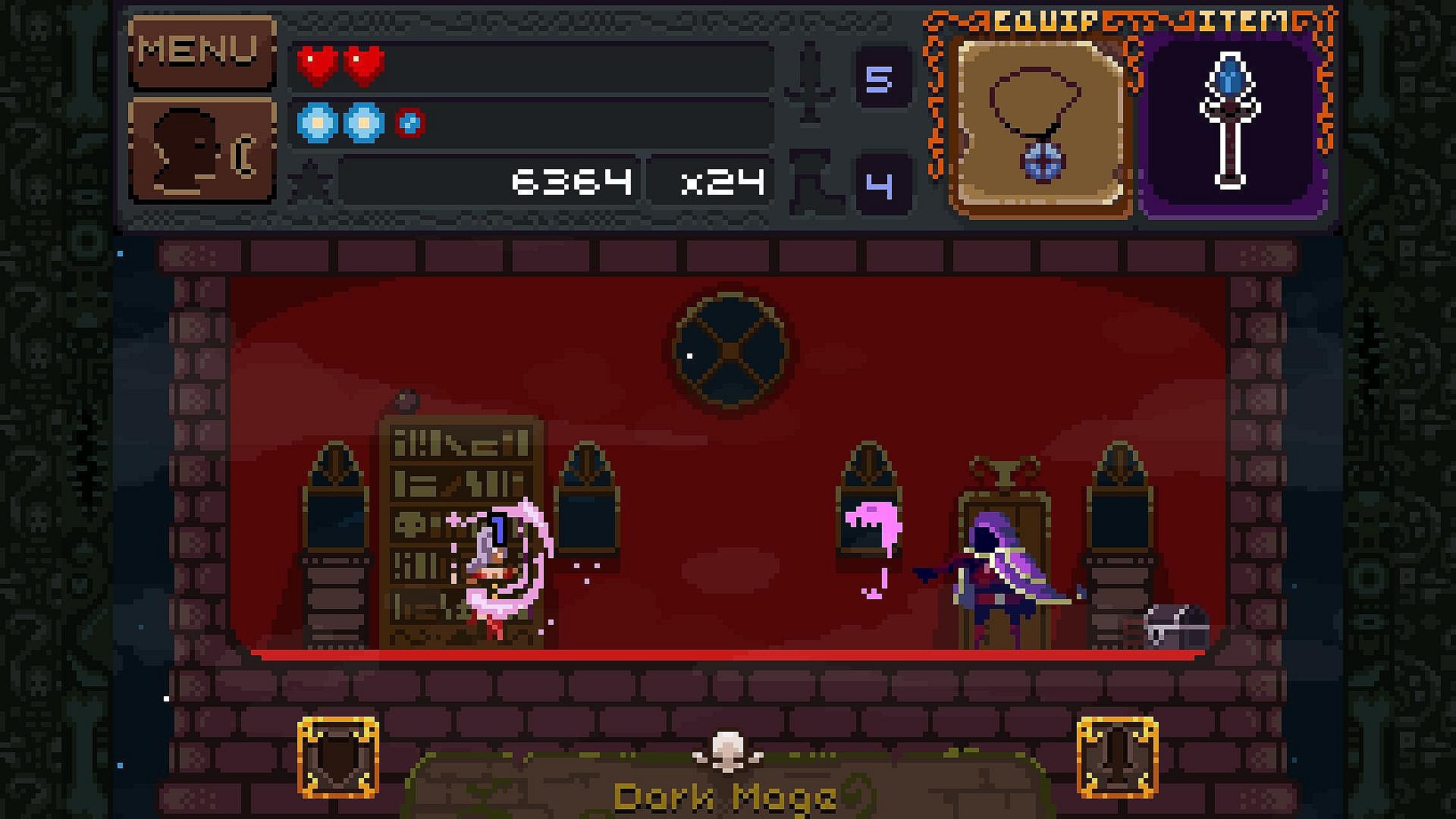
The core loop centers on descending through successive dungeon floors where combat occurs one enemy at a time. Success depends on precise timing for attacks and blocks, turning each encounter into a rhythmic challenge that rewards practice and pattern recognition. Treasures appear along the way, some providing permanent upgrades while others carry risks that players must evaluate before claiming.
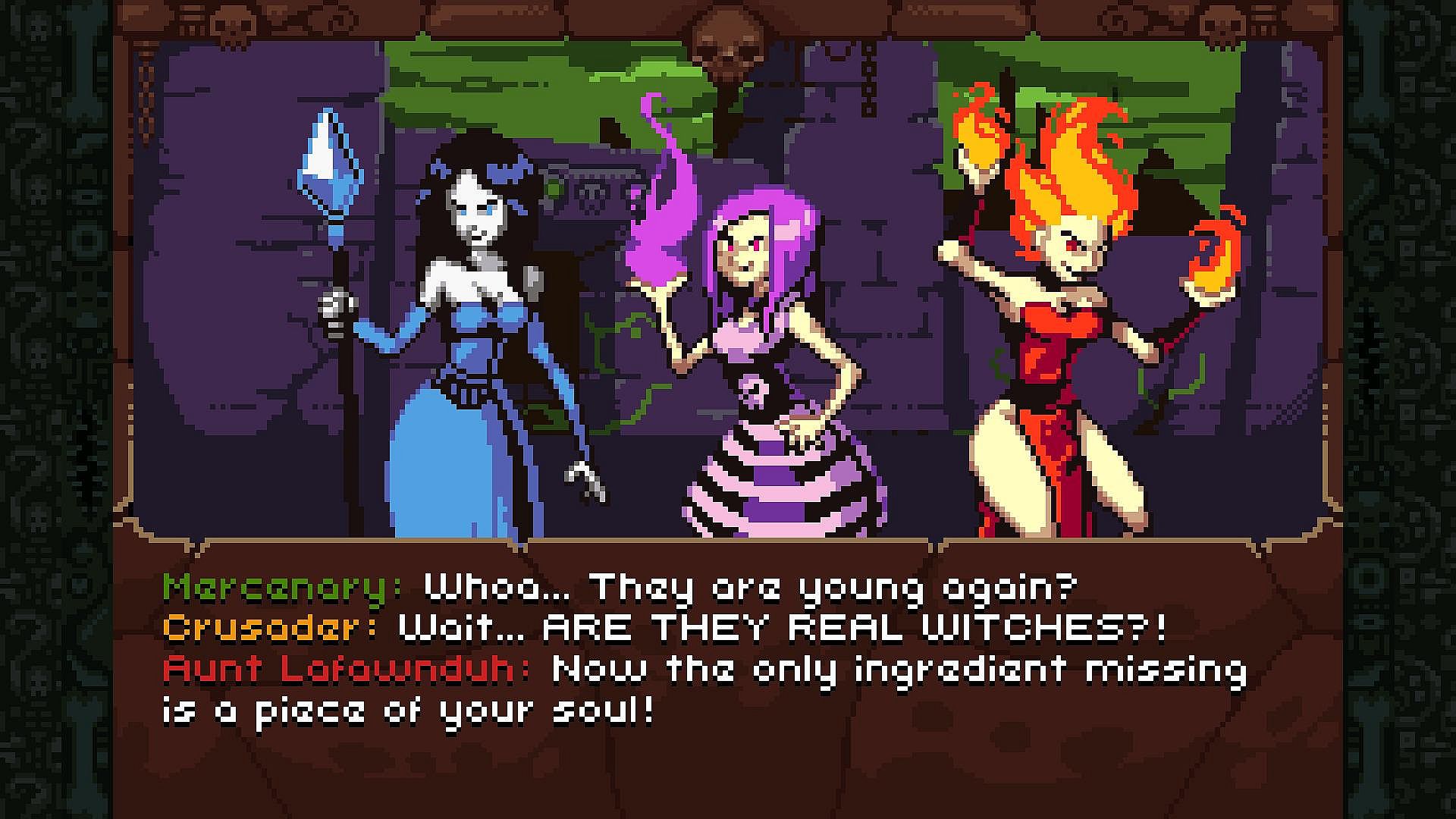
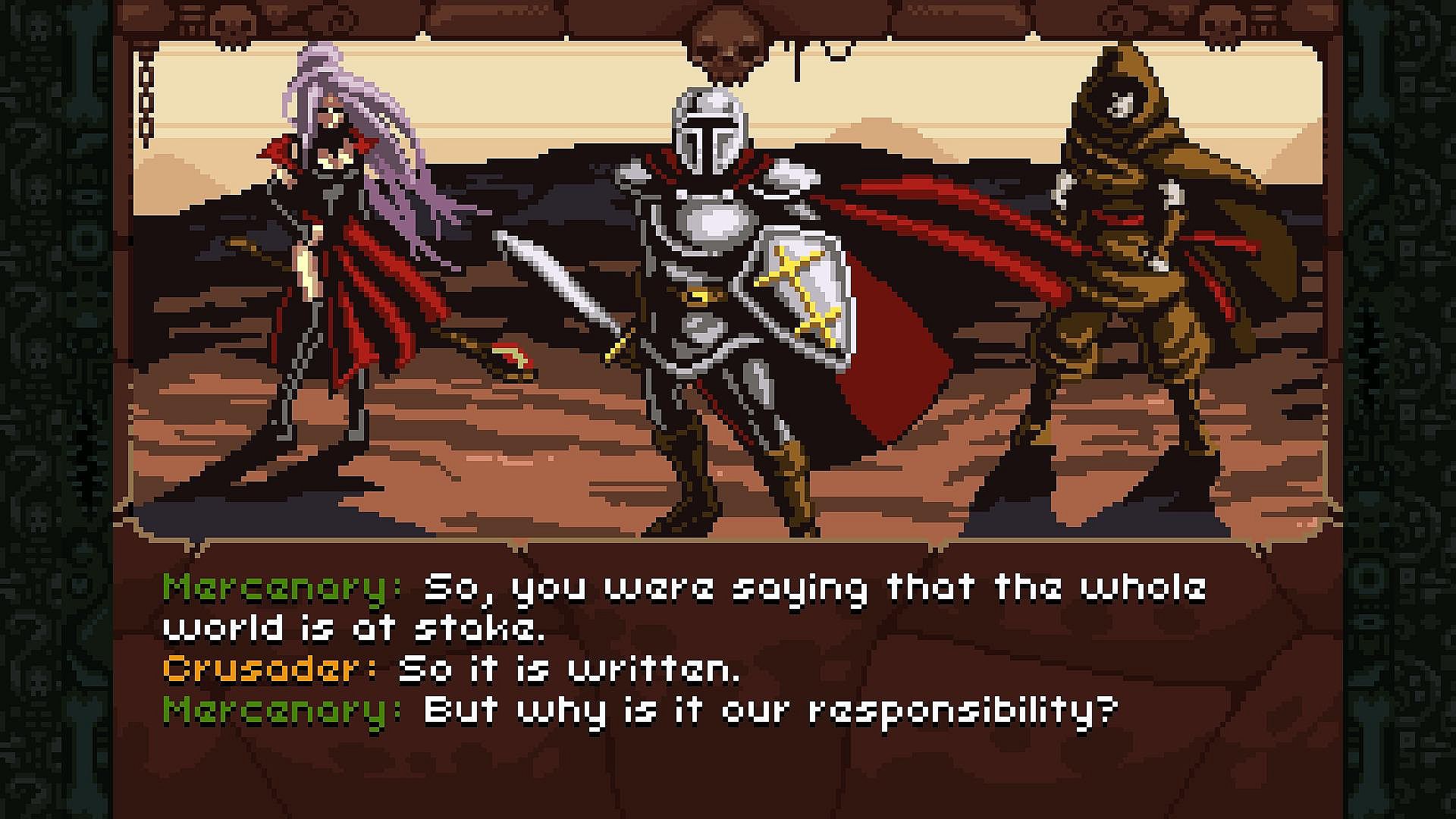
Three distinct classes shape the experience from the start. The Crusader focuses on defensive and restorative abilities, the Witch emphasizes magical regeneration and area effects, and the Mercenary prioritizes raw damage output. Each class features its own skill tree and stat progression in health, magic, attack, and agility, encouraging experimentation across multiple runs to determine optimal builds for deeper levels.
Visuals and audio draw directly from 8-bit aesthetics, with stylized sprites, chiptune music, and sound effects that reinforce the retro atmosphere. Controls support keyboard, mouse, or arrow inputs, keeping the interface straightforward while the difficulty ramps steadily through longer and more dangerous dungeon sequences.
Game Modes
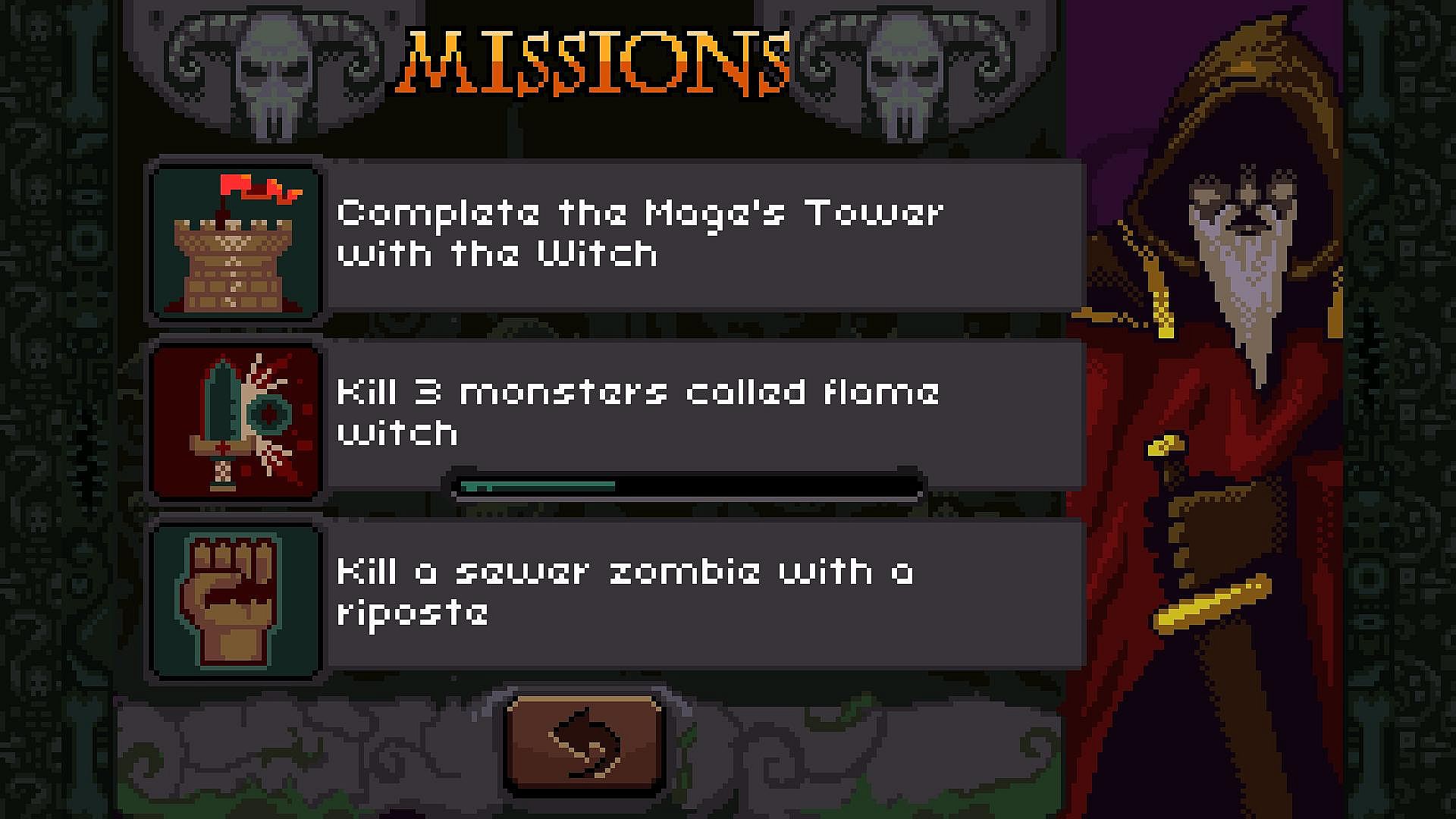
The game operates as a continuous single-player progression system without separate named modes. Players select a class and enter a series of dungeons that increase in depth and enemy variety, with each successful run unlocking further access to the deepest levels. Progression relies on surviving floors that contain standard enemies, occasional bosses, shrines offering temporary buffs, and scattered items or NPCs that influence strategy.
Class switching forms an implicit layer of variety, as completing earlier dungeons grants access to additional characters. This setup rewards replayability through different ability combinations rather than distinct game types or competitive elements.
Character Classes and Progression
Each of the three classes offers unique tools that alter combat flow. The Crusader excels at sustaining through healing options, the Witch manages resources via magic regeneration for repeated special attacks, and the Mercenary delivers higher single-strike damage at the cost of durability. Stats evolve based on choices made during runs, allowing players to adapt builds to specific dungeon challenges.
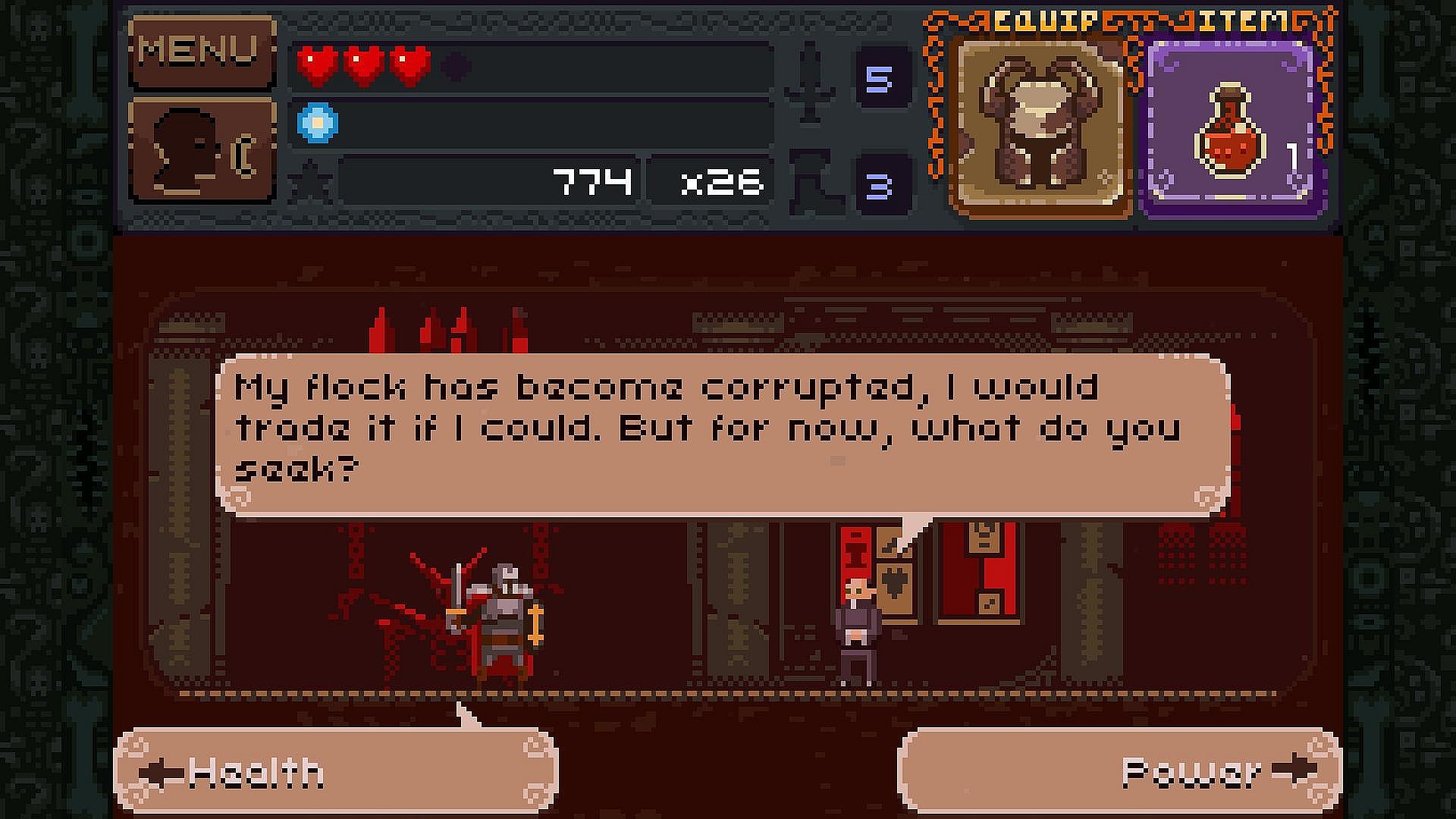
Treasures and shrines add layers of risk versus reward. Beneficial finds improve combat effectiveness, while questionable ones may hinder progress, forcing tactical decisions mid-run. This system keeps sessions focused on immediate choices without overwhelming inventory management.
Is It Worth Playing?
Player feedback highlights the game's accessible entry point paired with a noticeable skill ceiling, making it suitable for those who enjoy retro-inspired dungeon crawlers and timing-based mechanics. Steam reviews rate the title Very Positive, praising the streamlined combat and charming presentation for short or extended play sessions.
It appeals most to fans of casual RPGs who value mechanical precision over story depth or multiplayer features. The absence of ongoing seasonal content or major updates positions it as a complete, self-contained experience best approached for its core loop rather than long-term live service elements. Those seeking a straightforward yet demanding pixel-art adventure on PC will find consistent value in repeated dungeon attempts and class experimentation.