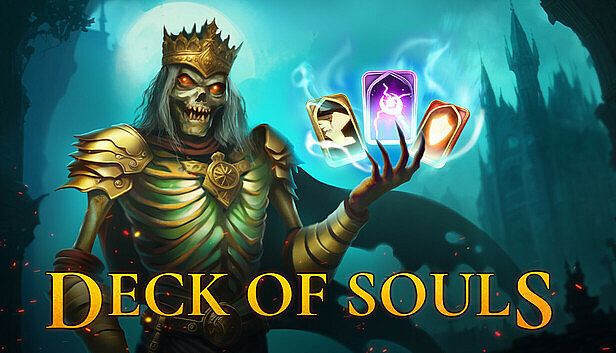


























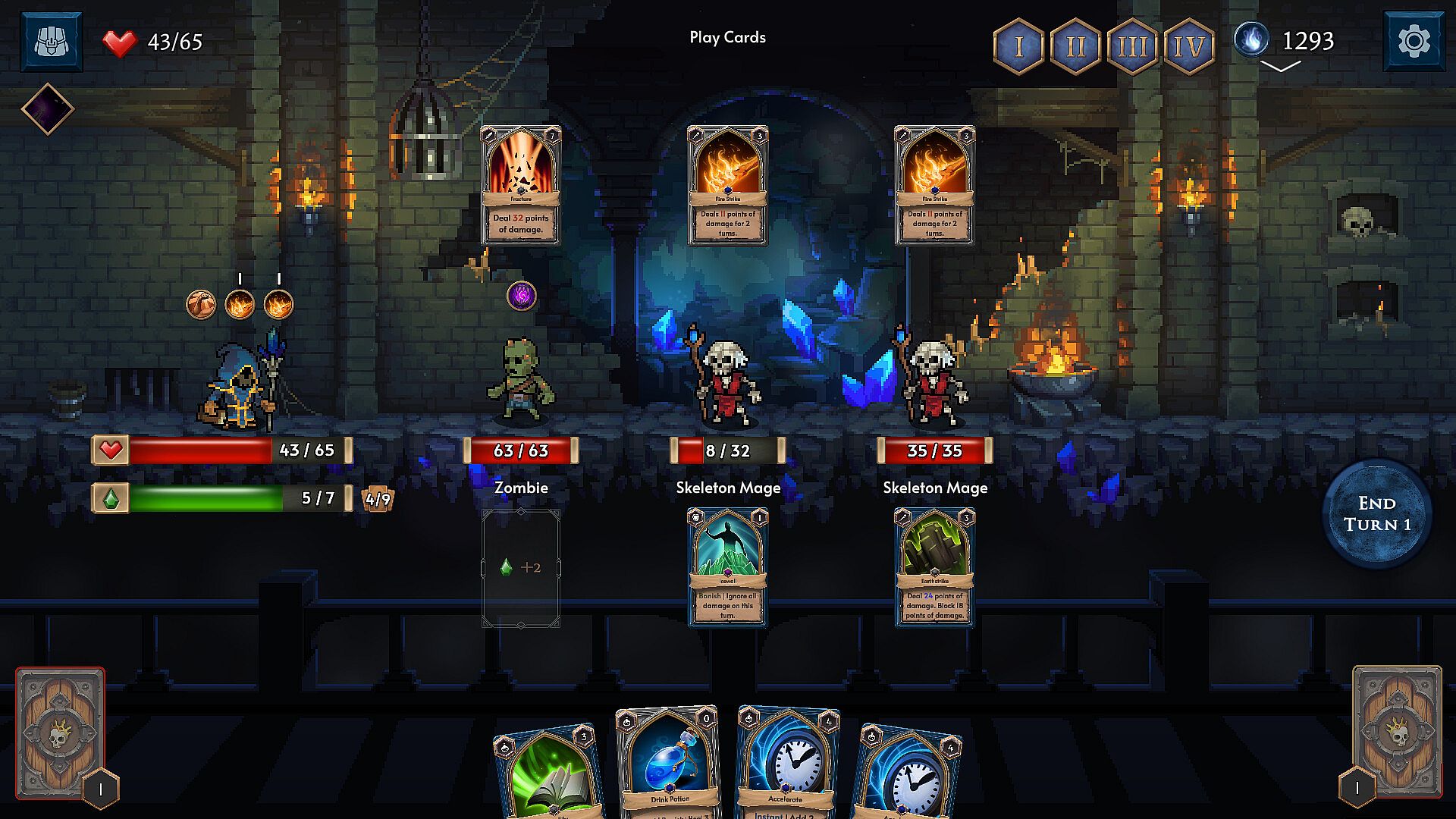
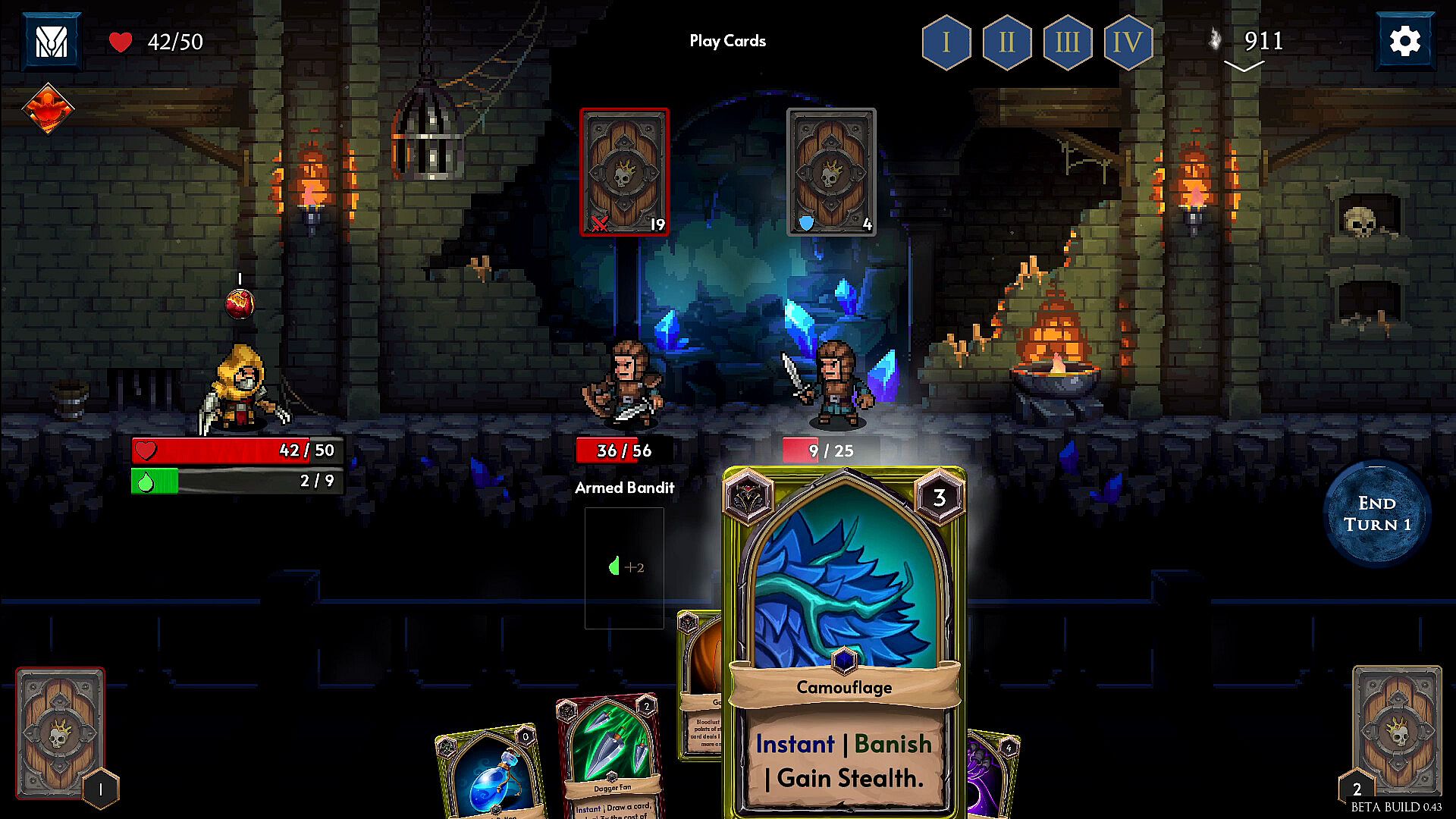
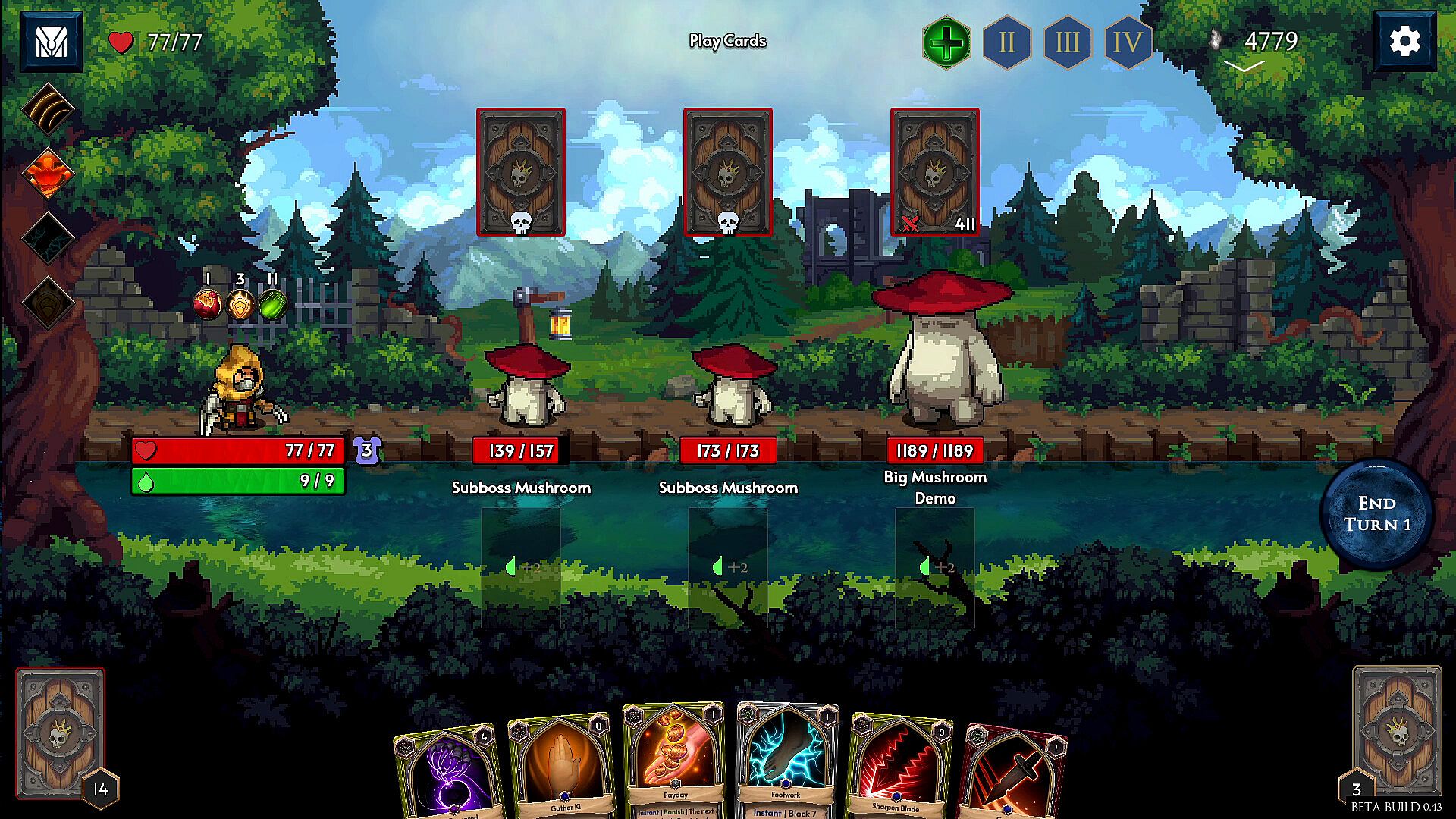
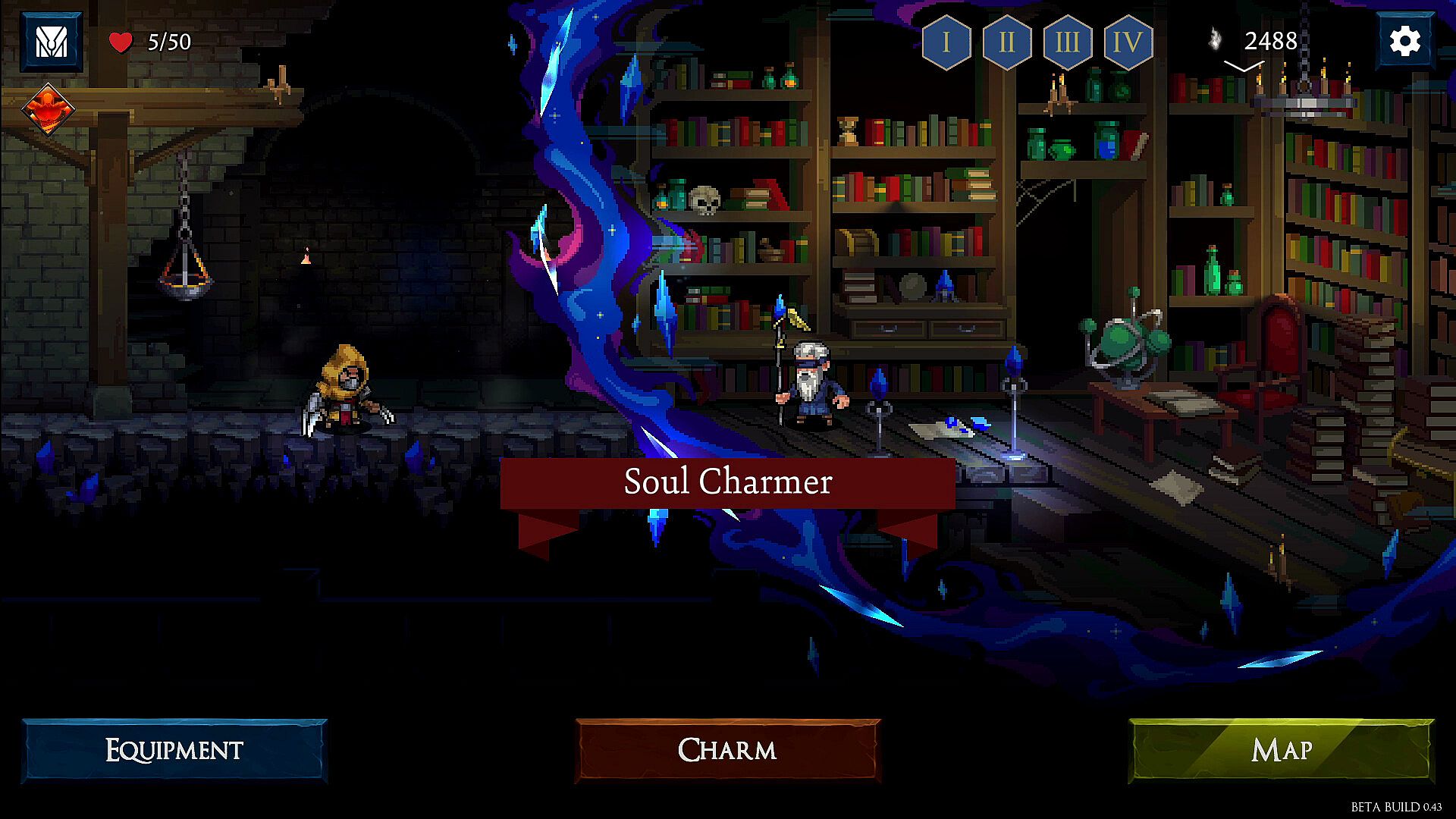
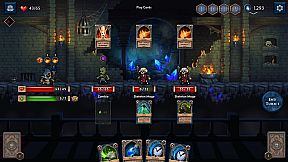
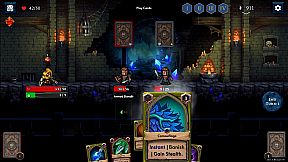
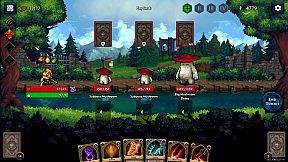
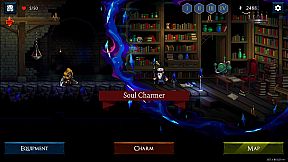
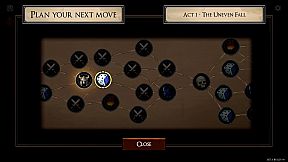
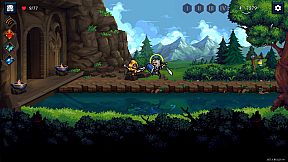
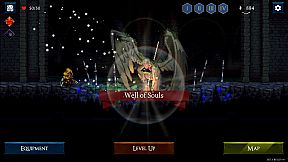
Deck of Souls is a strategy RPG that blends roguelite deck-building with souls-like combat on PC. Players create a custom hero, extract souls from defeated enemies to forge new cards, and combine abilities from multiple classes during runs that emphasize careful planning and adaptation. The game features permadeath, where death sends players back to the start with lessons from prior attempts, while RPG systems like inventory management and equipment choices influence each attempt.
Gameplay
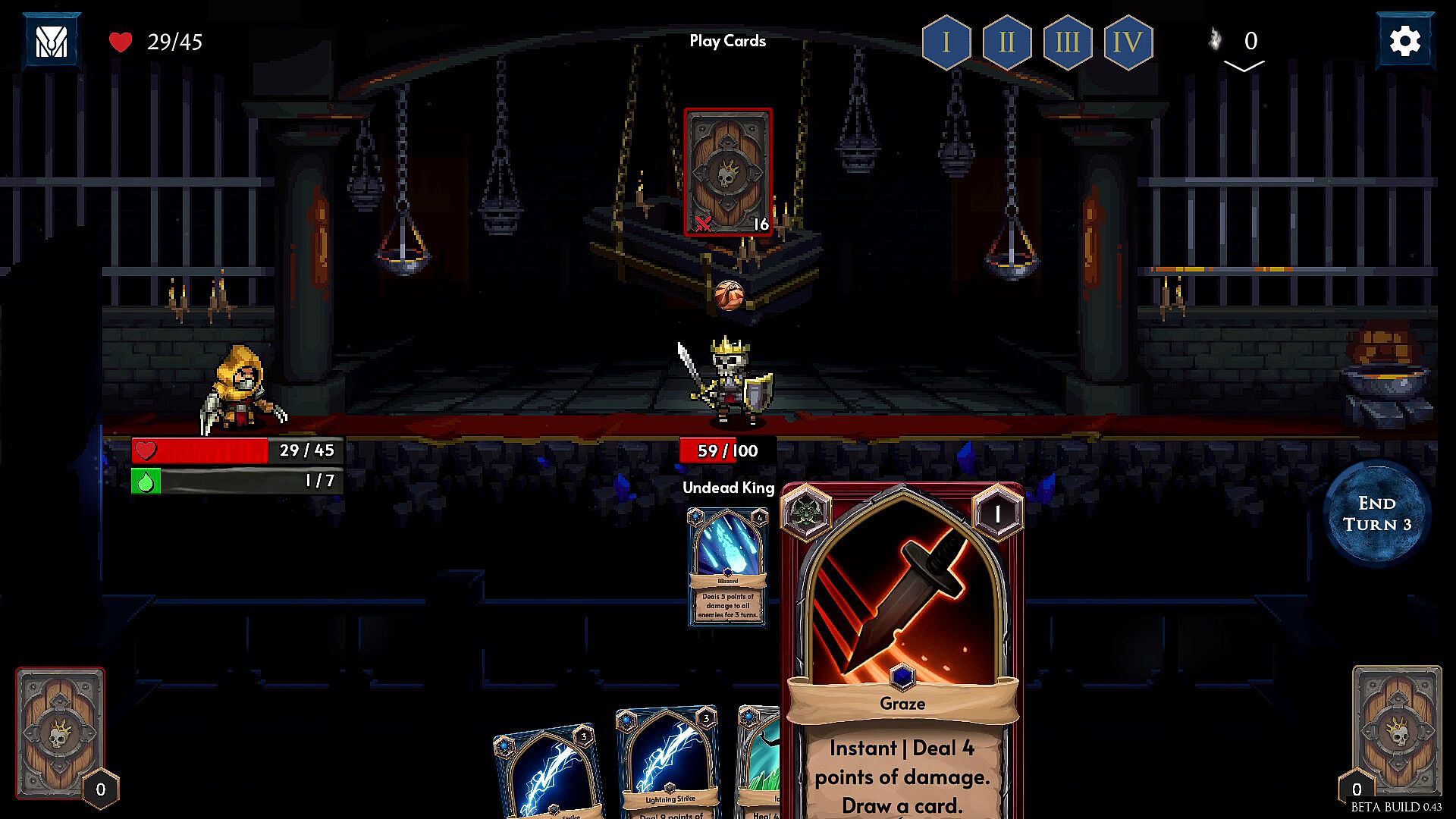
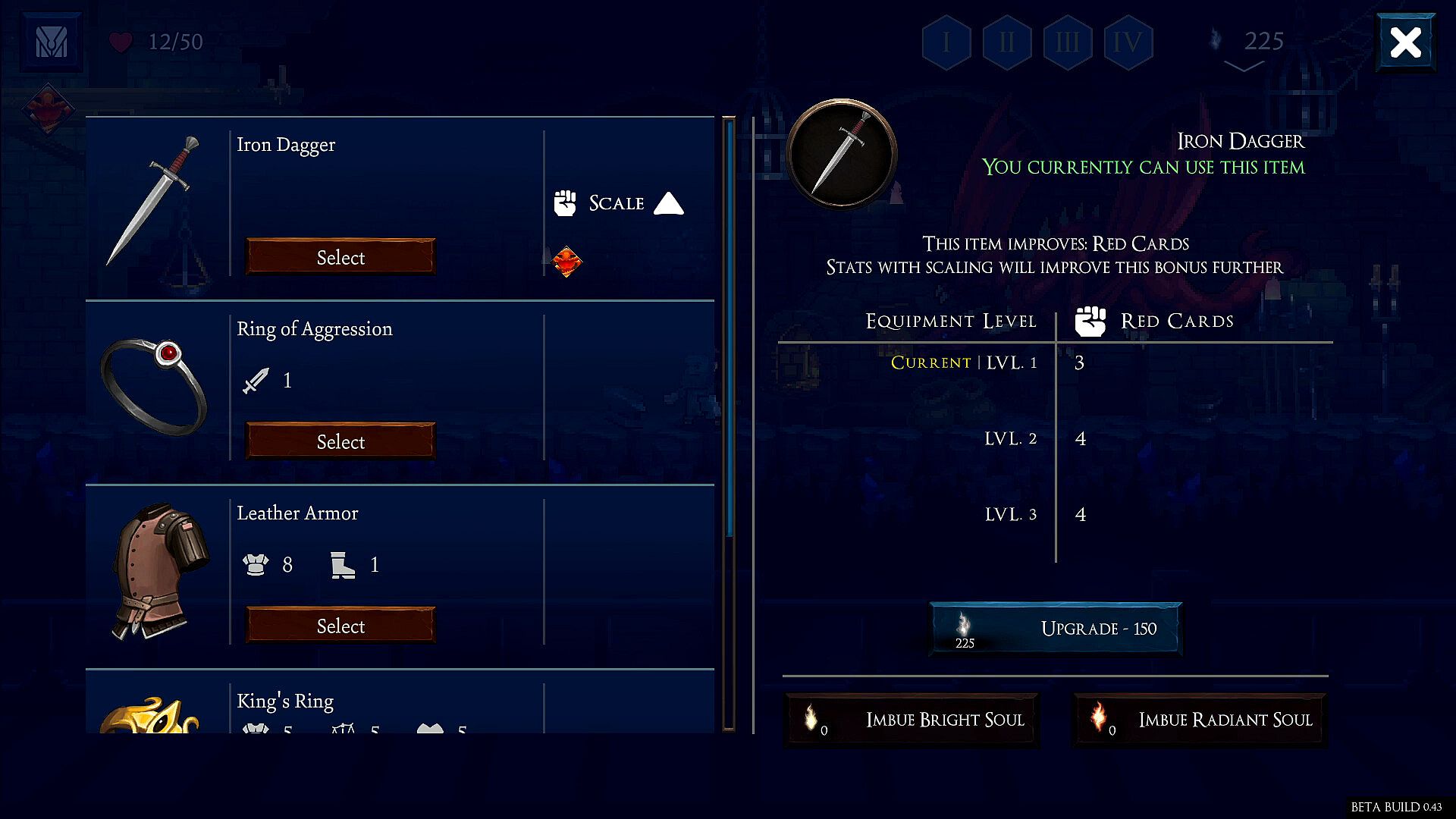
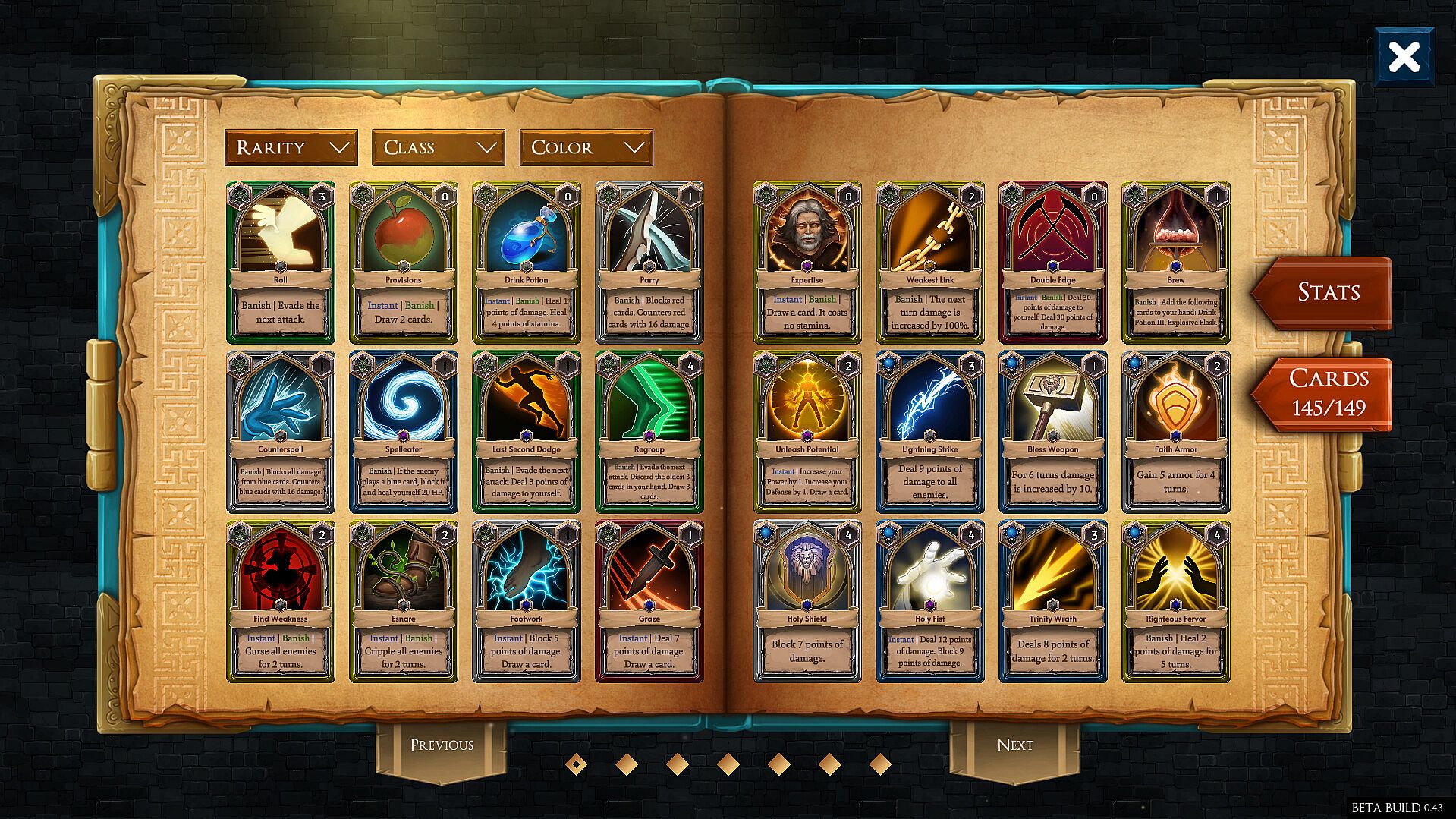
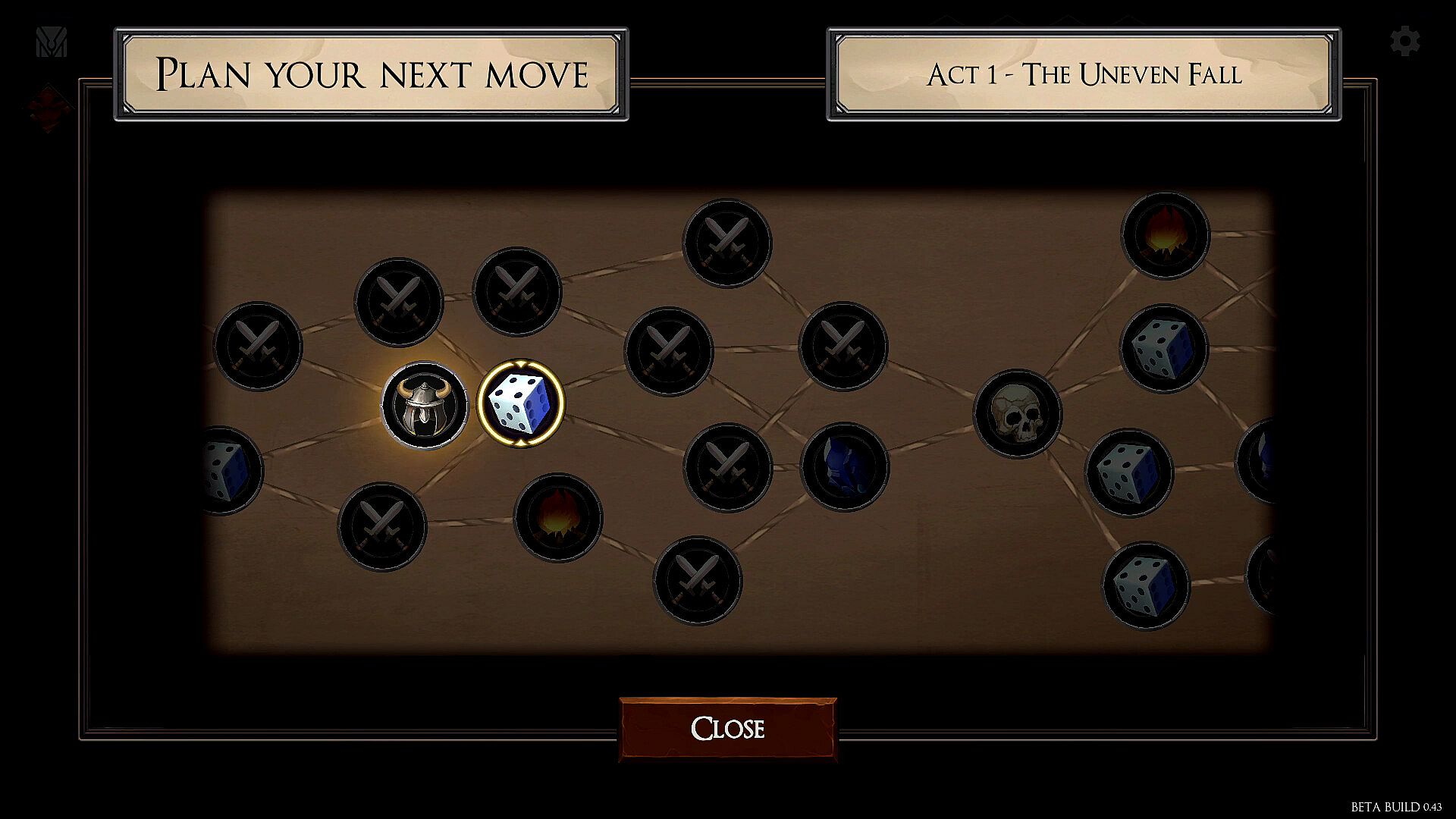
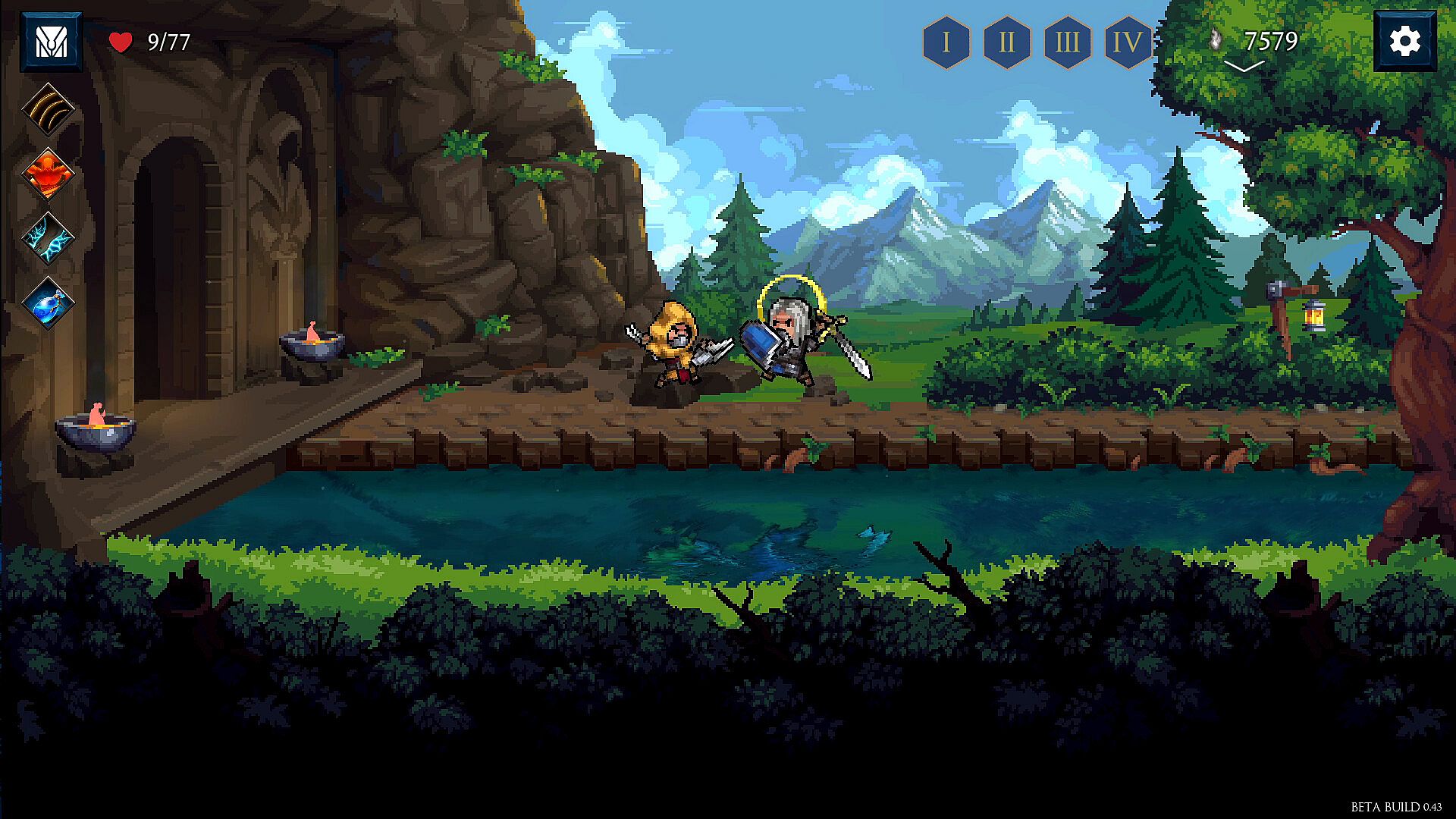
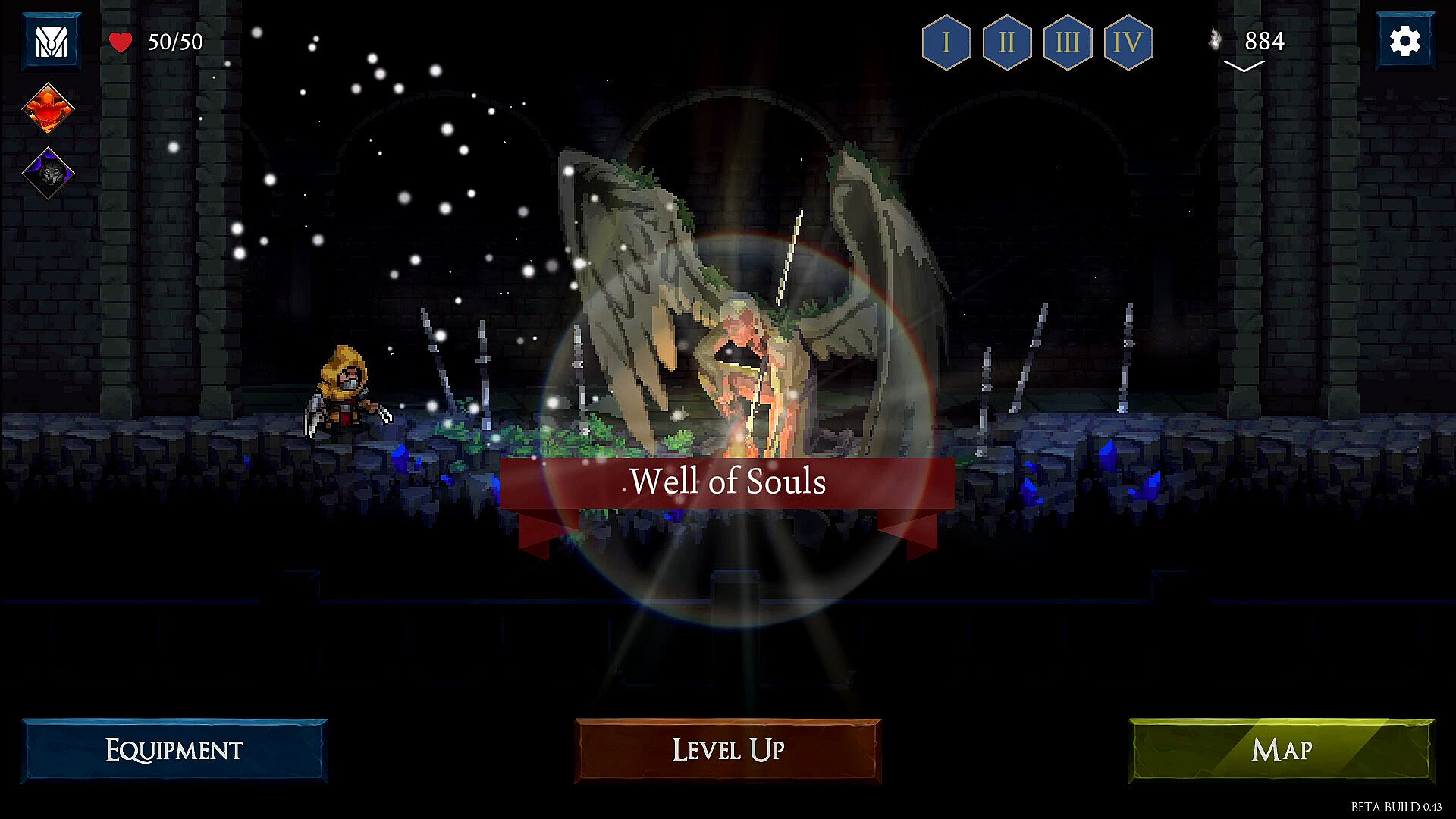
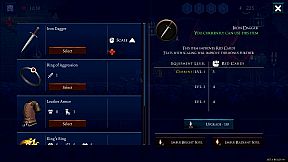
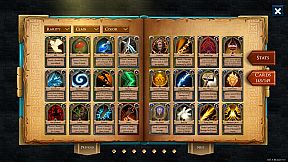
The core loop revolves around building a deck from enemy souls collected in battle. Each run involves navigating challenging encounters where card placement and class synergies determine success. Players select from several distinct classes at the outset, then mix their abilities to create unique combinations that evolve as more souls are harvested. Hero customization extends to appearance and capabilities, with an inventory system that allows equipping outfits and items to boost stats or provide tactical advantages in combat.
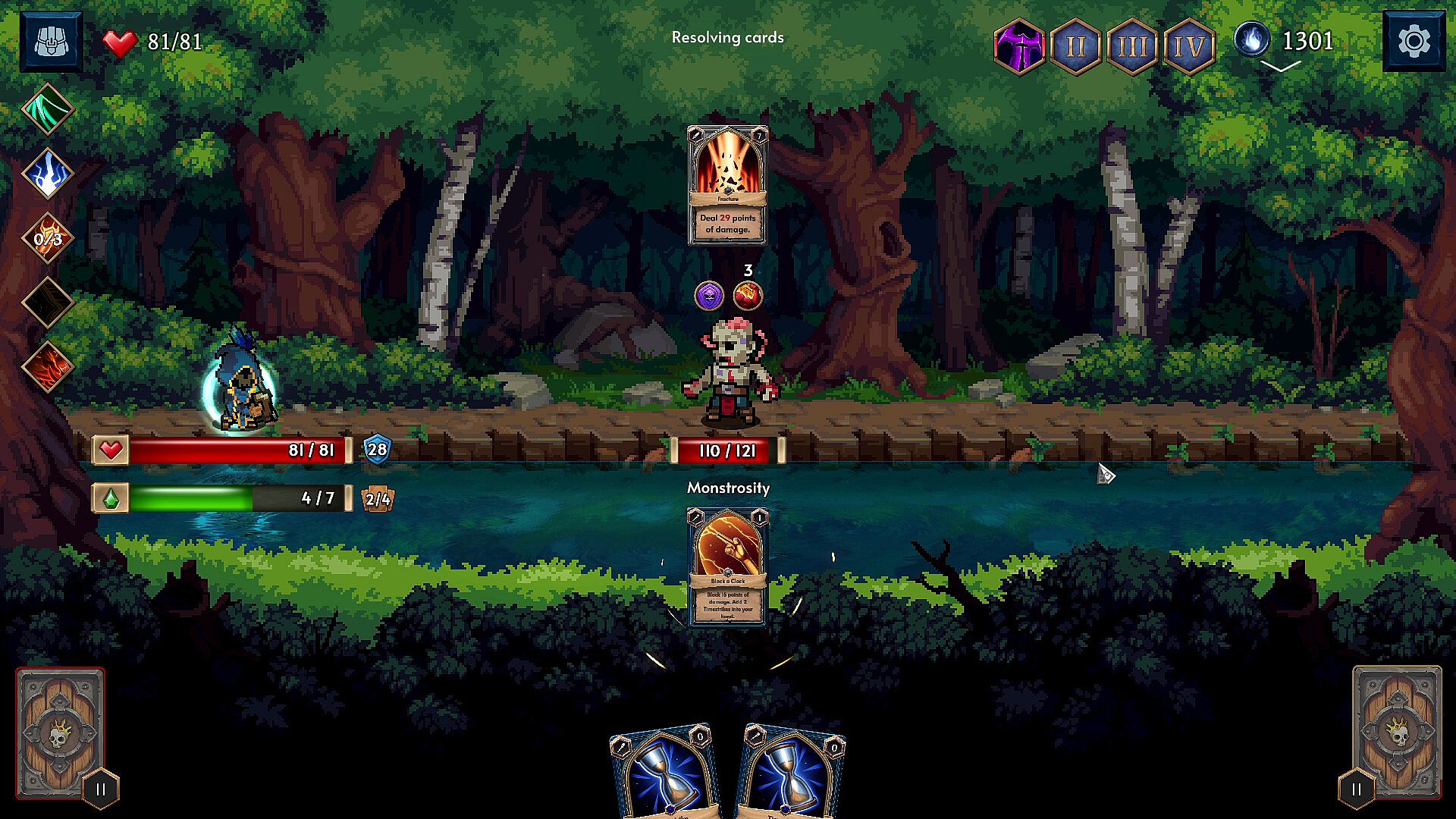
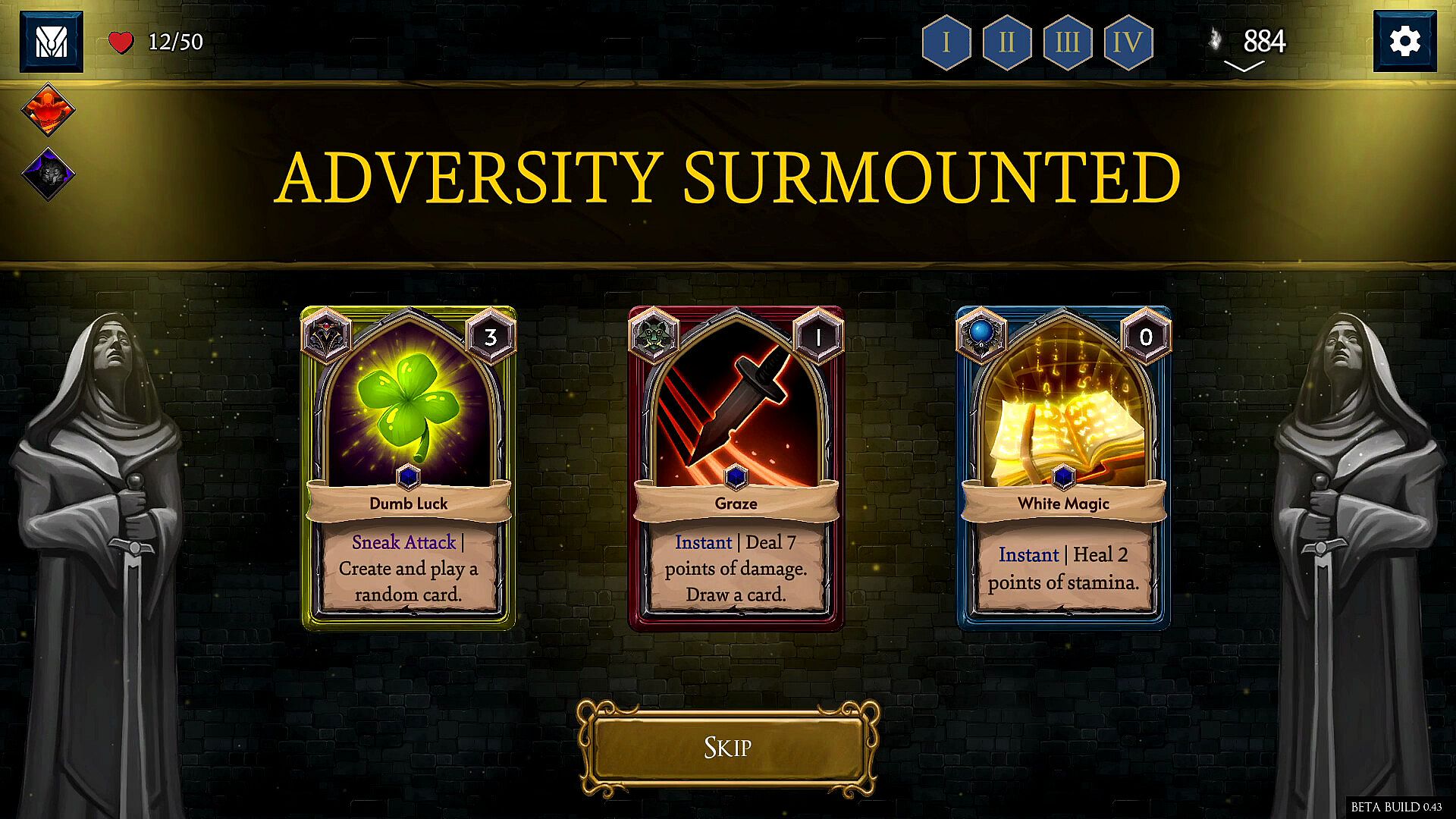
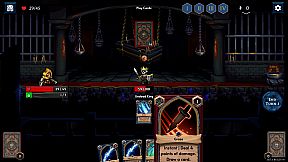
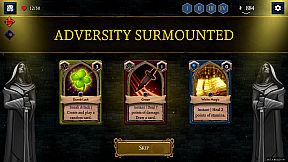
Combat demands strategic foresight because cards lock into place once played, removing the option to retract decisions mid-turn. Relics and accessories collected between fights further shape the run, though they require manual equipping after selection. Boss encounters introduce moral choices that affect the outcome, as players decide whether to execute the boss or spare it for potential future assistance. This system encourages replayability through different class mixes and equipment paths rather than linear progression.
Game Modes
Deck of Souls centers on a single roguelite campaign structure built around repeated runs. Each attempt starts with hero creation and class selection, then progresses through battles where deck expansion and resource management drive forward momentum. The format incorporates souls-like difficulty spikes that punish poor card synergies or equipment choices, forcing players to refine strategies across multiple attempts.
No separate competitive or cooperative modes exist. Progression relies entirely on the run-based loop, where permanent upgrades come from retained knowledge of enemy patterns and effective card combinations rather than persistent character levels. The design keeps focus on experimentation within the deck-building framework.
Key Mechanics and Features
Class mixing forms the heart of tactical depth, allowing abilities from different archetypes to interact in unexpected ways during fights. The inventory and outfit system adds layers of preparation, as the right gear can mitigate tough encounters or amplify specific card effects. Boss fate decisions provide branching outcomes that influence later runs without altering the fundamental roguelite structure.
Graphics and presentation support the dark, atmospheric tone with clear card visuals and enemy designs that aid quick recognition during fast-paced turns. Humor appears in dialogue and descriptions, lightening the otherwise punishing difficulty curve.
Is It Worth Playing?
Deck of Souls holds a Very Positive rating on its platform from 153 reviews at 84 percent approval. The title suits fans of roguelite deck-builders who enjoy souls-like tension and class experimentation. Its modest price point makes it accessible for players seeking a focused experience with strong replay value through varied runs.
Some players note minor quality-of-life gaps, such as the inability to undo card placements and the need for manual relic equipping, yet these do not overshadow the solid core systems. The game reached full release after an Early Access period, though post-launch support has remained limited according to community feedback. Those who appreciate deliberate strategy and incremental mastery in a compact package will find it rewarding, while players seeking frequent content updates or expansive modes may want to monitor future developments.