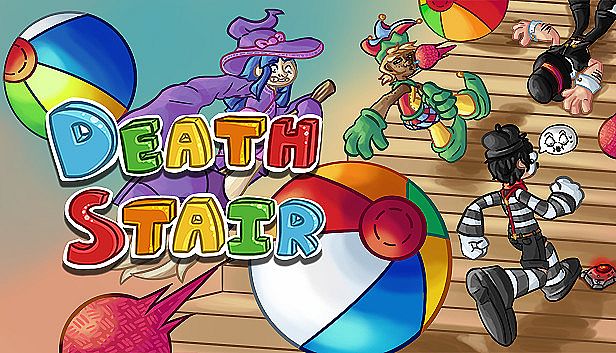











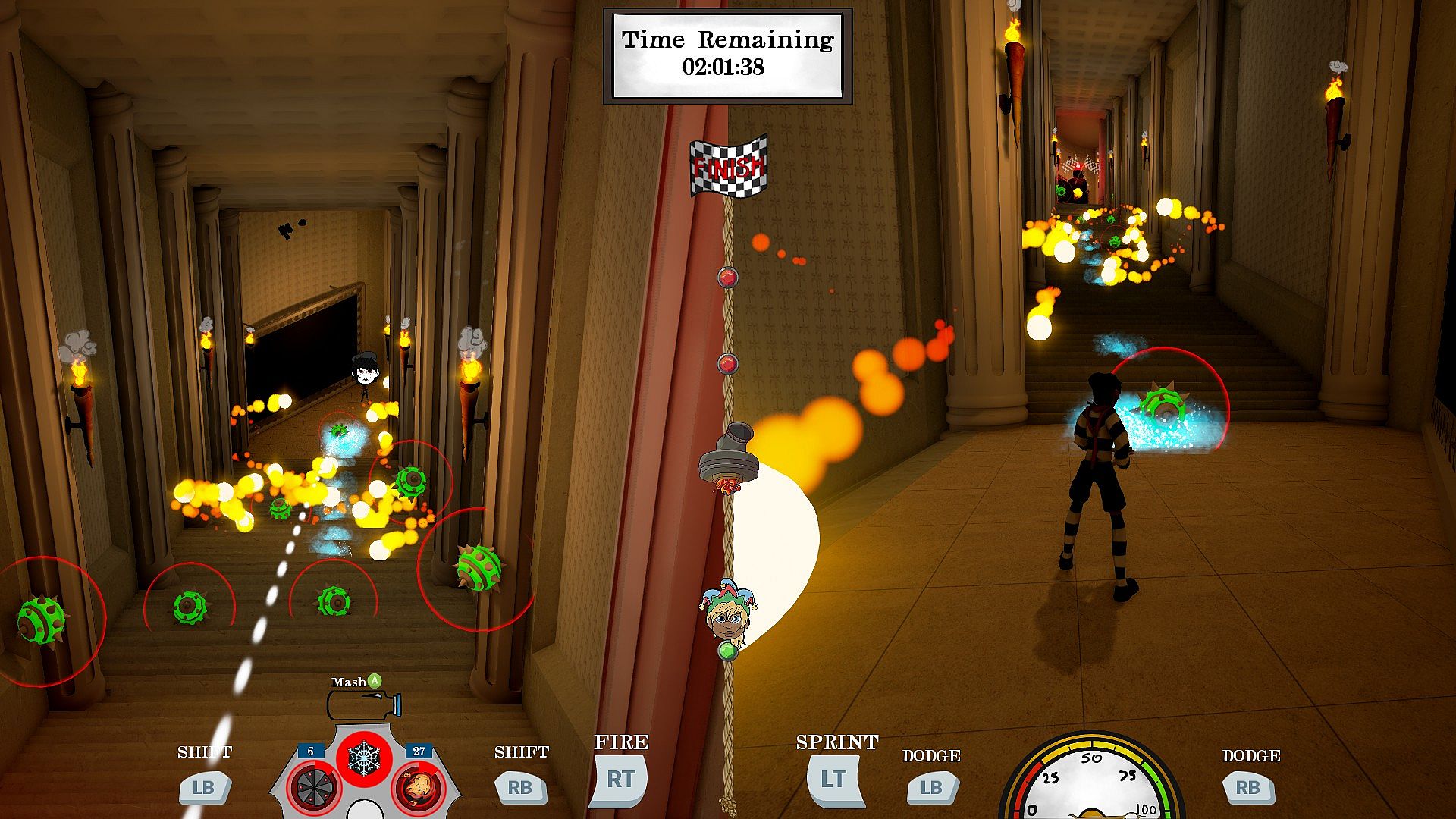
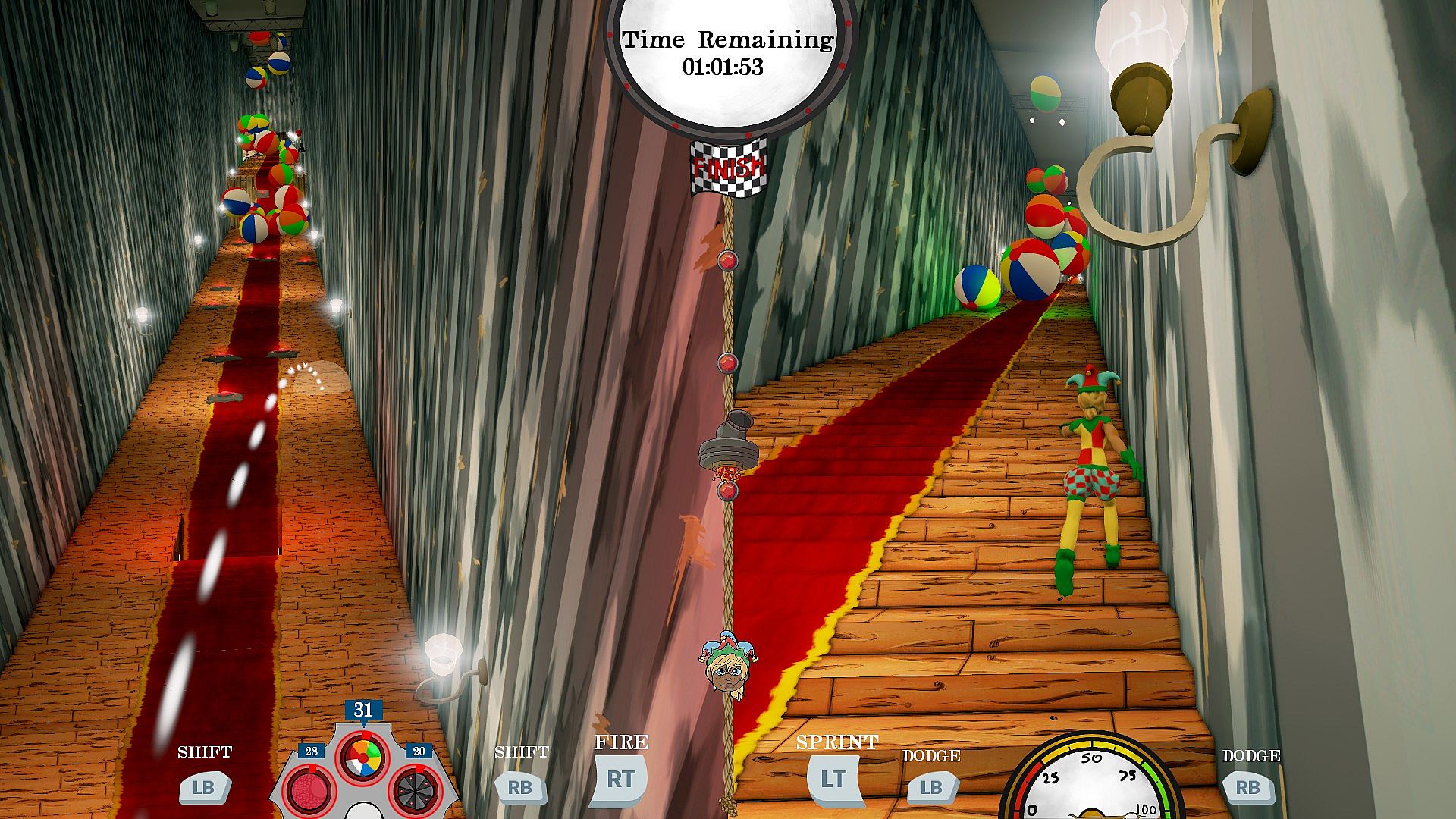
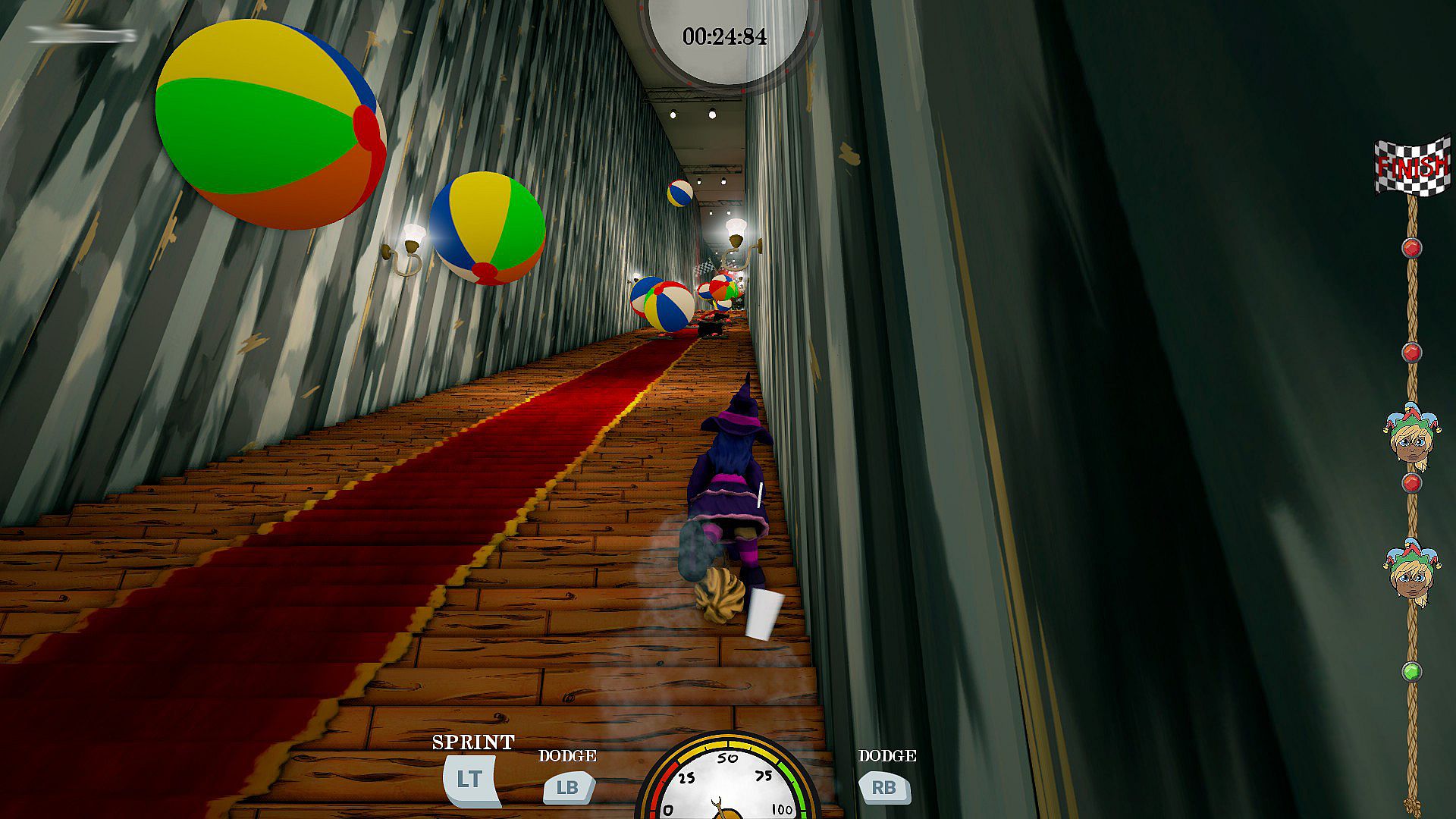
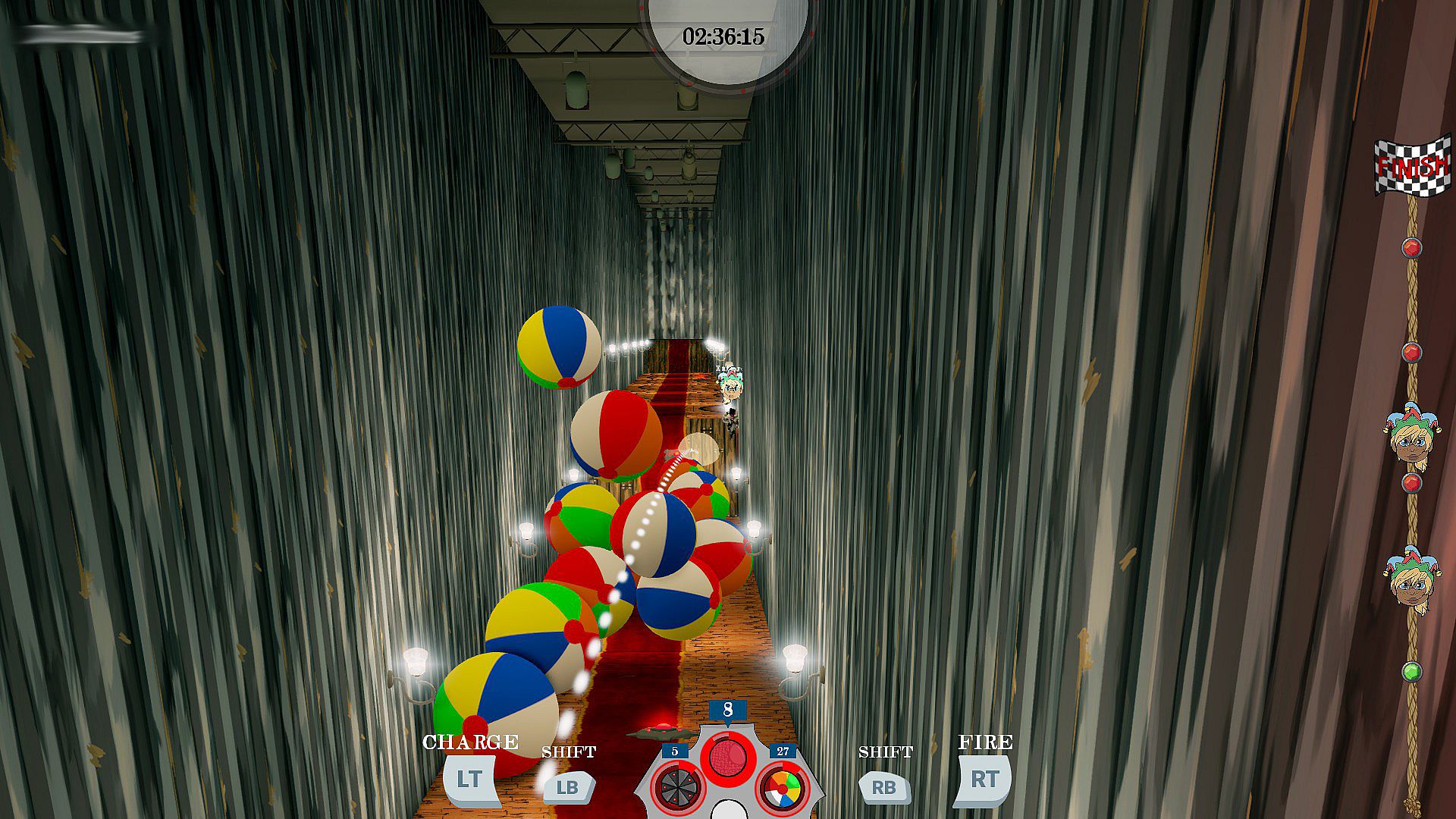
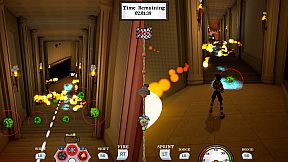
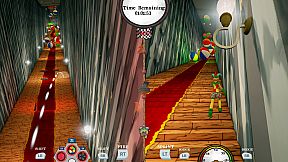
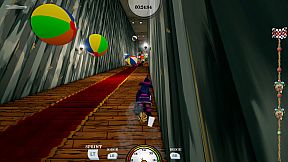
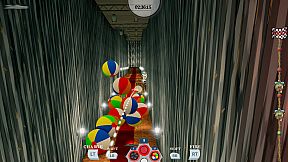
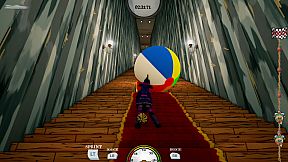
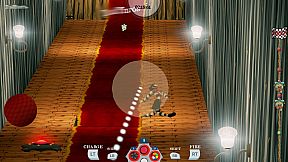
Death Stair stands out as a competitive multiplayer experience that mixes action, indie creativity, casual accessibility, racing tension, and sports-style rivalry into one chaotic package. Designed exclusively for group play on PC, the game pits three climbers against a single armed defender in frantic races up staircases, with local split-screen and online options supporting up to four participants at once.
Gameplay
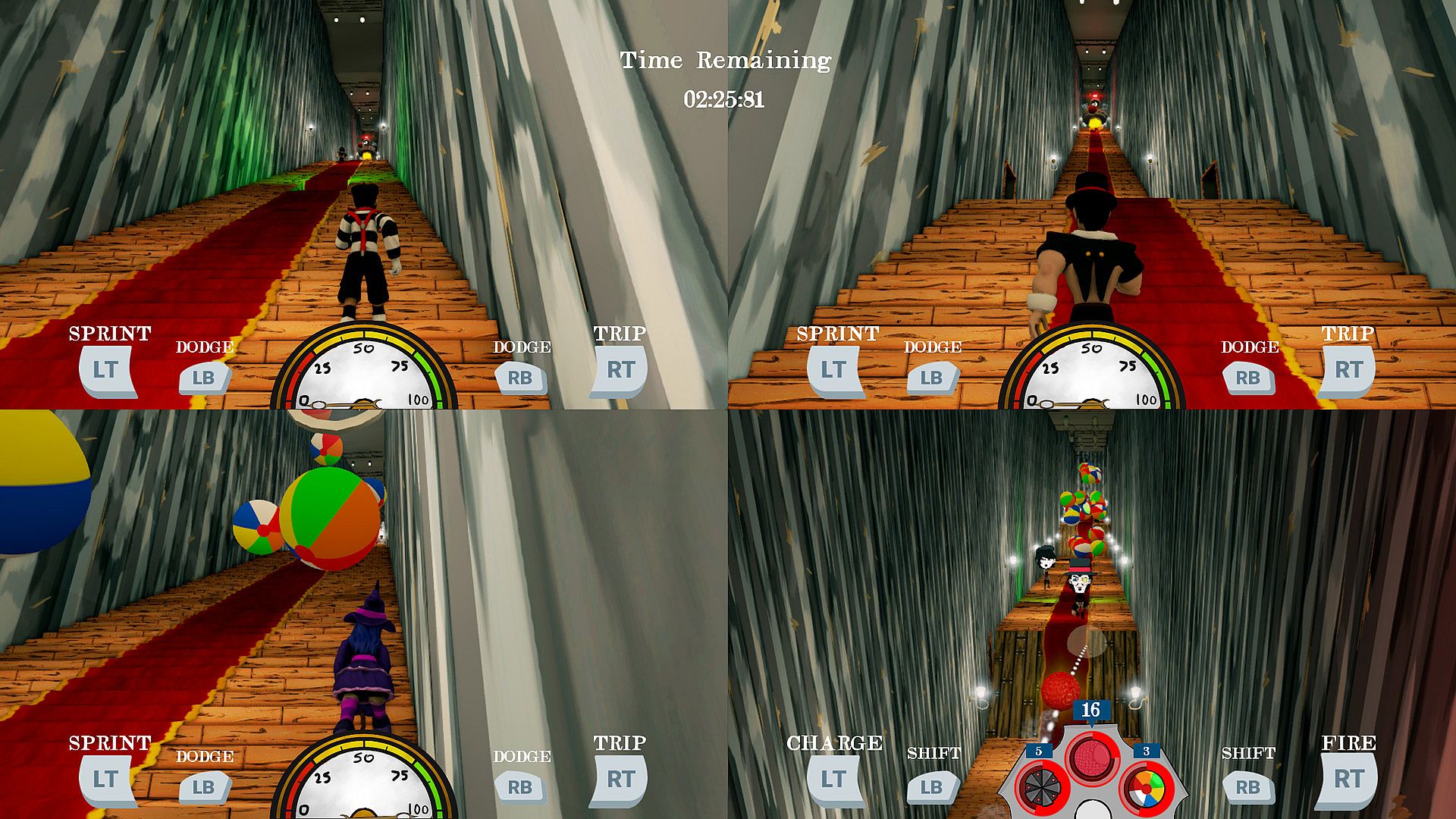
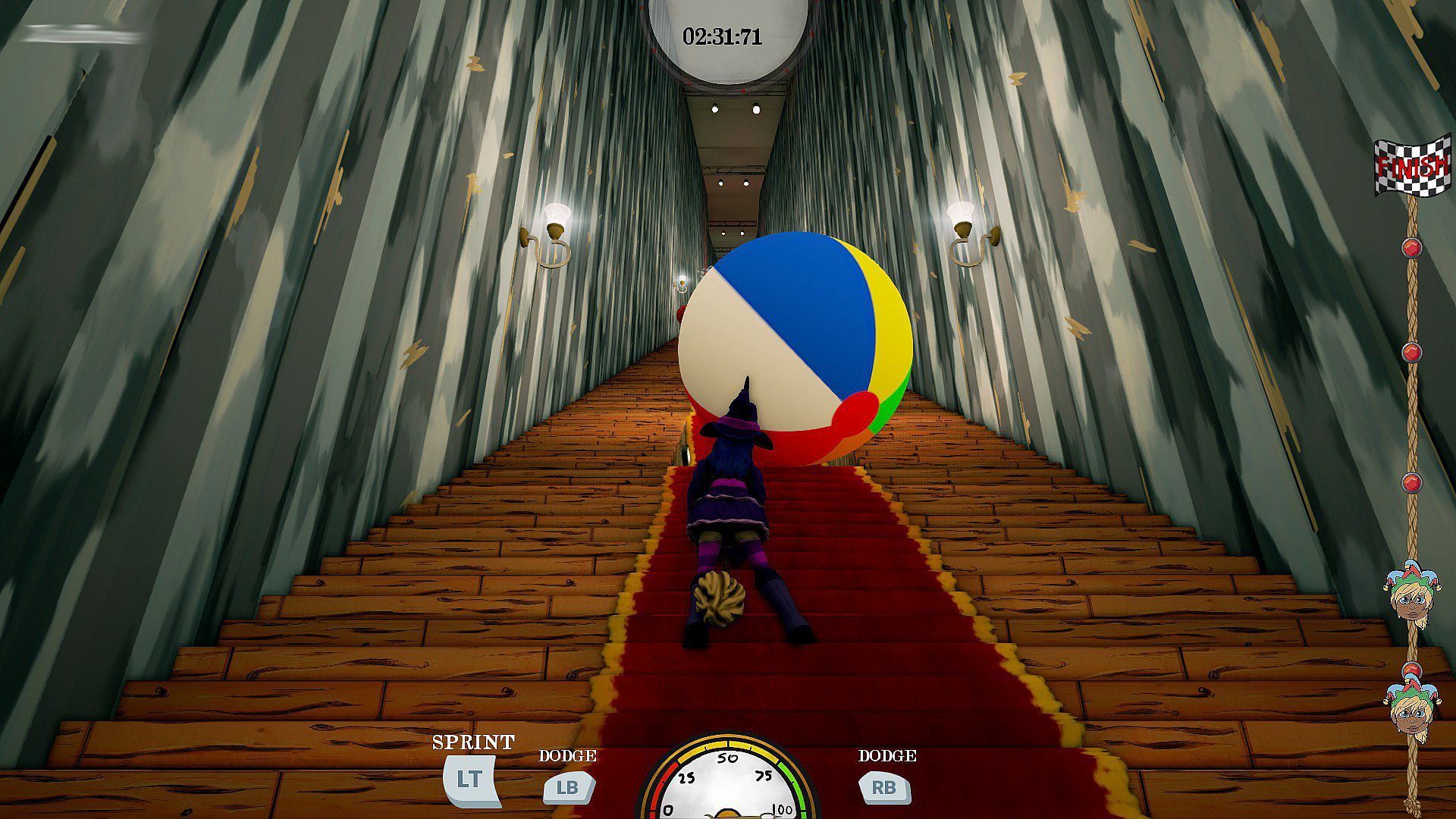
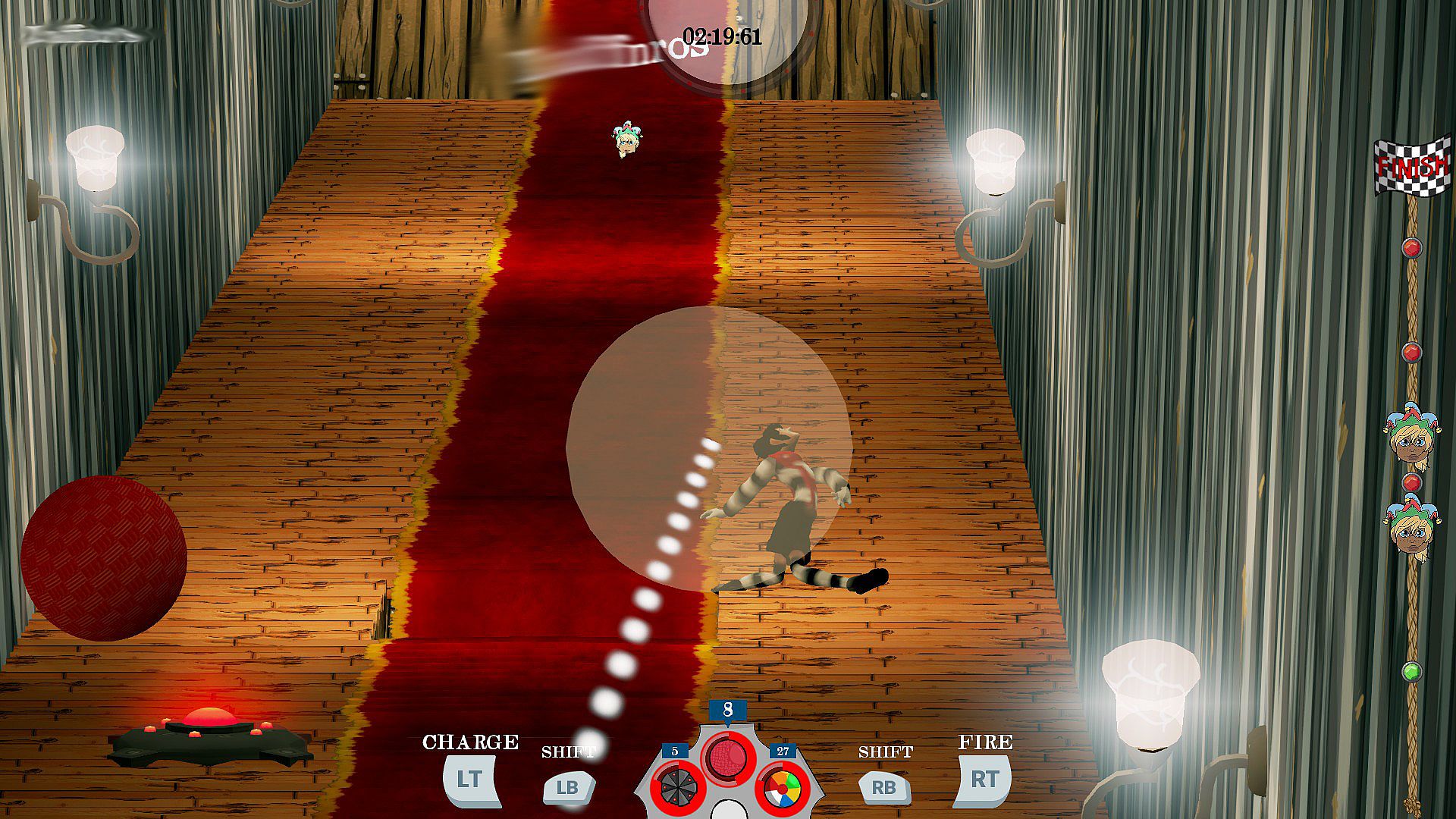
The core loop revolves around asymmetrical 3v1 matches where three players attempt to reach the finish line at the top of the stairs while the fourth deploys an arsenal of unconventional weapons to halt their progress. Ragdoll physics amplify the absurdity, sending characters tumbling in unpredictable ways during collisions or impacts. Matches blend first-person and third-person perspectives, allowing climbers to focus on navigation while the defender gains better situational awareness. Full controller support delivers responsive handling that suits quick sessions with friends, and the system encourages repeated plays through fresh weapon interactions each round.
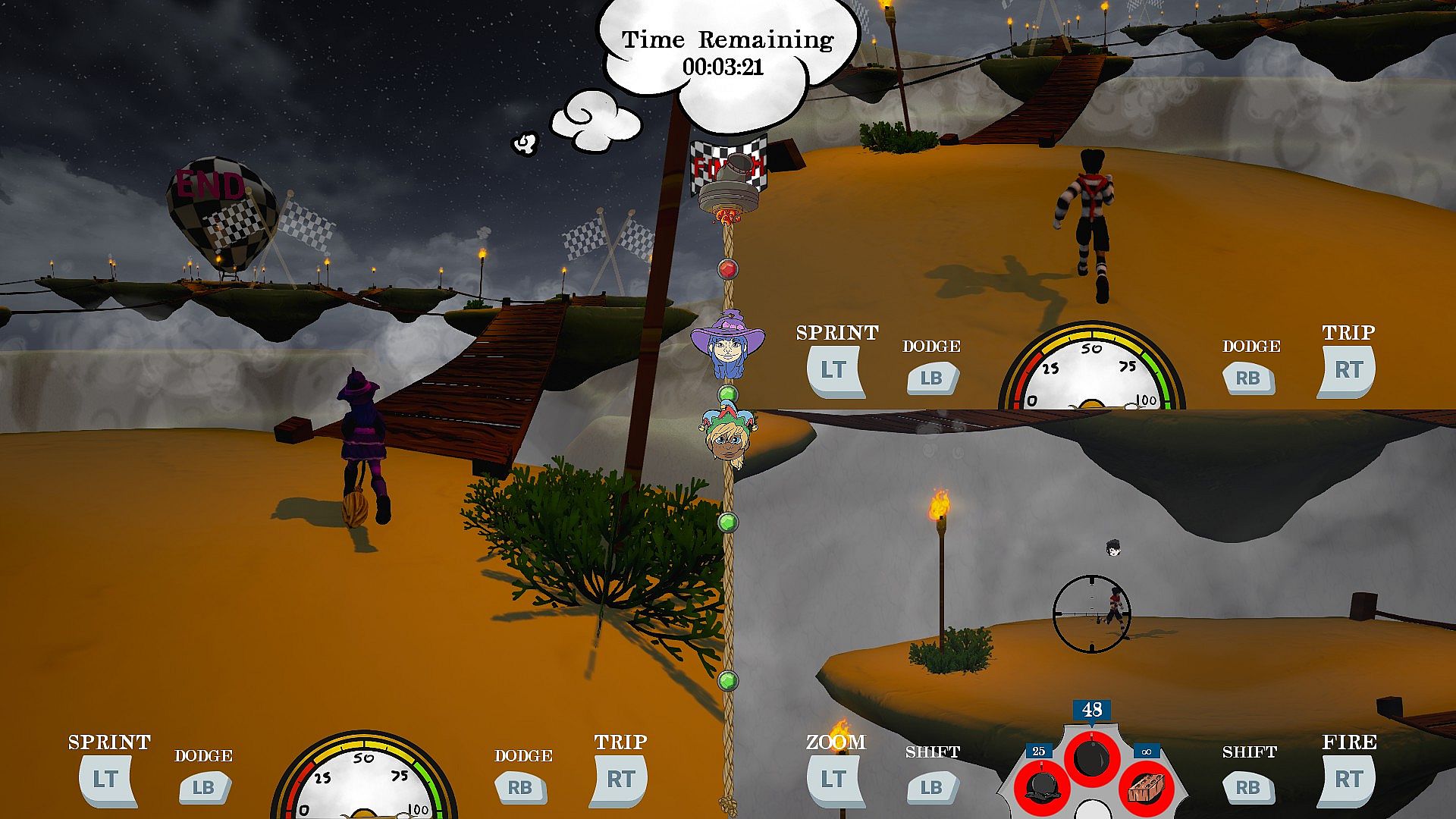
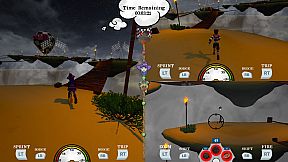
Environments vary across detailed settings that range from straightforward stairwells to more open areas where players can take to the skies for alternative paths. These spaces reward quick thinking and positioning, as defenders exploit verticality and climbers seek cover or shortcuts. The physics-driven movement creates emergent moments of slapstick failure or surprising comebacks, keeping every ascent tense regardless of prior experience.
Game Modes
The primary experience centers on the standard competitive format, where roles rotate between matches so everyone gets a turn as defender or climber. Party Mode expands this foundation with extensive randomization, generating more than 200 million possible match outcomes through combinations of maps, weapons, rules, and conditions. This variety ensures no two sessions feel identical, turning each gathering into a new test of alliances and betrayals.
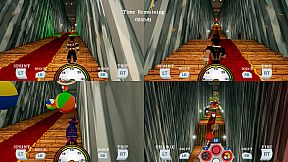
Local split-screen play accommodates up to four players on one screen for immediate couch competition, while online connectivity extends the same asymmetrical battles to distant participants. Role switching happens naturally across rounds, maintaining balance and replay value without complex setup.
Environments and Audio
Multiple detailed environments provide distinct challenges, from confined staircases that force direct confrontations to expansive layouts that allow aerial maneuvers or flanking routes. Visuals emphasize clear sightlines for both offense and defense, supporting the fast pace of matches. An original soundtrack composed by Matthew A.C. Cohen underscores the escalating chaos with energetic tracks that shift to match the intensity of climbs and ambushes.
Is It Worth Playing?
Death Stair appeals most to groups seeking short, high-energy sessions that thrive on friendly competition and unpredictable outcomes. Its mixed reception on Steam reflects a game with strong core ideas and memorable physics moments alongside occasional stiffness in controls and limited map variety. Players who enjoy asymmetrical party titles and do not mind occasional rough edges will find value in the constant role rotation and Party Mode's extensive randomization. Those preferring polished single-player campaigns or ongoing updates may find the experience dated, as the title focuses entirely on multiplayer without additional modes or long-term progression systems. For the right crowd, it delivers reliable laughs and memorable rivalries through its straightforward yet inventive design.