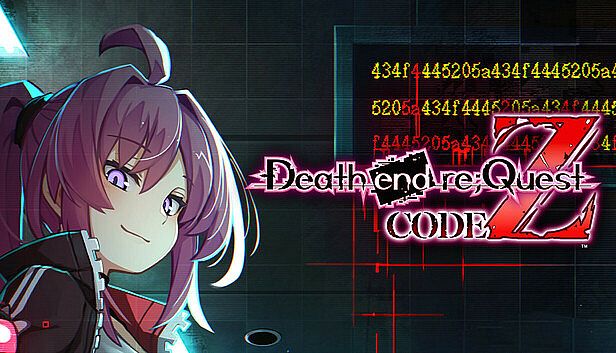















Death end re;Quest: Code Z is a roguelike RPG that places players in control of Sayaka Hiwatari as she navigates a parallel world filled with danger and shifting alliances. The title shifts the series toward procedural dungeon exploration while retaining its signature focus on gruesome narrative branches and character-driven tension. Built for PC, the game emphasizes careful movement and resource management in grid-based environments where every step carries risk.
Gameplay
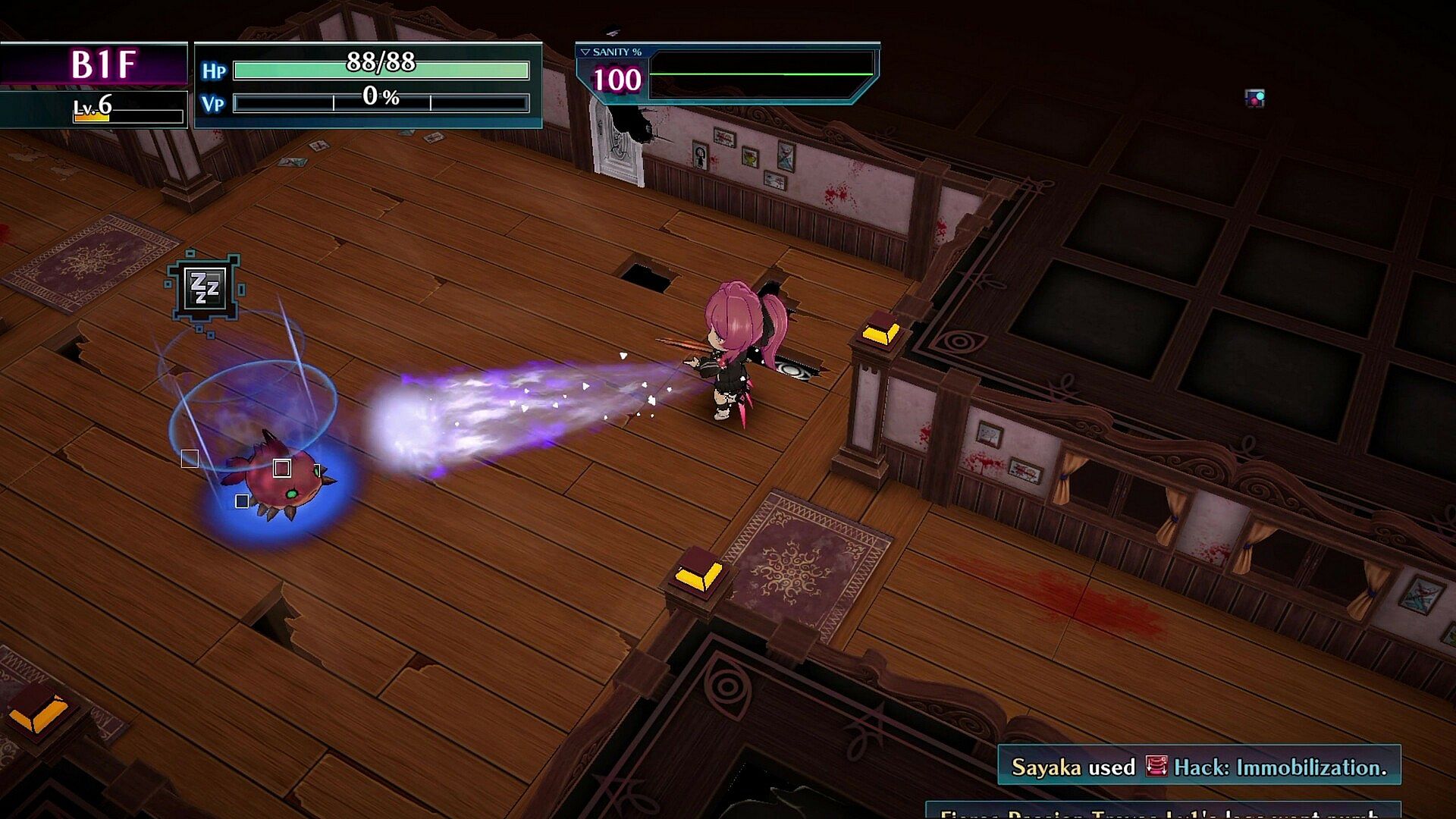
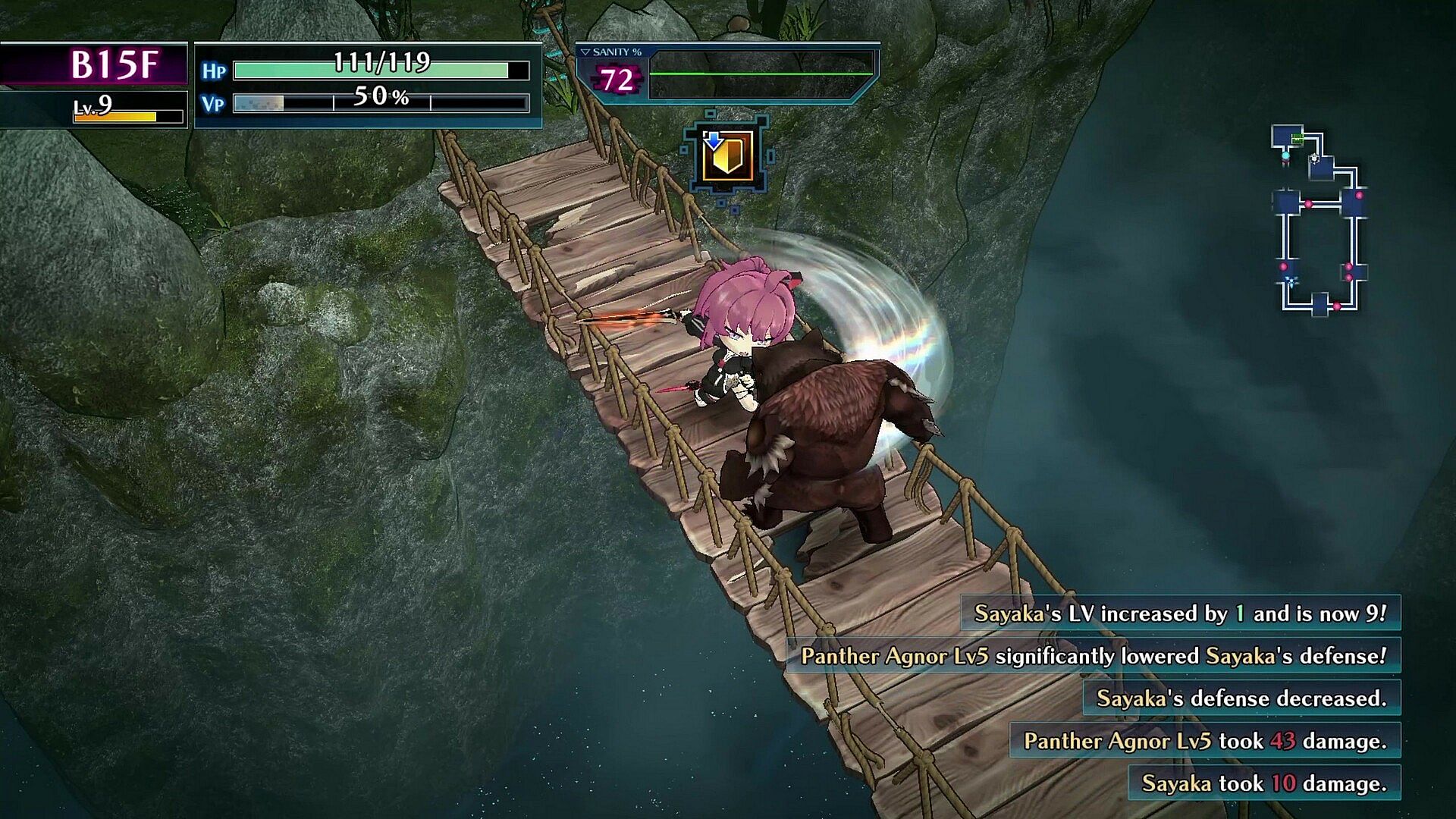
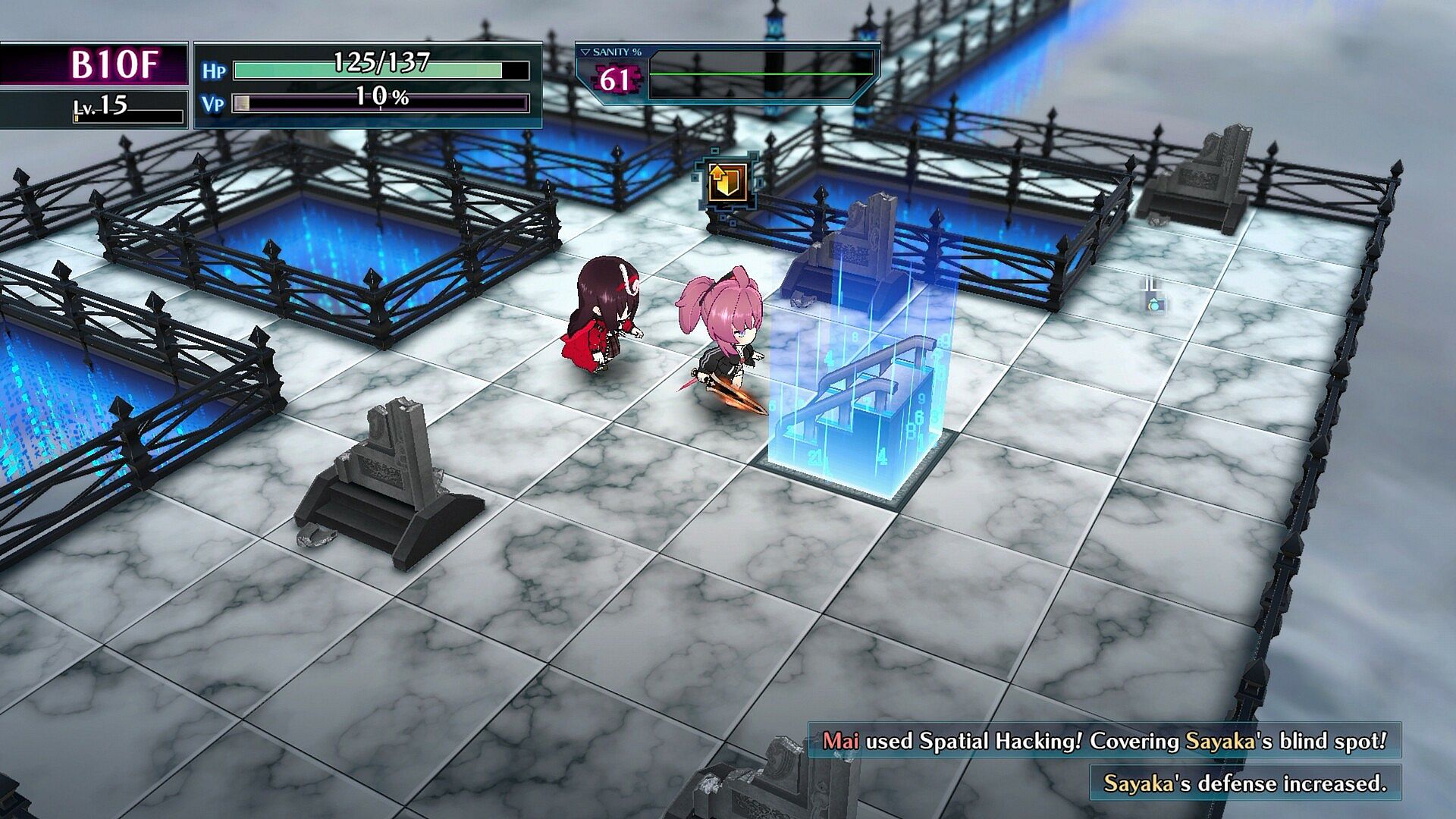
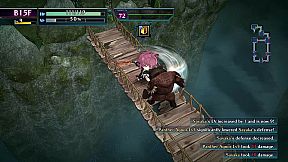
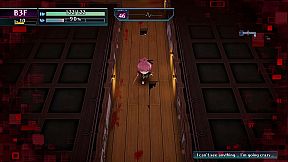
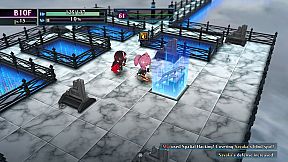
Exploration centers on the Strain Area, a series of randomly generated dungeons populated by monsters, traps, and scattered items. Movement occurs tile by tile on a grid, with enemies responding directly to each action taken. This creates a deliberate pace that rewards planning routes and anticipating enemy positions rather than relying on fast reflexes. Players collect gear and consumables while descending floor by floor, and reaching the bottom requires defeating a powerful boss before attempting to extract with a rescued companion.
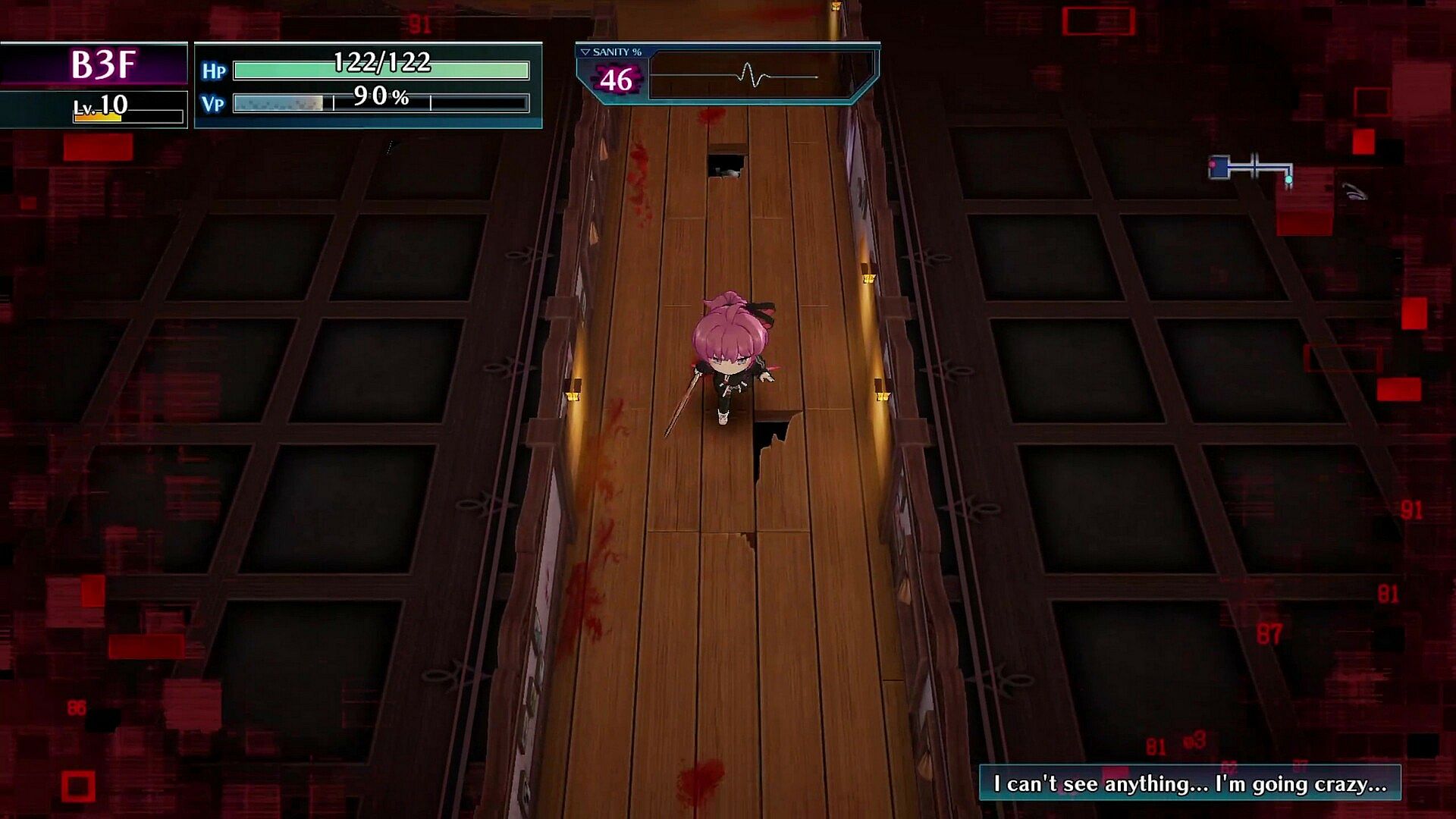
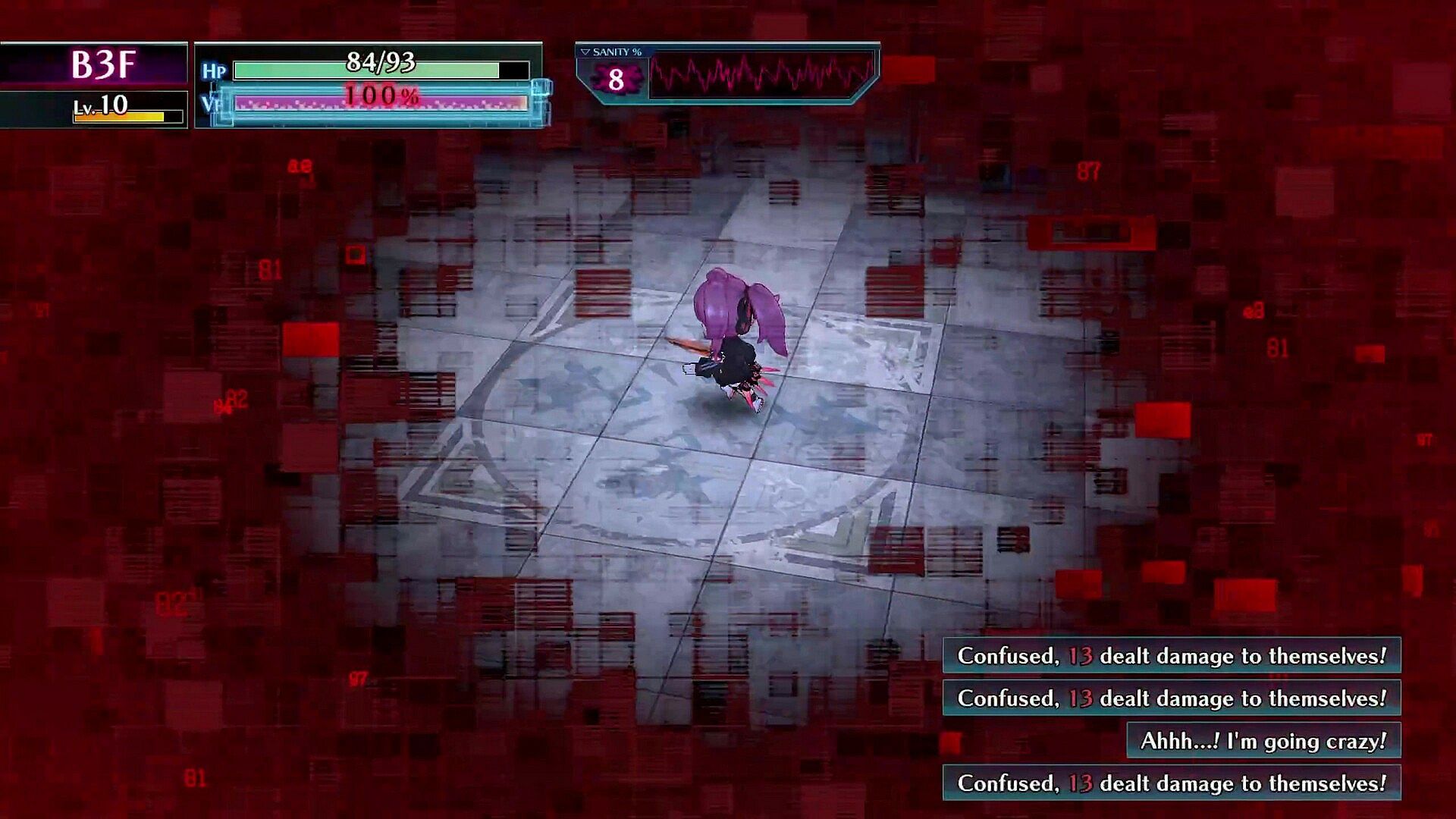
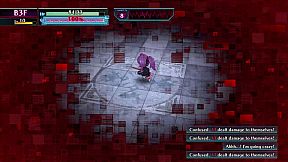
A sanity meter adds another layer of pressure. It gradually depletes during dungeon runs, triggering visual distortions and eventual self-damage when critically low. Ether codes found throughout the levels restore this resource and help maintain clarity during longer expeditions. Between runs, time spent in town allows stocking supplies, upgrading weapons at the Night Owl Café, and interacting with available characters to prepare for the next descent. Death Ends serve as frequent failure states, each presenting a distinct gruesome outcome that can involve the player character or an escorted ally.
Game Modes
The core experience revolves around repeated dungeon crawls in a single-player roguelike format. Each attempt generates new layouts, enemy placements, and item distributions, encouraging multiple runs to uncover more of the story and collect resources. No separate competitive or cooperative modes exist; progression ties directly to surviving these procedural challenges and managing the consequences of failed extractions. The structure blends exploration, combat through adjacent tile attacks, and occasional escort segments where protecting a rescued character becomes the immediate priority.
Story and Setting
The narrative unfolds across parallel versions of a world resembling early 2000s Earth. Sayaka Hiwatari enters the scene amid rising conflict involving figures who resemble former allies from another reality. Friendships and rivalries blur as a mysterious leader assembles duplicates of past heroes, forcing players to navigate uncertainty about loyalties. The setting expands on earlier entries through the creation of a stabilized copy world that now faces fresh threats, with gameplay deaths feeding into branching bad endings illustrated with detailed artwork.
Is It Worth Playing?
Death end re;Quest: Code Z appeals most to players who enjoy roguelike dungeon crawling combined with horror-themed narrative payoffs. The procedural layouts and responsive enemy turns deliver consistent challenge, while the sanity system and frequent Death Ends reinforce the high-stakes atmosphere. Reception highlights the vibrant character art and tense atmosphere for those drawn to the series' darker tone, though some note the gameplay shift from prior entries can feel less engaging for fans of traditional turn-based combat. Availability on PC supports straightforward access, and the focus on solo runs makes it suitable for sessions built around short to medium dungeon attempts. Those seeking methodical exploration with permanent-feeling consequences will find the most value here.