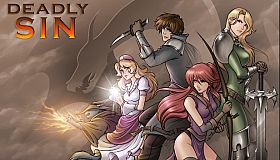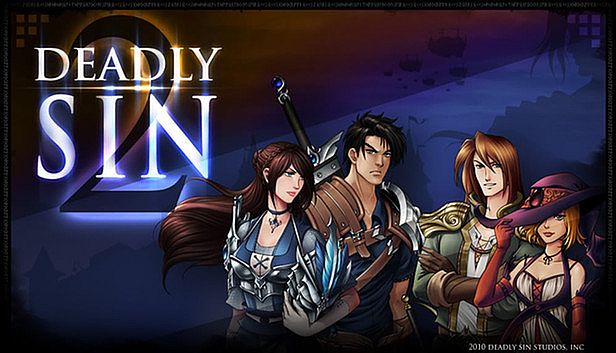











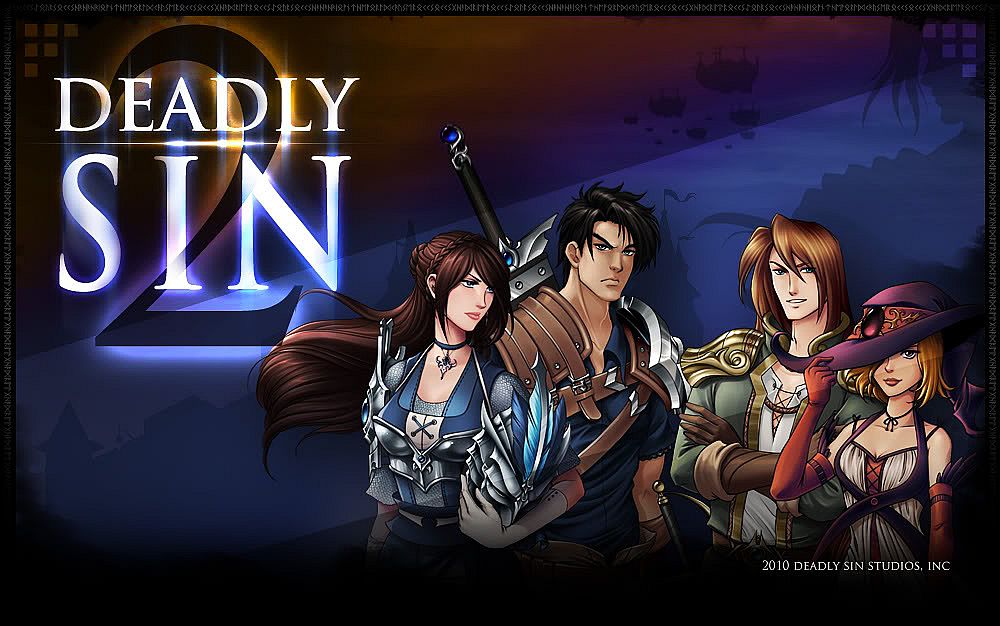
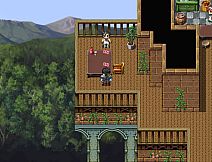
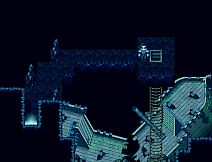
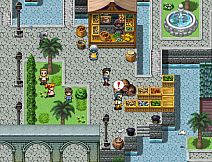
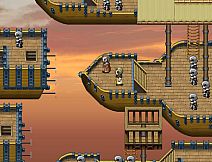
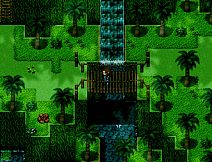
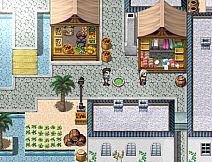
Deadly Sin 2 is a single-player fantasy role-playing game developed for PC. Players take control of Carrion Iblis in a narrative centered on betrayal, political conflict, and war within the Archaelus Empire. The story follows the hero and his companions as they navigate alliances and confrontations involving internal rivals, undead invaders, and larger cosmic forces. The experience lasts between 20 and 30 hours and functions as a spiritual successor rather than a direct continuation of any prior entry in the series.
Gameplay
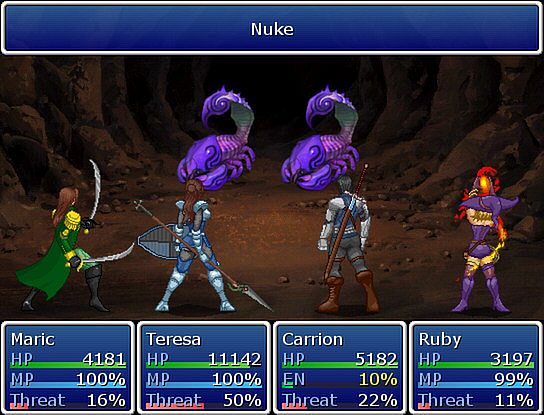
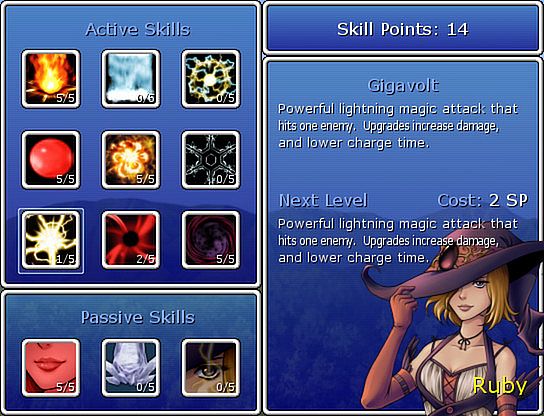
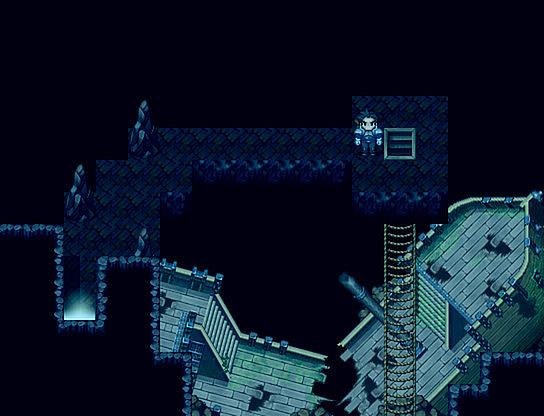
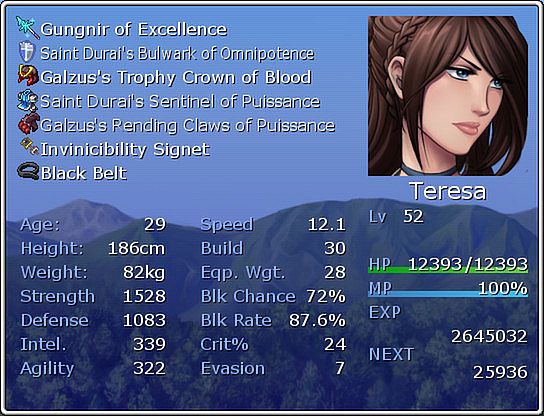
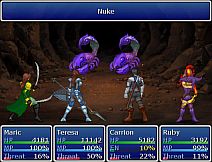
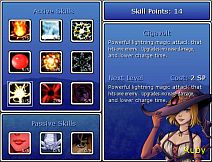
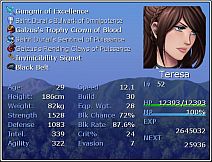
The core loop revolves around exploration, combat, and character progression in a traditional turn-based format viewed from the back. Battles incorporate a conditional system with a threat mechanic that determines target priority among enemies. Additional statistics such as Speed, Build, Shield Block, MP Regen, and Equipment Weight influence outcomes and strategy. Each party member follows a distinct skill tree where points earned through leveling or quests allow specialization. These points can be reset at inns if a different build is preferred.
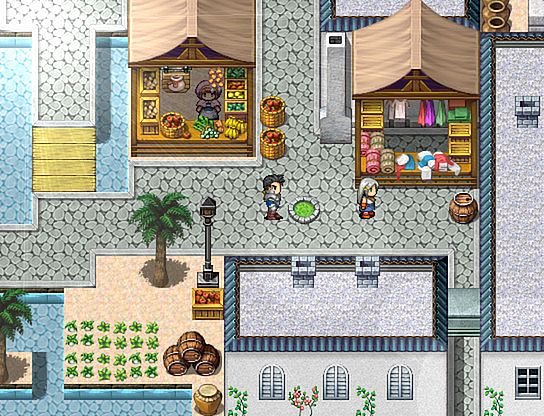
Customization extends to equipment through an augment system. Players attach found or purchased augments to weapons, shields, and armor pieces to modify stats, add status effects, or alter elemental properties. Random encounters can be managed via monster nodes scattered throughout the world. Activating a node grants skill points and halts enemy spawns in the area, while deactivating it restores the encounters for additional practice or rewards. Side quests provide further opportunities for progression and world interaction beyond the central plot.
Controls support both keyboard and mouse input, allowing point-and-click movement and menu navigation. The interface can be disabled for mouse use by moving the cursor off-screen. An original soundtrack composed specifically for the title accompanies the journey.
Game Modes
Deadly Sin 2 operates entirely in a single-player format with no multiplayer components. The primary mode follows the main story campaign, guiding Carrion Iblis through a sequence of conflicts that span internal empire struggles and external threats. Side quests serve as optional extensions that expand on character backstories and provide additional skill points and items without altering the core narrative path.
Progression remains consistent across playthroughs, with the skill refund option at inns offering flexibility for experimentation. Monster nodes add a layer of control over encounter frequency, enabling players to adjust pacing between focused story advancement and combat-focused sessions. No separate difficulty settings or alternate scenarios appear in the design.
Story and World
The setting centers on the Archaelus Empire, where multiple factions compete for control amid shifting loyalties and invasions. Carrion Iblis encounters countrymen as adversaries, undead forces from outside the empire, and personal challenges that intersect with larger events. The plot incorporates themes of manipulation, destiny, and individual growth as the hero builds relationships and confronts escalating stakes.
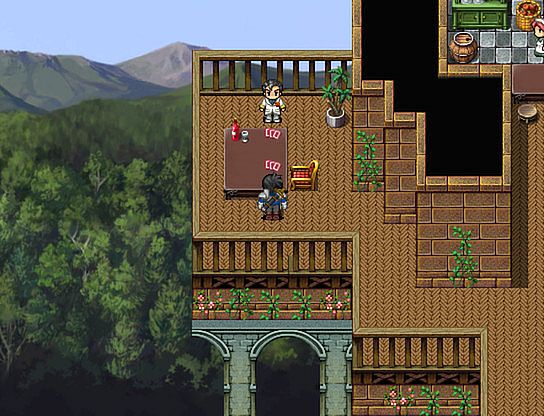
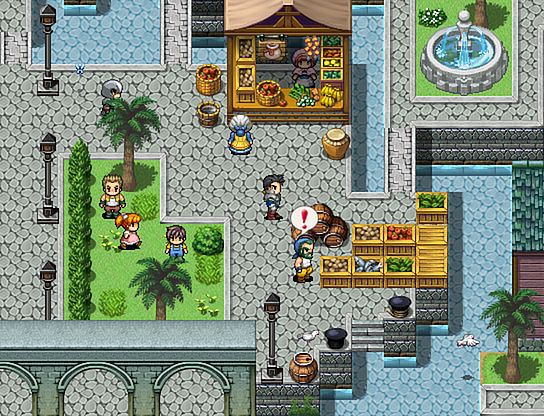
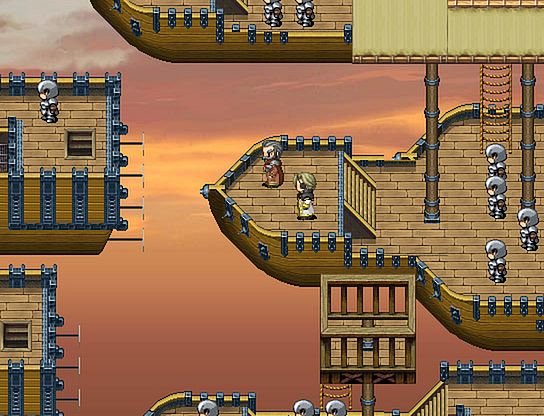
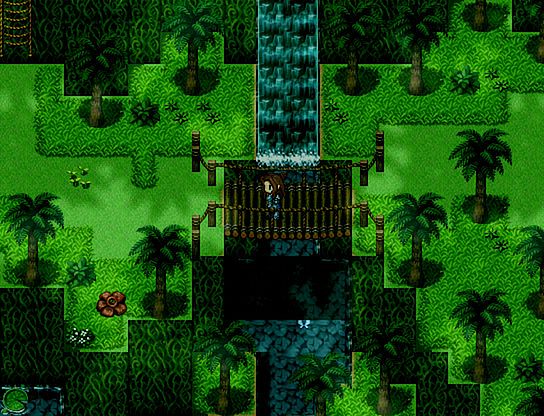
Exploration occurs across varied locations that reflect the empire's political divisions and external dangers. Side content reveals more about supporting characters and the consequences of choices made during the main quest. The narrative structure emphasizes a linear progression punctuated by these optional encounters.
Is It Worth Playing?
Deadly Sin 2 suits players who enjoy classic turn-based RPG systems with added layers of customization through skill trees and equipment augments. The 20 to 30 hour length delivers a complete single-player campaign focused on story and tactical combat without requiring ongoing commitment. Steam user reviews rate the title Very Positive based on 56 submissions, highlighting the battle mechanics and narrative delivery as strengths.
Those seeking deep party management and flexible character builds will find value in the refundable skill points and augment options. The game remains available as a standalone purchase with no additional content updates since its 2010 release. It appeals most to fans of older-style RPGs that prioritize scripted encounters and steady progression over open-world freedom or live-service elements.