
















Darklands stands as a single-player RPG and adventure title set in a historically inspired version of 15th-century Germany. Players lead a party of four customizable adventurers through an open landscape filled with robber knights, mythical creatures, and political intrigue, all without traditional character classes or experience levels.
Gameplay
The core loop centers on exploration across a detailed map of medieval territories, from coastal regions to mountain passes and dense forests. Travel occurs on foot, by horse, or by sea, with speed influenced by terrain, equipment, and individual skills. Encounters arise naturally during journeys or in settlements, leading to combat, negotiations, or random events.
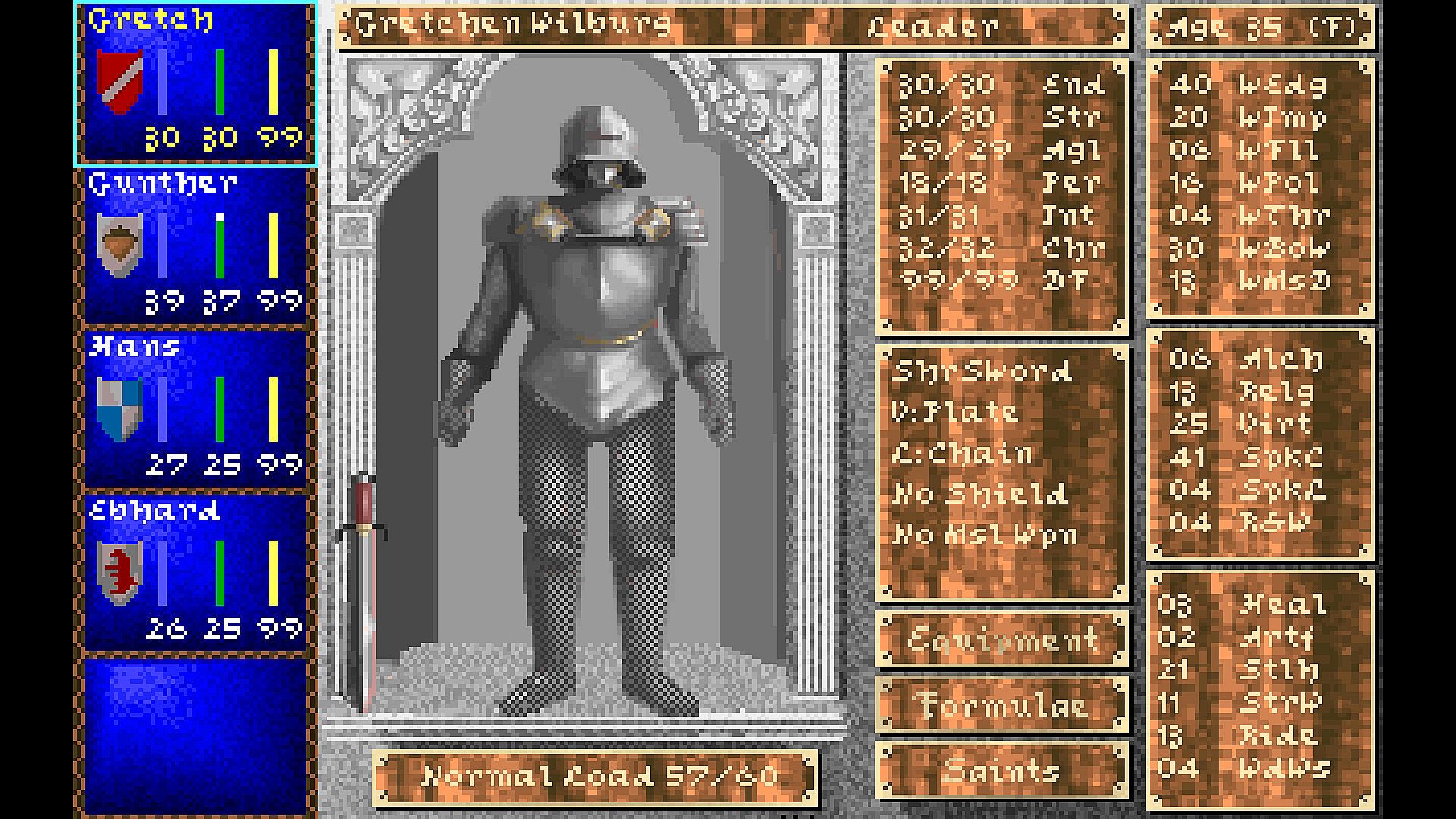
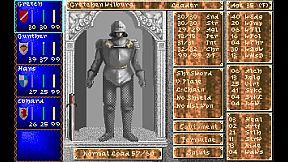
Character development relies on improving attributes and skills through repeated use and training rather than abstract leveling. Each adventurer starts with a detailed background that affects starting abilities, and players allocate time in towns to study, work, or practice specific talents. Alchemy plays a central role, as characters research and brew potions using collected ingredients to gain advantages in fights or social situations.
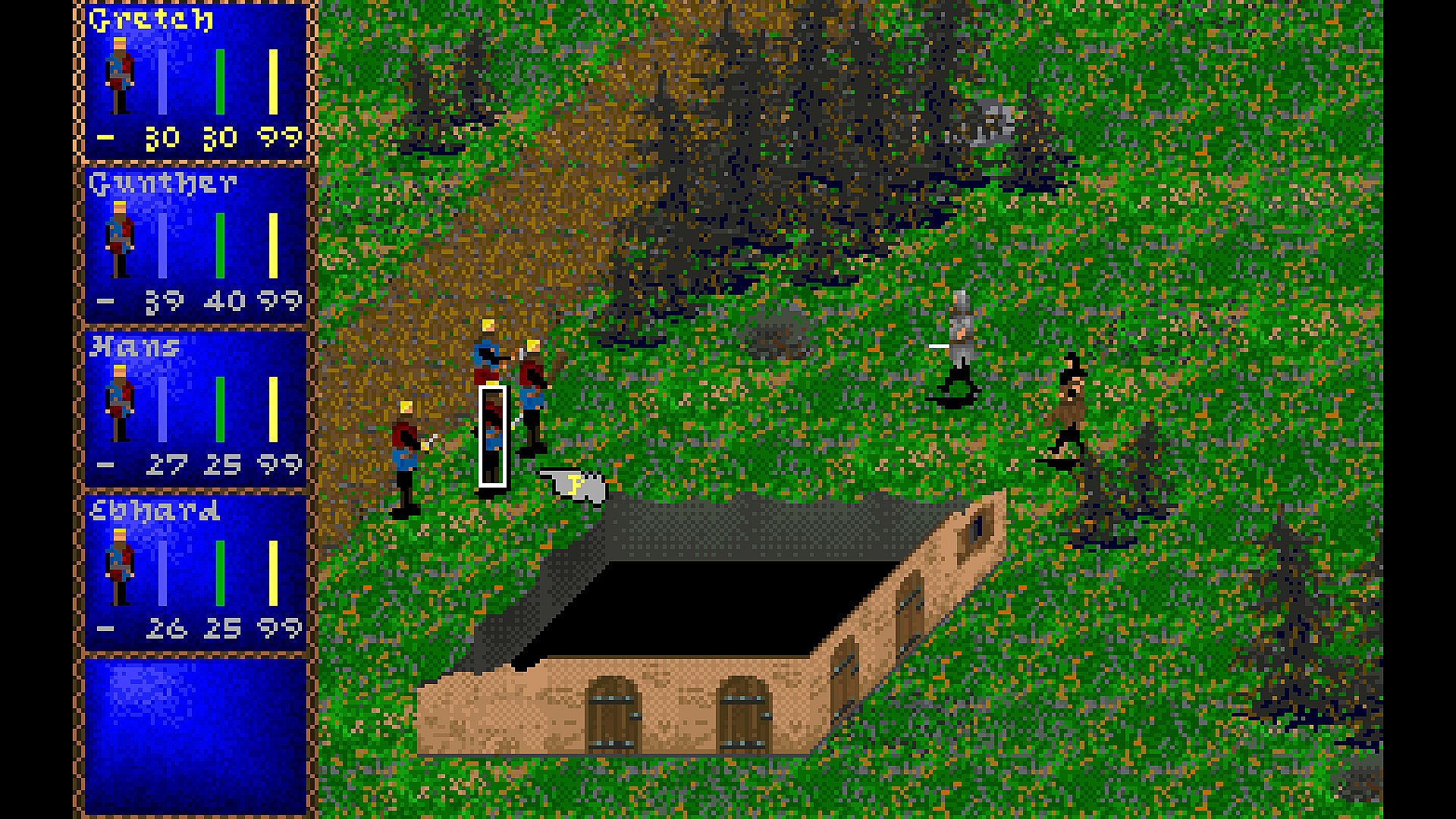
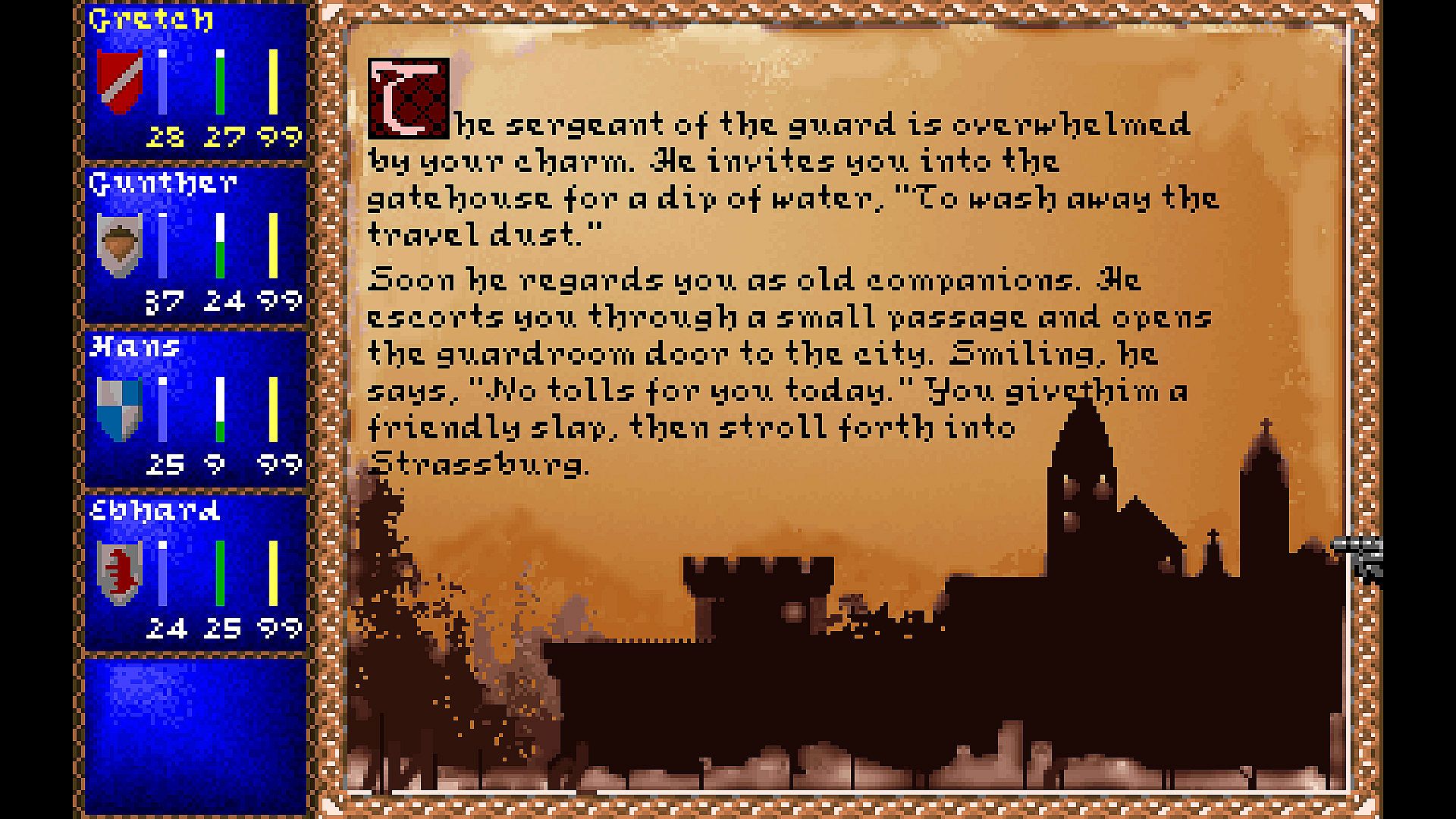
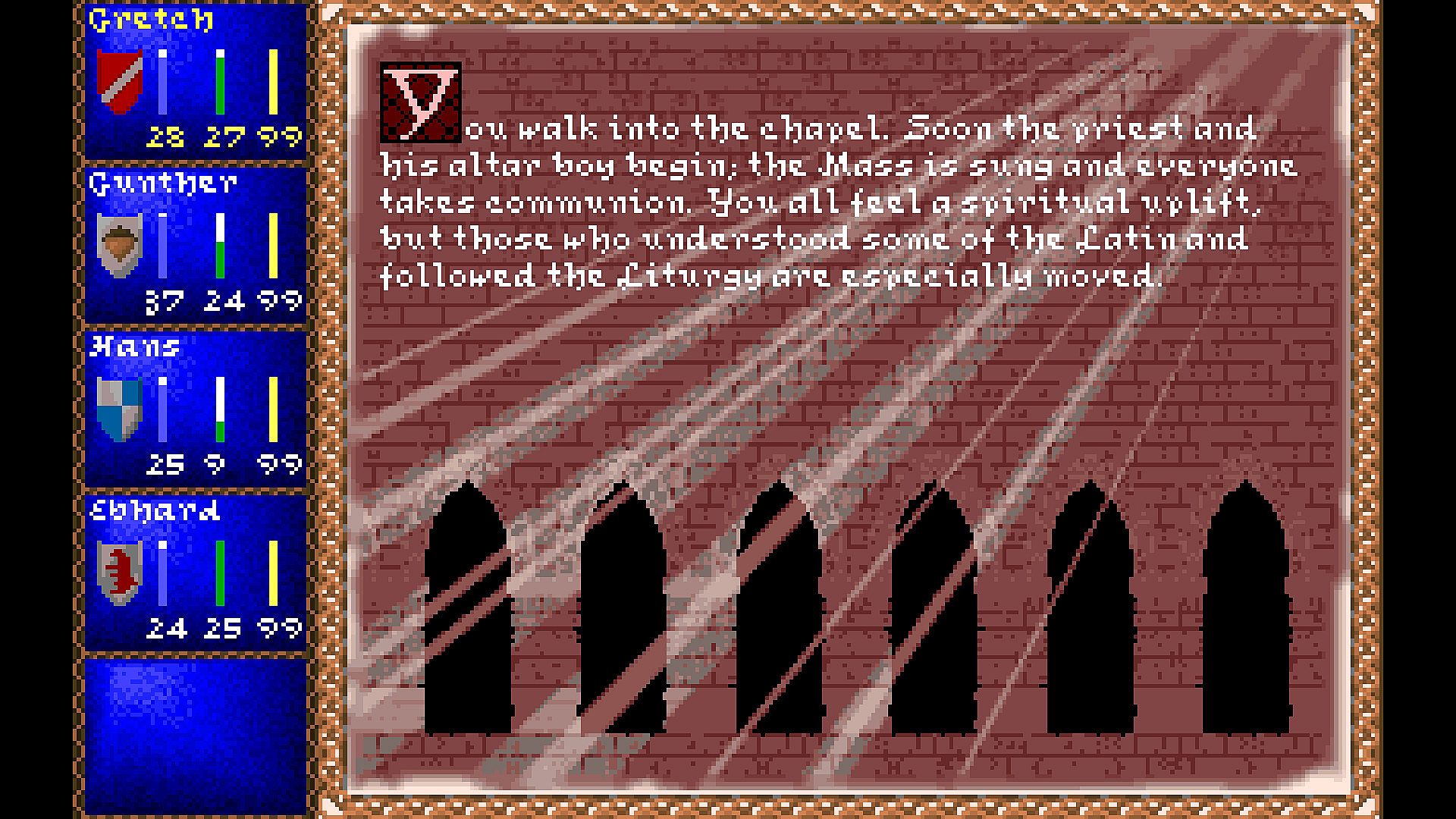
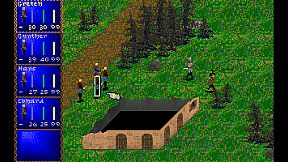
Combat unfolds in real time on an isometric view, where the player pauses the action at any moment to issue commands. Orders include movement, different attack styles such as defensive parries or aggressive strikes, potion throws, or missile fire. The system accounts for armor penetration, positioning, and multiple opponents, rewarding tactical decisions over direct control. Town visits involve menu-driven interactions at locations like markets, inns, churches, and halls, where reputation influences outcomes and access to new opportunities.
Game Modes
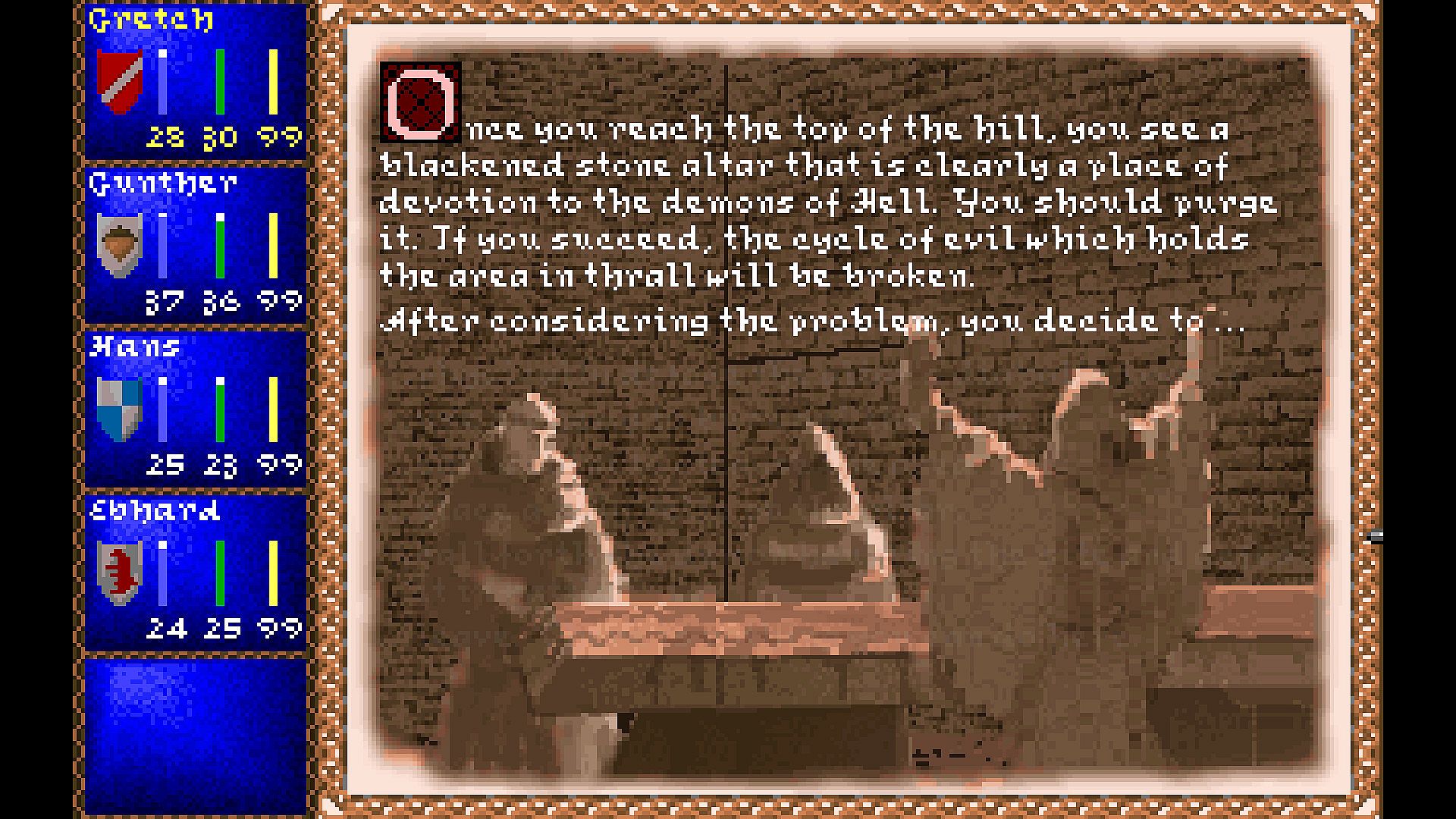
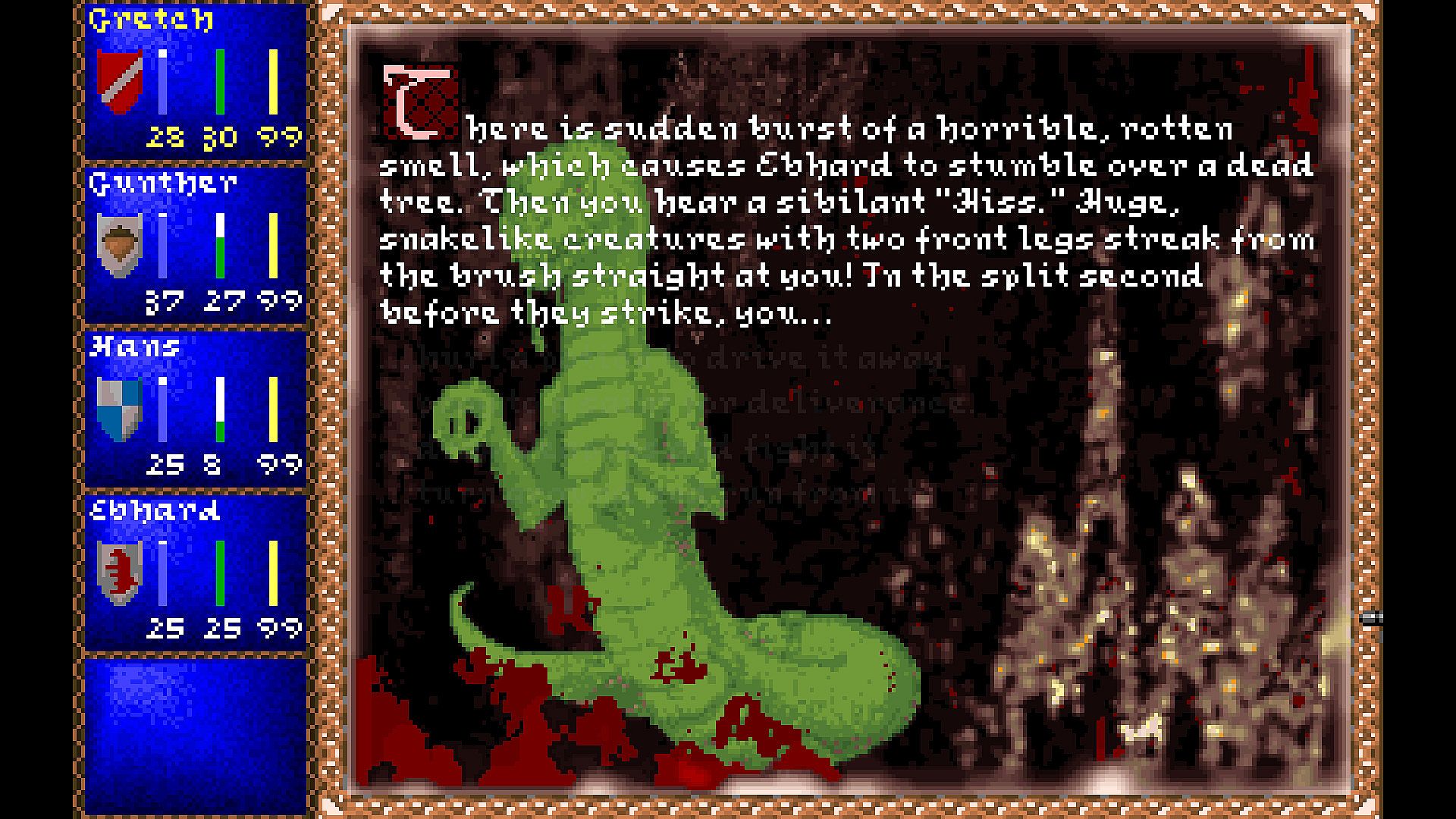
Darklands operates entirely in single-player format with no separate multiplayer options. The experience blends three primary activity types that flow into one another. Overworld travel lets the party move between more than ninety cities and wilderness areas, managing supplies and avoiding or seeking dangers. Settlement phases focus on role-playing choices through detailed menus for trading, gathering information, accepting tasks, or advancing personal skills. Combat sequences switch to the real-time system for resolving threats from bandits, supernatural beings, or rival groups.
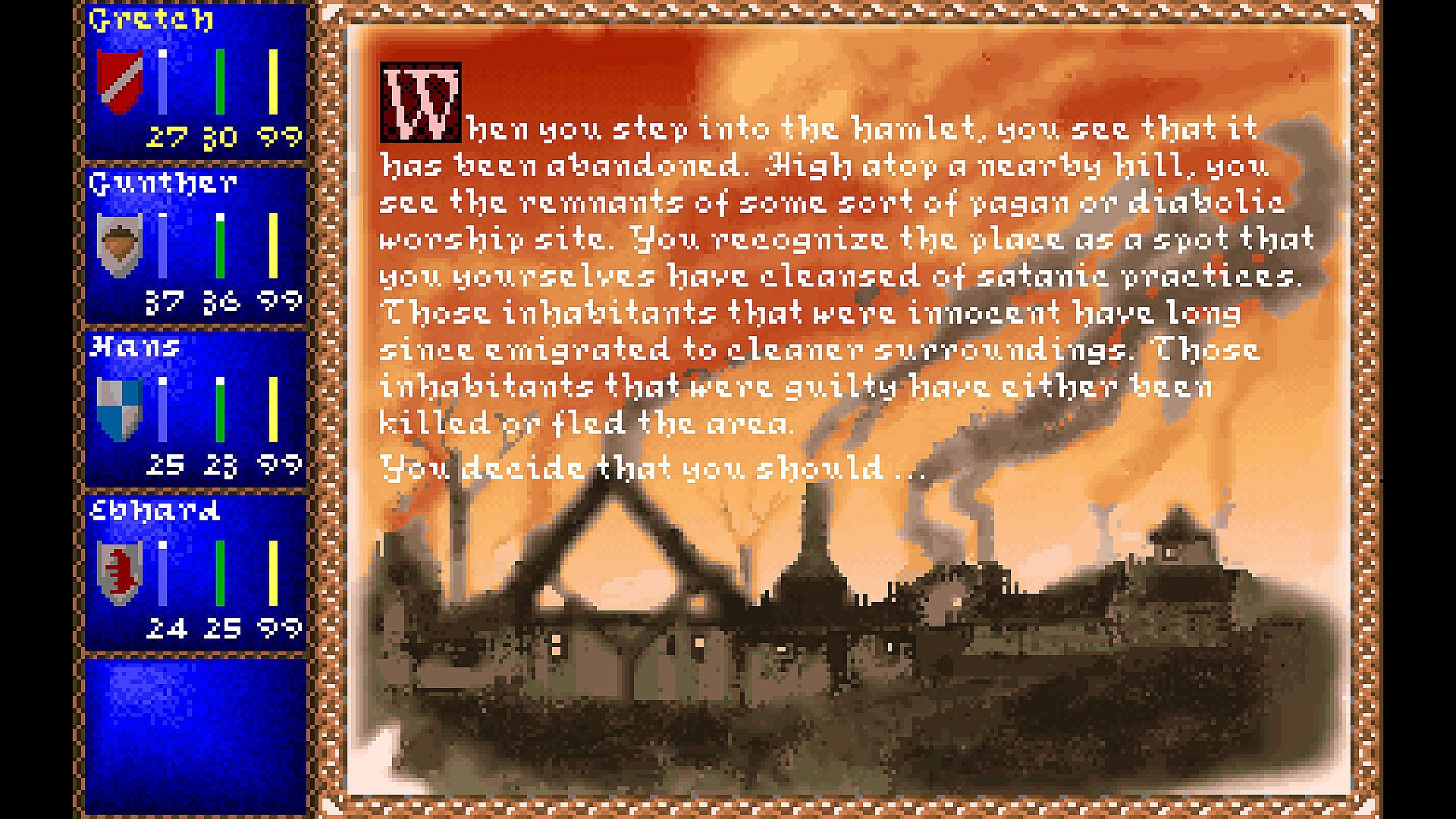
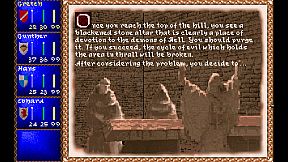
Quests emerge organically from reputation and location rather than a fixed narrative. These range from clearing robber-knight strongholds to investigating witch gatherings or handling regional disputes. Success builds fame in specific areas while potentially harming standing elsewhere, creating regional variations in how settlements respond to the party.
Exploration and World
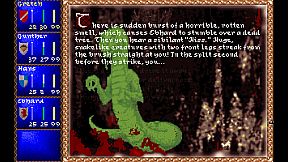
The setting draws from historical beliefs about the Middle Ages, mixing documented elements like robber knights and religious institutions with folklore such as werewolves and alchemical practices. Players navigate a map spanning from the Frisian coast to Bohemia and from the Alps northward, encountering varied environments that affect travel and event frequency. City streets, mines, towers, and remote sites serve as backdrops for both scripted and emergent situations.
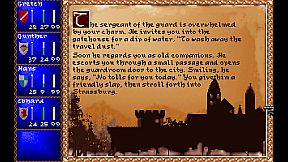
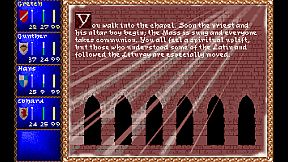
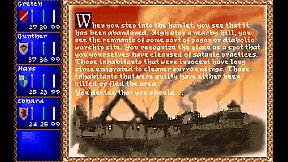
Graphics use a watercolor style to depict characters, locations, and battles, supporting the atmospheric tone without modern embellishments. Sound elements include period-appropriate effects and an included soundtrack available in original and updated formats.
Is It Worth Playing?
Darklands appeals to players interested in skill-driven progression, open-ended quests, and tactical combat within a grounded historical fantasy framework. Its systems reward experimentation with alchemy, careful reputation management, and adaptive party strategies during encounters. The re-release maintains the original design with added bonus materials such as reference documents and audio tracks.
Retrospective player feedback highlights its pioneering approach to sandbox elements and pauseable real-time combat as strengths that set it apart from contemporaries. Those seeking linear stories or frequent updates may find the static content less engaging, while fans of detailed simulation and freedom in a medieval context often return for repeated playthroughs. Availability on PC platforms makes it accessible for those equipped to run older titles through compatibility layers.