









Dark Heritage: Guardians of Hope is a casual adventure game built around hidden object scenes and puzzle mini-games. Players follow a former student of Professor Child as she investigates his disappearance and the secrets surrounding the philosopher's stone. The journey takes place across an island controlled by a mysterious order, where an ancient artifact draws a dangerous enemy into conflict with the protagonist's efforts to rescue her mentor.
Gameplay
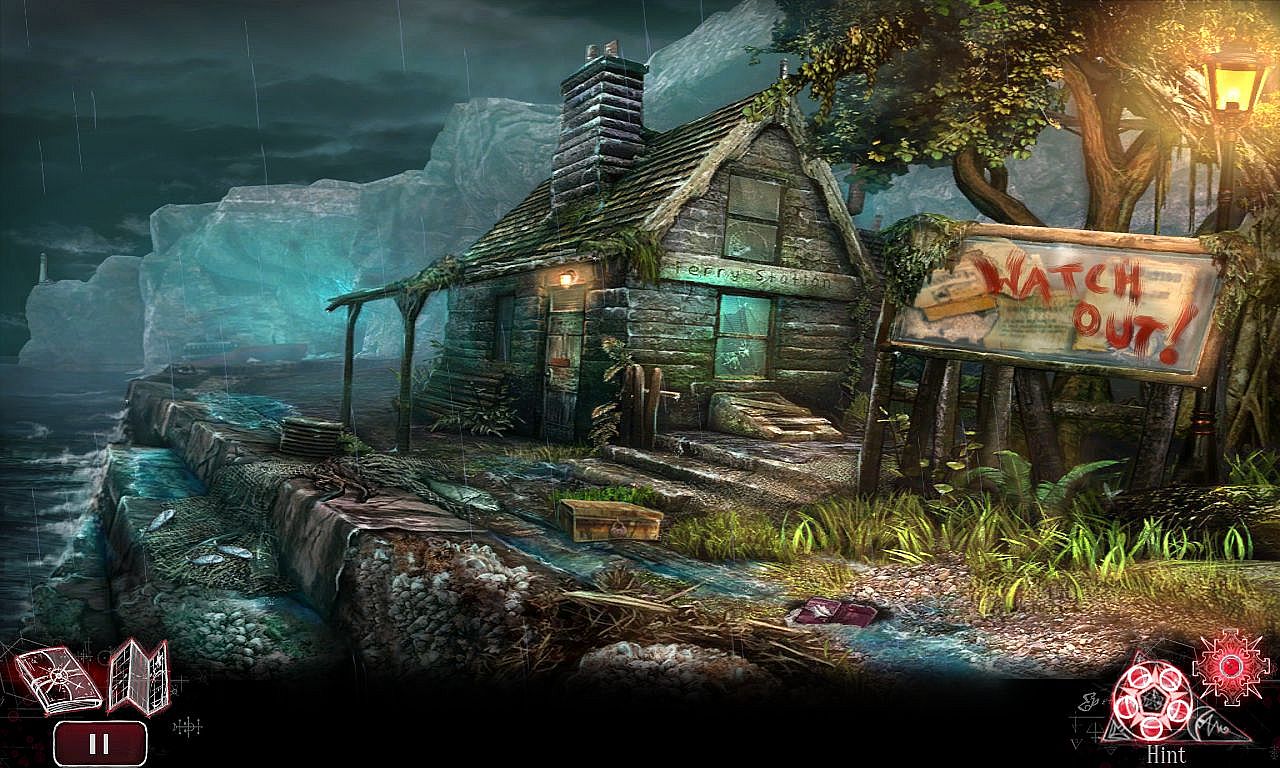
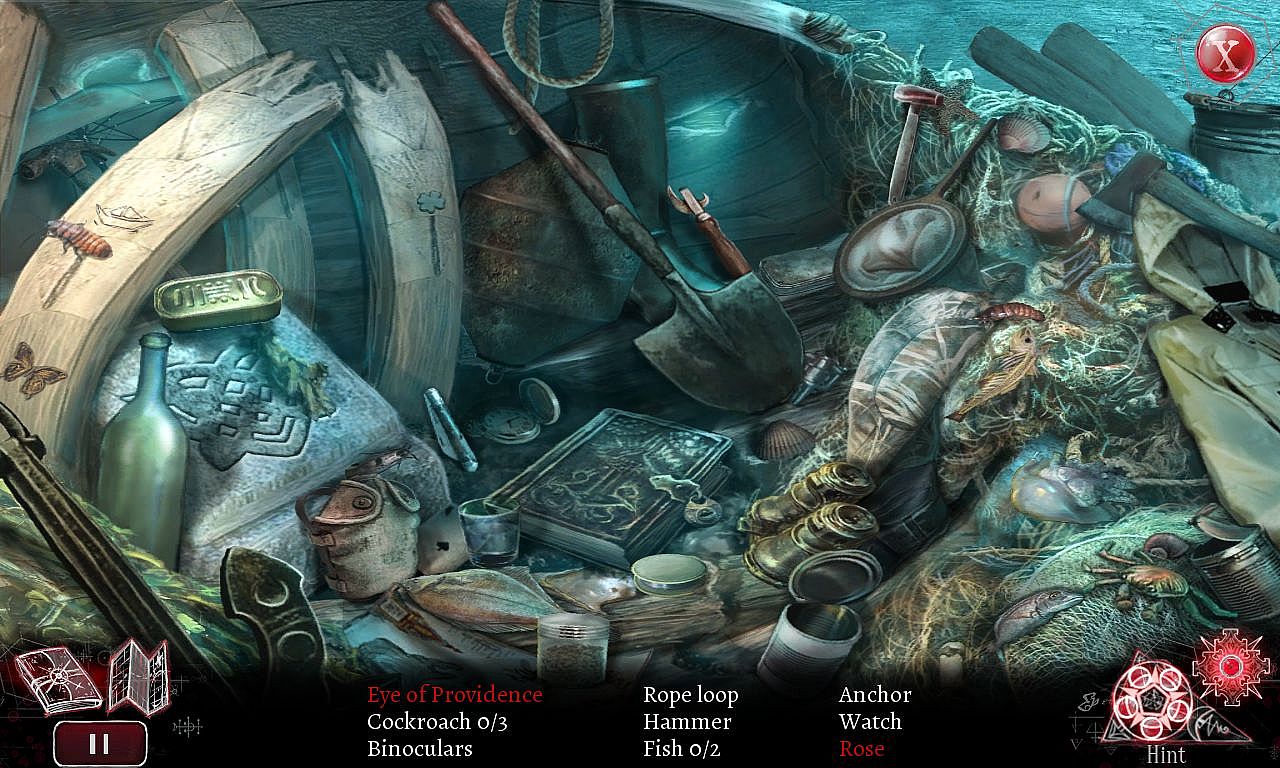
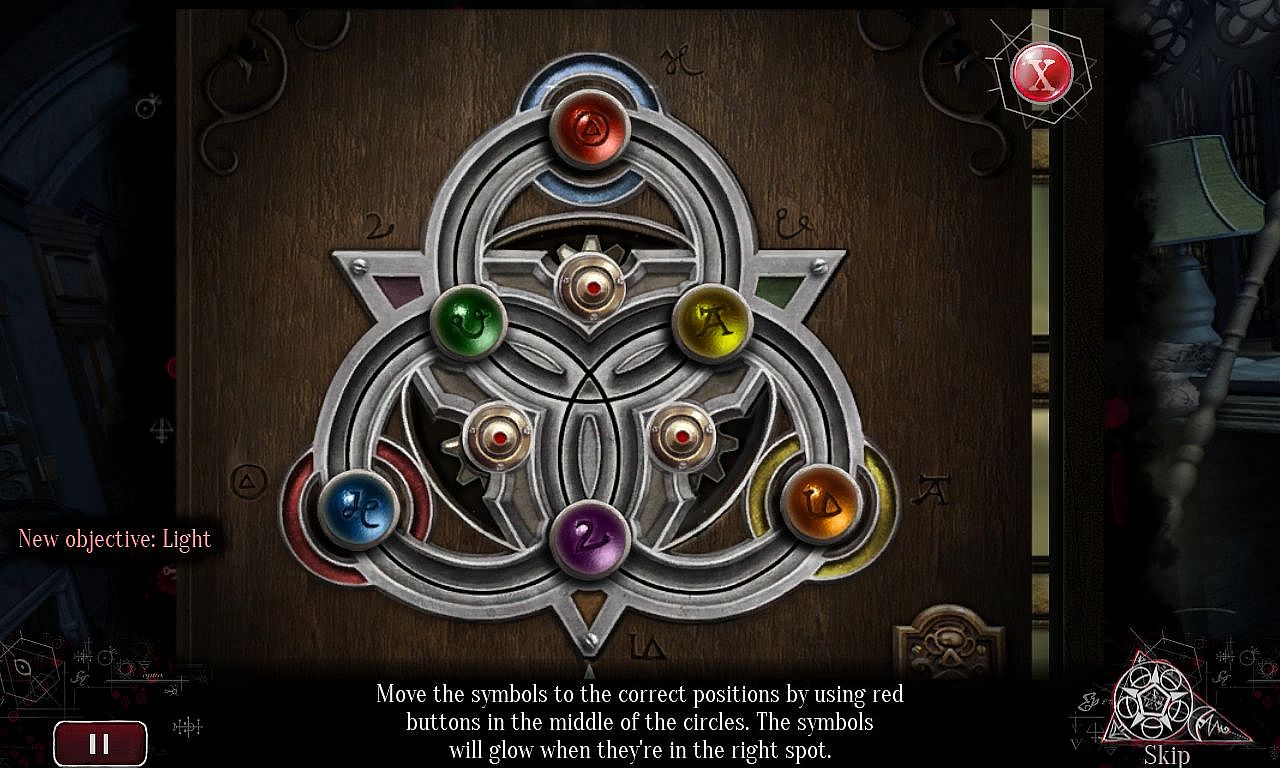
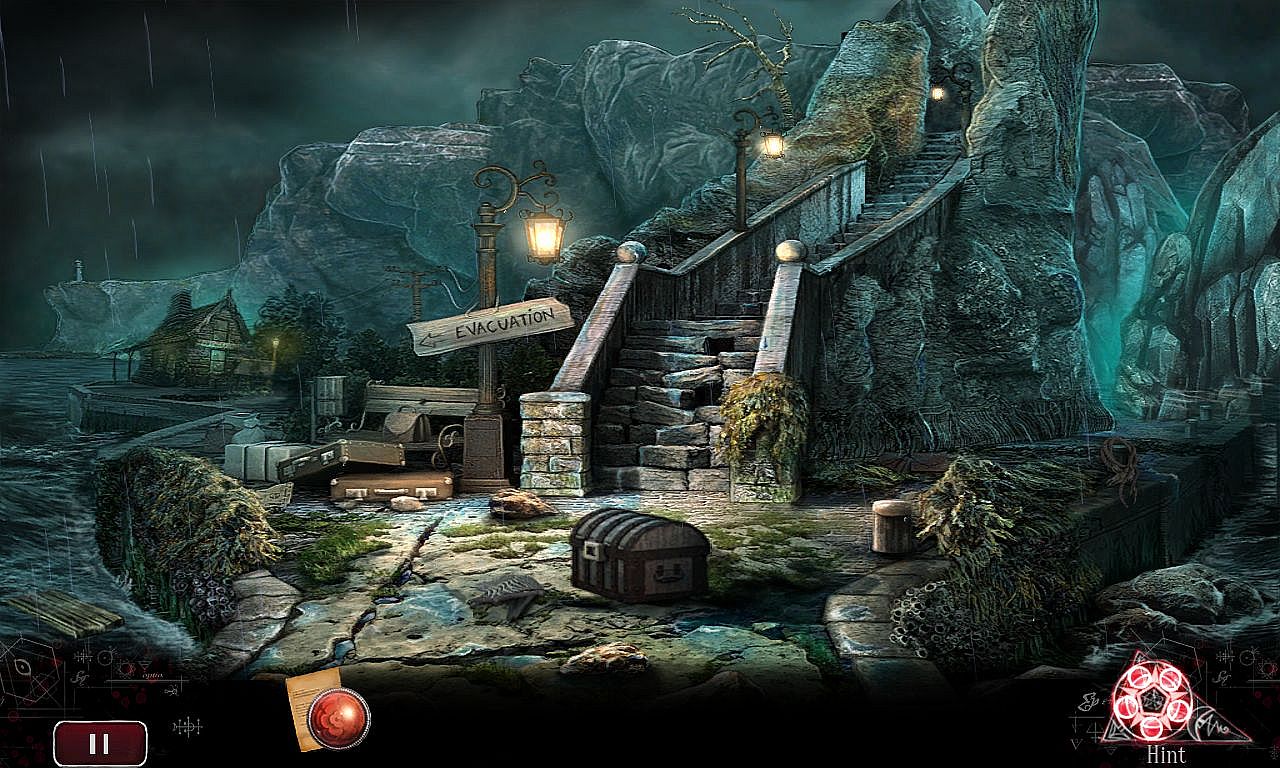
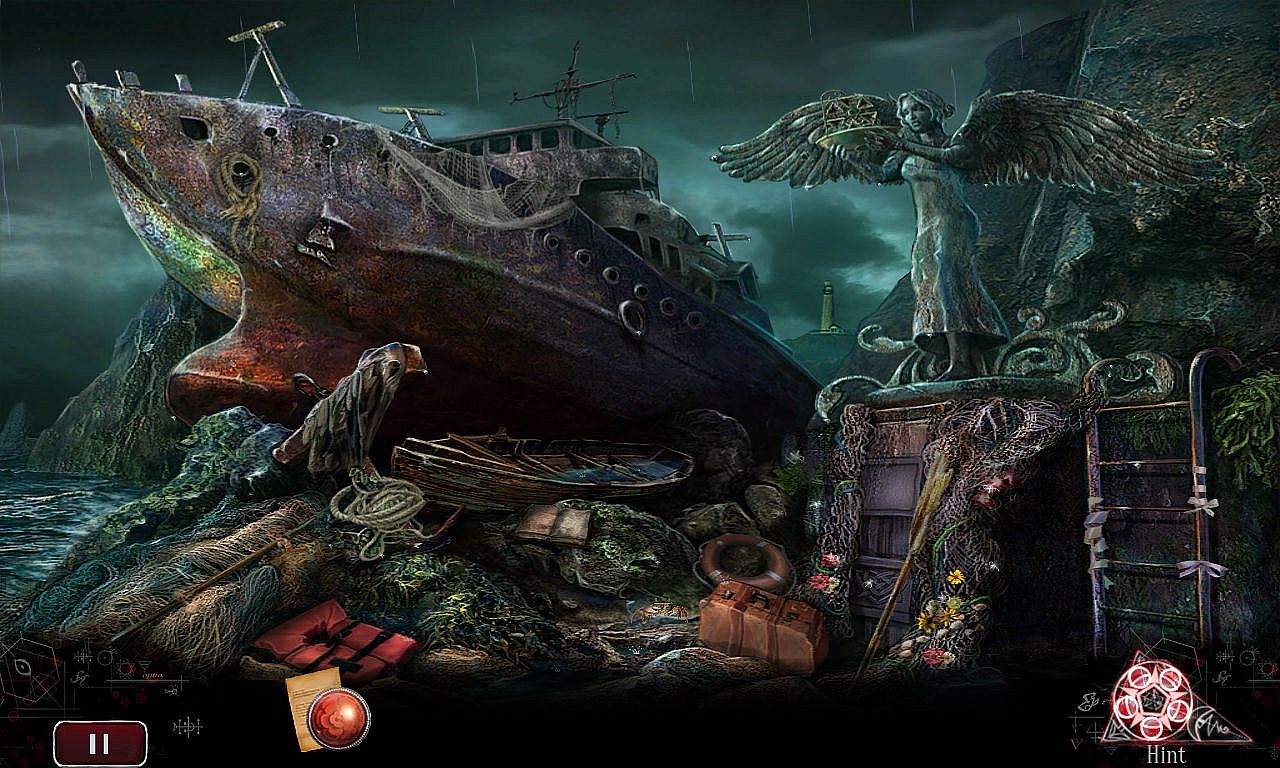
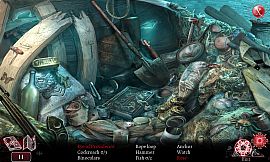
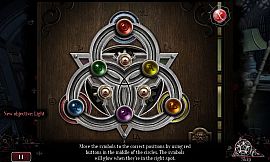
The core loop centers on point-and-click exploration of detailed environments. Players move between scenes, examine objects for clues, and complete tasks that advance the narrative. Hidden object sequences require locating specific items listed on screen within cluttered areas, while mini-games introduce varied challenges such as logic puzzles and manipulation tasks that interrupt the search phases. The game structures its content around a fixed sequence of locations and objectives, with each area contributing new story elements and items needed for progression. Inventory management plays a supporting role, as collected objects are used to solve environmental obstacles or unlock further areas.
Game Modes
Dark Heritage: Guardians of Hope operates as a single-player experience without separate multiplayer or competitive options. The main campaign follows a linear path through the story, combining hidden object searches with mini-game interludes and light adventure mechanics. A bonus chapter extends the narrative after the primary events conclude, offering additional scenes and puzzles for players who finish the core content. No alternate difficulty settings or branching paths alter the fundamental structure, keeping the focus on sequential puzzle solving and exploration.
Story and Setting
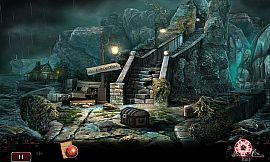
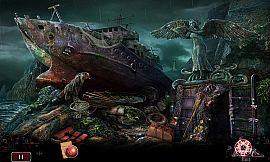
The narrative begins with the protagonist responding to Professor Child's sudden vanishing during his research into the philosopher's stone. Her investigation leads to a remote island inhabited by an enigmatic order that guards powerful relics. Throughout the adventure, players uncover documents, artifacts, and interactions that reveal the order's history and the enemy's motives. The story unfolds through static images, text descriptions, and occasional voiced sequences rather than extensive dialogue trees or character customization. The island locations include both natural landscapes and constructed interiors tied to the order's activities.
Is It Worth Playing?
This title suits players who enjoy short, self-contained hidden object adventures with a mix of search scenes and simple puzzles. The experience lasts roughly four to five hours for most players completing the main story and bonus chapter. Reception among fans of the genre highlights the straightforward presentation and the integration of the philosopher's stone plot with the island setting, though some note limited replay value once the puzzles are solved. The game remains available on PC as a one-time purchase with no ongoing seasonal content or updates required for play. Those seeking a focused casual session centered on exploration and item hunting will find the verified structure matches the listed features of 37 locations, 31 mini-games, and 14 hidden object scenes. Players preferring longer campaigns or more complex systems may prefer other entries in the casual adventure category.