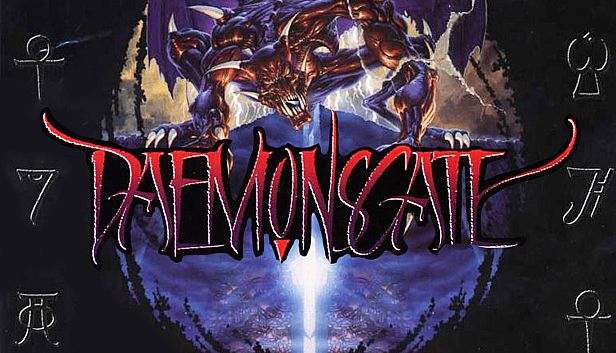















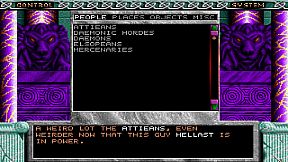
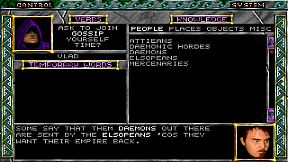
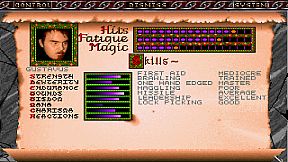
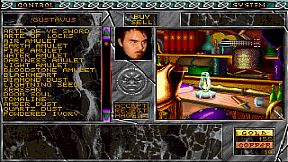
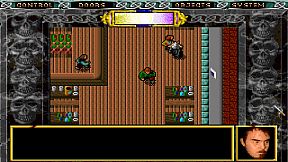
Daemonsgate is an action RPG adventure title developed by Imagitec Design and originally released in 1993 for DOS systems. Players take control of Captain Gustavus, a loyal agent tasked with uncovering the source of a daemon invasion threatening the city of Tormis and the surrounding lands of Elsopea. The game emphasizes exploration across a large fantasy setting, character conversations, party management, and combat involving multiple magic types.
Gameplay
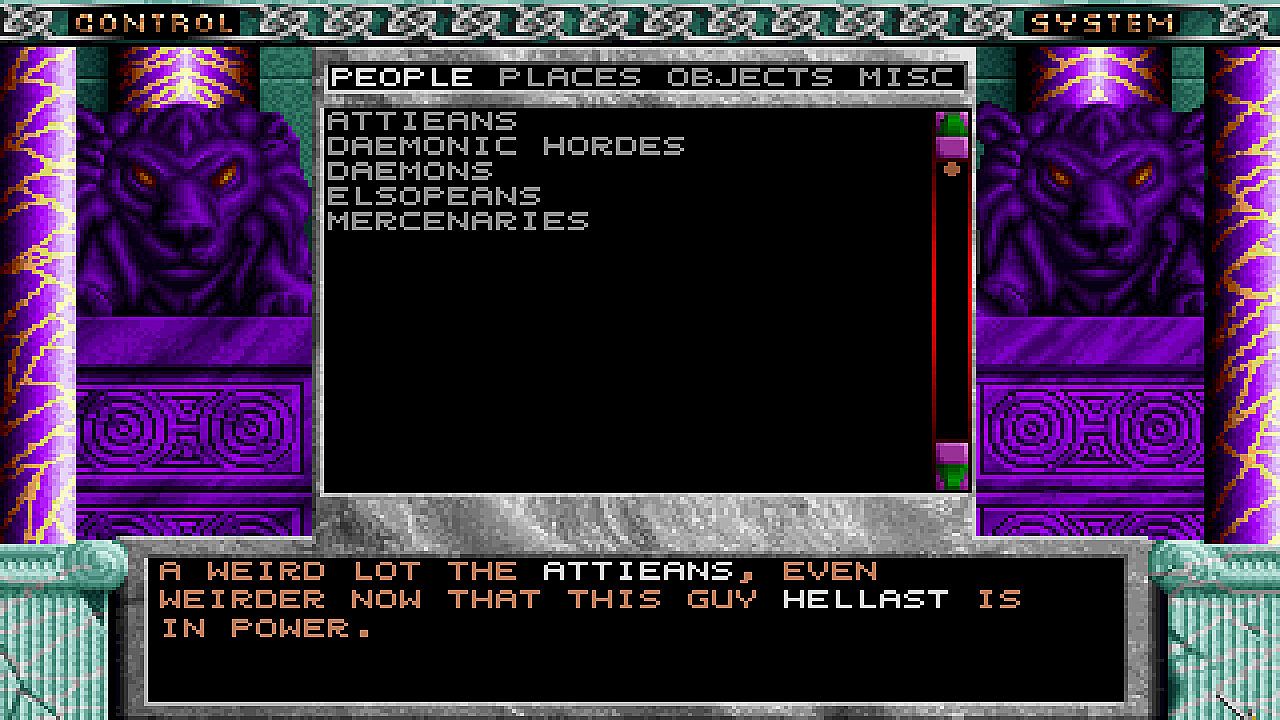
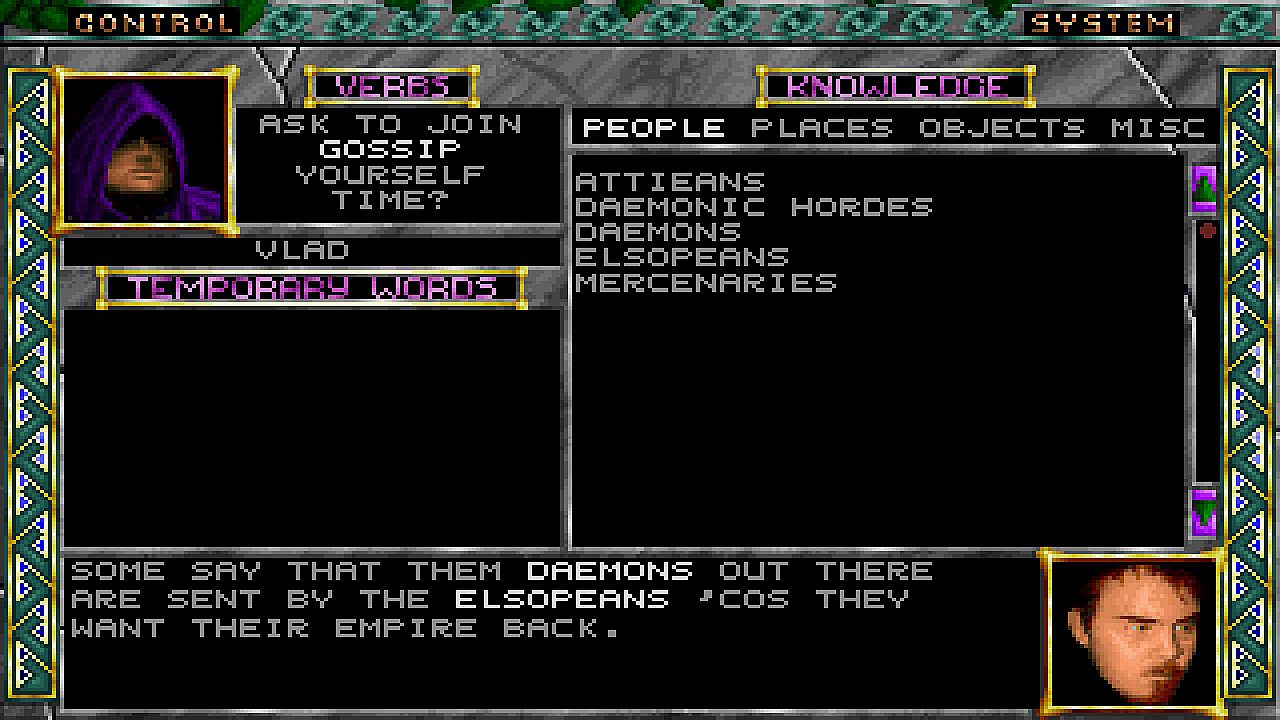
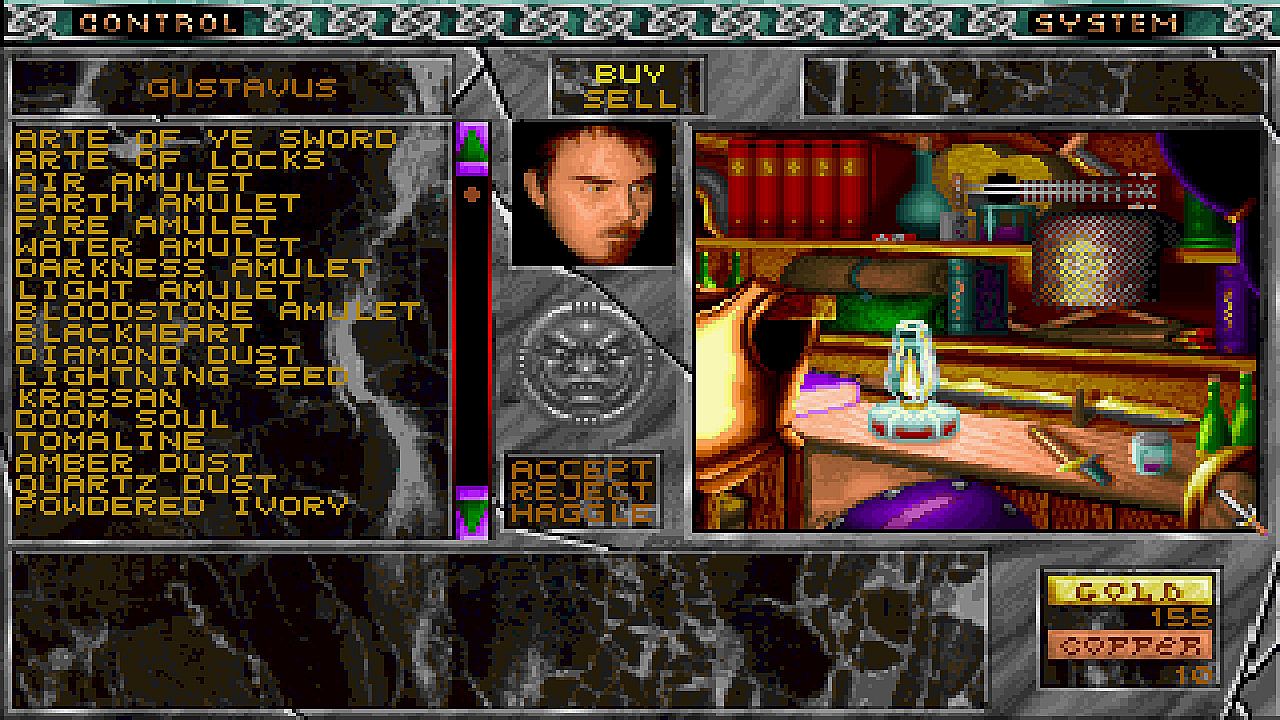
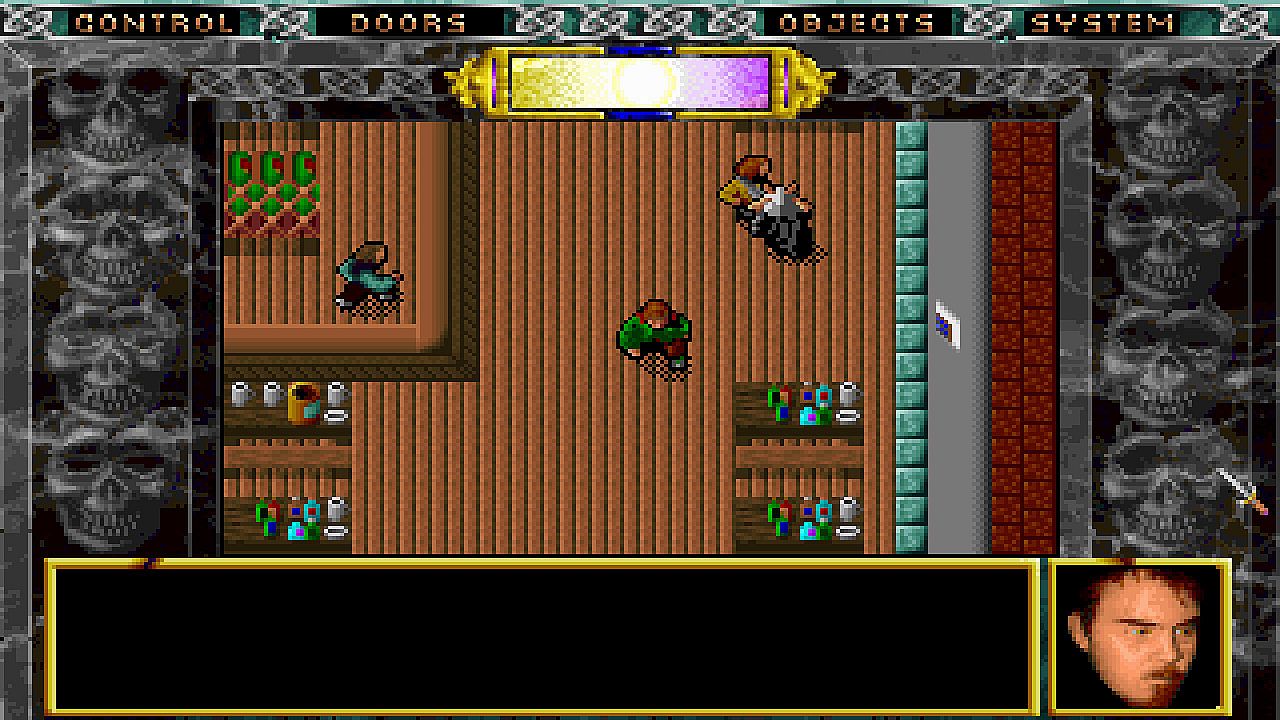
The core loop centers on traveling through a detailed world represented by thousands of illustrated screens. Movement occurs over land and sea routes as Gustavus searches for a sage who holds answers about the daemon threat. Navigation involves visiting locations such as inns and cities, where players interact with residents through an extensive dialogue system built on a large vocabulary of words.
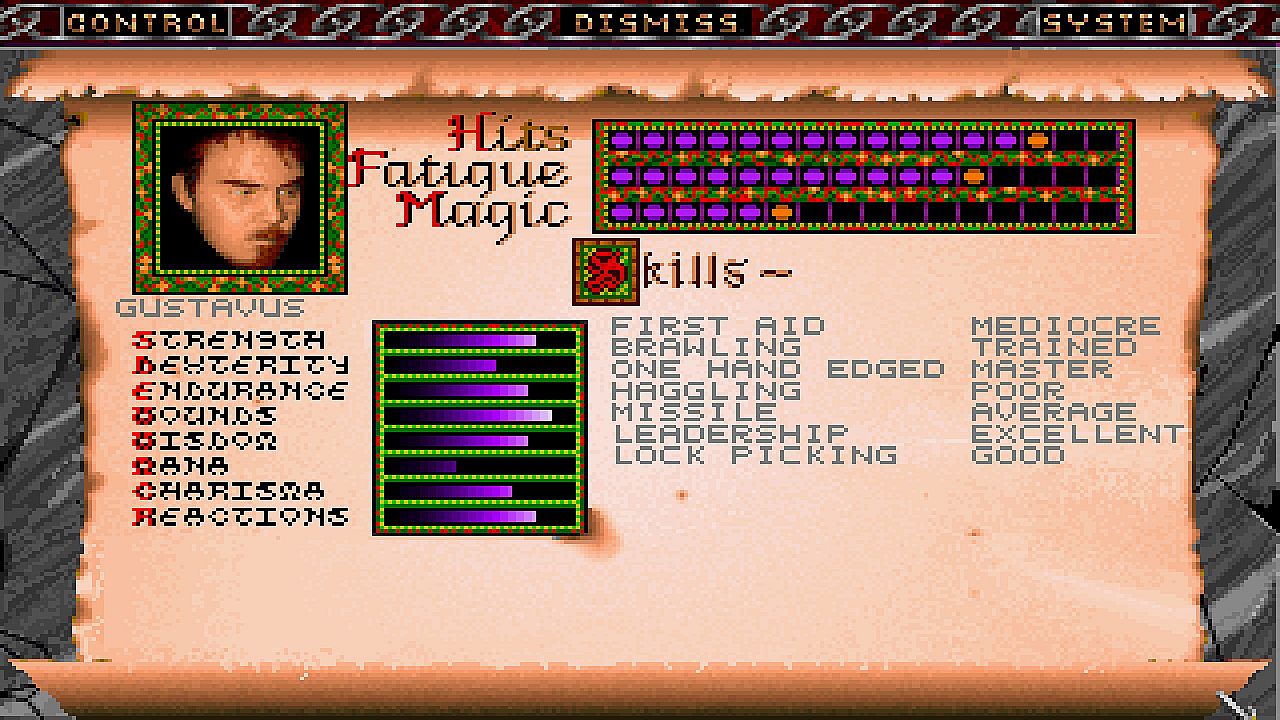
Combat arises during encounters with enemy hordes. Players recruit companions who contribute their own skills and abilities. Magic comes in three varieties that can be harnessed alongside physical attacks. Party composition matters because different allies bring distinct strengths to fights. The overall experience stretches across an extended playtime exceeding 150 hours when pursuing thorough exploration and story progression.
Atmospheric elements include an original soundtrack that supports the sense of a world under siege. Character interactions reveal personalities through the conversation mechanics, adding depth to the journey without relying on modern quality-of-life conveniences common in later titles.
Game Modes
Daemonsgate operates exclusively as a single-player experience. There are no multiplayer components, competitive modes, or co-operative options available. All progress occurs in a solo campaign focused on the main quest and optional exploration. The structure remains linear in its overarching narrative while allowing freedom in how players approach travel, recruitment, and side interactions within the world.
The World and Story
The setting begins in the besieged city of Tormis and expands outward to southern mountains and distant lands affected by the daemon scourge. Populations have vanished in many areas, leaving survivors and key figures for Gustavus to meet. The narrative follows the captain's quest to identify the invasion's cause and end it, incorporating travel by both land and sea.
Recruitment of allies occurs naturally during the journey, expanding the group and introducing new combat options. The three magic systems provide variety in how battles are handled, encouraging experimentation with party setups. Exploration rewards players with additional context about the calamity through conversations and environmental details.
Is It Worth Playing?
Daemonsgate suits players interested in classic RPG structures from the early 1990s. Its strengths lie in the scope of the world map, the depth of the conversation dictionary, and the integration of party-based combat with multiple magic types. Those who enjoy methodical exploration and dialogue-driven progression will find the 150-plus hours of content substantial.
Reception among current players highlights the dated interface and lack of modern conveniences as notable drawbacks. Some appreciate the soundtrack and the volume of combat encounters, while others find the mechanics less engaging by contemporary standards. Availability on PC through digital storefronts makes it accessible for retro enthusiasts willing to adapt to older design choices.
Prospective buyers should consider their tolerance for unrefined controls and interface elements typical of the era. The game delivers a complete single-player campaign without additional modes or ongoing updates, focusing entirely on the original quest and its supporting systems.