


D for Defender is a tower defense game that blends action and strategy elements in an indie package for PC. Players defend a doomed base against nonstop assaults from intelligent enemies, using flexible building options and a distinctive resource system to extend survival times run after run.
Gameplay
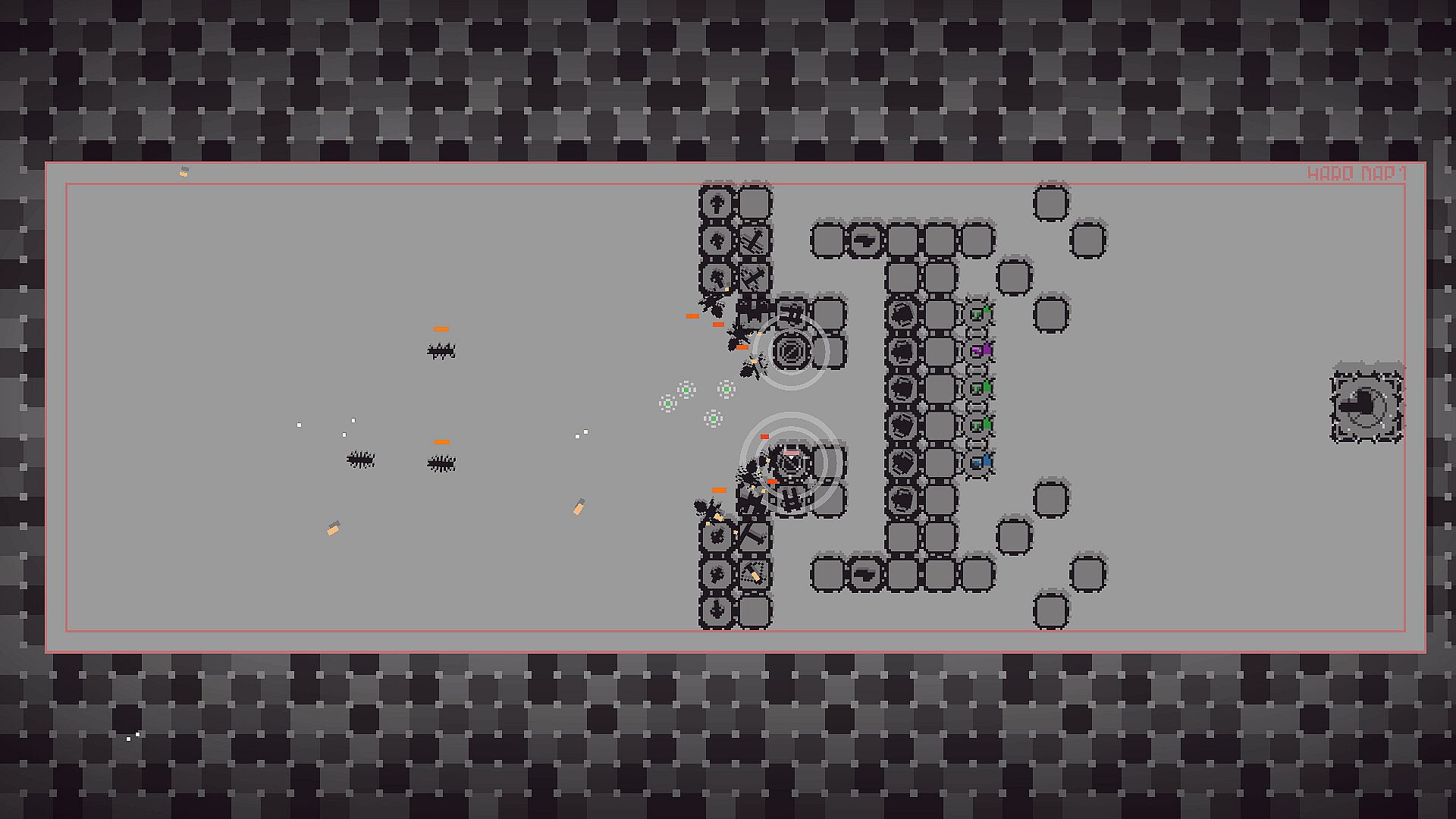
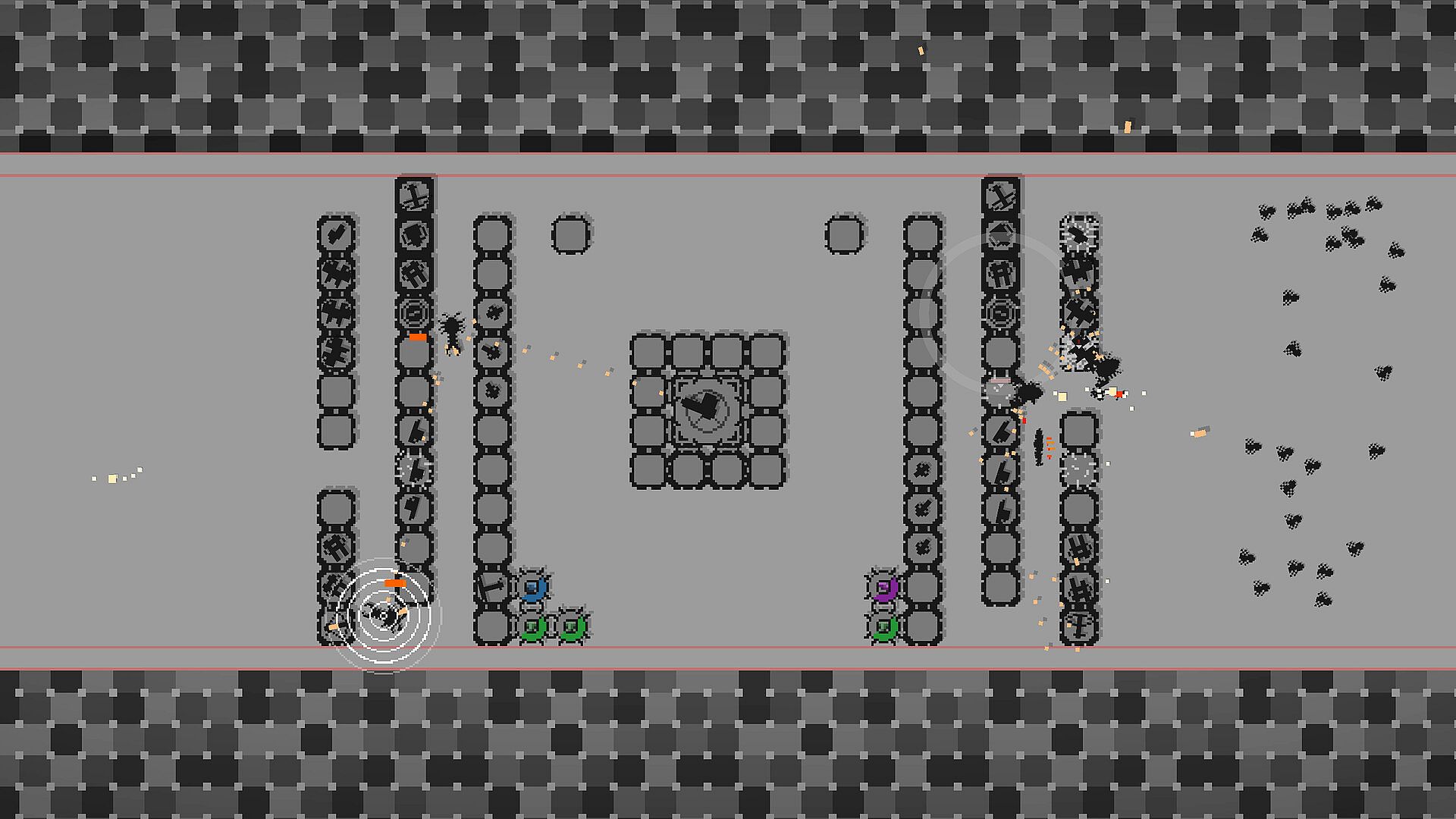
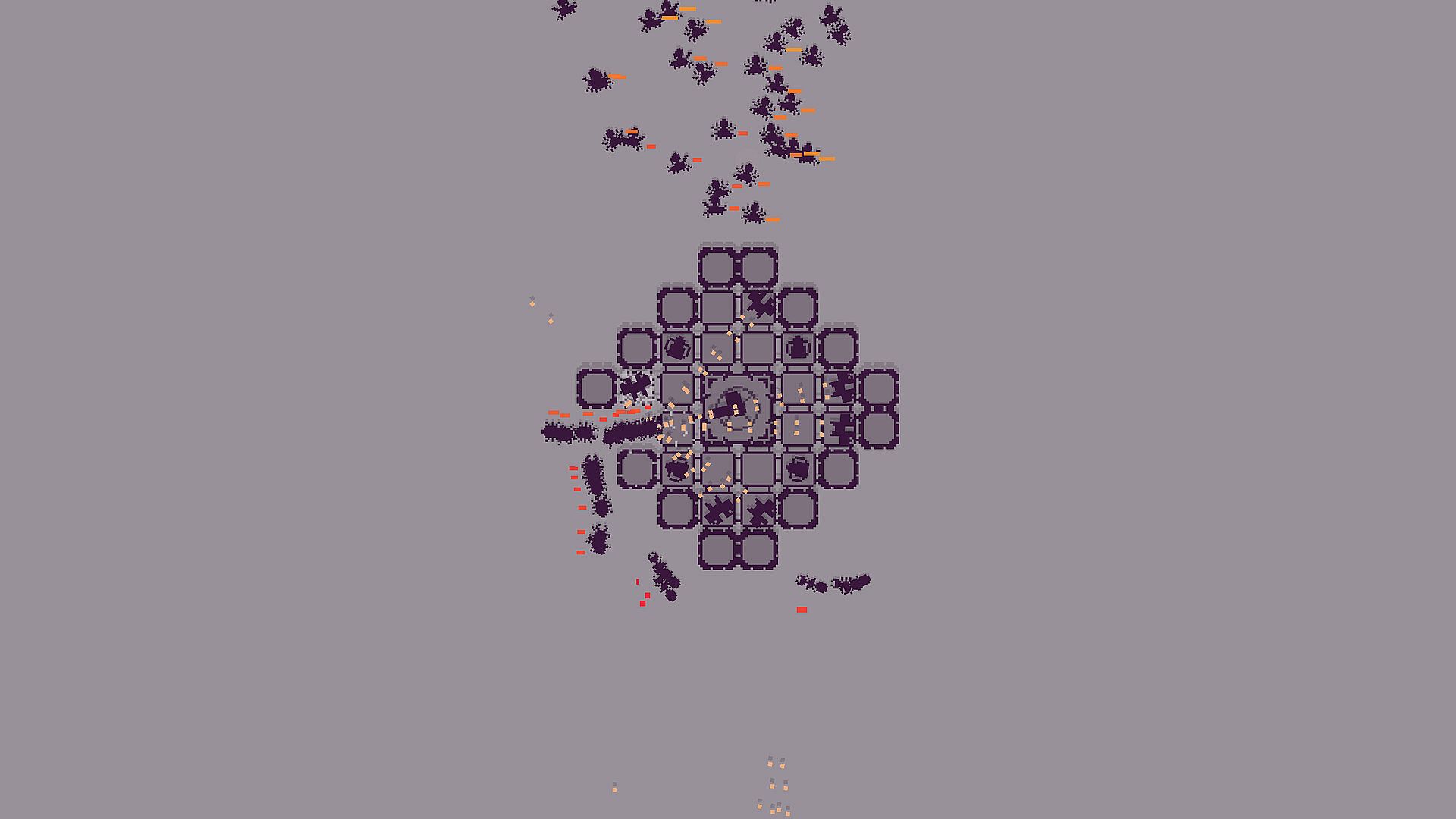
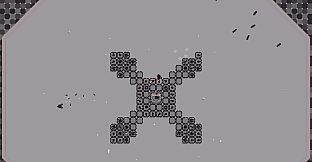
The core loop centers on holding out against endless waves of monsters that adapt to defensive setups. There are no fixed paths for enemies to follow. Instead, each unit operates with its own decision making, charging directly at strong towers to disable them or slipping around weaker points to reach the base. This demands constant adjustments rather than a single static layout.
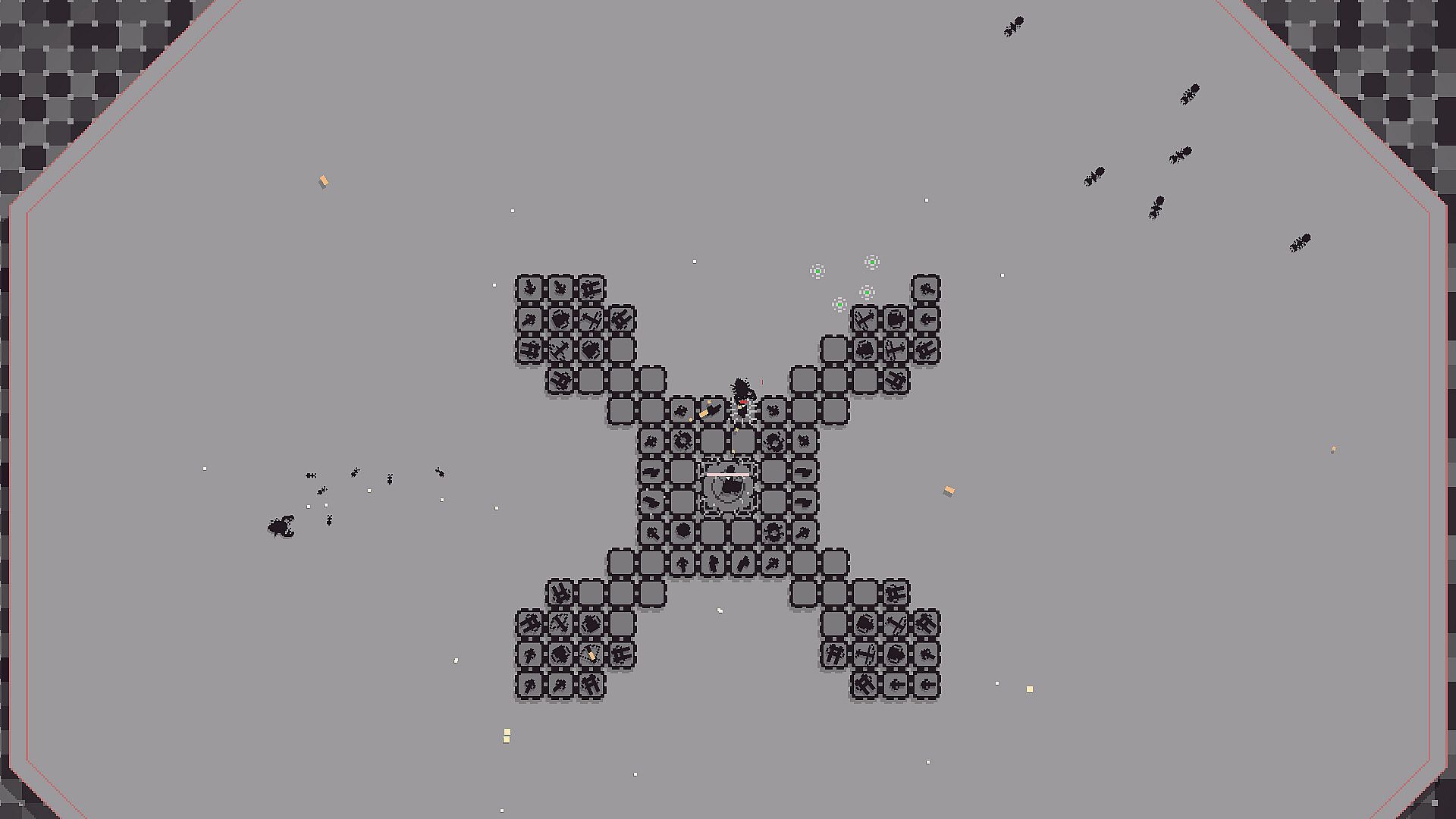
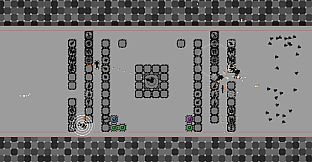
Defenses can be placed freely across the area with a selection of turret types that support upgrades. A modifiable priority targeting system lets players shift focus in real time to counter specific threats as they emerge. The result is a system that rewards quick thinking and repeated experimentation after each failure.
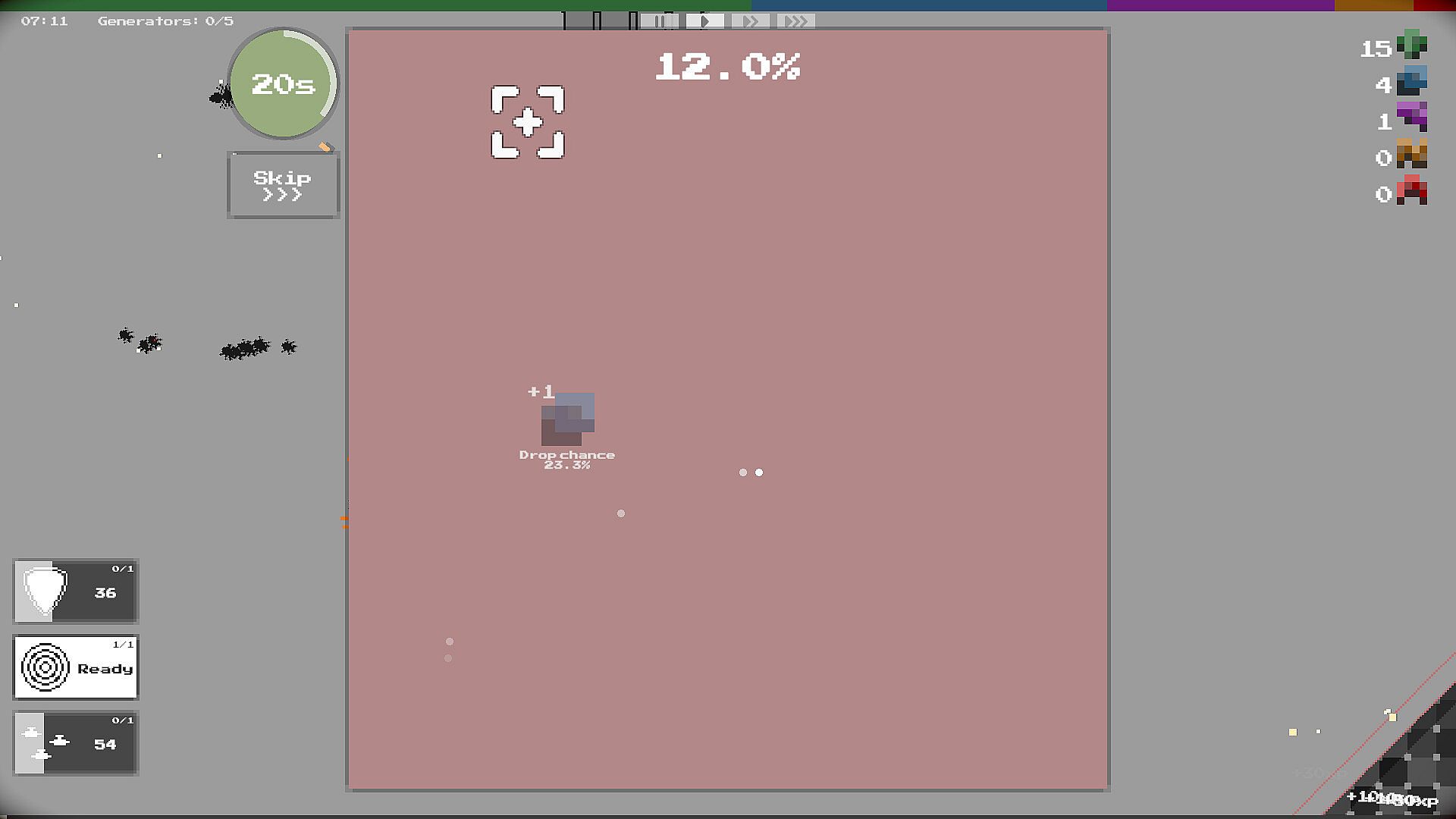
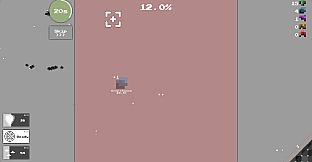
Resources come from a clicker mining mechanic where each click raises the chance of a successful yield. Higher percentages unlock rarer materials, but the window for action stays limited, testing reflexes and timing. Those who prefer automation can invest in generators instead, though these structures require protection since enemies actively target them.
Game Modes
The game operates as a single endless survival experience framed as a roguelite. Every attempt starts with the same goal of lasting longer than before, but unlockable skills and on the fly evolution choices create fresh strategic paths each time. Runs differ based on which upgrades appear and how players allocate permanent progress from prior defeats.
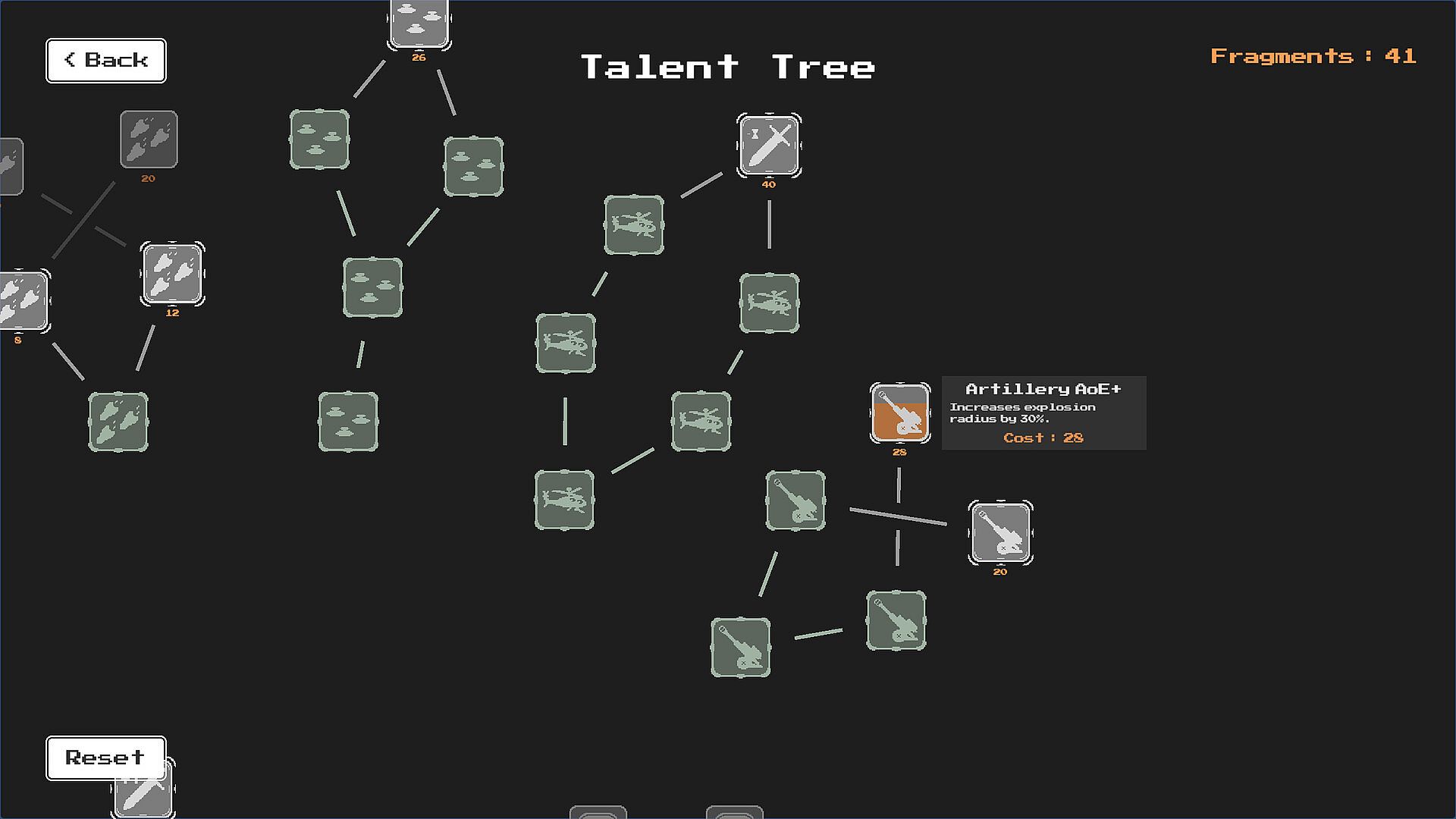
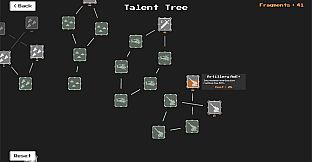
A skill tree provides lasting improvements across attempts, opening new turrets, abilities, and enhancements that gradually extend viable survival windows. Failure feeds directly into this system, turning each loss into measurable advancement rather than a reset to zero.
Enemies and Defense Systems
Enemy behavior forms the main source of difficulty. Units do not follow scripts. Some prioritize neutralizing high damage towers while others avoid combat zones entirely to strike the base. This variety forces players to rethink placements and targeting priorities constantly instead of relying on one effective configuration.
Defensive flexibility comes from numerous placement choices and turret variety. The priority system can be tuned mid wave to match incoming threats, allowing real time responses that keep the base intact for additional minutes. Reinvention after each defeat becomes essential for pushing records further.
Resource Management
Mining demands active participation through timed clicks that build success odds for better hauls. Players balance speed and precision to secure quality resources before the window closes. Automation offers an alternative route via generators, but these assets introduce new vulnerabilities that must be guarded at the cost of overall defense focus.
Resource choices shape long term strategy. Heavy investment in mining supports aggressive turret builds, while generator reliance shifts emphasis toward protecting fragile infrastructure. Both paths carry trade offs that influence how far a given run can extend.
Is It Worth Playing?
D for Defender suits players who enjoy challenging tower defense with roguelite progression and adaptive enemy AI. The emphasis on survival rather than victory, combined with permanent unlocks that reward persistence, creates a loop centered on incremental improvement and strategic reinvention. Those drawn to indie strategy titles that punish repetition and reward adaptation will find the systems align closely with that preference. The game remains available on PC with its core mechanics intact as described.