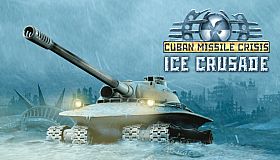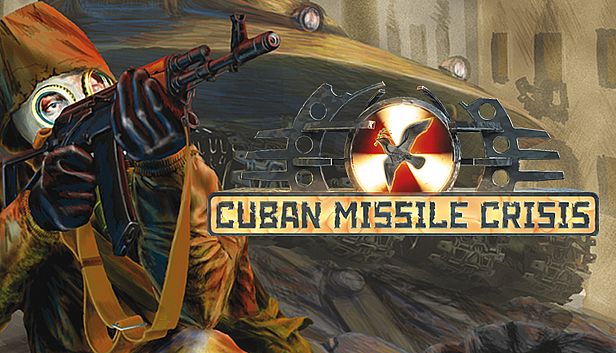



















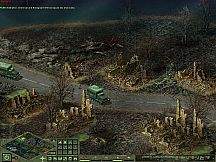
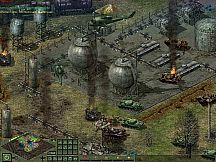
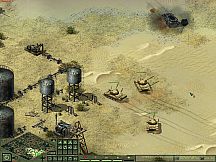
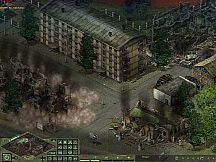
Cuban Missile Crisis is a strategy game that blends real-time battles with a global turn-based layer. Set in an alternate history after the 1962 nuclear exchange between the United States and the Soviet Union, the title places players in a ruined world where surviving nations fight over clean resources amid radioactive wastelands. The core experience revolves around managing armies across a campaign map while directing units in direct combat encounters.
Gameplay
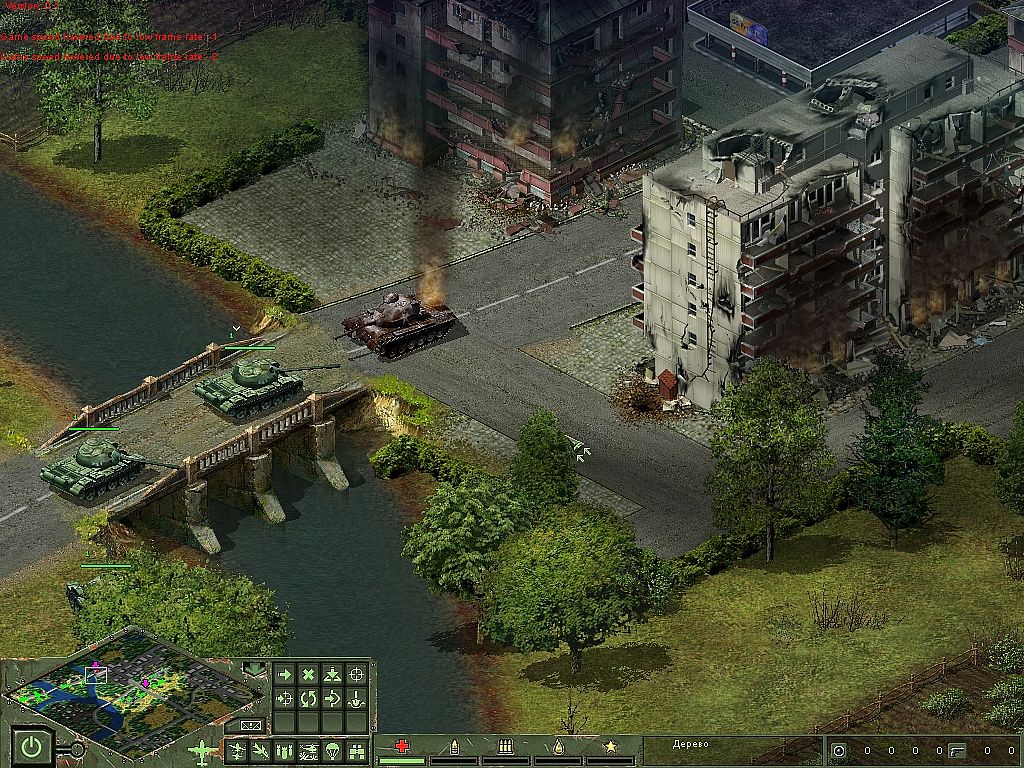
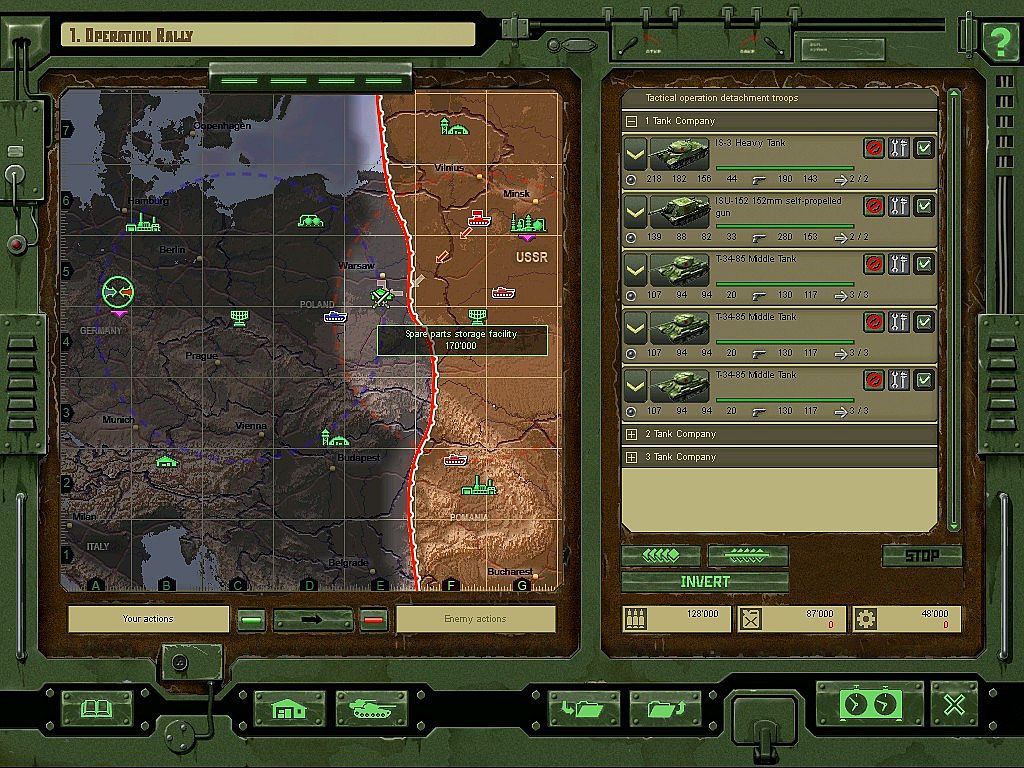
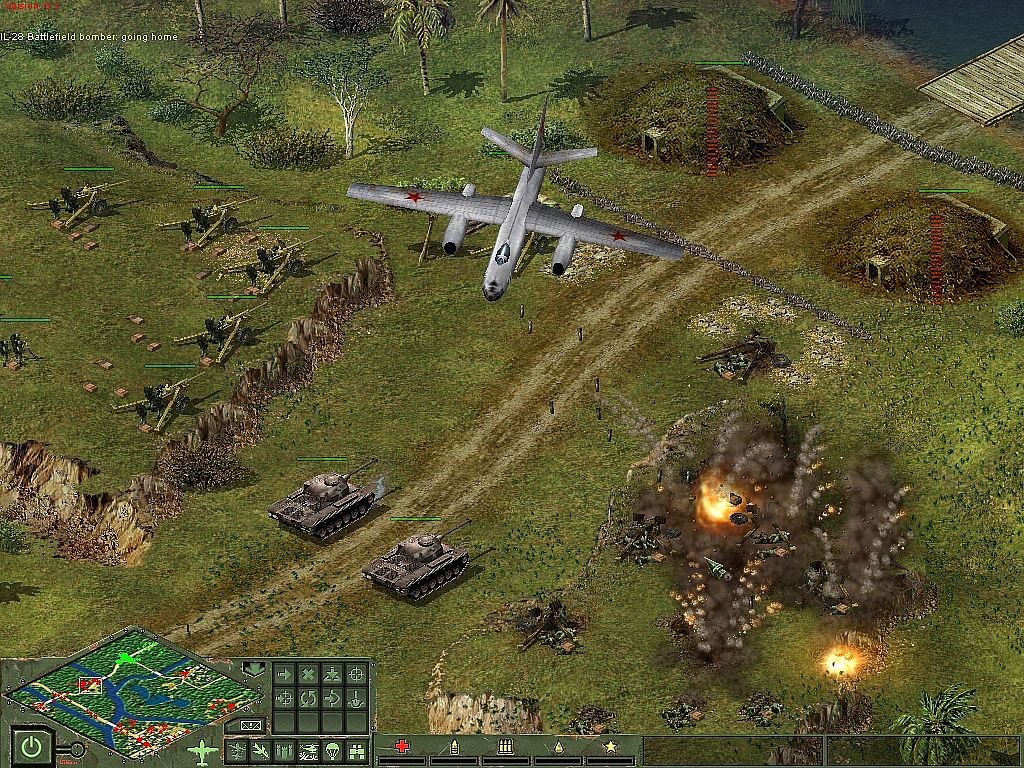
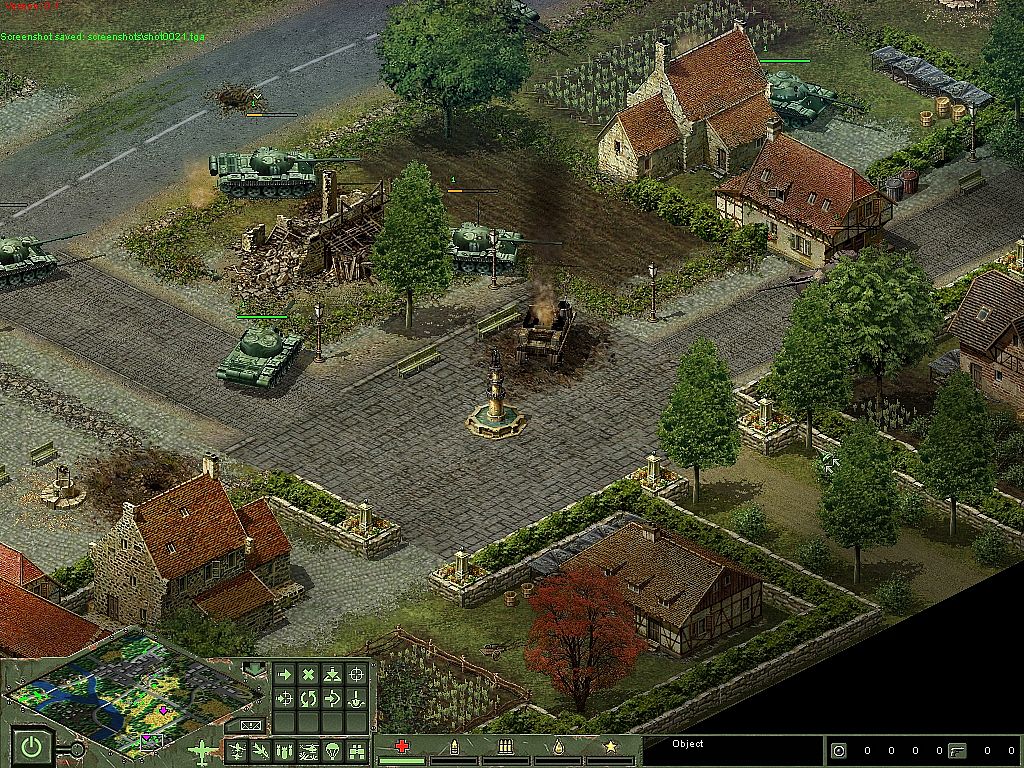
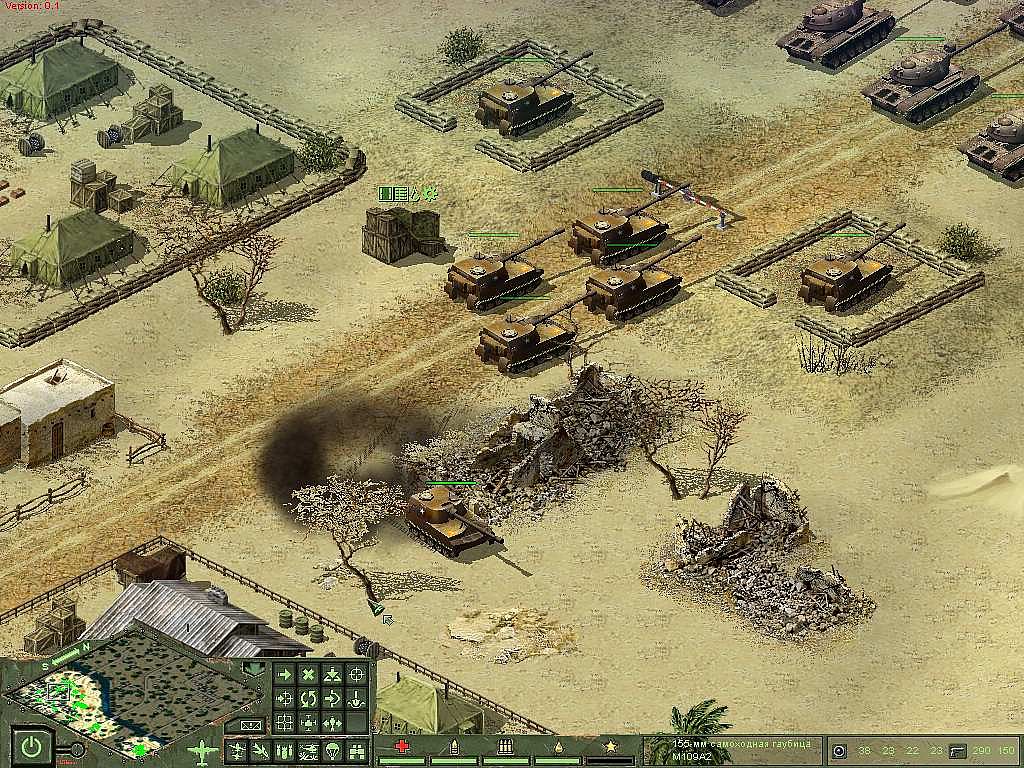
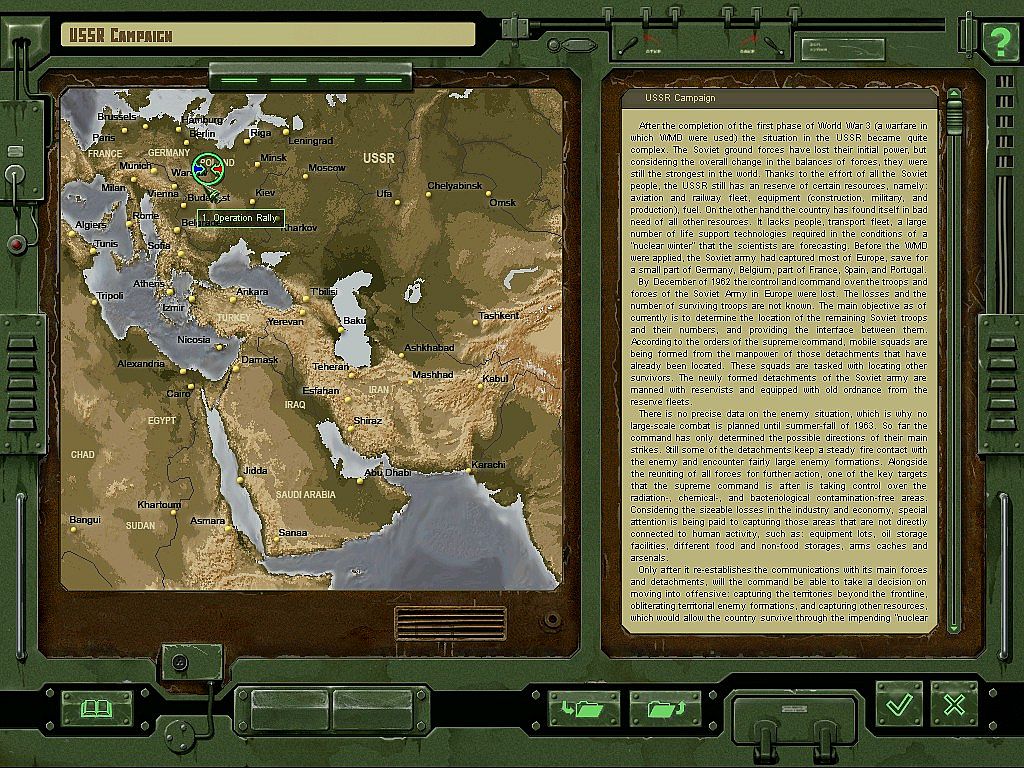
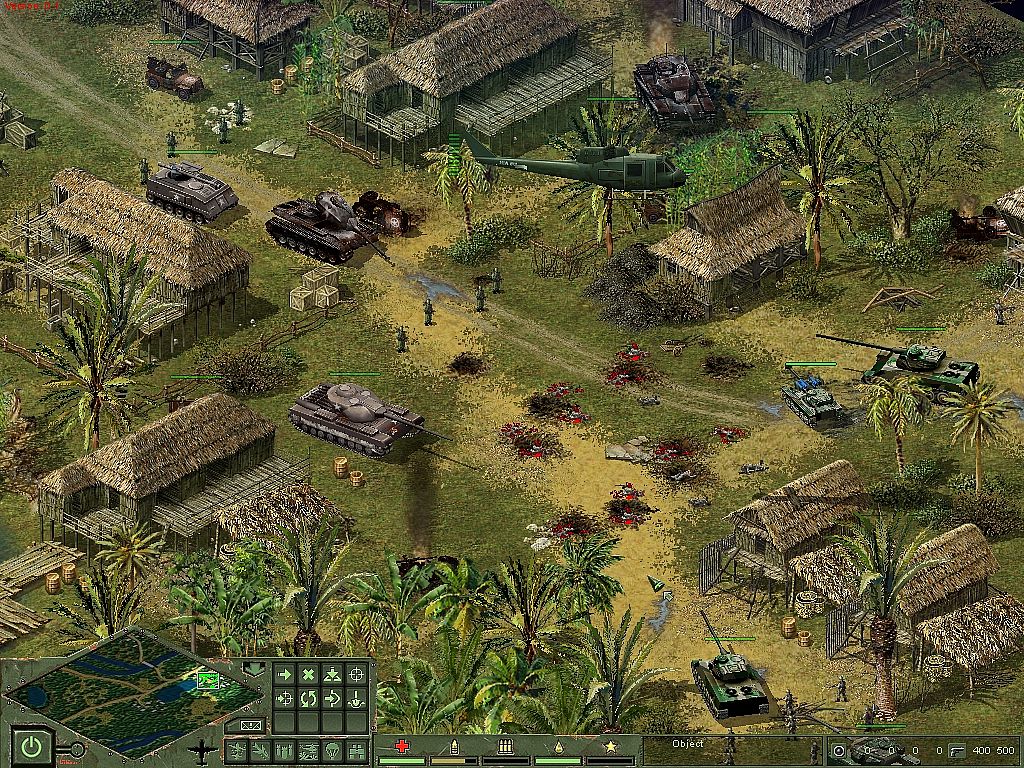
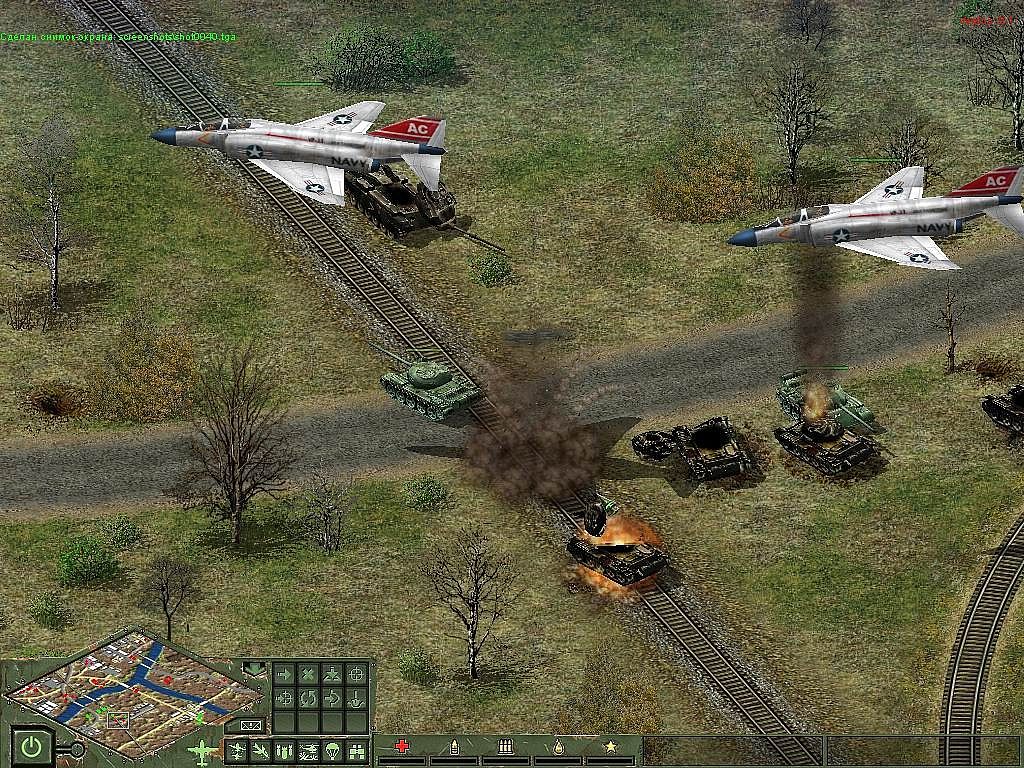
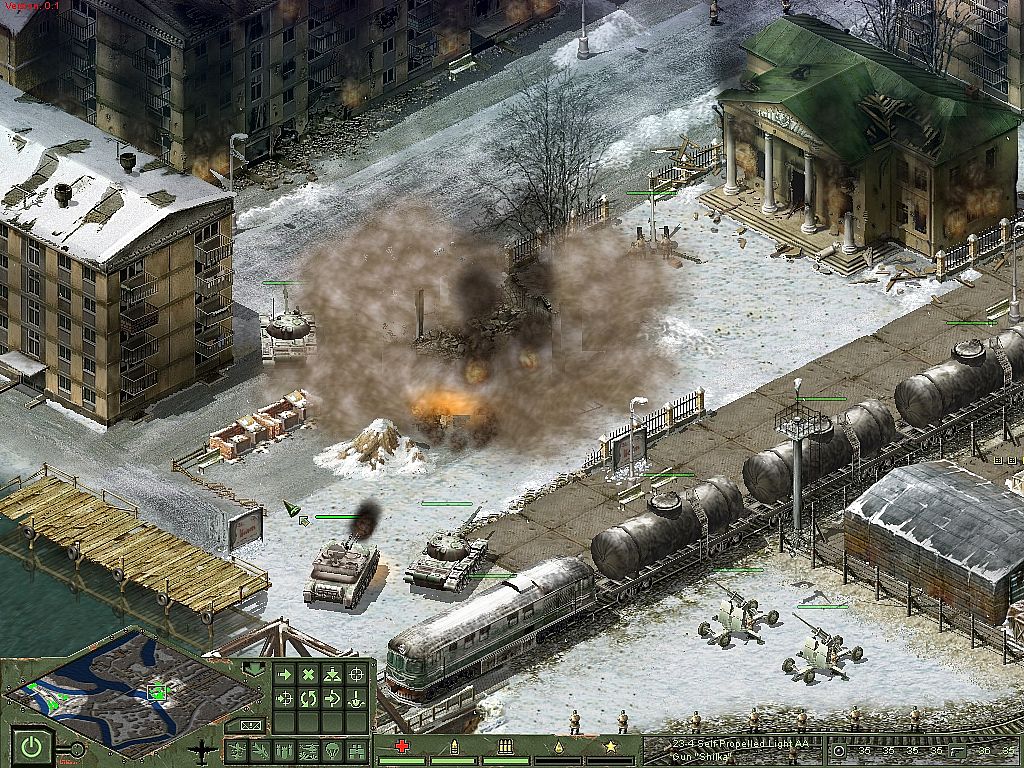
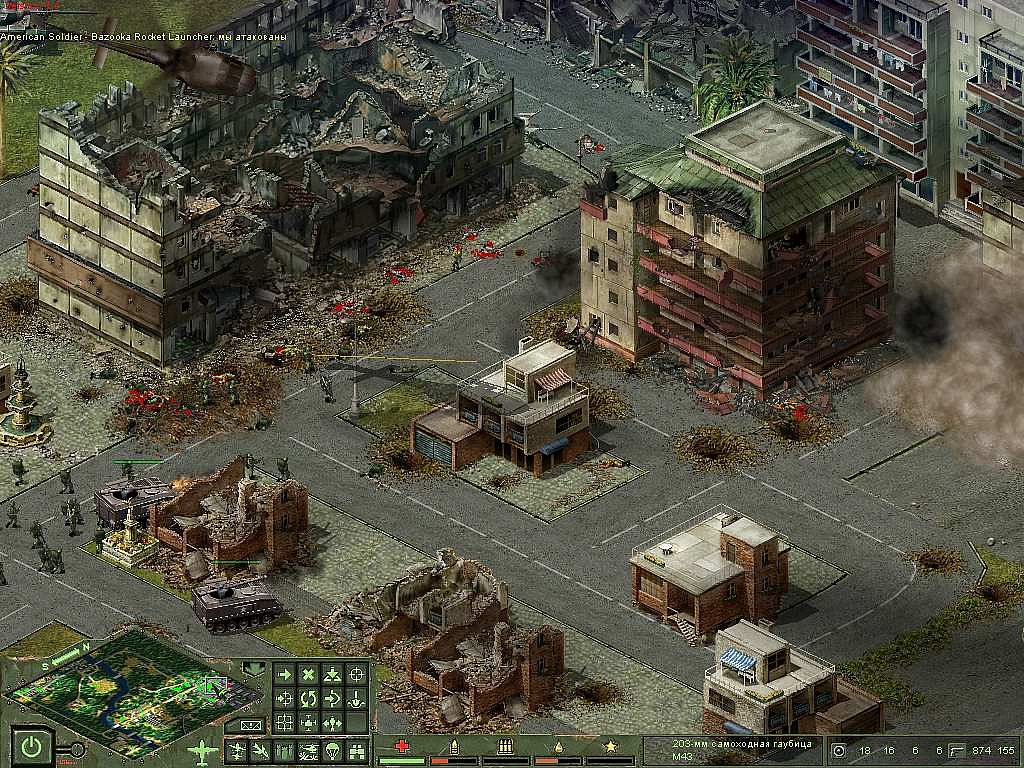
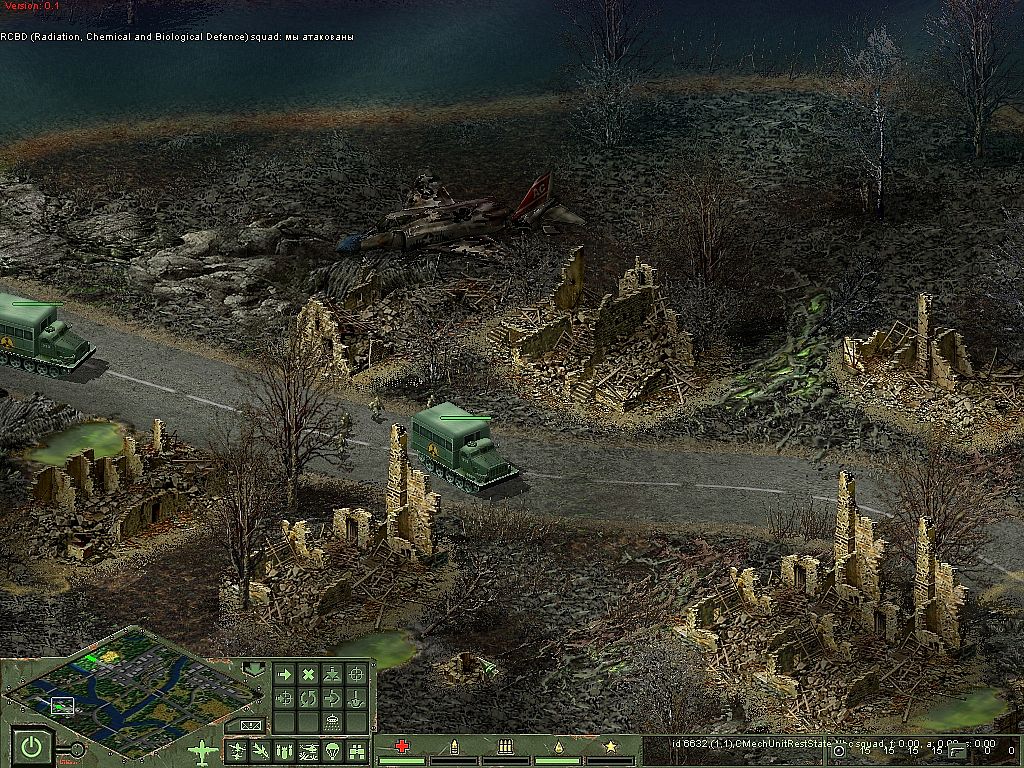
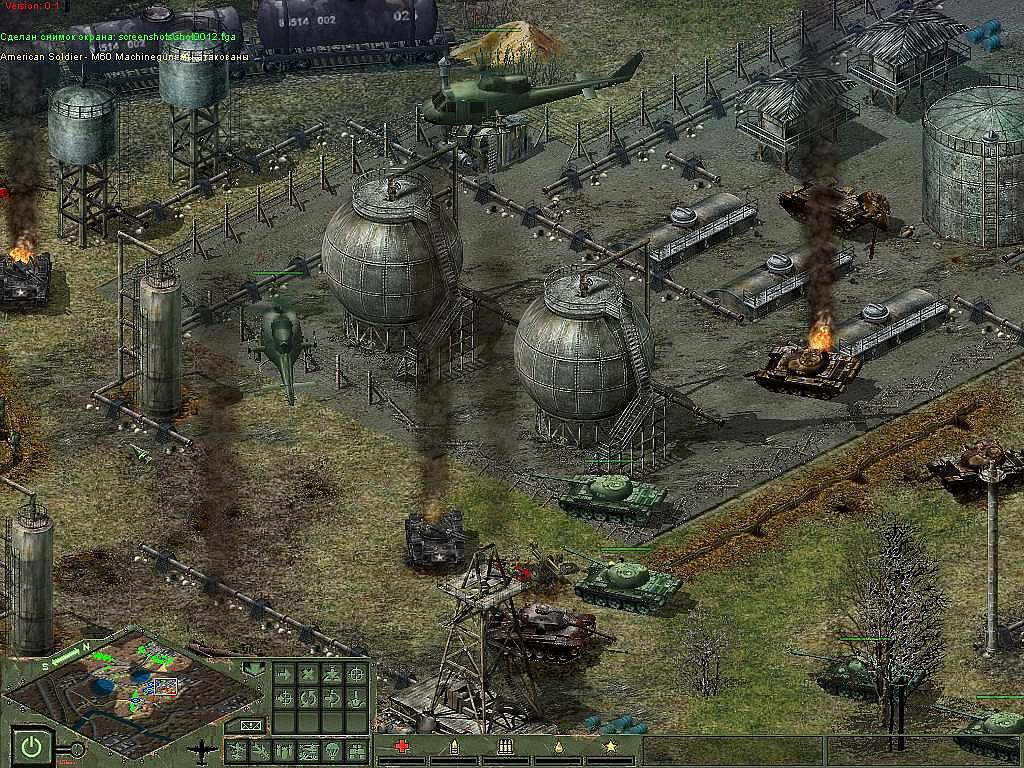
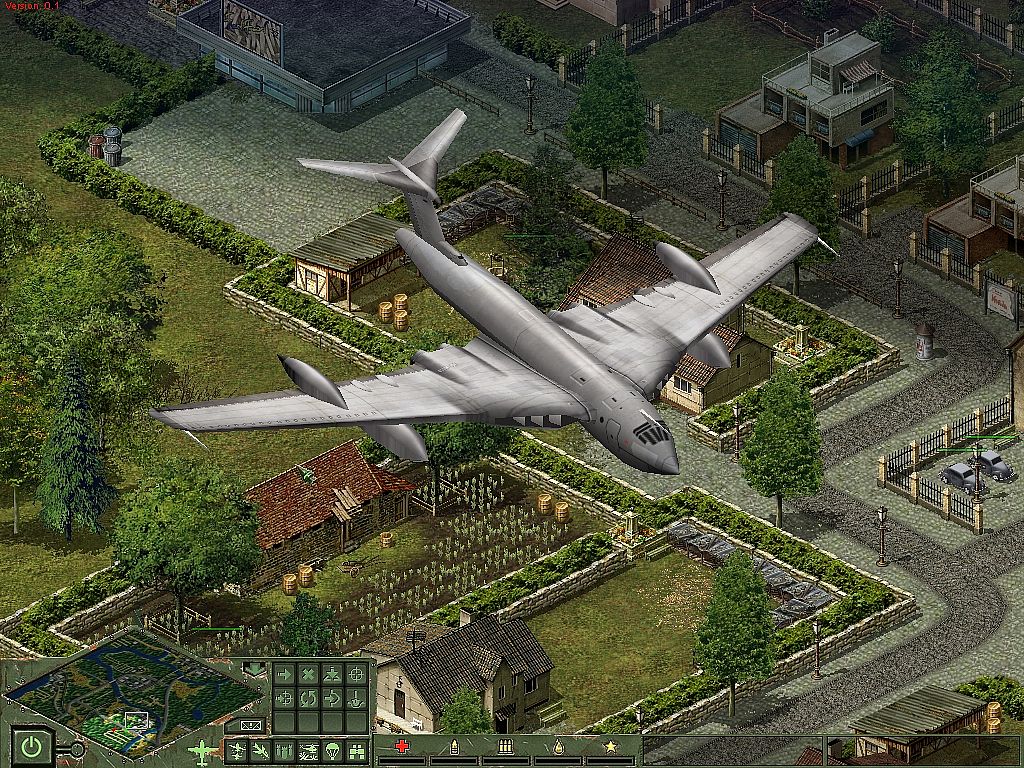
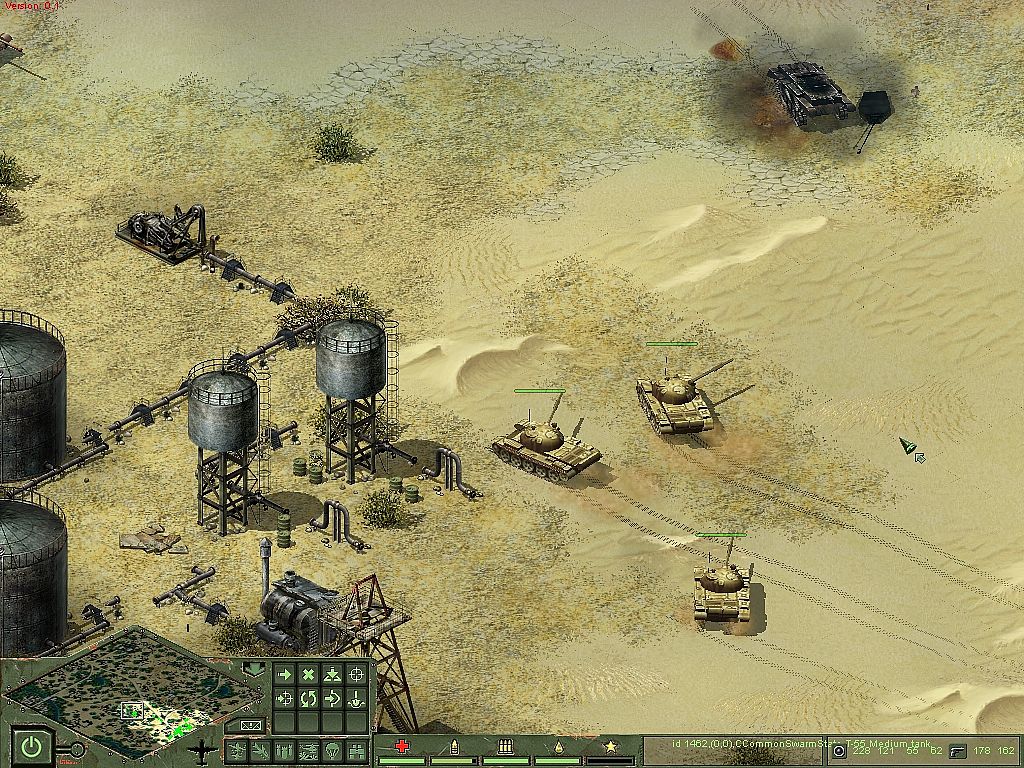
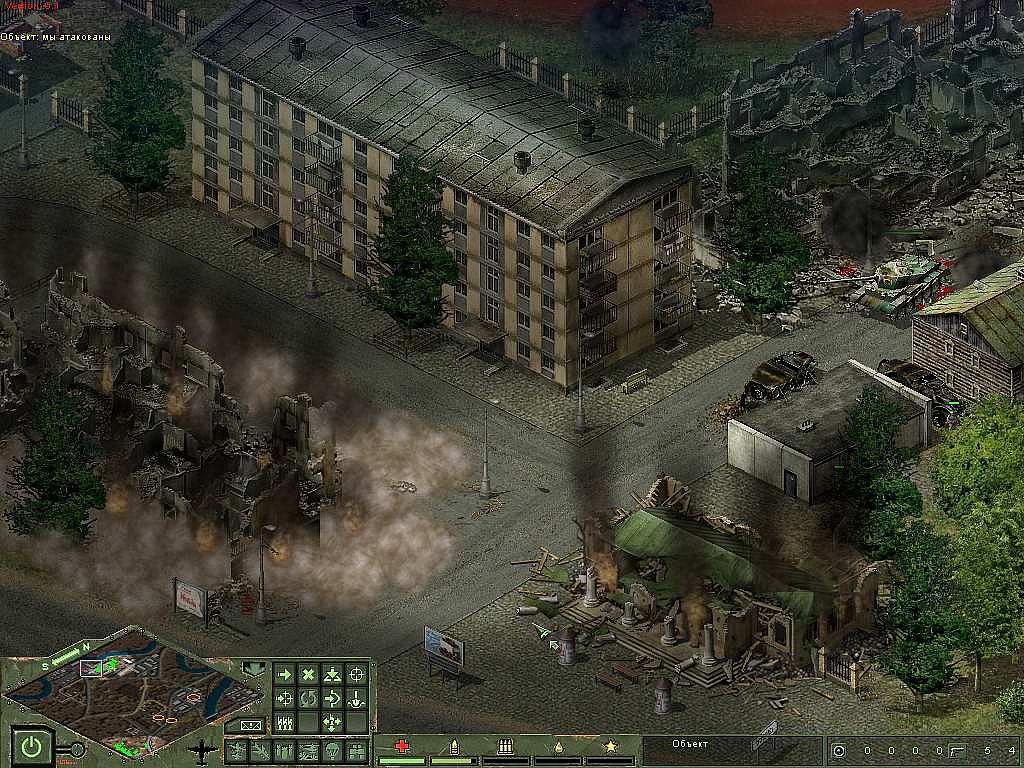
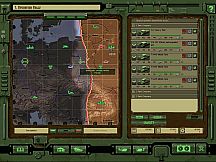
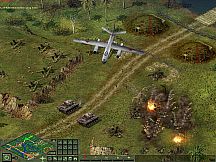
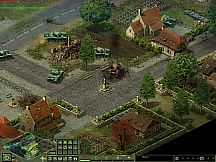
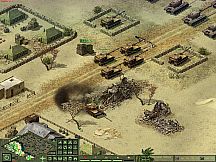
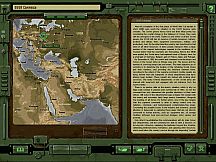
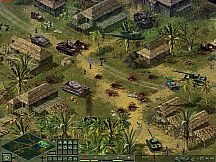
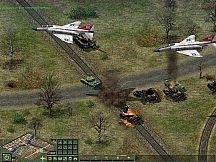
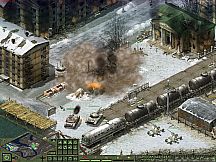
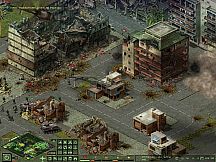
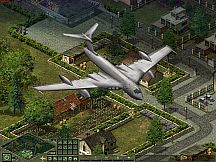
The game alternates between two distinct layers. On the global map, players issue turn-based orders to expand territory, secure resource points, and position forces for upcoming conflicts. Resource management focuses on clean earth and water, which become critical after the nuclear devastation. In real-time battles, control shifts to tactical command of ground units, aircraft, and support elements. Reconnaissance troops gather intelligence, while helicopters and rockets provide specialized firepower. Radioactive zones appear on battlefields and reduce the effectiveness of exposed units and vehicles, forcing careful positioning and route planning.
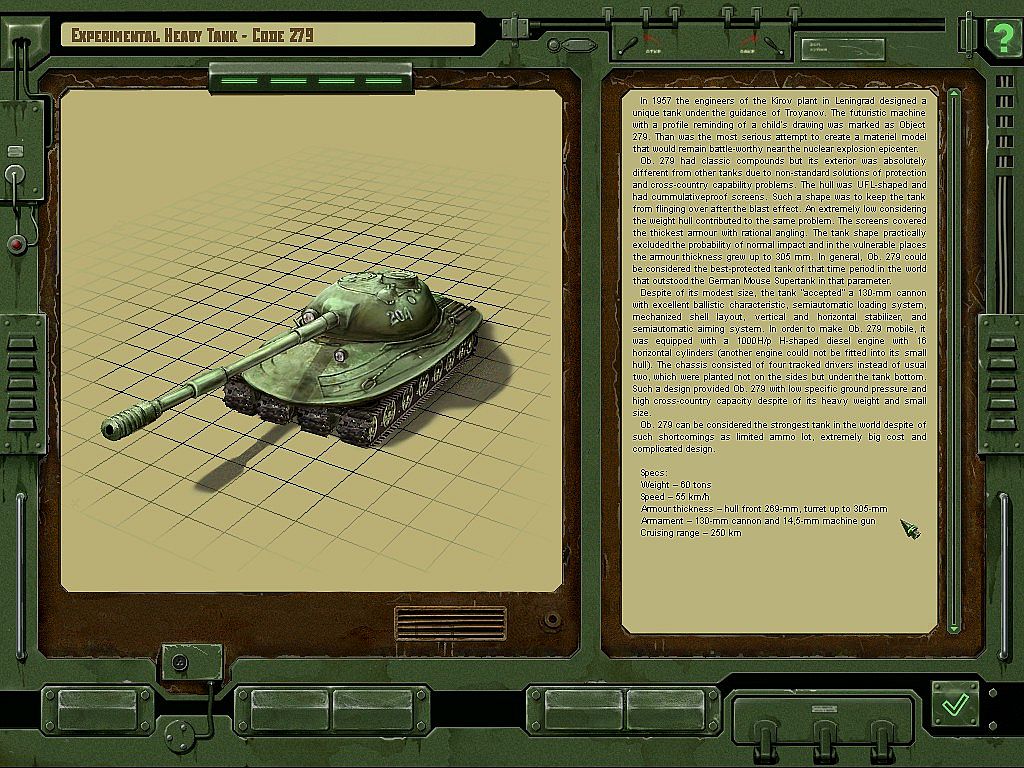
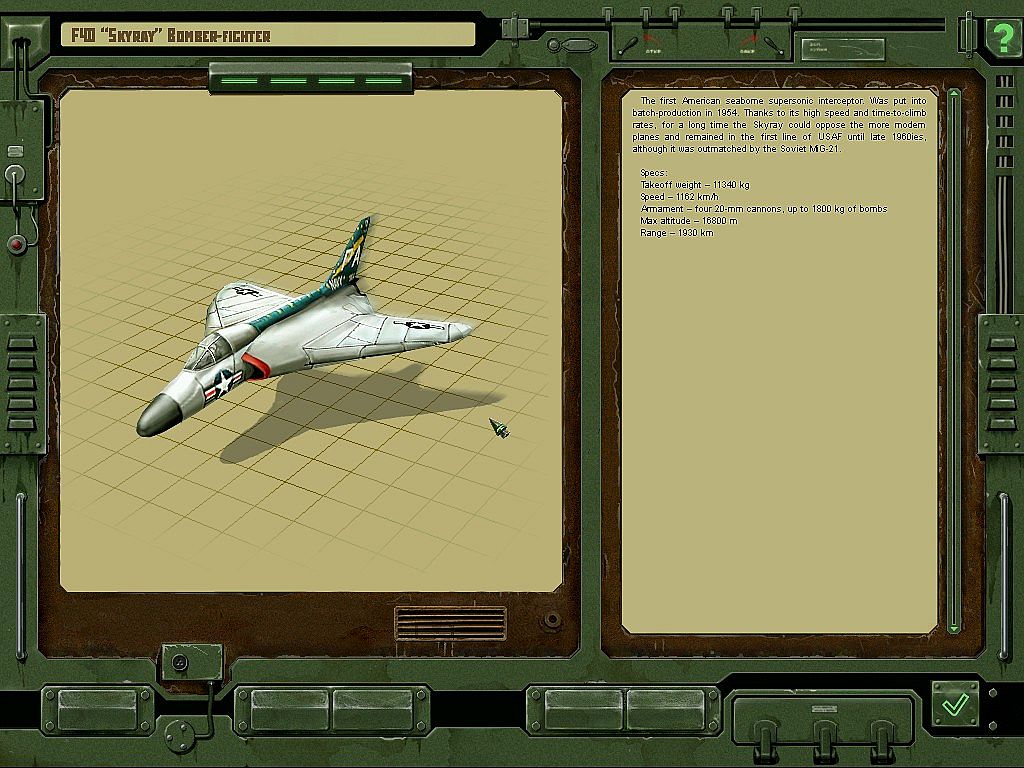
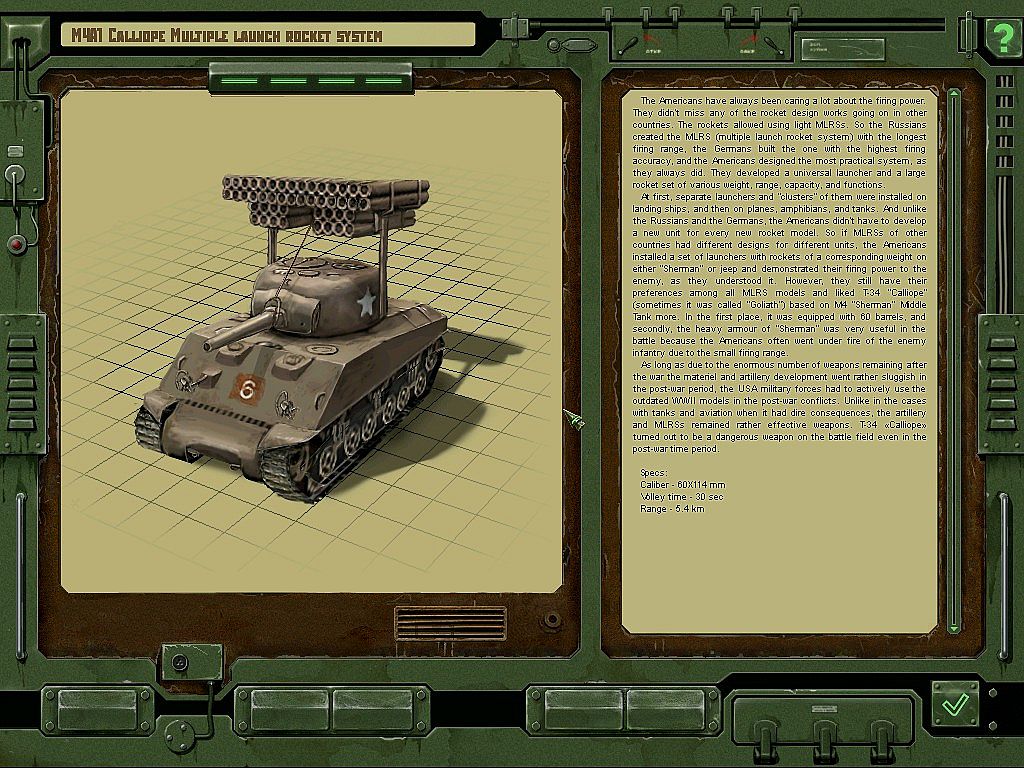
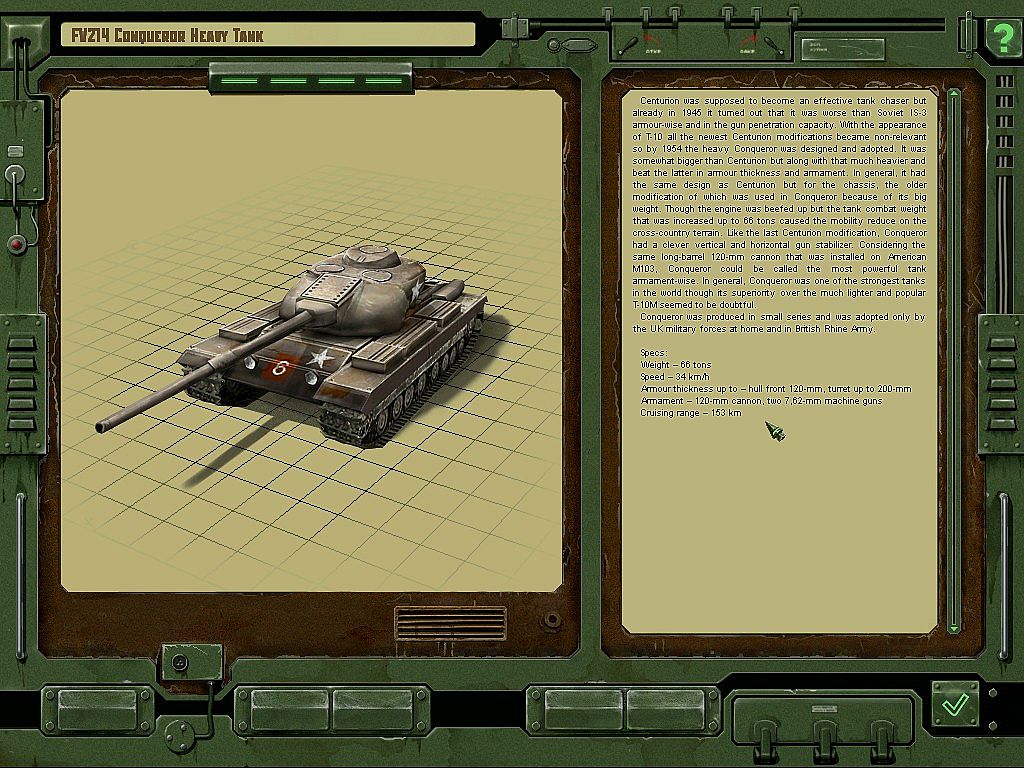
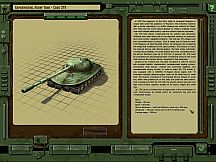
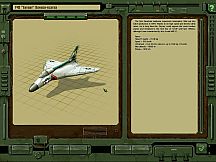
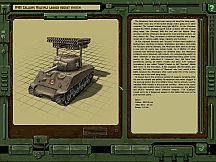
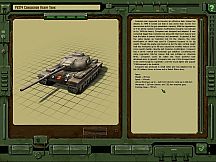
Equipment variety includes standard infantry, armored vehicles, and advanced options such as missile systems. Each faction fields distinct unit rosters that reflect their technological and doctrinal differences. The campaign spans dozens of missions across multiple sides, requiring players to balance short-term tactical victories with longer-term strategic goals on the world map.
Game Modes
Single-player campaign serves as the primary structure. Players select one of four factions and progress through linked missions that combine global map decisions with real-time engagements. The global turn-based mode handles strategic movement, border expansion, and resource allocation between battles. Real-time segments deliver the direct combat where unit composition, terrain use, and contamination effects determine outcomes. No separate multiplayer modes receive confirmation in available records.
Factions and Mechanics
Four playable sides participate in the conflict. The USSR fields forces suited to large-scale armored operations. The French and German alliance emphasizes coordinated European equipment. China brings its own mix of infantry and support units. The American and British alliance relies on combined arms tactics with strong air and reconnaissance elements. Radioactive contamination zones act as persistent hazards that degrade unit performance, adding a layer of environmental risk to both map movement and battlefield tactics. New weapon types such as helicopters and rockets expand tactical options beyond conventional ground combat.
Is It Worth Playing?
The title holds Mostly Positive reception on its primary distribution platform, with 75 percent approval from 245 user reviews. Its appeal centers on players who enjoy classic real-time strategy combined with campaign-level decision making. The post-nuclear setting and resource scarcity mechanics create a consistent atmosphere across missions. Those seeking modern online features or frequent content updates will find limited support, as the game dates to 2005 with no documented seasons or expansions beyond its original release. Fans of deliberate, resource-focused strategy games with alternate-history themes may find the mix of turn-based oversight and real-time execution engaging, particularly when the contamination mechanics force adaptive play. Availability remains straightforward through standard digital storefronts for those interested in the genre.