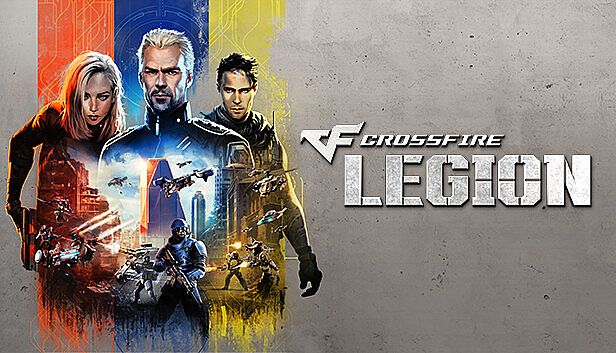











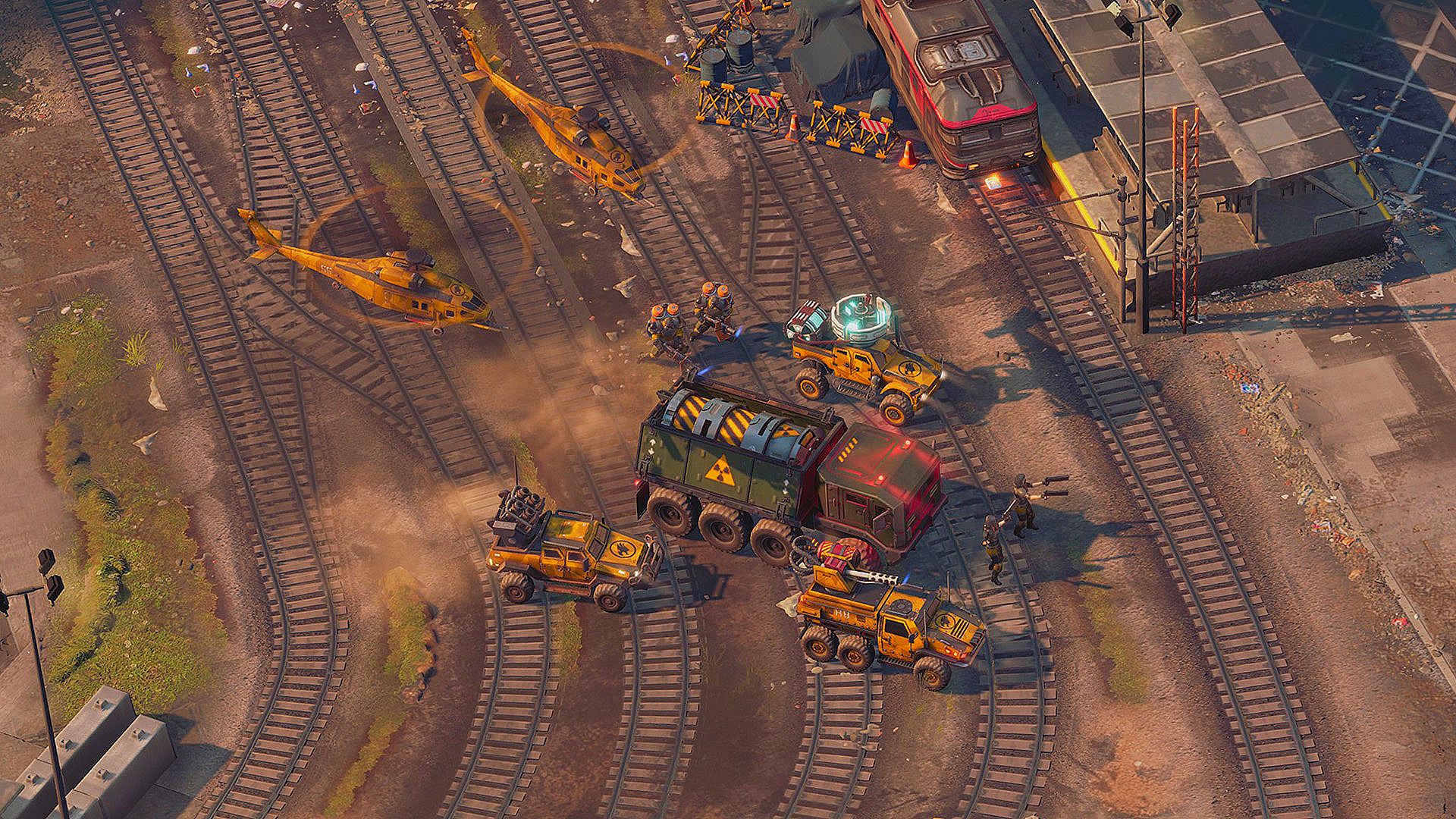
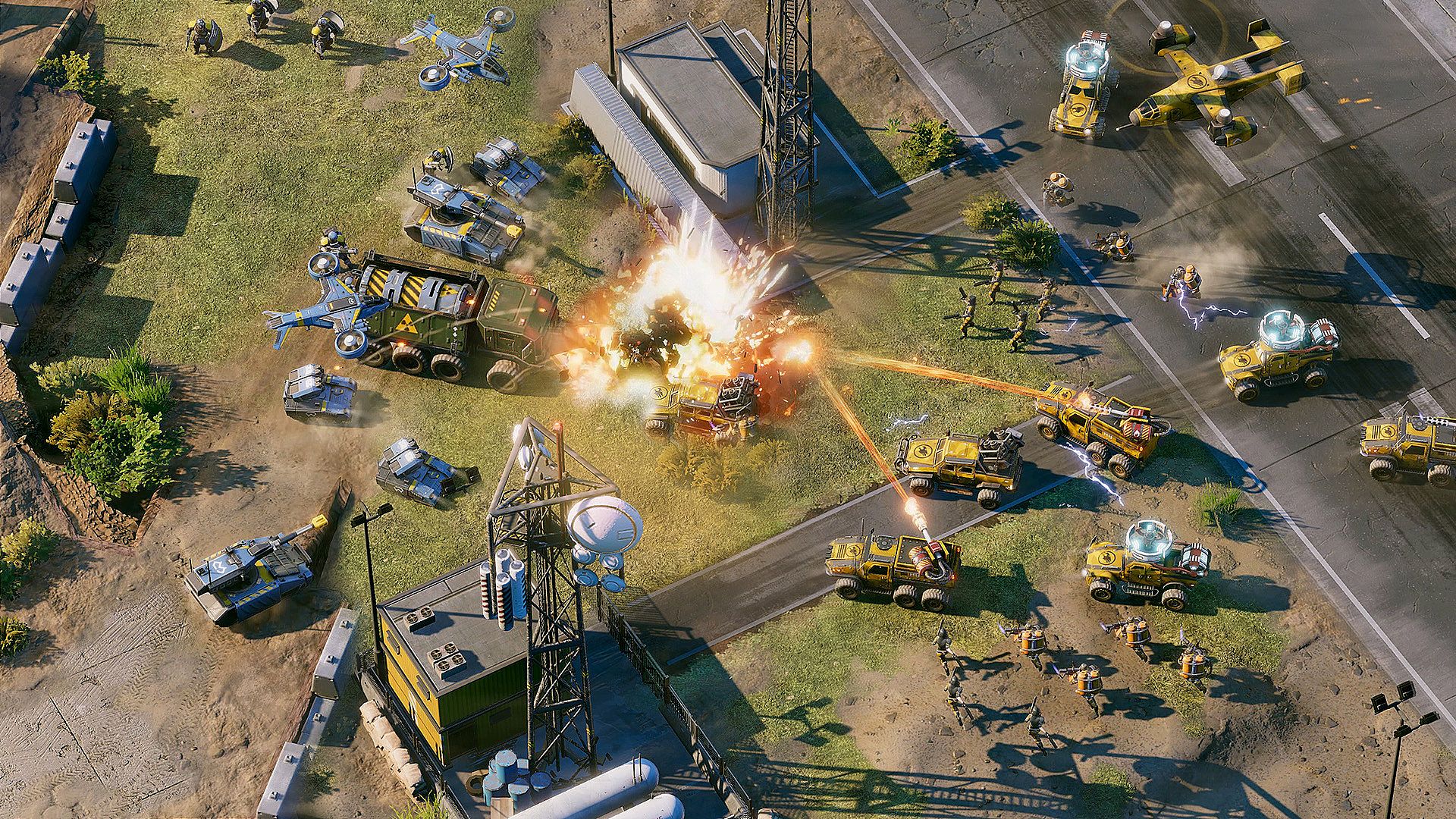
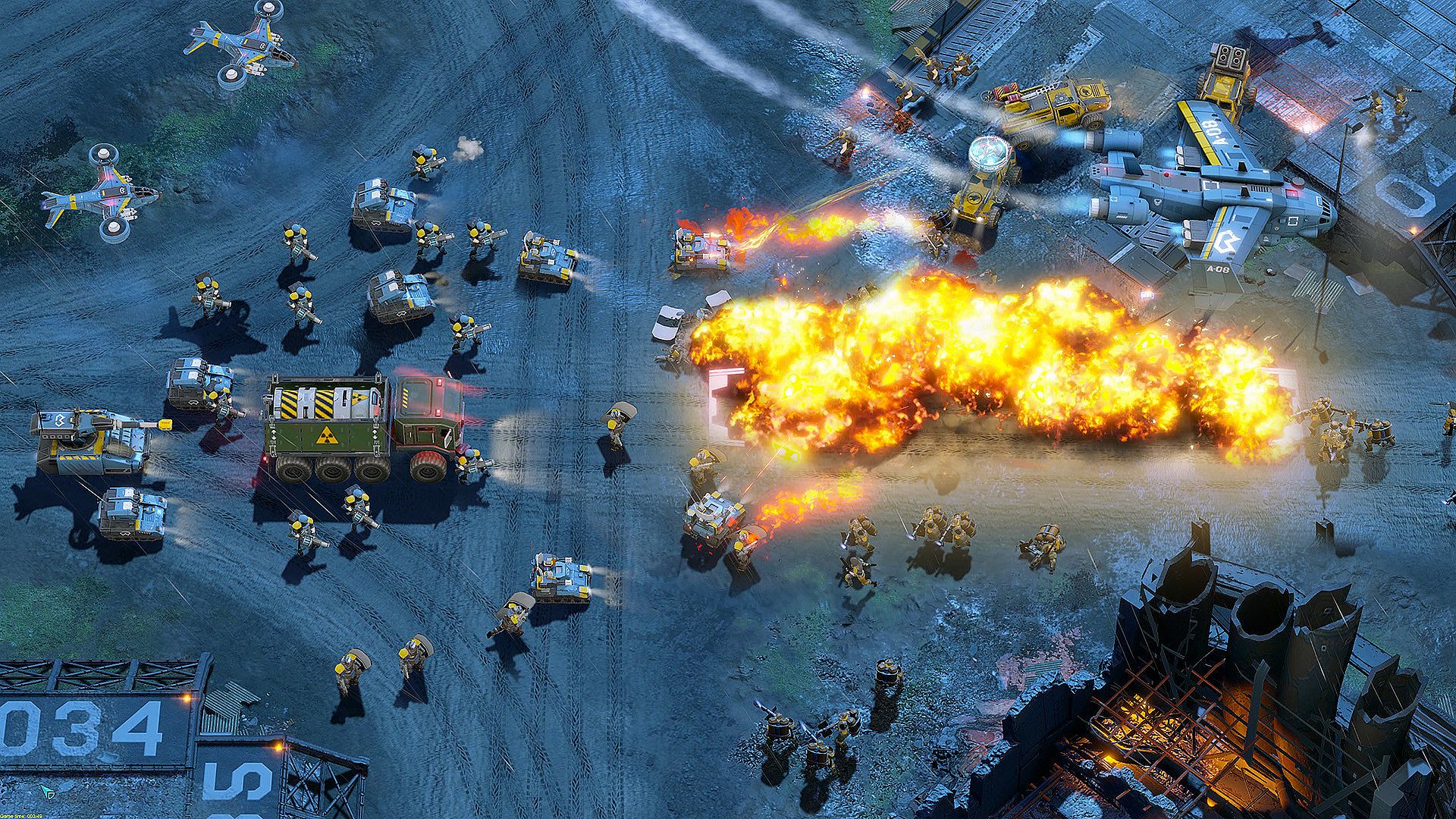
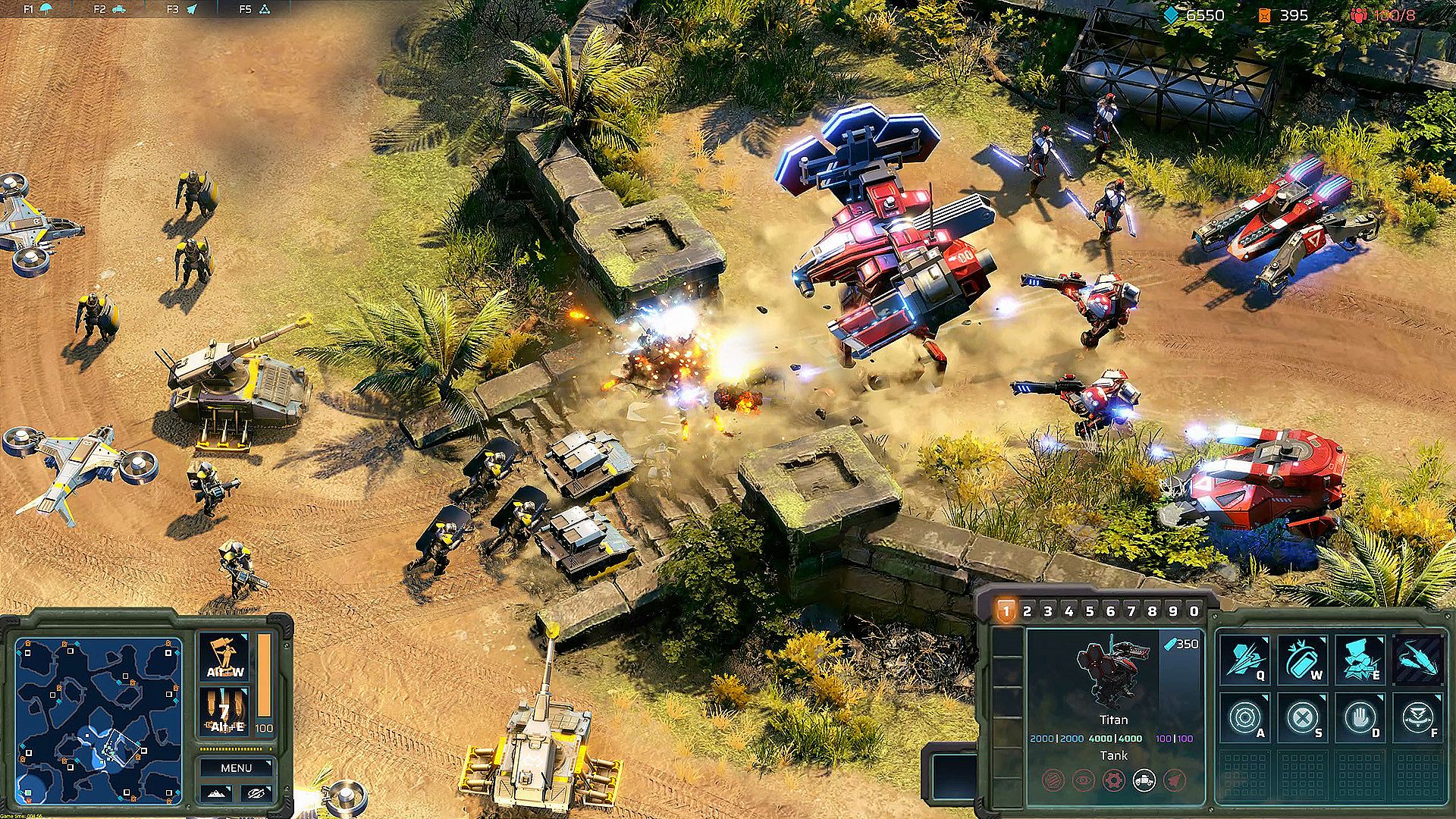
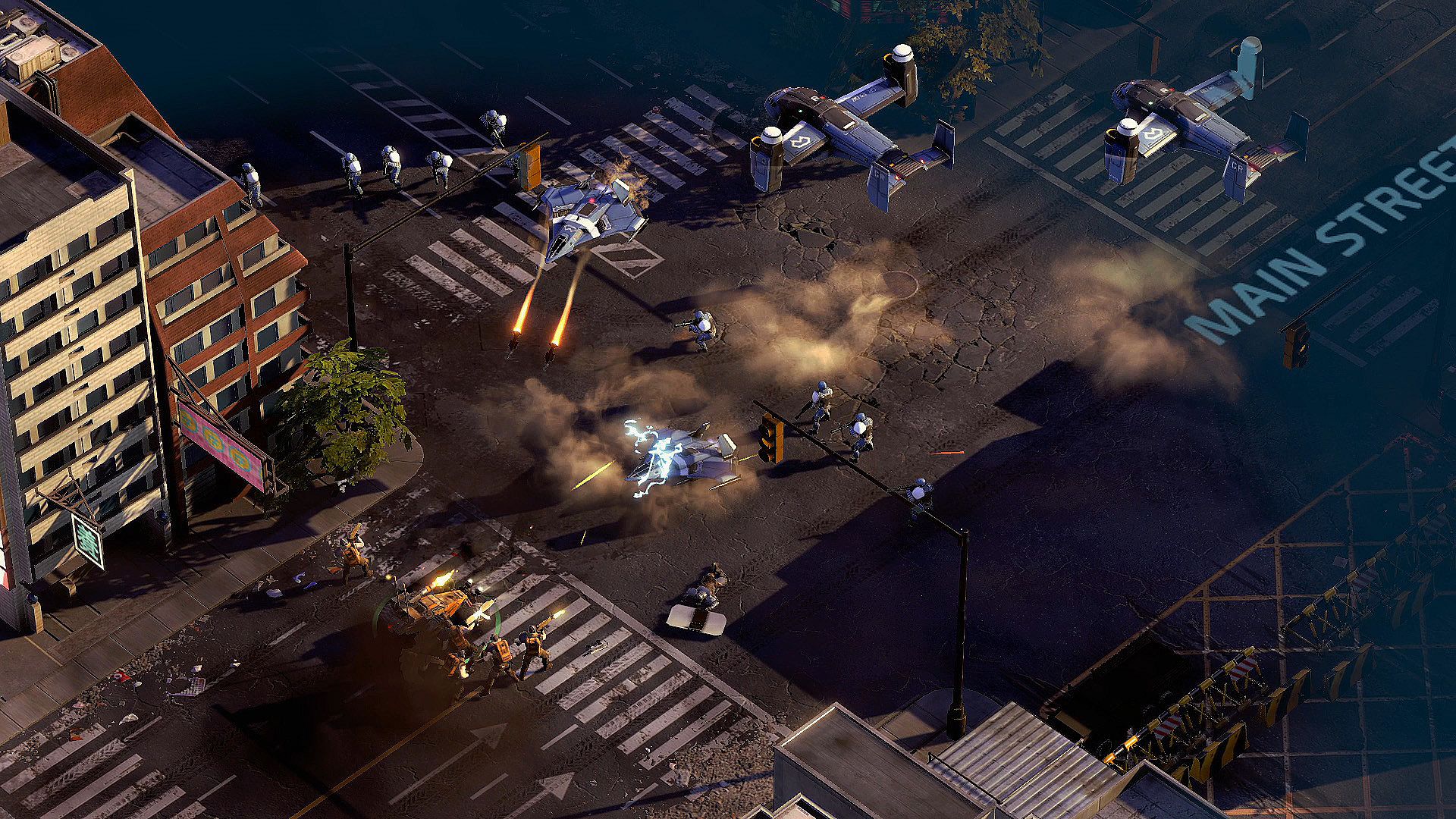
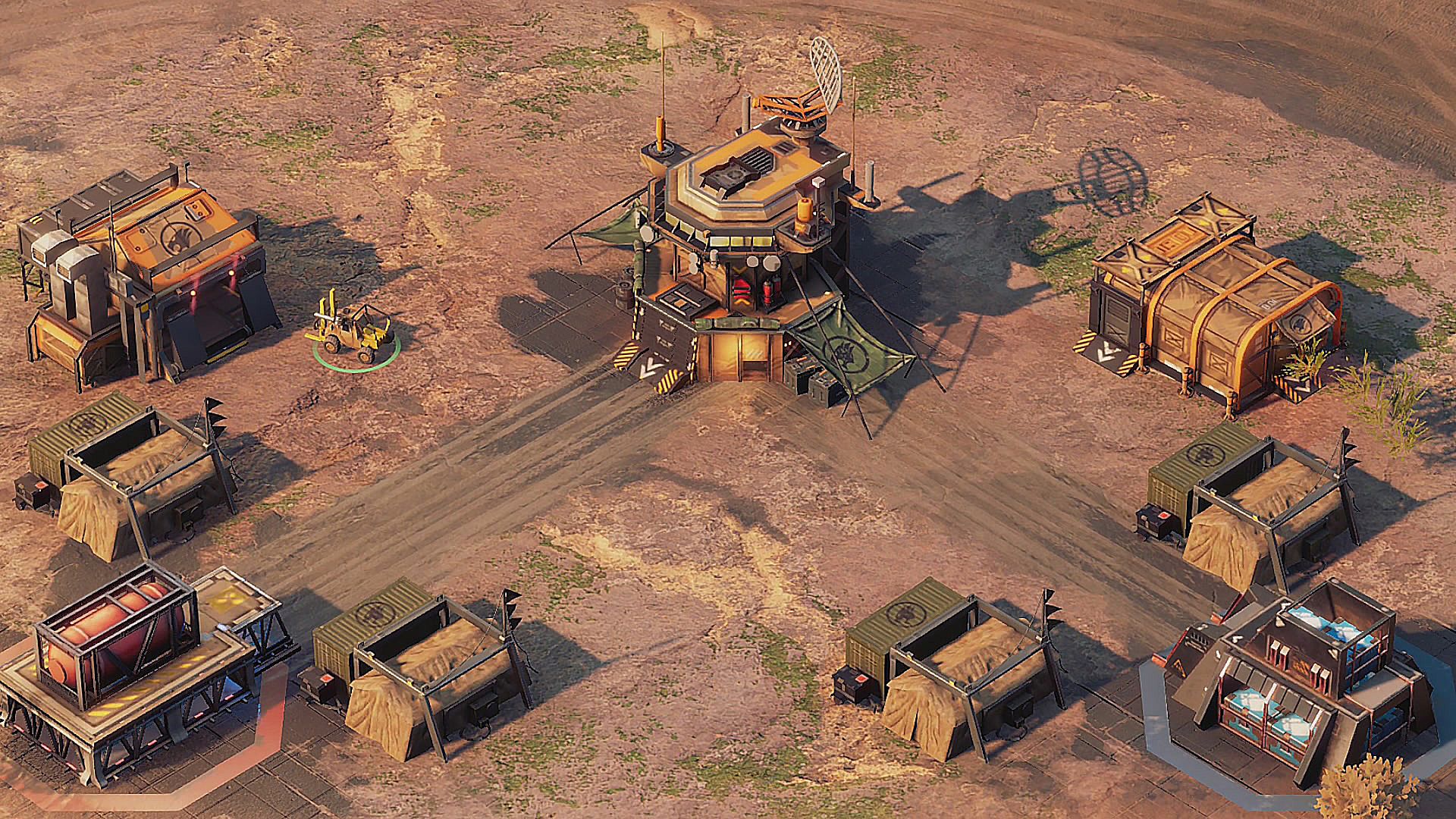
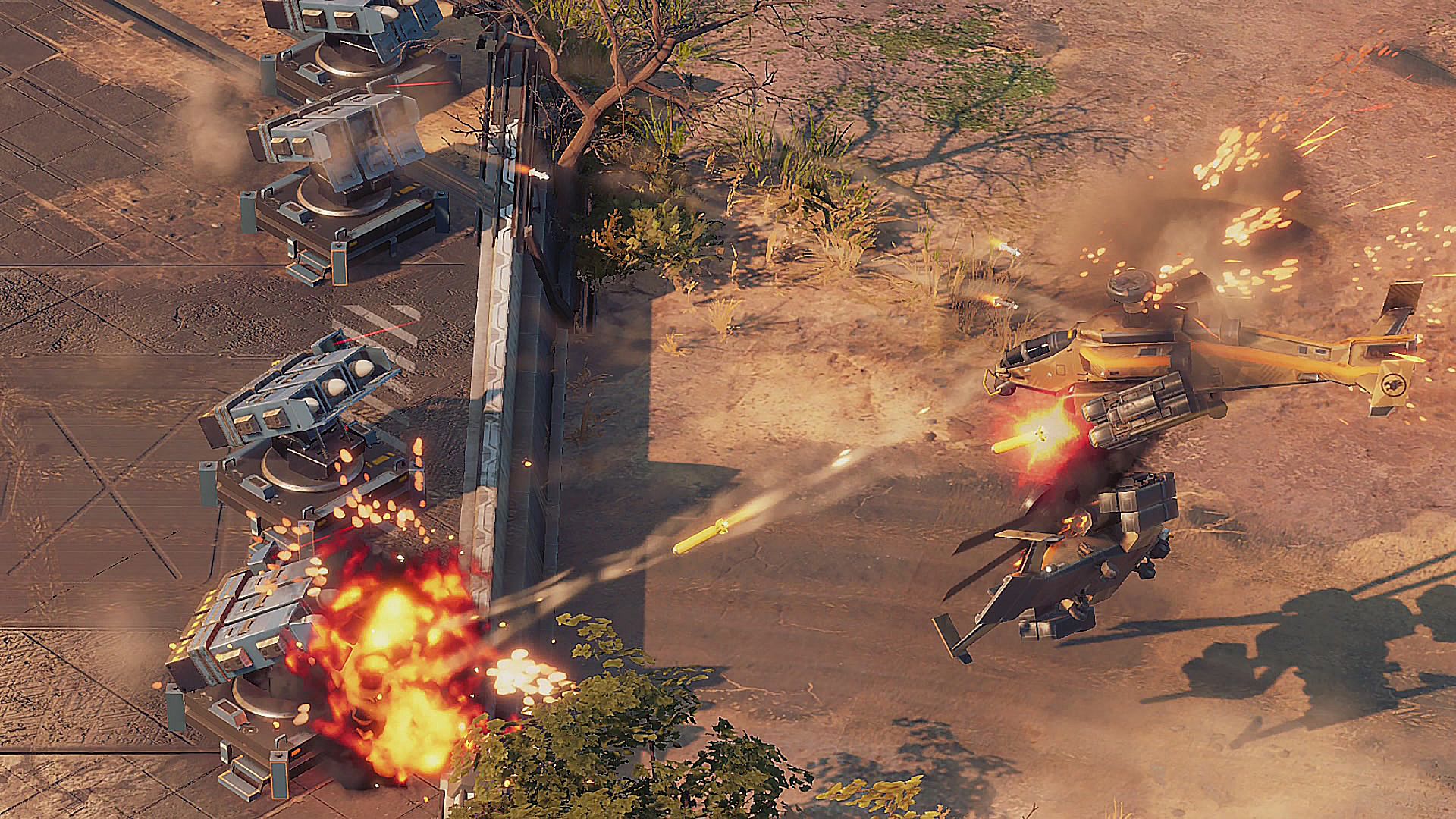
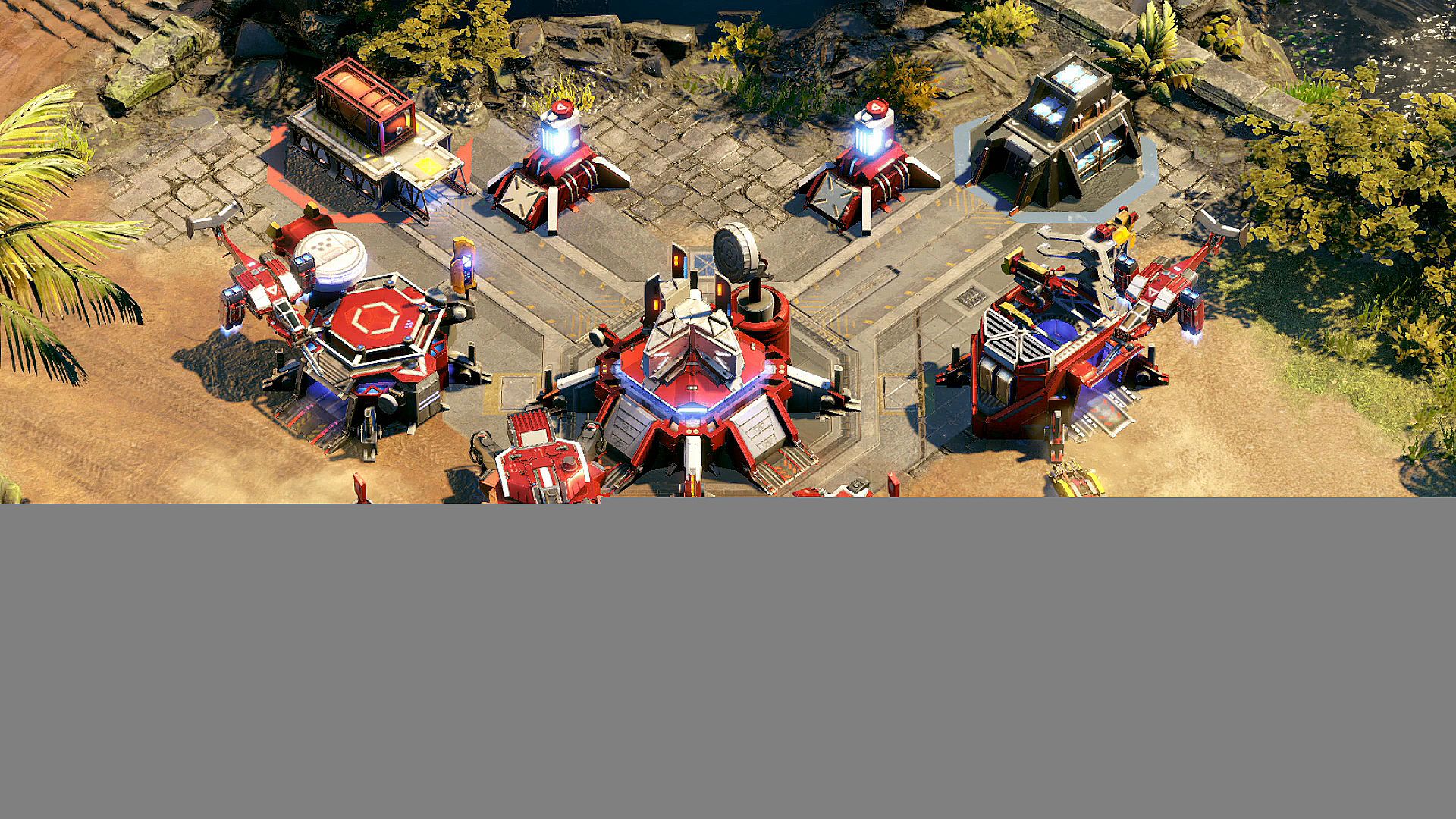
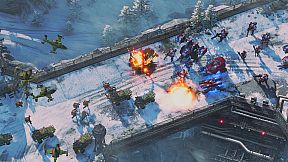
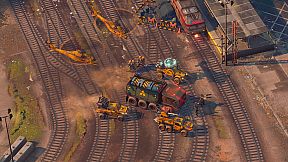
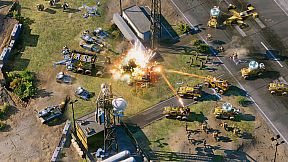
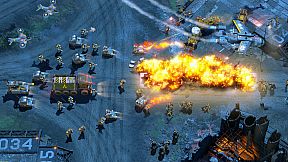
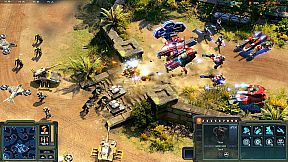
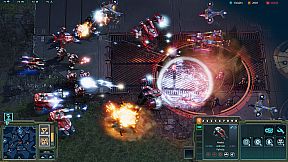
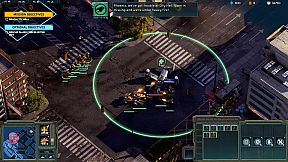
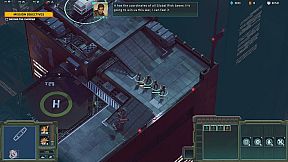
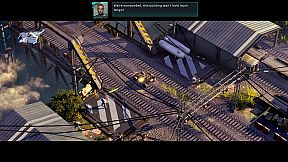
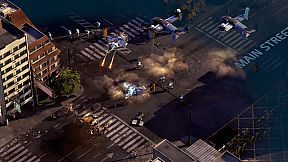
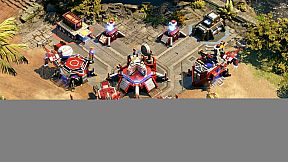
Crossfire: Legion is a real-time strategy game set in a near-future world where corporate factions clash for control. Players command armies from one of three distinct sides, managing resources, constructing bases, and directing units across varied battlefields in both single-player and multiplayer scenarios.
Gameplay
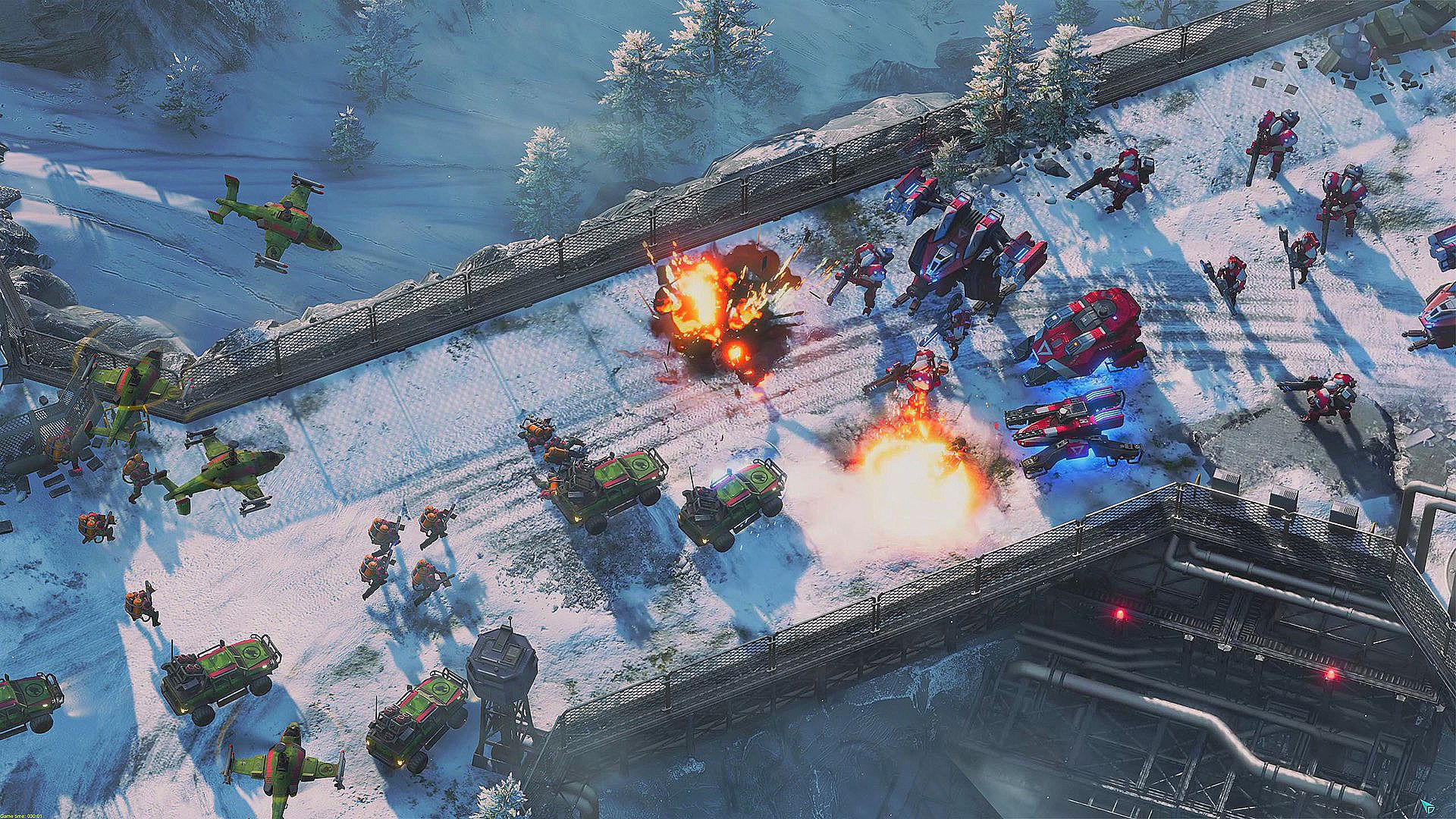
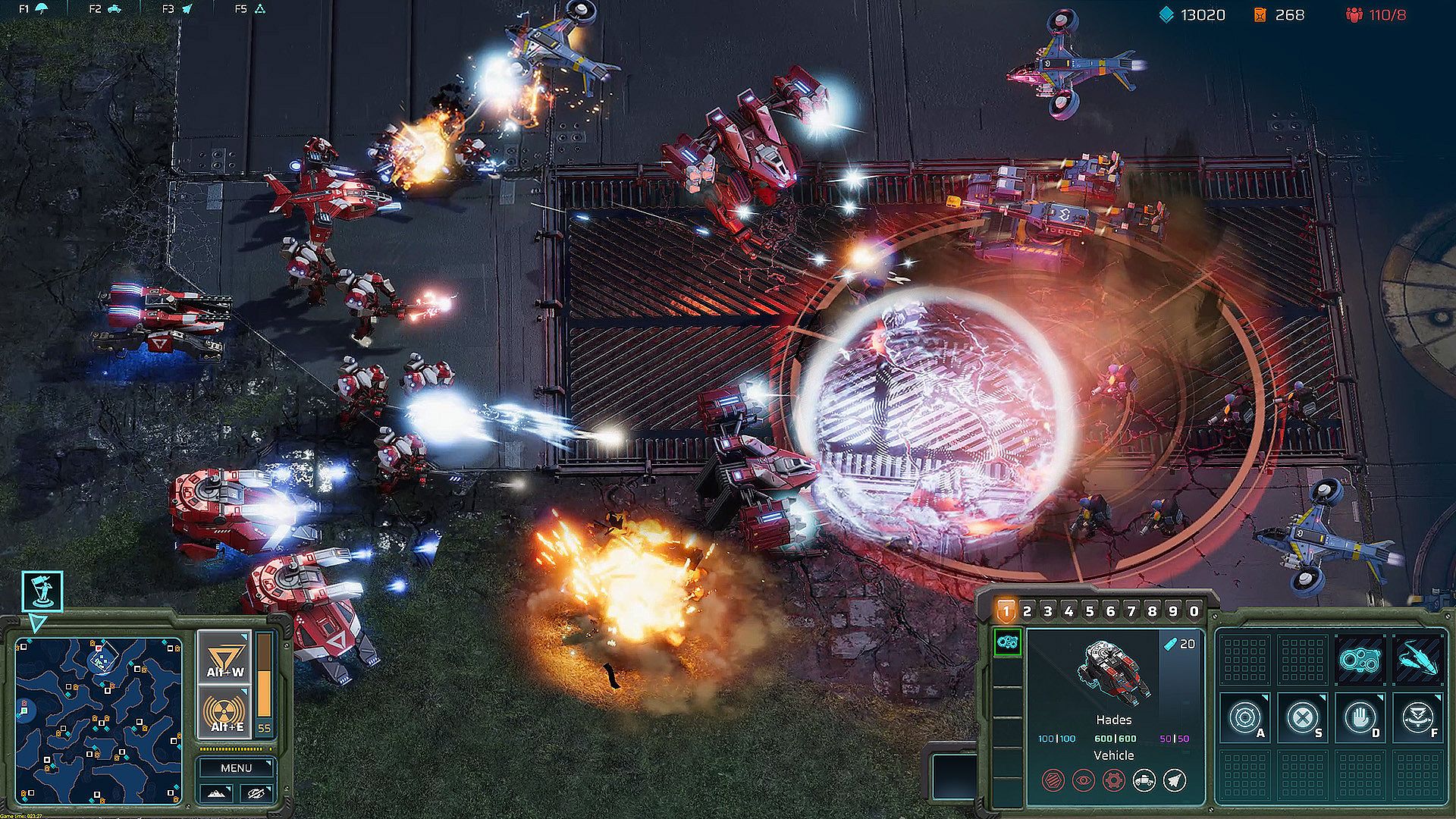
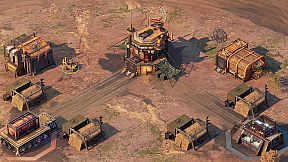
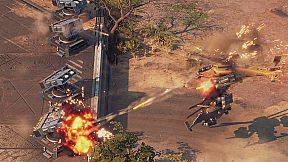
The core loop centers on resource collection and unit production. Players gather fuel and materials from fixed nodes and facilities using worker units, then spend these to build structures and train forces. Each faction follows its own tactical approach. Global Risk emphasizes ranged firepower with units such as the Phalanx tank and rocket troopers. Black List relies on speed and ambushes through fast vehicles like the Cheetah buggy and the Falcon helicopter. New Horizon deploys expensive, heavily armored assets including the Titan mech, supported by commander abilities that project energy fields for defense or offense.
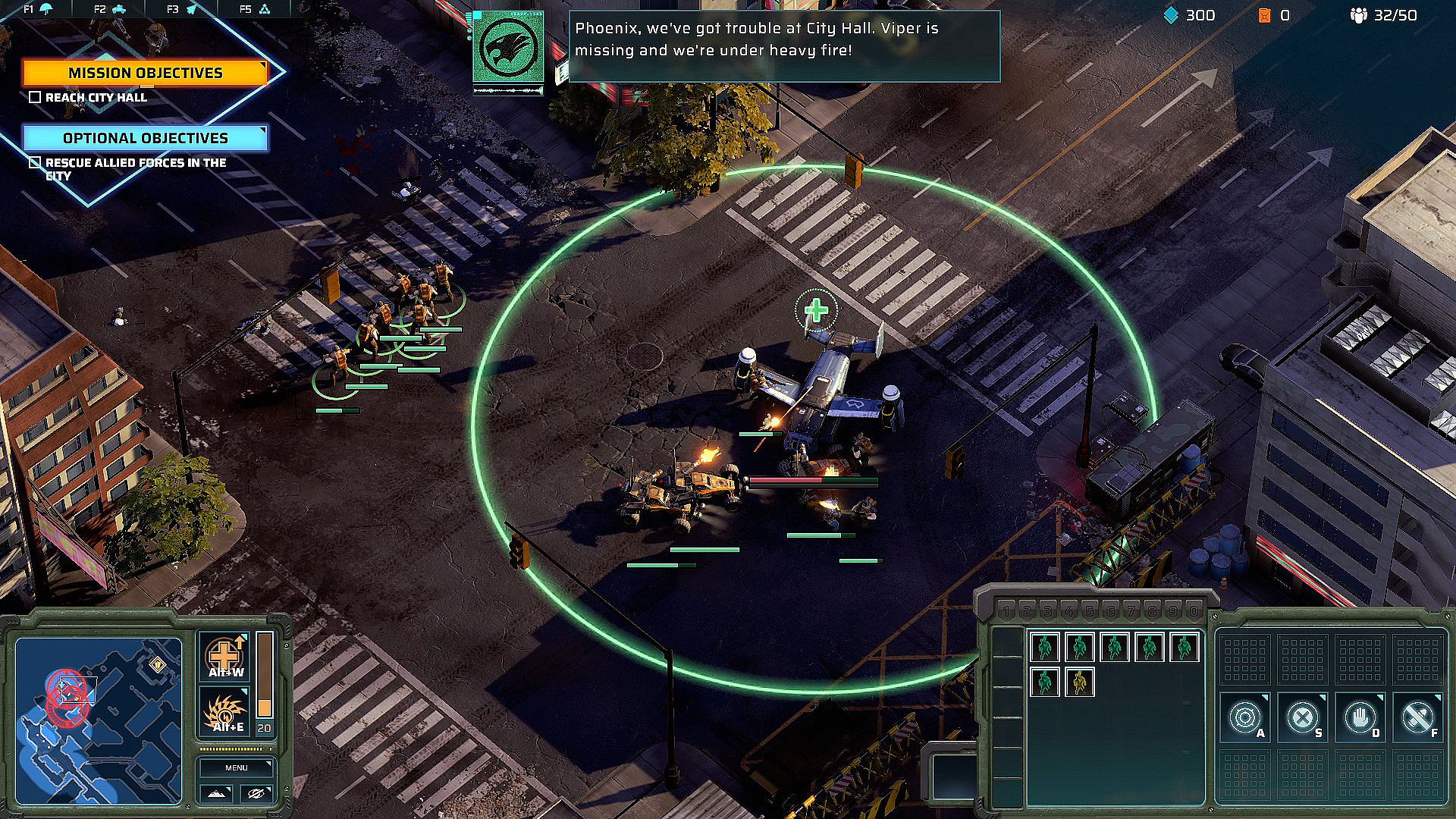
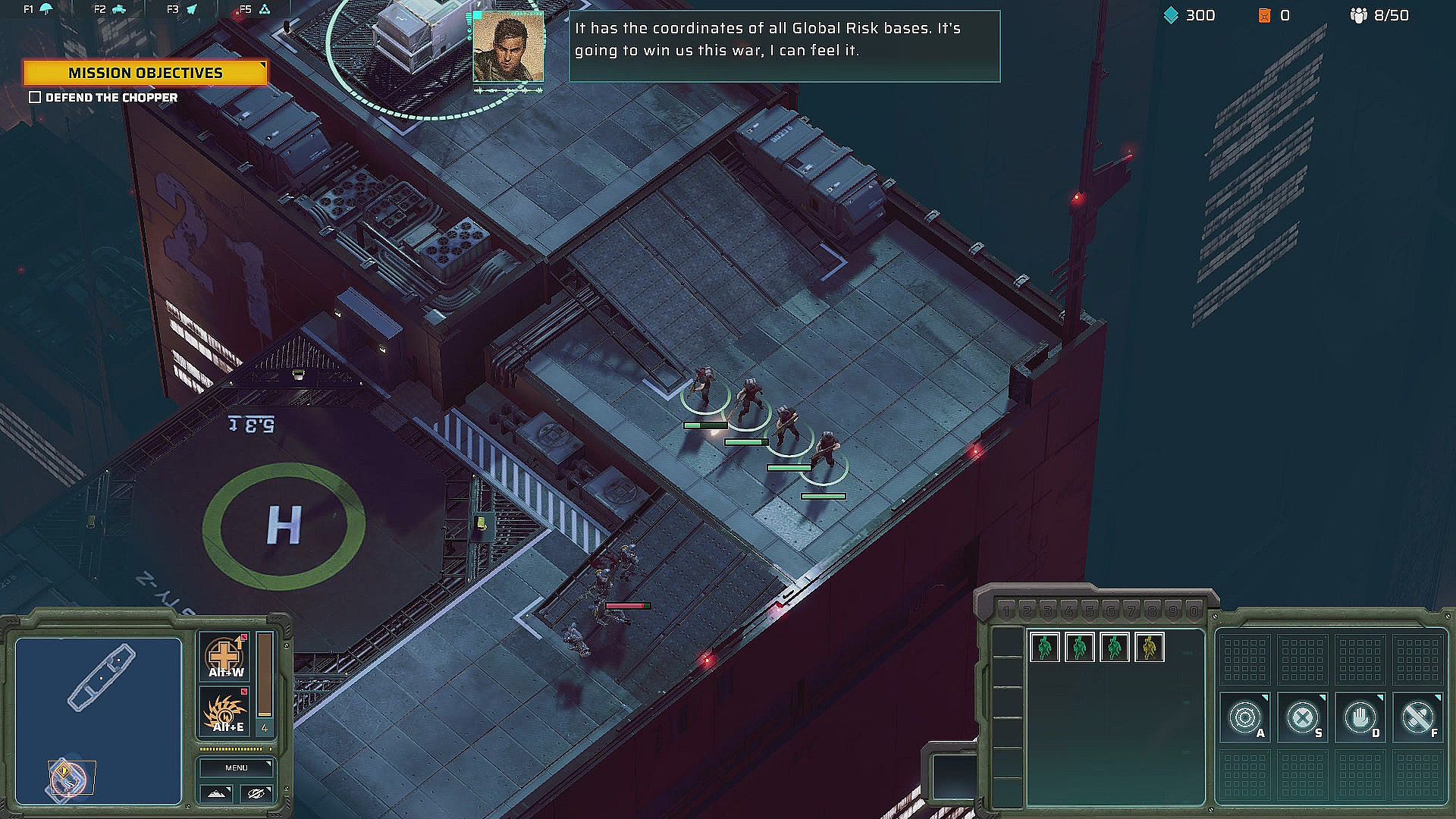
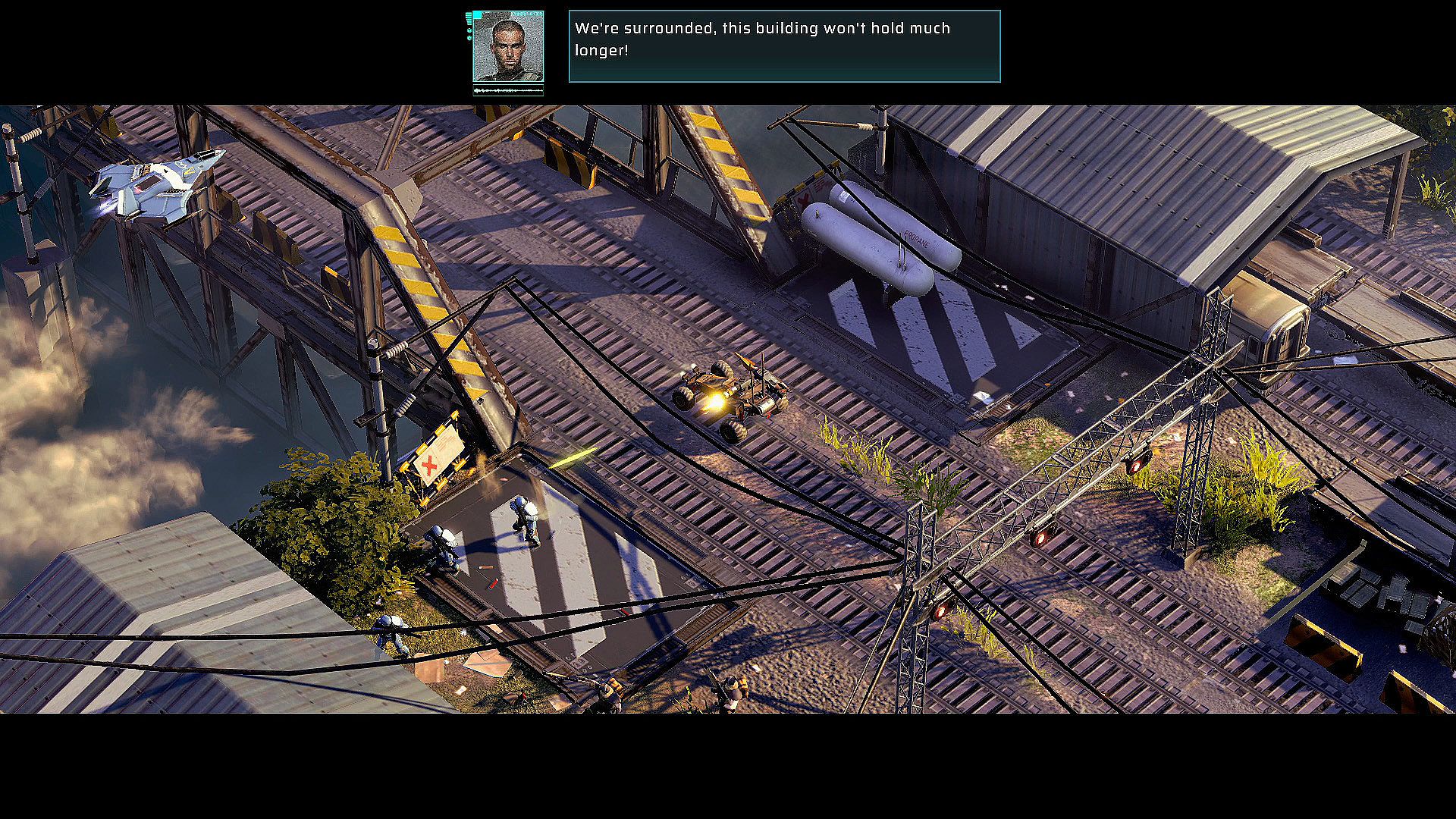
Army composition is customized before battle through a roster system. Players select infantry, vehicles, and air units from their chosen faction to suit the map or opponent. Commanders add another layer, granting special abilities that can shift momentum during fights. Unit upgrades and abilities further differentiate engagements. The campaign follows the three factions through narrative missions that introduce their goals and key characters while teaching these systems gradually.
Game Modes
Versus mode supports up to six participants split into two teams, with victory achieved by destroying all enemy core bases. Payload requires teams to escort three objectives to the opposing base or eliminate the core directly. Operation Thunderstrike offers cooperative play for up to three players, where participants construct a base, repel AI waves, and complete escort or protection tasks alongside optional side objectives.
Additional options include skirmishes against AI and a season-based progression system that tracks performance on leaderboards. A built-in replay viewer allows review of matches for tactical improvement. The included level editor and community tools enable creation or modification of maps and modes for extended play.
Factions and Mechanics
Success depends on pre-battle preparation as much as in-match decisions. Resource nodes must be secured early, and base layouts influence defensive strength. Hesitation often leads to defeat because engagements move quickly once units clash. Commander selection proves decisive in tight situations, while faction-specific unit strengths reward different playstyles. Global Risk suits defensive or long-range strategies, Black List favors hit-and-run tactics, and New Horizon excels in direct, high-impact assaults.
Is It Worth Playing?
The game reached full release in December 2022 after an early access period. It was delisted from sale in August 2025, so new players cannot purchase it. Existing owners retain access to the single-player campaign and any remaining multiplayer features, though ongoing updates and server maintenance have ended.
Reception describes a functional real-time strategy title that evokes classic base-building experiences without major innovations. The campaign covers the three factions across multiple missions but receives criticism for its straightforward storytelling. Multiplayer offers variety through the listed modes yet features a modest selection of maps. Players who enjoy straightforward resource management, faction asymmetry, and commander abilities may find value in the available content, especially in cooperative or versus sessions against AI. Those seeking extensive post-launch support or deep strategic complexity may prefer alternatives with active development.