


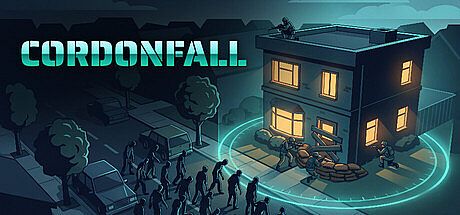


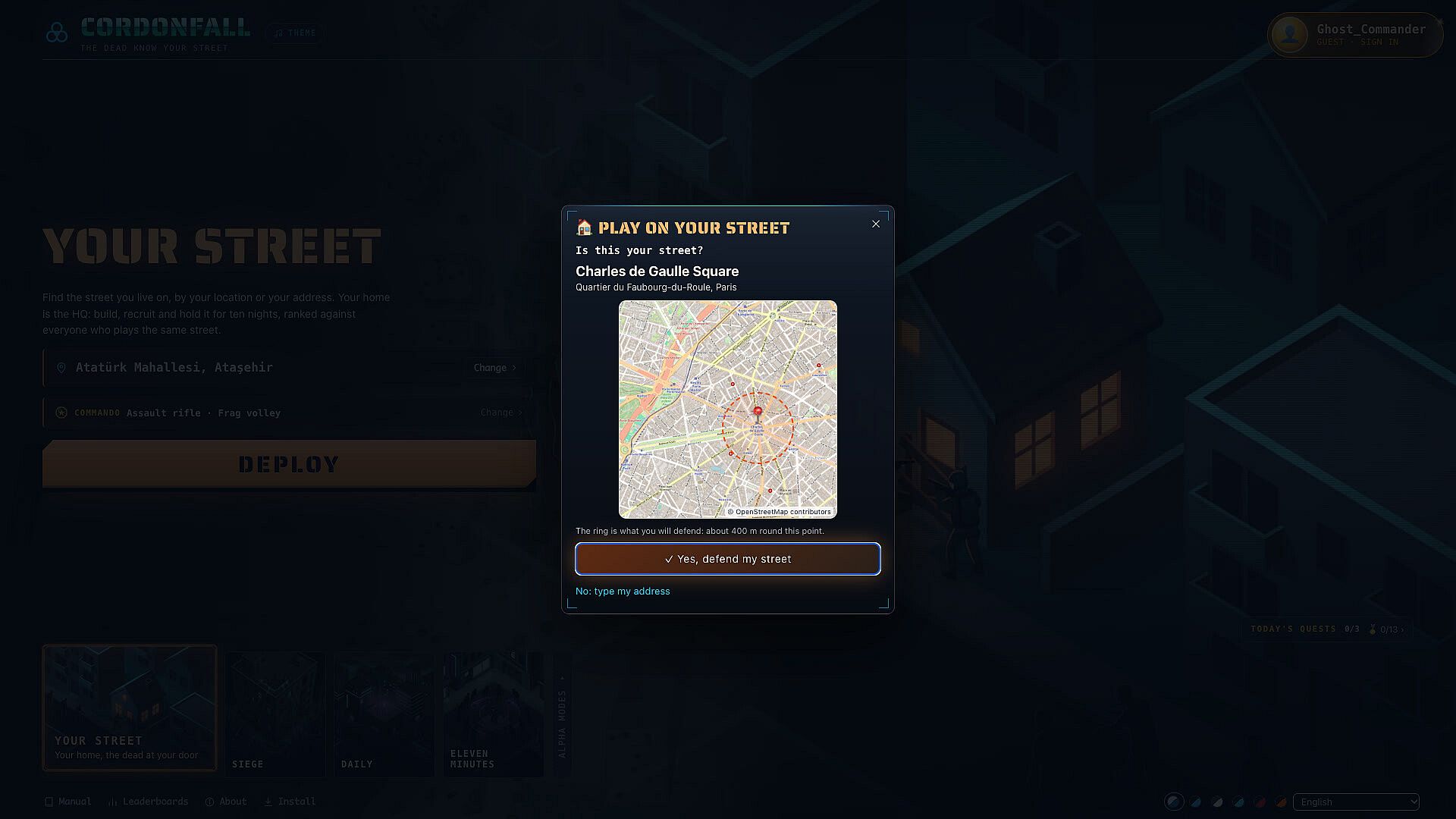
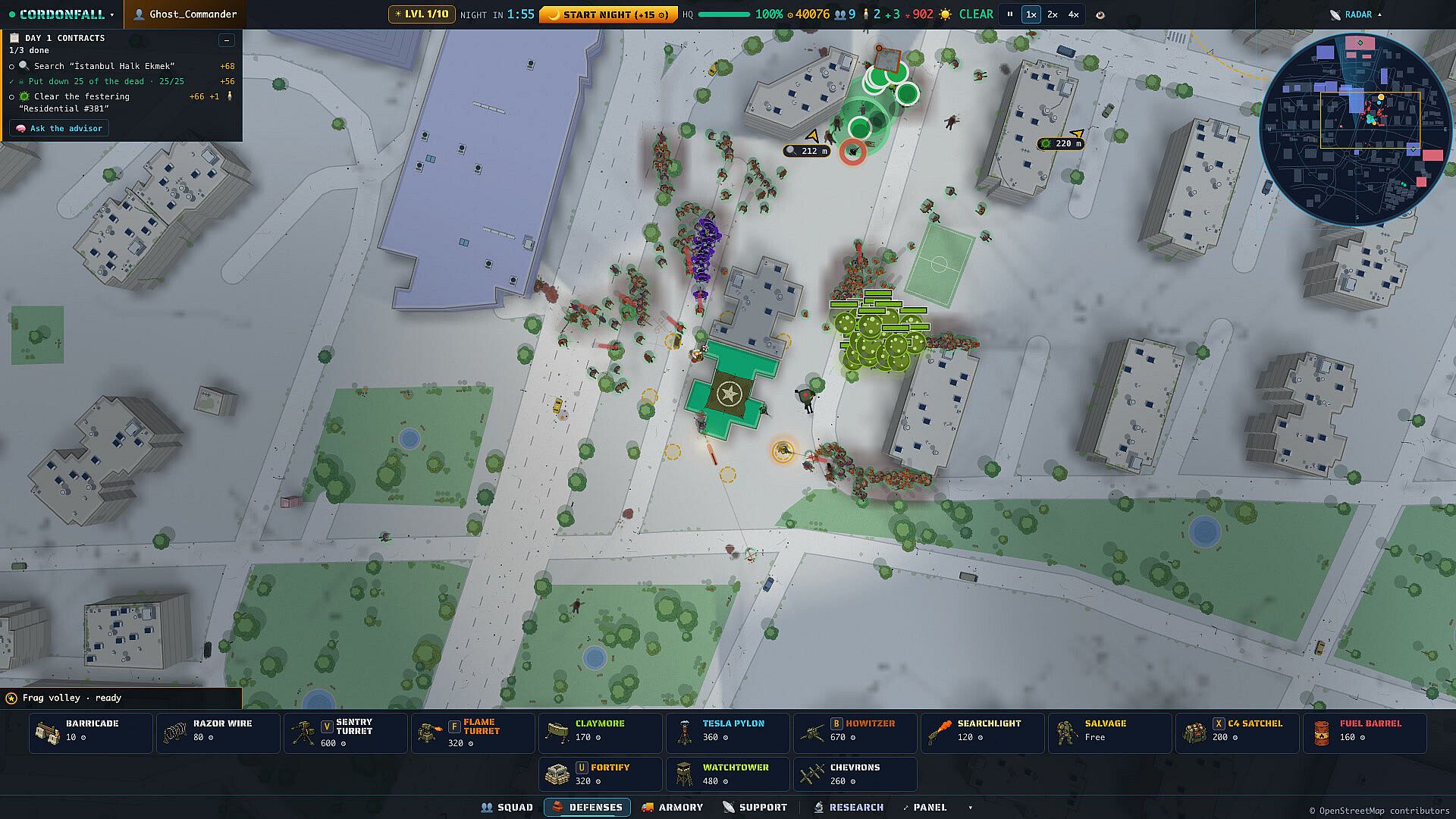
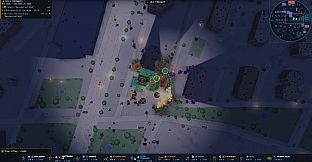
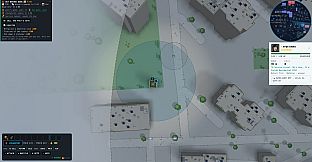
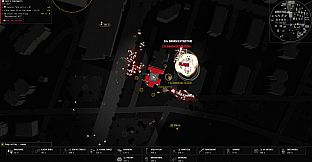
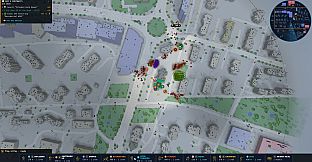
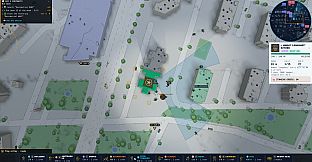
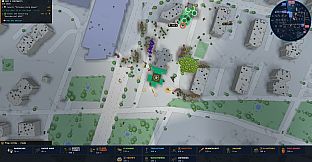
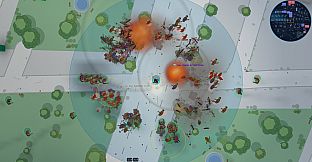
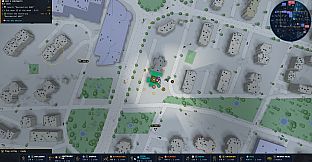
Cordonfall is a top-down zombie defense game that builds its battlefields from real-world streets using OpenStreetMap data. Players type in any address on Earth to generate a neighborhood where their chosen building serves as headquarters and surrounding rooftops become defensive positions. The horde advances along actual roads, alleys, and open spaces, forcing defenders to adapt to the unique layout of dead ends, parks, rivers, and avenues in their local area.
Gameplay
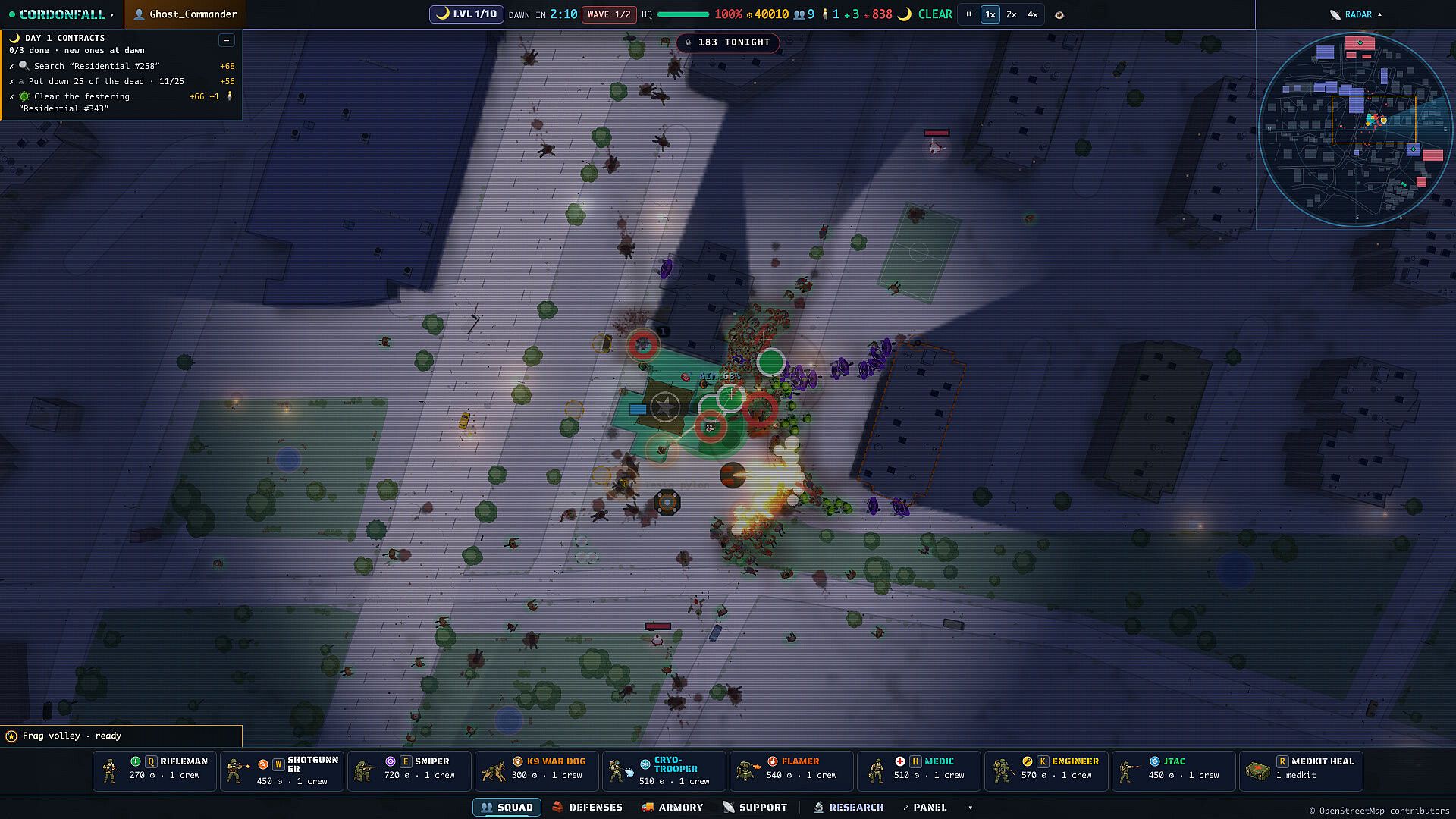
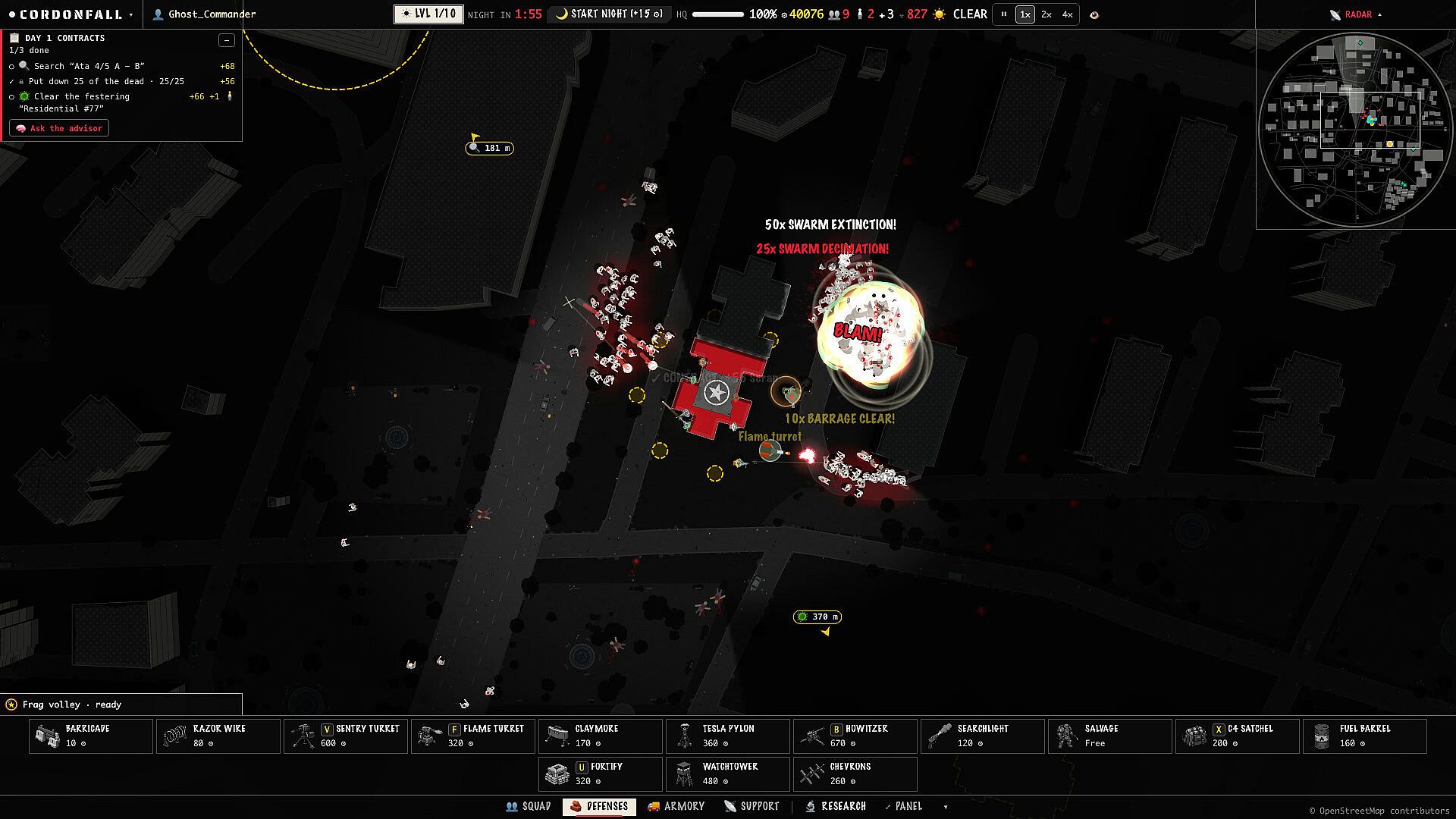
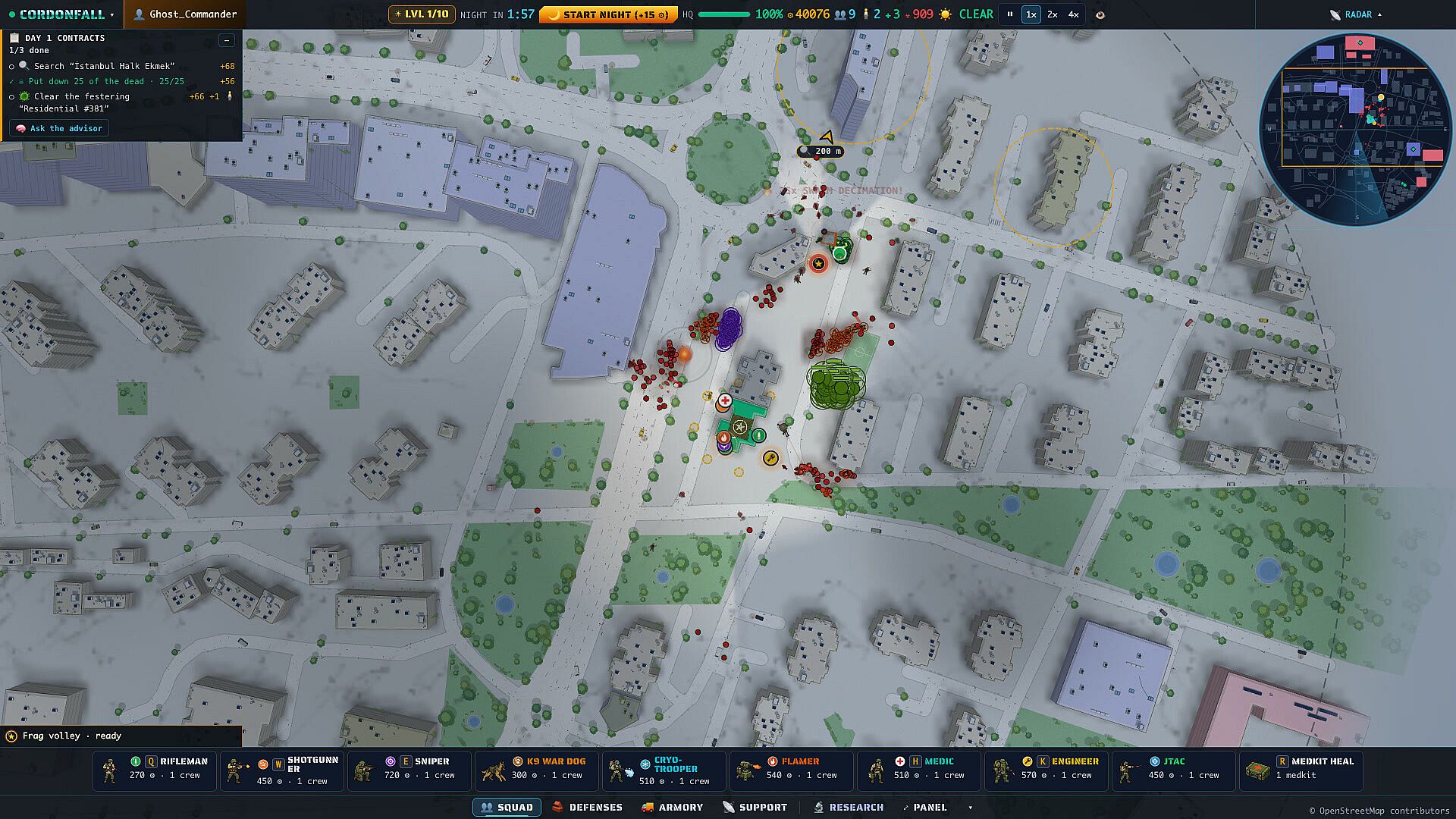
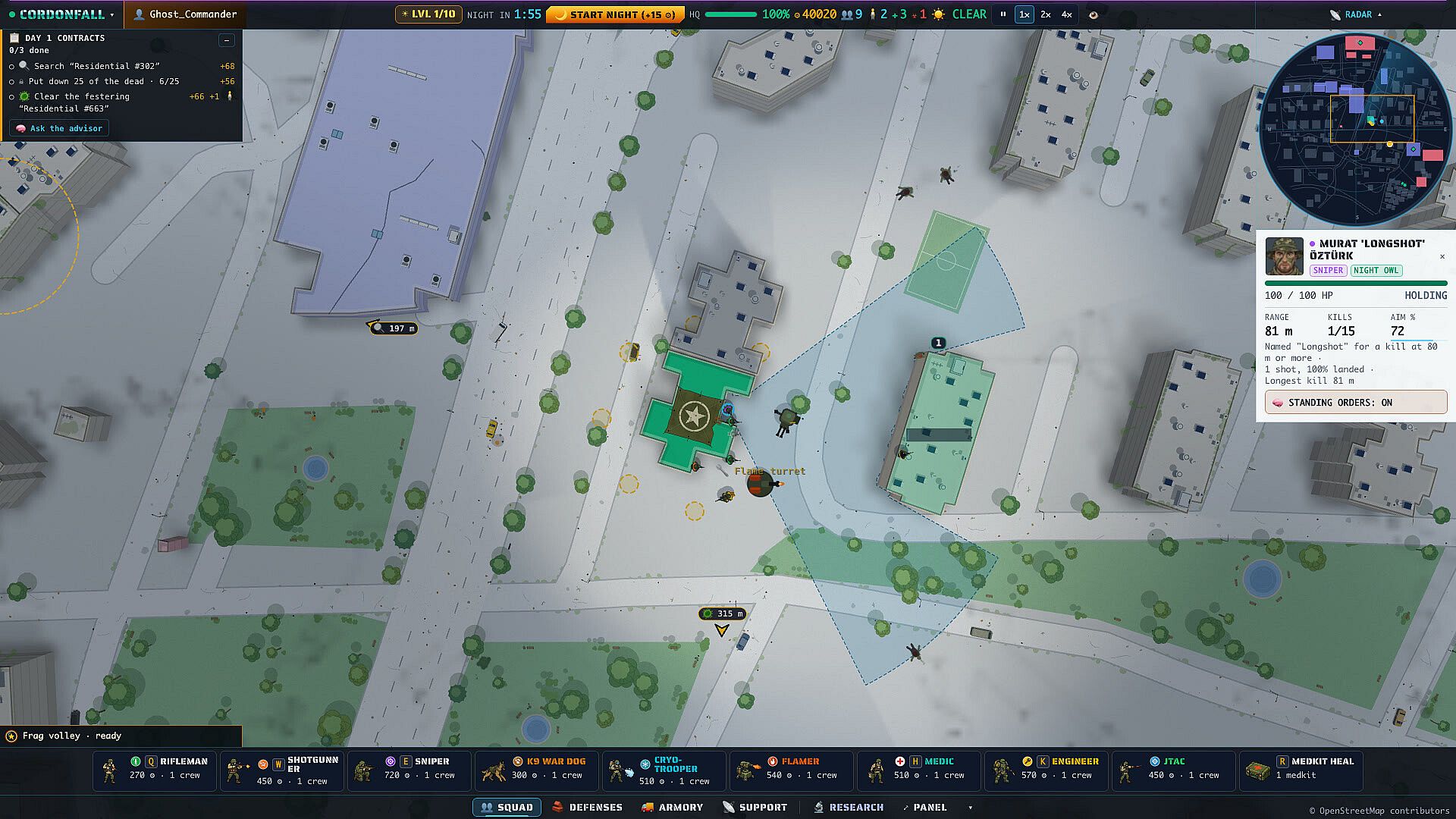
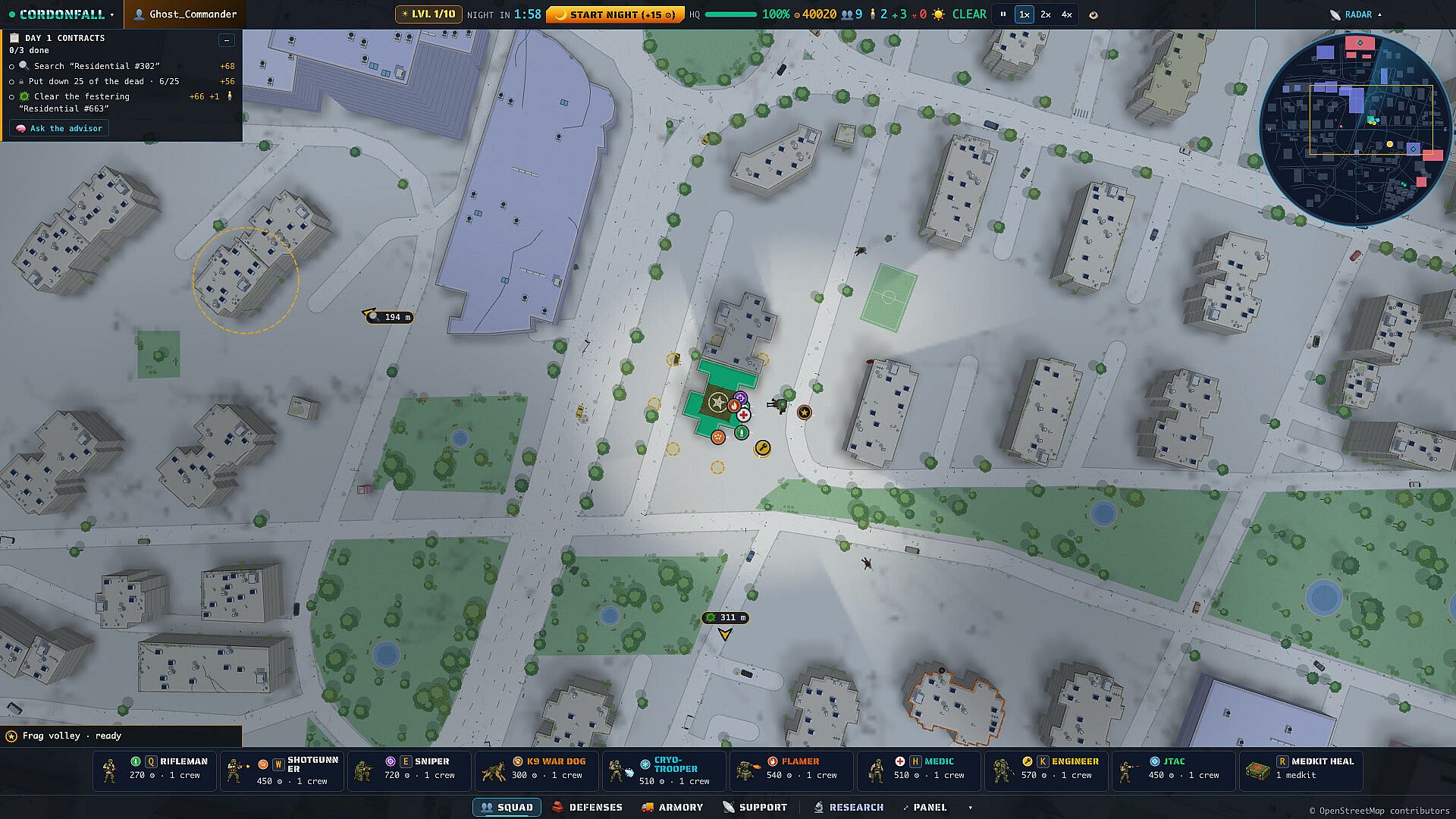
The core loop revolves around day and night cycles on procedurally generated real streets. During daylight hours players search nearby buildings for scrap resources, recruit soldiers from a roster of ten classes, and direct engineers to construct defenses. Barricades block paths, wire and mines slow advances, while sentry guns, flame turrets, tesla pylons, searchlights, and howitzers provide firepower. Soldiers gain experience, names, ranks, and nicknames over time, improving their accuracy and effectiveness in sustained fights.
At dusk the horde arrives in growing numbers and adapts to the layout players leave open. Ten varieties of the dead appear across nights, beginning with basic walkers and progressing to faster runners, wall-climbing stalkers, explosive boomers, acid spitters, screamers that disrupt positioning, and larger threats such as the Behemoth. Losing the headquarters ends the run. The map grid accounts for terrain differences, with buildings providing cover and different surfaces affecting movement speeds for both sides.
Game Modes
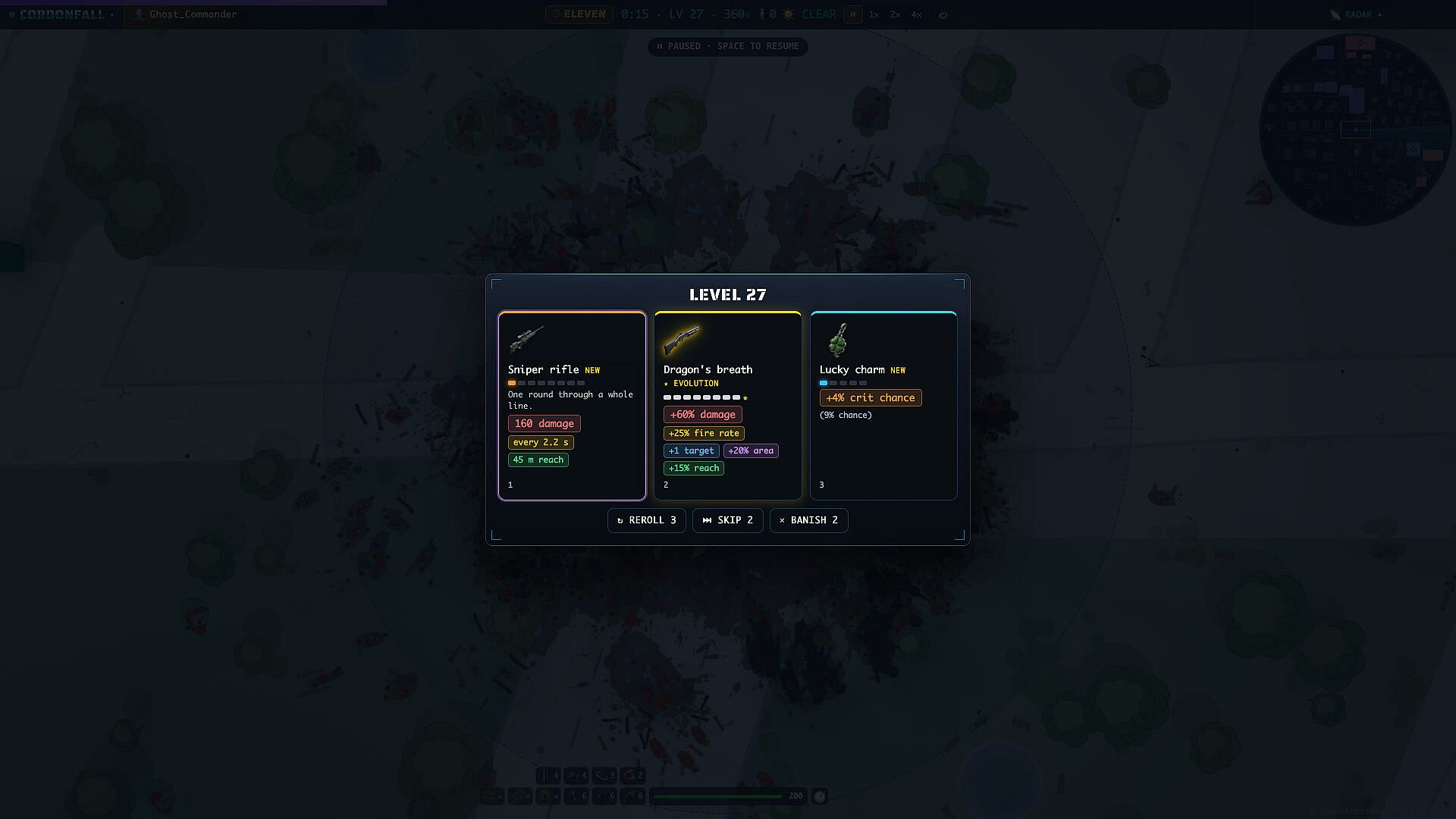
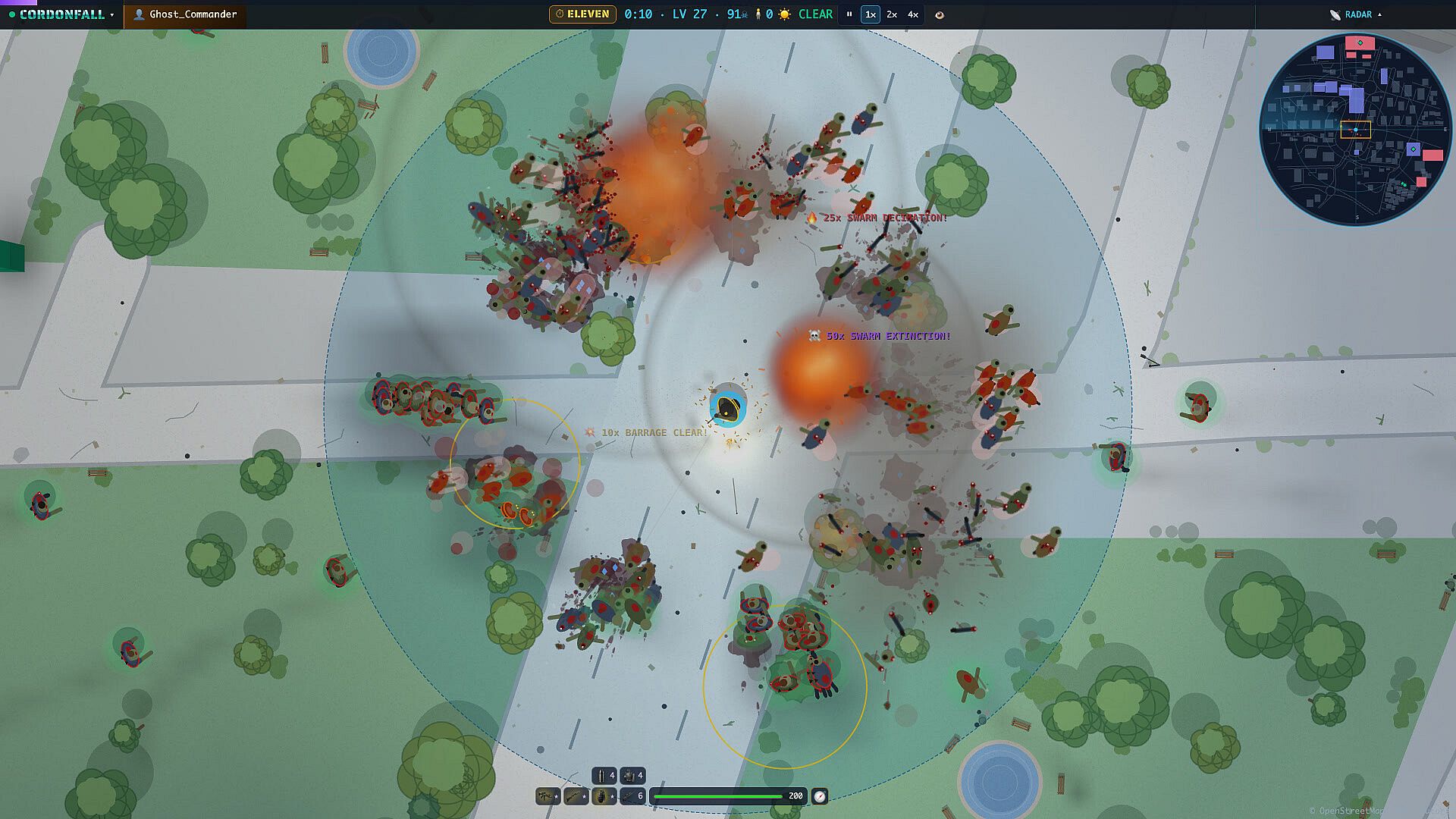
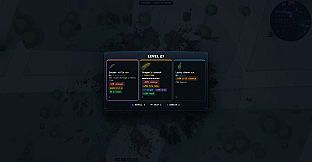
Siege forms the central experience, requiring players to hold a chosen headquarters through ten nights before unlocking an endless option. The Daily presents a single shared map and set of conditions for all participants once per day, complete with a global leaderboard. Eleven Minutes restricts play to one commando unit over an eleven-minute window against an unending horde, with new weapon cards awarded at each level reached.
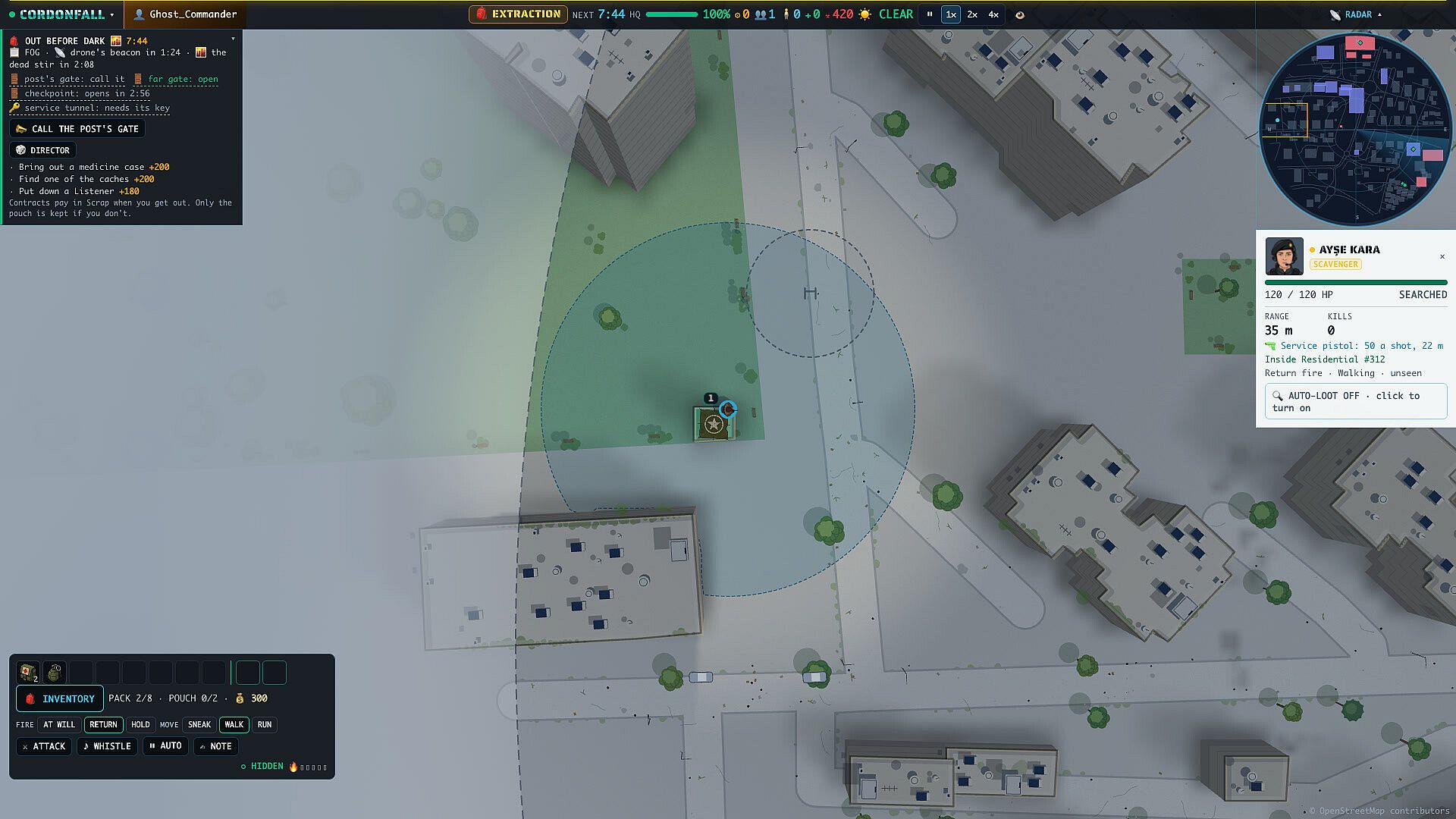
Four additional modes exist in early alpha form and remain subject to further development. Survival emphasizes a slower pace on the player's chosen street. Street War combines defense of one's own position with opportunities to launch attacks against other players' holdings. The Cordon delivers a sequence of crafted missions set in specific locations. Extraction focuses on stealth-oriented scavenging runs where the priority is retrieving resources and escaping rather than holding ground indefinitely.
Progression and Systems
Soldiers from the ten available classes bring distinct roles, ranging from riflemen and snipers to combat medics, flamers, and a K9 war dog unit. Engineers handle construction of the nine listed defense types without direct player micromanagement once ordered. Research options and call-in support such as artillery or airdrops become available through accumulated scrap. The horde's behavior evolves based on prior nights, learning preferred routes and responding to noisy or exposed positions.
Every street layout produces different tactical demands because buildings block line of sight and movement for both defenders and the dead. Players must decide which routes to seal, which rooftops to occupy, and how to allocate limited resources across multiple nights of increasing pressure.
Is It Worth Playing?
Cordonfall targets players who enjoy strategy defense games that incorporate real geographic variety rather than hand-crafted arenas. The browser version already offers the core Siege mode on any address at no cost, while the upcoming Steam edition adds full mode access, achievements, and cloud saves across twelve languages. With the title still in early access and planned for a Q2 2027 release window, buyers should expect ongoing balance adjustments, new soldier classes, defense options, and enemy types based on community input. Those drawn to procedural maps drawn from actual cities and the challenge of adapting defenses to local streets will find the most immediate appeal in its current state.












