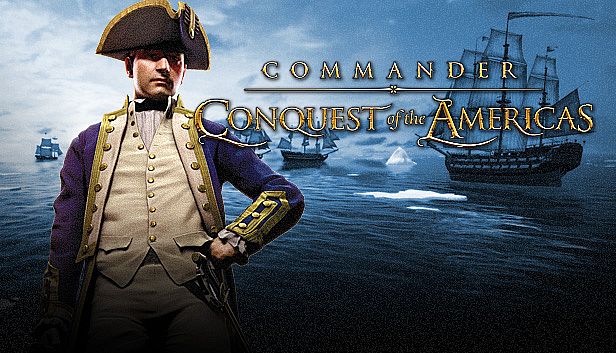












Commander: Conquest of the Americas is a strategy game for PC that places players in command of one of seven European nations during the age of exploration and colonization. The core experience revolves around establishing a presence in the New World through settlement building, resource oversight, and naval operations across regions stretching from the Caribbean to Hudson Bay.
Gameplay
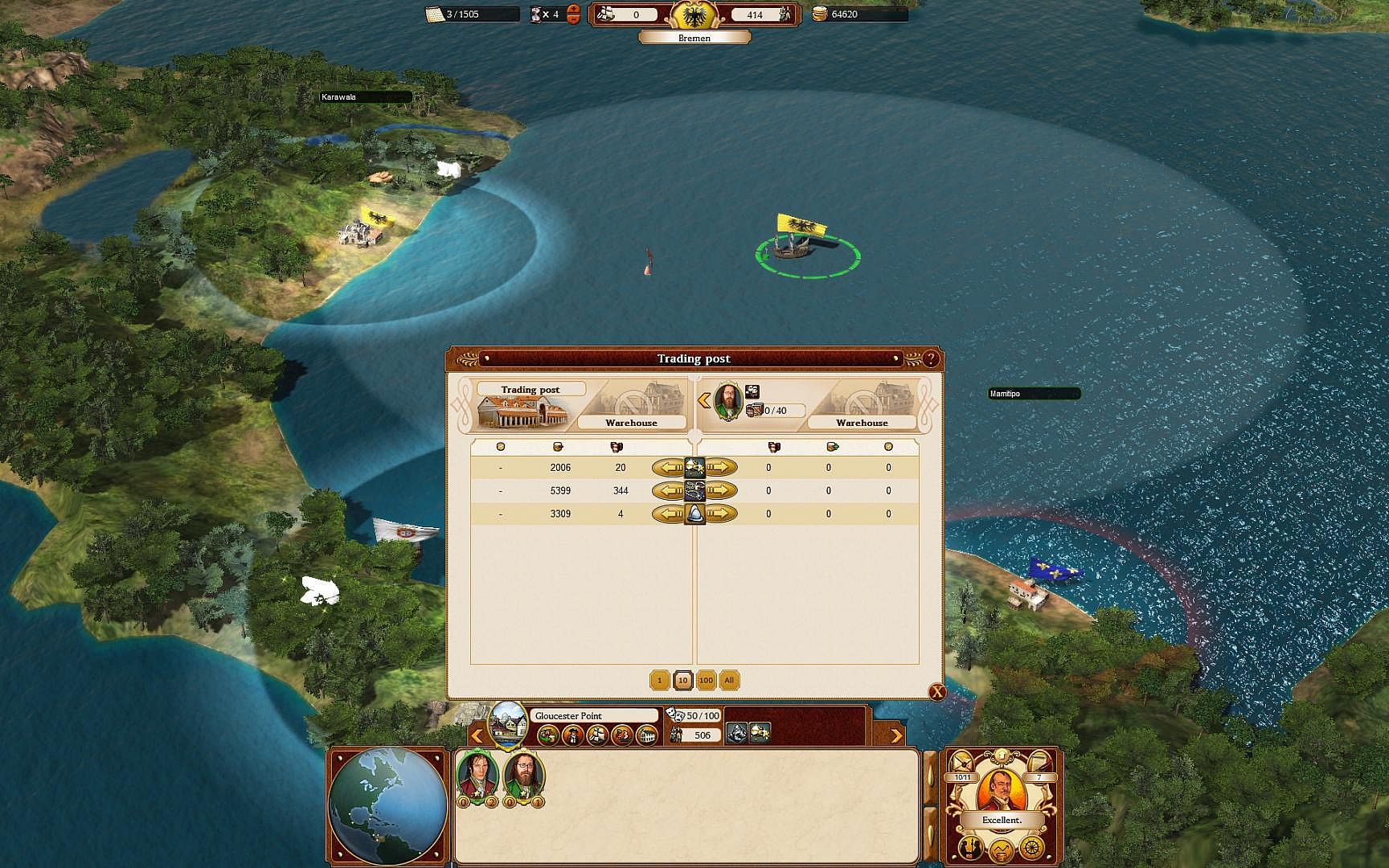
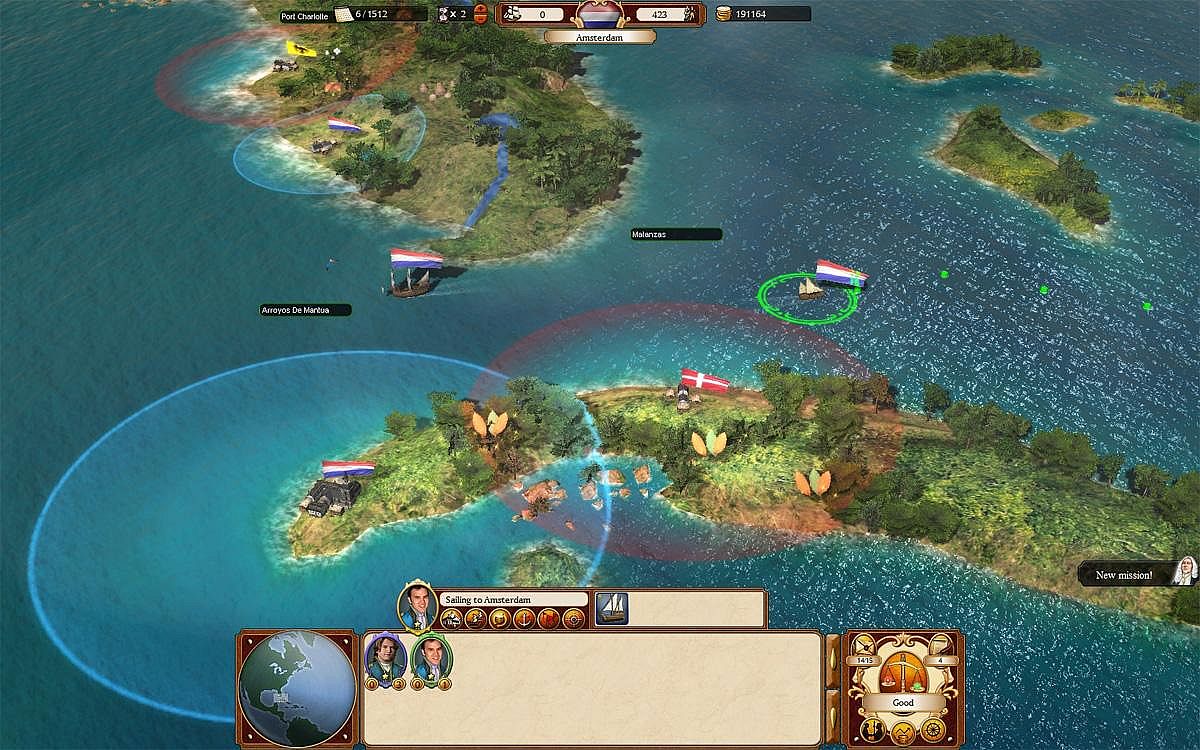
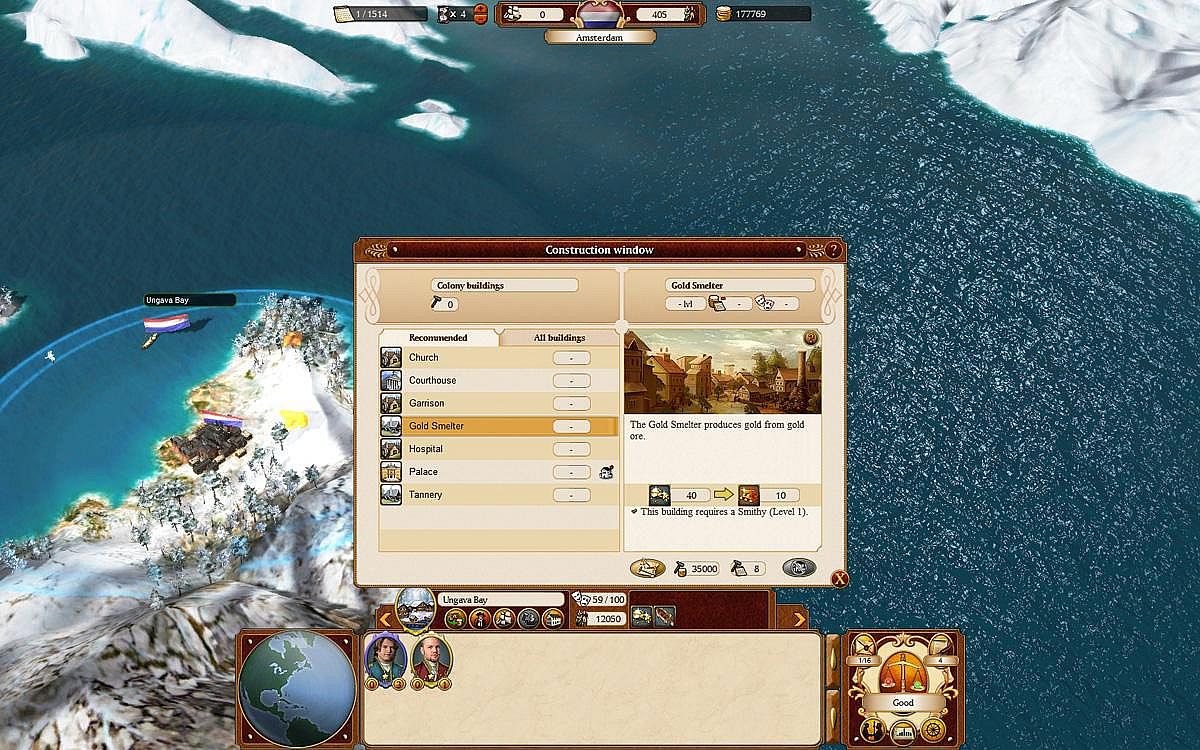
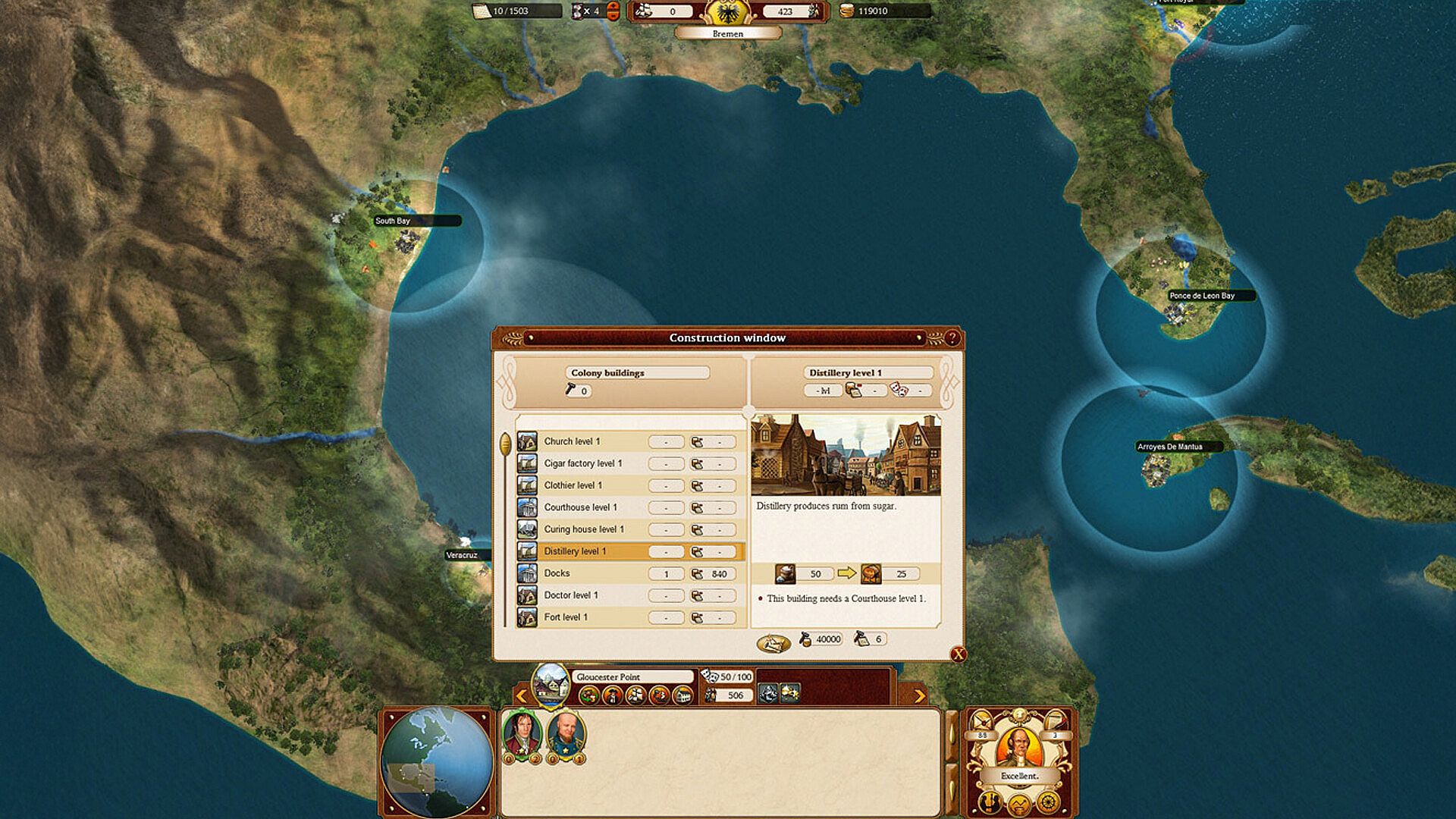
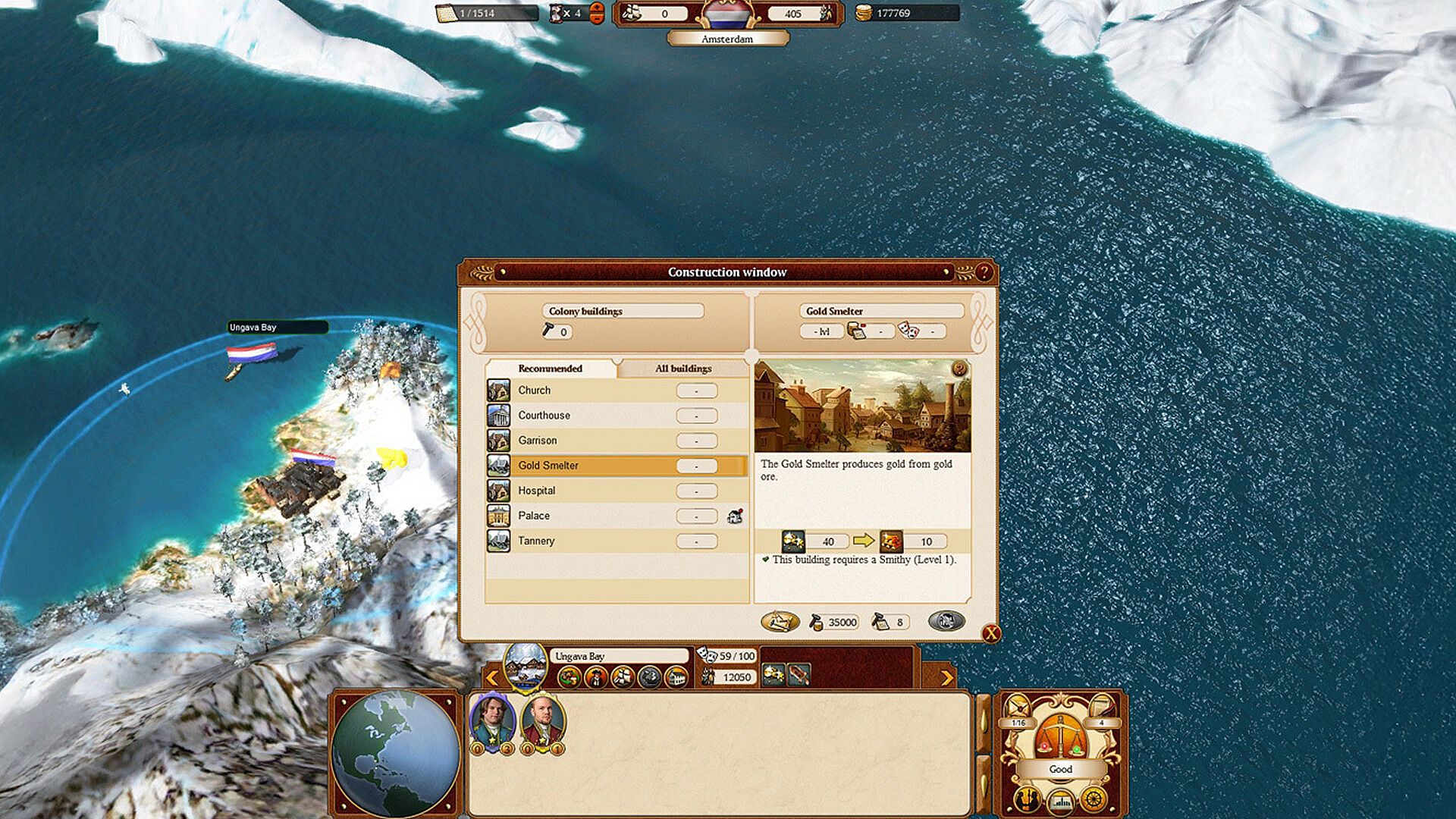
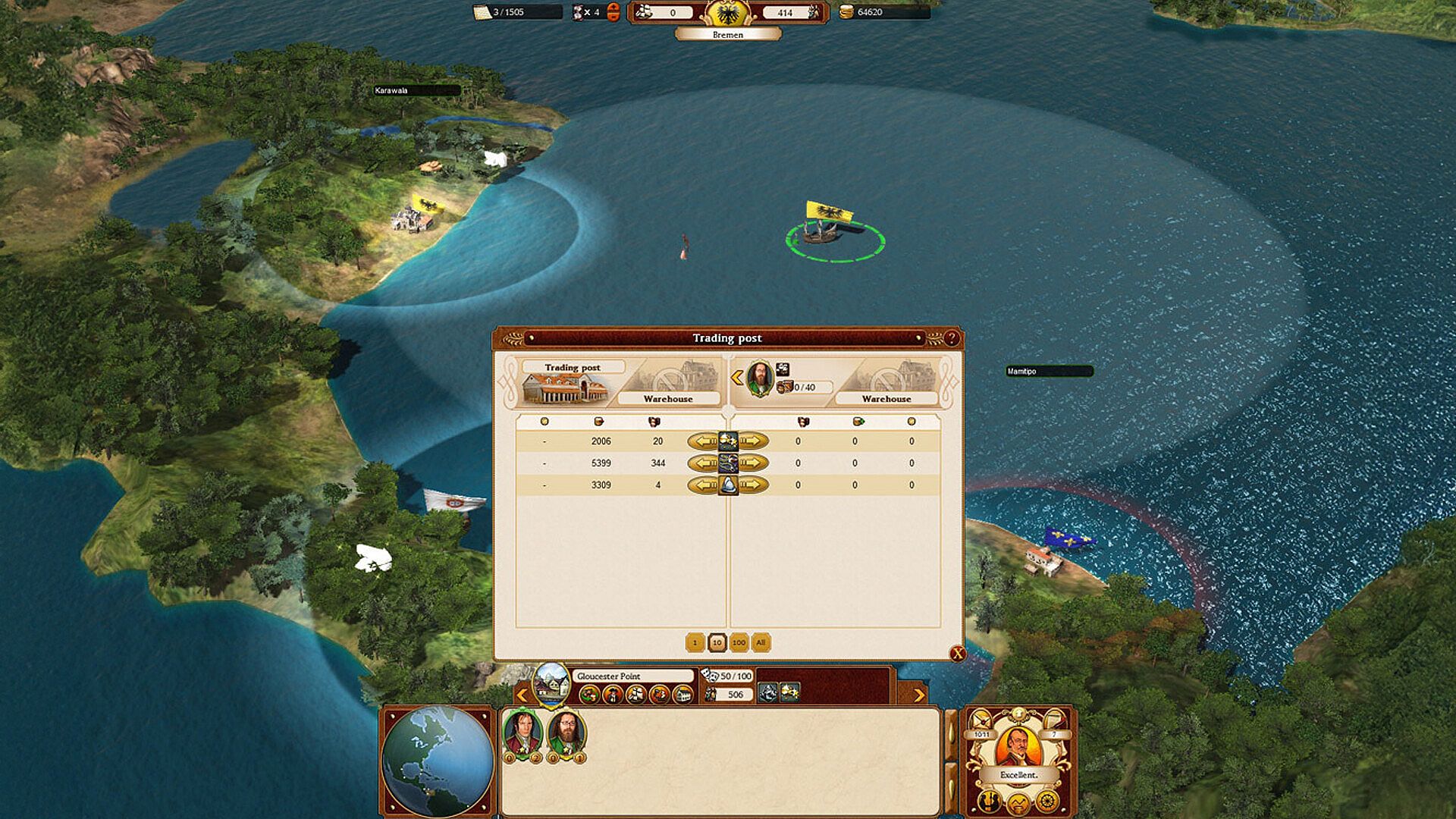
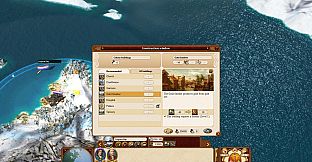
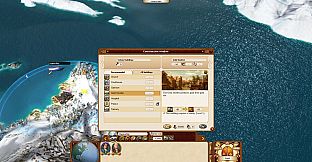
Players begin by selecting a nation, each offering distinct advantages in areas such as trade efficiency, military capabilities, or diplomatic options. Colony development forms the foundation of progress. Settlements require careful allocation of resources to support production chains and maintain steady output of goods destined for internal use or export.
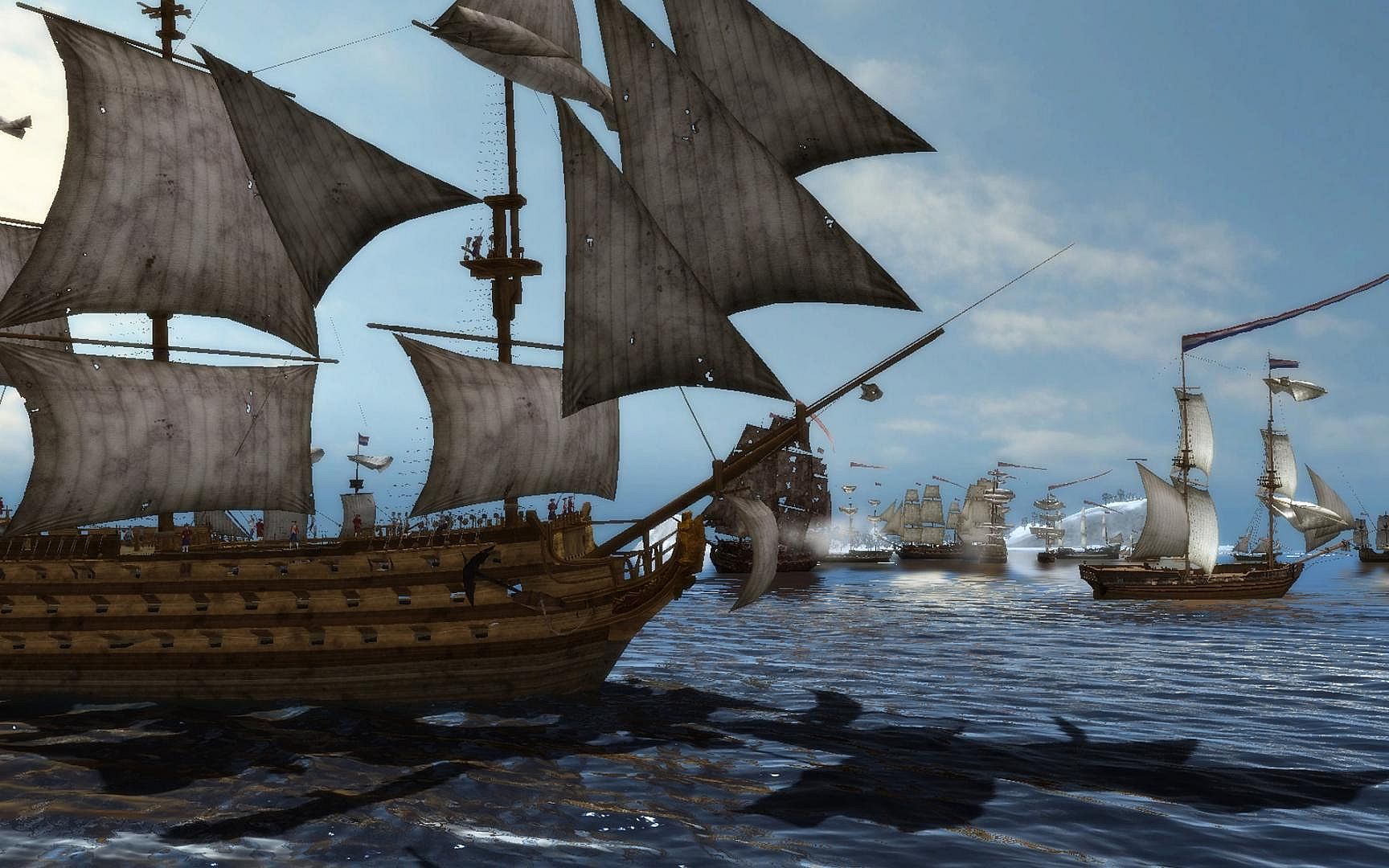
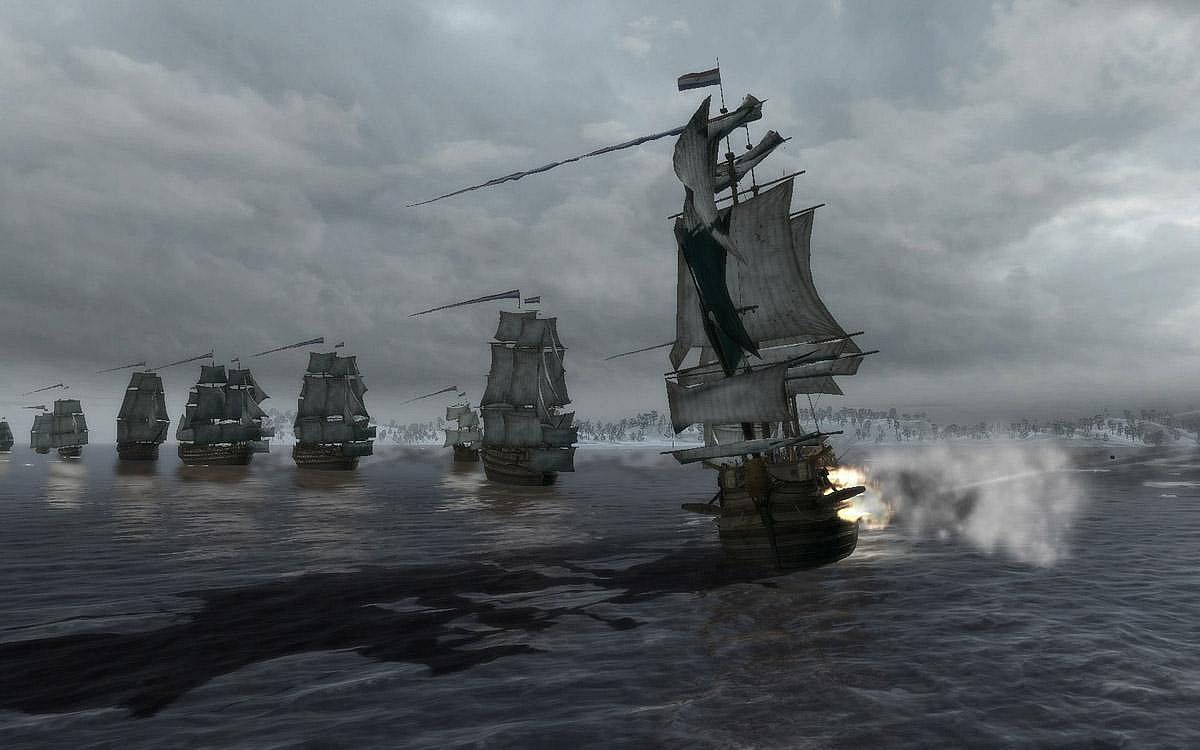
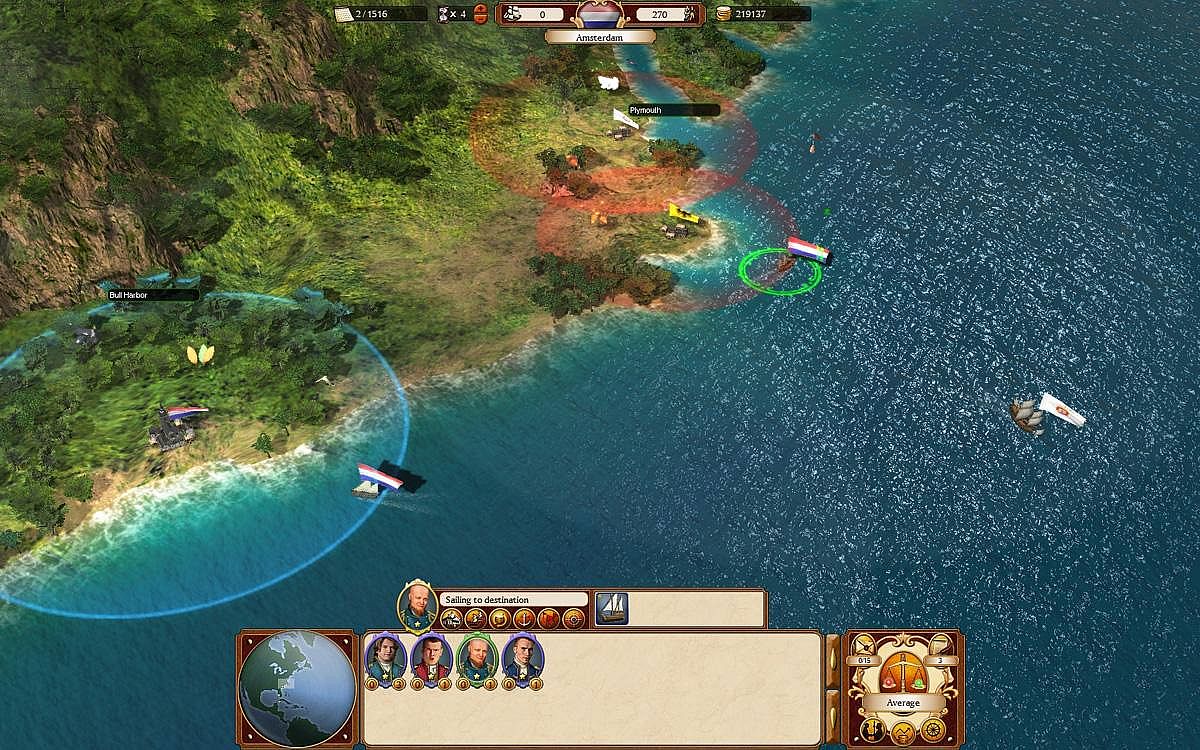
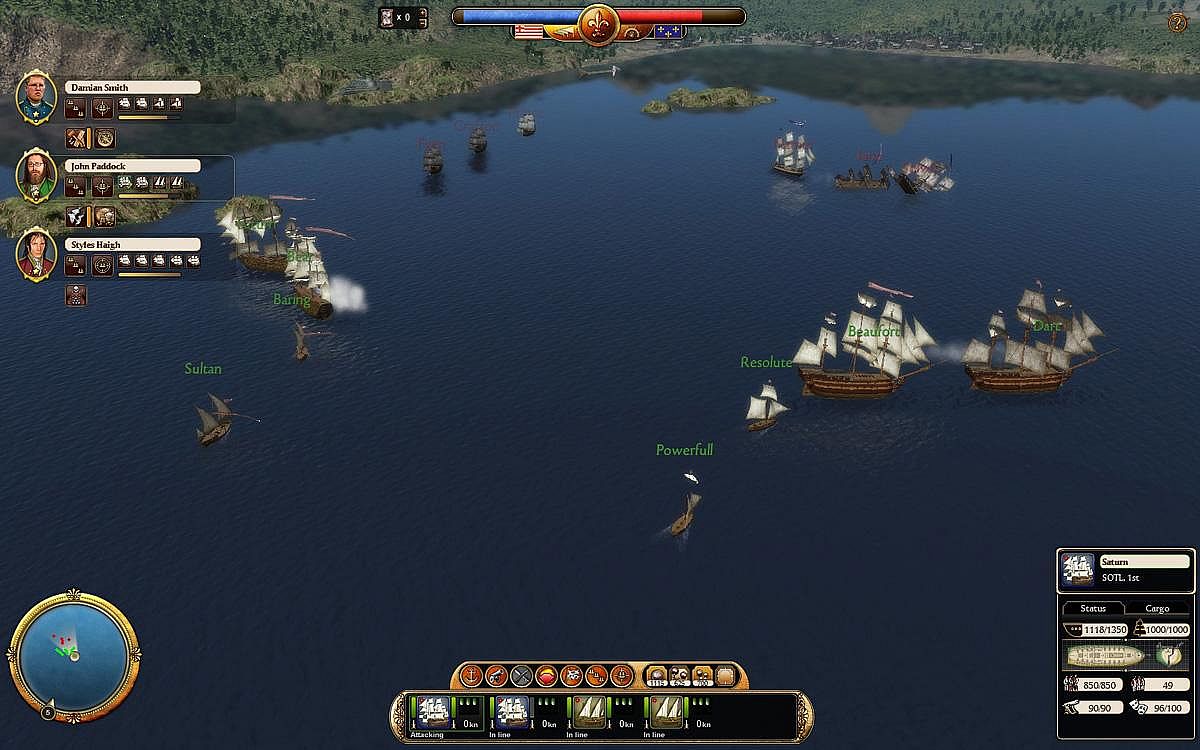
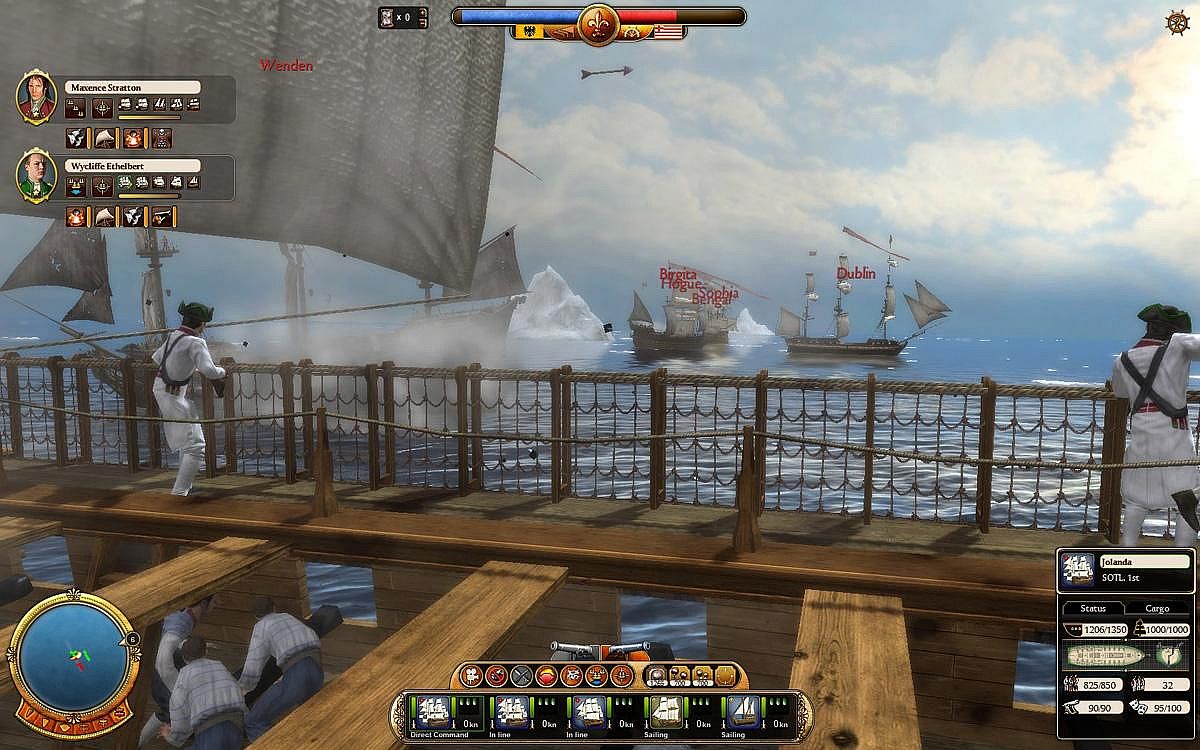
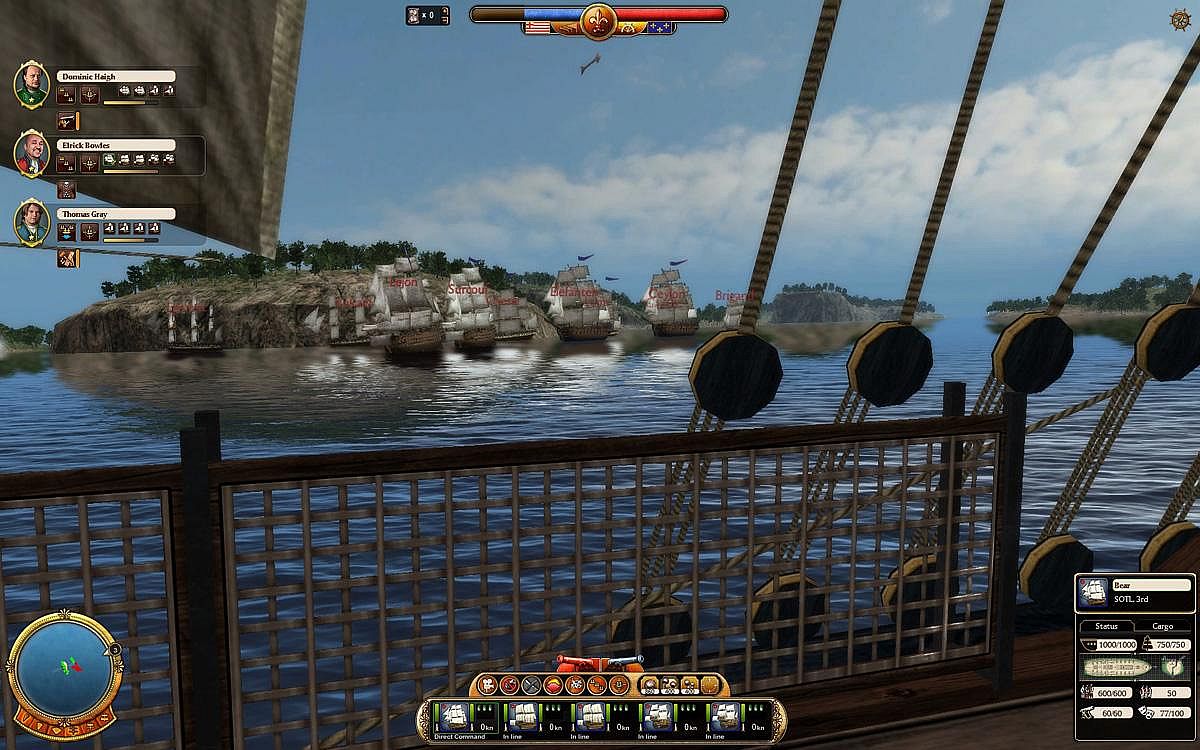
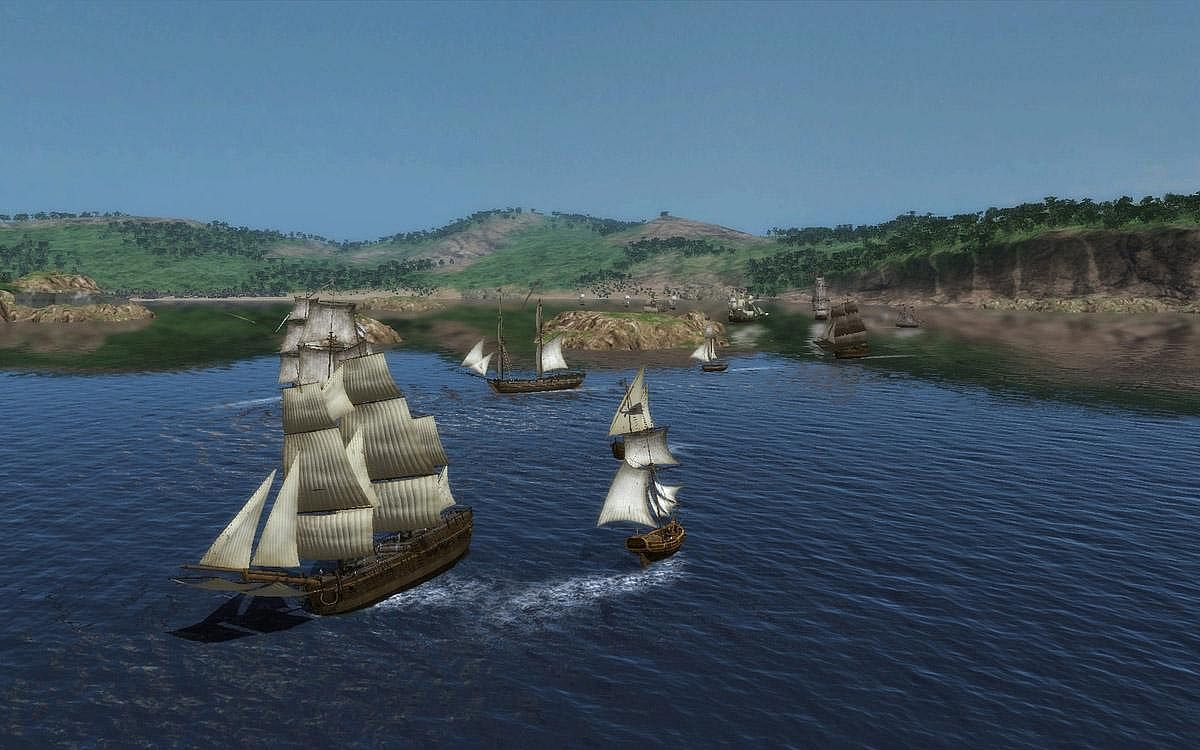
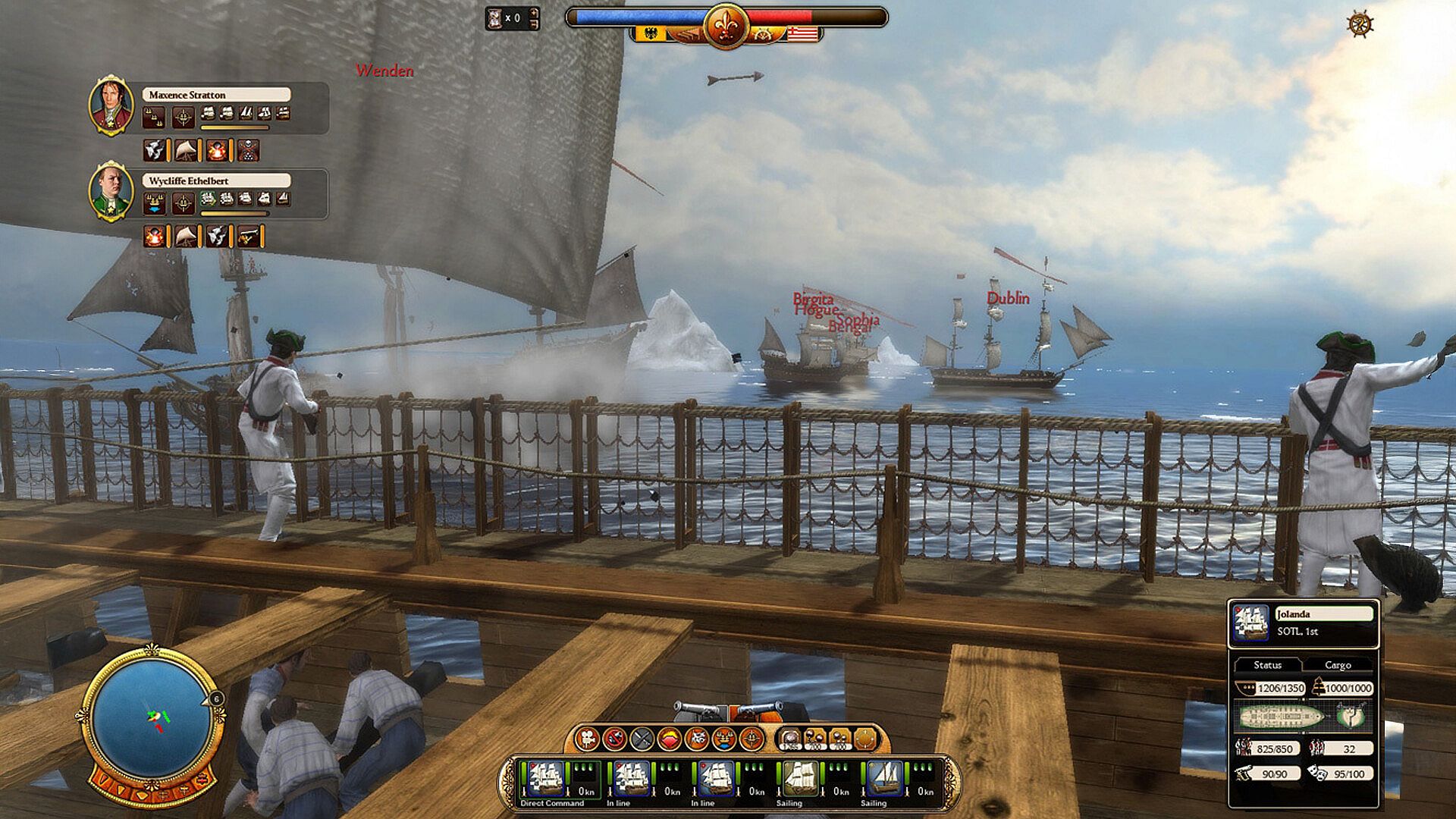
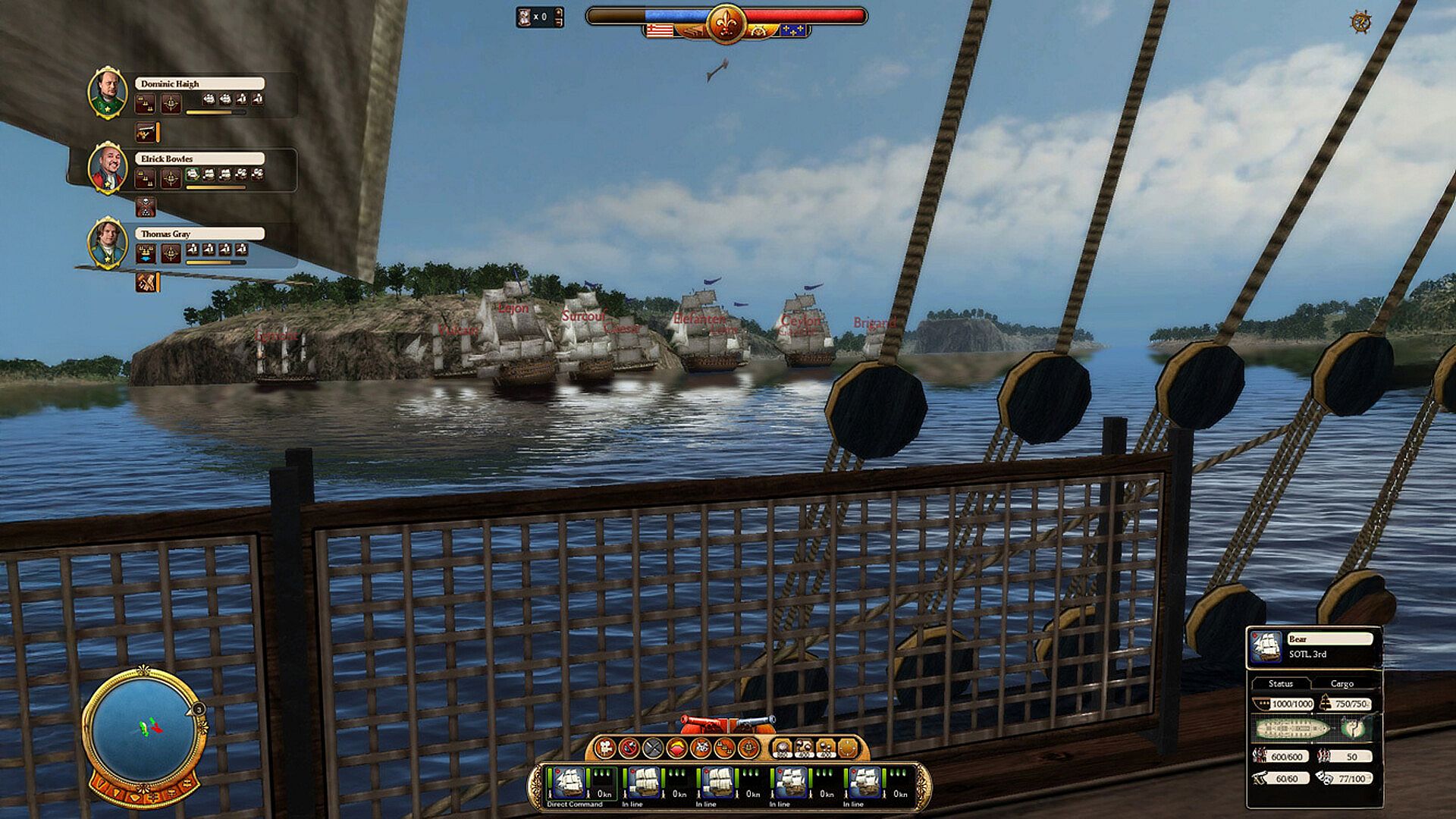
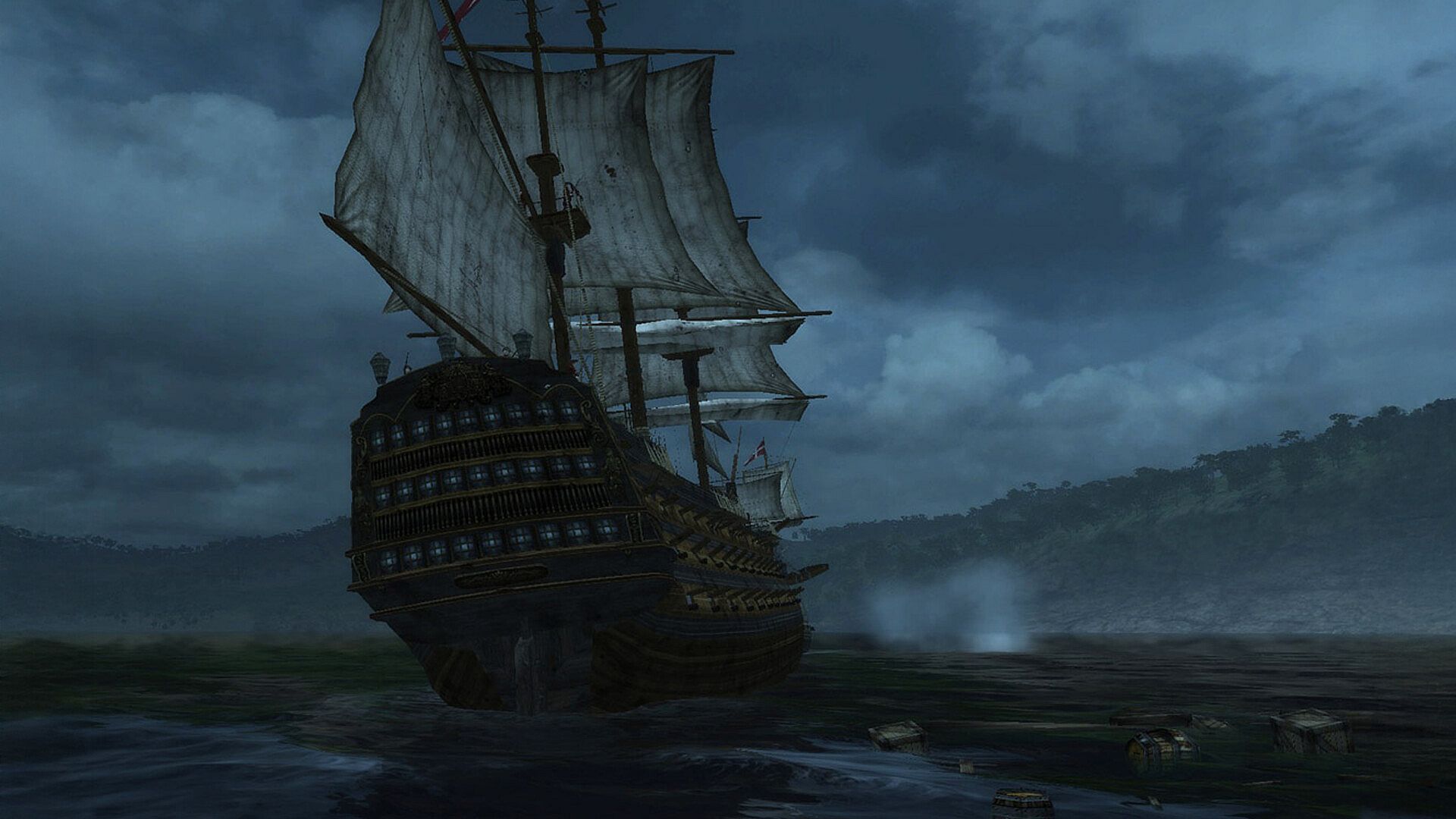
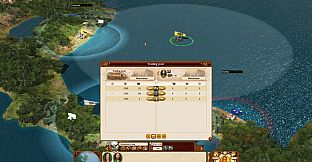
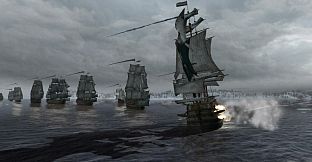
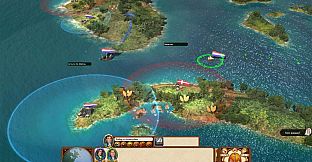
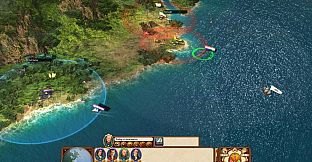
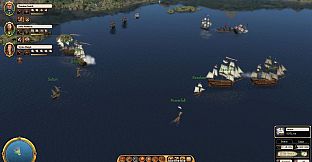
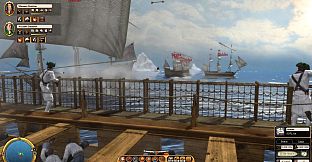
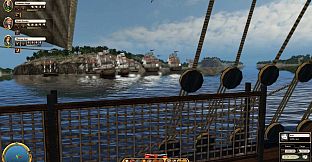
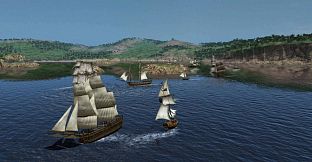
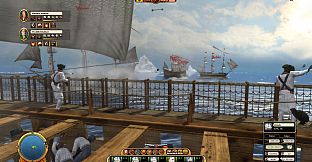
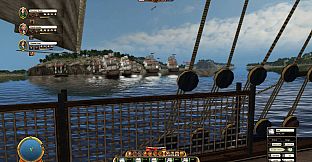
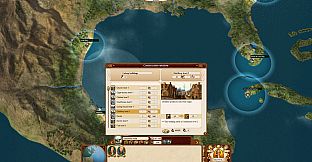
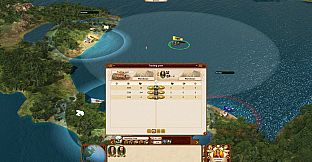
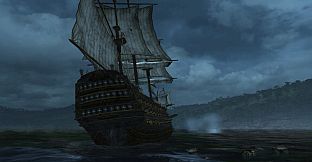
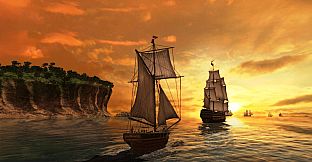
Trade routes connect colonies to one another and back to Europe, creating economic loops that sustain growth. Naval fleets handle transport while also serving as the primary means of projecting power. Battles unfold in real time, allowing command of up to thirty ships. Players can switch between an overview perspective for fleet coordination and direct control of individual vessels to execute specific maneuvers.
Interactions with other European powers and Native American tribes add layers of decision making. Alliances can provide mutual benefits, while hostilities demand defensive preparations or offensive strikes. Exploration reveals new territories and opportunities, but success depends on balancing expansion with the ability to protect and supply distant outposts.
Game Modes
The game centers on a single-player campaign structure where objectives unfold through territorial expansion and economic consolidation. Progression ties directly to colony viability and naval strength, with no separate competitive or cooperative modes confirmed in available information.
Within the main experience, players manage ongoing operations across multiple settlements simultaneously. This includes adjusting production priorities, rerouting trade convoys, and responding to emerging threats from rivals or environmental factors. The absence of named sub-modes keeps focus on integrated strategy rather than segmented challenges.
Key Mechanics and Factions
Seven European factions provide starting variety through specialized bonuses. One nation might excel at rapid settlement construction, while another benefits from stronger initial naval units or favorable trade terms. These differences influence early priorities and long-term strategies without altering the fundamental loop of management and combat.
Resource systems emphasize optimization. Colonies produce raw materials and finished goods that feed into trade networks. Overproduction in one area can offset shortages elsewhere, but poor planning leads to stagnation. Naval combat integrates with these systems, as fleets must escort convoys and secure sea lanes against opposing forces.
Diplomacy operates through ongoing relations that shift based on actions taken. Trade agreements or joint military efforts can stabilize borders, whereas aggressive expansion risks coordinated opposition from multiple parties.
Is It Worth Playing?
This title suits players who enjoy detailed colony management combined with real-time naval tactics. The blend of economic planning and fleet command creates a focused strategy loop that rewards careful oversight of trade and defense. Older reviews describe it as a solid entry in the genre that improves on similar predecessors through its emphasis on American colonization themes.
Availability remains limited to the original PC release with no confirmed ongoing updates or seasonal content. Those seeking modern multiplayer features or frequent patches may find the experience dated. For enthusiasts of historical strategy games centered on exploration and empire building, the mechanics deliver consistent depth without unnecessary complexity.
Overall reception highlights its appeal to a niche audience interested in trade route optimization and tactical ship battles rather than broad accessibility. The game stands as a complete package for single-player sessions focused on long-term territorial control.