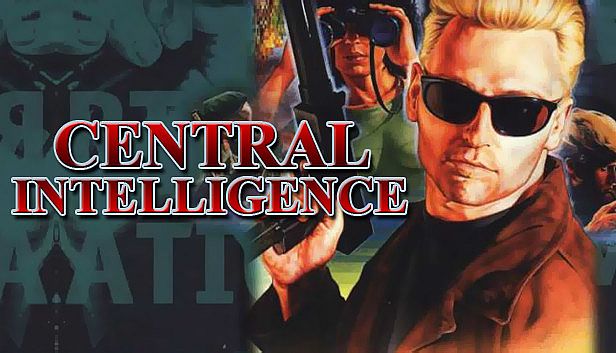













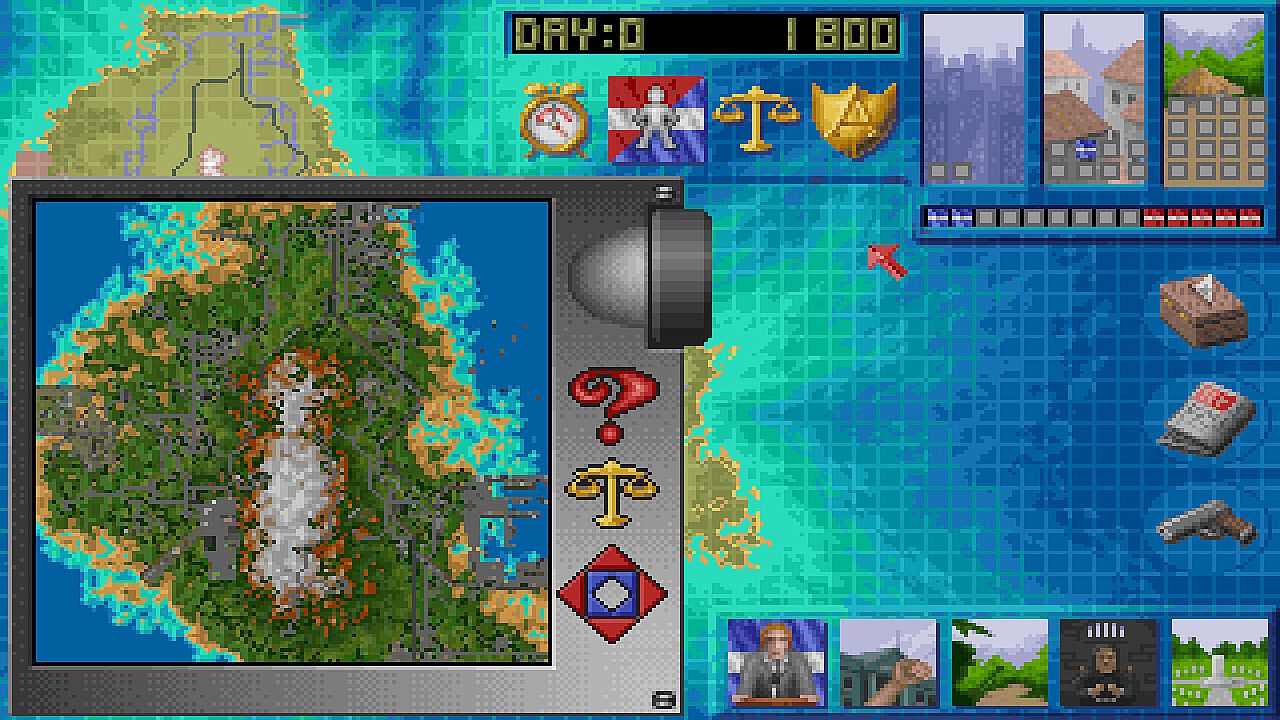
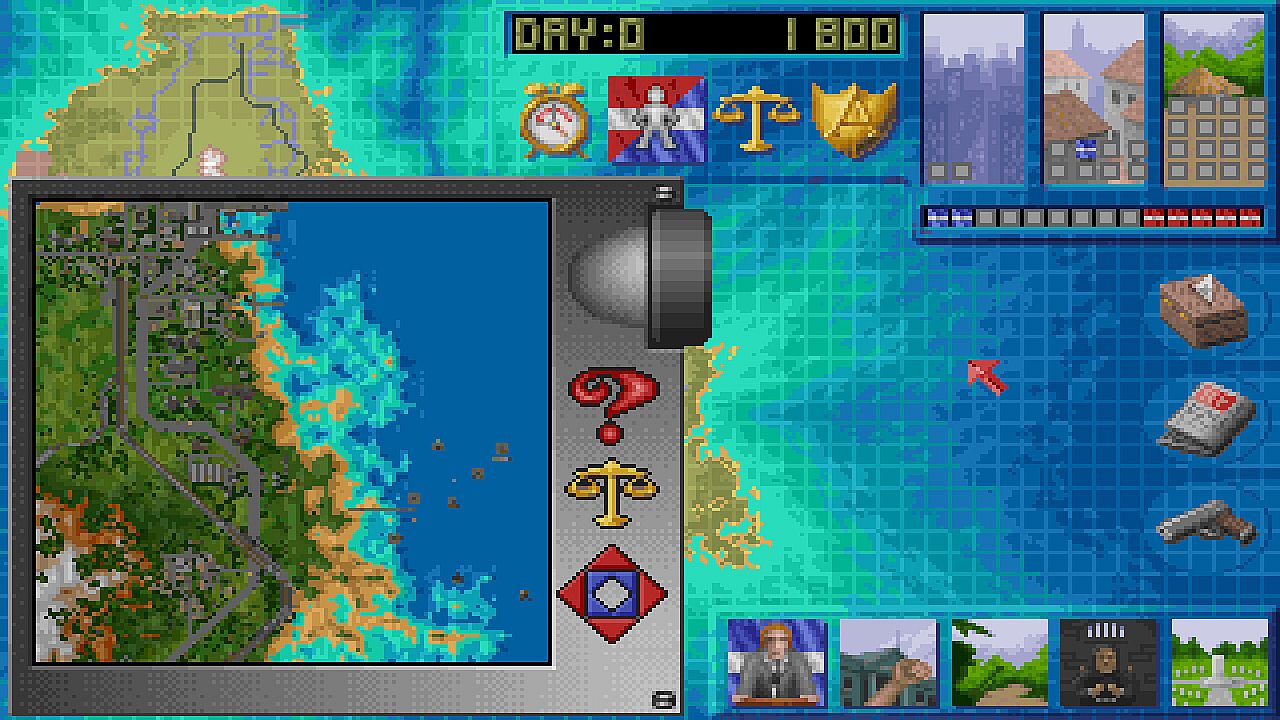
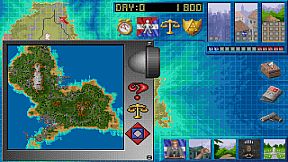
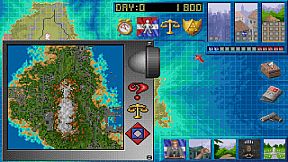
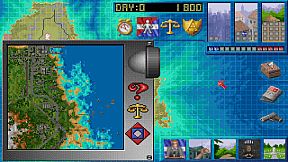
Central Intelligence is a strategy and simulation game focused on espionage and political maneuvering. Set on the island of Sao Madrigal, the title places players in the role of a CIA chief tasked with undermining a dictatorship backed by external powers and restoring democratic governance through indirect means.
Gameplay
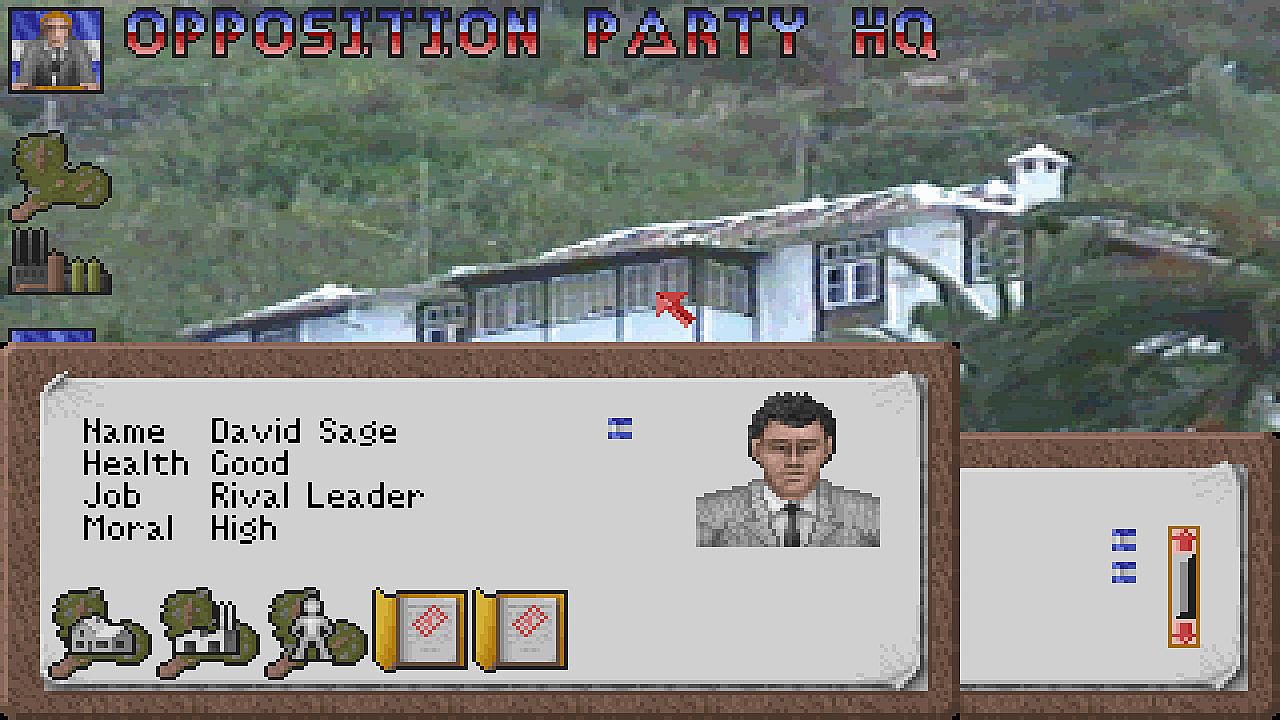
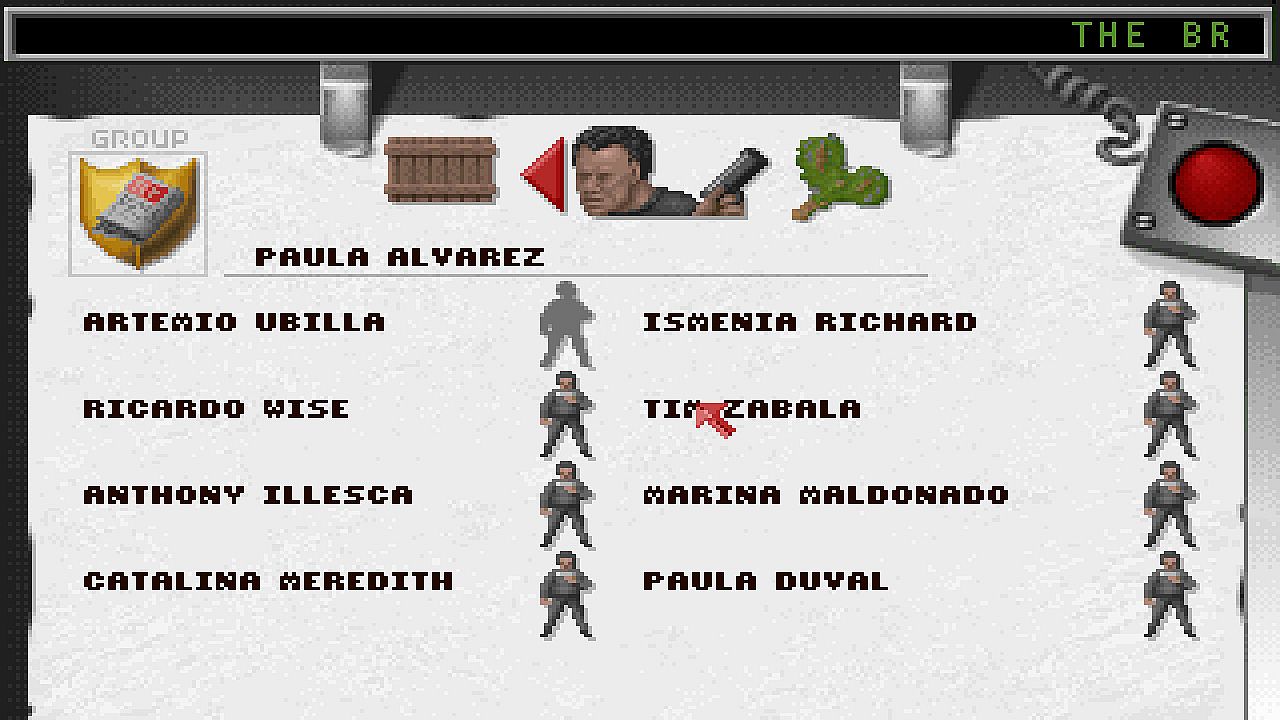
The core loop revolves around managing resources and agents across three distinct operational branches: Propaganda, Military, and Political. Players direct efforts to influence local factions such as student groups, guerrilla movements, and opposition parties. Interventions occur through targeted actions including propaganda campaigns, financial incentives, deception tactics, targeted eliminations, and leverage through compromising information. Each decision carries the risk of unintended consequences that can escalate or reverse progress toward the primary objective.
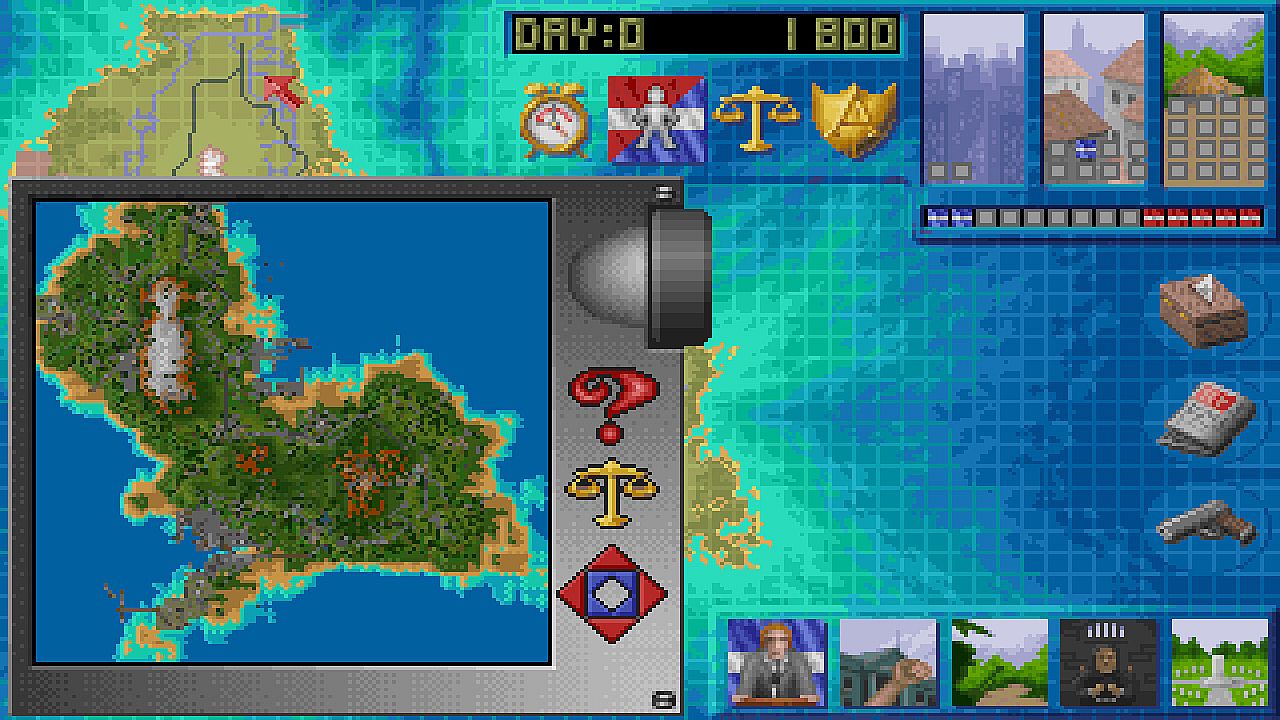
Operations unfold across a broad theater where timing and sequencing matter. Agents operate with varying degrees of visibility, allowing for covert support that may remain unknown to the factions themselves. The simulation emphasizes careful planning to avoid chain reactions that strengthen the ruling regime instead of weakening it. Resource allocation between the three branches determines the range of available options at any stage, and success depends on aligning these efforts with the shifting dynamics on the island.
Game Modes
The game operates as a single continuous campaign without separate named modes. All activity centers on the central mission of organizing opposition to the dictatorship. Players advance by selecting and executing operations in the Propaganda, Military, or Political branches, with outcomes influencing the overall stability of the regime. There are no additional variants such as skirmish scenarios or alternate objectives beyond the core goal of facilitating a return to democracy.
Key Mechanics and Systems
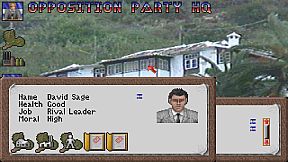
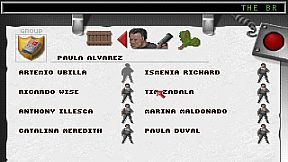
Agent management forms the foundation of play. Personnel are divided among the three branches and can be assigned to specific tasks that interact with island factions. Actions produce ripple effects that players must monitor to prevent backlash. The political landscape includes multiple opposing groups whose cooperation or resistance can be shaped through direct or indirect contact. Subterfuge and blackmail provide non-confrontational paths, while military options remain secondary to the emphasis on building internal pressure against the regime.
The simulation tracks the balance of power through these interactions. Players must weigh short-term gains against long-term stability, as overt moves can alert authorities or alienate potential allies. The system rewards foresight in sequencing operations to create compounding advantages without triggering defensive responses from the dictatorship or its supporters.
Is It Worth Playing?
Central Intelligence appeals to players interested in deliberate, consequence-driven strategy rather than fast-paced action. Its systems reward methodical planning and adaptation to emerging situations on the island. Reception from those who have engaged with the title highlights both its conceptual strengths in espionage simulation and execution limitations typical of its era. Individuals seeking a focused single-player experience centered on political intrigue and agent coordination may find value in its approach. Those preferring modern interfaces or broader feature sets may encounter friction with the original design. The game remains available on PC for those drawn to its specific blend of strategy and simulation elements.