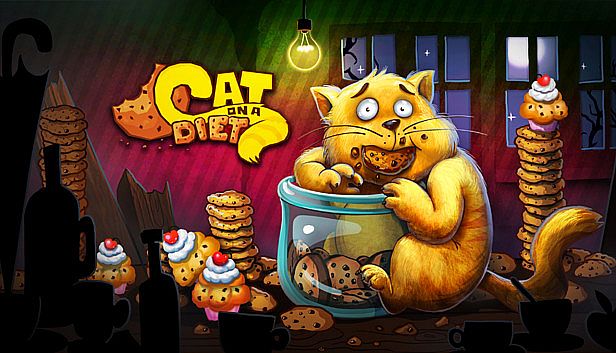
















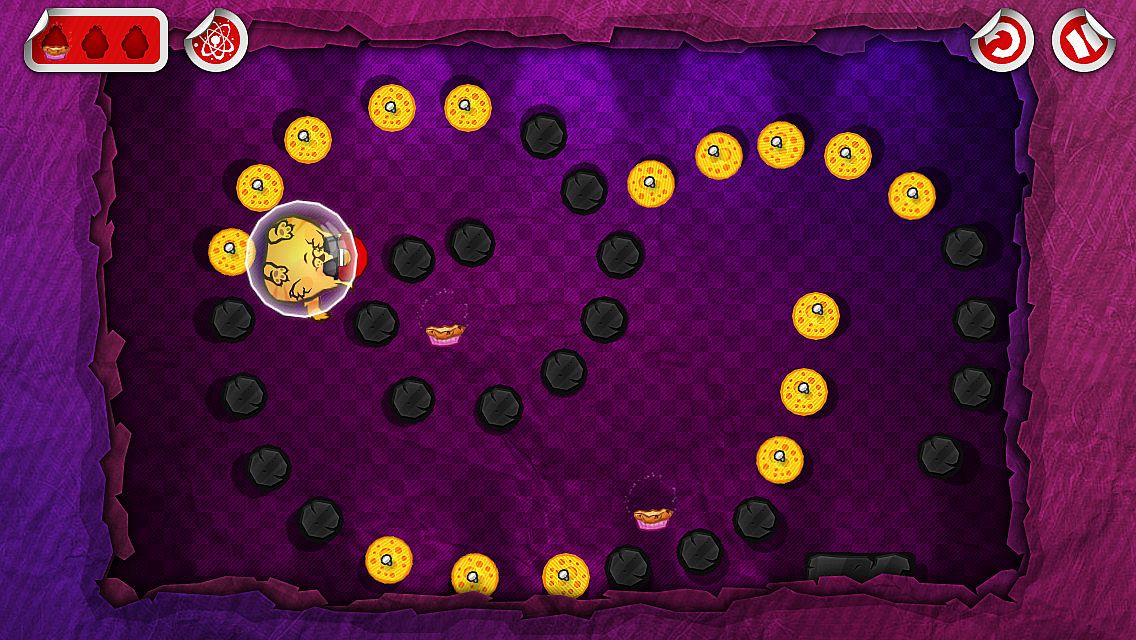
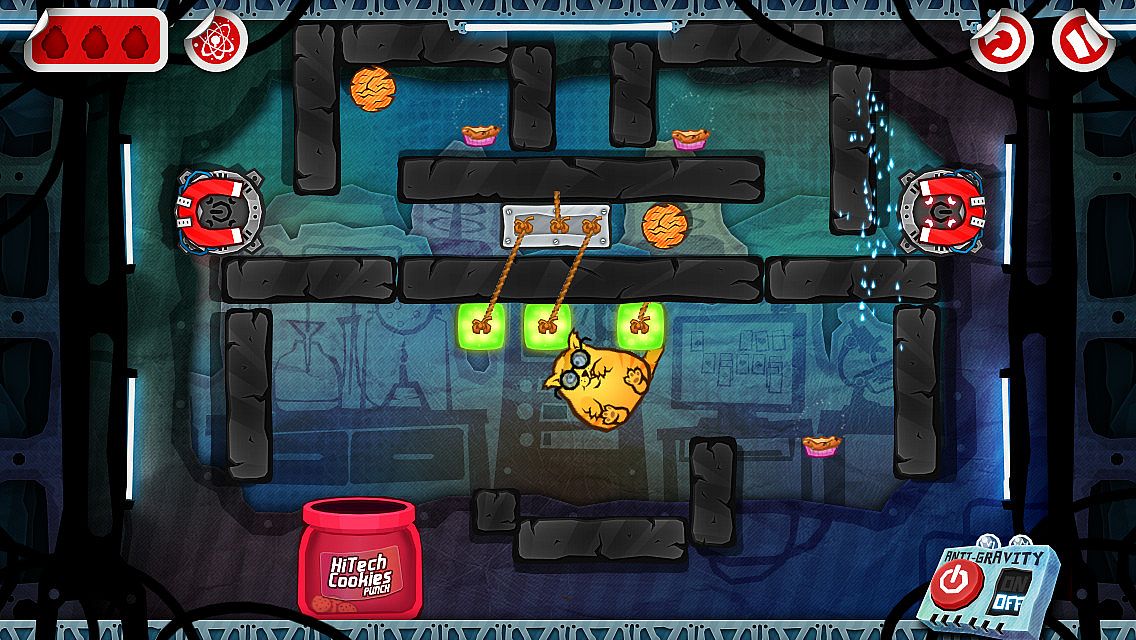
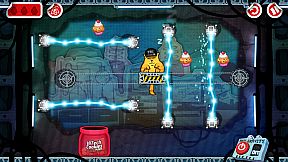
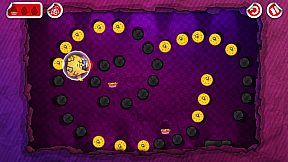
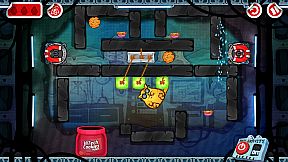
Cat on a Diet is a physics-based puzzle game that blends casual mechanics with light action elements in a single-player experience on PC. Players guide the chunky feline Dr. Meow through a series of inventive challenges as he seeks out cookies while his owner is asleep. The core loop revolves around manipulating objects in each stage to guide the cat toward the cookie jar, using environmental interactions to solve the puzzles.
Gameplay
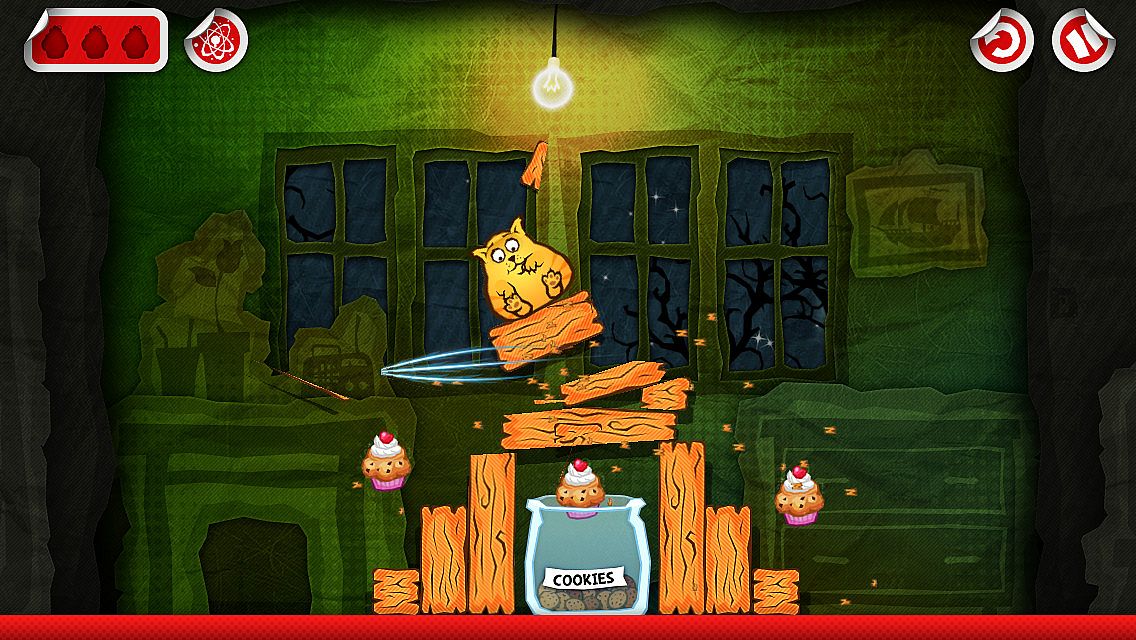
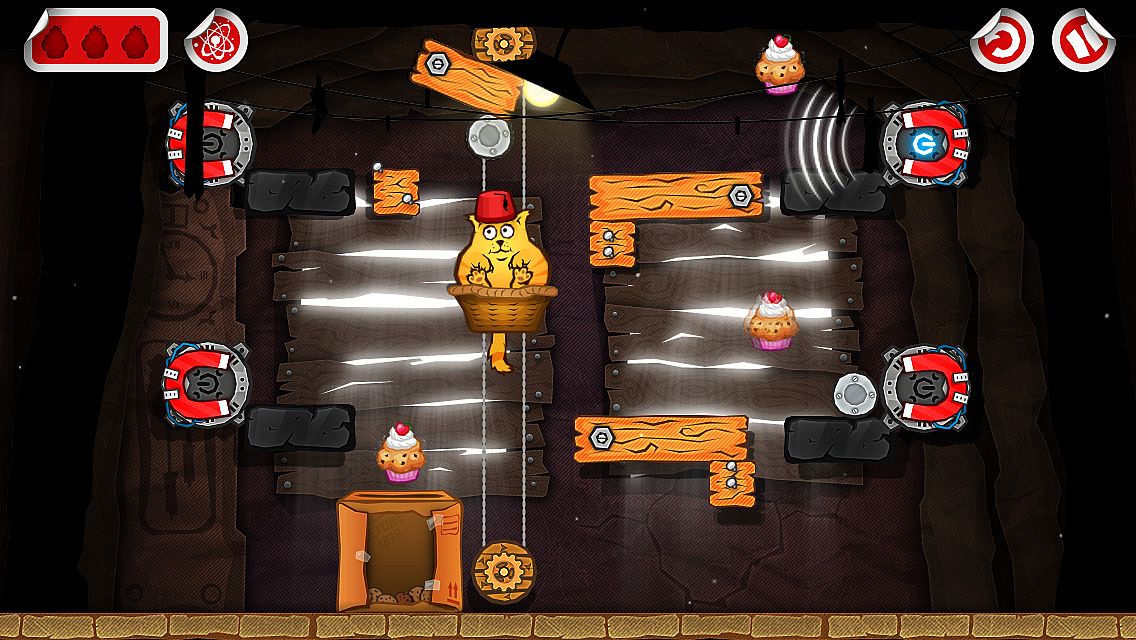
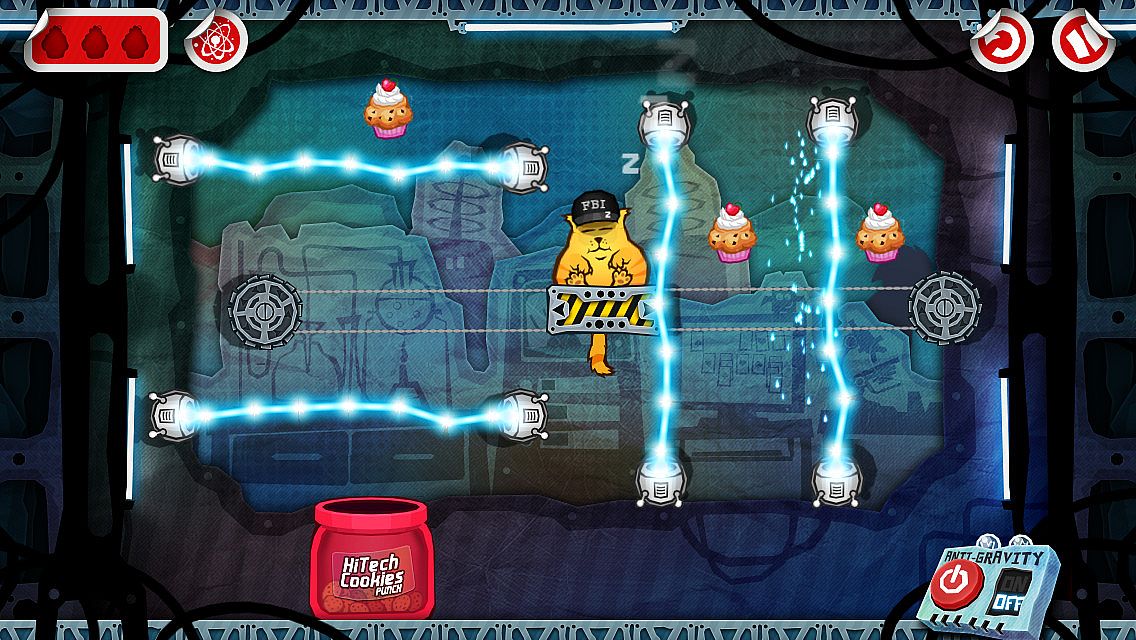
The gameplay centers on physics interactions where players swipe and prod wooden blocks, unscrew bolts, activate magnets, and trigger explosions with volatile uranium to clear paths. These tools allow creative solutions to reach the goal in each level. Snacks collected during play can be spent on upgrades that enhance abilities, along with cosmetic items such as hats, masks, and additional helpers that assist in cookie heists. The cat progresses through themed environments that introduce new obstacles and mechanics, keeping the puzzles varied across the full set of stages.
Over 100 levels span four distinct worlds, starting in Dr. Meow's home before moving to the spooky attic, the mysterious laboratory, and a medieval setting. Each world features unique backdrops and puzzle elements that build on the basic physics rules. Collecting all snacks in a level unlocks further customization options, encouraging thorough exploration of each stage. The emphasis remains on trial and error combined with logical planning rather than fast reflexes.
Game Modes
Two diverse game modes provide different approaches to the same core puzzles. One mode focuses on standard completion where reaching the cookie jar is the primary objective, while the other encourages higher performance through additional challenges such as collecting every snack or achieving optimal paths. These modes support replayability without altering the fundamental physics-based interactions.
Progression ties directly into the modes, as completing levels in either unlocks new worlds, costumes, and power-ups. The structure rewards experimentation with the available tools across both options, allowing players to approach the same stages from fresh angles.
Worlds and Progression
The four worlds expand the puzzle variety while maintaining a consistent focus on guiding the cat. Dr. Meow's home introduces basic block and bolt mechanics, the attic adds eerie elements with new hazards, the laboratory incorporates scientific gadgets like magnets and explosives, and the medieval world brings historical contraptions into the mix. This progression keeps the experience fresh over the full campaign.
More than 50 cat costumes serve as collectibles that change the visual style without affecting gameplay mechanics. Players earn these through snack spending and level completion, adding a light collection layer to the puzzle solving. The narrative hints at secrets behind the owner's behavior, revealed gradually as the cat explores deeper into restricted areas.
Is It Worth Playing?
Cat on a Diet delivers a straightforward physics puzzler suited to players who enjoy casual single-player experiences with creative problem solving. The game received Very Positive reviews from 527 user submissions, with 82 percent positive feedback highlighting its satisfying mechanics and level design. It suits all ages due to its accessible controls and whimsical theme, though some stages require precise timing with the explosive or magnetic tools.
With over 100 levels and multiple modes, the title offers solid replay value for those who appreciate methodical puzzle completion. The absence of ongoing updates since its 2016 release means the experience remains fixed, which appeals to players seeking a complete, self-contained package rather than live-service content. Those who like short sessions of inventive physics challenges will find it a worthwhile addition to their library.