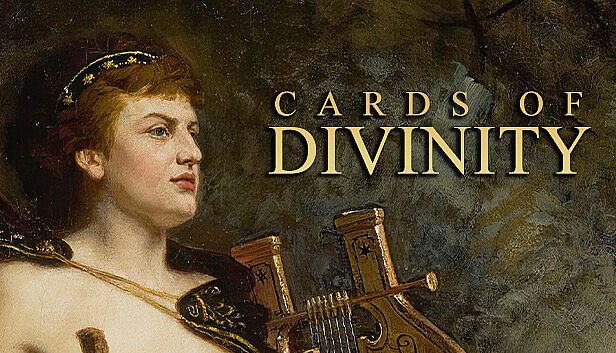



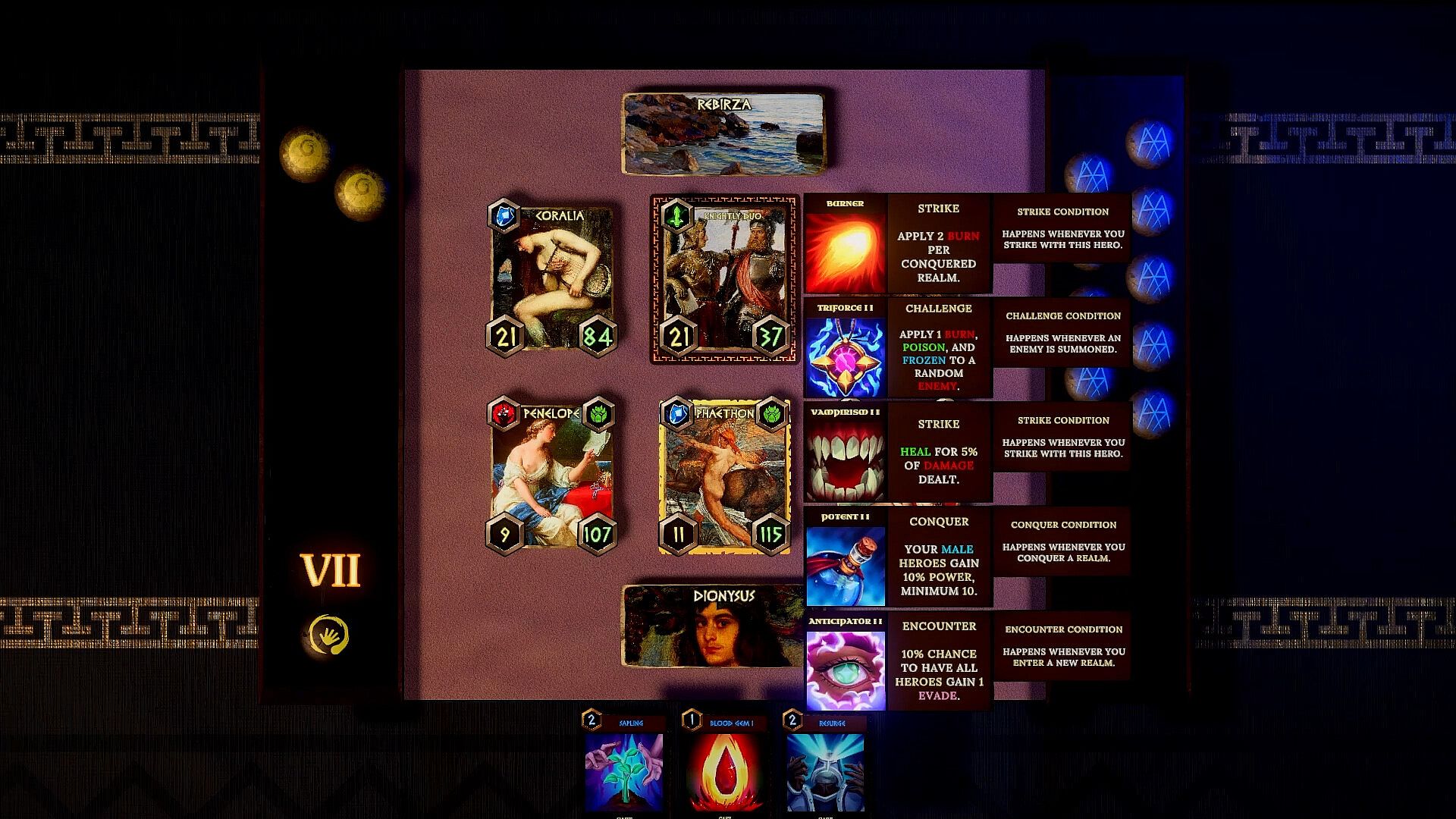
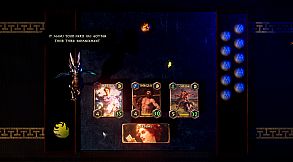
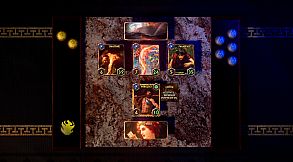
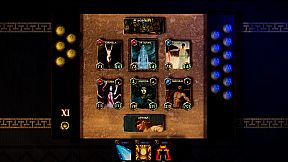
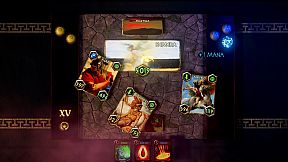
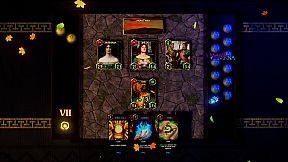
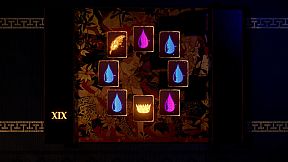
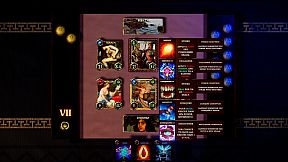
Cards of Divinity stands out as a strategy deck-building game set in the world of Greek mythology, where you step into the shoes of a powerful deity. Command heroes drawn from ancient legends, weave spells and enhancements into your arsenal, and push to conquer endless realms in a bid for supremacy. This PC title blends thoughtful card management with tactical decisions, all wrapped in stunning classical artwork that brings myths to life.
Gameplay
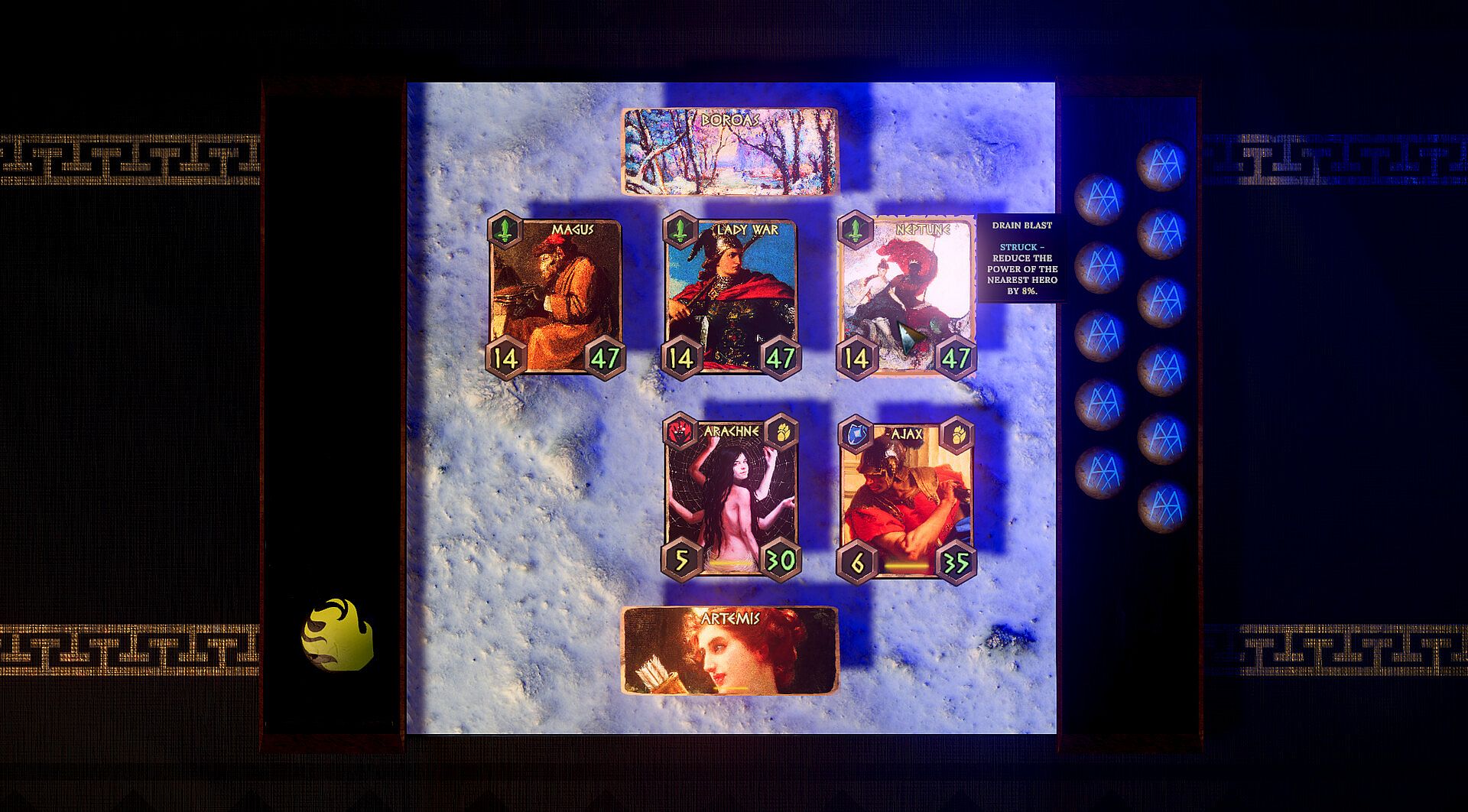
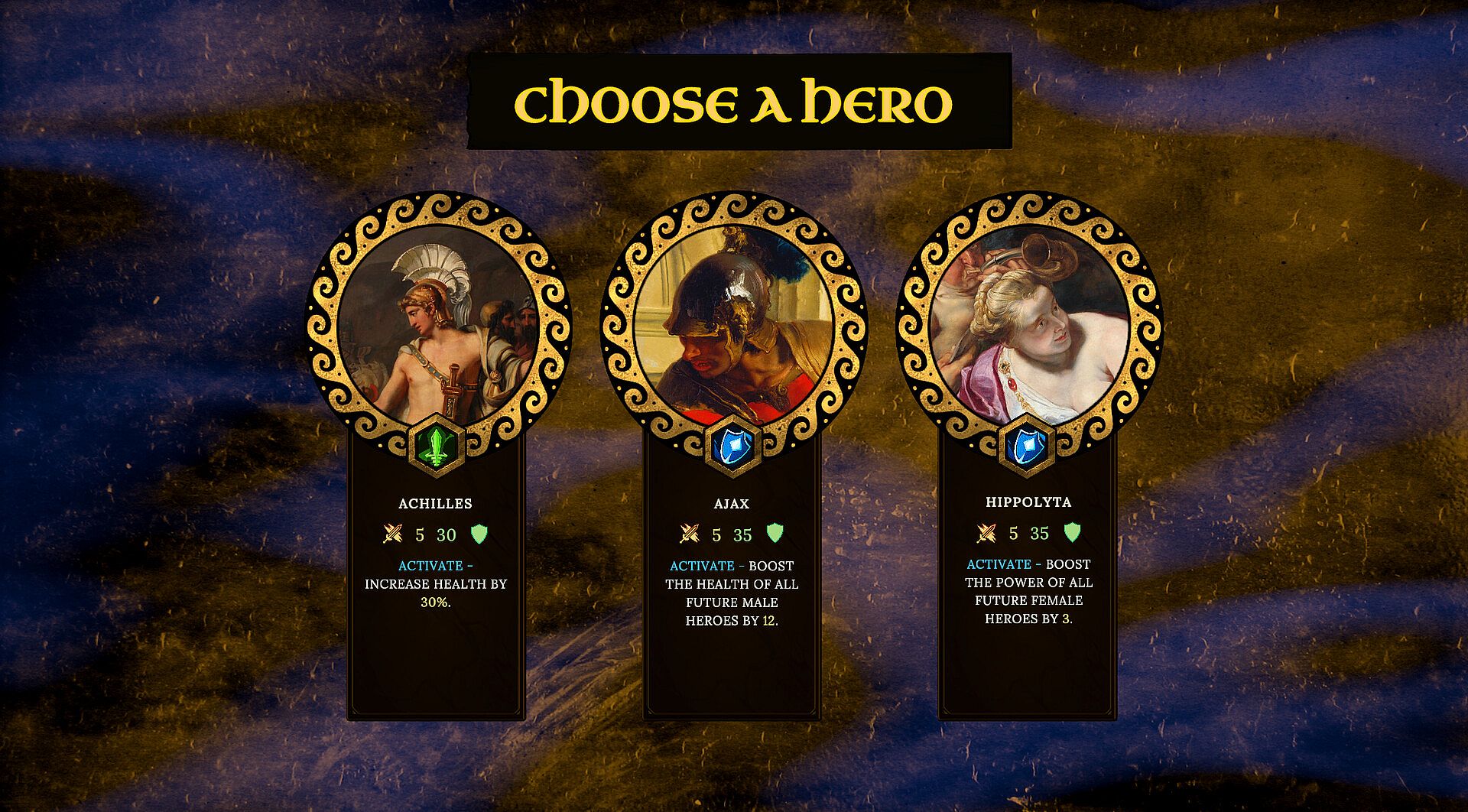
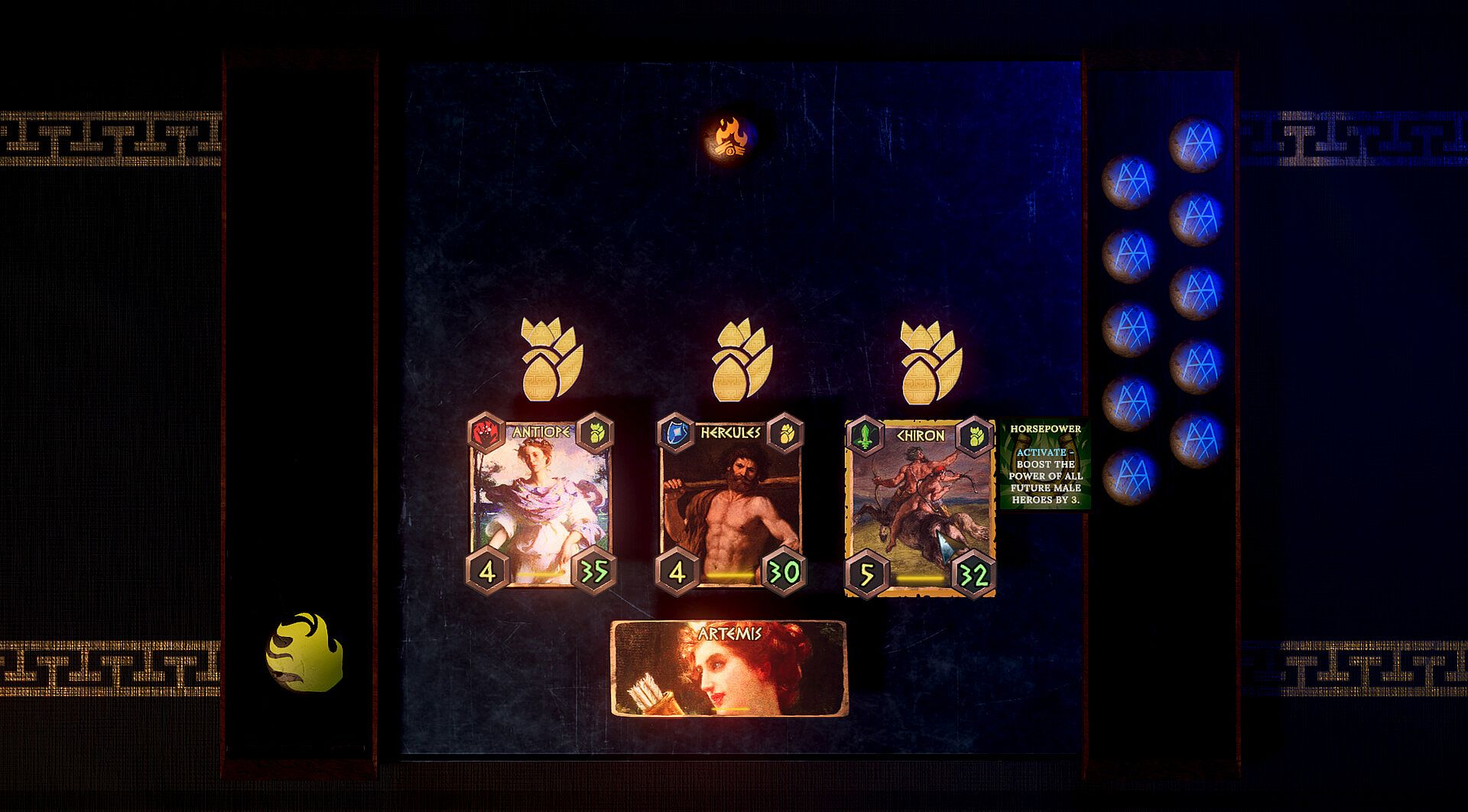
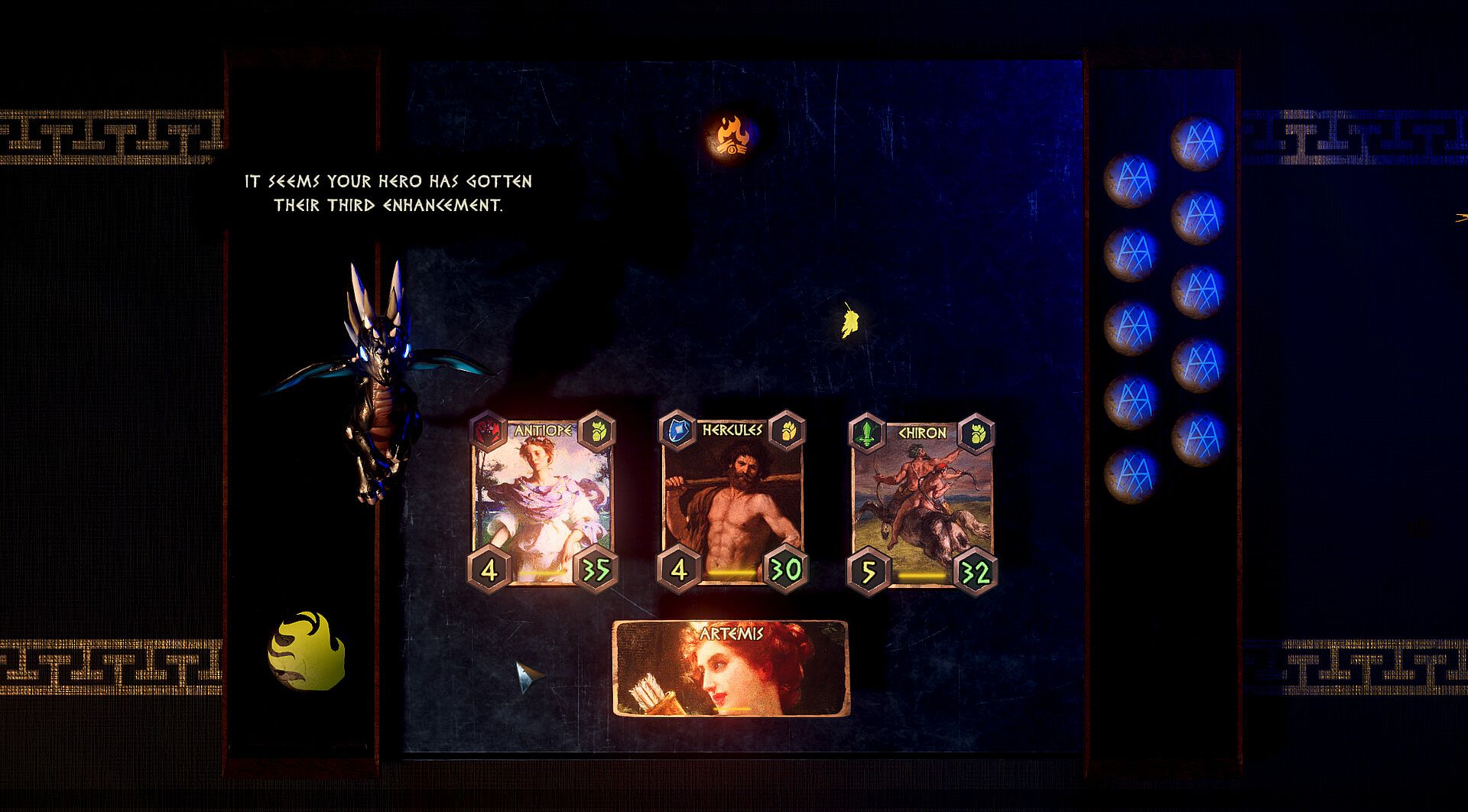
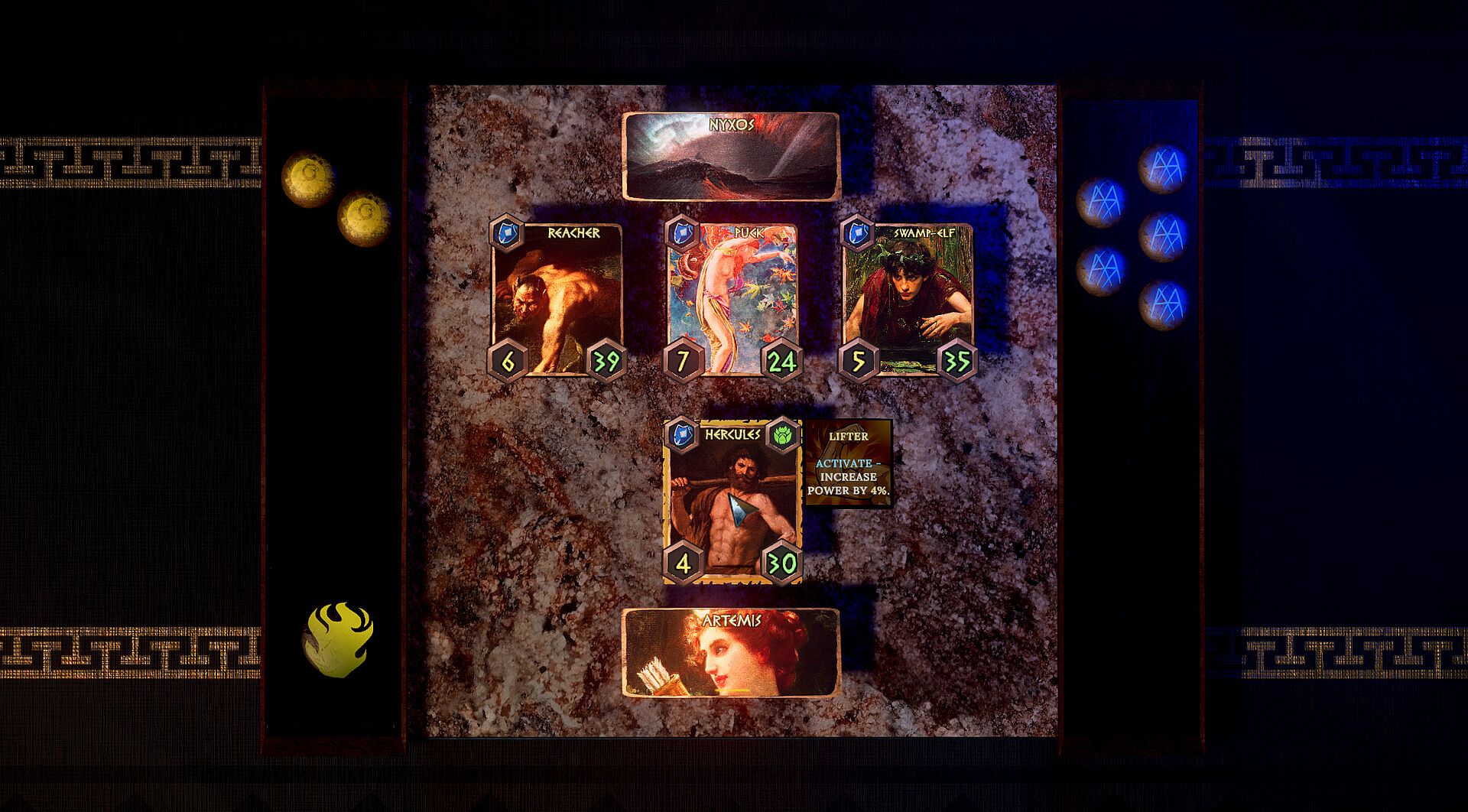
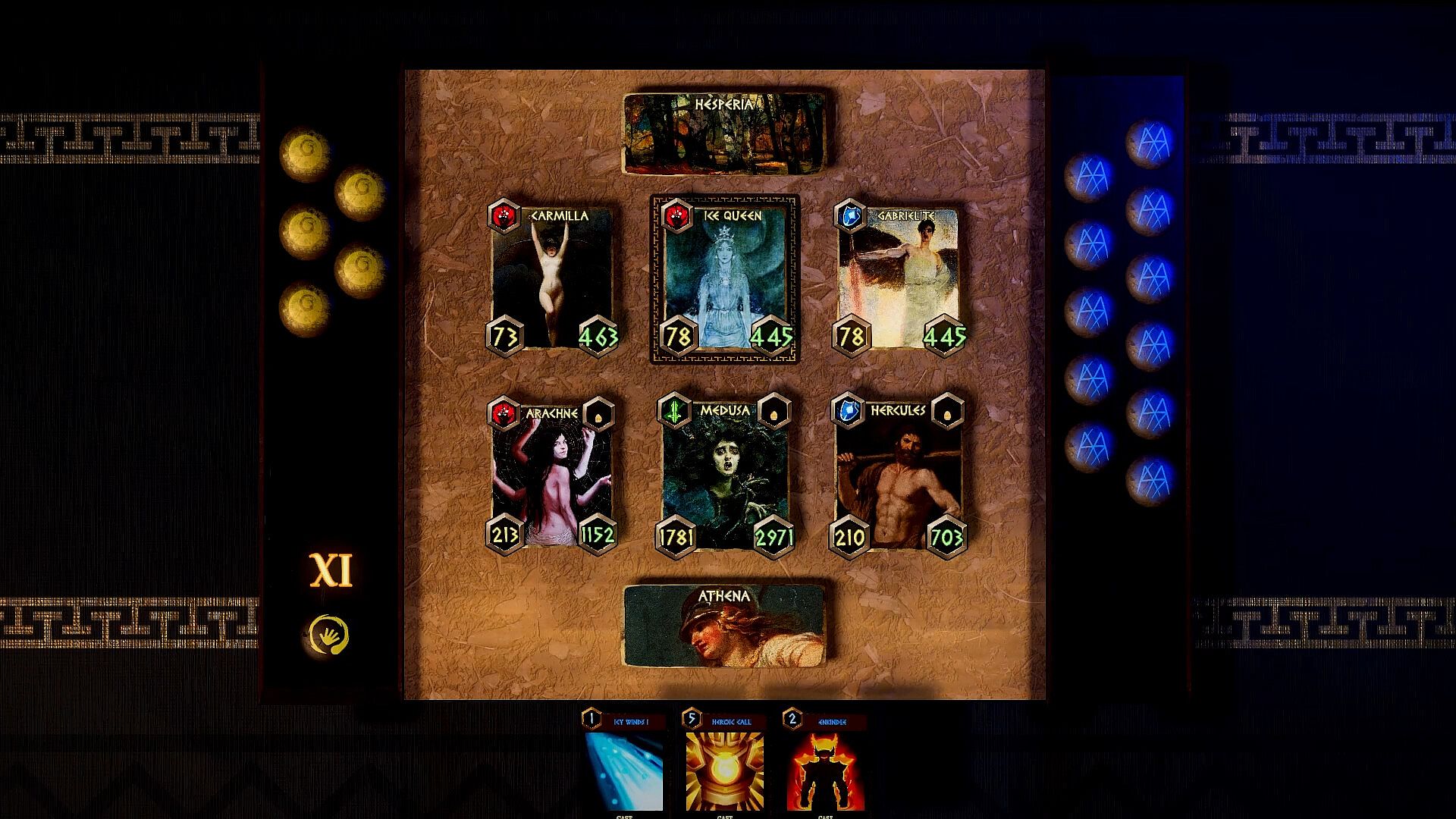
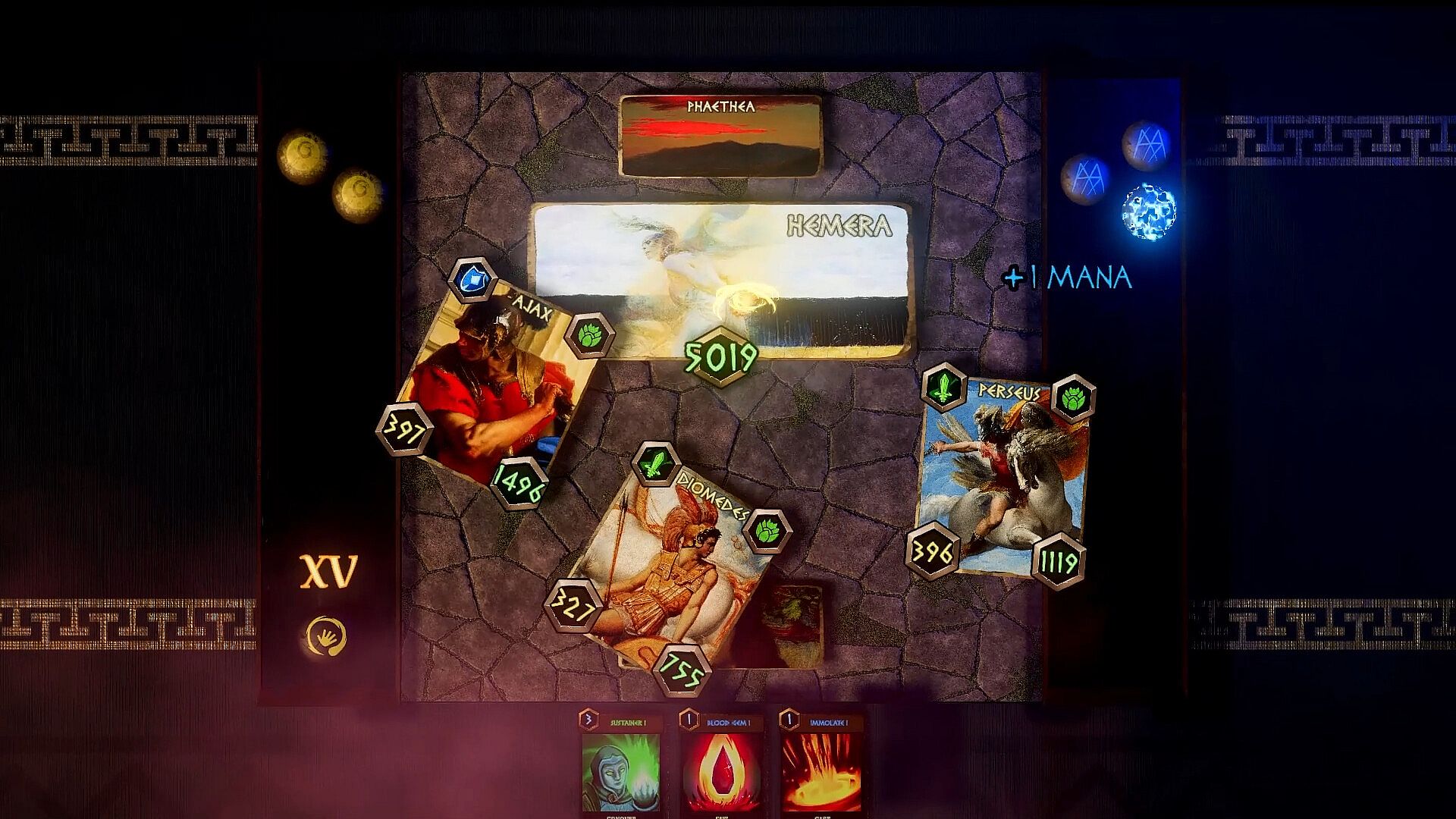
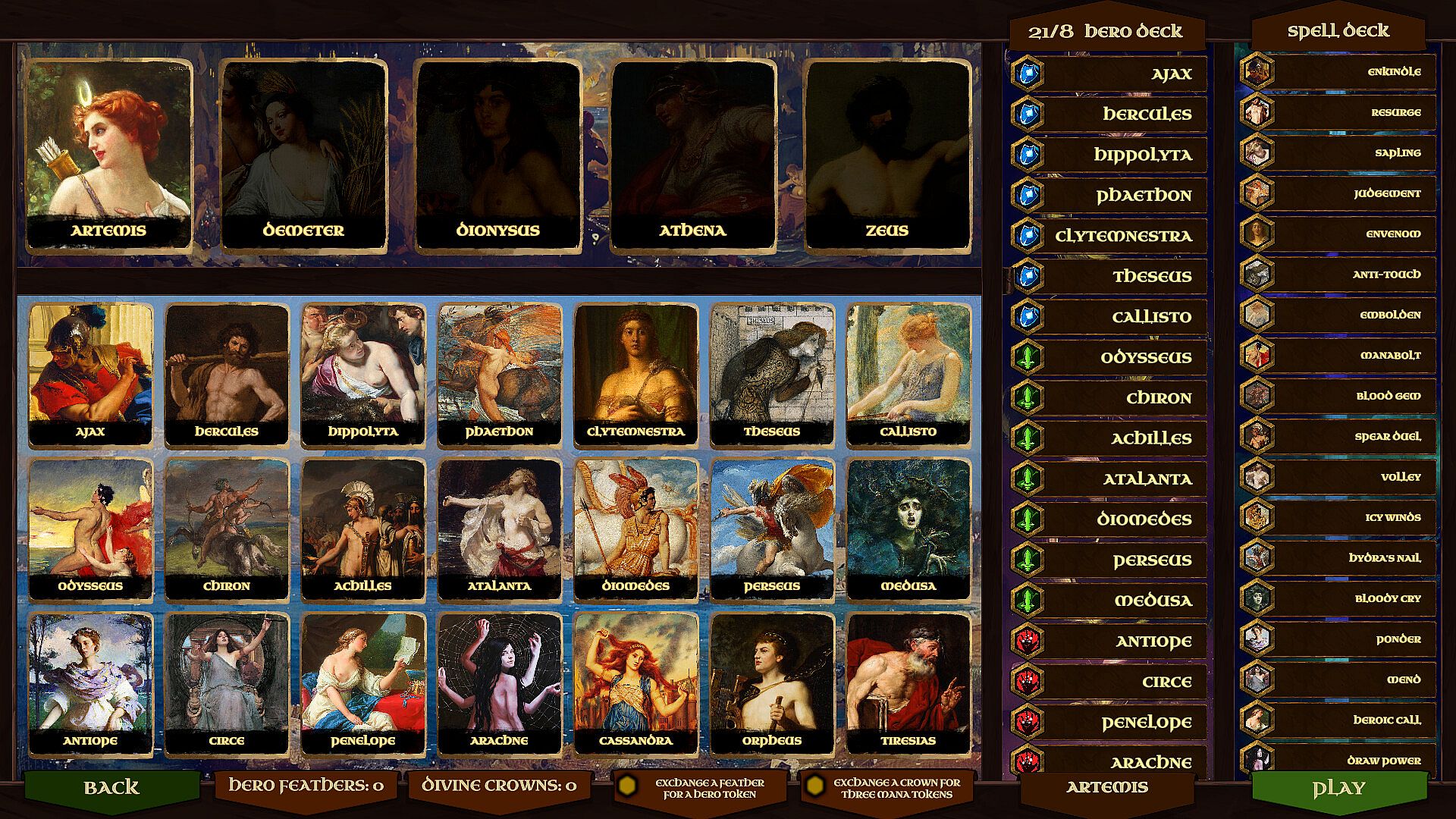
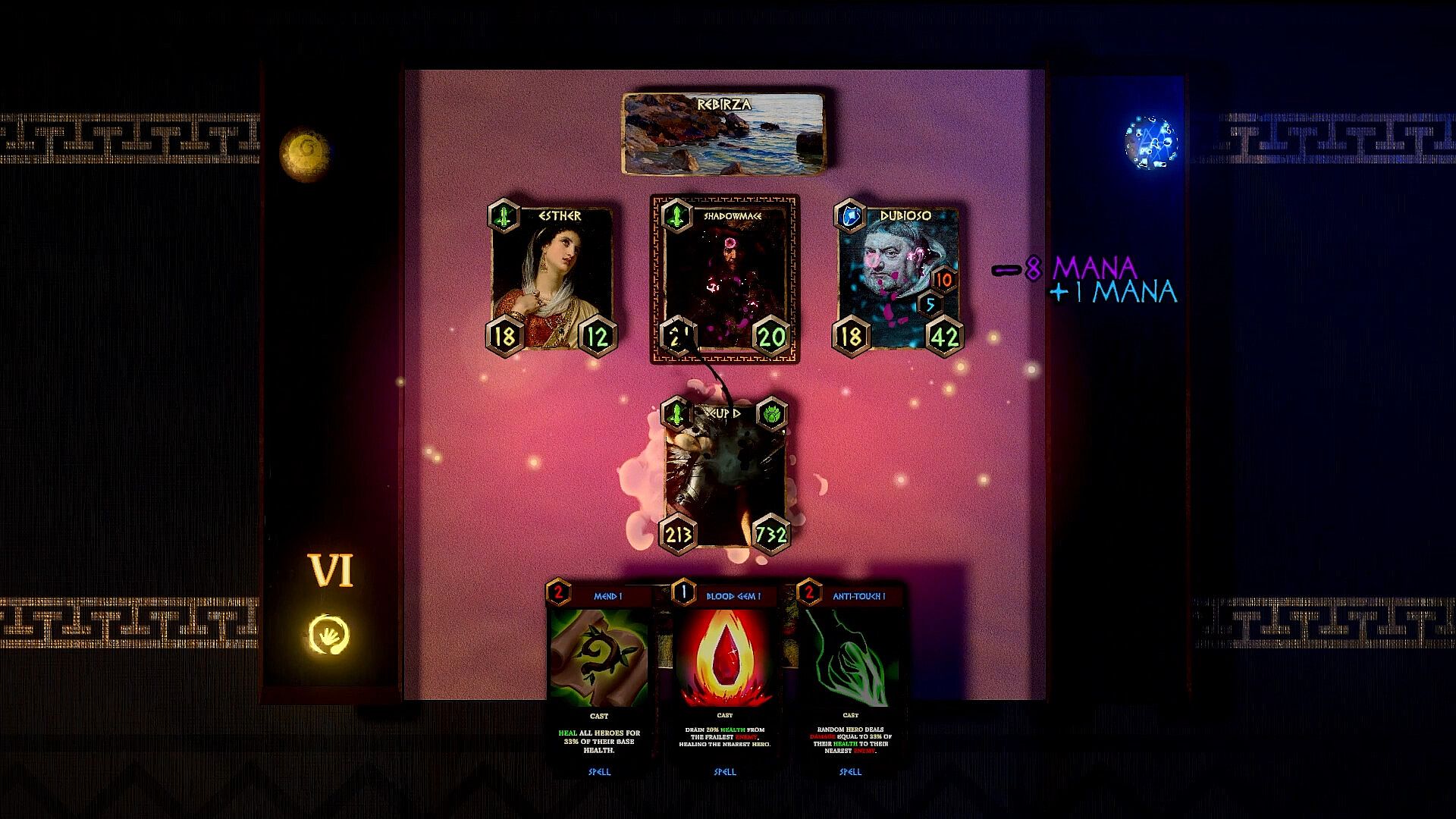
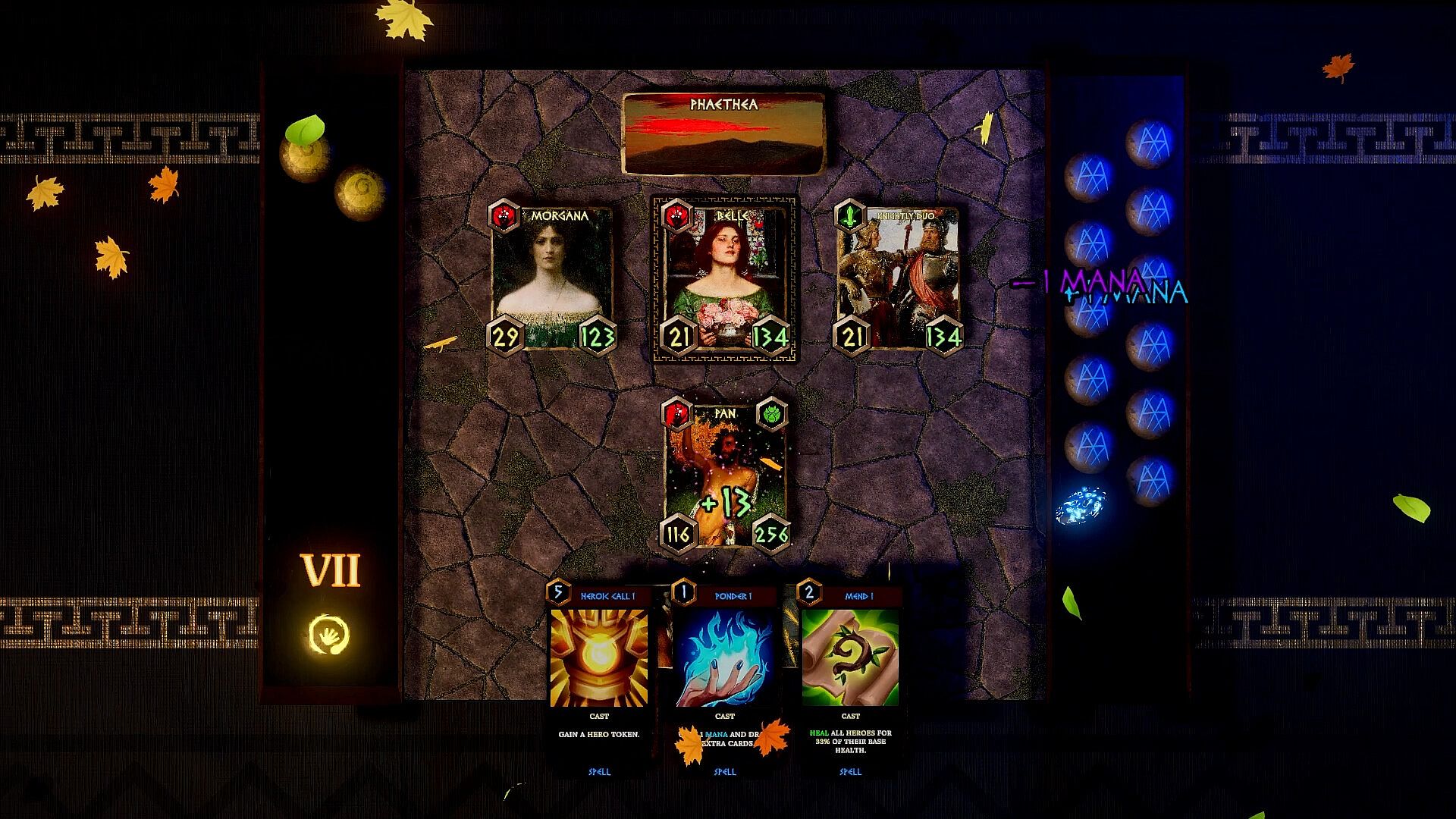
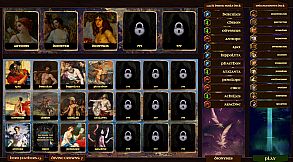
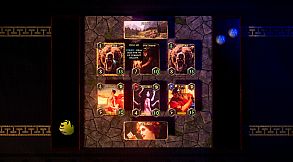
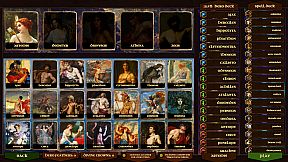
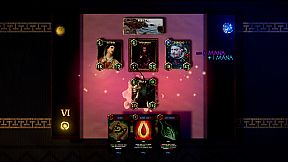
In Cards of Divinity, the core experience revolves around assembling and refining a deck of hero cards inspired by Greek mythology. You start by selecting one of five distinct deities, each granting a unique power that shapes your overall strategy. From there, you deploy heroes onto the board, cast spells, and apply enhancements to overcome challenges in various realms. A key mechanic involves managing each hero's golden lotus, a token system where petals gradually fall; once the last one drops, the hero perishes, but their legacy boosts the strength of future recruits. This adds a layer of anticipation and resource planning, as you balance short-term gains against long-term deck evolution.
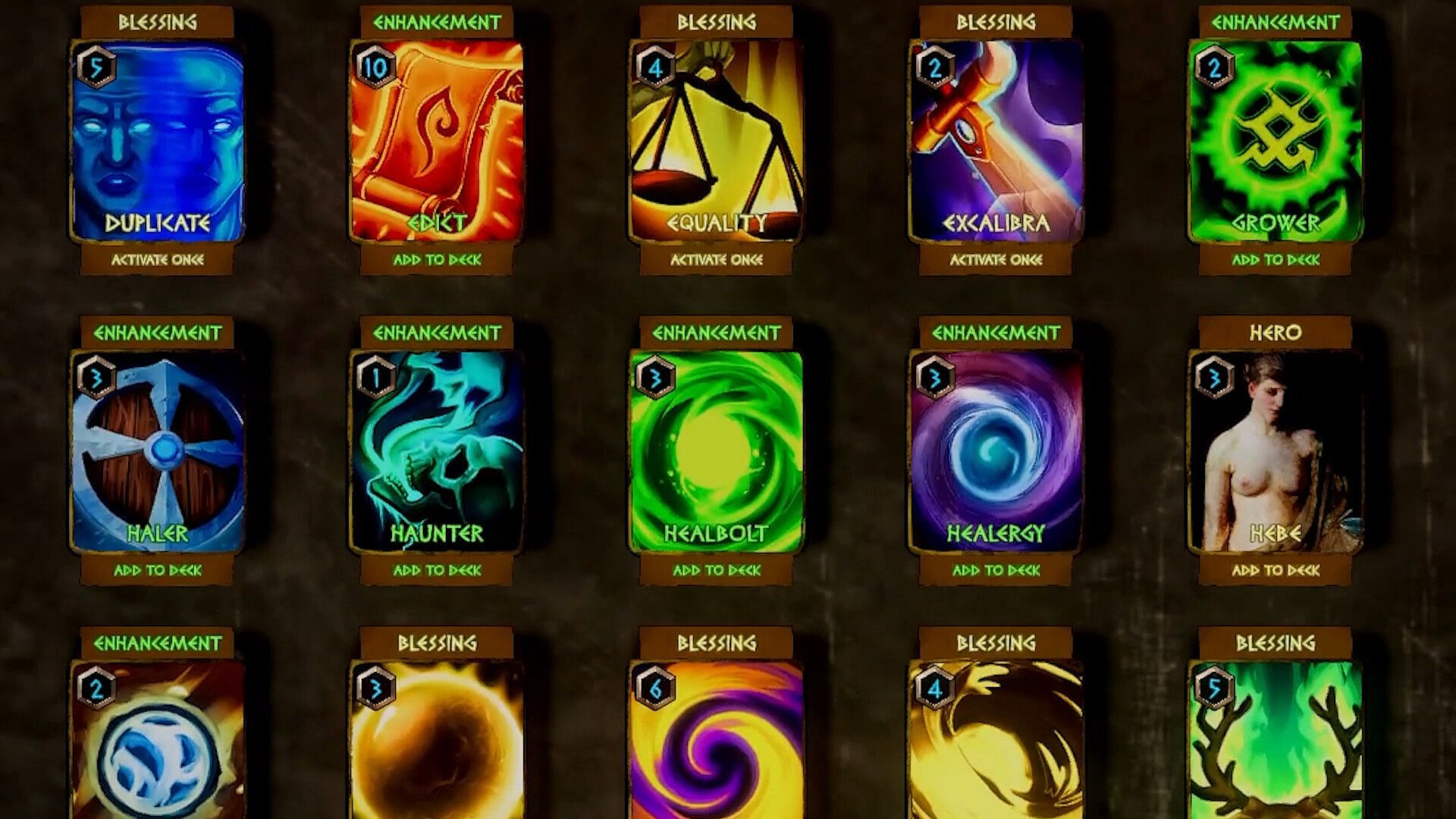
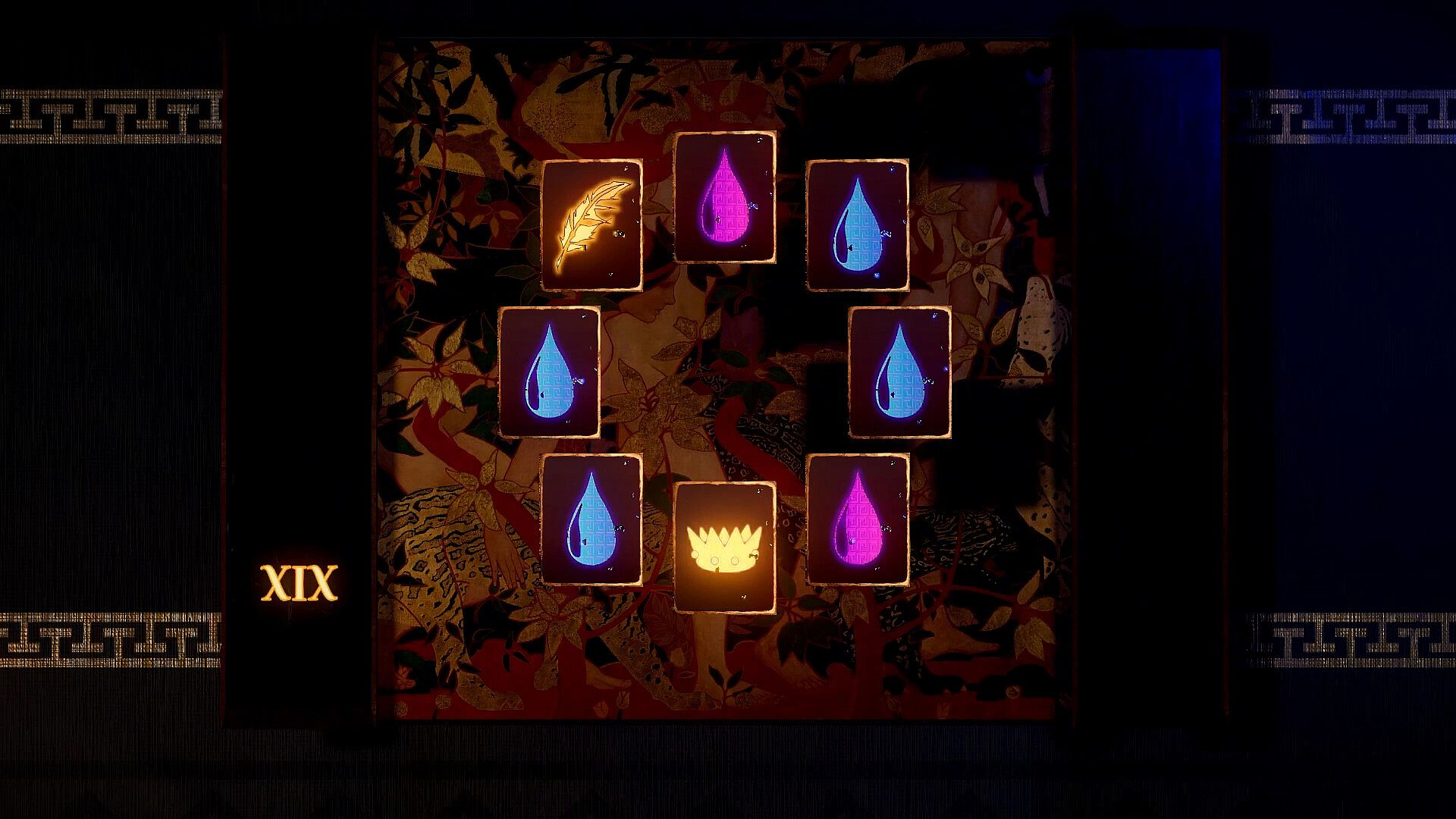
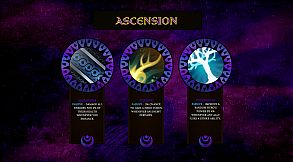
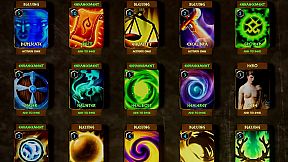
Between realms, you encounter the Blind Poet, who offers opportunities to acquire new cards and tweak your build. Defeating rival deities that appear on the board lets you claim their powers, escalating your ascent toward Olympus. The gameplay emphasizes synergy, encouraging builds that align hero abilities with your chosen deity's strengths to maximize efficiency in conquering realms.
Game Modes
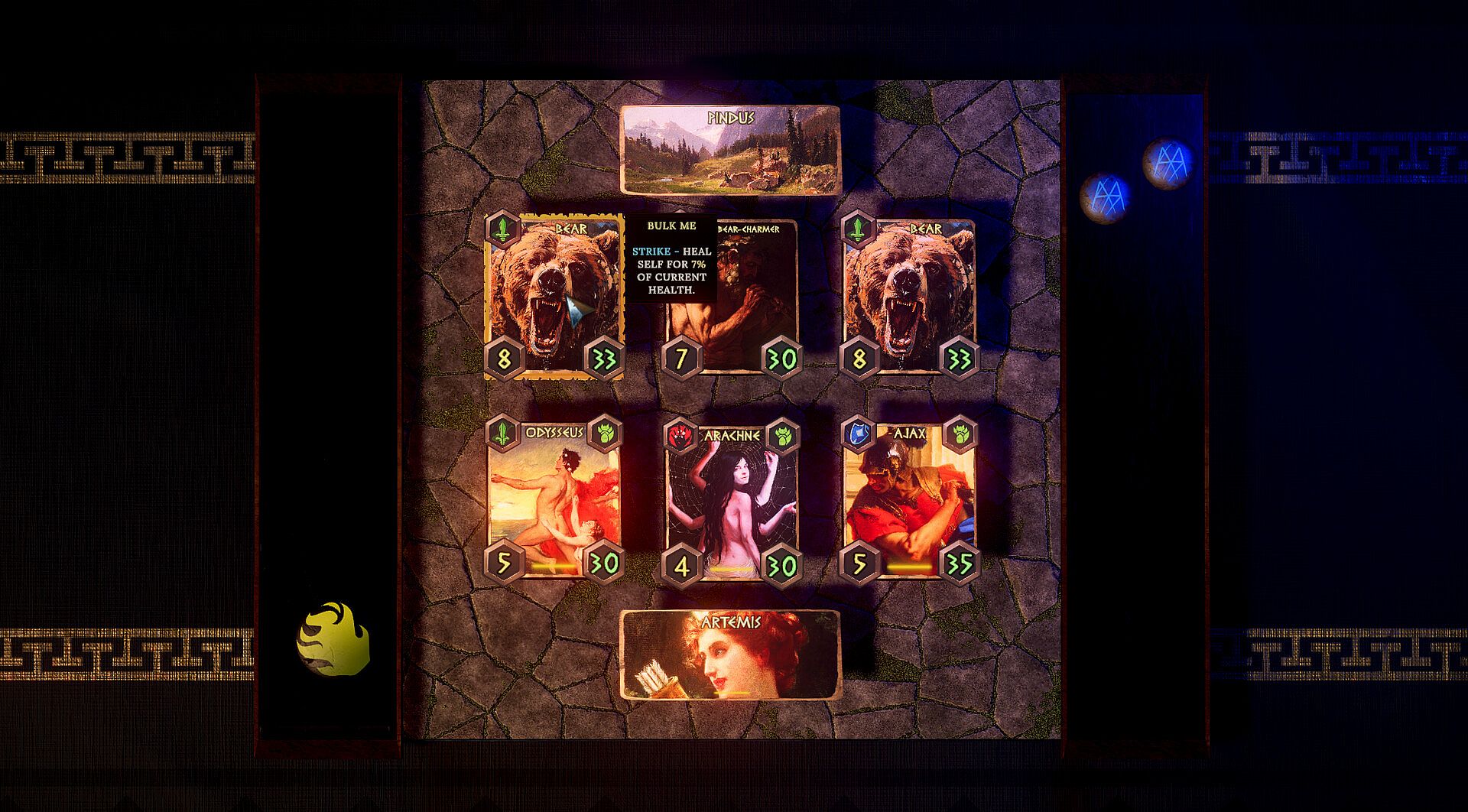
The game focuses on a single-player mode where you tackle procedurally generated realms, aiming to conquer as many as possible in a single run. This roguelike structure means each attempt builds on deck modifications and strategic choices, with permadeath elements tied to hero losses and realm failures.
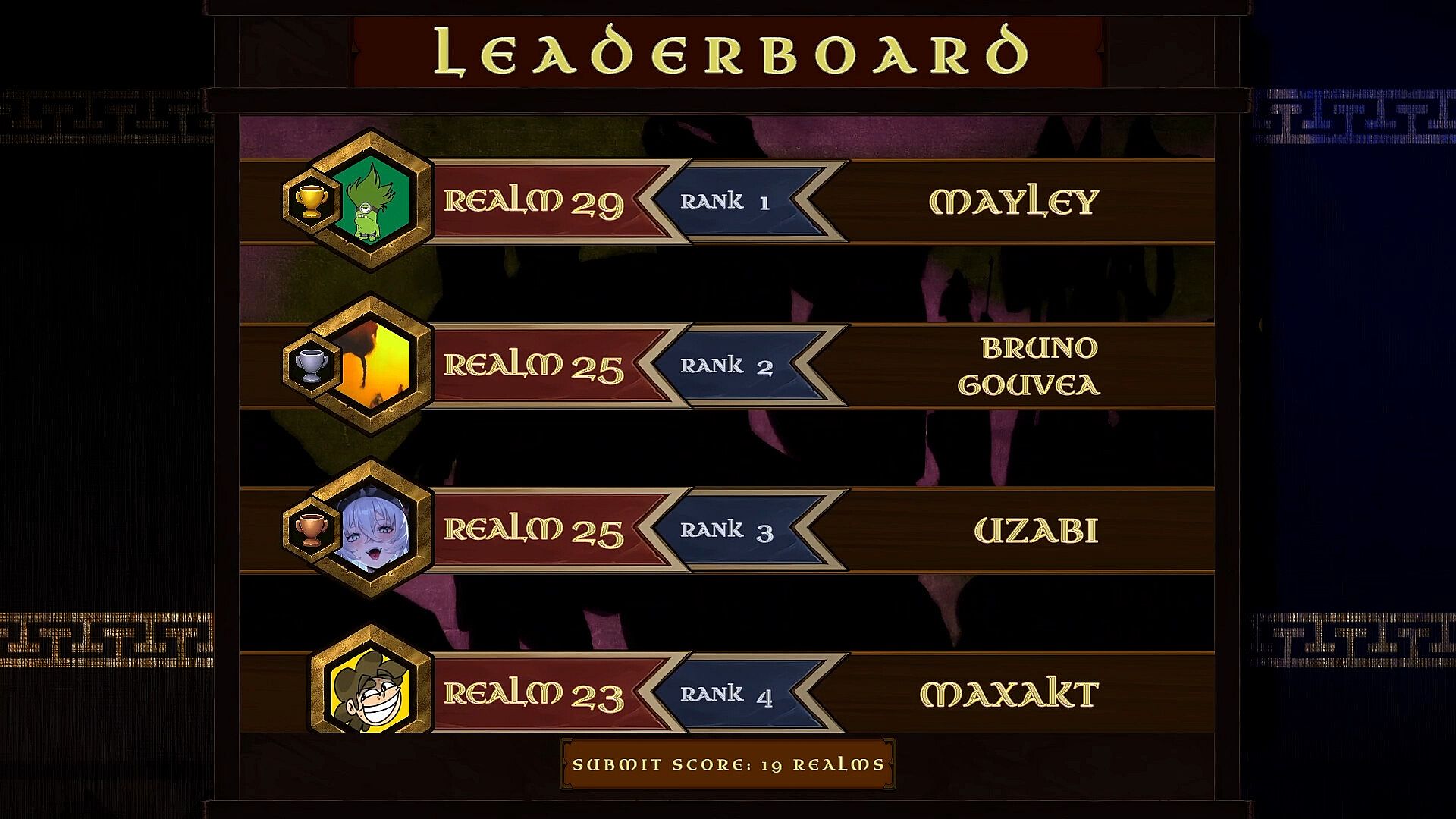
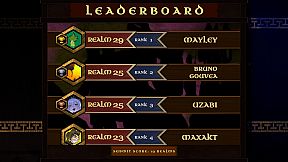
For competitive play, an online leaderboard tracks global progress, allowing you to compare conquests and scores against other players worldwide. There are no direct multiplayer battles, but the leaderboard adds a layer of rivalry as you strive for higher rankings through optimized deck strategies.
Deities and Mechanics
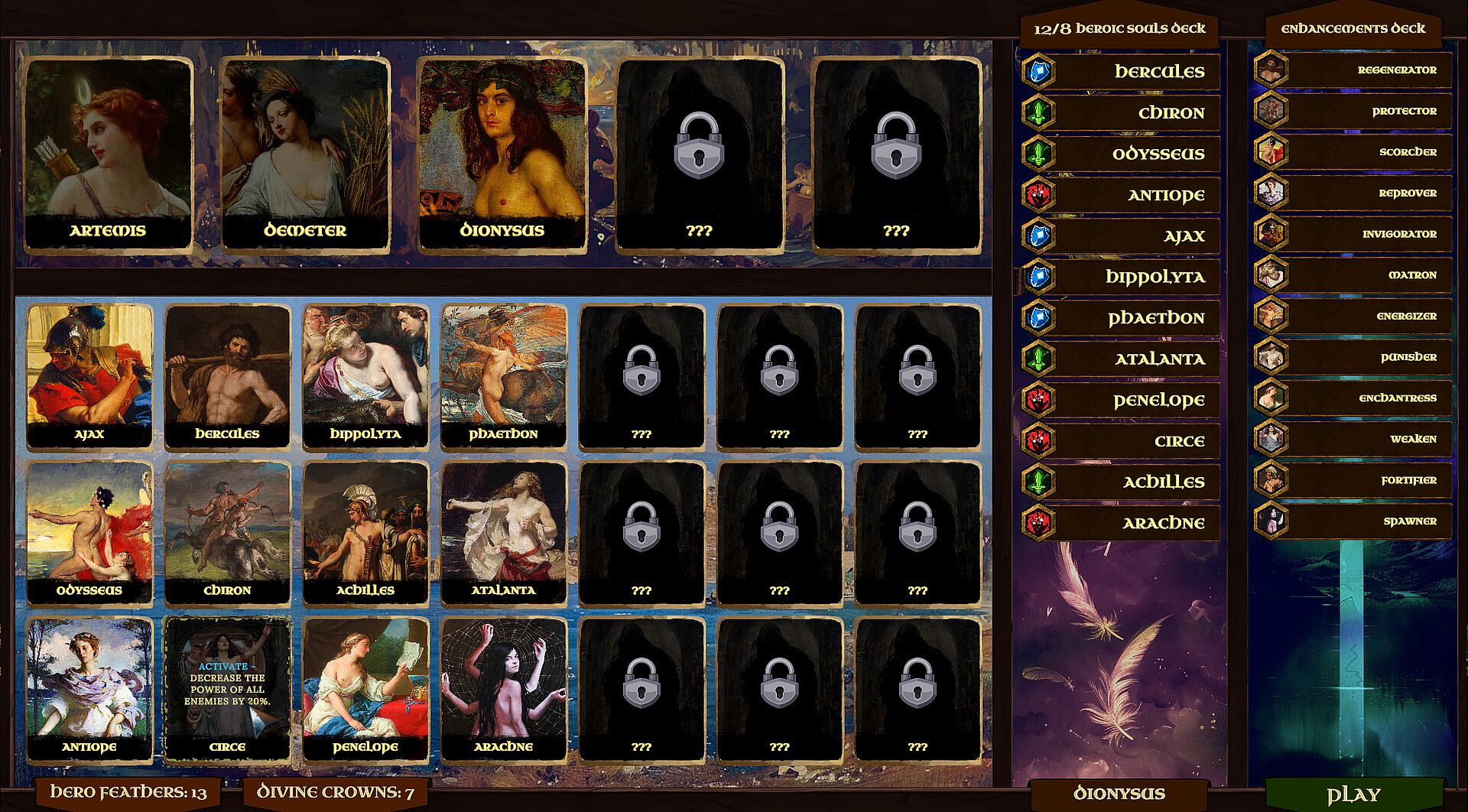
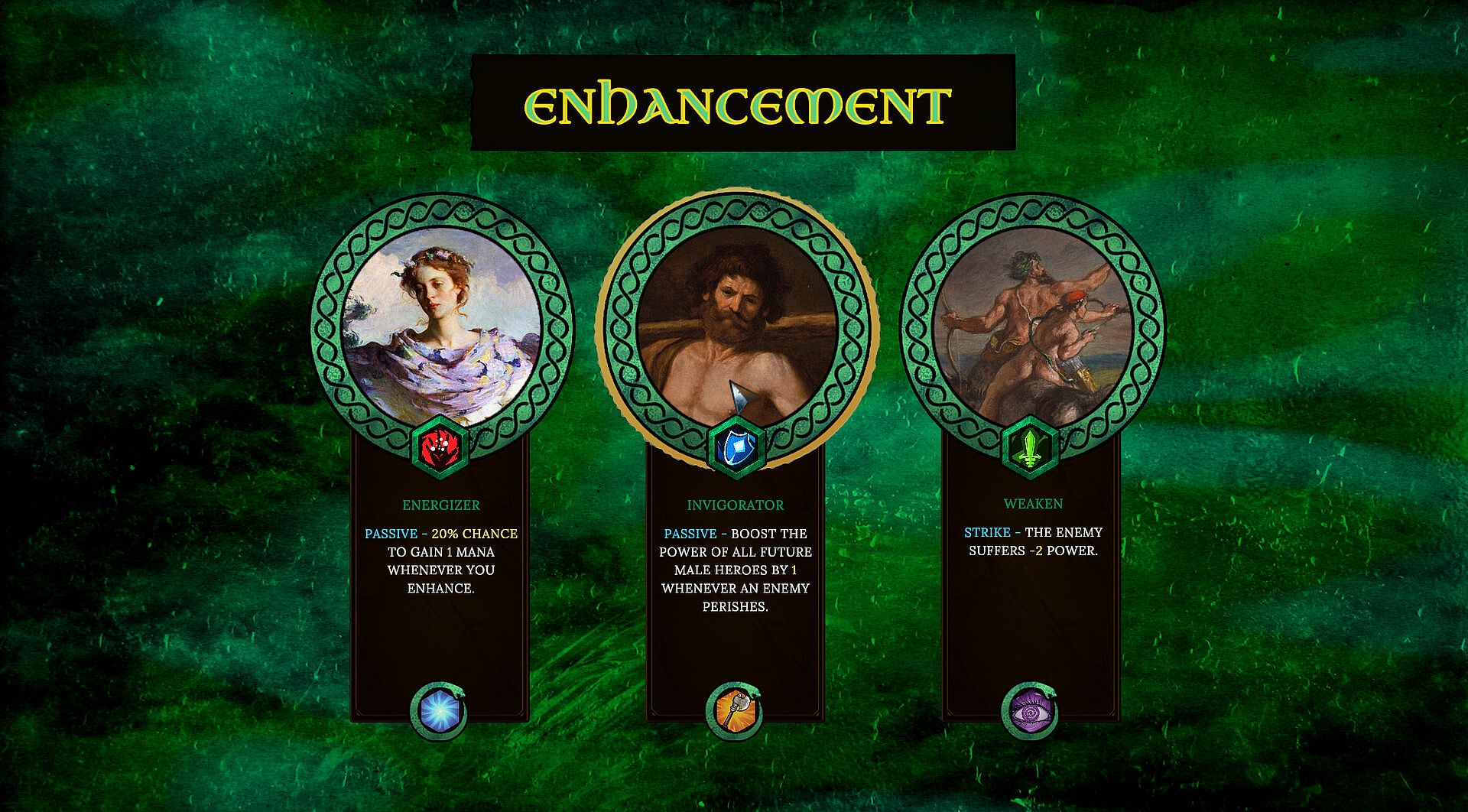
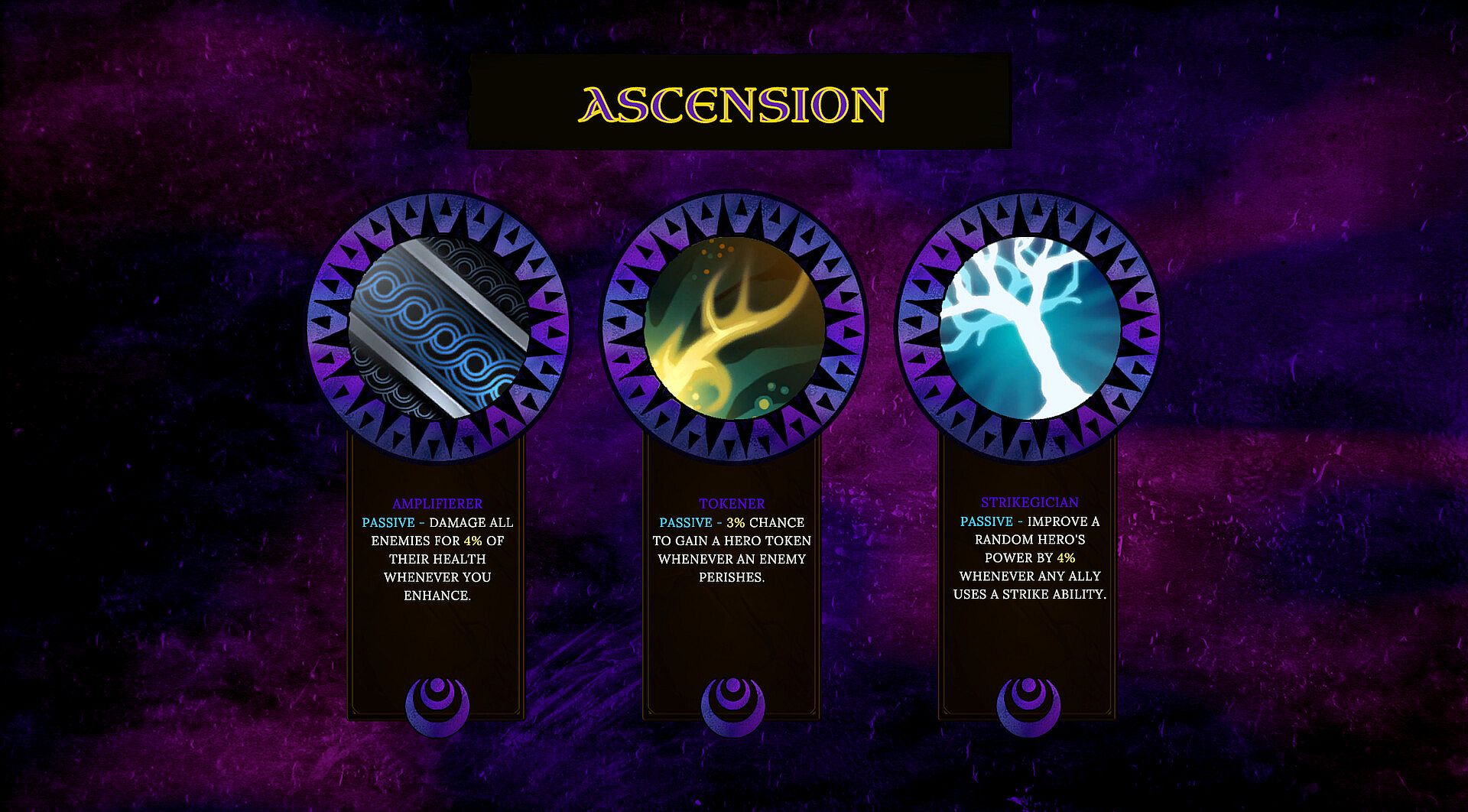
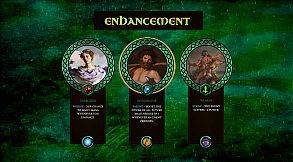
Each of the five deities provides a foundation for diverse playstyles, from aggressive offensives to defensive setups that rely on sustained hero legacies. Mechanics like spell acquisition and enhancement layering let you experiment with combinations, such as boosting hero durability or amplifying damage outputs. The classical art style, featuring works by painters like John William Waterhouse and Frederic Leighton, integrates seamlessly into card designs, giving battles a timeless, gallery-like feel.
Token management extends beyond the golden lotus, influencing how you allocate resources during turns. This system rewards careful planning, as overextending in one realm can weaken your position in the next, pushing for adaptive tactics.
Is It Worth Playing?
With mostly positive reviews holding at 78% from 23 player assessments, Cards of Divinity appeals to those who enjoy deep strategy in deck-building formats. Its mix of mythological themes and innovative mechanics, like the legacy system, sets it apart for fans seeking fresh takes on roguelike progression.
If you thrive on crafting synergistic decks and managing finite resources in a solo setting, this game delivers satisfying depth without overwhelming complexity. Released in early 2025, it remains in a solid state with no major updates noted, making it a worthwhile pick for strategy enthusiasts looking for mythological flair at a budget price. However, if you prefer fast-paced multiplayer action, it might not fully satisfy.