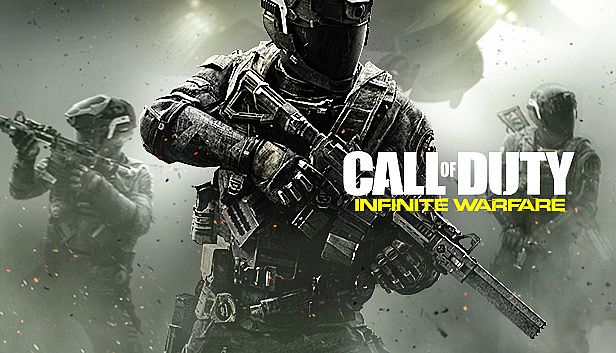























Call of Duty: Infinite Warfare is a first-person shooter that places players in a sci-fi conflict set across Earth and space. Developed as a standalone entry in the long-running series, it emphasizes large-scale combat, vehicle sections, and three distinct modes that blend traditional mechanics with futuristic elements. The game supports single-player progression alongside competitive and cooperative options on PC.
Gameplay
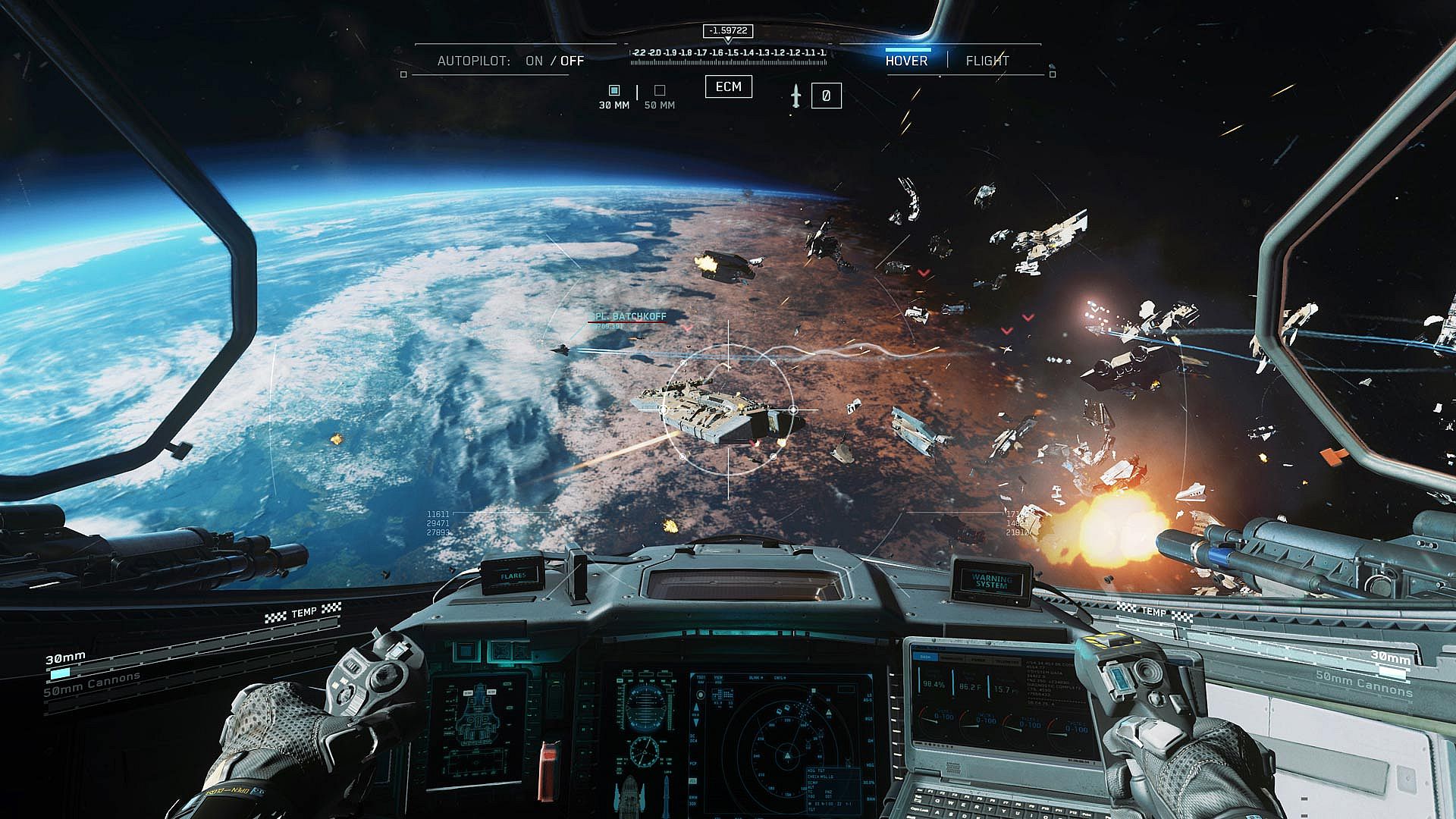
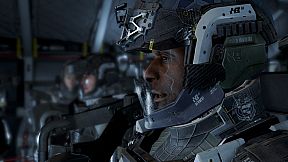
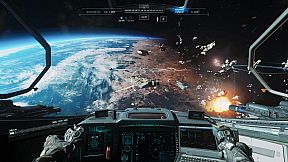
The core loop revolves around fluid movement that builds momentum through sliding, boosting, and wall-running in zero-gravity or low-gravity settings. Combat focuses on precision aiming and loadout adjustments, with weapons that handle differently in space versus planetary environments. Players control Captain Reyes, who transitions from pilot duties to commanding larger operations, incorporating ship-based sequences and ground assaults against enemy forces.
Customization extends to rigs that alter tactical options, allowing shifts between aggressive close-range play and support roles. Map design prioritizes verticality and sightlines that reward positioning over raw speed. The experience mixes linear story beats with optional objectives that encourage exploration of derelict stations and asteroid fields.
Game Modes
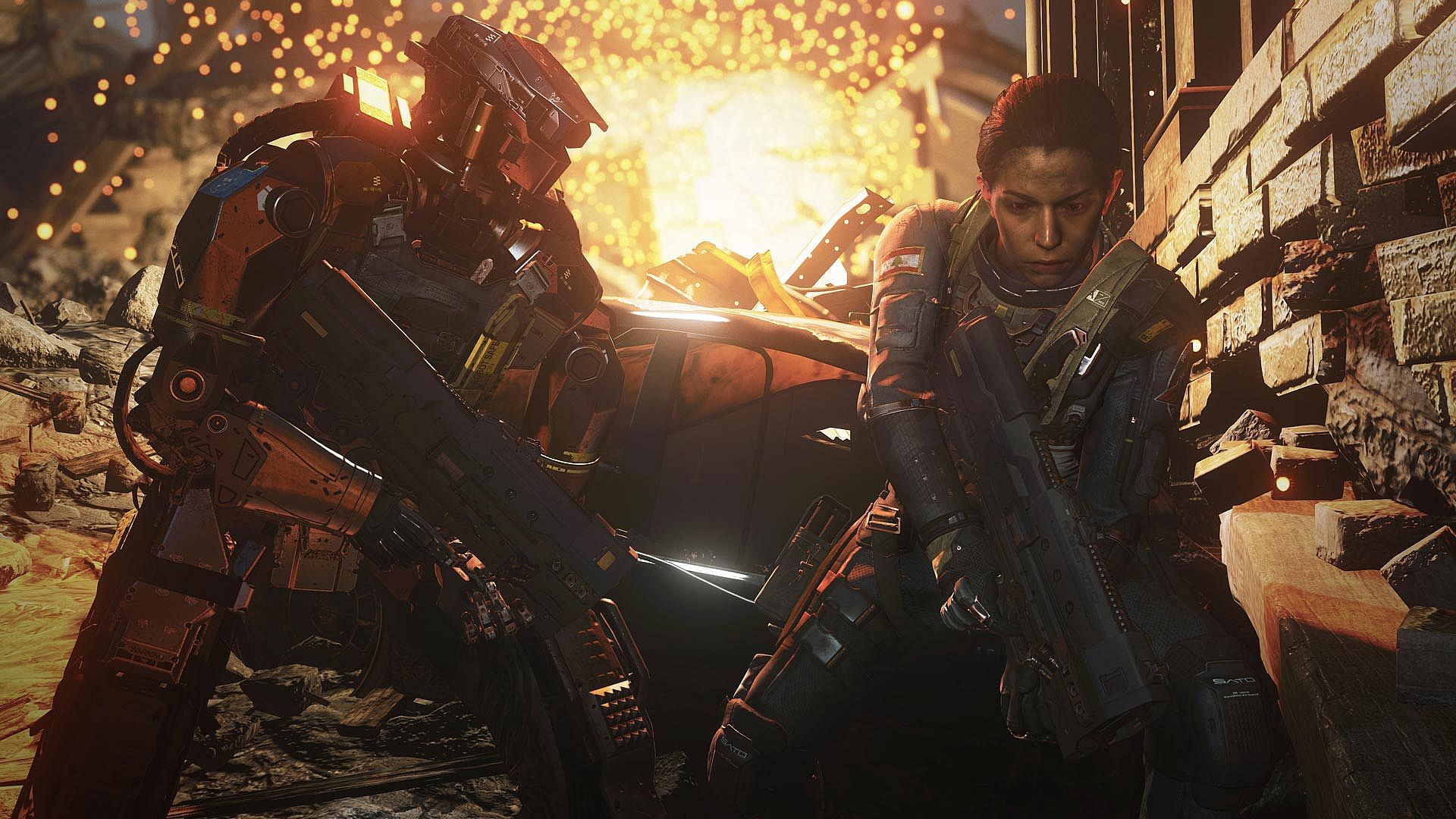
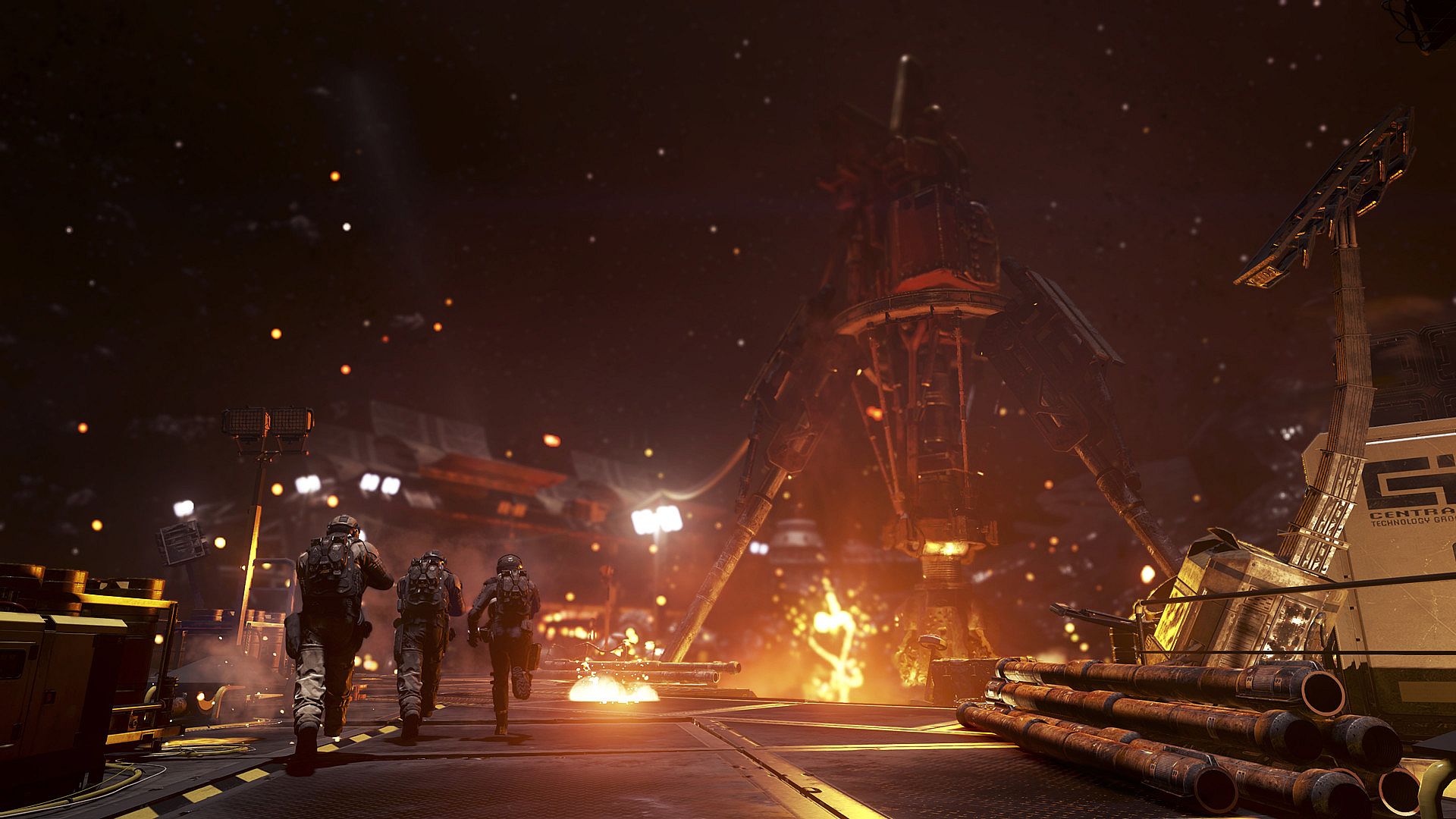
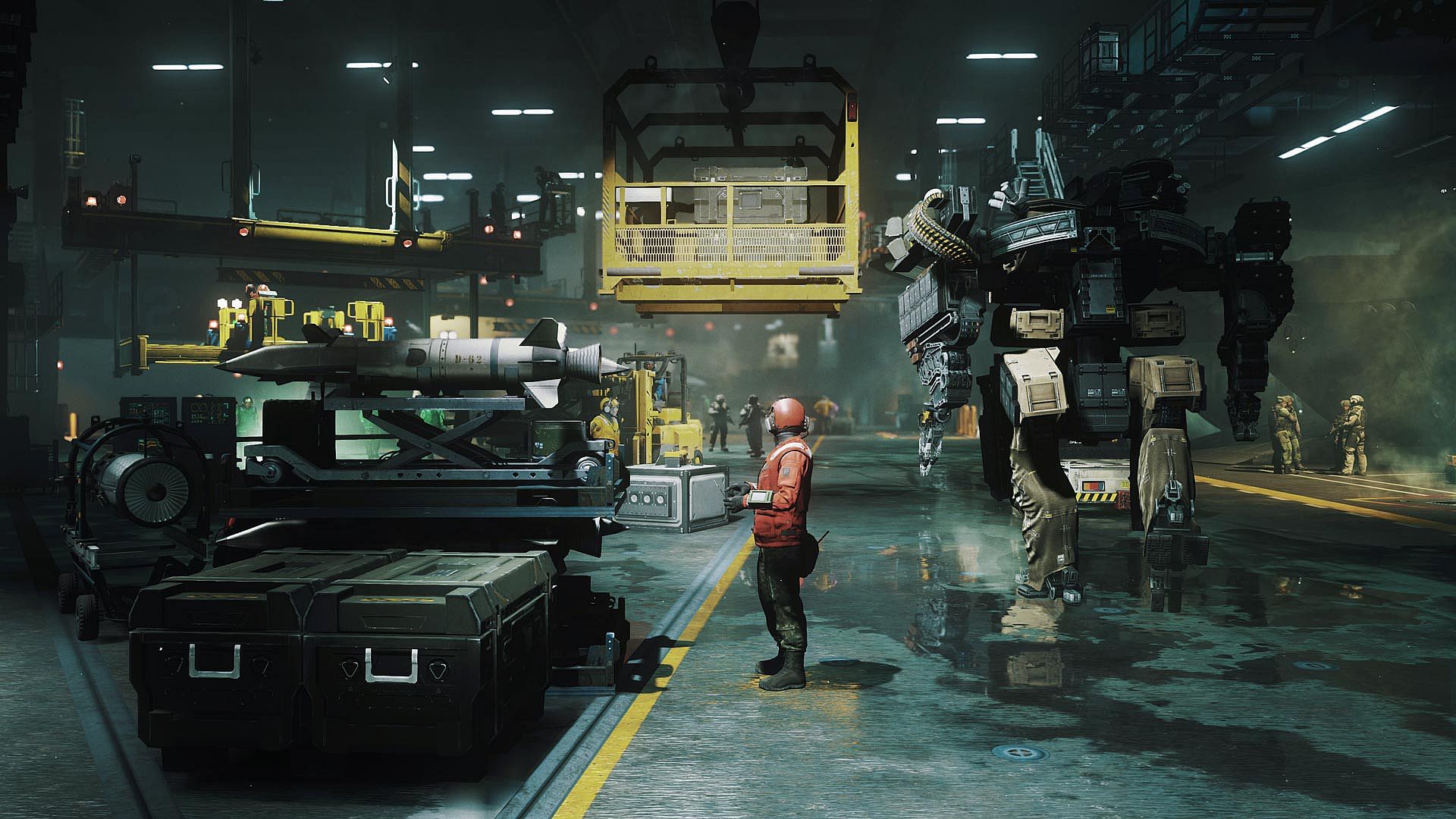
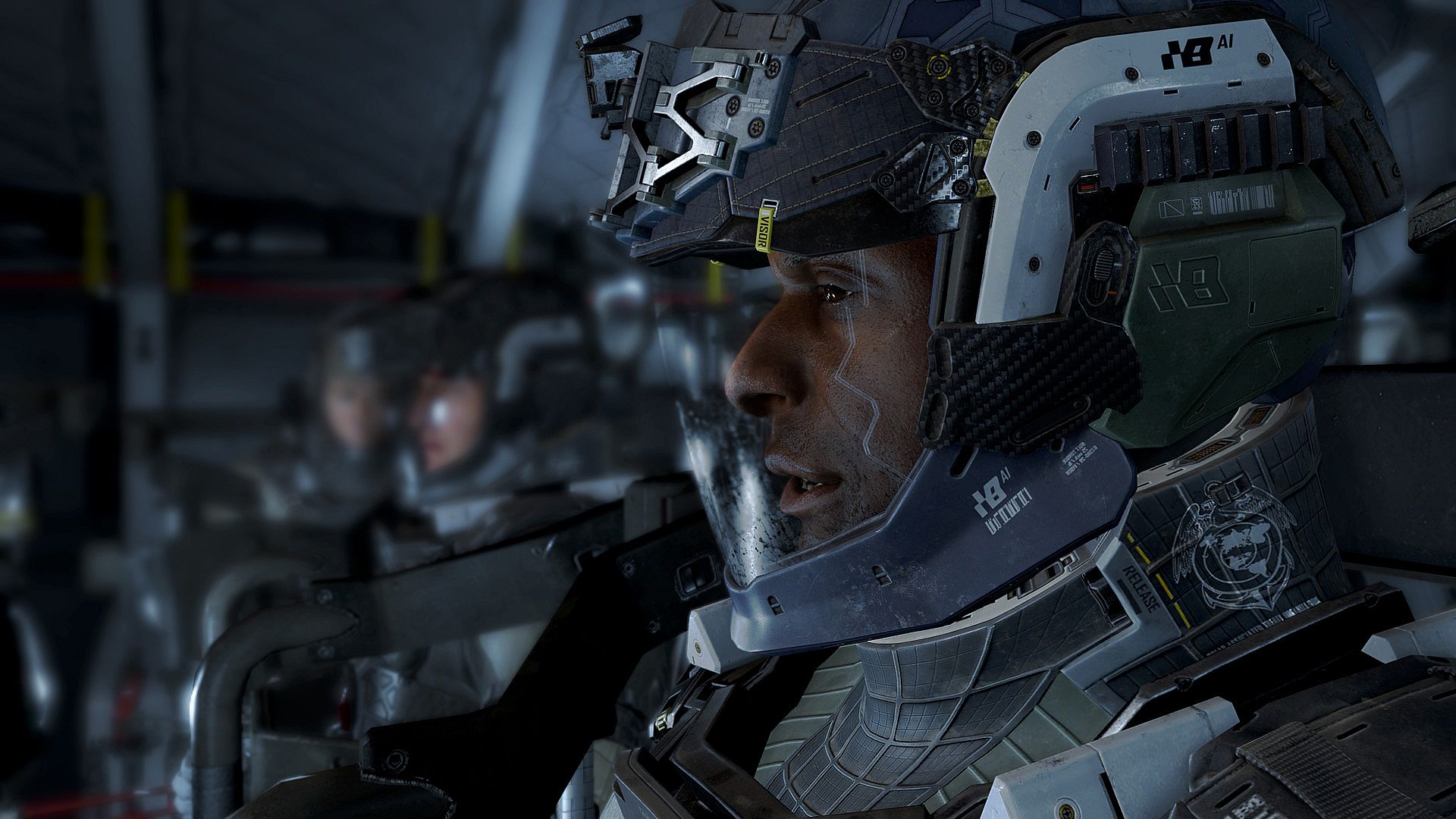
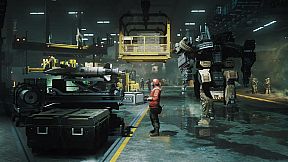
Campaign follows Reyes leading coalition remnants against a determined adversary. Missions span ship interiors, planetary surfaces, and orbital battles, with emphasis on squad commands and environmental hazards like vacuum exposure. The narrative builds through set-piece encounters rather than open exploration.
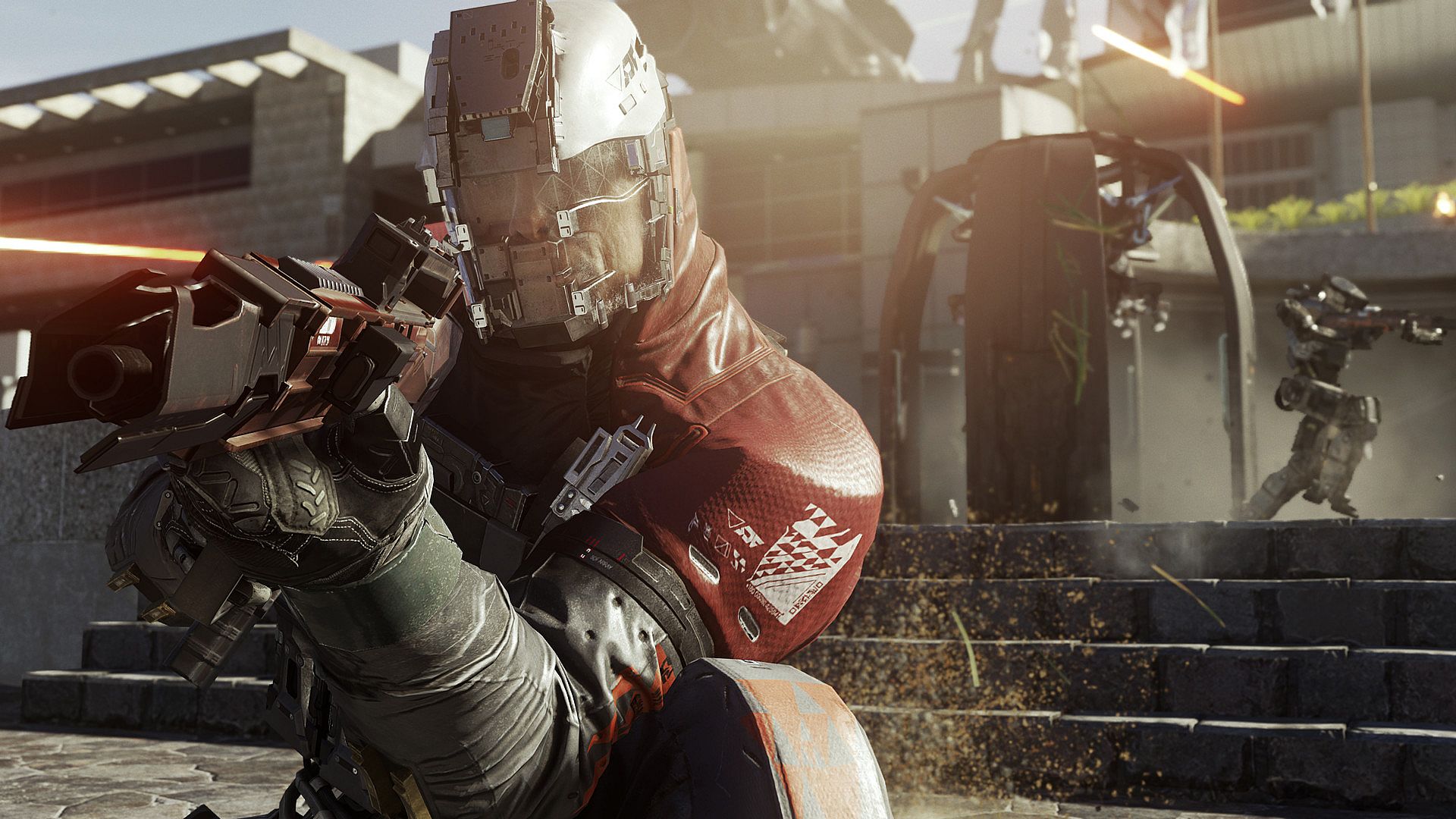
Multiplayer introduces combat rigs as modular suits that define playstyles, paired with four mission teams that grant exclusive rewards through progression. Matches emphasize team objectives on maps built for momentum-based movement, with loadouts that include scorestreaks and rig-specific abilities.
Zombies mode shifts to cooperative survival in a retro amusement park setting called Zombies in Spaceland. Players fend off waves using arcade machines, rollercoasters, and period weapons while pursuing Easter eggs and power-ups. New systems include team revival mechanics, an afterlife arcade for temporary advantages, and fate and fortune cards that modify runs.
Key Mechanics and Systems
Combat rigs serve as the central innovation, each offering unique gadgets and movement tweaks that encourage experimentation across matches. Mission teams add a layer of faction-like allegiance, unlocking visual and functional items tied to specific play patterns. In space sections, gravity shifts affect trajectory and cover, forcing adaptation during firefights.
Progression ties weapons, camos, and calling cards to mode-specific challenges. The overall structure rewards repeated playthroughs in Zombies through layered objectives while keeping multiplayer focused on short, intense sessions.
Is It Worth Playing?
Reception has been mixed since launch, with praise centered on the campaign's production values and character moments alongside criticism of multiplayer balance. On PC the title maintains a steady but modest player base years later, suitable for those seeking a complete package without ongoing seasonal content.
The game appeals most to fans of narrative-driven shooters who also enjoy cooperative survival with creative twists. Its campaign stands out for set-piece variety, while Zombies offers a self-contained experience distinct from standard wave defense. Multiplayer suits players who value customization depth over constant updates. Those prioritizing current live-service features may find it dated, but the core modes deliver consistent action for single-player or small-group sessions.