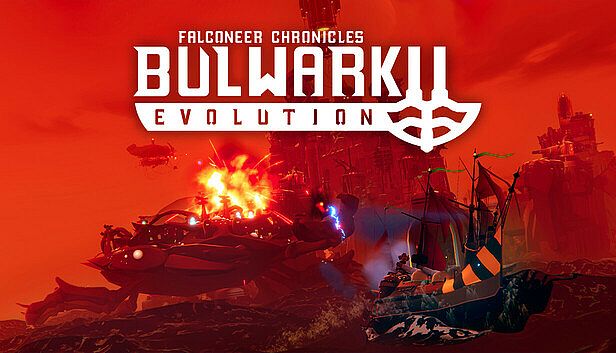

















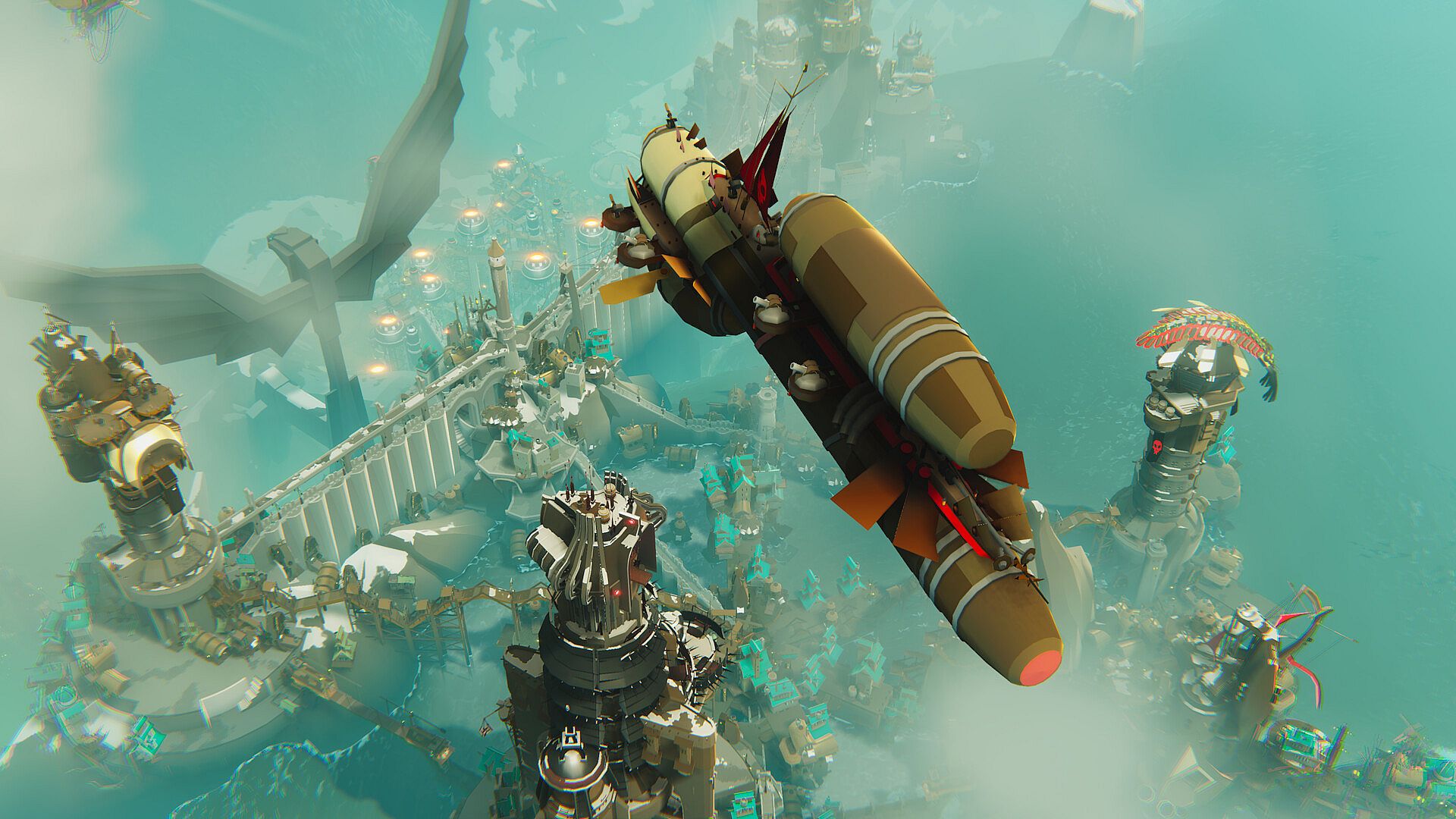
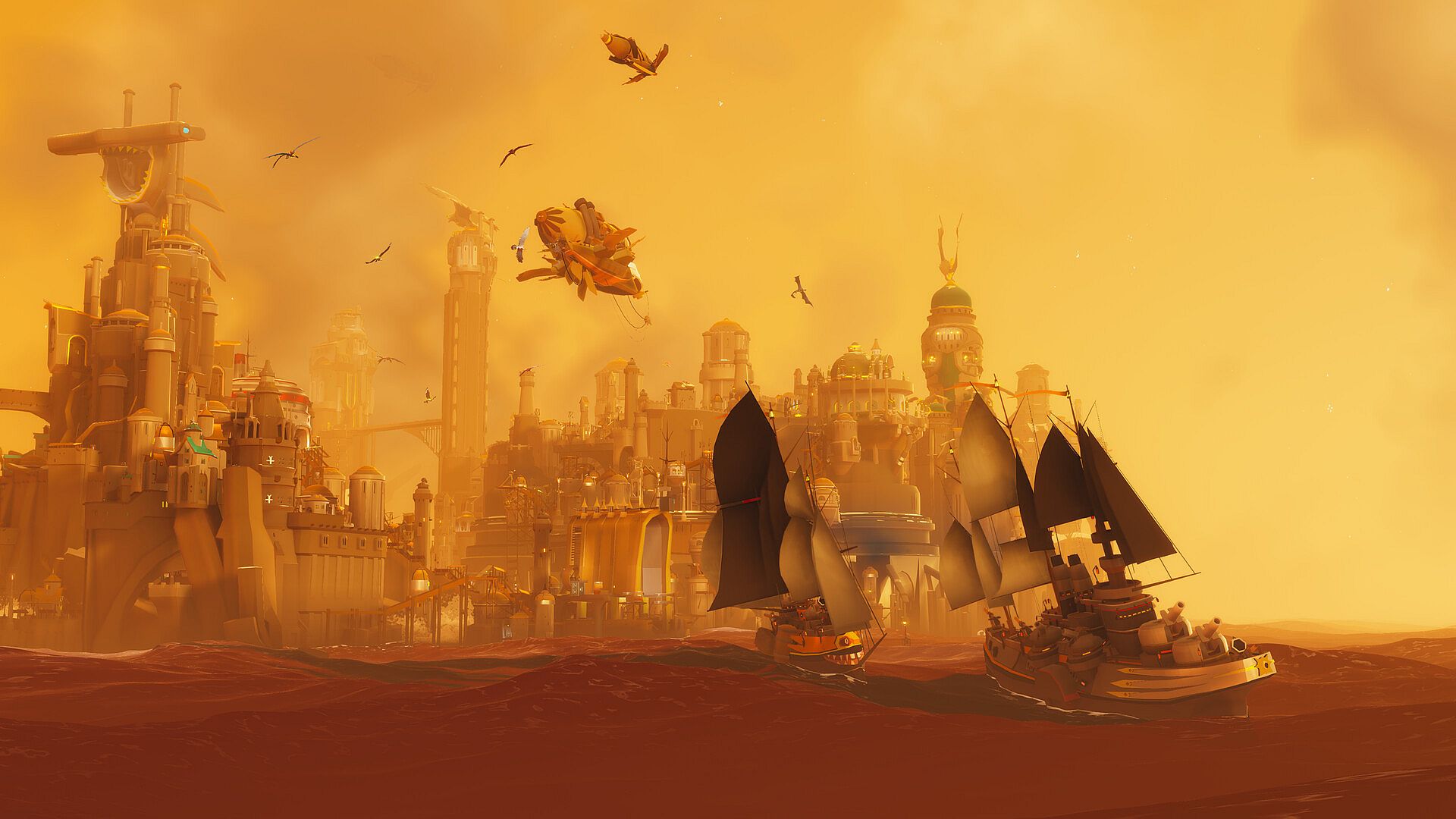
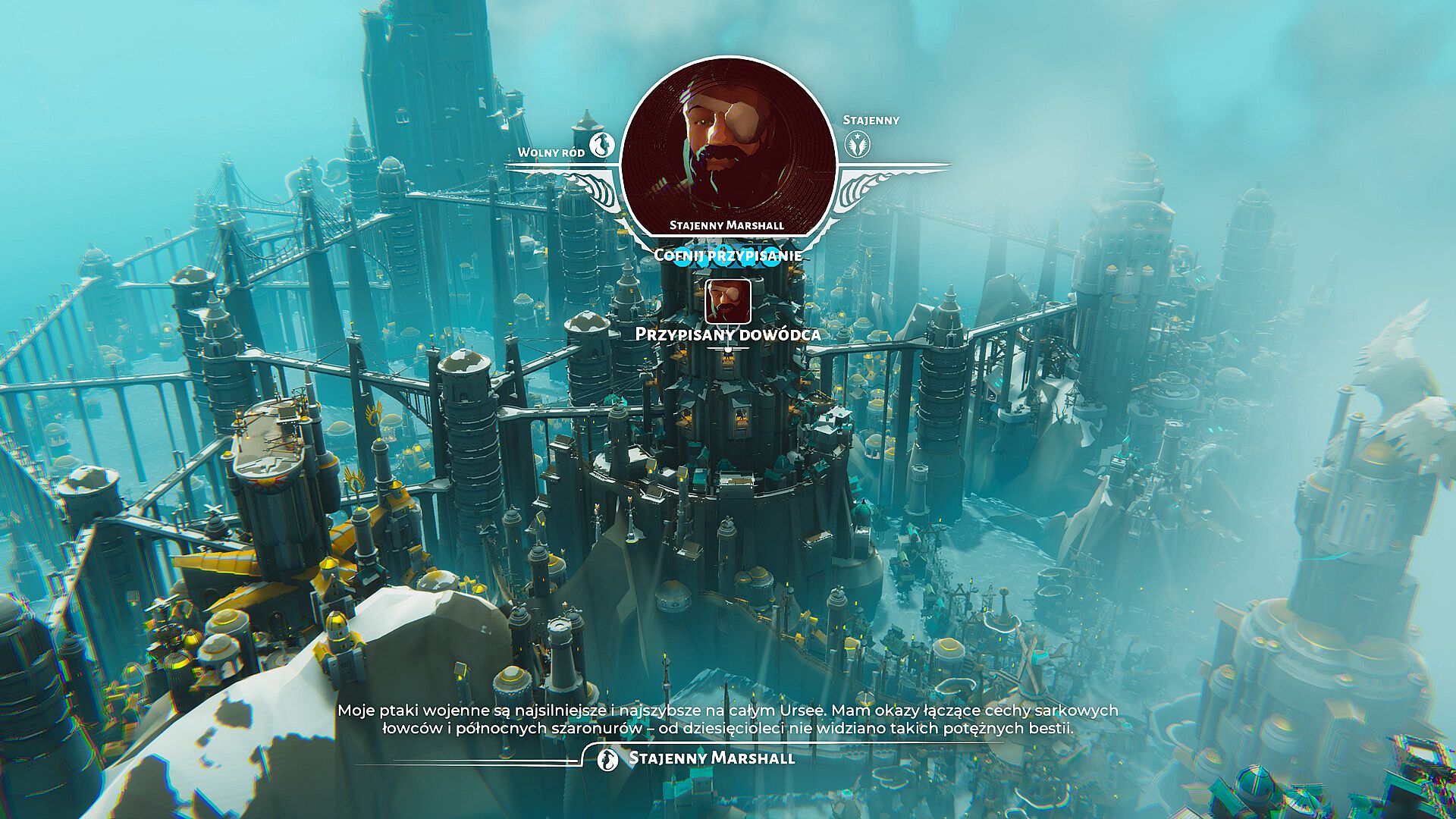
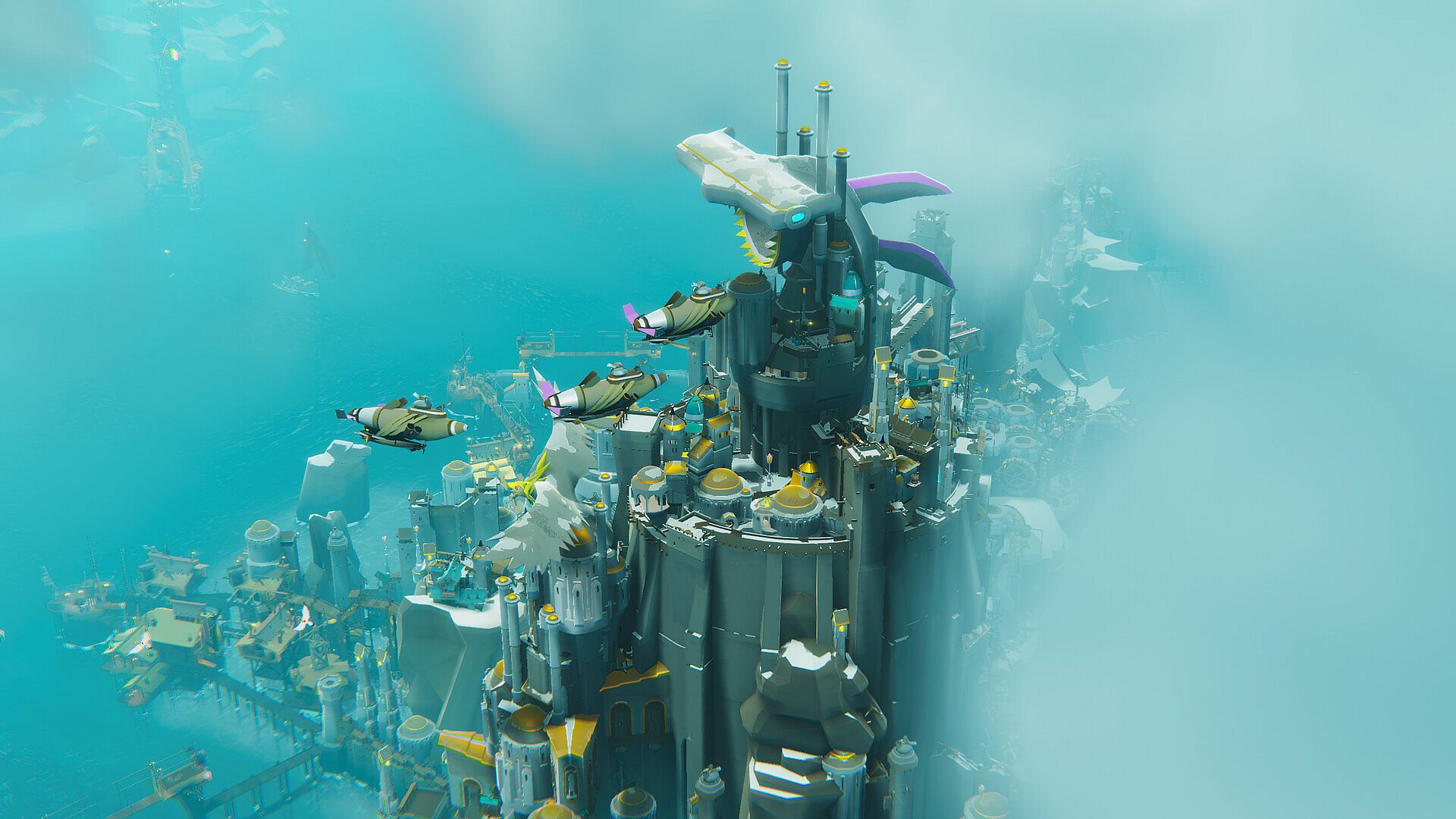
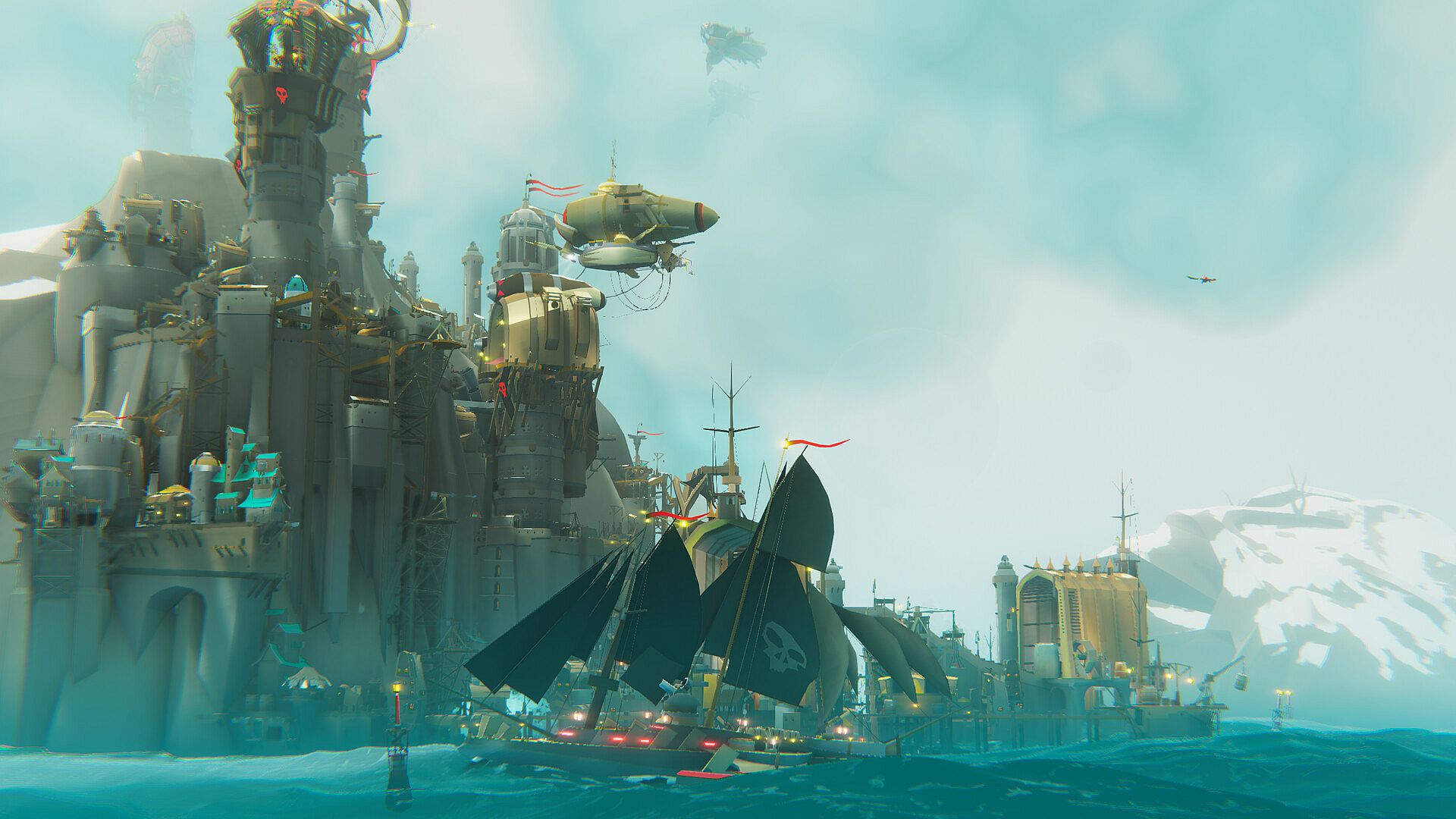
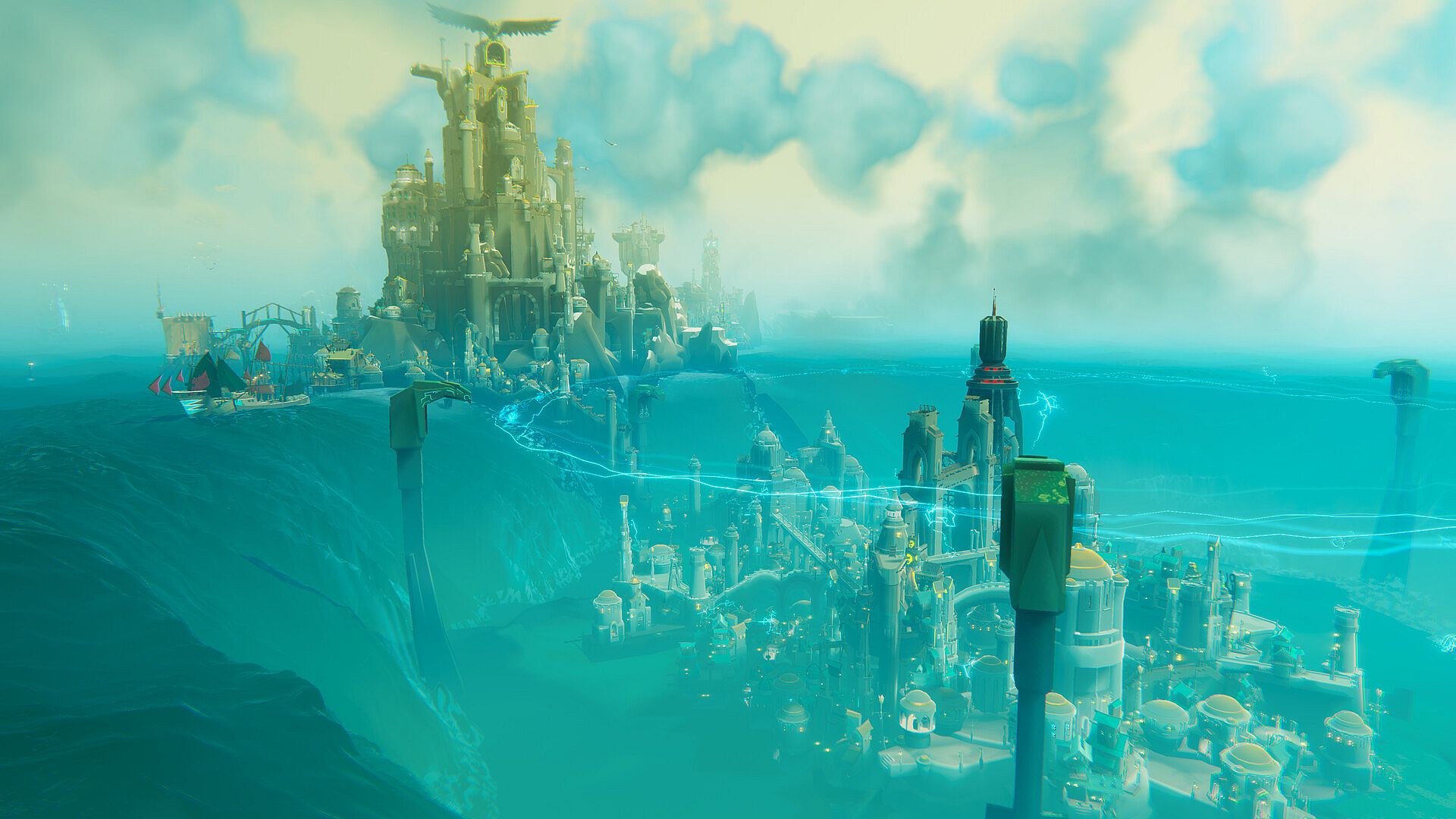
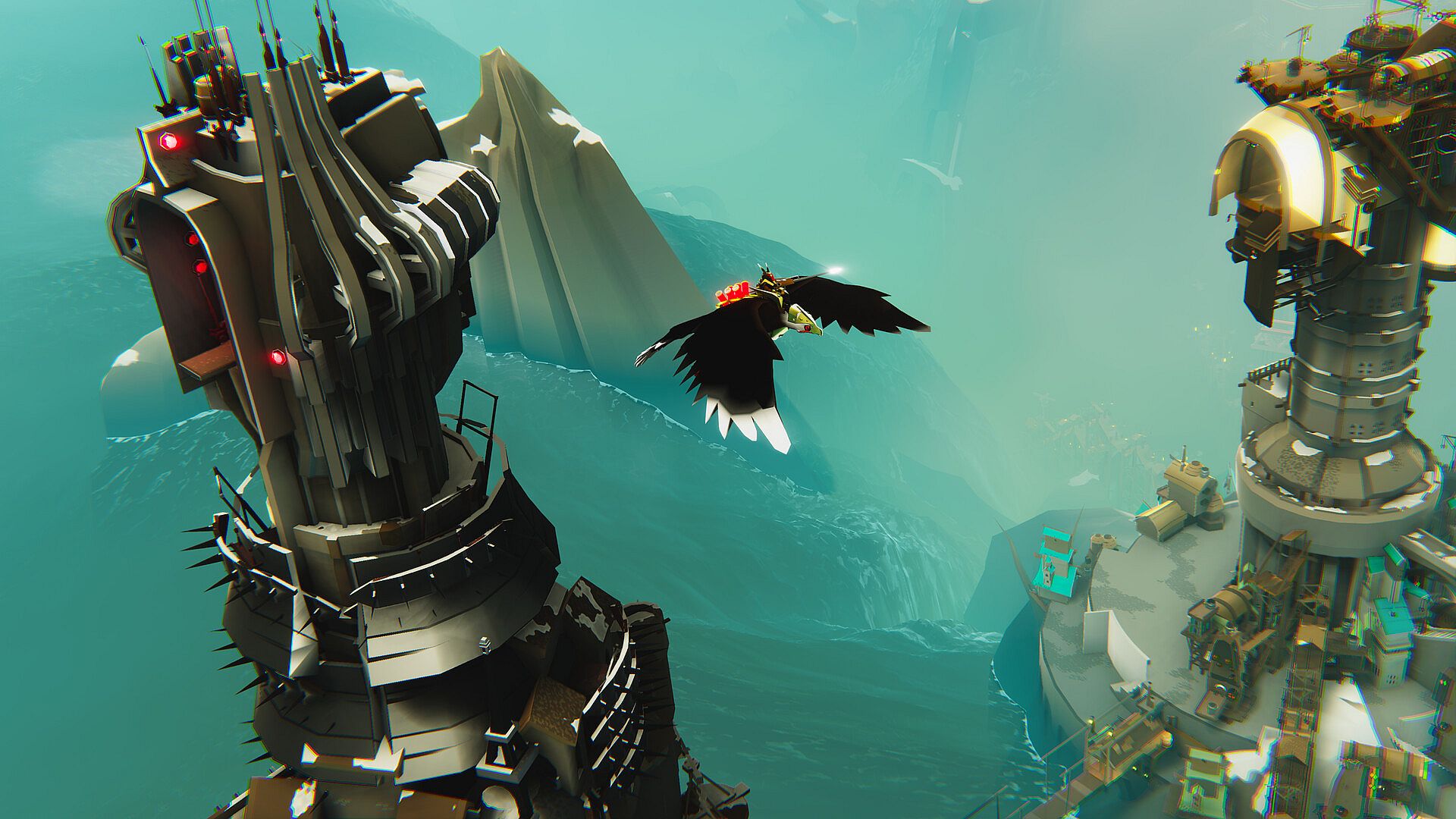
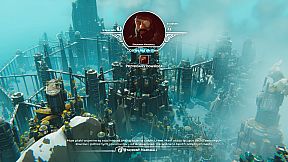
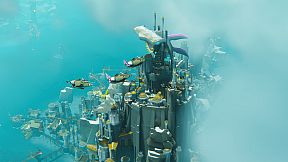
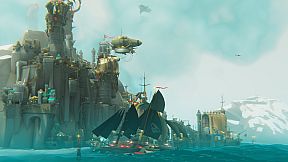
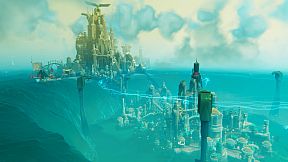
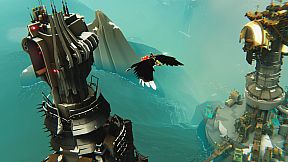
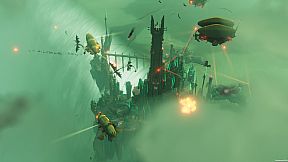
Bulwark: Falconeer Chronicles is a strategy simulation game that combines casual sandbox building with light exploration and conflict on the open waters of the Ursee. Players take control of the last free remnants and shape ocean fortress settlements through towers, walls, and trade networks rather than traditional resource management. The experience stays accessible and experimental, focusing on creative design over intense challenges.
Gameplay
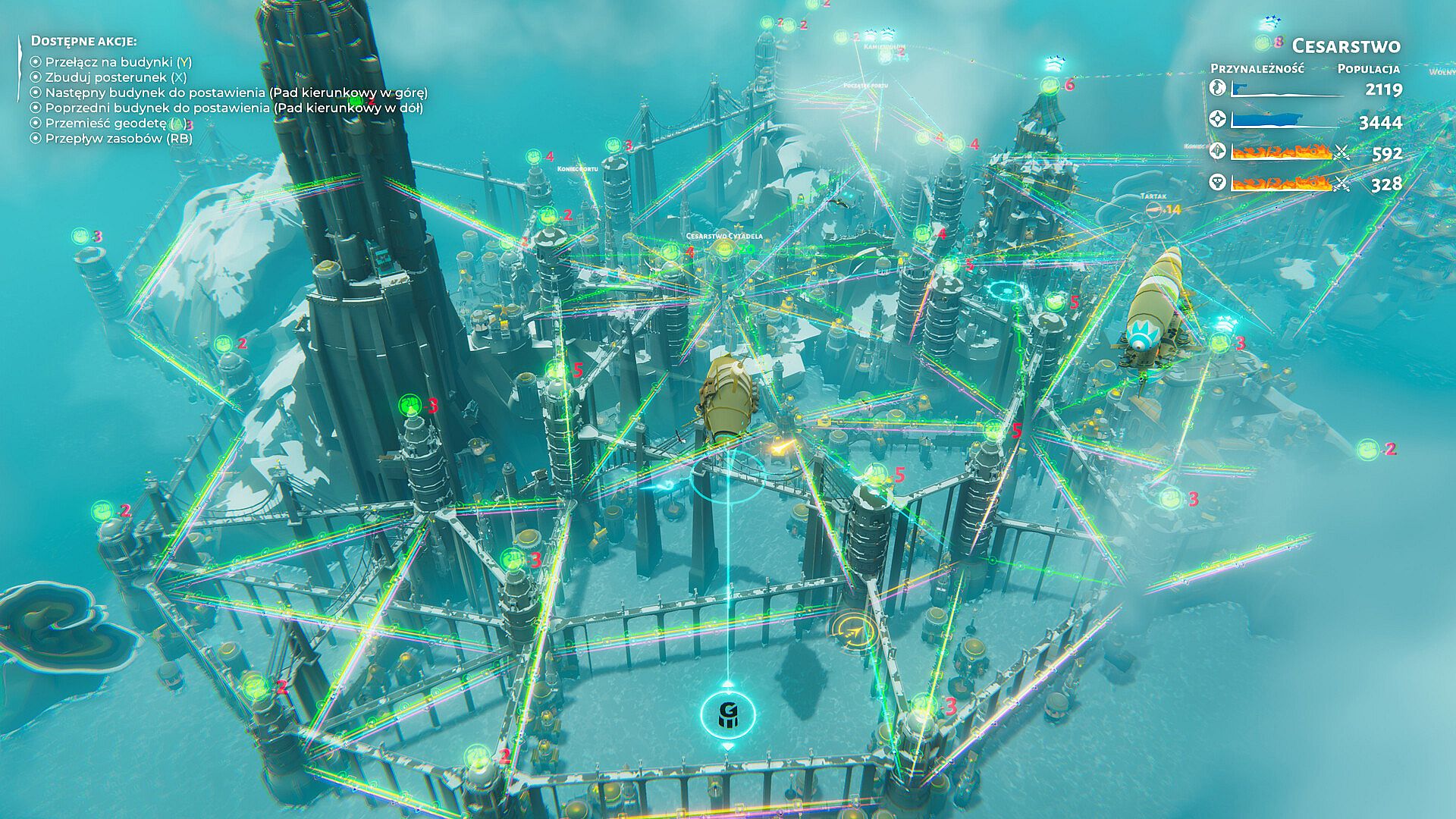
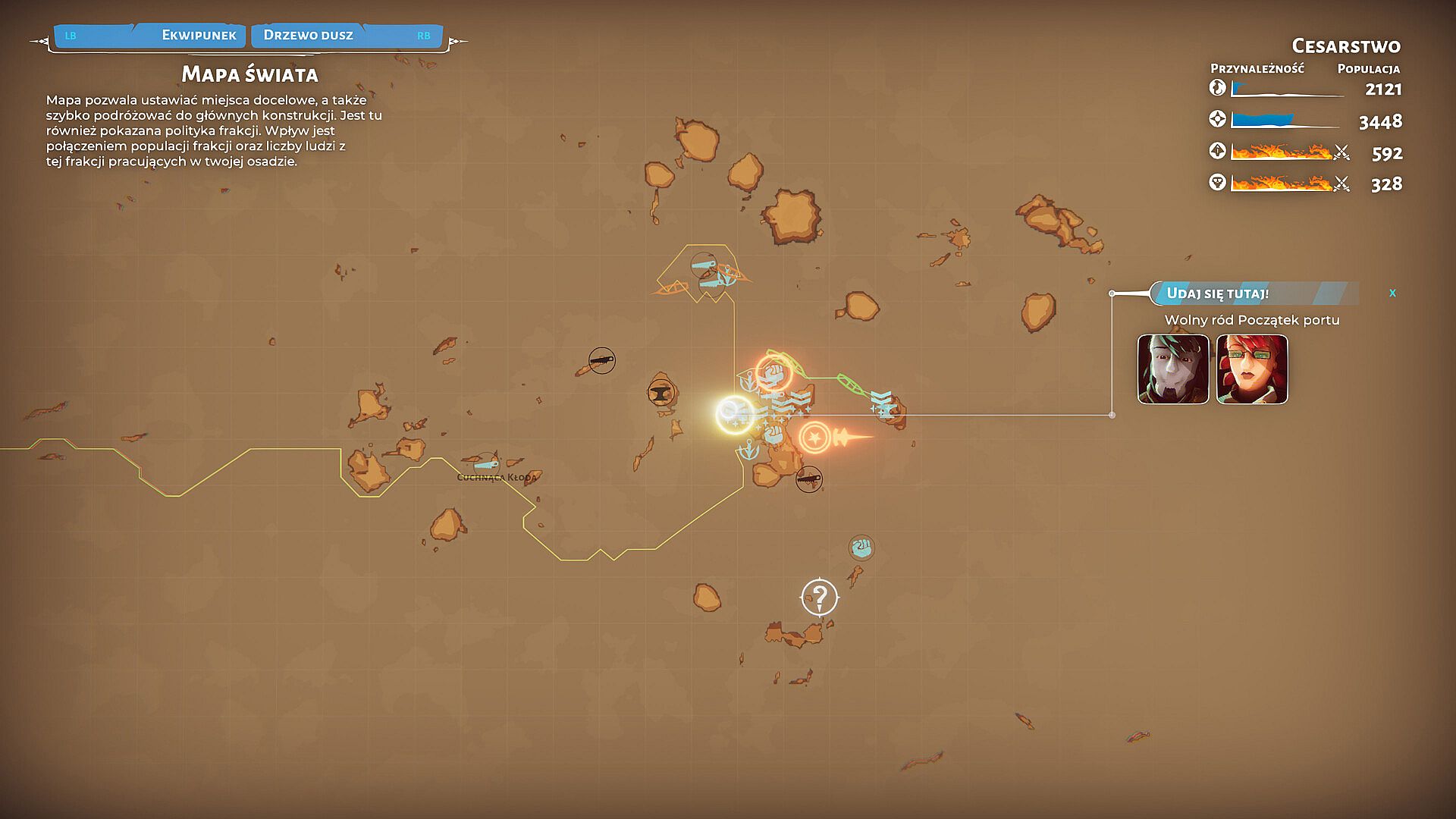
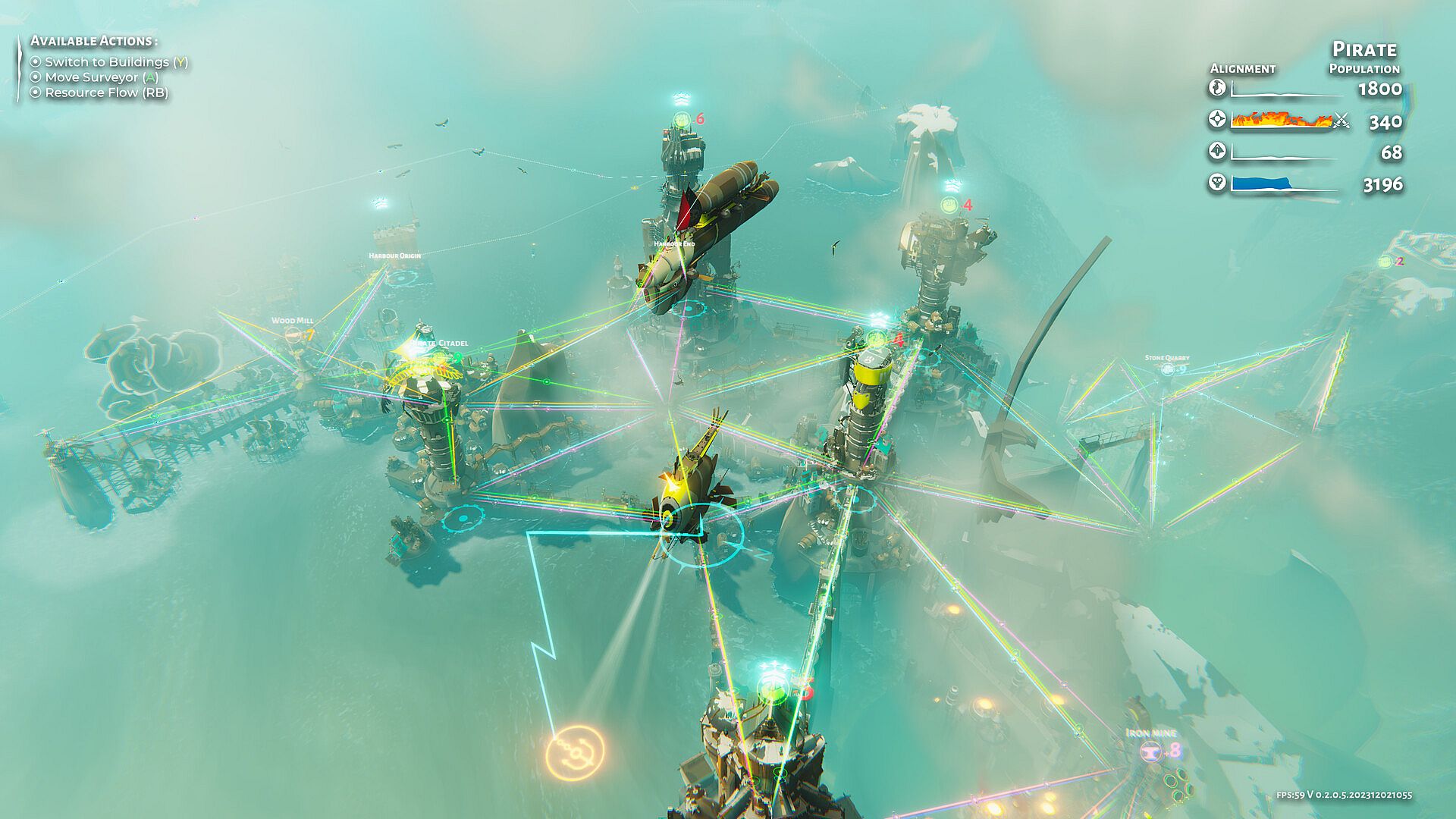
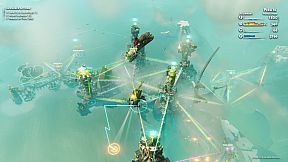
The core loop centers on constructing settlements across cliffs and perilous seas. Towers and walls connect through proximity, allowing resources like wood, stone, and iron to flow without storage or tallies. Distance determines what can be built or upgraded, so players expand networks strategically to reach new areas. Trade routes over the water supplement this system and keep settlements supplied.
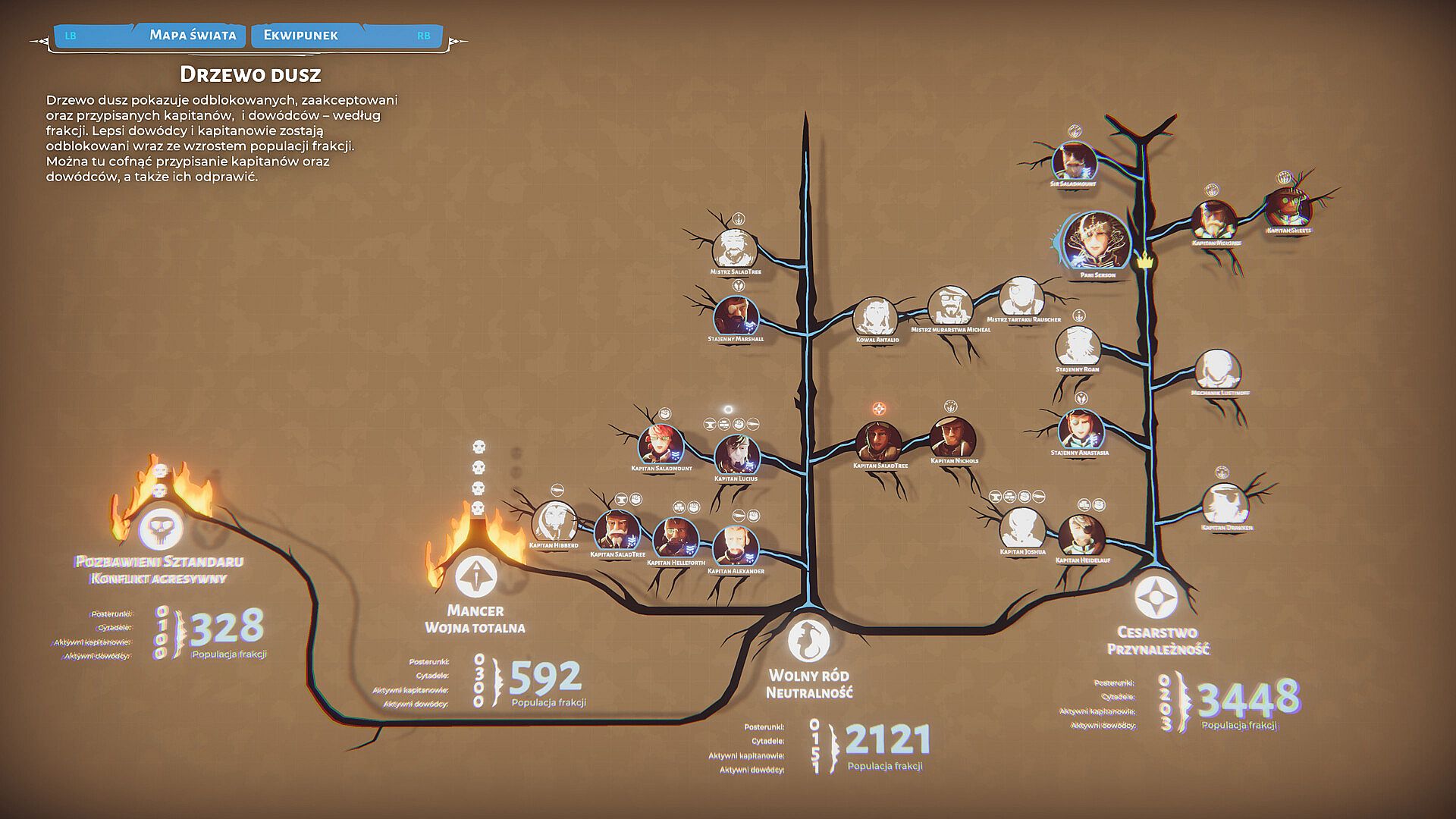
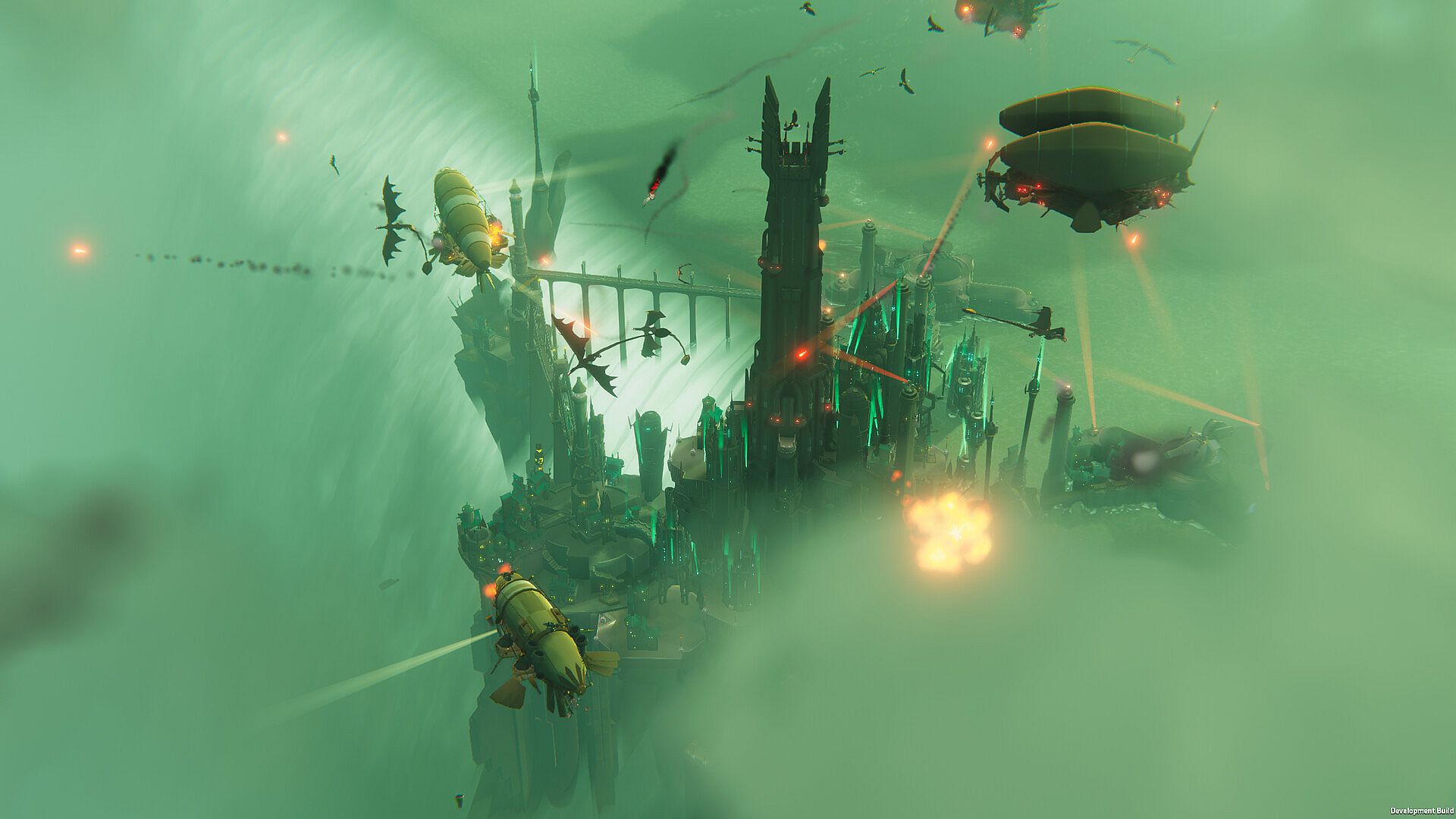
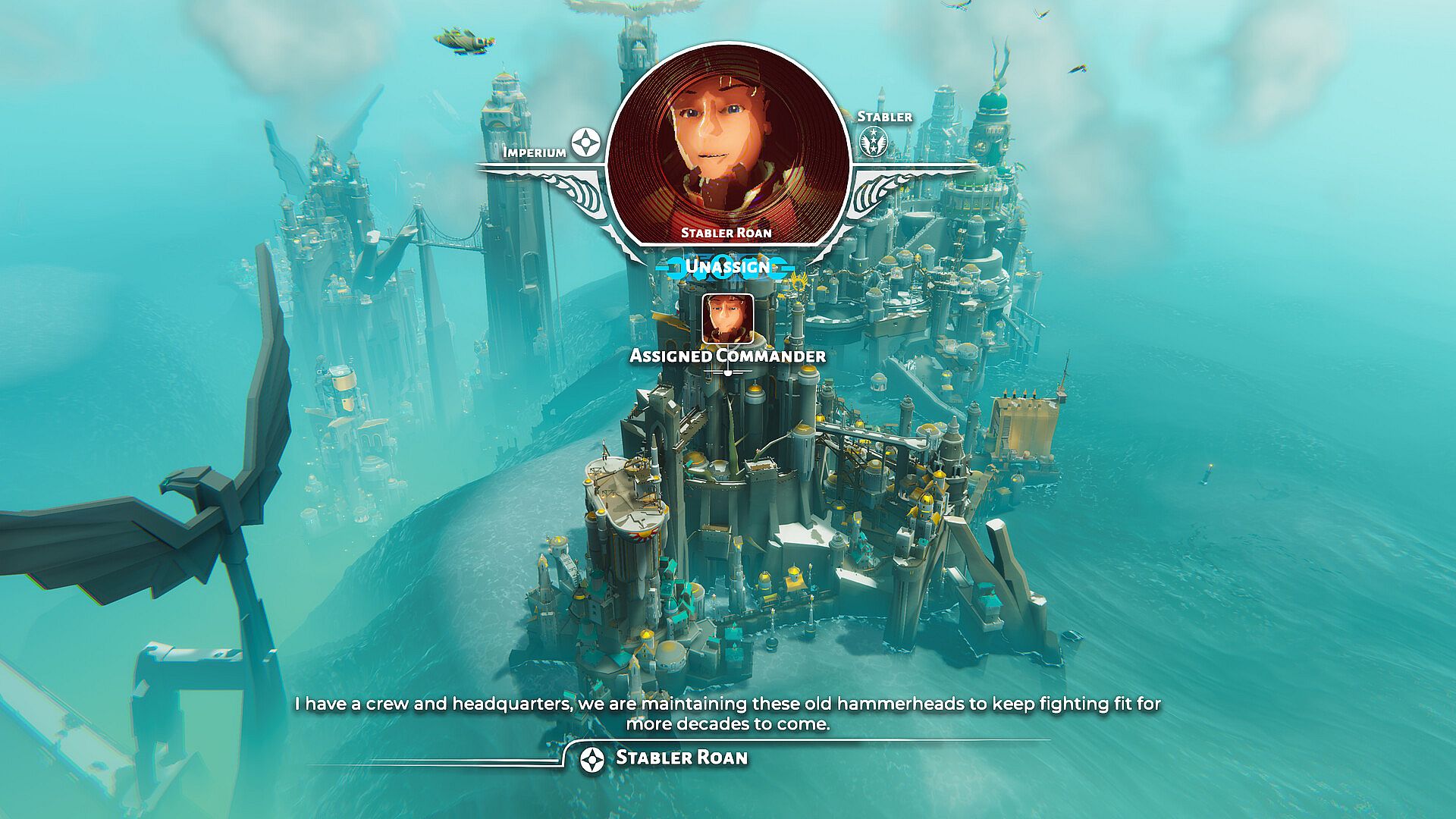
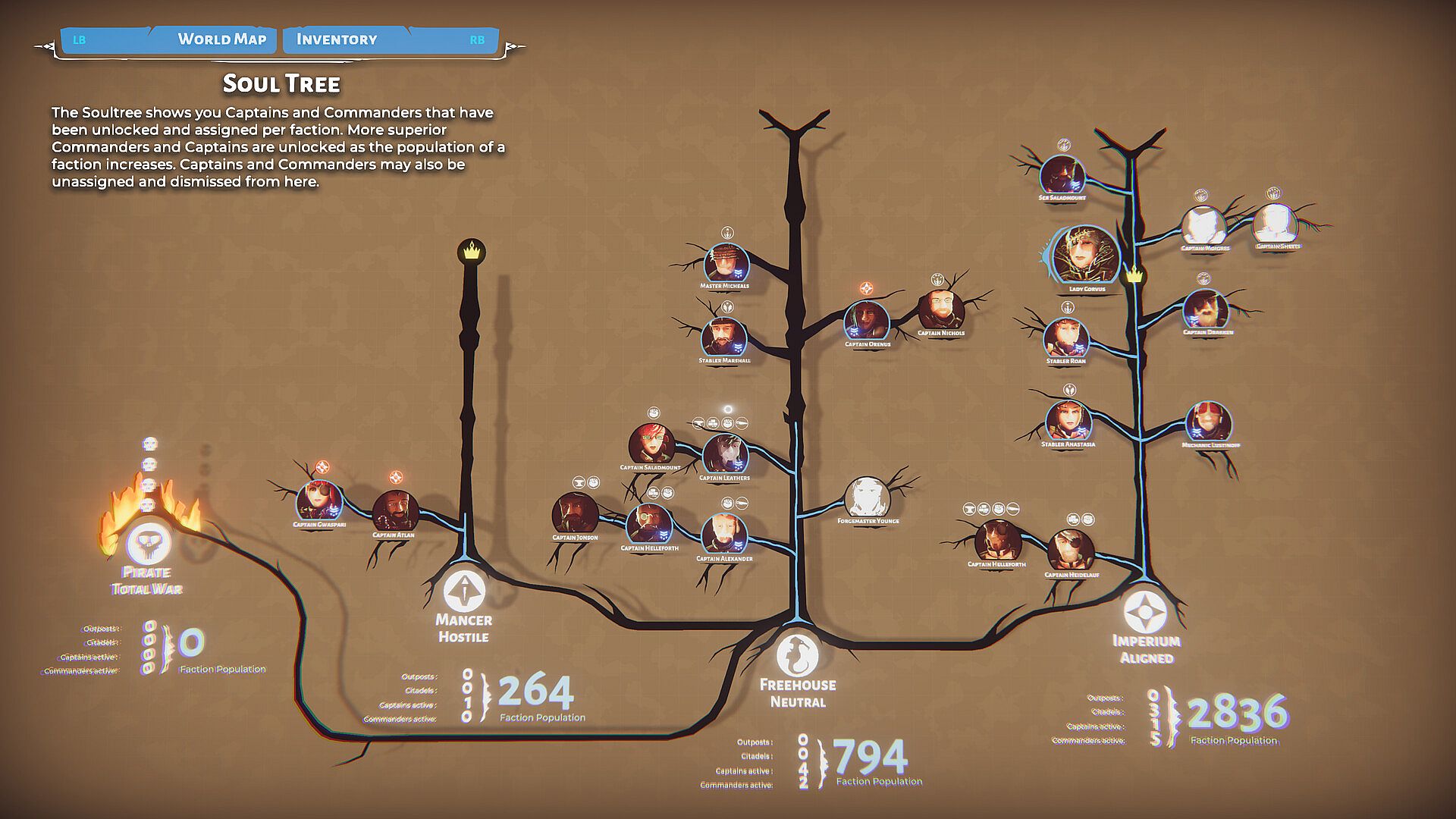
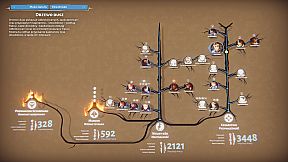
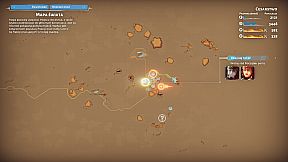
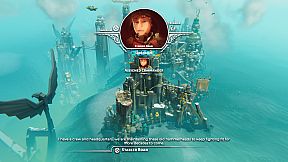
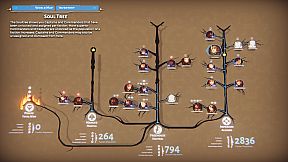
Combat appears in raids and naval encounters but remains secondary to building. Units and ships add visual flair without demanding precise tactics. Population growth drives progress, drawing in residents from scattered factions. These arrivals unlock new options through soultree advancement, granting commanders, captains, ships, and abilities that fit the player's settlement style.
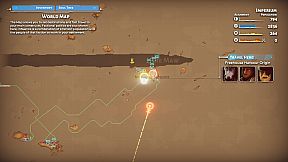
Splinters serve as the separate currency for diplomacy, army recruitment, and special purchases. They arrive through population increases, trade deals, or successful defense actions. The world feels alive with other factions present, creating opportunities for alliances or tension depending on choices made during expansion.
Game Modes
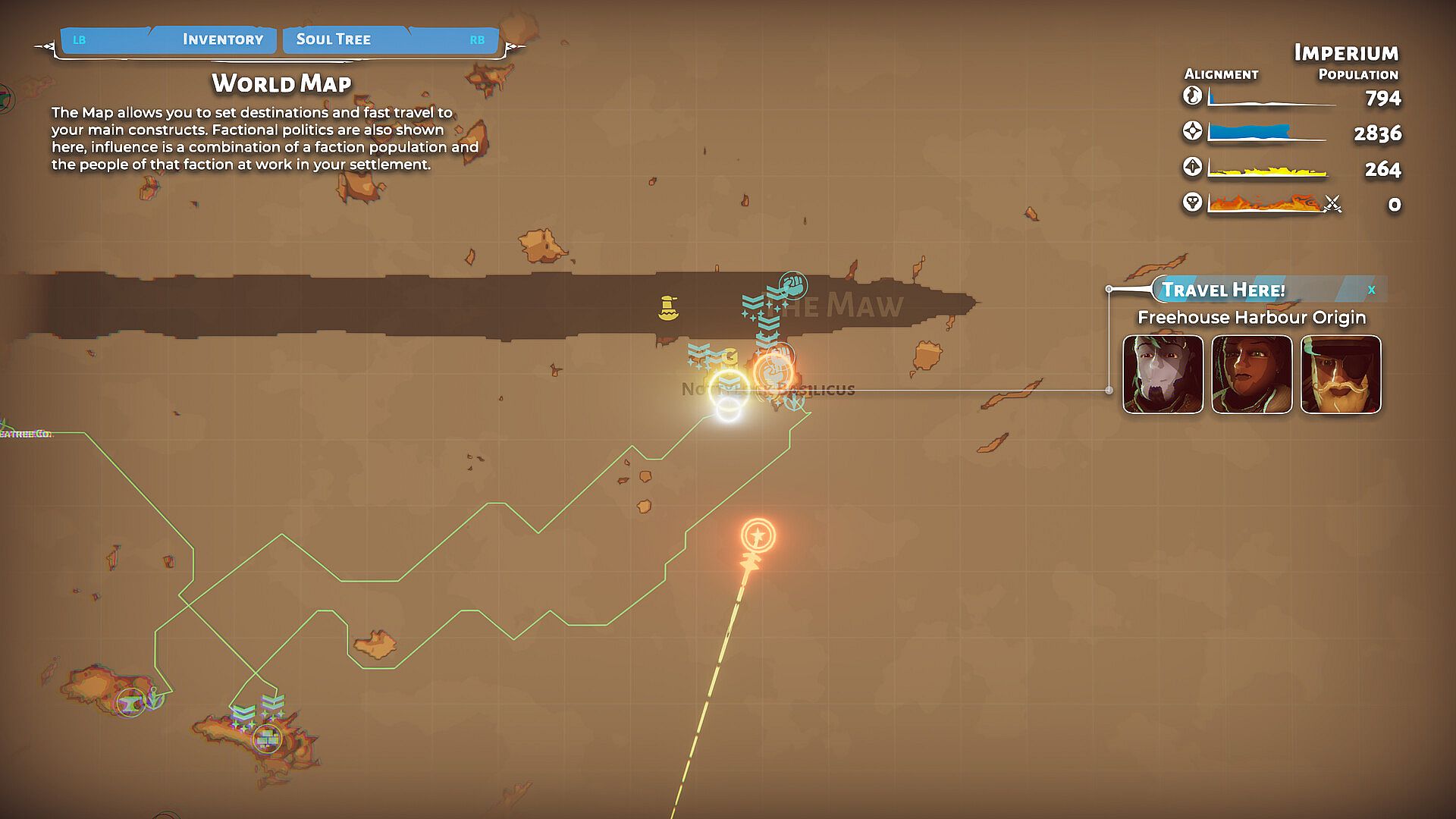
Three distinct modes shape the experience. The standard Bulwark mode encourages exploration across the Great Ursee, where players scavenge, establish trade, and manage relations with neighboring groups while growing their civilization tower by tower.
Freebuild removes conflict and resource constraints entirely. This mode supports unlimited sketching and experimentation, ideal for testing fortress layouts or creative designs without external pressures.
Total Conquest ramps up the stakes from the start. Every faction begins hostile, diplomacy stays disabled, and raids occur more frequently and at larger scales. Survival becomes the priority alongside construction, testing how well a settlement holds under sustained pressure.
Progression and Factions
Faction populations integrate into the settlement and advance along individual soultrees. Each path reveals unique commanders, units, and structures that expand building and defense options. Inviting new groups can strengthen the empire or spark conflict, since relations on the Ursee remain tense by default.
Post-release updates have added content over nearly two years, including new ships and mechanics that deepen naval and strategic layers. These arrive without heavy guidance, rewarding players who explore and experiment on their own.
Is It Worth Playing?
The game suits players who enjoy creative city building in a relaxed setting with occasional strategic decisions. Its experimental sandbox approach delivers satisfying fortress design and open-world freedom without strict tutorials or punishing difficulty. Ongoing free updates continue to expand the world and options, keeping the experience fresh for those who prefer discovery over guided progression.
Reception highlights the stress-free loop and original mechanics for creative builders, though some note lighter challenge compared to traditional strategy titles. It works well for single-player sessions focused on personal settlement growth rather than competitive elements. Those drawn to casual simulation with light conflict and faction interactions will find the most value here.