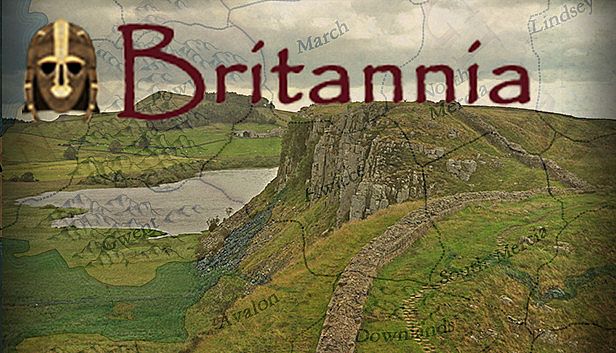





















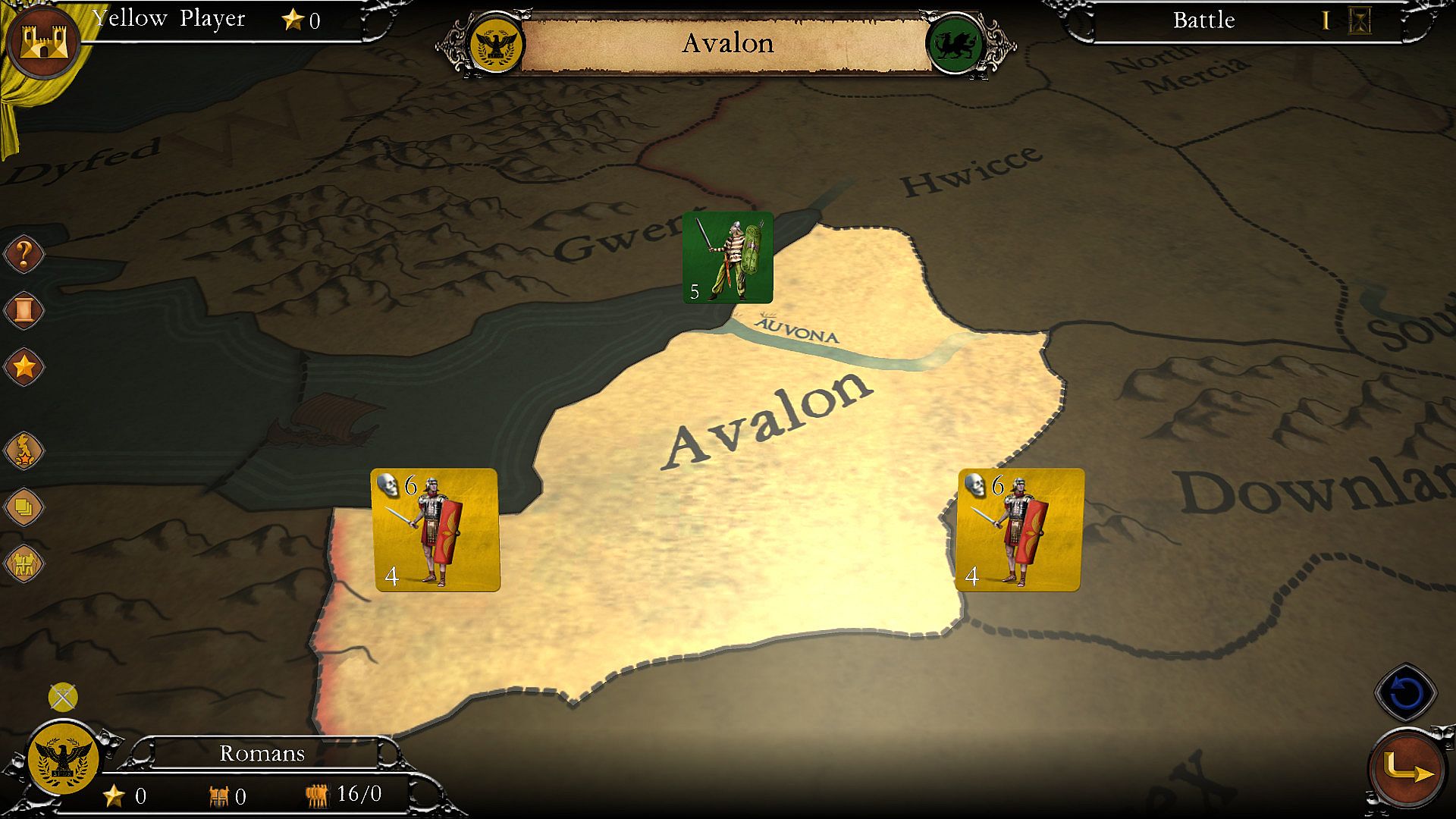
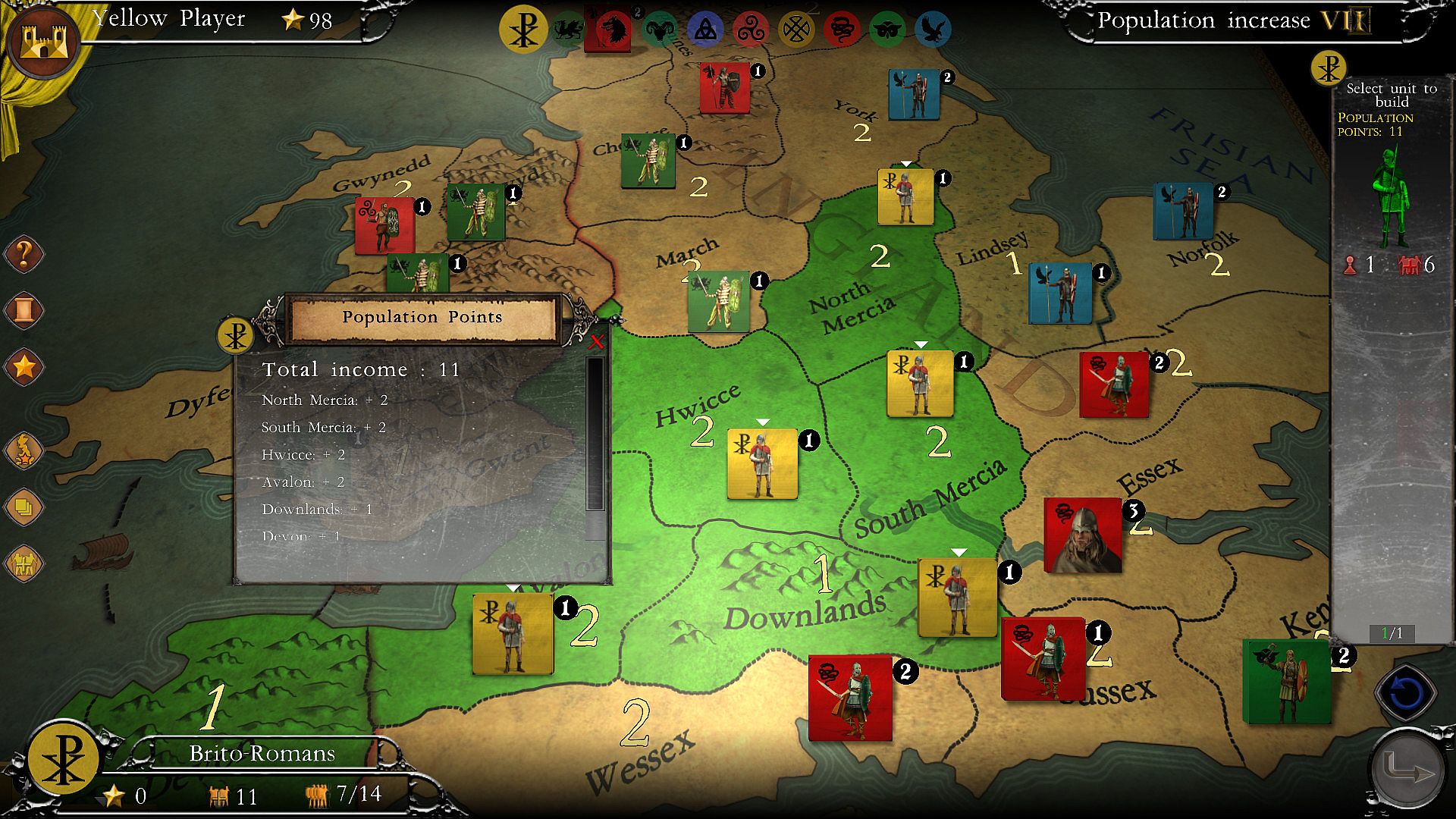
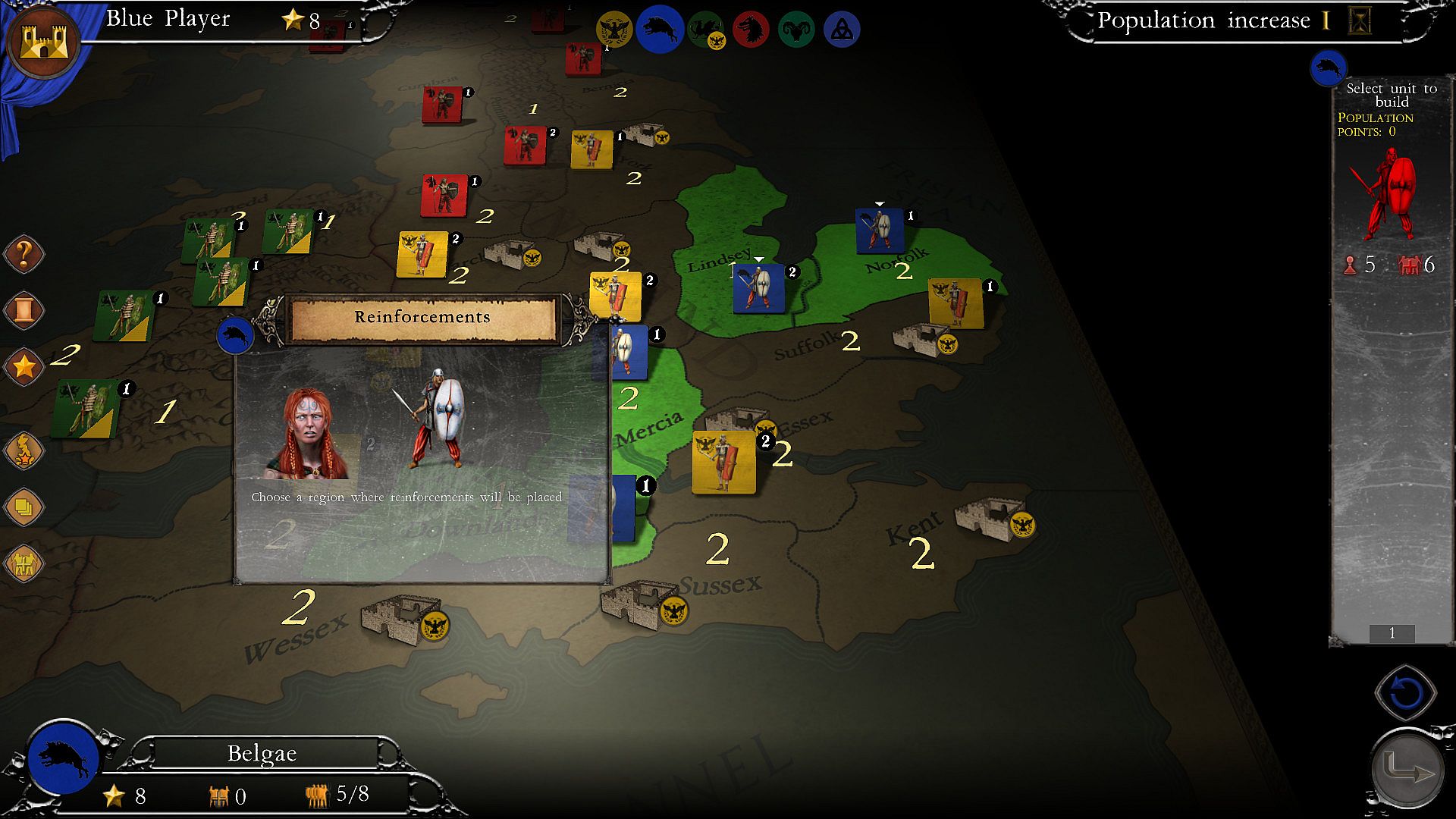
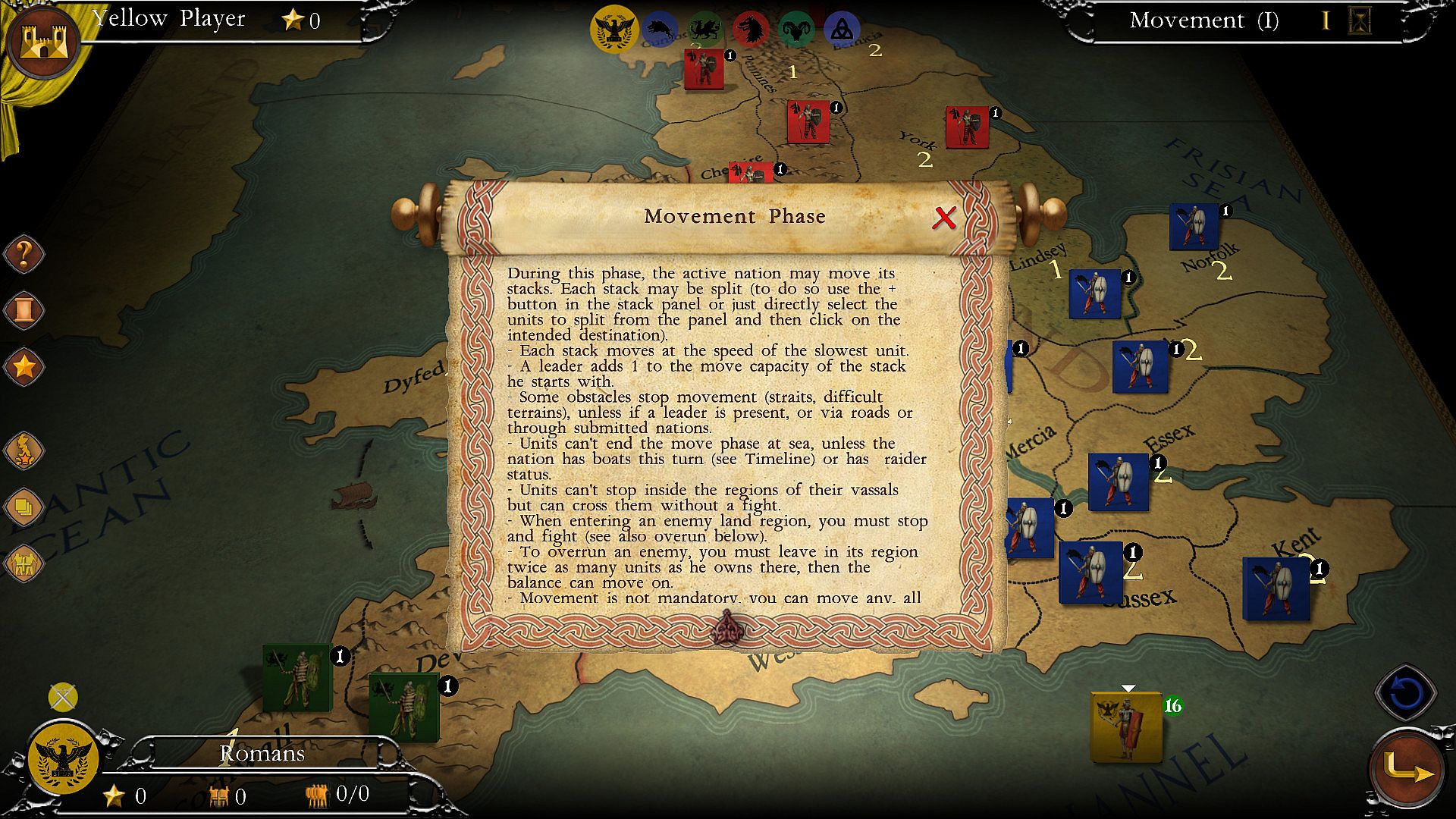
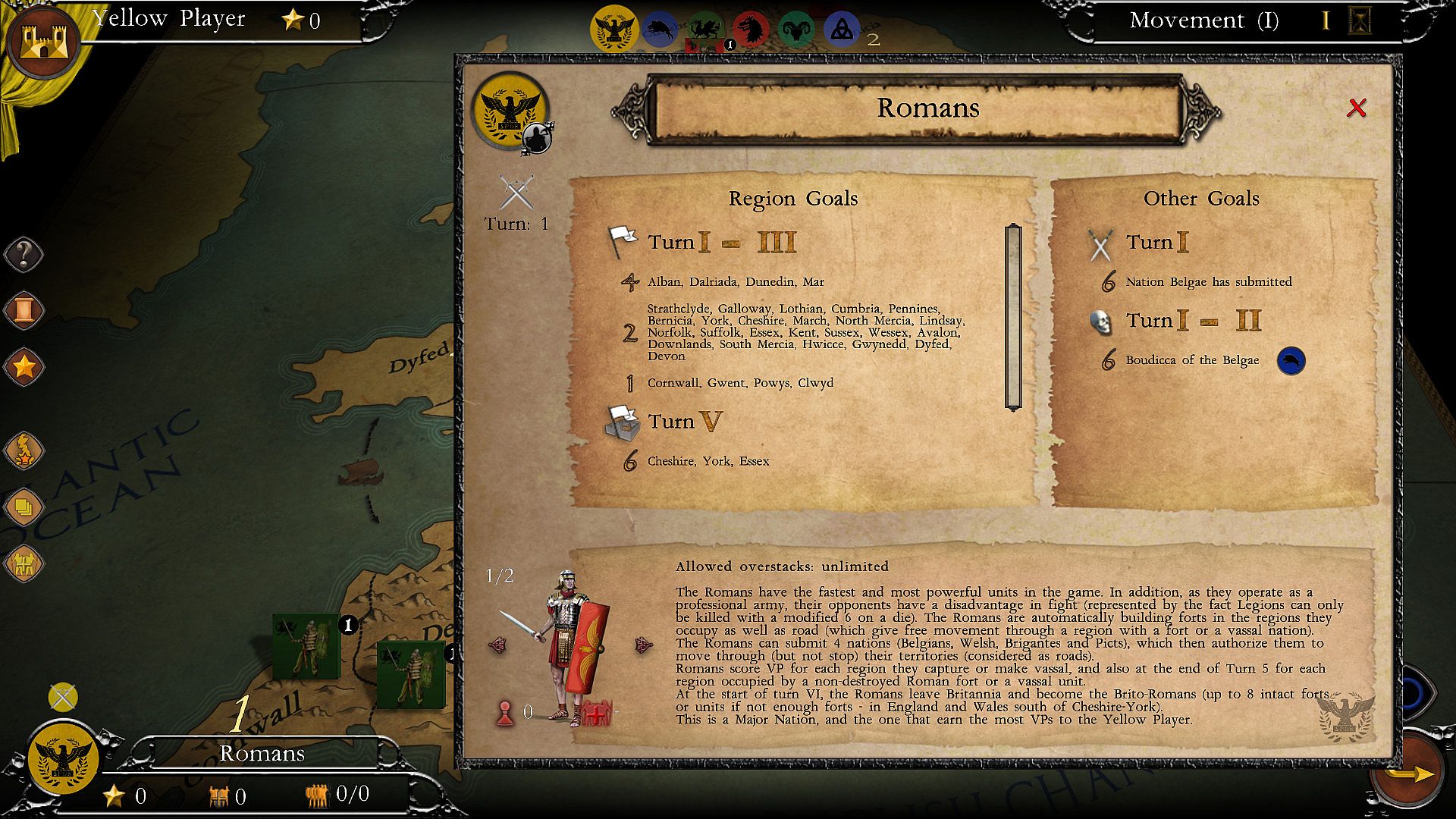
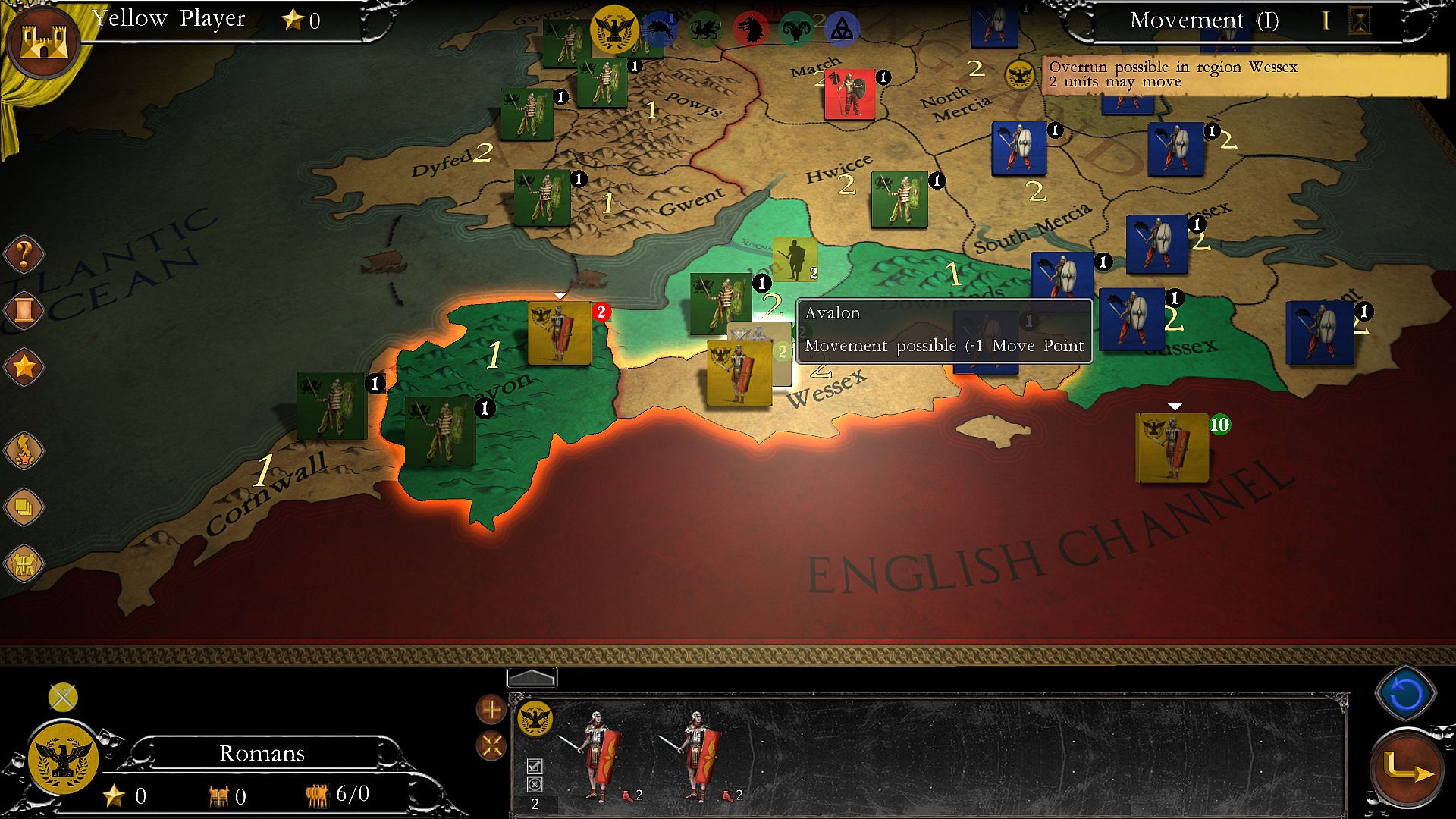
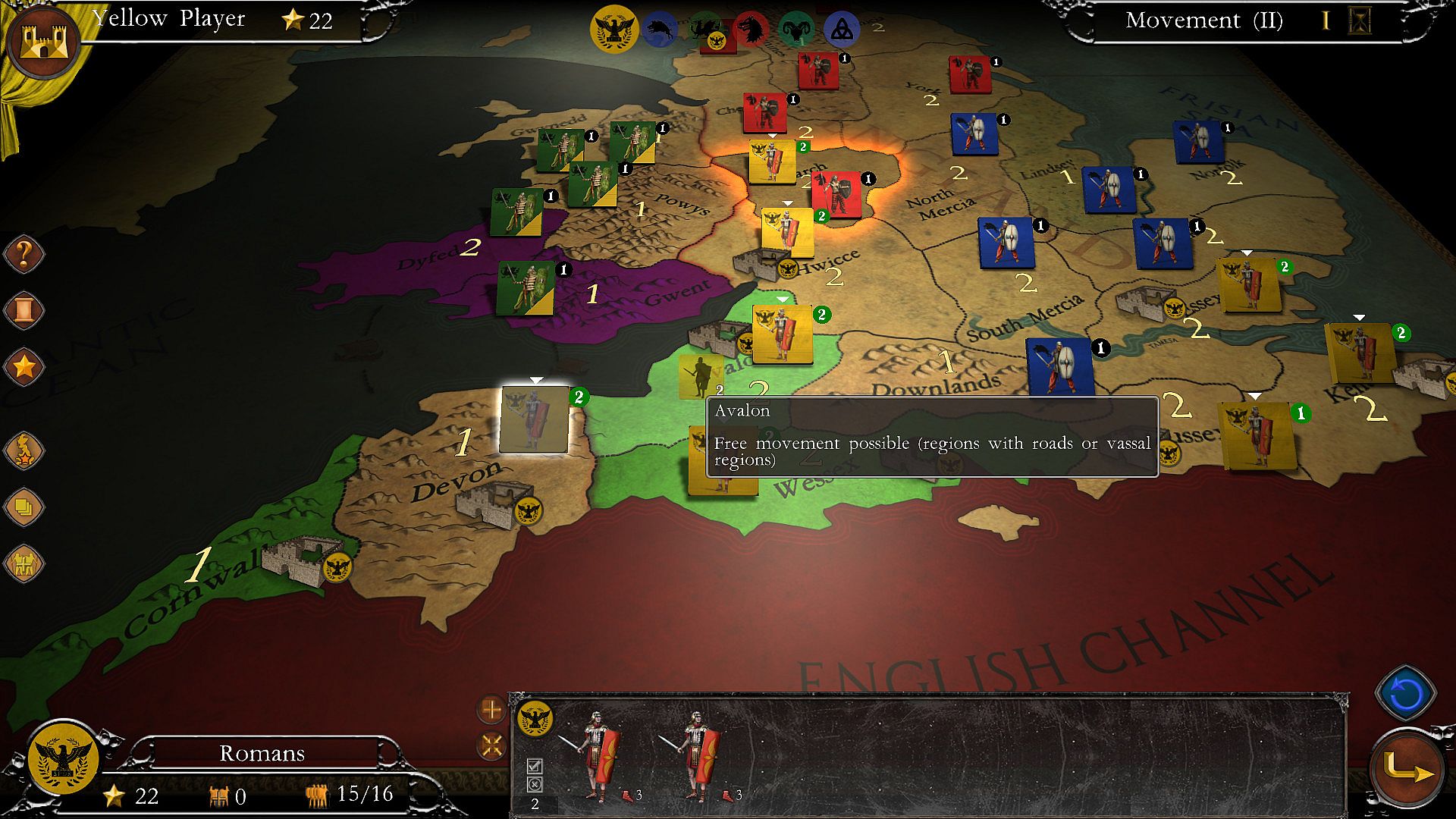
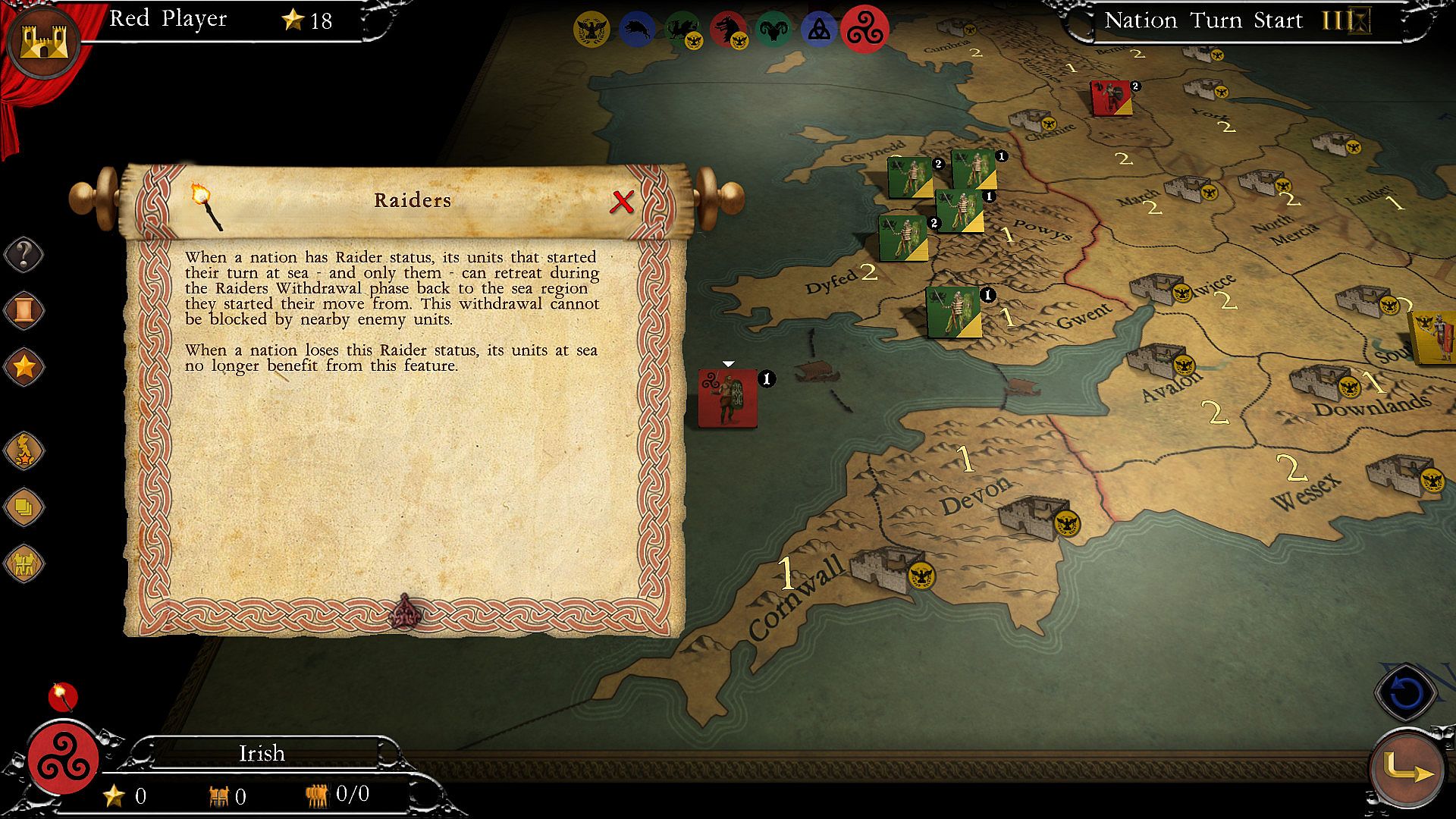
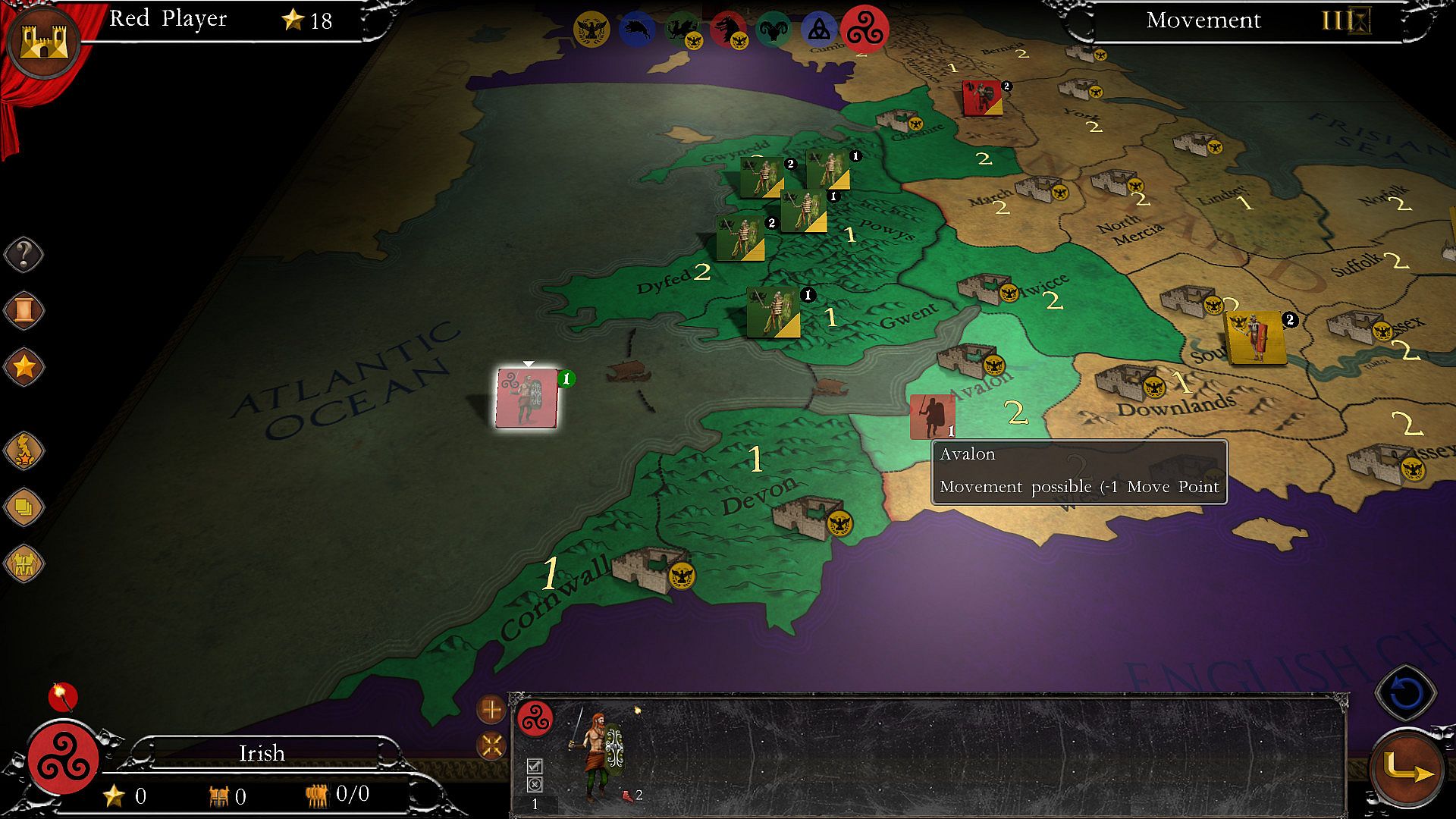
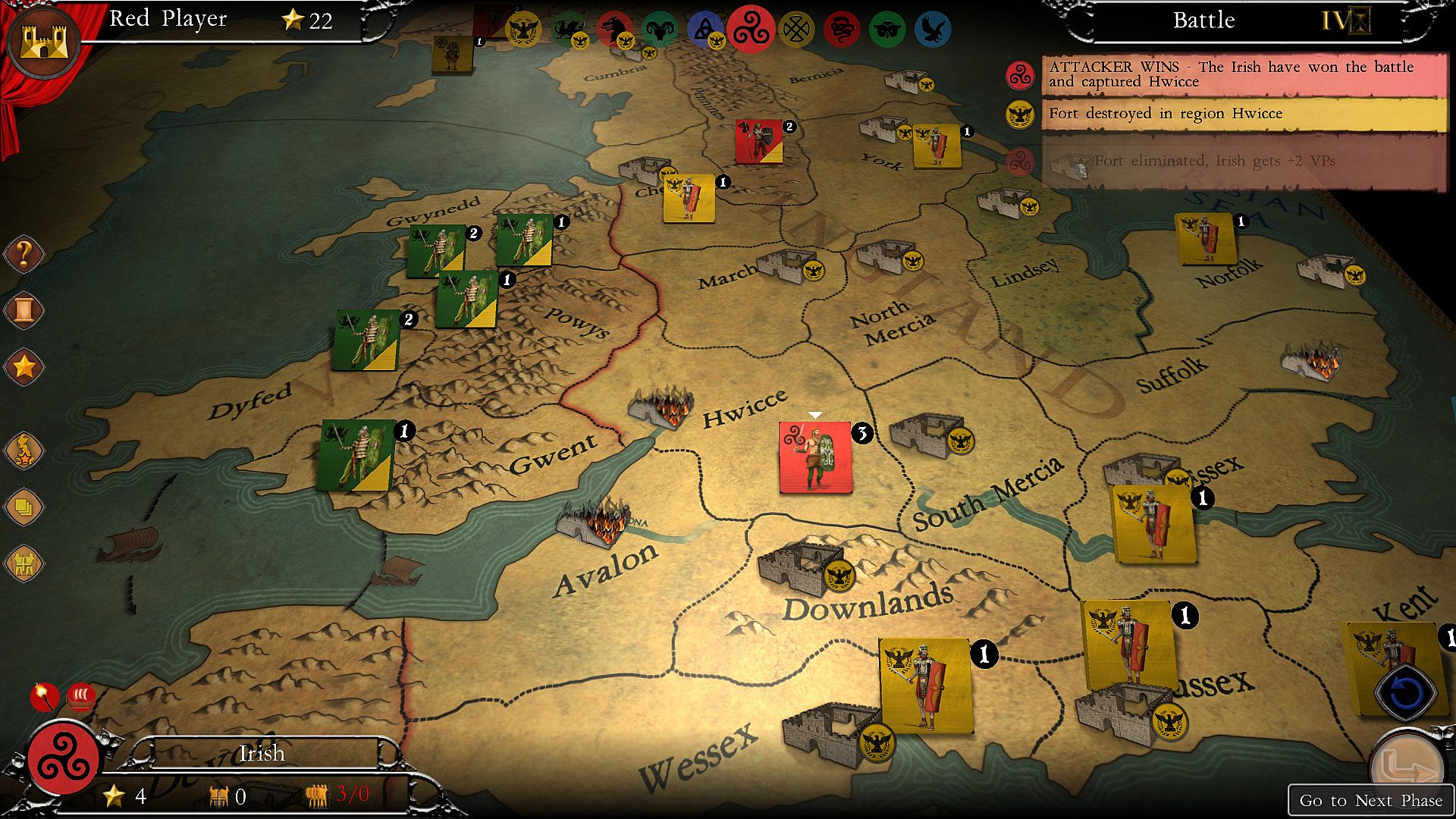
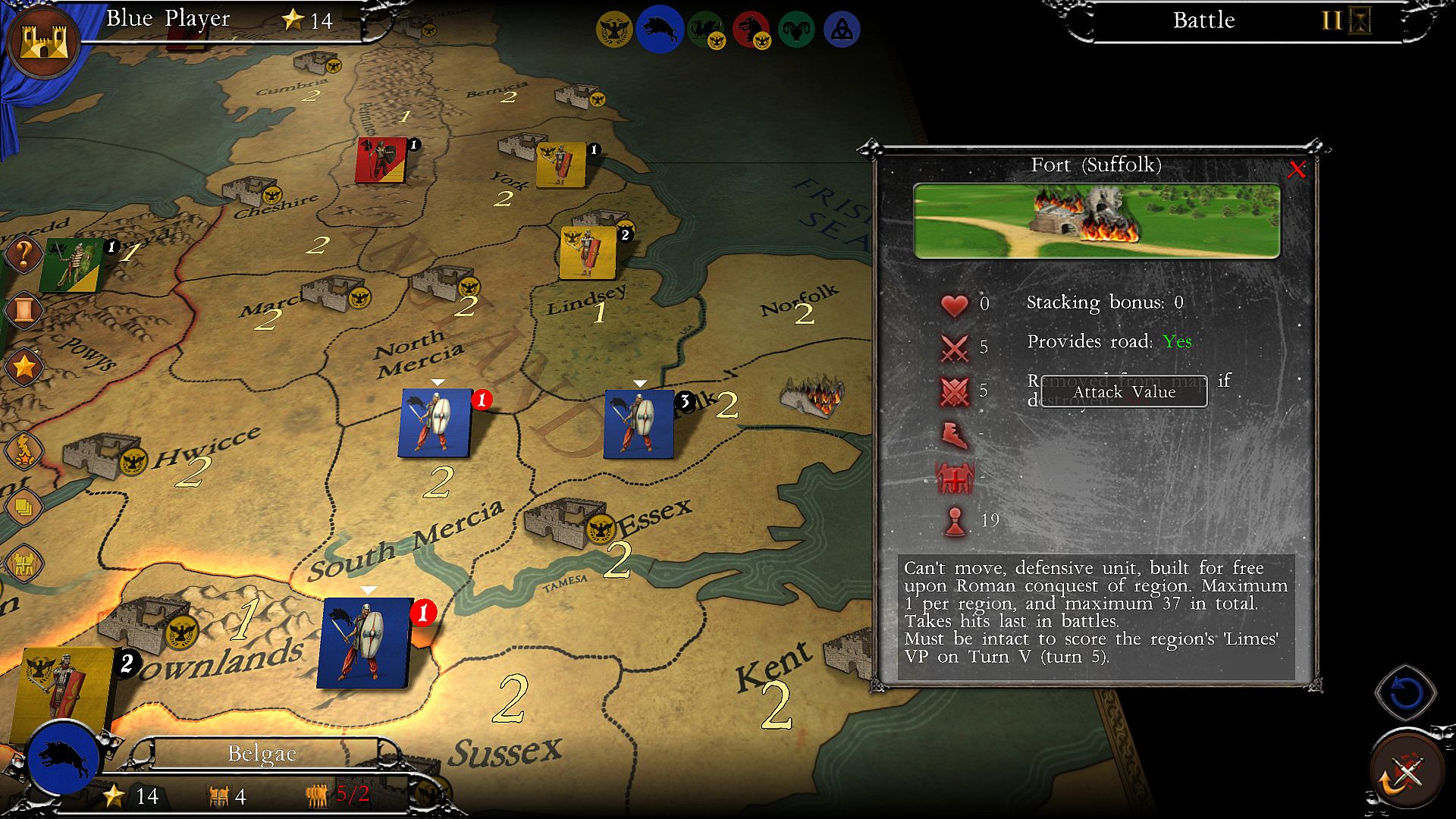
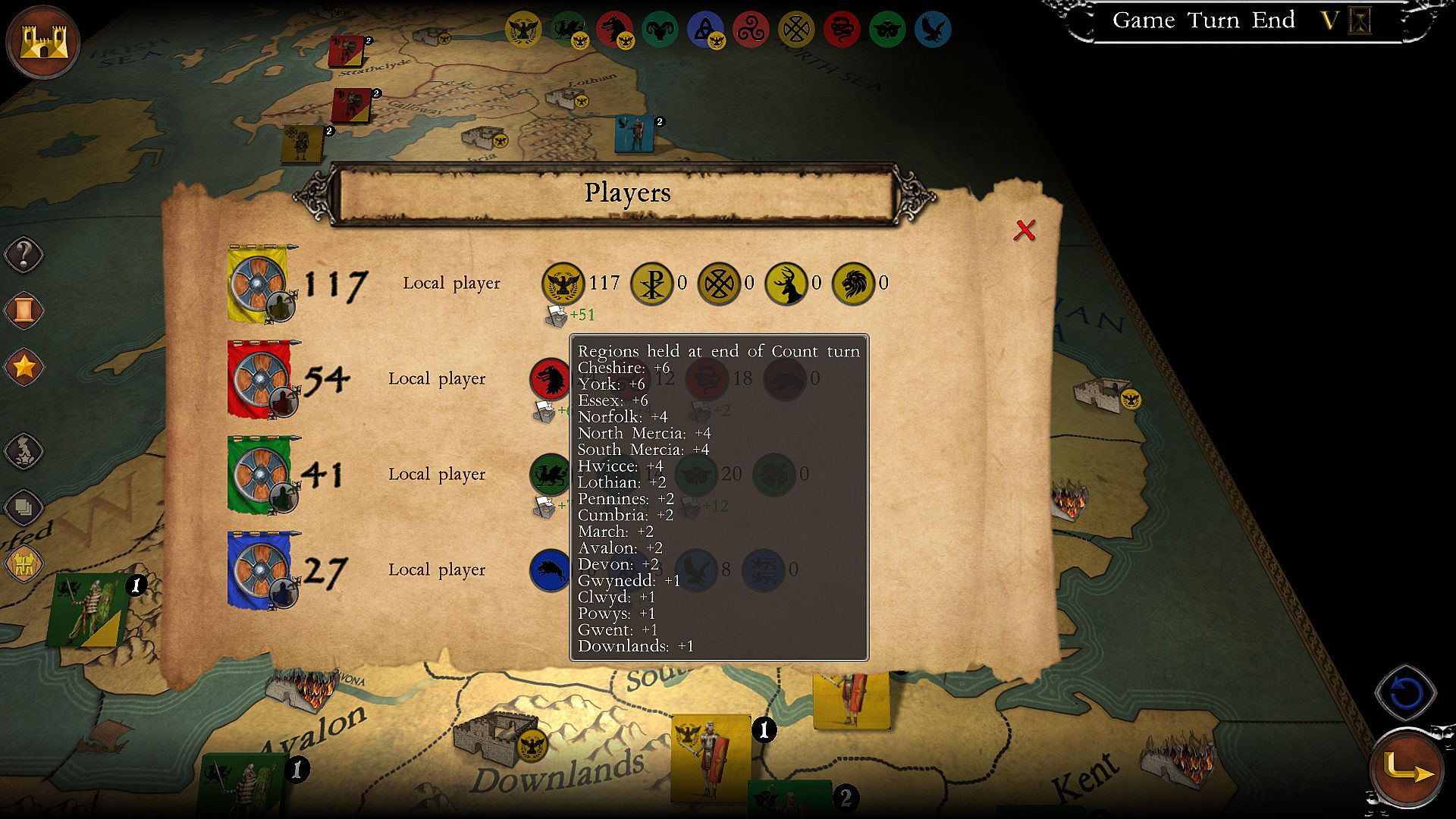
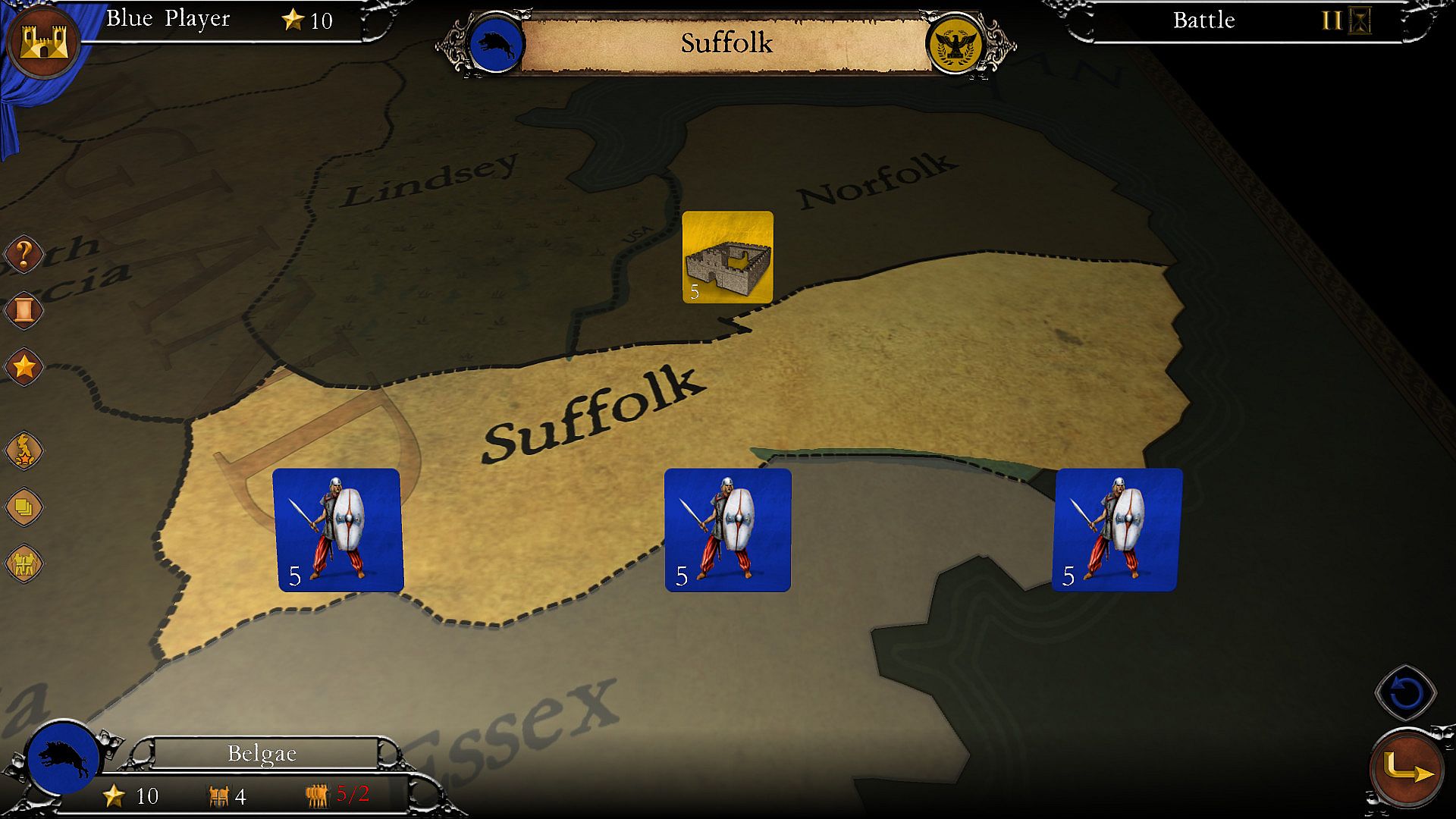
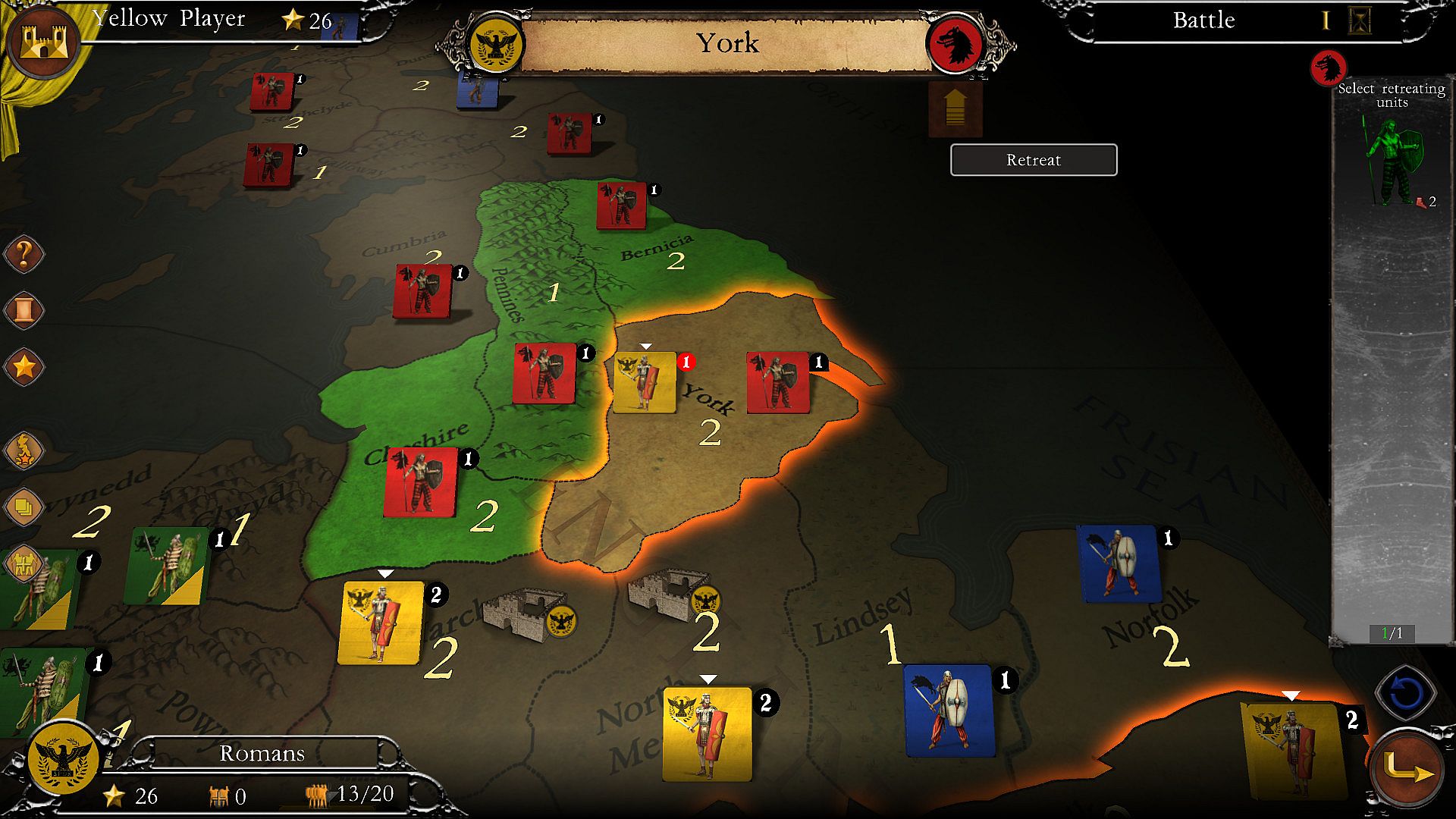
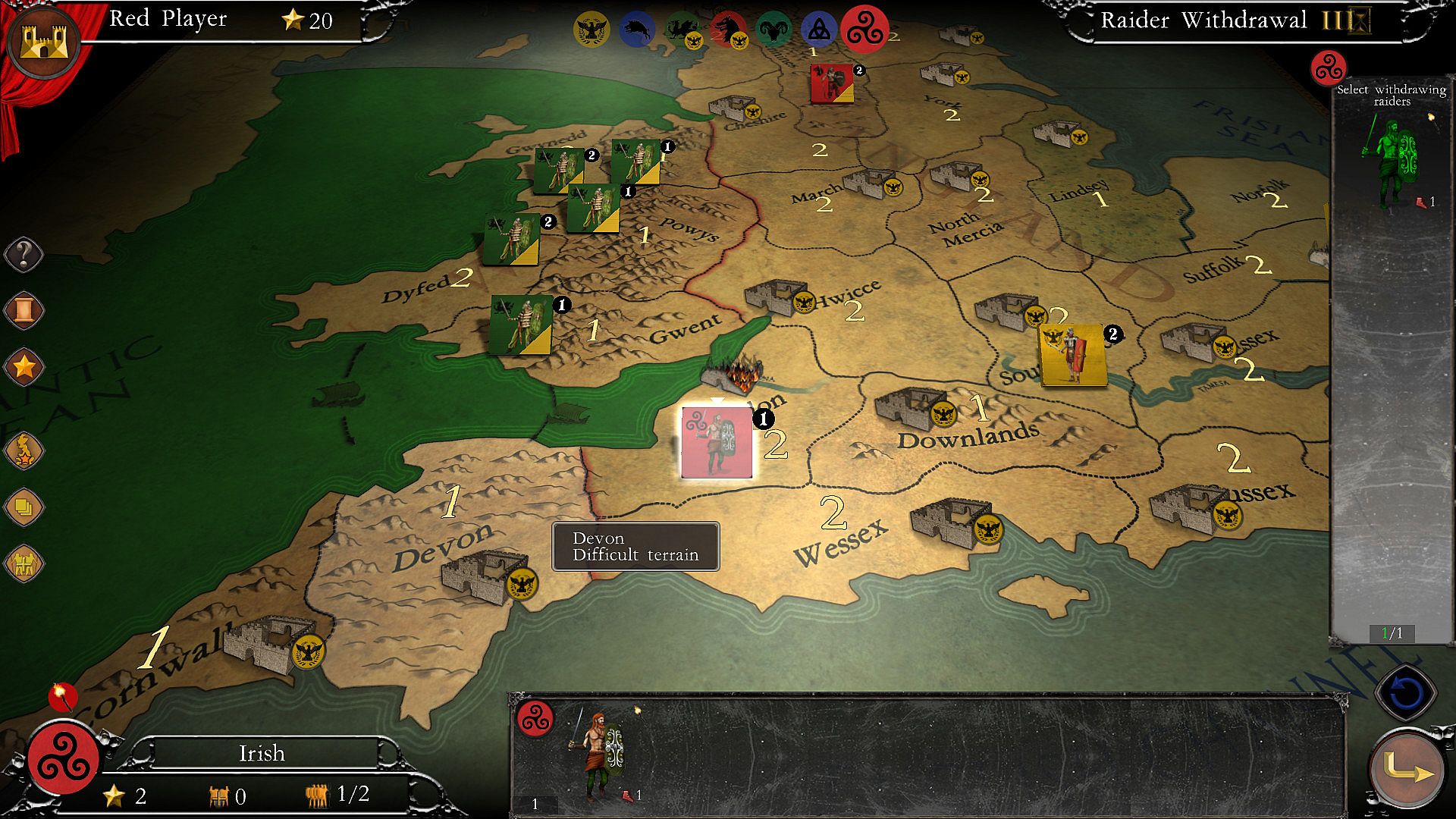
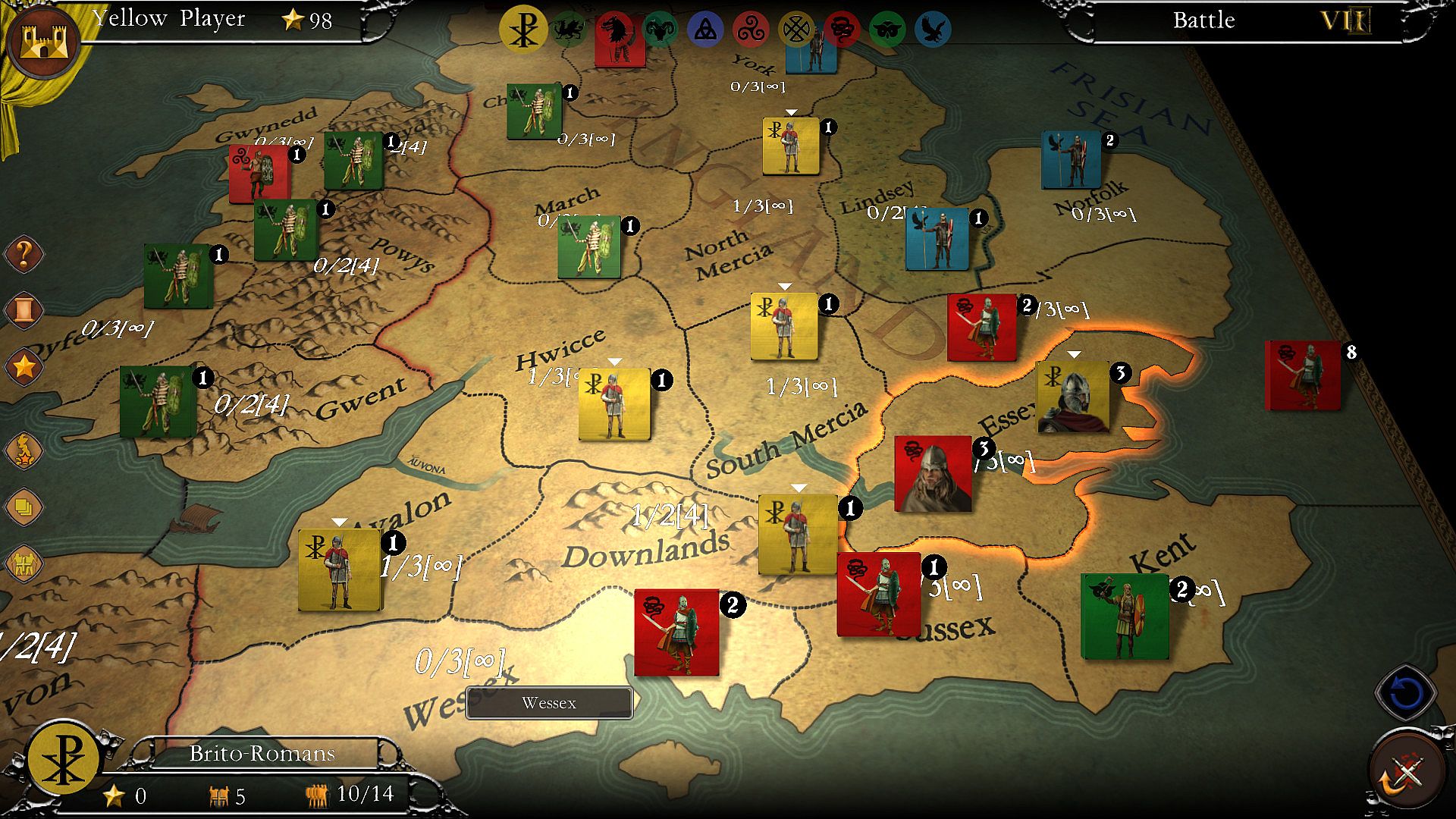
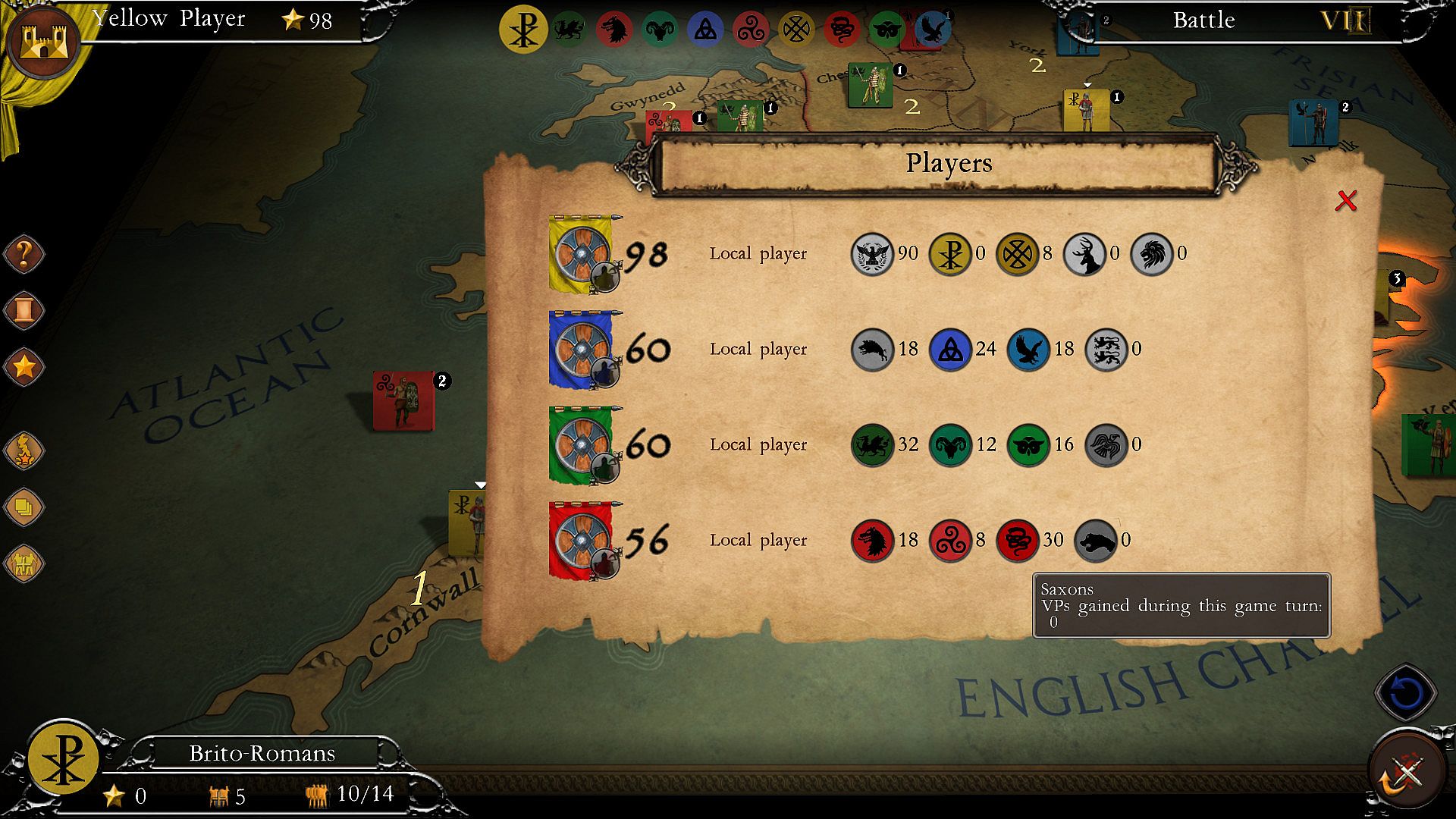
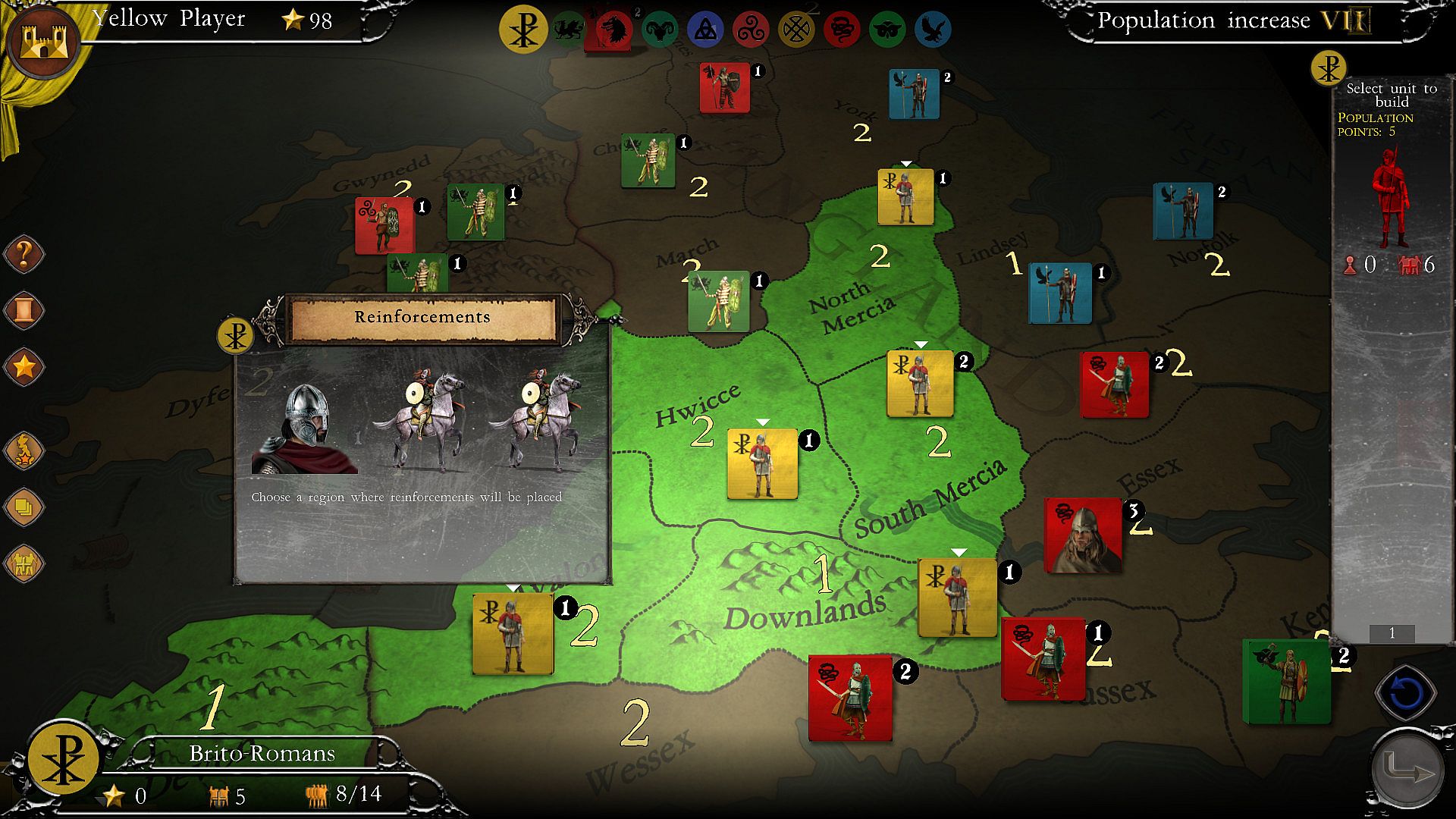
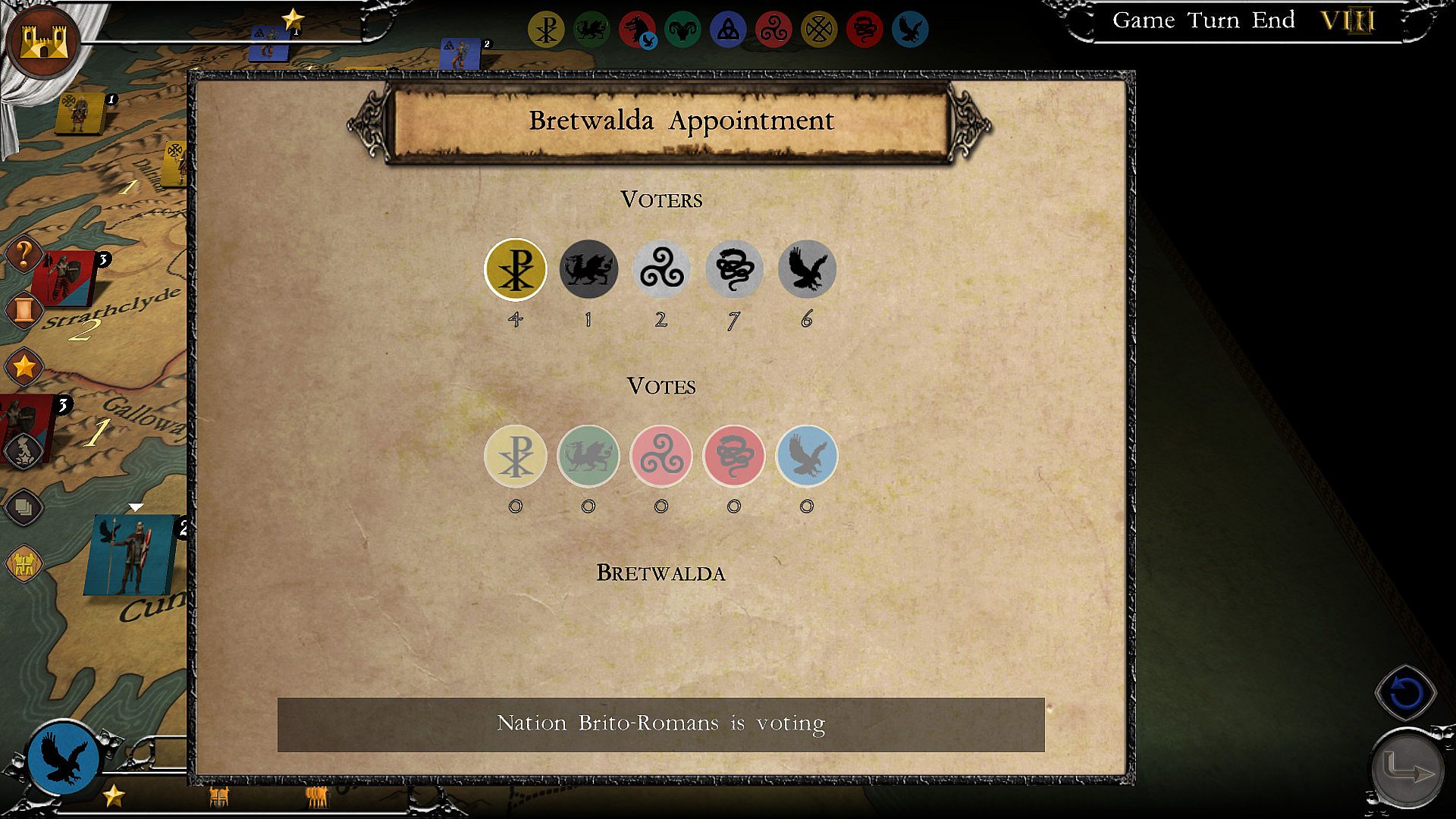
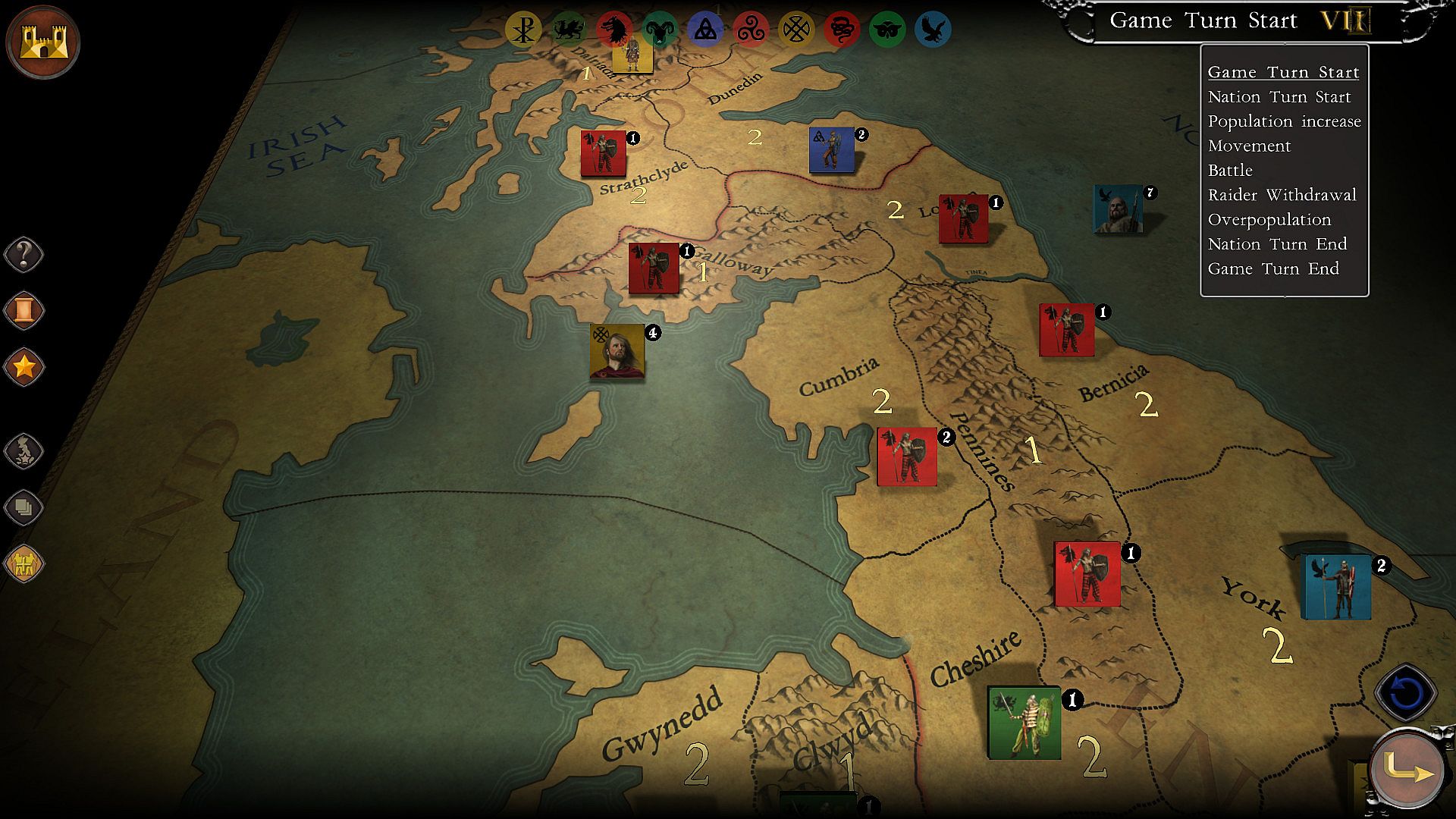
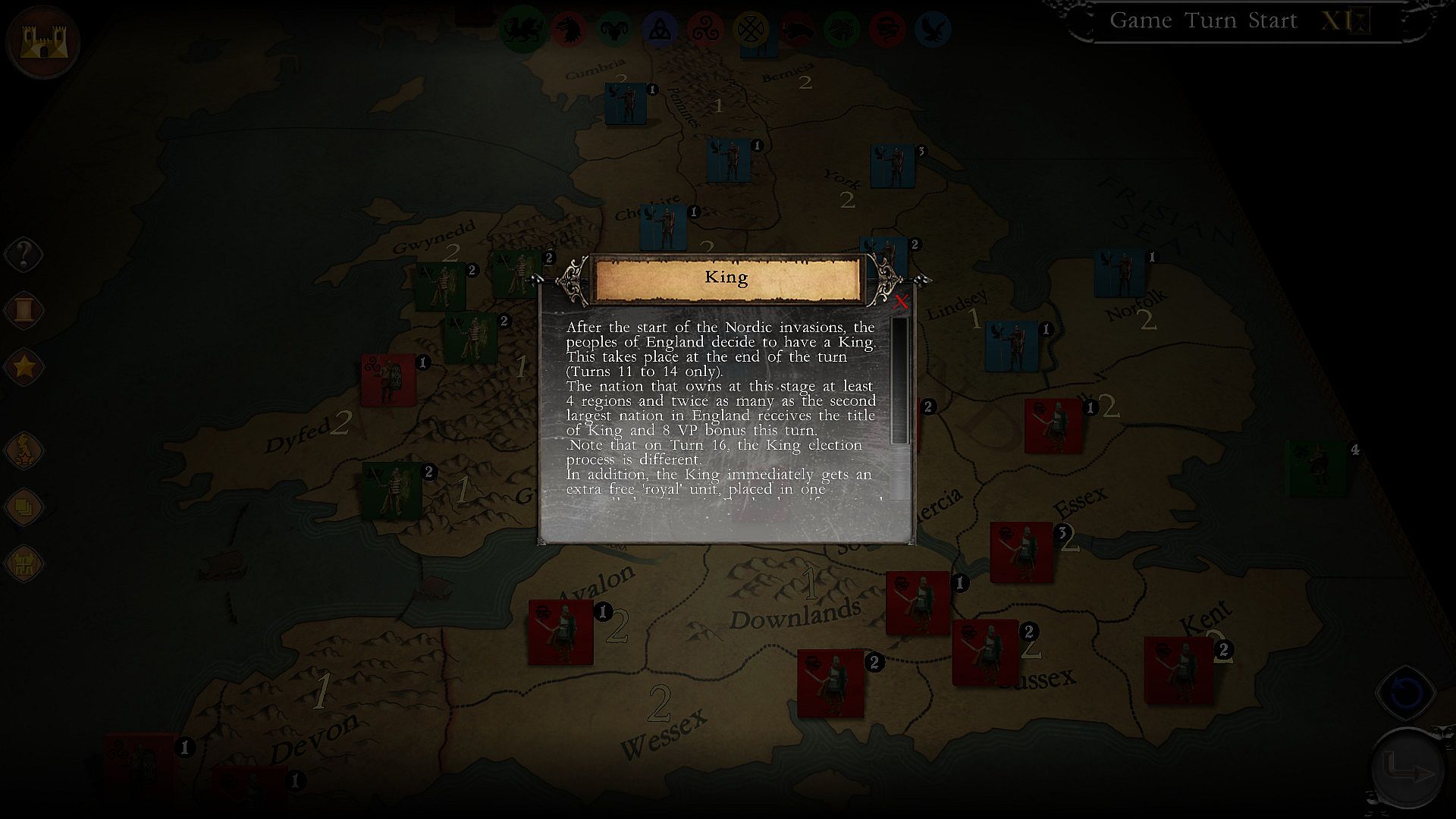
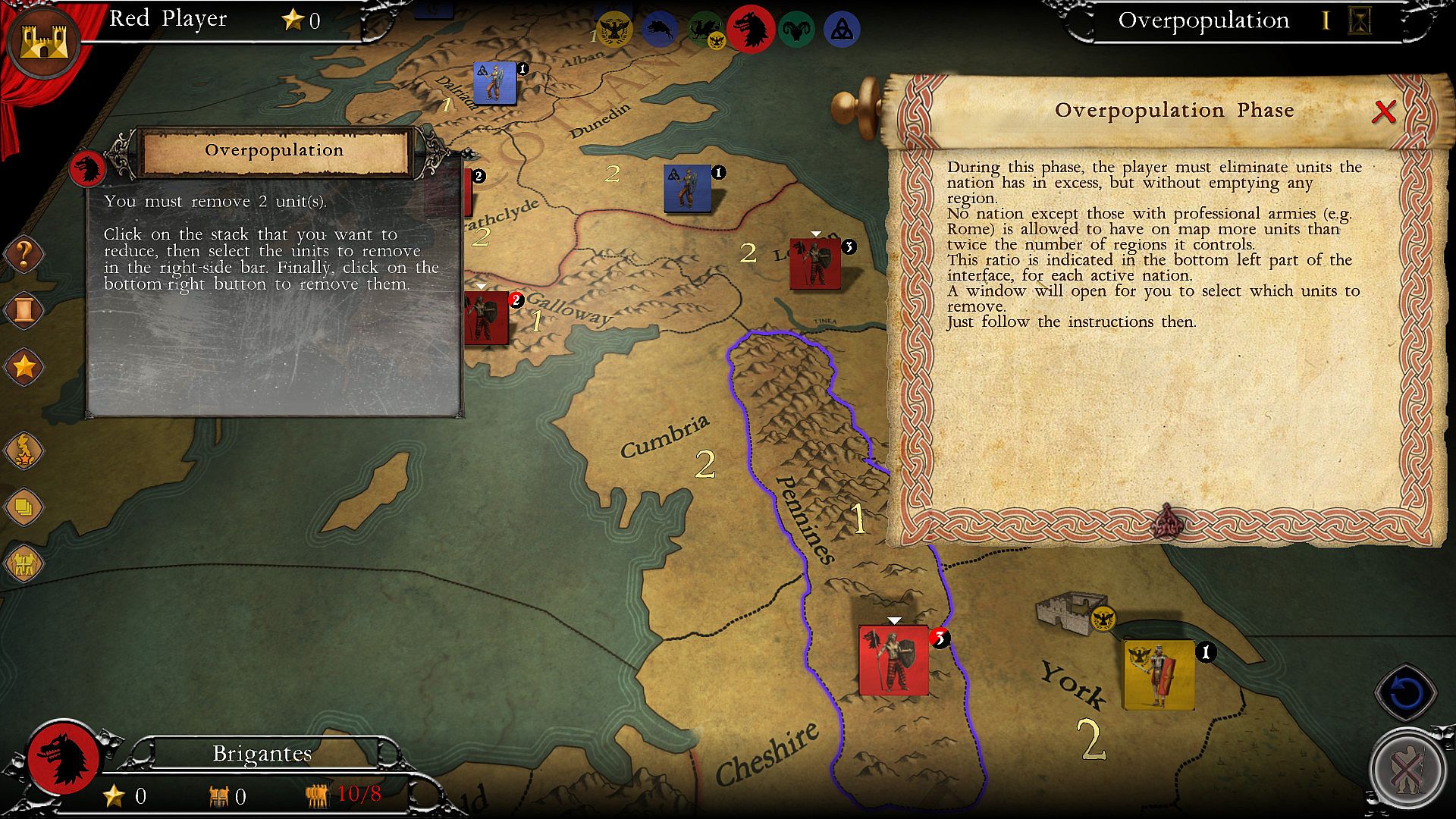
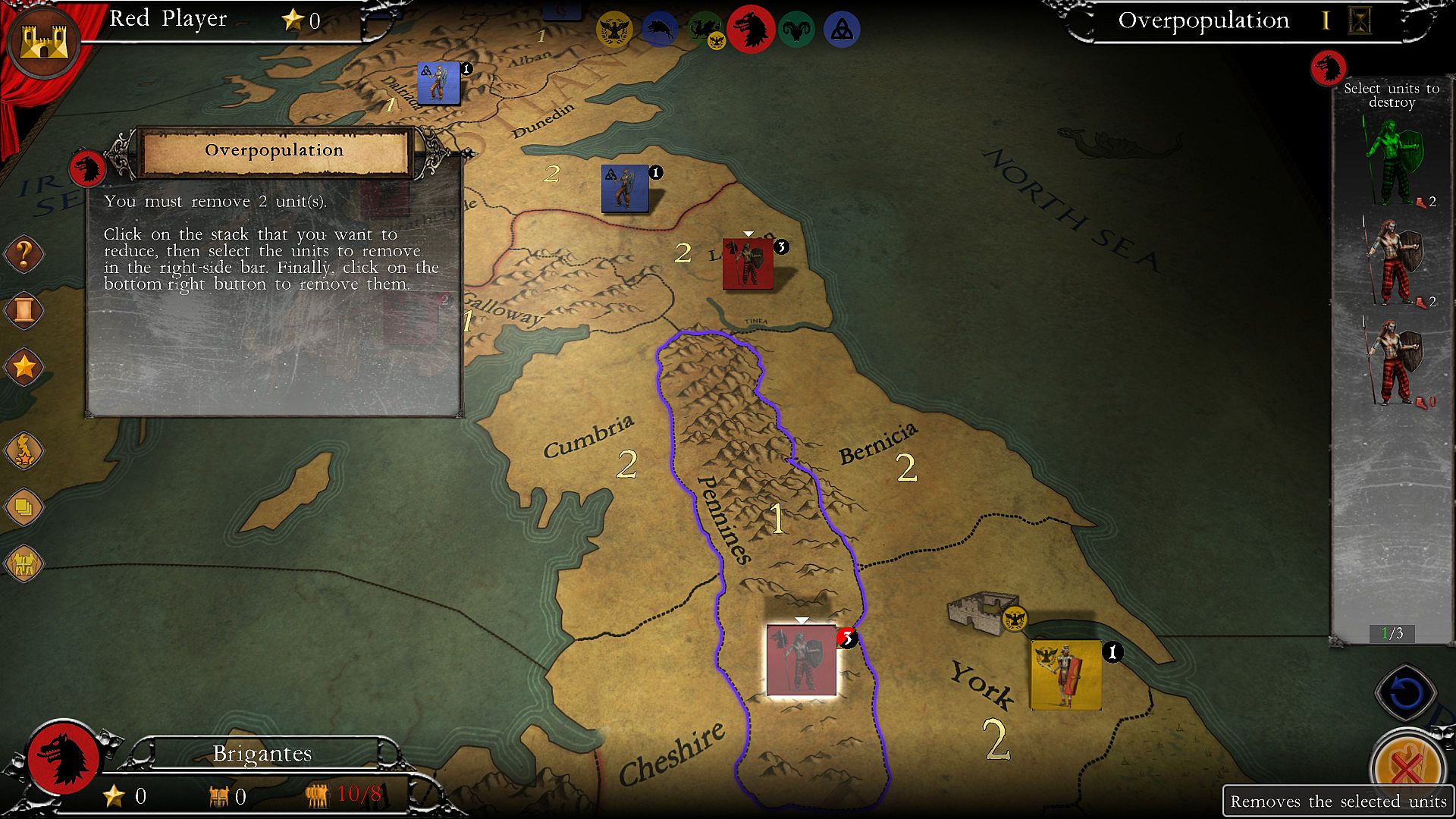
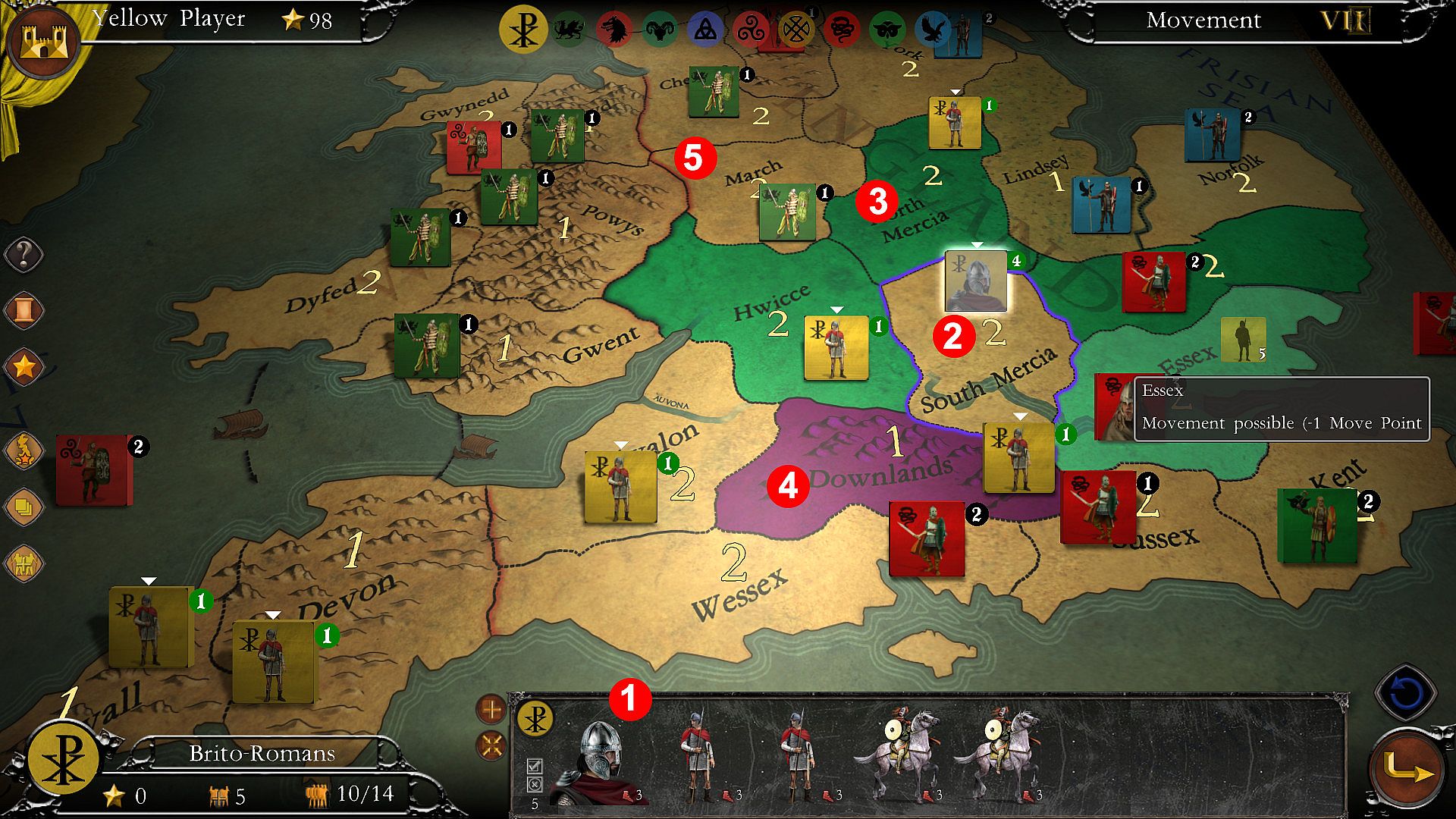
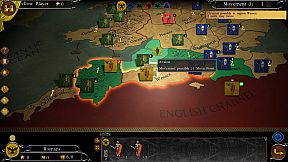
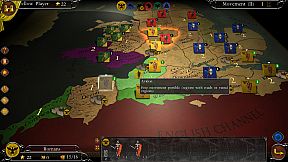
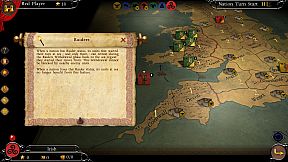
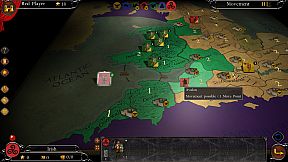
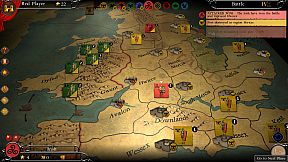
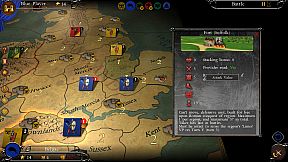
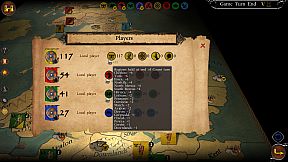
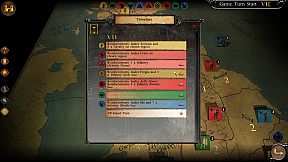
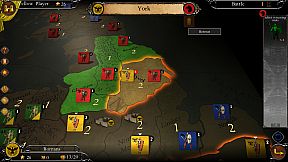
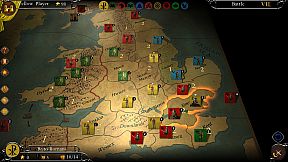
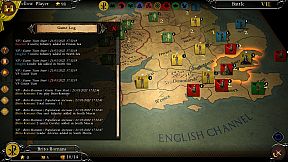
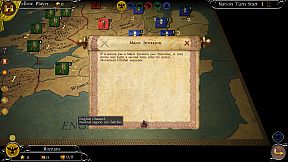
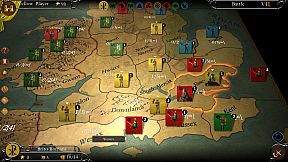
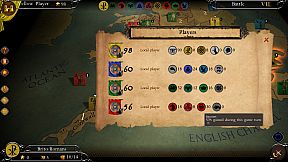
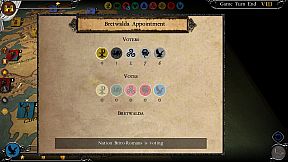
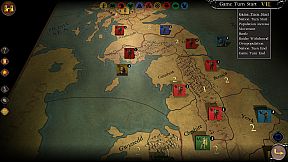
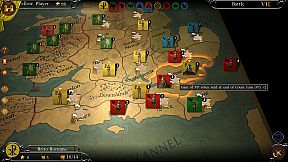
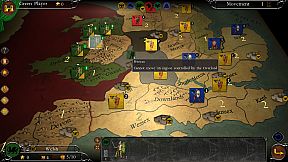
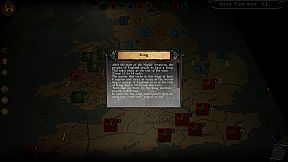
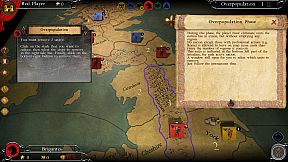
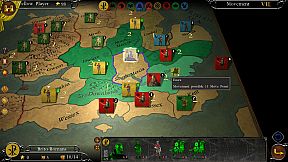
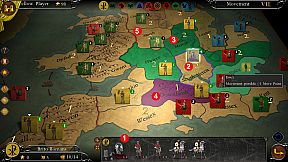
Britannia stands as a digital strategy and simulation title that adapts the classic historical board game of the same name. It covers the long struggle for dominance over the British Isles across more than a thousand years, from the Roman landing in 43 A.D. through successive waves of settlement and conquest up to the Norman arrival in 1066. Players direct nations through this timeline, issuing orders that shape territorial control and military outcomes while accumulating victory points through conquest, defense, and leadership titles such as Bretwalda or King of England.
Gameplay
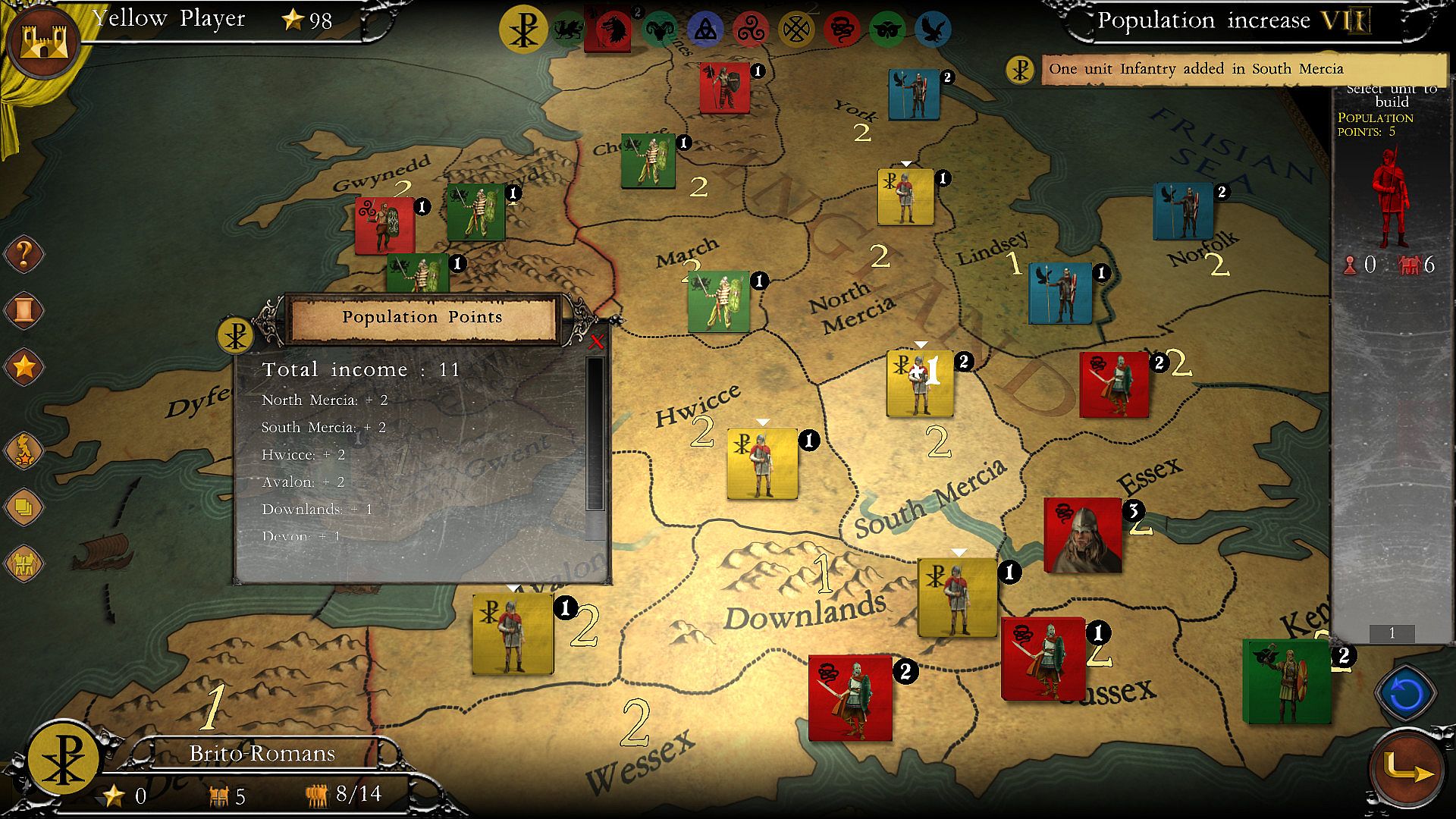
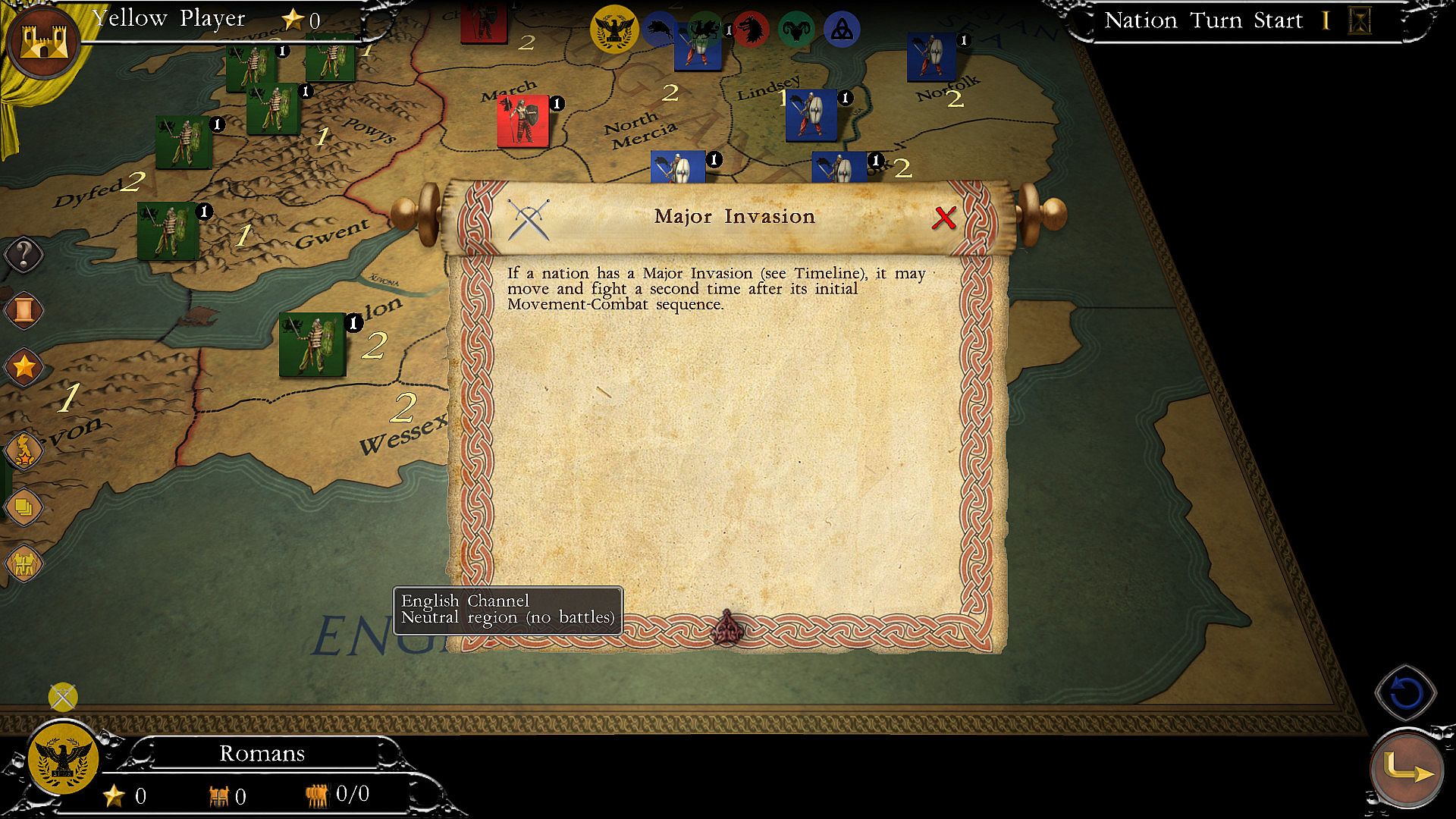
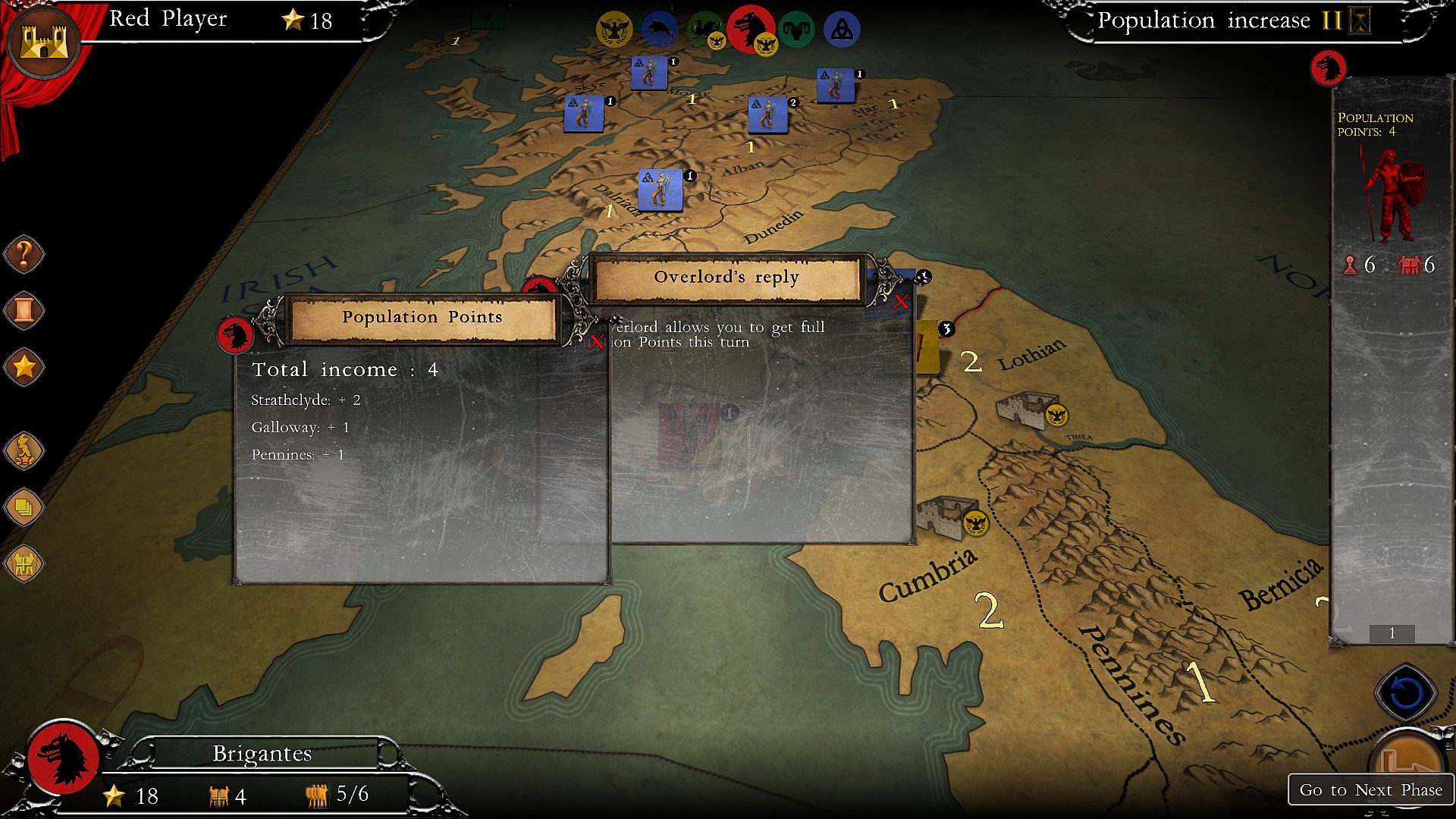
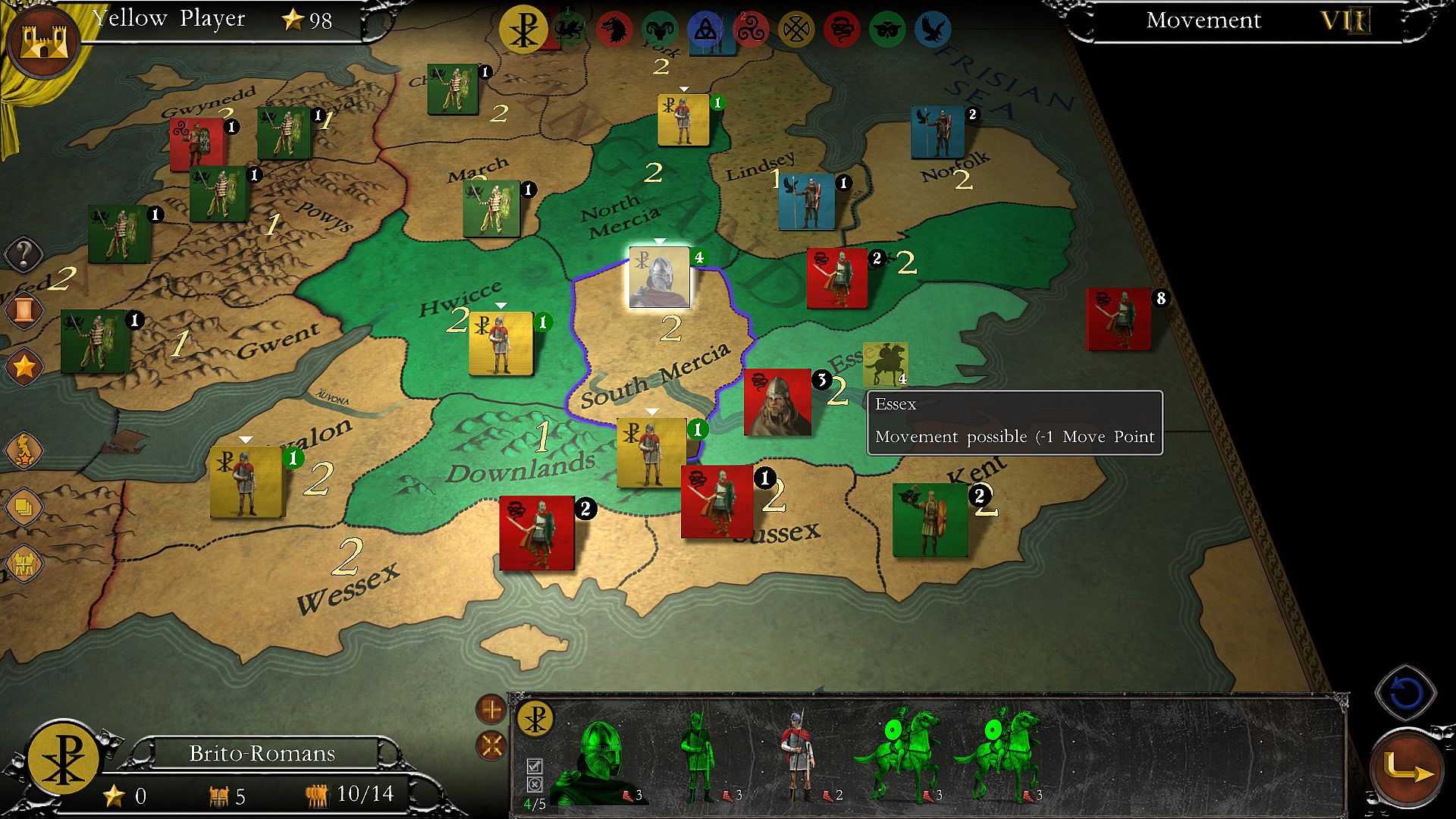
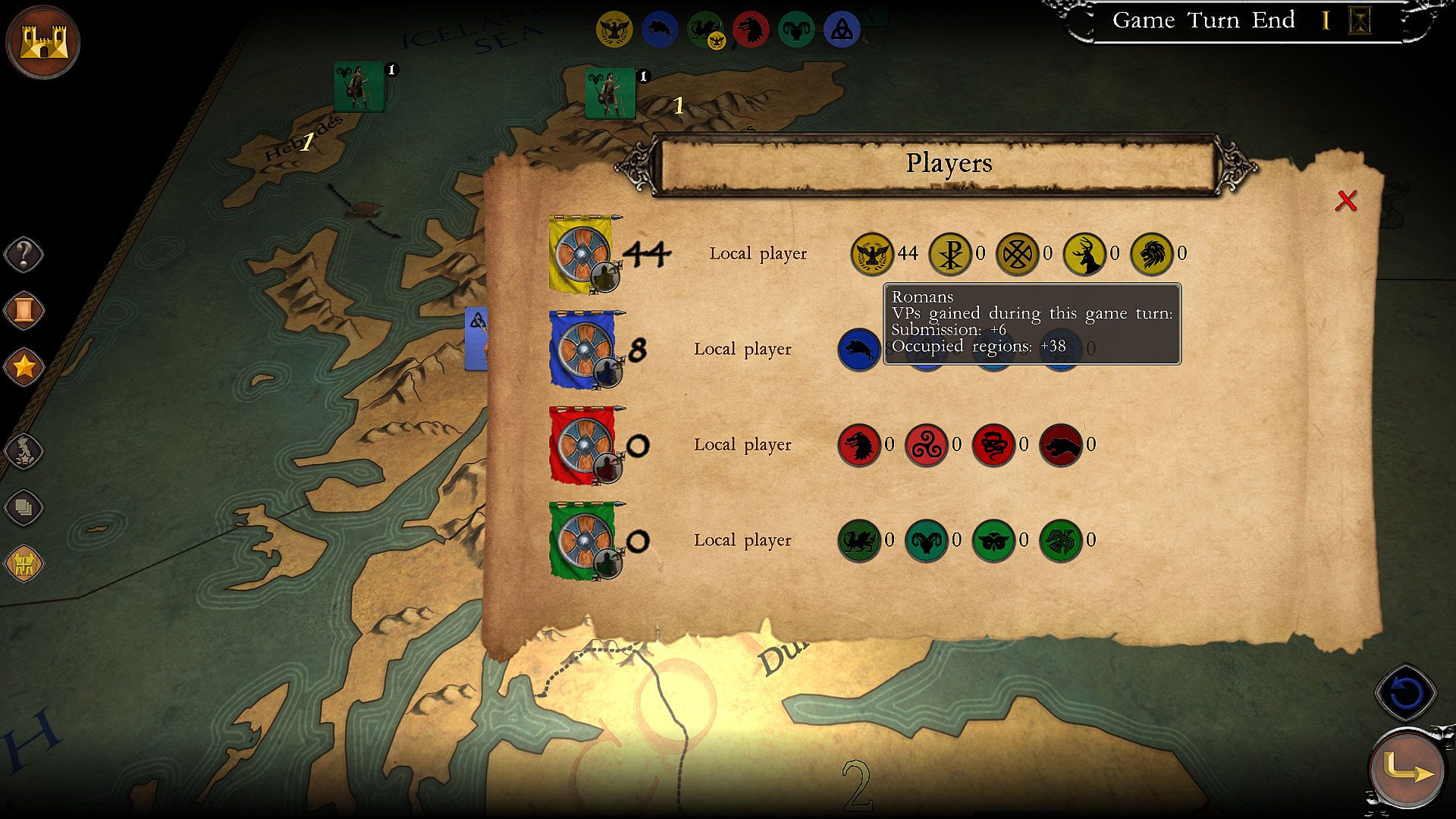
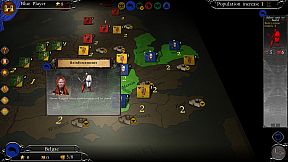
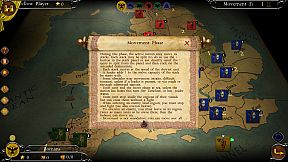
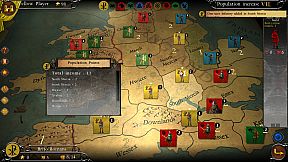
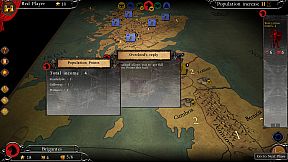
The core loop follows the established rules of the original board game, with each turn representing a distinct historical period. Participants select nations and issue commands to move armies, claim regions, and respond to invasions or rebellions. Victory points reward sustained occupation of key territories, successful elimination of opposing forces, and election to high office at pivotal moments. The system emphasizes long-term planning because early decisions influence later eras when new groups arrive and old powers decline.
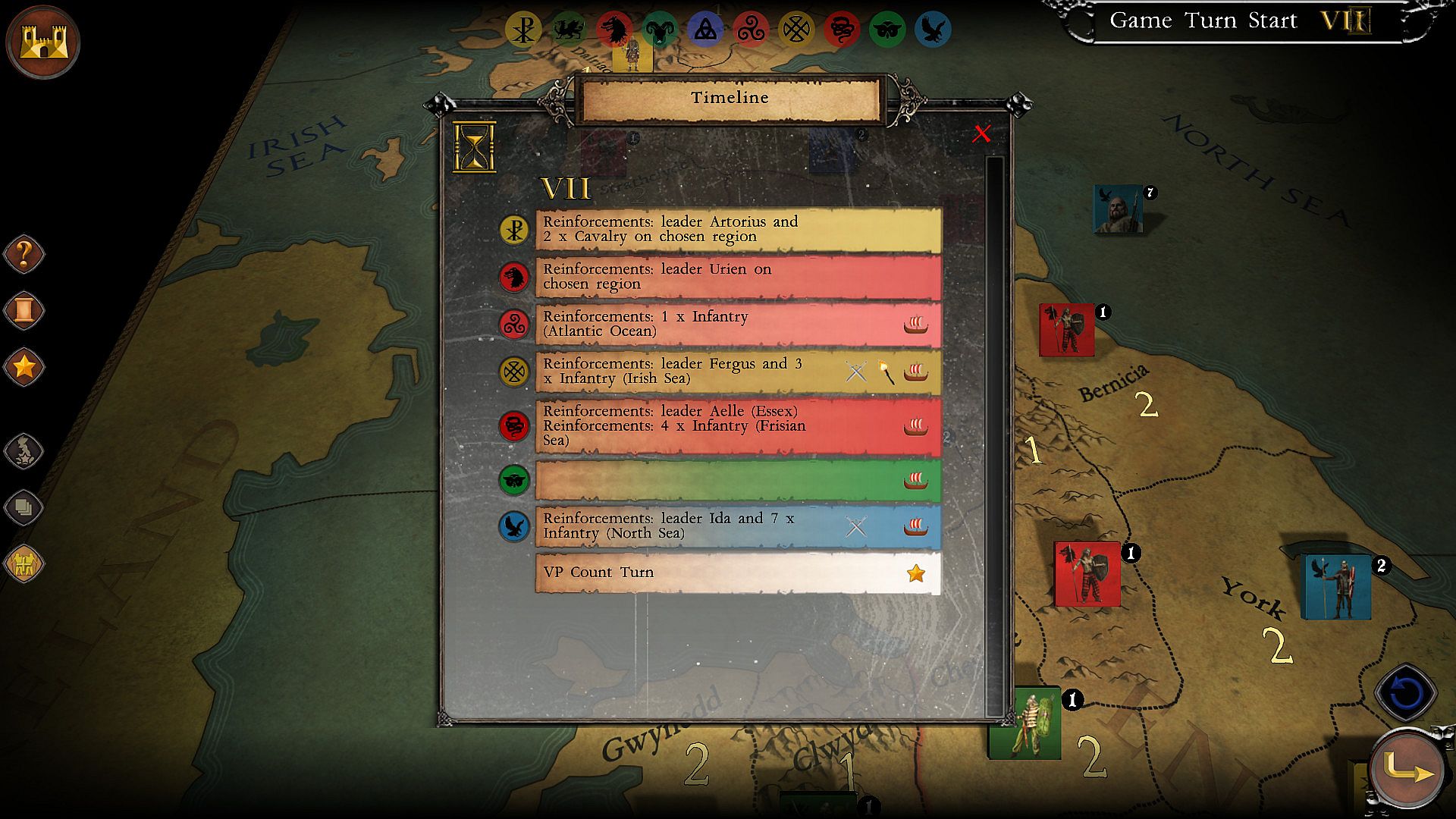
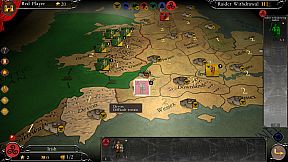
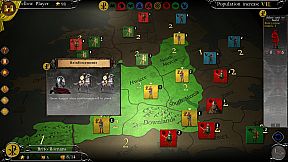
Nations enter and exit the map according to historical timelines, creating a shifting balance of power. Players manage limited resources to build forces and choose battle locations that favor their strengths. Alternate outcomes emerge when participants deviate from recorded events, allowing different groups to secure lasting footholds or alter the path to unification under a single ruler. The experience rewards careful timing of expansions and defensive stands rather than constant aggression.
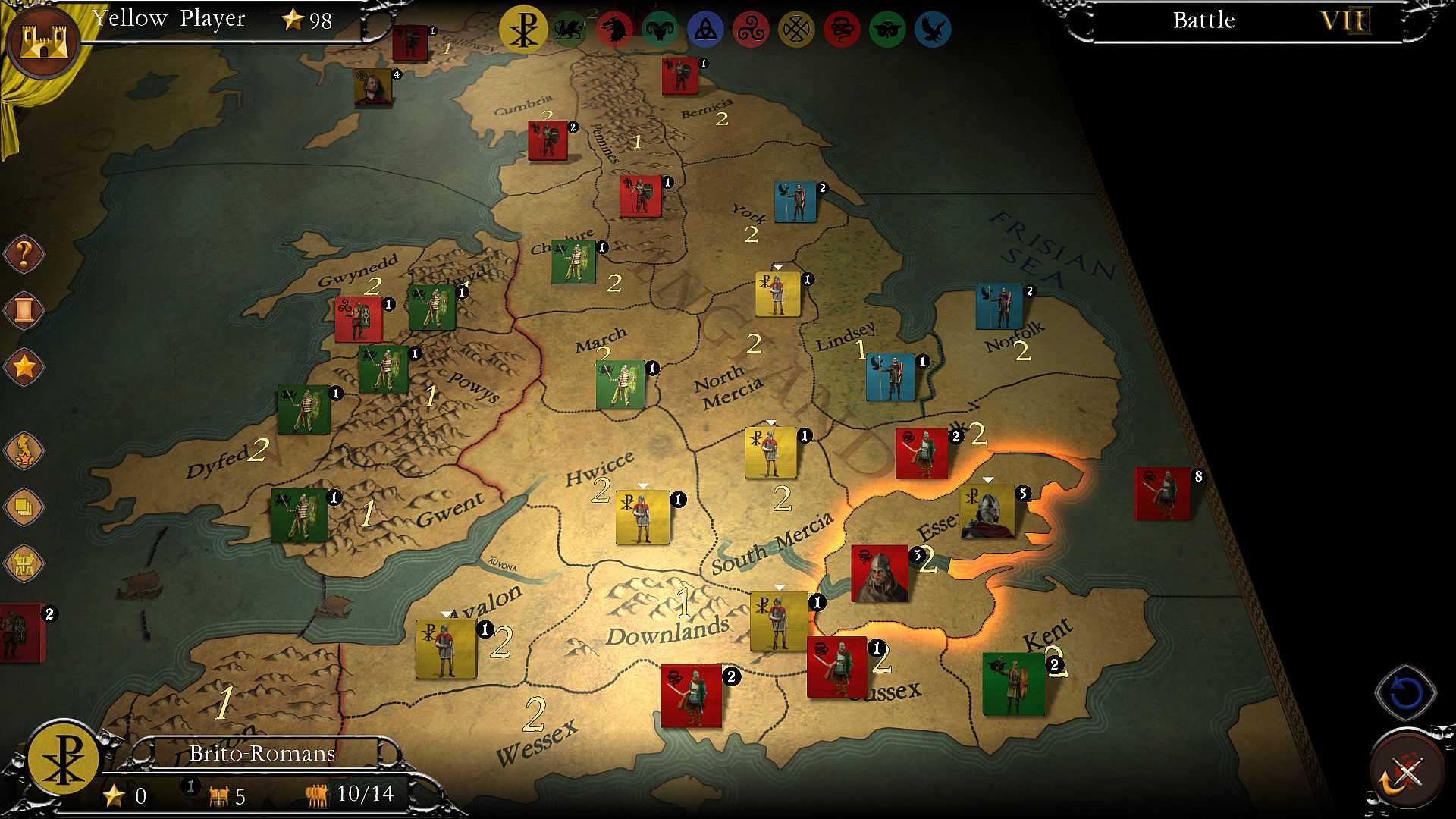
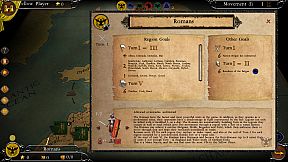
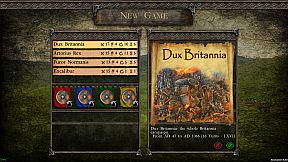
Seventeen distinct factions appear across the full span, each representing tribes, kingdoms, or invaders such as the Romans, Picts, Angles, Saxons, Scots, Irish, Danes, and Normans. Leaders like Queen Boudica, King Arthur, King Knut, and William the Conqueror feature as playable options that tie into specific entry points in the timeline. This structure keeps engagement high as control passes between eras and players adapt to new opponents and objectives.
Game Modes
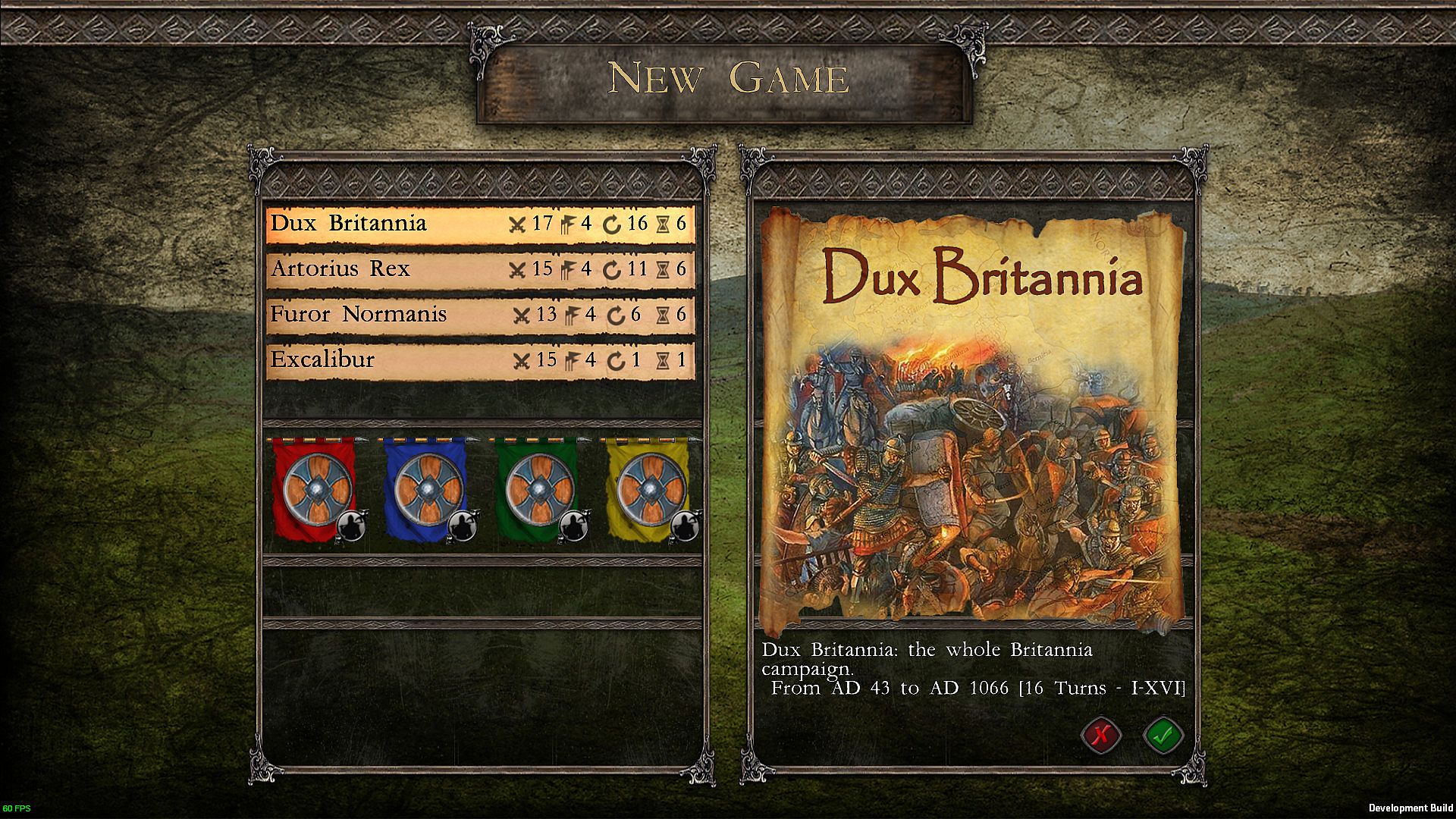
Three main scenarios structure play, each focusing on a major phase of invasions and settlements. The first covers the Roman arrival and consolidation in 43 A.D. The second centers on fifth-century Germanic migrations and the resulting conflicts. The third spans the later northern and Norman incursions through roughly 1066. Each scenario runs for a fixed number of turns and supports one to four participants in offline sessions.
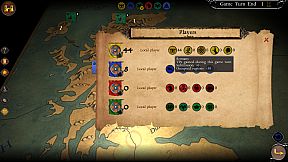
Single-player sessions allow solo control of one nation against AI opponents, while multiplayer accommodates up to four people sharing the same device. The rules remain consistent across all modes, preserving the board-game foundation without added layers of complexity. Customization options let players adjust starting conditions or explore variations within the historical framework.
Historical Setting
The game traces the succession of peoples who shaped early Britain, beginning with Roman legions establishing forts and roads, then moving through the arrival of Angles and Saxons that displaced earlier inhabitants. Later phases introduce Viking and Danish forces alongside Scottish and Welsh resistance, culminating in the decisive Norman campaign. Each era brings fresh units and objectives that reflect the military and political realities of the time.
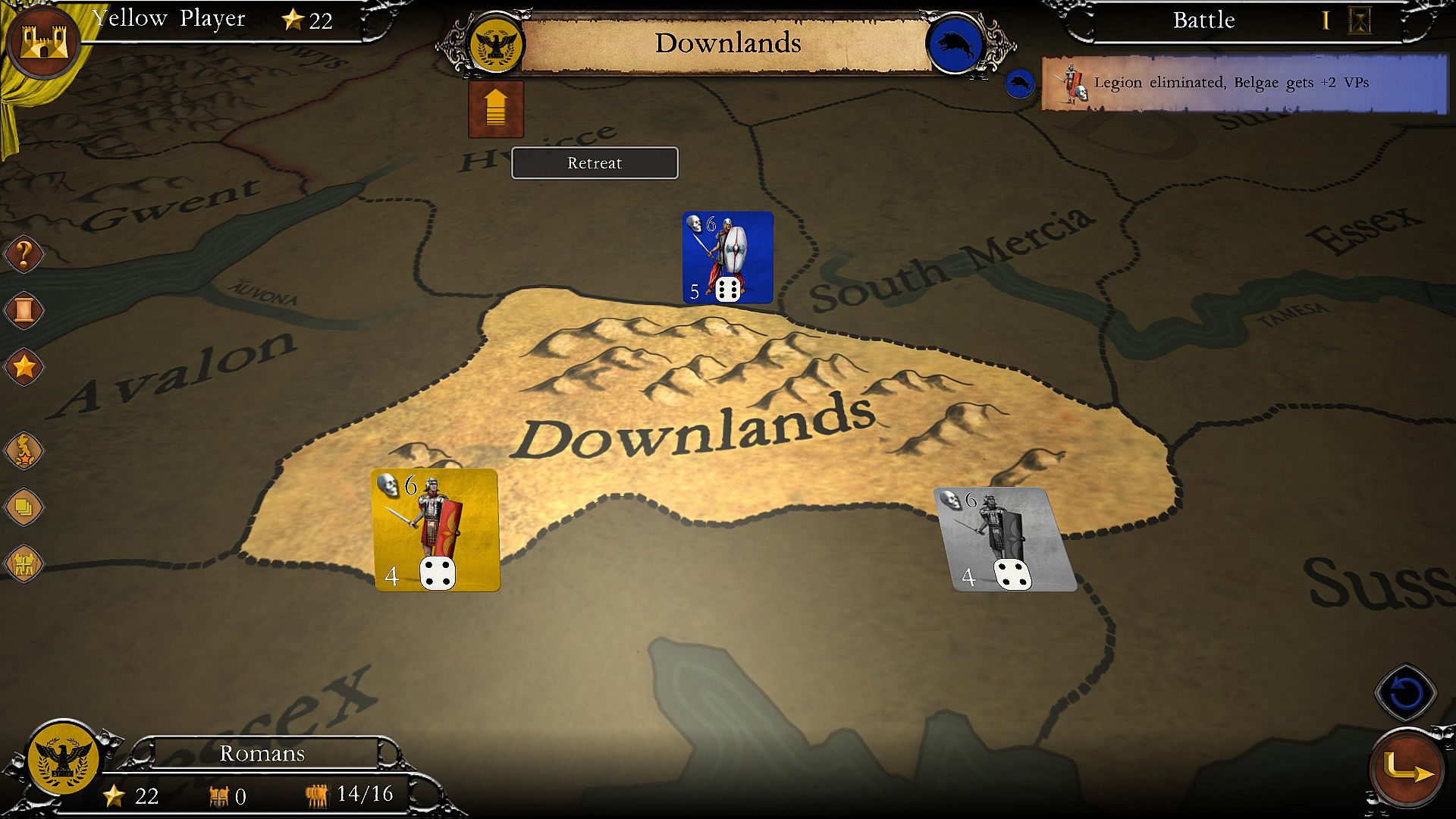
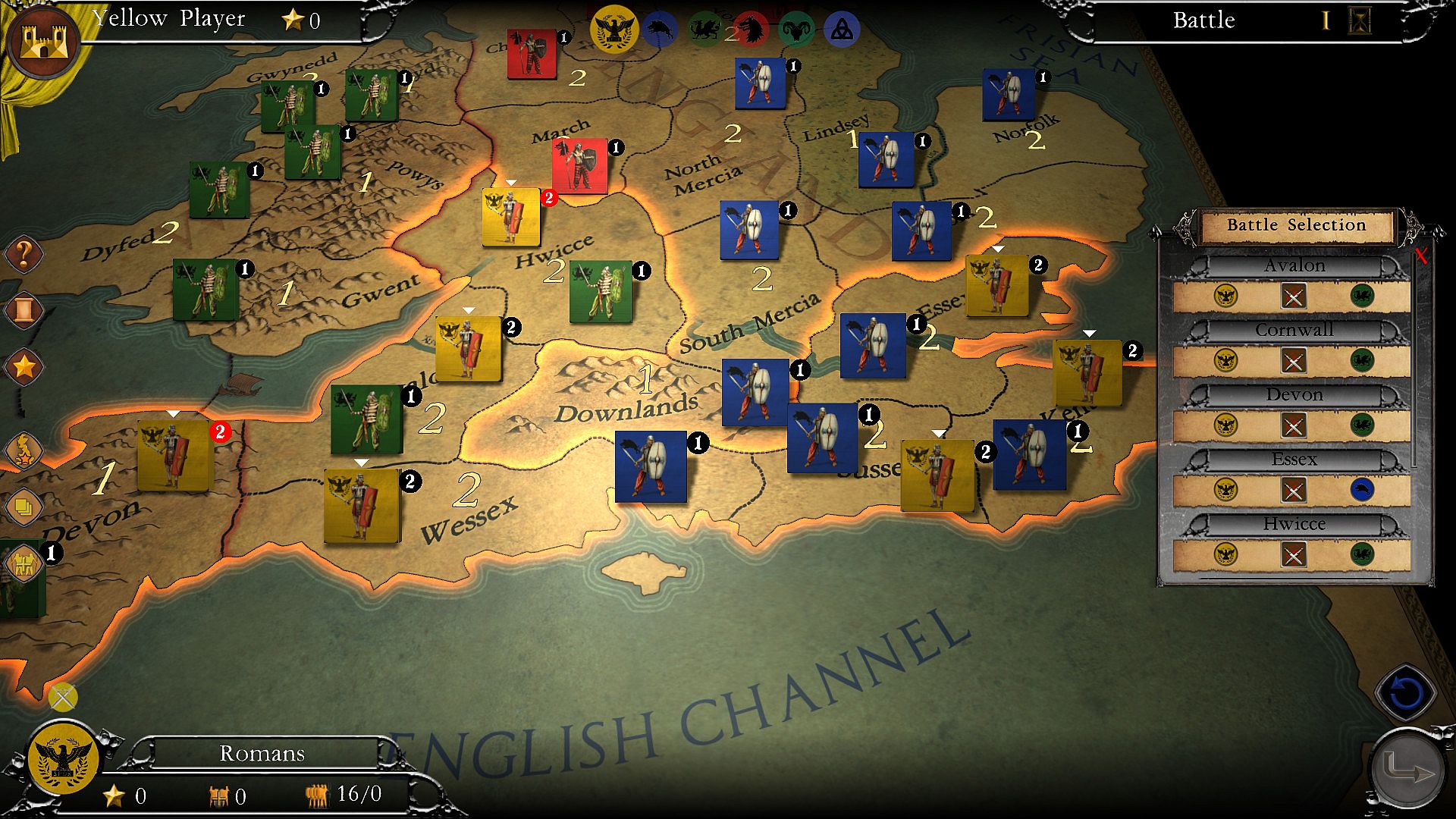
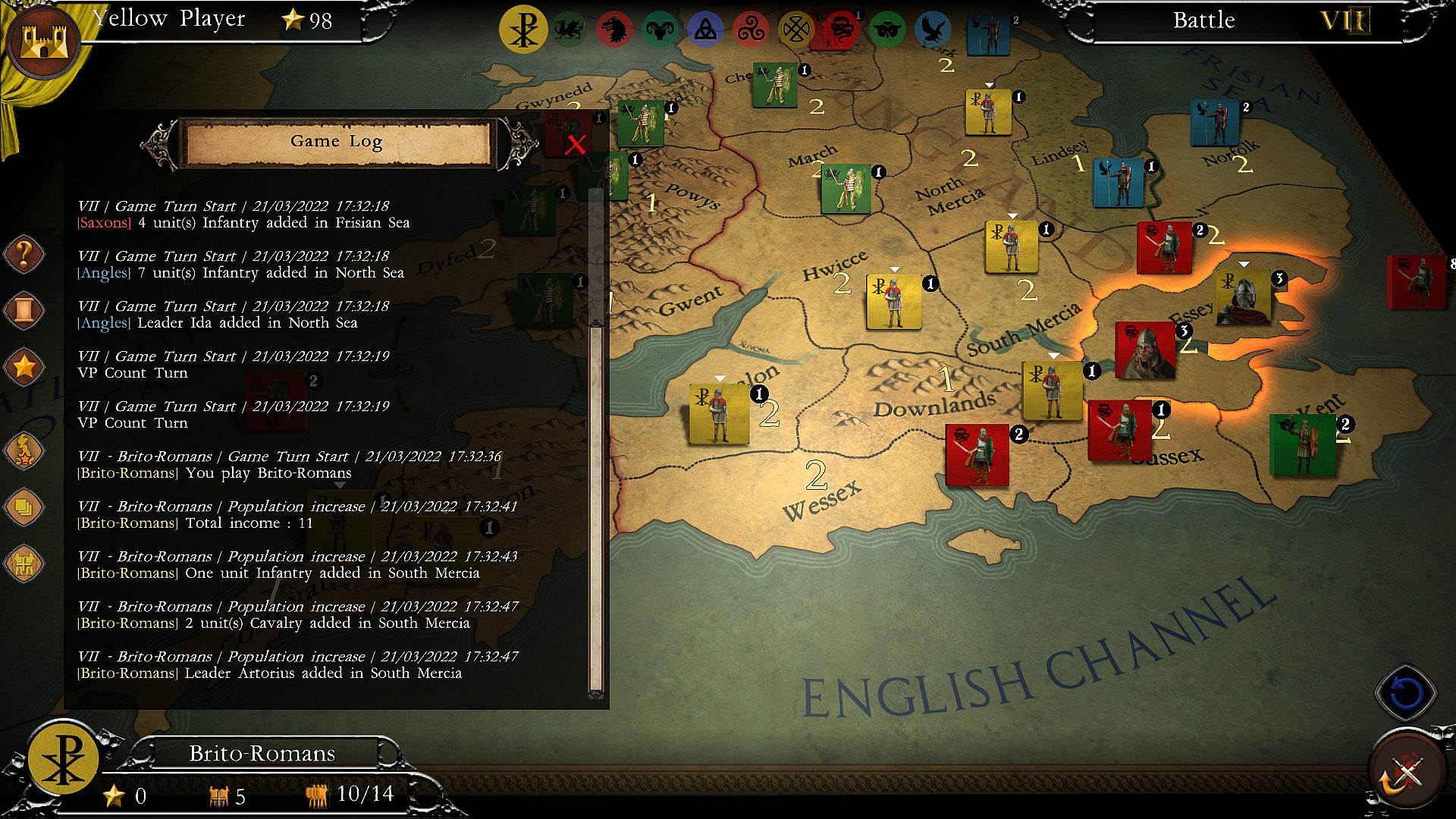
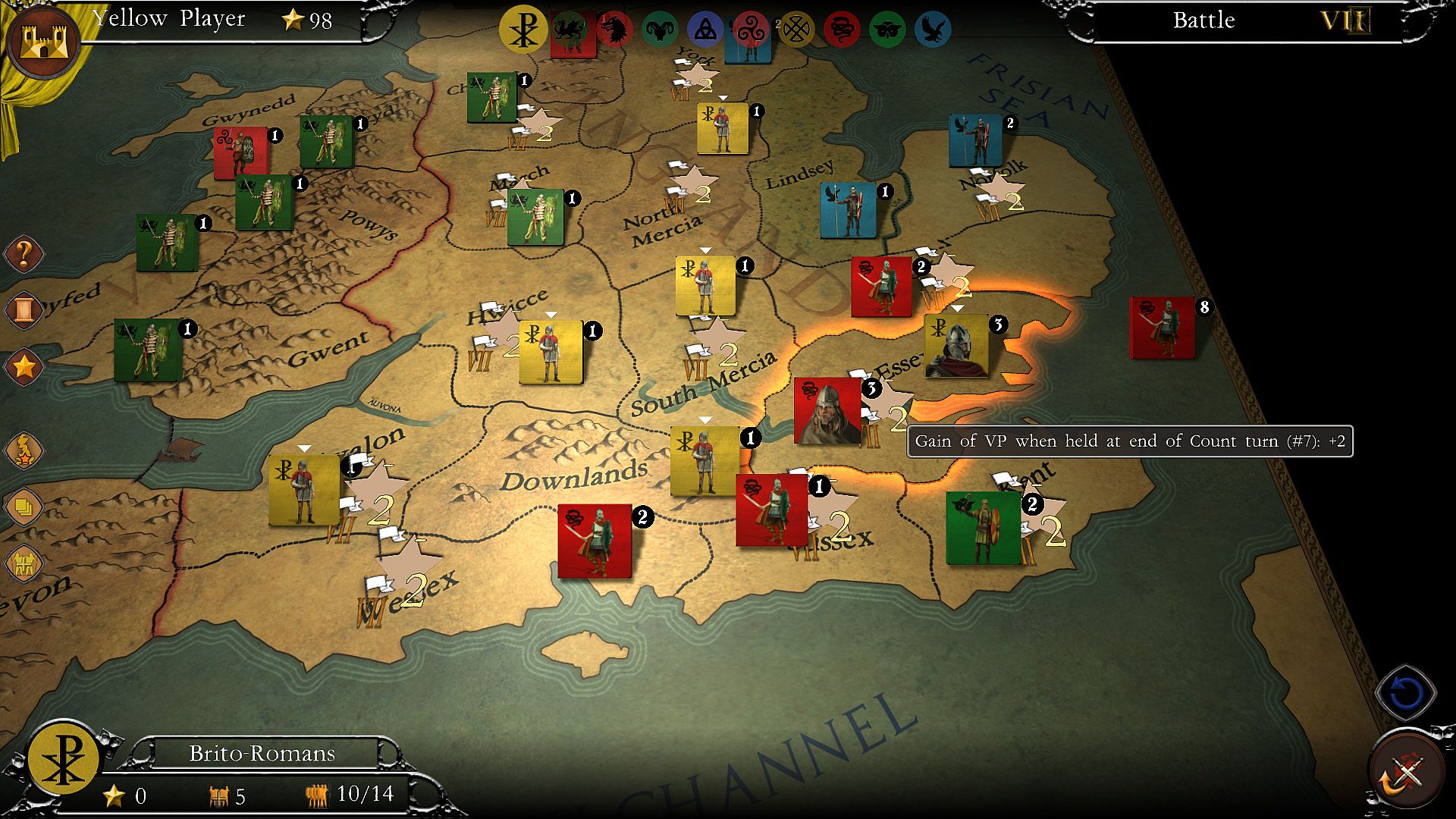
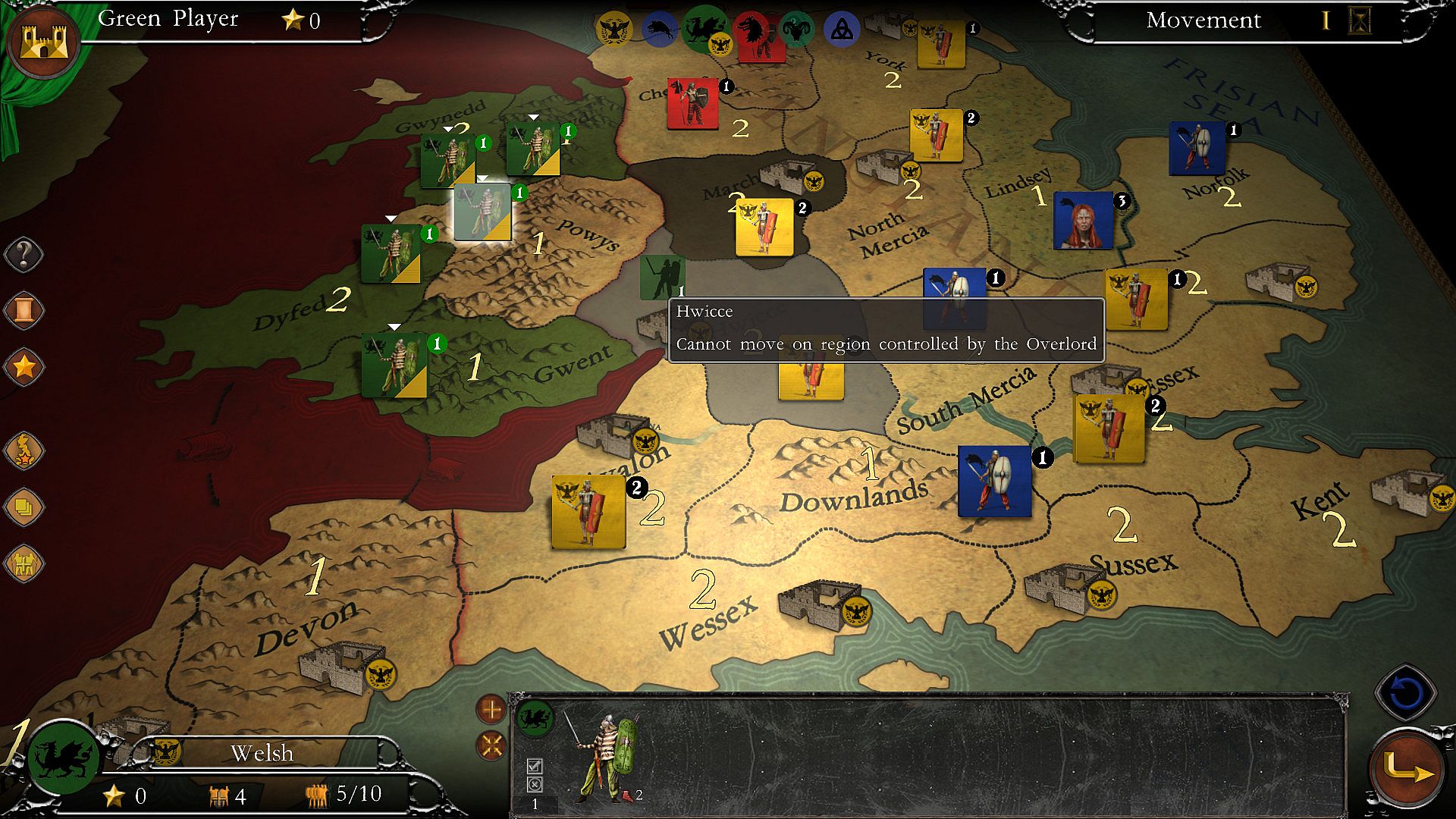
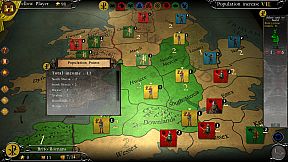
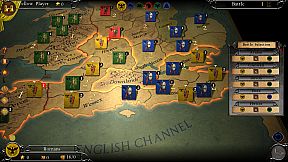
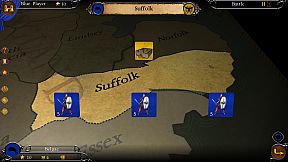
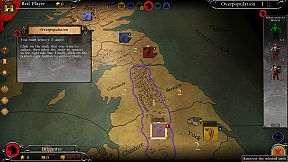
Events unfold on a map divided into regions that correspond to historical territories. Conquering and holding these areas generates the points needed to win, while battles resolve through straightforward resolution mechanics drawn directly from the tabletop original. The design highlights how one group's victory often sets the stage for the next wave of challengers.
Is It Worth Playing?
Britannia suits players who enjoy deliberate, era-spanning strategy games that reward foresight and adaptation over rapid action. Its faithful translation of the board-game rules delivers consistent depth across multiple sessions, with the three scenarios providing distinct entry points into the same overarching conflict. Those interested in historical simulation will appreciate the way factions rise and fall according to documented timelines while still permitting meaningful deviations.
The title supports offline play for one to four participants without requiring ongoing updates or seasonal content. Feedback from users highlights its accessibility for newcomers to the genre alongside sufficient strategic layers to engage experienced players. It serves well as a focused experience for anyone drawn to the mechanics of territorial control and multi-generational nation building in a single campaign arc.