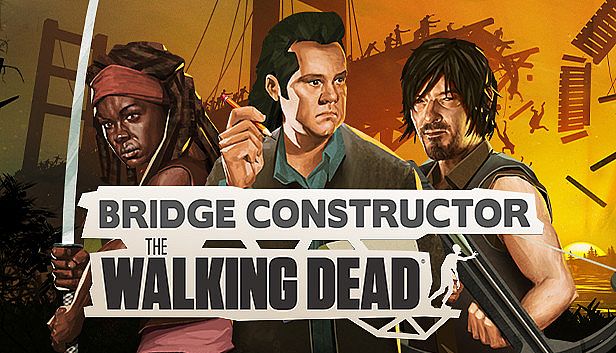




















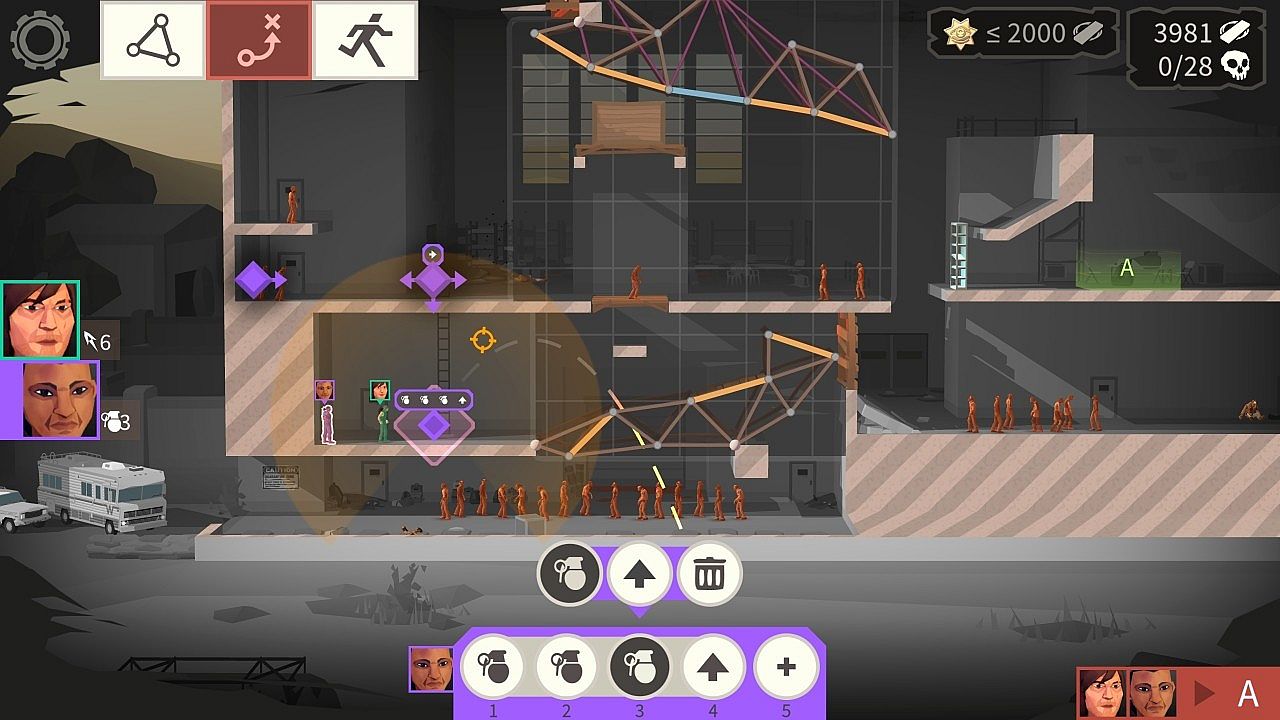
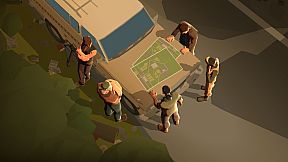
Bridge Constructor: The Walking Dead is a simulation puzzle game that merges bridge-building mechanics with the zombie apocalypse setting of AMC's The Walking Dead. Players construct bridges, platforms, and other structures across ruined environments to help survivors navigate dangerous areas while dealing with hordes of walkers. The core loop revolves around careful planning with limited resources, physics simulation, and creative use of environmental elements to clear paths and eliminate threats.
Gameplay
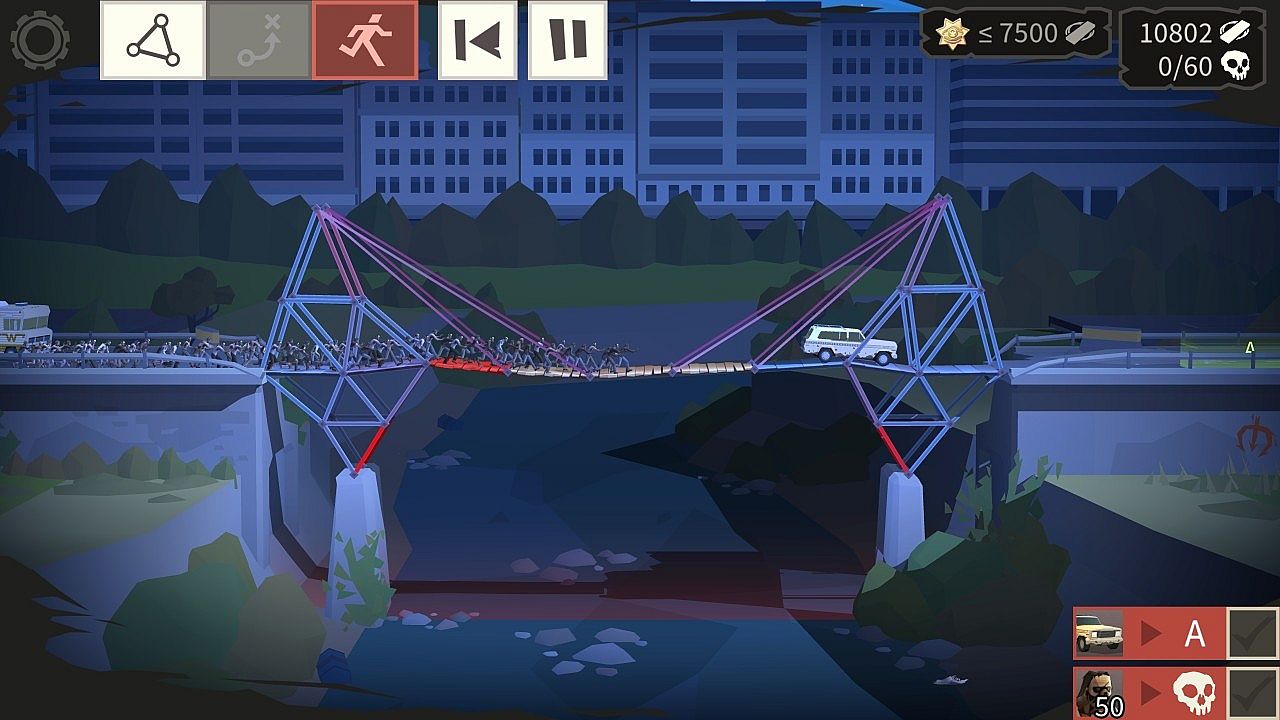
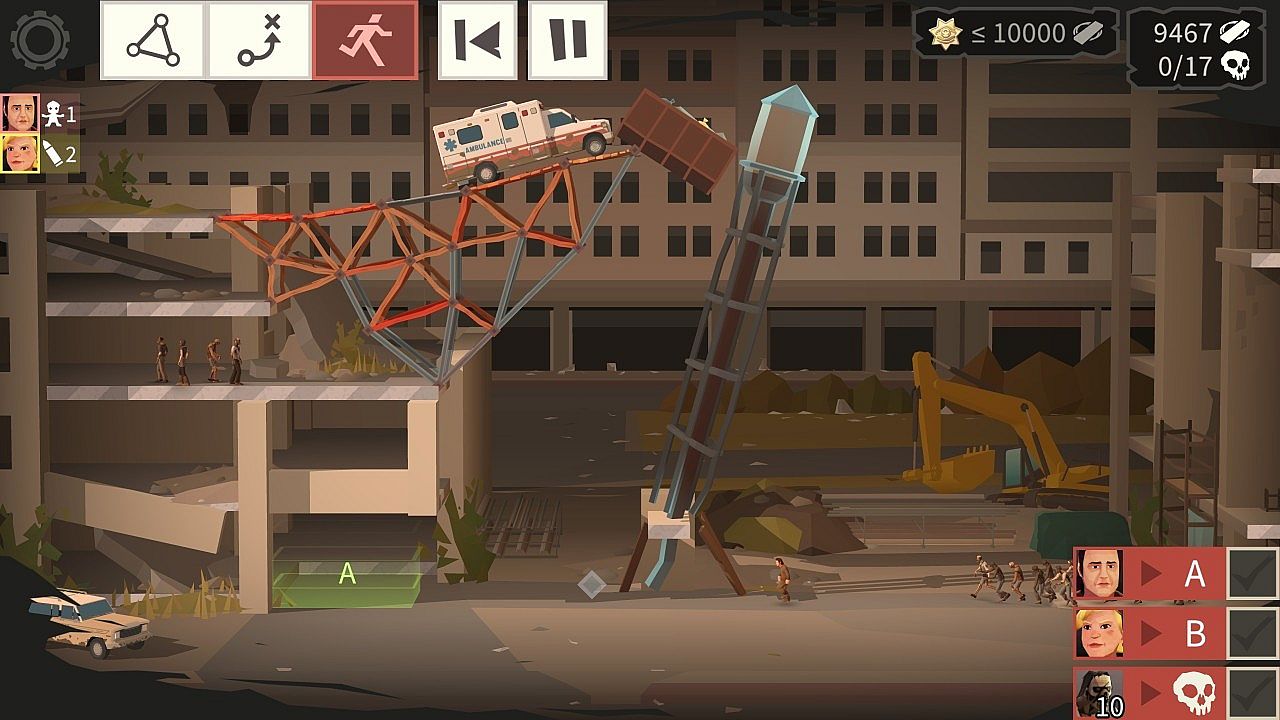
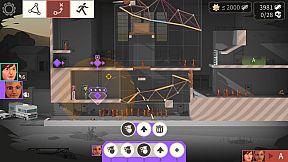
The gameplay centers on designing stable constructions that support the weight of vehicles and survivors while withstanding the chaos of walker encounters. Each level presents a new stretch of bleak landscape or collapsed infrastructure where players must connect points safely. Materials like wood, steel, and cables come with different strengths and costs, forcing decisions on budget and durability. Walkers move predictably but in large numbers, so timing and positioning matter when structures interact with them.
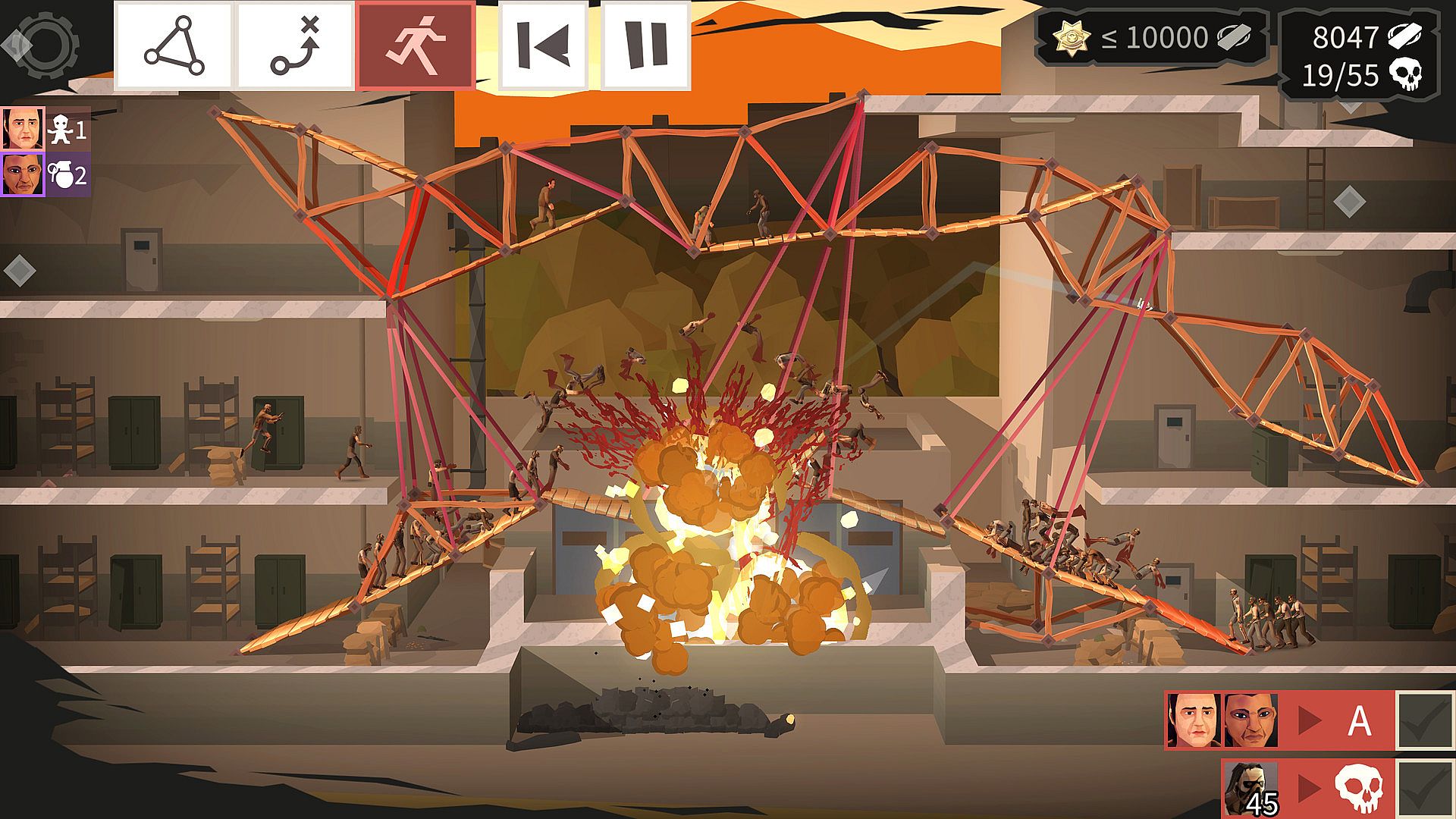
Movable objects such as containers, explosives, and bait items add layers to the puzzle solving. Players can position these to guide walkers into traps or cause chain reactions that clear paths. The physics engine handles collapses, impacts, and ragdoll effects on the undead, creating satisfying outcomes when plans succeed. Survivors including Daryl, Michonne, and Eugene appear in the narrative, and players escort iconic vehicles from the series through the built routes. Levels emphasize trial and error, with multiple attempts needed to refine designs under constraints.
Visual feedback highlights structural stress and walker movements, helping players iterate on their builds. The focus stays on logical problem solving rather than action, though the post-apocalyptic theme influences level design with overgrown roads, abandoned towns, and hazardous terrain.
Game Modes
The game features a single-player campaign divided into chapters, each containing multiple levels that advance the story of survivors navigating hostile territory. Progress involves completing constructions that allow safe passage while managing walker threats through traps and structural choices. Levels increase in complexity, introducing new environmental hazards and tighter budgets as chapters progress.
Within the campaign, players tackle objectives like reaching specific points with vehicles or eliminating groups of walkers using the built environment. There are no separate competitive or cooperative modes, keeping the experience focused on sequential puzzle challenges. Replay value comes from optimizing builds for lower costs or higher walker eliminations after initial completion.
Story and Setting
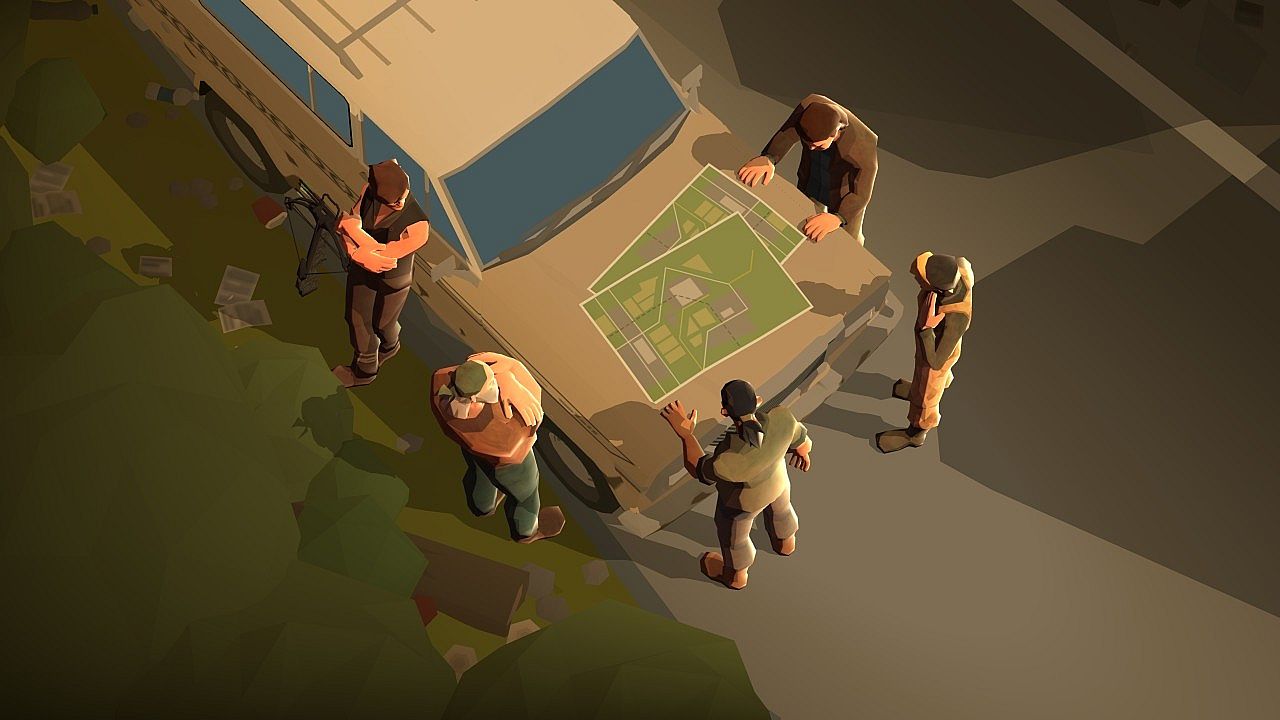
The narrative follows a group of survivors fighting both undead walkers and hostile human factions in a ruined world. Players encounter familiar characters and vehicles that tie into the broader Walking Dead universe, with levels reflecting key locations and events from that lore. The plot unfolds through level progression rather than cutscenes, emphasizing practical survival over dialogue-heavy sequences.
Environments range from rural roads to urban ruins, each presenting unique building challenges. The integration of Walking Dead elements appears in the types of threats and the vehicles players must protect, adding thematic consistency without altering the core construction focus.
Is It Worth Playing?
This title suits players who enjoy methodical puzzle games with physics elements and appreciate the Walking Dead atmosphere. The campaign delivers a solid number of brainteasing levels that reward careful planning and creative trap setups. Reviews highlight the satisfying physics interactions and the challenge of balancing cost, stability, and walker elimination.
Critics note that graphics and audio remain functional rather than standout, and some levels demand precise adjustments that can feel frustrating on first attempts. No major updates or additional content have appeared in recent years, so the experience stands as a complete, self-contained package from its original release. Those who like simulation puzzles and the source material will find the mashup engaging, while players seeking fast action or multiplayer options may prefer other titles.
- Strong emphasis on resource management and structural integrity testing
- Integration of movable objects and explosives for dynamic trap creation
- Progression through themed chapters with escalating difficulty