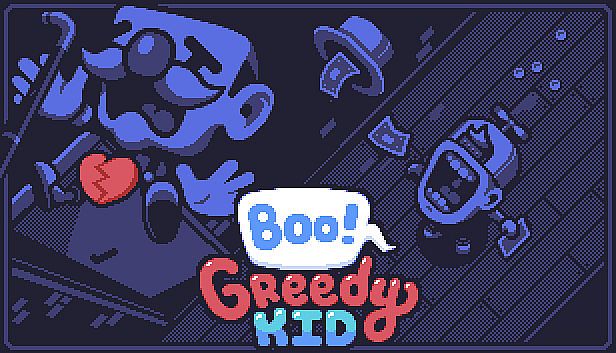
















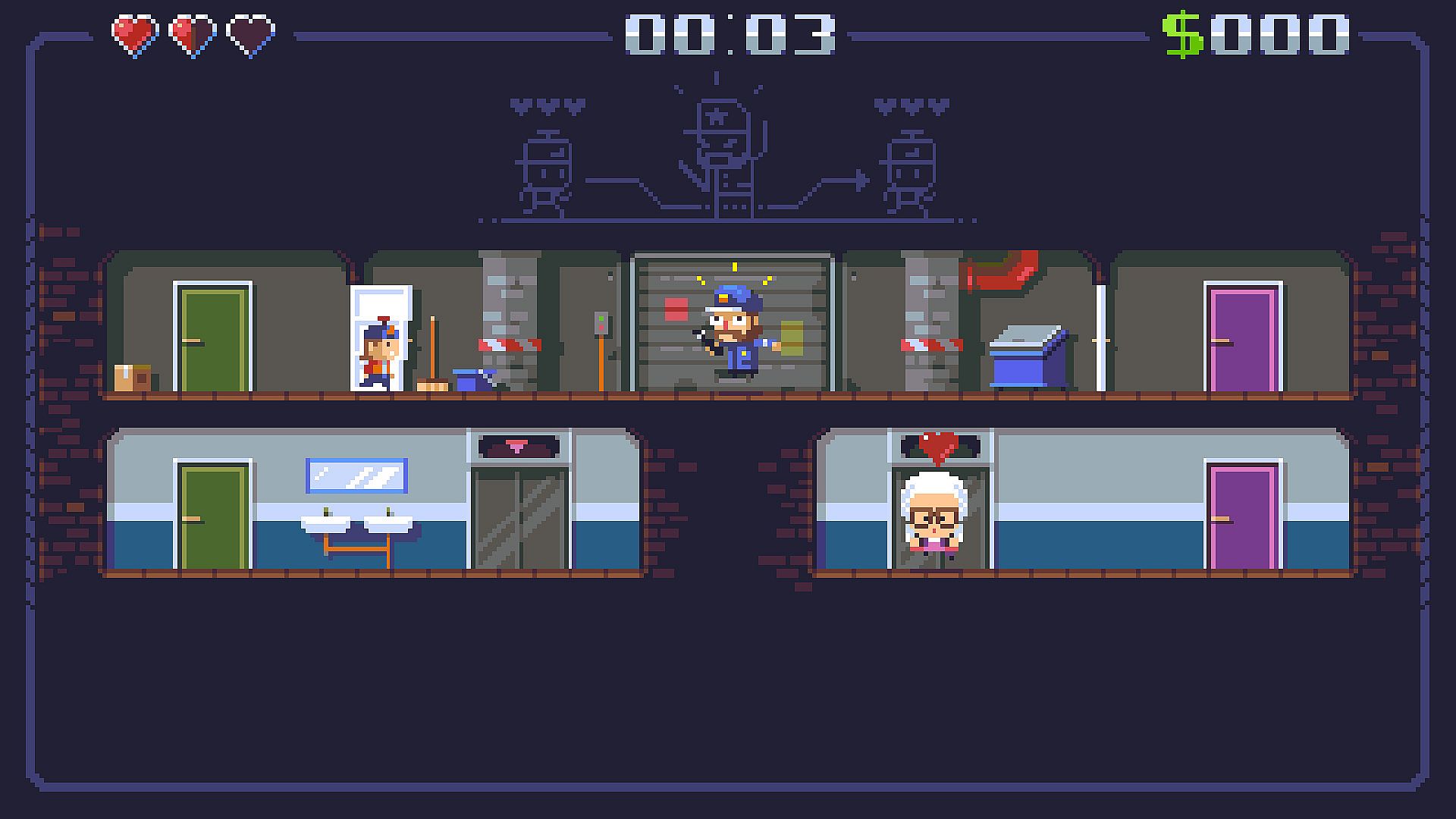
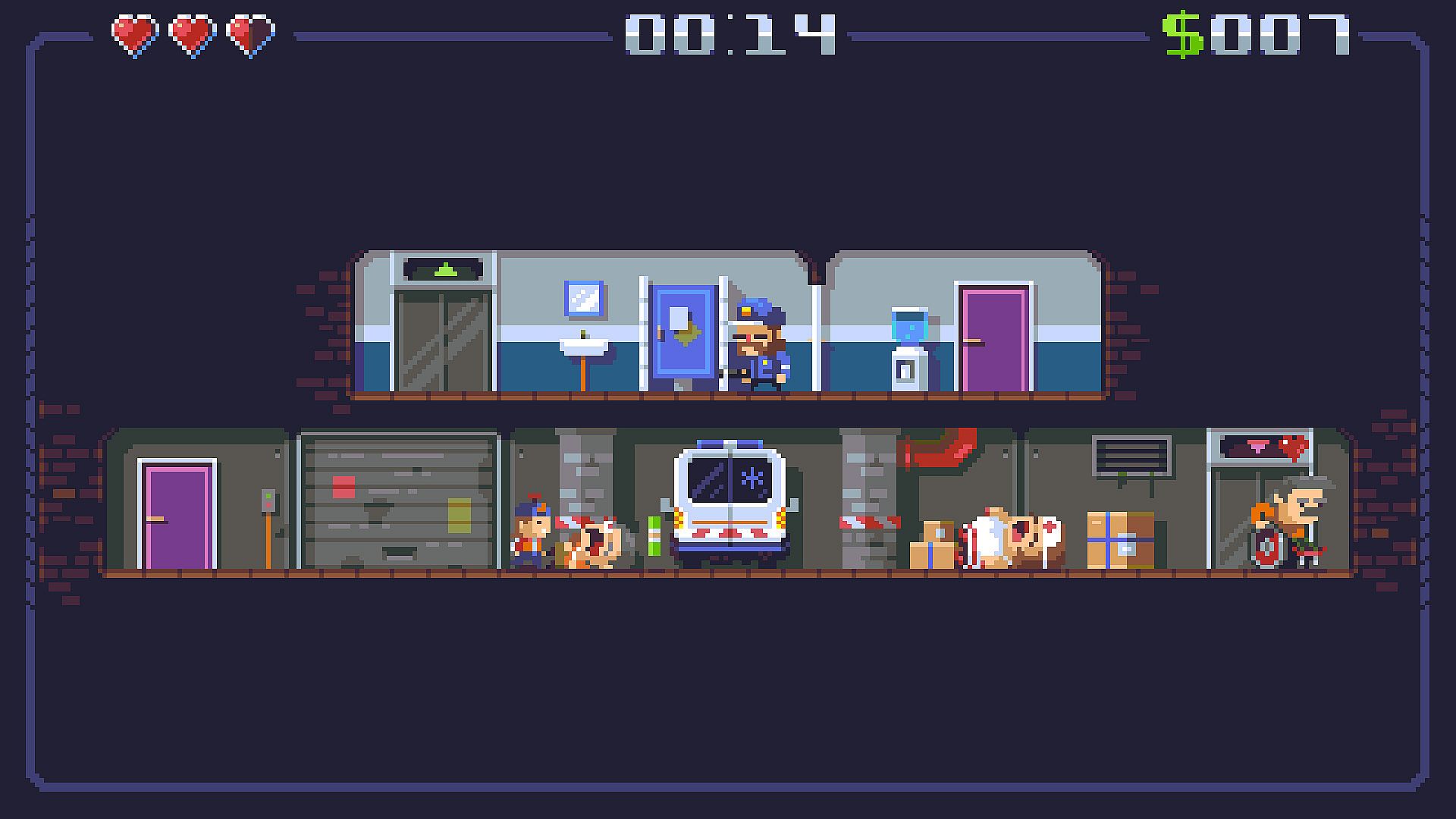
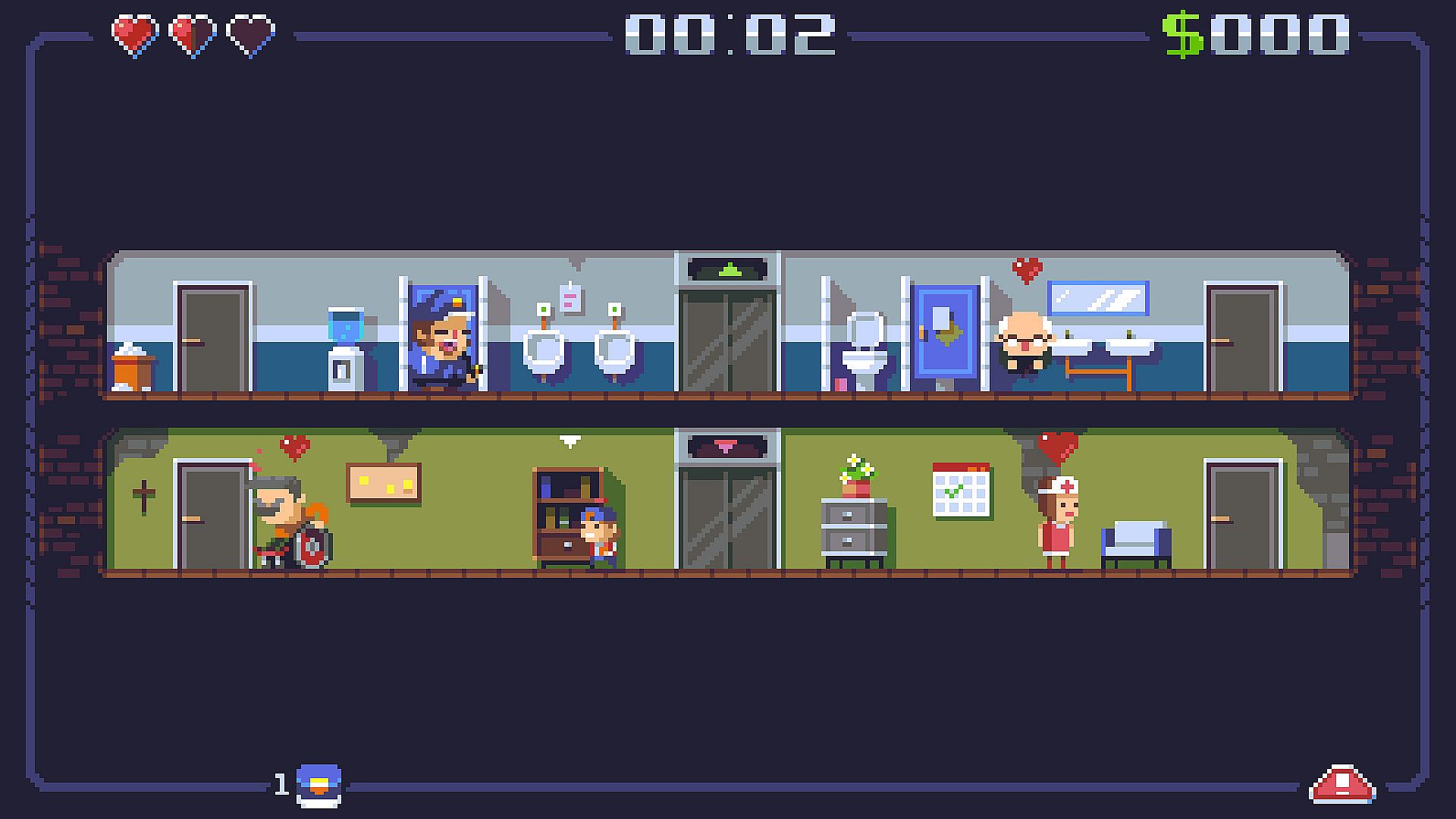
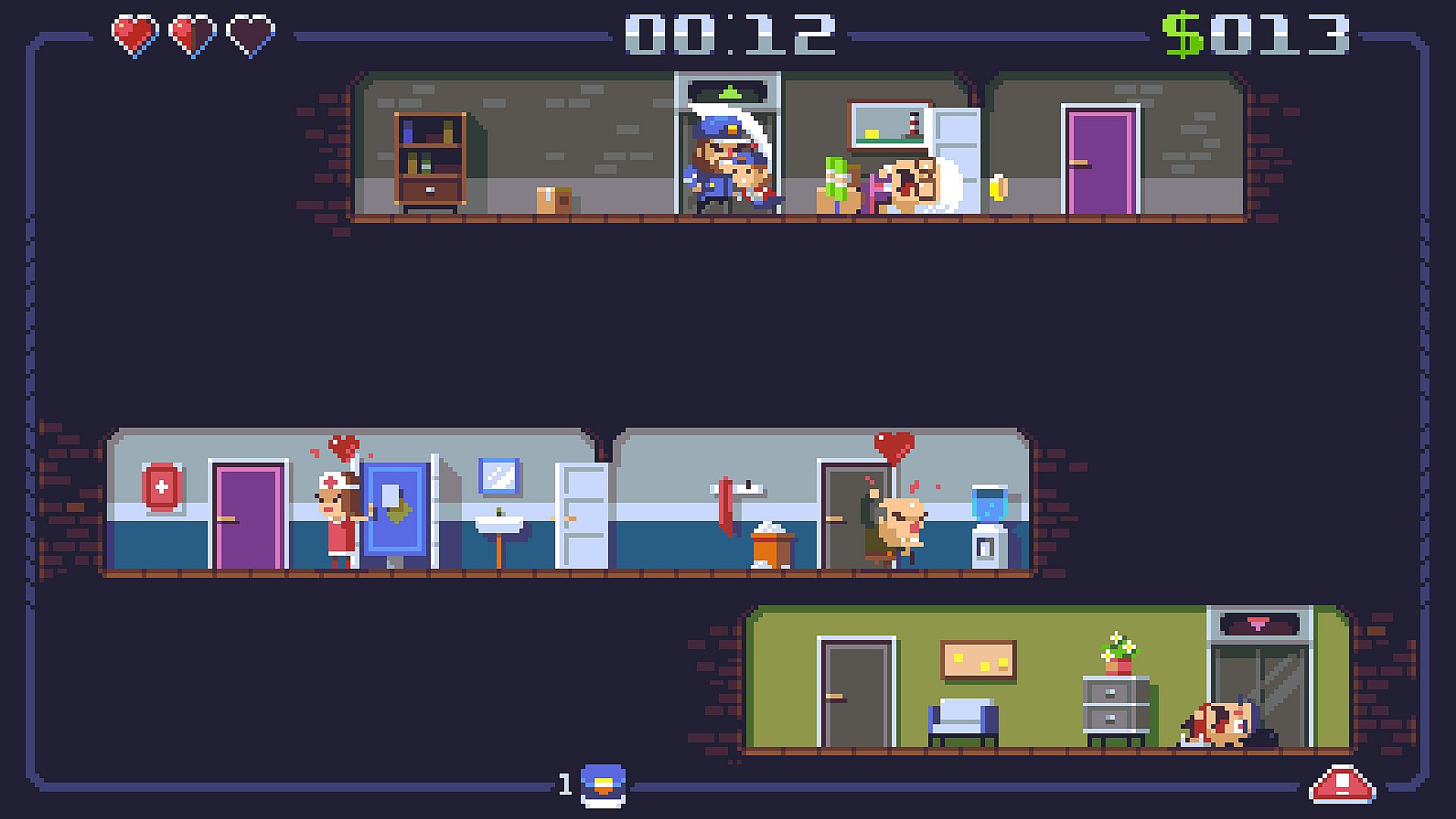
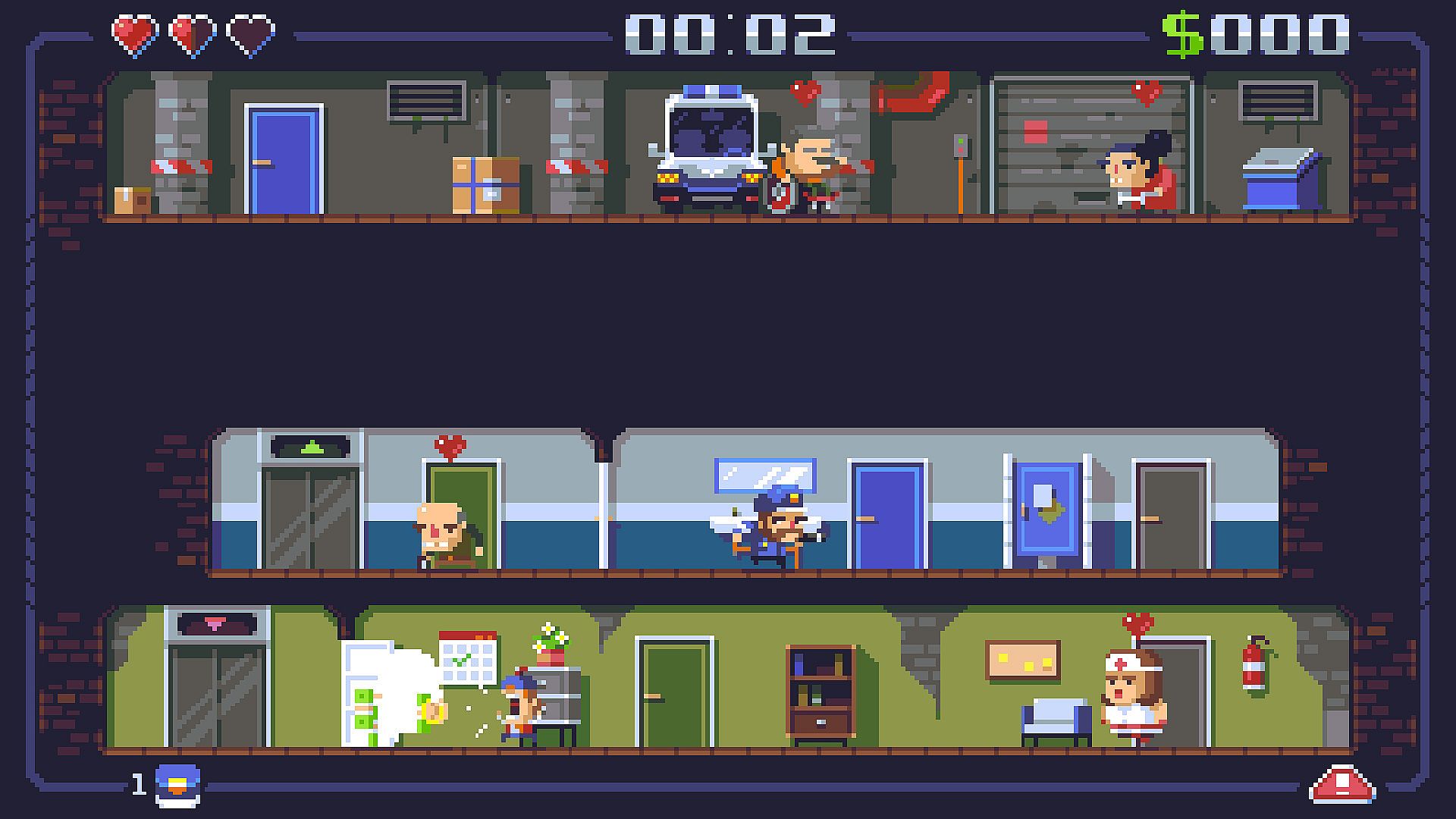
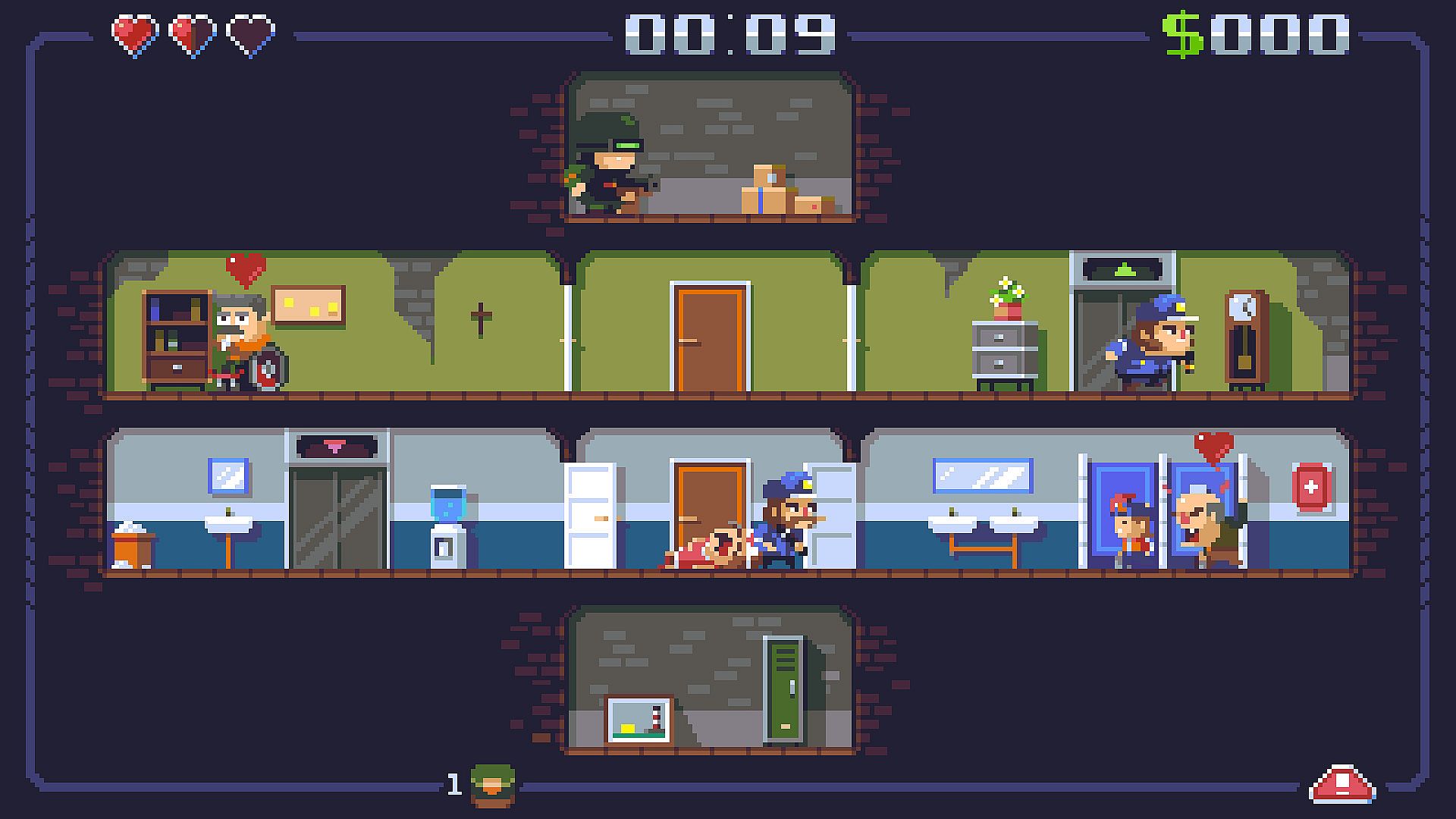
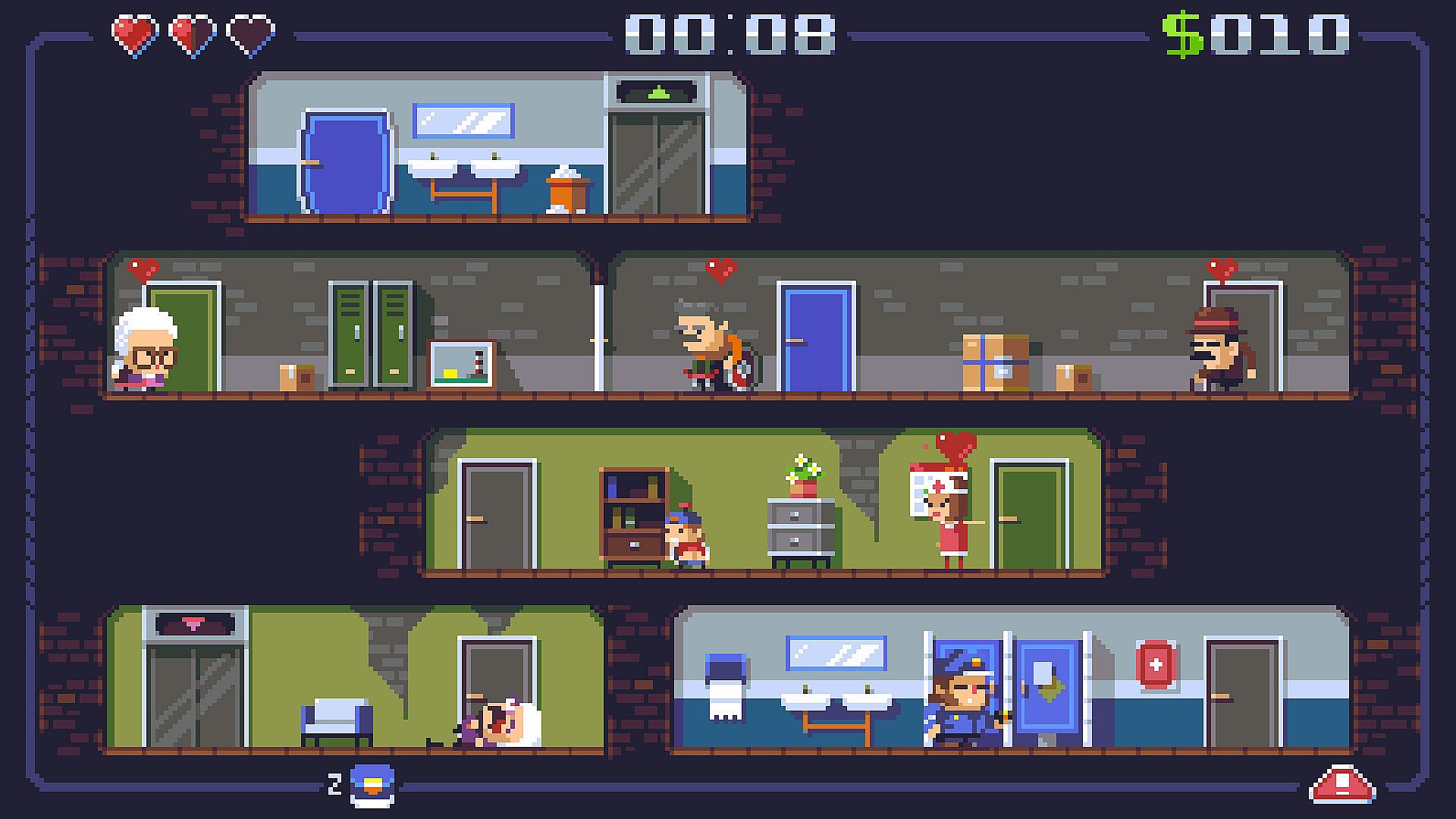
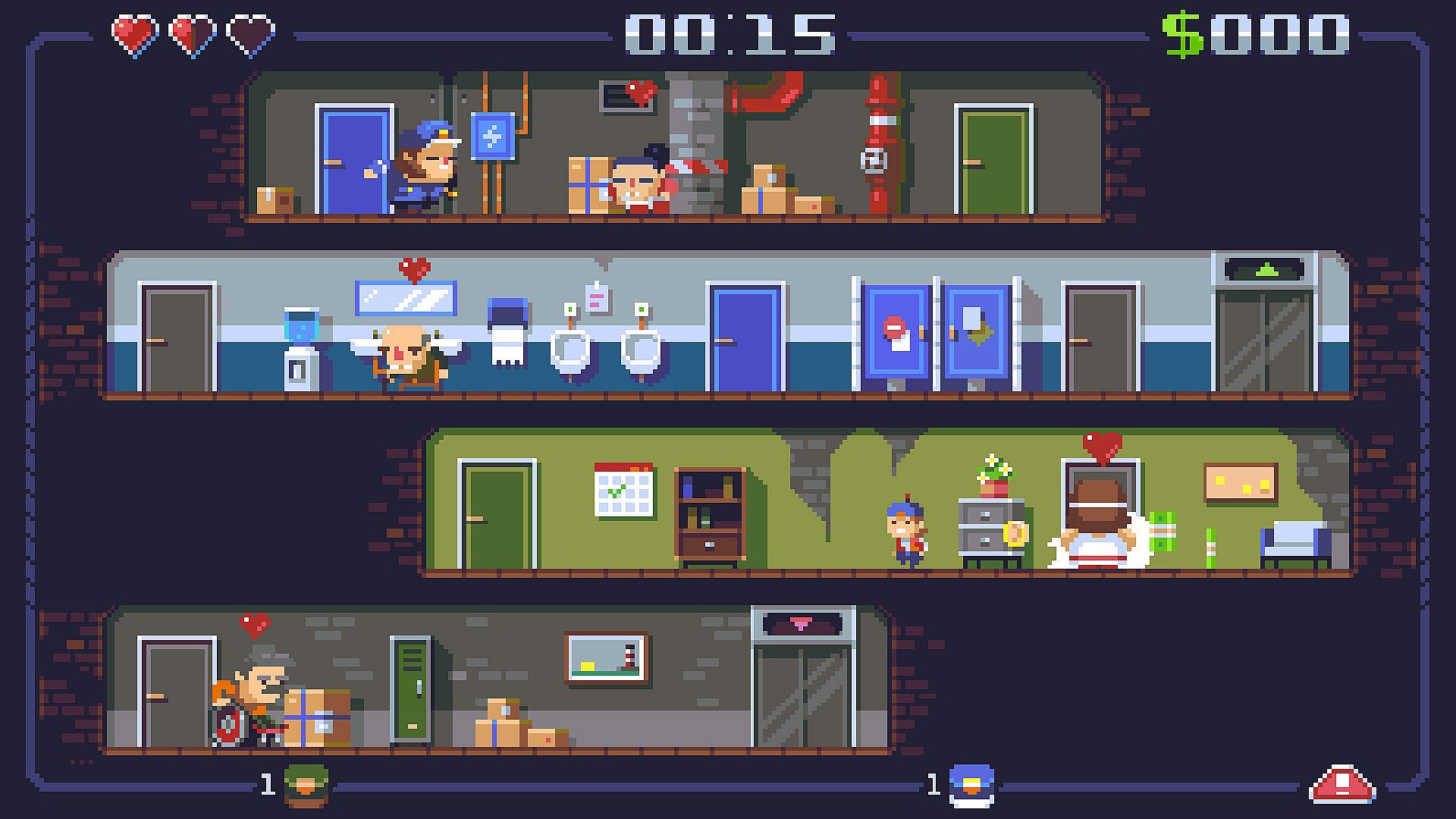
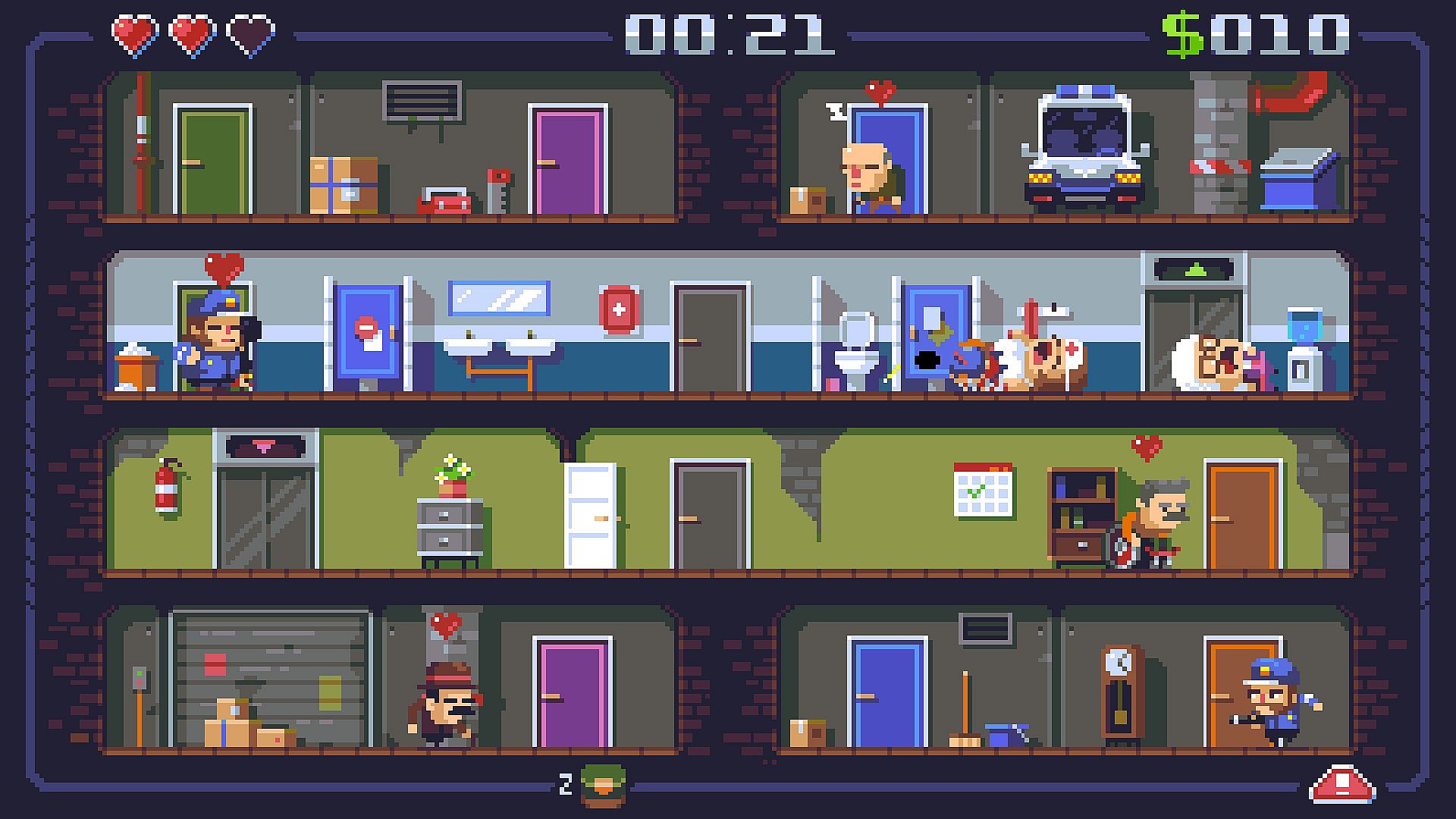
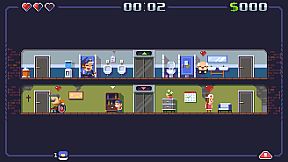
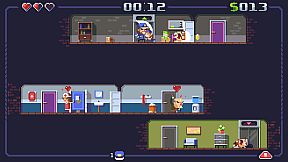
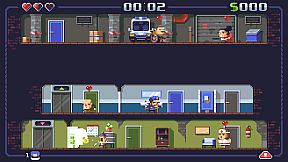
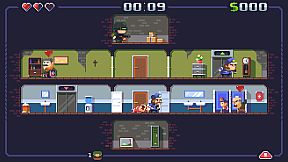
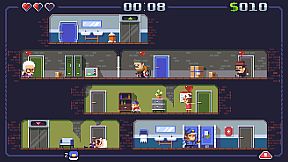
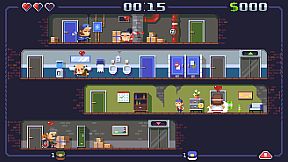
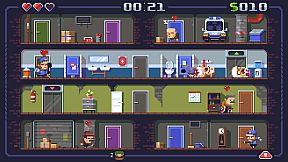
Boo! Greedy Kid is an action indie game developed for PC that puts players in control of a mischievous child obsessed with soda. The core premise revolves around sneaking through buildings, scaring residents to collect cash, and avoiding authorities while pursuing the next fizzy drink. This setup creates a lighthearted yet tense loop focused on stealth, timing, and creative distractions in a series of contained environments.
Gameplay
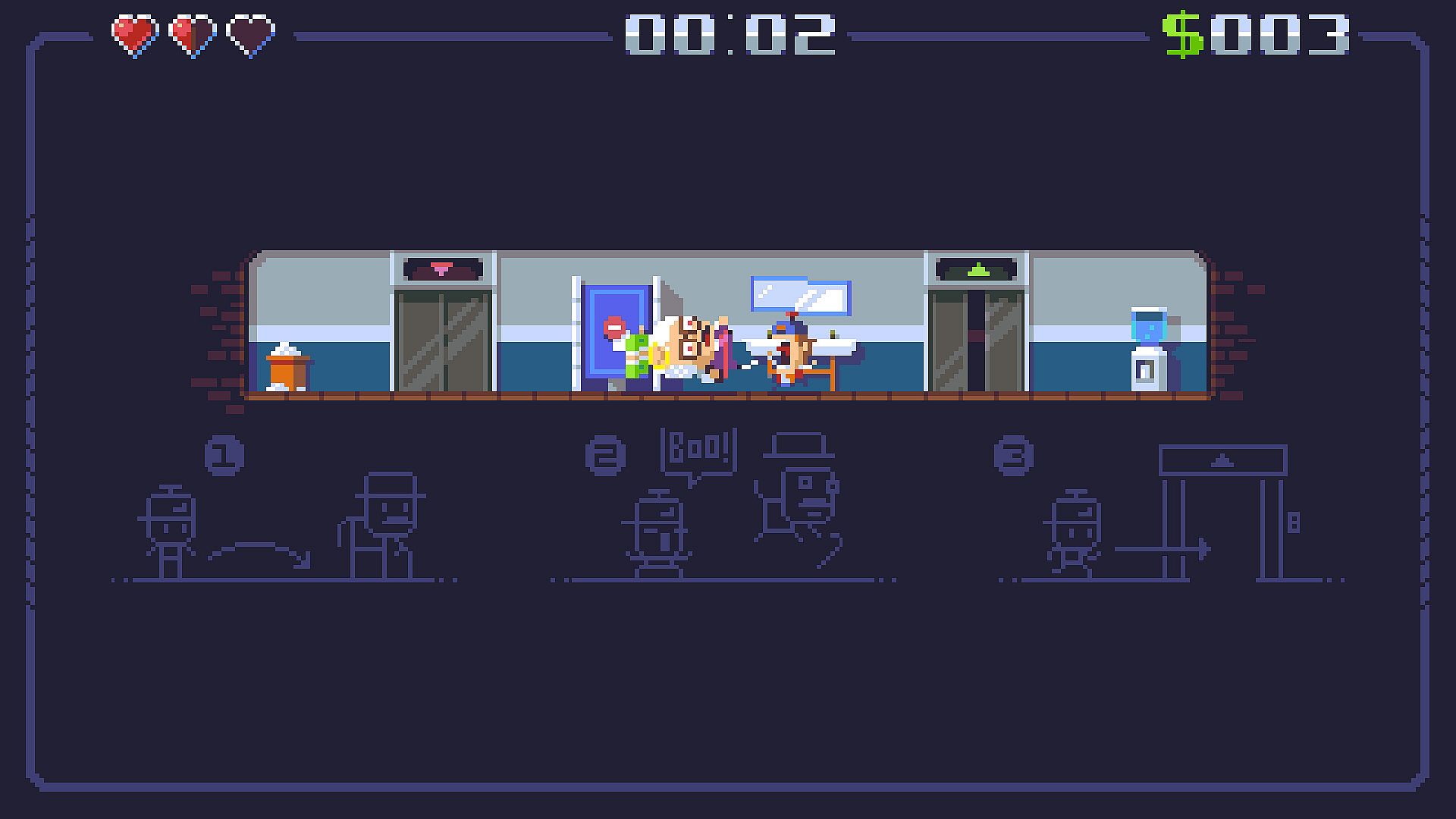
The central loop involves navigating multi-room buildings filled with elderly residents and patrolling police officers. Players move the character around furniture and corners to stay hidden while positioning for scares. Each successful scare yields money that can be spent on soda upgrades or simply collected toward the end goal of each stage. Voice input serves as the primary scare mechanic, allowing players to shout directly into a microphone to startle characters, though standard controllers work as a backup option for those who prefer button-based commands.
Additional tactics include rolling or dashing between cover points and performing a specific distraction animation to draw attention away from key paths. Cops add pressure by pursuing the player on sight, forcing quick decisions about when to hide or create diversions. The game emphasizes short, repeatable attempts at each challenge rather than long exploration sessions, with failure often resulting from poor timing or getting cornered in open areas.
Visuals adopt a retro pixel-art style that keeps the focus on clear sightlines and readable character positions. Sound design highlights the contrast between quiet sneaking segments and sudden vocal outbursts, reinforcing the comedic tone without overwhelming the action.
Game Modes
The main experience consists of a campaign structured around one hundred individual levels. Each level presents a self-contained building layout where the objective is to gather enough money while reaching the exit or a designated soda-related goal. Progression moves through increasingly complex arrangements of rooms, obstacles, and enemy placements that test the same core skills in new combinations.
A separate creation tool lets players design their own buildings and levels, complete with custom layouts and up to ninety-nine stages per project. These creations can be shared directly through integrated workshop features, allowing the community to download and play additional content beyond the official set. This extends the game's lifespan for those interested in experimenting with new challenges or seeing what others have built.
Level Design and Progression
Level layouts prioritize tight spaces and multiple routes, encouraging players to experiment with different scare timings and hiding spots on repeated attempts. Early stages introduce basic movement and voice mechanics, while later ones layer in more cops, tighter timers, and furniture arrangements that block direct paths. The structure rewards observation and quick adaptation over raw speed, as each building requires learning patrol patterns before committing to a full run.
Because every stage resets quickly after failure, the design supports a trial-and-error approach that fits short play sessions. The fixed campaign length provides a clear endpoint, while the editor opens ongoing possibilities for new content without altering the base mechanics.
Is It Worth Playing?
Player feedback highlights the game's humorous premise and straightforward controls as its strongest points, with many noting that the voice scare feature adds a unique physical element to sessions. The small but consistently positive reception on major storefronts reflects appreciation for its compact scope and replayable stages rather than broad depth. Those who enjoy short-form action puzzles with a silly theme tend to find the one hundred levels satisfying without requiring a large time investment.
The level editor further appeals to anyone interested in creating or trying community content, extending value beyond the initial campaign. Availability remains steady on PC with no reported changes to core features since launch. Overall, the game suits players seeking a casual, voice-driven indie experience centered on stealth and collection rather than complex systems or long campaigns. If the idea of a greedy child causing chaos for soda sounds appealing and the mechanics align with quick puzzle sessions, it delivers a focused package worth trying.